
Forty stylist-approved short layered cuts organized by style type, hair texture, and face shape, each with maintenance tips and salon-ready language.
Short layered haircuts solve two problems at once: they keep length manageable and add the movement that single-length short cuts often lack. These 40 variations cover layered bobs, pixie crops, short shags, and bold color pairings, each entry breaks down what makes the cut work, which hair types and face shapes get the best result, and what to tell your stylist.
The gallery is grouped by cut category so you can jump to the style that interests you most. After the photos, you’ll find a face shape compatibility guide, maintenance expectations, and answers to common questions about going short with layers. If you’re weighing a longer layered bob against something shorter, seeing both side by side helps narrow the decision.
Short Layered Bob Cuts
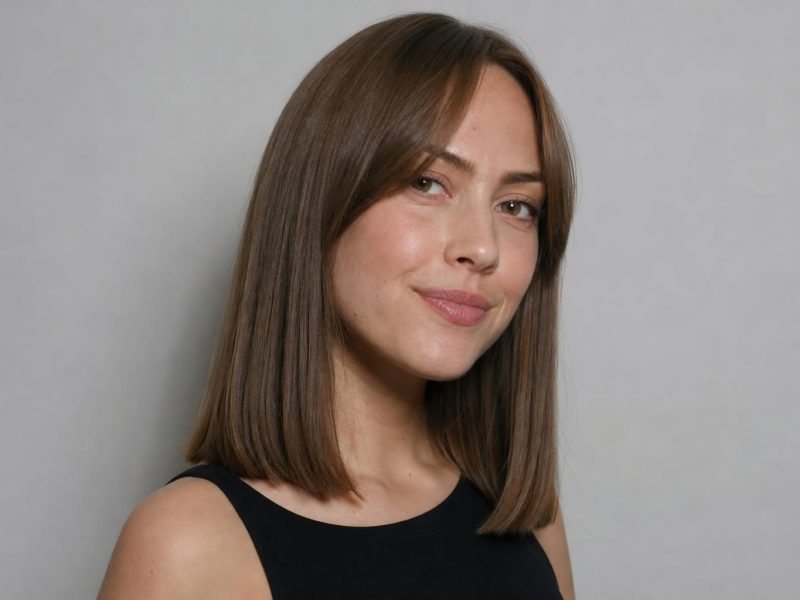
A layered bob sits between chin and jaw length and uses layering to add movement that a blunt bob can’t deliver on its own. These variations work across most hair textures when the layering technique matches the density.
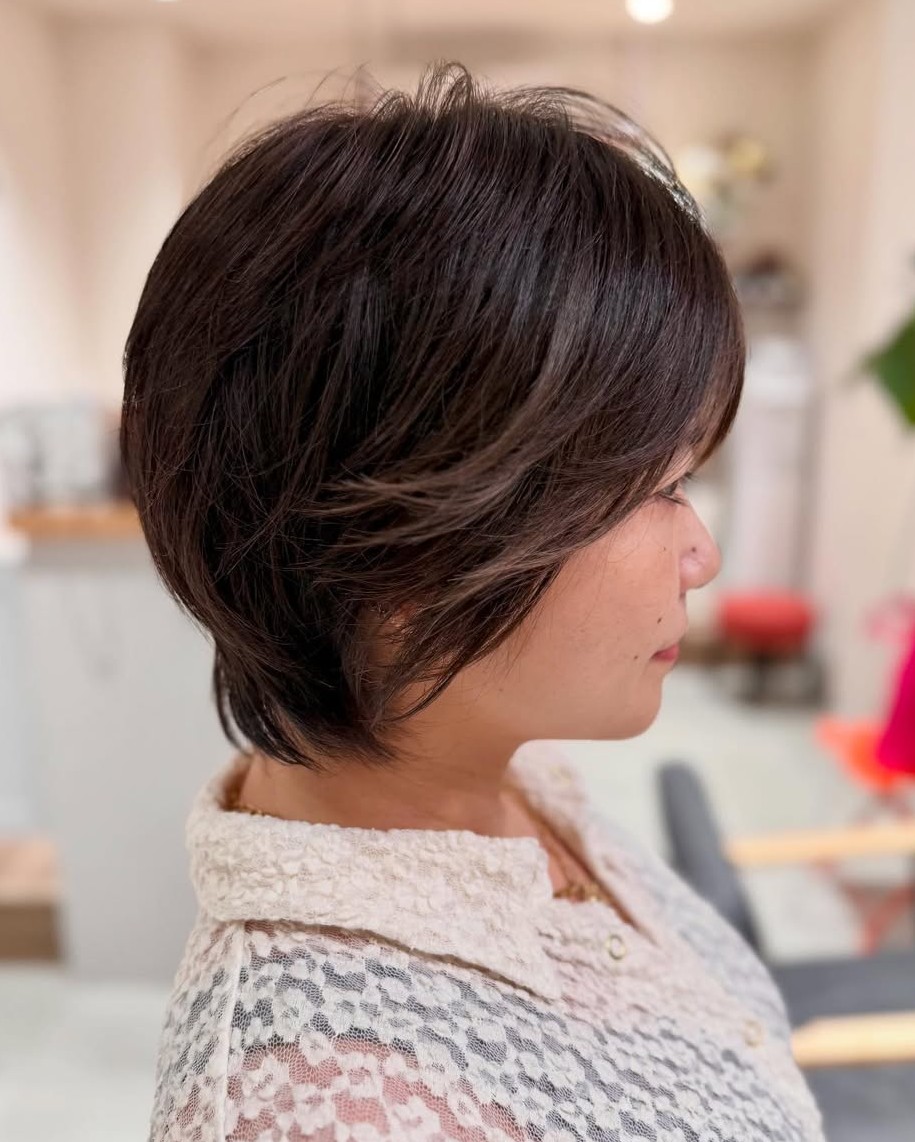
1. Classic Chin-Length Layered Bob
Internal layers through the mid-lengths create movement without changing the overall silhouette, while face-framing pieces starting at cheekbone level flatter oval and heart-shaped faces. Blow-dry with a medium round brush for polish, or air-dry with a dab of texture cream for something more relaxed.
2. Stacked Layered Bob
Graduated layers at the nape build volume right where fine hair tends to fall flat, creating a rounded shape from the side profile that looks fuller than single-length cuts. Expect trims every 5-6 weeks, the graduation loses its shape quickly as the nape grows out.
3. Razored Layered Bob
A razor instead of shears produces tapered, wispy ends that give the bob a lived-in quality from day one. Medium-to-thick hair responds best because the razor removes weight from each strand without leaving thin sections looking sparse.
4. Asymmetrical Layered Bob
One side hangs about an inch longer than the other, and the layering follows that diagonal line. The asymmetry breaks up roundness on round and square faces by creating a visual diagonal that draws the eye vertically.
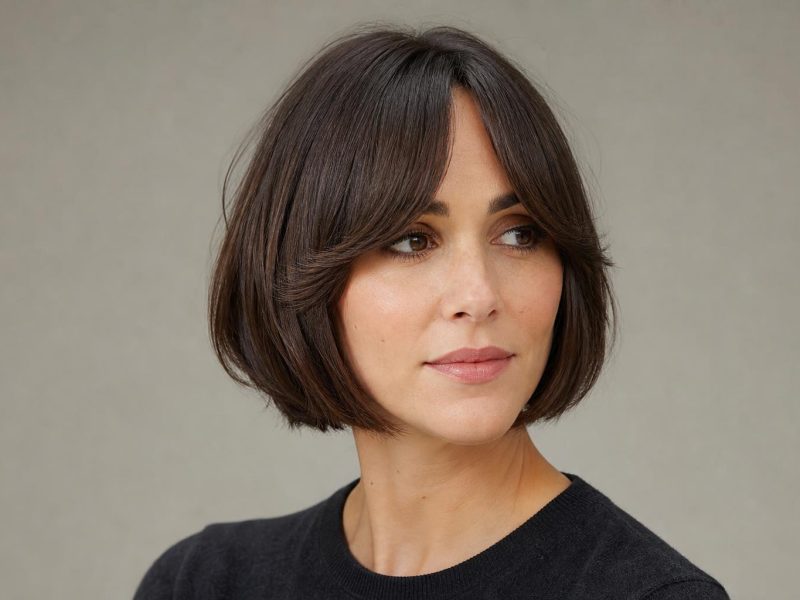
5. Layered French Bob
The French bob sits at jaw level with a blunt fringe, and adding layers through the sides prevents the heavy, blocky shape that thick hair sometimes gets at this length. Our French bob haircut guide walks through the classic versus layered versions in detail.
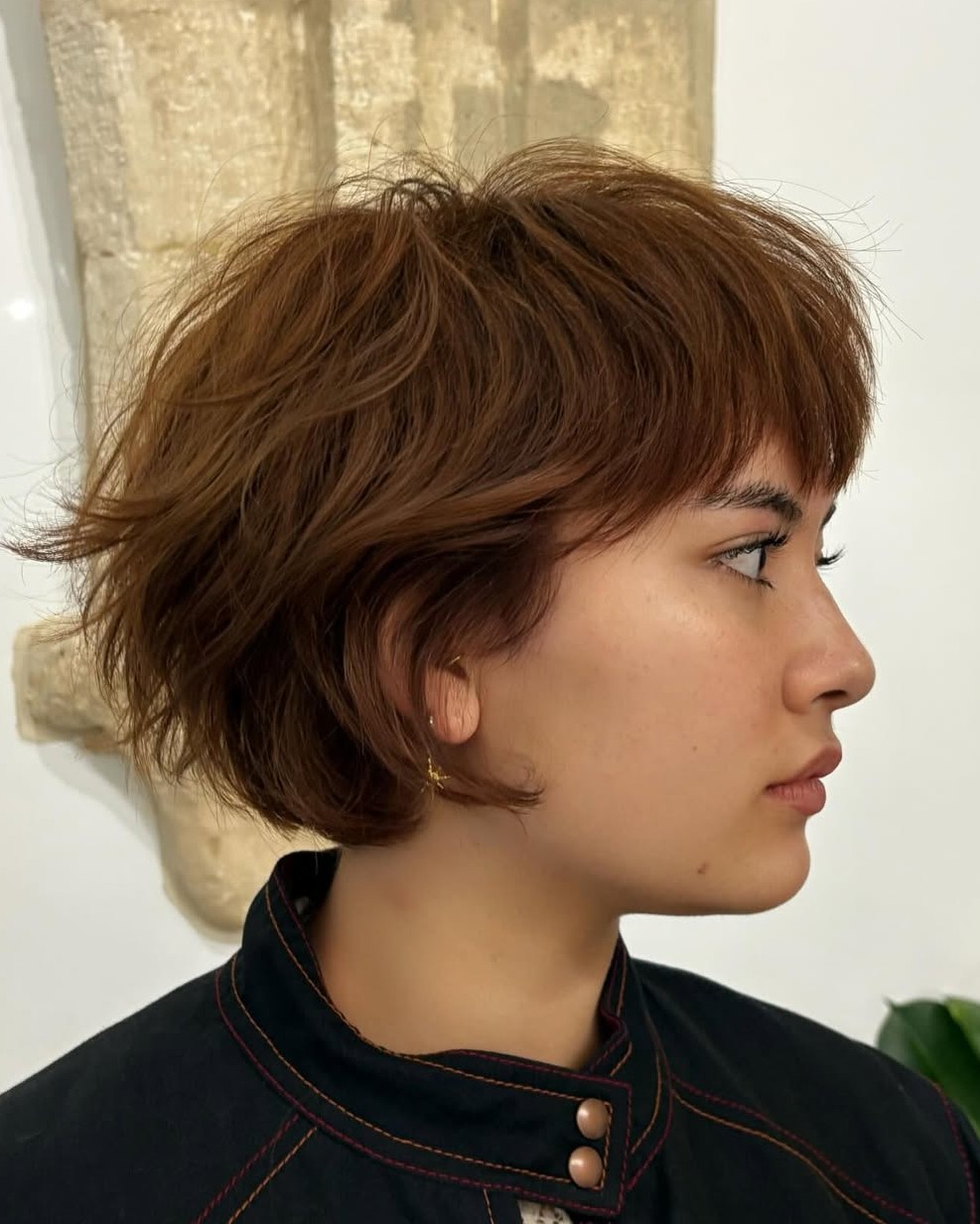
6. A-Line Layered Bob
Shorter in the back, gradually longer toward the front, the A-line silhouette elongates the neckline and frames the jawline. Internal layers reduce bulk through the crown on thick hair, keeping the overall shape sleek rather than triangular.
7. Textured Layered Bob with Side Sweep
A deep side part pushes volume to one side and creates a dramatic sweep across the forehead, while choppy layers through the ends give the cut its textured, undone quality. Oval and oblong faces benefit from the horizontal sweep, which adds width where these longer face shapes need it.
8. Layered Bob with Curtain Bangs
Curtain bangs split at the center and blend into face-framing layers that disappear into the bob’s perimeter. Plan for bang trims every 3-4 weeks, they grow into your eyes faster than the rest of the cut loses shape.
Layered Pixie and Crop Cuts
Pixie cuts already have built-in edge, but adding layers gives them texture and volume that a uniform crop can’t match. The layered versions grow out more gracefully too, the varied lengths blend together instead of hitting an awkward in-between stage all at once.
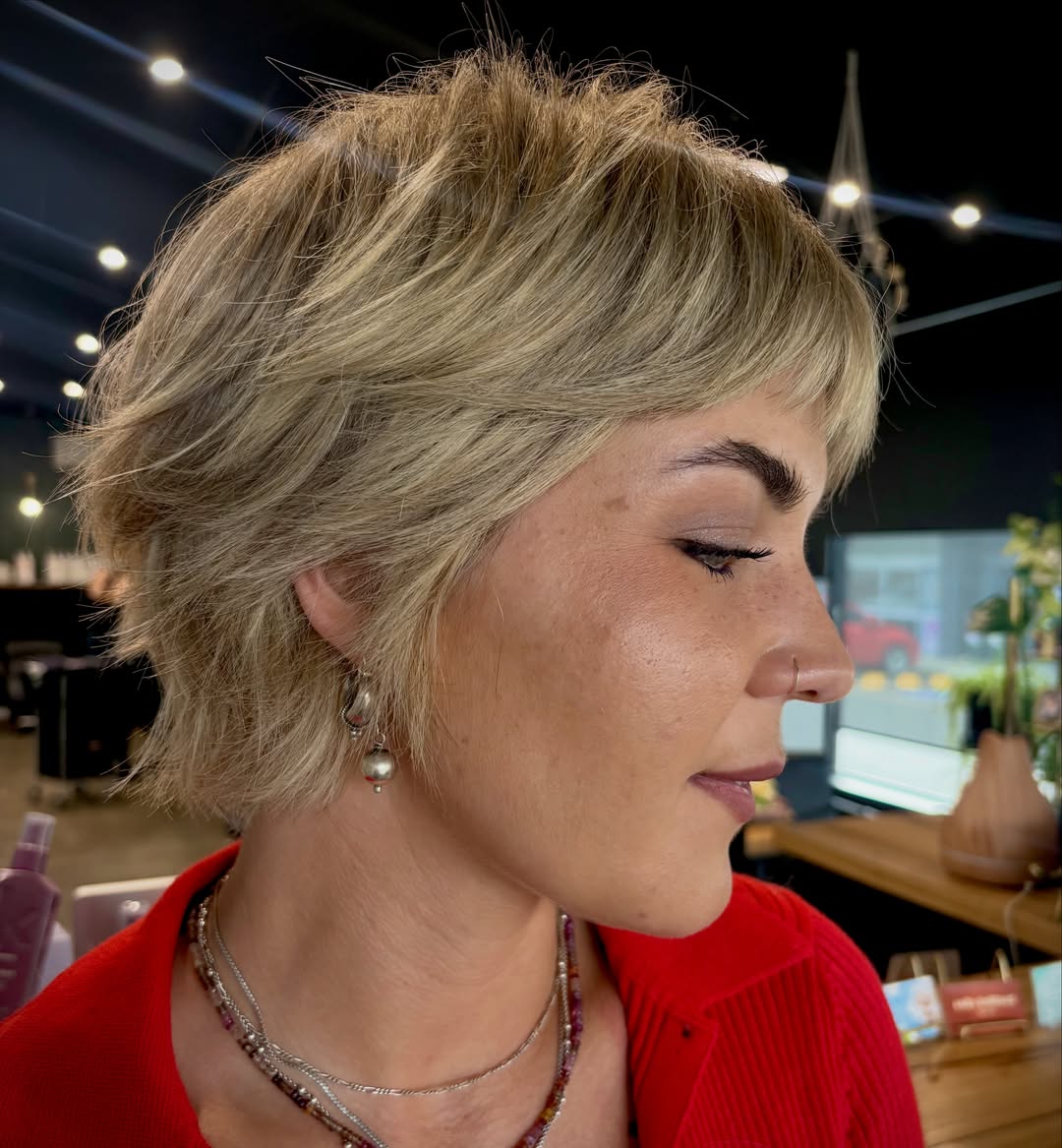
9. Feathered Layered Pixie
Feathered ends at the crown and temples give this pixie an airy quality that flatters fine hair without making it look thinner. A pea-sized amount of volumizing mousse at the roots before blow-drying is the entire routine.
10. Choppy Layered Pixie
Chunkier layers with visible separation create a deliberately undone look that handles thick hair well, the choppy layering removes weight without sacrificing density. A matte paste raked through the top with your fingers takes 30 seconds.
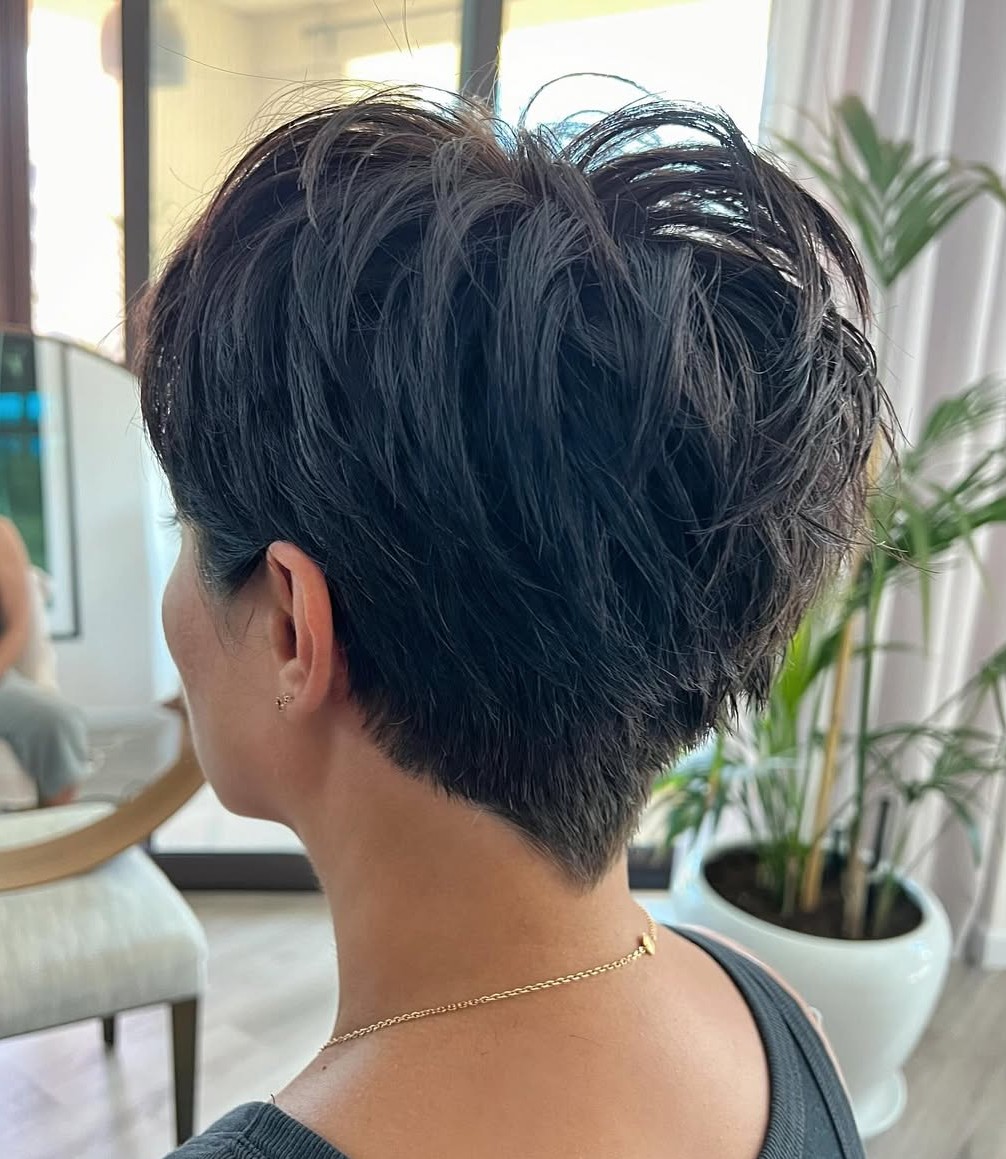
11. Long Layered Pixie
Sitting between a pixie and a bob, sometimes called a bixie, this length keeps 3-4 inches on top with tapered sides and nape. Readers exploring pixie cuts for women in more detail will find 50 additional variations covering all textures and face shapes.
12. Layered Pixie with Micro Bangs
Micro bangs sit above the eyebrows and open up the face, while layered texture through the crown keeps the top from looking flat. Oval and diamond face shapes wear micro bangs best, on round faces, the short horizontal fringe line can emphasize width.
13. Layered Pixie with Undercut
Buzzed sides and nape with layered length on top create a high-contrast silhouette that highlights the texture. The shaved sections need clipper maintenance every 2-3 weeks, but the top can stretch 5-6 weeks between shaping appointments.
14. Soft Layered Pixie Crop
Rounded rather than angular, with layers that taper gradually instead of dropping off in sharp steps. The softness makes it approachable for anyone trying a pixie for the first time, heart and oval faces pair well with the gentle roundness at the crown.
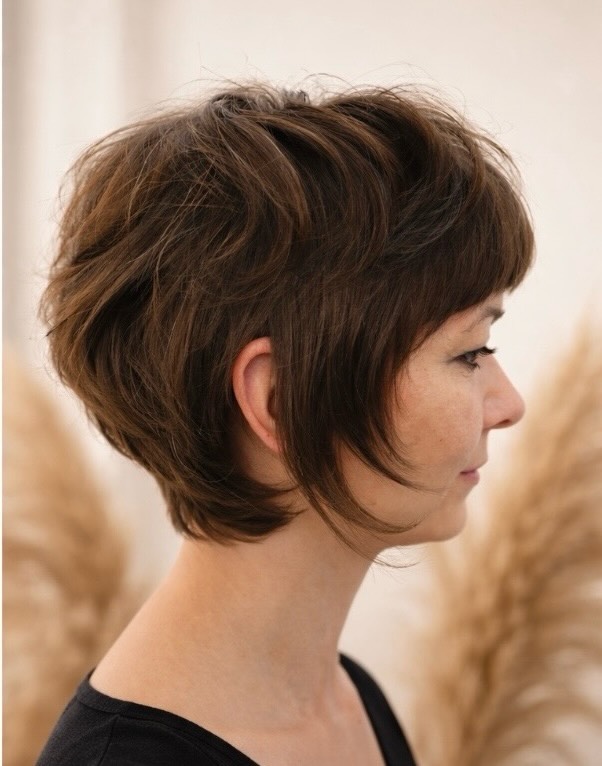
15. Layered Pixie with Long Side Bangs
Side-swept bangs long enough to tuck behind the ear give this pixie versatility, wear them forward for a softer look or tucked back for something cleaner. Square faces benefit from the diagonal fringe line, which softens angular jaw definition.
16. Disconnected Layered Pixie
Instead of blending the top into the sides gradually, a disconnected pixie keeps a visible break between the longer crown and the closely cropped perimeter. The result is more architectural, the layers on top move and shift, while the sides stay clean and defined.
Short Layered Shags and Wolf Cuts
Shags and wolf cuts bring heavy layering and a deliberately messy silhouette to short lengths. The key difference: shags feather out evenly, while wolf cuts concentrate volume at the crown with longer, wispier bottom layers.
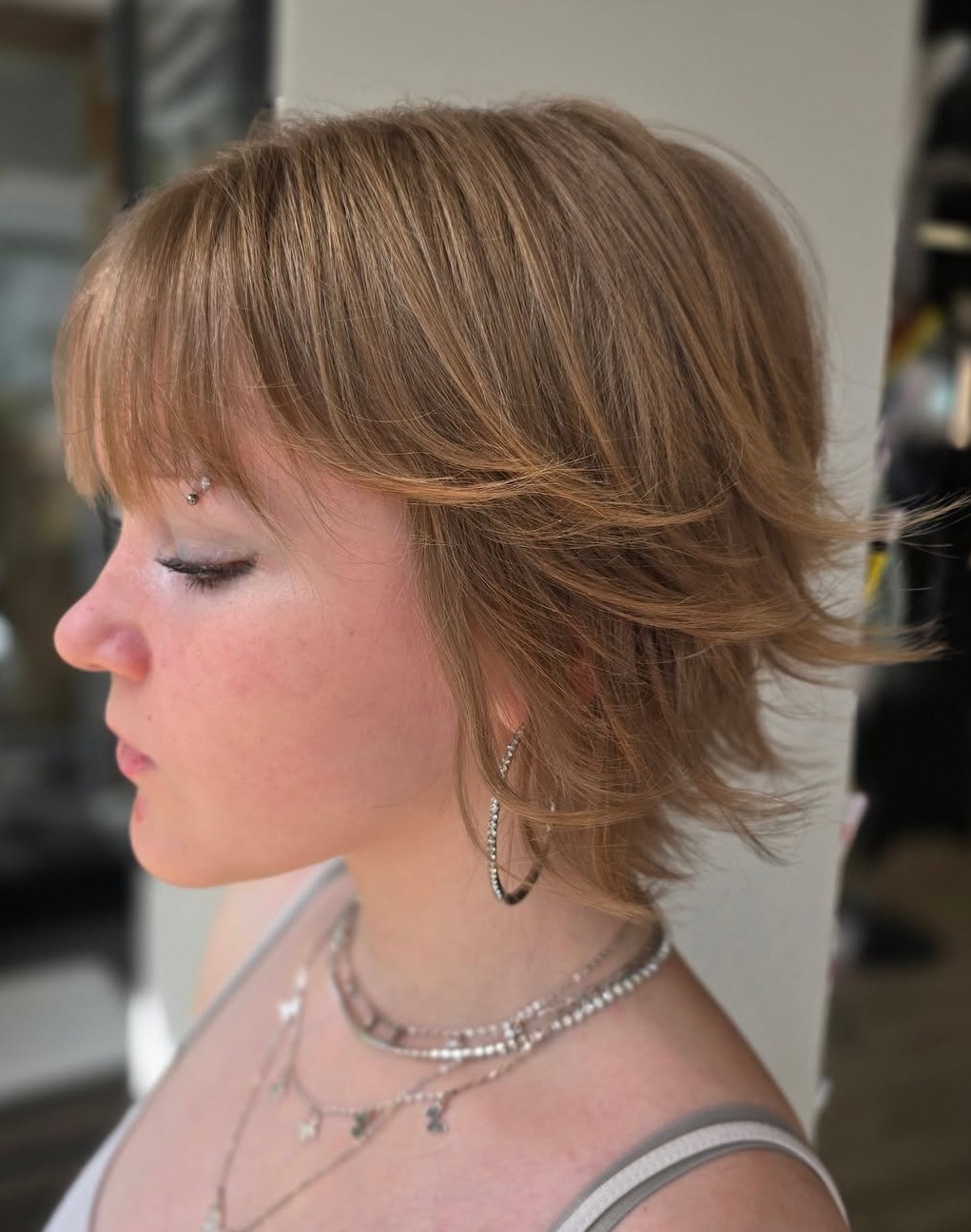
17. Short Layered Shag
Heavy layering throughout gives the shag its signature volume and movement. Wavy hair at this length needs almost no styling, scrunch a sea salt spray through damp hair and let it air-dry.
18. Chin-Length Wolf Cut
The wolf cut concentrates volume at the crown through short, choppy layers while the sides and back fall to chin length with wispy, thin ends. If your hair is very fine, ask your stylist to keep a bit more weight at the ends, the wispy lower sections can look sparse otherwise.
19. Razor-Cut Short Shag
A razor creates softer layer transitions than shears, producing lived-in texture the moment you leave the chair. Thick hair gets the most benefit, the razor takes weight out of each individual strand while keeping density intact.
20. Short Shag with Heavy Bangs
Blunt, heavy bangs paired with a shaggy body create a contrast between the structured fringe and the tousled layers. Medium-density hair wears this best because the bangs need enough thickness to sit without looking see-through.
21. Ear-Length Textured Shag
Shorter than a traditional shag, this version crops the whole cut to ear level and uses heavy texturizing to create volume without length. A texturizing powder at the roots boosts lift for fine hair.
22. Short Wolf Cut with Mullet Influence
A slightly longer nape section adds a modern mullet edge to the wolf cut silhouette. Commit to the aesthetic, half measures with this cut leave it looking like a grow-out rather than a deliberate choice.
23. Shaggy Layered Bixie
Sitting between a bob and a pixie, the shaggy bixie uses chunky layering and a face-framing fringe to bridge the two lengths. Highlighted hair looks especially good here because the varied strand lengths catch light differently, amplifying dimension.
Short Layered Cuts by Hair Type
Hair texture changes everything about how layers behave. What creates volume on fine hair can look shapeless on thick hair, and layers that control bulk on straight strands might frizz on curly ones.
24. Layered Bob for Fine Hair
A blunt perimeter combined with internal layers gives fine hair the appearance of thickness, the blunt ends create a visible weight line, while the internal layers lift the crown. Skip thinning shears entirely, they remove density fine hair can’t afford to lose.
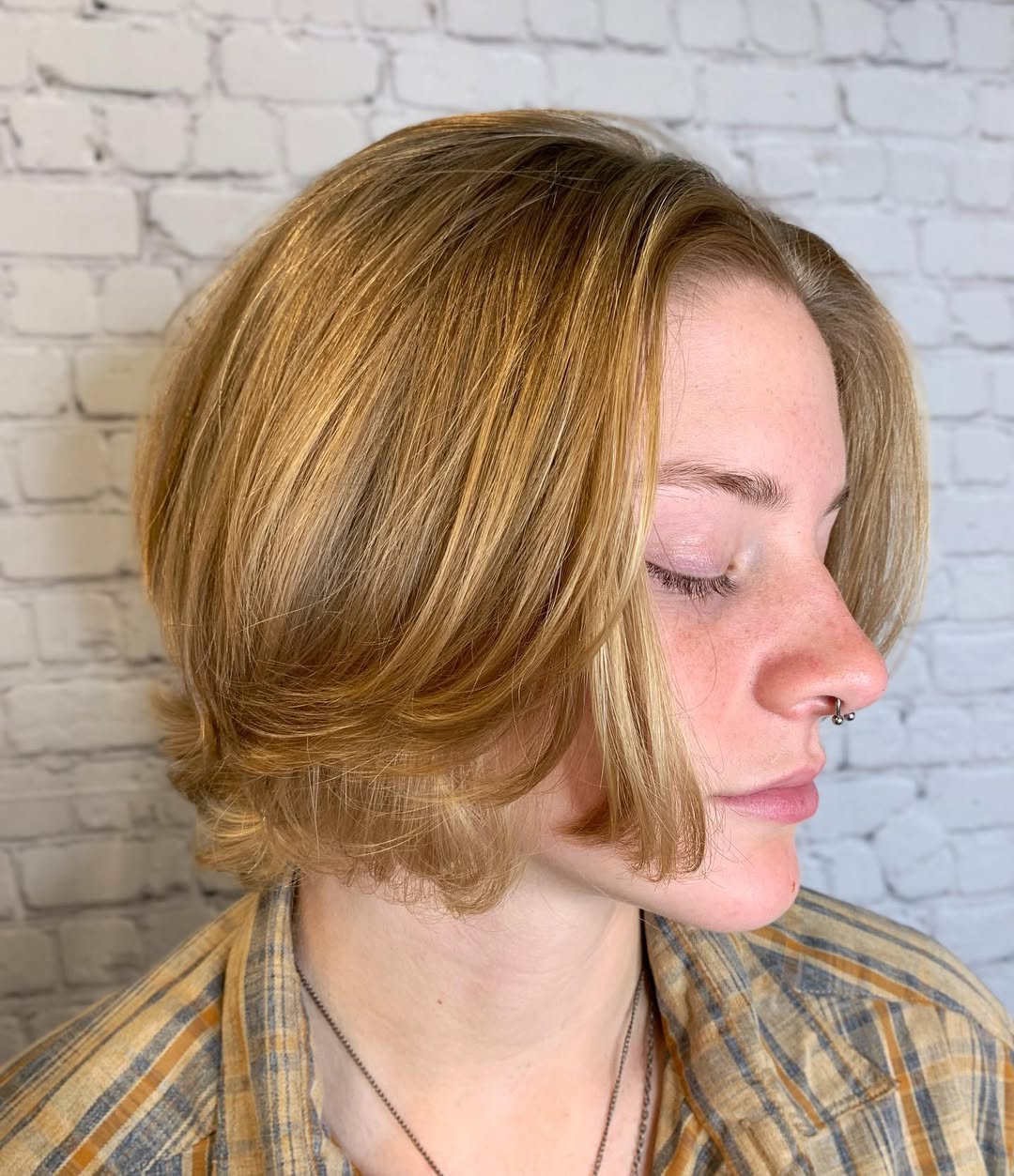
25. Short Layered Cut for Thick Hair
Thick hair at short lengths risks the triangle shape, wide at the bottom, flat at the crown. Deep layering with slide cutting removes weight from the interior, letting the top layer sit naturally. Our pixie cuts for thick hair collection tackles the same challenge at an even shorter length.
26. Wavy Layered Short Cut
Layers on wavy hair should follow the wave pattern rather than cut across it. A stylist who understands wave placement will position each layer where the hair naturally bends, keeping the S-pattern intact instead of breaking it into frizzy segments.
27. Short Layered Cut for Curly Hair
Curly hair needs to be cut dry at short lengths, the curl shrinkage between wet and dry can be 25-50%, and only a dry cut shows where the curls actually land. Our curly pixie cut gallery covers 30 texture-specific variations if you’re looking for even shorter options.
28. Layered Pixie for Straight Hair
Straight hair at pixie length can look flat without layers, the strands lie against the head with no natural lift. Point-cut layers through the crown create separation and force height at the top, and a matte pomade adds grip to prevent slipping.
29. Layered Cut for Coily Natural Hair
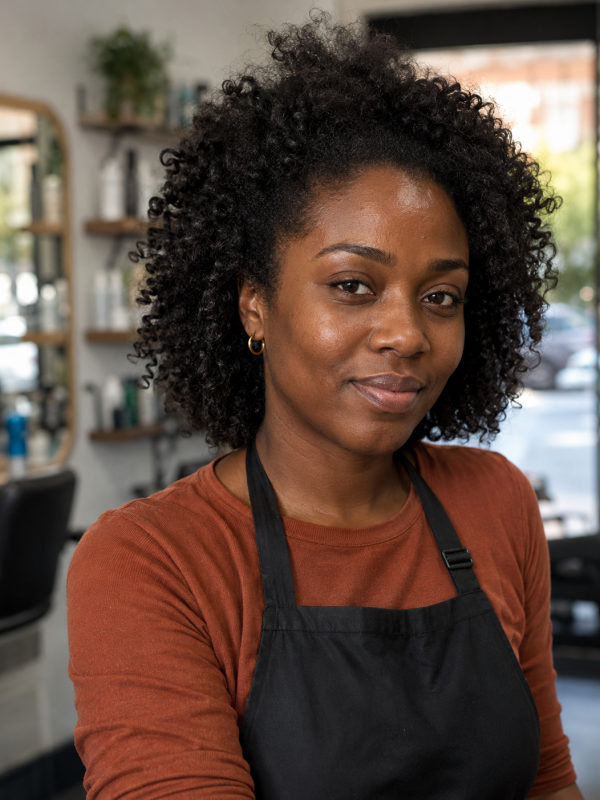
Coily textures hold layered shapes naturally because the tight curl pattern provides built-in structure. The key is moisture, short coily hair dries out faster than longer lengths, so a daily leave-in conditioner sealed with a light oil keeps the coils defined.
30. Layered Cut for Thin Hair
Thin hair wants volume but can’t handle aggressive layering. A chin-length cut with strategic layers concentrated at the crown, leaving the perimeter one-length, gives the top lift while the ends maintain their weight line.
31. Short Layered Cut for Mature Hair
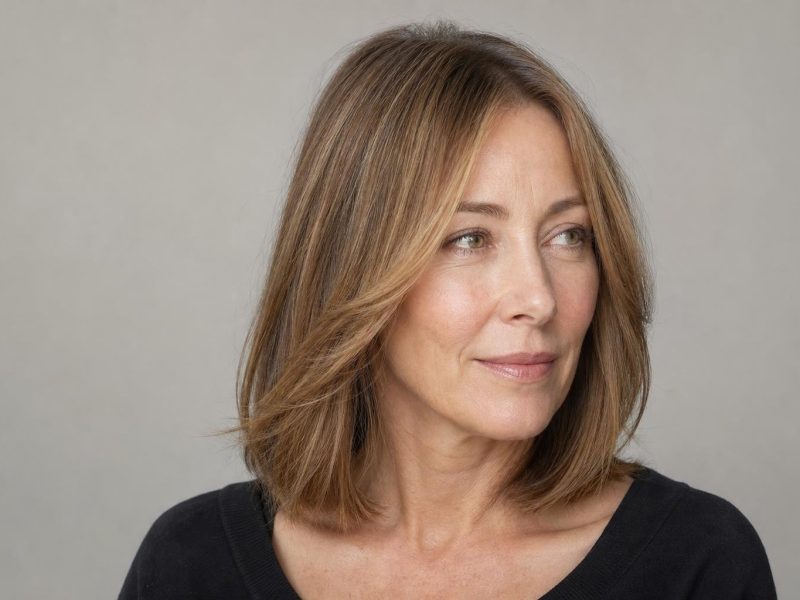
Soft layers rather than sharp, choppy ones work better on hair that’s changing texture after 50, they create gentle movement without exposing thinning at the temples. For 50 more options designed for this age group, our haircuts for women over 50 collection covers bobs, pixies, and layered styles.
Color-Enhanced Short Layered Cuts
Layers and color work together, the varied strand lengths catch light at different angles, which makes dimensional color techniques pop more at short lengths than on blunt cuts.
32. Balayage Layered Bob
Hand-painted highlights land on the surface layers where they catch the most light, and the varied lengths create natural depth. Balayage on a layered bob grows out without a hard root line, 10-12 weeks between appointments is realistic.
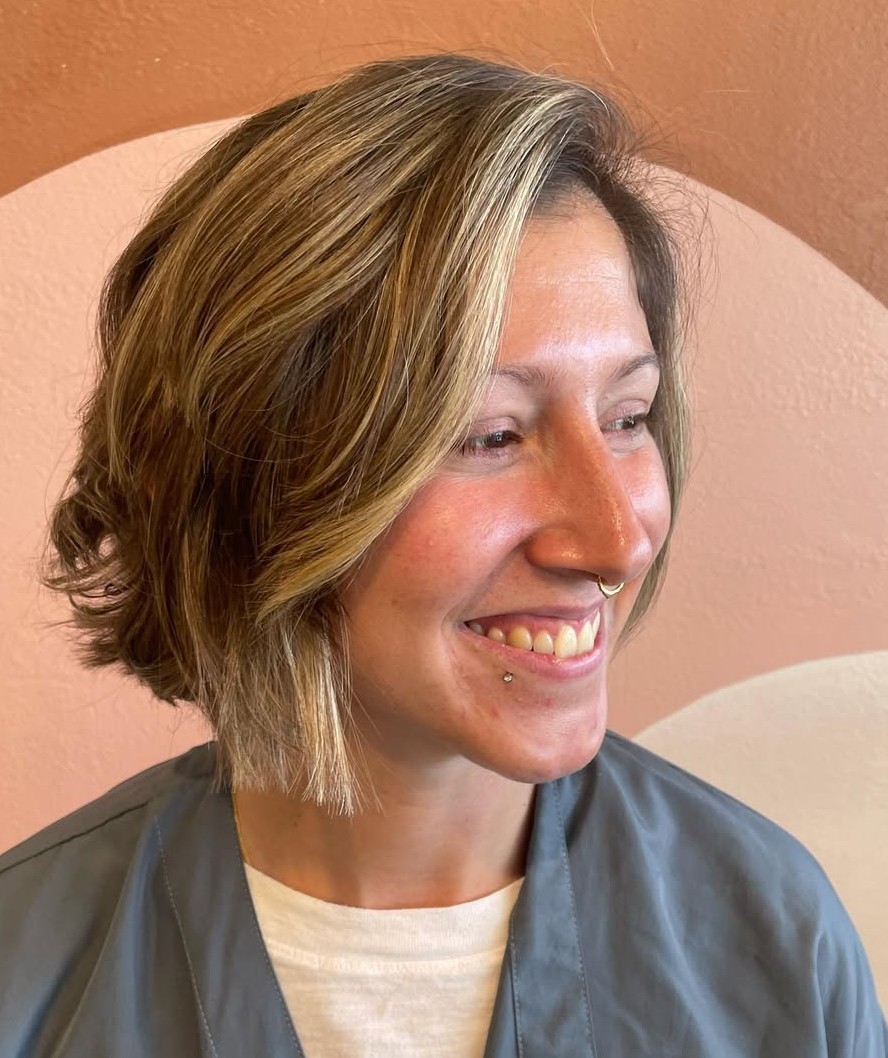
33. Dimensional Blonde Short Layers
A shadow root, darker at the base, lighter toward the ends, gives short blonde hair depth that an allover single-process can’t achieve. Tone with a purple shampoo weekly to keep warm blonde from tipping brassy.
34. Copper Layered Crop
Copper looks particularly vibrant on layered short cuts because each strand catches light individually. Factor in more frequent salon visits, copper pigments fade noticeably within 3-4 weeks, and a color-depositing conditioner between appointments stretches the vibrancy.
35. Chunky Highlights on Short Layers
Wider highlight sections are back after years of micro-fine babylights. On a layered cut, chunky highlights create high contrast between light and dark pieces, ask your stylist to concentrate the lighter pieces around the face and through the top layers.
36. Pastel-Tinted Short Layered Cut
Semi-permanent pastels, lavender, rose gold, dusty blue, need a pre-lightened base, but the short length keeps the damage zone minimal. The color fades through softer shades over 6-8 washes, making the transition look intentional.
37. Natural Gray with Layered Texture
Gray hair has a coarser texture that holds layers exceptionally well, and the silver tones create their own depth without color processing. A violet-tinted shampoo once a week keeps the gray bright and prevents yellowing.
Face-Flattering Short Layered Cuts
The way layers fall around your face changes how your bone structure reads. These entries show how to adjust short layered haircuts specifically for face shape.
38. Short Layered Cut for Round Faces
Height at the crown and closely tapered sides create vertical lines that visually elongate a round face. A deep side part amplifies the effect, center parts tend to echo the face’s natural symmetry and make roundness more pronounced.
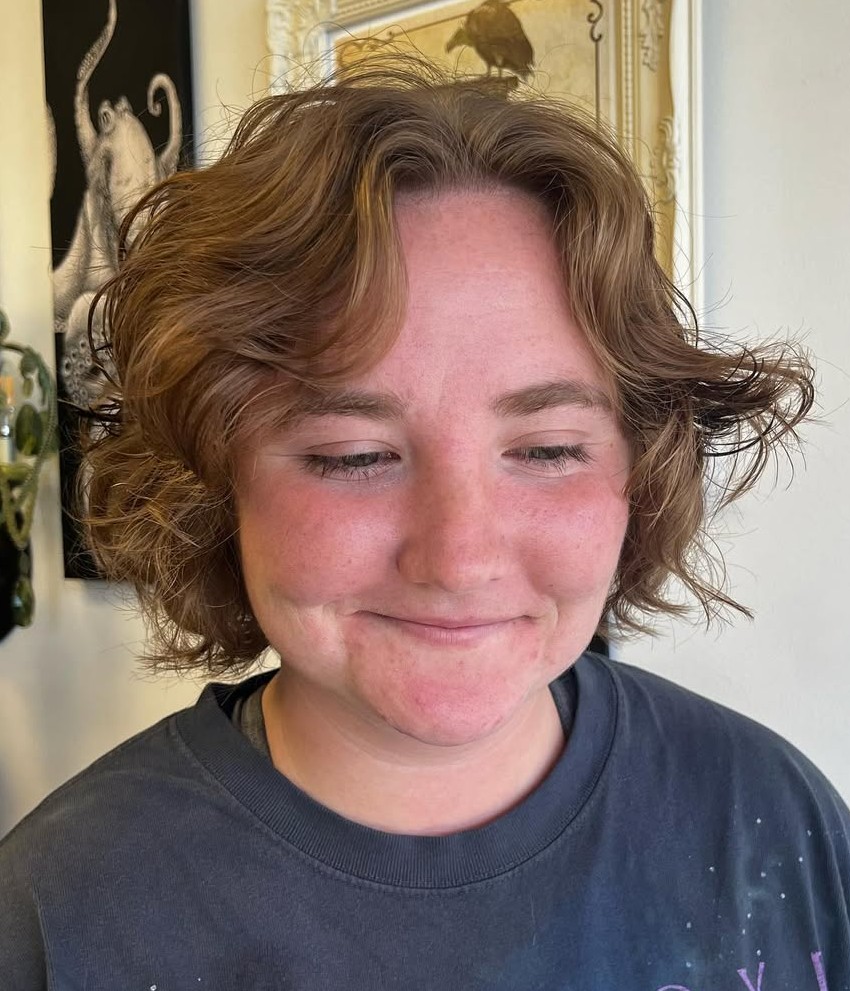
39. Short Layered Cut for Square Faces
Soft face-framing layers that curve inward at the jaw reduce the visual sharpness of angular bone structure. Avoid blunt, heavy layers sitting right at the jawline, they emphasize the exact angles you’re trying to soften.
40. Short Layered Cut for Oval and Long Faces
Oval faces can handle almost any layered short cut, while long faces benefit from side volume and layers that flip outward at the cheekbones. The goal for longer face shapes is to create horizontal lines that widen the silhouette.
FAQ
Quick answers to the most common questions about cutting short hair in layers.
Do Layers Make Short Hair Look Thicker or Thinner?
It depends on the technique. Internal layers with a blunt perimeter create the illusion of thicker hair by lifting the crown without thinning the ends. Heavy layering or razor cutting through already-fine hair can make it look sparse. Tell your stylist your density and ask whether they plan to use thinning shears, on fine hair, the answer should be no.
What Is the Difference Between Layers and Texturizing?
Layers are structural, they change the silhouette by creating sections of different lengths. Texturizing is a finishing technique that removes weight from within the layers using point cutting, razoring, or thinning shears. You can have layers without texturizing or texturizing without layers.
How Often Should I Trim a Short Layered Haircut?
Every 4-8 weeks depending on the variation. Pixie cuts need trimming closer to the 4-week mark, while layered bobs and shags can stretch to 8 weeks because the layers disguise grow-out. If you have bangs, expect to trim those every 3-4 weeks separately.
Can I Get Short Layers on Curly Hair?
Yes, but the cutting technique needs to match the texture. Curly hair should be cut dry so the stylist can see where each curl falls and how much it springs up. Expect 25-50% shrinkage from stretched to natural curl state, communicate your desired dry length, not the length you want when the hair is pulled straight.
Will Short Layered Hair Work If My Hair Is Very Straight?
Straight hair benefits from layers at short lengths because they prevent the cut from looking flat and one-dimensional. Point cutting or slide cutting gives straight strands separation and movement. The trade-off is that straight hair shows uneven layers or grow-out faster than wavy or curly textures.
What Products Do Short Layered Cuts Need?
At minimum, a texturizing product for definition and hold. For fine hair, a lightweight volumizing mousse at damp roots gives all-day lift. For thick hair, a cream or paste controls bulk. For wavy and curly textures, a curl cream or sea salt spray enhances the natural pattern. Skip heavy oils and serums, they weigh short layers down.
Whether you lean toward a layered bob, a textured pixie, or a choppy short shag, the right short layered haircuts come down to matching the layering technique to your texture and face shape. Save two or three reference photos from this gallery, bring them to your stylist, and ask which variation will work with your hair’s natural behavior, not against it. That conversation is what separates a cut you tolerate from one that actually makes your morning easier.
Hair results vary based on your natural hair type, texture, density, and condition. Always consult with a licensed hairstylist before making significant changes, especially with chemical treatments or dramatic length changes. Photos may show styled results that require professional tools and products to replicate.