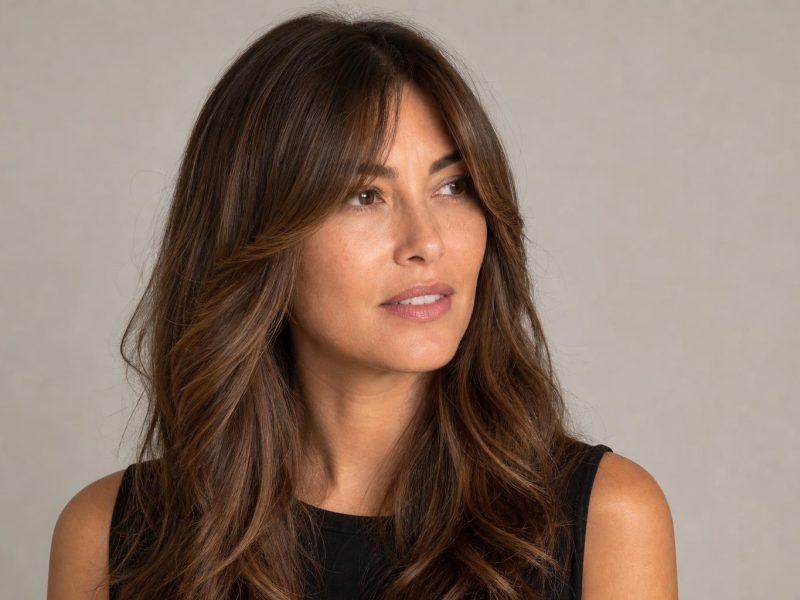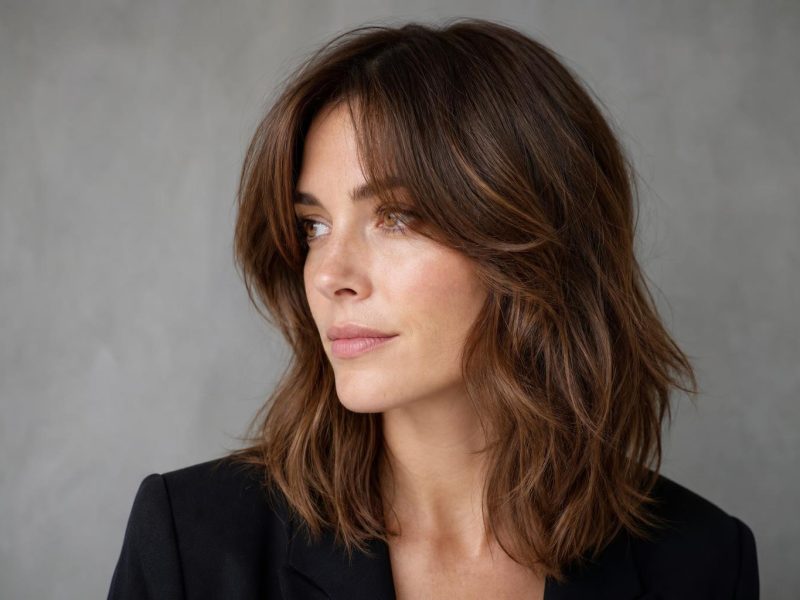

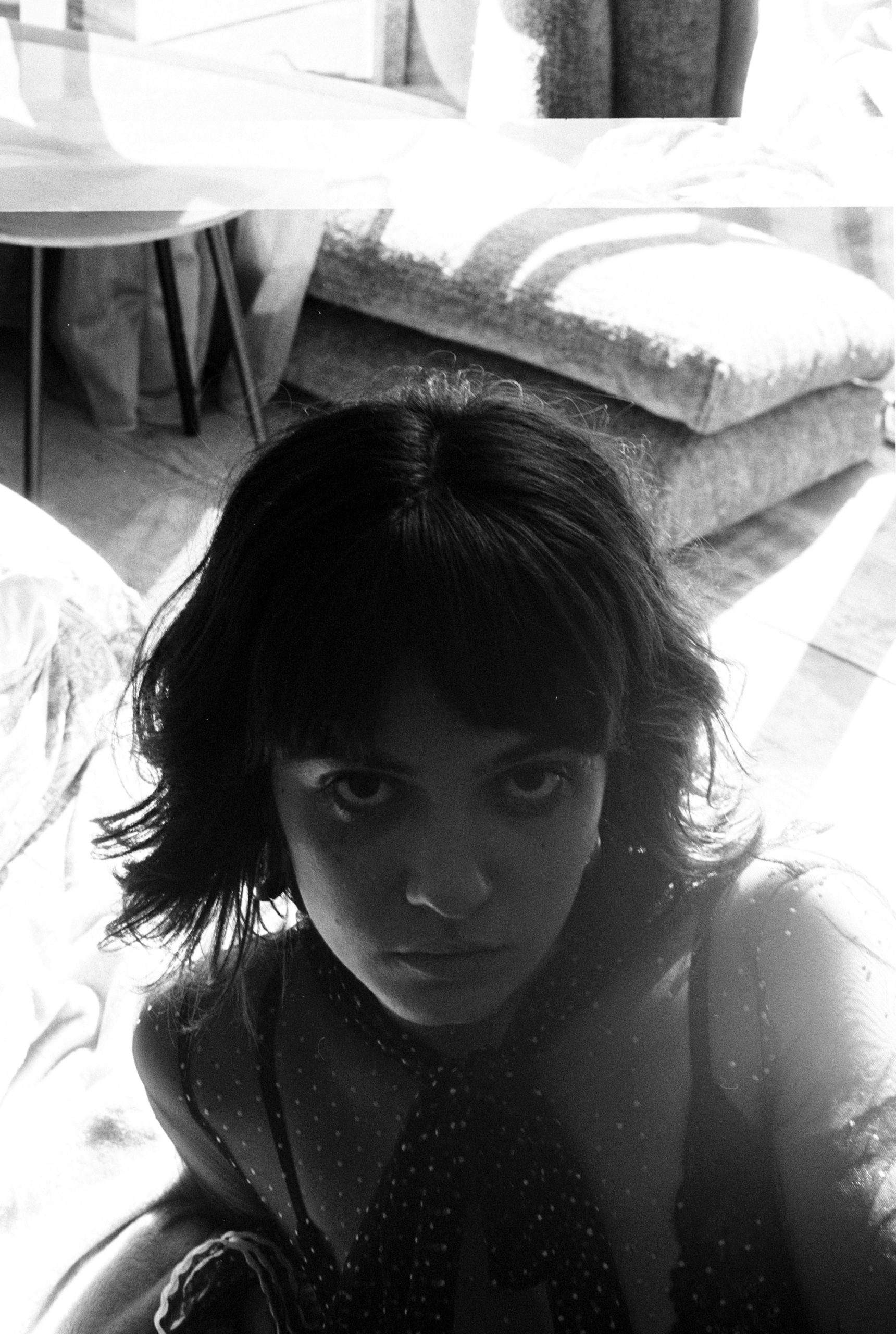

See-through bangs give you a soft fringe you can see your forehead through, without the flat, heavy line of a blunt cut.
See-through bangs are wispy, piece-y fringe cut thin enough that skin shows between the strands, falling anywhere from brow to lash level depending on face shape and hair density. Also called Korean bangs or air bangs, they work on nearly every hair type because the thinning technique controls the weight, not the length. Here are 25 ways to wear them, sorted by hair type, face shape, and styling approach, with a full breakdown of who they suit and how to keep them looking styled between trims.
This collection covers straight, wavy, and curly variations, plus color pairings, styling routines for humid and fine hair, and a face shape guide so you know exactly what to ask for before you sit in the chair.
| Factor | Details |
|---|---|
| Best for | Fine to medium hair, oval, heart, and round faces, anyone who wants fringe without daily blow-drying |
| Maintenance | Trim every 3-4 weeks, 5-10 minutes of daily styling |
| Works with | Bobs, lobs, long layers, curtain-length hair, straight to loosely wavy textures |
| Avoid if | Very thick or coarse hair without regular thinning, tight curl patterns without a dry-cut plan |
| Salon time | 15-25 minutes for a standalone fringe trim |
What Are See-Through Bangs, Exactly
See-through bangs are a point-cut, texturized fringe where individual strands are visible instead of one solid block of hair. The technique originated in Korean hairstyling, where stylists point-cut a triangular section of dry hair from the ends upward, removing bulk without shortening the overall length. The result looks lighter and more contoured than a blunt fringe, and it grows out without the awkward heavy stage that blunt bangs go through around week six.
Stylist tip: Ask specifically for a dry cut on the fringe section, even if the rest of your hair is cut wet. Cutting bangs wet hides how much the hair will spring up or separate once it dries, which is the most common reason a fringe comes out too short or too thin.
See-through bangs differ from curtain bangs in density rather than shape. Curtain bangs are parted in the center and left longer at the outer edges, but the strands themselves stay relatively full and blended. See-through bangs can be cut straight across, side-swept, or curtain-parted, but the defining feature is the thinning, piece-y finish that lets skin show through no matter how the fringe is parted.
Straight and Blunt-Adjacent See-Through Styles
These variations keep a straighter baseline shape but rely on point cutting to remove density, so the fringe still looks soft rather than heavy. They suit straight to slightly wavy hair best, since waves fight a straight-across line and create uneven gaps.
1. Brow-Skimming Wispy Fringe
Cut just above the brow bone, this version uses heavy point cutting at the ends to break up what would otherwise be a solid line. Fine hair benefits most here, since the thinning prevents the fringe from looking like a flat curtain sitting on the forehead. Ask your stylist for “texturized ends, no blunt line” to keep the piece-y effect intact between trims.
2. Eyelash-Length Sheer Fringe
Sitting right at the lash line, this length grazes the eyes without touching them, which takes daily maintenance since the fringe grows into eye-length territory faster than a brow-skimming cut. Round and oval faces both handle this length well because it draws the eye horizontally without adding width. Expect a trim every three weeks if you want to keep this exact length.
3. Center-Parted See-Through Fringe
A middle part splits the fringe into two soft sections that sweep gently to either side, showing a strip of forehead down the center. This works particularly well on heart-shaped faces, since the part draws attention away from a narrower chin and toward the cheekbones. Medium-density hair holds this part pattern without needing a flat iron to keep it in place.
4. Long Side-Swept See-Through Bangs
Longer on one side and cut to blend into the length, this version works as a soft transition rather than a distinct fringe. Diamond and square faces benefit from the asymmetry, which softens angular jawlines and cheekbones. A round paddle brush and low heat setting is all this style needs to lie flat during a blow-dry.
5. Blunt-Cut Base with See-Through Edges
This hybrid keeps a straighter horizontal baseline but point-cuts the last inch of length so the ends stay wispy instead of razor-sharp. Thick hair that would otherwise look heavy in a fully blunt fringe gets the density control it needs from the point cutting. This is one of the higher-maintenance versions on this list since the base line grows in visibly within four weeks.
Curly and Wavy See-Through Bangs
Curl pattern changes how a see-through fringe behaves more than any other factor. Curly and wavy hair shrinks upward as it dries, so length that looks right wet can end up two inches shorter and sitting higher on the forehead than planned.
6. Curly Wispy Fringe, Dry Cut
Cut exclusively dry, curl by curl, this fringe accounts for the natural shrinkage of 3A to 3B curl patterns instead of guessing at a wet length. The see-through effect happens naturally here since curls separate on their own without heavy thinning shears. Curly hair specialists recommend diffusing on low heat rather than air-drying, since air-drying alone can leave the fringe frizzy rather than defined.
7. Wavy Piece-y Bangs with Natural Texture
Loose waves and see-through bangs pair well because the wave pattern already breaks up the fringe’s outline without extra thinning work. A texturizing spray applied to damp hair before air-drying enhances the separation instead of fighting it. This variation grows out gracefully since wavy hair blends into face-framing layers on its own.
8. Curly Curtain-Style See-Through Fringe
A center part combined with a longer, wispier length on each side gives coily and tightly curled hair a fringe option that doesn’t fight the hair’s natural volume. This version needs the most patience during the grow-out phase since coily curls can spring up unpredictably between trims. Bring reference photos of your exact curl pattern, not just the style, since curl behavior varies significantly even within the same texture category.
9. Frizz-Resistant Sheer Fringe for Humid Climates
Cut slightly longer than the standard eyelash length, this version gives humid-climate wearers room for shrinkage without ending up too short. A lightweight anti-humidity cream applied sparingly to dry hair keeps frizz down without weighing the fringe flat. Wavy and curly hair types get the most value from this specific length adjustment.
Color and Highlight Pairings
Color placement changes how much attention a see-through fringe pulls to the face. Since the strands separate and move, highlighted or dimensional color shows through the gaps in a way that solid color doesn’t.
10. Face-Framing Balayage with See-Through Fringe
Hand-painted lighter pieces around the face catch the light differently as the fringe moves, which adds dimension that a flat single-process color can’t replicate. This pairing works especially well on brunette bases where the contrast between root and ends stays subtle. Expect a color refresh every 8-10 weeks alongside your regular fringe trims.
11. Money-Piece Highlights Through the Fringe
Two or three face-framing highlights placed directly in the fringe area brighten the whole face without a full head of lightening. On see-through bangs, the piece-y separation means these highlighted strands show individually rather than blending into one lighter block. Ask for foils placed “in the fringe, not just around it” if your stylist typically frames highlights around the hairline instead of through it.
12. Root Melt into Sheer Fringe
A soft root melt that fades from a darker root into lighter mid-lengths carries naturally into a see-through fringe, since the technique is designed to look grown-out rather than freshly colored. Fine hair looks more dimensional with this approach because the color variation does visual work that heavy layering would otherwise need to do. This is a lower-maintenance color option, with touch-ups needed only every 10-12 weeks.
13. Copper Wispy Bangs
Copper and auburn tones fade fastest of any hair color family because the red pigment molecule settles closer to the hair’s outer cuticle layer, so a copper fringe needs more frequent color-depositing conditioner between salon visits than a neutral brown would. The upside is that warm tones photograph beautifully against skin, especially in a piece-y fringe where the color shows through each strand. Plan on a gloss refresh every 4-5 weeks to keep the copper from turning brassy.
14. Silver-Blonde See-Through Fringe on Gray-Blending Hair
For clients transitioning to gray, a lightened see-through fringe blends new growth more gradually than keeping the rest of the hair dark. The wispy, separated strands make the transition zone between natural gray and color less visually obvious than a solid block of color would. A purple or blue toning shampoo used weekly keeps the blonde from pulling yellow.
Bob and Lob Pairings
See-through bangs pair with shorter lengths differently than with long hair, since there’s less length below the fringe to visually balance it.
15. Chin-Length Bob with Sheer Fringe
On a chin-length bob, a wispy fringe softens what can otherwise look like a sharp, structured silhouette. Square faces get particular benefit from this pairing since the soft fringe line breaks up the jaw’s angularity. A chin-length bob built for fine hair already relies on internal layers for movement, and the fringe extends that same softness to the front.
16. Long Bob with Curtain-Parted See-Through Bangs
A lob with fringe that curtain-parts at the center gives the option to wear bangs down or pinned back without looking unfinished either way. This flexibility matters most for wavy hair, which can behave differently day to day depending on humidity and product. The long bob hairstyles collection has more variations for anyone deciding on overall length before committing to a fringe.
17. Textured Bixie with Wispy Fringe
A bixie, the pixie-bob hybrid, gains softness from a see-through fringe that keeps the overall cut from reading too severe. Thick hair works well in this combination since the pixie length already removes bulk, and the fringe just needs light point cutting rather than heavy thinning. This pairing needs a trim every 4 weeks to keep both the crop and the fringe in proportion.
Face-Framing and Layered Long Hair
On longer hair, see-through bangs typically blend into face-framing layers rather than standing apart as a distinct block, which changes how they’re cut and maintained.
18. Long Layers with Blended Sheer Fringe
When the fringe blends directly into face-framing layers rather than stopping at a hard line, the whole front section moves as one piece. This works best on medium to long lengths where there’s enough hair to create a gradual transition. Unlike a standalone fringe, this style can go 6-8 weeks between trims since the grow-out simply becomes slightly longer face-framing.
19. Curtain Bangs with Extra Sheer Ends
Standard curtain bangs get an extra pass of point cutting at the ends to add the see-through quality without losing the curtain’s characteristic center-parted shape. Oval faces handle this version especially well since almost any fringe placement works on that shape already. This is a good middle-ground option for anyone who wants to try see-through texture without committing to a shorter, more distinct fringe.
20. Air Bangs with Face-Framing Pieces
Two longer pieces frame the outer edges of the face while a short, wispy section covers the center of the forehead, a combination sometimes called air bangs. Fine hair looks fuller with this cut than with a full-width fringe, since the framing pieces do visual work that a solid fringe can’t on thin strands. A boar-bristle round brush, small barrel, gives the most lift when blow-drying this style.
Short and Bold See-Through Variations
Shorter fringe lengths make more of a style statement and need the most frequent trims to hold their shape.
21. Micro-Fringe with Sheer Finish
Cut well above the brow, this short fringe makes the strongest style statement on this list and needs a trim every two to three weeks to avoid growing into an awkward in-between length. It suits oval and heart faces best, since a very short fringe can visually shorten a round or long face further. Because there’s so little length to work with, ask your stylist to point-cut generously so the ends never look stubby.
22. Asymmetrical See-Through Fringe
One side cut noticeably shorter than the other creates a graphic, modern look that feels more editorial than the softer curtain-style options. Diamond and square faces benefit from the deliberate asymmetry, which counters strong bone structure with an off-center focal point. This cut is unforgiving of grow-out, so budget for trims every three weeks if you want the asymmetry to stay sharp.
23. Bottleneck Bangs, See-Through Version
Bottleneck bangs are shorter and fuller at the very center part with length that flares out toward the temples, and the see-through version thins that center section so it doesn’t read as a dense triangle. This works on straight to slightly wavy medium-density hair best. A light-hold mousse on damp roots keeps the center section from separating too widely during the day.
24. Baby Bangs with Piece-y Texture
The shortest fringe length on this list rests high on the forehead, and adding point-cut texture keeps it from looking like a solid block above the brows. This length demands the most frequent trims of any style here, often every two weeks, since even a small amount of growth changes the proportion significantly. It’s best reserved for oval faces with a proportionally shorter forehead, since a very short fringe can make a longer forehead look even longer once it grows out slightly.
25. Grown-Out See-Through Fringe Blending into Layers
This is the transitional stage between a distinct fringe and no fringe at all, where the see-through cutting technique keeps a growing-out fringe looking deliberate instead of shaggy. Anyone unsure about committing to bangs long-term can request this version as a lower-commitment starting point. Point cutting at this stage prevents the classic grown-out-fringe problem of a heavy, triangular chunk sitting apart from the rest of the hair.
How to Choose See-Through Bangs for Your Face Shape
Face shape determines fringe length and placement more than any other single factor. A style that elongates a round face can shorten an already long one, so matching the fringe to your proportions matters more than following a trend photo exactly.
| Face Shape | Best Variation | Ideal Length | Avoid |
|---|---|---|---|
| Oval | Any wispy or curtain-parted version | Brow to lash length | Nothing specific; most lengths and shapes work |
| Round | Side-swept or long curtain-parted fringe | Cheekbone-grazing outer edges | Full-width blunt-adjacent fringe cut straight across |
| Square | Soft side-swept or asymmetrical wispy fringe | Brow-skimming to eyebrow arch | Straight, heavy fringe that emphasizes a strong jaw |
| Heart | Center-parted wispy fringe with longer outer pieces | Brow length, wider at the sides | Micro-fringe that widens the forehead further |
| Diamond | Asymmetrical or long side-swept fringe | Cheekbone-length or longer | Short, blunt-adjacent fringe that widens the cheekbone area |
| Oblong / Long | Full-width wispy fringe with some density | Brow-skimming | Micro-fringe or heavily side-swept styles that leave the forehead exposed |
What to Tell Your Stylist
Reference photos alone leave too much room for interpretation, since “see-through bangs” can mean anything from a light wisp to a fuller curtain fringe depending on who you ask. Bring two or three photos that show the exact length and density you want, and be specific about the cutting technique.
Stylist tip: Say “point cut a see-through fringe, cut dry, at [brow/lash] length” rather than just “I want see-through bangs.” Naming the dry-cutting step and the exact length removes the most common source of miscommunication in fringe consultations.
If you have curly or wavy hair, mention your natural texture before the cut starts, not after. A stylist who cuts your fringe wet without accounting for shrinkage is the single biggest reason curly-haired clients end up with a fringe shorter than intended.
Maintenance and Styling
See-through bangs need more frequent trims than most other fringe styles because the thinned, piece-y shape shows growth faster than a fuller cut would. Most versions need attention every three to four weeks, though shorter styles like a micro-fringe or baby bangs need trims closer to every two weeks.
| Style | Trim Frequency | Daily Styling | Key Products | Grow-Out Behavior |
|---|---|---|---|---|
| Standard wispy fringe | 3-4 weeks | 5-10 min | Heat protectant, light-hold mousse | Blends into face-framing layers gracefully |
| Micro or baby bangs | 2 weeks | 5 min | Texturizing paste, small amount | Noticeable proportion change within days |
| Curtain-parted version | 5-6 weeks | 10 min | Round brush, blow-dry lotion | Forgiving; splits naturally down the middle |
| Curly or wavy fringe | 4 weeks, dry cut | 5-15 min | Curl cream, diffuser on low heat | Shrinks upward; monitor length closely |
Daily upkeep is minimal compared to curtain bangs, which typically need a round brush and blow-dry to hold their shape. A see-through fringe air-dries into a reasonable shape on its own, needing only a touch of product to control frizz or add definition to individual pieces. Keep a small pair of grooming scissors at home for emergency length trims between salon visits, cutting no more than a few millimeters at a time from dry hair.
Common See-Through Bangs Myths That Lead to Salon Regrets
Myth: See-Through Bangs Are Only for Straight Hair
Reality: Curly and wavy hair can absolutely wear this style, but the cut has to happen dry to account for shrinkage. A stylist unfamiliar with curl patterns is more likely to cut too short, so seek out someone who specifically dry-cuts curls if this describes your hair.
Myth: Thinner Bangs Mean Less Maintenance
Reality: See-through bangs actually need more frequent trims than a fuller fringe because the thinned shape shows even small amounts of growth. A style that looks effortless in photos still needs attention every three to four weeks to keep that piece-y, styled look rather than sliding into unkempt.
Myth: You Can Grow Out See-Through Bangs Without Trims
Reality: Skipping trims during grow-out usually creates a heavy, uneven chunk of hair in front rather than a smooth transition into layers. Regular light trims during the grow-out phase keep the point-cut ends blending into the rest of the hair instead of forming a visible triangle.
When See-Through Bangs Are Not the Right Choice
- Very oily scalp and skin, since a fringe sitting on the forehead absorbs oil quickly and needs mid-day touch-ups with dry shampoo or blotting paper; a longer, side-swept fringe pulled off the forehead is more forgiving.
- Active daily workouts with heavy sweating, since fringe hair is the first section to stick to a damp forehead; a half-up style or longer curtain fringe that clips back easily works better.
- Thick, coarse hair without a commitment to regular thinning appointments, since the fringe reverts to a heavy block within a few weeks without upkeep; a blunt or textured fringe with less frequent point-cutting needs may suit better.
- Very low tolerance for salon visits, since the three-to-four week trim schedule is non-negotiable for keeping the shape; longer face-framing layers that blend without a hard fringe line need far less frequent attention.
FAQ
Do See-Through Bangs Work on Thick Hair?
Yes, but thick hair needs heavier point cutting and thinning to get the wispy, gapped effect, since the natural density fights a see-through finish. Ask your stylist to remove weight from underneath the fringe with thinning shears before the final point-cut pass. Without this step, thick hair tends to look like a solid fringe with rough edges rather than genuinely see-through.
How Do You Style See-Through Bangs Without Heat?
Air-drying works for most textures if the fringe is cut correctly, since the point-cut ends naturally separate into pieces as they dry. Apply a small amount of light-hold mousse or texturizing spray to damp hair and use your fingers to separate strands rather than a brush, which can flatten the wispy effect. Wavy and curly textures benefit from scrunching gently with a microfiber towel first to reduce frizz before air-drying.
Can I Cut See-Through Bangs at Home?
A first-time see-through fringe is best left to a professional, since the point-cutting technique that creates the effect is easy to overdo with regular scissors. Once the initial shape is established, light maintenance trims between salon visits are more manageable at home using proper hair-cutting shears on dry hair. Cut small amounts at a time from the very ends, since fringe hair does not grow back quickly if too much comes off.
Will See-Through Bangs Suit My Forehead Size?
Both shorter and longer foreheads can wear see-through bangs, since the style is defined by density rather than exact placement. A longer forehead often looks balanced with a slightly longer, brow-skimming fringe, while a shorter forehead can handle a higher, lash-grazing length without looking cramped. Bring a photo of your forehead proportions in mind rather than assuming one universal length works for everyone.
Do See-Through Bangs Need a Different Part?
Not necessarily, but a center part tends to pair more naturally with a curtain-style see-through fringe, while a side part complements the asymmetrical and side-swept variations. Your natural hair growth pattern at the crown often dictates which part looks most effortless, so work with that pattern rather than against it. A stylist can identify your natural cowlick direction during your consultation and recommend a part that requires less daily correction.
How Long Does It Take to Grow Out See-Through Bangs?
A brow-length fringe typically takes four to six months to reach a length that blends into face-framing layers without looking like a distinct chunk. During that time, regular light trims every few weeks keep the ends point-cut and blending rather than forming a triangular shape. Clip-in bangs or bobby pins can bridge the awkward mid-grow-out stage where the fringe is too long to sit properly but too short to tuck behind the ears.
Are See-Through Bangs High Maintenance?
See-through bangs sit in the middle of the maintenance spectrum, lower effort day-to-day than curtain bangs but requiring more frequent trims than a longer, face-framing layer. Daily styling takes five to ten minutes, mostly air-drying with a light product, but the fringe needs a trim every three to four weeks to hold its shape. Shorter versions like a micro-fringe increase both the trim frequency and daily upkeep.
See-through bangs work across nearly every hair type and face shape once the cutting technique and length are matched to your actual hair, not just a photo you liked. Bring two or three reference images from this collection to your next appointment, describe the dry-cutting approach you want, and be upfront with your stylist about your natural texture before the scissors come out. The right see through bangs come down to communication as much as the cut itself, and a fringe customized to your forehead shape and hair density will hold up far better than one copied exactly from an inspiration photo.
Hair results vary based on your natural hair type, texture, density, and condition. Always consult with a licensed hairstylist before making significant changes, especially with chemical treatments or dramatic length changes. Photos may show styled results that require professional tools and products to replicate.