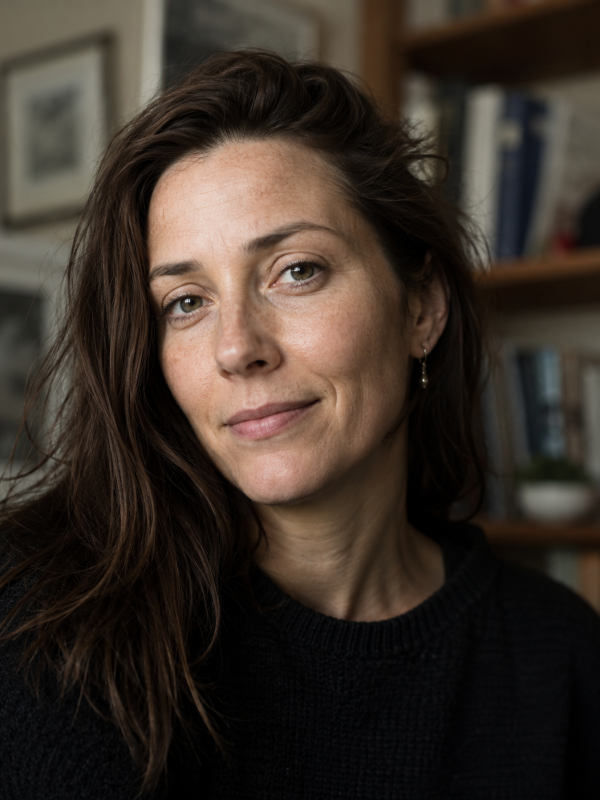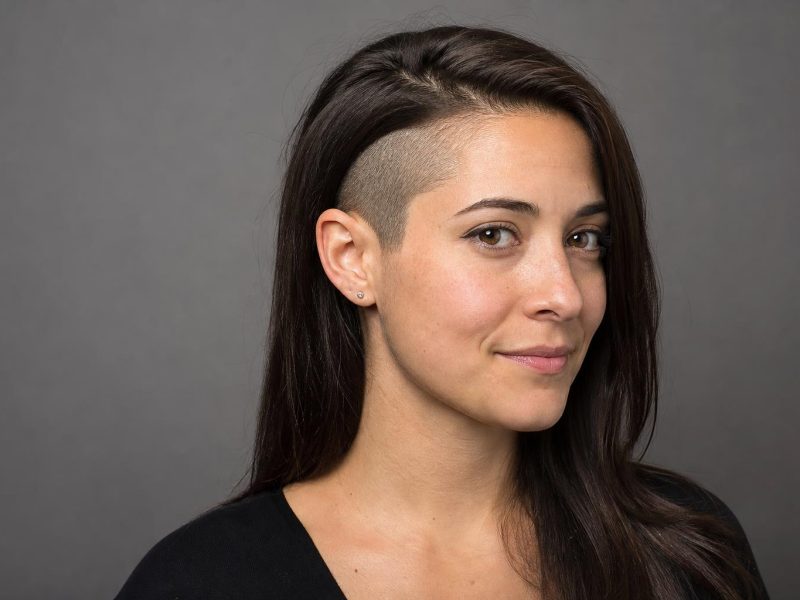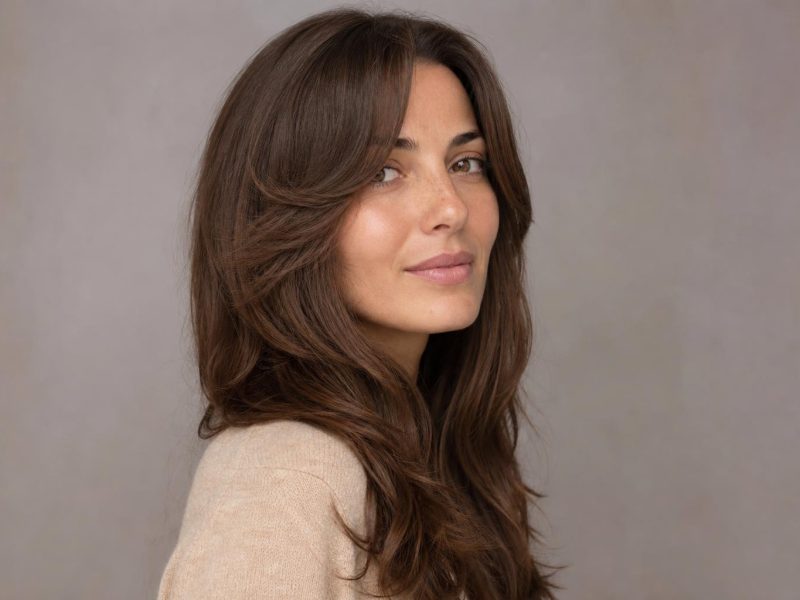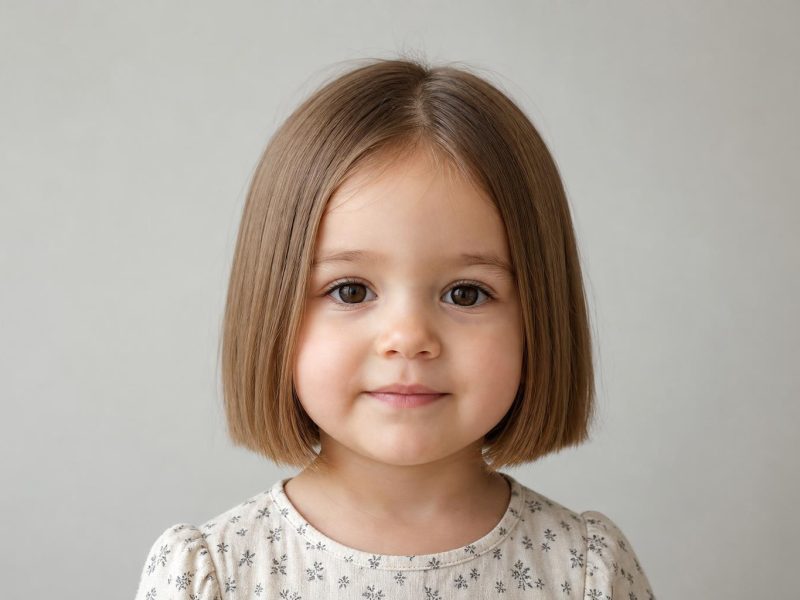

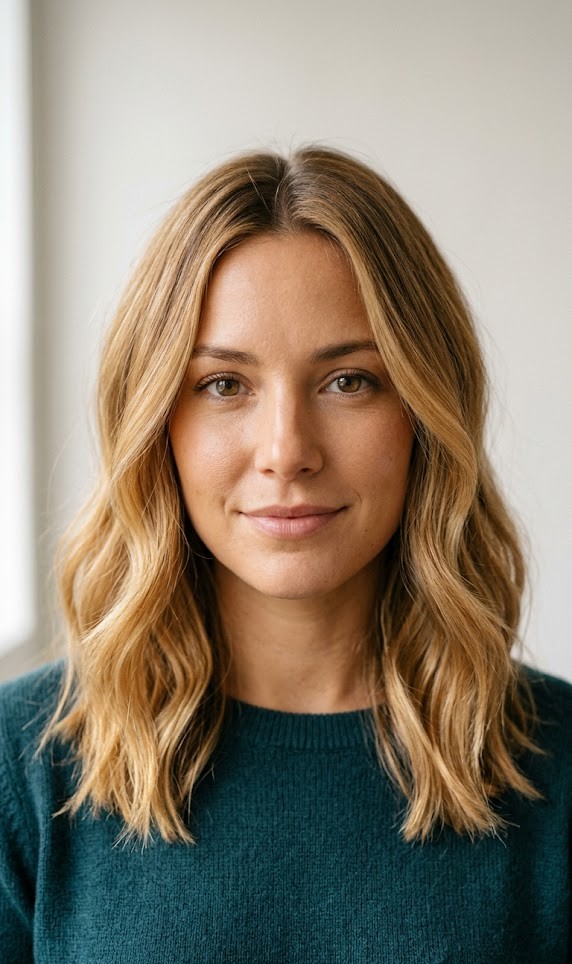
Honey blonde is the warm-toned middle ground between golden yellow and light brown: rich enough to feel dimensional, light enough to glow, and forgiving enough to stay out of brassy territory when done right.
At around Level 8 on the color scale, honey blonde occupies a sweet spot that works across a wider range of skin tones than either platinum or deep caramel. The warmth comes from amber and gold pigments rather than the harsh orange that signals an under-toned lift. That distinction (warm without brassy) is what makes this shade so consistently popular and, frankly, what most clients mean when they walk in pointing to their Pinterest boards. These 30 ideas are organized by technique and base color, so you can zero in on the version that fits your starting point and your maintenance tolerance.
The collection covers balayage and highlights for natural-looking grows-outs, single-process formulas for a more uniform honey tone, darker-root melts that extend your time between appointments, and specific variations for brunette, dark, and gray-blending bases. Every entry includes salon communication notes and an honest look at what your schedule actually needs to sustain the color.
| Factor | Details |
|---|---|
| Best for | Warm and neutral skin undertones; olive and medium complexions; also adaptable for cool skin with beige-leaning formulas |
| Starting points | Natural dark blonde to medium brown (easiest); light brown with highlights; dark brown (multi-session process); gray blending |
| Maintenance | Root touch-up every 6–10 weeks (varies by technique); gloss every 8–12 weeks; purple shampoo weekly |
| Salon time | Balayage: 2–3 hours. Full single-process: 1.5–2 hours. Dark-to-honey transformation: multiple sessions |
| Avoid if | Very cool, pink-undertoned skin (use beige-honey blend instead of straight gold); severely damaged hair before lightening |
Balayage and Highlights: Sun-Kissed Honey
Balayage and foil techniques produce the most natural-looking honey blonde results because the color is painted or woven onto sections rather than applied root to tip, mimicking how sunlight actually lightens hair. The variation in tone, with darker roots blending into honey mid-lengths and lighter ends, gives the finished color depth that a single-process formula rarely achieves. These techniques also grow out far more gracefully, which is the main reason colorists recommend them for clients who want honey without committing to frequent root maintenance.
1. Classic Honey Balayage on Medium Brown
A medium brown base with hand-painted honey and gold sweeping from the mid-shaft through the ends is the most-requested starting point for this color, and the one most likely to look exactly like the inspiration photos. The darker root provides natural contrast without any additional shadow root, and the honey tones land warmly rather than orange because the brown base neutralizes excess brassiness. Expect 2–3 hours in the chair and a gloss treatment to seal the result; ask your colorist for “honey balayage with a gold toner” to get the warm rather than beige version.
2. Babylights with a Honey Gloss
Fine, closely-placed highlights woven throughout the hair (babylights) followed by a honey-toned gloss create the most convincing natural result because no one area appears obviously colored. The gloss pulls the different tones together into a cohesive warm honey finish instead of distinct streaks. This works especially well on fine hair, where heavier foil highlights can look stripy; the delicate distribution adds the illusion of thickness and movement. Plan on 3+ hours for a full head of babylights, but the grow-out looks like natural sun-lightened color rather than visible regrowth.
3. Face-Framing Honey Highlights
Concentrating honey blonde face-framing highlights around the face (a few pieces at the temples, cheekbones, and front hairline) brightens the complexion with significantly less processing than a full color service. The honey framing against an otherwise brown or dark blonde base creates a soft contrast that draws attention to the face without the upkeep of a full transformation. Ask for “money pieces in honey blonde, not going past Level 8, with a gold toner” to ensure the framing stays warm rather than yellow. Retouching is needed every 10–12 weeks, making this one of the lower-maintenance entries in this collection.
4. Chunky Honey Foils on Dark Blonde
Wider foil sections in honey gold create a bolder, retro-adjacent result that differs from the seamless blends that dominate most inspiration feeds. On a dark blonde or dirty blonde base, chunky honey pieces have a warm, 1990s-editorial quality: distinct without looking harsh because the warm gold foils read as natural rather than chemical. This works best on clients who want visible, defined highlights rather than diffused color; it also creates more surface shine because larger color sections catch light more uniformly. Grows out with clear demarcation at the roots, so 6–8 week touch-ups are needed to keep it looking deliberate.
5. Long Honey Balayage with Beachy Waves
When balayage is styled in loose waves, the alternating light and shadow between honey and brown sections creates a dimension that looks flat when blown out straight. Long hair genuinely benefits from balayage more than shorter lengths because there is more surface area for the tonal variation to develop; ask your colorist to bring honey tones through to the last 4–5 inches of ends for a sun-bleached, seaside effect. A wave-enhancing cream on towel-dried hair and a diffuser on medium heat gets you close to this finish at home without the 45-minute blow-dry. The grown-out root looks purposeful at 8–10 weeks, which is this technique’s biggest practical advantage.
6. Honey Sombre (Subtle Ombré)
A sombre (a softer, more diffused version of the ombré) graduates from a medium brown root into honey blonde ends over 4–6 inches rather than the stark two-tone of a traditional ombré. The transition is blended enough that the line between tones looks like natural lightening rather than a technique. Best on fine to medium density hair at shoulder length or longer, where the gradation has room to develop before the ends; shorter cuts don’t provide enough length for a convincing gradient. Color deposits in the mid-shaft handle brassiness better than lightened ends, which is where most ombré results turn yellow, so specify a gold toner rather than no toner to keep the honey shade accurate.
Root Melts and Lived-In Honey
Root melt formulas, where a shadow root or darker base shade is deliberately blended into lighter mid-lengths, solve the most common complaint about honey blonde: visible regrowth at 6 weeks. By building in a natural-looking dark root from the start, colorists can extend the time between appointments to 10–14 weeks without the color ever looking neglected. This makes root-melt honey blonde the most practical option for clients who love the shade but don’t love monthly salon visits.
7. Dark Root Melt into Honey Mid-Lengths
Keeping the first 2–3 inches of the root at a natural Level 5 or 6 brown, then melting into honey gold from the mid-shaft through the ends, is the formula most colorists use when a client says “I want honey blonde but low maintenance.” The dark root is not painted on separately; it is the client’s natural base, left untouched or shadowed with a demi-permanent to deepen slightly. The melt transition should be placed at or below the occipital bone to avoid a visible line. Toning the honey section toward gold-beige rather than gold-amber keeps the two zones visually cohesive rather than competing.
8. Warm Bronde Root Melt
A bronde base, blending brown and blonde, makes an excellent root for honey ends because the warm brown undertones in the mid-zone echo the amber notes in the honey without any color clash. This is the version to recommend for clients with natural medium brown hair who are going honey for the first time: the root stays close to their natural level, the mid-lengths shift toward caramel-brown, and only the last third of the hair reaches a true honey Level 8. The effect looks like three months of summer sun rather than a salon appointment. Maintenance is every 12–14 weeks.
9. Honey Blonde with Caramel Lowlights
Adding a few caramel lowlights back into a honey blonde result prevents the color from reading as flat or one-dimensional in indoor lighting. Lowlights at one or two levels deeper than the honey shade, a warm caramel at Level 6–7, woven through the lower layers of the hair create shadow that gives the overall color more depth. This is particularly useful on thick, high-density hair that can absorb a lot of color without showing tonal variation naturally. Ask for “honey blonde overall with a few caramel lowlights through the underlayers, nothing on the surface.”
10. Lived-In Honey with Crown Dimension
A lived-in result keeps the crown darker, at the natural base level or slightly shadowed, while diffusing honey color progressively through the mid-lengths and ends. This mimics the way outdoor lightening actually works on uncolored hair, which is why it photographs well and holds up across seasons. The crown’s natural color acts as its own low-maintenance root, and the honey portion of the shaft gradually fades over time in a way that still looks purposeful rather than neglected. A purple shampoo used once weekly is enough to maintain the warmth without toning the color toward ash.
Honey on Dark Brown and Black Bases
Taking dark brown or black hair to honey blonde requires a lift of 4–5 levels, which is not a single-appointment process on most starting colors. Understanding this before sitting down in the chair prevents the most common disappointment in honey blonde transformations: expecting a single session to deliver what actually takes two or three. The good news is that the brown base colors, lifted through their underlying warm tones, are structurally aligned with honey; the journey through the color levels naturally passes through auburn, copper, and caramel, which are adjacent enough that each in-between stage looks reasonable rather than accidental.
11. Honey Highlights on Dark Brown (Two-Session Approach)
On a Level 3–4 dark brown base, the first session lifts to a warm auburn-copper using full foils or a teasy-lights technique through the top and face-framing sections. A gloss tones the result warmer at the end of session one. Session two, 4–8 weeks later, lifts the highlighted sections again to honey-gold and tones to the final shade. This two-step approach produces stronger, healthier results than trying to reach honey in one bleach process, because the hair has time to recover between lifts. Warn clients that session one looks significantly darker than the final goal; that is expected, not a mistake.
12. Honey Balayage on Black Hair
Black hair (Level 1–2) needs an extra prelightening step before any warm blonde tone will read as honey rather than orange-copper. Bleach applied in loose balayage sections at high developer volume lifts the selected strands, then toning with a honey-gold gloss pulls the result to the correct warm shade. Even with a skilled colorist, the first session on black hair typically lands at a warm auburn-copper; honey blonde usually arrives in session two or three. The multi-session process is not a failure. It is the correct technique for maintaining hair integrity. Never promise a black-to-honey result in one visit.
13. Dimensional Honey on Deep Brown
A Level 5–6 deep brown base is the most forgiving starting point for honey transformations because the underlying warm tones in medium brown hair (red and orange) are natural building blocks for honey gold rather than obstacles. A skilled colorist working with teasylights or balayage can often reach a true honey at Level 8 in a single session on a Level 5 starting point. Mixing a gold and neutral-beige toner 1:1 (rather than a pure gold) prevents the result from looking too yellow or “cheap blonde” under warm indoor lighting. Ask for “honey balayage with a gold-beige toner blend.”
14. Copper-to-Honey Transition
Clients with existing copper or auburn color can transition toward honey blonde by gradually cooling the copper with a series of glosses that reduce the red pigment and increase the gold. This is a slower process than a full lift, but it preserves more hair integrity than re-bleaching over previously colored strands. A a honey-gold demi-permanent applied over faded copper once it has washed to a warm amber works well without any prelightening. This makes the copper-to-honey path one of the gentler transitions in color; the chemistry works in your favor because the underlying tone you are already working with is warm.
Honey Blonde by Hair Length and Texture
The same formula behaves differently depending on length, texture, and density, and not because the color changes, but because the way light reflects off the hair does. Understanding how honey interacts with specific textures helps set accurate expectations before the appointment.
15. Honey Blonde on a Lob
Shoulder-length hair gives honey balayage one of its most flattering placements: the bulk of the color lands in the mid-lengths and ends, which frame the face and catch light at eye level. A blunt lob in honey blonde with subtle face-framing pieces photographs particularly well because the clean line at the ends contrasts with the soft, diffused color graduation above. The lob’s length means the honey section, usually from ear level down, is the most visible part of the color, so asking for a slightly lighter honey at the ends (Level 9) against a Level 7–8 mid-shaft adds genuine depth without needing lowlights.
16. Short Bob in Solid Honey Blonde
A chin-length blunt bob in a single-process honey blonde is one of the few cuts where an all-over formula actually works better than balayage, because the short length doesn’t give balayage enough room to develop the graduation. A demi-permanent honey formula at Level 8 with a gold-beige tone applied root to tip creates a solid, glossy warmth that catches light uniformly along the blunt line. Roots show clearly at 6–7 weeks on a solid-process result, so this version requires the most frequent maintenance in the collection, though it also produces the most polished, graphic finish.
17. Honey Blonde on Curly Hair
Honey blonde on curly or coily hair behaves differently than on straight hair because the natural color variation in curl patterns, lighter at peaks and darker in the curl depths, creates built-in dimension that straight hair lacks. A single-process honey formula on curly hair rarely looks flat for this reason. Balayage on curls should be applied with the curl stretched to see where the color will land; many colorists apply honey color to the outer surface of each curl cluster rather than taking precise sections, which produces the most natural sun-kissed result. Moisture is the primary maintenance concern for curly honey blondes; bond-repair treatments every 4–6 weeks are more important than frequent toning.
18. Honey Highlights on Natural Gray
Gray hair, particularly salt-and-pepper in the 30–50% gray range, accepts honey blonde toning beautifully because the white strands lift to a true, vivid honey while the pigmented strands reach a warm golden blonde, creating natural variation across the head. This is a low-damage approach to refreshing gray hair compared to full coverage color, because the gray strands need no prelightening. Ask for “honey gloss over the gray without full coverage. I want to keep dimension.” The result looks deliberate rather than patchy and grows out gracefully as new gray comes in.
19. Honey Blonde on Fine Hair
Fine hair holds honey blonde color longer than thick hair because each strand has a smaller diameter and less cortex for pigment to escape from. The trade-off is damage sensitivity: fine hair reaches a visible damage threshold faster with bleach, so prelightening should be done at a lower developer volume (20 vol rather than 30 vol) with longer processing time. Babylights are the best technique for fine honey blonde because they distribute color so evenly that no single section takes significant damage. A leave-in bond treatment applied to towel-dried hair before blow-drying, used after every wash, is the single most effective maintenance habit for fine honey blonde.
20. Honey Balayage on Thick, Dense Hair
Thick hair has a tendency to absorb the first lightening application unevenly, with the outer sections lifting faster than the interior, which is why a skilled colorist applies balayage in two distinct passes on dense hair rather than one. The first pass reaches the outer and top layers; the second, 10–15 minutes later, saturates the underlayers and the hair closest to the scalp. Toning thick honey blonde requires more product than fine hair, and a denser gloss application ensures the honey tone penetrates all the way through rather than sitting only on the surface. Expect slightly longer chair time than quoted for a standard balayage.
Trending Honey Blonde Variations
Beyond the classic interpretation, honey blonde has expanded into a set of named sub-shades and hybrid techniques that are showing up consistently on salon mood boards. These are worth understanding because clients often arrive with inspiration photos labeled “honey beige” or “teddy bear blonde” expecting that the colorist already knows the distinction.
21. Honey Beige Blonde
A cooler, more neutral-leaning version of honey that replaces the amber-gold pigment with beige-vanilla tones. The result is still warm enough to avoid the flatness of ash blonde, but it won’t tip into yellow or brassy territory even under incandescent lighting, which is the main reason cooler-complexioned clients prefer it. Ask for “honey blonde toned toward beige, around Level 8–9, with a pearl or beige-gold gloss.” This is the version that works on pink, cool, and even some olive skin tones that pure honey gold would overpower.
22. Teddy Bear Blonde
A cozy, soft shade that crosses into honey brown territory, falling between caramel and honey blonde, closer to Level 7–8 with warm brown undertones rather than bright gold. The name has become a reliable shorthand in 2025–2026 inspiration content for a specific worn-in, dimensional warmth that is darker and earthier than most honey blonde references. Ask for “warm honey brown, Level 7 at the roots blending to Level 8 gold through the lengths, with a neutral-beige gloss.” It photographs naturally and fades gracefully over 10–12 weeks without brassiness, making it one of the most practical warm blonde options for clients with medium to dark brown starting colors.
23. Butter Honey Blonde
A very pale, creamy honey that leans toward Level 9–10 with soft golden rather than amber undertones, lighter and less intensely warm than classic honey, closer to the blonde spectrum than the gold. The butter description captures the slightly muted, buttery yellow-white quality of the finish, which catches light with a gentle warmth rather than a metallic shine. On dark blonde or light brown bases, achieving butter honey requires careful toning to avoid yellow; a pearl-gold gloss at a 2:1 ratio of pearl to gold keeps the creamy quality without dipping into silvery ash. Fine-to-medium density straight hair shows this shade best because the pale gold reflects evenly rather than being broken up by texture.
24. Honey Copper Blonde
Moving the red dial up on honey blonde produces a copper-honey blend that comes across as a saturated, autumnal warm shade, distinct from auburn because it doesn’t have the depth of brown, and distinct from orange because the gold undertone anchors it. Warm, golden skin tones with yellow or peachy undertones carry this shade exceptionally well; it can look warm in a flattering way on olive complexions, but it needs a conscious toning choice: copper-gold rather than red-copper, to avoid sliding into a shade that looks more auburn than blonde. Copper-honey fades faster than neutral honey, typically shifting to a warmer auburn within 4–6 weeks; a copper-depositing conditioner maintains the intensity between appointments.
25. Strawberry Honey Blonde
A pink-adjacent warm blonde that mixes honey gold with a faint rosy-red tone, visible in natural light as a warm pink glint, reading as honey gold indoors. It is closely related to strawberry blonde, though the honey component keeps the result lighter and less saturated than a full strawberry blonde. The strawberry note is produced by adding a small amount of red-violet pigment into a honey blonde toner formula, which explains why this shade is notoriously hard to replicate exactly from a photo: the ratio of red to gold determines where on the strawberry-to-honey spectrum the result lands. Discuss this in detail at the consultation: bring a photo of the finished result in both indoor and outdoor light if possible, because the two can look like different colors. Fade is rapid on the strawberry component; plan on a color refresh every 4–6 weeks to keep the rosy note visible.
Honey Blonde Maintenance and Color Care
The most common reason honey blonde turns brassy is under-toning at the salon combined with no maintenance routine at home. The two problems compound each other: a formula that is slightly too gold rather than honey-gold at the appointment fades to a more saturated orange-yellow within 3–4 weeks of regular washing, particularly with sulfate-containing shampoos.
26. Purple Shampoo: How to Use It Without Overdoing It
Purple shampoo neutralizes the yellow-orange brassiness in honey blonde by depositing cool violet pigment that counteracts warm tones on the color wheel. Used every 2–3 washes (not every wash), it maintains the toned balance your colorist created without overcorrecting toward purple or gray. Leave it on for 3–5 minutes rather than treating it like regular shampoo; the pigment needs dwell time to deposit into the cuticle. On honey beige blonde, use blue shampoo instead, which neutralizes orange tones specifically rather than yellow. Start with once per week; if the color looks cool enough before your next appointment, pull back to every 10 days.
27. Gloss Treatments Between Appointments
A demi-permanent gloss in a honey-gold shade, applied every 8–10 weeks at the salon or between regular appointments, refreshes the warmth in honey blonde that natural fading strips away. The gloss deposits pigment without lifting the hair, so it’s low-damage and can be done on a single strand test rather than a full consultation. Home gloss kits are an option for maintaining the tone, but they require selecting the correct shade (gold-honey at Level 8, not warm brown) and leaving on for no more than 20 minutes to avoid over-depositing. This is the maintenance step most often skipped and the one that makes the most difference to how long the color looks fresh.
28. Heat Styling and Color Fade
Daily flat iron and curling iron use is the fastest non-washing cause of honey blonde fade, as heat opens the cuticle and allows pigment molecules to escape with each styling session. A silicone-based heat protectant applied to towel-dried sections before blow-drying, and a separate thermal spray before iron work, creates two layers of protection rather than one. Using irons no hotter than 375°F (190°C) on color-treated hair reduces the fade rate significantly; most stylists set their irons to 400°F or above by default, which is more heat than colored hair needs. The honey blonde with the most longevity in this collection, babylights with a gloss, is also the shade that benefits most from reduced heat exposure.
29. Sulfate-Free Shampoo and Color Longevity
Sulfate-based detergents in conventional shampoos strip the cuticle layer with each wash, accelerating color fade more than almost any other daily habit. Switching to a sulfate-free formula — confirmed by checking the first three ingredients for sodium lauryl sulfate or sodium laureth sulfate — extends honey blonde longevity by an average of several weeks without any other change to your routine. The difference is most visible on fine hair, where the cuticle is thinner and more vulnerable to surfactant stripping. Co-washing (conditioner-only washing) on non-rinse-off days is an additional option for curly honey blondes, where the curl texture benefits from extra moisture and wash frequency is lower anyway.
30. Bond-Repair Treatments for Lightened Hair
Any honey blonde that required bleach to achieve — particularly the dark-to-honey transformations in entries 11–14 — benefits from a bond-repair treatment used every 3–4 weeks to maintain the hair’s structural integrity between appointments. Bond-repair products work by re-linking the disulfide bonds broken by the bleaching process, which reduces breakage, improves shine, and keeps the hair shaft smooth enough for toner to penetrate evenly at future appointments. Ask your colorist to add a bond-repair booster to the bleach formula at your first lightening appointment; the cost is small relative to the improvement in hair condition and the quality of the honey toner result. For at-home maintenance, a bond-repair mask used on towel-dried hair once a week, left on for 10–15 minutes, covers the gap between salon visits.
How to Choose Your Honey Blonde Shade
The most common consultation mistake is selecting a shade from a photo without accounting for the skin undertone relationship between model and viewer. Honey blonde photographs warmly on everyone, but whether it enhances or clashes with your complexion depends on whether your skin carries warm (yellow, peachy, golden) or cool (pink, rosy, blue-veined) undertones.
| Skin Undertone | Best Honey Variant | Toner Direction | Avoid |
|---|---|---|---|
| Warm (golden, peachy, olive) | Classic honey gold; copper-honey; teddy bear blonde | Gold-amber gloss | Pure ash or cool-beige toning (washes out warmth) |
| Neutral (a mix of warm and cool) | Honey beige blonde; butter honey; classic balayage | Gold-beige blend (1:1 ratio) | Strong copper-honey (too much warmth on already neutral skin) |
| Cool (pink, rosy, blue-veined) | Honey beige; butter honey; strawberry honey | Pearl-beige or soft violet-beige gloss | Pure gold-amber honey (deepens redness in complexion) |
| Deep, warm (rich brown, warm ebony) | Face-framing honey highlights; honey balayage (partial) | Gold-honey with warm copper component | Full head platinum honey (high contrast with deep complexion) |
What to Tell Your Colorist
Arriving with a vocabulary for the specific honey tone you want saves the consultation from vague terms that mean different things to different people. “Warm blonde” can mean honey, caramel, golden, or copper depending on who is speaking. The phrases below give your colorist the technical direction they need to match your inspiration photo.
For classic honey: “I want Level 8 honey gold, toned warm with a gold-amber gloss, not beige, not ash, and not orange. I want it to read warm honey in natural light and not tip brassy indoors.”
For honey beige: “Level 8–9, but cooler than classic honey, toned with a pearl-beige gloss to keep it warm without looking gold-yellow. Think buttery rather than metallic.”
For low-maintenance honey: “Honey balayage with a dark root melt. Keep my natural root color for the first 2–3 inches, then blend into honey gold. I want to be able to go 12 weeks between appointments.”
Stylist tip: Bring two photos to the consultation: one in natural outdoor light and one in indoor lighting, because honey blonde shades can photograph very differently across lighting conditions. The gap between what a color looks like outside and what it looks like under fluorescent office lighting is where most client disappointment originates. Seeing both shots gives your colorist the full picture.
FAQ
Will Honey Blonde Look Good on Dark Skin?
Yes, honey gold balayage or face-framing highlights work well on deep complexions with warm undertones because the amber and gold notes in honey echo the warm tones in the complexion rather than contrasting against them. The key is partial application (face-framing or balayage) rather than a full head transformation, which maintains enough depth to be proportional to the complexion’s richness. A full head of light honey on very deep skin can read as high-contrast rather than sun-kissed; the same honey tones concentrated around the face look purposeful and flattering.
Can I Get Honey Blonde in One Appointment?
If your natural color is Level 6 or lighter (dark to medium blonde, light brown), most colorists can reach a true honey at Level 8 in one appointment. Starting from Level 5 or below (medium brown, dark brown, or black) typically requires two sessions to avoid the damage that comes from pushing the lift too far in one sitting. The in-between stage (warm copper or auburn after session one) is not a mistake; it is the controlled journey through the color levels. Trying to skip it with extra processing time or higher developer volumes risks heat damage, breakage, and a result that fades to orange within weeks.
How Do I Stop Honey Blonde from Going Brassy?
Three habits make the biggest difference: a weekly purple or blue shampoo (depending on whether your honey leans yellow or orange), a sulfate-free daily shampoo that doesn’t strip color pigment, and a gloss treatment every 8–12 weeks to refresh the toner. Brassiness accelerates with heat styling, sun exposure, and chlorinated water; a UV-protective leave-in spray before outdoor exposure and rinsing with clean water before swimming extend the time before the color shifts toward warm territory. The gloss is the most underused maintenance tool; most clients use purple shampoo correctly but skip the in-salon gloss that actually re-deposits the correct tonal balance.
How Often Do I Need Salon Appointments for Honey Blonde?
This depends entirely on the technique. Solid single-process honey requires root touch-up every 6–8 weeks. Balayage with a natural root melt can go 10–14 weeks. Face-framing highlights only, with no base color change, can be refreshed every 12–16 weeks. Building a dark root into the original formula from the beginning, rather than treating it as neglected regrowth, is the single most effective way to extend appointment intervals. A gloss appointment, which can be done without a full color service, fills the gap at the halfway point and is typically priced at a fraction of a balayage.
Does Honey Blonde Suit Every Hair Length?
Honey blonde adapts across lengths, but the best technique varies. Longer hair (past the shoulder) benefits most from balayage, where the length gives the color graduation room to develop. Lob and mid-length hair works well with highlights and a gloss. Short hair (pixie or chin-length bob) often looks better with a single-process or solid-formula honey because balayage on very short lengths can produce an uneven, patchy result when the hair is too short for the color to blend naturally. Discuss technique, not just shade, for cuts above the jawline.
What Is the Difference Between Honey Blonde and Strawberry Blonde?
Honey blonde falls around Level 7–9 on the color scale with amber-gold undertones and no visible red component — it looks like warm gold in most lighting. Strawberry blonde lands at a similar level but includes a pink-red pigment that gives the color a rosy, slightly coppery glow, particularly visible in natural light. The two can be mixed to create a strawberry-honey hybrid, but they require different maintenance: strawberry blonde’s red-violet component fades faster than honey gold, so the strawberry note typically washes out 2–3 weeks before the honey needs refreshing. Managing both in one color requires a color-depositing product that targets the red-violet range specifically.
Is Honey Blonde a Good Color for Gray Blending?
Honey blonde is one of the most effective colors for blending gray because the warm golden tones make white and gray strands look like deliberate highlights rather than regrowth. Clients with 20–50% gray who want to keep the dimension of their salt-and-pepper can use a honey gloss, without any lifting, to shift the overall tone to warm gold rather than neutral gray. The white strands absorb the toner most vibrantly, landing at a bright honey, while pigmented strands land at a warm golden brown. The result looks like purposeful multi-tonal color. For clients with more than 50% gray, a fuller lightening and toning service may be needed to achieve true honey rather than an uneven blend.
Honey blonde rewards the homework done before the appointment: knowing your skin undertone, being honest with your colorist about your starting color, and having realistic expectations about the number of sessions your base needs. The 30 ideas in this collection cover a wide range of starting points and maintenance tolerances, so the right version of honey blonde exists whether you are going for the first time or maintaining an existing warm color. Bring two or three of these references to your next consultation and ask your colorist which technique gives you the best version of the shade for your specific base and schedule.
Hair results vary based on your natural hair color, texture, porosity, and condition. Lightening services carry inherent risk and should be performed by a licensed professional colorist. Always do a strand test before a full color service. Photos may show styled results under specific lighting conditions that affect how the color appears.