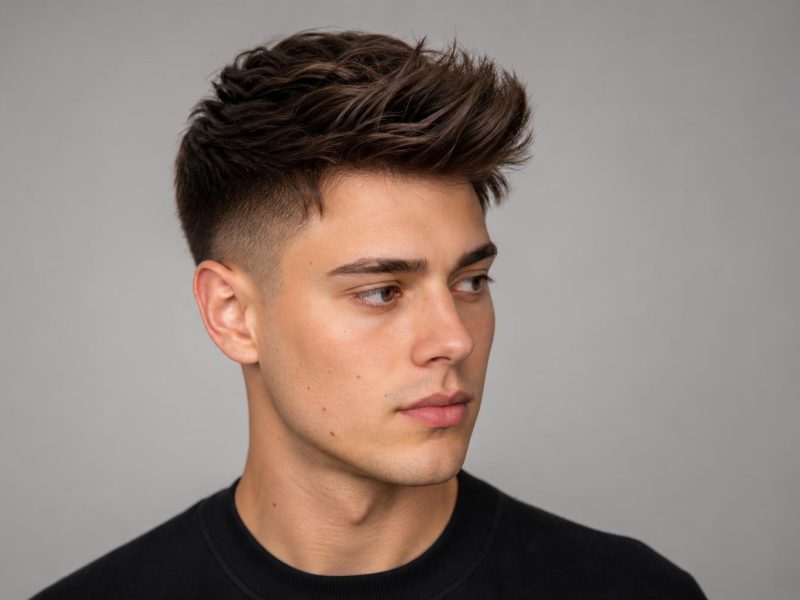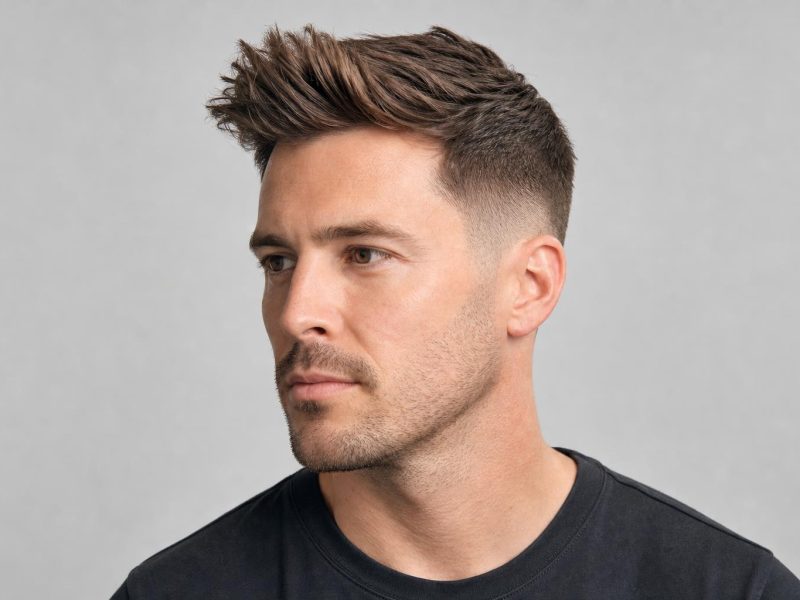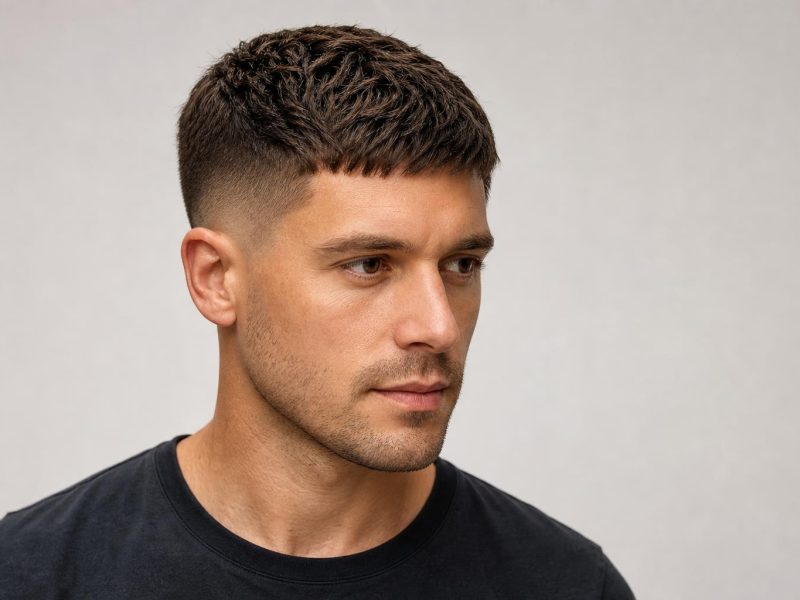


An afro taper fade keeps length and density through the crown while the hairline and neckline taper down gradually, so the natural curl pattern stays the star and the edges stay clean for weeks.
The cut works because the taper is gentle. Instead of a hard line where short meets skin, the barber blends the sides and back down over an inch or two, which lets coily and curly hair sit forward without a heavy shelf around the ears. That gradual drop is what separates a taper from a full fade, and it is why the afro taper reads as polished without looking sharp-edged. If you want a tighter contrast, a mid taper fade drops the blend higher up the side.
Below are 25 afro taper fade styles, grouped by fade height, top length, and finish. Use the quick reference table to match a version to your hair density and how often you can get to the barber, then read the stylist notes in each section before you book.
| Fade Height | Contrast Level | Best For | Touch-Up Window |
|---|---|---|---|
| Low taper | Subtle | Conservative settings, first-timers | 2 to 3 weeks |
| Mid taper | Balanced | Most face shapes, everyday wear | 2 weeks |
| High taper | Bold | Tall crowns, statement shapes | 10 to 14 days |
| Burst taper | Curved | Mohawk shapes, design work | 10 to 14 days |
Afro Taper Fades by Fade Height
Fade height decides how much contrast you carry between the dense top and the tapered edges. A low taper barely touches the hairline, while a high taper opens up the whole side. Start here if you are choosing your first version, because the height sets the tone for everything else.
1. Classic Low Taper Afro
The taper starts just above the ear and drops to a soft edge at the neckline, leaving the bulk of the afro untouched. Barbers build this with a guard rather than a bare blade, so the transition stays gentle and the curl reads full from every angle. It suits offices and family events where you want neat without a hard line.
2. Mid Taper With Rounded Crown
Here the blend climbs to the temple while the crown is shaped into a soft dome. Sponge coils or a pick give the top its round silhouette, and the mid taper keeps the sides from competing with that volume. This is the most requested height because it flatters round, oval, and square faces alike.
3. High Taper Tall Afro
Length on top is the whole point, so the taper sits high and tight to make the crown look even taller. The contrast is strong, which means the line-up at the front needs to be crisp to hold the shape together. Pair it with a high taper fade for curly hair reference photo when you book so the barber matches the height you have in mind.
4. Burst Taper Around the Ear
A burst taper curves the blend around the ear and fades into the neckline, leaving weight at the back. The shape suits coily hair that you want to push up or back into a soft mohawk silhouette. It photographs well because the curve follows the head rather than cutting straight across.
5. Drop Taper Behind the Ear
The taper line dips down behind the ear, following the curve of the skull toward the nape. That drop frames the back of the afro and gives the cut a little extra shape from the side profile. A drop fade on curly hair uses the same logic with more skin exposed if you want a sharper version later.
Short and Cropped Afro Tapers
Not every afro taper needs height. Cropping the top close keeps the curl pattern visible while cutting your styling time to almost nothing. These versions are the easiest to maintain and the most forgiving if your density is uneven across the crown.
6. Caesar Top With Low Taper
A short, even crop across the top borrows from the Caesar shape and pairs it with a low taper at the edges. The result is tidy and quick to dry, and it works under hats and helmets without losing shape. Run a curl sponge over it once and you are done for the day.
7. Twisted Sponge Crop
Working a sponge over short coils builds tight, defined twists across the top while the taper keeps the sides clean. The texture catches light and adds visible pattern without any product buildup. Density matters here, so this reads best on medium to thick hair that holds a coil.
8. Short Coily Crop With Sharp Line-Up
Keep the top under an inch and let a precise line-up do the heavy lifting. The contrast between the crisp front edge and the soft taper makes the whole cut look intentional even at minimal length. Barbers often recommend this for thinning crowns because short length hides density gaps.
9. Brush Cut Afro Taper
A brush cut levels the top into a flat, even plane that you maintain with a hard brush and a little pomade. The taper softens the sides so the flat top does not look boxy. It is a low-effort daily style once the shape is set.
10. Textured Crop With Faded Sides
Point-cutting the top adds separation between curls so the crop looks piecey rather than solid. The taper grounds it with clean edges that frame the face. This version grows out gracefully, buying you an extra week between appointments.
Long-Top Afro Taper Styles
Leaving real length on top opens the door to twists, braids, and free-form curl. The taper does the framing work so the longer hair never looks shapeless. Expect more daily styling in exchange for a bolder silhouette.
11. High-Top Fade Revival
The flat-topped high-top gets a modern read with a clean taper instead of a hard box. Length stacks straight up, squared at the corners, while the sides stay close. It is a statement shape that rewards regular shaping to keep the top level.
12. Free-Form Curls With Mid Taper
Let the curls do what they want on top and let the taper handle the structure. A wash-and-go routine with a leave-in keeps definition without forcing a shape. This is the lowest-fuss long-top option for naturally defined curl patterns.
13. Two-Strand Twists On Top
Twisting the longer top section creates rope-like texture that sits above a clean taper. The twists can be worn as-is or unraveled later for a twist-out with extra volume. Plan for a twist session every few days to keep them fresh.
14. Sponge Twist Afro With High Taper
A high taper exposes the sides while sponge twists pack the top with uniform coils. The height contrast makes the twisted texture pop and keeps the silhouette tall. Damp hair and a twist sponge are all you need to refresh it.
15. Braided Top With Tapered Sides
Cornrows or short braids on top read sharp against tapered sides and a clean hairline. The braids buy you a week of low-maintenance wear, then come out for a fuller afro day. It is a flexible setup for anyone who switches looks often.
Afro Tapers With Design and Color
Once the base shape is dialed in, line work and color turn the afro taper into something personal. Keep these details intentional, since heavy designs can date quickly. One clean accent usually beats three competing ones.
16. Single Hard Part
A razored part runs from the hairline into the taper, drawing a clean line through the curl. The detail is subtle and grows out without an awkward stage. It is the easiest way to add structure without committing to a full design.
17. Geometric Side Design
Carved lines along the tapered side add a graphic accent that follows the head shape. Keep the pattern simple so it stays readable as the hair grows. Photograph the design before your touch-up so the barber can match it exactly.
18. Faded Temple With Edge-Up
A crisp edge-up squares off the hairline and corners while the temple tapers into the skin. The combination frames the forehead and makes the afro look deliberately set. This pairs naturally with an Edgar-style front line if you want a blunter forehead edge.
19. Color-Tipped Coils
Lightening just the tips of the top coils adds dimension that catches light when the hair moves. Keep the base natural so the color reads as an accent rather than a full dye job. Bleached tips on coily hair need a weekly conditioning treatment to stay healthy.
20. Frosted Crown With Dark Taper
Lifting the crown a few shades lighter than the tapered sides builds a top-down gradient. The dark taper anchors the lighter top so the contrast looks balanced. This is a salon job, not a box-dye one, if you want the blend to look clean.
Afro Tapers by Hair Type and Face Shape
The same taper reads differently depending on your curl pattern and bone structure. Matching the top shape to your face does more for the final look than any single fade choice. Use these as starting points and adjust height with your barber.
21. Round Face With Tall Top
Height on top lengthens a round face, so a high taper with stacked length is the move. Keep the sides clean and the top square rather than domed to add the illusion of length. The vertical line does the slimming work.
22. Square Face With Rounded Afro
A softly rounded crown balances a strong jaw, so dome the top and choose a mid taper. The curve offsets the angular jawline without hiding it. This is one of the most flattering pairings for naturally dense hair.
23. Oval Face With Free Curl
Oval faces carry almost any height, so this is the place to wear your natural curl at full volume. A mid taper keeps it grounded while the top stays loose and free-form. Let the curl pattern lead and keep styling minimal.
24. Fine Coily Hair With Low Taper
Finer density looks fuller with a low taper that keeps weight near the top. Avoid going too short on the crown, since length is what builds the visual volume here. A curl cream adds the grip that fine coils often lack.
25. Thick Density With High Taper
Very dense hair can carry a high taper without looking unbalanced, because the top has the volume to hold the contrast. Going higher on the sides also lightens the overall weight, which helps in hot weather. This is where the boldest contrast actually reads as practical. For more curl-forward fade ideas, the low fade for curly hair gallery covers softer alternatives.
What to Tell Your Barber
Walking in with the right words saves you from a fade that sits too high or a top that gets cut shorter than you wanted. Barbers respond to specifics about height, guard, and shape far better than to a single reference photo.
Start by naming the taper height: low, mid, or high. Say where you want the blend to begin relative to your ear, and whether you want the neckline rounded, squared, or tapered to skin. For the top, give a target length in inches or fingers rather than saying short, and mention if you want it domed, squared, or left free-form.
Stylist tip: Ask for the taper to be cut with a guard, not bare clippers, if you want the soft afro look. Bare-blade tapers expose more skin and shift the cut toward a full fade.
If you want a design or hard part, bring a photo and ask the barber to map it before they start so the placement follows your hairline. For color, book a separate consultation, since lightening coily hair needs a plan to protect the curl.
Stylist tip: Tell your barber how often you can realistically return. A high taper looks sharpest but blurs within two weeks, while a low taper holds its line closer to three.
When an Afro Taper Fade Is Not the Right Choice
The afro taper depends on enough density to build a defined top and a hairline that holds a clean edge. If your crown is thinning noticeably, a high-contrast taper can highlight the gap rather than hide it, and a uniform short cut often looks fuller instead.
It also asks for regular barber visits. If you cannot get a touch-up every two to three weeks, the tapered edge grows shaggy and the clean contrast that defines the cut disappears. People who want a true wash-and-go with zero shaping are usually happier with a free-form afro and no fade at all. And if your workplace bans visible designs, skip the carved lines and keep the detail to a single hard part.
Frequently Asked Questions
What is the difference between an afro taper and an afro fade?
A taper blends the hair down gradually over an inch or two without exposing much skin, while a fade takes the sides much shorter and often down to the skin. The taper keeps a softer edge that suits the rounded shape of an afro, which is why it reads as neat rather than sharp.
How often does an afro taper fade need a touch-up?
Plan on every two to three weeks for most heights. A high taper blurs faster and needs attention around the two-week mark, while a low taper can stretch closer to three before the line softens.
Will a taper fade damage my curl pattern?
No, cutting does not change your curl pattern. The taper only shortens the sides, and the natural texture grows back exactly as it was. What can affect curl is over-bleaching colored sections, so keep any lightening to a professional.
Can fine or thinning hair pull off an afro taper?
Yes, with a low taper that keeps weight near the top. Avoid high-contrast heights that draw the eye to sparse areas, and keep a little more length on the crown to build visual fullness.
What length should I keep on top?
It depends on your goal. Two to three inches gives enough length for twists or a tall shape, while under an inch keeps things low-maintenance. Tell your barber a target in inches rather than saying short, since that word means different things to different people.
How do I keep the top defined between appointments?
Use a curl sponge or pick on damp hair with a leave-in conditioner to keep coils separated. A satin durag or bonnet at night protects the shape and prevents flattening. Refresh with a little water and product each morning rather than re-wetting fully.
An afro taper fade gives textured hair a clean frame without flattening the curl that makes it yours, and the range here covers everything from a quick low-taper crop to a tall sponge-twist statement. Match the fade height to your density and your barber schedule, bring specific words to the chair, and the cut will hold its shape between visits. For more textured men’s options, the curly mullet and mohawk fade galleries pair well with this same taper logic.
This article is for inspiration and general guidance only. Results vary based on individual hair type, density, and growth pattern. Consult a professional barber before making significant changes to your cut or color.