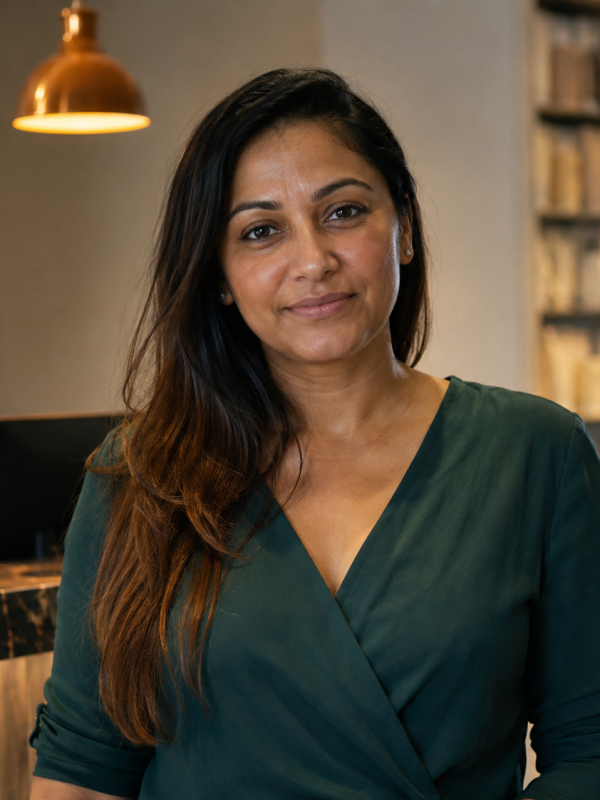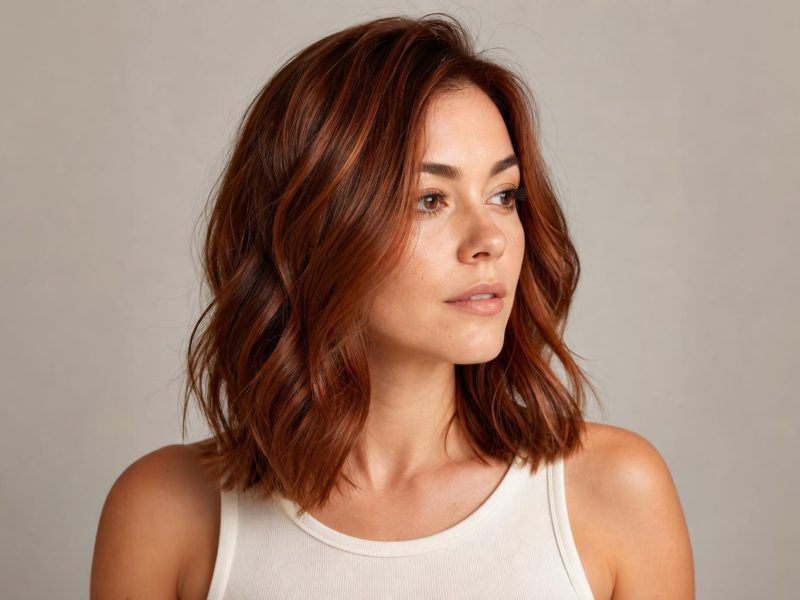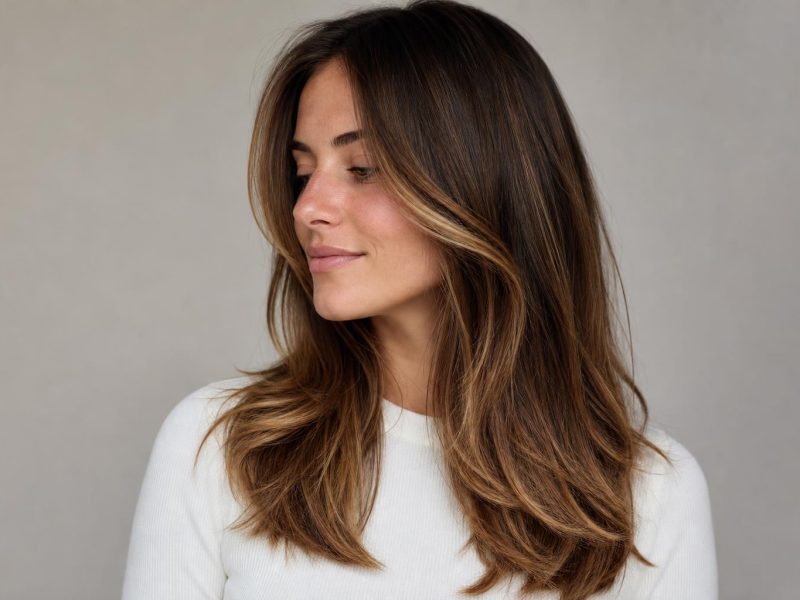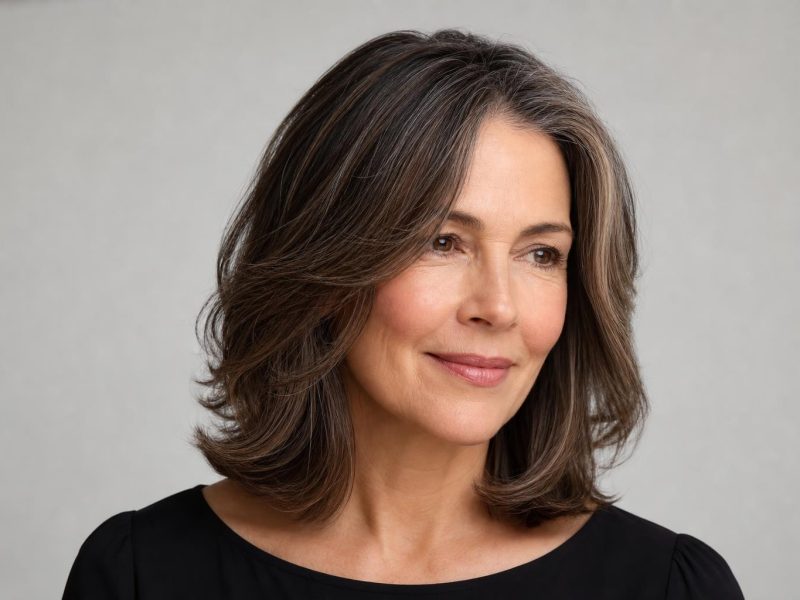

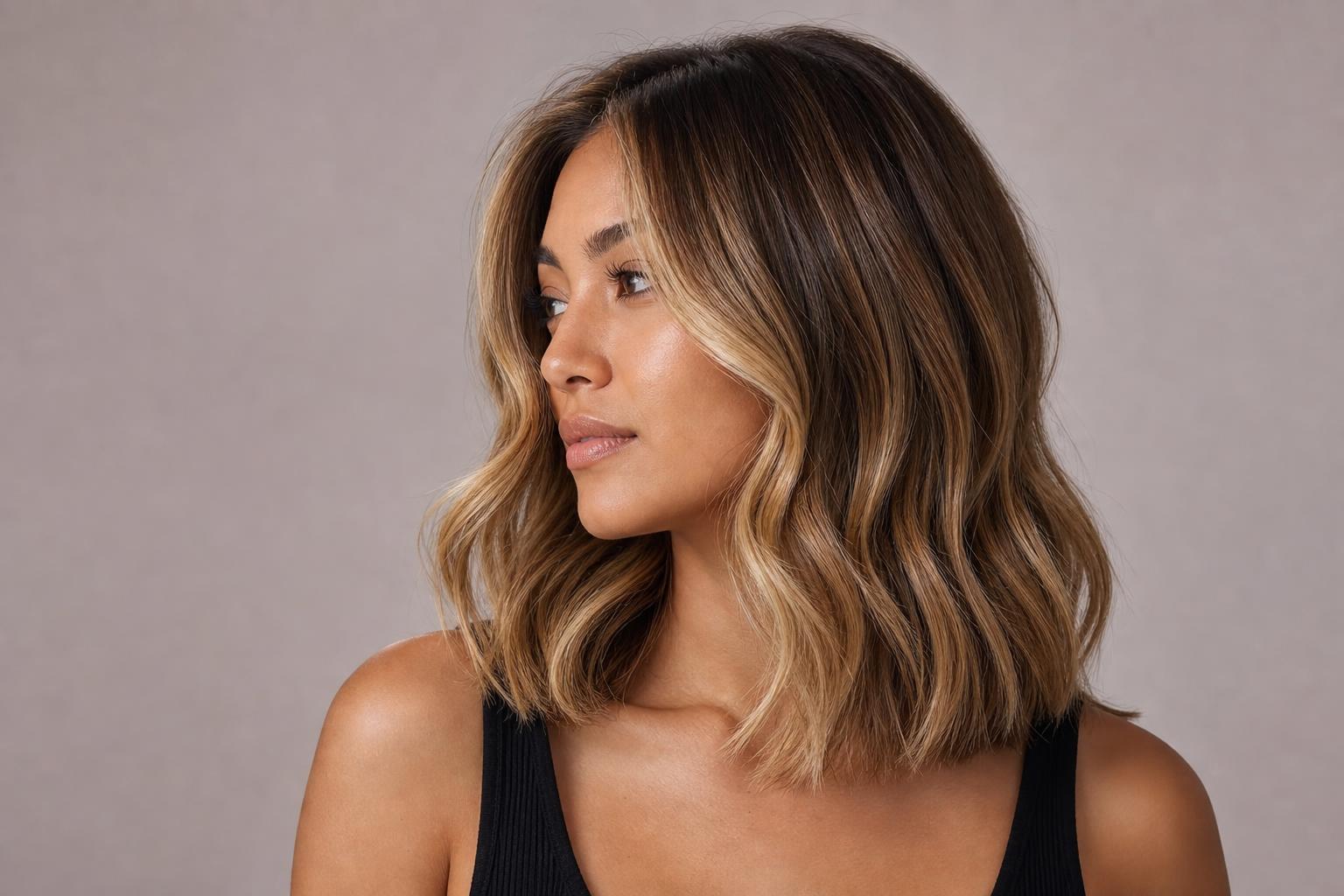
Crème brûlée bronde is the warm, caramel-toffee blend that sits right between brunette and blonde, and these 25 variations show how to wear it on every base, length, and texture.
Crème brûlée bronde is a warm bronde built on a neutral-to-warm brown base, layered with creamy golden and amber-toffee blonde so the finish glows like caramelized sugar. It flatters warm skin especially well and hides regrowth softly, which is why it has become one of the most requested low-effort color changes in the salon. These 25 ideas run from barely-there rooted blends to bright toffee ribbons, sorted so you can find the version that matches your base and how much upkeep you want.
Below, the looks are grouped into classic warm blends, placement and highlight variations, and options organized by texture and length. After the gallery you will find a skin-tone guide, the exact language to bring to your colorist, and a realistic maintenance plan, so you leave with a plan rather than just a screenshot.
| Factor | Details |
|---|---|
| Best for | Warm, olive, tan, and deep skin; natural level 5 to 8 brunettes |
| Tone | Warm caramel, toffee, and golden over a brown base |
| Maintenance | Forgiving; gloss every 8 to 10 weeks, paint every 4 to 5 months |
| Salon time | Roughly 2.5 to 4 hours for a full balayage and gloss |
| Avoid if | You want cool, ashy color or a bright, high-contrast blonde |
Classic Crème Brûlée Bronde Blends
These are the core versions of the shade, where a warm brown base meets soft caramel-blonde with no harsh lines. They suit anyone new to the color who wants dimension without a dramatic change, and they form the base that all the placement variations build on.
1. Hand-Painted Caramel Toffee Balayage
Freehand balayage sweeps warm toffee through the mid-lengths and ends while leaving the roots deep, which is what gives crème brûlée bronde its signature caramelized glow. The paint is heaviest around the face and lighter underneath, so the color looks sun-developed rather than placed. Ask for a soft, diffused start well below the root.
2. Rooted Crème Brûlée Bronde for Round Faces
A deep, shadowed root melting into warm blonde lengths draws the eye downward, which lengthens and slims a rounder face. Keeping the brightest pieces from cheekbone to jaw frames the face without adding width at the top. The vertical flow of light is the trick here.
3. Toffee Bronde on Fine Hair
Fine hair gains the illusion of thickness from the low-contrast, multi-tonal blend, since the eye reads dimension as density. Warm caramel woven through the mid-shaft adds depth where fine hair tends to look flat. A gloss finish keeps the strands looking glassy instead of wispy.
4. Air-Dried Caramel Waves
Styled with a scrunch of cream and left to air-dry, this version lets the toffee tones ribbon naturally through loose waves. The undone finish plays up the warmth and makes the color look effortless. A wide-tooth comb and a curl cream are all it takes at home.
5. Low-Upkeep Bronde with a Grown-Out Root
Built for people who hate frequent salon visits, this take starts the color low and keeps the natural root deliberately visible, so regrowth simply blends in. Months can pass between appointments without an obvious line. It pairs the trend with the gentlest possible maintenance.
6. Golden Amber Crème Brûlée Bronde
Pushing the gloss toward amber gives the blonde a richer, honeyed cast that reads warmer than a standard caramel. The color leans into the golden side of the shade for a deeper, more luxurious glow. It suits anyone whose skin loves warmth and wants the color to feel cozy. If you like this warm direction, the chai tea bronde pushes the spice even further.
7. Salon-Script Seamless Bronde
Tell your colorist you want a “seamless warm bronde, no stripes, blended root to tip,” and you get this soft, cohesive version with no visible transitions. The wording matters, because asking simply for highlights can produce chunkier contrast. Bring an outdoor photo so the warmth reads true.
8. Bronde Versus Full Blonde Balayage
Unlike a full blonde balayage that lifts most of the hair light, this version keeps a strong brown foundation and only warms the ends, so it stays natural and far lower maintenance. The contrast between base and ends is gentle rather than dramatic. It is the middle path for anyone torn between staying brunette and going blonde.
Placement and Highlight Variations
Where the color sits changes the whole effect. These entries play with money pieces, face-framing, and dimensional weaving to show how placement customizes crème brûlée bronde to your features and lifestyle.
9. Teasylight Crème Brûlée Bronde
A teasylight technique blends foil brightness with balayage softness, backcombing each section so the color melts at the root instead of starting in a line. The result is bright toffee dimension that still grows out seamlessly. It is a good choice when you want more lift than pure balayage gives but no visible regrowth.
10. Caramel Money Piece on Thick Hair
Thick hair carries a bold, brightened money piece well, framing the face with two warm caramel panels at the front. The surrounding density keeps the bright pieces from looking stark. Coarse and dense textures hold this contrast without looking overdone.
11. Toffee Ribbons Over Dark Brown
On a deep brown base, thin ribbons of toffee blonde create rich, firelit dimension that catches the light in movement. The color reads mostly brunette until the light hits, then the warm streaks glow through. This is crème brûlée bronde for people who want subtlety with a payoff.
12. Face-Framing Bronde for Square Faces
Soft, curved face-framing pieces in warm caramel round out the strong corners of a square jaw and forehead. Placing the brightest color at the temples and cheekbones draws attention to the center of the face. The softness of the tone does as much work as the placement.
13. Blow-Dried Glossy Bronde
Smoothed out with a round brush and a shine serum, this version turns the toffee tones into a polished, reflective finish worthy of the caramelized name. The sleek styling shows off the dimensional color at its glassiest. A boar-bristle round brush and a lightweight serum recreate it at home.
14. “Lived-In” Bronde Consultation Ask
Request a “lived-in warm bronde with a soft money piece and a shadow root” and your colorist will build a look designed to stretch between visits. Naming the lived-in finish tells them to keep contrast low and regrowth invisible. It is the phrase that separates high-maintenance highlights from this easygoing blend.
15. Low-Maintenance Ombre Bronde
A gentle ombre keeps the top two-thirds of the hair brown and pools the warm caramel into the bottom third, so touch-ups are rare and grow-out is nearly invisible. Because the lightest color lives at the ends, roots are never a concern. It is one of the most travel-friendly ways to wear the shade.
16. Bronde Versus Honey Blonde
Set beside a true honey blonde, this bronde keeps far more depth and warmth in the base, so it reads richer and more brunette. The ends still brighten, but the overall color stays grounded. Anyone deciding between the two can compare it against a lighter honey blonde to see the difference in depth.
Crème Brûlée Bronde by Texture and Length
Texture and length change how the color moves and where the warmth lands. These final variations show the shade across curls, coils, waves, and different cuts so you can picture it on your own hair.
17. Warm Bronde on Curly Hair
Caramel painted along the outside of the curl pattern lights up each coil as it springs, so the dimension follows the natural shape. Warmth suits curly hair beautifully because it emphasizes definition rather than frizz. A colorist experienced with curls should paint the hair dry to place the color where the light actually falls.
18. Balayage Bronde with a Color Melt
A color melt blurs the line between the brown root and the toffee ends into one seamless gradient, using a mid-tone caramel as the bridge. The technique erases any hard transition for a truly liquid finish. It is the most polished way to connect base and ends. The same idea works on a deeper chocolate brown base for less lift.
19. Crème Brûlée Bronde on Coily Hair
On coily, textured hair, warm caramel placed through the ends and crown adds glow without disrupting the density that coils rely on. The color reads as sun-warmth rather than heavy highlighting. Keeping lightener off the fragile lengths protects the curl pattern.
20. Beachy Bronde with Textured Ends
Worked into loose, tousled waves with a salt-free texture spray, this version scatters the toffee tones through piecey ends for a sun-and-sand feel. The styling makes the warm color look like it was earned on vacation. A 1.25-inch iron and a light texture cream give the undone bend.
21. Long-Layered Bronde for Oval Faces
Long layers let the warm caramel travel down the hair and pool where the layers fall, which flatters the balanced proportions of an oval face. The movement shows off the dimensional color at every length. Oval faces can carry the brightness high or low without throwing off balance.
22. Bronde Bob with Toffee Ends
A chin-to-shoulder bob with warm toffee concentrated in the ends keeps upkeep simple, since the brightest color grows out with the cut. The shorter length makes the caramel tones feel modern and clean. Regular trims matter more than root touch-ups here. It pairs naturally with a warm, low-contrast finish like a soft brushed blonde if you ever go lighter.
23. “Warm, Not Brassy” Colorist Request
Ask specifically for “warm caramel bronde, glossed golden, not brassy or orange,” and your colorist will tone the ends so the warmth stays rich instead of tipping into copper. The distinction between warm and brassy is the single most useful thing to communicate. It protects the exact toffee quality you want.
24. Dimensional Caramel and Honey Blend
Weaving both caramel and lighter honey tones through the same head builds extra depth, so the color shifts between shades as the hair moves. The multi-tonal effect looks expensive and natural at once. A blend of caramel highlights and softer honey pieces gets you there.
25. Crème Brûlée Bronde Versus Classic Brunette
Next to a solid brunette, this shade keeps the same familiar depth but adds warm movement that a flat brown cannot, which is why so many brunettes choose it as a first step into dimension. The base stays recognizable while the ends bring the glow. It is the gentlest possible upgrade from all-over brown to something with light and warmth.
How to Choose Crème Brûlée Bronde for Your Skin Tone
The warm, toffee palette flatters warm, olive, tan, and deep complexions most naturally, echoing the warmth already in the skin. Cooler and very fair skin can wear it with softened, less coppery tones so the warmth supports rather than overwhelms. Eye color is flexible, but brown, hazel, amber, and green eyes especially glow against the caramel.
| Skin Tone | How It Reads | What to Adjust |
|---|---|---|
| Deep | Rich and luminous; toffee catches the light | Keep the base deep for elegant dimension |
| Tan and olive | The most natural match; warmth mirrors the skin | Full caramel-golden range works as is |
| Medium warm | Glowy and sun-kissed | Balance caramel with a little honey for movement |
| Fair or cool | Wearable but can look strong | Soften the warmth and keep copper out of the gloss |
What to Tell Your Colorist
Bring two or three photos taken in natural light and lead with the word warm, because a colorist can read “bronde” as neutral or cool by default. Name the base depth you want to keep, the placement (money piece, face-framing, or all-over), and the finish. A useful full sentence: “A warm crème brûlée bronde on a level 6 base, hand-painted caramel and toffee through the mid-lengths and ends, glossed golden and not brassy, with a soft shadow root so it grows out seamlessly.”
Stylist tip: If your hair has old highlights or box color, say so before the appointment starts. Existing color changes how evenly warm tones take, and a quick strand test prevents patchy, uneven caramel later. This one heads-up saves the most color corrections.
For anyone deciding between warm color families, it helps to compare crème brûlée bronde against a neutral classic bronde and a richer honey brown before booking, since the three sit close together and a photo alone can be misleading.
Maintenance and Styling
Crème brûlée bronde is genuinely low-maintenance because the warm palette and brown base hide regrowth, but the toffee tone still needs occasional refreshing to stay rich. Most people gloss every 8 to 10 weeks and book a full paint only every 4 to 5 months.
| Task | Frequency | Why |
|---|---|---|
| Warm-toned gloss | Every 8 to 10 weeks | Refreshes the golden-caramel richness |
| Full balayage refresh | Every 4 to 5 months | Rebuilds placement and dimension |
| Sulfate-free color wash | Every wash | Protects warmth from stripping |
| Bond or hydrating mask | Weekly | Keeps lightened ends glossy and strong |
Skip purple shampoo, which cancels the exact warm tones that define this shade, and reach for a warm color-depositing conditioner instead. A heat protectant before any hot tool keeps the caramel ends from going dull. This is not a color you should try to force cool at home.
When Crème Brûlée Bronde Is Not the Right Choice
- You want cool or ashy color. This shade is warm by definition. If you keep your hair ashy on purpose, a neutral or cool bronde will suit you far better.
- You want a bright, high-contrast blonde. Crème brûlée bronde is blended and grounded. For real brightness, a lighter balayage or partial blonde is the honest choice.
- Your skin is very pink or ruddy. Heavy caramel and copper can amplify redness. Ask for softened, more neutral warmth, or lean toward a cooler beige blend.
- Your ends are pre-lightened and porous. Very porous hair grabs warm pigment unevenly. A filler and a strand test come first so the toffee lands even.
FAQ
What Is Crème Brûlée Bronde Hair?
Crème brûlée bronde is a warm bronde with a brown base and creamy caramel-toffee blonde through the mid-lengths and ends. It sits between brunette and blonde and leans golden rather than cool. The name comes from its caramelized, warm-sugar glow.
Is Crème Brûlée Bronde High Maintenance?
No, it is one of the more forgiving color choices. The warm tones and brown base hide regrowth, so most people stretch full appointments to four or five months. The main upkeep is an occasional gloss to keep the caramel rich, not frequent root touch-ups.
Does Crème Brûlée Bronde Suit Dark Hair?
Yes, and dark brunettes are ideal candidates. A darker base holds the warm toffee ribbons for rich, dimensional contrast without needing heavy lightening. Your colorist keeps the base deep and paints warmth through the mid-lengths and ends.
How Do I Keep Crème Brûlée Bronde from Fading?
Wash less often in cool water with sulfate-free, color-safe products, and refresh with a warm color-depositing conditioner between visits. Avoid purple shampoo, which cancels the golden tones you want to keep. A salon gloss every eight to ten weeks keeps the caramel from dulling.
Can I Get Crème Brûlée Bronde on Curly Hair?
Absolutely, and warmth tends to flatter curls by emphasizing definition. Ask a colorist experienced with curly hair to paint the color dry, so it lands where the light naturally hits each coil. Keeping lightener off the most fragile lengths protects the curl pattern.
What Is the Difference Between Crème Brûlée Bronde and Balayage?
Balayage is a painting technique, while crème brûlée bronde is the specific warm color result. You can create this shade using balayage, but foilyage or teasylights work too. The name refers to the caramel tone, not the method.
Crème brûlée bronde gives natural brunettes a warm, dimensional way to brighten without the upkeep of full blonde, and these 25 ideas show how it adapts to every base, texture, and length. Save two or three of your favorites, bring them to your colorist in natural light, and ask specifically for warm caramel over an ashy finish. Chosen to suit your skin tone and glossed regularly, crème brûlée bronde is one of the most flattering and forgiving warm colors you can wear.
Hair results vary based on your natural hair type, texture, density, and condition. Always consult with a licensed hairstylist before making significant changes, especially with chemical treatments or dramatic length changes. Photos may show styled results that require professional tools and products to replicate.