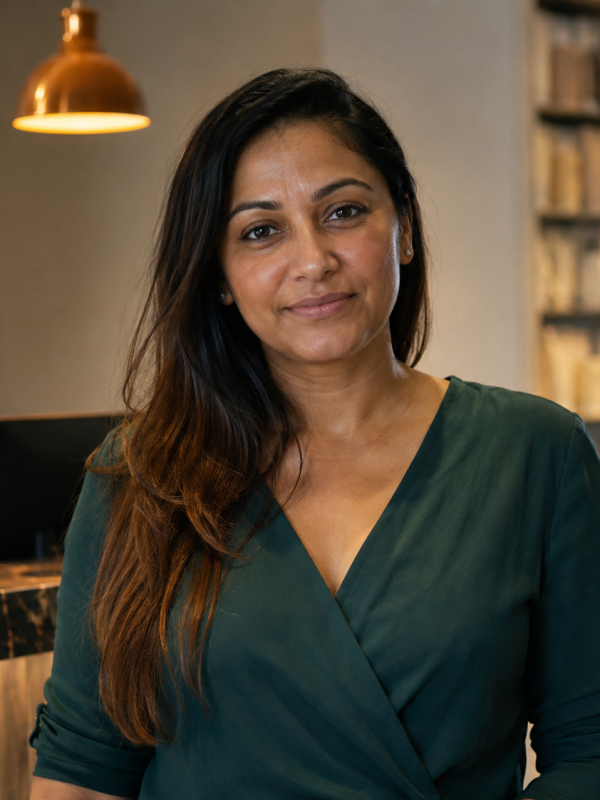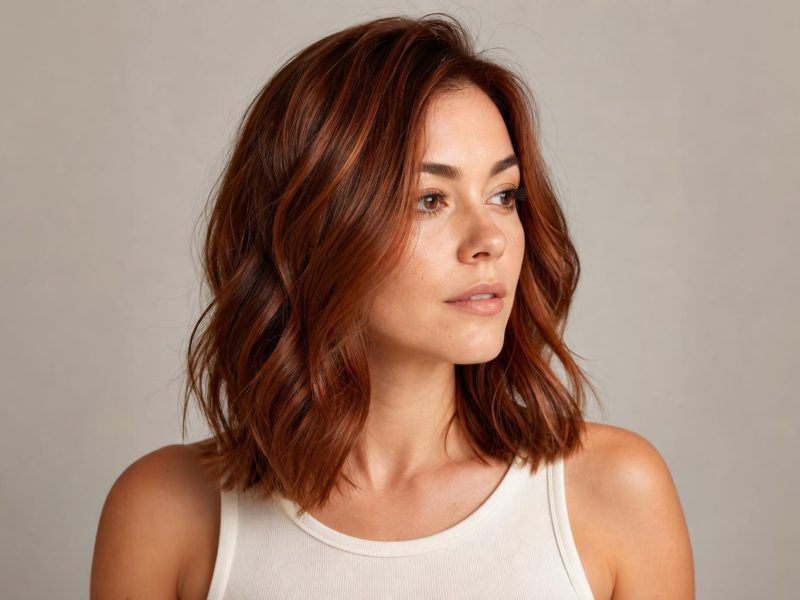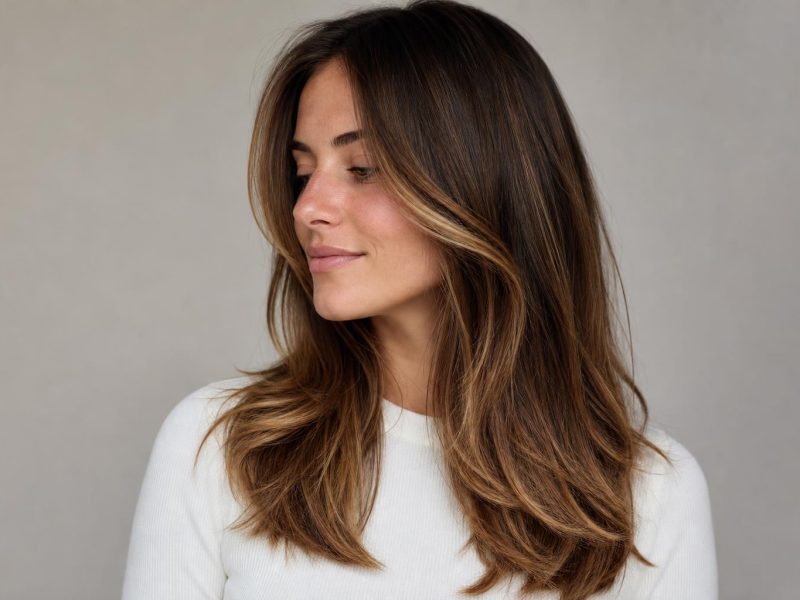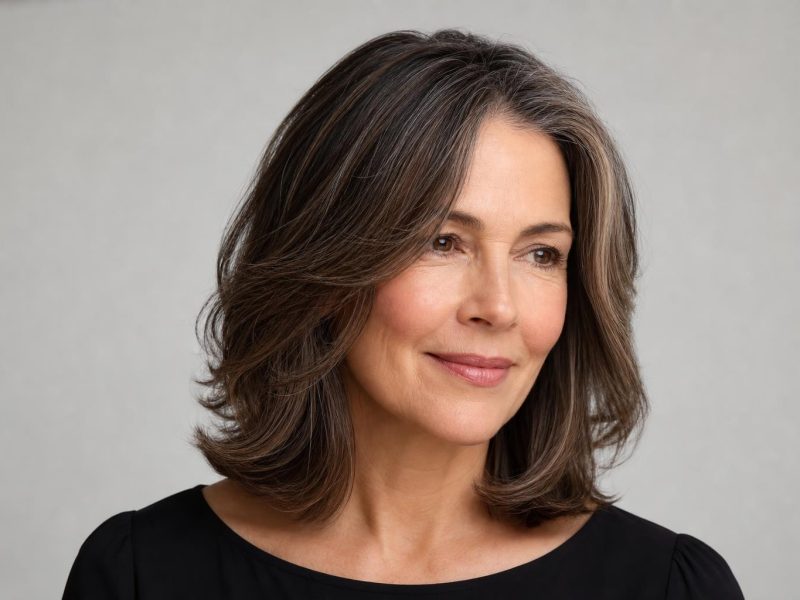

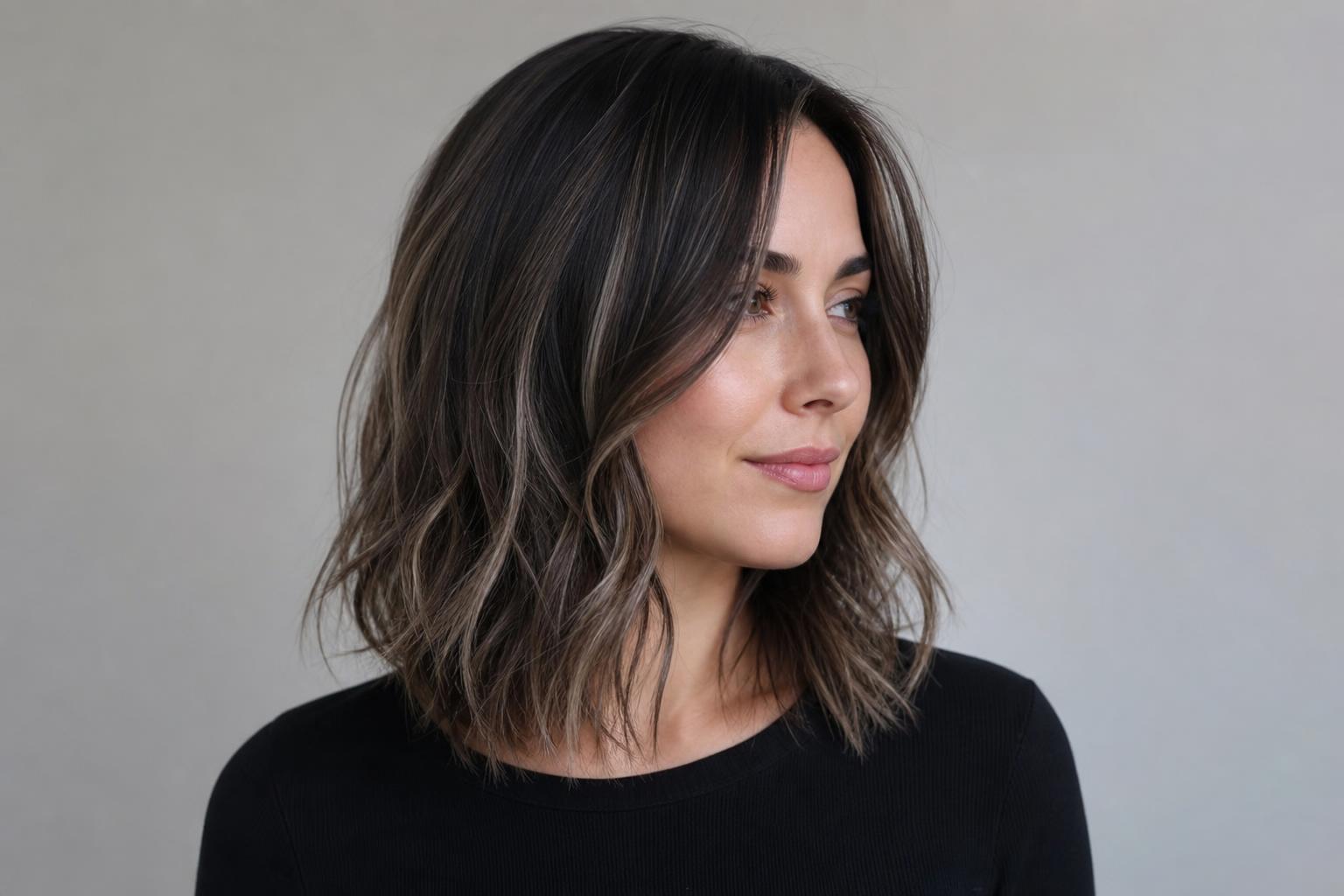
Frosted espresso takes a deep, near-black brown base and threads it with cool, frosty highlights, giving brunettes dimension without the warmth most espresso shades carry.
Frosted espresso hair is a dark espresso-brown base broken up with cool-toned highlights in ash, silver, and frosted chestnut, kept within two to three levels of the base so the contrast looks soft rather than striped. It is the cooler cousin of standard espresso brunette and one of several coffee-inspired shades trending in 2026, arriving alongside warmer blends like creme brulee bronde, tuned for anyone who wants depth at the root but a lit-from-within quality through the mid-lengths and ends. This collection gathers 20 colorist-approved variations, from barely-there ash money pieces to full frosted balayage.
The variations below are sorted by where the brightness lands: face-framing money pieces, woven babylights, balayage and root melts, and dimensional foilyage. After the gallery you will find an undertone matching guide, a face-shape placement table, verbatim language to bring to your colorist, a realistic maintenance schedule, and an honest look at who this cool-brown direction does not suit.
| Term | What It Means | Best For |
|---|---|---|
| Frosted Espresso | Espresso base with cool, frosty highlights (ash, silver, frosted chestnut) placed for a lit, dimensional finish. | Cool and neutral skin tones wanting visible dimension. |
| Iced Espresso | A single-process cool espresso with a blue or violet toner and little to no highlight contrast. | Anyone who wants a cooler solid brown, not dimension. |
| Dimensional Espresso | Espresso base with highlights and lowlights that can lean warm (caramel, hazelnut) or cool. | Warm and neutral tones wanting depth with softness. |
Frosted Espresso with Money Pieces and Face-Framing
Placing the brightness at the front is the lowest-commitment way into frosted espresso. A money piece or a set of face-framing slices lifts the shade around your features while the rest of the hair stays a solid, low-maintenance espresso. This group suits anyone testing the cool-brown waters for the first time, because grow-out is gentle and the contrast stays contained to the pieces that catch light in a mirror.
1. Espresso Base with Cool Ash Money Piece
A cool ash money piece brightens just the front sections, lightened two to three levels above the espresso base and toned toward gray-beige so it never turns brassy. The near-black depth everywhere else keeps the look grounded, so the brightness around the face does the whole job. It is the frosted espresso most people picture first, and the easiest to maintain since only a few front sections need refreshing.
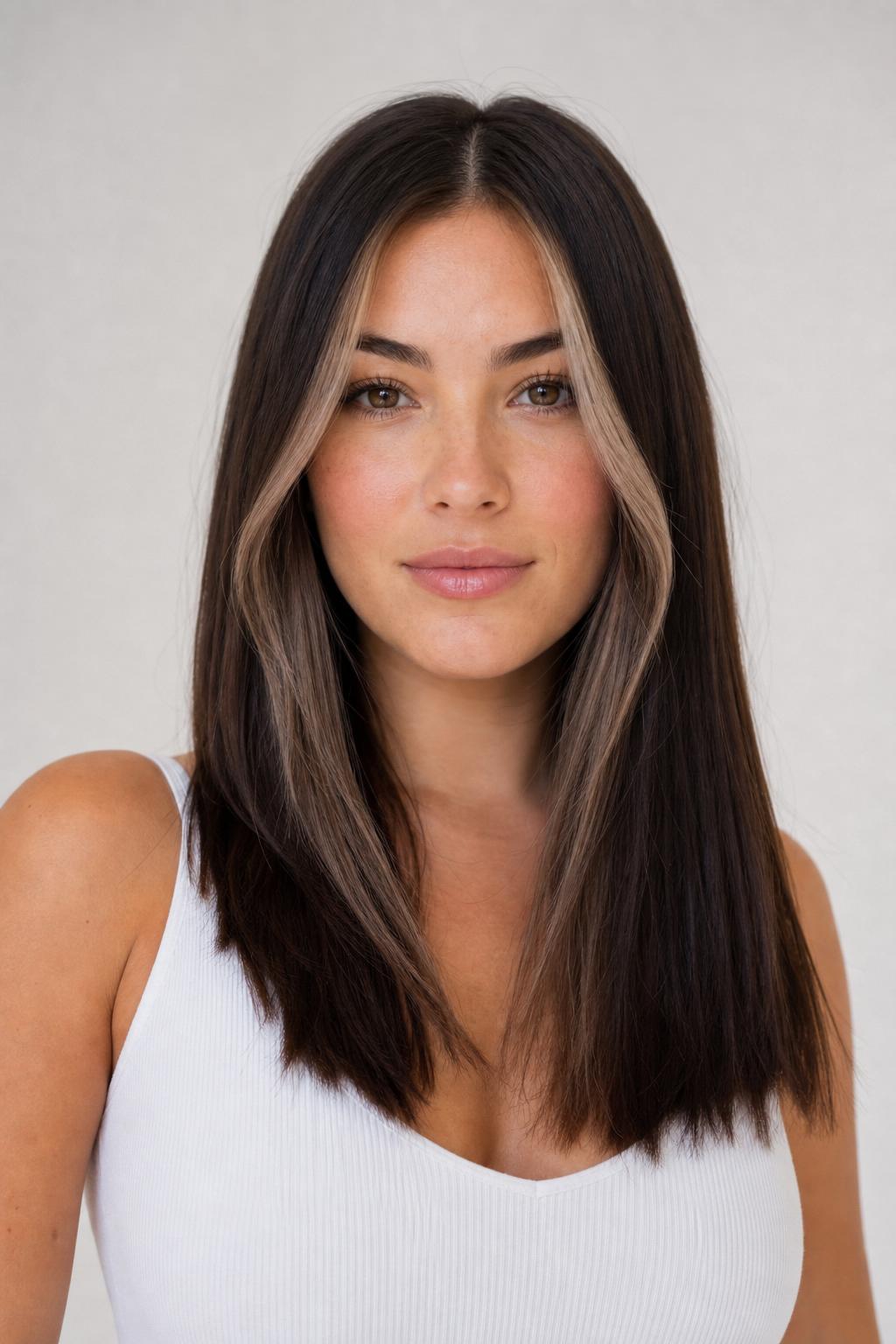
2. High-Contrast Espresso with Platinum Money Piece
Unlike the soft ash version, this one pushes the front pieces all the way to a cool platinum for a graphic, editorial split against the dark base. The heavy contrast needs a skilled hand at the root so the line where platinum meets espresso stays clean rather than muddy. Reserve this for special-occasion boldness or a naturally cool complexion that can carry near-white next to the skin.
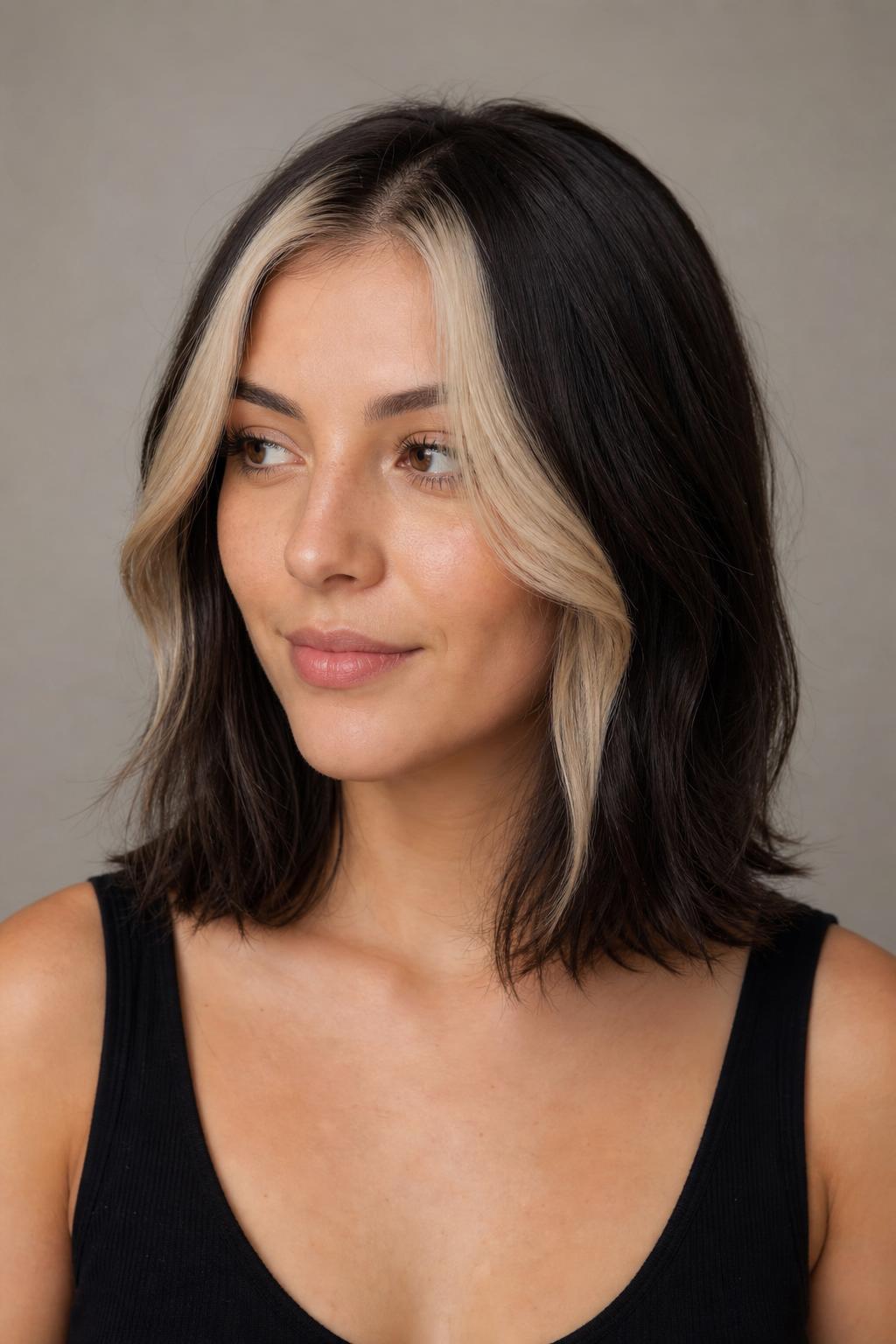
3. Frosted Espresso Curtain-Bang Face Frame
Cut curtain bangs into an espresso base and frost only the inner edges of the fringe, and the cool highlight traces the exact line that opens around your cheekbones. This works beautifully on heart and round faces, where the lightened sweep draws the eye toward the center of the face and softens width at the temples. Ask for the frosting to start at the bang and feather down into the first few inches of length so it flows as one continuous motion.
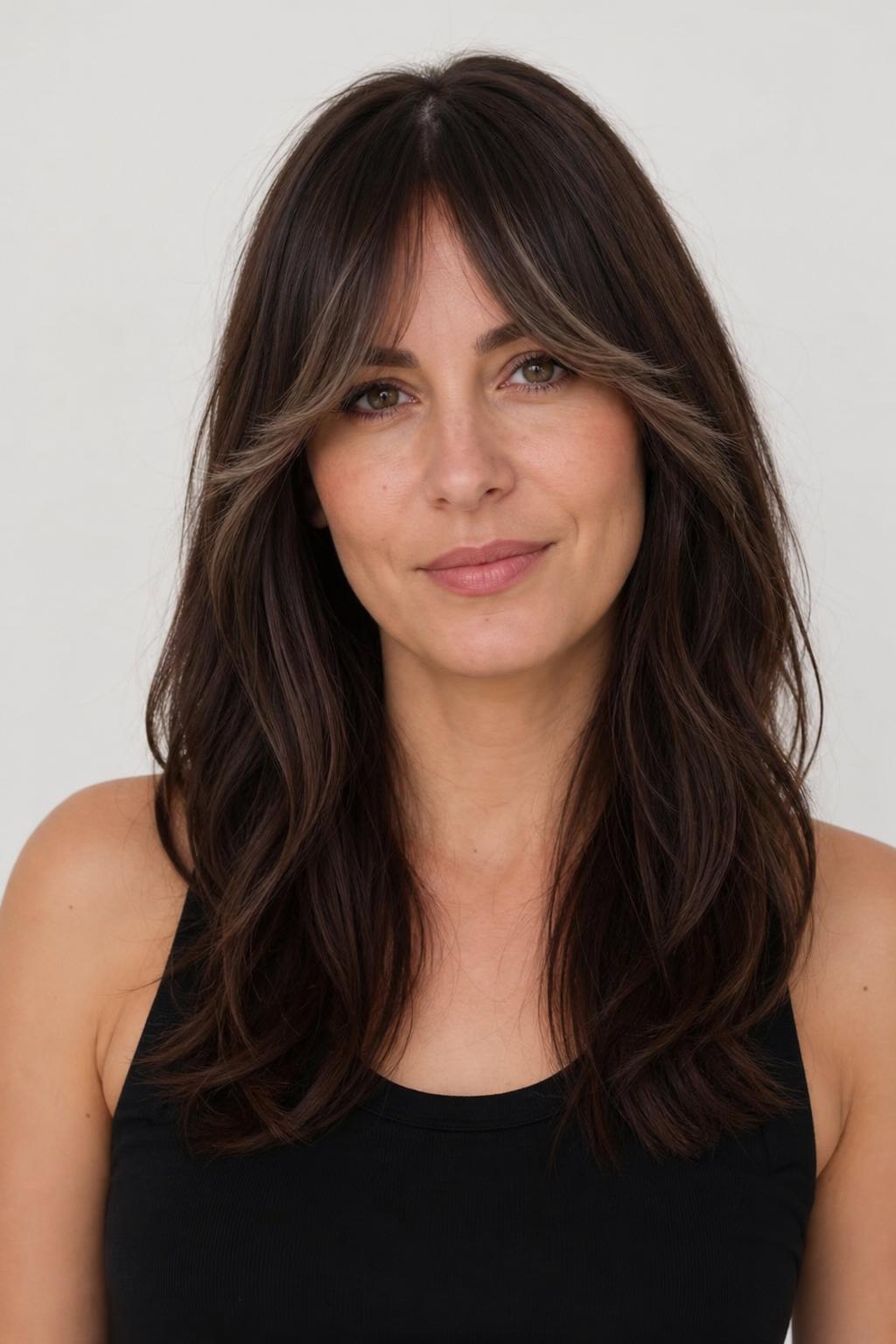
4. Espresso Bob with Frosted Ash Face-Framing Slices
On a blunt chin-length bob, a few frosted ash slices at the front give fine hair the illusion of a second dimension without removing weight from the line. Because a bob shows every color placement clearly, keeping the slices thin and cool stops the cut from looking chunky or dated. Fine-haired brunettes get the most from this, since the lighter pieces catch light and imply density the hair does not naturally have.

5. Iced Espresso with Frosted Money Piece and Ash Mini-Babylights
If you want the front brightness of a money piece plus a whisper of dimension everywhere else, ask for a frosted money piece paired with a scatter of ultra-fine ash mini-babylights through the crown. Bring a photo that shows both the bold front and the subtle interior, and use the words “frosted money piece with a few fine ash babylights, kept cool, nothing warm.” That specific language stops a colorist from defaulting to a warmer, heavier highlight than you want.
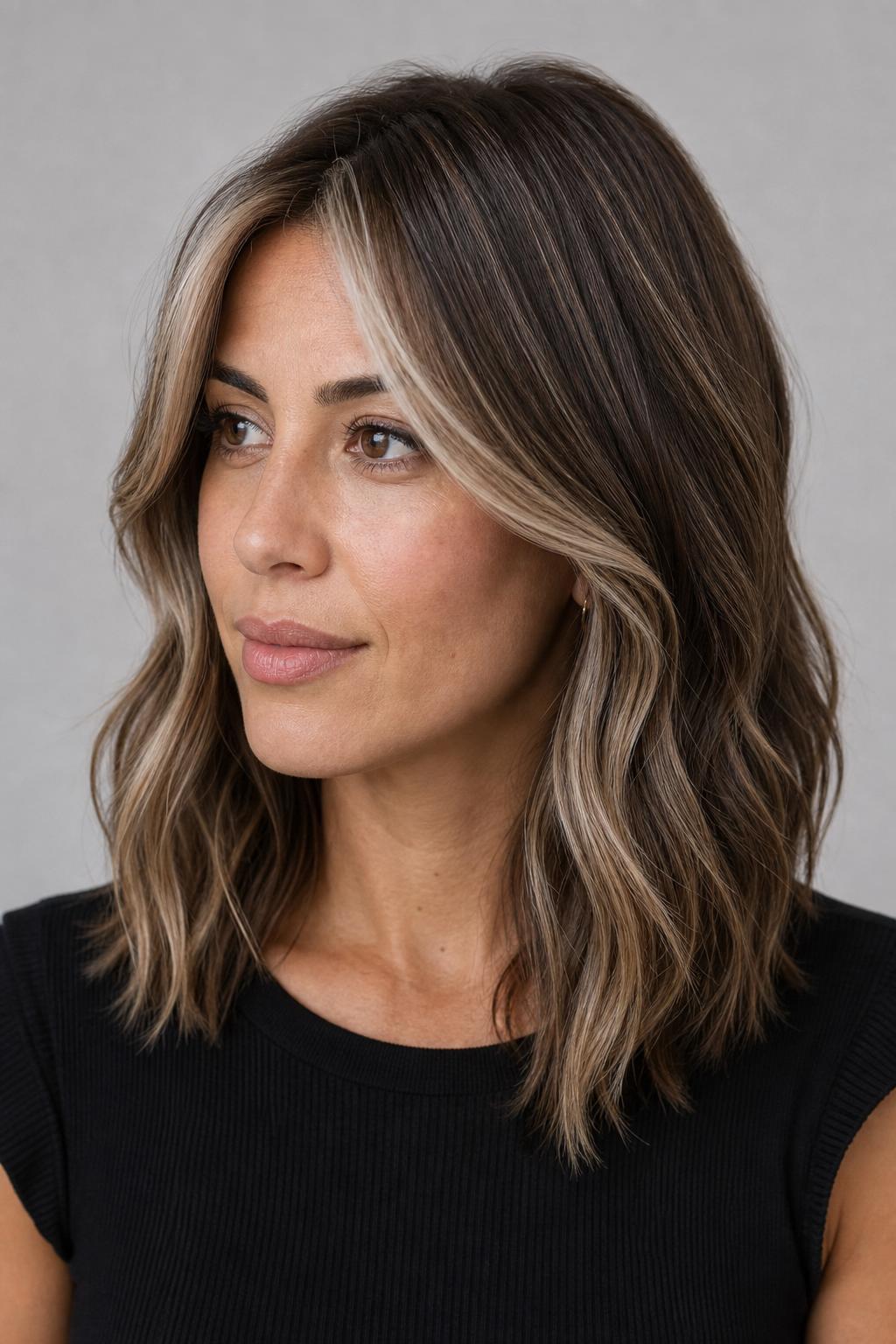
Frosted and Silver Babylights
Babylights are the finest highlight a colorist can weave, and on an espresso base they create the frosted, lit-from-within quality that gives this trend its name. Because each piece is so thin, the effect is dimension you sense more than see up close, which looks expensive and natural in daylight. This section suits people who want their brown to look richer and more layered without any obvious highlight stripes.
6. Frosted Espresso with Silver-Toned Crown Babylights
Fine babylights lightened and then pushed silver with a blue-based toner run mainly through the crown, where daylight hits first. The technique keeps the base espresso solid while the top layer shimmers a cool frost as you move. This is a foil service, so plan on a longer appointment than a face-frame refresh, but the payoff is the most authentic frosted effect in the collection.
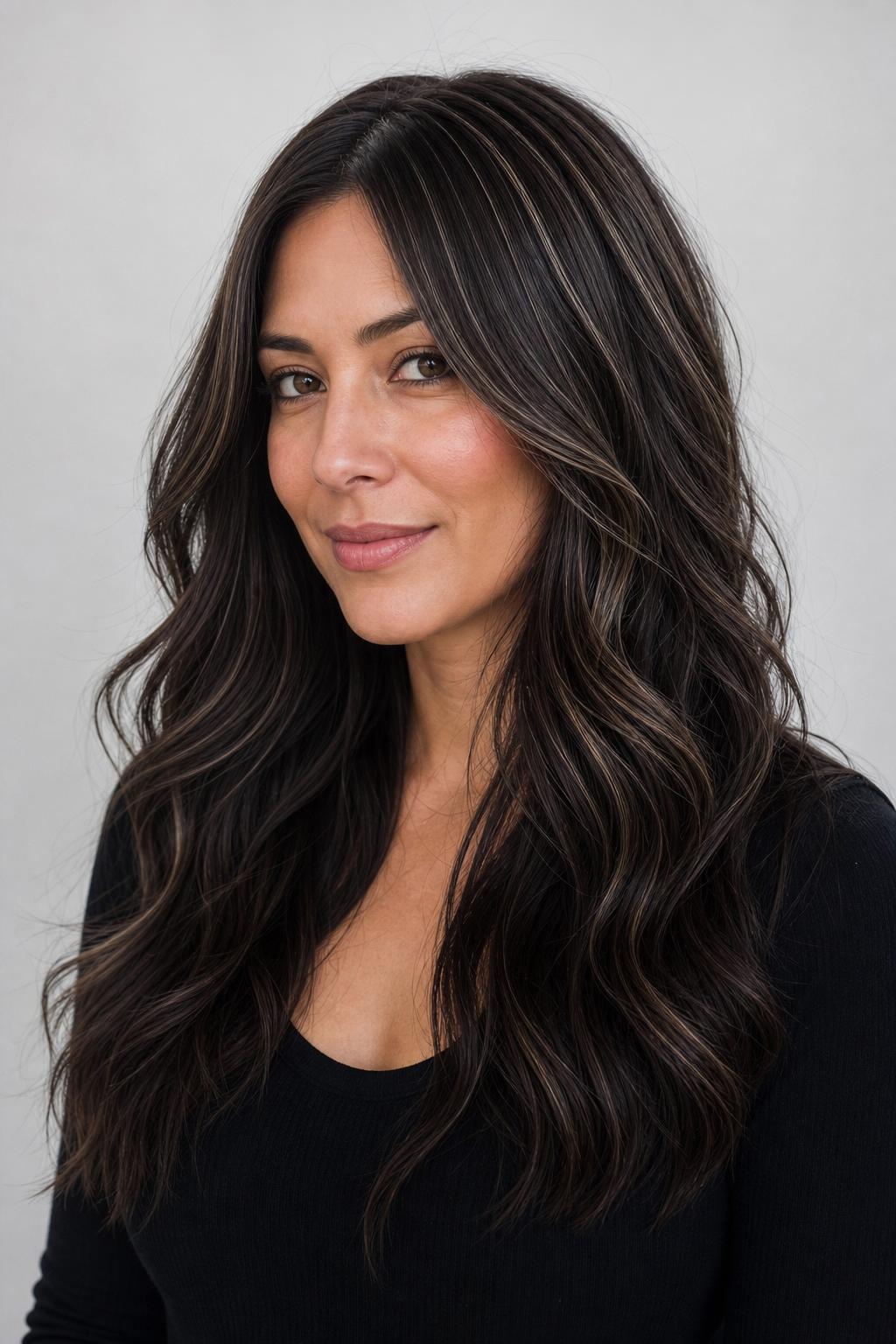
7. Espresso with Cool Cappuccino Babylights for Fine Hair
Fine hair often looks flat in a single-process espresso, and cool cappuccino babylights fix that by adding tonal variation that mimics natural density. The cappuccino tone is a touch warmer than ash but still stays in the cool-neutral family, so it flatters more skin tones than a true silver. Woven close to the scalp, these babylights make a thin ponytail look fuller and give a blowout more visible movement.
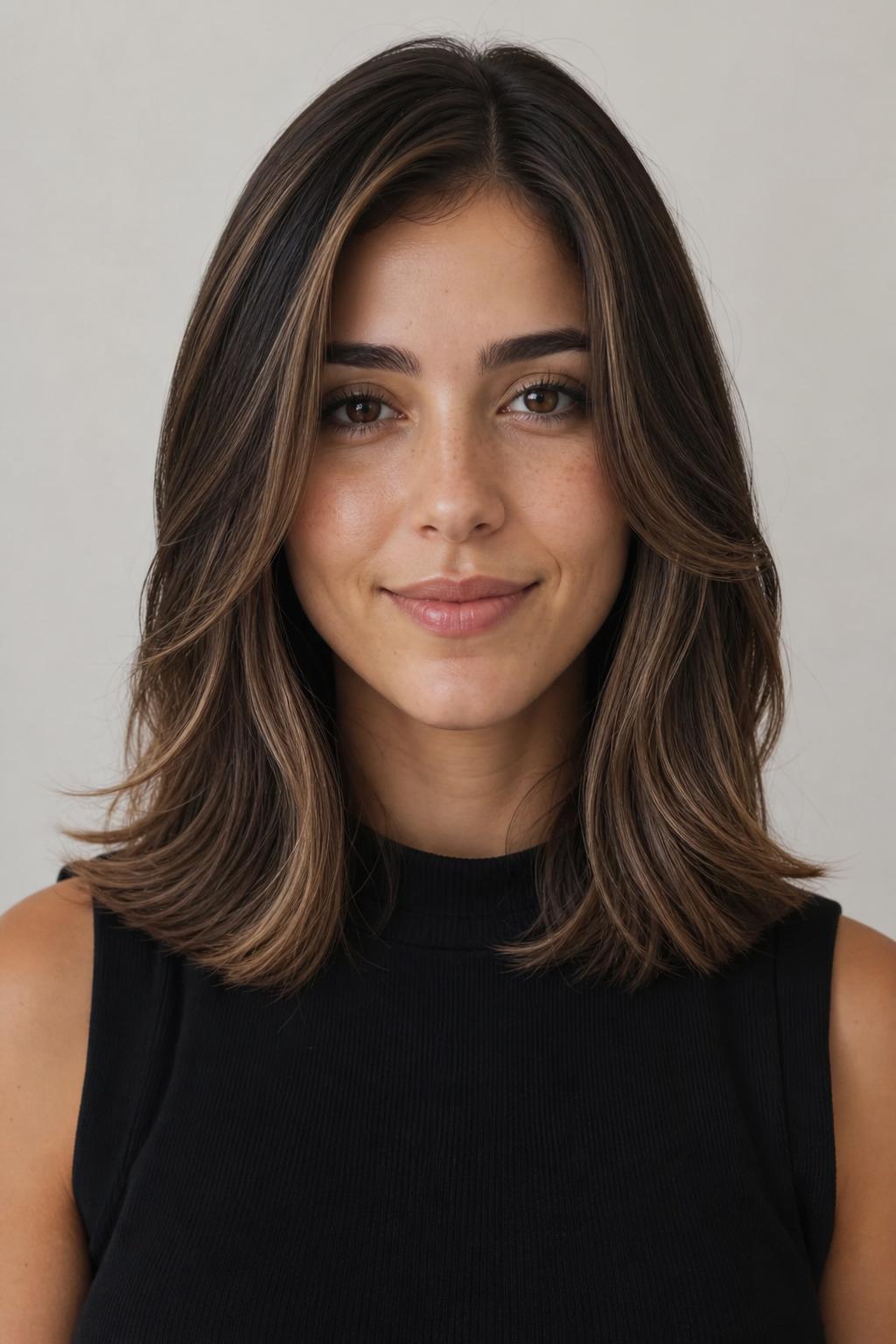
8. Espresso with Frosted Silver Peekaboo Underlayer
Hide a frosted silver panel in the underlayer and the espresso stays completely intact until you move, tuck, or throw your hair up, when the cool frost flashes through. Styling changes the whole look on demand, which makes this a favorite for people whose workplace prefers a conservative color most days. Tie it into a high bun and the silver becomes the star; wear it down and you are a solid brunette again.
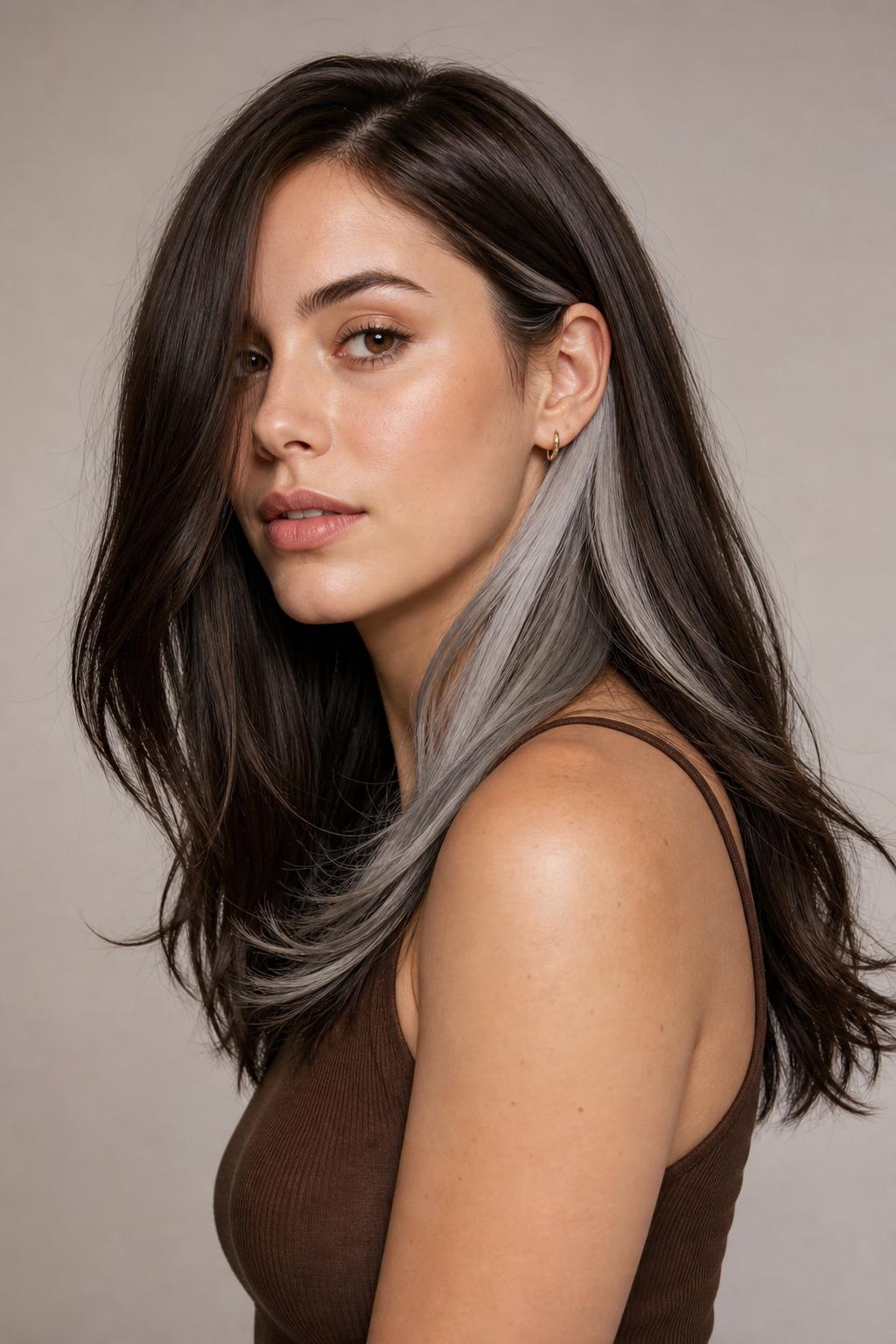
9. Iced Espresso with Soft Ash Halo Lights Around the Part
Concentrating soft ash lights in a halo around the part flatters longer and oblong faces by adding brightness where the face is widest, at the top. The base stays a cool iced espresso so the halo glows rather than stripes. Because the lightness concentrates at the crown, this placement also gives the illusion of lift and root volume, useful for anyone with a flat or low-density crown.
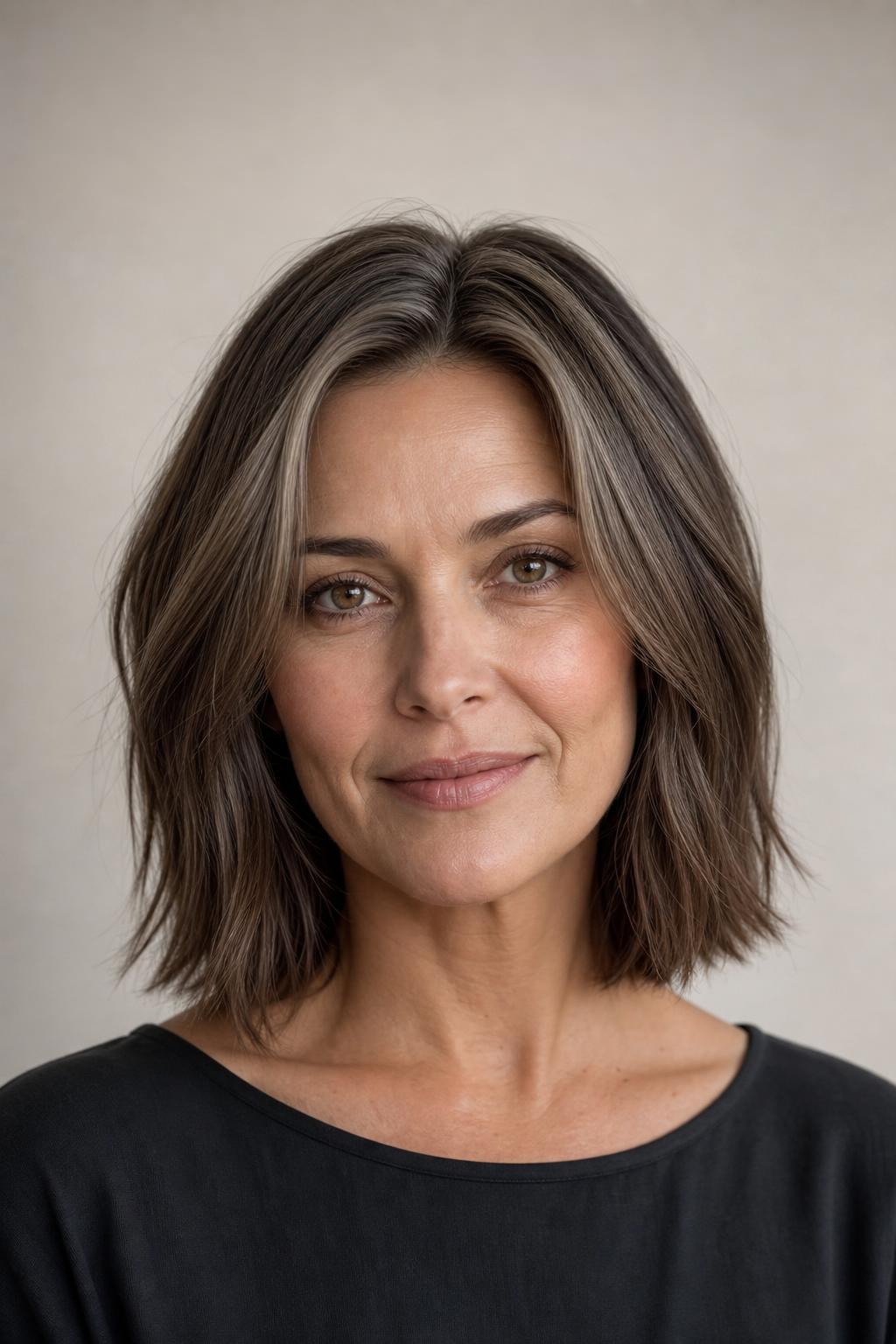
10. Espresso Base with Frosted Gray-Blending Babylights
For brunettes with early gray, frosted babylights do double duty by camouflaging regrowth so gray looks like a deliberate cool highlight rather than a root you have to chase. Grow-out is far more forgiving than a solid espresso, where every gray strand stands out against the dark. Expect to stretch salon visits noticeably longer than a single-process color, since the frosted pieces disguise the line where new gray comes in.
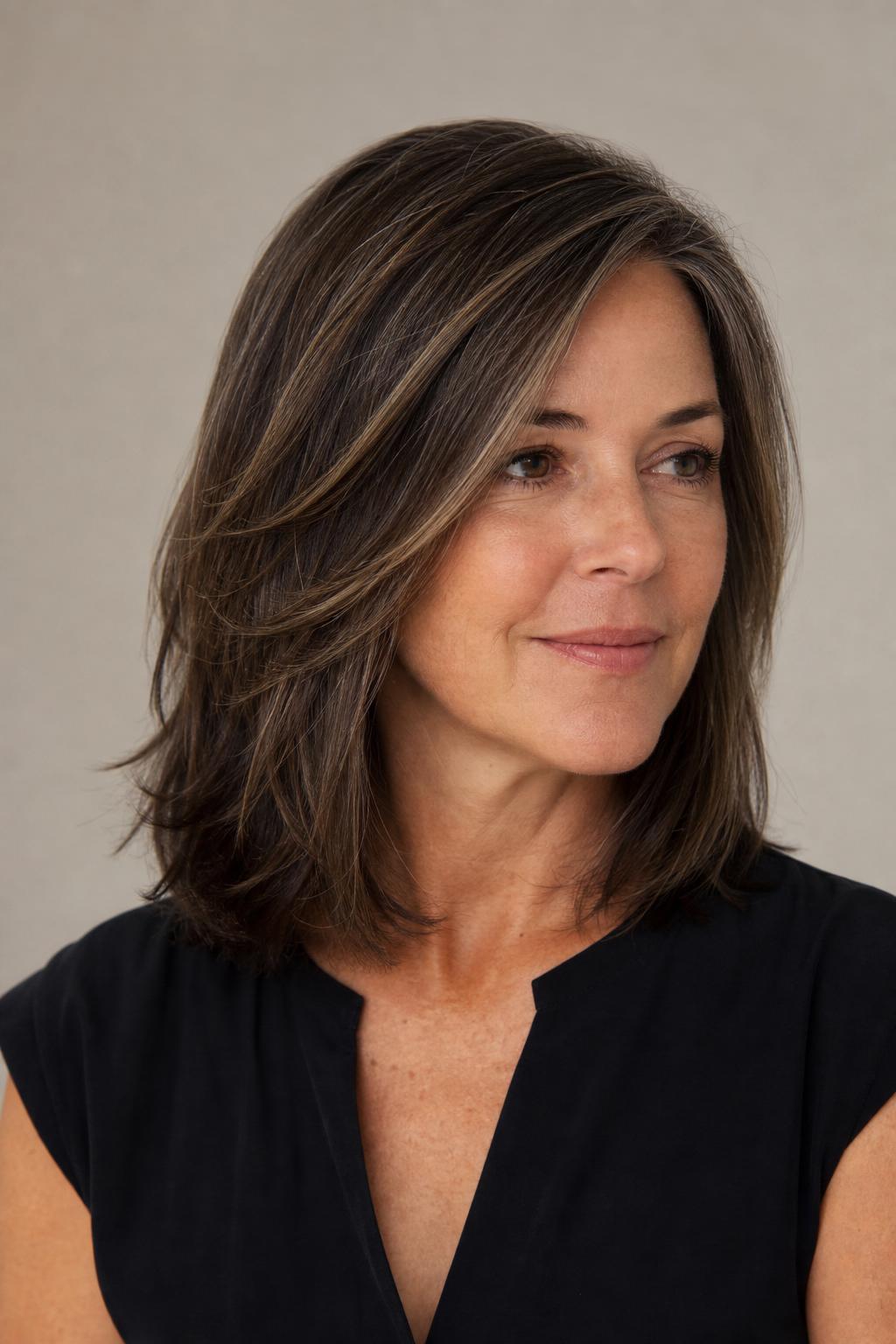
Balayage, Root Melts, and Ombre
Where babylights add fine interior sparkle, balayage and root melts sweep brightness through the mid-lengths and ends for a bolder, more visible gradient. On an espresso base the trick is keeping the swept tone cool, because warmth is what turns a frosted look into an ordinary caramel brunette. These variations grow out with the softest line of any technique here, which makes them the practical choice for anyone who dreads a harsh root.
11. Iced Espresso Balayage with Cappuccino Ribbons
Hand-painted cappuccino ribbons swept from mid-shaft to ends give an iced espresso base movement without touching the root, so regrowth stays invisible for months. The painterly placement means no two sections lighten identically, which is exactly what makes balayage look natural rather than foiled. This is the frosted espresso for someone who wants dimension but visits the salon as little as possible.
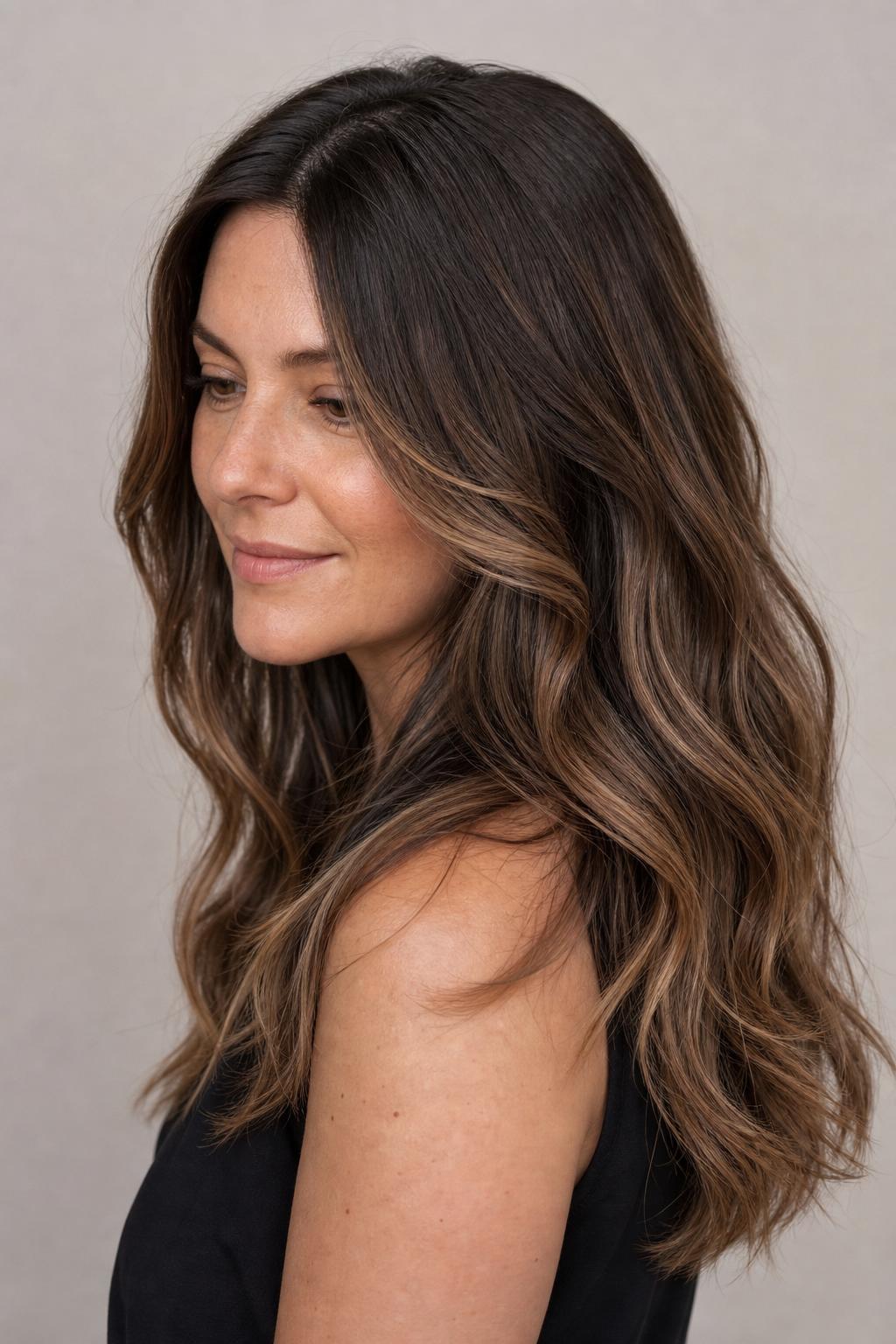
12. Espresso Root Melt into Frosted Chestnut Ends
The frosted chestnut here stays firmly cool, a mushroom-leaning brown rather than a red or golden chestnut, so the ends lighten without warming up. A seamless root melt blends the dark espresso into that cool chestnut with no visible transition, the same soft-blend logic behind color melting techniques. The result is depth at the scalp fading to a frosty glow at the tips.
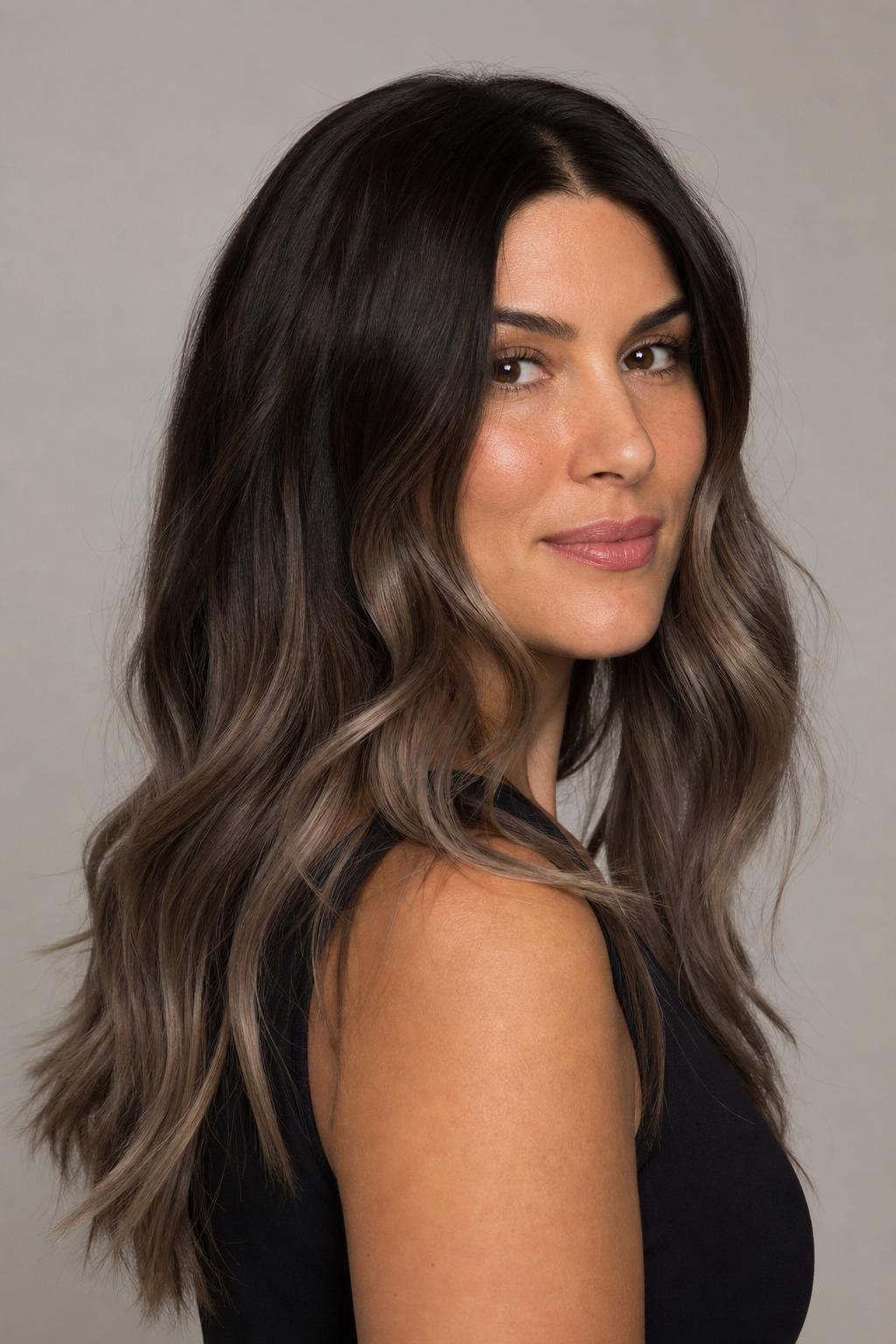
13. Espresso with Frosted Hazelnut Ribbon Balayage
Bring a photo of cool, gray-leaning hazelnut, not the warm golden version, and tell your colorist “frosted hazelnut balayage, kept ashy, no gold.” Hazelnut falls between cappuccino and chestnut in depth, so it gives a slightly warmer look than pure ash while staying in the frosted family for neutral skin tones. Confirm they plan to tone the ribbons cool after lifting, because hazelnut is the shade most likely to pull brassy if left untoned.
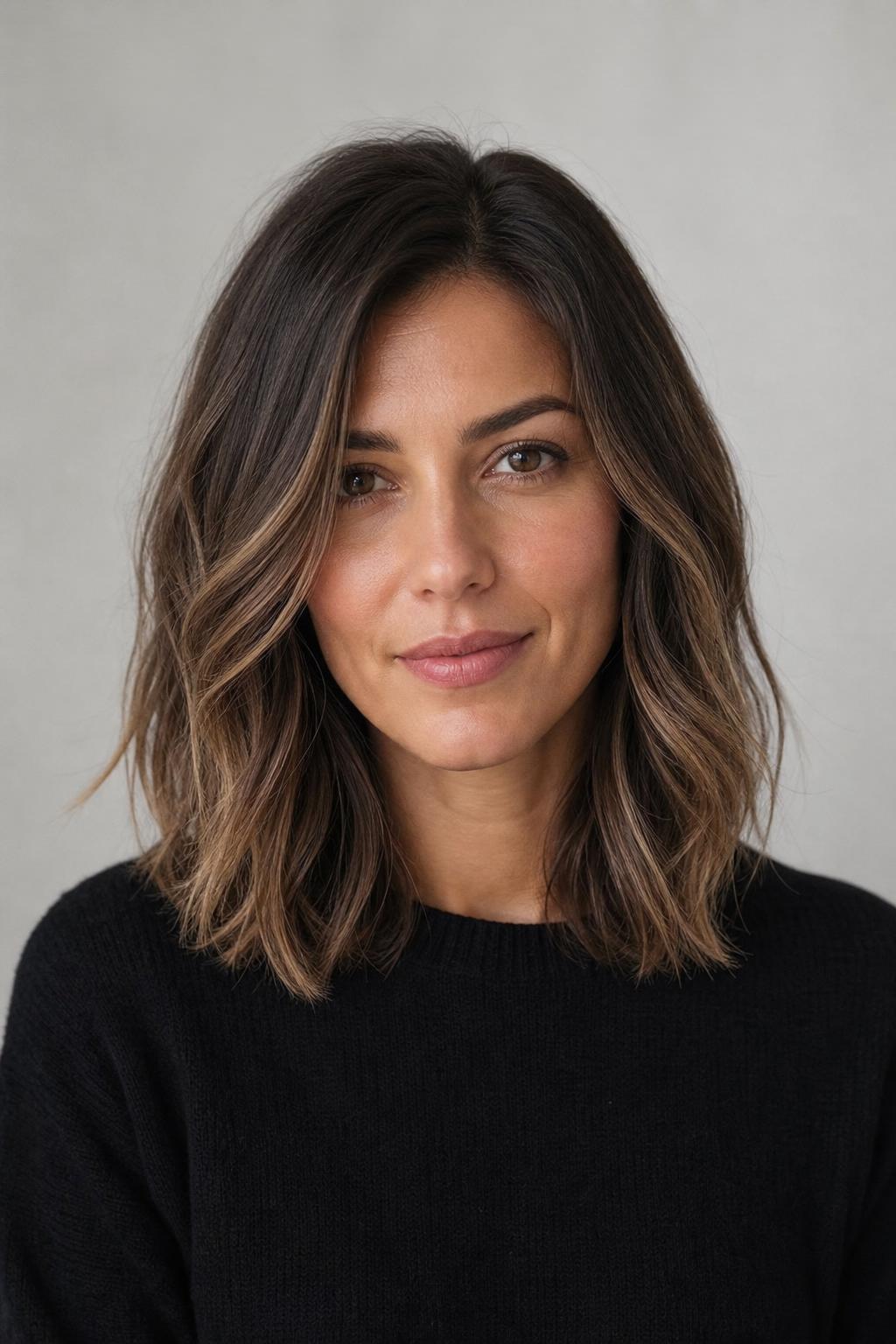
14. Frosted Espresso Shadow Root with Latte Ends
Style this one with a loose wave to show the vertical gradient from a deep espresso shadow root down to cool latte ends. The shadow root is deliberately darker than the mid-lengths, which anchors the frost and makes the lighter ends look even brighter by contrast. A round brush and a light texturizing spray keep the ends airy so the latte tone looks soft rather than solid.
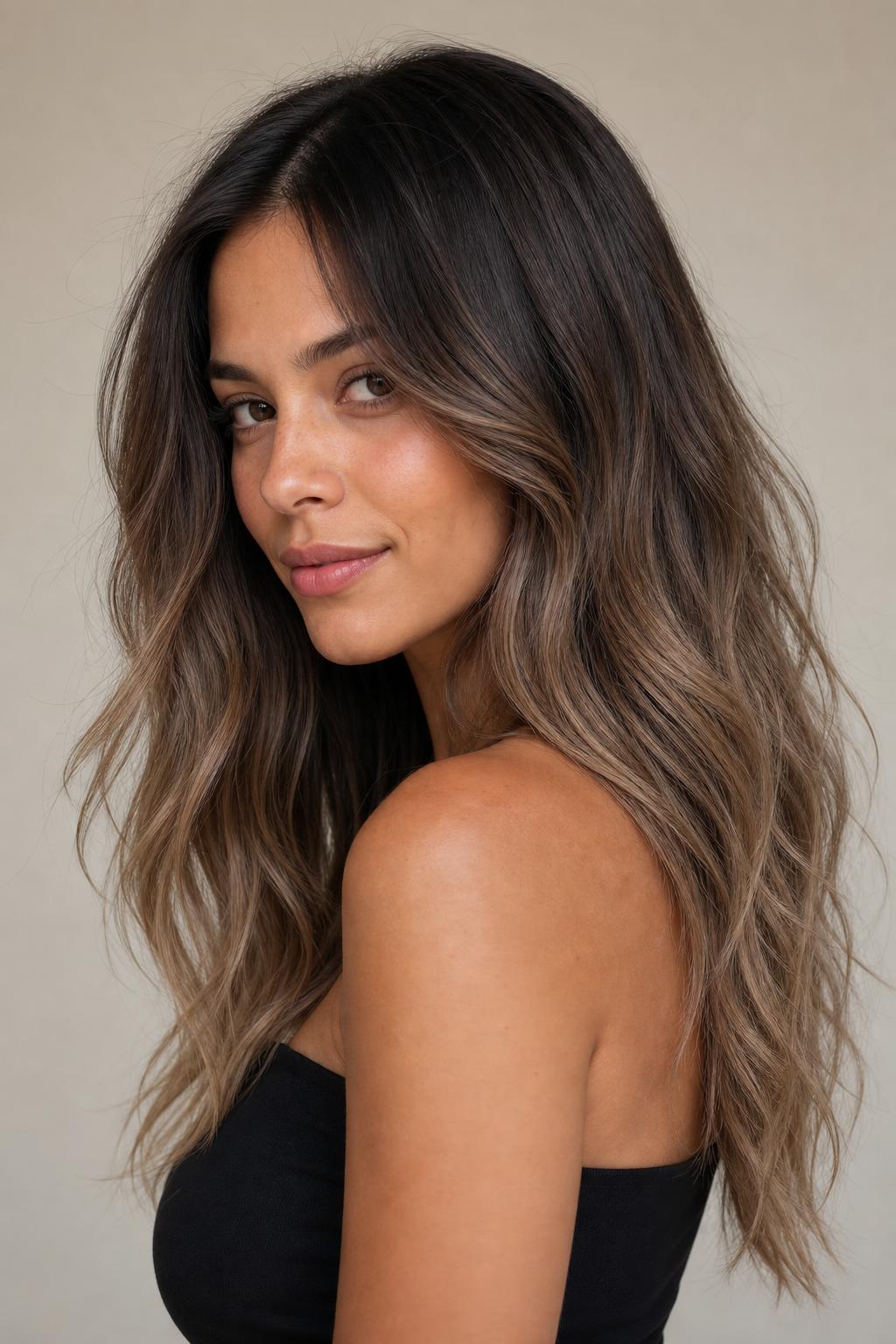
15. Frosted Espresso Ombre from Dark Roots to Cool Mid-Brown
Ombre keeps the top third fully espresso and blends into a cool mid-brown only from the ears down, a heavier bottom-weighted gradient than a balayage sweep. Choose this over balayage when you want the ends noticeably lighter as a block rather than painted ribbons throughout. It grows out cleanly because the darkness owns the entire root and crown, so months can pass before a refresh is due.
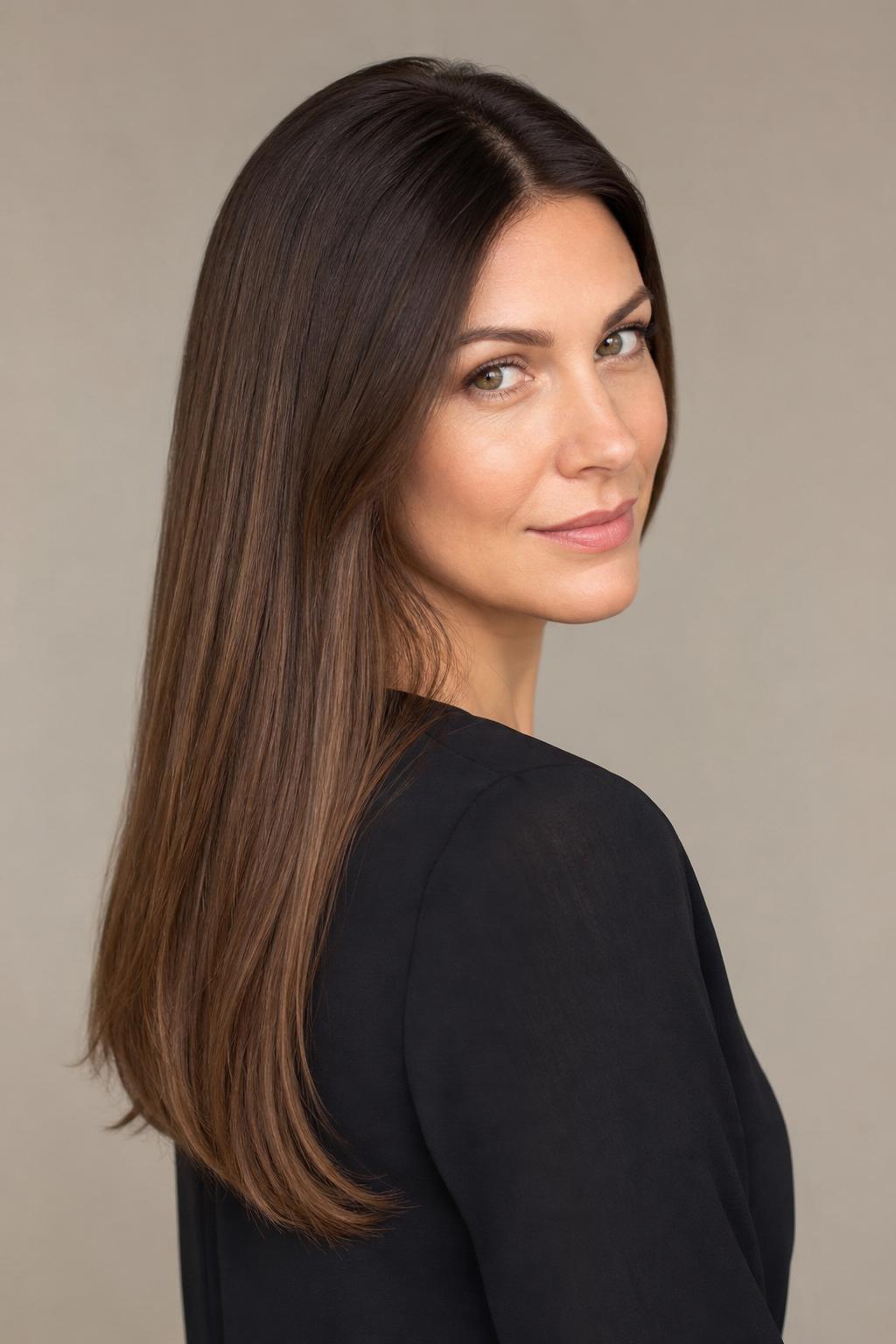
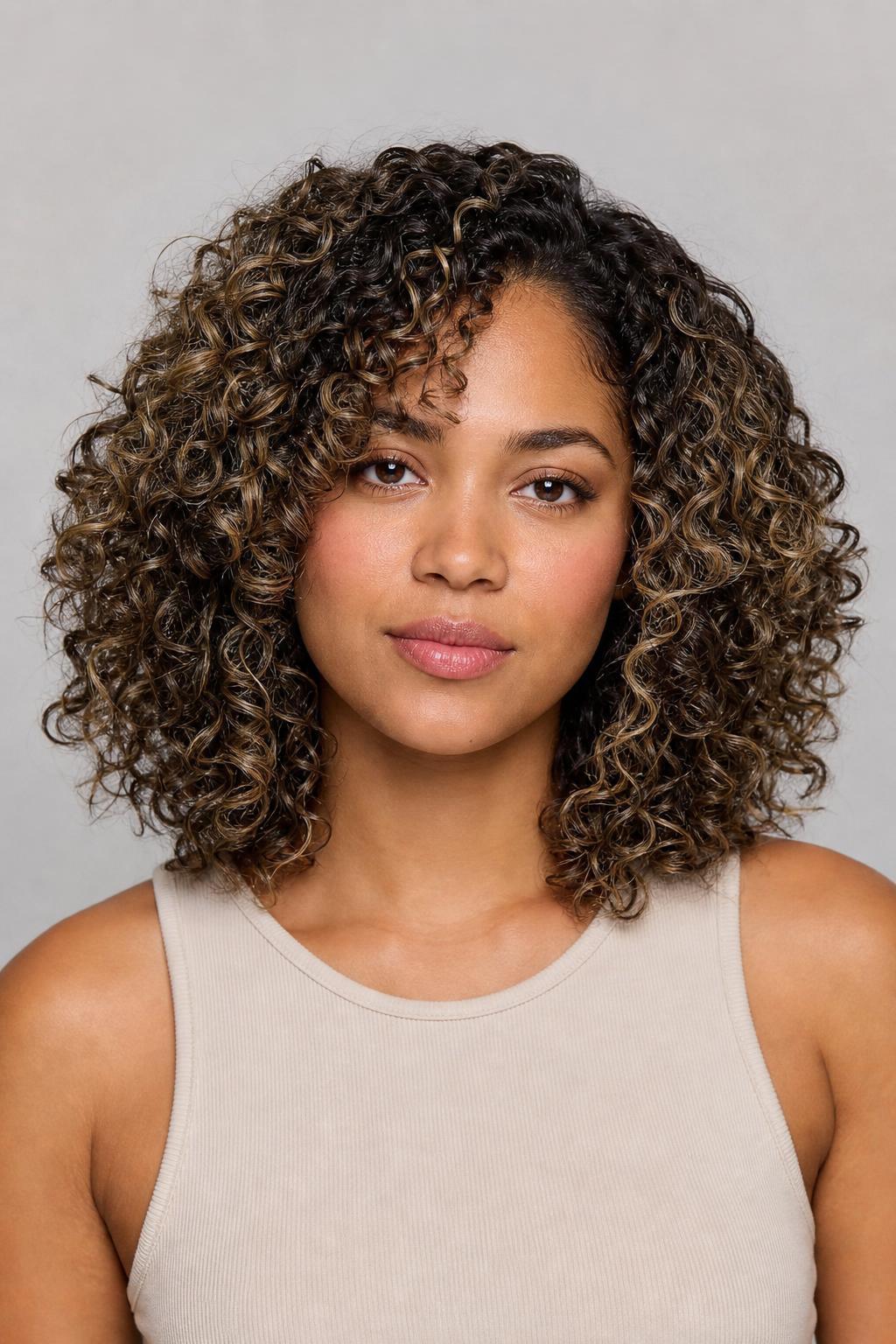
16. Frosted Cool-Beige Balayage on Curly Hair
Curly and textured hair shows frosted espresso differently, because every coil catches the cool-beige balayage at a different angle and multiplies the dimension. On 3a to 3c curls, the painted pieces should be placed on dry hair so the colorist can see where each ribbon will actually fall once the curl springs up. The frosted beige stays cool against the espresso base, lighting the curl pattern without the brassiness warm tones bring to textured hair.
Dimensional Foilyage and Lowlight Blends
Foilyage marries the freehand painting of balayage with the extra lift a foil gives, so it reaches a cooler, brighter result on stubborn dark hair than balayage can alone. Lowlights work the opposite direction, dropping a few deeper cool pieces back into over-highlighted hair to rebuild espresso richness. Together they cover the two people this section serves: those chasing more frost on dark hair, and those softening highlights that went too light.
17. Cool Espresso with Mushroom-Brown Foilyage
Foilyage lifts hand-painted sections inside foils to reach a cool mushroom brown that pure balayage often cannot achieve on a level 2 to 3 base. The mushroom tone is the coolest, most gray-leaning brown in the frosted family, ideal for anyone who wants zero warmth. If you have loved the look of mushroom and taupe browns but want more depth at the root, this is the espresso-based route to it.
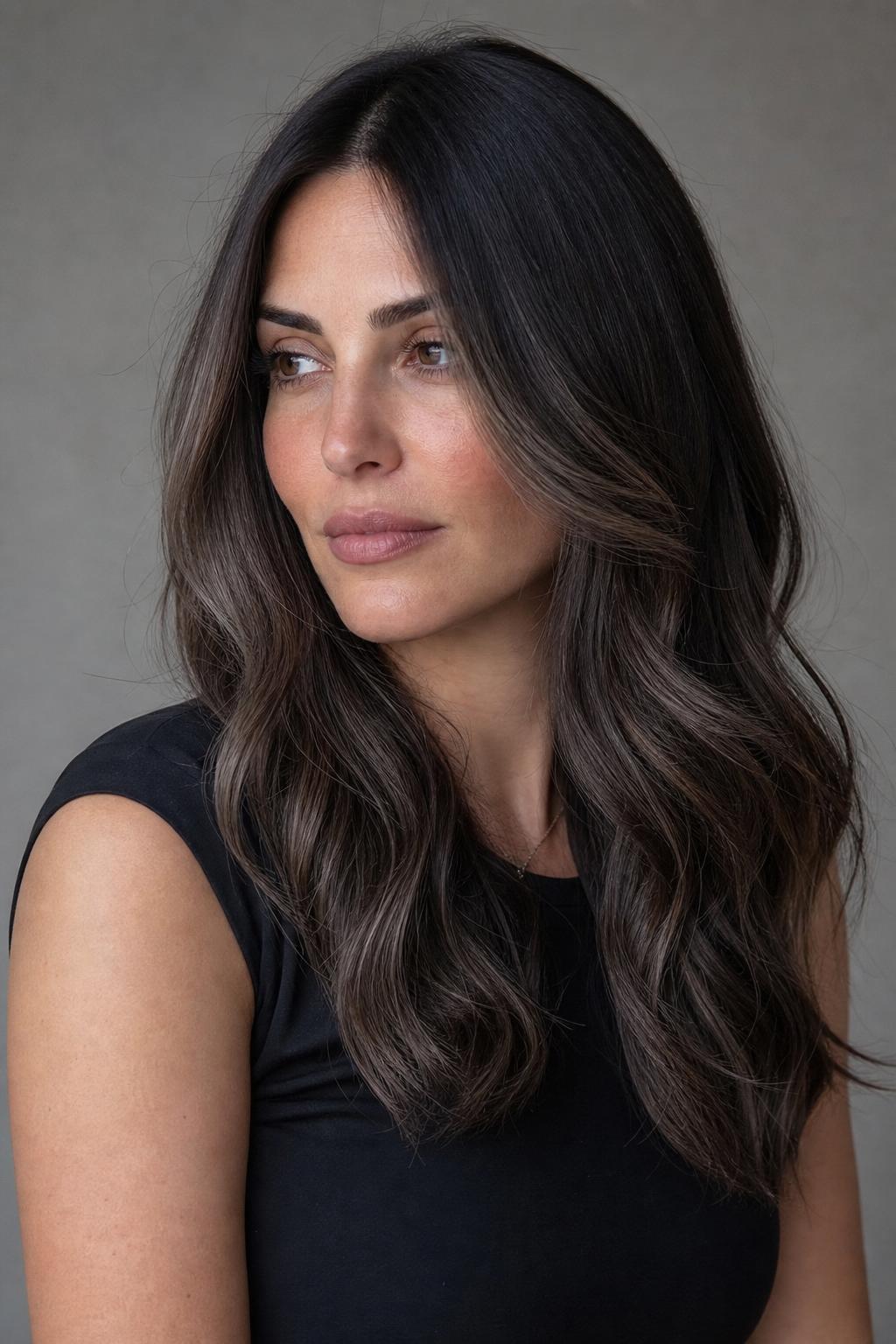
18. Frosted Espresso with Ash-Blonde Teasylights
Teasylights backcomb the base of each section before applying color, which softens the top of every highlight so the ash-blonde blurs into the espresso instead of starting with a hard line. The blurred root means grow-out is exceptionally gentle, one of the reasons this technique took over from traditional foils. The ash-blonde brings the brightest frost of the group while the teased root keeps it from ever looking stark.
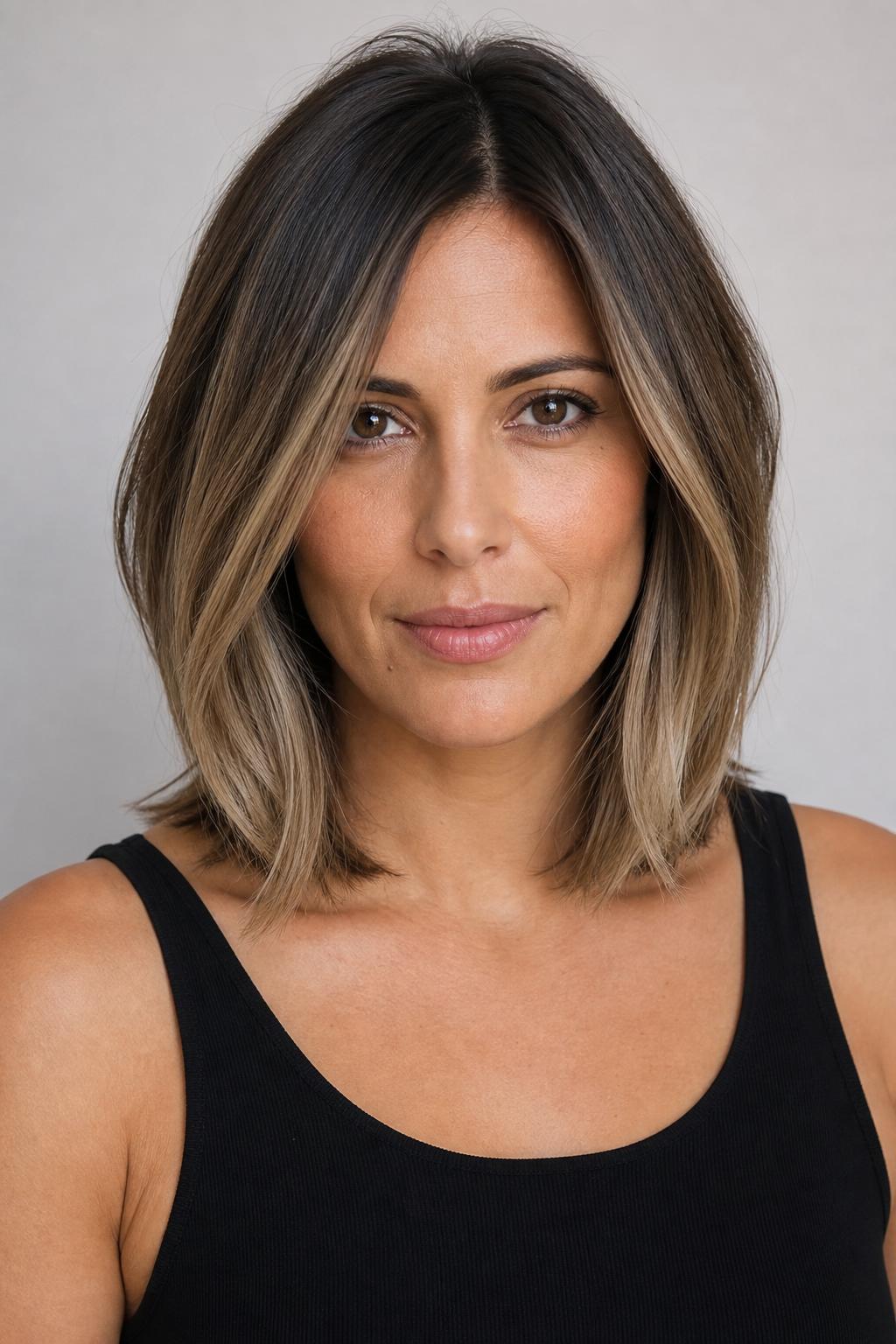
19. Espresso with Cool Caramel Foilyage for Warm Skin
Warm and olive skin tones can look sallow next to true ash, so this variation swaps in a cool-leaning caramel that keeps the frosted feel while flattering golden undertones. It is the one place in the collection where a hint of warmth is the right call, and it proves frosted espresso can bend toward warm complexions with the right tone choice. Keep the caramel muted and neutral, never golden, so it still looks frosted rather than sun-kissed.
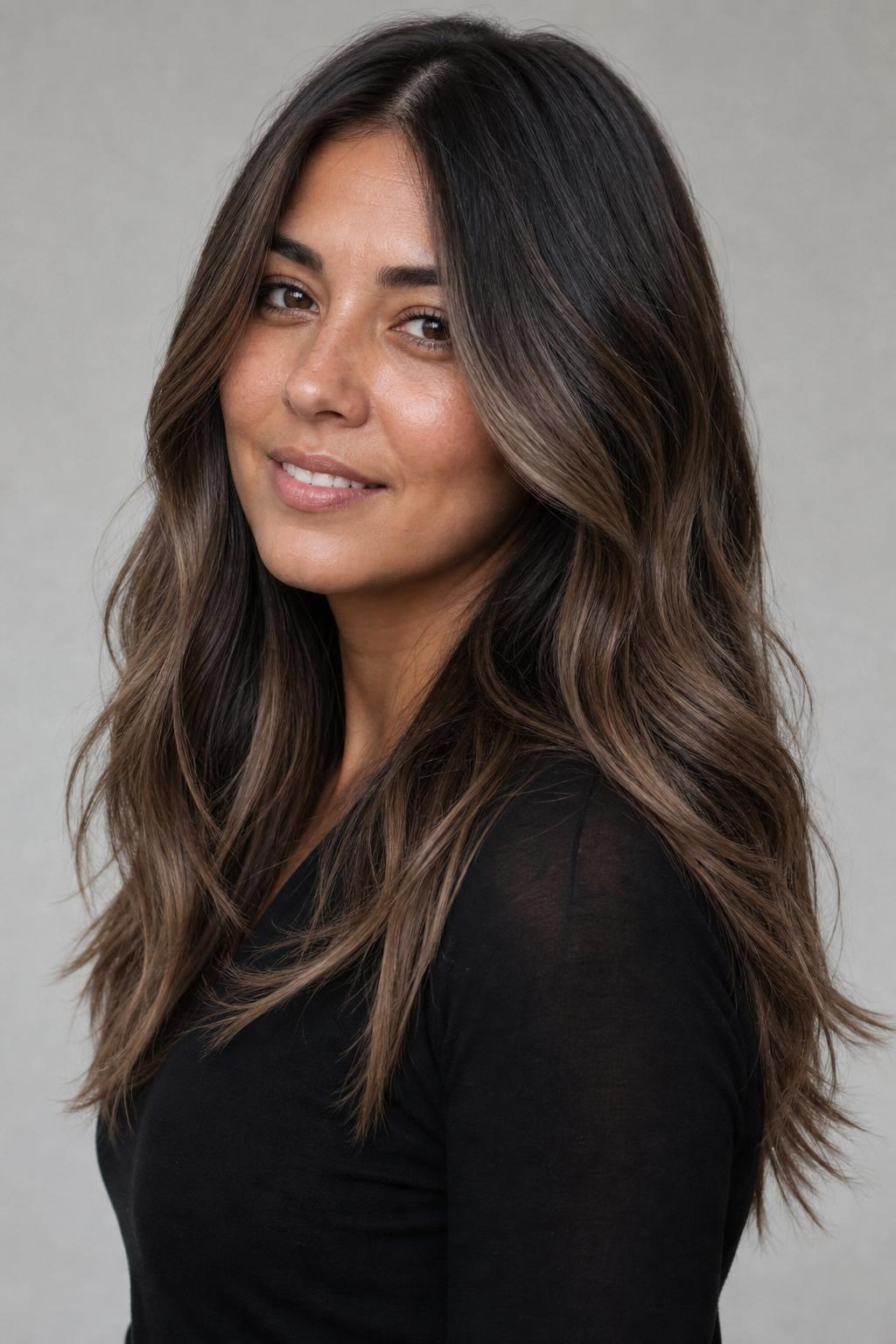
20. Espresso with Frosted Chestnut Dimensional Lowlights
When highlights have crept too light over several appointments, frosted chestnut lowlights woven back in restore the espresso depth and rebuild contrast. This corrective placement gives over-lightened hair a richer, more expensive look and stretches the time until the next full highlight, since the added depth disguises regrowth. Ask for cool chestnut lowlights broken through the mid-lengths, not a solid glaze, so the dimension stays alive.
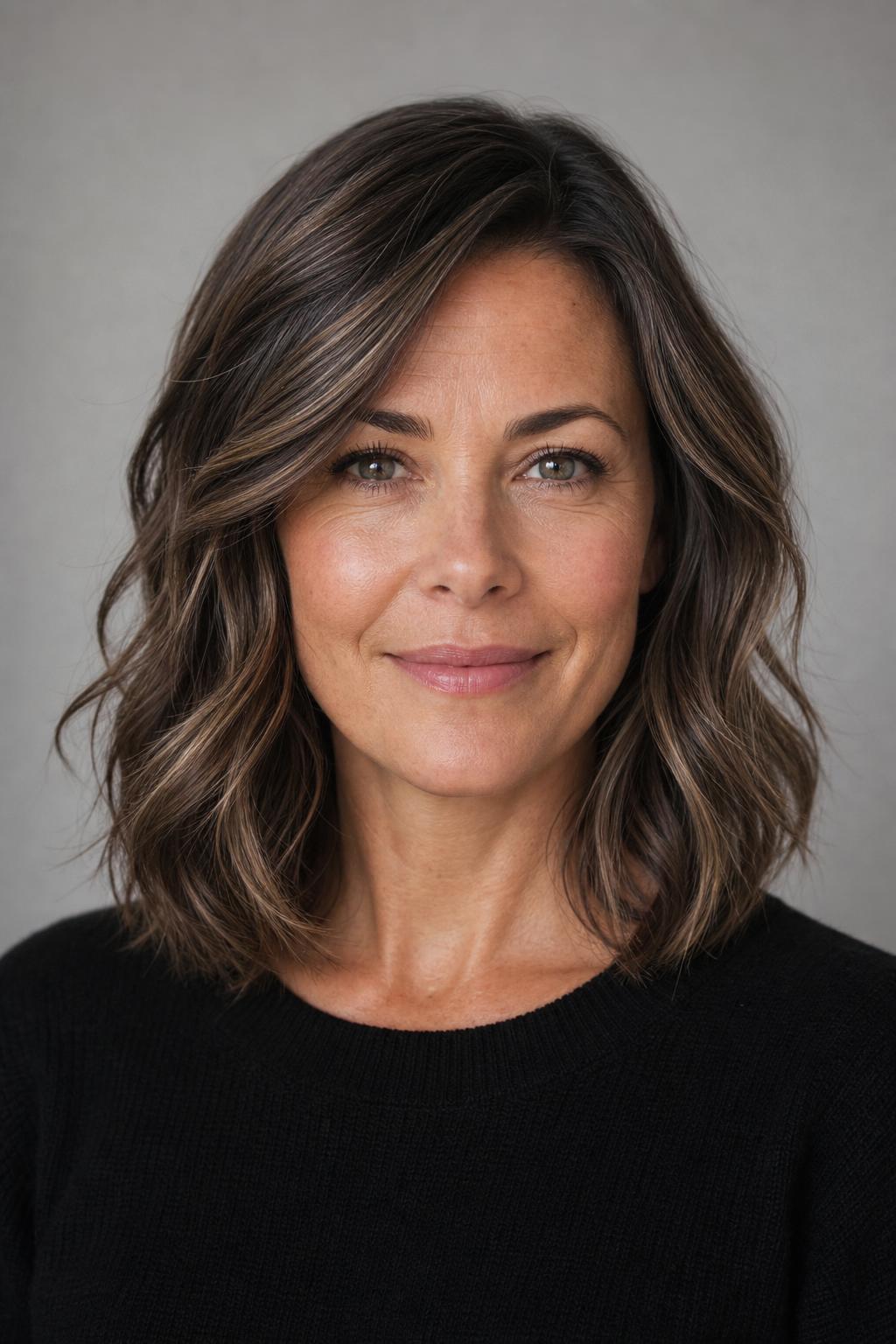
How to Choose Frosted Espresso for Your Skin Tone
Frosted espresso lives in the cool-to-neutral color family, so the highlight tone matters more than the base when matching it to your complexion. Cool and neutral skin tones can wear the ashiest silvers and mushroom browns straight, while warm and olive tones look healthier when the frost is nudged toward a muted, cool-leaning caramel rather than true ash. The espresso base itself flatters almost everyone, because a deep cool brown near the face is one of the most universally softening shades in color, from a classic espresso brunette to this frosted version.
| Skin Undertone | Best Frosted Tone | Tone to Avoid |
|---|---|---|
| Cool (pink, blue undertone) | Silver, ash, mushroom brown | Golden caramel, warm hazelnut |
| Neutral | Cappuccino, cool hazelnut, latte | Very high-contrast platinum |
| Warm (golden, olive undertone) | Muted cool caramel, soft bronde | True silver, stark ash |
Frosted Espresso by Face Shape
Because frosted espresso is defined by where the brightness lands, placement is a face-shaping tool, not just a color choice. Lightness draws the eye, so a colorist can use frosted pieces to widen, narrow, or balance your proportions depending on where they concentrate the highlights. Use the table below as a starting point, then let your colorist adjust for your growth pattern and part.
| Face Shape | Best Placement | Why It Works |
|---|---|---|
| Round | Vertical face-framing money piece from the cheekbone down | Vertical brightness lengthens and slims a round face |
| Long / Oblong | Ash halo lights around the part and crown | Width at the top shortens the look of a long face |
| Heart | Frosted curtain-bang frame plus brighter ends | Lightness lower down balances a wider forehead |
| Square | Soft face-framing slices, no hard front block | Diffused brightness softens a strong jawline |
| Oval | Any placement, including balanced all-over babylights | Balanced proportions carry most placements well |
What to Tell Your Colorist
The fastest way to get frosted espresso instead of a warm brunette is to lead with the word cool and name a tone family. Try: “I want a deep espresso base, roughly a level 3, kept neutral to cool, with frosted highlights in the ash and mushroom family. No gold, no red, nothing warm.” Then name your technique from the gallery, whether that is a money piece, babylights, or balayage, so the price and appointment length are clear from the start.
Bring two photos: one that shows the base depth you want and one that shows the highlight tone and placement, because a single image rarely nails both. Point out which parts of each photo you are referencing, since colorists interpret a saved picture differently than you do. If you are unsure whether your hair will lift cool, ask for a strand test first, especially on previously colored or box-dyed hair.
Stylist tip: Ask your colorist to tone the highlights toward the cool end and then pull back slightly, because frosted color always warms a shade or two over the first few weeks. Toning it perfectly cool on day one usually means it lands neutral by week three, which is exactly where you want frosted espresso to land.
Maintenance and Upkeep
Frosted espresso is lower maintenance than a full blonde but higher than a solid brunette, and how often you sit in the chair depends entirely on which technique you chose. Face-frames and babylights refresh fastest; balayage and ombre stretch the longest because they skip the root. The real ongoing work is tonal, since the cool frost is what fades first and warms into brass without care between appointments.
| Upkeep Task | Frequency | Notes |
|---|---|---|
| Gloss or toner refresh | Every 6 to 8 weeks | Keeps the frost cool and fights brassiness |
| Root touch-up (money piece, babylights) | Every 8 to 10 weeks | Only the lightened sections need lifting |
| Balayage or ombre refresh | Every 12 to 16 weeks | Root-free placement grows out softly |
| Blue or purple shampoo at home | Once a week | Blue for brown tones, purple for lighter frost |
| Bond-building treatment | Every 2 weeks if lifted | Rebuilds strength in the lightened pieces |
At home, a color-safe sulfate-free shampoo protects the tone, and a weekly cool-toned shampoo counteracts the warmth that creeps into lightened brown. Heat protectant matters more than usual here, because the frosted sections are lifted hair that scorches faster than your natural espresso. If you chose a heavily lifted look like the platinum money piece, a bond-building mask keeps those fragile pieces from snapping.
Stylist tip: Alternate your cool-toned shampoo with a regular color-safe wash instead of using it every time. Blue and purple shampoos deposit a little pigment with each use, and daily use can flatten the frost into a dull, over-toned gray. Once or twice a week keeps the warmth in check without muddying the dimension.
When Frosted Espresso Is Not the Right Choice
This cool-brown direction is flattering on most people, but it genuinely does not suit everyone, and an honest colorist will tell you so before you commit.
- Very warm or olive complexions chasing bright frost: true silver and ash can leave warm skin looking gray or sallow. Choose the muted cool-caramel variation instead, or a warmer espresso brunette without the frost.
- Very fair, cool complexions who wash out under near-black: a level 2 to 3 base can overwhelm pale features. A softer cool brown or a soft brushed bronde keeps contrast comfortable.
- Heavy gray coverage seekers: frosted babylights blend early gray beautifully but do not cover a full head of gray. If you want complete coverage, a single-process cool brown is the honest answer.
- Anyone unwilling to tone: the cool frost warms up without regular gloss and blue shampoo. If you will not maintain it, choose a warmer dark brown that fades gracefully instead.
FAQ
What Is Frosted Espresso Hair Color?
Frosted espresso is a deep espresso-brown base woven with cool, frosty highlights in ash, silver, or frosted chestnut, kept within two to three levels of the base. The highlights create a lit-from-within dimension without any warmth, which is what separates it from a standard caramel-highlighted brunette. It looks like a cool, expensive brown rather than an obvious highlight job.
What Is the Difference Between Iced Espresso and Frosted Espresso?
Iced espresso is a solid, single-process cool brown with little to no highlight contrast, while frosted espresso adds visible dimensional highlights over that cool base. Think of iced espresso as the flat cool shade and frosted espresso as the same shade broken up with frost. If you want low effort and no dimension, iced espresso is simpler; if you want movement and depth, frosted espresso is the answer.
Does Espresso Hair Color Suit Warm or Cool Skin Tones?
The espresso base flatters nearly all skin tones because a deep cool brown near the face is universally softening. The highlight tone is where skin tone matters: cool and neutral complexions can wear ash and silver frost directly, while warm and olive tones look healthiest with a muted cool-caramel frost instead of true ash. Match the frost, not the base, to your undertone.
Do You Need Bleach to Get Frosted Espresso Highlights on Dark Hair?
Yes, reaching a cool frosted highlight on a dark espresso base almost always requires lightener, because you cannot lift natural depth to a cool tone without removing pigment first. How much lift depends on how bright you want the frost, with a subtle cappuccino needing far less than a platinum money piece. Booking a bond-building add-on protects the lifted sections during the process.
How Often Do You Need to Touch Up Frosted Espresso?
It depends on placement: money pieces and babylights need a root touch-up every 8 to 10 weeks, while balayage and ombre stretch to 12 to 16 weeks because they skip the root. Everyone benefits from a gloss or toner refresh every 6 to 8 weeks to keep the frost cool. The tone fades before the placement grows out, so toning is the more frequent appointment.
Can I Go Frosted Espresso If I Have Gray Hair?
Frosted babylights are one of the best ways to blend early or scattered gray, because the cool highlights let regrowth look like deliberate frost rather than roots. For fuller gray coverage, though, frosted highlights alone will not do it, and you will want a single-process cool brown underneath the frost. Tell your colorist how much gray you have so they can set realistic coverage expectations.
What Highlights Look Best with an Espresso Base?
Cool tones look best: ash, silver, mushroom brown, cappuccino, and cool hazelnut all keep the frosted quality intact. Avoid golden caramel and warm honey on an espresso base unless you specifically want a warmer dimensional brunette instead of a frosted one. The rule is to stay two to three levels above the base and firmly on the cool side of the tone wheel.
Is Frosted Espresso Hair High Maintenance?
It lands in the middle: less demanding than an all-over blonde but more than a solid brunette. The lifted frosted pieces need tonal upkeep with gloss refreshes and weekly cool-toned shampoo, since warmth is the first thing to creep back. Choosing a balayage or ombre placement over a money piece is the single biggest way to lower the maintenance, because root-free color grows out softly.
Frosted espresso hair gives brunettes the depth of a near-black base with the cool, dimensional glow that makes color look expensive, and the right variation for you comes down to how much brightness you want and how often you are willing to tone. Save two or three references from this collection, one for the base depth and one for the frost, and talk through placement and undertone with your colorist before any lightener touches your hair. Matched to your skin tone and your maintenance tolerance, a frosted espresso is the rare brunette that looks polished on day one and grows out gracefully.
Hair results vary based on your natural hair type, texture, density, and condition. Always consult with a licensed hairstylist before making significant changes, especially with chemical treatments or dramatic length changes. Photos may show styled results that require professional tools and products to replicate.