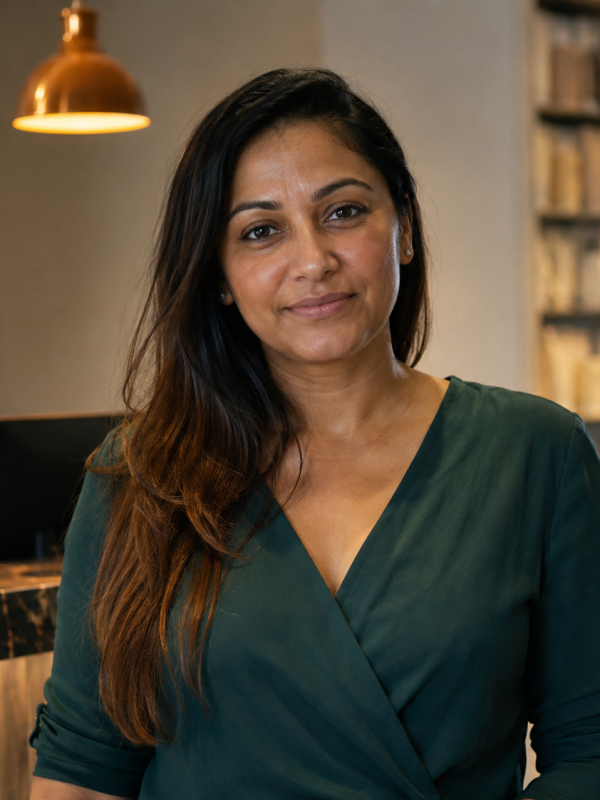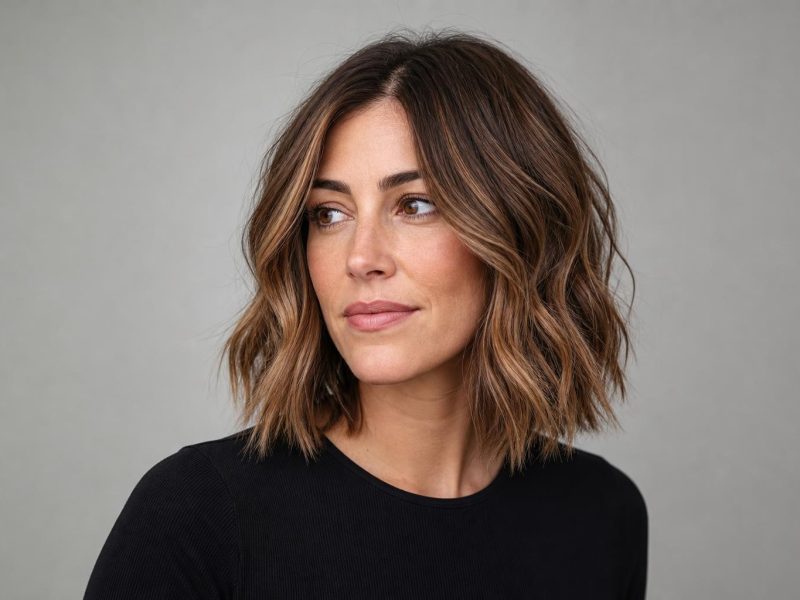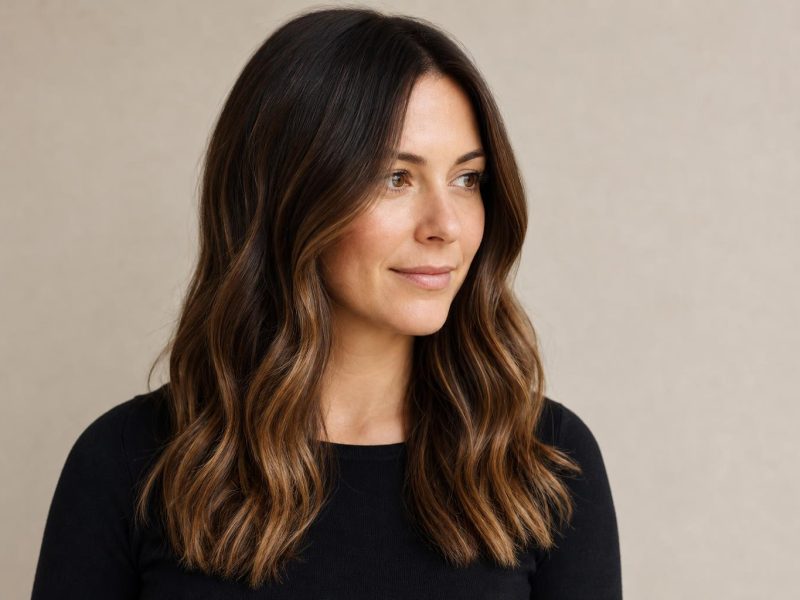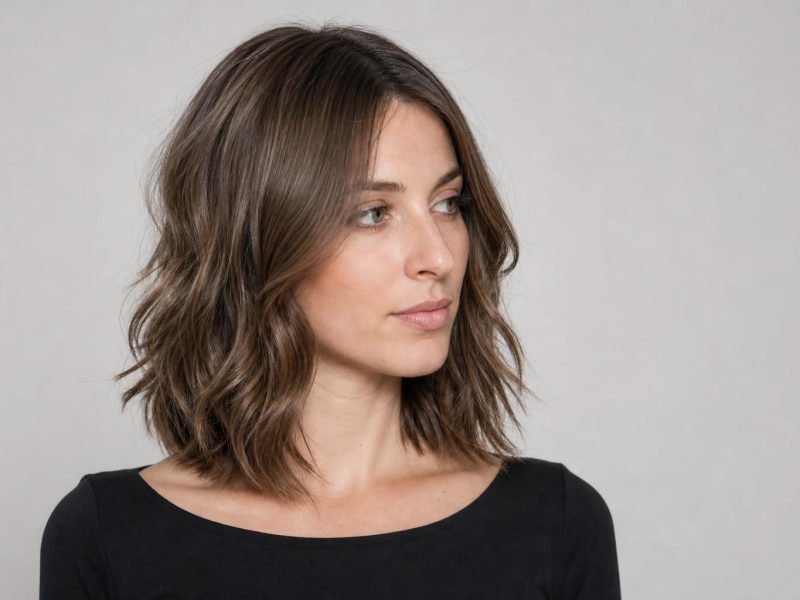
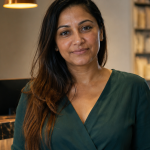
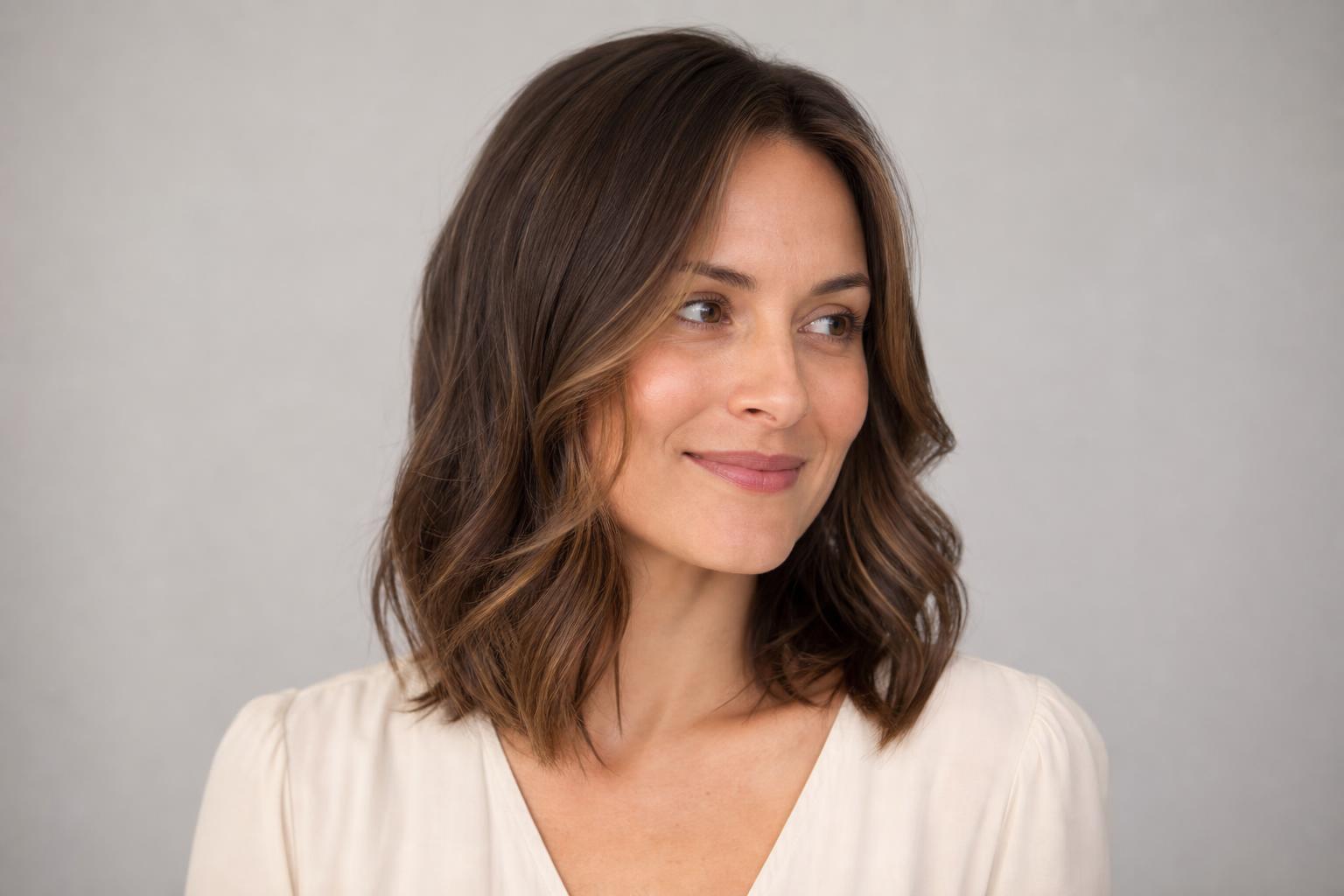
Single process colors your whole head one shade; highlights lighten selected strands for dimension, and the right pick comes down to whether you want a solid color or brightness with movement.
Single process is one all-over color applied root to tip in a single application, best when you want an even shade or full gray coverage. Highlights are lightened pieces painted or foiled through sections of hair to add brightness and depth. If your main goal is a clean, uniform color or covering gray, single process wins on cost and speed. If you want dimension, a sun-kissed effect, or longer stretches between salon visits, highlights are the better fit.
This guide breaks down what each service actually does, compares them on cost, maintenance, gray coverage, and hair health, walks through how to choose based on your goal, and gives you the exact language to bring to your colorist. There is also a section on when each option is the wrong call, so you avoid a result you did not want.
| Factor | Single Process | Highlights |
|---|---|---|
| What it does | One all-over color, root to tip | Lightened pieces for dimension |
| Gray coverage | Full, even coverage | Blends gray, does not fully cover |
| Touch-up cycle | Every 4 to 6 weeks | Every 8 to 12 weeks |
| Typical salon cost | Lower, roughly $75 to $120 | Higher, roughly $150 to $250+ |
| Chair time | 45 to 90 minutes | 2 to 3 hours |
| Best for | Uniform color, gray coverage, drastic change | Dimension, brightness, low upkeep |
Single Process Color Is One Shade Applied to All of Your Hair
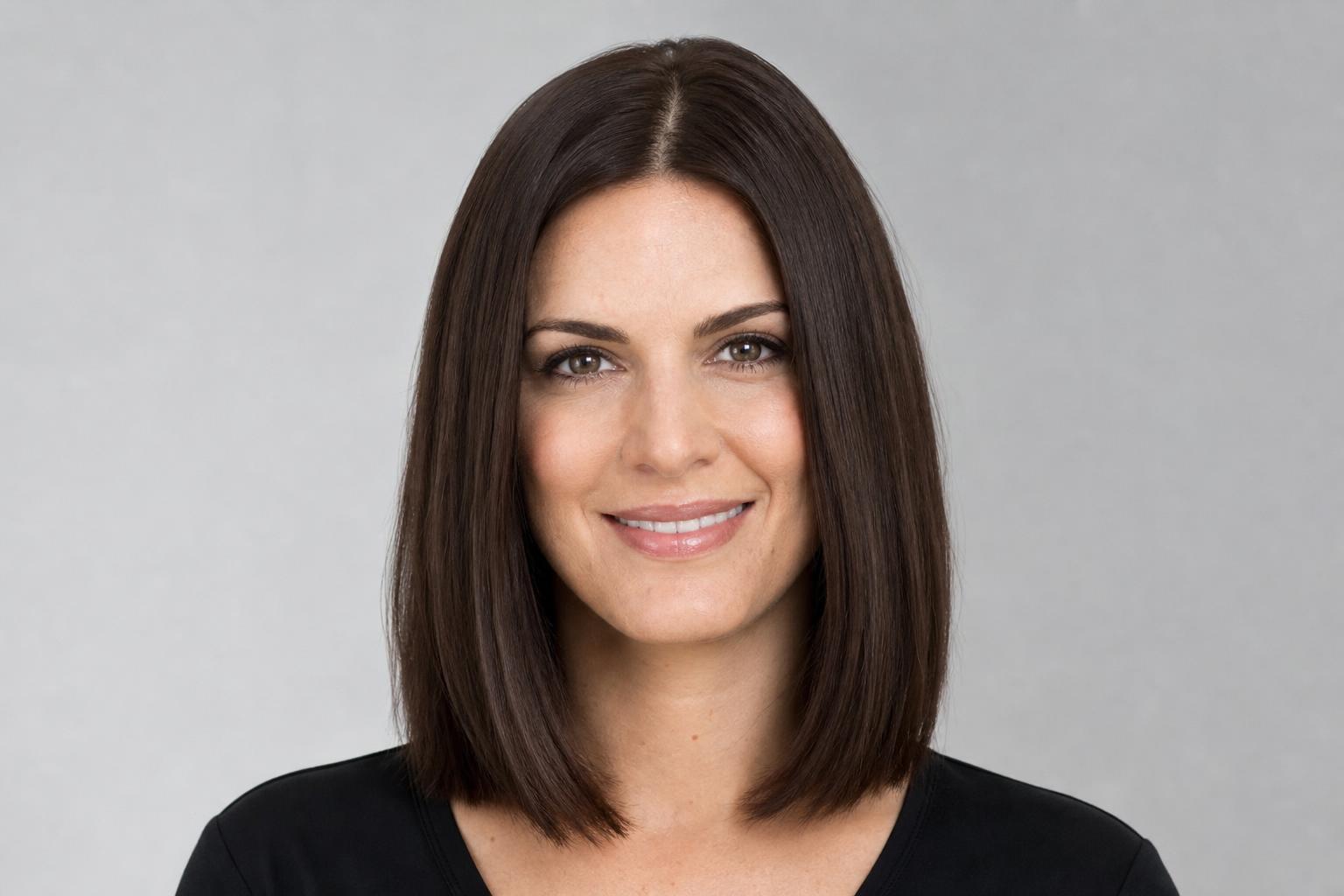
Single process means the colorist applies one formula across your entire head in a single step. It can darken your hair, add a rich tone, refresh a faded color, or cover gray, and it always lands as one uniform shade from root to tip. Because there is no lightening and re-toning involved, it is the gentlest color service and the fastest to apply.
This is the service to book when you want a clean, even result with no visible contrast. It is also the standard choice for full gray coverage, since the color deposits evenly over every strand including resistant grays. The trade-off is that a single all-over color reads flat next to dimensional work, because there are no lighter and darker pieces catching the light.
Stylist tip: Ask your colorist whether you need a demi-permanent or permanent formula. Demi-permanent single process is gentler and fades softly with no harsh regrowth line, which makes it a smart entry point if you have never colored your hair before.
Highlights Lighten Selected Strands for Brightness and Depth
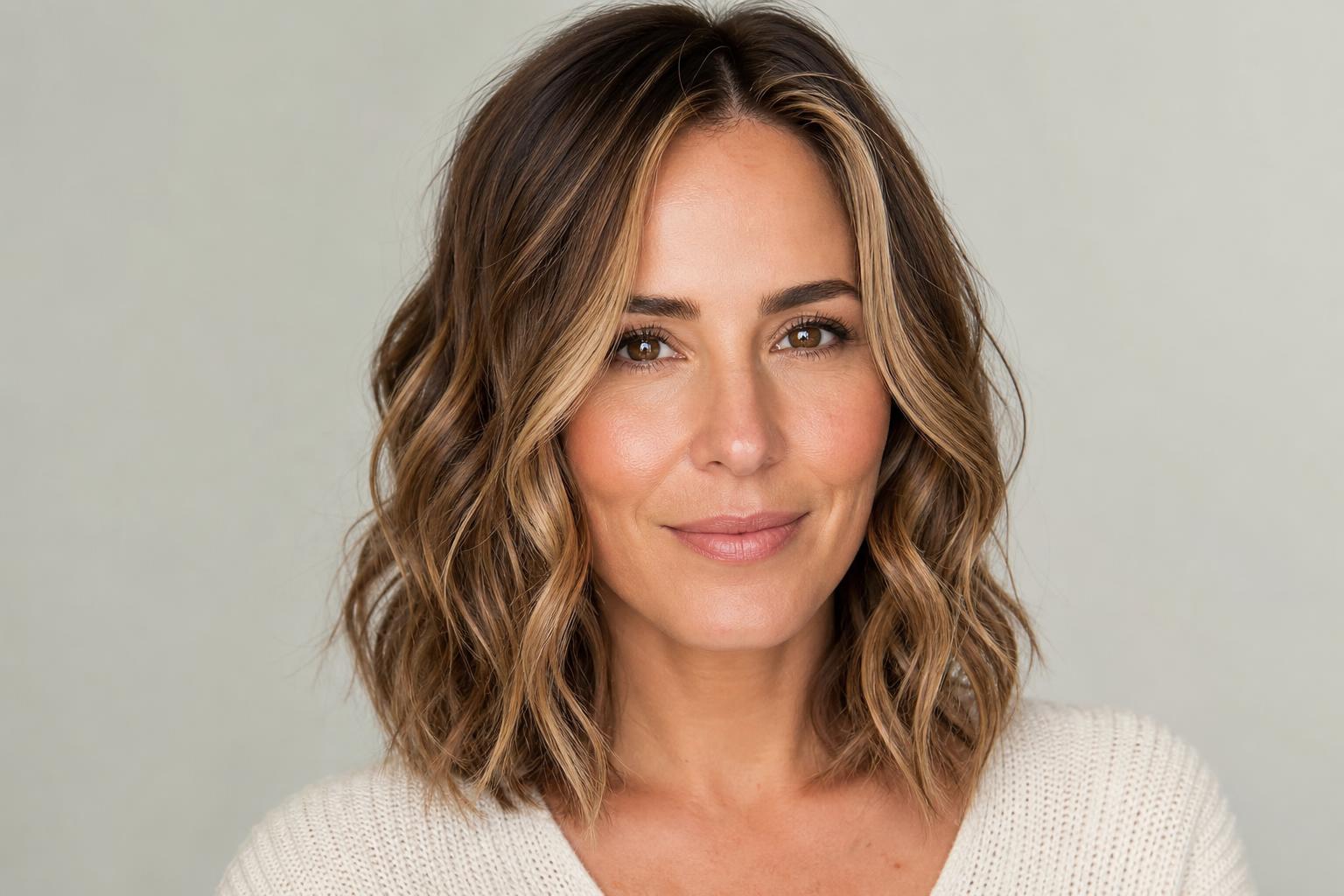
Highlights are sections of hair lifted a few shades lighter than your base, placed with foils or freehand painting. The contrast between the lightened pieces and your natural color creates dimension, the illusion of thickness, and a brighter overall look. Partial highlights focus on the top layers and face frame, while full highlights work through the entire head.
Because highlights only touch selected strands and often start below the roots, the regrowth is far less obvious than with all-over color. That is why highlights stretch to 8 to 12 weeks between appointments while single process needs a root touch-up every month or so. The classic foil highlight gives crisp, defined brightness, and it pairs well with a gloss or toner to control warmth. For a softer, more grown-out effect, many colorists blend traditional highlights with painted techniques like balayage on brown hair.
Stylist tip: Partial highlights cost less and look intentional if you mostly see the front of your hair in the mirror. Book full highlights only if you regularly wear your hair up or parted in different directions, where untouched back sections would show.
Single Process vs Highlights: The Real Differences
The decision usually comes down to four things: whether you want dimension, how much gray you have, what you can spend, and how often you are willing to sit in the chair. Single process is cheaper and faster but reads flat and grows out fast. Highlights cost more and take longer but add movement and buy you weeks between visits.
| Criteria | Single Process | Highlights |
|---|---|---|
| Dimension | Flat, uniform, no contrast | Multi-tonal, catches light |
| Gray coverage | Complete and even | Blends and disguises, not full coverage |
| Regrowth visibility | Obvious root line within weeks | Soft and slow to show |
| Hair health impact | Gentlest, minimal lifting | More lifting, needs bond care |
| Annual upkeep | More visits, lower per-visit cost | Fewer visits, higher per-visit cost |
Notice that the annual cost can land closer than the sticker price suggests. Single process is cheaper each time, but you go every 4 to 6 weeks. Highlights cost more per session yet only need three or four appointments a year, so the yearly totals often meet in the middle.
How to Choose Based on Your Goal
Match the service to the outcome you actually want rather than the price tag. The questions below get most people to a confident answer.
Choose Single Process for Full Gray Coverage or a Solid Color
If more than roughly 30 percent of your hair is gray and you want every strand covered, single process is the reliable choice. It is also the right call when you want one clean color with no contrast, such as a deep espresso or a rich copper. Anyone making a bold, even change from their natural shade should start here.
Choose Highlights for Dimension and Longer Salon Stretches
Highlights suit you if you want brightness, a natural sun-lightened look, or the appearance of fuller hair. They are also the practical pick if you dread frequent salon visits, since the grow-out is forgiving. People with a little gray at the temples often prefer highlights because the lighter pieces blend the gray instead of drawing a hard line at the root.
Consider Both Together for Coverage Plus Brightness
Many colorists combine a single process base with a few highlights in one visit, giving you gray coverage and dimension at once. This is more than a basic single process in both cost and time, but it solves the flat-color problem while still covering gray. If you cannot decide, ask whether a lowlight-and-highlight combination fits your hair, or read our breakdown of lowlights versus highlights to see how darker pieces add depth alongside brightness.
Maintenance and Cost Over a Full Year
Upkeep is where the two services diverge most. Single process demands regular root touch-ups because new growth shows as a distinct line against the all-over color. Highlights are engineered to grow out softly, so the calendar is kinder. Salon prices vary widely by region and stylist experience, so treat these as ranges, not quotes.
| Aspect | Single Process | Highlights |
|---|---|---|
| Salon visits per year | 8 to 12 | 3 to 5 |
| Home care | Color-safe shampoo, gloss refresh | Purple shampoo, bond treatment, gloss |
| Between-visit fix | Root touch-up kit or gloss | Toning to control brassiness |
| Grow-out look | Sharp demarcation line | Gradual, blended |
If your highlights drift warm between appointments, a blue or purple toning shampoo used once or twice a week keeps them cool. Single process colors, especially reds and coppers, fade toward brassy tones too, which a color-depositing gloss can correct at home. For a deeper fix on unwanted warmth, our guide to correcting brassy brown hair covers what actually works without going darker.
When Single Process Is the Wrong Choice
Neither service is universally better, and each one falls flat in specific situations. Knowing the limits saves you an appointment you will regret.
- You want a lived-in, low-maintenance color: single process grows out with a hard root line every few weeks, so highlights or a painted technique serve you better here.
- Your hair is already lightened or damaged: stacking all-over permanent color on compromised hair can go muddy or uneven; a gloss or a gentler demi-permanent is safer.
- You want visible brightness and movement: a solid color cannot create contrast, so no single process formula will give you the sun-kissed effect that comes from lightened pieces.
- You only have a few grays at the temples: full all-over color is overkill and locks you into a monthly cycle; face-framing highlights blend the gray with far less upkeep.
Highlights have their own limits. They will not deliver full, opaque gray coverage, and on very dark hair they require more lifting, which means more potential for damage and a longer appointment. If you are choosing between several lightening methods, our comparison of babylights, balayage, and highlights lays out which one grows out most gracefully.
What to Tell Your Colorist
Walk in with your goal stated in plain terms, then let the colorist choose the technique. The clearest requests describe the result you want, not just the service name.
For all-over color, try: “I want a single process to cover my grays completely and go one shade richer than my natural brown, with no visible contrast.” For dimension, try: “I want partial highlights a few shades lighter than my base, kept soft and blended around my face, with a toner so they stay cool, not brassy.” If you cannot decide, ask directly: “Given my gray and how often I can come in, would you recommend all-over color, highlights, or a combination?” A good colorist will factor in your grow-out tolerance and budget. Bring one or two reference photos, and if you are nervous about brassy results, our advice on choosing caramel highlight placement shows how tone and position change the finished look.
Stylist tip: Tell your colorist how often you realistically visit the salon before they pick a service. A monthly-visit person and a twice-a-year person should walk out with different color plans even if they want the same look on day one.
FAQ
Is Single Process or Highlights Better for Covering Gray?
Single process is better for full gray coverage because it deposits one even color over every strand, including resistant grays. Highlights only lighten selected pieces, so they blend and disguise gray rather than covering it completely. If you have scattered grays at the temples, highlights can be enough; if you are 30 percent gray or more and want it all gone, choose single process.
Which One Is Less Damaging to Your Hair?
Single process is gentler because it deposits color without the heavy lifting that highlights require. Highlights use lightener to lift selected strands several levels, which stresses the hair more and calls for bond-repair treatments. If hair health is your top concern and you want color, a demi-permanent single process is the softest option available.
Can You Get Highlights and Single Process at the Same Time?
Yes, and it is a common request. The colorist applies an all-over base color for coverage, then adds highlights for dimension in the same visit. Expect it to cost more and take longer than either service alone, but it solves the flat-color problem while still covering gray.
How Often Do You Need to Touch Up Each Service?
Single process needs a root touch-up every 4 to 6 weeks because new growth shows as a clear line against the all-over color. Highlights last 8 to 12 weeks since they grow out softly and start below the root. This maintenance gap is the biggest practical difference between the two.
Are Highlights More Expensive Than Single Process?
Highlights usually cost more per visit, often $150 to $250 or higher versus roughly $75 to $120 for single process. Over a full year the totals get closer, because single process requires two to three times as many appointments. Partial highlights are a middle-ground option that costs less than a full head.
Will Single Process Add Dimension Like Highlights Do?
No, single process produces one uniform shade with no contrast, so it cannot create the light-catching dimension that highlights give. If you want depth and movement, you need lightened pieces of some kind. The closest single-process alternative is a color with a subtle gloss, but it still reads flatter than foils or painted lightening.
Which Is Better for Fine Hair That Looks Thin?
Highlights are usually better for fine hair because the contrast between light and dark strands creates the illusion of more density. A flat single color can make thin hair look even flatter. Ask for fine, closely woven highlights rather than thick chunks, which look more natural and add the most perceived volume.
Choosing between single process and highlights comes down to whether you want a solid, fully covered color or dimensional brightness with easier grow-out, and both are valid depending on your goals, gray level, and how often you can visit the salon. Bring a reference photo and an honest sense of your maintenance tolerance to your consultation, and ask your colorist to recommend the service, or a combination of both, that fits the way you actually live with your hair.
Hair results vary based on your natural hair type, texture, density, and condition. Always consult with a licensed hairstylist before making significant changes, especially with chemical treatments or dramatic length changes. Photos may show styled results that require professional tools and products to replicate.