Salt water is not the problem. Salt water plus sun plus no rinse is the problem.
A beach hairstyle has to do two jobs at once: stay put through swimming, wind, and sand, and keep hair covered enough that the sun does not bleach and dry it over a week. Braids and gathered styles do both, which is why they dominate this list. Here are 30 styles organized by how much protection they give, from quick two-minute options to full protective sets that hold for a week.
After the gallery you will find a before-and-after-swimming routine with actual timings, a table matching styles to hair type, face shape guidance, a packing list, and an honest note on the beach habits that cause the most damage. Anyone whose curls need the most protection will want the wash-day approach in our guide to air-drying curly hair without frizz alongside these styles.
| Factor | Details |
|---|---|
| Best for | Beach and pool days, humid climates, week-long trips |
| Time to do | 2 minutes for a bun, up to 5 hours for a full braid set |
| Works with | Every texture and length past the ears |
| Avoid if | Your hair is freshly bleached or mid-way through a color correction |
| Kit needed | Leave-in conditioner, UV spray, silk scarf, spiral bands, wide comb |
Braids That Hold Through Swimming
Braids are the only category that reliably survives being fully submerged, because the woven structure holds even when every strand is soaked and heavy. They also keep hair off your neck and shoulders, where sunscreen transfers and sand collects. Braid on damp hair rather than dry, since damp hair grips itself and the finished braid tightens as it dries. If you want something more decorative for a dinner out, the step-by-step in our guide to the waterfall braid works on the same damp-hair principle.
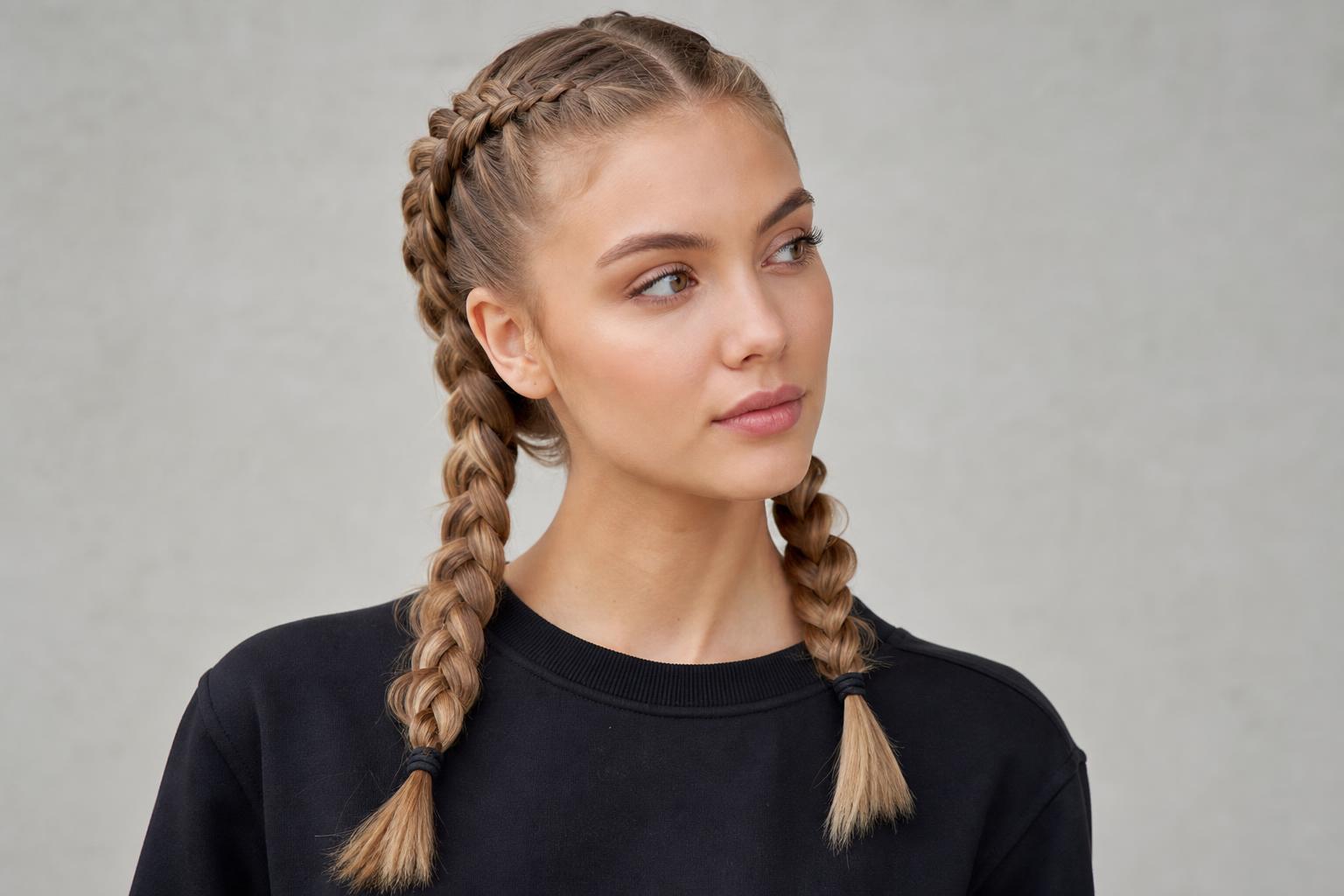
1. Double Dutch Braids
Dutch braiding crosses each section under rather than over, so the braid rises above the surface and locks in place instead of lying flat. That raised structure is why Dutch braids outlast French ones in water. Start them at the front hairline and keep the tension even to the ends.
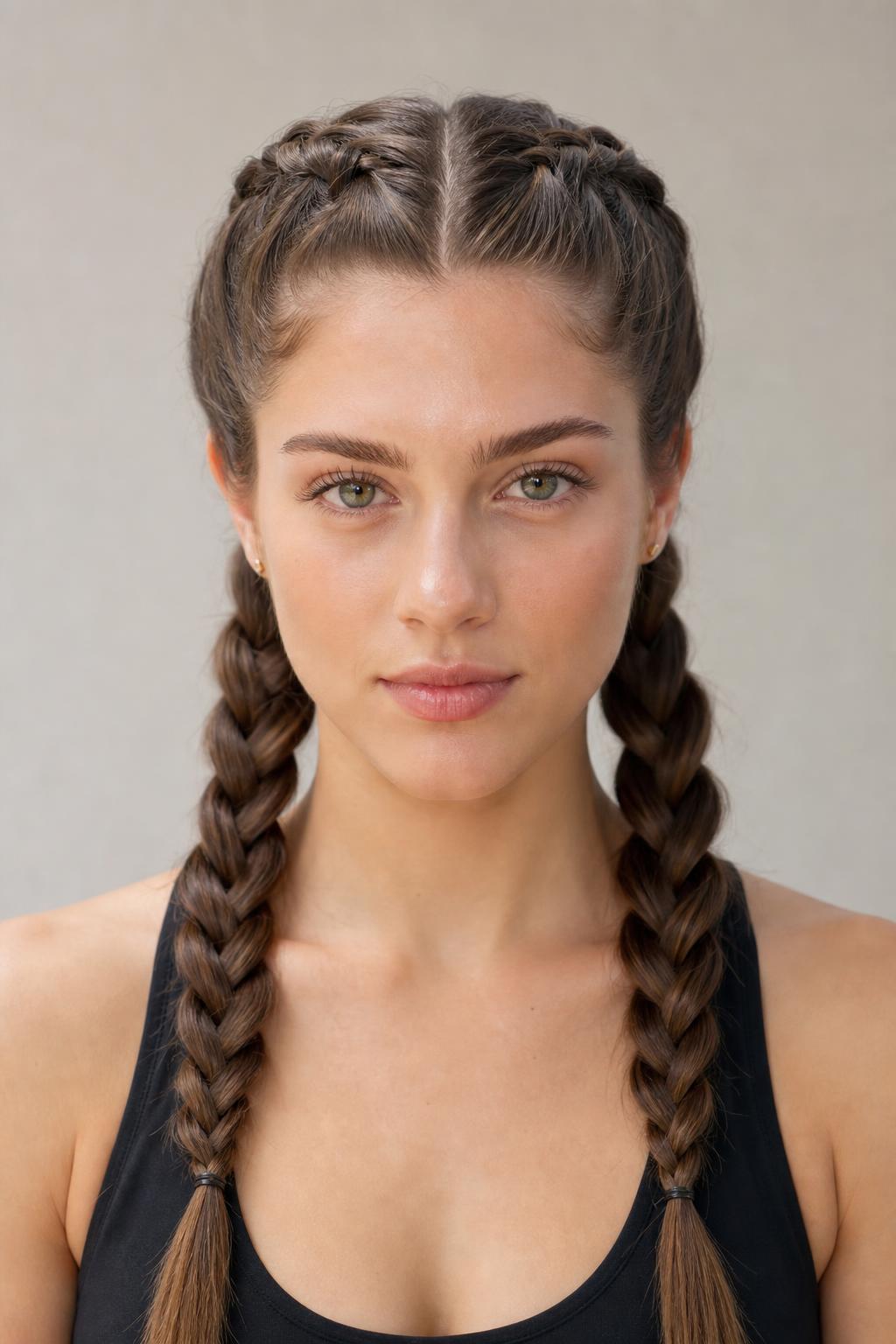
2. Single French Braid for a Long Face
Long and oblong faces benefit from a braid that starts further back on the crown rather than at the hairline, which keeps the top of the head soft instead of pulling everything tight and adding visual length. Leave the front hairline loose. The width that creates at the temples balances a narrow face outline.

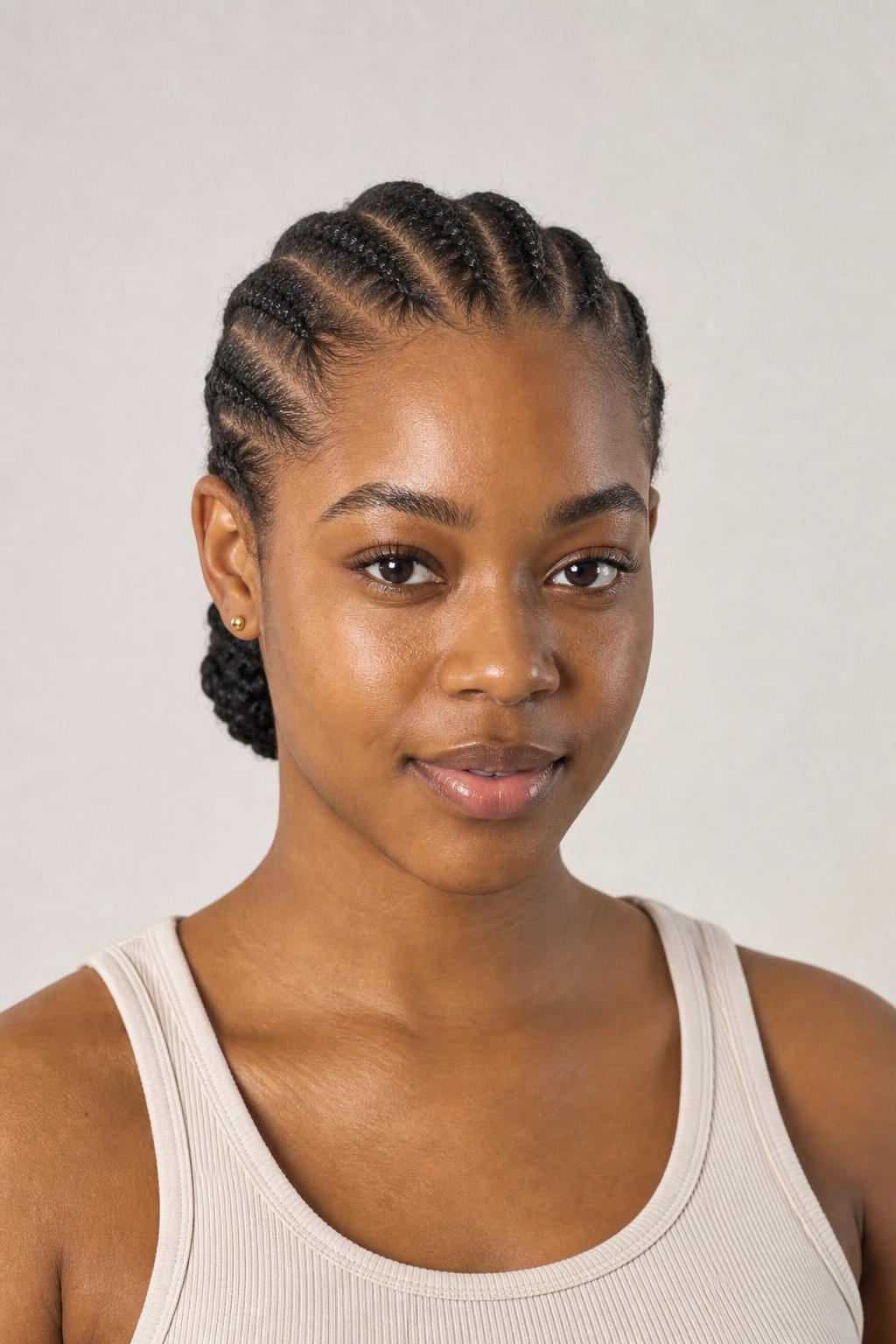
3. Cornrows for Coily Hair
Coily hair gets the most protection from cornrows, since the scalp-level braid keeps the entire length contained and salt water never reaches the fragile ends in volume. Have them done before you travel rather than on holiday. A good set lasts the full trip with nightly scarf coverage.
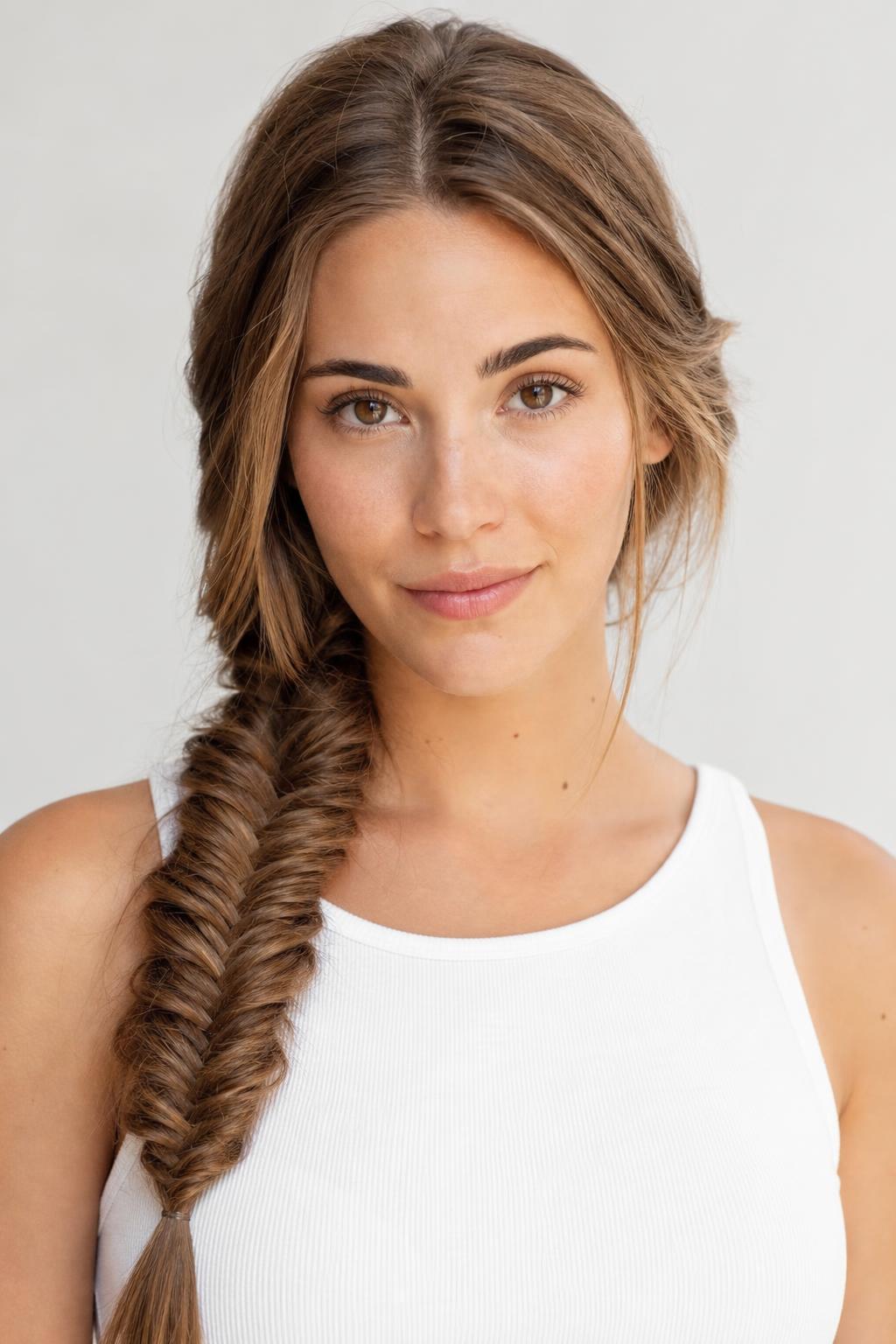
4. Fishtail Braid Over One Shoulder
Split the hair in two and cross a thin outer strand from each side over to the opposite side, alternating. Thinner strands make a tighter fishtail that survives water better, and the whole thing takes about four minutes once you have the rhythm. Pull it over one shoulder so it stays out of your sunscreen.
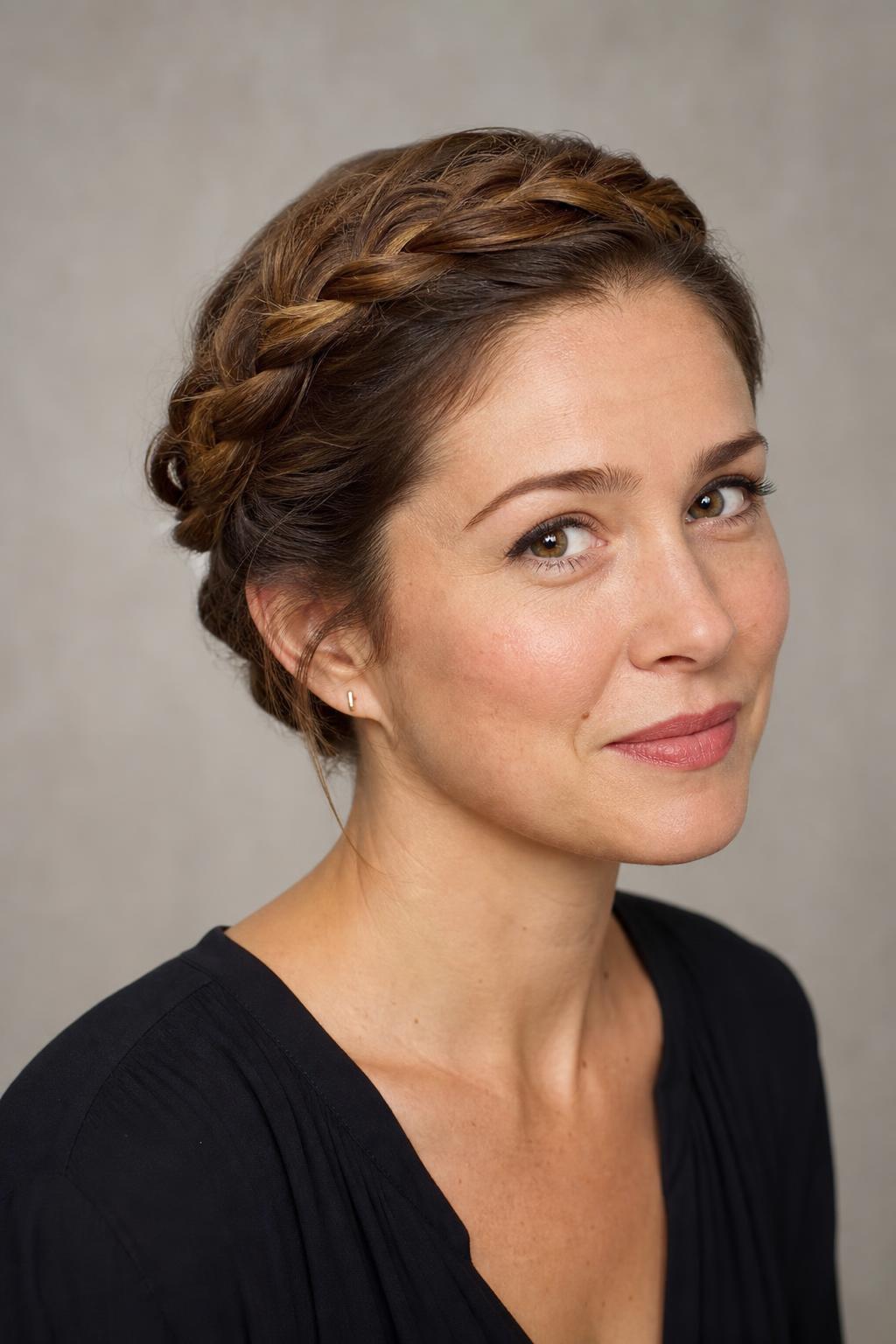
5. Braided Crown for Five-Day Wear
A crown braid wrapped around the head and pinned holds for four or five days with only a nightly re-pin, which makes it one of the best value styles for a week-long trip. Re-do it on day three rather than trying to stretch it further. Grease the parts lightly each evening to keep the scalp from drying out.
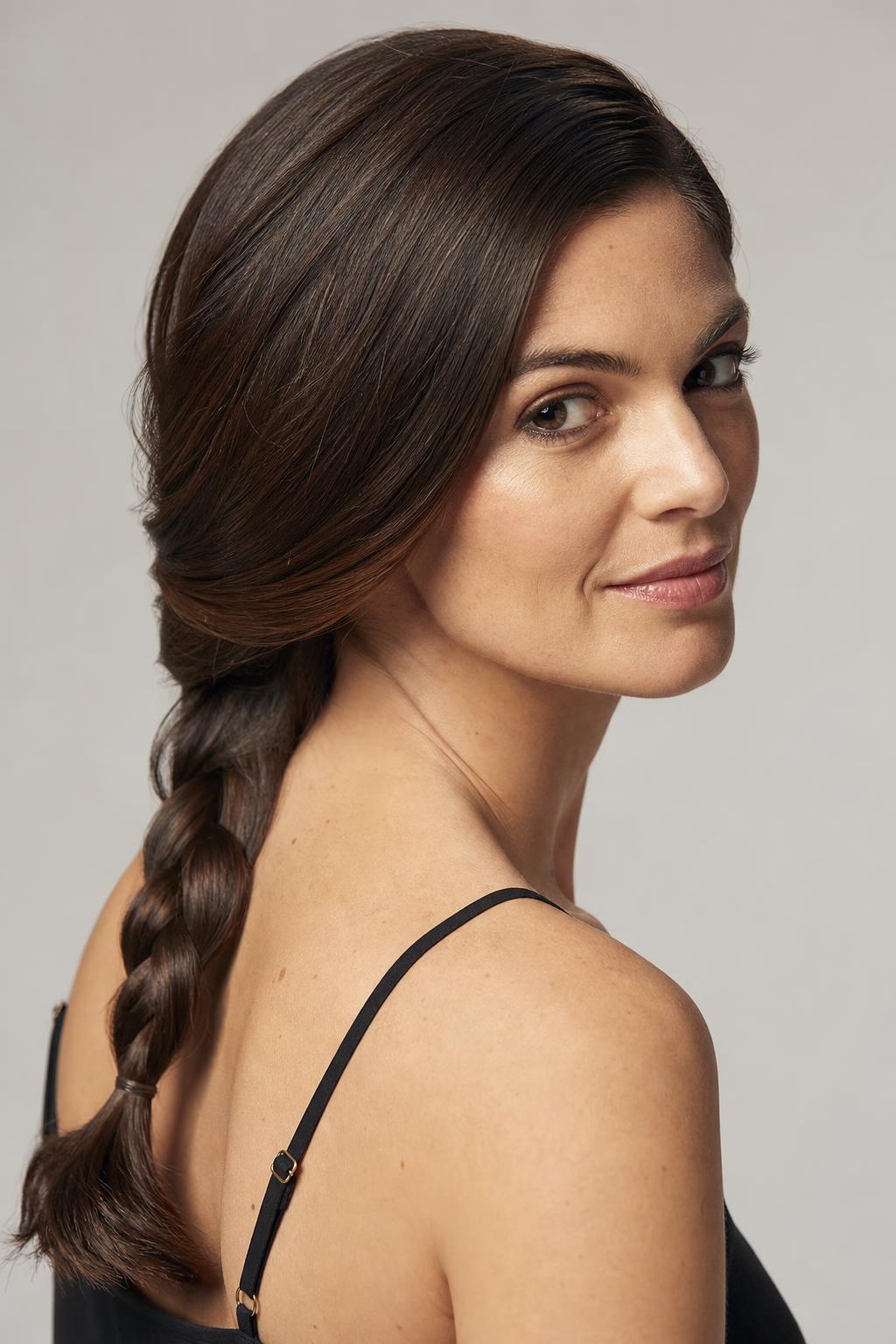
6. Braids on Freshly Glossed Color
A gloss applied the week before travel seals the cuticle and slows the fading that sun and chlorine cause, and braiding on top of that keeps the mid-lengths shaded for most of the day. The combination extends salon color by roughly two to three weeks over a beach holiday. Clear gloss works if you want no tonal change.
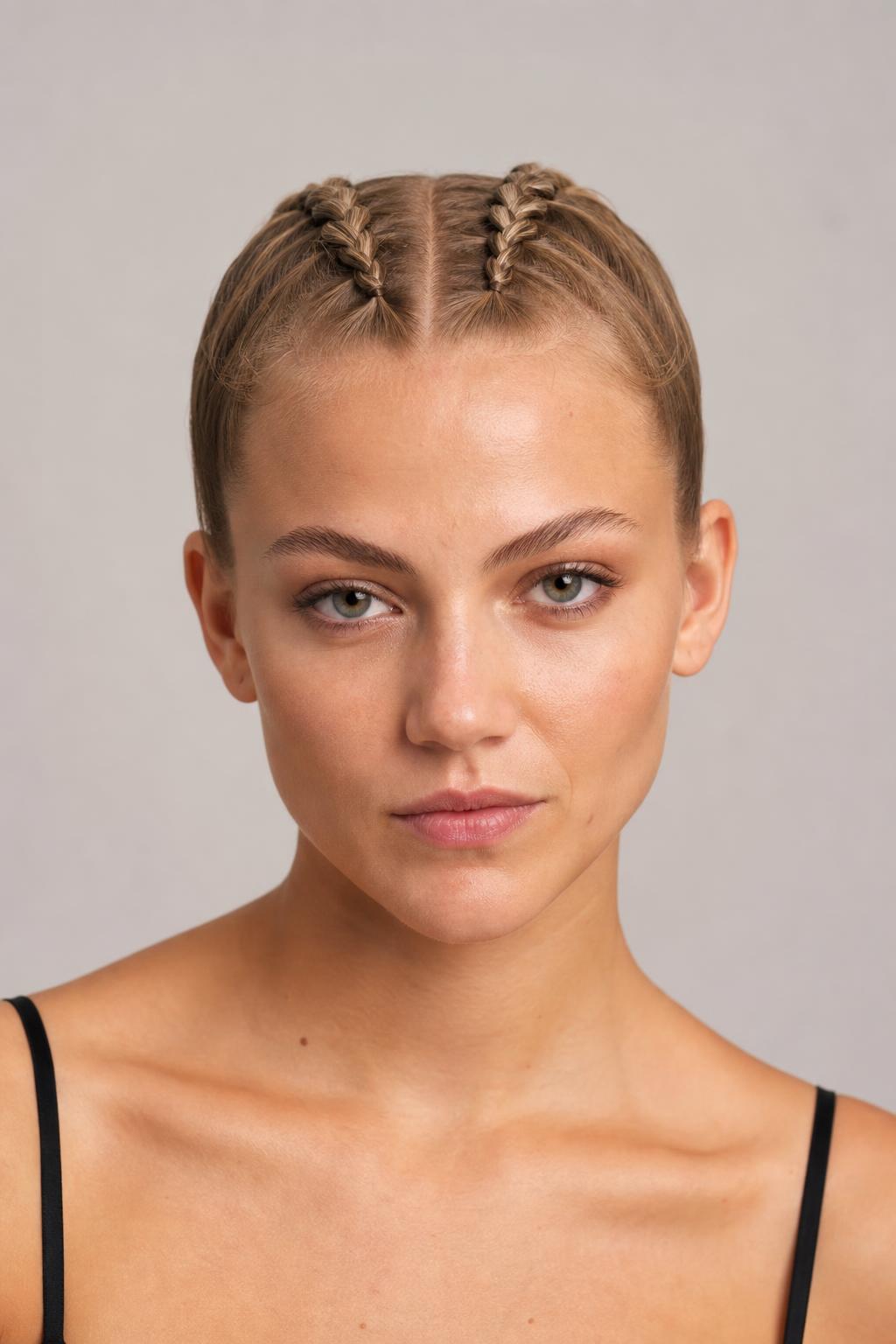
7. Boxer Braids Cut to Hold
Ask your stylist before the trip to avoid short face-framing layers if boxer braids are your plan, because anything cut above the cheekbone falls out of the braid within an hour. The phrase is “keep my shortest layer below my chin.” Long connected layers braid cleanly and short ones do not.
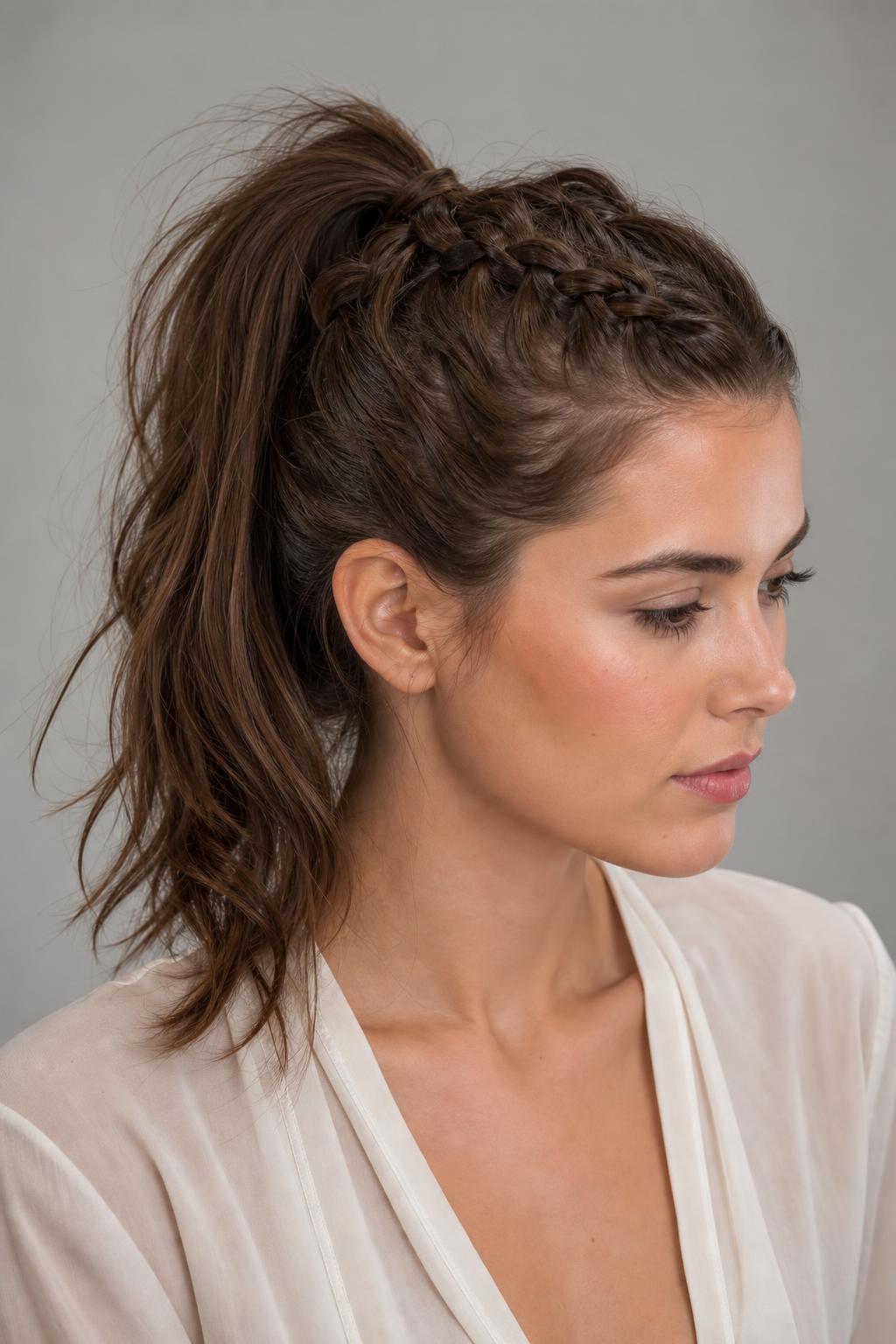
8. Reverse Dutch Braid Ponytail
Unlike a plain braid that runs the full length, this version braids only the top half and releases into a ponytail, which dries much faster after swimming. The braided section keeps the scalp covered while the loose tail moves freely. Good middle ground for anyone who finds a full braid too warm.
Buns and Twists for Heat and Humidity
Buns win on speed and on getting hair off the neck, which matters more in 90 degree heat than any styling consideration. They hold less well in actual water than braids, so treat them as the between-swim option. A spiral coil band holds a wet bun far better than a fabric elastic, which stretches and slips once soaked. Two smaller buns spread the weight better than one on thick hair, and the placement options in our collection of space buns across hair types apply here as well.
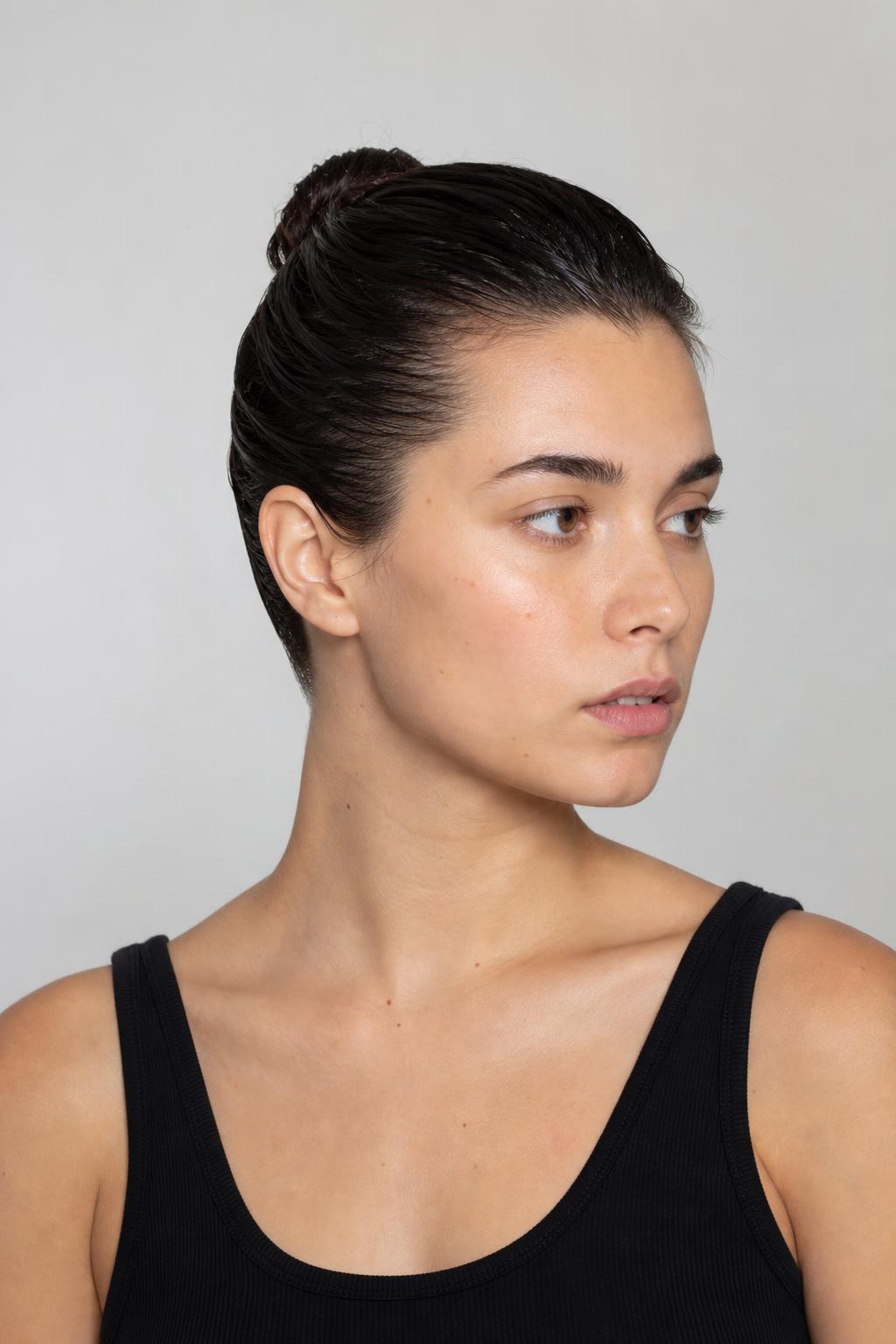
9. Swimmer’s Slick Bun
Wet the hair deliberately with fresh water, comb a light gel through from front to back, then twist into a tight bun at the crown. Starting from wet is the entire trick, because hair already full of fresh water absorbs far less salt water. This is what competitive swimmers do and it takes 90 seconds.
10. High Top Knot for Round Faces
Round faces gain length from a knot placed high on the head, which draws the eye upward and offsets width at the cheeks. Leave a few pieces down at the temples so the edge stays soft rather than severe. It also keeps every inch of hair clear of your shoulders on a hot day.

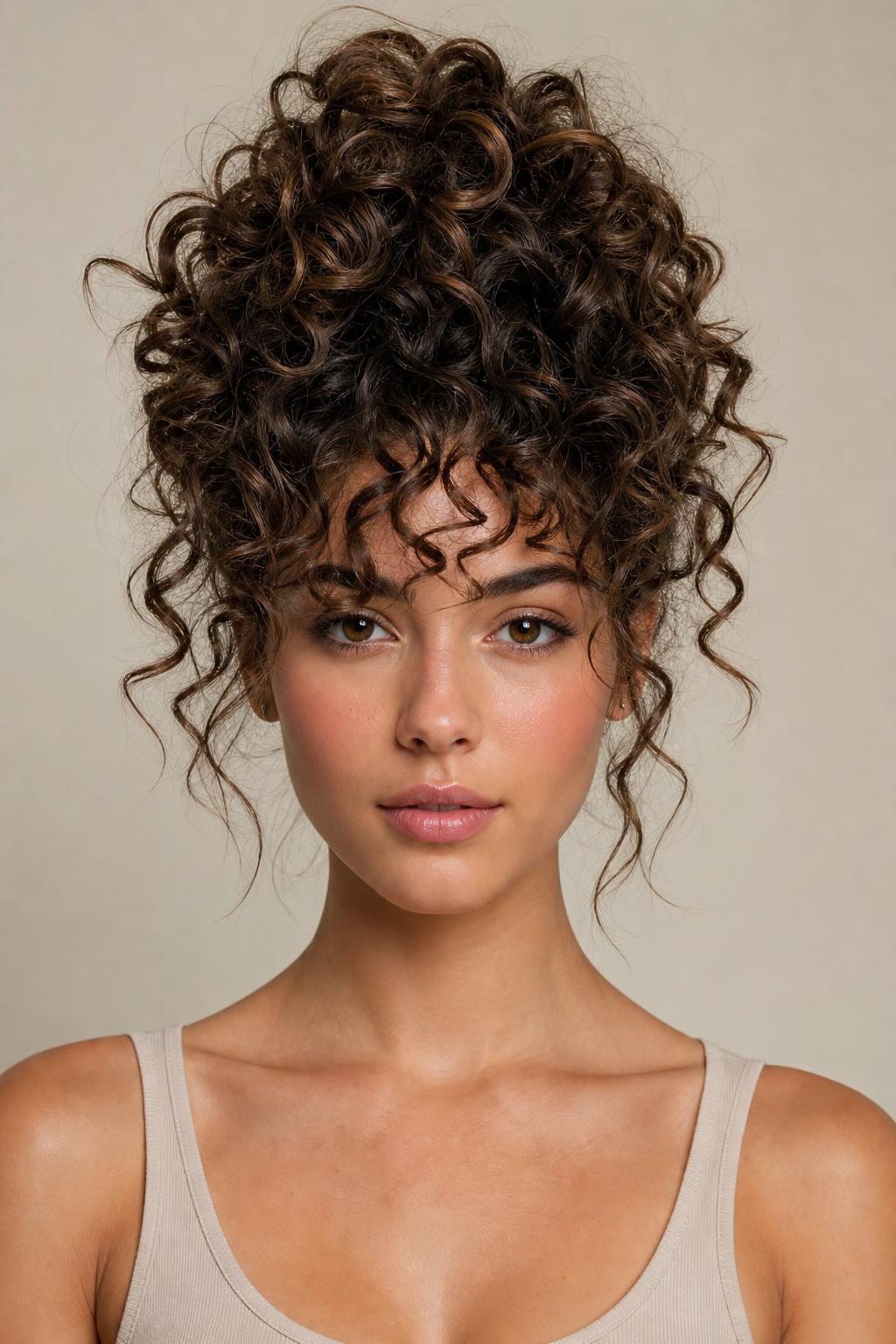
11. Pineapple Bun for Curly Hair
Curly and wavy hair keeps its pattern best when gathered loosely at the very top with a spiral band, so the curls fall forward rather than being compressed against the head. Never use a tight elastic here. The point of a pineapple is that nothing presses the curl flat, which is what causes the frizz you are trying to avoid.
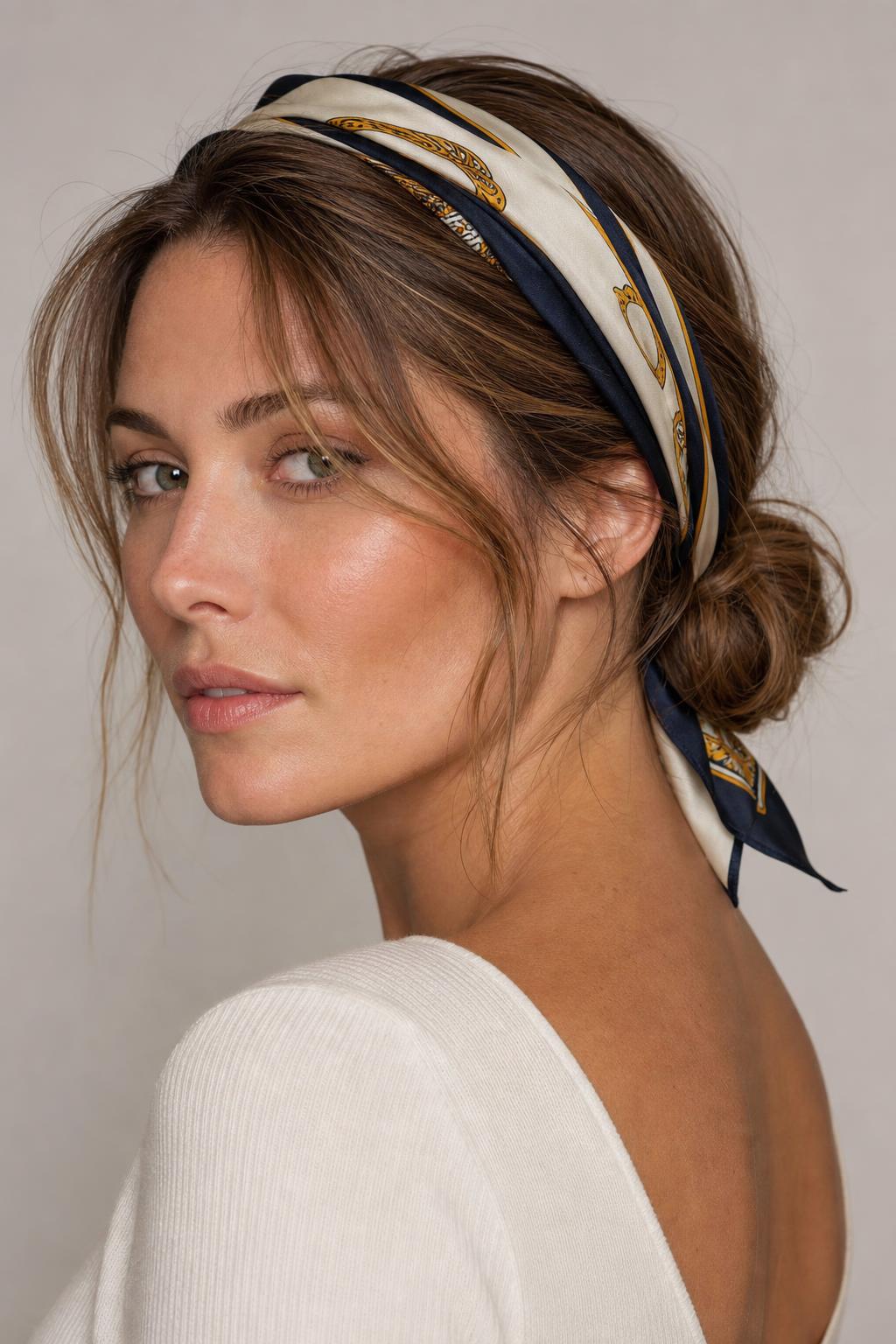
12. Twisted Low Bun with a Silk Scarf
Twist the hair into a low bun, then tie a folded silk scarf over the top and knot it underneath at the nape. Silk protects better than cotton because it does not draw moisture out of the hair the way absorbent fabric does. The scarf also covers the part line, which burns faster than anything else on your head.
13. Overnight Bun for Next-Day Waves
Coil damp hair into a loose bun before bed and release it in the morning for waves that need no heat and no product, which saves both a styling tool and space in your bag. Tighter coils give tighter waves. Two buns instead of one gives a more even result on hair past the shoulders.
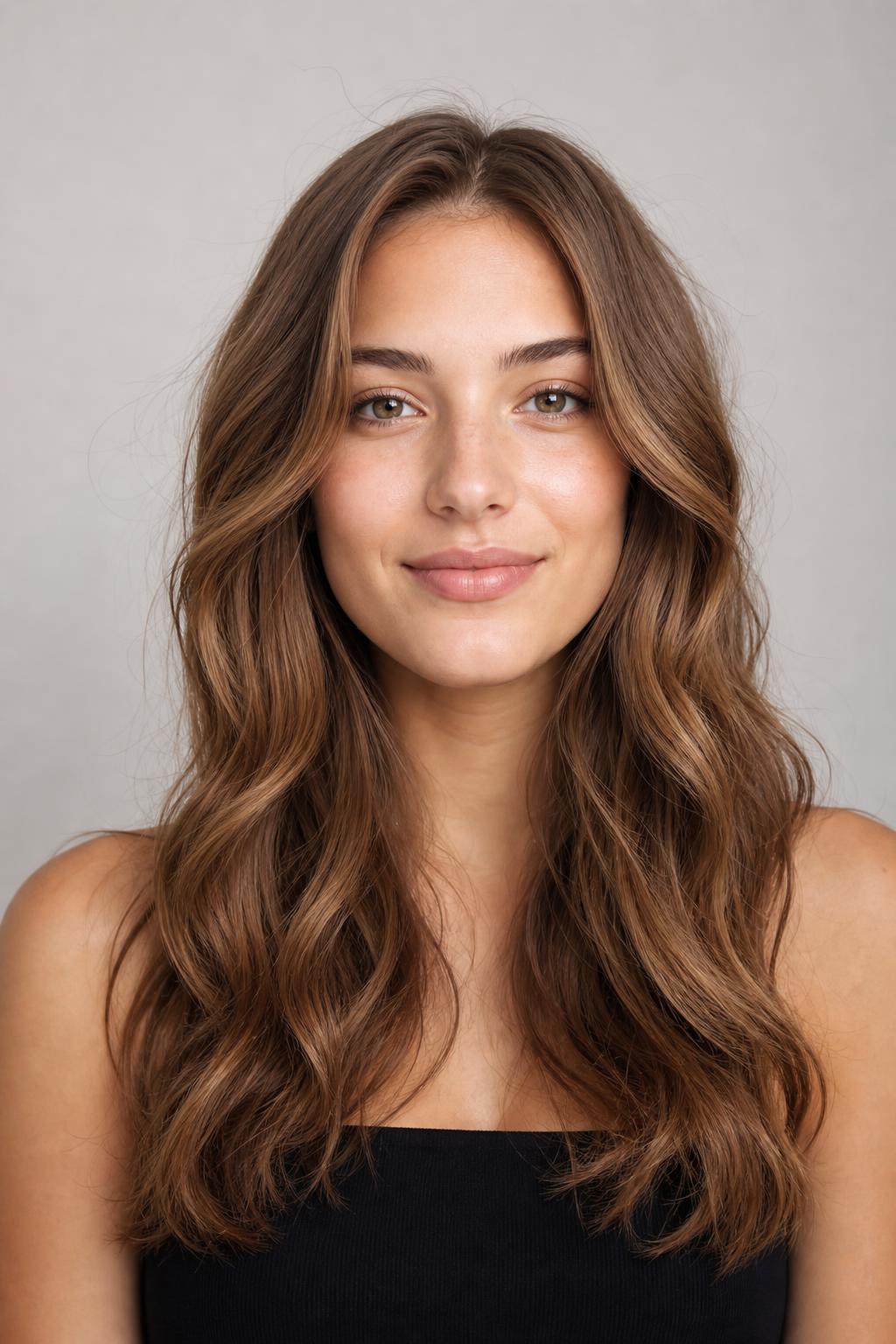
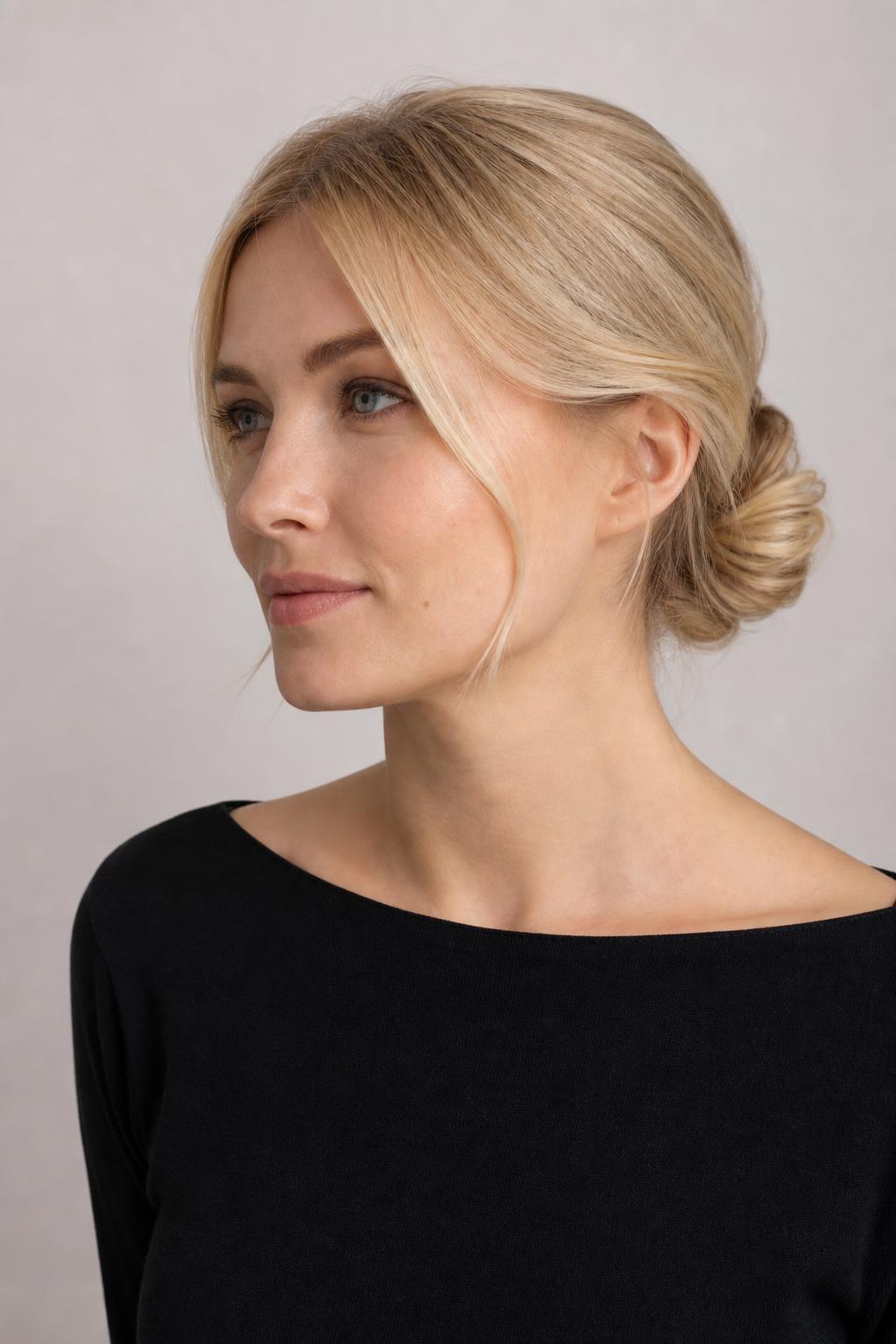
14. Low Bun on Blonde in Chlorine
Blonde and lightened hair picks up the green cast from pool water faster than any other shade, because bleached hair is more porous and copper in the water binds to it. Saturate with fresh water and leave-in first, then bun it up. A clarifying wash within 24 hours removes what does get through.
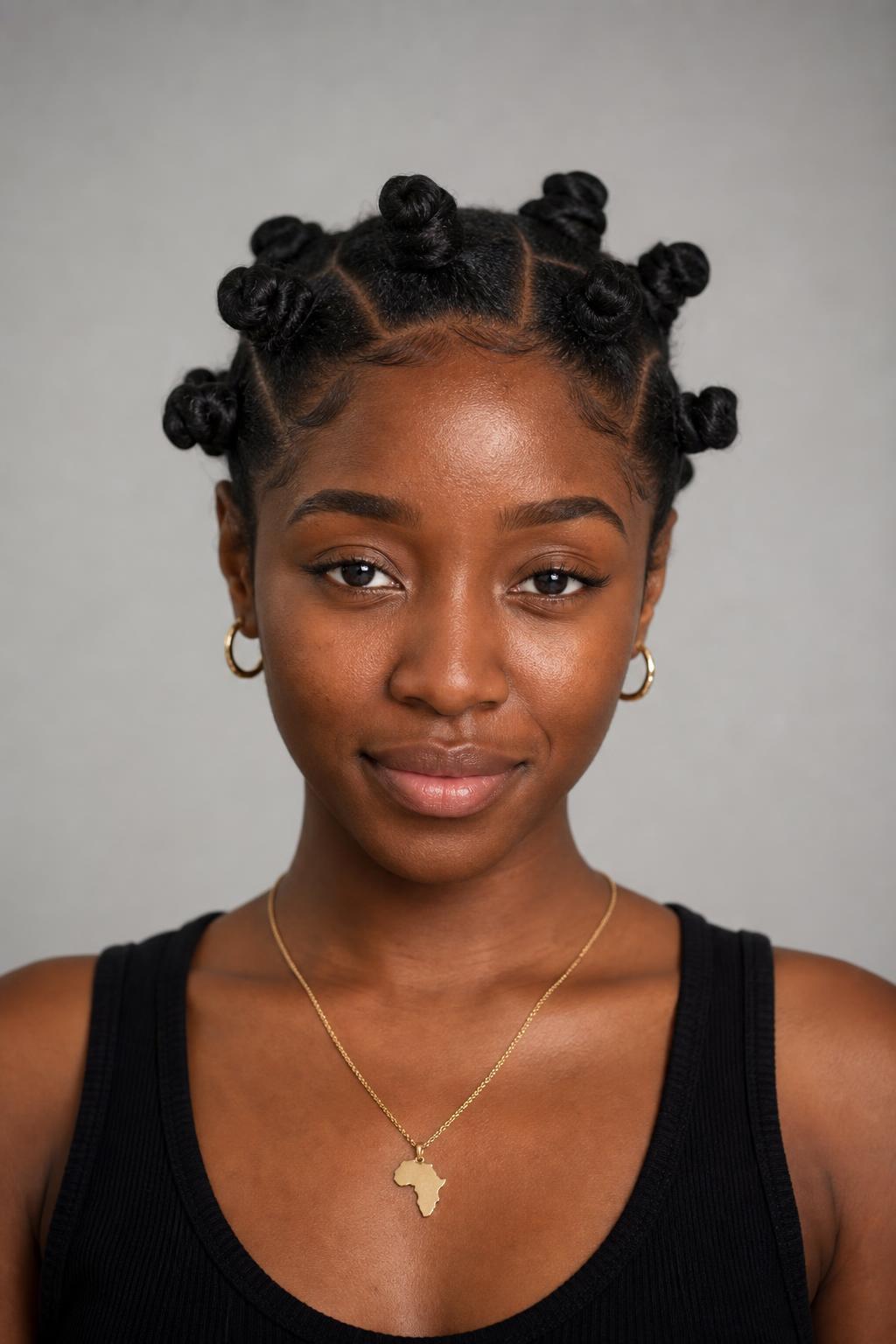
15. Bantu Knots
If you are having these set professionally, ask for square parts rather than triangular ones, since square sections sit flatter under a hat and hold their shape longer in humidity. Bantu knots protect the full length and release into defined curls when you take them down. That gives you two looks from one styling session.
Down Styles That Survive Salt Air
Wearing hair down on holiday is fine on days you are not swimming, provided it is protected before you go out rather than repaired afterward. Salt and UV do their damage in the first two hours of exposure. A leave-in conditioner plus a UV spray applied before leaving the room does more than any post-beach treatment.
16. Air-Dried Salt Waves
Where a styled beach wave uses a curling iron and a texturizing spray, real salt water waves form on their own if you leave the hair completely alone as it dries. Do not touch it, do not comb it, do not scrunch. Rinse with fresh water first so the salt stays as texture rather than building into a crust.

17. Scrunched Waves with a Leave-In
Rake a leave-in conditioner through soaking wet hair with your fingers, then cup sections in your palm and press upward toward the scalp, holding for five seconds each. Pressing rather than squeezing preserves the wave and avoids the frizz that vigorous scrunching creates. Let it dry fully before touching it again.

18. Half-Up for a Heart-Shaped Face
Heart-shaped faces need the width kept low, so take the half-up section from behind the temples rather than at the front hairline and leave hair covering the outer forehead. The remaining length then falls around the jaw where the face narrows. It also keeps the front sections from blowing into your face in sea wind.

19. Down Style for Fine Hair in Humidity
Fine hair goes limp in humidity rather than frizzy, which is the opposite problem to thick hair and needs the opposite solution. A light mousse at the roots gives structure that survives moisture, while a heavy cream collapses it entirely. Skip conditioner on the roots for the duration of the trip.

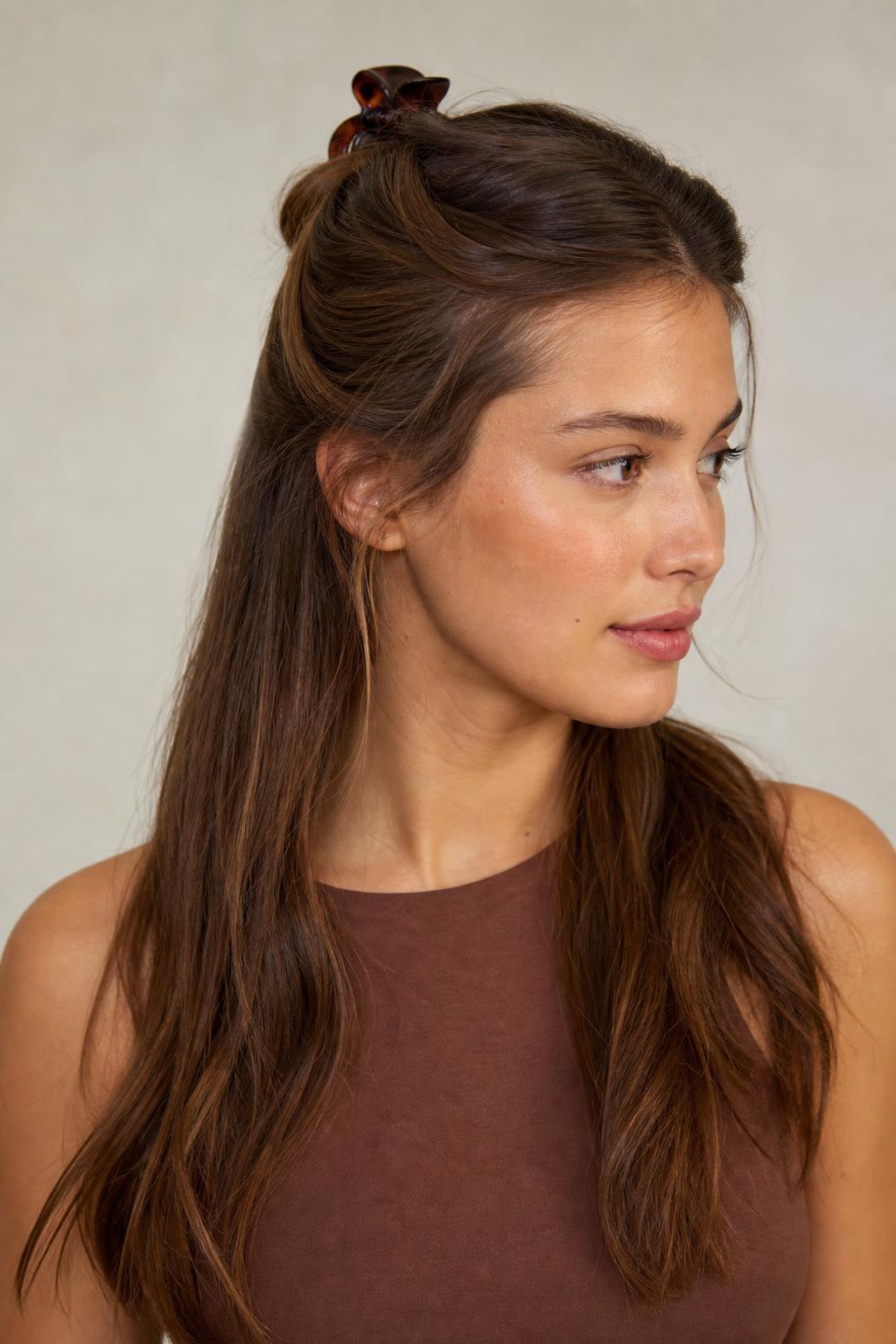
20. Twisted Half-Up with a Claw Clip
Take a section from each temple, twist them back, and clip both together at the crown with a single claw clip. The whole thing takes 15 seconds and holds through a windy boat ride. Use a plastic clip rather than metal, since metal heats up fast in direct sun.
21. Stretched Wash Day on Vacation
Washing daily on holiday strips the oils that are actively protecting your hair from salt and sun, so rinse with fresh water instead and shampoo every third day. A co-wash on the off days handles anything that builds up, and the between-wash revival methods in our guide to refreshing curls without washing cover the days in between. This single change does more for hair over a week than any product you can pack.

22. Copper Color Protected from Sun
Copper and red shades fade faster in sunlight than any other color family, because the pigment molecule is larger and washes out of the cuticle more readily. A UV protectant spray reapplied at midday buys real time. Plan the salon appointment for after the trip rather than the week before.

Short Hair on Vacation
Short hair is the easiest length to travel with and the most exposed, since there is nothing covering the scalp and part line. A hat matters more than any product here. On the styling side, short cuts dry in minutes and can be reset after every swim without a tool.
23. Wet-Look Slicked Pixie
Ask your stylist for a pixie with enough length on top to comb back flat, roughly three inches, if a slicked look is the goal for your trip. Under two inches will not lie down. A light gel raked back straight out of the water gives a finished look with zero drying time.
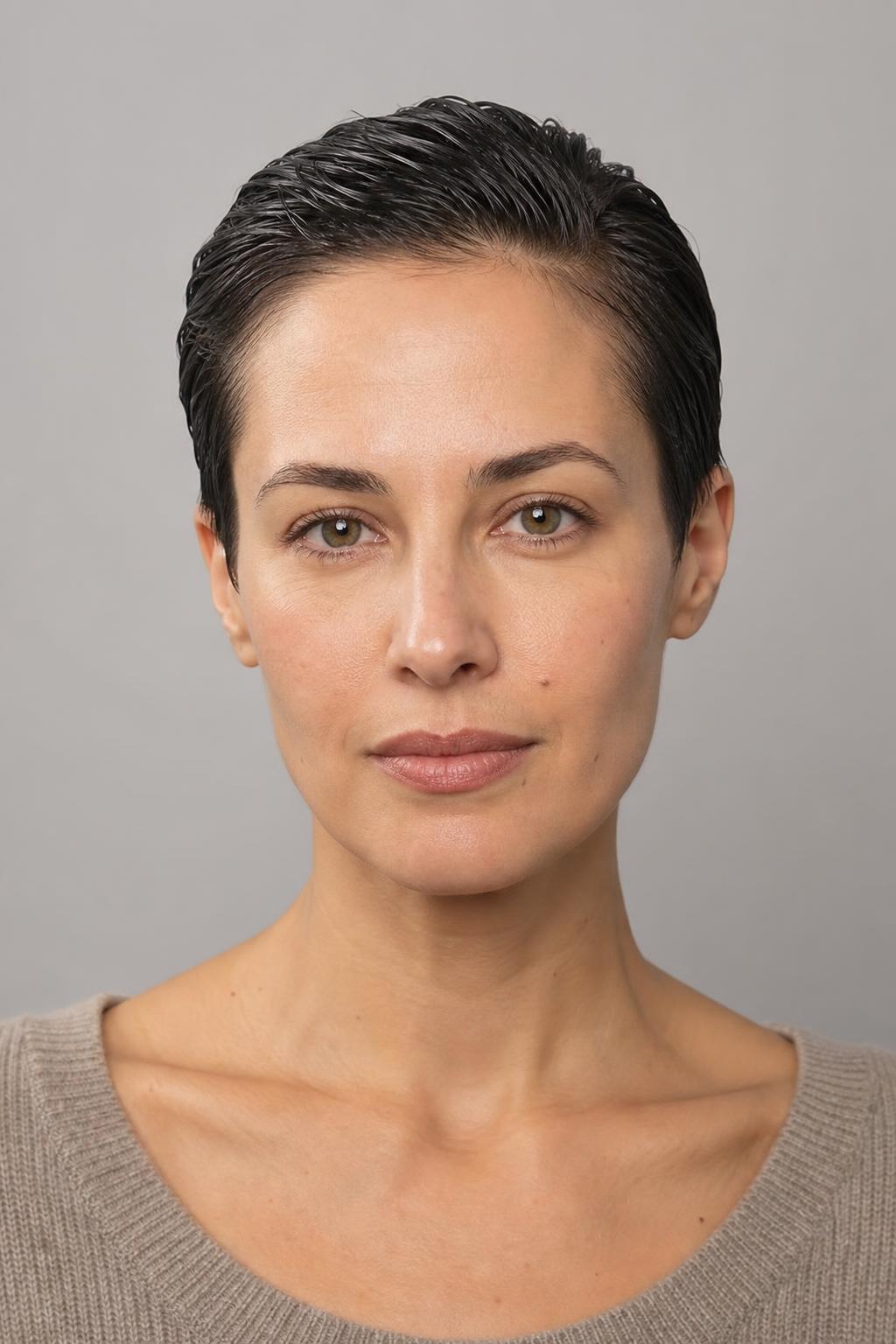
24. Textured Crop over a Grown-Out Bob
Compared with holding onto a bob that has lost its shape, cutting to a textured crop before travel removes the length that tangles in salt water and takes the longest to dry. It is a two-week decision rather than a permanent one. Most people who make this swap before a beach trip keep it after.

25. Finger-Coiled Short Curls
Wrap individual damp sections around a finger and hold for three seconds before releasing, working only on the front and top where definition is visible. The back can air dry as it likes. Finger coiling short natural hair takes about six minutes and holds for two days in humidity.

26. Side-Swept Short Cut for Square Jaws
Square jaws soften when a short cut is swept diagonally across the forehead instead of pushed straight back, since the diagonal breaks up the horizontal line of the jaw. Keep a little length in front of the ears. It also gives you something to tuck when the wind picks up.

Protective Styles for a Full Week Away
If the trip is longer than four days and involves daily swimming, a protective set installed before you leave is the most efficient choice available. You style once and are finished for the week. Budget the salon time realistically, since a full braid set runs three to six hours depending on size and length.
27. Knotless Box Braids
Fine and fragile hair does better with knotless braids than traditional box braids, because the gradual feed-in removes the tension knot at the root that causes edge thinning. They also lie flatter under a swim cap. Expect four to six hours for a mid-back length set, and the finish options in our gallery of knotless braids with curly ends hold up well in humidity.
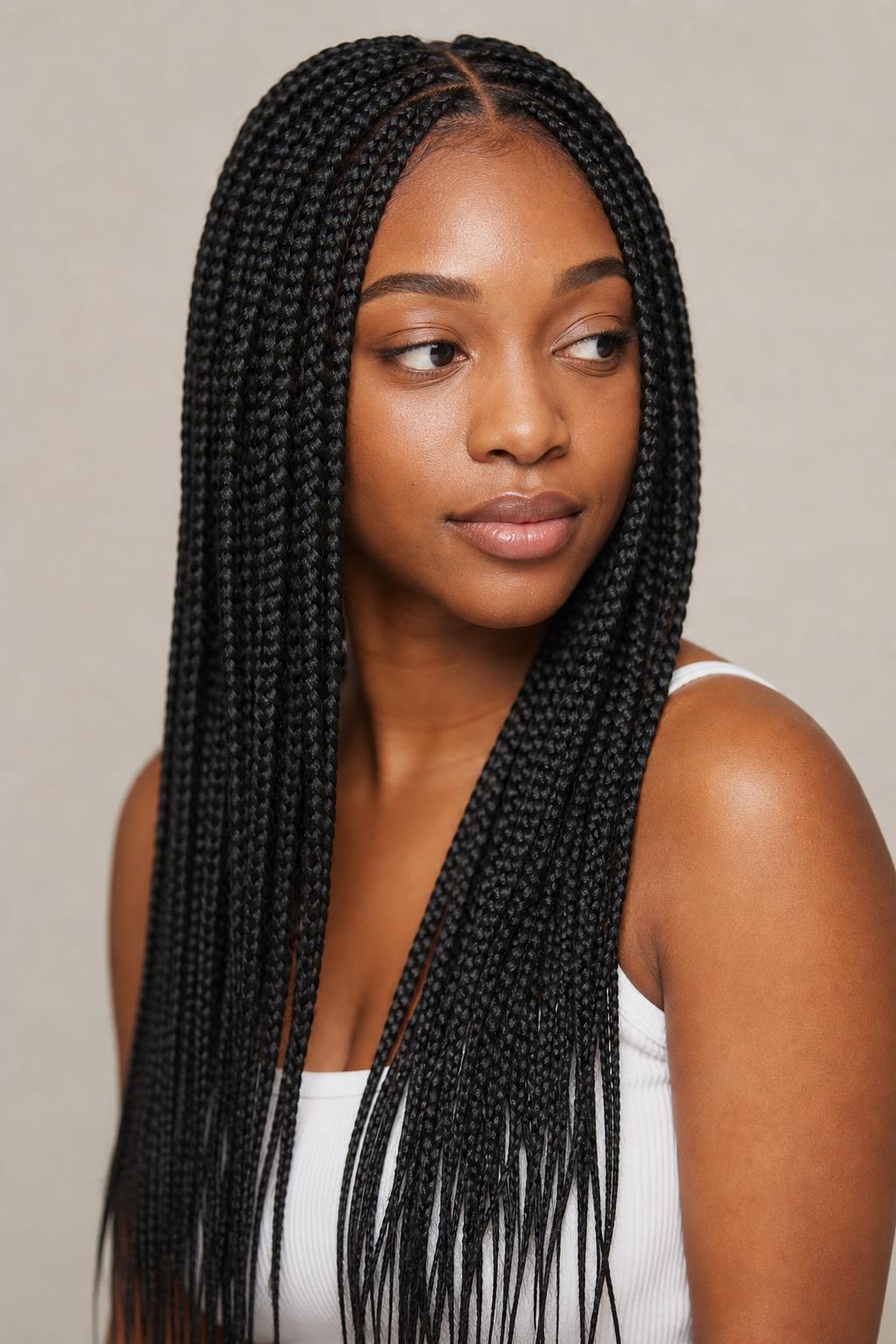
28. Two-Strand Twists
Section damp hair, apply a cream, and twist two strands around each other from root to tip, keeping the tension consistent so the twist does not unravel at the ends. Twists take about half the time of braids and give most of the same protection. Take them down carefully for a defined twist-out on your last night.

29. Loc Bun for a Week of Swimming
Locs hold up in salt water better than any other style, but they take considerably longer to dry, and locs stored damp develop odor within about two days. Bun them for swimming, then take them down and dry them properly each evening. A microfiber towel and 20 minutes of low cool air is enough. Newer or lighter sets behave differently in water, and the maintenance notes in our guide to soft locs and their upkeep apply to the first few months.
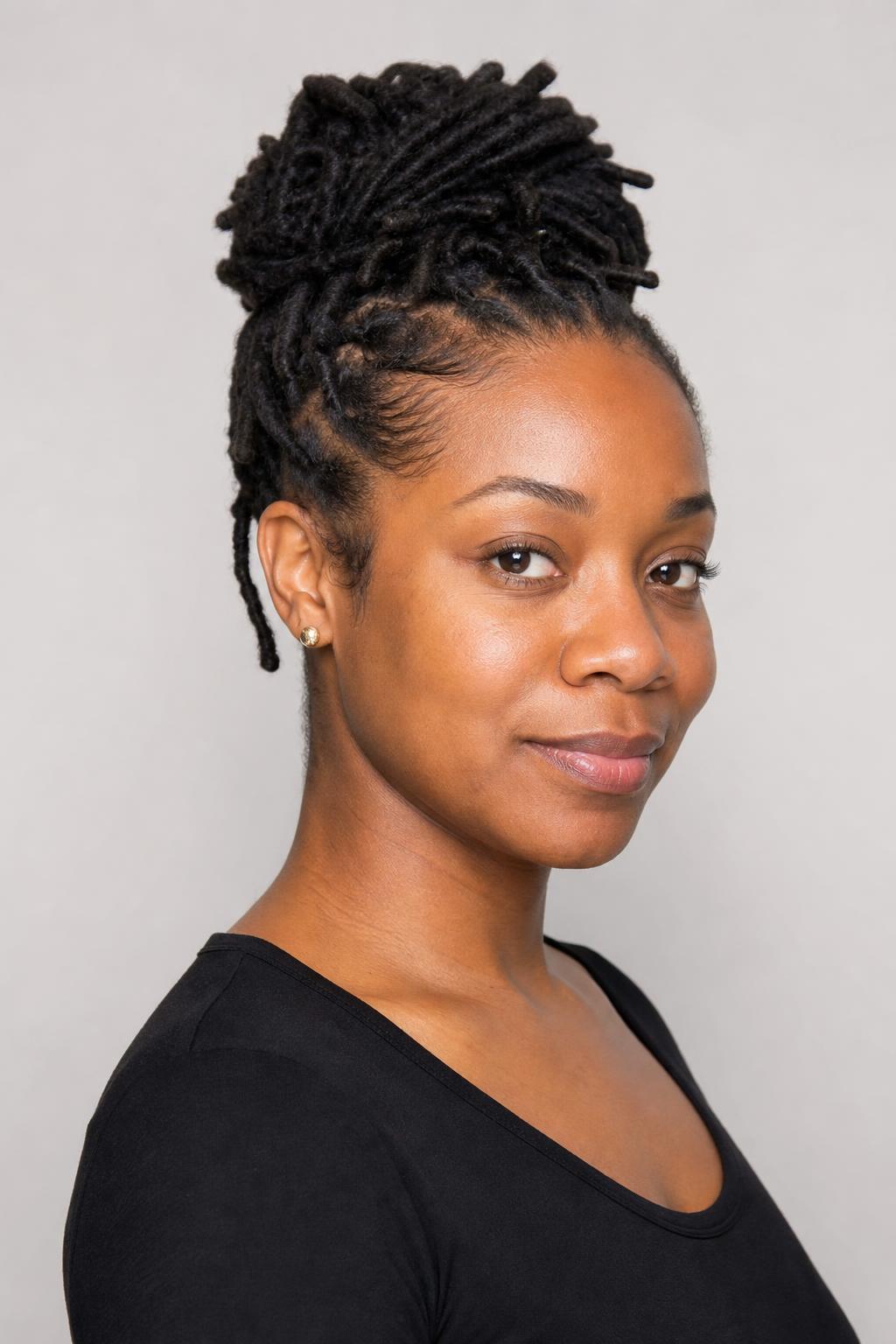
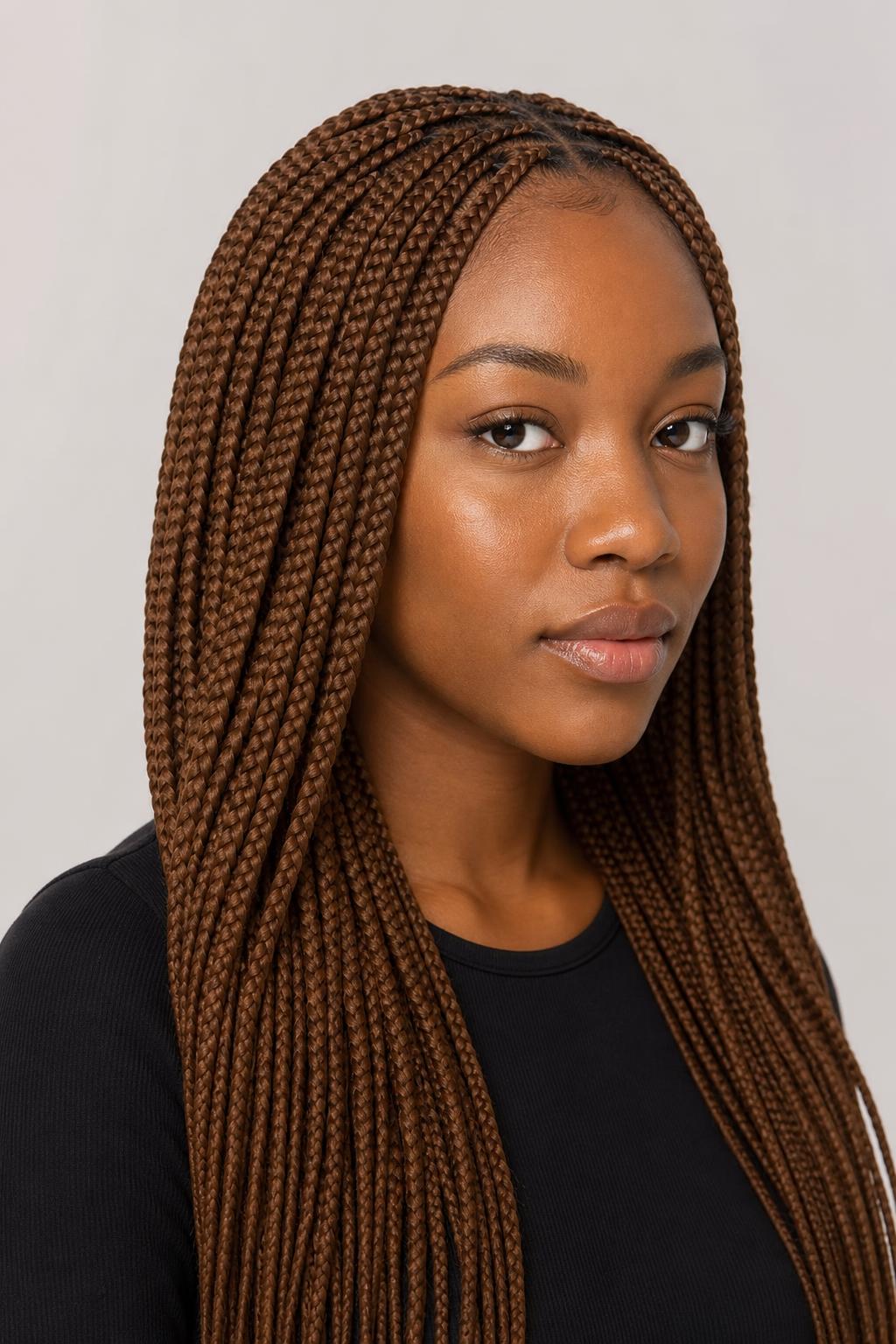
30. Braids with Sun-Safe Color
If you want color with a braid set for a trip, a demi-permanent two levels within your base holds far better in sun than a lift, since lightened hair is more porous and both fades and dries faster. Get it done at least a week before you travel. That gives the cuticle time to close before the first swim.
Protecting Hair Before and After the Water
The single most effective thing you can do is soak your hair in fresh water before you get in the sea or the pool. Hair absorbs water like a sponge, and a sponge already full of fresh water cannot take on much salt or chlorine. Everything else in this routine is secondary to that one step.
| When | What to Do | Time Needed | Why It Matters |
|---|---|---|---|
| Night before | Deep condition, sleep on silk | 10 minutes | Well-conditioned hair absorbs less salt |
| Before leaving the room | Leave-in conditioner plus UV spray | 2 minutes | UV damage happens in the first two hours |
| Before swimming | Saturate with fresh water, then braid or bun | 3 minutes | Cuts salt and chlorine absorption sharply |
| Straight after swimming | Rinse with fresh water, do not shampoo | 1 minute | Removes salt without stripping oils |
| End of the day | Co-wash or shampoo every third day only | 5 minutes | Daily shampoo removes protective oils |
| End of the trip | One clarifying wash, then a bond treatment | 30 minutes | Clears buildup and rebuilds what the week cost |
Stylist tip: Pack a small spray bottle and fill it with fresh water at the room each morning. Almost nobody rinses before swimming because the shower is a five-minute walk away, and a bottle at your towel removes the excuse. It is the cheapest hair protection on this entire list.
Choosing a Beach Style for Your Hair Type
Hair type decides which of these styles will still be intact at the end of the day far more than length does. Fine hair slips out of tight styles, coarse hair resists them, and curly hair loses its pattern under compression. Match the style to the texture first, then adjust for length.
| Hair Type | Best Beach Styles | Key Product | Avoid |
|---|---|---|---|
| Fine straight | French braid, claw-clipped half-up, overnight bun | Light mousse at the roots | Heavy oils and creams, which flatten it completely |
| Thick straight | Dutch braids, fishtail, low bun with a scarf | Leave-in conditioner | Small elastics, which snap under the weight |
| Wavy | Air-dried salt waves, scrunched waves, half-up | Curl cream plus a light gel | Combing once dry, which turns waves to frizz |
| Curly | Pineapple bun, twisted half-up, two-strand twists | Rich leave-in and a spiral band | Tight elastics that compress the curl pattern |
| Coily | Cornrows, Bantu knots, knotless braids, twists | Butter or cream sealant, silk scarf | Leaving loose ends exposed to salt all day |
| Locs | High loc bun, half-up loc style | Light oil, microfiber towel | Sleeping on damp locs, which causes odor |
If protective braids are your plan for the week, the length and size options are worth choosing deliberately, and our collection of braid styles for Black women across every length covers what each size costs in install time.
What to Pack for Hair
The list is short, because most of what people pack goes unused while the two things that matter get left behind. Everything here fits in a small pouch and covers a week.
- A leave-in conditioner in a travel size, applied every morning before you leave the room. This is the single highest-value item on the list.
- A UV protectant spray for hair, which is not the same thing as sunscreen and should not be substituted with it.
- A silk or satin scarf, for sleeping and for covering the part line in direct sun.
- Spiral coil hair bands rather than fabric elastics, because fabric stretches permanently once soaked in salt water.
- A wide-tooth comb and a small spray bottle, which together handle detangling without breakage on wet hair.
- One bond-repair treatment for the end of the trip, used once rather than daily.
Beach Habits That Cause the Most Damage
Most beach hair damage comes from a handful of habits rather than from the beach itself, and each has a straightforward alternative. None of these mean staying out of the water.
- Swimming without rinsing first. Dry hair absorbs salt and chlorine at full strength, and the difference between rinsed and unrinsed hair over a week is dramatic. Soak with fresh water every time.
- Brushing hair while it is wet and full of salt. Salt-stiffened wet hair stretches and snaps rather than sliding apart. Detangle with a wide-tooth comb and conditioner, or wait until it is dry.
- Shampooing every day. It strips the natural oils that are the actual barrier against sun and salt, so daily washing leaves hair less protected each day. Rinse instead, shampoo every third day.
- Tying hair up while it is soaking wet and leaving it for hours. Hair is at its weakest wet, and tight tension on wet hair breaks it at the band. Use a loose spiral band, not a tight elastic.
- Booking a lightening service the week before travel. Freshly bleached hair is at its most porous and will take on both salt and pool copper immediately. Schedule color for after the trip.
FAQ
What Is the Best Hairstyle for Swimming in the Ocean?
Dutch braids or a slicked bun set on hair already soaked with fresh water. Dutch braids hold their structure fully submerged because each section crosses under rather than over, and a wet slicked bun keeps the ends completely contained. Whichever you choose, the fresh-water soak beforehand does more for your hair than the style itself.
How Do I Stop My Hair Going Green in the Pool?
Wet it with fresh water and coat it with a leave-in conditioner before you get in, then rinse immediately afterward. The green comes from copper in the water binding to porous hair, not from chlorine directly, which is why blondes and lightened hair are affected most. A clarifying shampoo within a day removes what does get through.
Should I Wash My Hair Every Day on a Beach Holiday?
No, rinse with fresh water daily and shampoo every third day at most. Your natural oils are the barrier that protects hair from sun and salt, and stripping them every morning leaves hair progressively more vulnerable across the week. A co-wash on the in-between days handles buildup without the same stripping effect.
How Long Do Beach Braids Last?
A simple Dutch or French braid lasts one to two days with daily swimming, a crown braid holds four to five days, and a professional protective set runs four to eight weeks. Salt water shortens all of these by roughly a third compared with the same style worn in dry conditions. Re-braiding on damp hair extends any of them.
What Hairstyle Works Best in High Humidity?
Anything gathered or braided, because humidity acts on loose hair by swelling the cuticle and creating frizz, and contained hair has nowhere to expand. A fishtail braid handles frizz particularly well since the woven surface hides flyaways. Fighting humidity with a straightener is the one approach that reliably fails.
Can I Get Braids Done on Holiday Instead of Before?
You can, but doing it before you travel means you get the protective benefit for the whole trip rather than the back half. Beach-town braiders also vary widely in technique, and a tight install by an unfamiliar stylist can cause tension damage you will not notice until you get home. Book at your usual salon a few days before you fly.
The beach vacation hairstyles that actually work are the ones you can do in three minutes at a towel, wet, without a mirror. Pick two braided options and one bun from this collection, practice them once at home, and pack a spray bottle for the fresh-water rinse. That combination protects your hair better through a week of sun and salt water than any product you can buy at the resort.
Hair results vary based on your natural hair type, texture, density, and condition. Always consult with a licensed hairstylist before making significant changes, especially with chemical treatments or dramatic length changes. Photos may show styled results that require professional tools and products to replicate.