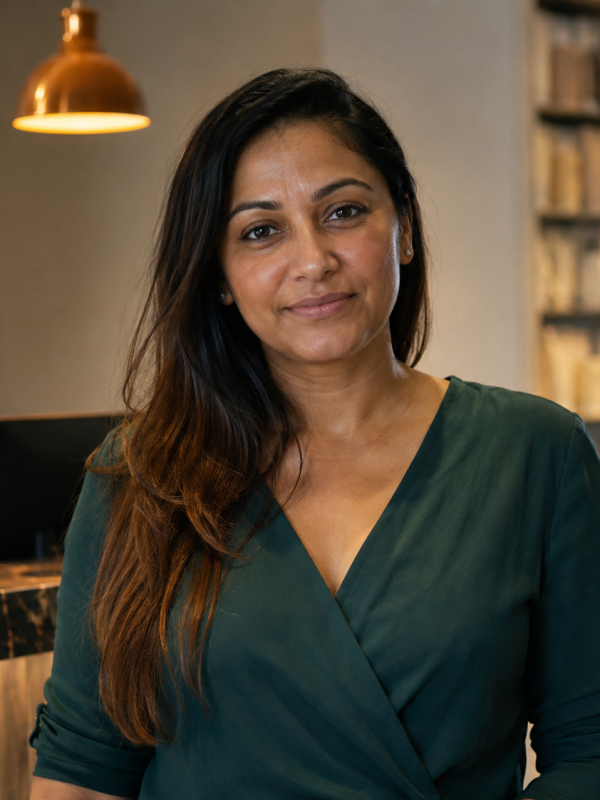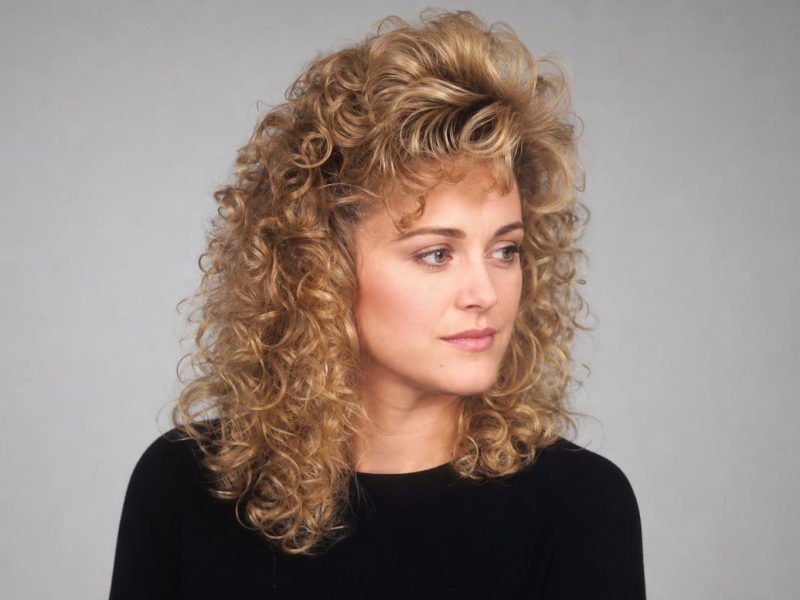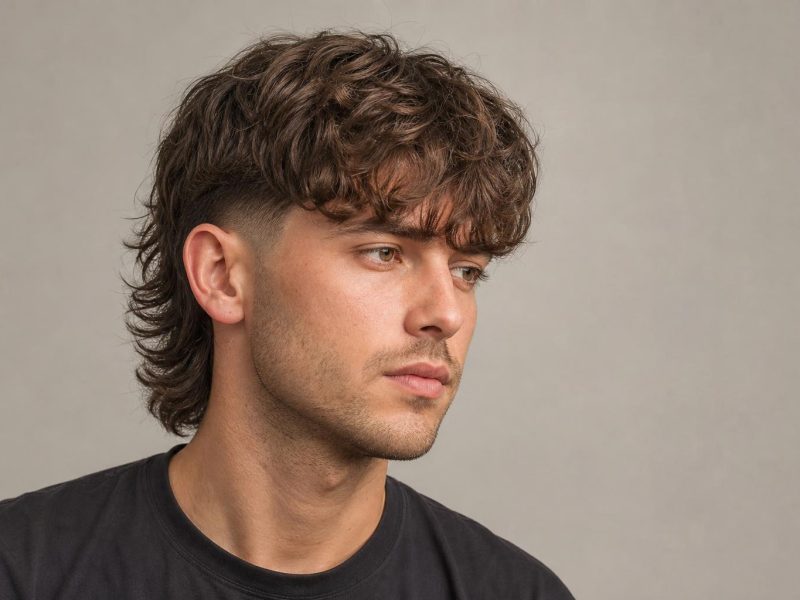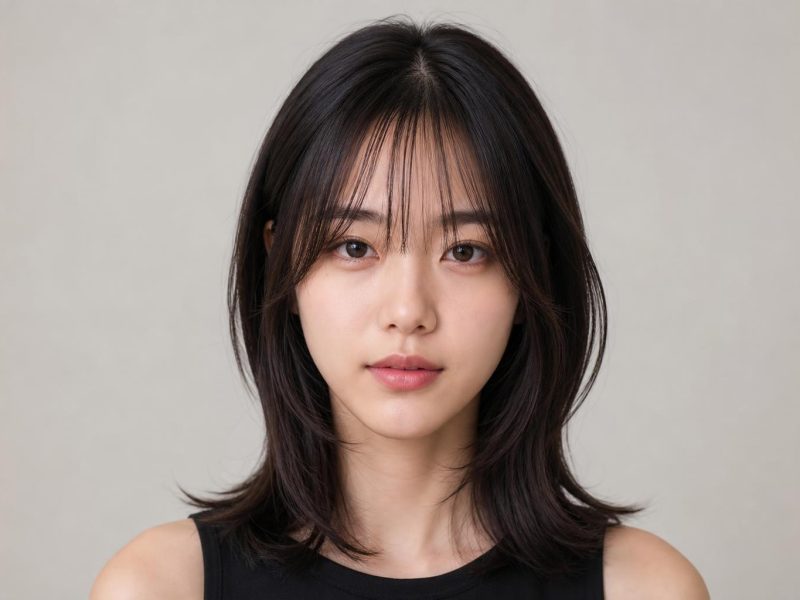

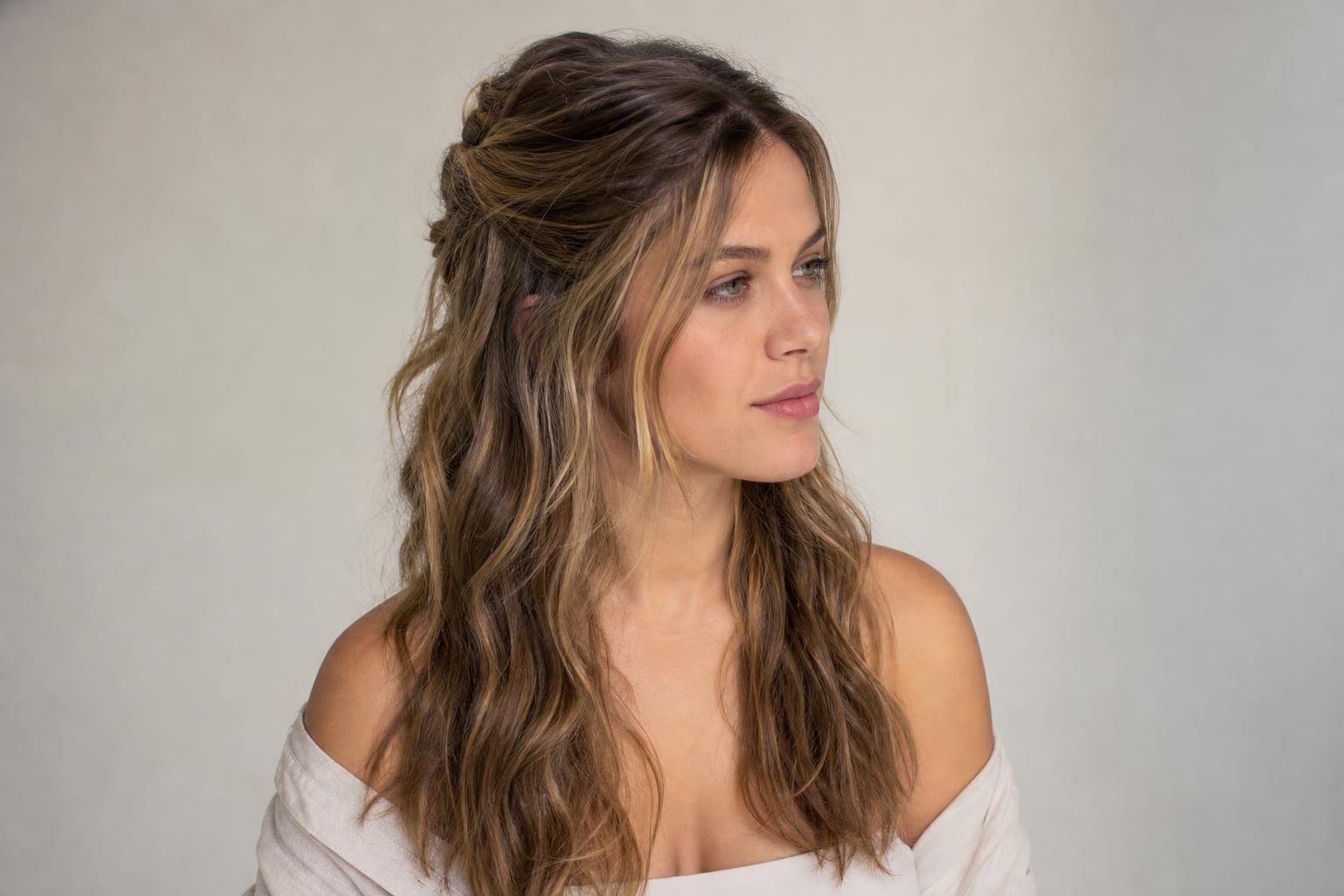
Boho hair is a finish you build rather than a cut you book, and it fails most often because the hair underneath is too clean to hold anything.
The phrase covers two completely different things. On your own hair, boho means an undone finish built from uneven waves, a chosen face frame and low-contrast color. In braiding, boho means loose curly pieces deliberately left hanging out of an otherwise neat braid. Search results mix the two constantly, which is why half the tutorials you find will not apply to what you actually want.
This guide separates the two meanings, sets out the three rules that make a look boho instead of merely messy, explains why freshly washed hair sabotages every one of them, sorts the styles by how many minutes they cost you, and covers the textures and lengths where the whole thing stops working.
Boho Hair Means Two Different Things
Getting this fork right saves you an hour of watching the wrong tutorial. One version is a styling result you create on the hair you already have, in your bathroom, this morning. The other is a salon service where extension hair is installed alongside braids. They share an aesthetic and almost nothing else.
| Boho as a Finish | Boho as a Braid Style | |
|---|---|---|
| What it is | A styling technique on your own hair | A protective style with curly hair left loose |
| Time cost | 2 to 20 minutes at home | 5 to 8 hours in a braider’s chair |
| Lasts | One day, sometimes two | 4 to 8 weeks |
| Needs added hair | No | Yes, usually curly human hair |
| Works best on | Wavy 2a to 3a hair past the shoulder | Coily and kinky textures at any length |
If the braided version is what you had in mind, the mechanics are covered properly in our guide to boho knotless braids, and French curl braids use a related technique with a different curl pattern. Everything below this point is about the styling version.
Three Rules Separate Boho Hair From Hair That Just Looks Untidy
The gap between the two is narrow and entirely technical. Undone hair that works has three things going on at once, and dropping any one of them is what makes a styling attempt land in the wrong place. Run through all three before you decide the look is not for you.
The Texture Has to Be Uneven on Purpose
A uniform curl pattern, the kind you get by wrapping every section the same way around the same barrel, looks groomed rather than relaxed. Boho texture comes from irregularity: some sections bent, some left almost straight, the direction alternating so no two neighboring waves stack into a spiral. Leave the last inch and a half of every section uncurled, which is the single change that separates a beachy wave from a formal one. A wider barrel of an inch and a quarter or more makes this far easier than a narrow one, because a large barrel bends hair rather than coiling it.
The Face Frame Is Chosen, Not Random
Every version of this look leaves pieces out around the face, and the pieces are picked on purpose. Take one section from each side, roughly the width of two fingers, starting at the front hairline and stopping level with the outer corner of your eye. Pulling hair out afterward from wherever it happens to be loose produces uneven lengths on either side and a genuinely scruffy result. Choose first, then style the rest around what you left out.
The Color Stays Low Contrast
Boho color is sun-lightened rather than striped. Think two shades of lift across the mid-lengths with no defined line at the root, which lets the waves catch light in soft patches instead of drawing hard stripes through the movement. High-contrast foils fight the texture, because the eye follows the color line rather than the wave. If your current color has a sharp regrowth line, a root shadow or gloss at your next appointment will do more for this look than any styling change.
Day Two Hair Is the Prerequisite Nobody Mentions
Freshly washed hair has almost no grip. The cuticle is smooth, the strands slide past each other, and any bend you put in falls out within an hour or two. That is the real reason boho styling fails for most people, and it has nothing to do with the tool or the technique. Hair with a day of natural oil and a little surface roughness holds a shape for the whole day with a fraction of the product.
If you have to work with clean hair, you can fake the grip. A sea-salt-based texturizing spray on damp lengths before drying is the most reliable route, since the salt roughens the surface rather than coating it. Dry shampoo at the roots on dry hair does a similar job higher up. Mousse also works on fine hair, but use it at the roots only, because carrying it through the ends makes them crunchy and kills the softness the whole look depends on.
Stylist tip: Braid your hair in two loose braids before bed on wash night and take them out dry in the morning. You wake up with the uneven bend this look needs and skip heat entirely. Our walkthrough of overnight heatless curls covers the section sizes that give a soft S rather than a crimp.
Boho Styles Sorted by How Long They Take
Almost every roundup of these looks presents them as equally easy, which is not true. The gap between a claw clip twist and a braided crown is fifteen minutes and a completely different skill level. Pick by the time you actually have on a weekday morning, not by the photo.
| Style | Minutes | Needs | Best Length |
|---|---|---|---|
| Claw clip twist | 1 to 2 | A medium claw clip, nothing else | Shoulder and longer |
| Undone waves worn loose | 8 to 12 | Wide-barrel iron, texture spray | Collarbone and longer |
| Half-up twist | 3 to 5 | Two small elastics or a clip | Chin and longer |
| Loose low bun | 4 to 6 | Elastic plus two pins | Shoulder and longer |
| Fishtail worn forward | 7 to 10 | Practice; no tools | Past the collarbone |
| Braided crown | 15 to 20 | Two-hand braiding skill, 6 to 10 pins | Mid-back and longer |
| Waves with hair cuffs or a scarf | 10 to 15 | Cuffs sized to your braid width | Any, from shoulder down |
The two-minute end of that table does more work than people expect. A single twist held in a claw clip with two face pieces released looks exactly as intended, and it survives a full workday better than waves do. Our collection of claw clip styles has the twist directions that hold on slippery hair.
Your Texture Decides Which Version to Attempt
This look was built on loosely wavy hair, and it translates unevenly to other textures. Naturally straight hair needs the most help and holds the shape for the shortest time. Tight curls already have the irregularity the whole thing is chasing, so the work moves from creating texture to controlling volume instead.
| Texture | What to Change | How Long It Holds |
|---|---|---|
| Fine and straight (1a to 1c) | Mousse at the roots, curl each section cooler and pin it while it cools | 3 to 5 hours |
| Thick and straight | Take smaller sections and skip every third one entirely | 6 to 8 hours |
| Wavy (2a to 2c) | Almost nothing; scrunch a curl cream on damp hair and air dry | All day |
| Curly (3a to 3c) | Stretch the roots with a diffuser, leave the ends alone | All day |
| Coily (4a to 4c) | Go to the braided version rather than the styled one | Weeks, not hours |
Stylist tip: On wavy hair, the mistake is doing too much. Scrunching a light curl cream into soaking wet hair and leaving it completely alone while it dries gives a better version of this look than twenty minutes with an iron. Touching wavy hair while it dries is what creates frizz, and frizz is the one kind of undone that does not work here.
What to Tell Your Stylist
A cut can make this easier or nearly impossible, so the conversation matters more than people expect. Ask for long layers that start no higher than your collarbone, with the perimeter left fairly blunt. Layers cut too short at the top make the waves stack into tiers instead of falling in one soft mass, and a heavily thinned perimeter turns wispy rather than relaxed once texture spray goes near it.
For the face frame, the words that get the right result are: “Cut two face-framing pieces starting at my cheekbone, soft at the ends, but do not take them above my eyebrow.” That gives you pieces long enough to tuck and short enough to curve. On color, ask for a lived-in balayage with a root shadow and no foils near the hairline, which keeps the contrast low where the light hits hardest.
When Boho Hair Is Not the Right Choice
- Hair above chin length. There is not enough length for waves to develop or for pieces to fall out of a twist. A textured crop worn with a little paste gives a similar softness without pretending to be this.
- Very fine hair at low density. Leaving face pieces out subtracts from an already sparse perimeter, and the style can end up looking thin rather than relaxed. Keep the face frame to one narrow piece on your stronger side.
- A strictly formal workplace. Deliberately undone hair lands differently in some rooms than in others. A low bun with smooth sides and a single released piece is the version that survives a conservative office.
- Freshly relaxed or chemically straightened hair. The cuticle is at its smoothest and will not hold a bend, and adding heat to get one there is not worth the damage.
- Humid climates with no product tolerance. Texture spray plus humidity swells fine hair into frizz by mid-afternoon. Braid-based versions hold up far better than wave-based ones.
Common Boho Hair Myths
Myth: Undone Hair Takes Less Time Than Polished Hair
Reality: Waves with a chosen face frame and a hand-roughened finish usually take longer than blow-drying the same hair straight, because the irregularity has to be built rather than removed. The genuinely fast versions are the clipped and twisted ones, not the wave-based ones. If speed is your goal, start at the top of the time table and stay there.
Myth: You Need Beach Air or Salt Water to Get the Texture
Reality: Real sea water dries hair out and roughens it unevenly, which is why holiday hair looks great on day one and straw-like by day four. A salt-based spray gives the same surface grip in a controlled amount. If you are actually heading somewhere coastal, the strategies in our guide to beach vacation hairstyles deal with the salt and sun damage that follows.
FAQ
What Exactly Makes a Hairstyle Boho?
Three things together: uneven texture rather than uniform curls, a face frame chosen before you style rather than pulled out afterward, and low-contrast color with no hard regrowth line. Drop any one and the look tips into either formal or untidy. Accessories like cuffs, scarves and small braids are common but optional, and none of them substitute for the texture rule.
Can I Get Boho Hair With Straight Hair?
Yes, but plan for maintenance rather than a set-and-forget result. Straight hair needs mousse at the roots, a cooler iron temperature, and each section pinned to your head while it cools so the bend sets properly. Expect three to five hours of hold on fine straight hair and closer to eight on thick straight hair. Overnight braiding on damp hair is the lower-effort alternative and the result looks more natural.
How Do I Keep Boho Waves From Falling Flat by Lunchtime?
Let each curled section cool completely before you touch it, which is the step most people skip. Clip each section against your head after wrapping it, style your face and get dressed, then release them all at once and break them up with your fingers. Cooling in shape is what locks the bend in, and it roughly doubles how long the texture lasts.
Is Boho Hair the Same as Beach Waves?
Beach waves are one component of it, not the whole thing. You can have textbook beach waves and still not land the look if the color is high contrast or if there is no deliberate face frame. Think of the waves as the base layer and the framing and color as what finishes it.
What Products Do I Actually Need?
Three at most: a sea-salt-based texturizing spray, a light hold hairspray for the face pieces only, and a curl cream if your hair is naturally wavy. Skip shine serums, since gloss works against the matte finish this look depends on. Fine hair can swap the salt spray for a root-lift mousse applied before drying.
Does Boho Hair Work on Short Hair?
Below chin length it stops being achievable in any recognizable form, because there is nothing to fall or twist. Between chin and shoulder you can get a scaled-down version using a half-up twist and two released face pieces, worn with waves put in at the mid-lengths only. Anything shorter than that is better served by a textured crop finished with a matte paste.
How Long Does Boho Braided Hair Last?
Four to eight weeks, depending on how quickly your own hair grows out at the root and how much the loose curly pieces tangle. The curly hair left out of the braid is the part that wears first, since it has no braid protecting it and needs to be detangled and re-moisturized every few days. Styles worn as an updo last longer than those worn loose, which is covered in our guide to half-up half-down styles.
Boho hair rewards preparation more than technique. Start with day-two texture, decide your face frame before you pick up a tool, keep the color contrast low, and choose a style whose real time cost matches the morning you have. Most people who think the look does not suit them are simply trying to build it on hair that is too clean to hold it.
Hair results vary based on your natural hair type, texture, density, and condition. Always consult with a licensed hairstylist before making significant changes, especially with chemical treatments or dramatic length changes. Photos may show styled results that require professional tools and products to replicate.