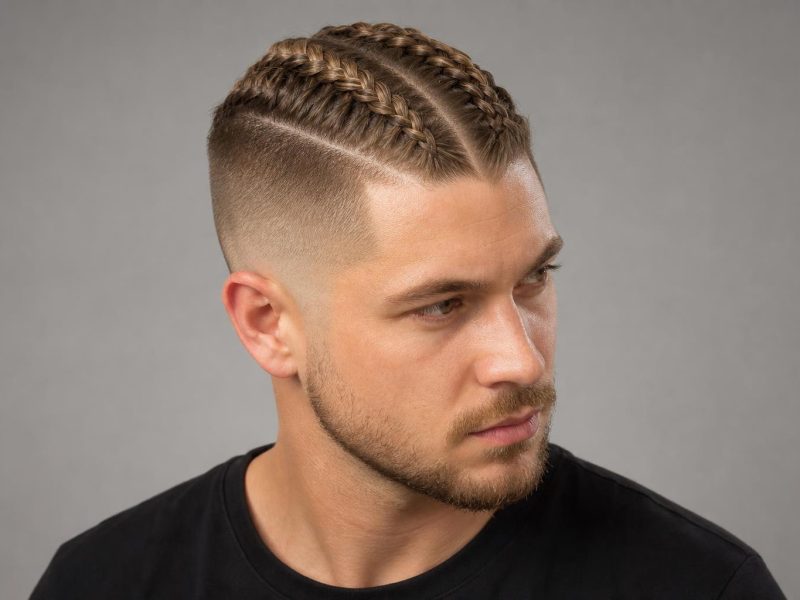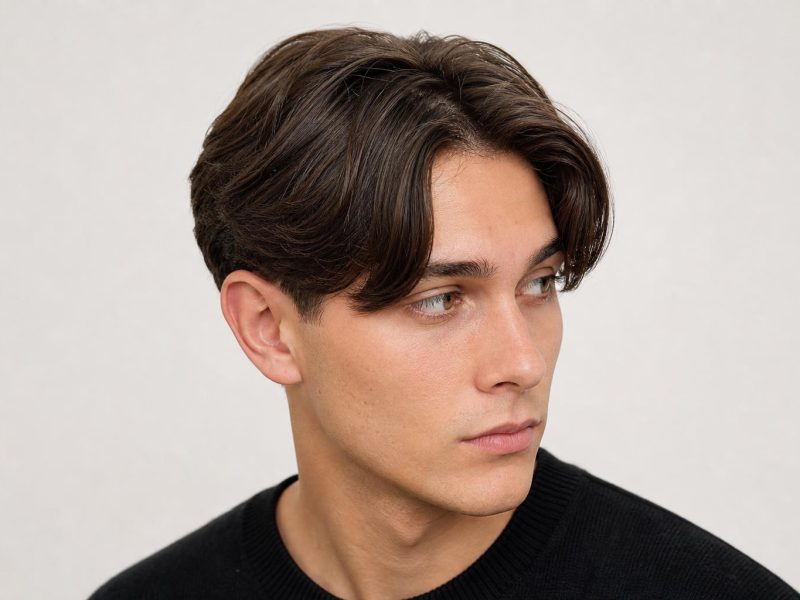

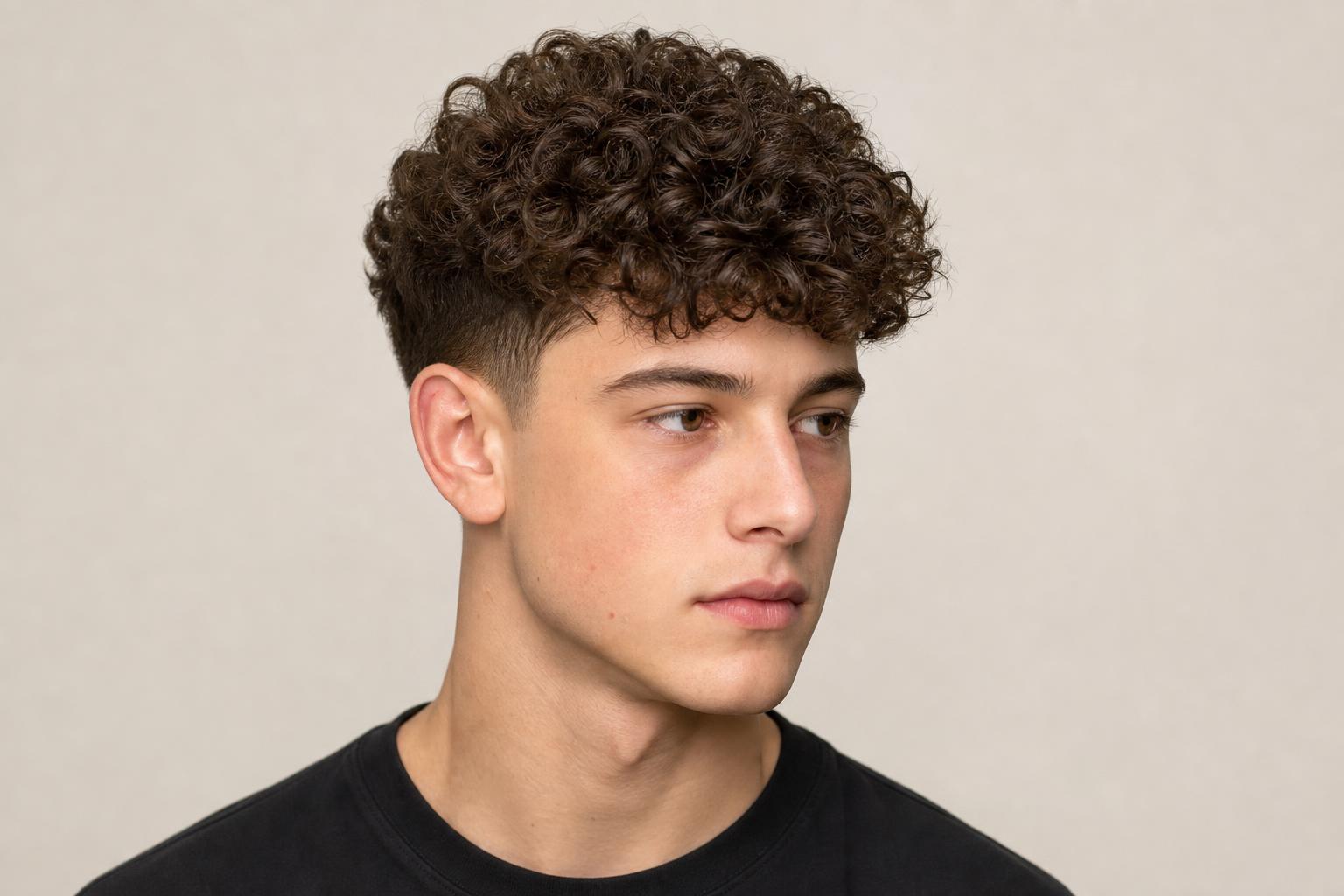
A broccoli haircut is a rounded mass of tight curls on top over short faded sides, and on straight hair it only exists because of a perm, which is the part most guys find out about too late.
The broccoli cut is a short taper or fade on the sides with two to four inches of tightly curled hair left on top, cut round rather than square so the top reads as a single dense shape. Guys with natural 3a to 3c curls get it straight from the barber. Everyone else gets it from a partial perm, which runs $80 to $150 and takes two to three hours in the chair. Below are 20 versions, then the practical layer: which curl types can skip the perm, what to say to your barber, what the upkeep actually costs, and the honest downsides nobody posts about.
| Factor | Details |
|---|---|
| Best for | Natural 3a to 3c curls, medium to thick density, oval and longer face shapes, ages roughly 14 to 25 |
| Top length | 2 to 4 inches once curled, which means 4 to 6 inches of straight length before perming |
| Maintenance | Side clean-up every 2 to 3 weeks; perm refresh every 4 to 6 months; 5 minutes of daily styling |
| Avoid if | Your hair is fine and already damaged, you have a round or very wide face, or you cannot commit to the fade cycle |
| First-year cost | Roughly $400 to $700 including the perm, side trims, and product |
What a Broccoli Haircut Actually Is
Strip away the nickname and it is a disconnected or heavily tapered short back and sides with a long, round, curly top. The defining feature is not the curl itself but the silhouette: the top is cut and styled into a rounded dome with no flat plane and no visible parting, so from the front it reads as one solid block of texture sitting above bare sides. That contrast is the whole point, and it is why the same curls with longer sides look like a shag rather than a broccoli cut.
The look picked up its name on TikTok around 2022 and has been called the zoomer perm and the bird’s nest since. Barbers were cutting versions of it in the mid-1980s on the pop bands of the era, though those had softer sides and more length at the neck. The modern version is tighter everywhere except the top, and it is genuinely divisive: it photographs well and it draws comment in person, which is either the appeal or the problem depending on who is asking.
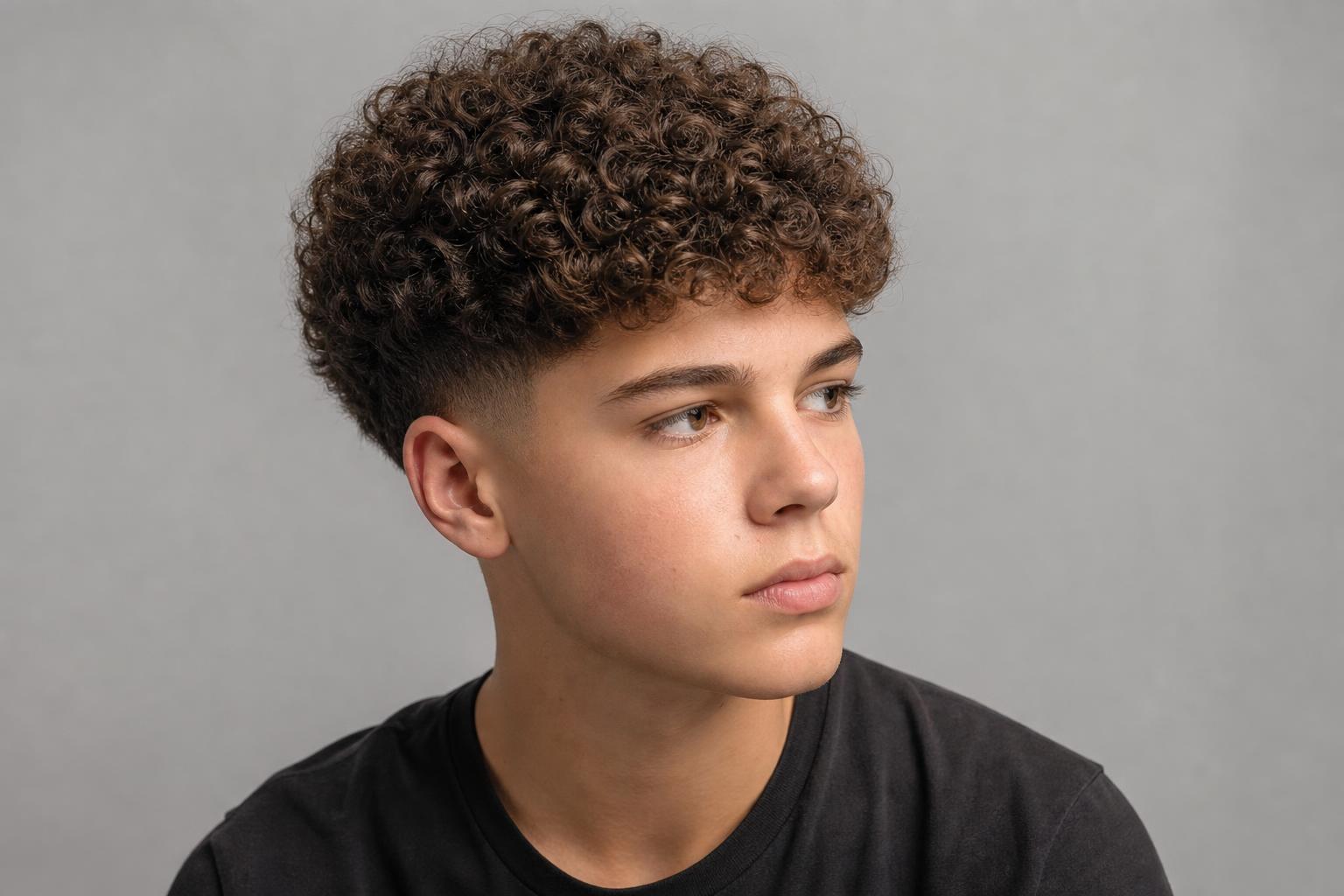
Permed Broccoli Cuts for Straight Hair
If your hair falls flat, a partial perm is the only route to this shape, and partial is the key word: the chemical goes on the top section only, so the sides stay straight and clip down cleanly. Barbers cut first, perm second, because rod size is chosen against the finished length. These six versions differ mainly in rod size, which is what controls how tight the finished curl sits.
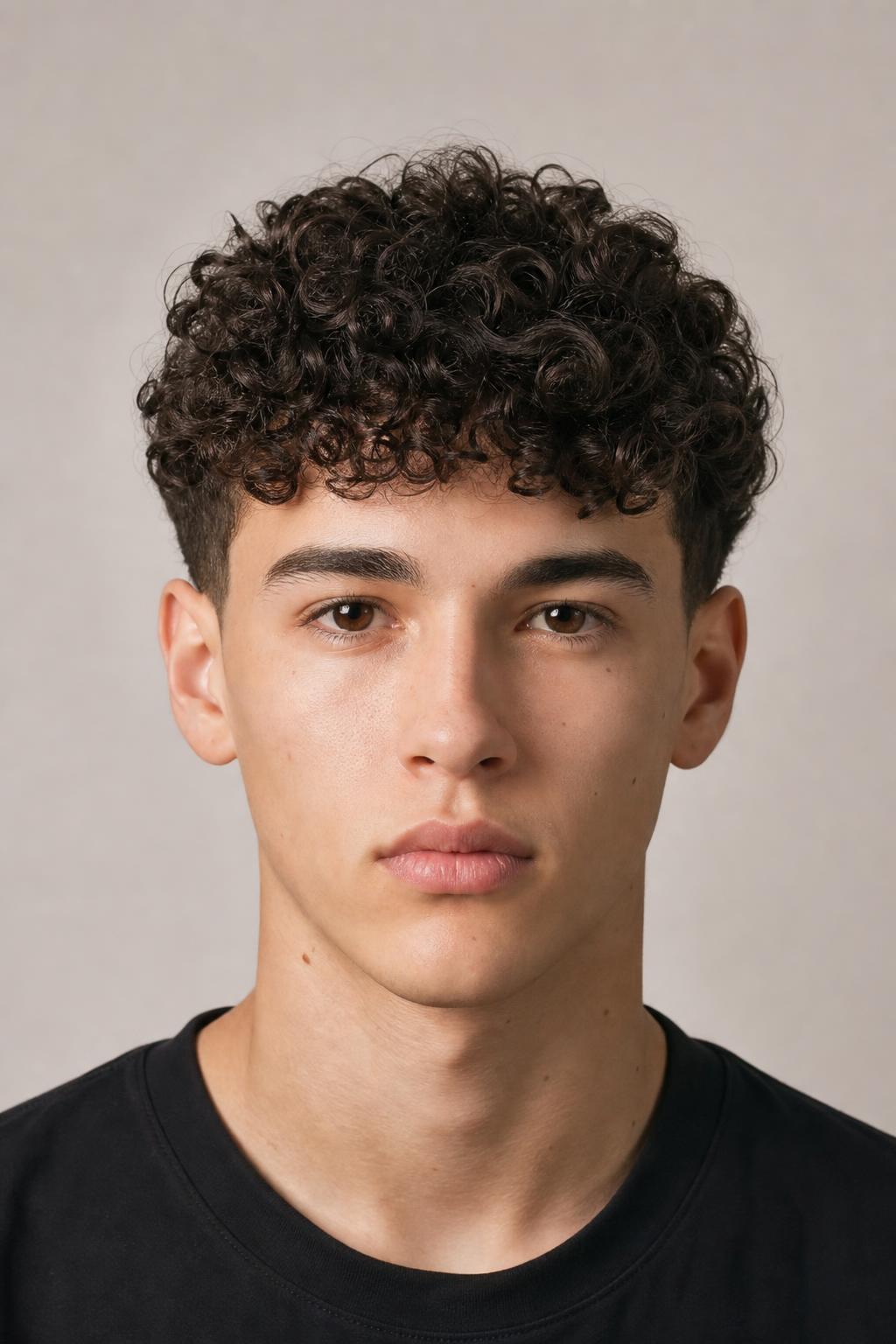
1. Tight Spiral Perm over a Low Taper
Small rods, roughly the diameter of a pencil, produce the dense springy curl that gives this cut its name, and the tighter the curl the shorter the finished top sits. A low taper underneath keeps the weight line just above the ear so the dome looks taller. Straight hair loses about a third of its length once permed, so start longer than you think.
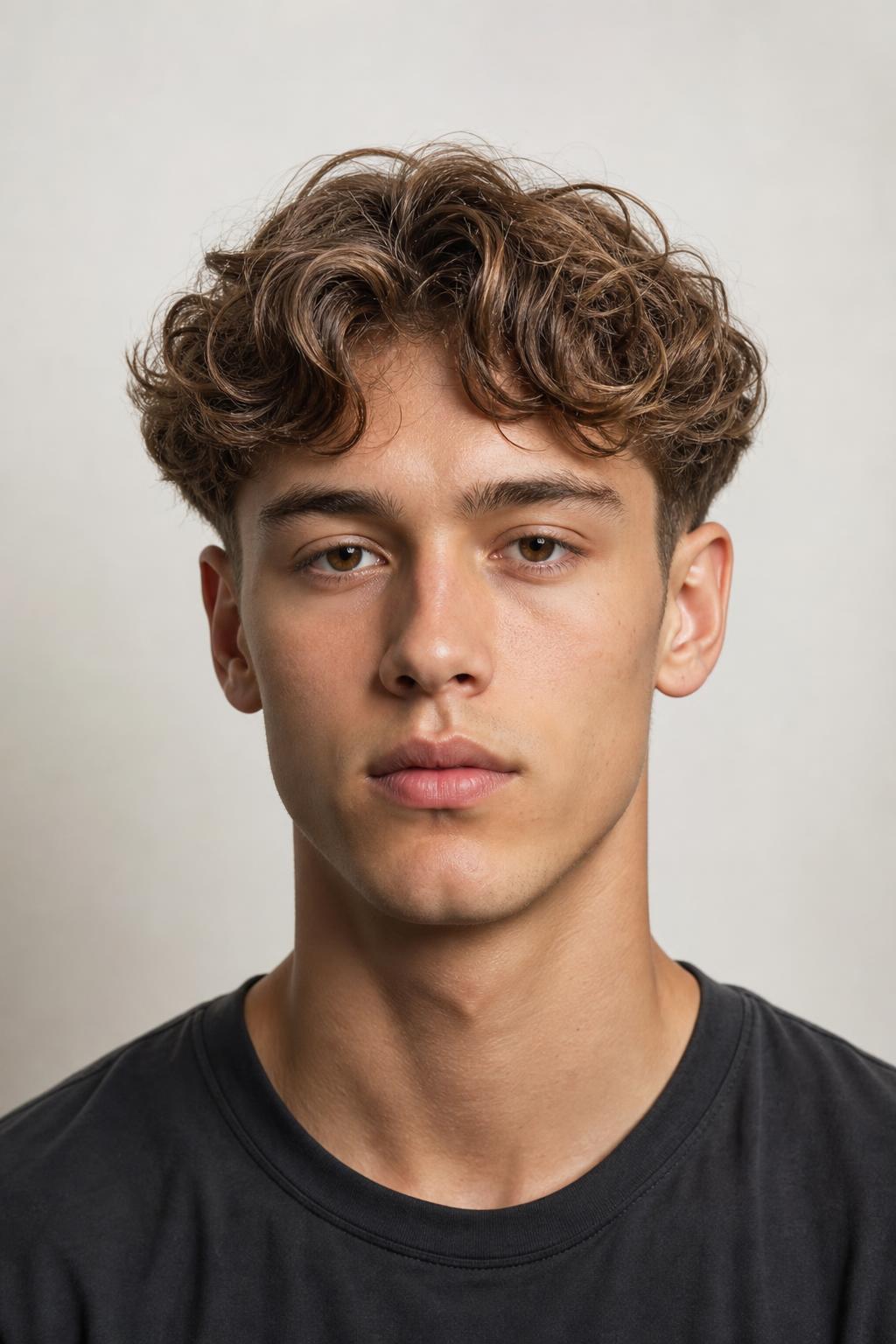
2. Loose Wave Perm for Longer Faces
A long or oblong face gets shorter looking with height stacked on top, so larger rods and a looser wave keep the top under two inches and add width instead. Ask for the curl to sit wider at the temples rather than piled at the crown. The result still reads as a broccoli cut from the front but stops stretching the face vertically.
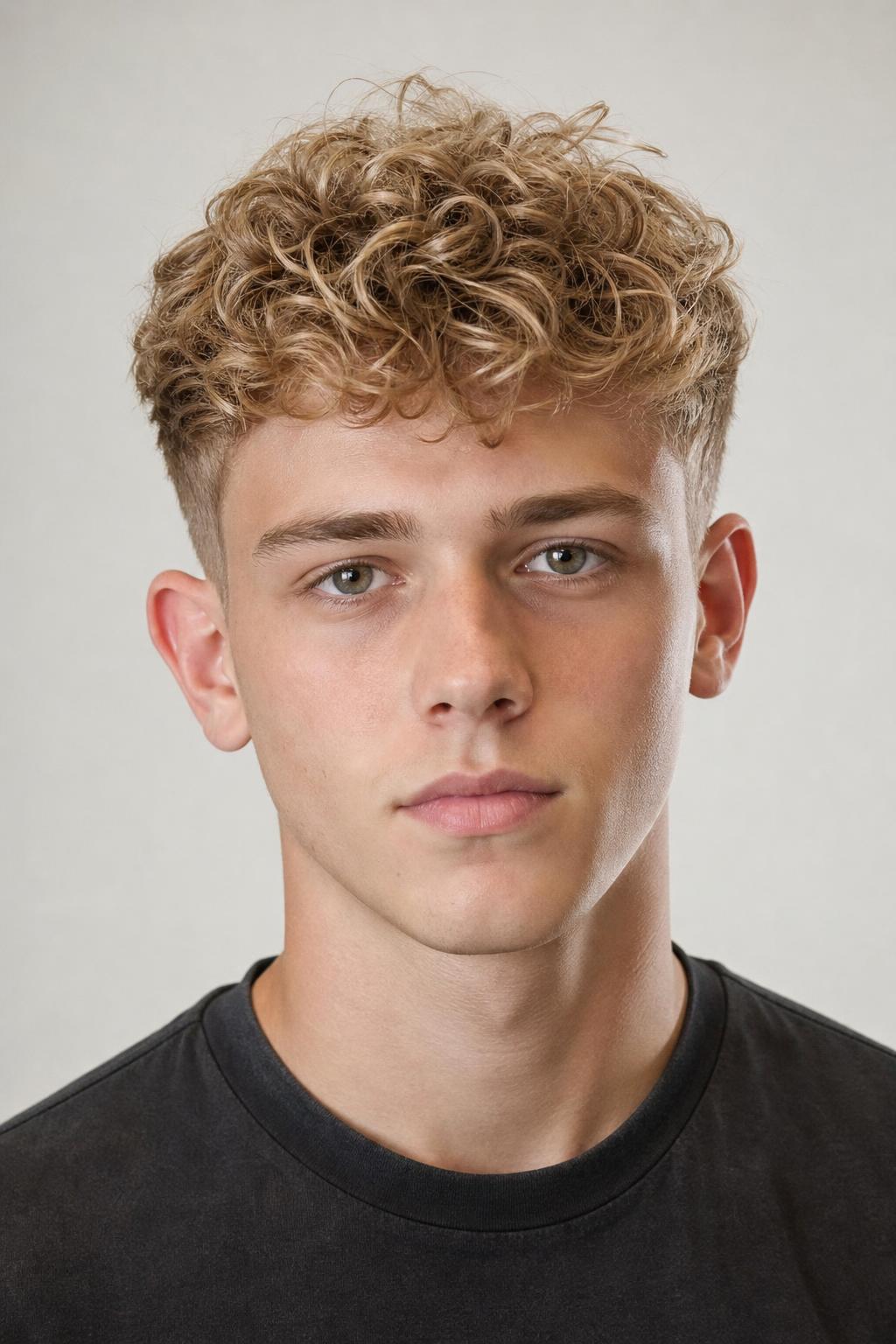
3. Partial Perm on Fine Straight Hair
Fine hair takes a perm faster and holds it less predictably, so the processing time drops to around eight minutes and the curl needs to be looser to avoid frizz. Density matters more than texture here: fine and dense works, fine and sparse produces a see-through dome that looks nothing like the reference photo. A strand test on the back section is worth the extra 20 minutes.
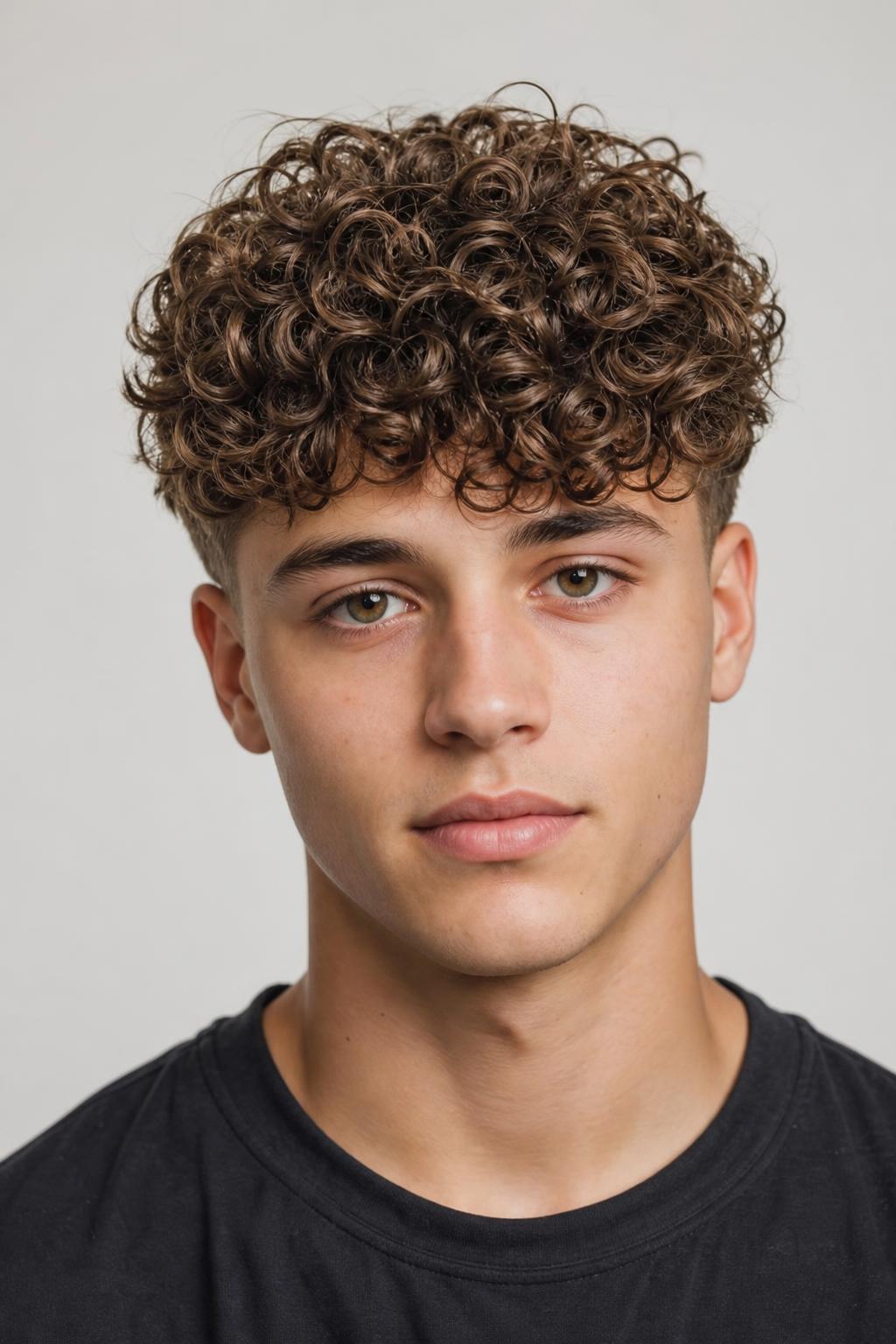
4. Air-Dried Perm with Sea Salt Spray
Mist sea salt spray on damp hair, scrunch upward in your palm ten times, and leave it alone until dry. Touching it while it dries is what turns a defined curl into a halo of frizz, and a fresh perm is at its most fragile for the first 48 hours. Skip the towel entirely and use an old cotton t-shirt.
5. Perm Refreshed Twice a Year on a Three-Week Fade Cycle
The perm itself lasts four to six months, but the sides give the cut away long before that and need cleaning up every two to three weeks. That mismatch is the real cost of this haircut: roughly 17 barber visits a year against two chemical services. Skipping the side appointments is what makes a grown-out broccoli cut look like a mistake rather than a style.
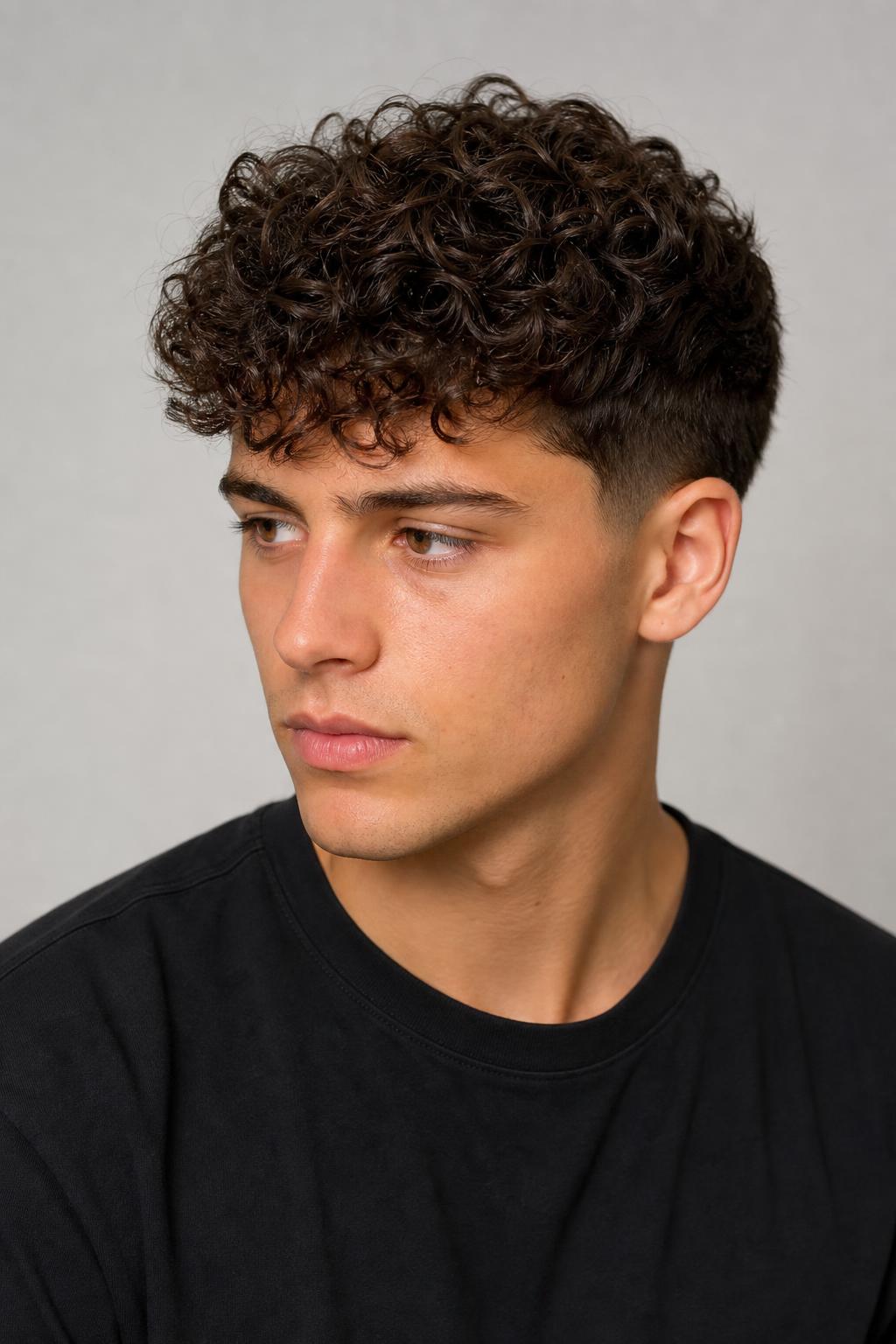
6. Dark Base with Sun-Lightened Tips
Lightening only the outer curl tips two to three levels catches light on the surface of the dome and makes the shape read as rounder and fuller. Keep the base dark so the sides stay clean-edged against the skin. Do the color at least two weeks after the perm, never in the same appointment, because both services open the cuticle and stacking them is how hair snaps.
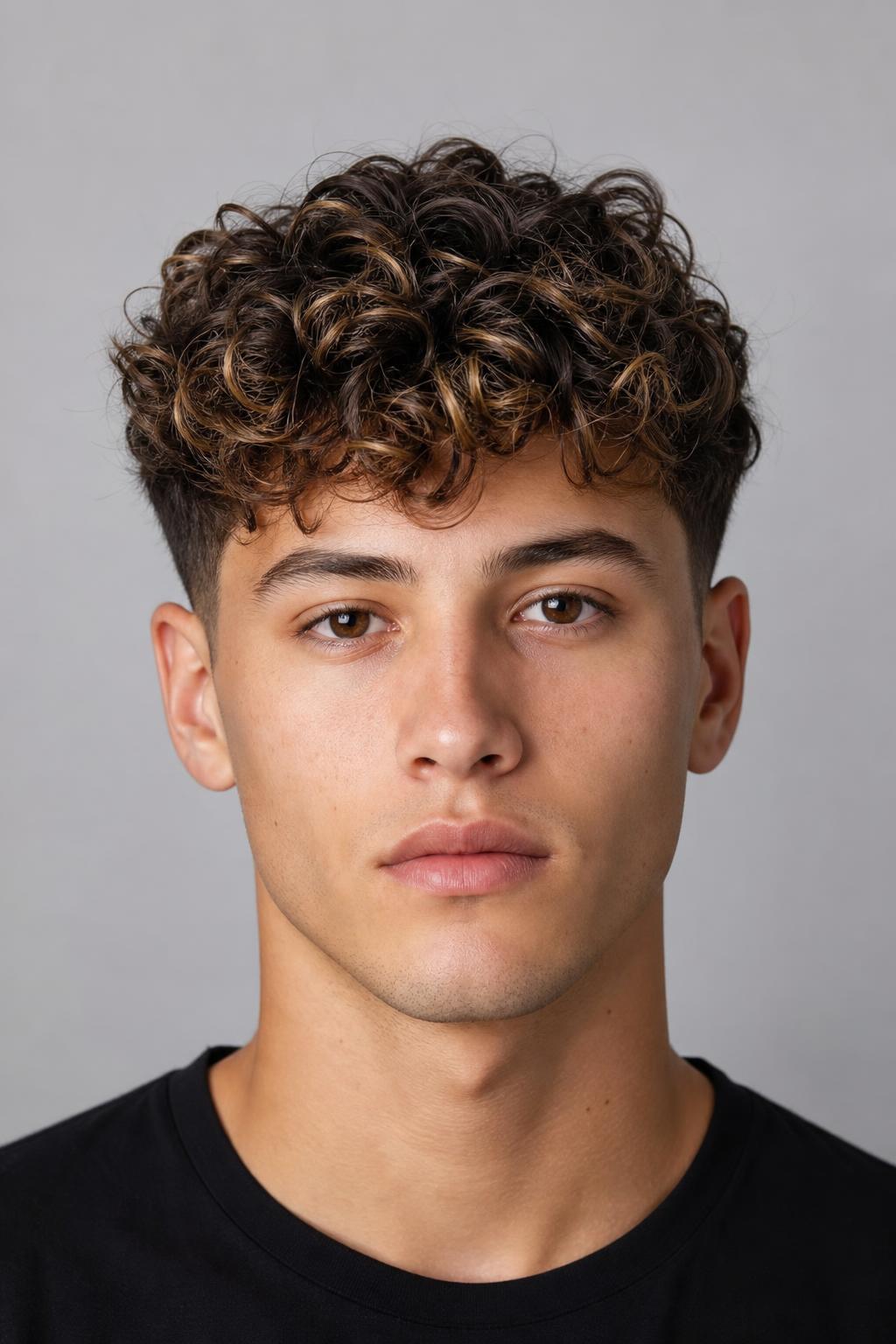
Natural Curl Broccoli Cuts
Anyone in the 3a to 3c range already has the hard part and only needs the shape cut in. The work is in the outline: the barber has to cut the top into a rounded dome by eye, dry, curl by curl, rather than combing it flat and cutting a straight line. Expect a longer appointment and a higher price than a standard fade, because dry curl cutting is slower and cannot be rushed.
7. The Round Crop to Ask For on 3a Curls
Walk in and say: keep three inches on top, cut it dry and round with no square corners, and taper the sides low with no hard line. That sentence gets you a broccoli cut without using the word, which matters if your barber is over 40 and has opinions. Loose 3a curls need the top left slightly longer than tighter patterns because they stretch more under their own weight.
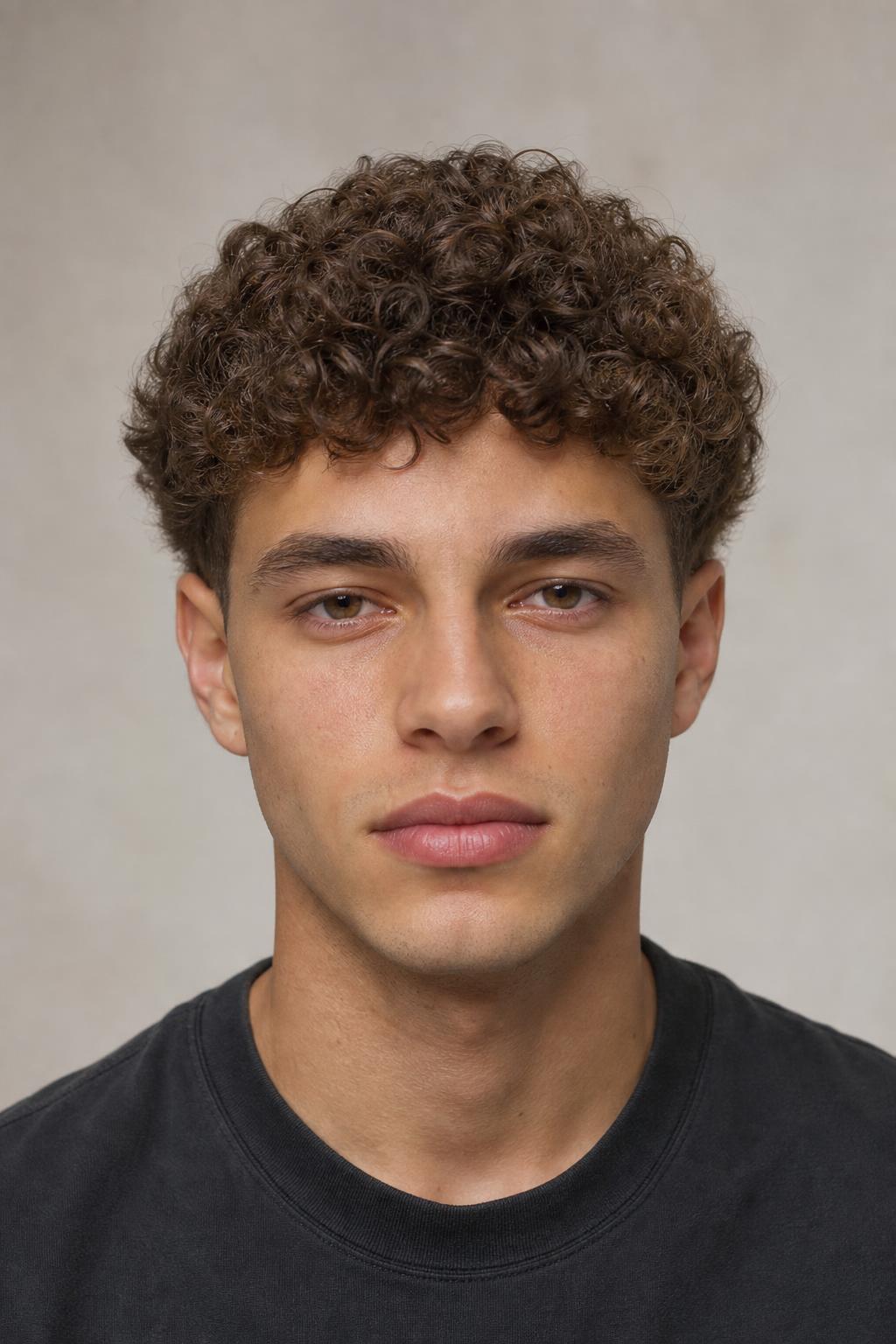
8. Natural Curls Kept Round Without a Fade
Where the standard version relies on bare sides for contrast, this one tapers the sides only to a number three guard and keeps a soft edge at the neck. The dome still reads clearly because the top is twice the length of the sides, but the overall effect is softer and holds up better in a workplace with a dress code. It also grows out over eight weeks instead of three.
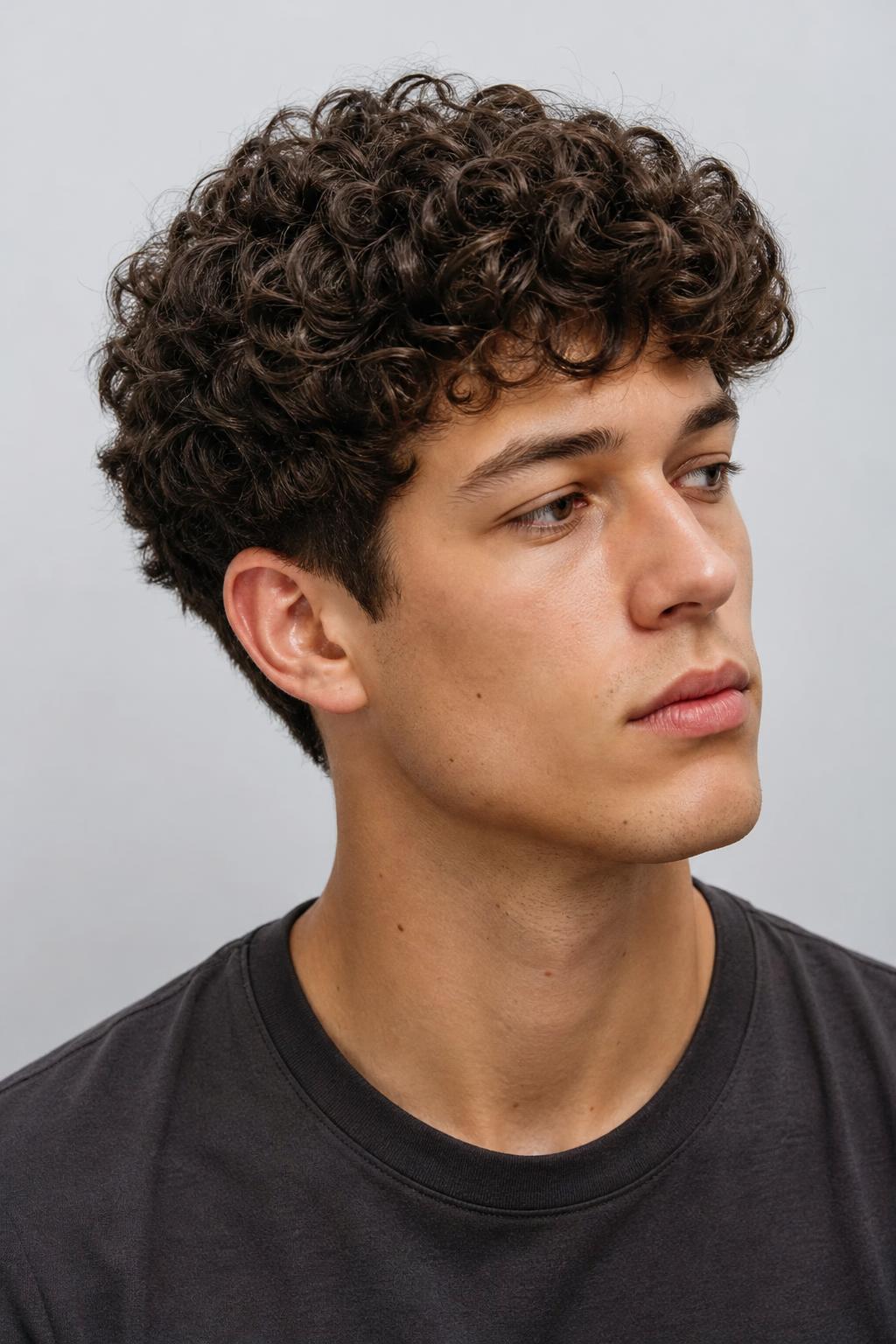
9. Square-Layered Interior on 3b Curls
Dense 3b curls pile outward rather than upward, so the barber removes interior weight in small square sections while leaving the outer surface untouched, which lets the dome grow taller instead of wider. This is the only situation where interior thinning helps a curly cut. Ask for it by name as internal weight removal, never as thinning shears, which shred curl ends.
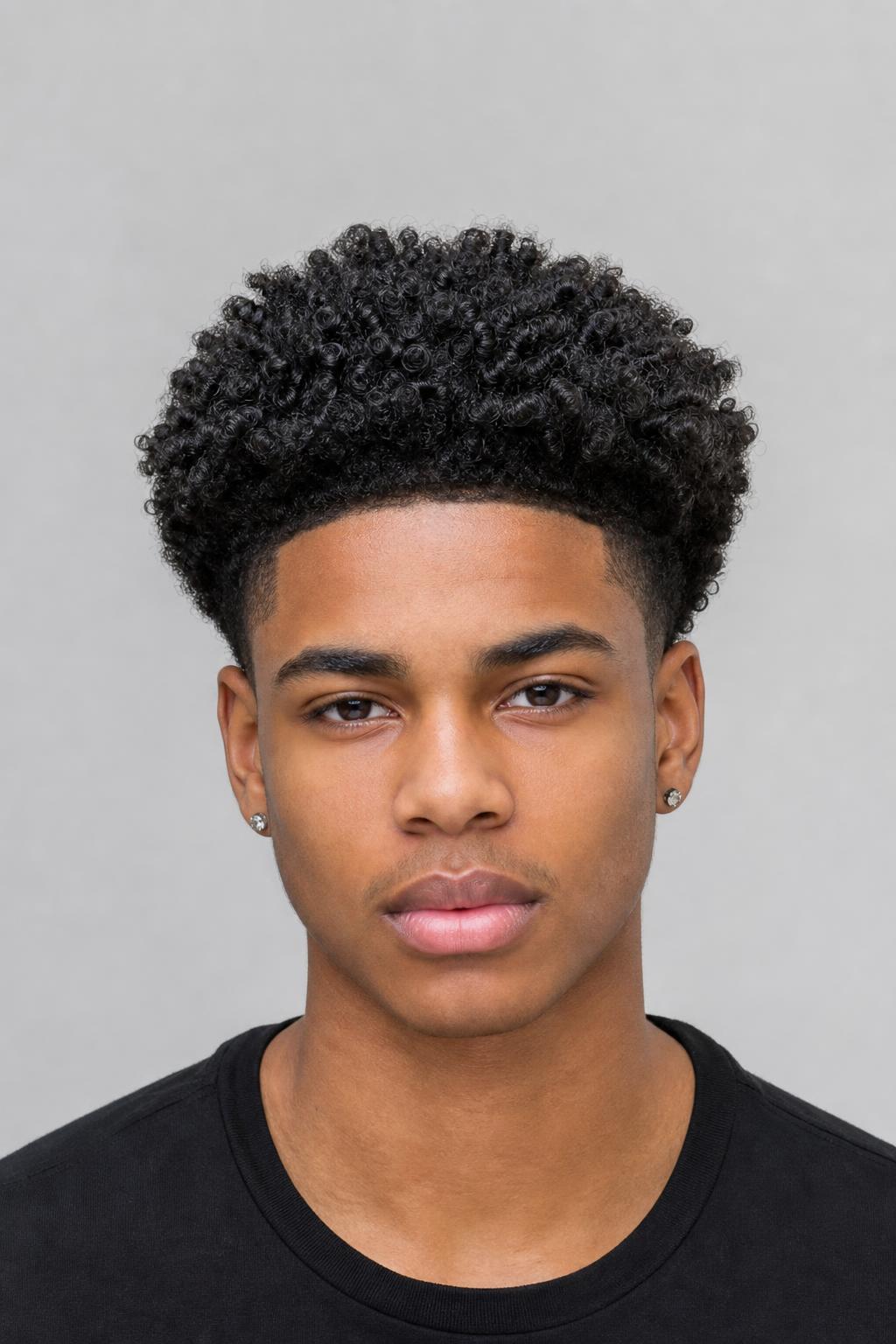
10. Wide Round Top for a Narrow Face
A narrow or diamond face gains balance when the widest point of the hair sits level with the cheekbones rather than at the crown. Ask the barber to leave more length at the temple corners and slightly less at the very top, which produces a mushroom-adjacent silhouette that still counts as a broccoli cut. Round and square faces should do the exact reverse.
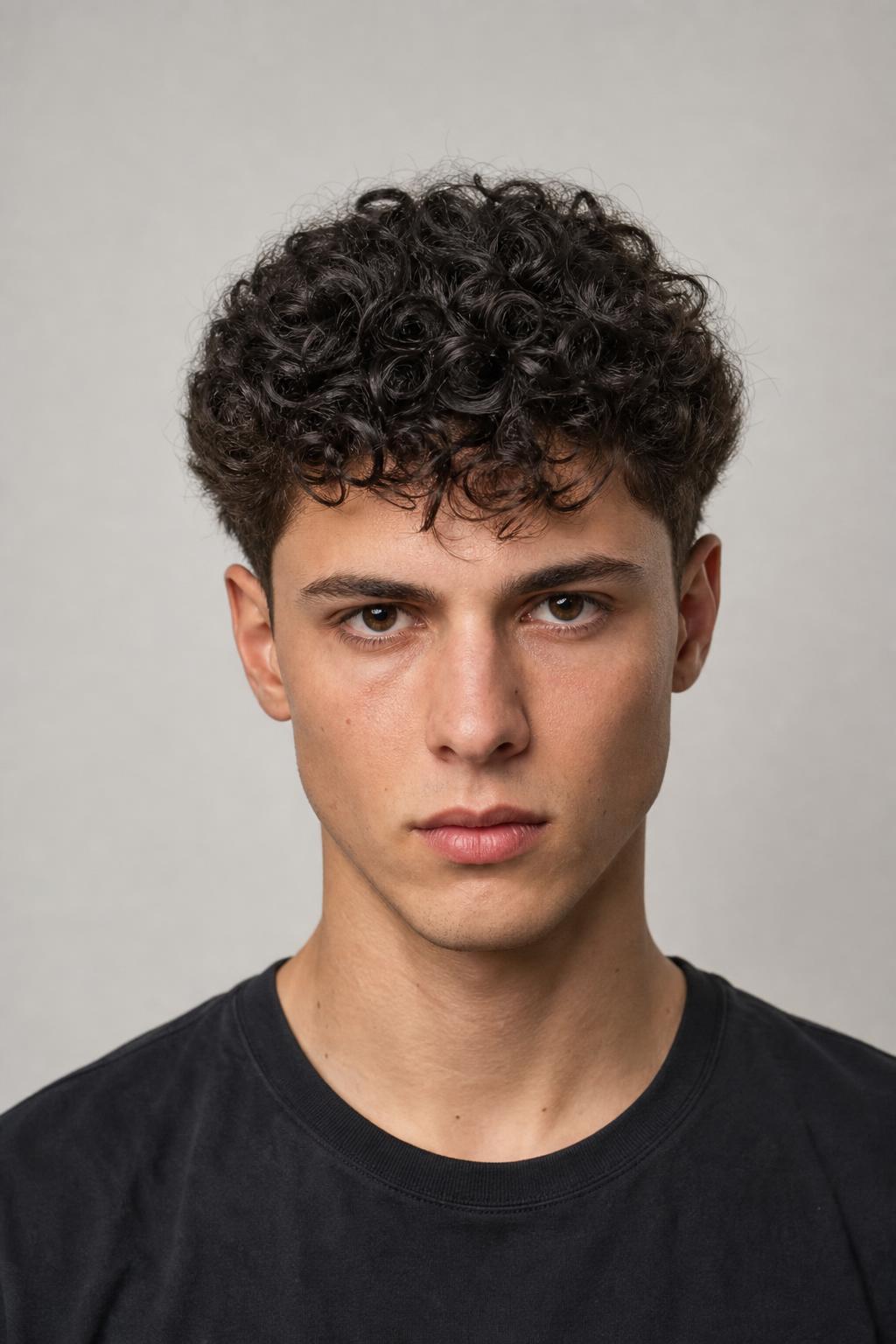
11. Tight 3c Coils Cut Round
3c coils are the densest pattern that still holds the round silhouette without picking out, and they shrink by half or more, so four inches of stretched length gives you roughly two inches of visible height. The barber should cut with the hair dry and in its natural state, never wet and stretched. Density this high needs no product beyond a leave-in to stop the outer layer drying out.
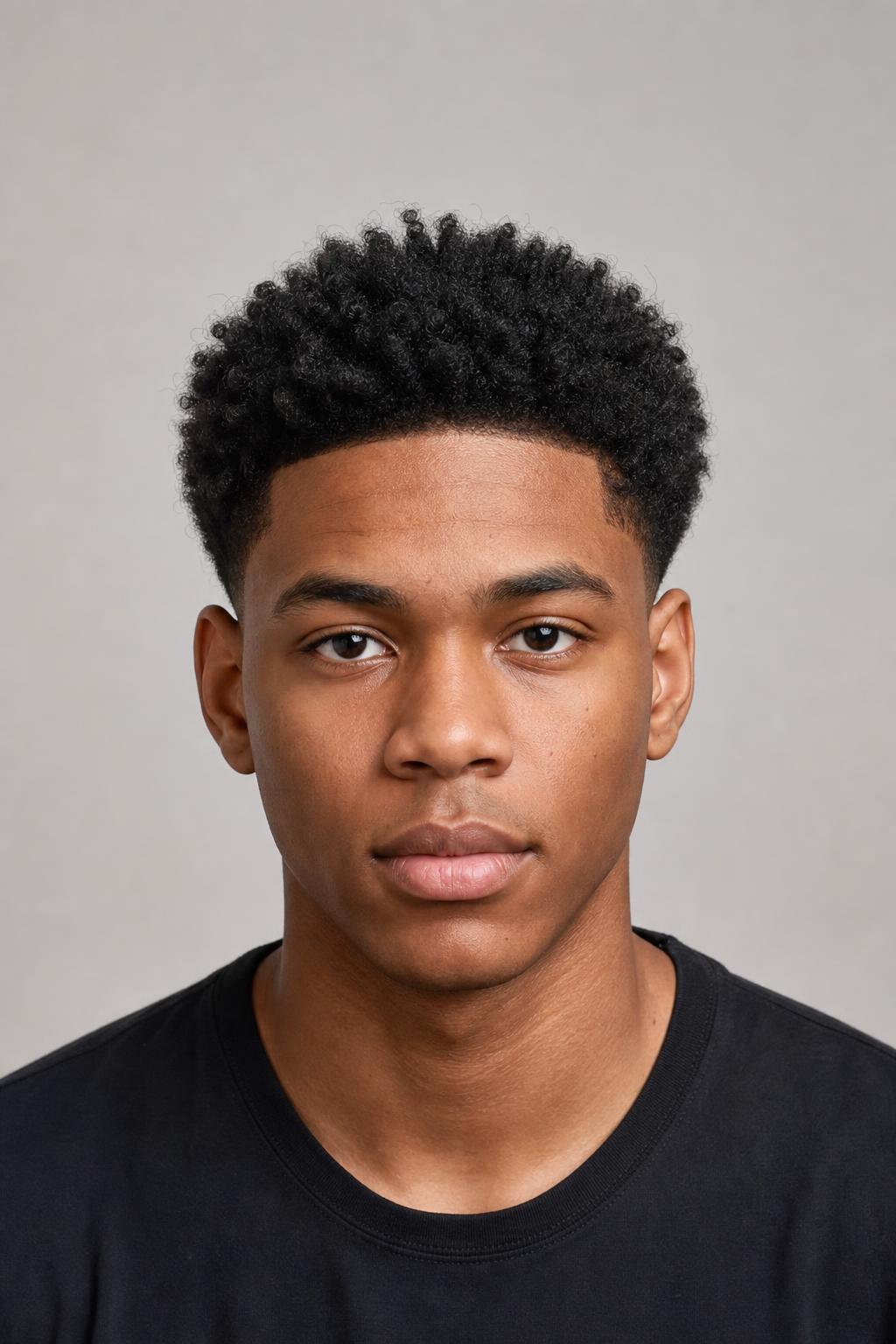
12. Curl Cream and a Diffuser Finish
Rake a dime of curl cream through soaking wet hair, then diffuse on low heat with the head tipped forward for three minutes and upright for two. Low heat and high airflow is the setting that builds volume; high heat sets frizz into the outer layer permanently until the next wash. Five minutes total, and it is the difference between a defined dome and a fuzzy one.
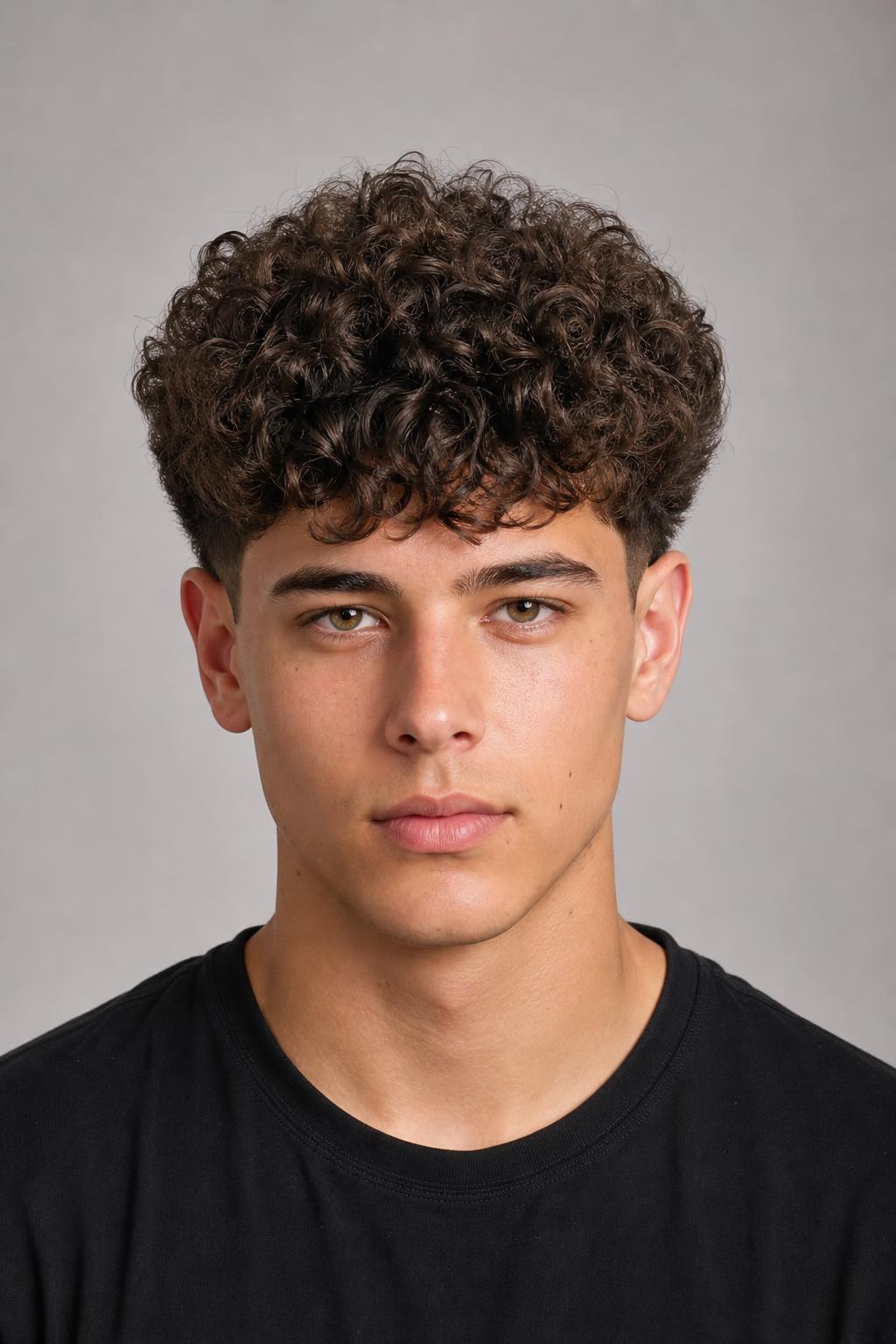
13. Shape-Up Every Eight Weeks on Natural Curls
Natural curls stretch the schedule considerably: the top only needs reshaping every eight weeks because curl hides uneven growth, while the sides still want attention every three. Book a side trim and a full shape alternately and you halve the cost of the permed version. Curl also grows out into a usable longer shape rather than an awkward one.
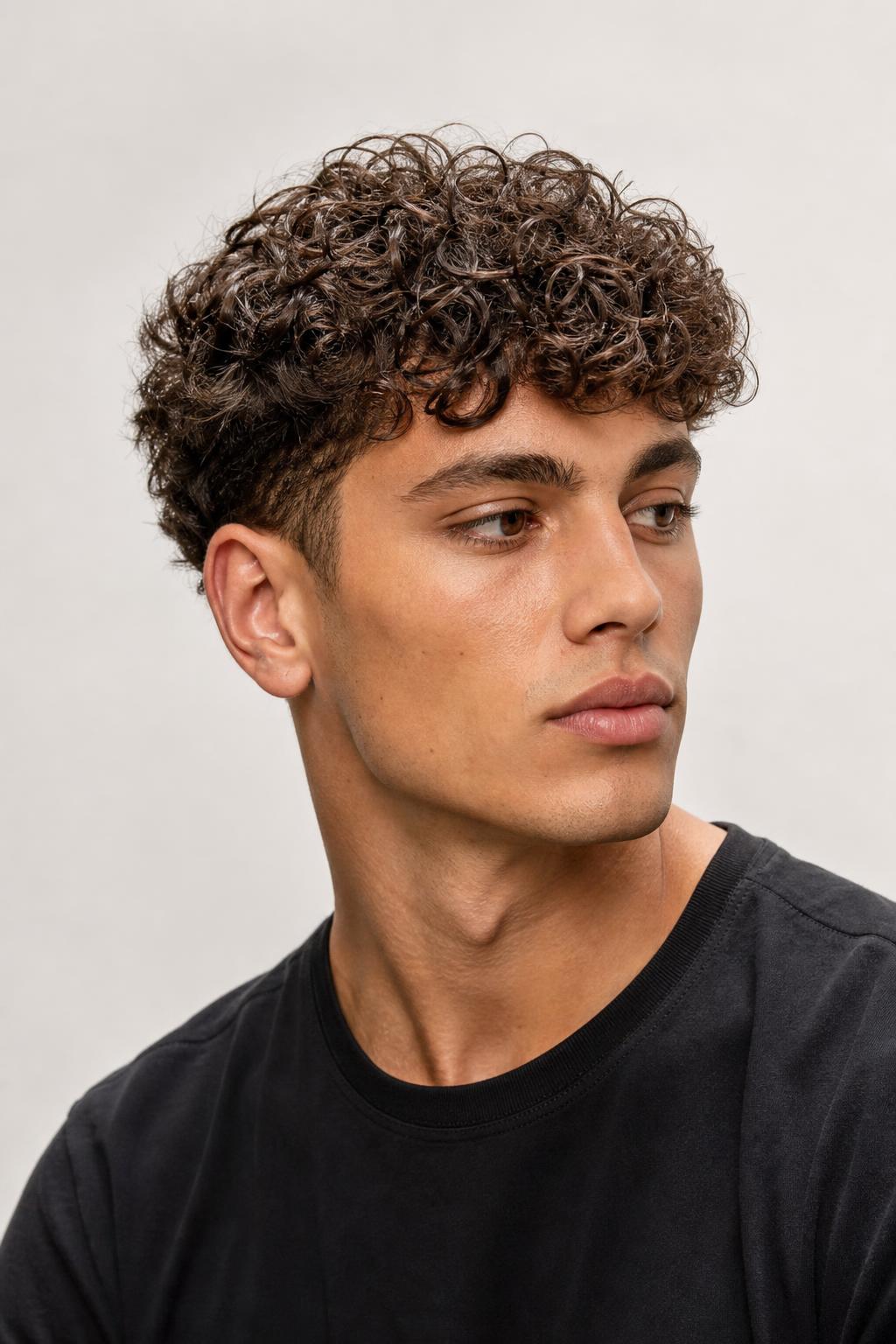
Fade and Taper Pairings
The side work decides how loud the finished cut is. A low taper is the quietest option and the one most likely to survive a school or workplace policy; a skin fade at the temple is the loudest and needs a barber visit every two weeks to stay sharp. All seven below use the same curly top and differ only in where the shortest point sits and how fast it climbs.
14. Honey-Lightened Curls over a Skin Fade
Lifting the top two to three levels warmer while the sides fade to skin creates a colour break exactly where the shape breaks, which makes the dome look bigger than it is. Warm honey tones hold better on permed hair than cool ones, which pull brassy as the perm settles. Refresh the lift every ten weeks, not sooner, since the top is already chemically processed.
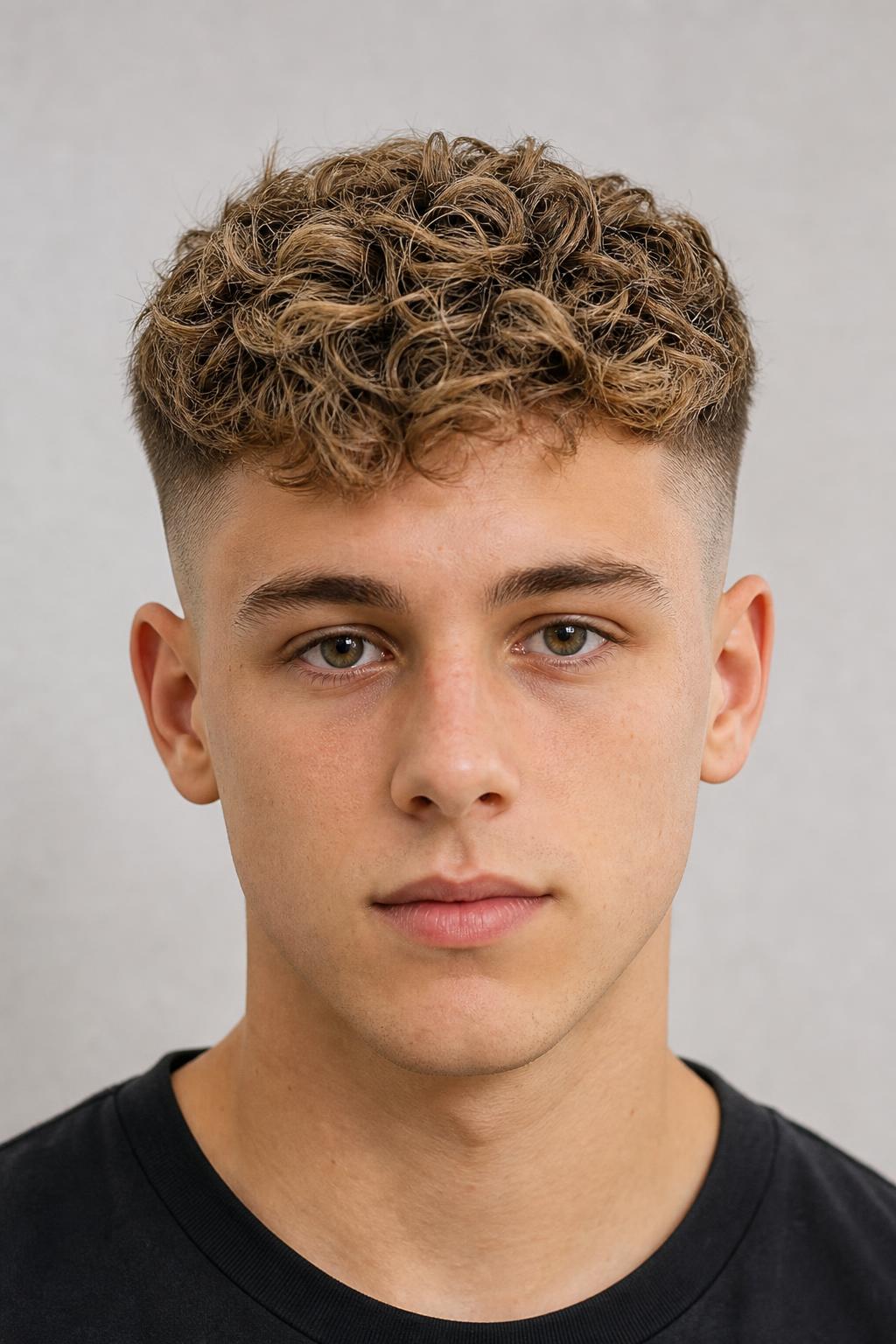
15. Low Taper with the Top Left Long
The sentence to use is: low taper, start it just above the ear, and leave everything on top untouched. Barbers default to taking length off the top when they clean up the sides, so saying untouched out loud saves you an inch you did not agree to. This pairing sits closest to the version most guys picture and is the safest first attempt. The same phrasing works on a low taper fade on curly hair of any length.
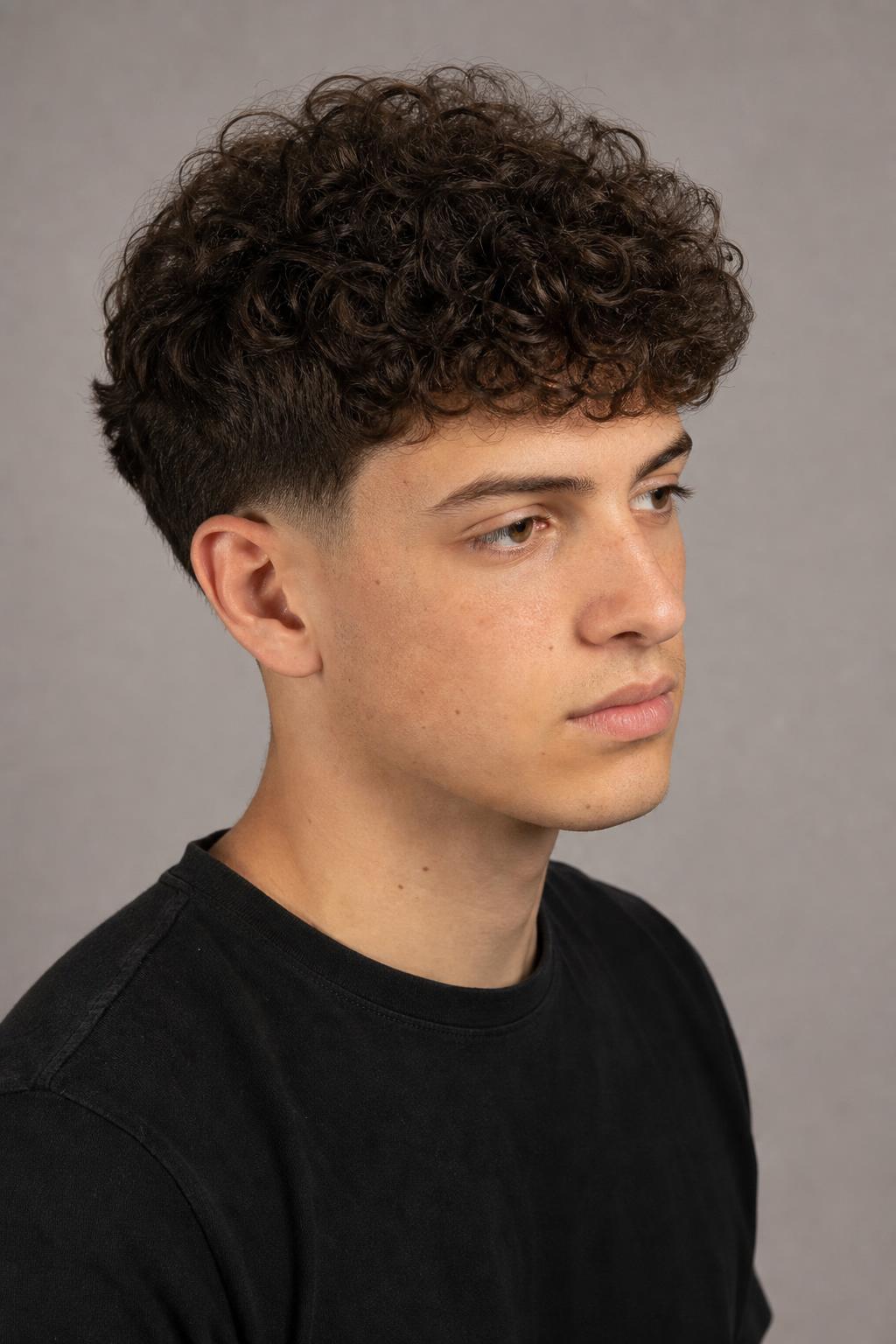
16. Mid Fade with a Sharper Corner
Unlike the low taper, which keeps a soft gradient, a mid fade takes the shortest point up to the temple and leaves a defined corner where the curls begin. That harder edge suits square jaws and strong brows, since the geometry of the head is already doing the work. It also exposes more scalp, so it needs density on top to stay balanced.
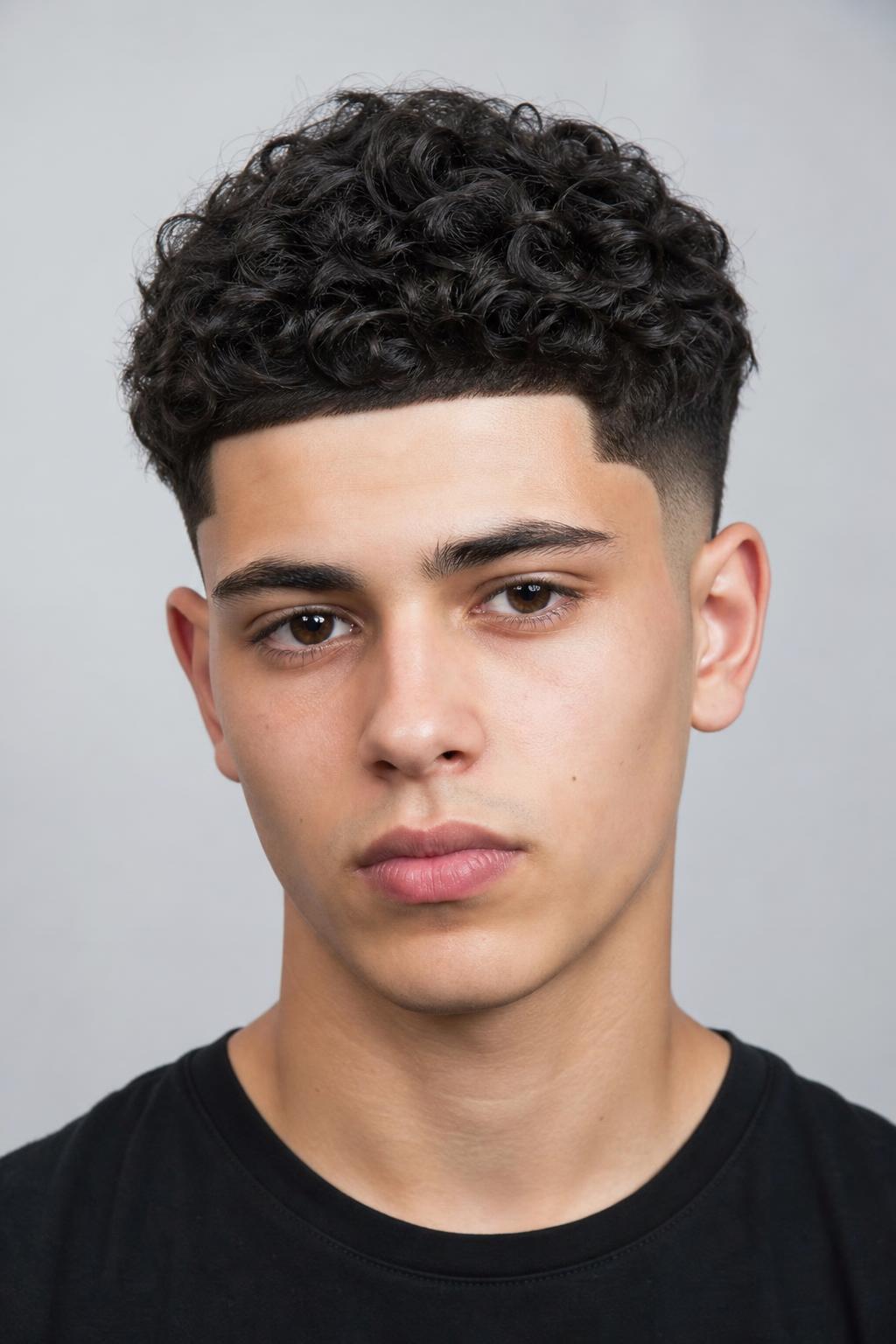
17. Burst Fade Curving Around the Ear
A burst fade radiates outward from behind the ear in a semicircle and leaves the back of the neck longer, which stops the cut looking severe from behind. It takes a barber roughly ten extra minutes and is the technical highlight of this whole category. Pair it with a slightly taller top so the curve reads clearly against the curl mass, the same balance that makes standard burst fade shapes work.
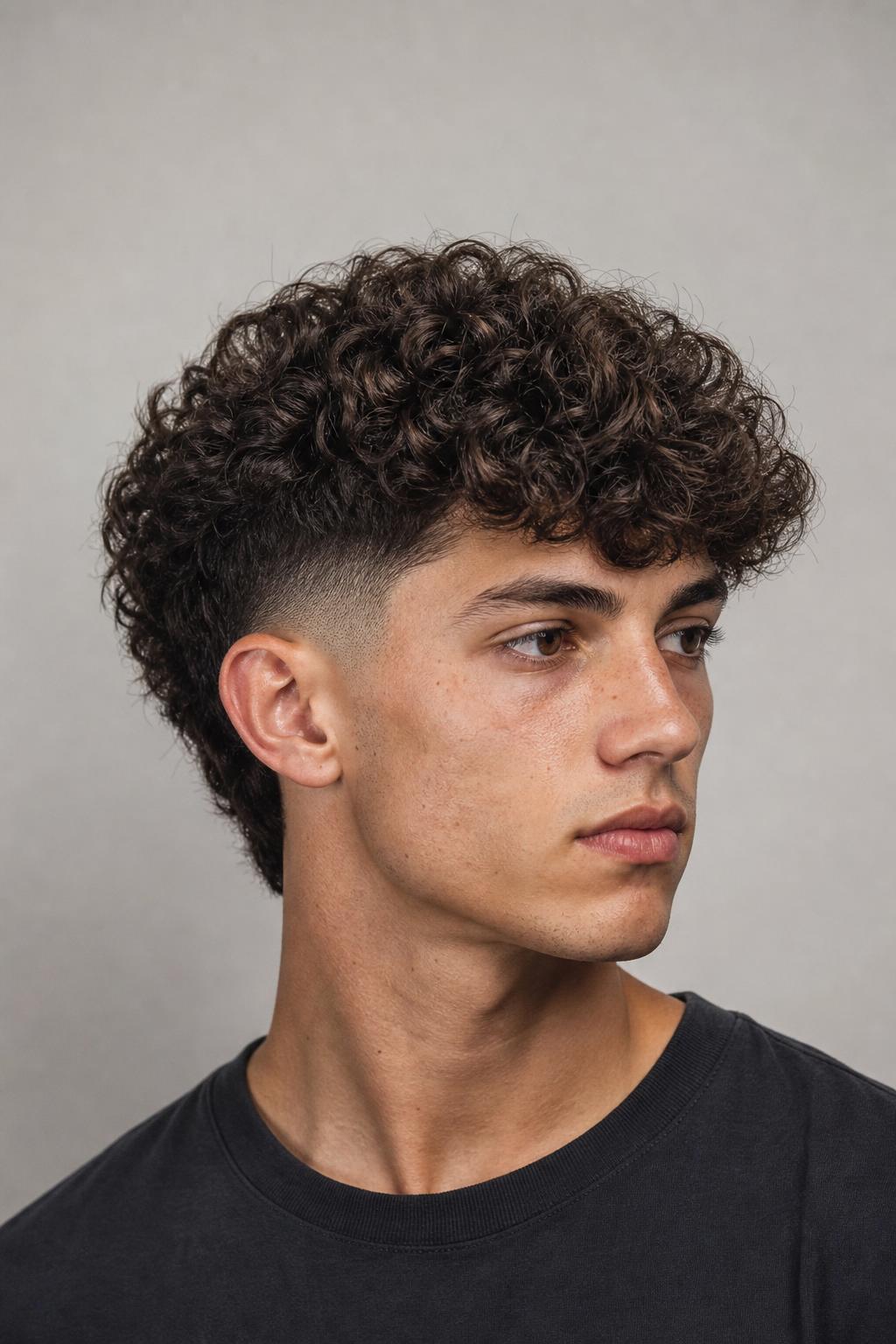
18. Drop Fade for Round Faces
A round face needs the shortest point of the sides to sit high and the curl mass to sit tall and narrow, and a drop fade delivers exactly that by arcing down behind the ear while staying high at the temple. Keep the top’s width tight to the skull at the sides. The one thing to avoid is a wide, low, spreading dome, which doubles the width of the face. Guys who like this geometry usually also get on with a drop fade cut on curls at shorter lengths.
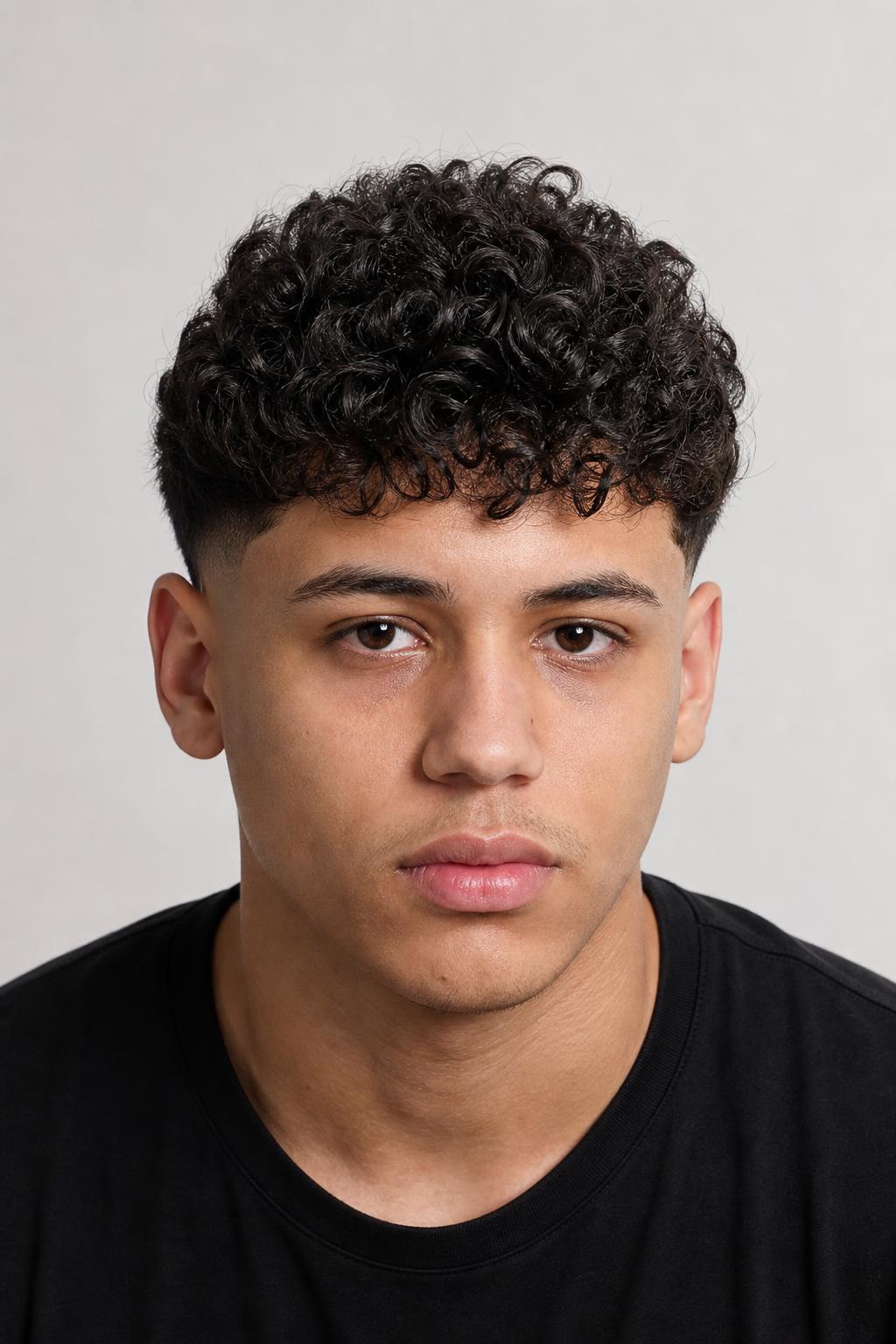
19. Blowout Taper on Coarse Hair
Coarse hair holds a blown-out shape better than any other texture, and a blowout taper leaves enough length at the sides to be brushed upward and outward into the curl mass. The result is a bigger, softer dome with no bare skin at all. It needs a round brush and a blow dryer every morning, which is the trade for the volume, and it borrows directly from the low taper blowout playbook.
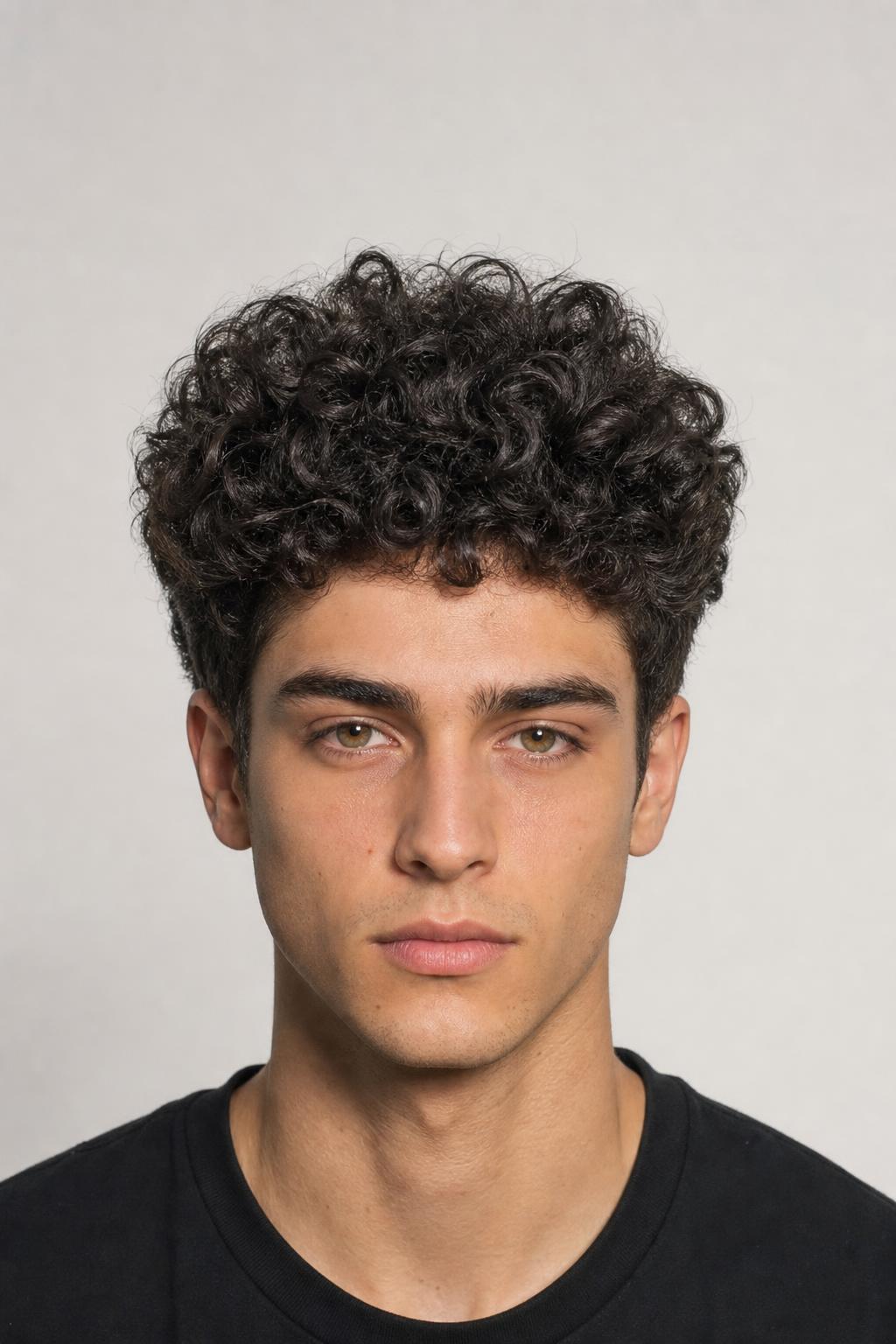
20. Second-Day Curls Refreshed with Water
Fill a spray bottle with water and three drops of leave-in, mist the top until damp but not wet, then reshape by cupping handfuls upward and letting go. Washing daily strips the curl and makes the dome collapse by week two; water and a leave-in restore it in 90 seconds. This is the single habit that separates guys whose broccoli cut looks good on a Thursday from those whose does not.
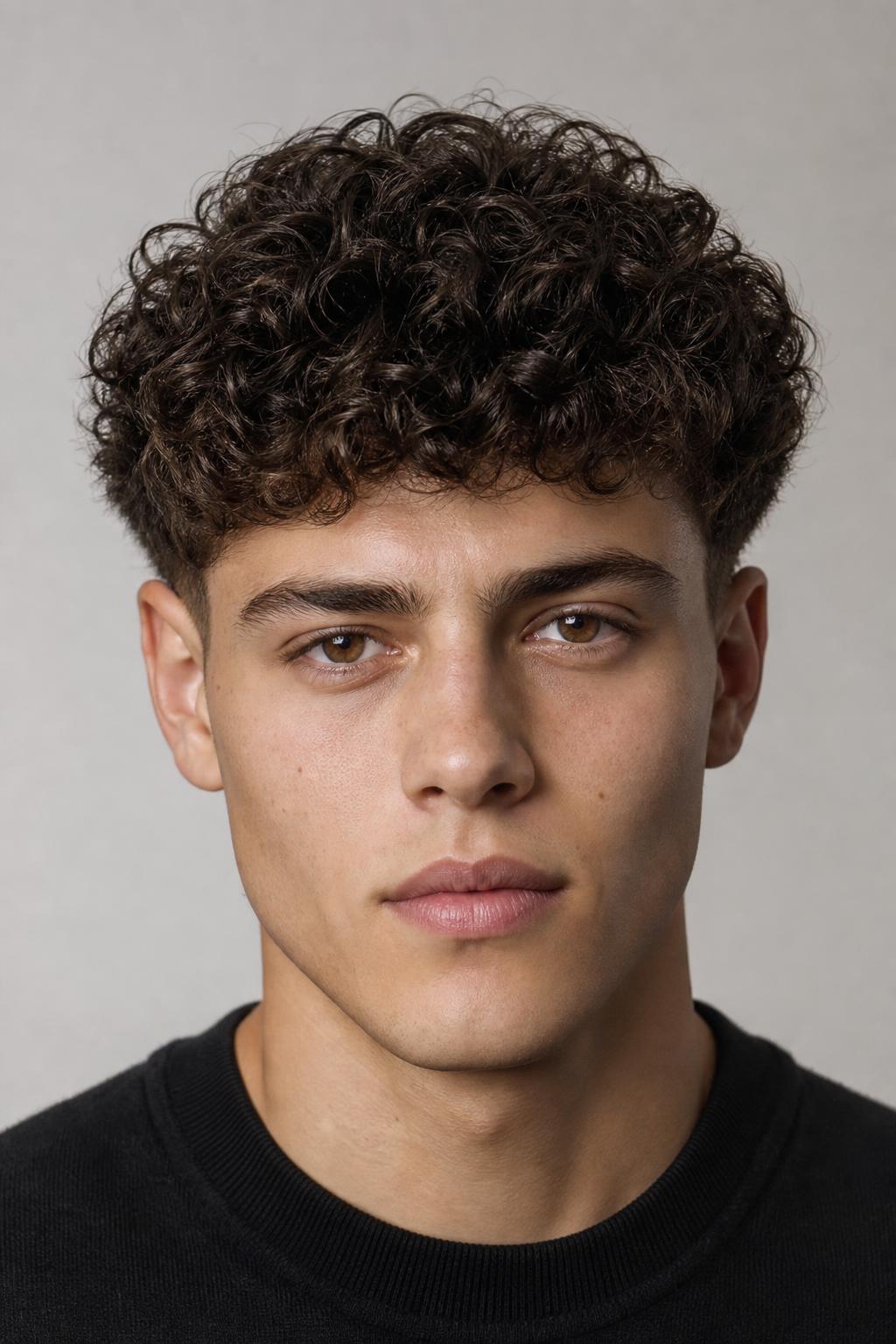
Which Curl Types Can Skip the Perm
The honest dividing line is 2c. Below that, no amount of product will hold the round dome through a day, and a perm is the only route. At 2c you are borderline and can sometimes get there with a diffuser and a strong hold cream, but it collapses in dry weather. From 3a upward the cut alone does it.
| Curl Type | Perm Needed | Top Length to Ask For | Daily Effort |
|---|---|---|---|
| 1a to 2a (straight to slight wave) | Yes, small rods | 5 to 6 inches before perming | 5 minutes, salt spray and scrunch |
| 2b to 2c (wave) | Usually, medium rods | 4 to 5 inches | 8 minutes with a diffuser |
| 3a (loose curl) | No | 3 to 3.5 inches | 5 minutes, cream and air-dry |
| 3b (springy curl) | No, but ask for interior weight removal | 3 to 4 inches | 5 minutes |
| 3c (tight coil) | No | 4 inches stretched for 2 inches visible | 3 minutes, leave-in only |
| 4a and tighter | No, but the shape changes | Cut round, closer to an afro taper | 3 minutes plus a pick |
Stylist tip: Hair type 4a and tighter produces a genuinely different haircut. The round top over faded sides is still there, but at that density it is an afro taper fade, which has its own cutting logic and its own name. Barbers who specialize in coily hair will steer you there, and they are right to.
What to Tell Your Barber
Bring three photos from different angles, not one. The single front-facing reference is why so many of these cuts come out wrong: it shows nothing about where the sides stop, how far the taper climbs, or how much length sits at the back of the neck. A photo of the back is the one that actually saves you.
Say it in this order: how much length stays on top, whether the top is cut wet or dry, where the shortest point of the sides sits, and whether you want skin showing. For example: “Leave three inches on top, cut it dry and round, low taper starting above the ear, and no skin.” If you are going for the perm, book the cut and the perm as one appointment with the cut first, and confirm the salon does partial perms before you turn up, because plenty of barbershops have quietly stopped offering them.
Stylist tip: Ask the barber to check the shape from directly above with a mirror before you leave the chair. The dome is the only part of this cut you cannot see on yourself, and an off-center or flat-topped version is obvious from that angle and invisible from the front. It takes ten seconds and it is the most common fixable flaw in this haircut.
Maintenance and Real Costs
This is not a cheap or a low-effort haircut, and the marketing around it tends to skip that. The perm is a one-off charge but the fade cycle is relentless, and product for permed hair is a running expense because the chemical leaves the hair thirstier than it was before.
| Item | Frequency | Notes |
|---|---|---|
| Partial perm | Every 4 to 6 months | $80 to $150 typical; 2 to 3 hours in the chair |
| Side clean-up | Every 2 to 3 weeks | Skin fades need the shorter interval; low tapers stretch further |
| Full reshape of the top | Every 8 weeks on natural curl | Permed tops get reshaped at the perm appointment instead |
| Washing | 2 to 3 times a week maximum | Daily washing collapses the curl within two weeks |
| Products | Ongoing | Curl cream or salt spray, leave-in conditioner, no silicone-heavy gels |
Common Broccoli Haircut Myths
Myth: Any Barber Can Cut It
Reality: the cut requires dry curl cutting on top and a clean fade underneath, and those are different skill sets that not every barber has both of. Ask to see curly work on their page before booking. A barber who combs the top flat and cuts a straight line across it will hand you a bowl cut with faded sides.
Myth: The Perm Will Ruin Your Hair
Reality: a partial perm on healthy, uncolored hair is a manageable service, but it is a permanent chemical change to the bonds in the hair shaft and it does leave the hair drier. The real risk is stacking it with bleach or doing it on hair that is already damaged. If you have colored your hair in the last six weeks, wait.
Myth: It Only Suits Teenagers
Reality: the shape works on any age with the right curl and the right face, but the extreme version with a skin fade and a very tall top does read young. The softer variant, a taper instead of a fade and a top under three inches, is wearable well into your thirties. Length and side height are the two dials that change how the cut is perceived.
When the Broccoli Cut Is the Wrong Choice
Four situations where this shape works against you, and what to take instead.
- A round or very wide face gains width from a dome that sits low and spreads, so a taller, narrower textured crop or a mid taper fade with a shorter top gives you the contrast without the width.
- Fine, low-density hair produces a see-through top that never fills out, even permed, and a shorter textured crop with a fringe holds better.
- Any environment with a grooming standard is likely to object to the skin-faded version, though a low taper with a two-inch top usually passes without comment.
- A three-week barber cycle you cannot commit to means the cut will spend most of its life in the grown-out phase, which is the version people are actually mocking when they mock this haircut. The fluffy hair shapes in the same family are far more forgiving between visits.
FAQ
How Long Does Hair Need to Be for a Broccoli Haircut?
Around four inches on top for natural curls and five to six inches for straight hair that will be permed, since perming shrinks length by roughly a third. Growing straight hair to that length takes eight to ten months from a short cut. The sides can be cut at any point, so you only need to grow the top out.
How Much Does a Broccoli Haircut Cost?
A cut alone runs the price of a standard fade in your area, usually $25 to $60. Adding a partial perm brings the first appointment to $80 to $150 in most markets, and the realistic first-year total including side trims and product lands between $400 and $700. Natural curls cost roughly half that because they skip the chemical service.
Does the Broccoli Cut Work on Straight Hair Without a Perm?
No, not in any way that survives a day. Straight hair can be curled with an iron or textured with a salt spray for photos, but it drops within hours and the round silhouette disappears entirely. If you want the shape without chemicals, a textured crop with a fringe gives a similar sides-to-top contrast on straight hair.
How Long Does a Broccoli Perm Last?
Four to six months of usable curl, with the definition softening gradually rather than dropping out at once. New growth at the root arrives straight, which is what creates the awkward line around month five. Most guys refresh at the four-month mark or cut the permed length off and start again.
Is the Broccoli Haircut Still in Style?
It peaked around 2023 and has settled into a normal, less remarked-upon option since, which is usually where a trend becomes wearable rather than dated. The very tall, very faded version reads most strongly as the 2023 look. Lower tops with softer tapers age better and are what most barbers are cutting now.
What Products Work Best on a Broccoli Cut?
A curl cream on wet hair for definition, a leave-in conditioner for permed hair that runs dry, and a light salt spray for guys who want more separation. Skip anything heavy or silicone-based, which weighs the dome down flat. One dime-sized amount of cream is enough for the whole top.
Can You Get a Broccoli Cut with Thick Straight Hair?
Yes, and thick straight hair is actually the best candidate for the perm because the density fills out the dome. The perm will take longer to process, around 15 to 20 minutes rather than eight, and the curl will read looser than on fine hair with the same rod size. Ask for slightly smaller rods than the barber suggests.
The broccoli haircut is a real, specific shape with real requirements: three inches of curl on top, a taper or fade that gets cleaned up every two to three weeks, and either the right natural curl pattern or a perm you commit to twice a year. Take three reference photos including one from the back, confirm your barber cuts curls dry, and be honest with yourself about the appointment schedule before you book the chemical service. Get those three right and it holds up; get the maintenance wrong and it becomes the version people make jokes about.
Hair results vary based on your natural hair type, texture, density, and condition. Always consult with a licensed hairstylist before making significant changes, especially with chemical treatments or dramatic length changes. Photos may show styled results that require professional tools and products to replicate.