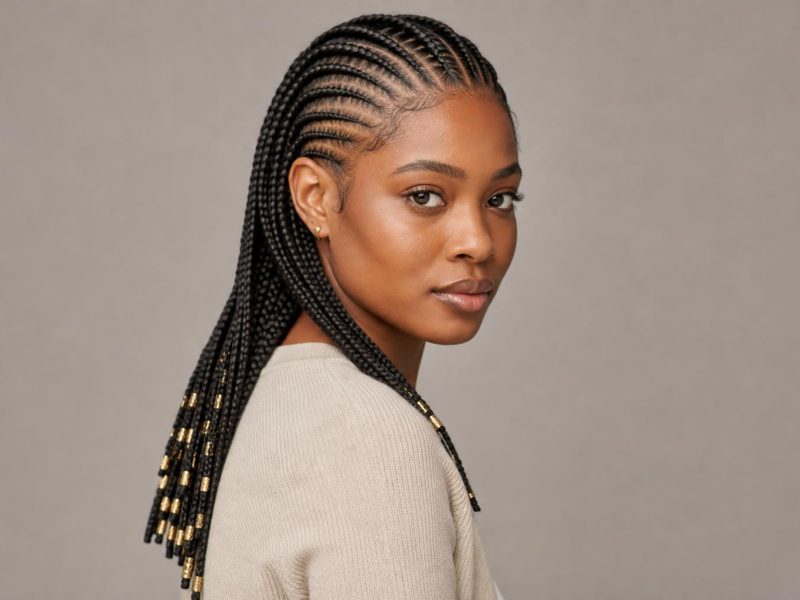

Butterfly locs are a distressed, boho-textured protective style made by wrapping wavy hair around a braid to create the signature looped, lived-in look.
Butterfly locs get their name from the small curly loops that peek out along each loc, giving them a messy, textured finish that soft locs and faux locs do not share. The style is built by wrapping wavy or water-wave hair loosely around a two-strand or braided base, then leaving pieces of that wave loose on purpose. These 25 ideas are sorted by length, color, and styling, with a clear breakdown of how butterfly locs differ from the styles they get confused with.
After the gallery you will find a side-by-side comparison with soft locs, the language to bring to your loctician, and a realistic maintenance routine, because butterfly locs can last six to eight weeks with the right care. If you want to compare the smoother option first, our soft locs guide covers that sleeker style in full.
| Factor | Details |
|---|---|
| Look | Distressed, boho, with curly loops along each loc |
| Hair used | Wavy or water-wave wrapping hair over a braided base |
| Install time | 3 to 8 hours depending on length and loc size |
| Lasts | 6 to 8 weeks with proper edge and scalp care |
| Best for | A low-manipulation protective style with a lived-in finish |
Classic and Everyday Butterfly Locs
The foundation of the style is the distressed wrap, where loose waves are left peeking out along the loc rather than smoothed down. These everyday versions show the core look across common lengths and parts. All of them lean into the messy, textured finish that defines butterfly locs.
1. Classic Distressed Butterfly Locs
Medium-length locs with loops pulled loose along the entire length give the textbook butterfly look, where the messier the finish, the better. The loctician wraps water-wave hair over a braid, then teases out the waves for that distressed effect. This is the version to start with if you have never worn the style.
2. Face-Framing Butterfly Locs for Round Faces
Leaving a few longer locs to fall around the face adds vertical lines that help slim and lengthen a round face. Keeping the bulk of the length past the shoulders draws the eye downward rather than out. A center part between two face-framing pieces sharpens the effect.
3. Bob-Length Butterfly Locs
Cut to the jaw or chin, bob-length butterfly locs are lighter on the neck and quicker to install than long versions. The shorter length shows off the distressed texture up close and stays easy to style. It suits anyone who wants the look without the weight of waist-length locs.
4. Middle-Part Butterfly Locs
Parting the locs down the center and letting them fall evenly on both sides gives a balanced, symmetrical frame. Style them down for everyday wear or sweep both sides back for a cleaner look. The middle part is the most versatile base for switching up styles later.
5. Low-Maintenance Shoulder-Length Butterfly Locs
Shoulder-length locs strike a balance between a full protective style and easy daily wear, needing less scalp care than longer installs. The mid-length keeps them from tangling as quickly at the ends. This length is the most forgiving for a first-time wearer learning the upkeep.
6. Ombre Butterfly Locs
Locs that fade from a dark root into a lighter, warmer tone at the ends add dimension to the distressed texture. The color shift makes the loops and waves stand out even more in the light. Ask for the fade to start below the shoulder so your roots stay natural.
Length and Size Variations
Length and loc size change both the look and the upkeep of butterfly locs, so choosing them thoughtfully matters. Longer, thinner locs make a bold statement but take more time, while shorter, chunkier locs are lighter and faster. This section covers the range and how each option wears.
7. How to Ask for Your Loc Length
Bring a photo and name the exact length you want, since “long” means different things to different locticians. A reliable request: “distressed butterfly locs to mid-back, medium thickness, with plenty of loose loops.” Naming the length, size, and distressed finish together gets you the closest match to your inspiration.
8. Butterfly Locs Versus Soft Locs
Unlike soft locs, which are smooth, thin, and silky, butterfly locs are meant to look messy and full of visible loops and texture. Soft locs take longer to install and look cleaner, while butterfly locs go faster and lean boho. Choose butterfly locs if you love the lived-in, distressed finish over a polished one.
9. Distressed Waist-Length Butterfly Locs
Waist-length locs make the boldest statement, with the distressed loops running the full dramatic length. The extra length adds weight, so a healthy scalp and secure base matter more here. Wrapping hair over strong feed-in braids keeps long locs from pulling at the roots.
10. Long Butterfly Locs with a Fringe for Long Faces
Leaving a few locs shorter at the front to create a soft fringe adds a horizontal break that balances a long or oblong face. The fringe keeps the length from stretching the face further. Keep the front pieces cheekbone-length so they frame without hiding your features.
11. Jumbo Butterfly Locs
Chunky, jumbo locs use thicker sections for a faster install and a bold, full look. Fewer, larger locs mean less tension on the scalp and quicker wash days. The size shows off the distressed loops on a bigger scale, which many people find striking.
12. High-Bun Butterfly Locs
Long butterfly locs gather easily into a high bun that keeps the length off your neck on warm days. The loose loops soften the bun so it looks relaxed rather than severe. A silk scarf tied at the base holds the bun and protects your edges.
13. Mid-Back Butterfly Locs Upkeep
Mid-back locs are a popular length, long enough to style many ways but manageable to maintain. Keeping the ends from frizzing means sealing them and avoiding constant re-styling. A satin bonnet or pillowcase at night keeps mid-back locs neat between wash days.
Color Butterfly Locs
Color is one of the easiest ways to make butterfly locs your own, since the wrapping hair comes in every shade. Warm tones especially catch the light along the distressed loops. This section covers the most popular color directions.
14. Honey Blonde Butterfly Locs
Honey blonde wrapping hair gives a warm, sun-kissed finish that flatters medium to deep skin tones beautifully. The lighter color makes the curly loops and waves pop against the base. Because the color is in the added hair, there is no lightening or damage to your own strands.
15. Asking for a Custom Color Blend
To get a specific tone, tell your loctician the exact color numbers or bring a swatch, since blends of two shades look different than a single color. A request like “a mix of dark brown and caramel wrapping hair” gets you a dimensional result. Confirm the hair brand and color before the install begins.
16. Butterfly Locs Versus Faux Locs
Where traditional faux locs are wrapped smooth for a clean, uniform look, butterfly locs leave the waves loose for a distressed, textured finish. Faux locs look more polished, while butterfly locs look boho and relaxed. Both are protective, so the choice comes down to smooth versus lived-in.
17. Micro Butterfly Locs
Thinner, micro-sized locs create a delicate, detailed look with more locs across the head. The smaller size takes longer to install but gives more styling flexibility. Micro locs show the distressed loops in fine detail, which suits anyone who loves an intricate finish.
18. Butterfly Locs for Square Faces
Soft, face-framing locs and a middle or side part help round off the strong corners of a square face. Letting the locs fall in loose, textured pieces around the jaw softens the angles. Avoid pulling everything tightly back, which sharpens the jawline rather than softening it.
19. Burgundy Mid-Length Butterfly Locs
A deep burgundy or wine tone on mid-length locs adds a rich, moody finish that stays office-friendly while still standing out. The dark red catches light along the loops without the upkeep of a bright color. It flatters cool and neutral skin tones especially well.
Updos and Styled Looks
One of the biggest perks of butterfly locs is how many ways you can style them once installed. Updos, half-up looks, and accessories keep the style feeling fresh for weeks. This section covers the most-loved ways to wear them.
20. Half-Up Half-Down Butterfly Locs
Pulling the top half into a bun or ponytail while the rest hangs loose shows off both the length and the distressed texture. It keeps locs off your face while leaving plenty down. A few cowrie shells or gold cuffs on the loose locs finish the look.
21. Wash-Day Care for Butterfly Locs
Keeping the scalp clean without frizzing the locs comes down to a diluted shampoo applied at the roots with an applicator bottle. Gently squeeze, do not scrub, then let the locs air-dry fully to avoid mildew. A monthly wash keeps the scalp healthy across the six-to-eight-week wear.
22. Copper-Tipped Butterfly Locs
Locs with copper or ginger tips on a dark base give a subtle pop of warmth only at the ends. The dipped color draws the eye down the length and highlights the loose loops. It is a lower-commitment way to add color than an all-over shade.
23. Requesting a Boho, Distressed Finish
To make sure your locs come out textured rather than smooth, tell your loctician “leave the waves loose and distressed, the messier the better.” Some locticians default to a cleaner wrap, so naming the boho finish matters. Ask them to tease out extra loops if the first pass looks too neat.
24. Butterfly Locs Versus Goddess Locs
Where goddess locs feature loose curly pieces mainly at the ends and along the length for a romantic look, butterfly locs have a fuller, wavier distressed texture throughout. Goddess locs look soft and elegant, while butterfly locs look boho and full. Compare the two if you are deciding how much loose curl you want, and our spring twist styles show another lightweight textured option.
25. Butterfly Locs with Curly Loose Ends
Finishing the locs with curly, unwrapped ends adds a soft, feminine touch to the distressed length. The loose curls at the bottom break up the loc line and add movement. Dip the ends in hot water to set the curl so it holds through the install.
Butterfly Locs Versus Soft Locs: The Full Comparison
Butterfly locs and soft locs are the two most-confused loc styles, but they look and wear quite differently. The table breaks down the key differences so you can choose the right one before you book.
| Feature | Butterfly Locs | Soft Locs |
|---|---|---|
| Texture | Distressed, wavy, with visible loops | Smooth, thin, and silky |
| Overall look | Boho and lived-in | Clean and polished |
| Install time | 3 to 8 hours | 4 to 9 hours |
| Longevity | 6 to 8 weeks | 4 to 6 weeks |
| Maintenance | Lower; hides frizz well | Higher; needs moisture to stay soft |
What to Tell Your Loctician
Bring reference photos and be specific about length, loc size, color, and how distressed you want the finish. A reliable request: “Distressed butterfly locs to mid-back, medium thickness, in a dark brown and honey blend, with plenty of loose loops and curly ends.” Ask how much hair they recommend for your desired fullness, and confirm the total time so you can plan the appointment. Mention if your edges are fragile so they keep the base braids gentle.
Stylist tip: Ask your loctician not to install the base braids too tightly at the hairline. Tight braiding on the edges causes tension and can damage the delicate hairs there over weeks of wear, so a gentle base protects your natural hairline while the locs still stay secure.
If you are still choosing a protective style, comparing textures helps. Our boho knotless braids and two-strand twist styles show other low-manipulation options with different looks and upkeep.
Maintenance and Longevity
Butterfly locs last six to eight weeks with proper care, longer than most soft or faux loc styles because the distressed texture hides frizz as it develops. Keep the scalp clean with a diluted shampoo applied at the roots, and moisturize with a light oil to prevent itching. At night, wrap the locs in a silk scarf or bonnet to reduce friction and keep the loops intact.
Stylist tip: Do not keep butterfly locs in longer than eight weeks. Past that point, your natural hair matting at the roots and tension on the edges outweigh the benefit, so taking them down on schedule protects your hair and lets your scalp breathe before the next install.
When Butterfly Locs Might Not Be the Right Choice
Butterfly locs suit most people, but a few situations call for a different style. Weigh these before booking.
- You want a clean, polished finish: butterfly locs are distressed by design, so soft locs or smooth faux locs suit a sleeker look.
- Your edges are fragile or thinning: the added weight can strain a delicate hairline, so a lighter style or smaller sections protect your edges better.
- You need the style to last past two months: butterfly locs are best taken down by eight weeks, so a permanent loc journey suits a longer-term goal.
- You cannot commit to scalp washing: skipping wash days on any wrapped loc style leads to buildup and itching, so choose a style you will maintain.
FAQ
What Is the Difference Between Butterfly Locs and Soft Locs?
Butterfly locs are distressed and wavy with visible curly loops, while soft locs are smooth, thin, and silky. Butterfly locs look boho and lived-in, and soft locs look clean and polished. Butterfly locs also install a little faster and tend to last a couple of weeks longer with good care.
How Long Do Butterfly Locs Last?
Butterfly locs last six to eight weeks with proper scalp and edge care, which is longer than most soft or faux loc styles. The distressed texture hides new frizz, so they still look good as they age. Taking them down by the eight-week mark protects your natural hair and edges.
How Much Hair Do I Need for Butterfly Locs?
Most full-head installs use around six to eight packs of water-wave wrapping hair, though the exact amount depends on length, loc size, and fullness. Longer and thicker looks need more hair. Your loctician can give an exact count once you agree on the length and size at your consultation.
Do Butterfly Locs Damage Your Hair?
Butterfly locs are protective and do not damage healthy hair when installed gently and removed on time. The risk comes from base braids that are too tight at the edges or leaving the style in past eight weeks. Keeping the hairline gentle and the scalp clean keeps your natural hair healthy.
Can You Wash Butterfly Locs?
Yes, and you should wash them about once a month to keep the scalp healthy. Use a diluted shampoo in an applicator bottle at the roots, squeeze gently rather than scrubbing, and let them air-dry completely. Drying fully matters, since damp locs can develop a mildew smell.
How Long Does It Take to Install Butterfly Locs?
A full install takes three to eight hours depending on the length, loc size, and your loctician’s speed. Jumbo locs go faster because there are fewer sections, while micro locs take the longest. Booking a full appointment window and eating beforehand makes the long sit more comfortable.
Butterfly locs give you a distressed, boho protective style that lasts longer and hides frizz better than most loc options, as long as you keep the edges gentle and take them down on time. Bring your loctician clear photos and specifics on length, size, color, and how distressed you want the finish, and plan for the wash-day routine that keeps your scalp healthy. Chosen and maintained with those details in mind, butterfly locs are one of the most versatile and forgiving protective styles you can wear.
Hair results vary based on your natural hair type, texture, density, and condition. Always consult with a licensed stylist or loctician before installing a protective style, especially if your edges are fragile. Photos may show styled results that require professional tools and products to replicate.