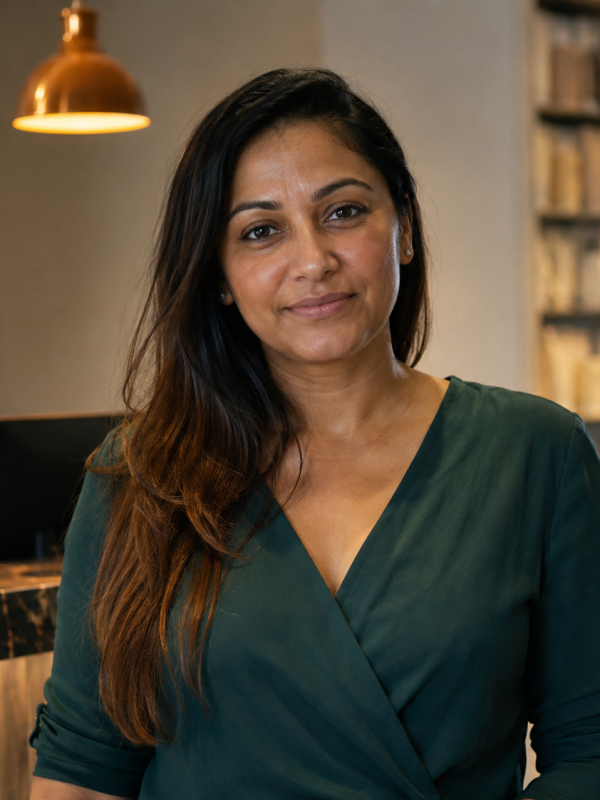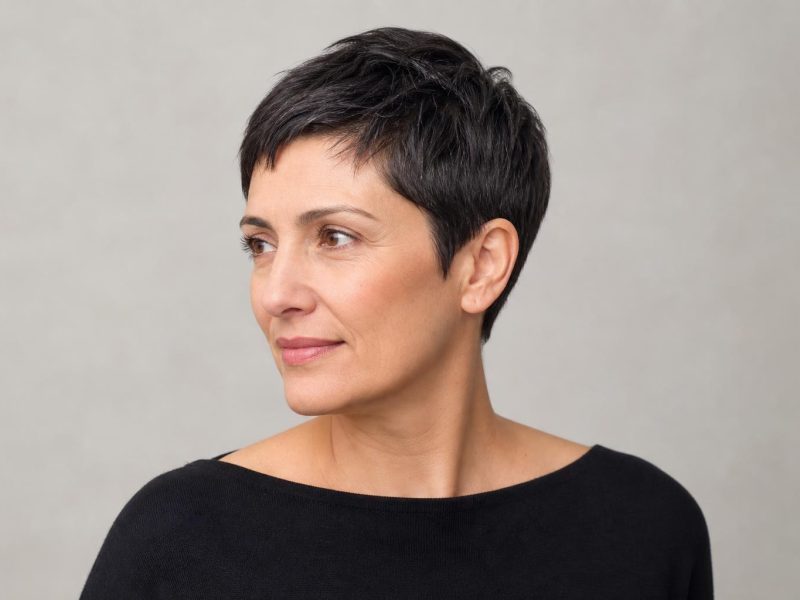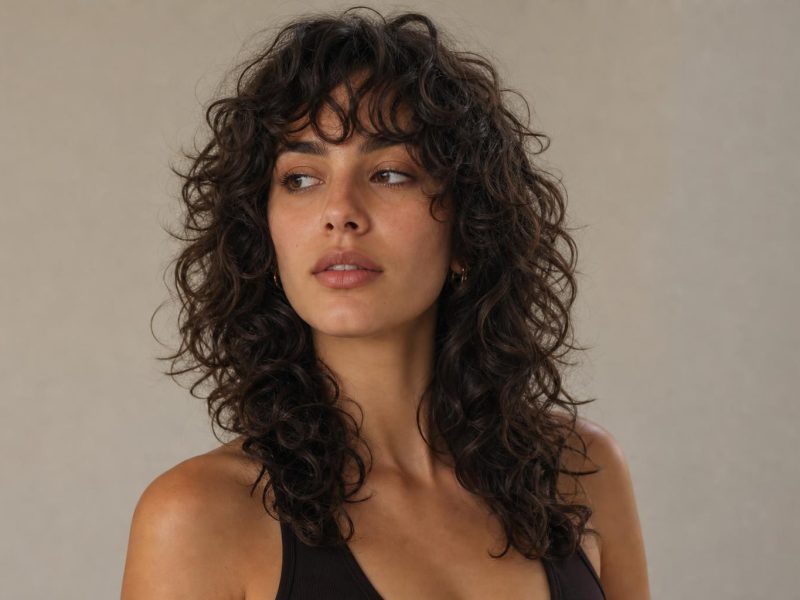

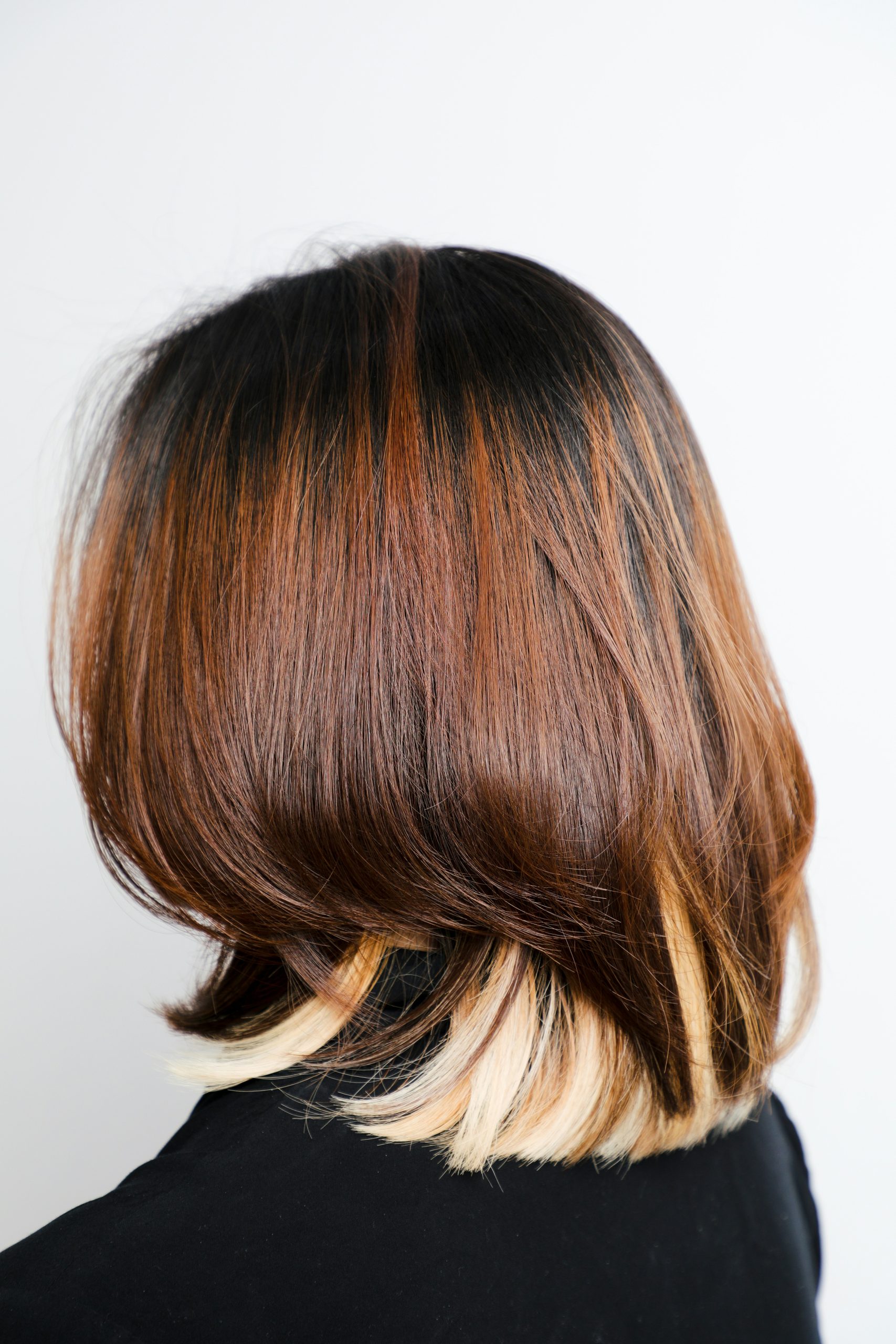
The diana bob is enjoying a genuine revival in 2026 because it does something most modern cuts don’t: it adds volume without adding length, and frames the face without requiring bangs.

The diana bob takes its name from Princess Diana’s signature hairstyle of the mid-1980s, created by her stylist Kevin Shanley and later refined by Sam McKnight into the cropped, layered look most people recognize. It’s a jaw-to-below-the-ear-length bob with heavy graduation, feathered layers swept away from the face, and a lifted crown that creates a rounded, softly voluminous silhouette. The cut works through structure rather than length, which is why it looks polished even without intensive styling.
This guide breaks down the key structural details that separate a diana bob from a generic layered bob, which face shapes it flatters most, how to communicate it clearly to your stylist, and what to expect from the daily styling routine. It also covers who it doesn’t suit so you can make the decision with complete information.
| Factor | Details |
|---|---|
| Best for | Fine to medium hair; round, square, and oblong face shapes; anyone wanting crown volume without added length |
| Maintenance | Trim every 5–7 weeks; 10–15 minutes of styling daily with a round brush and dryer |
| Length | Jaw to below the ear; typically 2–4 inches above the shoulder |
| Avoid if | Very thick coarse hair (puffs rather than feathers); heart faces wanting width at the jaw; prefer air-dry styling |
| Salon time | 60–90 minutes including cut and blowout; longer if color is added |
What Makes the Diana Bob Distinct from a Regular Layered Bob
Most layered bobs add layers to reduce weight or create movement through the mid-lengths. The diana bob is built differently: the layering is graduated from short at the crown to longer toward the perimeter, creating a stacked, rounded silhouette from the top down. This graduation is what generates the crown lift without needing product at the roots — the weight of the longer exterior keeps the interior layers pushed up and outward naturally.
The Feathered Texture Is a Cutting Technique, Not a Styling Step
“Feathered” describes a specific way of cutting the layers so the ends are tapered and light rather than blunt. The stylist uses point cutting, slide cutting, or a razor on the outer layers to create ends that lift and separate slightly rather than laying flat. On Diana’s hair, Kevin Shanley feathered the layers back away from the face to create the swept, voluminous effect at the sides. The modern version uses the same technique but may feather slightly forward or outward rather than strictly back, depending on the client’s face shape and personal preference.
Stylist tip: A diana bob cut on dry hair gives the stylist more control over where the feathered layers actually land. The hair’s natural movement is visible before any cuts are made. If your stylist typically cuts bobs wet, ask whether they’re comfortable cutting the feathered layers on dry hair. The difference in result can be significant, especially on hair with any natural wave.
Crown Volume Is Structural, Not Just a Blow-Dry Effect
The lift at Diana’s crown looks like a styling result, but it’s built into the cut. Shorter layers at the very top push the longer sections upward, creating the rounded “halo” shape that defines the silhouette. This means the crown volume is present even on lightly styled hair — a blow-dry enhances it considerably, but the structure supports it regardless. A standard layered bob flattens at the crown without deliberate styling; the diana bob holds its rounded shape because the graduation architecture supports it.
How the Diana Bob Compares to Similar Cuts
The diana bob sits between several similar-looking styles. Knowing the differences helps you ask for exactly what you want rather than getting a generic layered result.
| Feature | Diana Bob | Feathered Lob | Butterfly Bob |
|---|---|---|---|
| Length | Jaw to below-ear | Collarbone to shoulder | Jaw to chin; longer at the front |
| Crown volume | High; built into the graduation | Moderate; more styling-dependent | Moderate; dramatic face-framing |
| Maintenance | Trim every 5–7 weeks | Trim every 6–8 weeks | Trim every 6–8 weeks |
| Best hair type | Fine to medium; straight to wavy | Medium to thick; straight to wavy | Medium; straight to wavy |
| Styling complexity | Low to moderate with right products | Low to moderate | Moderate; face-framing requires attention |
The diana bob is shorter and more structured than a layered lob, and it produces volume through cut graduation rather than product or tool technique. If crown volume matters but you don’t want collarbone-length hair, the diana bob solves that problem directly.
Which Face Shapes Suit the Diana Bob Best
The rounded crown and face-framing feathered layers make the diana bob one of the more versatile short cuts. But the length and part placement need adjusting depending on your proportions, because the feathering at the sides adds visual width, which helps some shapes and requires management for others.
| Face Shape | Best Adaptation | Key Modification | Avoid |
|---|---|---|---|
| Oval | Any variation; classic structure flatters as-is | No modifications needed | Nothing specific |
| Round | Height at crown, minimal width at sides | Reduce feathering at the sides; keep layers sweeping upward rather than outward | Wide feathering at the cheekbones (adds width) |
| Square | Soft feathering with side-swept fringe | Feather at the jaw level to soften a strong jawline; side part helps | Very blunt perimeter at jaw level (sharpens the jaw) |
| Heart | Slight fullness at the jaw-level ends | Reduce crown volume slightly; let more weight fall at jaw level | Excessive crown lift with narrow jaw-level ends (exaggerates the triangle) |
| Oblong | Wide feathering at the sides to add width | Maximize side width; keep crown height moderate rather than tall | Lots of crown height (elongates the face further) |
| Diamond | Fullness at the jaw and moderate crown | Build volume at jaw level; keep the crown from widening at cheekbone level | Maximum width at the cheekbones |
Fine hair gets the strongest result because graduation creates volume from nothing. For round face shapes specifically, the diana bob works when crown height is deliberately built upward rather than outward; ask your stylist to reduce the side feathering and concentrate the layer graduation at the top.
What to Tell Your Stylist
Most stylists recognize the diana bob by name, but giving specific technical details ensures you leave with the graduated, feathered structure and not just a vaguely layered bob with a celebrity name on it.
For the cut: “I want a diana bob — graduated layering from short at the crown to longer at the perimeter, with feathered ends using point cutting or slide cutting. Jaw to below-ear length, with enough graduation to give me natural crown lift. I want the layers swept away from the face at the sides, not flat against the head.”
For the finish: “I want volume at the crown and soft feathering at the sides. Please show me the blow-dry technique so I can replicate it at home, specifically how you’re using the round brush to lift the crown layers.”
Stylist tip: Bring two or three reference photos: one of the classic 1980s Diana style and one or two modern interpretations. The classic gives the structural direction; the modern references tell your stylist how much stiffness or softness you want in the finish. The contrast between those references is where you define your version of the cut.
Styling a Diana Bob at Home
The diana bob is one of the more straightforward short cuts to maintain at home because the graduation does most of the structural work. With the right products and round-brush technique, the crown volume activates naturally and holds through the day.
The Round Brush Lift Is the Core Technique
For the crown: section the top hair into 1-inch horizontal sections and blow-dry each one with a medium round brush (20–25mm barrel), lifting the brush perpendicular to the head as you dry from roots to ends. Hold each section in place for 5–10 seconds after removing the heat before releasing. The cooling phase is where the lift sets. For the feathered sides: use a smaller round brush (18–20mm) and dry the layers with a slight outward rotation at the ends to encourage separation. Drying the side layers flat against the head eliminates the movement the cut is designed to deliver.
Lighter Products Give a More Modern Result
The classic diana bob used heavy-hold spray and setting lotion, which produced a stiff, sculpted look. The modern version is softer. Apply a grape-sized amount of volumizing mousse to towel-dried roots before blow-drying; this activates the graduation’s volume potential without stiffness. Skip heavy creams or serums at the crown; they collapse the short top layers. A light-hold spray applied after drying keeps the feathering in place without a crunchy finish. For second-day hair, a small amount of texturizing powder at the roots refreshes the crown volume without a full wash.
When the Diana Bob Is Not the Right Choice
The diana bob is built for volume and feathered texture, which makes it a poor match for hair that resists those qualities or for anyone wanting the opposite of what the cut delivers.
- Very thick, coarse hair: Thick hair with coarse strands does not feather; it puffs. The graduation that creates lift on fine hair creates bulk and width on coarse-thick hair, making the silhouette wider than intended. A curved bob with interior weight removal gives better control on this texture.
- Heart face shapes wanting jaw-level fullness: The diana bob’s volume sits at the crown and mid-sections, not the jaw. Heart faces that want fullness at the jaw to balance a wider forehead will find the diana bob’s weight distribution works against that goal.
- Strong natural curl or coil patterns: Feathered layers depend on hair that lifts and separates with predictable movement. On 3a–4c curl patterns, feathered layers create unpredictable shrinkage rather than the intended silhouette, a significant styling commitment on short hair.
- Air-dry preference: The diana bob’s crown volume depends on a round-brush blow-dry routine. Air-drying produces a flat, shapeless result that doesn’t match what the cut is designed to deliver. If you want low-maintenance texture on short hair, a textured or shaggy bob is a better fit.
FAQ
These are the most common questions from people considering the diana bob for the first time.
Is the Diana Bob the Same as a Feathered Bob?
They overlap significantly, but a feathered bob is a broader category. Any bob with feathered (tapered, separated) ends qualifies as a feathered bob; the diana bob is a specific version defined by its graduated crown, rounded silhouette, and the volume-at-the-top structure Diana wore. All diana bobs are feathered; not all feathered bobs are diana bobs.
Do I Need Bangs for a Diana Bob?
No. Diana herself wore a side-swept fringe that blended into the layers rather than a blunt fringe, and many modern versions skip dedicated bangs entirely. The cut works with a soft side part, a center part, or a swept side without any fringe. Bangs can complement the look for certain face shapes, particularly oblong faces that benefit from visual shortening — but they’re not structurally necessary.
Can I Get a Diana Bob with Naturally Wavy Hair?
Yes, and it works well. Natural waves contribute to the feathered separation rather than fighting it, which means less daily styling to get the feathered texture. The key adjustment is asking your stylist to assess your wave pattern dry before cutting; wet cutting can change where the shorter layers land once the wave returns, which affects the final crown shape. A dry-cut assessment before any scissors touch the hair prevents surprises.
How Do I Avoid a Diana Bob That Looks Outdated?
The dated version has too much stiffness, excessive width at the sides, and an overly precise silhouette. The modern diana bob is softer: less-structured feathering, lighter products, and a side profile that doesn’t puff outward as much as the original. Ask your stylist for a slightly longer perimeter than the classic (jaw-grazing rather than ear-level) and a more relaxed feathering technique. The shape stays; the rigidity goes, and that’s what makes it feel current.
Will a Diana Bob Work on Thin, Fine Hair?
Fine hair is one of the best textures for this cut. The graduated layers create the appearance of density that fine hair can’t achieve at longer lengths. The feathered technique avoids blunt ends that make fine hair look wispy, and the shorter crown layers give the illusion of thickness at the top. Apply volumizing mousse at the roots and dry with your head tilted slightly forward to maximize the crown lift; fine hair responds to this technique better than almost any other texture.
The diana bob lasts because the underlying structure (graduated crown, feathered texture, face-framing layers) solves a real problem: how to create volume and shape on shorter hair without relying on heavy product or lengthy routines. A well-cut diana bob with lightweight mousse and a medium round brush delivers crown fullness that most longer cuts can’t match. Bring references that show both the classic version and a modern softened take, and ask your stylist to explain where the graduation sits before they begin. That conversation is what separates a diana bob from a layered bob with good intentions.
Hair results vary based on your natural hair type, texture, density, and condition. Always consult with a licensed hairstylist before making significant changes, especially with chemical treatments or dramatic length changes. Photos may show styled results that require professional tools and products to replicate.