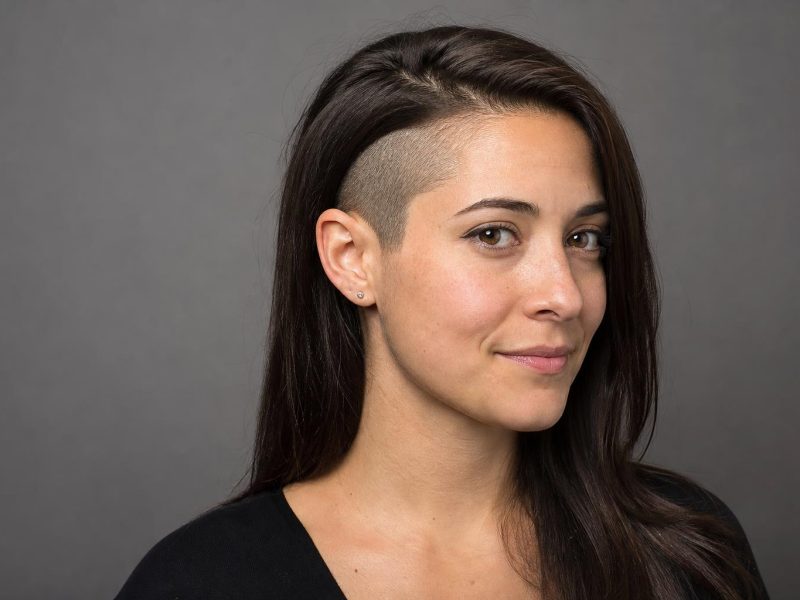

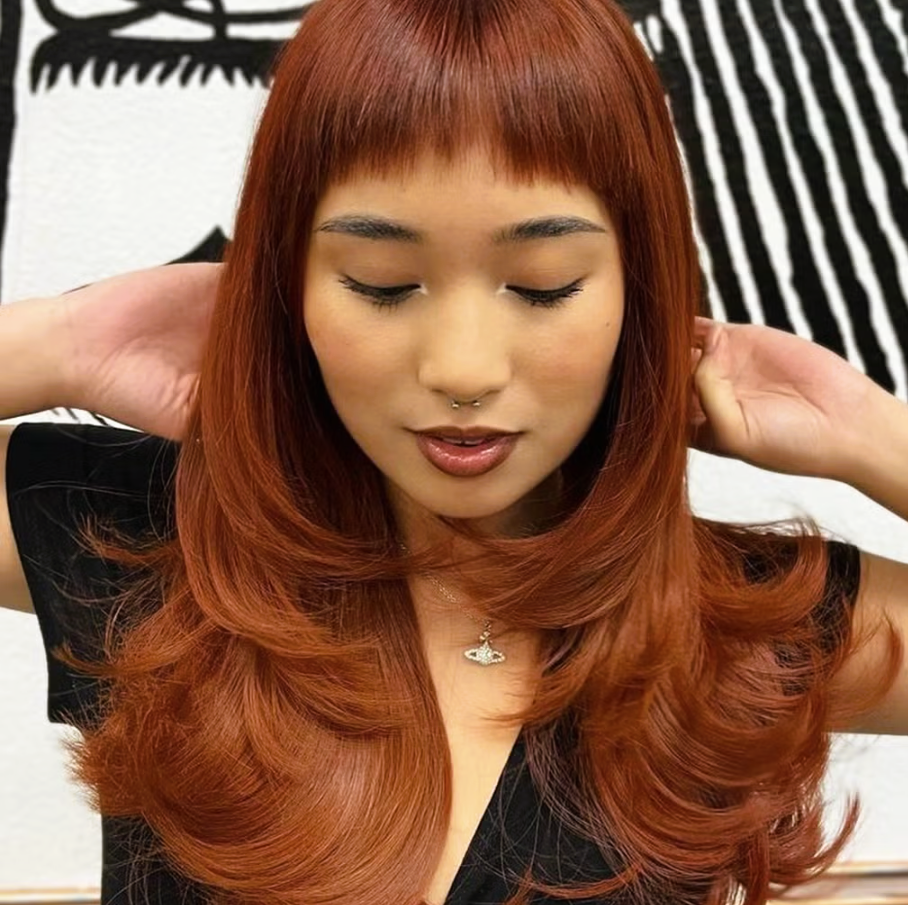
Jellyfish haircut ideas span a wider range than most inspiration boards suggest — from a modest collarbone underlength to waist-length tendrils, and from natural dark-on-dark contrast to high-contrast two-tone color combinations.
The jellyfish haircut works across hair textures, face shapes, and commitment levels. The 25 ideas below are organized by style category, from close-cropped minimalist versions to waist-length statement cuts, with guidance on what distinguishes each idea and how to communicate it at the salon. For a detailed breakdown of the cut’s technique, face shape compatibility, and maintenance schedules, the full jellyfish haircut guide covers each element in depth.
The gallery is divided into five sections: short-top ideas, medium-length proportions, wavy and curly versions, color and statement ideas, and soft or wearable modifications. Each entry notes the specific detail that makes that variation distinct from others in this collection.
| Factor | Details |
|---|---|
| Defining feature | A blunt-cut top layer fully disconnected from a longer underlength by a visible air gap |
| Gap range | From 1 inch (subtle) to 8+ inches (dramatic) between where the top layer ends and the underlength begins |
| Best textures | Straight to wavy; thick hair; curly hair with specialist dry-cutting |
| Top layer range | Ear length to chin length; shaved versions also work for the most dramatic gap contrast |
| Trim schedule | Top layer every 5 to 6 weeks; underlength every 8 to 10 weeks |
Close-Cropped and Short-Top Jellyfish Ideas
The shortest top layer options create the most dramatic gap between sections. These five ideas work best when the underlength has enough density to hang cleanly, since the stark contrast between a close-cropped or shaved top and the long underlength is the primary visual statement.
1. Two-Guard Crown with Ear-Length Tendrils
A number two guard across the crown creates a buzz-cut top that transitions hard into ear-length tendrils below, producing the strongest version of the jellyfish contrast ratio. Point cutting the ends of the short tendrils prevents them from looking blunt and thick at that length. This version has the fastest grow-out of any idea in this gallery: the crown needs reshaping every 3 to 4 weeks to keep the ratio clean.
2. Jaw-Length Bowl Top for Square Face Shapes
Square faces work better with a jaw-length bowl top than an ear-length one because the lower cut line softens the jaw angle instead of matching it. Keeping the top layer edges slightly curved rather than perfectly horizontal removes some of the geometric stiffness the jellyfish can add to strong-angle faces. The underlength on square faces reads most clearly at shoulder length or longer, where the vertical fall counterbalances a wide jawline.
3. Showing the Gap, Not Just the Finished Look
Bring a three-quarter-view photo to your appointment rather than a front-facing styled shot where the gap is hidden by the fall of the hair. Most jellyfish inspiration photos are taken from angles that flatten the disconnection, which gives stylists an incomplete brief. A single back-angle photo showing the two sections cleanly separated is worth three front-facing shots when communicating this cut.
4. Straight, Silky Hair with Maximum Natural Fall
Very straight, low-porosity hair produces the cleanest hang on the underlength because the tendrils fall as a single continuous sheet with minimal frizz or volume disruption. This version benefits from a ceramic flat iron pulled lightly through the underlength once after washing — not to straighten, but to close the cuticle and add reflectivity to the hang. The top section stays cleaner longer on low-porosity straight hair than on any other texture.
5. The Separated Trim Schedule in Practice
Running the top layer and underlength on separate trim cycles saves one full salon visit per year compared to trimming both sections at the same appointment each time. Book the top layer appointment at week five and the underlength trim at week nine to tidy the ends without resetting the length. Mark both dates in advance: the jellyfish structure visibly degrades faster than most layered cuts when either section is left past its window.
Medium-Length and Proportional Jellyfish Ideas
Medium-length proportions (a chin or jaw-length top with a shoulder to mid-back underlength) are the most versatile jellyfish configurations for everyday wear. This section covers ideas that balance visual impact with practical daily styling across a range of face shapes.
6. Pinning the Top Layer Up for Styling Variety
A jaw-length top layer long enough to clip or pin up gives the jellyfish two distinct looks from one appointment: worn loose, it reads as the structured two-zone cut; pinned up into a half-up or small bun, it shows off the underlength’s full length and texture. Use small bobby pins or a claw clip at the crown — nothing that creates a visible dent in the top layer when released. This is the most wear-flexible variation in the medium-length range.
7. What Separates This from a Long Bob with Heavy Layers
A heavily layered long bob and a soft jellyfish can look similar in photos but differ in one technical step: the layered bob blends each layer into the next, while the jellyfish leaves a clear air gap with no graduation between zones. Ask your stylist to run a comb between the top section and the underlength after the cut: if the comb catches, the sections are blended; if it passes cleanly through air, the cut is a true jellyfish.
8. Brunette Top with Copper Underlength
Warm copper tones through the underlength of a medium-brunette top create a naturally occurring two-tone effect that reads as sun-exposed rather than processed. Copper-family shades fade from vivid to muted over 6 to 8 washes, which can be used as a feature: the fresh copper pops against the brown top, and the faded version transitions into a warm honey tone that changes the look without further salon visits. A color-depositing conditioner in a copper shade extends each refresh by 2 to 3 weeks.
9. Undercut-Based Jellyfish for a Sharper Disconnect
An undercut-supported jellyfish uses the same closely clipped undercut technique used in disconnected bob cuts, with the top section left longer than a standard undercut to create the bowl or bob effect above it. The sharp undercut line holds the disconnection more crisply between appointments than a softly blended interior cut, which means the structure stays defined for an extra 1 to 2 weeks before grow-out blurs it. Ask specifically for a “disconnected undercut with a blunt top section” to distinguish this from a standard undercut request.
10. Oblong Face Proportions with a Horizontal Blunt Line
Oblong and long face shapes benefit from the jellyfish’s strong horizontal emphasis at the top layer because it creates visual width that elongated proportions need. A chin-to-jaw-length top on an oblong face provides a natural horizontal reference that interrupts the vertical length of the face without requiring bangs or volume at the sides. Keep the underlength at shoulder rather than waist level on oblong faces, since very long tendrils push the vertical emphasis back and undo the width the top layer creates.
Wavy and Curly Jellyfish Ideas
Natural texture in the underlength changes the jellyfish character significantly. Where straight-hair versions hang as flat defined columns, wavy and curly underlengths build volume, movement, and sculptural shape that makes the two-zone structure even more visible. The top section still benefits from a blunt cut to contrast against the textured underlength below.
11. Asking for a Soft Disconnect on Natural Waves
Tell your stylist you want “a two-section cut on natural waves: a blunt top that ends at [length], with the underlayer left in a single clean length with no layering and no blending between the two sections.” On wavy hair, stylists often default to adding internal layers across both sections, which blurs the gap the jellyfish depends on. Being explicit about “no layering in the underlength” prevents the most common execution error on this texture.
12. Curl Pattern 2c to 3a with Defined Tendrils
Type 2c to 3a curl patterns through the underlength produce the most naturally defined tendrils because the medium-tight wave separates into distinct coils rather than blending into a wide undifferentiated mass. Apply a defining cream section by section through damp underlength hair, then twist and release rather than scrunching to keep the coils separated from root to end. The shrinkage factor on this curl range is roughly 15 to 25% of wet length, so ask for the underlength to be cut one to two inches longer than your target dried length.
13. Air-Dry Versus Blowout Daily Decision
Air-drying the jellyfish takes 20 to 45 minutes depending on underlength volume and hair density; blow-drying adds 10 to 15 minutes but gives a crisper result in the top section. On straight hair, either method works and the choice is purely about finish preference. On wavy hair, air-drying produces a more textured, relaxed look that requires less daily product, while blowing the underlength straight demands a heat protectant and adds styling time without necessarily improving the cut’s overall look.
14. Blowdrying the Top While Air-Drying the Underlength
Clip the top section up while the underlength air-dries and scrunches into its natural wave, then release the clips and smooth the top section with a paddle brush and medium heat. The result is a texture contrast between smooth and wavy that amplifies the visual two-zone structure without requiring fashion color or a large gap. This technique works on 1c to 2b wave patterns where the underlength has enough natural movement to hold without additional product.
15. From Japanese Hime Tradition to Western Salon Layering
The Hime cut that influenced this concept kept the disconnection only at the front and sides, leaving a solid long back layer intact. Western salon versions extended the disconnected perimeter across the whole head, which is why the jellyfish reads as a dramatic all-over silhouette rather than just a framing technique. For those who want a subtler version closer to the original Hime influence, asking for disconnection only at the front and sides with blending at the back produces a wearable middle ground between the two approaches.
16. Highlights Running Through the Underlength Only
Placing highlights exclusively in the underlength while leaving the top section untouched creates a two-tone effect that visually amplifies the gap without requiring bleach across the whole head. Chunky highlight panels in a lighter shade than the base show the separation most clearly when viewed from the back. Using a warm golden tone rather than platinum keeps the contrast legible without the upkeep intensity of a fully bleached underlength.
Color Contrast and Statement Jellyfish Ideas
High-contrast color pairings are one of the most effective ways to make the jellyfish structure unmissable. These six ideas range from subtle tonal contrast to full fashion-color underlengths and show how different color placements change the mood of the cut entirely.
17. Razor-Cut Underlength for Maximum Movement
Razor cutting the underlength instead of using scissors adds a feathered, jagged texture to the ends that increases movement as the tendrils fall. The technique works best on straight to slightly wavy hair; on thick hair, razor cutting can create excessive thinning and lead to frizz at the ends rather than the fluid movement the technique is meant to produce. A razor-cut jellyfish grows out with a softer perimeter than a scissors-blunt version, which can extend the time between underlength trims.
18. Petite and Smaller-Scale Face Proportions
Smaller-scale face proportions work with a smaller overall gap (one to two inches rather than four to six) — because a large gap on a petite face can feel out of scale with the rest of the head. A shorter underlength at collarbone level combined with an ear-length top keeps the jellyfish’s two-zone character without overwhelming the proportions. The style choice here is proportion management, not limitation: the cut reads as clean and deliberate at this scale.
19. Scheduling the Color Consultation Before the Cut
Book a standalone color consultation at least one appointment before you plan to cut the jellyfish if you want a high-contrast underlength. The consultation lets the colorist assess your current hair’s porosity, condition, and how many sessions the underlength lift requires. This information affects cut planning because a very damaged underlength may not hold the disconnected length cleanly. Cutting then lifting, rather than the reverse, is the usual recommendation from colorists who specialize in bleach work.
20. High-Porosity Underlength After Bleaching
Bleached underlengths have high porosity, which means they absorb color quickly but also lose it quickly between toner appointments. A bond-strengthening treatment at each toner session helps maintain the structural integrity of the underlength so it continues hanging cleanly as the jellyfish is maintained over time. Avoid sulfate shampoos on bleached underlengths: the stripping action accelerates toner fade and can leave the tendrils dry enough to tangle at the ends during daily styling.
21. Maintaining Vivid Fashion Color Between Appointments
Fashion colors in jellyfish underlengths fade in stages that can be managed or used as a creative feature. Blue fades to teal, then to a dusty sage green; red fades to coral, then to a warm salmon tone. Planning the fade direction rather than fighting it means you get multiple distinct looks from one appointment. A color-refresh gloss in the original hue applied at home every three to four weeks slows the progression without requiring a full salon visit.
22. Polished and Sleek Underlength for Formal Settings
A flat iron pulled through the underlength on medium heat before a formal event gives the tendrils a mirror-flat finish that makes the jellyfish read as deliberate rather than editorial. Work in small sections from the nape downward using a heat protectant, and finish each pass with a light serum for reflectivity. The polished underlength contrasts with the top section in texture as well as length, doubling the visual interest of the structure without needing color or additional dimension.
Soft and Wearable Jellyfish Modifications
Not every jellyfish idea needs a dramatic gap or a waist-length underlength. These final entries show how the two-length concept can be dialed back to work in everyday contexts while keeping the defining structural character of the cut intact.
23. The Two-Inch Gap Versus the Six-Inch Gap
Unlike a classic wolf cut or shag where layers blend progressively into each other, the jellyfish gap is an explicit design choice: two inches produces a subtle effect that reads as an unusual layered cut on casual inspection, while six inches or more creates the full two-section silhouette that defines the trend. Starting with a two-inch gap and increasing it at subsequent appointments is the lower-commitment path into this style.
24. Subtle Shadow Root Through the Underlength
A shadow root technique applied only to the underlength roots adds depth and dimension without creating a hard two-tone contrast line between the sections. The shadow root fades naturally into the underlength’s base color, producing a dimensional effect that reduces color maintenance frequency compared to a full-bleach underlength. This approach suits those who want tonal interest in the jellyfish rather than high-contrast color drama.
25. Growing the Jellyfish to Waist Length
A waist-length underlength with an ear-level top requires 18 to 24 months of growth from shoulder length and a consistent two-section trim discipline throughout the process. The top section must be trimmed to its target length at every appointment: growing it out even slightly collapses the gap and changes the silhouette entirely. At waist length, the underlength develops its own natural movement and weight that makes heat styling largely unnecessary for daily wear.
How to Choose the Right Jellyfish Idea for Your Face Shape
The top layer height is the primary variable in the face shape decision. A few inches in either direction changes the horizontal emphasis at the widest visible point, which is the most significant proportional element of the cut. The table below gives the best-fit configurations for each face shape. For a more detailed look at how hair structure interacts with facial geometry, the face shape guides on THP cover each shape individually.
| Face Shape | Best Idea Type | Top Layer Height | Underlength Range |
|---|---|---|---|
| Oval | Any from this list | Ear to jaw, all proportions work | Collarbone to waist, no restrictions |
| Round | Short-top ideas with long tendrils | Ear level or above | Collarbone or longer for vertical pull |
| Square | Wavy or soft-edged top with longer underlength | Chin length with curved edges | Shoulder or longer |
| Heart | Medium-length top, collarbone-plus tendrils | Just below cheekbone | Collarbone minimum to add lower-face width |
| Oblong | Horizontal-emphasis top with shoulder underlength | Chin to jaw for horizontal width | Shoulder; avoid waist length (adds vertical) |
| Diamond | Chin-length top with face-framing front pieces | Chin level | Collarbone to mid-back |
When a Jellyfish Cut Idea Is Not the Right Choice
These circumstances produce results that consistently fall short of expectations, regardless of which idea from this list you pursue.
- Low-density fine hair across the whole head: Every idea above depends on an underlength with enough mass to hang clearly separated from the top section. On very fine, low-density hair, the tendrils look thin and flat against the neck rather than falling as defined lengths. A modified version with a collarbone underlength and a smaller gap can technically work, but the jellyfish structure will be subtle at best and will require significant styling to read clearly.
- First appointment with a new stylist: The jellyfish requires a stylist who understands two-section disconnected cutting. A first appointment is not the right moment to introduce this much technical specificity. Wait until you have a baseline session that confirms your stylist is comfortable with the technique before committing to a dramatic gap or a significant length change.
- Straight hair with active breakage at the mid-shaft: Damaged straight hair prone to breakage will show splits and snapping visibly in the underlength, since the single-length hang puts each strand in plain view. Addressing damage first through a trim, bond treatment, or protein course before cutting the jellyfish produces a dramatically better result once the underlength is healthy enough to hang cleanly.
What to Tell Your Stylist
The three pieces of information that define which of these 25 ideas you are asking for: where the top layer ends, how long the underlength should be, and how large the gap between them should be. Giving your stylist all three numbers in the consultation removes the most common source of misalignment before the scissors touch the hair.
“I want a disconnected two-layer cut. Top section: blunt at [ear / chin / jaw]. Underlayer: [collarbone / shoulder / mid-back / waist]. Gap between the two sections should be visible and not blended at any point. Please do not graduate or feather between the sections.”
Stylist tip: The most common unsolicited adjustment stylists make is softening the interior cut line “just a little” to make grow-out easier. This produces a layered look rather than a jellyfish. If your stylist suggests softening the line, clarify whether they mean softening the edges of the top layer itself (fine, can improve wearability) or feathering the two sections together (which removes the gap and changes the cut’s structure entirely). Those are two very different adjustments.
Stylist tip: If you have wavy or curly hair, ask specifically for the underlength to be cut dry after the top section is done wet. Dry-cutting the underlength on textured hair accounts for curl shrinkage in real time and produces a more accurate final length than cutting wet and hoping the math is right.
FAQ
How Many Jellyfish Haircut Ideas Work for Everyday Wear?
Roughly half of the 25 ideas above work easily in everyday professional and casual settings, specifically the medium-length proportional ideas in section two, the softer wavy versions in section three, and the wearable modifications in section five. The common thread is a moderate gap of two to four inches, an underlength no longer than mid-back, and no fashion color that requires frequent salon upkeep. The very short-top or waist-length ideas suit more flexible dress environments.
Which Jellyfish Ideas Work Best if Your Hair Is Already Short?
Ideas 1, 2, 5, 9, 18, and 23 are specifically designed for shorter overall lengths. For short jellyfish versions, the key is keeping the underlength proportional: an ear-length top works best with an underlength no shorter than collarbone to maintain the gap as a visible design element. A very short underlength on a short top starts to lose the jellyfish identity and reads more like a mullet because the gap disappears before it registers clearly.
Are Jellyfish Ideas Suitable for Women Over 40 or 50?
Yes, with the right proportional choices. The soft and wearable ideas in section five of this gallery are well-suited to women of any age. A subtle gap, a natural-tone color approach, and a collarbone underlength removes the trend-forward edge while keeping the two-length structure. On fine, lower-density hair that is more common after 40, the modified version with a small gap and a collarbone underlength is the most proportionally flattering approach.
Can Any Salon Do a Jellyfish Cut?
Not reliably. The disconnected two-section technique is specific enough that many general stylists will default to their standard layering approach if they are not familiar with it. Before booking, ask the salon specifically whether any of their stylists have experience with disconnected or jellyfish cuts and whether they have portfolio photos of completed examples. A stylist familiar with this cut will understand the consultation language above without needing to be re-explained at the appointment.
How Does a Jellyfish Differ from a Mullet in Practice?
A mullet achieves its short-front, long-back silhouette through continuous blending where length increases gradually from the front hairline to the back nape. A jellyfish cuts those gradual transitions out entirely: the top layer ends at a defined point, the gap is empty air, and the underlength begins at a lower level with no connection to the top section. The difference is most visible from the back and sides, where the gap either exists clearly or does not.
What Is the Most Beginner-Friendly Jellyfish Idea?
Entry 23 in this gallery (a two-inch gap with a collarbone underlength) is the lowest-commitment starting point. The small gap means a softer visual impact, the collarbone underlength requires less grow-out to maintain, and the overall proportions are close enough to a standard layered cut that the style grows out gracefully if you decide it isn’t for you. From that foundation, increasing the gap or the underlength length at subsequent appointments moves the style toward the more dramatic ideas in this collection.
The 25 jellyfish haircut ideas above cover every proportional range and hair type the cut realistically suits. The best starting point is choosing the gap size first, since that single decision determines more about the final look than the underlength length, the color approach, or the top layer shape. Take two or three entries from this gallery that match your current hair length and book a consultation rather than a full appointment, so you can confirm your stylist’s familiarity with the disconnected technique before committing to the cut.
Hair results vary based on your natural hair type, texture, density, and condition. Always consult with a licensed hairstylist before making significant changes, especially with chemical treatments or dramatic length changes. Photos may show styled results that require professional tools and products to replicate.