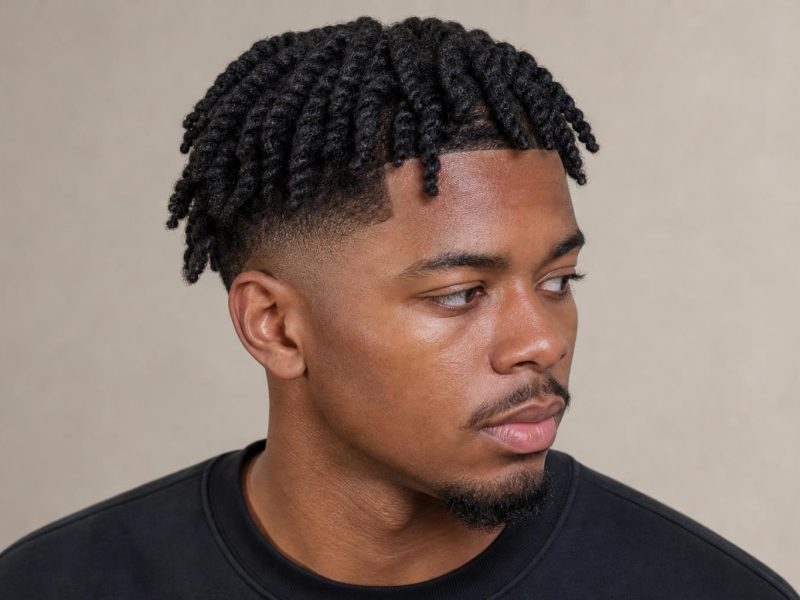


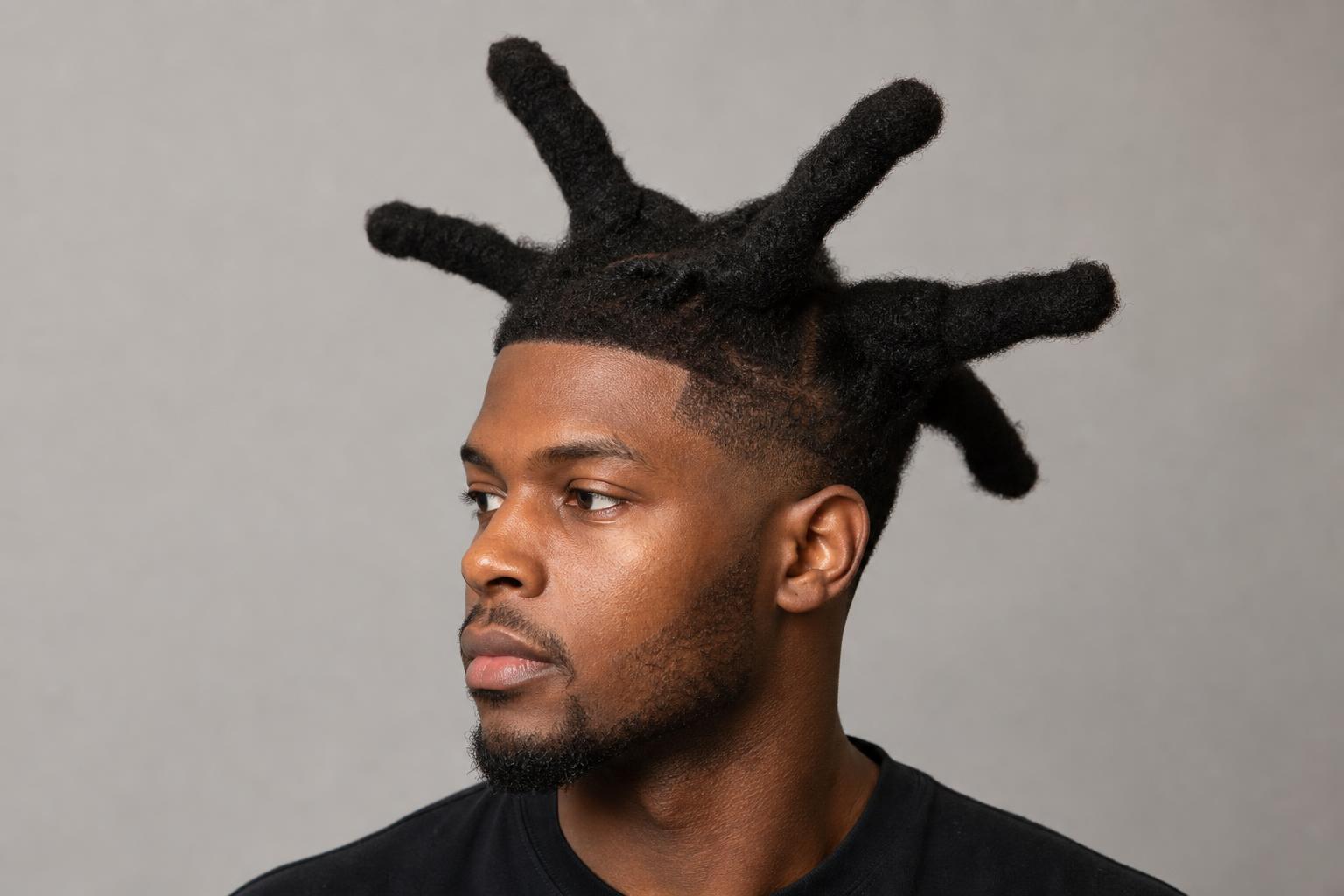
Wicks are thick, cylindrical locs made by combining several sections of hair into a few bold, stiff strands, a style that started in South Florida and usually uses just 3 to 10 locs across the whole head.
Named because each thick loc resembles a candle wick standing upright, the style trades the many thin locs of traditional dreads for a handful of dramatic, chunky ones. That low count is exactly why wicks are popular: fewer locs mean a bolder look and simpler upkeep than a full head of small dreads.
This spotlight covers what wicks are, how they differ from traditional locs, the main styles and counts, how to get them started, and how to maintain them. Wicks sit in the same loc family as freeform dreads and soft locs, so those guides help if you are weighing your loc options.
| Factor | Details |
|---|---|
| What they are | A few very thick cylindrical locs, usually 3 to 10 total |
| Origin | South Florida, Miami and Broward, via local hip-hop |
| Best for | Type 4 coily hair with enough density and length |
| Upkeep | Lower than thin dreads; occasional palm rolling and washing |
| Avoid if | You want a reversible style or have fine, sparse hair |
What Wicks Are and Where They Came From
Wicks are formed by joining several smaller sections or existing locs into one thick column, then encouraging that column to lock and stay cylindrical. The result is a small number of bold locs, often only three to ten across the entire head, rather than the dozens a traditional loc set has.
The style traces to South Florida, especially Miami and Broward County, and spread widely through Florida-based hip-hop artists, which is why it is often called Florida wicks. Other names for the look include globs and bonks. The cultural roots are in African-American and Afro-Caribbean communities, and the style carries that heritage with it.
Stylist tip from a loc specialist: Wicks are easiest to build from hair that has already started to loc rather than from loose hair, because the existing locs give the thick wick something to grip. If you are starting fresh, expect the first few months to look uneven while the sections fuse and lock together.
How Wicks Differ from Traditional Locs
The defining difference is size and count: wicks are far thicker and far fewer than traditional dreads. That changes the upkeep, the look, and how the hair behaves day to day.
| Feature | Wicks | Traditional Locs |
|---|---|---|
| Loc count | Usually 3 to 10 total | Often 30 to 100 or more |
| Thickness | Very thick, cylindrical | Thin to medium |
| Upkeep | Lower; fewer locs to retwist | Higher; many locs to maintain |
| Look | Bold, chunky, standout | Uniform, detailed |
Wicks Styles and Counts
Most wicks variation comes from how many locs you have, how long they are, and how the sides are cut. These entries cover the main ways the style is worn.
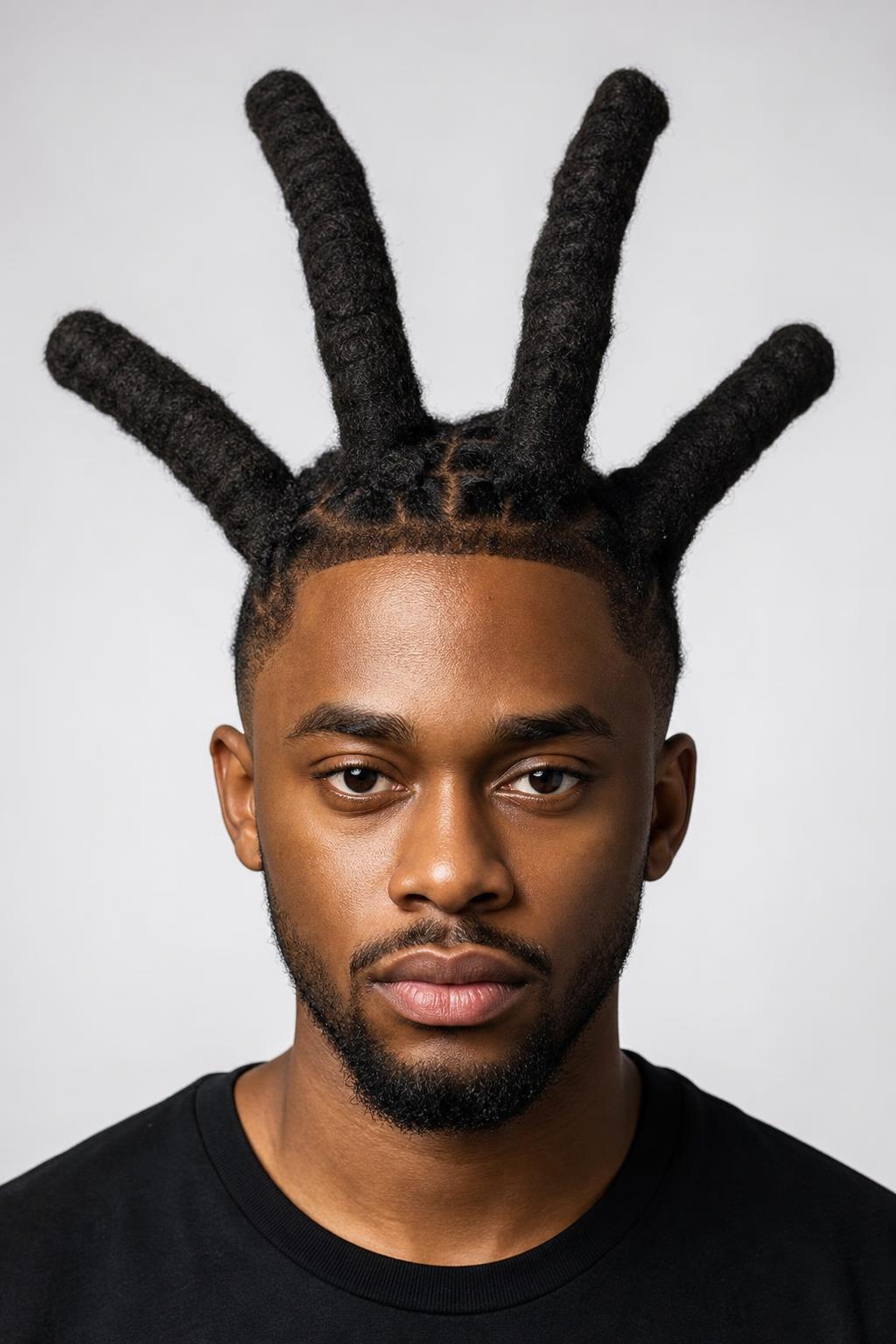
1. Four-Wick Setup
Four thick wicks is one of the most common and boldest setups, with each loc carrying serious volume. The low count makes a strong statement and keeps maintenance minimal. It suits dense hair that can fill four chunky columns.
2. Six to Eight Wicks
Stepping up to six or eight wicks gives a slightly more detailed look while keeping the chunky character. The extra locs distribute the hair more evenly across the head. This count is a good middle ground for most people.
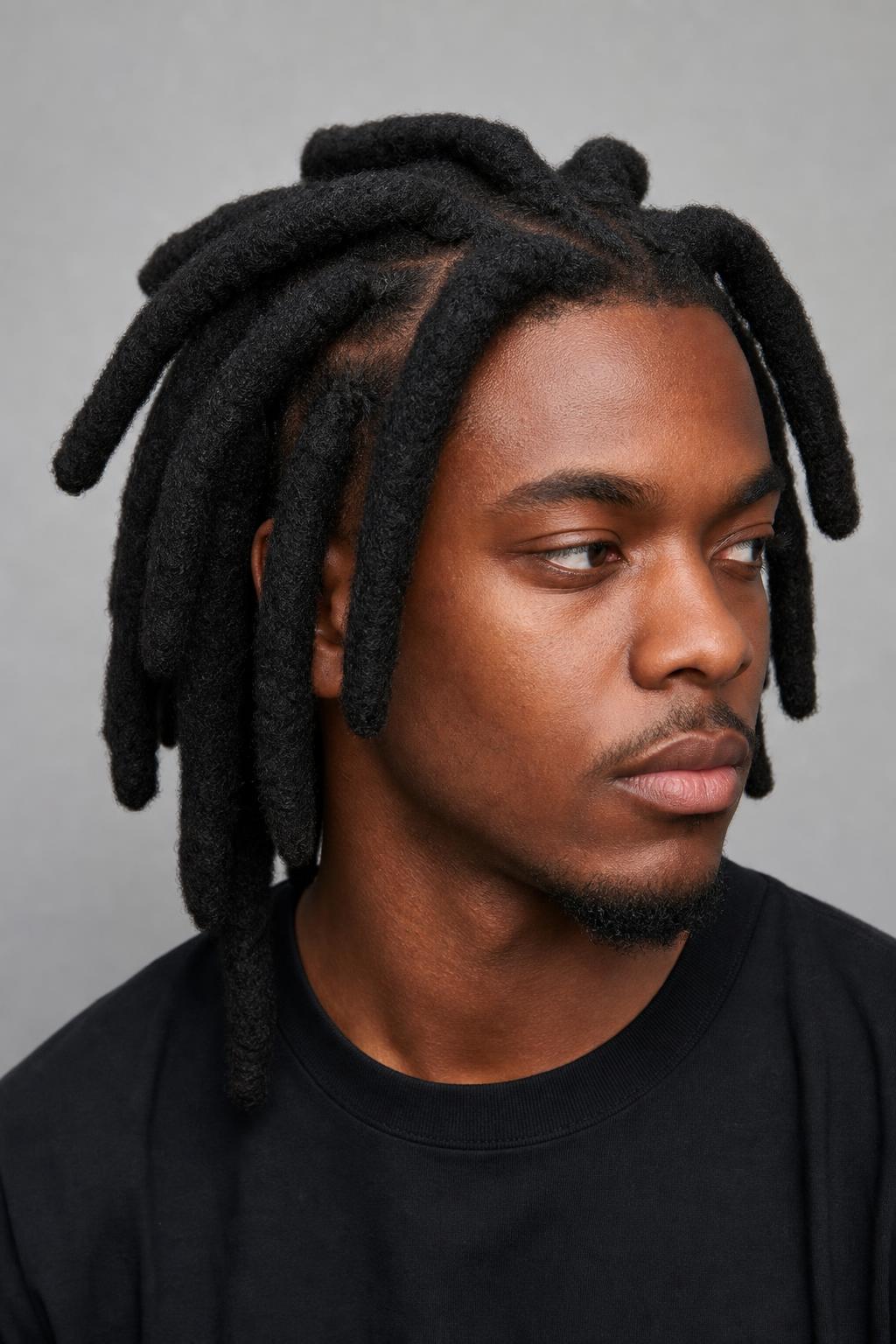
3. Starter Wicks
In the starter stage the wicks are short and still fusing, often looking uneven as the sections lock together. This phase takes patience and regular palm rolling. A durag at night helps the young wicks hold their shape.

4. Short Wicks
Short, stubby wicks keep the bold thickness in a compact, low-profile form. They are the easiest length to manage and wash. This is the most practical version for a first set or a professional setting.

5. Long Wicks
Grown out over years, long wicks hang with real weight and dramatic presence. The length carries significant weight, so a satin durag and occasional root maintenance protect them. This is the long-term payoff of the style.

6. Wicks with a Taper
Tapering the sides and back while keeping the wicks on top cleans up the perimeter and frames the locs. A low taper on type 4 hair grows out softly between barber visits. The contrast between tidy sides and chunky locs reads sharp.
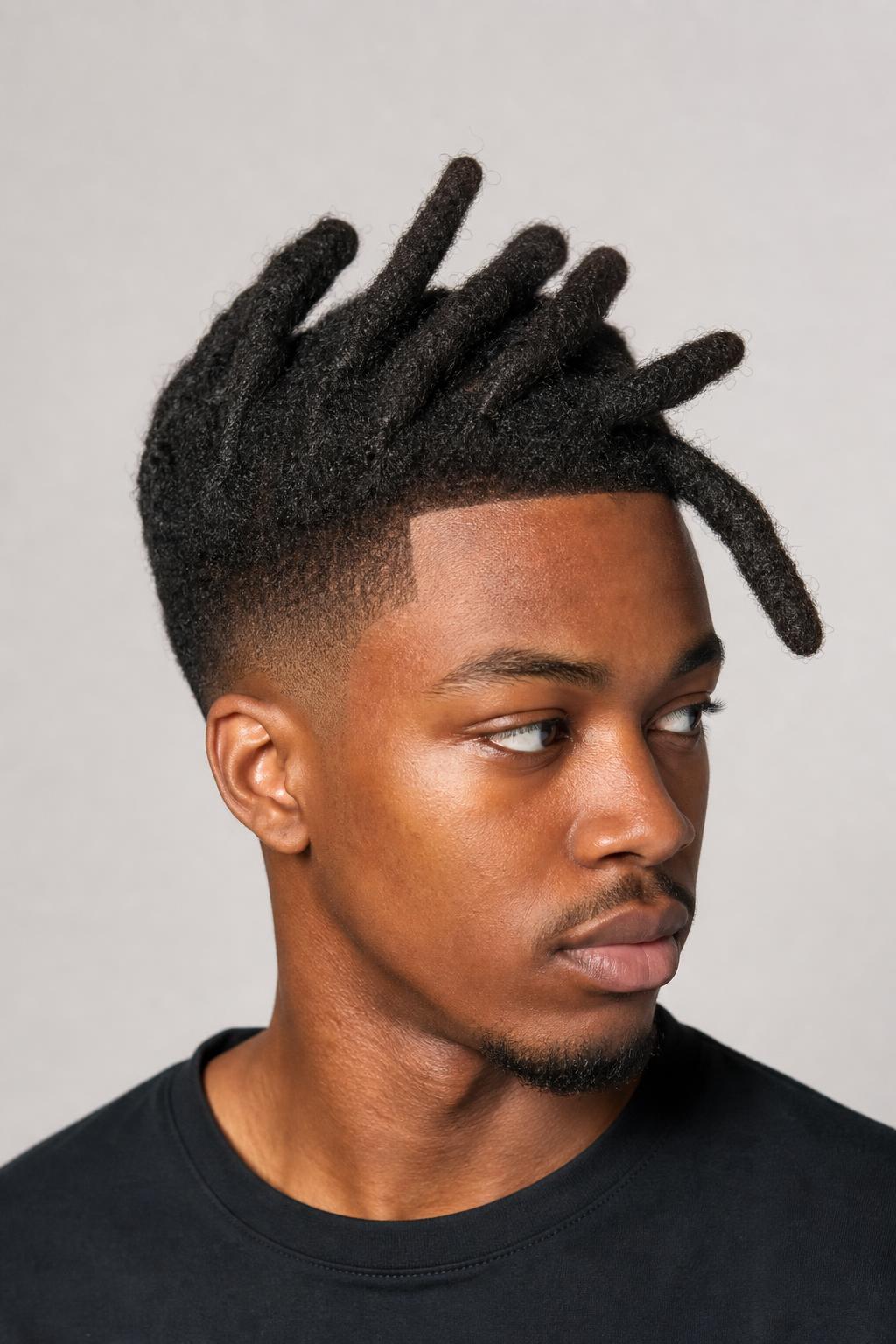
7. Wicks with a Fade
Taking the sides to a higher fade concentrates the bold wicks on top for maximum contrast. The clean faded sides frame the thick locs sharply. This needs a barber visit every two to three weeks to keep the fade crisp.
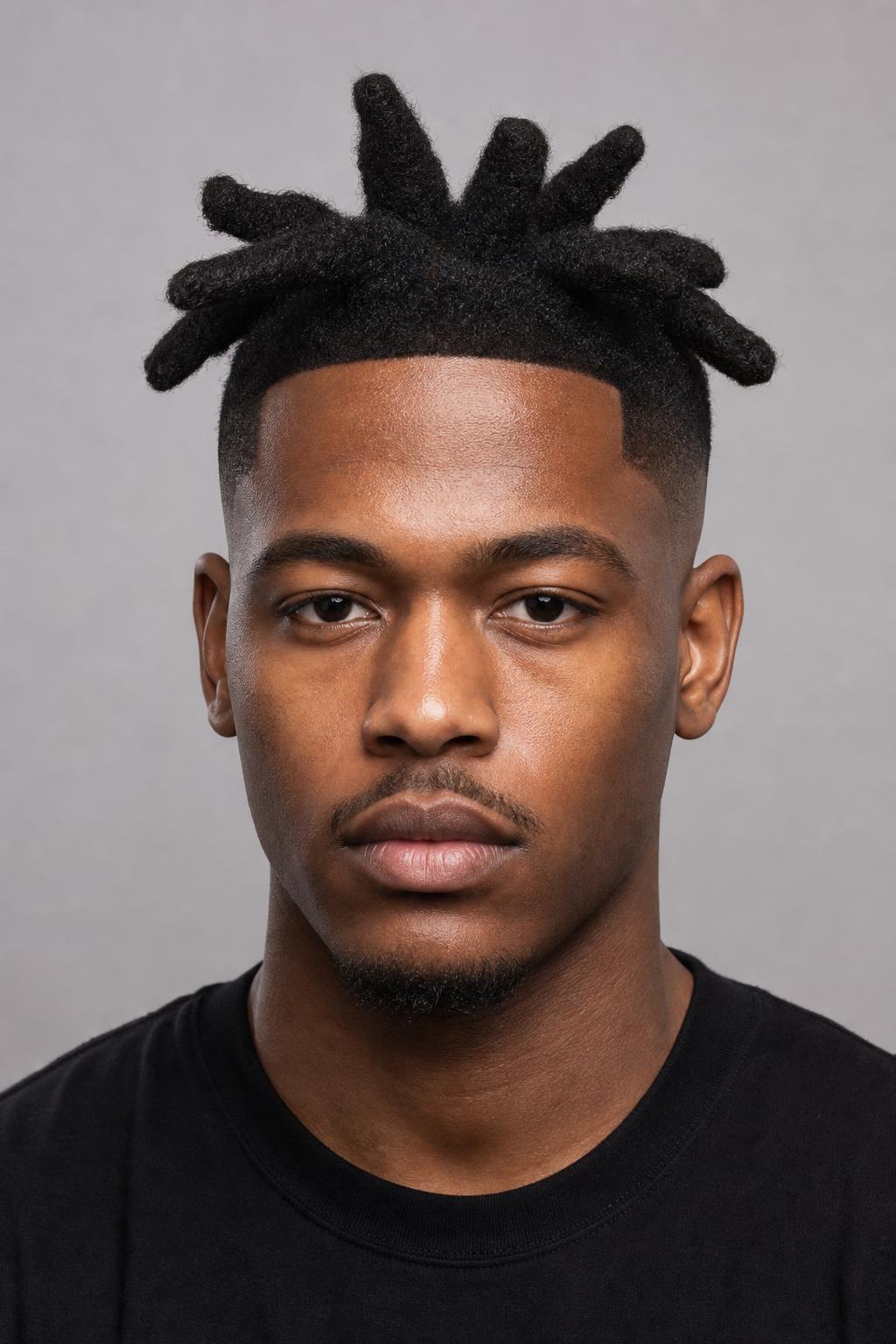
8. Wicks in a Ponytail
Once long enough, wicks gather into a thick ponytail that keeps the weight off the face. The few chunky locs make a full, bold ponytail. A loose tie protects the roots from tension.

9. Wicks in a Bun
Gathering long wicks into a high bun is a clean, practical way to wear them for work or training. The thick locs pile into a substantial bun. A loc tie rather than a tight elastic protects the roots.
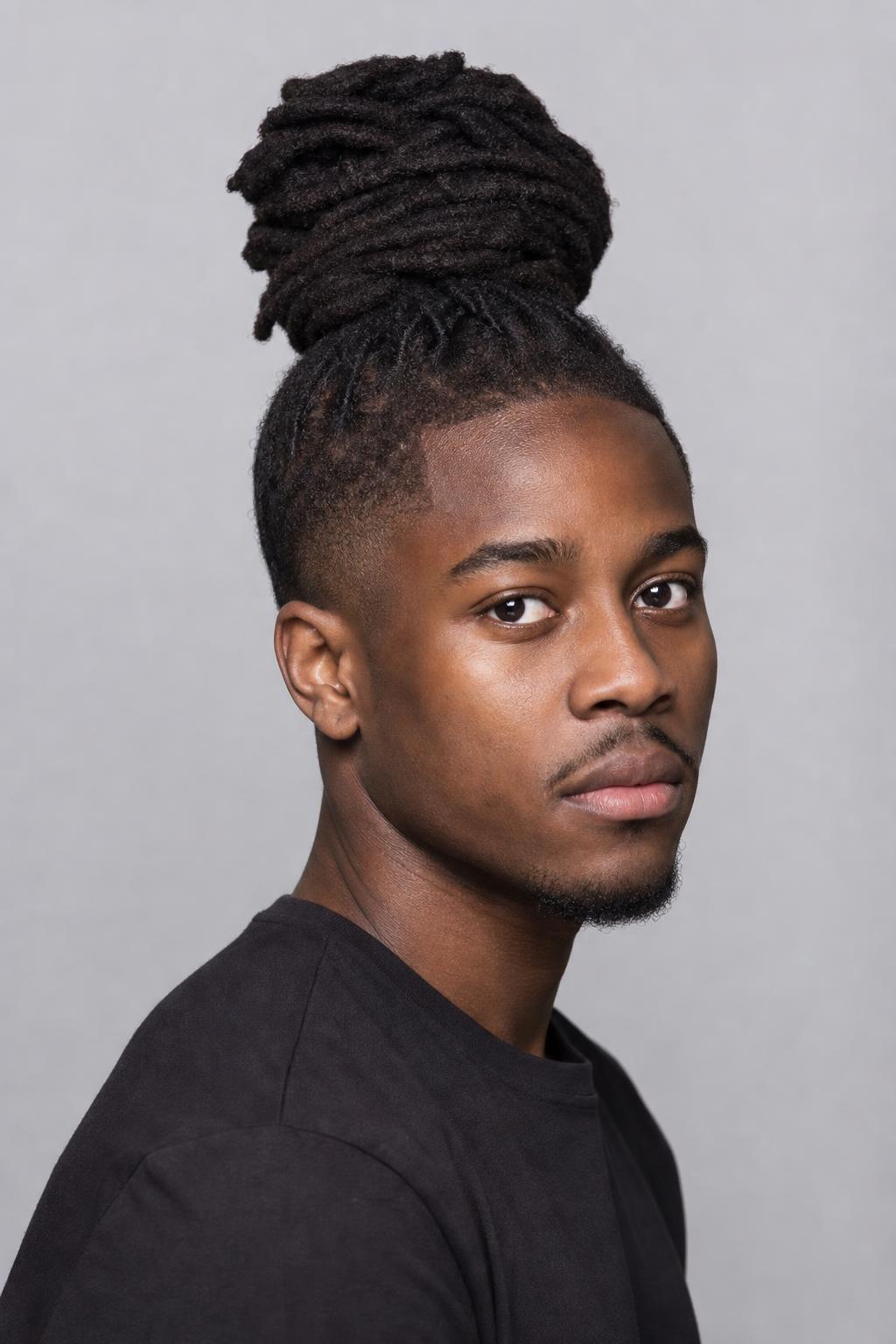
10. Half-Up Wicks
Pulling the top wicks up and leaving the rest down balances the bold volume with movement. The half-up shape shows the thickness front and back. It is an easy everyday way to vary the look.

11. Colored Wicks
Dyeing the ends or full length, from honey to a bold tone, adds personality to the chunky locs. The color shows clearly on the thick surface area. Coily hair is drier, so deep conditioning keeps colored wicks from getting brittle.

12. Two-Tone Wicks
Splitting the color so some wicks are dark and others lightened creates a graphic, high-contrast set. The bold count makes the two-tone effect stand out. Bring a clear reference so the placement reads intentional.

13. Wicks with Beads or Cuffs
Adding cuffs or beads to the thick locs personalizes them and adds a little weight at the ends. Neutral metal tones suit the bold style. Keep the count moderate so the wicks stay comfortable to sleep on.

14. Wicks with a Headband
A wide headband or wrap pushes the wicks back off the forehead for a clean, framed look. It is a fast styling fix that needs no retwisting. This works for both starter and mature wicks.

15. Two Jumbo Wicks
The boldest setup uses just two oversized wicks for maximum drama and the lowest possible count. The two thick columns make an unmistakable statement. This suits very dense hair that can fill them.
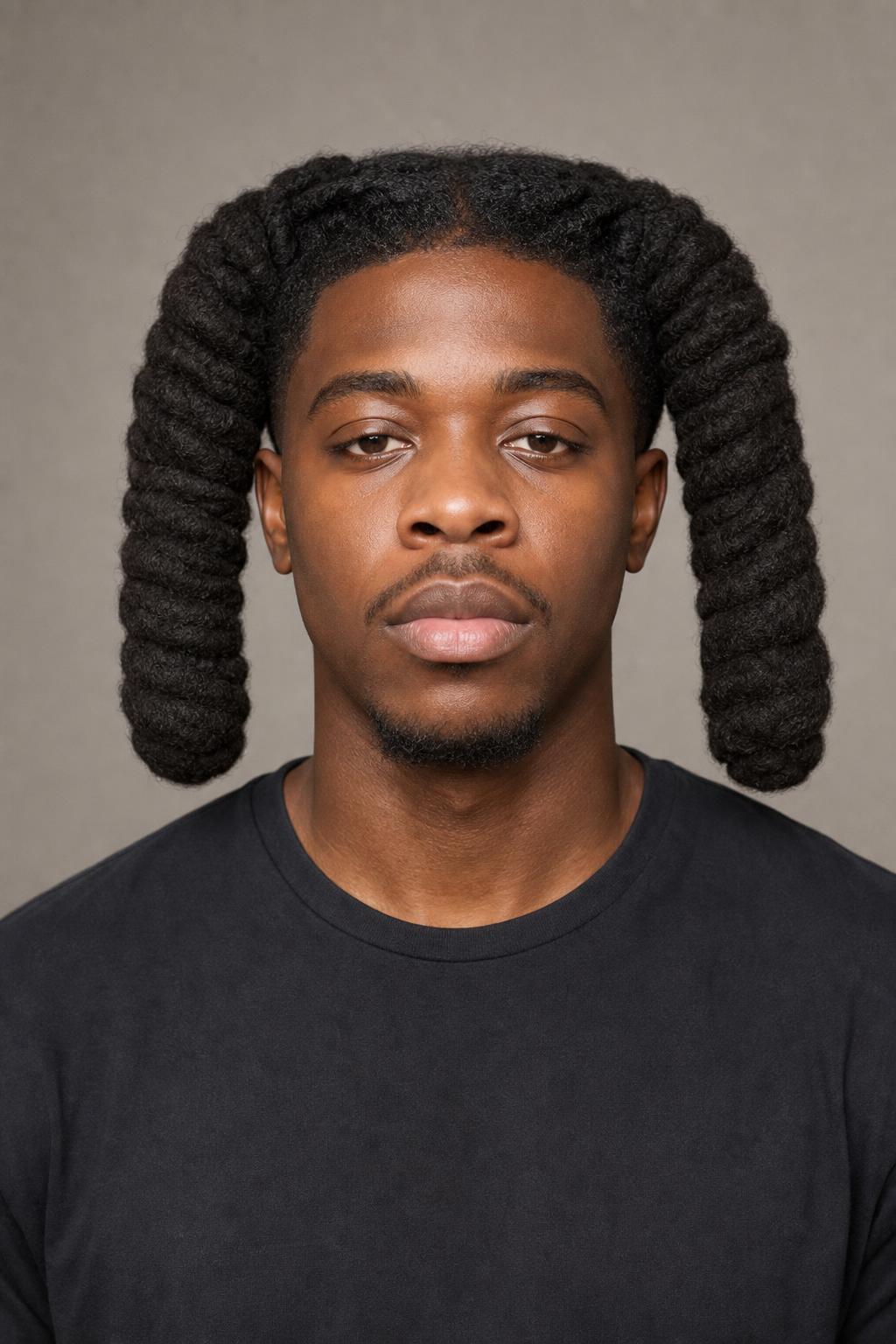
16. Wicks with a Loc Beard
Connecting the wicks visually with a loc’d or full beard ties the whole look together. The matching texture frames the face. This is a popular pairing for men who wear both locs and facial hair.

How to Start Wicks
Wicks are usually built from hair that has already begun to loc, because existing locs give the thick wick structure to grip. A loctician combines several locs or sections into each wick, then uses a crochet hook or palm rolling to fuse and tighten them into a single cylindrical column.
Type 4 coily hair with good density forms wicks most reliably, since the tight texture holds the thick columns together. The process takes time: the first few months look uneven while the sections fuse, and the wicks gradually firm up into their signature stiff, standing shape. Starting with clean hair is important, since clean hair locks better than oily, product-coated hair.
Stylist tip: Go to a loctician who specializes in wicks rather than a general barber. The technique for fusing and crocheting thick wicks is specific, and an inexperienced hand can create wicks that are uneven, too tight at the root, or prone to thinning where the sections join.
Maintaining Wicks
Wicks are lower maintenance than a full head of thin dreads simply because there are far fewer of them to manage. The main upkeep is palm rolling the roots to keep the cylindrical shape, washing regularly, and protecting them at night.
Wash every one to two weeks with a residue-free shampoo, since clean hair holds the lock better and buildup weakens the wicks. A satin durag or bonnet at night reduces frizz and helps maintain the shape, and a light oil on the scalp keeps it from drying out. Because the locs are so thick, they take longer to dry fully after washing, so dry them thoroughly to avoid mildew at the core.
Stylist tip: Dry your wicks completely after every wash, using a blow-dryer on low if needed. Thick wicks trap water deep inside, and locs that stay damp can develop a mildew smell at the core that is very hard to remove without taking the wick apart.
When Wicks Are Not the Right Choice
Wicks are a bold, semi-permanent commitment, so a few situations call for a different style.
- You want a reversible style: wicks lock permanently and usually must be cut off to remove. A two-strand twist gives a loc-like look you can undo.
- Fine or sparse hair: thick wicks need density to form and hold. Finer hair suits thinner locs or twists better.
- A workplace with strict grooming rules: the bold, standing look is hard to tone down. A neater, lower loc style may suit better.
FAQ
What Are Wicks Hair?
Wicks are thick, cylindrical locs made by combining several sections or existing locs into a few bold strands, usually just 3 to 10 across the whole head. The name comes from each loc resembling a candle wick standing upright. The style started in South Florida and is known for being bolder and lower-maintenance than traditional thin dreads.
How Many Wicks Should You Have?
Most people wear between four and ten wicks, with four being a common bold choice and six to eight a more detailed middle ground. A two-wick setup is the most dramatic and lowest count. The right number depends on your hair density, since each wick needs enough hair to stay thick.
How Long Does It Take to Get Wicks?
Wicks are quicker to install than a full head of small locs because there are so few, but they take months to fully mature and firm up. The first few months look uneven while the sections fuse and lock. Starting from hair that has already begun to loc speeds up the process.
Are Wicks Low Maintenance?
Yes, relative to traditional dreads, because there are far fewer locs to retwist and manage. The main upkeep is palm rolling the roots, washing every one to two weeks, drying fully, and protecting them at night. The low loc count is the main reason people choose the style.
Can You Take Wicks Out?
Wicks lock permanently, so they usually have to be cut off rather than undone, like other mature locs. If you think you may want to change soon, a twist or braid style gives a similar look without the permanence. Plan wicks as a long-term commitment.
Do Wicks Damage Your Hair?
Wicks are not damaging when installed at a comfortable tension and kept clean and dry. The risks come from wicks that are too tight at the root, which stresses the hairline, and from locs that stay damp and develop mildew. A specialist loctician and thorough drying keep them healthy.
The wicks hairstyle is a bold, low-count loc style with deep roots in South Florida, offering a chunky, standout look with less upkeep than a full head of thin dreads. Go to a loctician who specializes in wicks, start from hair that has begun to loc, and keep them clean and fully dry. Worn with the right care, wicks hair is one of the most distinctive and low-fuss loc styles available.
Hair results vary based on your natural hair type, texture, density, and condition. Always consult with a licensed hairstylist before making significant changes, especially with chemical treatments or dramatic length changes. Photos may show styled results that require professional tools and products to replicate.