
1A hair is the straightest and finest hair type there is, falling completely flat from root to tip with no bend at all, even when wet.
That pin-straight structure gives 1A two superpowers, high shine and almost total frizz resistance, and one constant battle, a lack of volume. The same smooth cuticle that reflects light so well also lets scalp oil slide straight down the shaft, so 1A tends to go flat and greasy faster than any other type. The fixes are about lift, not moisture: lightweight products, smart drying, and a cut that builds body the hair does not have on its own.
This guide covers what sets 1A apart from 1B and 1C, a wash routine that fights grease without stripping shine, the styling moves that actually add lasting volume, the best haircuts for fine straight hair, and the mistakes that flatten it further.
| Factor | Details |
|---|---|
| Pattern | Completely straight, no wave even when wet; the finest type |
| Strengths | High natural shine, strong frizz resistance, smooth texture |
| Challenges | Goes flat fast, oily roots, struggles to hold a curl |
| Wash frequency | Daily or every other day to manage oil at the roots |
| Avoid | Heavy creams and oils, conditioner at the roots, over-conditioning |
What 1A Hair Actually Is
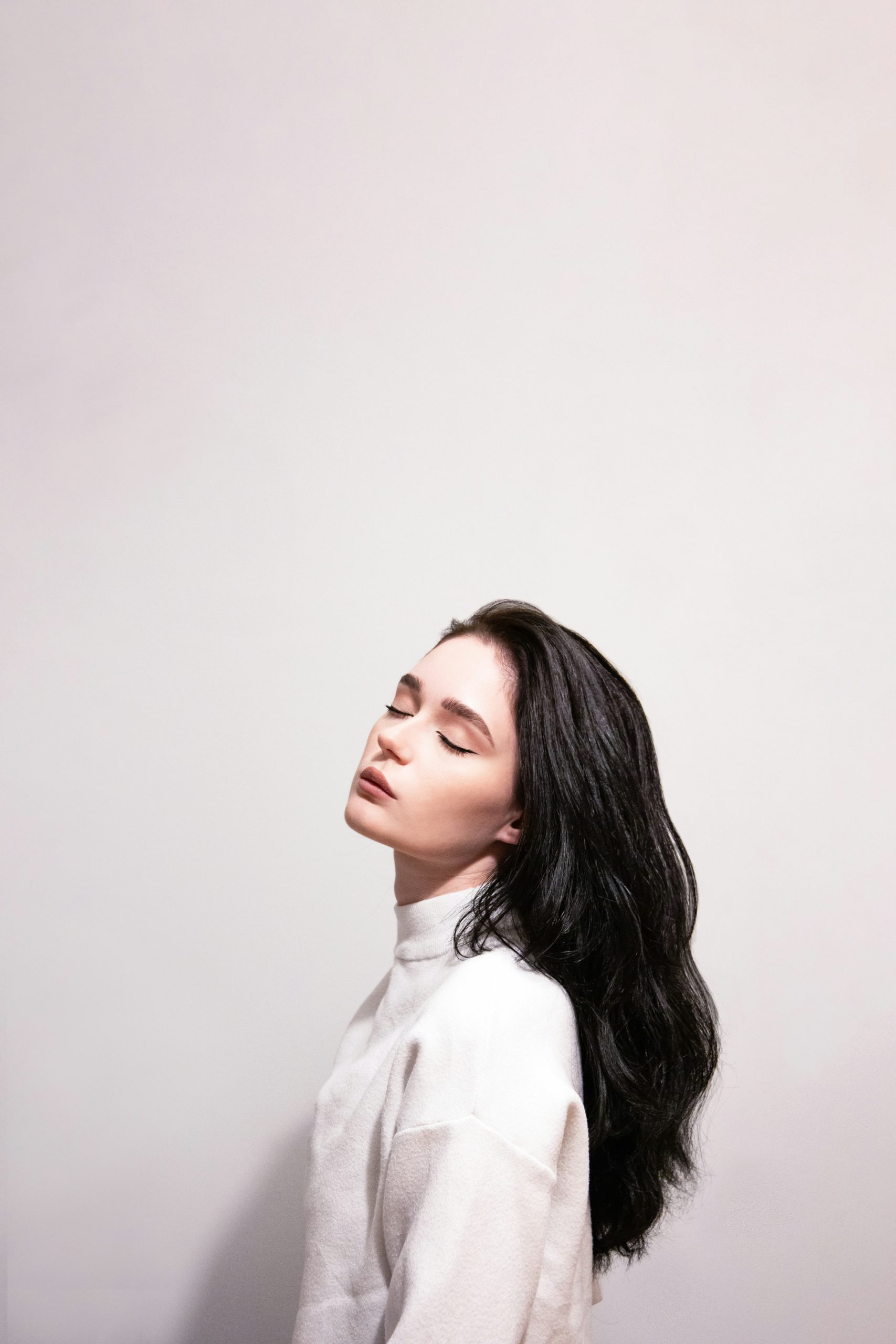
1A is the first subtype of type 1 (straight) hair and the most extreme version of it, with strands that hang perfectly straight and uniform with no bend anywhere along the shaft. The strands themselves are the finest of any hair type, which is why the hair can look thin even when there is plenty of it. A tight, smooth cuticle lets light bounce off cleanly, giving 1A the glossy, silky finish other types chase with serums.
The flip side of that smooth shaft is oil and flatness. With no texture to interrupt it, sebum travels from scalp to ends quickly, so roots look greasy within a day. The same lack of bend means the hair has nothing to grip, so volume collapses fast and curls fall out within hours unless the hair is prepped to hold them.
Stylist tip: Work with 1A hair when it is slightly dirty for any updo or curl. Freshly washed 1A is so slippery that pins slide out and curls drop, so a day-old base, or a light mist of texture spray on clean hair, gives the grip the strands naturally lack.
How to Tell 1A From 1B and 1C
The whole type 1 family is straight, but the amount of body and bend separates the three. The clearest test is to look at your hair wet and unstyled: 1A stays flat and slick with no movement, 1B dries straight but with noticeably more body, and 1C shows a loose bend or slight wave through the lengths. If you have ever envied the way a friend’s straight hair holds a curl while yours drops by lunch, you most likely have 1A.

| Type | Pattern | Tells |
|---|---|---|
| 1A | Completely straight, no bend | Very fine, glossy, frizz-resistant, drops curls fast |
| 1B | Straight with body | More volume, medium strands, holds a curl briefly |
| 1C | Straight with a loose bend | Slight wave at the nape and ends, can frizz in humidity |
If your hair carries a slight wave you can encourage, you are likely 1C rather than 1A, and the THP guide to 1C hair covers how to work with that bend. True 1A has no wave to bring out, so the whole game is volume.
A Care Routine That Fights Flatness and Grease
Caring for 1A is about keeping the hair clean and light so it can hold whatever lift you build. Unlike thicker types that stretch washes to protect moisture, 1A usually needs frequent washing to stay from going limp and greasy. Everything in the routine should add as little weight as possible.
1A Hair Does Best With Frequent, Gentle Washing
Because oil reaches the ends so fast, most 1A hair looks best washed daily or every other day with a gentle, lightweight shampoo. This is the opposite of the advice given to curly types, where frequent washing causes dryness, and it is one of the few cases where regular shampooing genuinely helps. A volumizing or clarifying formula keeps the roots from going flat.
Keep Conditioner on the Ends, Skip the Roots
Apply a lightweight conditioner only from the ears down, never near the crown, where even a little product flattens fine strands within hours. The ends are the only part that needs it, since the rest of the shaft stays well-oiled on its own. Rinse thoroughly so nothing lingers to weigh the hair down.
Volumizing and Lightweight Beats Moisturizing
Reach for products labeled volumizing or lightweight and skip anything described as deeply moisturizing, nourishing, or smoothing, which are formulated for dry or coarse hair. Rich masks and heavy oils smother 1A and kill its lift. The shine is already built in, so your products only need to add body.
Dry Shampoo Extends a Blowout
A light mist of dry shampoo at the roots on day two soaks up oil and adds grip that revives flat 1A between washes. Applied before bed, it works overnight and gives even more texture by morning. Keep it to the roots, since the lengths do not need it and buildup dulls the natural shine.
How to Build Volume in 1A Hair
Volume is the entire challenge with 1A, and it comes from technique more than product. The goal is to lift the roots and add grip the smooth strands do not have, then set that lift so it survives the day, the same fuller-hair goal behind most tips for thicker-looking hair.
Root-Lifting Mousse and an Upside-Down Blow-Dry
A golf-ball-sized amount of root-lifting mousse on damp roots, followed by blow-drying with your head flipped upside down, is the single most effective way to build body in 1A. Drying against the natural fall lifts the roots away from the scalp. Hit the roots with the cool-shot button at the end to lock the lift in place.
Velcro Rollers Set Lasting Lift at the Crown
Velcro rollers placed at the crown on warm, just-dried hair and left to cool give 1A the longest-lasting volume of any at-home method. The hair sets as it cools around the roller, holding the lift for hours. Five minutes with three or four rollers at the top makes a visible difference.
Use Fingers, Not a Round Brush, to Avoid Flatness
Styling 1A with your fingers instead of a round brush keeps it from being pulled smooth and flat against the head. A round brush creates polish but removes the very lift fine hair needs, so finger-drying and scrunching build a fuller, airier result. Save the round brush for days you want a sleek finish over body.
Texture Spray Adds Grip 1A Lacks
A light texturizing or volumizing spray gives the smooth strands the grip they need to hold a style, an updo, or a curl. Unlike heavy products, it adds friction without weight, which is exactly what slippery 1A is missing. Spray it on dry hair before curling or pinning for far better staying power.
The Best Haircuts for 1A Hair
The right cut builds in the fullness that 1A cannot create on its own. A blunt cut is the classic answer, since a heavy, even perimeter makes fine straight hair look denser and thicker than layered styles do. A blunt bob or a blunt lob both give the illusion of fullness that long, thin 1A loses.
Long layers can work, but only if they are kept long and soft, since heavy or short layering thins out already-fine ends and makes the hair look stringy. Very long one-length hair is the riskiest choice for 1A, because the weight drags the roots flat and the ends tend to look sparse. If you love length, ask for subtle face-framing pieces and a blunt perimeter to fake density, an approach the THP roundup of bobs for fine hair leans on throughout.
Common 1A Hair Mistakes That Make It Look Flatter
Most 1A struggles come from treating it like hair that needs moisture rather than lift. These misconceptions are the usual culprits.
Myth: Skipping Conditioner Adds Volume
Reality: Skipping conditioner entirely leaves the ends dry and prone to breakage, which makes thin hair look even sparser. The trick is not to skip it but to place it only on the ends and rinse well. Fine hair still needs end protection; it just cannot carry product at the roots.
Myth: More Product Means More Volume
Reality: Piling on mousse, spray, and serum weighs 1A down faster than almost anything. A small amount of one lightweight volumizer placed at the roots beats layering several products. With fine hair, restraint is what keeps the lift alive.
Myth: 1A Hair Cannot Hold a Curl
Reality: 1A can hold a curl, but only with the right prep, since clean, slippery strands drop a curl within the hour. Texture spray on dry hair, a smaller barrel, and letting each curl cool fully pinned before brushing out makes curls last. The hair is not incapable; it just needs grip and a set.
What to Tell Your Stylist
Tell your stylist you have fine, 1A straight hair that goes flat easily and that you want a cut that builds fullness. Ask for a blunt or soft, long-layered shape rather than heavy thinning, which removes the density fine hair cannot spare. Mention if your hair drops curls quickly, since a stylist can recommend a cut and a styling routine that hold body better.
Stylist tip: Ask about a blunt perimeter with a few invisible internal layers for movement. Done right, this keeps the thick, dense look of a one-length cut while adding just enough internal shape that the hair is not a flat curtain, the best of both for fine 1A.
FAQ
Is 1A the Rarest Hair Type?
True 1A is relatively uncommon, since most people who think their hair is dead straight actually have 1B with some body or 1C with a slight bend. Genuine 1A has no wave at all, even soaking wet. It shows up most often in fine, glossy hair that resists holding any curl.
Why Does My 1A Hair Get Greasy So Quickly?
The smooth, straight shaft lets scalp oil travel to the ends faster than in any other type, so roots look greasy within a day. Fine strands also coat with oil quickly because there is less surface area to absorb it. Washing daily or every other day with a lightweight shampoo and using dry shampoo between washes keeps it under control.
How Do I Add Volume to 1A Hair?
Use a root-lifting mousse on damp hair, blow-dry upside down, and set the crown with velcro rollers as it cools. Styling with your fingers rather than a round brush keeps the lift, and a texture spray adds grip. The combination builds far more body than any single product alone.
What Products Should People With 1A Hair Avoid?
Avoid heavy creams, butters, rich oils, and anything labeled deeply moisturizing or smoothing, since they flatten fine strands. Keep all conditioner and leave-in off the roots. Lightweight, volumizing formulas and a light dry shampoo are the core of a good 1A kit.
Can 1A Hair Be Thick?
Yes, thickness and density are different things, so you can have a high number of fine 1A strands and still call your hair thick overall. The individual strands stay fine even when there are many of them. That density helps, but the hair still goes flat without lift because each strand lacks body.
What Is the Best Haircut for Fine 1A Hair?
A blunt bob or lob is the most reliable choice, since the heavy, even line makes fine hair look fuller. Long soft layers work if you want length, but avoid heavy thinning and very long one-length cuts that drag flat. A blunt perimeter with a few hidden internal layers is the best compromise for movement and density.
Living with 1A hair is mostly about working with its strengths and managing its one weakness: lean on the natural shine and frizz resistance, keep products light and roots clean, and build volume through cut and technique rather than heavy product. Once you stop trying to moisturize fine straight hair into submission and start lifting it instead, 1A hair becomes one of the glossiest, lowest-frizz textures to wear. Match your routine to lift, not weight, and the flatness stops being a daily fight.
Hair results vary based on your natural hair type, texture, density, and condition. Always consult with a licensed hairstylist before making significant changes, especially with chemical treatments or dramatic length changes. Photos may show styled results that require professional tools and products to replicate.