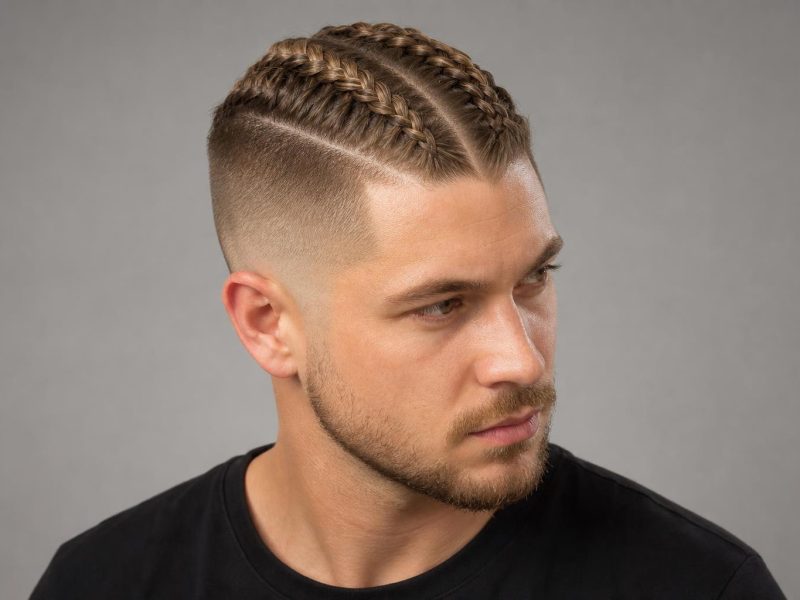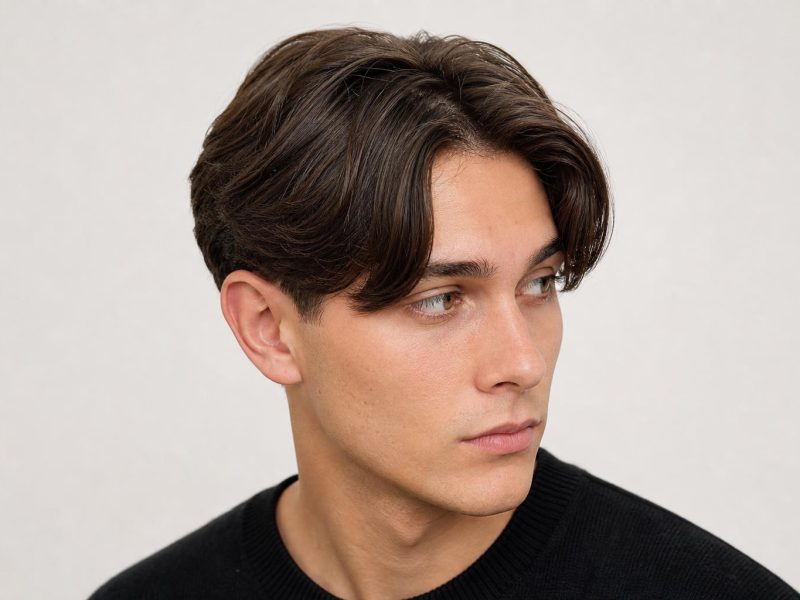



A drop fade is a fade that drops lower behind the ear, following the curve of the head down toward the nape, which gives a more contoured, wrapped-around outline than a straight fade.
The 30 styles below cover the full range: drop fades by height, drop fades paired with every popular top from a textured crop to a mullet, the detailing that sharpens them, and how the cut reads across different hair types. Each entry names the specific feature that defines it so you can show your barber exactly the version you want.
The drop fade is one of several fade shapes, so if you want to compare, the low drop fade gallery covers the subtlest version and the mid taper fade shows the straighter alternative. After the styles, this article explains how a drop fade differs from a burst and taper, what to tell your barber, and how to keep it sharp.
| Factor | Details |
|---|---|
| Defining feature | The fade drops down behind the ear toward the nape |
| Best for | Most hair types; flatters rounder and flatter head shapes |
| Refresh | Every 2 to 4 weeks; skin versions sooner |
| Pairs with | Crops, quiffs, curls, afros, mullets, dreads |
| Avoid if | You want a straight uniform fade line up the sides |
Drop Fade by Height
Like any fade, a drop fade is set by where the shortest point begins, but the dropping curve at the back stays the signature in every version. The height changes how much contrast you get while keeping the contoured shape.
1. Low Drop Fade
A low drop fade starts the fade close to the hairline and curves down behind the ear for a subtle, contoured finish. It keeps the most side length of any drop fade, which makes it the most professional-friendly. This is the default choice for a clean look that is not too bold.
2. Mid Drop Fade
A mid drop fade begins around the temple and drops behind the ear, balancing visible contrast with a wearable shape. It is the most versatile height and suits nearly every face shape. Ask for a mid drop if you want definition without the boldest version.
3. High Drop Fade
A high drop fade takes the short section up near the crown then drops sharply behind the ear, giving the strongest contrast in the gallery. The dramatic outline puts all the focus on the hair up top. It suits oval and square faces that can carry a bold line.
4. Low Drop Skin Fade
Taking a low drop fade all the way to bare skin at the lowest point adds a crisp, polished edge while keeping the overall look subtle. The skin finish wrapping behind the ear sharpens the contour. It grows out faster, so plan a touch-up closer to every two weeks.
5. Mid Drop Skin Fade
A mid drop skin fade combines medium contrast with a clean shaved base for one of the sharpest everyday looks. The skin at the curve behind the ear makes the drop shape stand out clearly. This version reads modern and crisp on most hair types.
6. High Drop Skin Fade
A high drop skin fade is the boldest combination, taking bare skin high up the head and dropping it dramatically behind the ear. The maximum contrast frames a full, textured top. This is a statement cut that needs frequent upkeep to stay sharp.
7. Drop Fade vs Straight Fade Outline
Unlike a straight fade that runs level around the head, a drop fade curves downward at the back, wrapping the shortest section behind the ear and toward the nape. This contour flatters a rounder or flatter head by adding shape where a straight line would sit flat. Point to the curved outline specifically so your barber knows you want the drop, not a standard fade.
Drop Fade with Top Styles
The drop fade is a frame, and the top you pair it with sets the whole character of the cut. Because the fade wraps the head cleanly, it suits everything from a tight crop to a long textured top.
8. Drop Fade with a Textured Crop
A textured crop on top of a drop fade is the most popular modern combination, pairing a short, piecey top with the contoured sides. The crop is styled forward with a matte clay for a clean, low-effort finish. This is the safe, flattering default for most men.
9. Drop Fade with a Quiff
A quiff swept up and back on top of a drop fade gives height at the front and a bold, classic shape. The drop sides keep the volume looking deliberate rather than bulky. A little pomade and a blow-dry build the lift the quiff needs.
10. Drop Fade with a Comb-Over
A comb-over parted and swept to one side over a drop fade is a sharp, versatile look that works in professional settings. The clean drop sides frame the parted top neatly. A defined hard part can be added to separate the comb-over from the fade.
11. Drop Fade with a Fringe
Bringing the top forward into a fringe over a drop fade shortens the forehead and gives a younger, textured shape. The Edgar-style blunt fringe pairs especially well with a drop. Style it forward and down with a matte product.
12. Drop Fade with an Afro
A drop fade under an afro keeps the rounded volume on top while cleaning the sides and curving behind the ear. The contour gives the afro a defined base rather than letting it spread out at the bottom. A pick and a light oil keep the top full and the shape even.
13. Drop Fade with Curly Hair on Top
Leaving natural curls long on top over a drop fade plays the soft texture against the clean contoured sides. The curly top and faded sides combination is one of the most popular for textured hair. A curl cream defines the top while the drop keeps the outline sharp.
14. Drop Fade with a Mullet
Pairing a drop fade with a mullet lets the faded sides drop and flow into the longer back length for a connected, modern shape. The drop softens the transition into the mullet tail. The modern mullet fade gallery shows how the two work together.
15. Drop Fade with a Mohawk
A drop fade on the sides of a mohawk exaggerates the central strip of length by dropping the short sections low behind the ear. The contour makes the mohawk read bold but clean. This is an edgier option for anyone who wants a strong central shape.
16. Drop Fade with Dreads or Twists
A drop fade under dreads or twists keeps the length contained on top while the sides curve clean behind the ear. The contrast between textured length and bare-faded sides is striking. The drop shape gives locs a defined, intentional frame rather than letting them sit heavy at the sides.
Drop Fade with Detailing
Once the fade and top are set, detailing personalizes the cut. A connected beard, a line-up, or a shaved part turns a clean drop fade into something more custom.
17. Drop Fade with a Beard
Connecting a drop fade into a faded beard creates one continuous line that wraps from the hairline down past the ear to the jaw. The beard fade should meet the dropping hairline cleanly so there is no gap. This is one of the most popular finishes for anyone with facial hair.
18. Drop Fade with a Line-Up
A sharp line-up at the front hairline and temples squares off the top against the curved drop sides. The straight edge plays nicely against the rounded contour of the fade. This is the detail that makes the whole cut look freshly barbered.
19. Drop Fade with a Hard Part
A razored hard part adds a crisp line between the top and the drop fade, giving the cut structure. The part is most effective with a comb-over or side-swept top. Keep it to one clean line for a sharp rather than busy result.
20. Drop Fade with a Shaved Design
A razor design worked into the dropped section adds a custom element that follows the curve of the fade. Lines or patterns sit well in the space behind the ear where the fade drops. Bring a reference so the barber can scale and place it to follow the contour.
21. Drop Fade with a Twist Sponge Top
Sponging the top into short, defined twists or coils over a drop fade adds texture that contrasts the clean sides. The technique works on shorter coily hair that is not long enough to lock. A light moisturizer keeps the sponge texture defined and the scalp healthy.
22. Drop Fade with Waves
A drop fade under 360 waves frames the wave pattern by dropping the fade clean behind the ear so the waves stay the focus on top. The contour gives the waves a sharp boundary. A durag and consistent brushing keep the waves crisp against the fade.
23. Drop Fade with a Faded Beard and Line-Up
Combining a connected beard fade, a line-up, and the dropping side outline gives the most complete, polished version of the cut. Every edge is defined from the hairline to the jaw. This full-detail finish is the barbershop standard for a sharp, photo-ready result.
Drop Fade by Hair Type
The drop fade reads differently across hair textures, so the final choice depends on what you are working with. These entries match the cut to specific hair types and head shapes.
24. Drop Fade for Straight Hair
Straight hair shows the cleanest drop fade because the fade gradient blends smoothly with no texture to interrupt it. The top can be styled sleek or textured depending on preference. This is the easiest hair type to get a flawless drop on.
25. Drop Fade for Coily Hair
Coily hair takes a drop fade beautifully, with the tight texture creating a crisp gradient as it fades down behind the ear. The contour suits the rounded volume coily hair holds on top. A barber experienced with type 4 hair gets the cleanest blend.
26. Drop Fade for Wavy Hair
Wavy hair on top of a drop fade falls into natural movement that the clean sides keep in check. The wave adds soft texture without needing much product. A sea salt spray enhances the bend while the drop keeps the outline sharp.
27. Drop Fade for Thick Hair
Thick hair benefits from a drop fade because removing bulk at the sides and dropping it behind the ear stops the cut from looking heavy or boxy. The contour controls the density where it tends to spread. A textured top keeps the thickness looking intentional.
28. Drop Fade for a Round Head Shape
A drop fade flatters a rounder head because the dropping curve at the back adds a clean line where a straight fade would emphasize the roundness. Keeping a little length and height on top balances the shape further. This is one of the most flattering fades for a round head.
29. Drop Fade with a Receding Hairline
A drop fade works with a receding hairline by keeping the focus on the clean contoured sides rather than the front. A textured crop or fringe on top softens the hairline. This is a confident, modern way to wear a fade as the hairline changes.
30. Low Drop Fade for a First Fade
A low drop fade is the best starting point for anyone new to fades because the gentle contrast and contoured shape are forgiving and easy to maintain. It grows out more softly than a high or skin version. Start here and go bolder at a later visit if you want more contrast.
How a Drop Fade Differs from a Burst and a Taper
The three shapes get confused constantly, but the difference is in where the fade goes. A drop fade drops down the back of the head toward the nape, while a burst fade curves in a semicircle around the ear and ends at the side of the neck, and a taper is a gentle, short transition kept mostly at the edges.
| Fade Type | Where It Goes | Best For |
|---|---|---|
| Drop fade | Drops down behind the ear toward the nape | A contoured outline; round or flat head shapes |
| Burst fade | Curves in a semicircle around the ear | Mullets and styles with length at the back |
| Taper | A short transition at the hairline and nape | Subtle, professional, low-contrast looks |
What to Tell Your Barber
Ask for three things: a drop fade specifically (so they curve it behind the ear), the height you want it to start, and the finish at the bottom. Saying “a mid drop fade taken to skin, with a textured crop on top and a line-up” gives a barber the full picture.
Stylist tip: Show a photo from the back or side, not just the front. The drop is a back-of-the-head feature, so a front-facing photo does not show the curve that makes it a drop fade rather than a standard one. A side or rear reference is the only way to be sure you and your barber mean the same shape.
Maintenance and How Often to Refresh
A drop fade needs the same regular upkeep as any fade, since the contrast that makes it sharp softens as the hair grows. Plan a refresh every two to four weeks, and closer to two weeks if you have a skin version that shows growth fastest.
The top dictates the daily styling, from almost nothing for a buzzed crop to a few minutes for a quiff or curls. Between barber visits, cleaning up the neckline and the curve behind the ear with your own trimmer keeps the drop shape defined. A little moisturizer on any skin-faded sections stops them looking dry or flaky.
Stylist tip: Tell your barber if you cannot get back in for three or four weeks, and ask for a low drop rather than a skin drop. The lower, softer version grows out far more gracefully, so it still looks intentional at week four, while a skin drop can look uneven within ten days.
When a Drop Fade Is Not the Right Choice
A drop fade suits most men, but a few situations point to a different shape.
- You want a straight, uniform fade line: the drop curves down by design. A standard taper fade keeps the level outline if that is the look you want.
- You have length at the back you want to keep separate: a burst fade frames a mullet better than a drop. The burst fade mullet is built for that combination.
- You rarely visit the barber: any fade needs upkeep every few weeks. A longer scissor cut holds its shape much longer between appointments.
FAQ
What Is a Drop Fade?
A drop fade is a fade where the shortest section drops lower behind the ear, following the curve of the head toward the nape rather than running level around it. This gives a contoured, wrapped-around outline that flatters rounder and flatter head shapes. It can be done at any height, from low to high, and with or without a skin finish.
What Is the Difference Between a Drop Fade and a Burst Fade?
A drop fade drops down the back of the head toward the nape, while a burst fade curves in a semicircle around the ear and ends at the side of the neck. The burst leaves the back length untouched, which is why it suits mullets, whereas the drop continues the clean line around the whole head. They are different shapes, so name the one you want specifically.
Does a Drop Fade Suit Curly Hair?
Yes, a drop fade is one of the best fades for curly and coily hair because the clean contoured sides contrast the volume on top. Leaving curls long on top over a drop fade is a popular, flattering combination. A barber experienced with textured hair gets the cleanest gradient as the fade drops.
How Often Does a Drop Fade Need a Refresh?
Every two to four weeks to keep the contrast and the dropped outline sharp, and closer to two weeks for a skin version that shows growth fastest. The top length affects how soon it looks untidy too. Cleaning up the neckline yourself between visits extends the sharp look.
Is a Drop Fade Better Than a Regular Fade?
Neither is better; they suit different goals and head shapes. A drop fade flatters rounder or flatter heads by adding a contoured curve, while a straight fade keeps a level outline that some prefer. Choose the drop if you want a wrapped, contoured shape and a standard fade if you want a uniform line.
Can You Get a Drop Fade with Short Hair on Top?
Yes, a drop fade pairs well with short tops like a textured crop, a buzzed top, or 360 waves. The contoured sides frame even a very short top cleanly. A low or mid drop keeps the contrast balanced when there is little length up top.
The right drop fade comes down to picking the height that suits your head shape, pairing it with a top you will actually style, and showing your barber a side or back reference so the curve lands where you want it. A drop fade styles cleanest when you keep up with the refresh schedule and tell your barber exactly how low you want it to drop. With the right pairing, it is one of the most flattering and modern fade shapes available.
Hair results vary based on your natural hair type, texture, density, and condition. Always consult with a licensed hairstylist before making significant changes, especially with chemical treatments or dramatic length changes. Photos may show styled results that require professional tools and products to replicate.