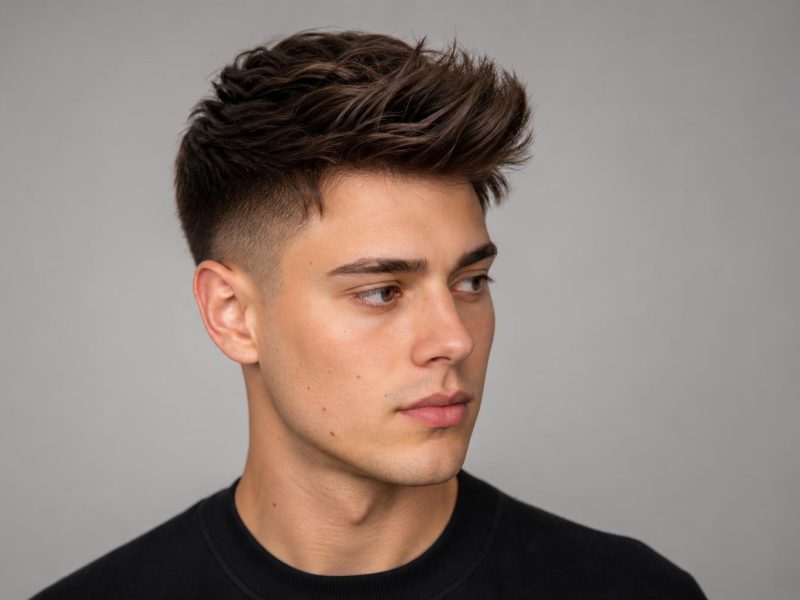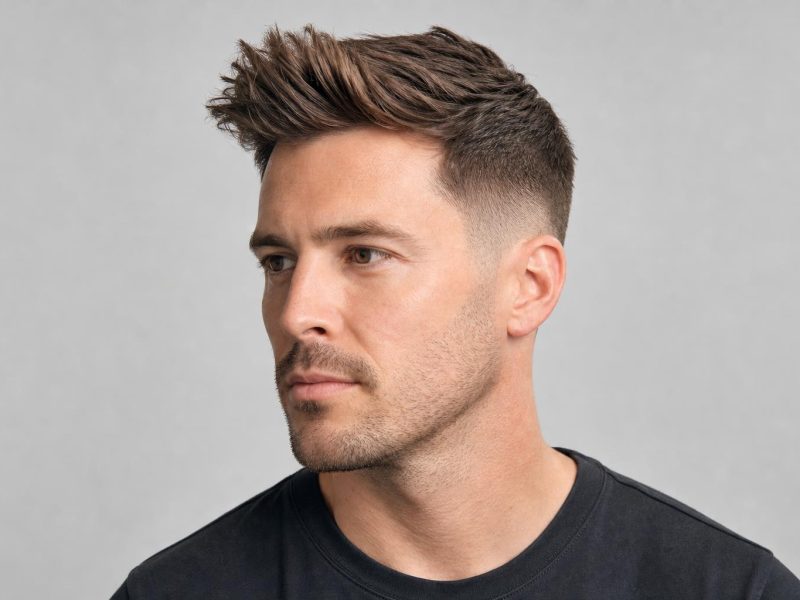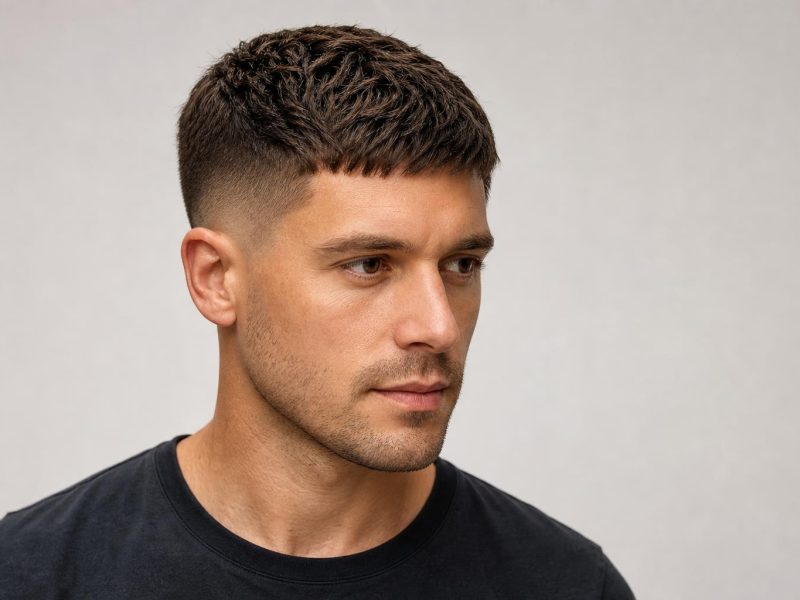

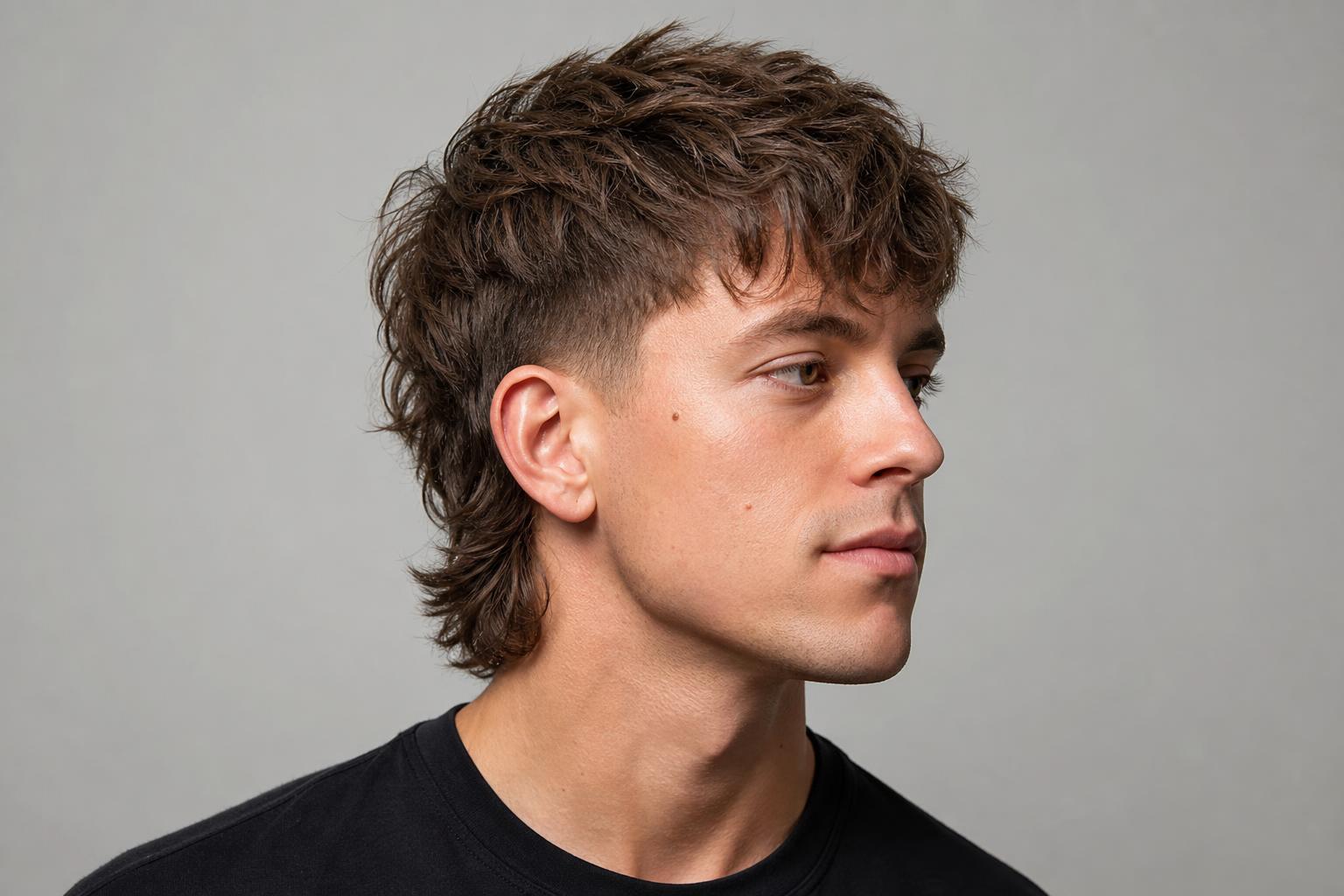
A modern mullet keeps the business-front, party-back idea but trades the harsh 1980s contrast for tapered sides, a textured top, and a softer, blended length at the back.
A modern mullet is a refined take on the classic: shorter, textured hair through the top and sides that blends into noticeably longer length at the back, with the emphasis on softness and precision rather than the stark contrast of the old version. The cut has surged again thanks to a younger crowd that values self-expression, plus a wave of Korean and skater influence. Here are 30 modern mullet hairstyles for men, sorted by fade, hair texture, and finish.
The gallery opens with classic modern takes, moves through mullets paired with fades and every hair texture, then covers the Korean-inspired and bolder versions. After the photos you will find what separates a modern mullet from your dad’s, a face shape table, the exact words for your barber, a realistic maintenance schedule, and when a mullet is the wrong call.
| Factor | Details |
|---|---|
| Best for | Men wanting a bold, expressive cut; most textures; oval and square faces |
| Maintenance | Shape-up every 3 to 5 weeks; 5 minutes daily styling |
| Works with | Straight, wavy, curly, and coily hair, tailored to each |
| Avoid if | Your workplace is strict, or you want the lowest-maintenance possible cut |
| Salon time | 30 to 45 minutes for the cut and a style demo |
Classic Modern Mullet Styles
The core modern mullet keeps the top and sides controlled and the back long, but blends the two so the transition looks deliberate. This is the version most men start with, balanced enough to wear day to day. It relies on texture and a clean shape rather than shock value.
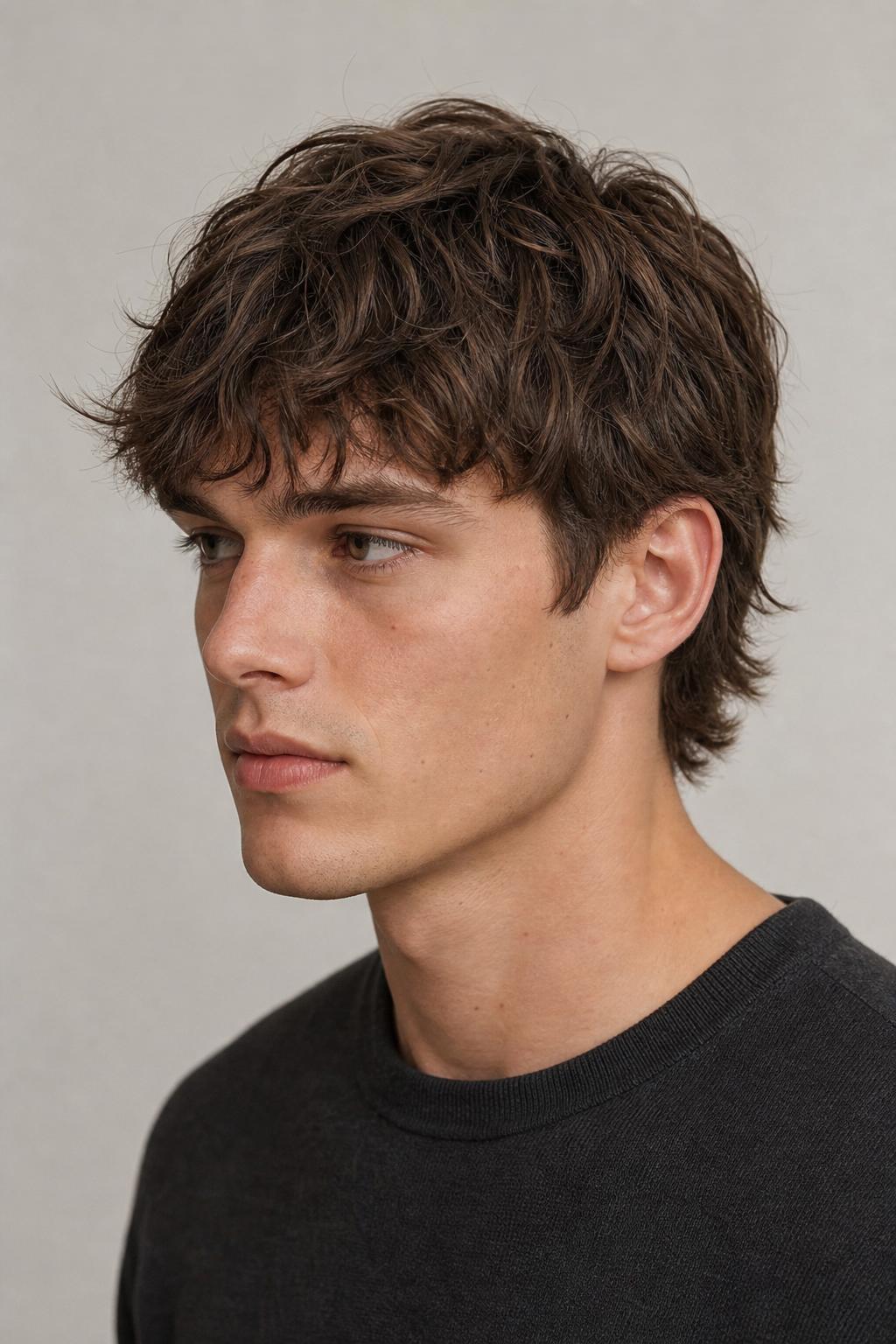
1. Textured Modern Mullet
A piece-y, textured top flowing into a moderate length at the back is the cleanest entry point to the modern mullet. Point-cut texture keeps the top from looking heavy, and the back stays long enough to read as a mullet without going extreme. A matte clay separates the pieces for the undone finish.
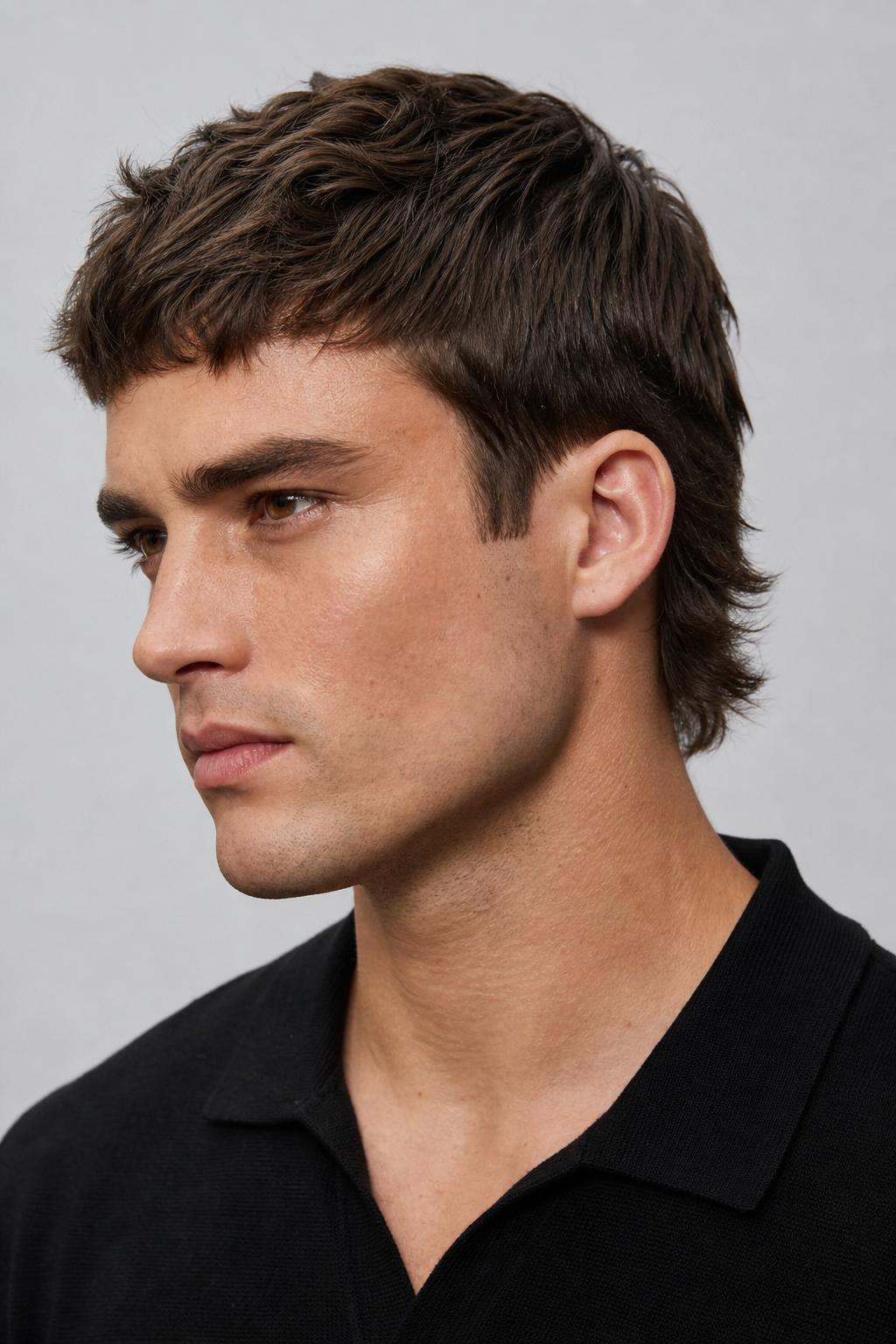
2. Subtle Modern Mullet
For a toned-down version, keep the back only slightly longer than the top so the contrast is soft. The result hints at a mullet without committing to the full silhouette. Square and oval faces wear this comfortably as an everyday cut.
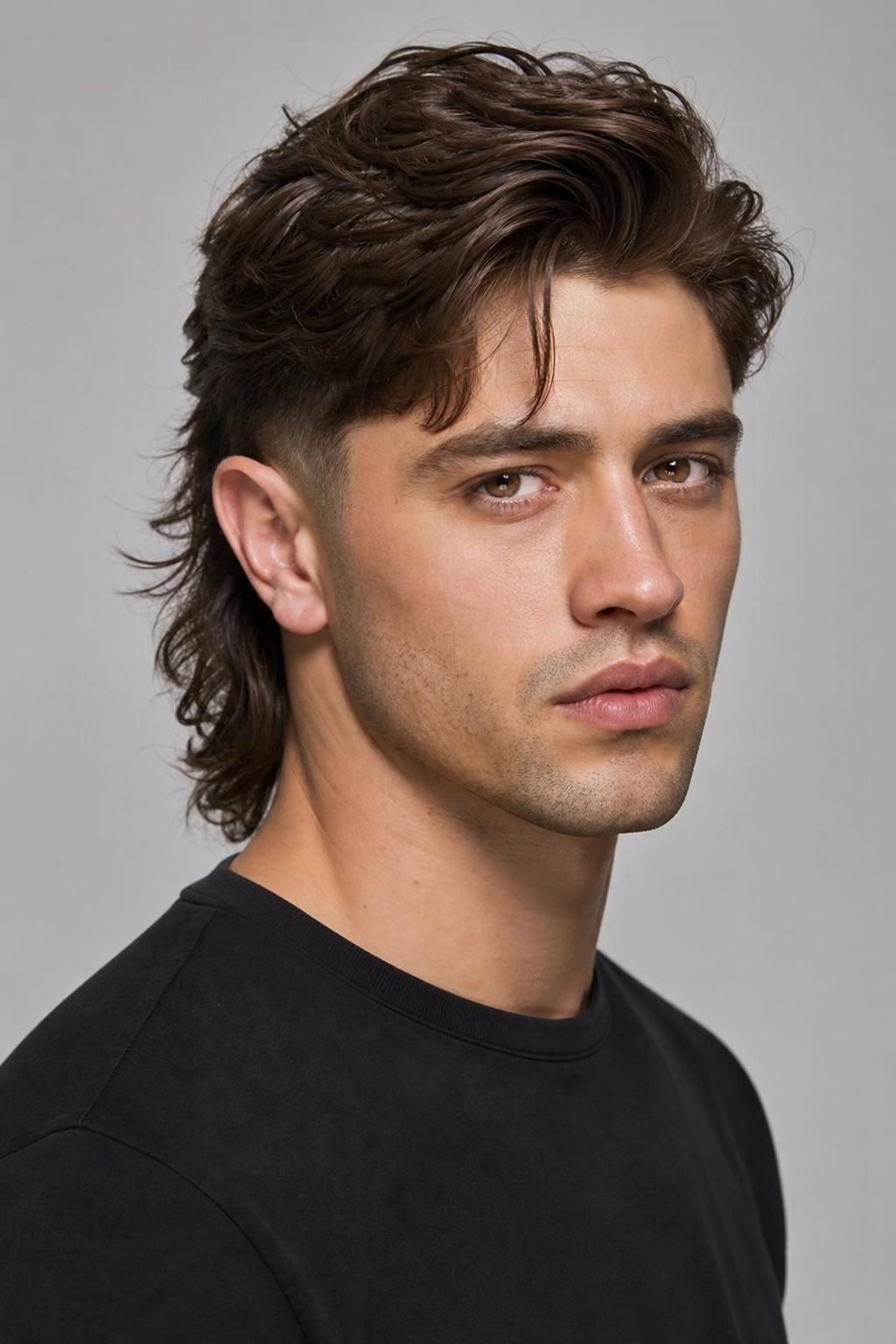
3. Modern Mullet with Side Part
A loose side part adds structure to the top of a modern mullet while the back keeps its flow. The diagonal line softens a strong forehead and gives the cut a slightly retro feel. Comb it in on damp hair and let it air-dry for a relaxed look.
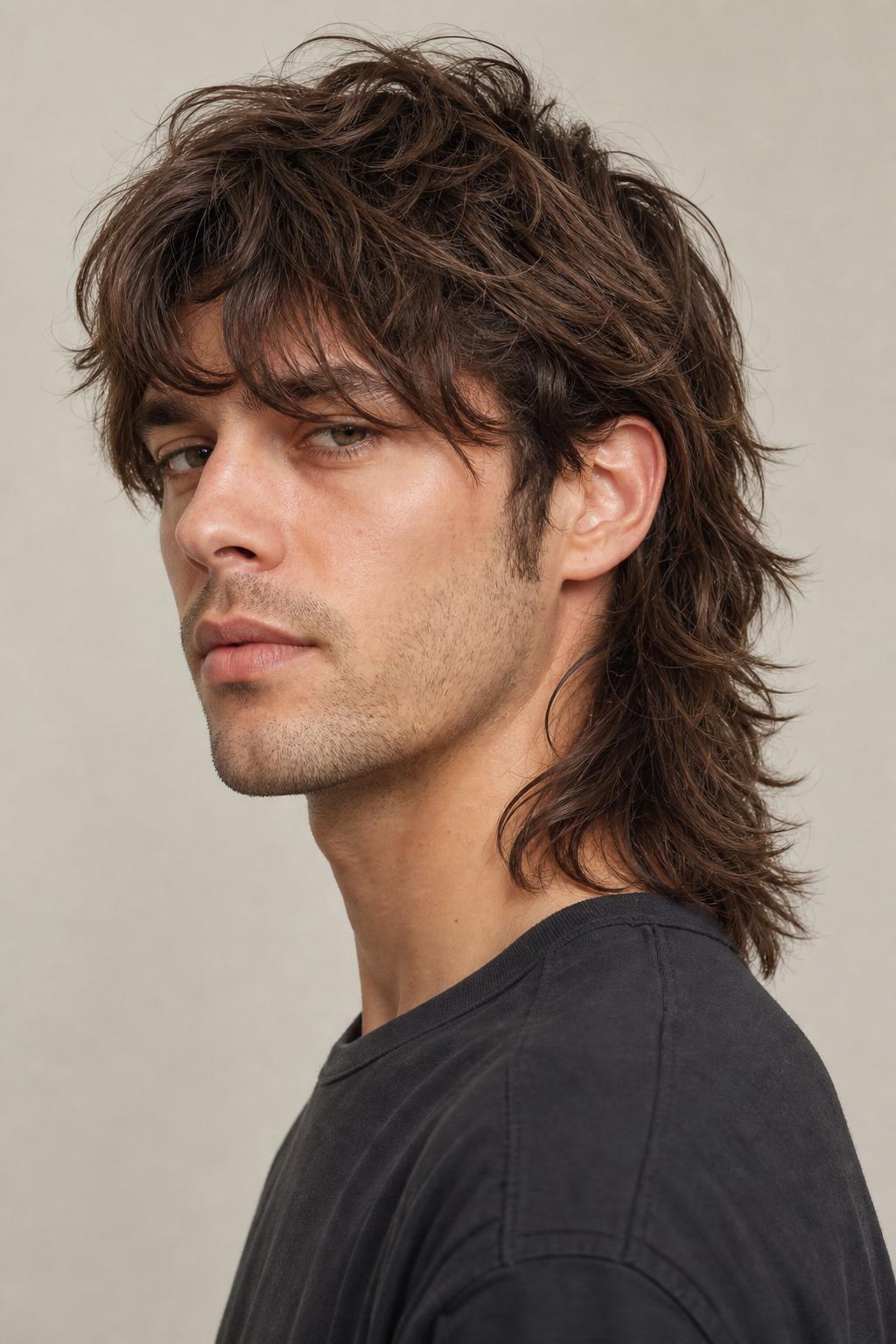
4. Shaggy Modern Mullet
Heavier layering through the top and back gives a shaggier, rock-leaning mullet with plenty of movement. The choppy texture connects this cut to its 1970s roots more than its 1980s ones. Work a sea-salt spray through damp hair for the lived-in finish.
5. Clean Modern Mullet
A sharper, more groomed mullet keeps the top tidy and the back neatly shaped for a polished take. The precision makes it more wearable in semi-formal settings. Blow-dry the top with a little product for a controlled, deliberate shape.
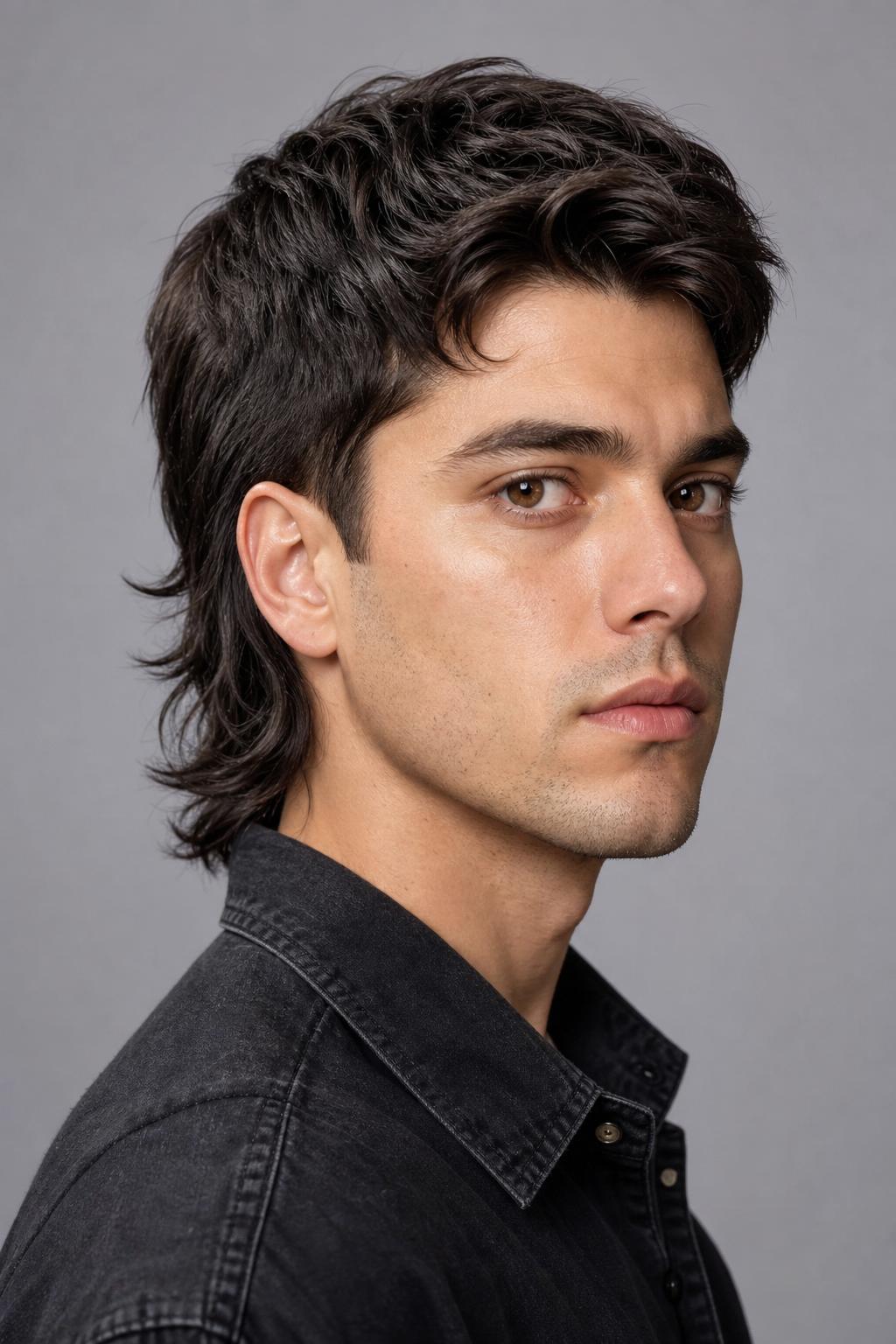
6. Modern Mullet with Fringe
Adding a textured fringe at the front balances the length at the back and frames the face. The forward fringe suits longer faces by adding coverage up top. Scrunch a little texture through the front so it sits naturally rather than flat.
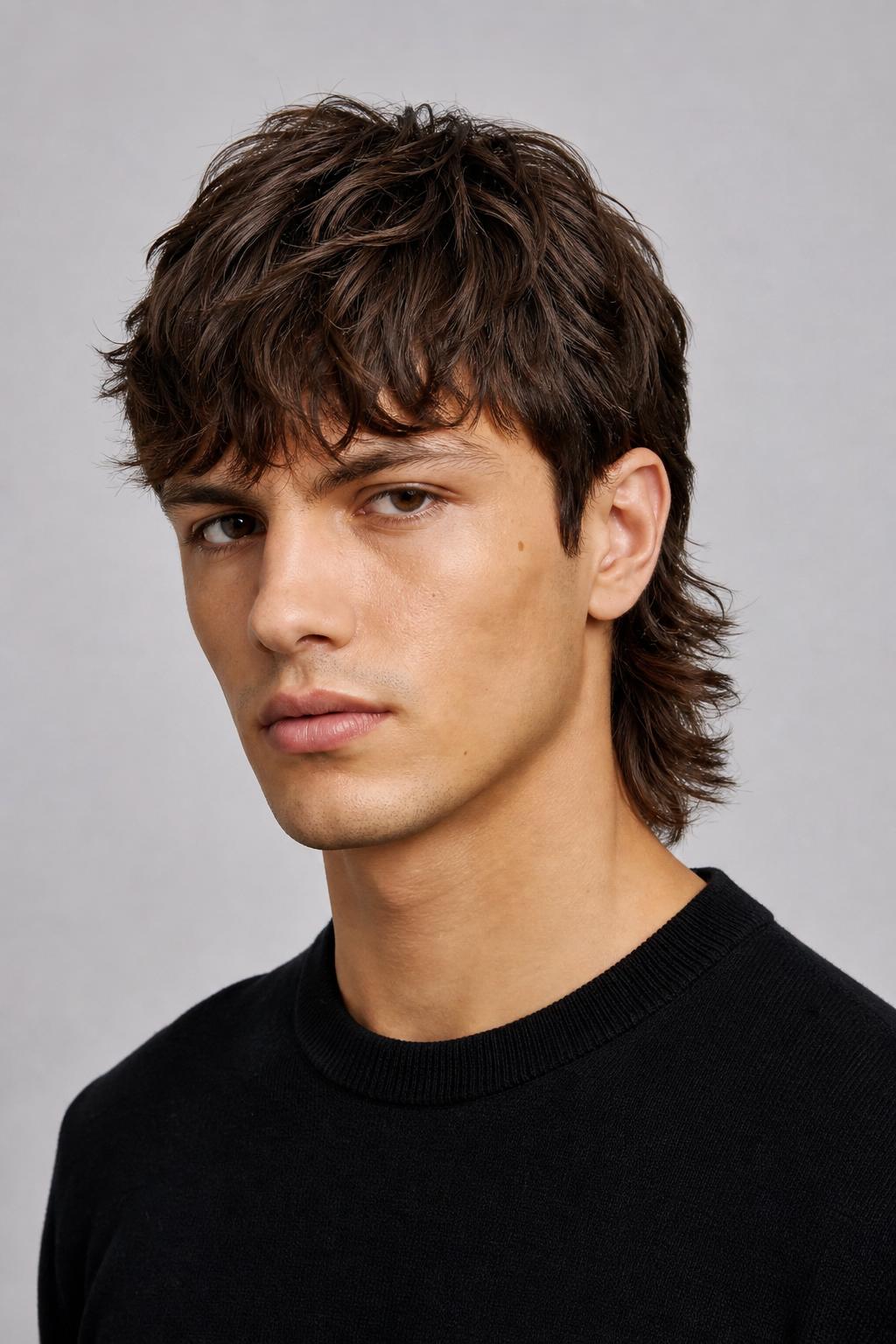
Modern Mullets with Fades and Tapers
Pairing a mullet with a fade or taper cleans up the sides and sharpens the contrast, which is the most popular modern update. The fade keeps the look current while the long back keeps it a mullet. These versions cover the main fade pairings.
7. Modern Mullet Fade
Blending the sides into a fade gives a smooth, polished transition that defines the modern mullet. You can go low, mid, or high depending on how bold you want the contrast. Our gallery of the modern mullet fade breaks down each fade height in detail.
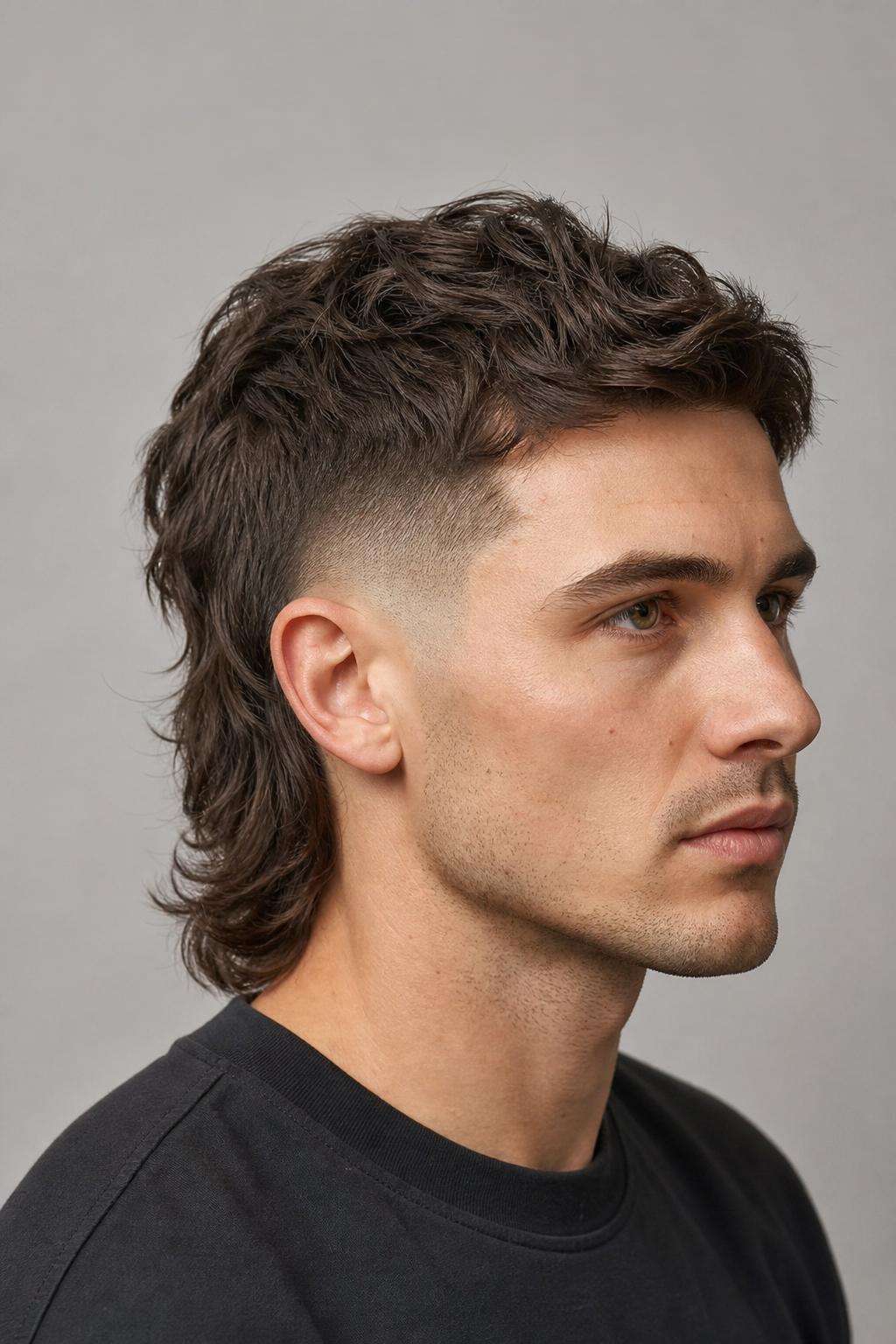
8. Burst Fade Mullet
A burst fade arcs around the ear in a half-moon, leaving the back length free to flow. The rounded shape suits the mullet silhouette and reads modern and clean. For the full combination, see our burst fade mullet gallery.
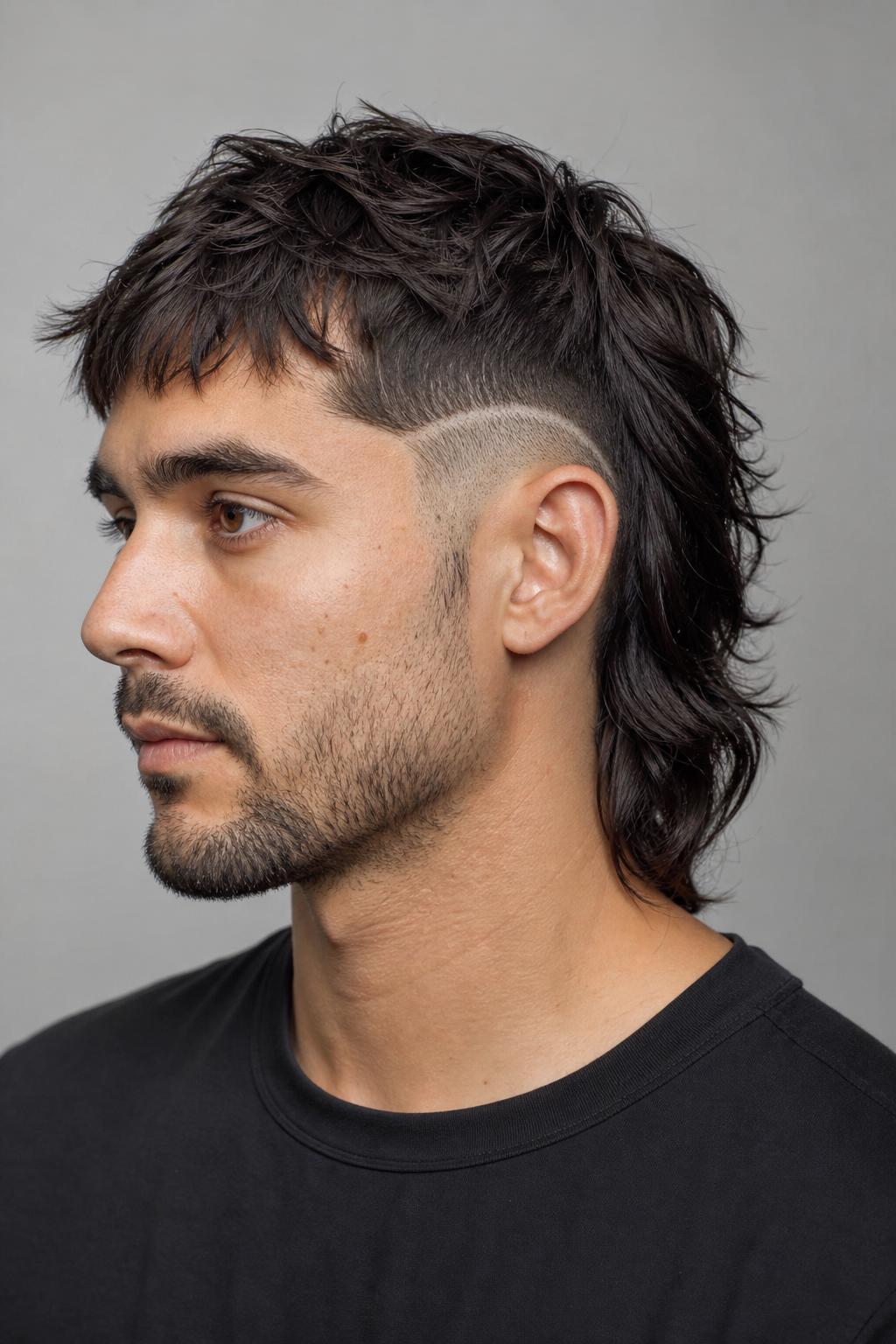
9. Low Taper Mullet
A low taper keeps the sides soft and the change near the ear, giving a subtle, work-friendly mullet. The gentle blend keeps the focus on the top and back rather than the sides. It is a good pick if a full fade feels too dramatic.
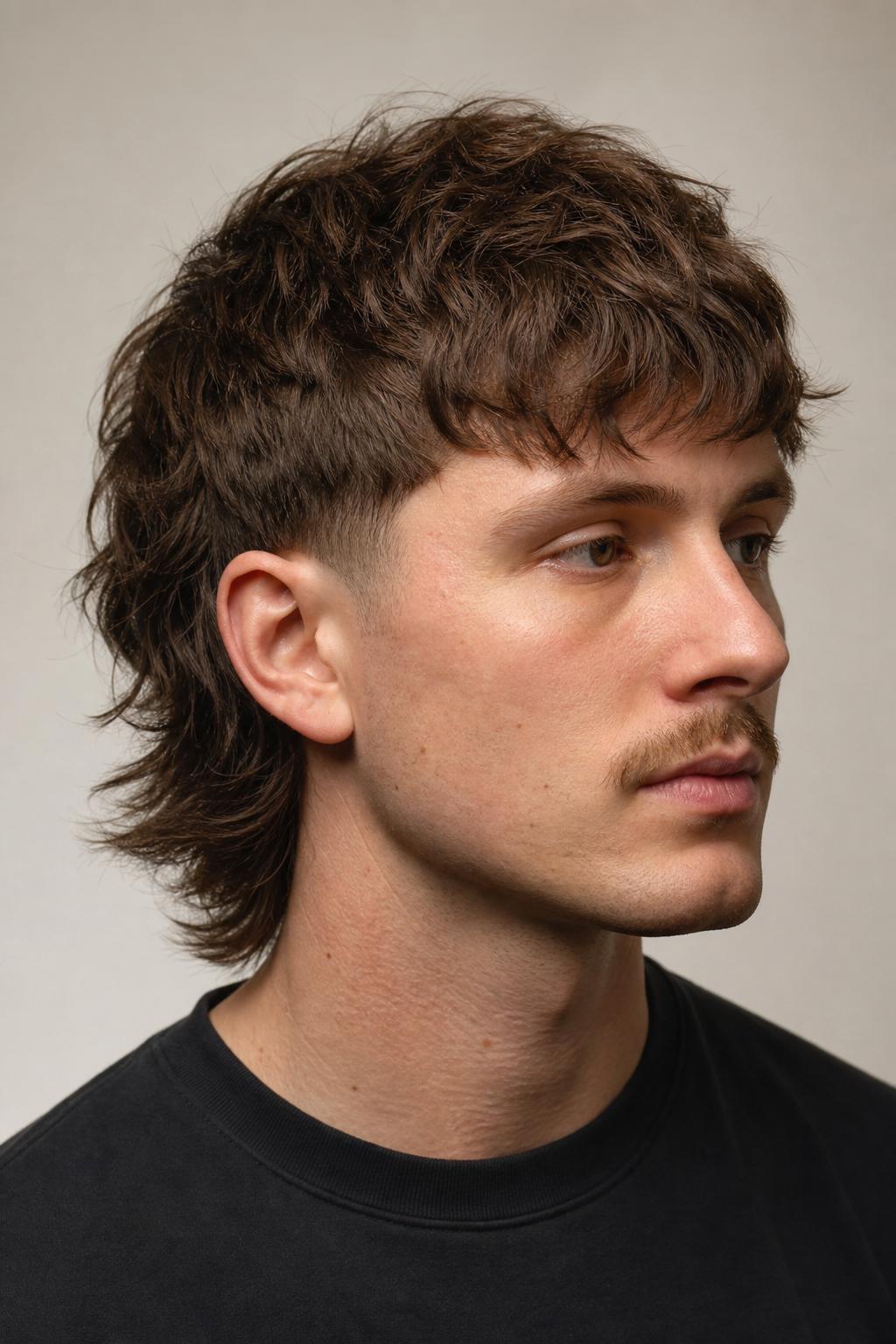
10. Drop Fade Mullet
A drop fade that curves down behind the ear frames the mullet with a sharp, continuous line. The drop tracks the natural round of the head into the long back. Bring a photo so your barber knows you want length preserved at the back.
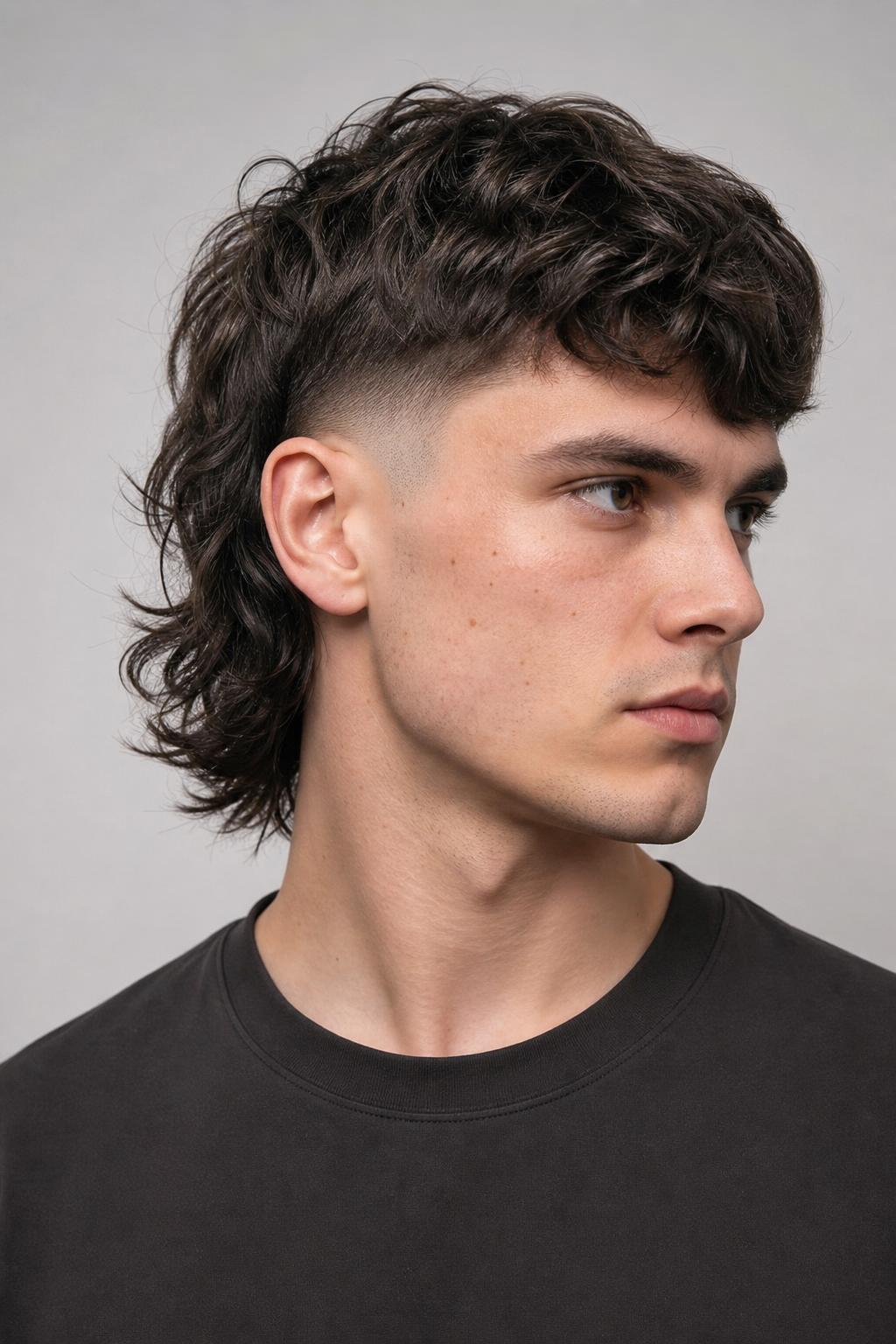
11. High Fade Mullet
Taking the fade high creates maximum contrast between clean sides and a long, textured back. The bold split suits younger guys who want the cut to make a statement. Commit to frequent visits, since a high fade softens within a couple of weeks.
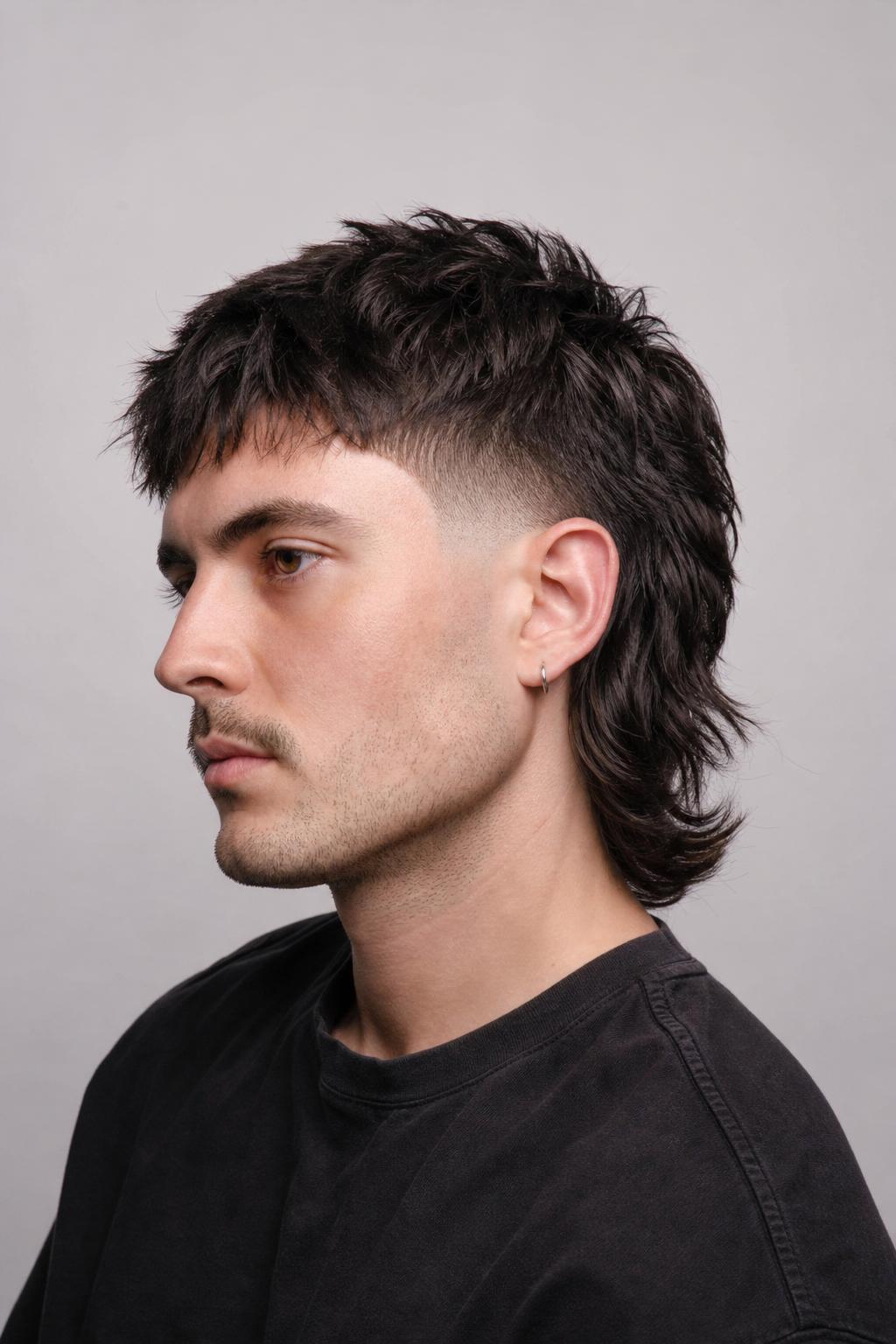
12. Mullet with Undercut Sides
Disconnected undercut sides give a graphic, edgy mullet where the top and back sit clearly apart from the short sides. The hard contrast leans punk and bold. It is a strong choice for thick hair that would otherwise sit too wide.
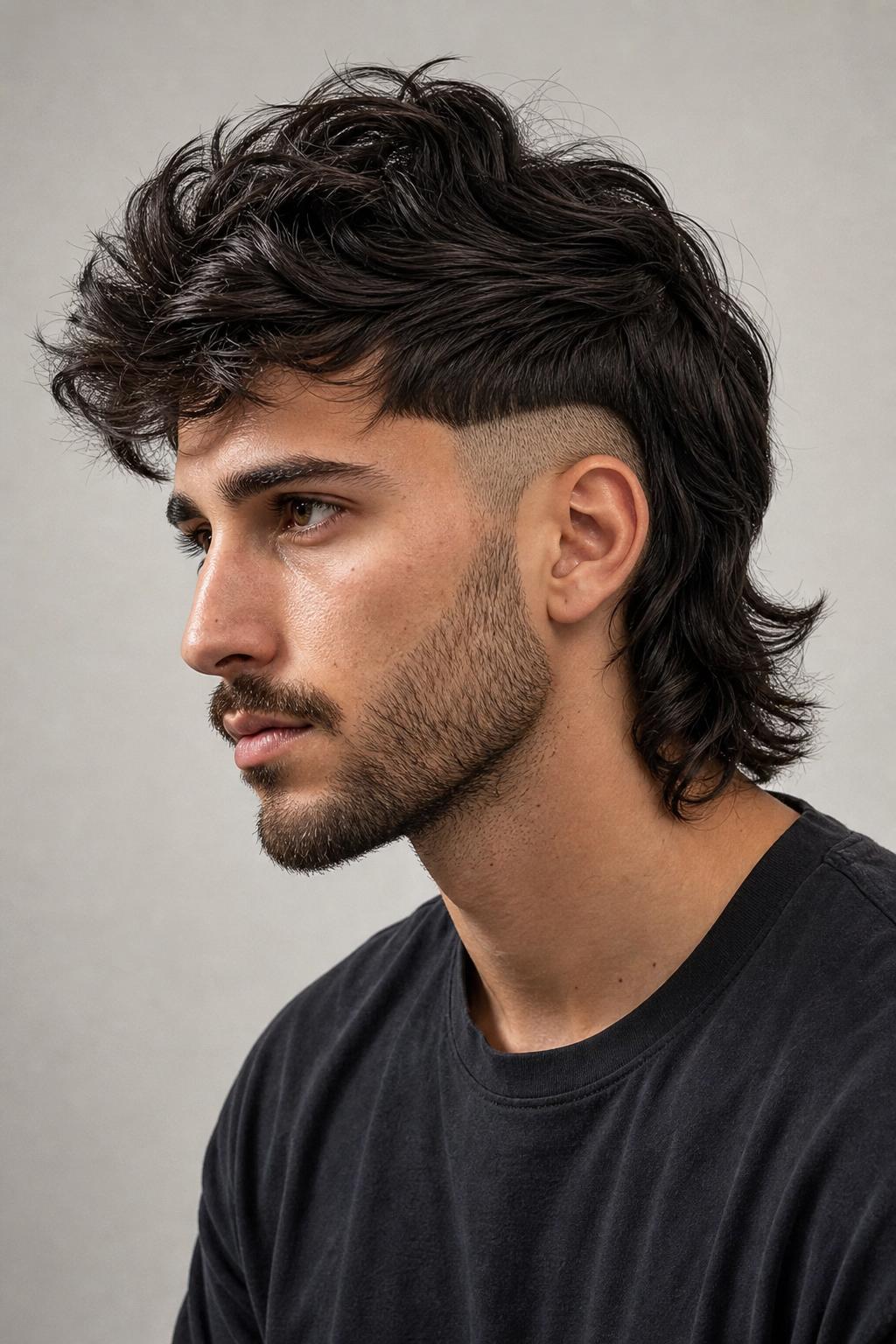
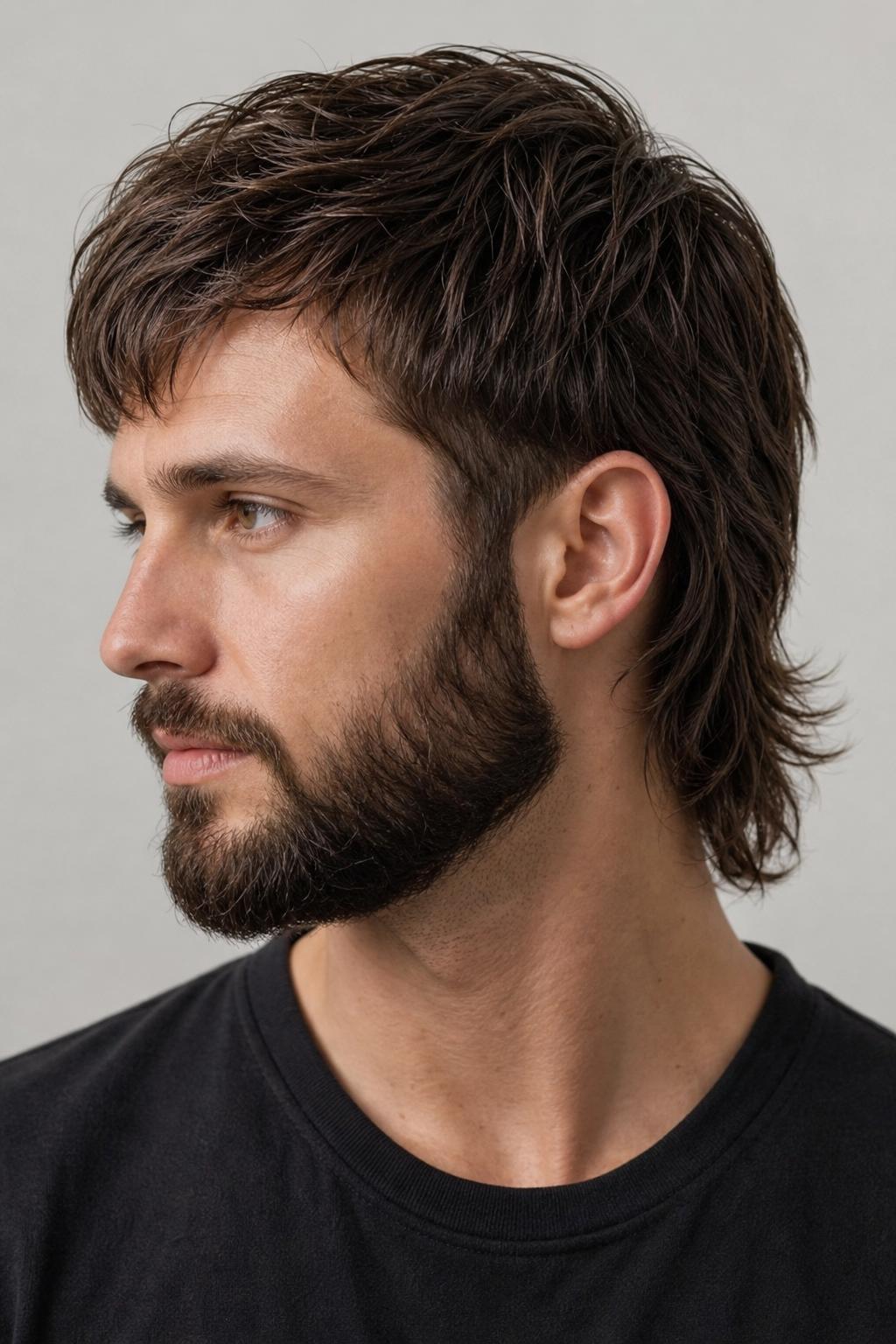
13. Tapered Mullet with Beard
Connecting a tapered mullet into a shaped beard balances the long back with definition on the lower face. The structure anchors the cut and keeps it from looking unfinished. Keep the beard trimmed so it matches the intent of the mullet.
Modern Mullets by Hair Texture
Your texture decides how the back falls and how much shape the top holds, so choosing for your hair matters. Straight hair drapes, waves add movement, and curls turn the back into something full. These entries match the mullet to your texture.
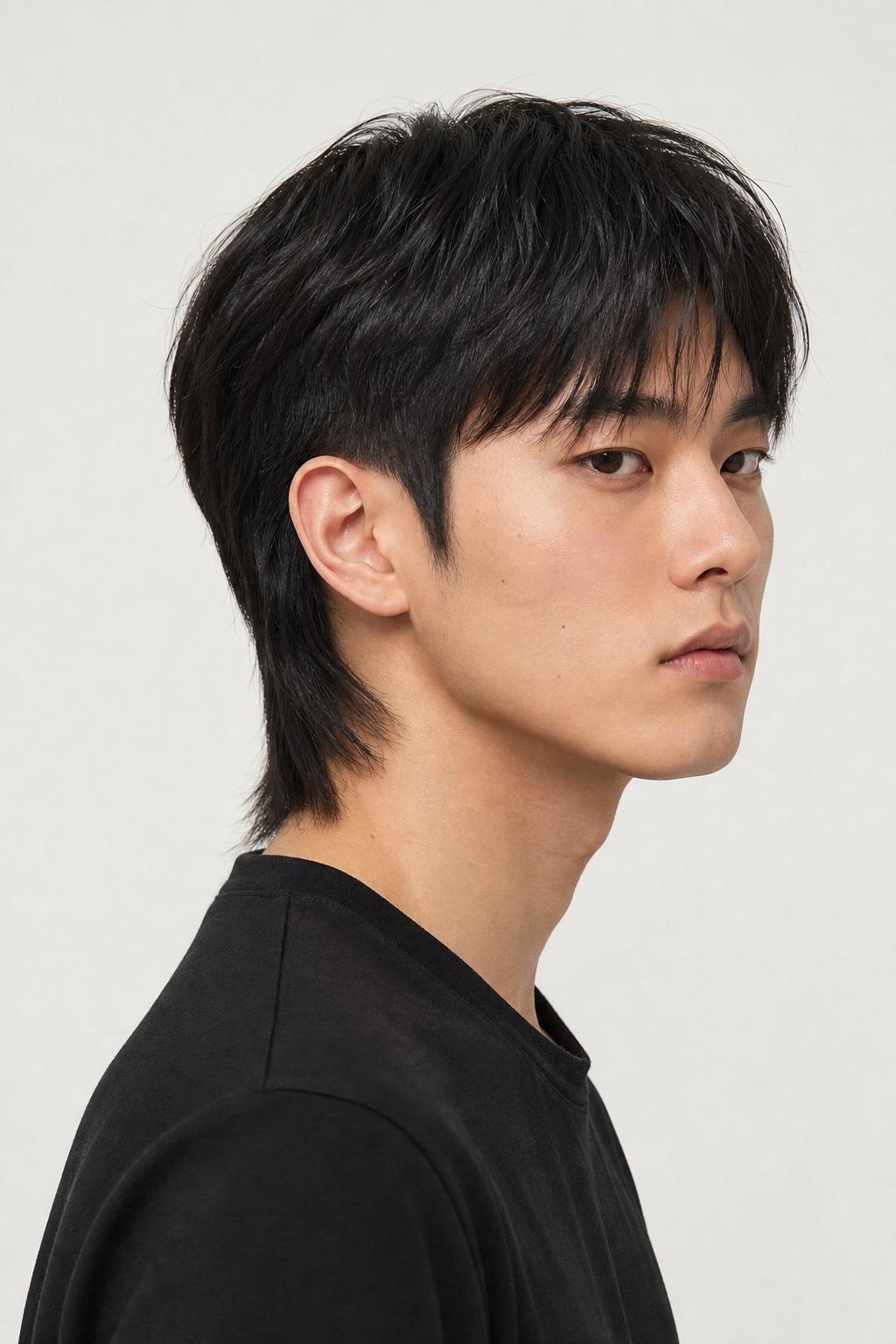
14. Straight Hair Modern Mullet
Straight hair gives the softly draped, elegant mullet that Korean and K-pop styling made popular. The back falls in a smooth, clean line rather than a sharp tail. A light texturizing spray keeps the top from going flat.
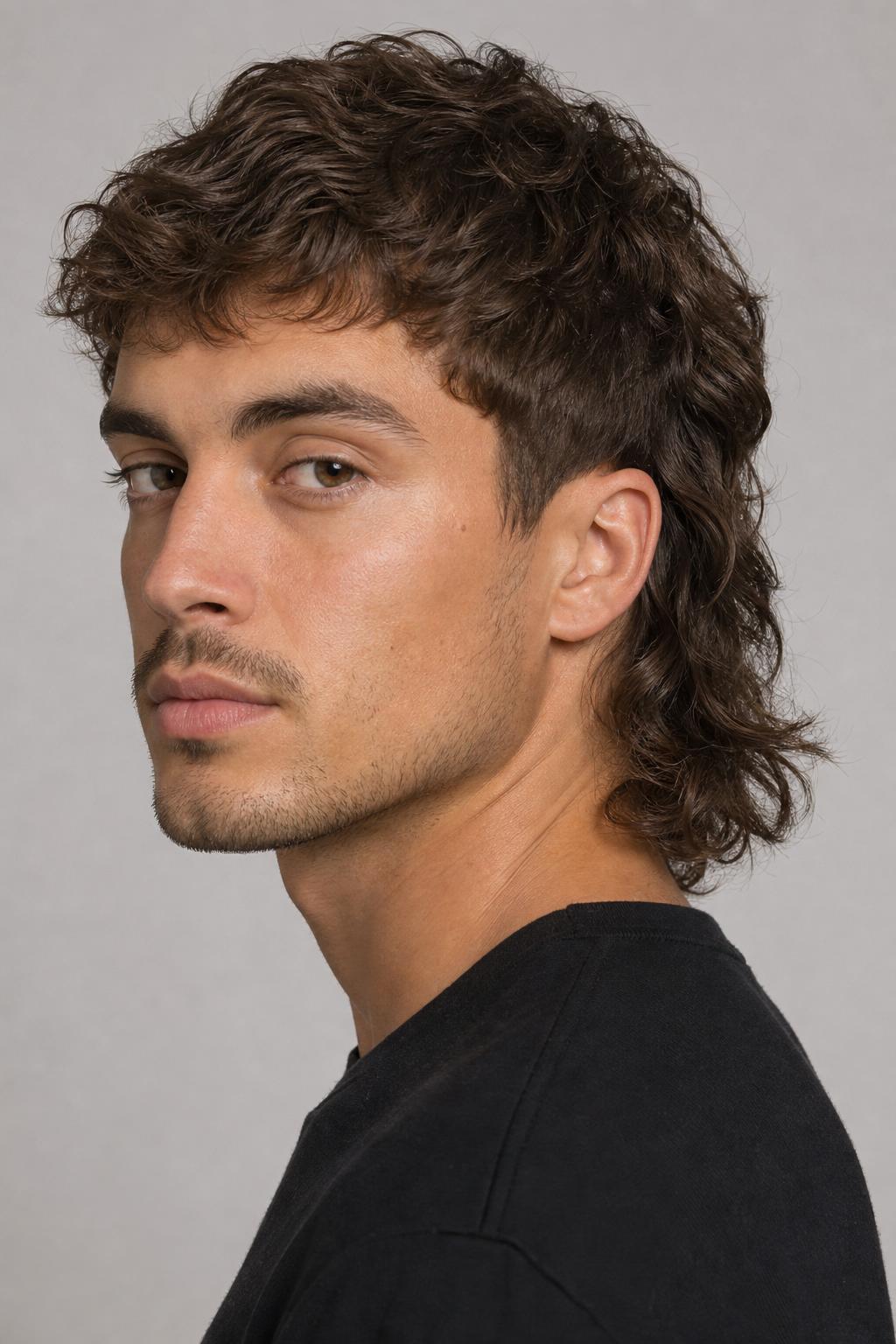
15. Wavy Modern Mullet
Natural waves add effortless movement to a mullet, with the back bending into a relaxed, beachy length. A sea-salt spray scrunched in pumps up the texture. Most face shapes carry the soft, wavy version comfortably.
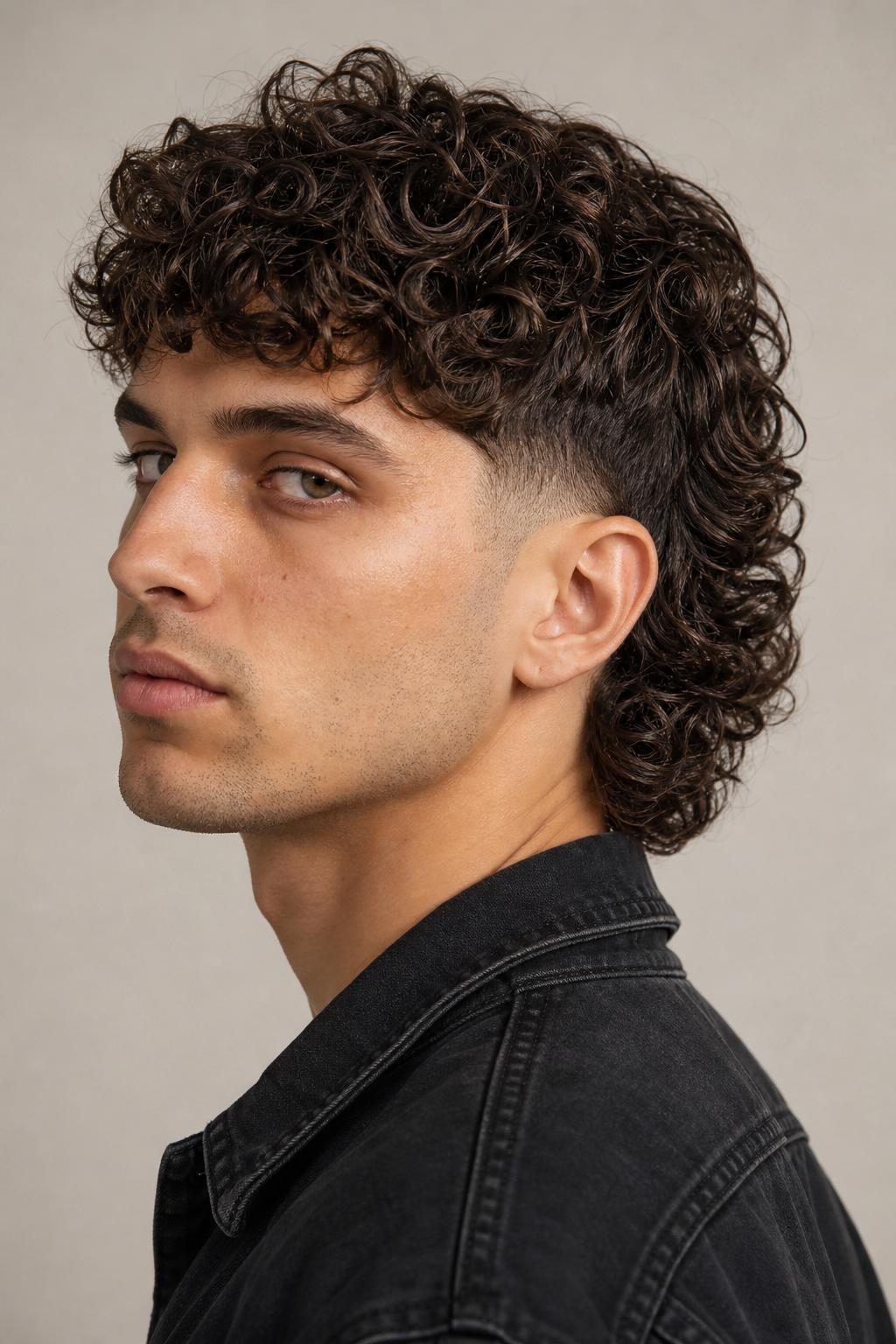
16. Curly Modern Mullet
Curly hair turns the back of a mullet into a full, bouncy length with serious volume. Cut the curls dry so the shape stays even, and define them with a curl cream. Our curly mullet gallery shows how much range this texture has.
17. Coily Modern Mullet
On coily hair, a mullet becomes a shaped, textured cut with the back picked out or twisted for length. A leave-in keeps the coils soft while the clean sides frame the shape. The contrast between tight coils and a faded side reads sharp and modern.
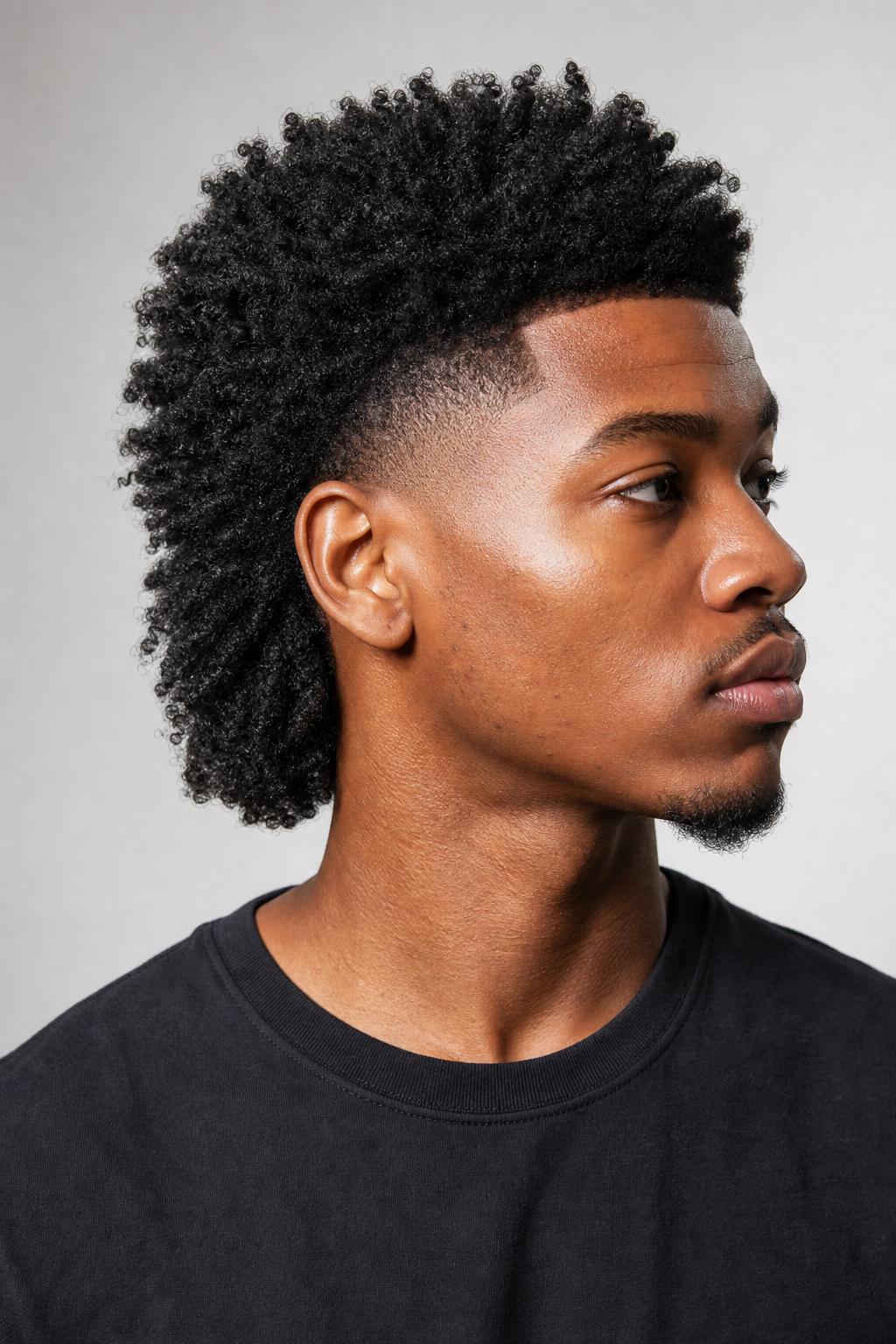
18. Thick-Hair Modern Mullet
Thick hair holds a bold mullet shape, but it needs internal thinning so the top and back move rather than sitting heavy. Ask your barber to remove weight from the inside while keeping the length. The payoff is a full, dramatic silhouette.
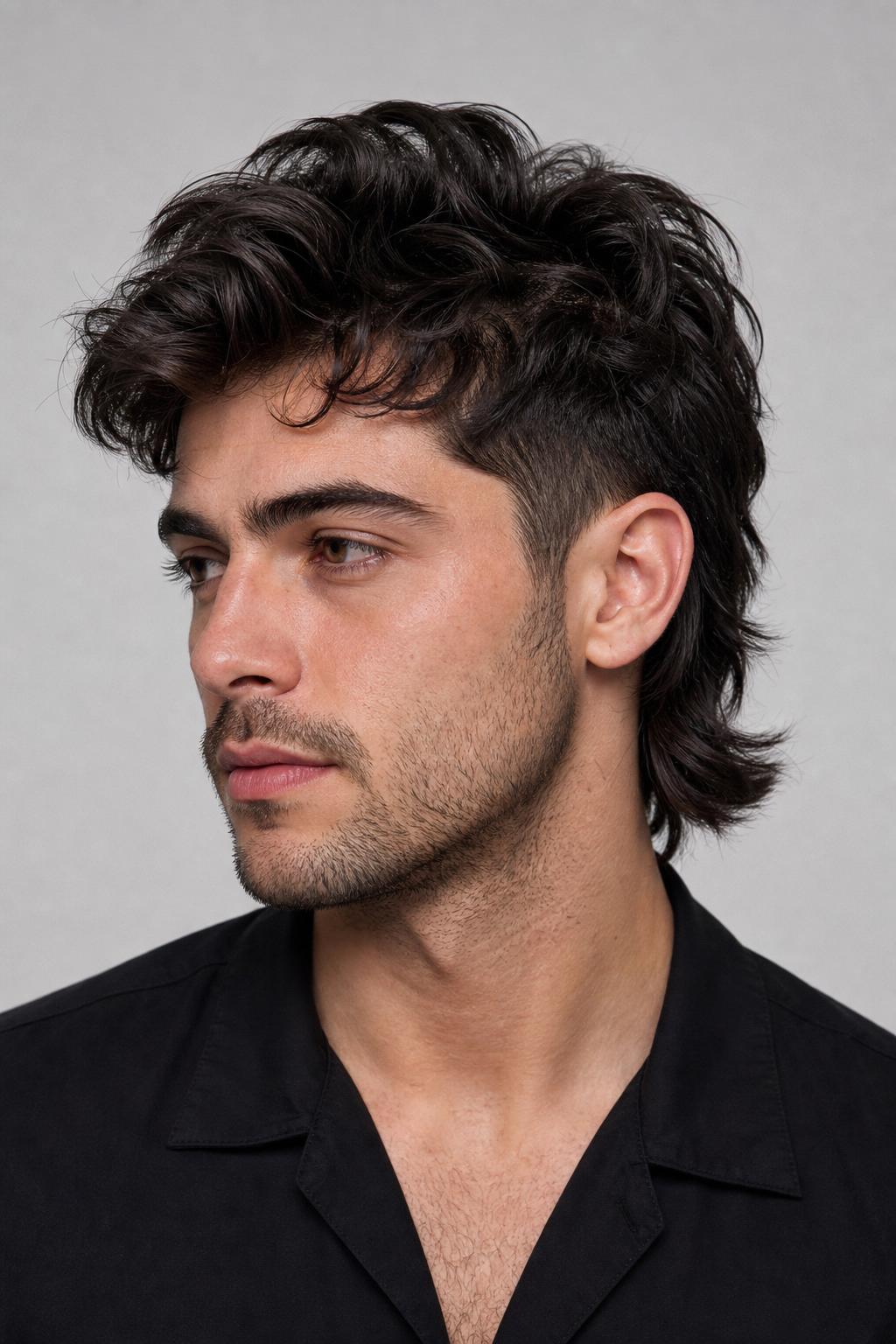
19. Fine-Hair Modern Mullet
Fine hair can carry a mullet with the right texturizing, since the layered shape adds the illusion of fullness. Skip heavy products that flatten the hair and reach for a texture spray instead. Keep the back length moderate so it does not look sparse.
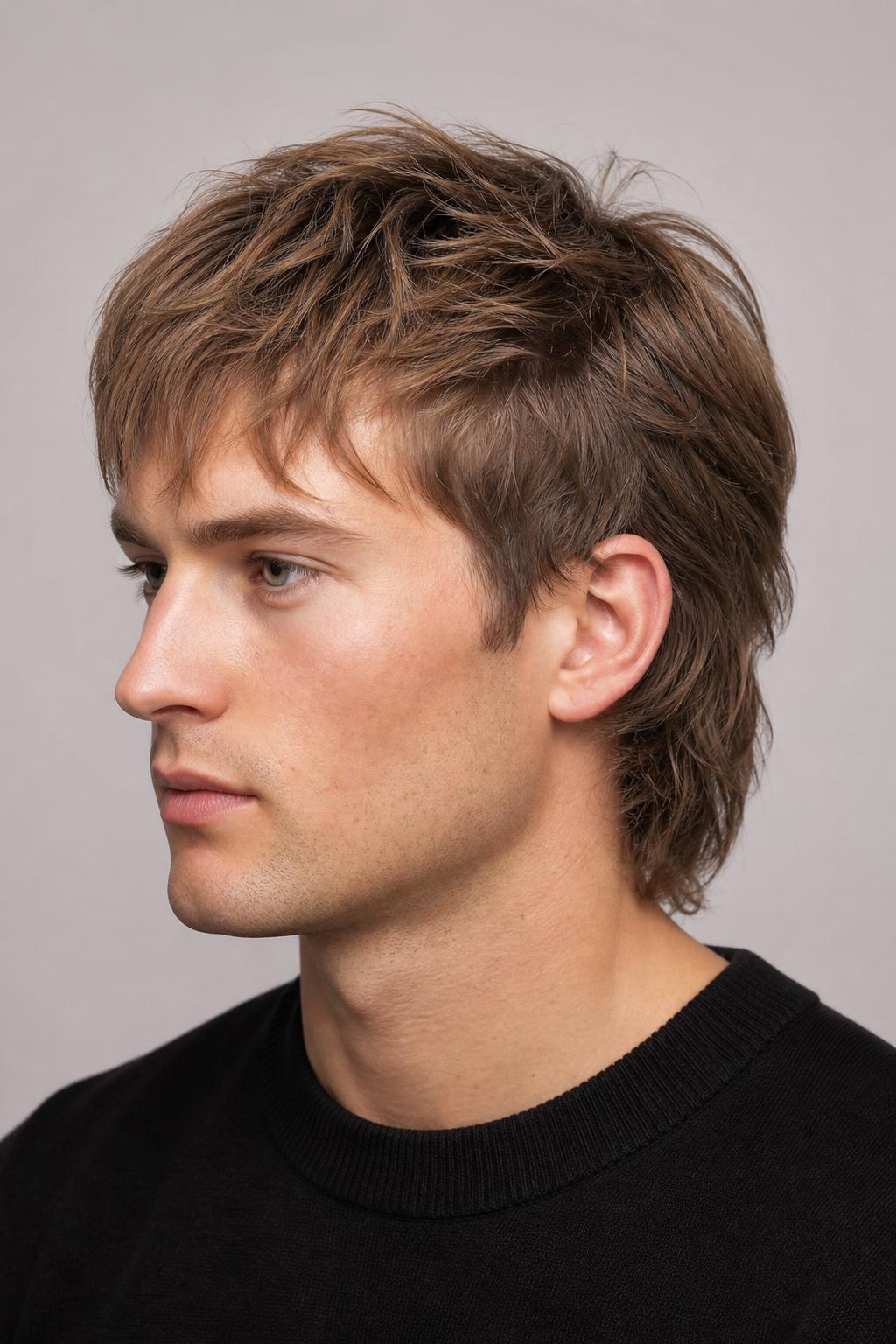
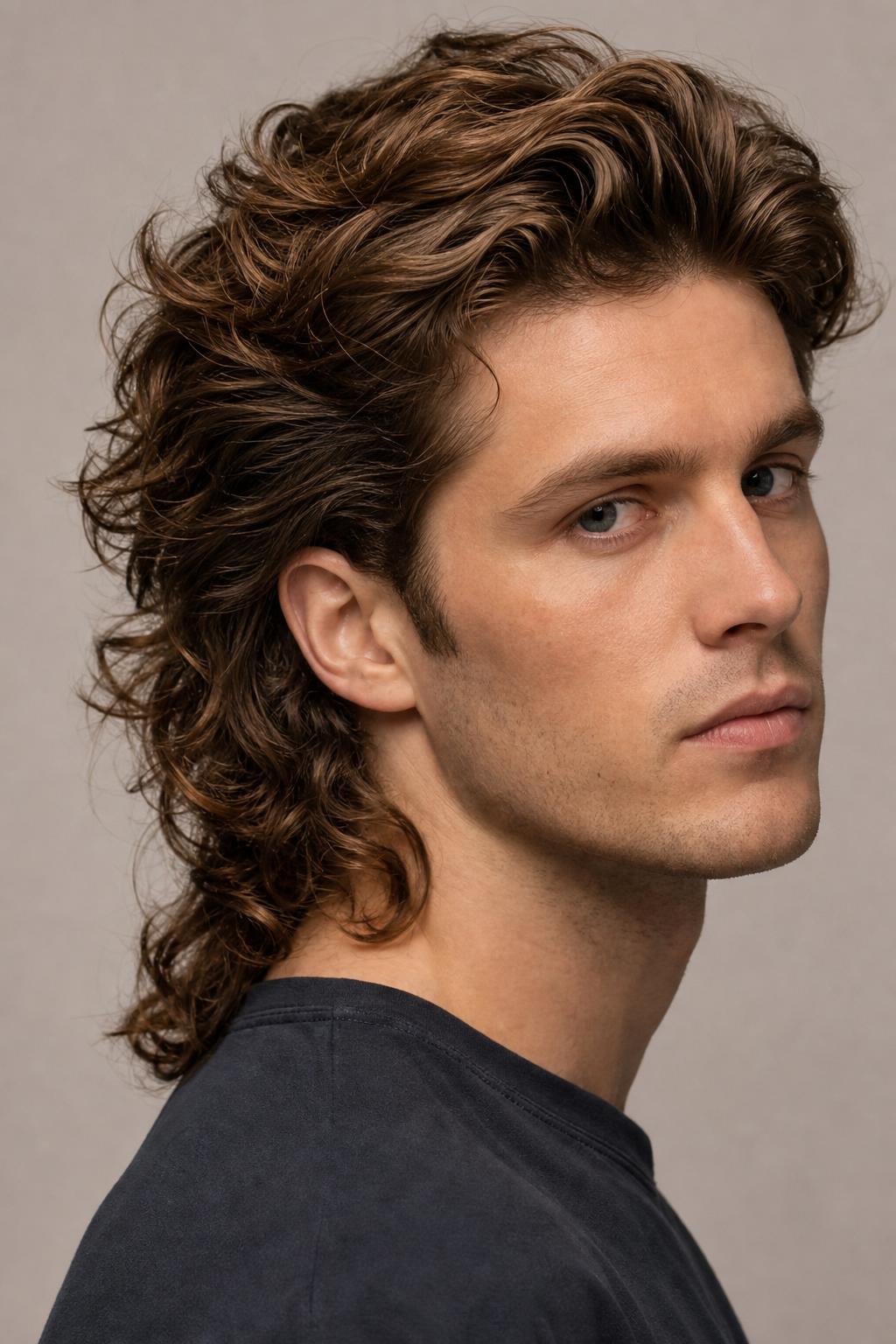
20. Wavy Mullet with Flow
Growing the top longer so it flows back gives a mullet with movement up top and length behind. The combination bridges toward a fuller, longer style. If you like the length up front, our flow haircut gallery shows where this can grow into.
Korean and Curtain Modern Mullets
A big part of the mullet revival comes from Korean and K-pop styling, which softened the cut into something draped and elegant. These versions lean on curtain fringes, soft layers, and a refined silhouette. They suit men who want the shape without the edge.
21. Korean Modern Mullet
The Korean mullet keeps everything soft and draped, with gentle layers and a back that falls cleanly rather than tapering to a point. The elegant shape works especially well on straight hair. Style it with a light cream and let it fall naturally.
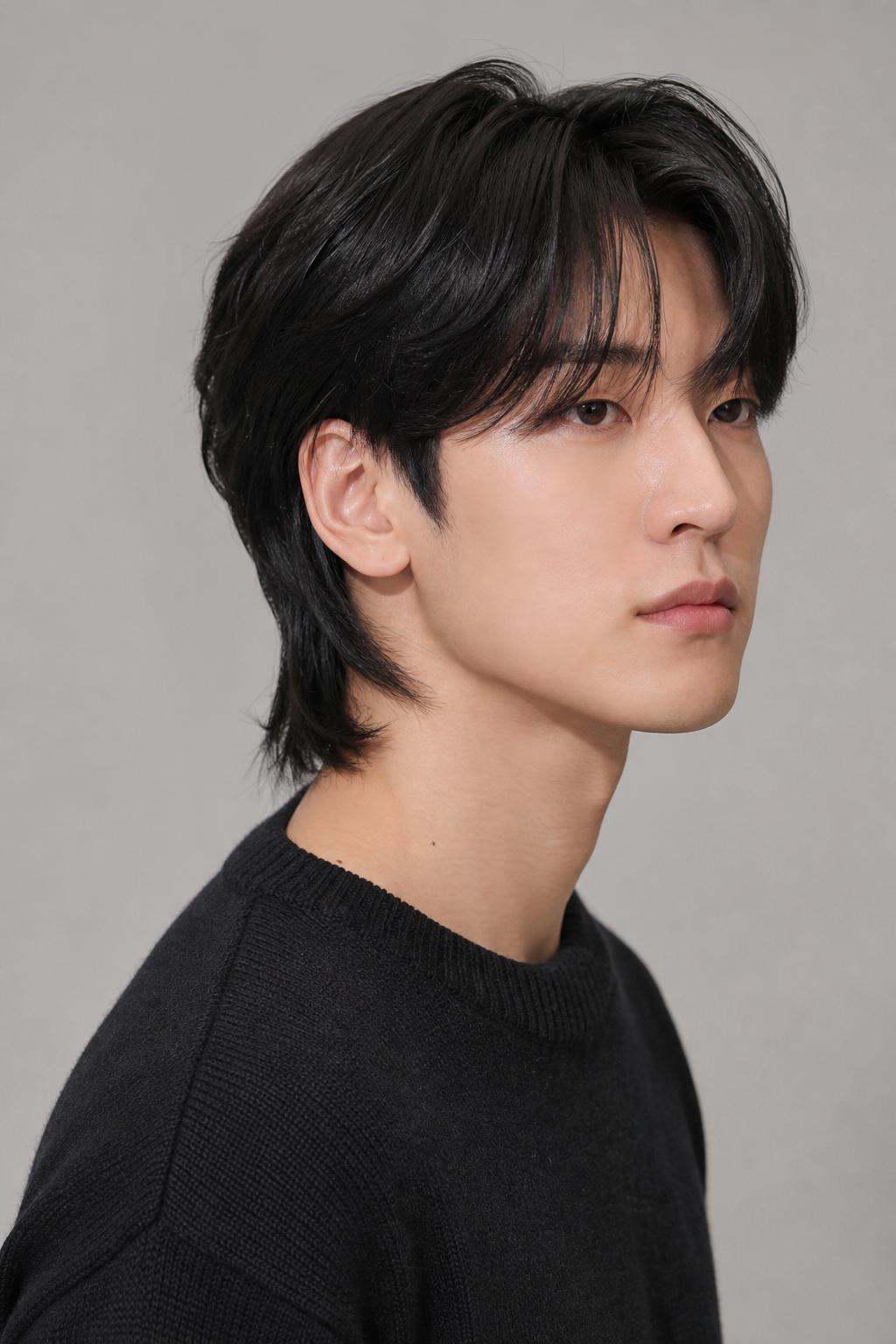
22. Curtain Mullet
A middle-parted curtain fringe paired with a longer back gives the soft, effortless look that K-drama styling made popular. The curtains frame the face while the back keeps the mullet shape. Blow the front out and split it down the center.

23. Wolf Mullet
The wolf mullet blends heavy shag layering with the mullet silhouette for a textured, voluminous cut. The shaggy crown and long back create a bold, layered shape. It is a popular crossover for men who want maximum texture.
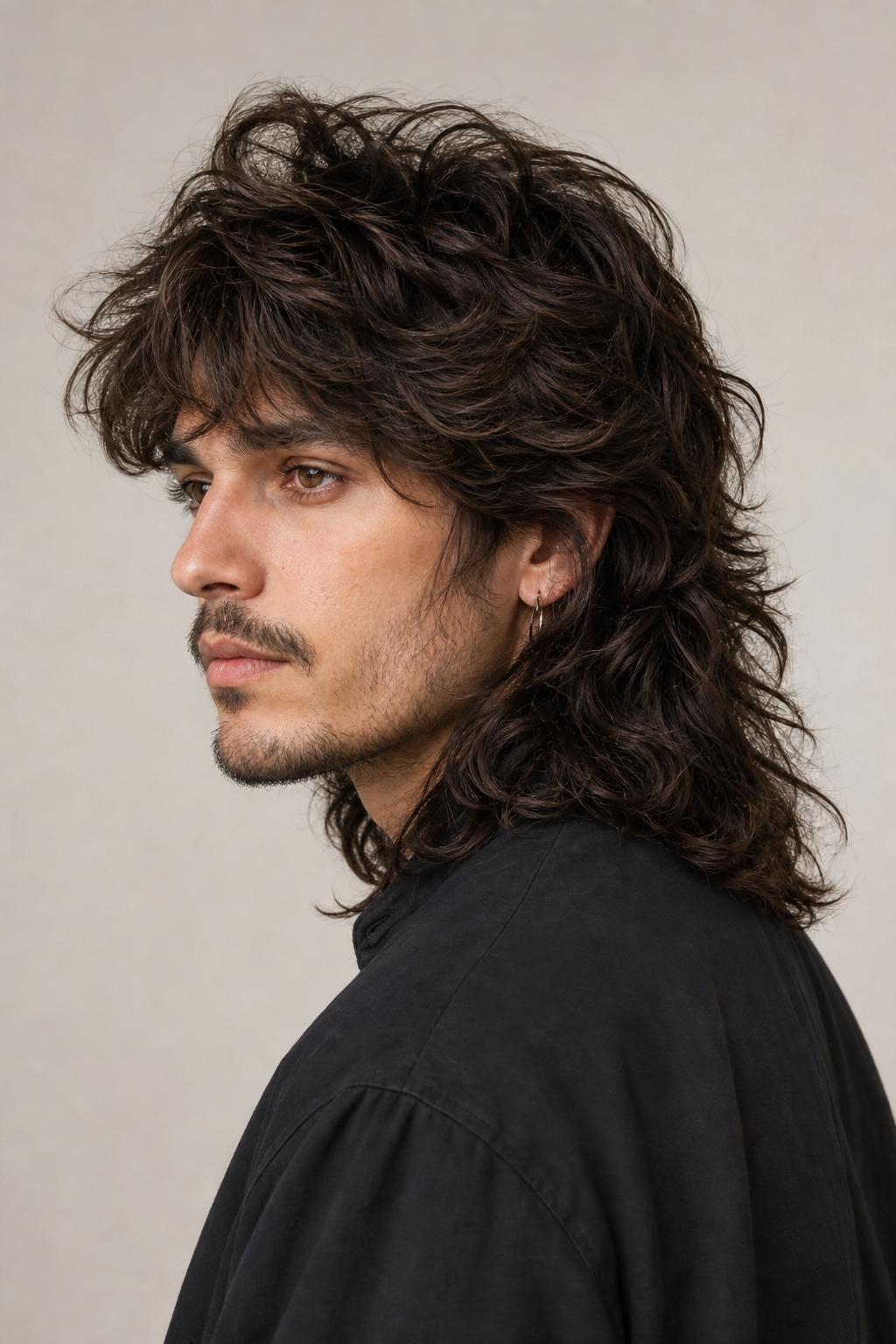
24. Soft Layered Mullet
Gentle layers through the top and back give a soft, modern mullet without sharp contrast. The blended shape reads relaxed and wearable. A light matte paste keeps the layers separated without stiffness.
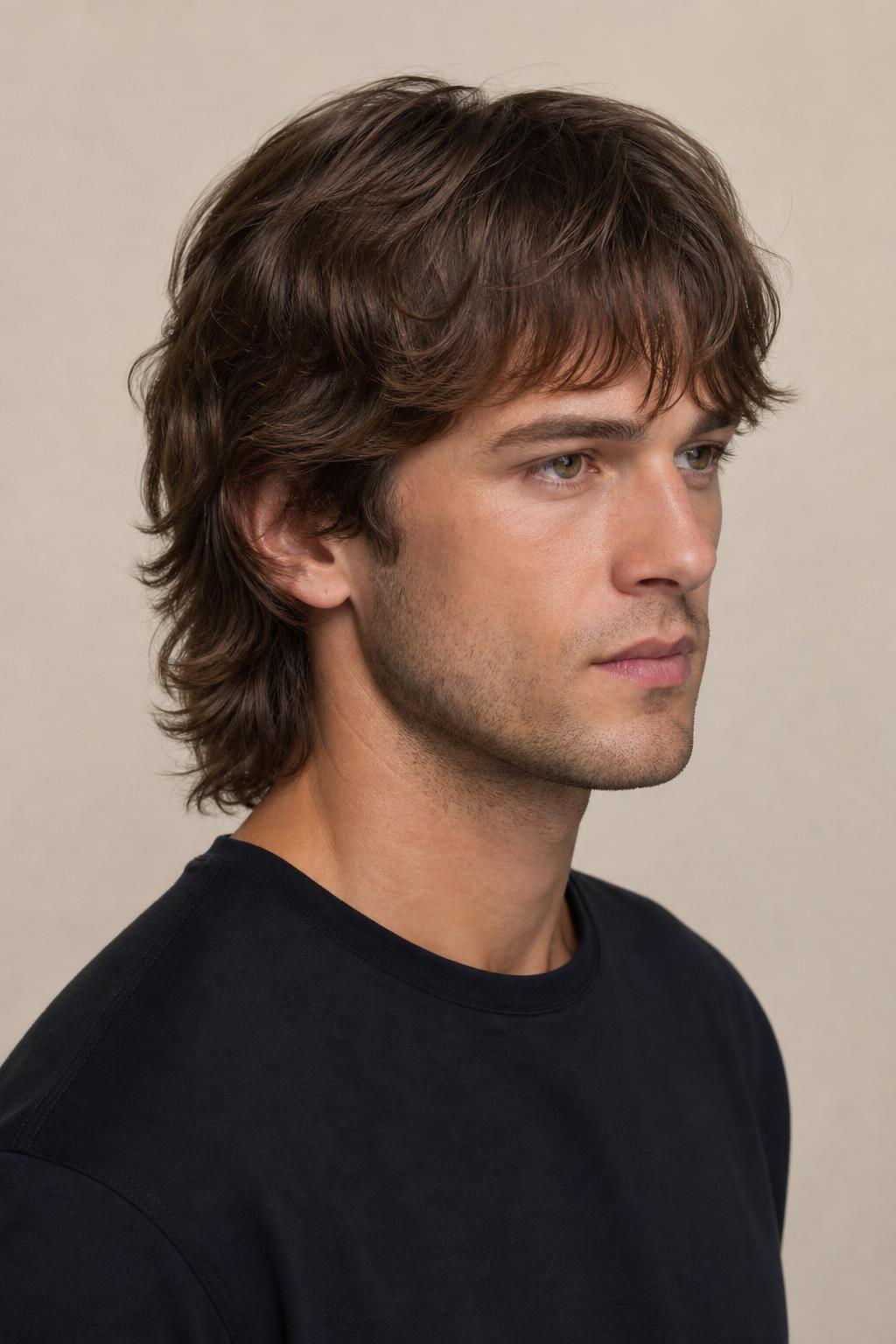
25. Textured Crop Mullet
Combining a textured crop in front with mullet length behind gives a compact, low-maintenance shape. The crop keeps the front tidy while the back adds the mullet element. It suits men who want movement without a long top.
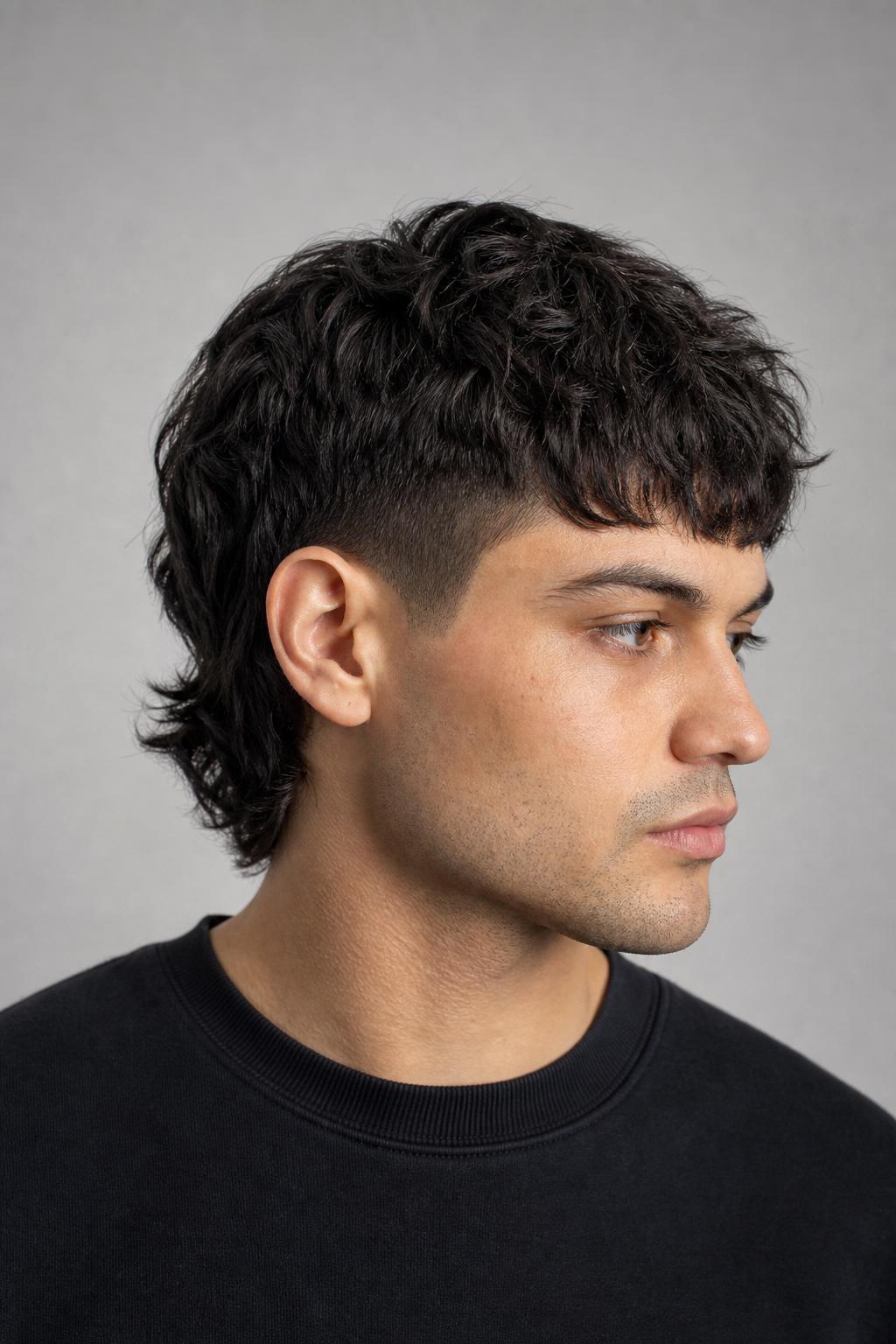
Bold and Edgy Modern Mullets
For men who want the cut to make a statement, the modern mullet leans into designs, color, and dramatic length. These versions push the silhouette and add detailing. Most demand more frequent upkeep.
26. Modern Mullet with Design
A shaved line or pattern in the faded side adds a personal detail to a bold mullet. The design draws an accent that still looks clean from a distance. Touch it up every couple of weeks, since the line softens as hair grows.
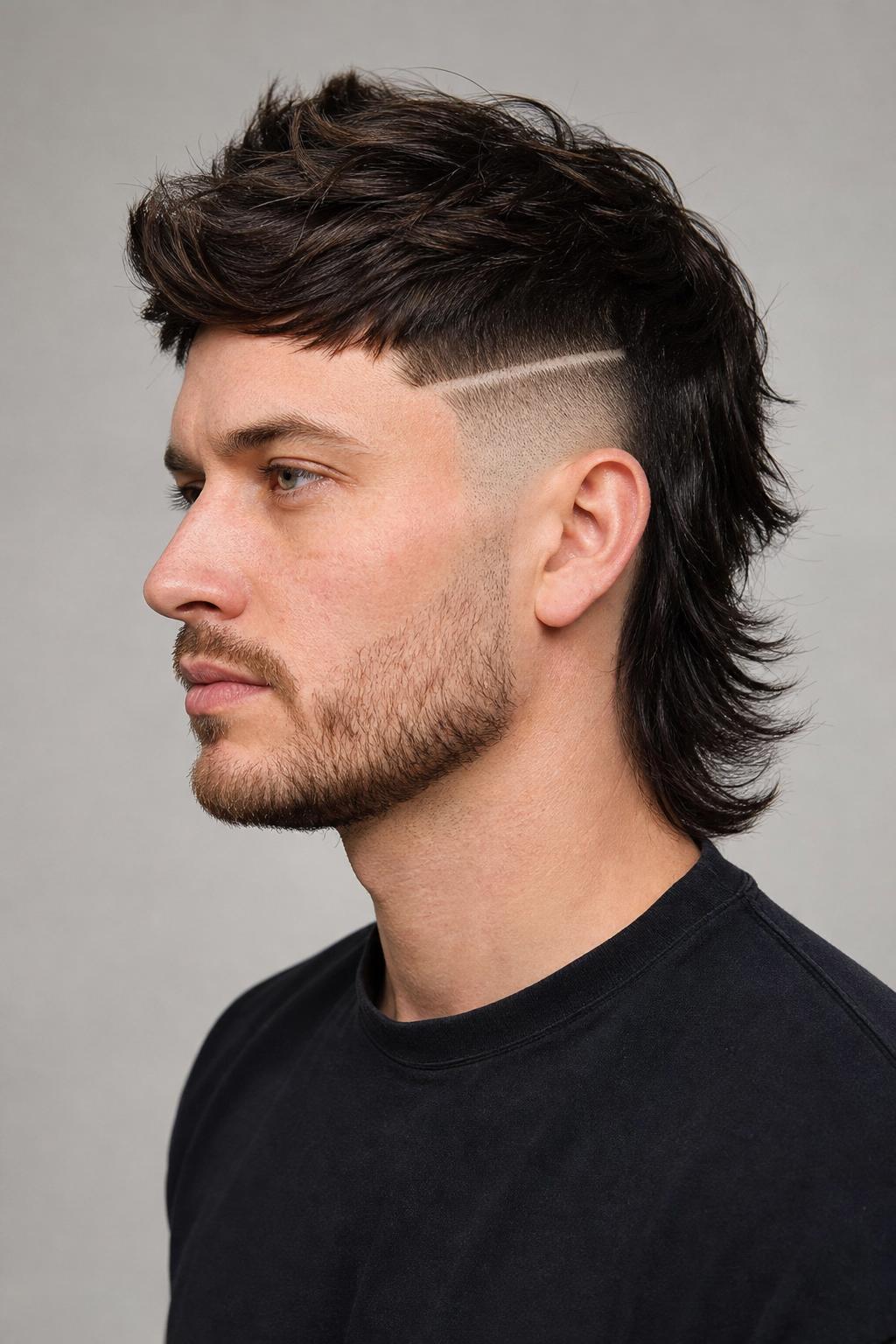
27. Long Back Modern Mullet
Leaning into a dramatically long back gives a statement mullet that fully commits to the party-back idea. The extended length suits straight and wavy hair that drapes cleanly. Keep the top and sides sharp to balance the length.
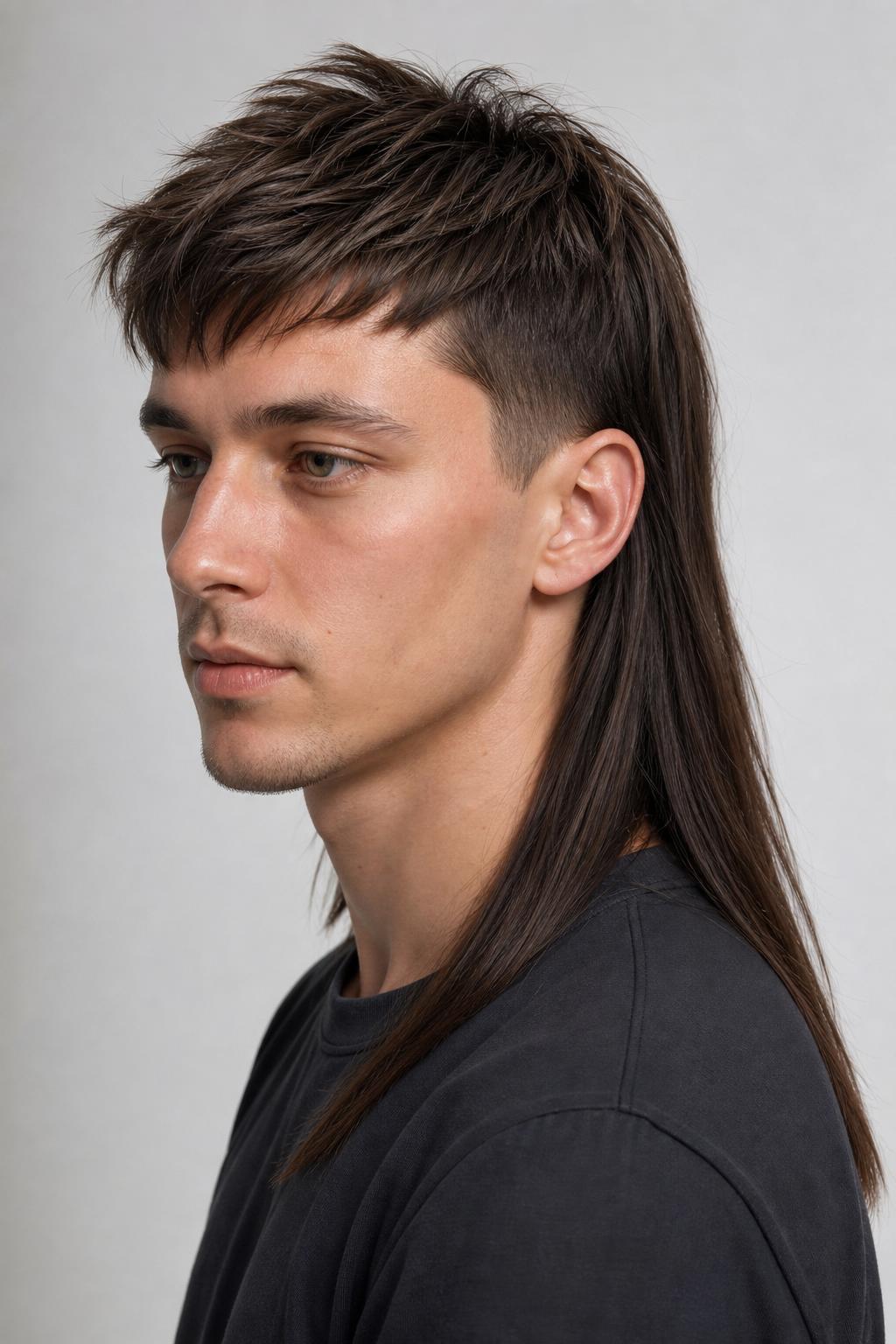
28. Mullet with Color Accents
Lightening the tips of the back or adding a streak gives a mullet an extra edge. Keep the color subtle on dark hair to avoid harsh contrast. A bond-repair treatment protects the hair after lightening.
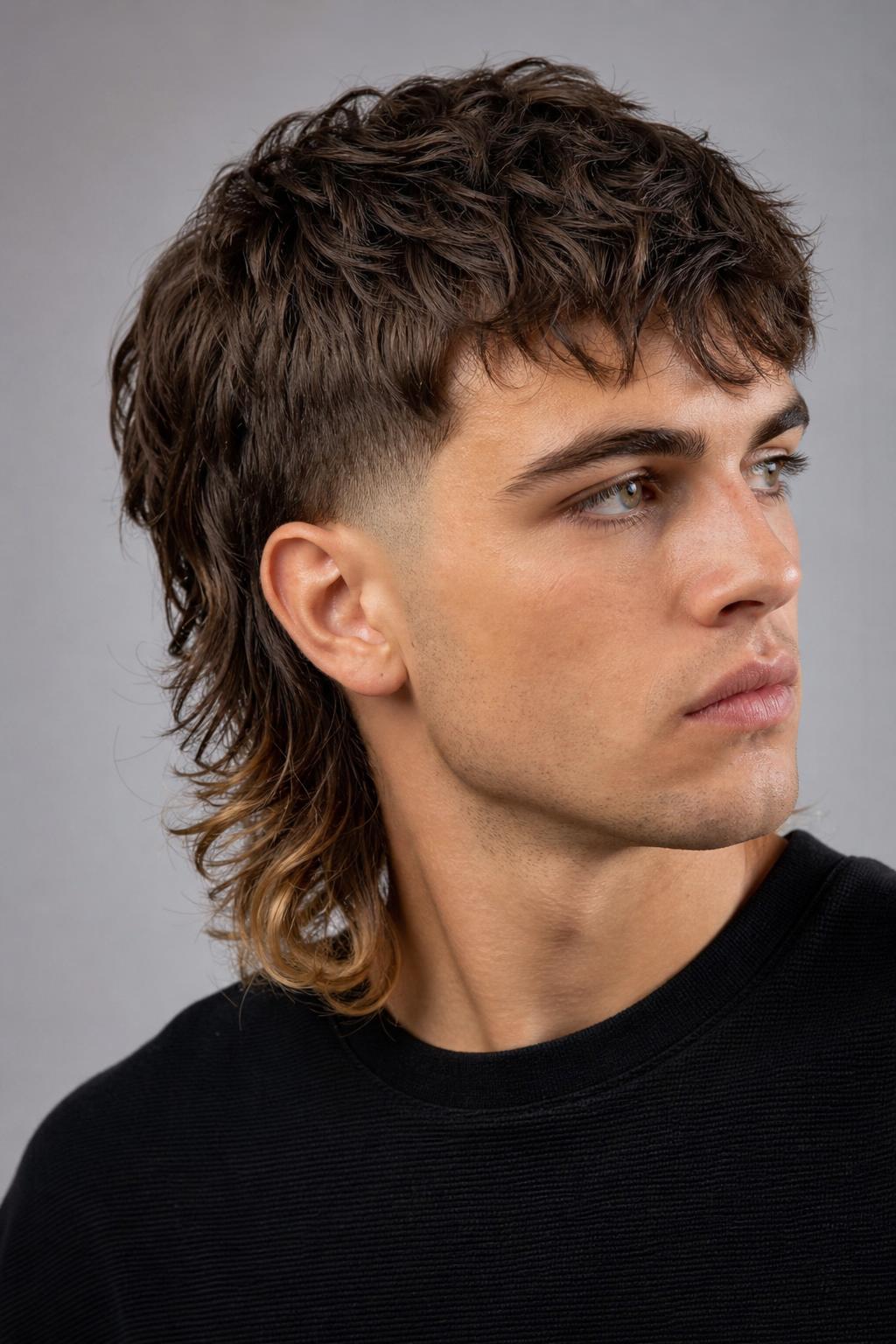
29. Mohawk Mullet Hybrid
Concentrating volume down the center toward the back blends a mohawk shape with a mullet for a bold, punk-leaning cut. The central strip draws the eye up and back. For sharper shaved sides, our mohawk fade gallery shows how far you can take the contrast.
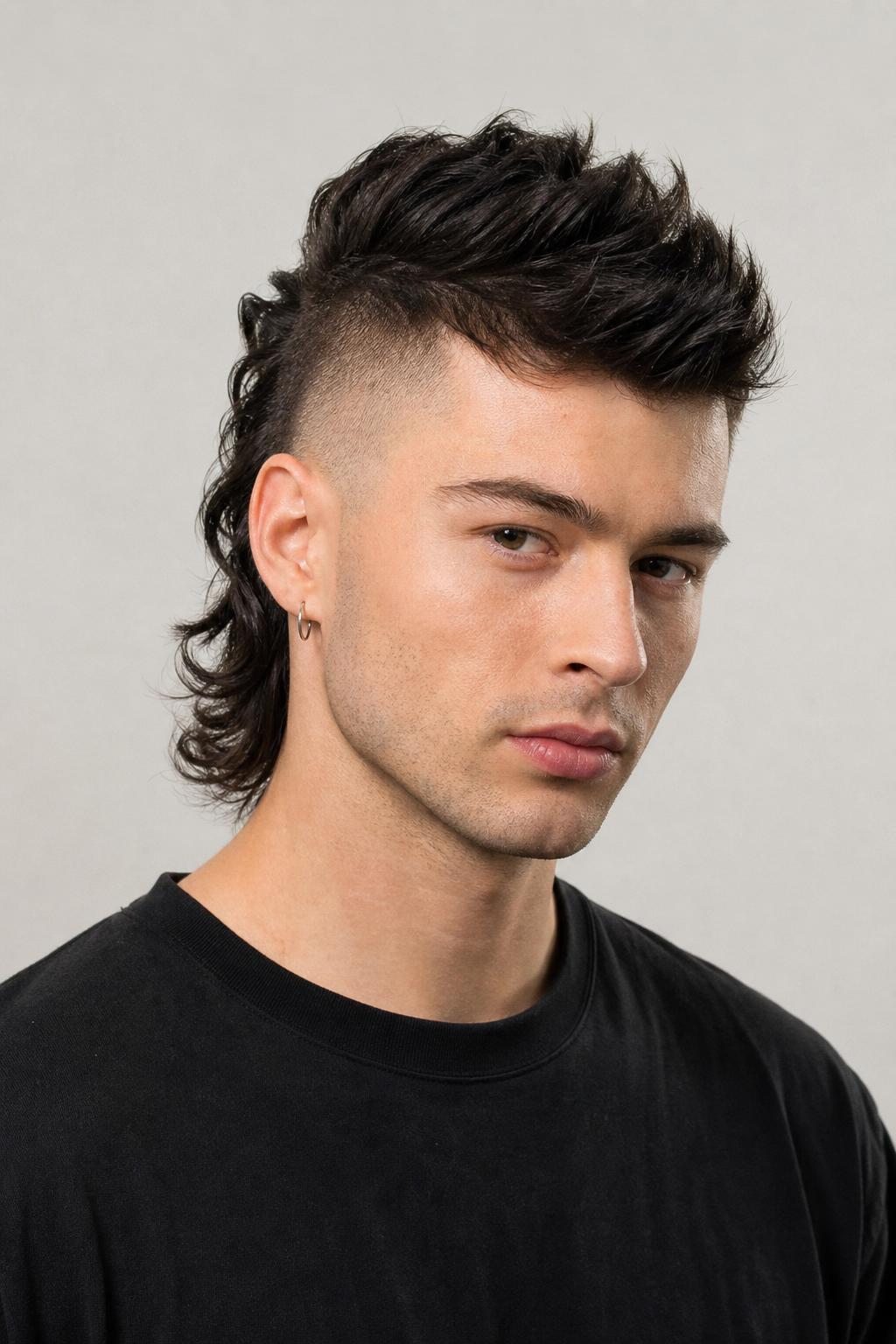
30. Spiky Modern Mullet
Spiking the top with a strong clay over a mullet back channels an 80s-meets-now energy that leans deliberately bold. The spikes add height and attitude. This one is for men who want the cut to be the first thing people notice.
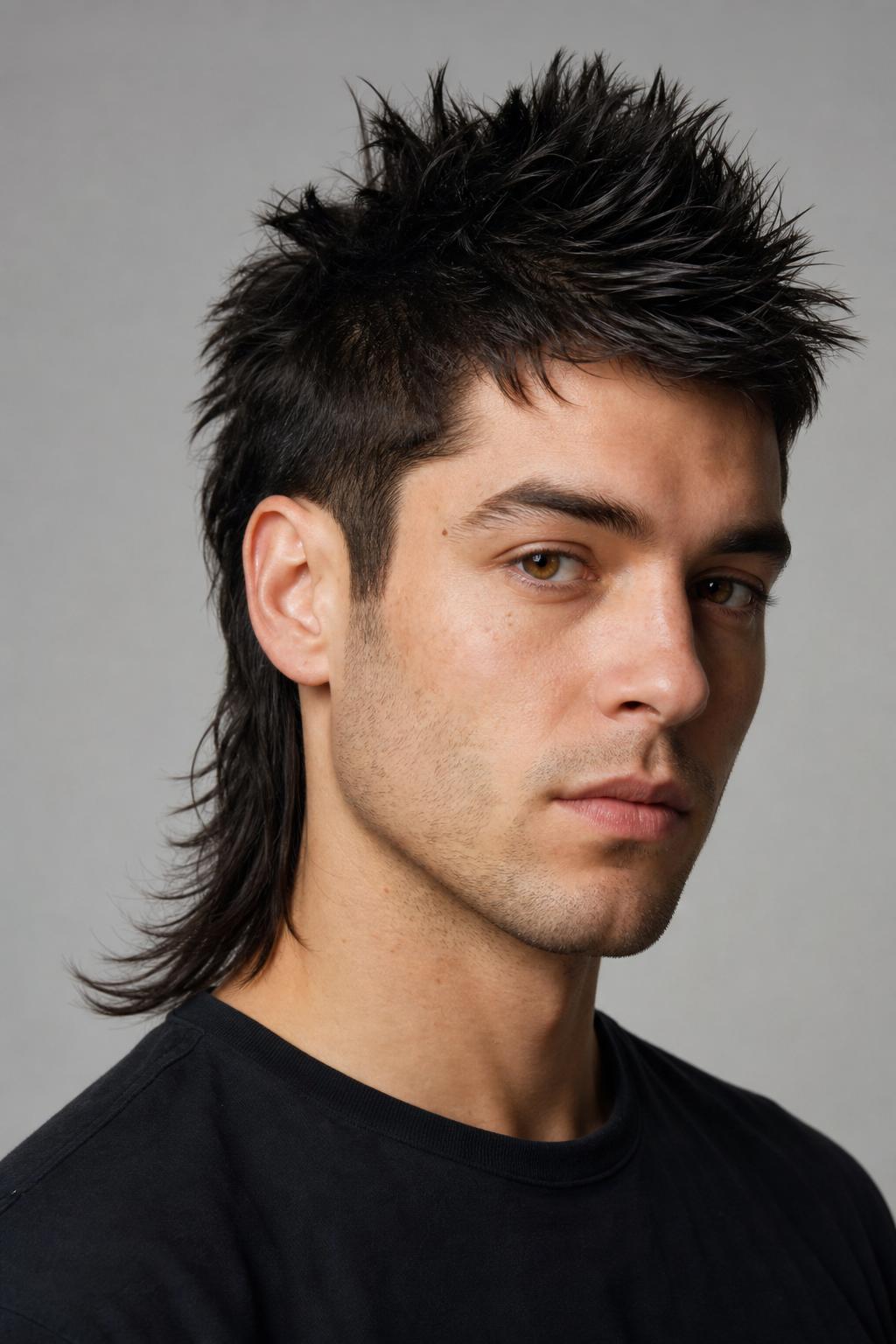
What Makes a Modern Mullet Different from Your Dad’s
A modern mullet keeps the defining idea of the cut, short on top and sides with length at the back, but changes almost everything about how it is executed. The classic 1980s mullet relied on a harsh, abrupt line between short and long, often with bulky sides and no blending. The modern version uses tapered or faded sides, point-cut texture on top, and a softer, gradual transition into the back length.
The other big shift is influence. Where the old mullet came from rock and country, the current revival draws on skater culture, 1970s shag energy, and Korean and K-pop styling that softened the shape into something draped and refined. The result reads intentional and stylish rather than dated. It is a cut built around texture and precision, not contrast for its own sake.
Stylist tip: The blend between the top and the back is what separates a modern mullet from a costume. Ask your barber to connect the lengths with soft, point-cut layering rather than a hard step, so the transition flows. That single detail is the difference between current and dated.
How to Choose a Modern Mullet for Your Face Shape
A mullet is bold, but the volume, fringe, and fade height should still suit your proportions. The goal is to use the shape to balance your face, adding height to a rounder one or width to a longer one. The table below pairs each shape with the version that works best.
| Face Shape | Best Mullet | Why It Works | Avoid |
|---|---|---|---|
| Oval | Most versions | Balanced proportions take any shape | Little to avoid |
| Round | Spiky or textured top with a fade | Height lengthens a round face | Wide, flat sides that add width |
| Square | Soft layered or Korean mullet | Soft texture eases a strong jaw | Hard, blocky lines that sharpen the jaw |
| Heart | Mullet with a forward fringe | Fringe softens a wider forehead | Heavy top volume that widens the top |
| Oblong | Wavy mullet with width at the sides | Width balances a longer face | Tall spiky volume that elongates |
| Diamond | Mullet with a textured fringe | Fringe balances wider cheekbones | Tight sides that narrow the temples |
If your face is round, build height on top with a textured or spiky finish to stretch the proportions upward. For a longer, oblong face, keep the top low and let waves add width at the sides. Square jaws look softest with a Korean or soft-layered mullet rather than hard, blocky lines that only sharpen the angles already there.
What to Tell Your Barber
Cover three things: the top length, the side finish, and how long you want the back. Try, “I want a modern mullet with a textured top, a mid fade on the sides, and the back kept long but blended into the top, not a hard line.” That gives your barber the shape, the side height, and the all-important instruction to blend.
Be clear that you want a modern mullet, not a retro one, because the two are cut very differently. Show a photo of the exact silhouette you want, including how long the back should sit. If you have curly hair, ask for a dry cut so the back length accounts for shrinkage.
Stylist tip: Decide on the back length before you sit down and be specific in inches or by pointing to where it should fall, like the nape or the collar. Barbers vary widely in how long they take a mullet back, and a clear marker prevents a surprise that is too short to fix.
Maintenance and Styling
A modern mullet needs more upkeep than a simple short cut, mostly because the faded sides and the shape need regular attention. The sides soften within a few weeks while the back keeps growing, so most men book a shape-up every three to five weeks. Daily styling is quick once you know the routine.
| Aspect | What to Expect |
|---|---|
| Shape-up | Every 3 to 5 weeks; sooner with a high fade |
| Daily styling | 5 minutes with texture spray or clay |
| Products | Matte clay, sea-salt spray, curl cream for curls |
| Tools | Blow-dryer, fingers or brush, pick for coils |
| Grow-out | Back grows usable; the faded sides look untidy first |
The honest trade-off is the visit frequency, since faded sides need a barber more often than the back needs trimming. Between cuts, a texture spray or a little clay is usually all the styling the top needs. If you want a lower-upkeep version, a tapered mullet without a skin fade buys you more time, much like the softer sides on a mid blowout taper, and the full set of men’s haircuts covers other options.
When a Modern Mullet Is Not the Right Choice
The mullet is bold but not right for everyone or every setting.
- A strict, conservative workplace can find even a modern mullet too much, since the long back reads as a statement. A subtle taper mullet or a different cut entirely is safer in that environment.
- Wanting the lowest possible maintenance rules out the faded versions, which need a barber every few weeks to stay clean. A simpler cut holds its shape far longer.
- A hairline receding at the temples can clash with the forward styling of some mullets, drawing attention to thinning. A version with a fuller fringe or a different cut may flatter more.
FAQ
What Is a Modern Mullet?
A modern mullet keeps the short-top, long-back idea of the classic but uses tapered or faded sides, a textured top, and a soft, blended transition into the back. It reads intentional and stylish rather than dated. The current version draws on skater, 1970s shag, and Korean styling influences.
How Is a Modern Mullet Different from an 80s Mullet?
The biggest difference is the blend: an 80s mullet had a harsh line between short and long, while a modern one transitions softly with point-cut layering. Modern versions also use faded or tapered sides instead of bulky ones. The overall effect is refined and textured rather than abrupt.
How Do I Ask My Barber for a Modern Mullet?
Ask for a textured top, a taper or fade on the sides, and a longer back that blends into the top rather than a hard line. Specify how long you want the back, ideally by pointing to where it should fall. Bring a photo of the exact silhouette, and say clearly that you want a modern, not retro, version.
Does a Modern Mullet Work on Curly Hair?
Yes, curly hair makes one of the fullest, most textured mullets, with the back turning into bouncy length. Cut the curls dry so the shape stays even and accounts for shrinkage. Use a curl cream to define the pattern and keep the back from looking unruly.
How Often Does a Modern Mullet Need Maintenance?
The faded sides need a shape-up every three to five weeks, sooner if you have a high fade. The back can grow much longer between trims, so the visit frequency is driven by the sides. Daily styling takes only about five minutes with a texture product.
Is a Modern Mullet a Professional Haircut?
It depends on your workplace, but a subtle modern mullet with a low taper can pass in many casual and creative settings. The longer the back and the higher the fade, the bolder it reads. If your office is conservative, keep the contrast soft or choose a different cut.
A modern mullet brings the bold, expressive energy of the classic into a cut that actually looks current, which is why these modern mullet hairstyles keep gaining ground with younger men. Decide how dramatic you want the back and the fade, ask your barber to blend the lengths rather than step them, and bring a clear photo of the silhouette you are after. Cut and styled with intention, a modern mullet gives you a head-turning look that is a world away from your dad’s.
Hair results vary based on your natural hair type, texture, density, and condition. Always consult with a licensed barber or hairstylist before making significant changes. Photos may show styled results that require professional tools and products to replicate.