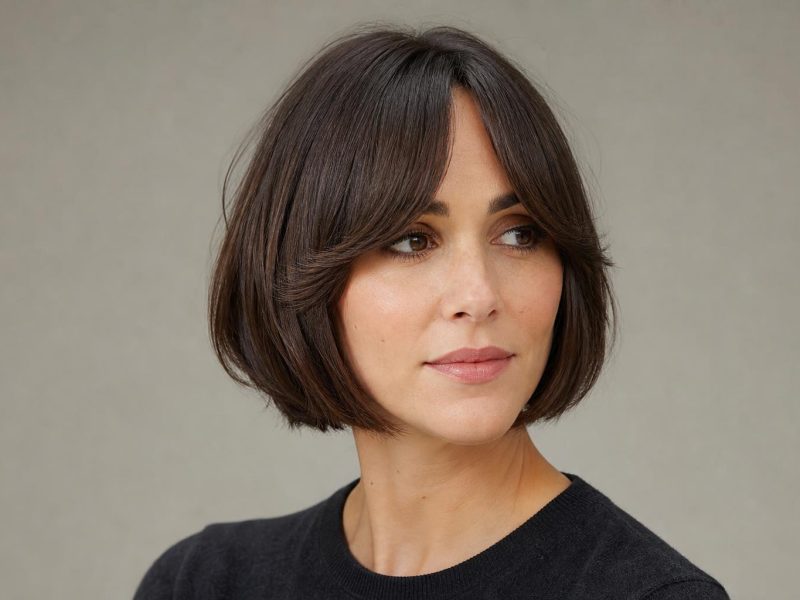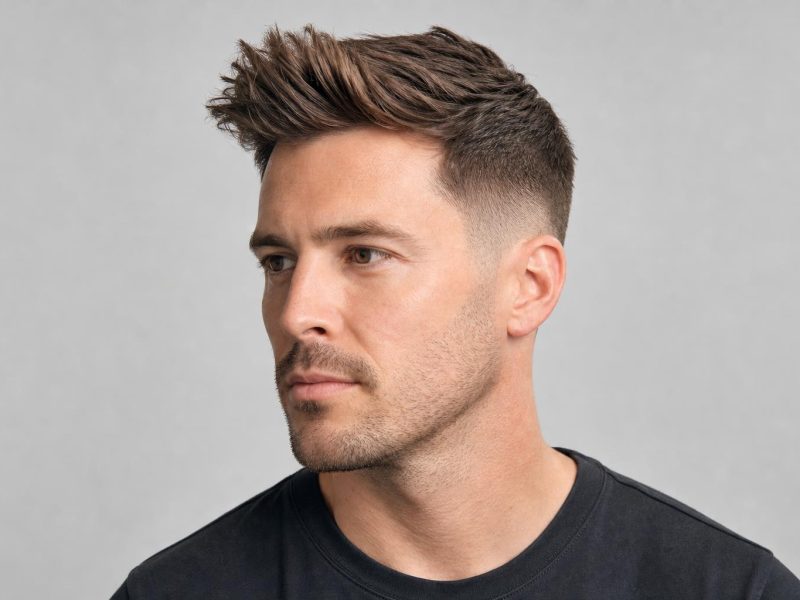

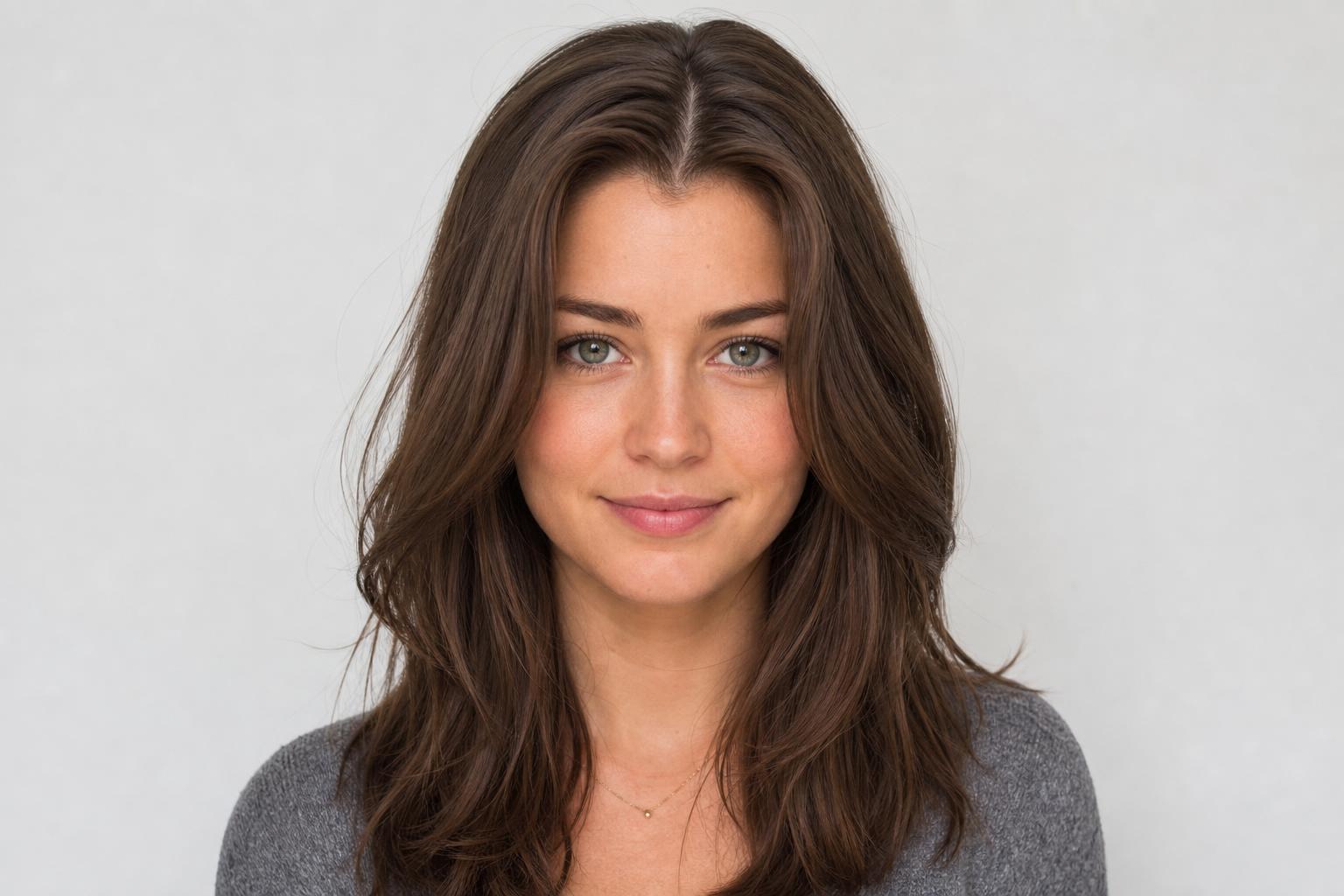
A widow’s peak is a V-shaped point at the center of the hairline — a genetic trait carried by roughly a third of the population, and one of the most misunderstood features in any barbershop or salon consultation.
These 25 hairstyles work for men and women with widow’s peaks across straight, wavy, curly, and coily hair types, from cuts that use the V-shaped hairline as a defining feature to styles that redirect the eye with bangs, side parts, or asymmetrical volume. The gallery is organized by gender, with men’s styles in the first section and women’s in the second.
A face shape guide, salon script section, and myths section follow the gallery, covering how the peak interacts with face proportions, exact language to use with your barber or stylist, and the most persistent misconceptions about what a widow’s peak means for your hair.
| Factor | Details |
|---|---|
| Best for | All hair types; most impactful choices vary by face shape, especially oval, heart, round, and oblong |
| Hairline approaches | Embrace (center part, slick back, line-up) or soften (bangs, side part, curtain fringe) |
| Works with | Straight, wavy, curly, and coily hair at any length |
| Avoid if | You have a receding hairline combined with the peak, some styles may emphasize thinning rather than the V shape itself |
| Salon time | 30–60 minutes for most cuts; add 20–30 minutes if fade or color work is included |
Men’s Hairstyles That Work with a Widow’s Peak
Most barbers encounter widow’s peaks daily, the hairline shape is common, and the styling approaches are well-established. The core decision is whether you want the V to read as a deliberate feature or to recede into the overall cut. Styles that embrace the peak use center parts, slick backs, or clean line-ups that trace the natural hairline. Styles that downplay it use fringe, off-center volume, or graduated texturing to shift the eye away from the center point.
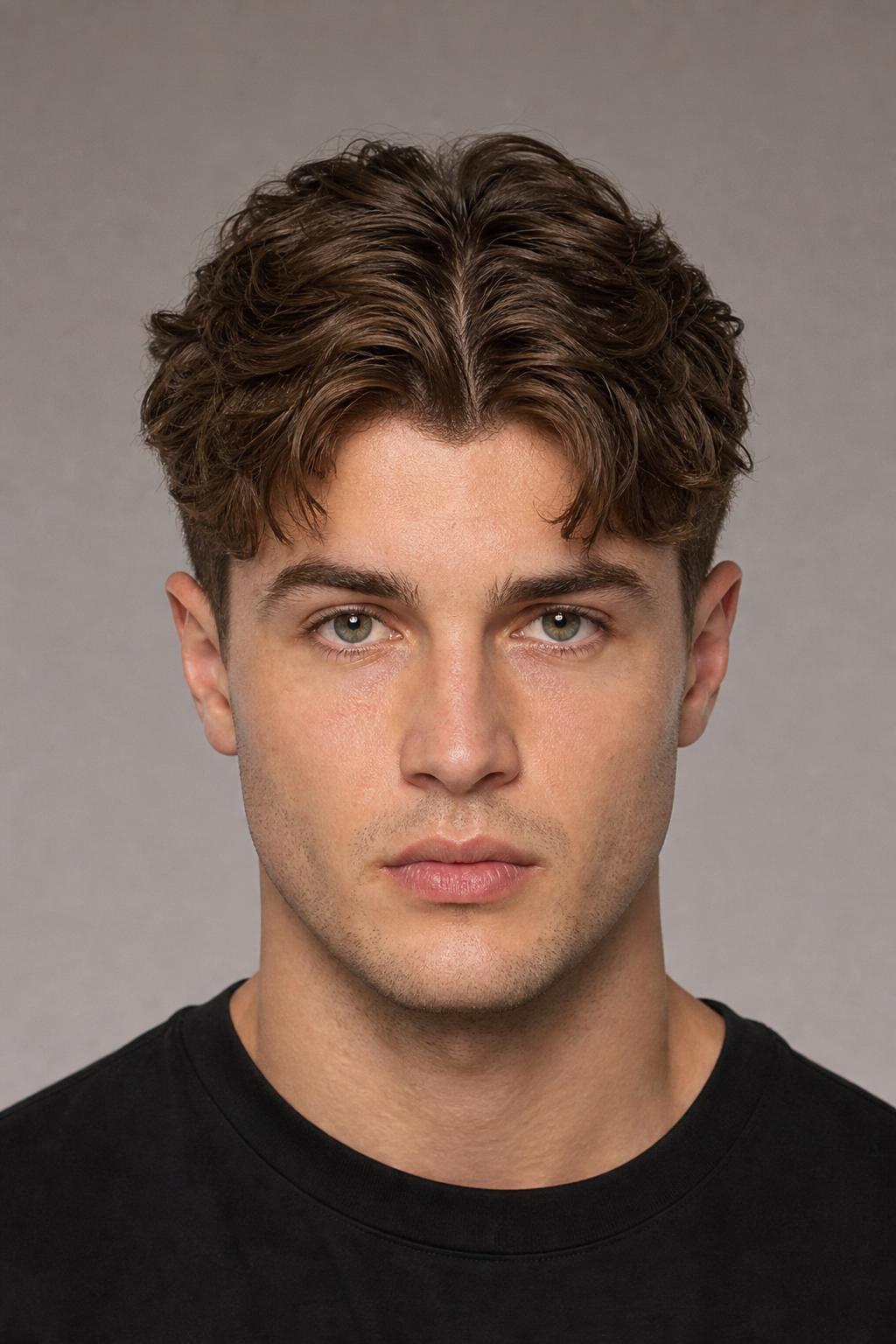
1. Natural Textured Crop with Center Part
A textured crop with 2–3 inches of length on top and a relaxed center part positions the widow’s peak as the natural anchor of the parting rather than something to manage. Point-cut ends at the front add softness right at the hairline, so the V reads as part of the texture rather than a sharp structural point standing on its own. Works across straight and wavy hair types with minimal morning effort, a small amount of matte paste worked through the roots defines the separation without stiffening the front section.
2. Side-Swept Undercut
For square and oblong face shapes, an undercut with volume swept diagonally across the top creates a strong horizontal line at the forehead that moves the eye left to right rather than downward toward the center V. The very short sides increase the contrast with the swept top section, which makes the widow’s peak look like part of a deliberate design rather than a hairline irregularity. A firm water-based pomade holds the swept direction without creating the stiffness that makes undercuts look forced by midday.
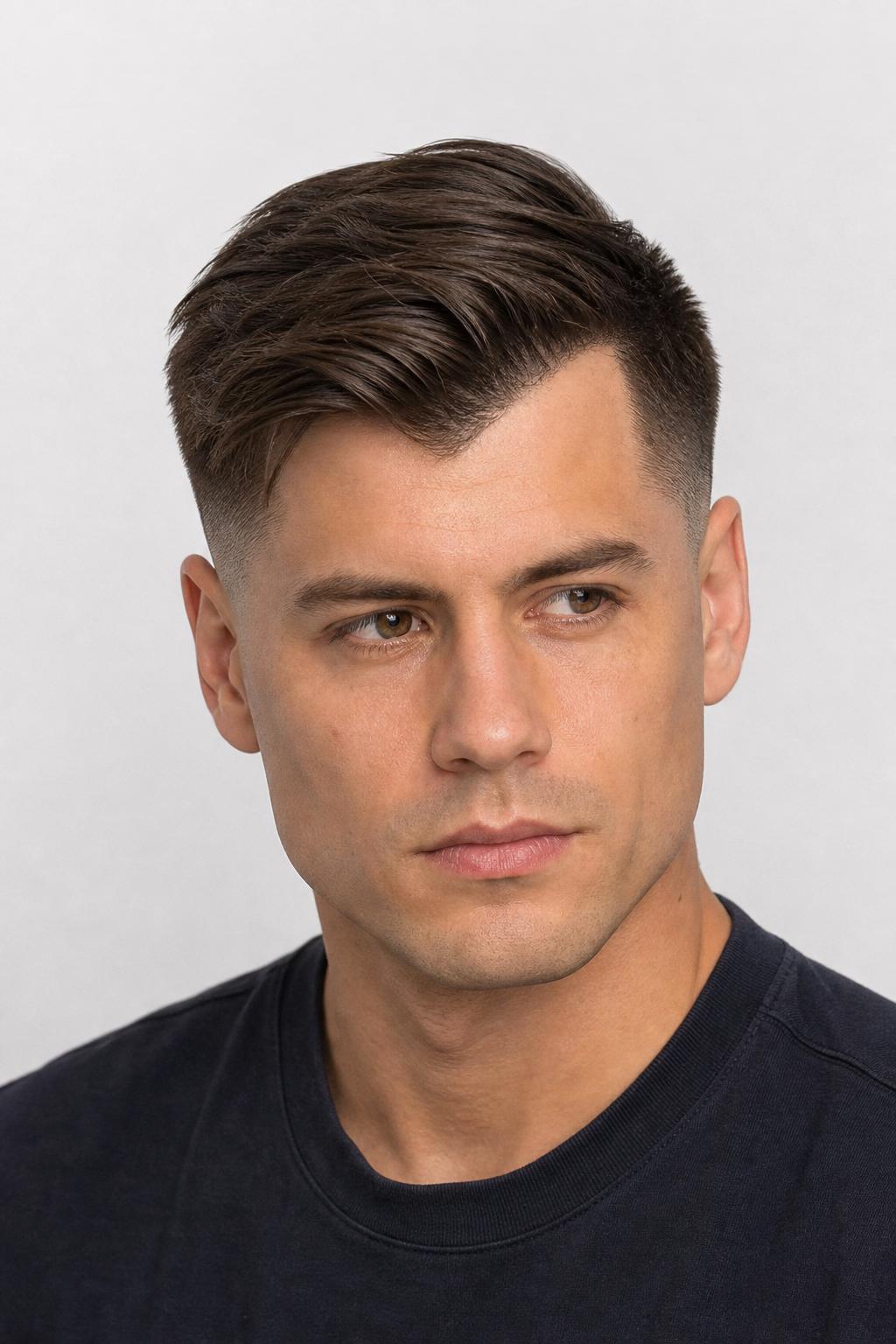
3. High Skin Fade with Slick Back
Slicking hair straight back turns the widow’s peak into an intentional focal point at the forehead, the V shape becomes the hairline’s leading character rather than something to conceal. Skin fades on the sides need a fresh-up cut every 3–4 weeks to stay sharp against the slicked top section; the slick itself can go longer between cuts without looking untidy. A medium-hold pomade with low shine works better than gel here, since gel tends to stiffen the front section and draw a visible product ring right around the peak.
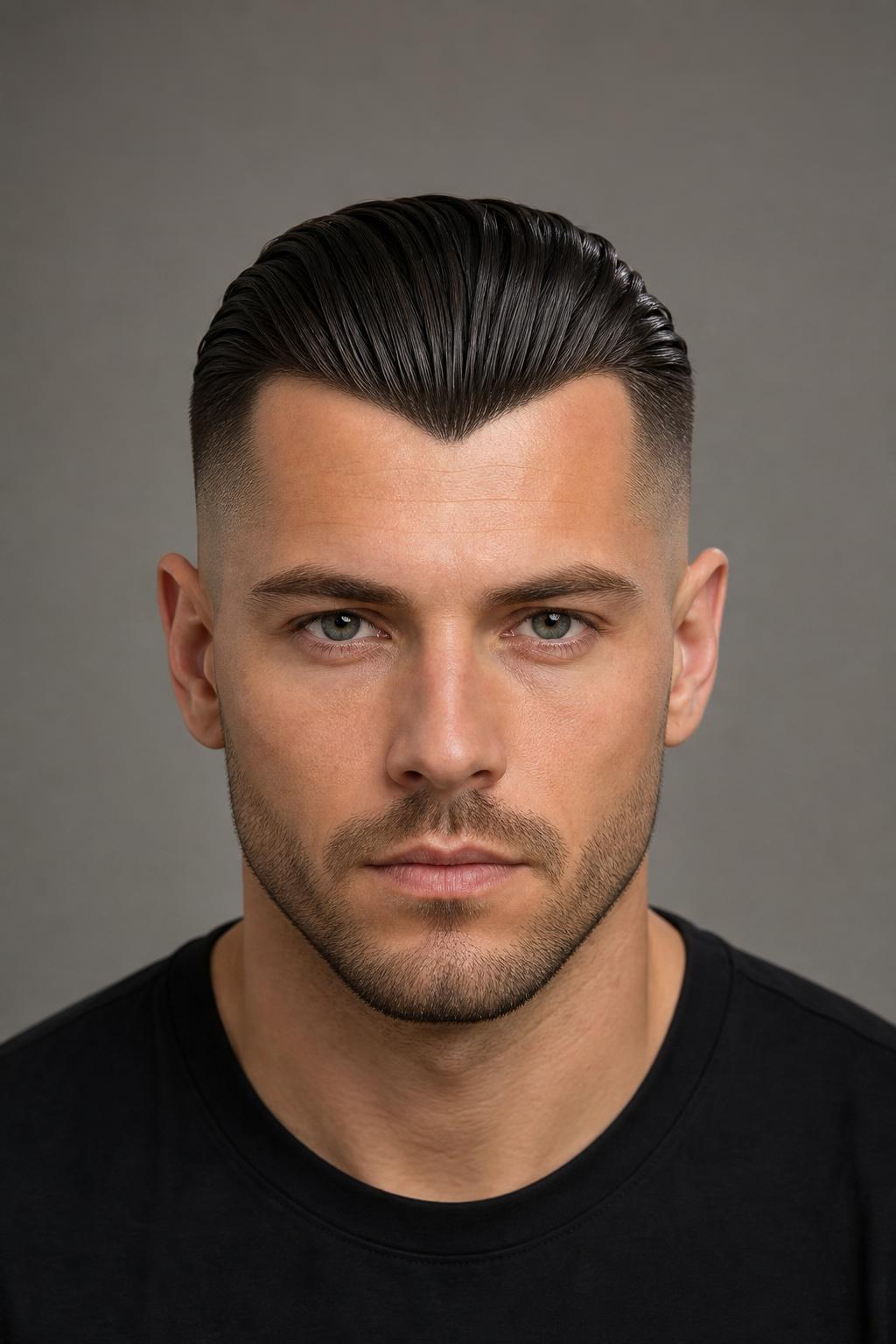
4. Textured Quiff with Mid Fade
Building height at the crown and directing it slightly off-center counterbalances the downward point of the peak without hiding it. To achieve this at home, work a volumizing paste through towel-dried hair, rough-dry upward and slightly to one side with a medium-heat dryer while lifting the roots with fingers, then finish with a cool blast to lock the lift. The height creates a vertical emphasis that makes the overall shape read as taller rather than wider, which works well for most face shapes that benefit from some additional visual length at the crown.
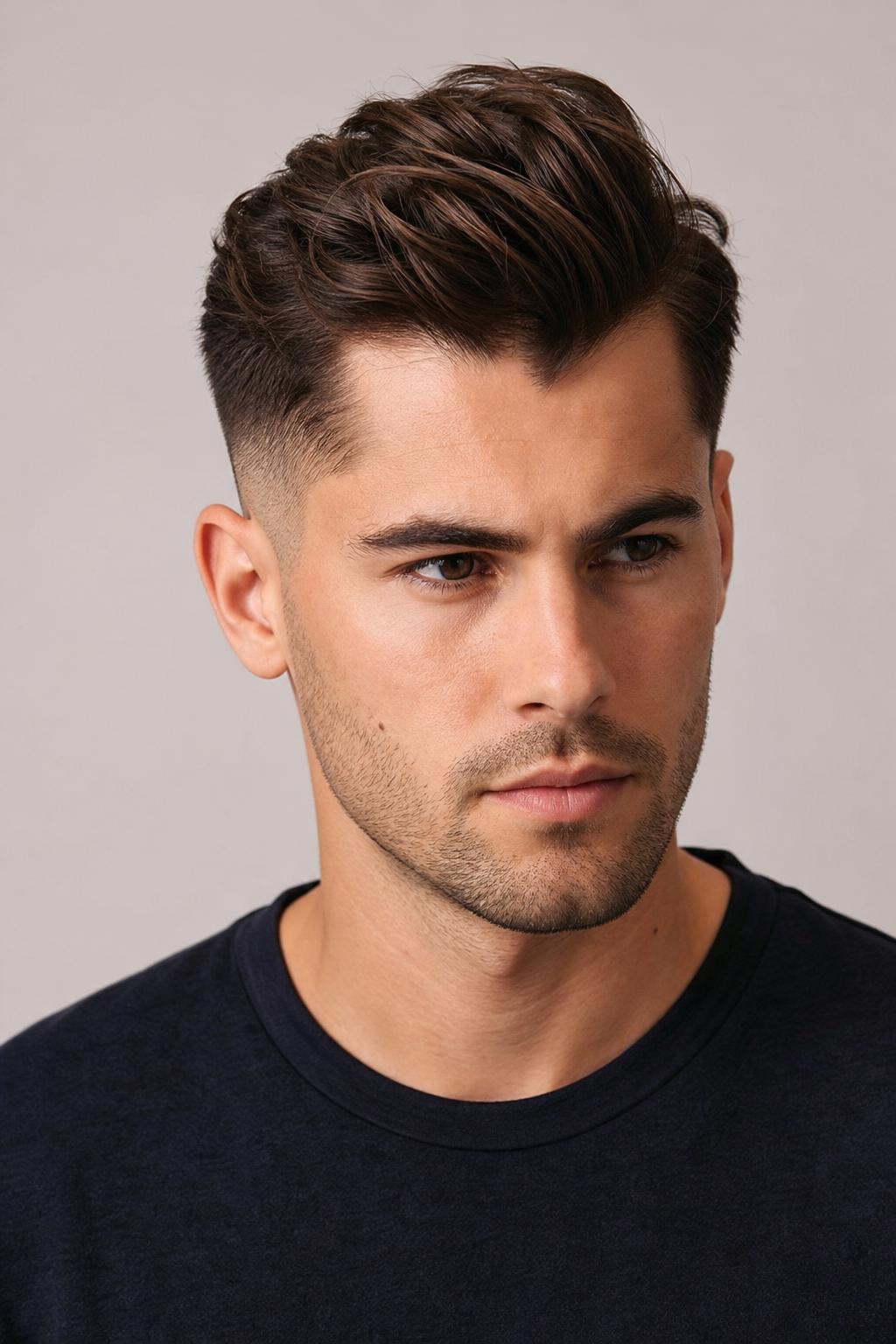
5. Classic Pompadour
Medium to thick hair handles a pompadour most reliably, fine hair struggles to hold the lift without going flat by midday unless a strong-hold clay is applied underneath a lighter finishing pomade. The roll of the pompadour begins at the center of the forehead, which means the widow’s peak naturally becomes the starting point of the swept arch, working with the cut rather than requiring extra effort to style around it. On medium density hair, a round brush during the blow-dry sets the direction before any product is applied, which extends how long the shape holds.
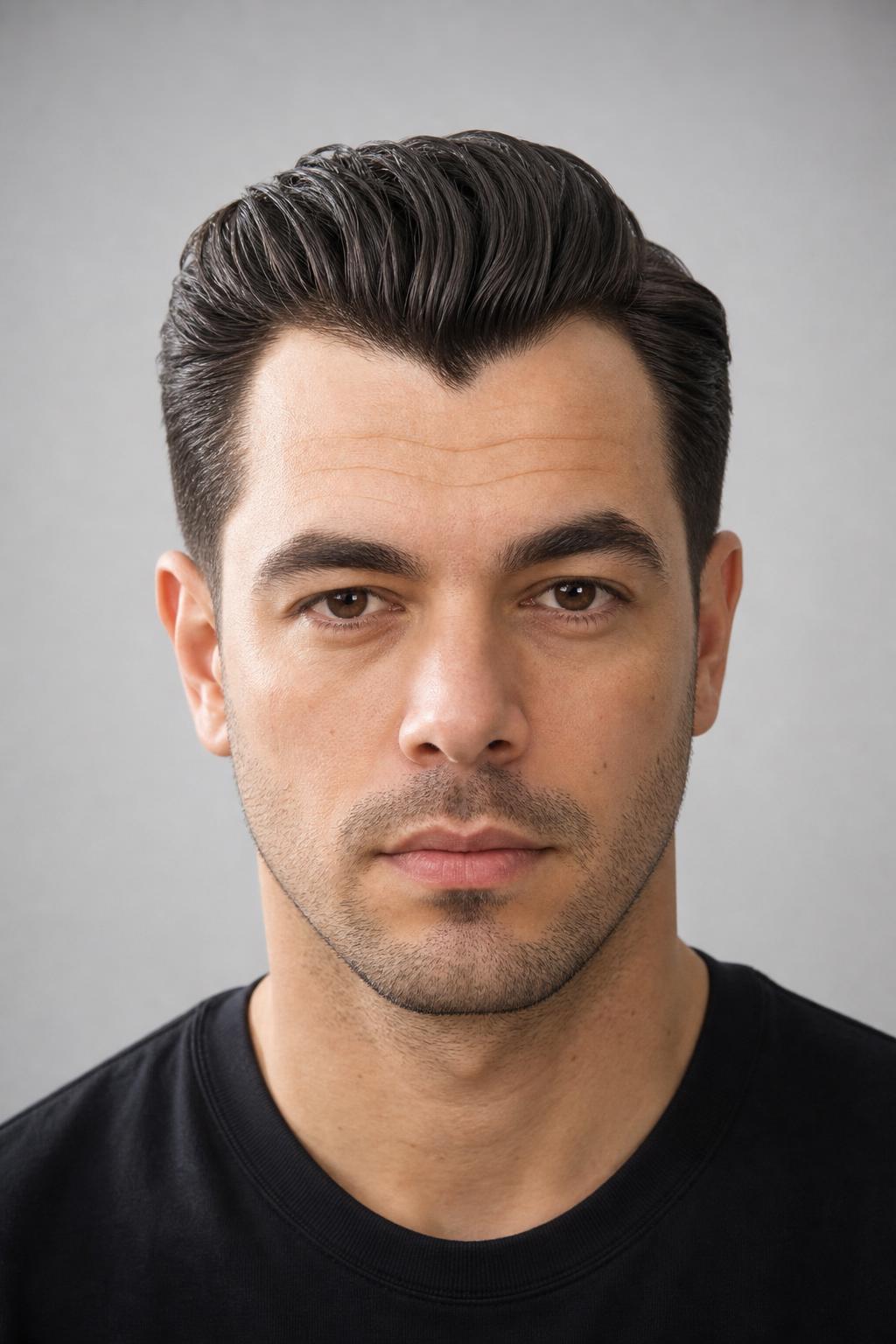
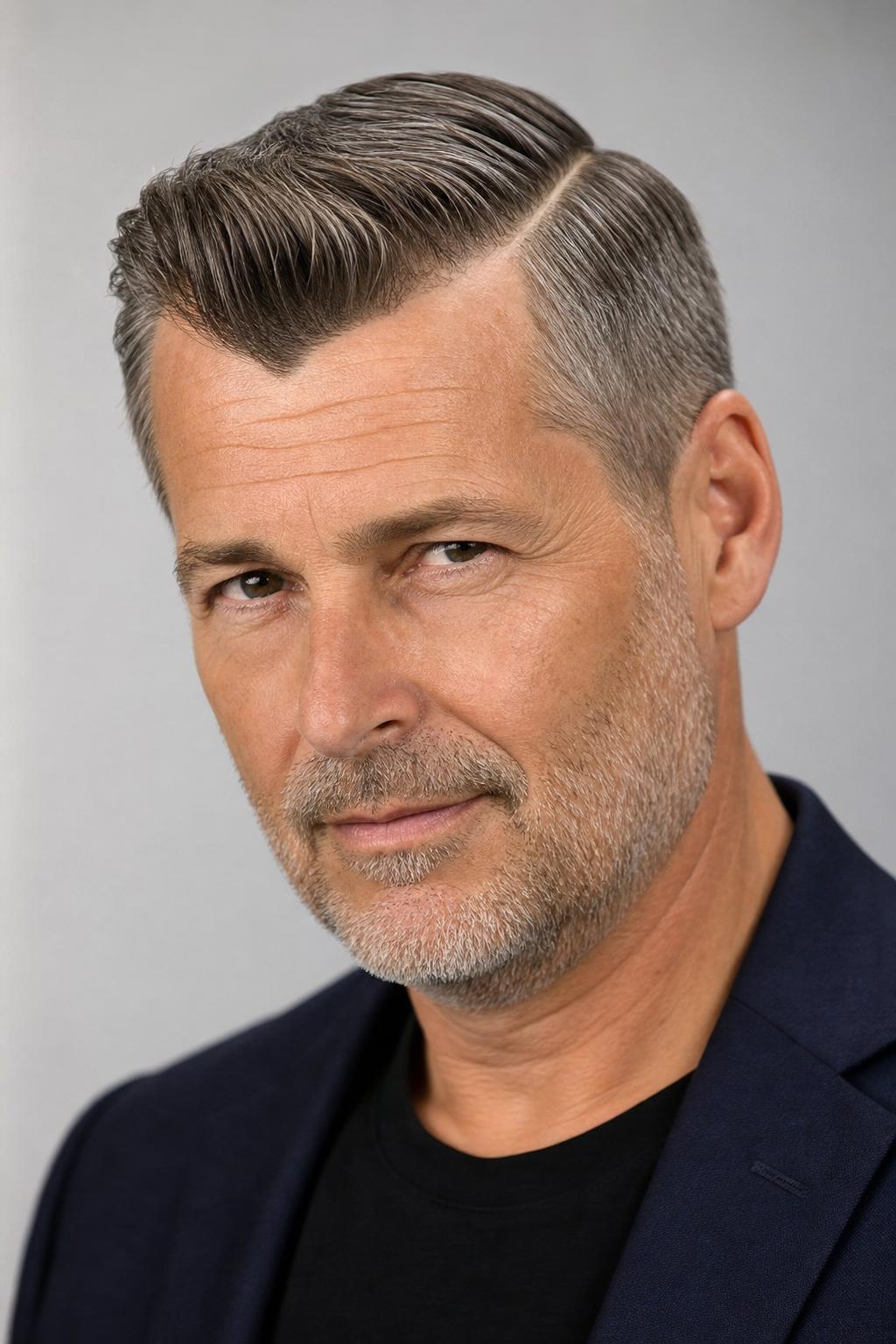
6. Hard Part Comb Over on Gray or Two-Tone Hair
Gray and salt-and-pepper hair makes a widow’s peak more visually defined because the higher contrast between lighter strands and the scalp creates a sharper outline around the V-shape. A hard part comb over on gray or two-toned hair uses that contrast deliberately, the razor-shaved part line gives the style a structured quality that positions the peak as one element in a controlled geometric composition rather than an unexpected hairline feature. Men who are transitioning into salt-and-pepper coloring often notice their widow’s peak becoming more prominent, which makes this a natural time to choose a style that acknowledges the hairline instead of fighting it.
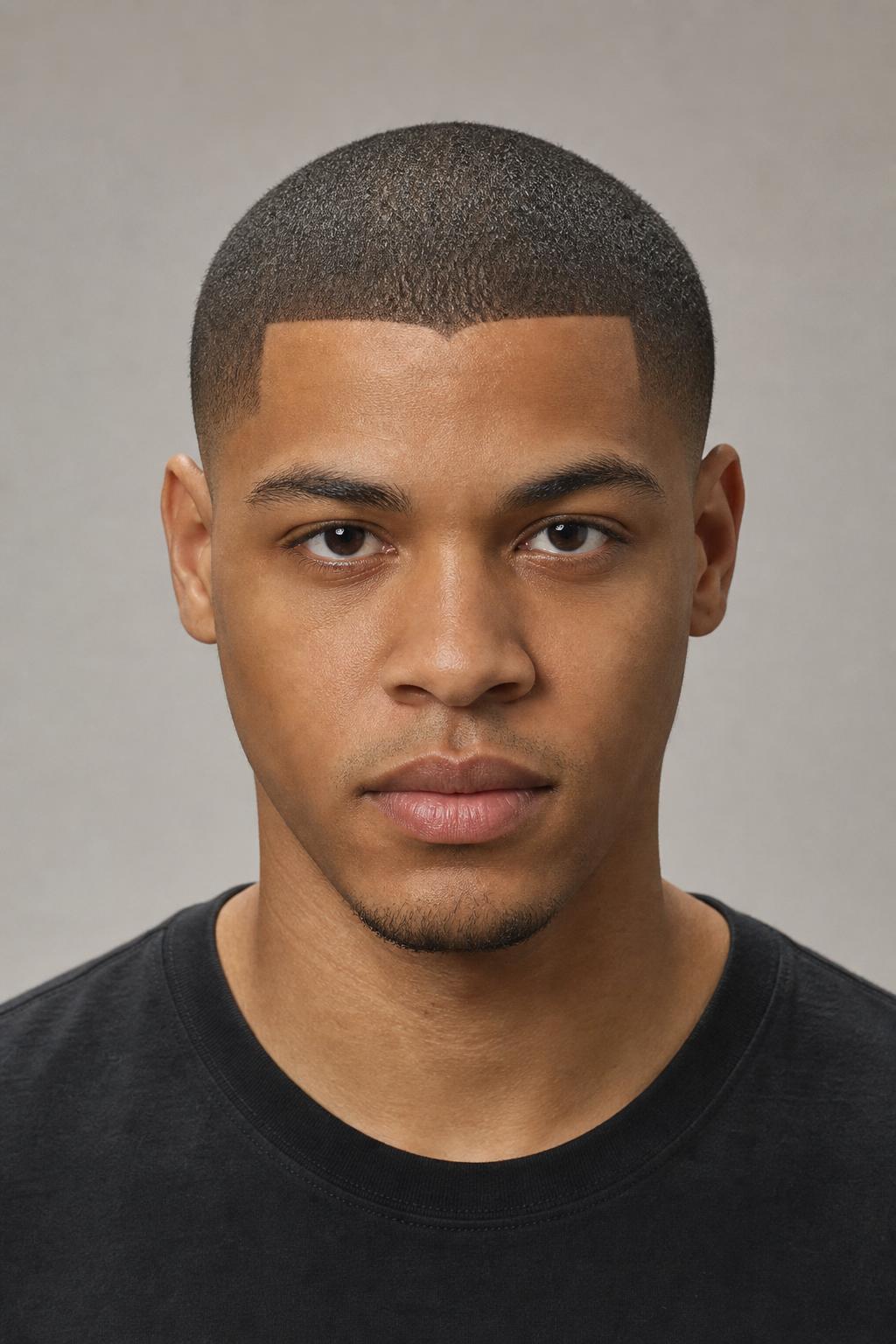
7. Buzz Cut with Natural Line-Up
Tell your barber: “I want a line-up that follows my natural hairline exactly, including the widow’s peak point at the center, please don’t try to straighten it out or soften the V.” The precision of a natural line-up gives the widow’s peak a clean, graphic quality that reads as intentional rather than irregular. Line-ups need freshening every 2–3 weeks to stay defined; on a buzz cut, that maintenance visit is essentially the only styling work the cut requires.
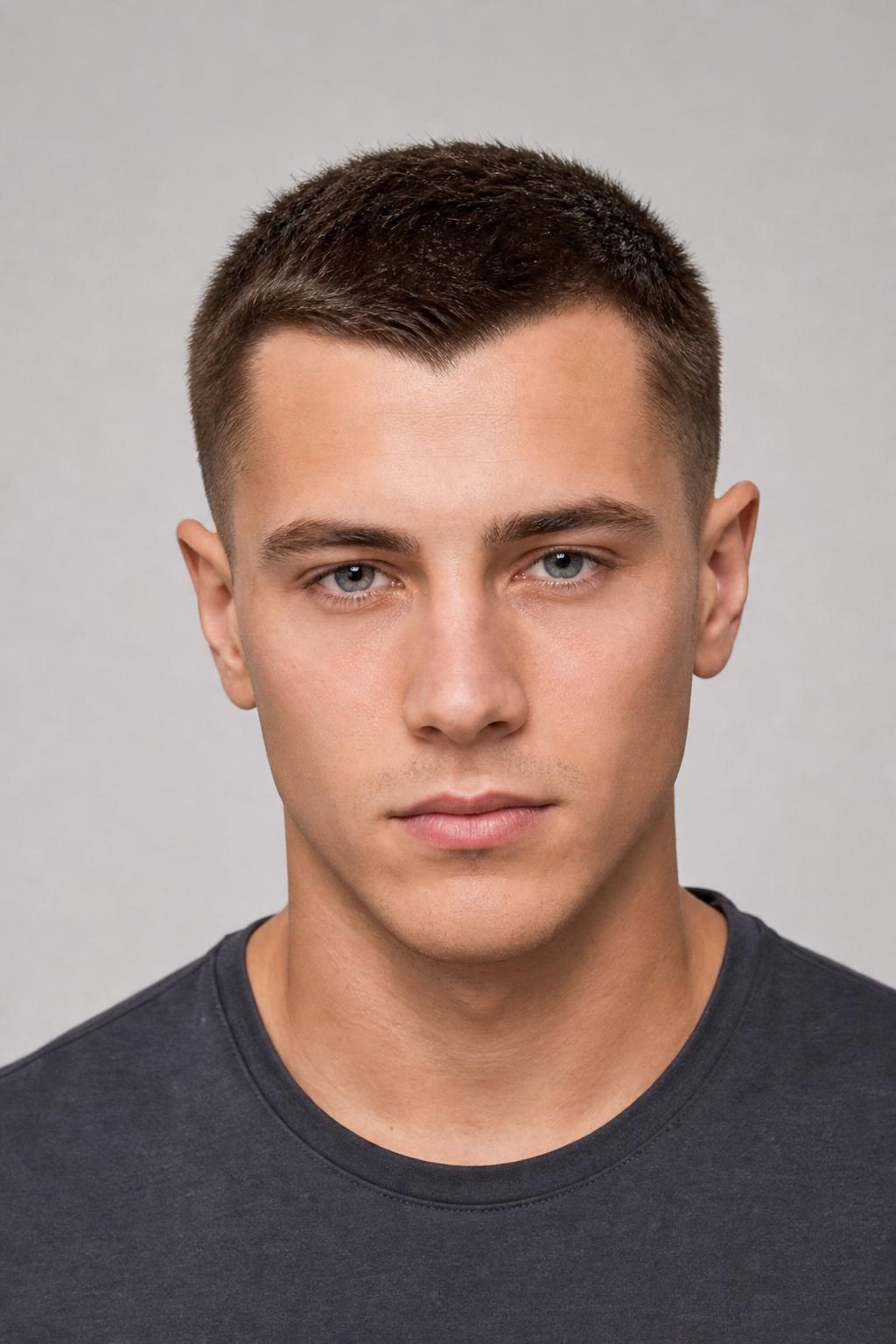
8. Crew Cut with Soft Taper
Unlike a pompadour or quiff that builds height directly from the hairline, a crew cut keeps length more uniform across the top and shorter at the nape, with a taper that blends the sides gradually into the skin. Point cutting the front section rather than blunt-trimming softens the perimeter right at the hairline, preventing the widow’s peak from looking angular against the cut’s edge. The balanced silhouette means the V shape stays proportional to the overall style rather than standing out against a high-contrast transition.
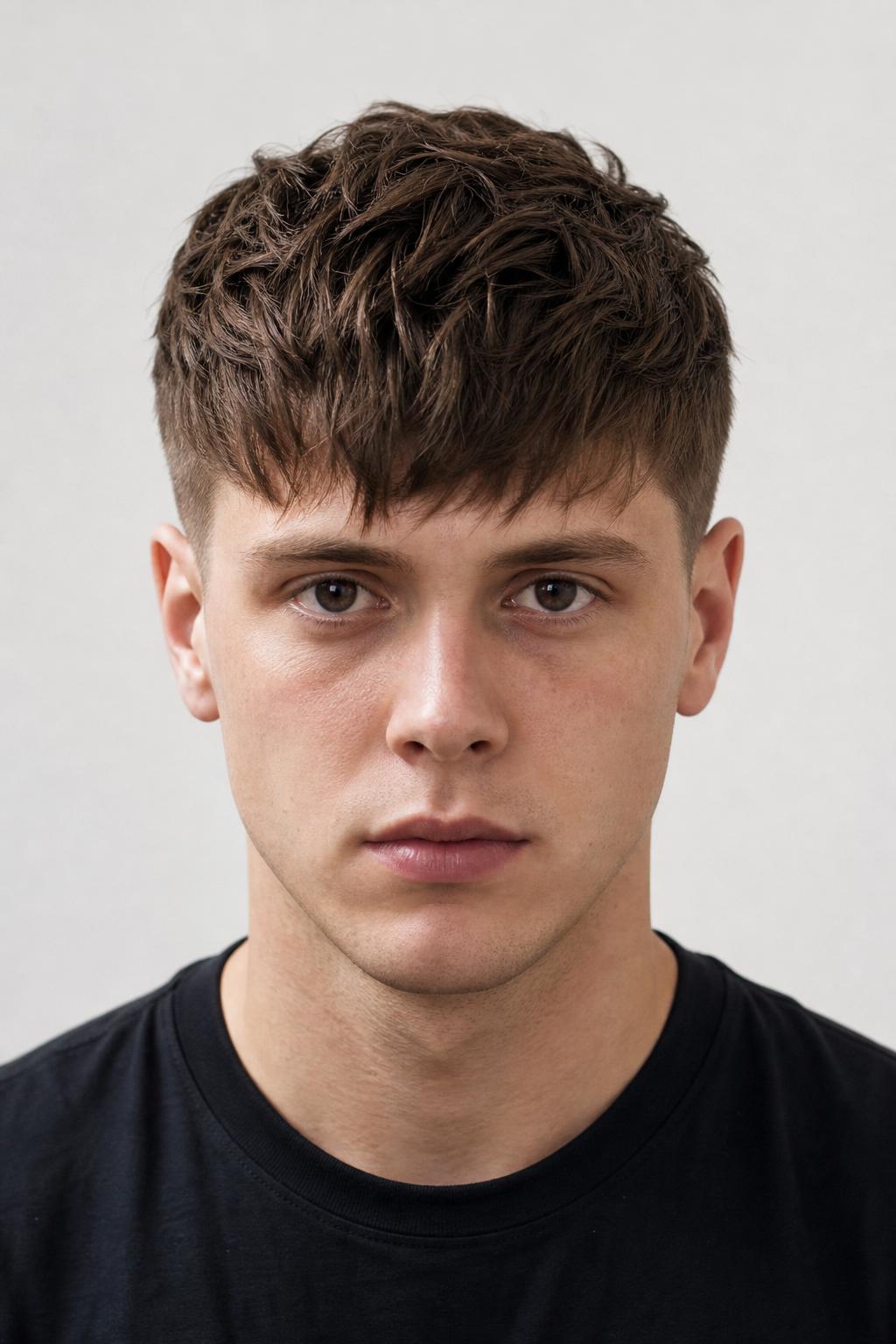
9. Textured Fringe Pushed Forward
Round-faced and square-faced men benefit most from a forward-pushed fringe, the horizontal plane across the forehead softens both the widow’s peak and the face shape simultaneously. Keep the fringe piece-y rather than blunt-cut: a heavy blunt fringe draws direct attention to exactly where the front hairline starts, while broken-up texture partially obscures the V without making it obvious the fringe is doing concealment work. Aim for just above eyebrow level so there is enough length to maintain the forward direction without it looking deliberately placed.
10. Comb Over with Low Fade
Apply a matte clay to damp hair and comb everything in one direction, then dry with a flat brush working in the comb direction, the result is a classic, controlled look that moves the visual center of the style away from the widow’s peak without requiring a dramatic razor-shaved hard part. A low fade extends the grow-out period considerably; most men go 5–7 weeks before the sides lose their shape, compared to the 3-week cycle of a skin fade. The low fade’s conservative approach also means the style works in professional environments where a high fade or hard part might read as too sharp.
11. Short Curly Crop
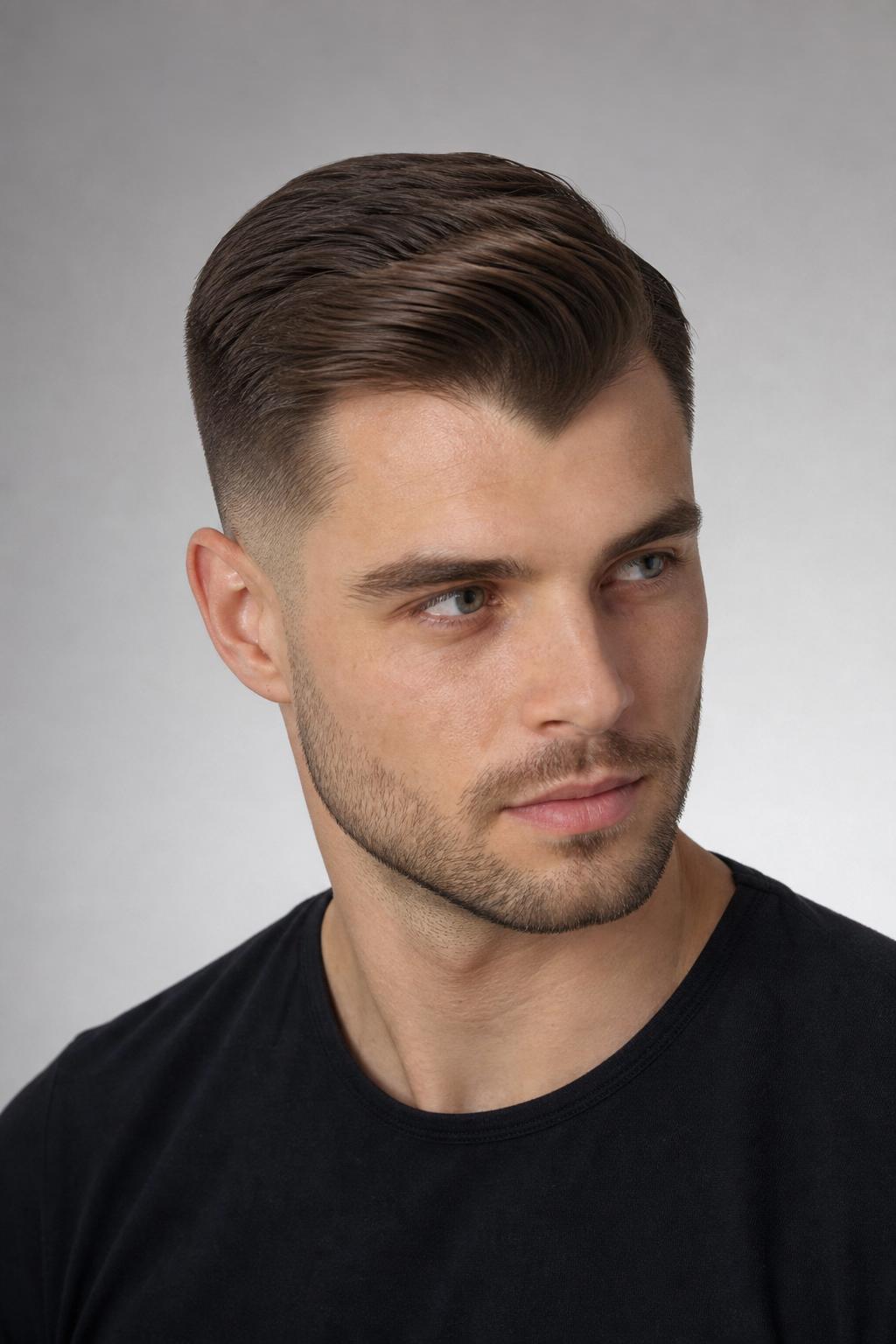
Tight to medium curls styled with a light-hold custard or curl cream produce a textured top where the curl pattern becomes the dominant visual element, the widow’s peak becomes secondary to the overall curl shape rather than a foregrounded detail. Keeping at least 1.5 inches of curl length at the front is important because cutting curls very short at the hairline can make the V appear more pronounced, since curls spring up and away from the face as they tighten. Low fade sides keep the structure clean without creating a harsh geometric contrast against the natural curl texture.
12. Mid Taper Fade with Volume on Top
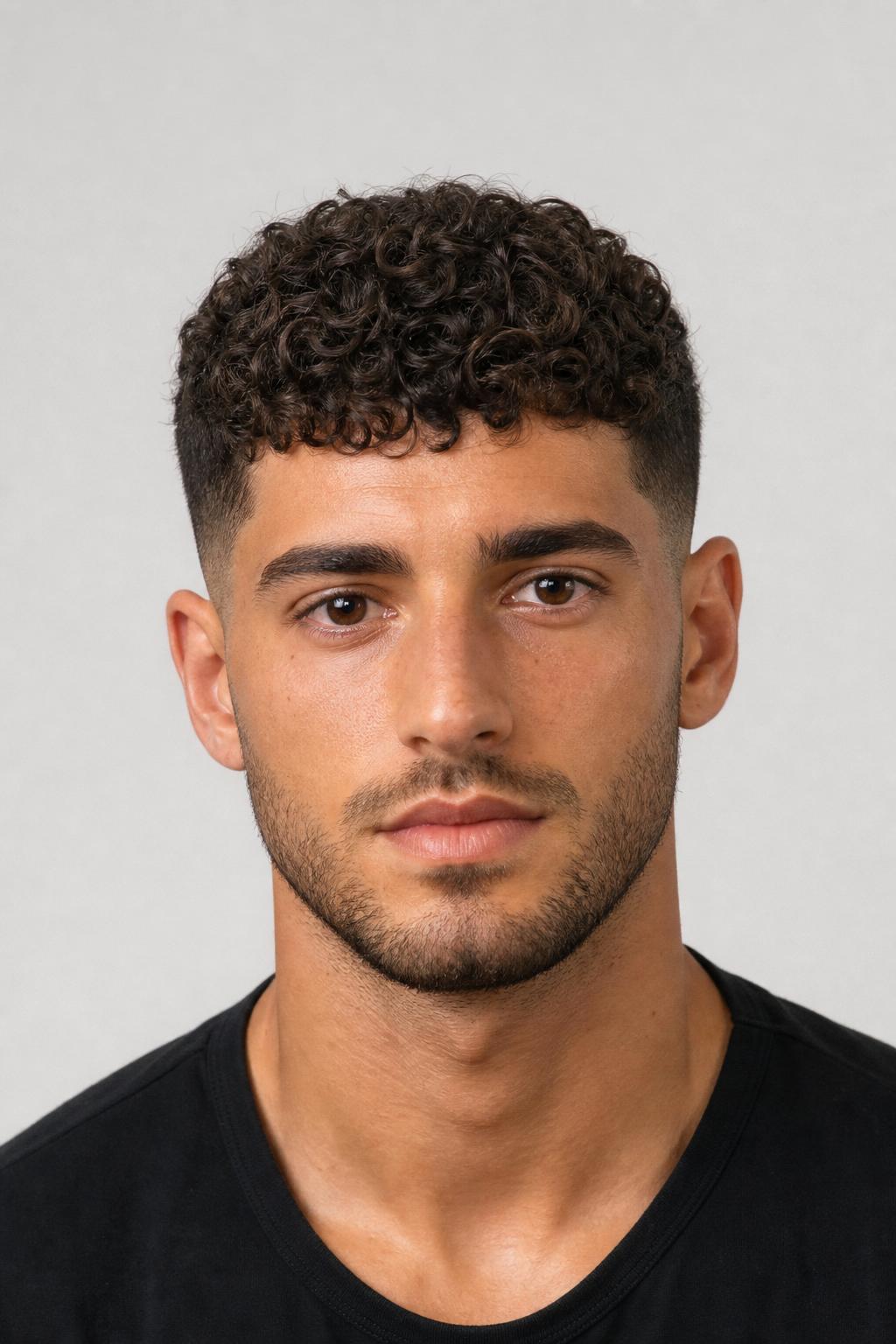
A mid taper fade cuts above the ear, extending the grow-out period to 4–6 weeks between barber visits compared to the 3-week cycle of a high or skin fade. The volume on top can be refreshed between cuts with a sea salt spray and a rough air-dry, so the style stays current without constant chair time. For men with widow’s peaks, having 2–3 inches of length on top gives the option to choose a parting direction each morning rather than committing permanently to one approach.
13. Long Hair Slicked Back
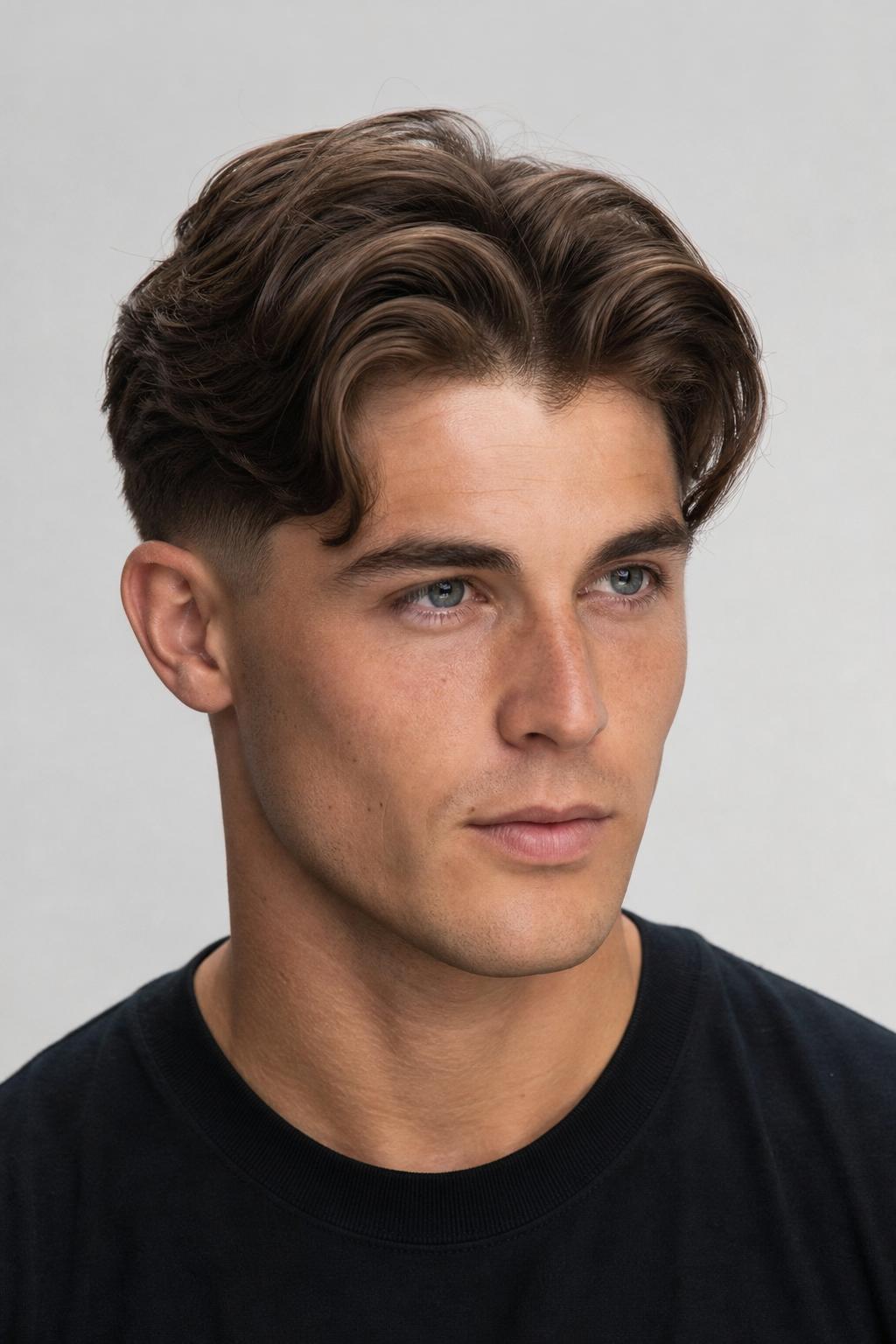
Work a wax-based pomade through dry or slightly damp hair (not soaking wet), comb through section by section from front to back, and leave the peak area itself product-free to avoid creating a rigid, raised section right at the V. When the styling sequence is right, the slick back reads as intentional; forcing too much product onto the peak makes the result look strained rather than deliberate. Fine-to-medium density hair needs a pomade with a wax base for lasting hold, since water-based formulas don’t provide enough grip to keep longer hair slicked back all day.
14. Angular Fringe with Drop Fade
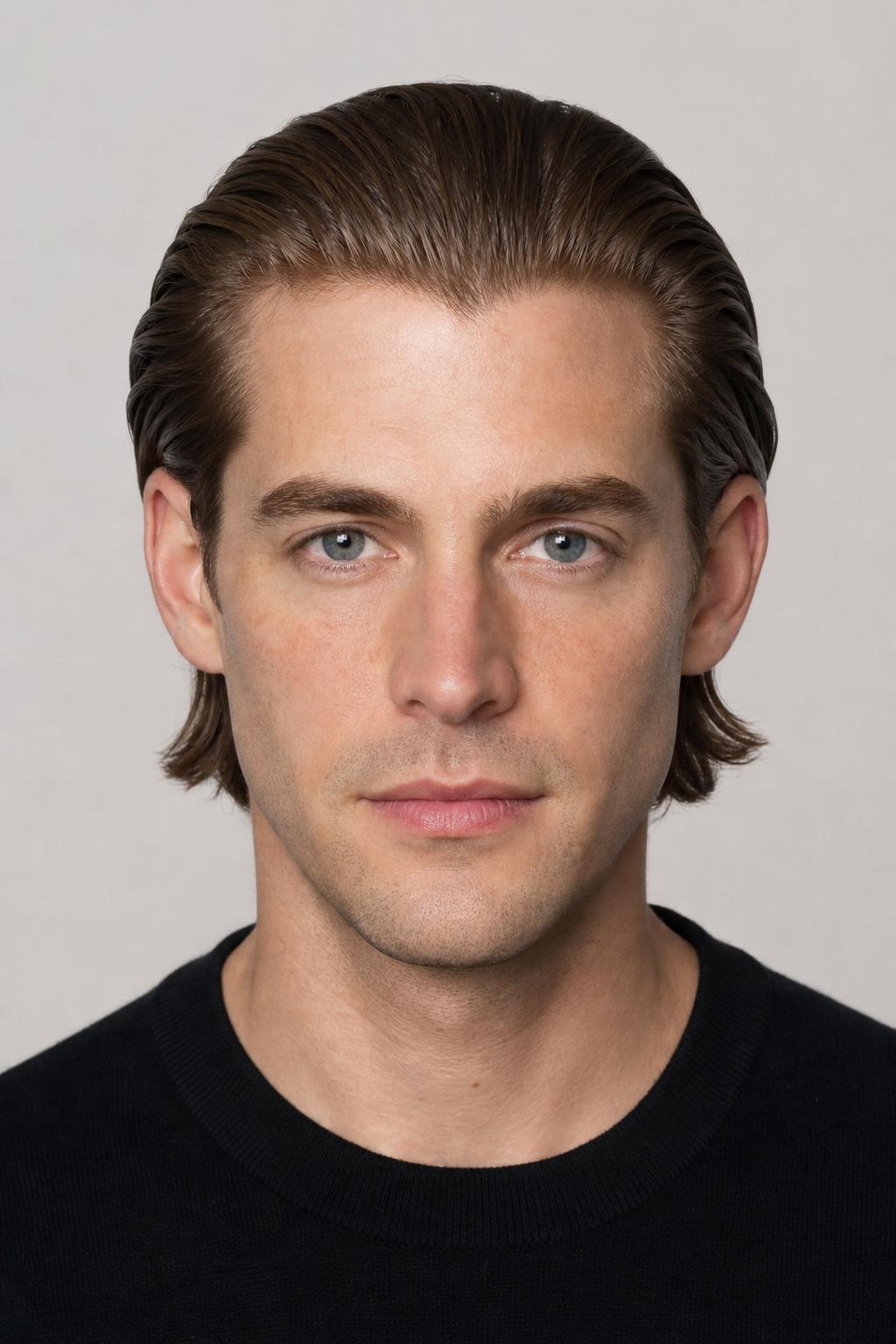
Tell your barber: “I want a heavier side fringe that comes down at an angle across my forehead, with a drop fade starting at mid-ear on the opposite side, I want the diagonal line of the fringe to be the main feature.” The intersecting lines of the angled fringe and the drop fade on the other side create a horizontal visual movement that leads the eye across the face rather than downward toward the center V. This is one of the more versatile approaches for men who want to downplay the peak without committing to a full, heavy fringe.
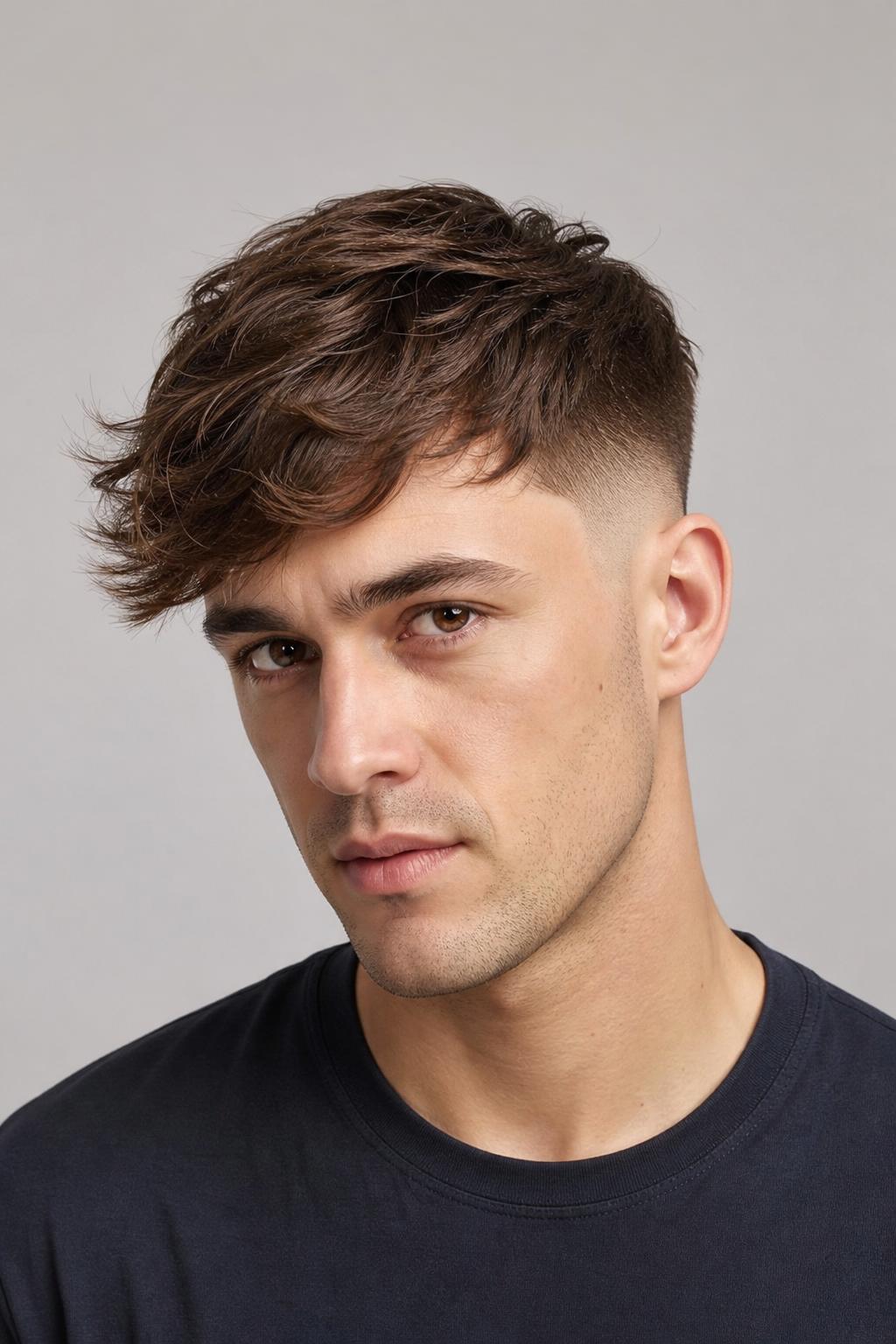
15. Natural Hairline Left Completely Untouched
Some cuts specifically leave the hairline natural, no line-up, no razor shaping, no fringe to redirect attention, and the widow’s peak simply exists as a feature of the face rather than a styling decision. Unlike a precision line-up that makes the peak look architectural and deliberate, the untouched hairline reads as casual and relaxed, which suits men who prefer their hair to look grown rather than designed. This works particularly well for men with strong facial structure, where the natural V adds to an overall sense of character rather than appearing as something that needed attention.
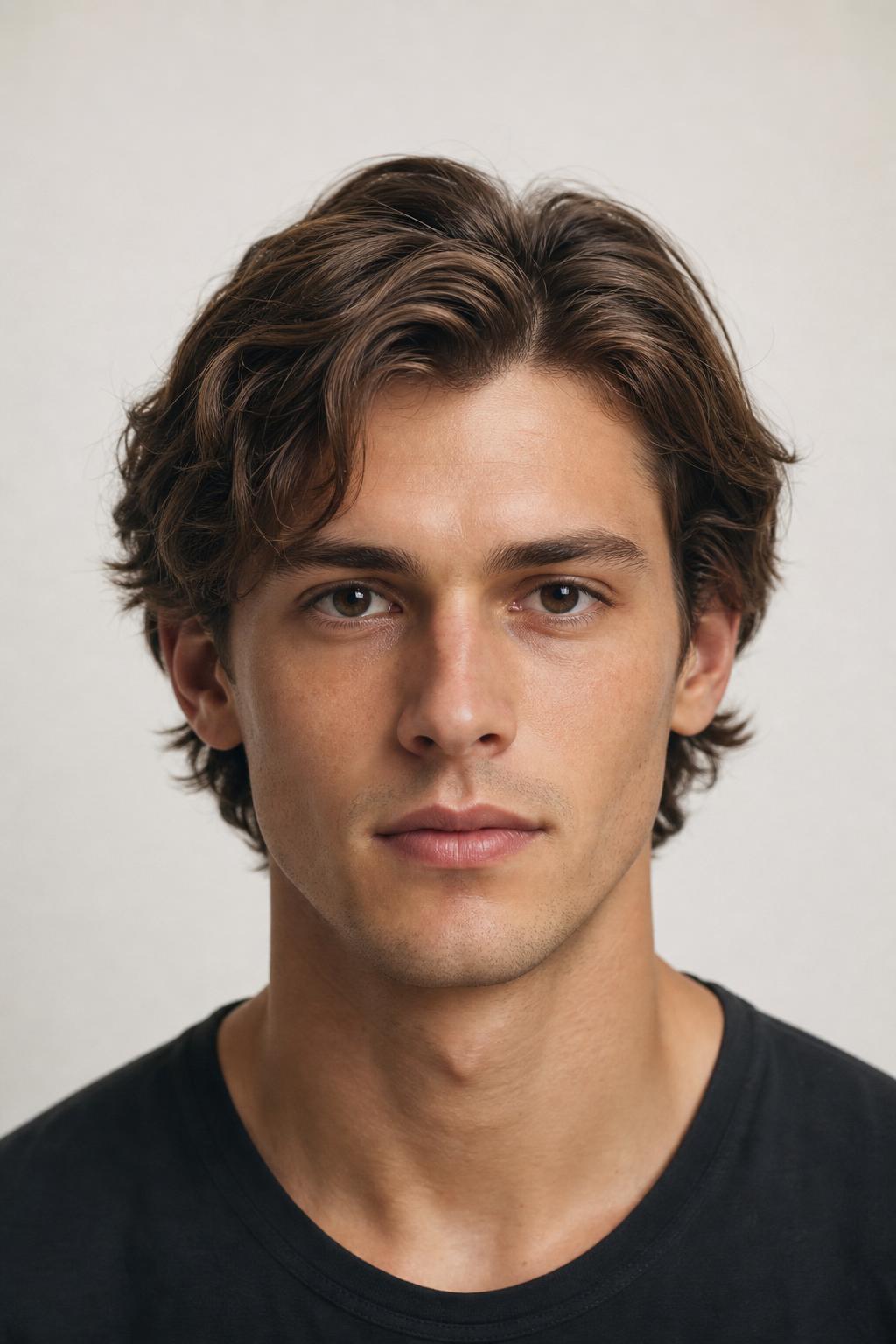
Women’s Hairstyles for a Widow’s Peak Hairline
Women have more styling range than men when it comes to widow’s peaks simply because the hair lengths and parting options vary so much more, from a pixie cut that fully exposes the hairline to long waves that can frame or partially conceal the V depending on the day. The following styles cover both directions and note whether each approach embraces the peak, softens it, or works in either mode depending on daily styling choices.
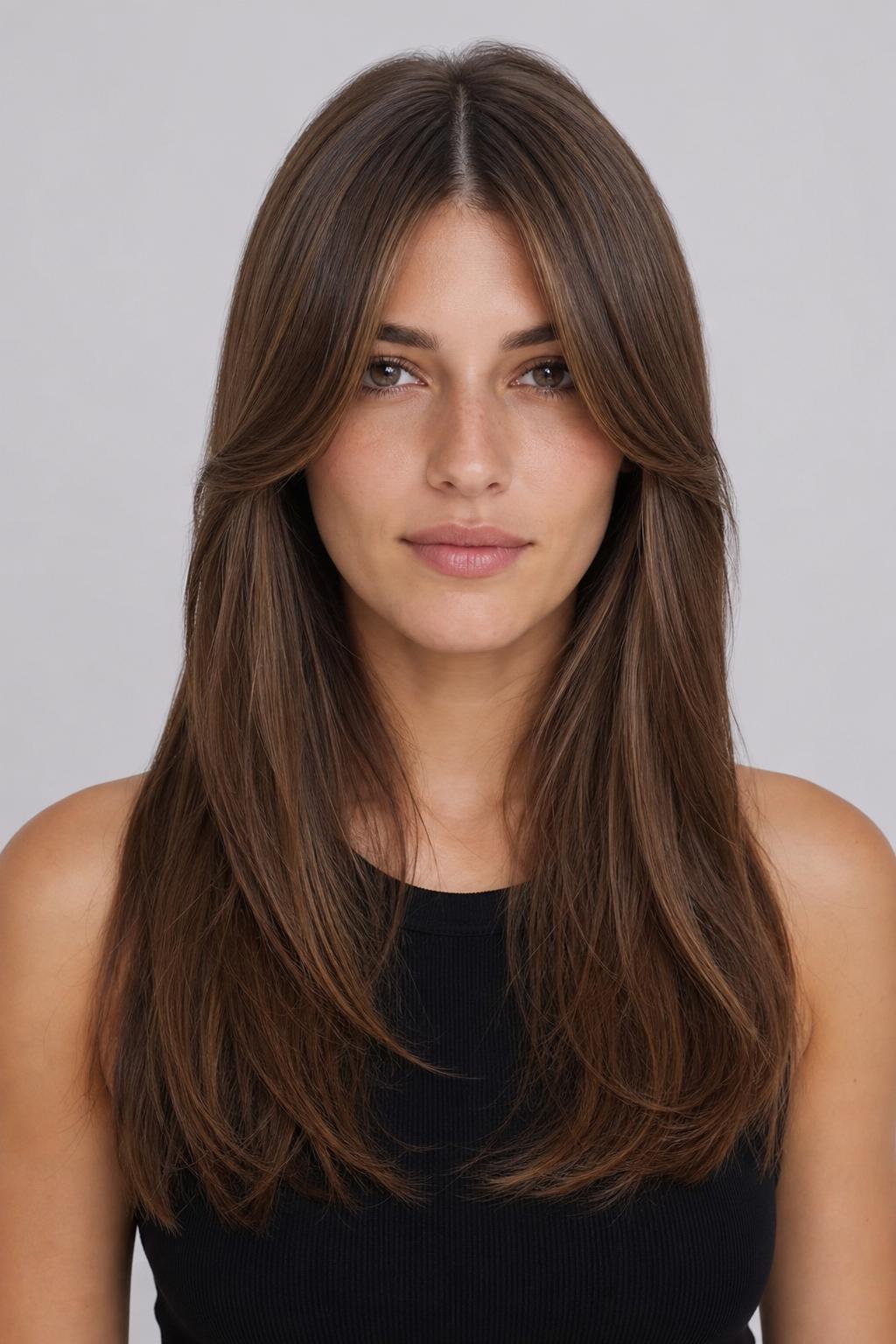
16. Long Hair with Curtain Bangs
Fine hair benefits from curtain bangs that are point-cut to a wispy density at the tips, a too-blunt curtain fringe on fine hair sits flat against the forehead and loses its sweep-to-each-side quality within a few hours. Thicker hair handles both blunt and textured curtain bangs well, with much less risk of going limp by afternoon. The widow’s peak sits at the center split where the bangs part, positioning it as the natural anchor of the parting rather than something to work around, making face-framing curtain bangs one of the most consistently recommended choices for this hairline shape.
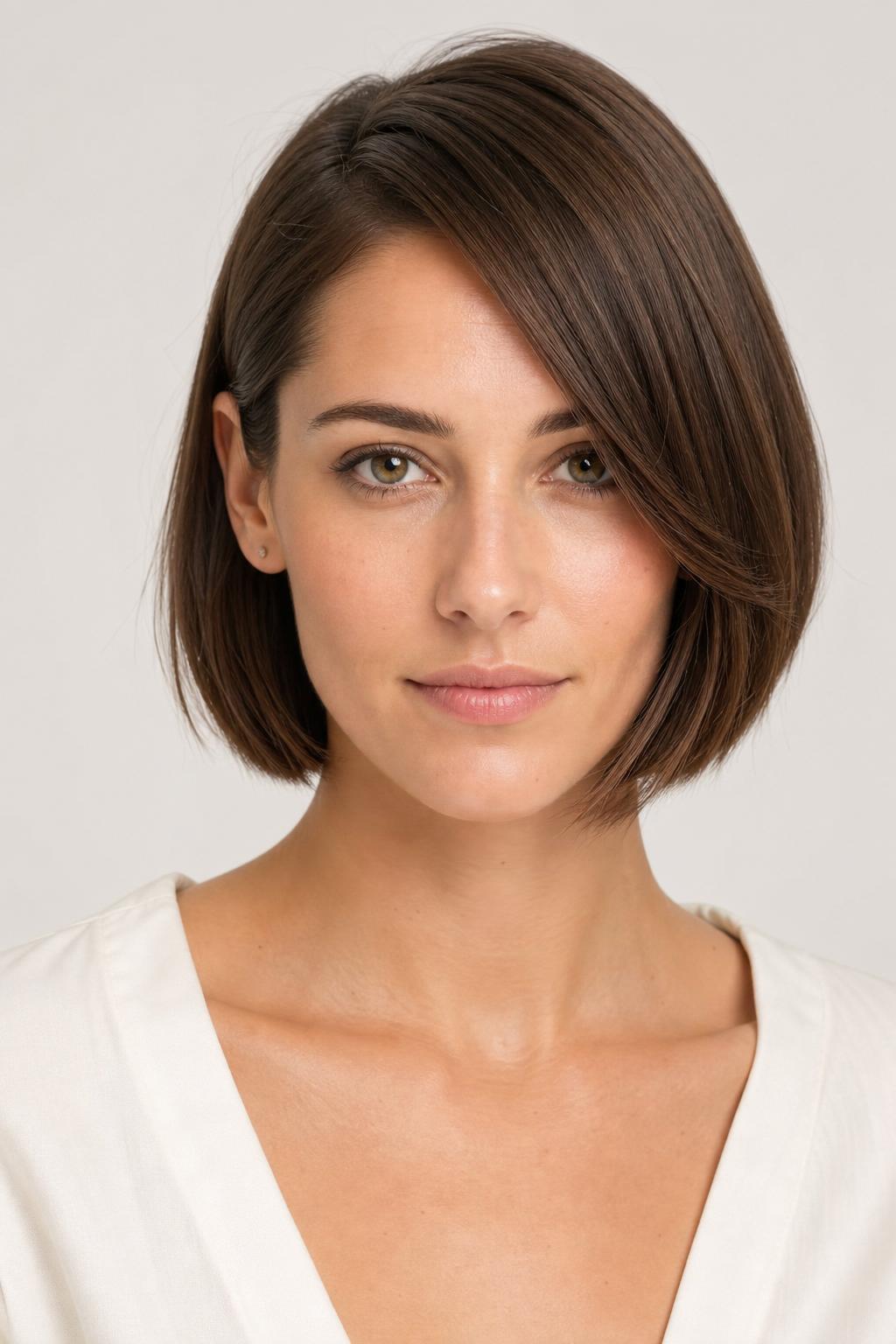
17. Short Bob with Deep Side Part
Point cutting or razor work at the bob’s perimeter softens the ends enough that the cut’s overall silhouette becomes the visual story rather than the hairline. A deep side part places most of the bob’s weight on one side of the forehead, moving the widow’s peak away from the center of the composition. A chin-length bob on straight to slightly wavy hair holds the side-part direction all day with minimal product, one pass of a light-hold smoothing serum through the mid-lengths is typically sufficient.
18. Long Center-Parted Waves
A center part with long waves positions the widow’s peak as the natural anchor point of the parting rather than a feature to manage around. Apply a curl-enhancing mousse to damp hair, twist sections loosely downward, and air-dry before separating with fingers, the wave pattern flows from the center part outward without stiffening the hairline area. Avoid applying any hold product directly on the hairline itself, since mousse or gel on the peak can create a clumped, rigid edge right at the V that disrupts the otherwise soft effect.
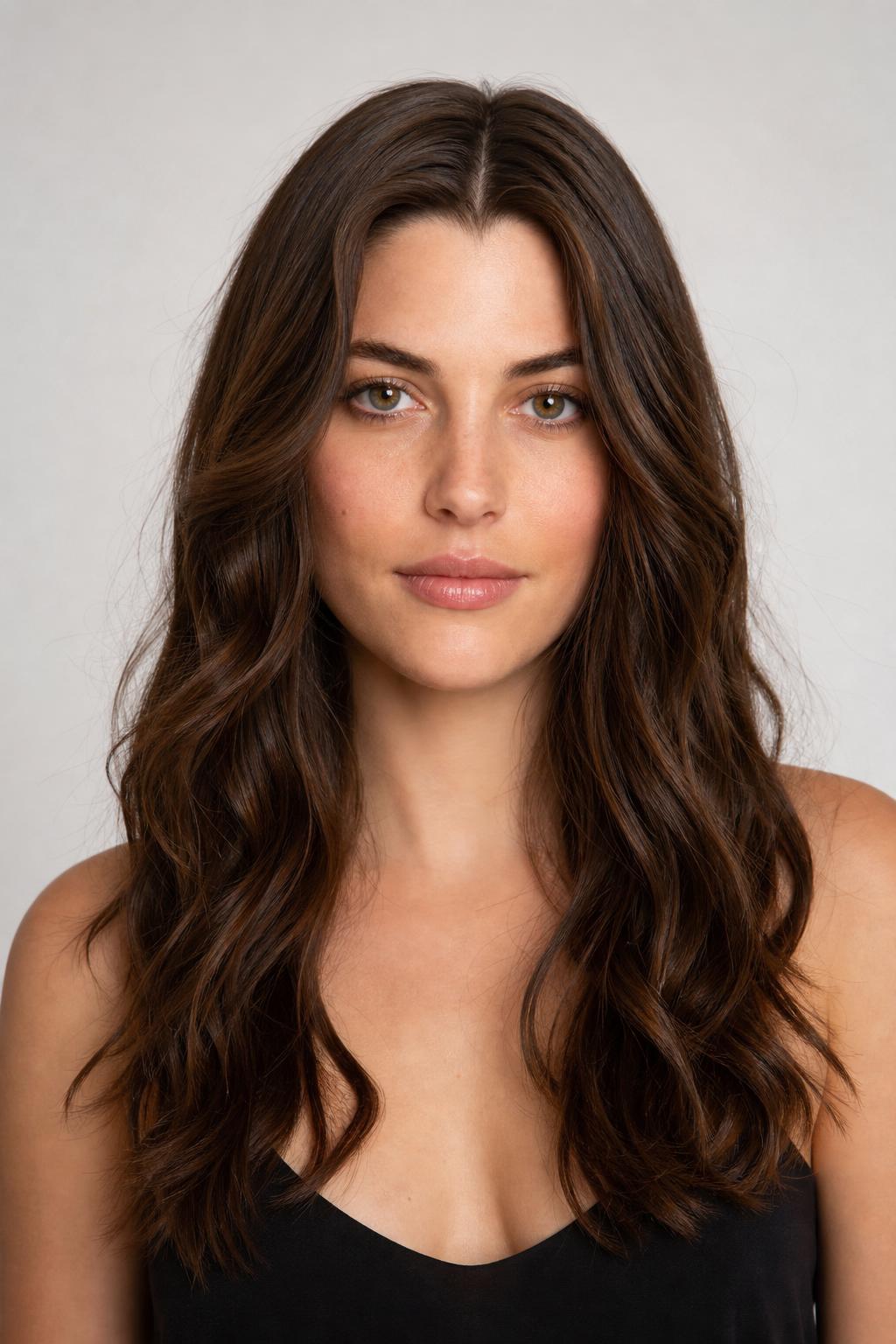
19. Pixie Cut
A pixie cut removes the option to use length to conceal the hairline and instead positions the widow’s peak as part of the cut’s overall character. Women with pronounced peaks often find that short cuts draw compliments on their hairline feature rather than calling attention to it as an irregularity, the precision of a well-executed pixie gives the peak a graphic quality that reads as intentional. A tapered pixie with a slightly longer front section gives the choice each morning to sweep it forward or leave it pulled back, so the peak’s visibility can vary based on preference.
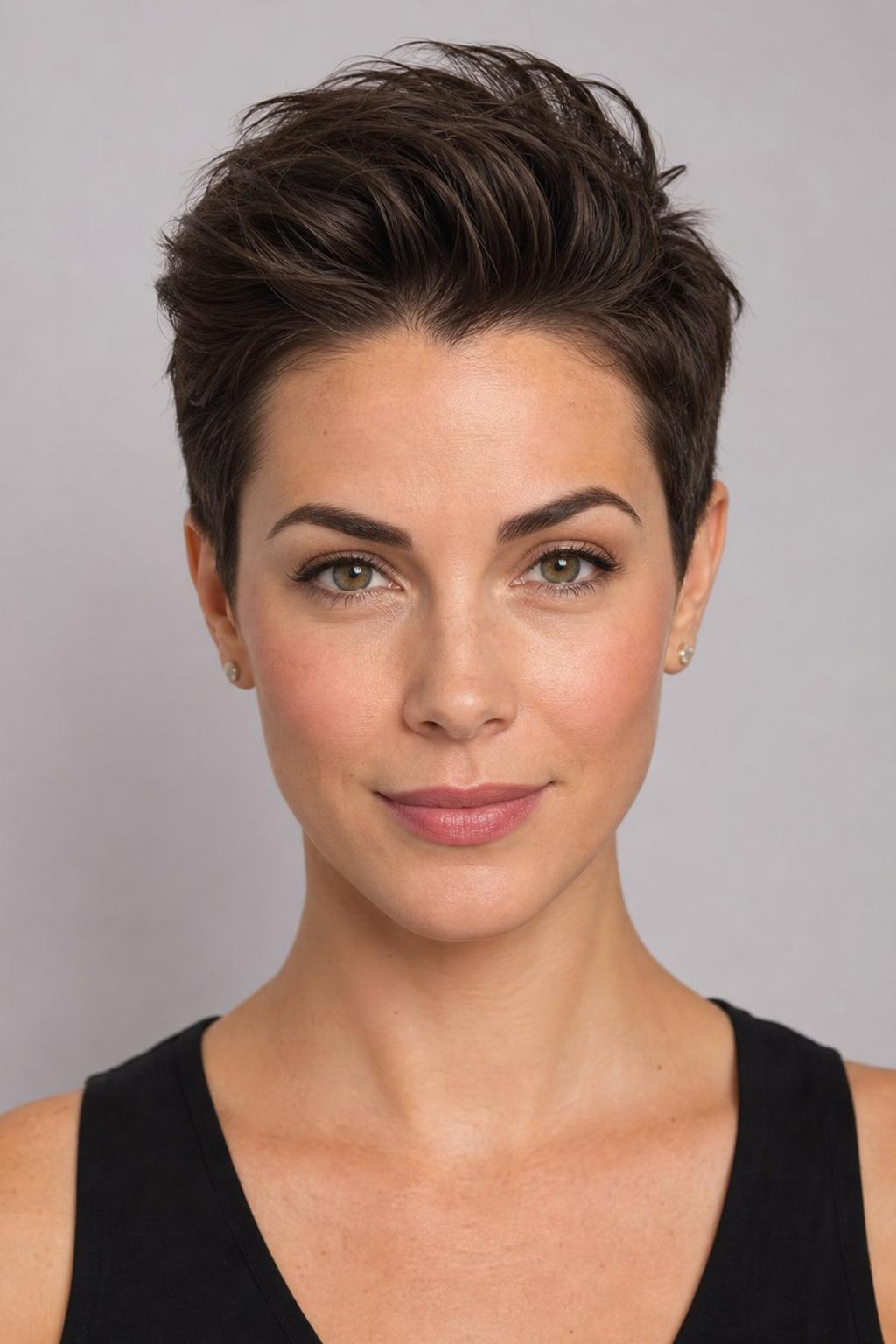
20. Long Layered Cut with Face-Framing Pieces
Face-framing layers starting at cheekbone level add movement around the face without placing visual weight directly at the hairline where fine hair can look flat or sparse. Thicker hair handles face-framing layers at any starting point, but beginning below the jaw keeps the focus on the mid-face zone rather than pulling the eye upward toward the widow’s peak. The advantage of long layers is flexibility: any part position works with this cut, so the styling can shift from a center part that showcases the peak to a side part that downplays it, depending on the day.
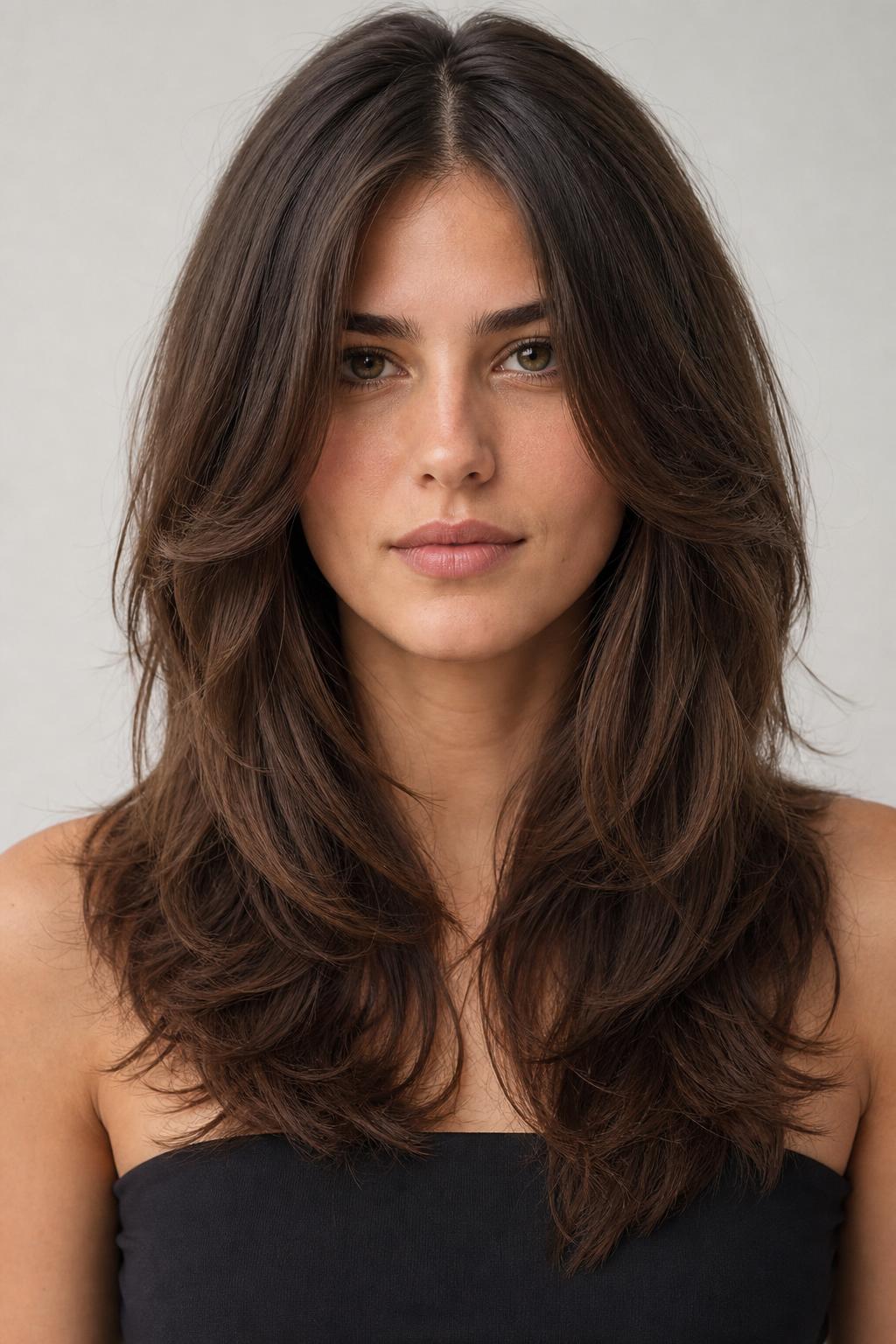
21. Side-Swept Blunt Bangs
Tell your stylist: “I want a blunt side bang from my left temple sweeping across to just past my right eyebrow, cut at eyebrow level with no feathering or point cutting at the front edge, I need the weight to hold it in place.” A blunt, heavier fringe has enough density to maintain its sweep across the forehead without separating at the center; feathered or wispy tips tend to part and fall to either side of the widow’s peak, revealing rather than concealing the V. This is the most reliable option for consistent coverage, but it requires a trim every 4–5 weeks as the fringe grows.
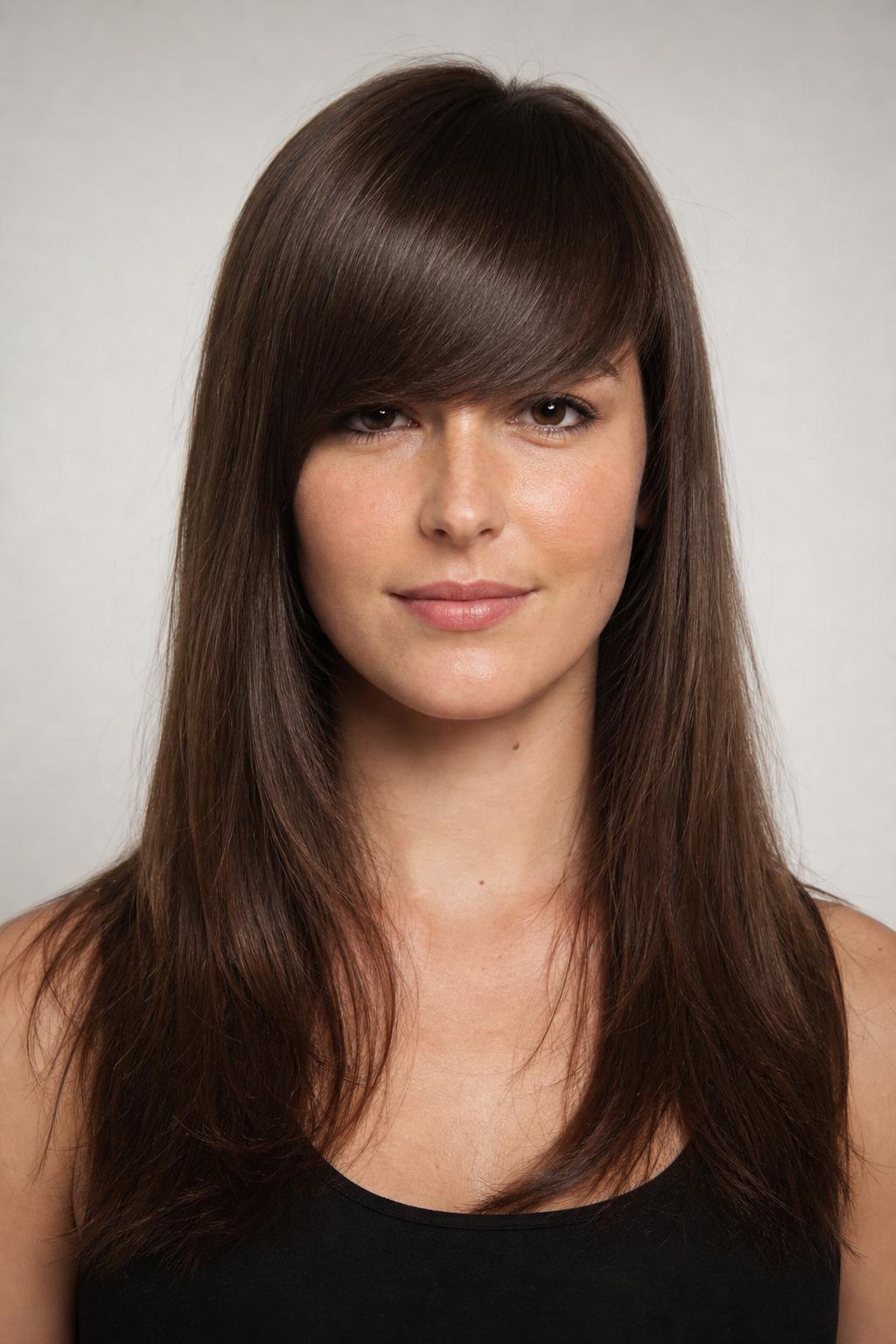
22. Slicked-Back Updo on Highlighted Hair
Women with balayage or highlighted lengths often notice their widow’s peak appears more defined in bright lighting, where the contrast between warm-toned hair and the scalp creates a cleaner outline of the V. A slicked updo on highlighted hair turns this visibility into a feature, the highlights trace along the hairline and make the peak look like a deliberate design detail rather than an incidental characteristic. Apply edge control or a small amount of firm-hold gel along the sides and nape to smooth flyaways, but leave the area right at the V product-free so the peak’s outline stays clean rather than rigid.
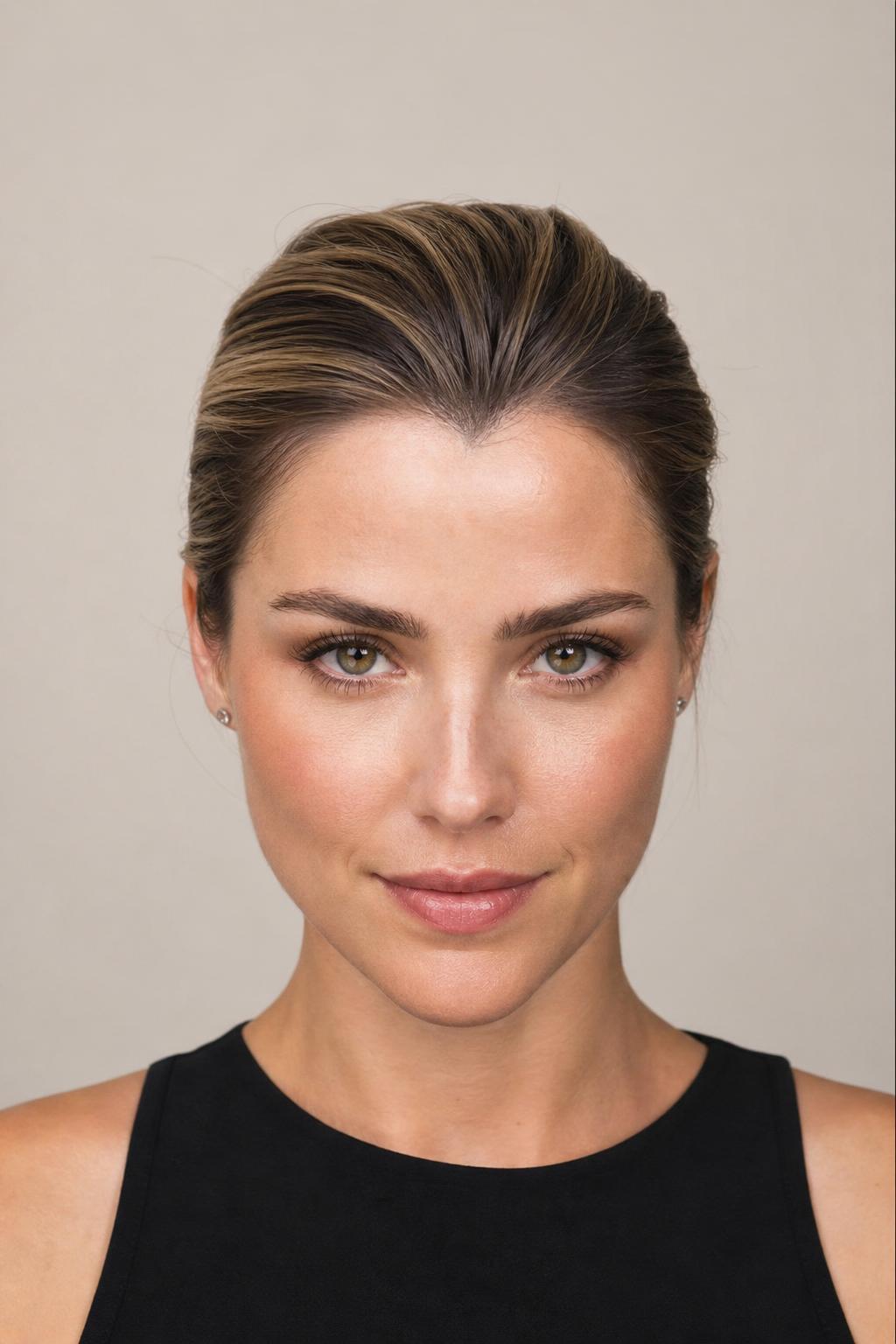
23. Textured Bob with Soft Curtain Fringe
Combining a textured bob with soft curtain bangs creates a middle-ground approach: the bangs partially conceal the peak while the bob’s layering keeps the visual interest on mid-length texture rather than the hairline. Unlike a full blunt fringe that covers the peak entirely, curtain bangs allow the V to remain faintly visible through the center split, which many women prefer to complete concealment. The textured bob also grows out more gracefully than a standard blunt cut, both the curtain fringe and the layered ends blend more naturally as they lengthen between trims.
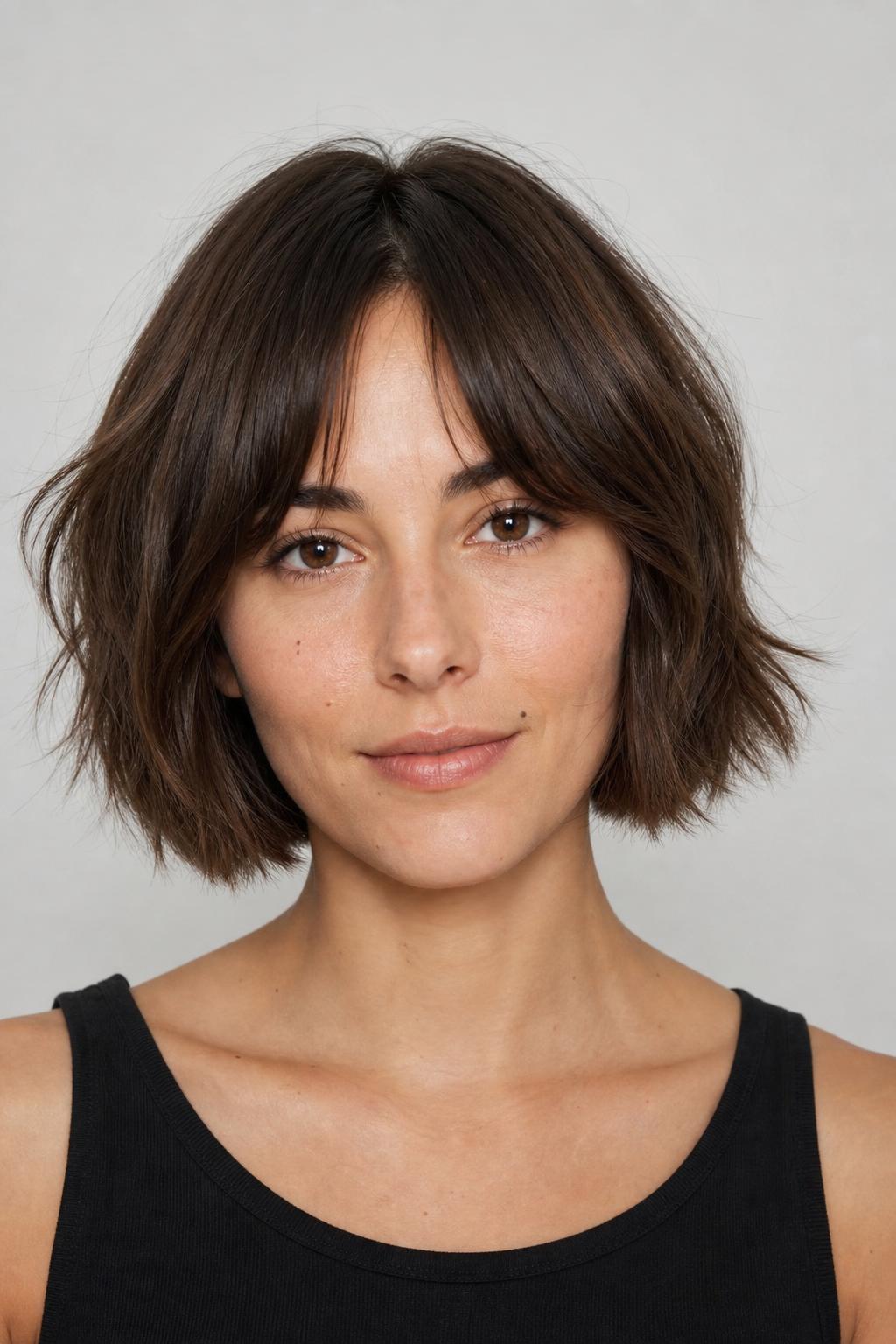
24. Medium Side Part with Soft Layers
Wavy and moderately thick hair holds a medium side part all day when a lightweight leave-in conditioner is smoothed through before air-drying, heavier creams weigh down the parted section and let it migrate back toward center by afternoon. The side part shifts the widow’s peak away from the compositional center of the style, so it appears less symmetrical and becomes less prominent against the overall direction of the hair. Collarbone-length soft layers add movement that draws the eye downward through the mid-length rather than upward toward the hairline, which is a practical choice for women who want the V softened without the daily effort of bangs.
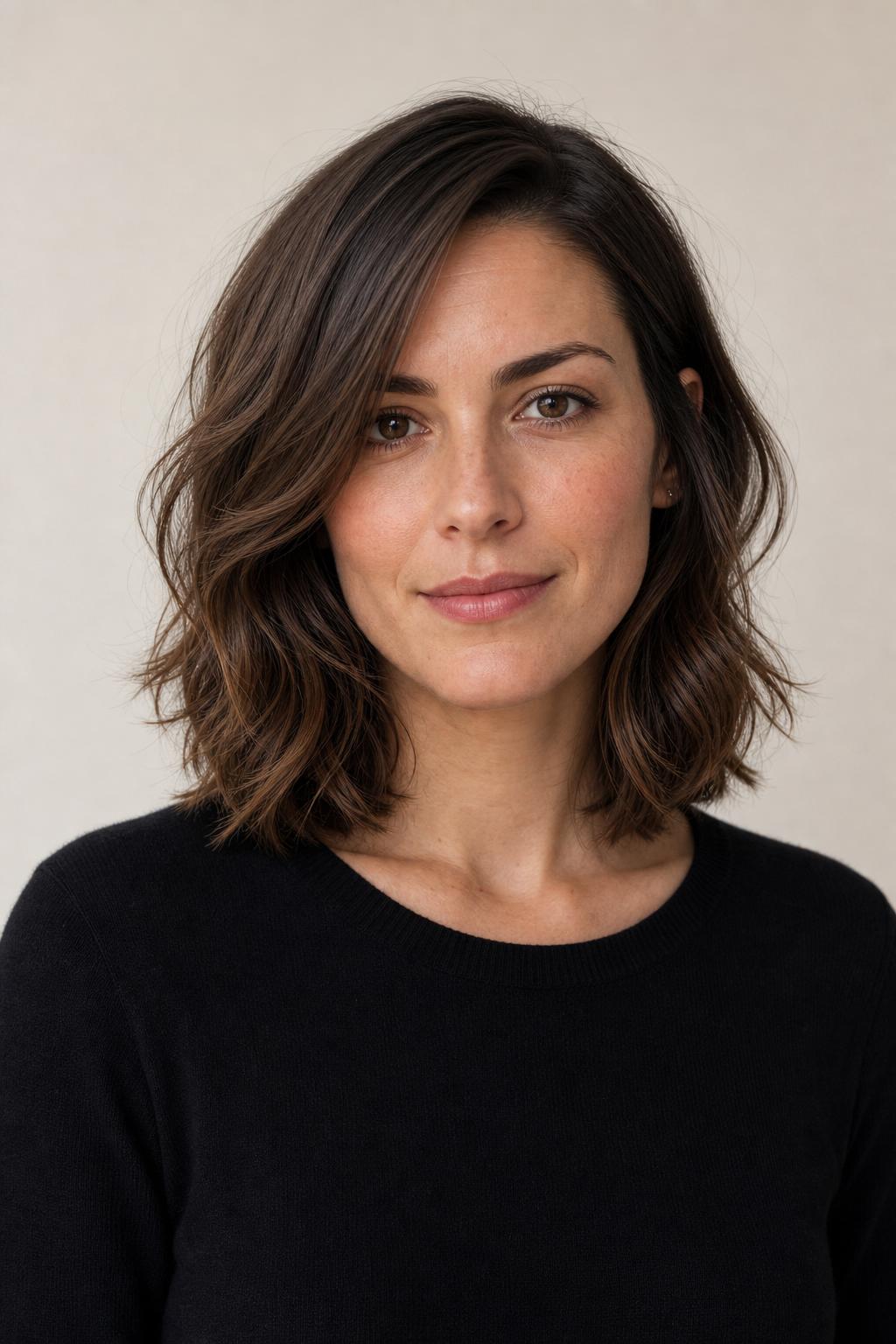
25. Half-Up Half-Down with Visible Hairline
Oval and oblong face shapes carry a half-up style well with a visible widow’s peak, the V at the top of the face adds a specific visual anchor without competing with the face’s balanced proportions. Heart-shaped faces need more consideration here: a prominent peak combined with an already wider upper face can make the forehead look more dominant. Women with oblong face shapes benefit most from this look, where the visible hairline point provides a horizontal break at the top of a face that might otherwise read as too elongated.
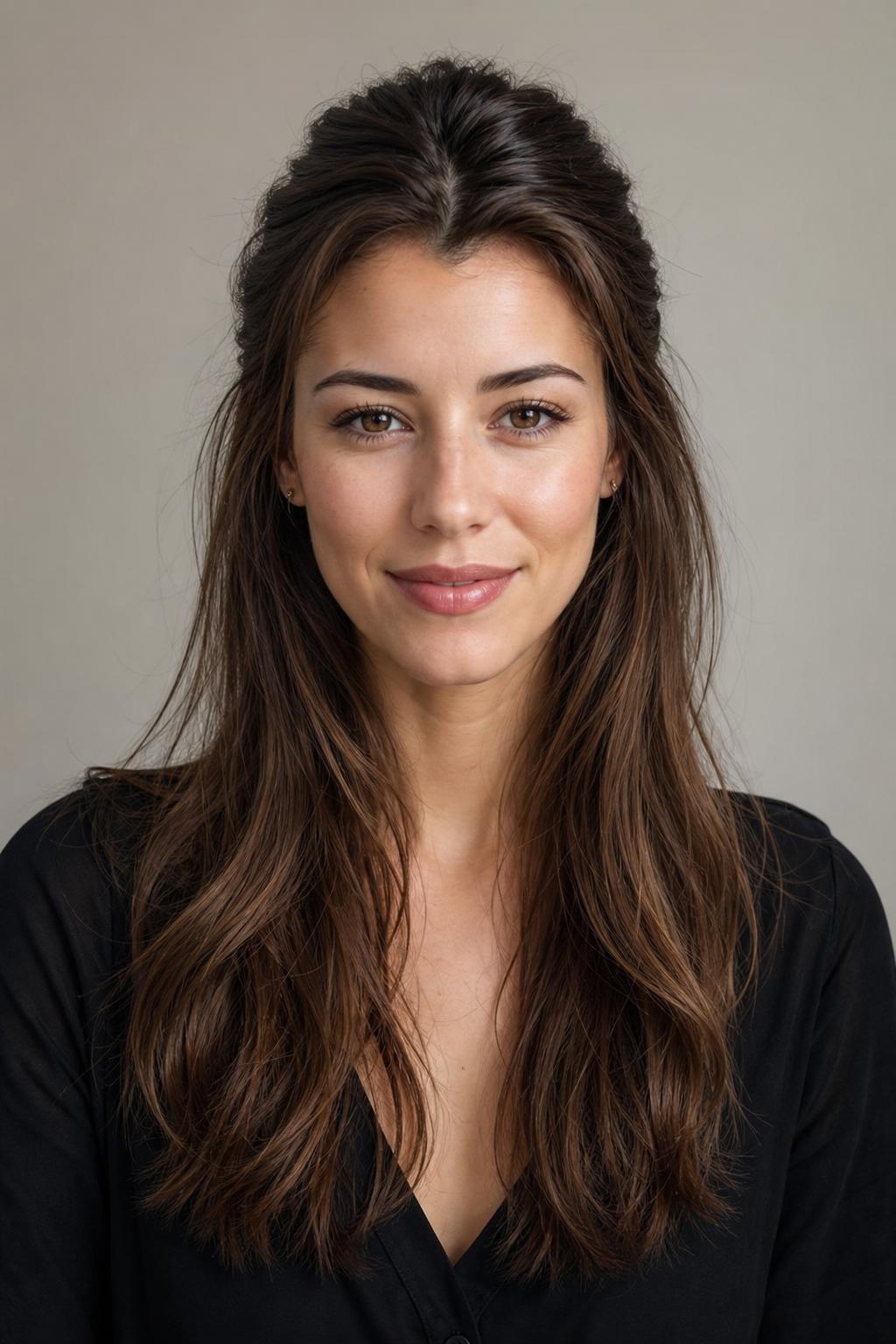
How to Decide: Embrace the Peak or Soften It
A widow’s peak is a consistent hairline shape rather than a styling problem, but the right approach depends on your personal preference and which direction makes your overall cut feel more like yours.
Embracing the peak means letting it anchor a center part, slick back, or clean line-up. Most people find that once they stop working against their natural hairline, the peak reads as a distinctive feature rather than an irregularity. Softening it uses side parts, fringe, or curtain bangs to introduce a horizontal line across the forehead, making the V less prominent in the overall composition.
Stylist tip: Going too far in either direction tends to backfire. A very tight slick back that pulls hard at a pronounced peak can make the V look more exaggerated rather than more intentional, and a very heavy blunt fringe often draws more attention to the hairline than it conceals. Start with a moderate approach first, a relaxed center part or a soft curtain fringe rather than a heavy full bang, so you have information about what actually flatters before committing to a dramatic change.
Face Shape Guide for Widow’s Peak Hairlines
The widow’s peak adds a downward V at the top of the face, and how it interacts with the rest of the face depends on your overall proportions. For rectangle face shapes, which share a length challenge with oblong faces, the peak can extend the face’s vertical emphasis and is often best balanced with a fringe that introduces a horizontal plane or side volume that widens the mid-face. Use this table alongside your stylist’s assessment of your specific peak depth and hairline evenness.
| Face Shape | Peak Interaction | Best Approach | Avoid |
|---|---|---|---|
| Oval | Neutral, proportions stay balanced regardless of peak visibility | Any approach works; center part or slick back both flattering | Over-engineering the hairline, your face shape doesn’t require it |
| Round | V adds useful vertical emphasis at the top of a naturally wide face | Embrace with center part or volume above the peak to add length | Full fringe or chin-length center-part styles that add horizontal width |
| Square | Angular jaw and V-shaped peak can both read as sharp together | Soft side parts, textured fringe, or volume swept to one side | Precision line-ups that add another hard geometric line at the hairline |
| Heart | Peak can amplify the naturally wider top half of the face | Curtain bangs, side-swept fringe, or styles with volume at the jaw | Center parts with sparse sides, which widen the forehead further |
| Oblong/Long | V adds more vertical emphasis to an already long face shape | Bangs or curtain fringe to interrupt the vertical; side parts for width | Slick backs or updos that expose the full hairline from peak to nape |
| Diamond | Narrow forehead and peak can balance naturally against wide cheekbones | Volume at temples and forehead to widen the upper face | Very slicked-back styles that expose the narrow forehead and peak together |
What to Tell Your Stylist or Barber
Most stylists and barbers have worked with widow’s peaks countless times, but telling them “I have a widow’s peak” alone doesn’t give them enough direction. The useful addition is whether you want it visible, softened, or covered, that single piece of information changes the entire approach to cutting and styling.
To embrace it: “I have a widow’s peak at the center of my hairline. I want a cut that works with it naturally, either a center part or something that incorporates the hairline shape. Please don’t reshape or soften the hairline.”
To soften it: “I have a widow’s peak I’d like to downplay. I’m open to a side part or some fringe. Can you suggest a cut where the V-shaped hairline is less noticeable without requiring heavy product work every morning?”
To cover it: “I have a pronounced widow’s peak I’d like covered with bangs. Please don’t feather the front edge heavily, when the fringe tips go light, they tend to part and reveal the hairline underneath.”
Stylist tip: If you have a receding hairline combined with a widow’s peak, mention both. The styling approach for a peak on a full, stable hairline differs from the approach on a thinning or receding one, and your stylist needs that context to make the right call on length, density, and parting direction.
Common Widow’s Peak Myths That Lead to the Wrong Haircut
A few persistent myths about widow’s peaks regularly lead people to make cut decisions that don’t serve them. Here are three worth knowing before your next appointment.
Myth: A Widow’s Peak Is an Early Sign of Hair Loss
Reality: A widow’s peak is a genetic hairline shape entirely separate from hair loss. Many people are born with the V-shaped hairline and keep it throughout their life with no thinning at all. Hair loss at the temples (a receding hairline) can look similar to a widow’s peak in its early stages, but the distinction is visible: a genuine widow’s peak is a consistently V-shaped point with even hair density on either side, while a receding hairline shows lower density and sparser coverage at the temples. If you notice actual changes to your hairline density rather than its shape, consult a dermatologist rather than a stylist.
Myth: Center Parts Always Look Awkward with a Widow’s Peak
Reality: Center parts are among the most naturally suited choices for a widow’s peak, since the V sits exactly where the center part begins. The peak anchors the parting rather than disrupting it. The misconception likely comes from trying a center part without the right cut to support it, the issue is usually the surrounding cut, not the combination of a center part and a widow’s peak.
Myth: Any Bangs Will Cover a Widow’s Peak
Reality: Wispy or heavily feathered bangs often reveal more of the peak than they conceal, since light fringe tips tend to separate and fall to either side of the V rather than staying in place across the center. A blunt, heavier fringe with enough weight to maintain its direction across the forehead provides consistent coverage. Soft and airy fringe styles may look beautiful for other reasons, but they are not reliable widow’s peak cover if that is specifically what you want from them.
FAQ
What Causes a Widow’s Peak Hairline?
A widow’s peak is a genetic trait inherited from one or both parents and present from birth. It is classified as a dominant genetic characteristic, meaning it can be inherited even if only one parent carries it. It is not caused by hair loss, stress, illness, or any lifestyle factor, it is simply the shape of your hairline, just as the shape of your ear or the width of your nose is genetically determined.
Can a Widow’s Peak Be Permanently Removed?
No haircut or styling technique changes the hairline shape itself. Stylists can work with, minimize, or emphasize the peak through cut and parting choices, but the hairline does not move. Permanent hairline reshaping requires electrolysis or laser hair removal on the V-shaped point, which is a cosmetic procedure performed by a dermatologist or licensed electrologist rather than a stylist.
Which Hairstyles Look Least Flattering with a Widow’s Peak?
Center-parted blunt fringes tend to look most awkward because the parting reveals the peak while the fringe hangs on either side in a way that frames the V without making any clear statement about it. Very tight slick backs on fine hair can also look strained when they pull at the hairline rather than lying flat naturally. Most unflattering situations happen when the styling accidentally highlights the peak without the cut making a deliberate choice about it one way or the other.
Does a Widow’s Peak Affect Face Shape Hairstyle Choices?
Yes, but it is a secondary consideration rather than the primary guide. Your face shape still drives the main cut selection. The widow’s peak adds a V at the top of the face that interacts differently depending on your proportions, it adds vertical visual weight to round faces (often beneficial) and additional vertical emphasis to oblong faces (sometimes less so). Mention the peak’s depth and how far it extends down the forehead when discussing cut options with your stylist, since a shallow V has a different visual impact than a deep, pronounced one.
Is a Widow’s Peak More Common in Men or Women?
A widow’s peak appears roughly equally across genders, since it is a genetic trait not linked to sex chromosomes. It may seem more visible in men because men’s cuts more often expose the full hairline, while women’s styling choices, bangs, longer lengths, varying parts, more frequently conceal it. In both cases the feature is equally common and unrelated to hormone levels or hair health.
Can You Have a Widow’s Peak and a Receding Hairline at the Same Time?
Yes, and this combination is worth discussing directly with your stylist. A widow’s peak is a hairline shape; a receding hairline is a hair loss pattern. When both are present, the V may appear to deepen over time as the temples thin while the center point remains, making the recession more visually apparent. Styling choices for this combination differ from those for a peak on a full, stable hairline, so the more context you give your stylist, the better the cut recommendation will be.
What Is the Easiest Daily Styling Option for a Widow’s Peak?
A center part on medium or long hair requires the least daily effort, since the V naturally defines where the part falls and no daily repositioning is needed. For men, a textured crop with a matte paste takes under two minutes and works with the peak’s natural position. For women, long waves with a center part or a side-parted lob both settle into place quickly without requiring the peak to be styled around each morning.
Finding the right widows peak hairstyle is mostly about deciding whether the V-shaped hairline is a feature to lean into or a detail to redirect, and then choosing a cut that commits to one approach rather than accidentally landing in between. Bring two or three photos from this gallery to your next appointment and let your stylist or barber know upfront whether you want the peak visible, softened, or covered, so the cut is designed with that goal from the first snip.
Hair results vary based on your natural hair type, texture, density, and condition. Always consult with a licensed hairstylist before making significant changes, especially with chemical treatments or dramatic length changes. Photos may show styled results that require professional tools and products to replicate.