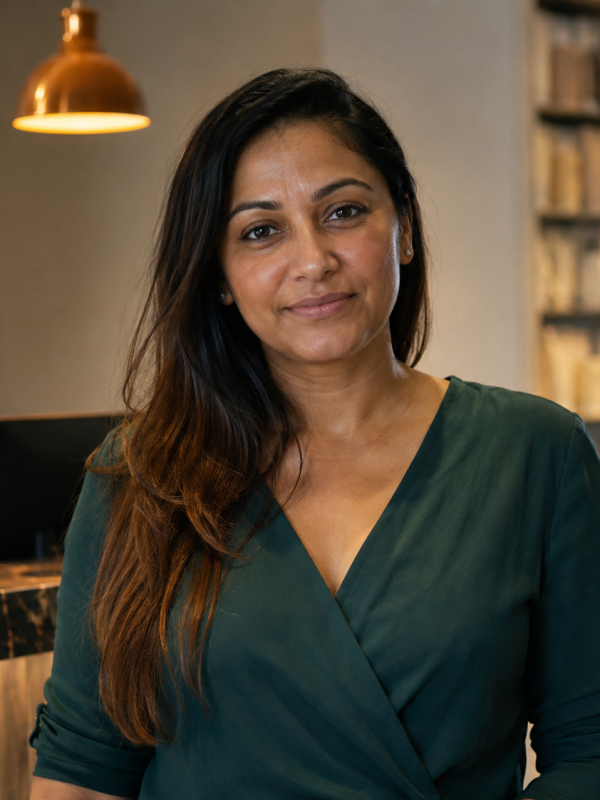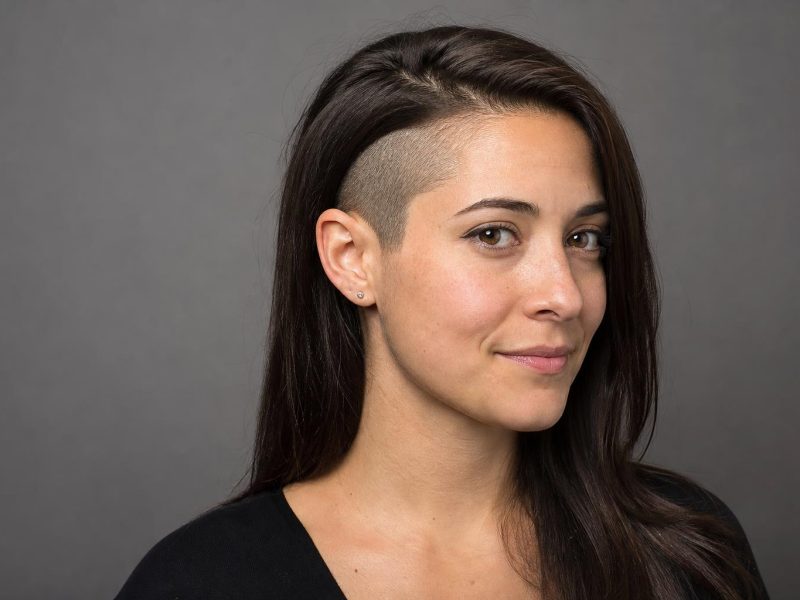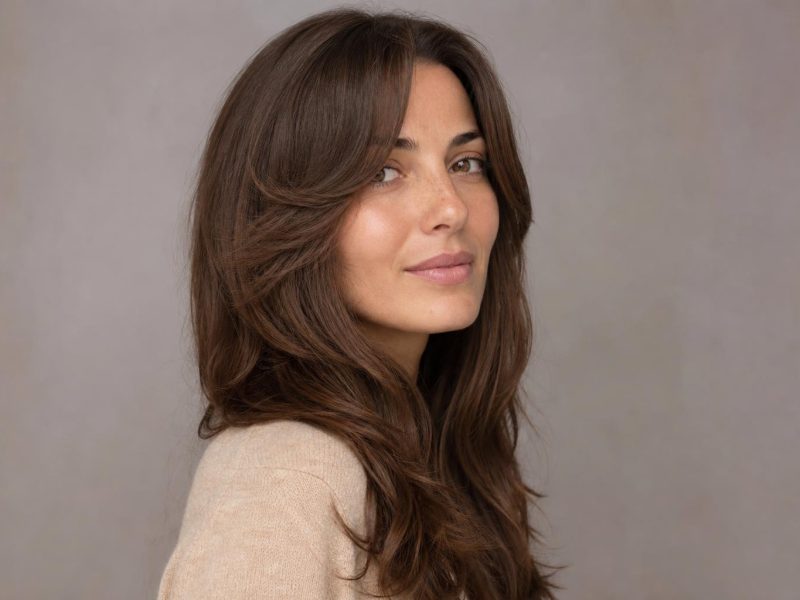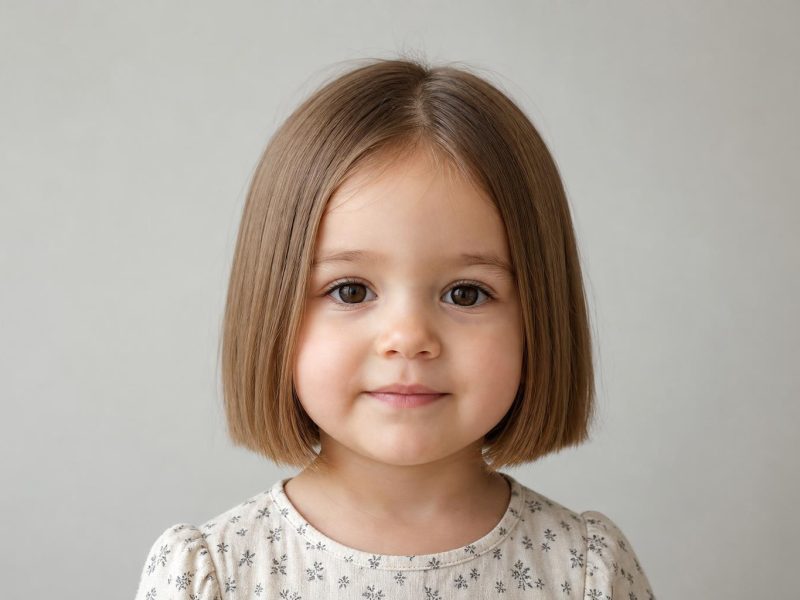

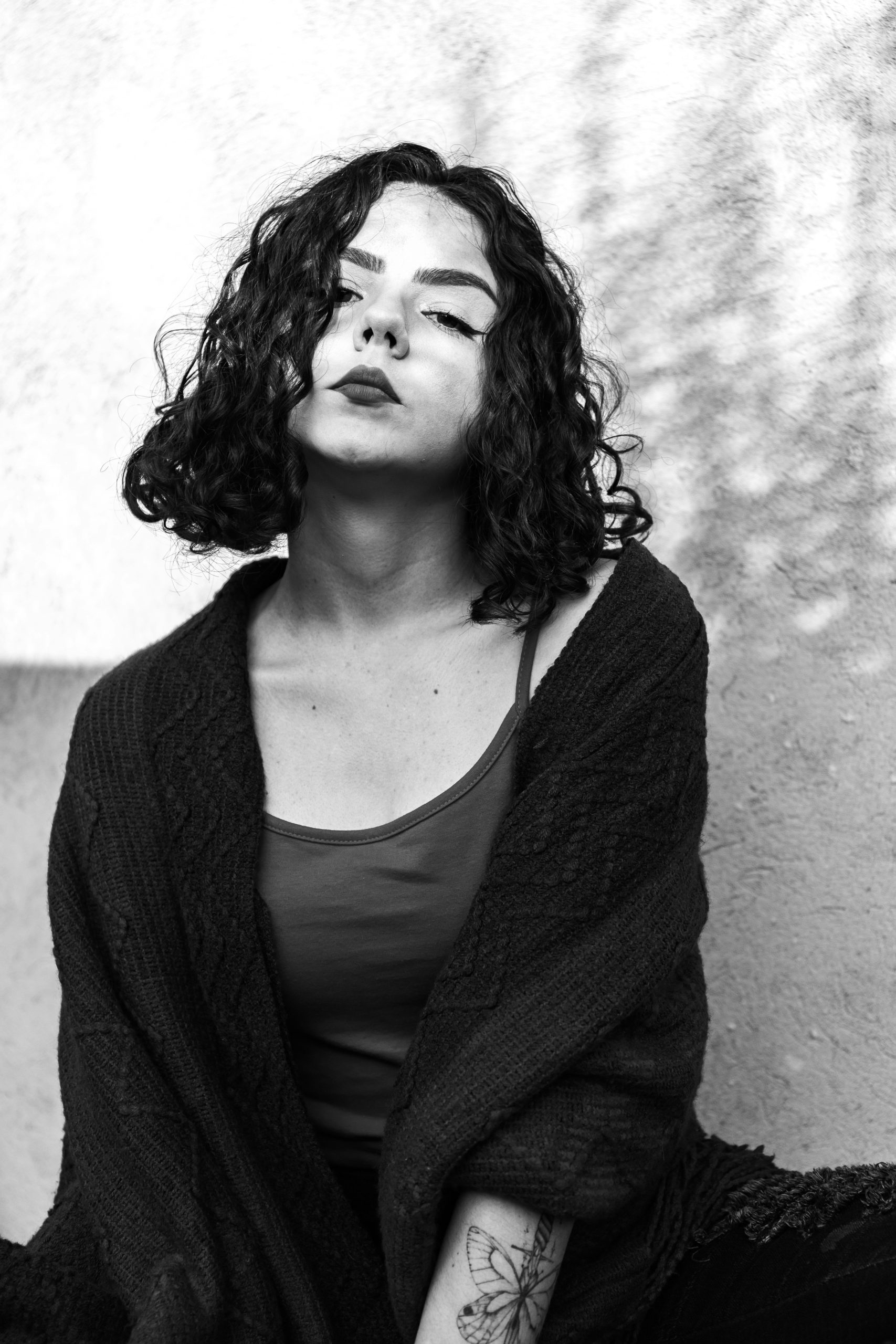

The botticelli bob borrows its silhouette from Renaissance painting: smooth and flat at the crown, then full and wave-heavy from the mid-lengths down.
Named after Sandro Botticelli, whose 15th-century paintings depicted women with flowing S-shaped waves (most famously in “The Birth of Venus”), the botticelli bob applies that water-wave silhouette to a chin-to-shoulder bob. The defining shape is triangular: minimal volume at the crown, maximum texture and fullness through the lower half. Unlike a curly bob or a wavy lob, the botticelli version specifically emphasizes the wave pattern itself, keeping the roots and part area smooth while the mid-lengths and ends move freely. These 20 ideas cover natural 2a-3b textures, heat-styled versions for straight hair, and color combinations that enhance the wave contrast.
The cut underneath the style is typically blunt or close to blunt at the perimeter. Layers break up the weight that creates the wave silhouette, so most stylists keep the perimeter heavy and remove weight only through the interior, if at all. The length falls between the chin and the collarbone, a range wide enough to accommodate most face shapes. The bob haircuts gallery has the full length spectrum if you want to compare where the botticelli version fits relative to other bob styles before committing to a length.
| Factor | Details |
|---|---|
| Best for | 2a-3b wavy and curly hair; chin-to-collarbone length; oval, round, heart, and square face shapes |
| Maintenance | Trim every 8-10 weeks; 10-20 minutes daily styling with a curl cream or texturizing spray |
| Works with | Natural texture (wavy or curly) or straight hair styled with braids, a small curling iron, or a partial perm |
| Avoid if | Very fine limp hair without natural bend; oblong face shapes at chin length (wave volume adds width, not length) |
| Salon time | 30-45 minutes for the cut alone; 90-120 minutes if a balayage or toning service is added |
Natural Wave and Curly Botticelli Bobs
Naturally wavy and curly hair in the 2a through 3b range requires the least effort to achieve the botticelli silhouette. The wave pattern is already present; the cut simply frames it. A blunt perimeter at chin to shoulder length is the most effective approach because it keeps weight in the lower half and prevents the triangular shape from spreading too wide. This section covers eight variations for naturally textured hair, organized by curl pattern, length, and finish.
1. Blunt-Perimeter Chin Bob on 2b Wavy Hair
The blunt or close-to-blunt perimeter is the defining cut decision for the botticelli bob. Rather than point cutting or razoring through the perimeter, which removes weight and allows individual strands to separate, the blunt edge keeps the bottom section as a cohesive wave-ready base. On 2b-2c wavy hair, this cut lets the natural S-wave pattern develop through the lower third of the hair without splaying outward. If you have previously requested “movement” at the ends and ended up with a frizzy perimeter rather than defined waves, switching to a blunt edge solves that problem at the source.
2. Jaw-Length Botticelli Bob for Round Faces
Round faces benefit from a botticelli bob that falls just past the jaw rather than at chin level. The extra length shifts the wave volume below the jaw, creating downward emphasis that lengthens the face visually rather than widening it. A side part rather than the center part associated with the classic botticelli look suits round faces better here; the diagonal parting adds asymmetry that a center part at jaw length does not. Keep the wave body full through the ends to maintain the length-emphasizing vertical line from cheek to the wave perimeter.
3. Thick Wavy Botticelli Bob with Interior Weight Removal
Dense, thick, wavy hair needs some interior weight removal to prevent the botticelli silhouette from becoming a pyramid. The fix is to remove bulk through the mid-shaft of interior sections while leaving the perimeter completely untouched. Point cutting only at the outer inch of each interior section, without touching the perimeter, gives thick waves the structure to fall into the triangular shape rather than push outward. Ask your stylist to leave the perimeter blunt and work only through the interior, since the default approach for thick hair usually involves perimeter thinning that would break the wave pattern.
4. Diffused 2c Curl Botticelli Bob with Defined Wave Pattern
Apply a curl cream to soaking-wet hair section by section, working from ear level down toward the ends. Clip the root area flat to the head while the lower sections dry, then diffuse on low heat with the head tilted forward. Once the hair is fully dry, release the clips and lightly finger-comb the top section only, leaving the wave pattern in the lower sections completely undisturbed. The smooth crown and wave-heavy lower half this process creates is the defining botticelli shape. On 2c hair, this routine takes 20-30 minutes and produces a wave pattern that holds through the day without reapplication.
5. Low-Maintenance Collarbone Botticelli Lob for 2a Waves
At collarbone length, 2a waves have enough weight and movement to fall into the botticelli silhouette without any tool styling. The grow-out is more forgiving at this length as well: a few extra weeks of growth extends the wave volume rather than breaking the shape abruptly. Trim every 9-11 weeks; the blunt perimeter loses its crispness gradually rather than sharply, making a tight schedule less urgent than with a shorter chin-length version. For anyone who wants the style with genuinely minimal effort, this collarbone version is the practical entry point.
6. Warm Brunette Botticelli Bob with Copper Balayage
Copper and auburn balayage placed through the lower two-thirds of a botticelli bob adds color depth that follows the wave movement, brightening as each S-curve catches the light. The upper sections stay close to the natural base color to reinforce the flat, smooth crown. Copper tones fade noticeably faster than brunette shades at a similar depth because the red pigment molecule is held closer to the outer hair shaft. A color-depositing warm-toned conditioner used two or three times a week stretches the copper vibrancy between full balayage appointments, which typically run every 10-12 weeks for this placement.
7. Botticelli Bob with a Defined Center Part
Tell your stylist: “Botticelli bob, blunt perimeter at jaw length, center part, no layers or very minimal interior thinning only, no razoring.” That language communicates the most important element of the cut and the most common mistake to avoid. If your stylist is unfamiliar with the term, describe it as a blunt bob styled with flowing S-waves and a flat root area, then show a reference photo. The center part flatters oval, heart, and diamond face shapes most; round and oblong faces tend to benefit from a side part that breaks the symmetry.
8. Botticelli Bob vs Wavy Layered Bob: Key Structural Difference
Comparing the botticelli bob with a wavy layered bob reveals the core structural difference: a layered bob distributes movement throughout the length using internal layers to add volume and texture everywhere. The botticelli bob deliberately concentrates all texture in the lower half and keeps the crown smooth, which requires a heavier perimeter to hold the wave pattern in place. Both styles work on naturally wavy hair, but the botticelli version needs a blunt perimeter with minimal layering while the layered bob benefits from point cutting and internal layers throughout.
Styled and Heat-Wave Botticelli Bobs
Straight and lightly wavy hair can achieve the botticelli silhouette through heat styling, braiding, or a partial body perm. The cut requirements are identical to the naturally textured version: a blunt perimeter that holds the wave pattern at the ends. The main difference is in the daily styling routine, which adds 15-30 minutes for braid-and-heat work or controlled curling iron technique. These six entries cover the main approaches for hair that needs help creating the S-wave pattern from scratch.
9. Braid-and-Heat Botticelli Bob on Straight Hair
Divide damp hair into two or three sections depending on thickness, braid each section from ear level to the ends (not from the root, which would create unwanted volume at the crown), and blow-dry the braids completely. Once cool, release the braids and gently separate the waves with fingers only. A brush turns the S-wave into frizz, so finger separation is the only tool used after release. A small amount of lightweight oil smoothed over the top section keeps the crown area flat while the lower waves hold their shape through the day.
10. Heart Face Botticelli Bob with Volume Below the Jaw
Heart-shaped faces, wider at the forehead and narrower at the chin, benefit from the botticelli bob’s natural volume distribution. The wave fullness builds at mid-length to ends, precisely where heart faces need more visual width to balance a narrower chin. A center part suits heart faces in this style, distributing the forehead equally and letting the lower wave volume be the focal point. Keep the length between the chin and the jaw so the wave body falls at the chin’s narrowest point and adds the visual width that balances the forehead.
11. Fine Straight Hair Botticelli Bob via Overnight Braids
Fine hair achieves the botticelli look most gently through overnight braiding without any heat. Braid damp hair in two loose sections before bed, starting from below the ear to preserve a smooth root area. By morning, the braids produce a soft S-wave that does not stress fine strands with repeated heat application. Apply a lightweight holding spray after releasing the braids to help the wave pattern last through the day; heavier creams or oils weigh down fine strands and collapse the wave by midday. The fine hair bob guide covers cutting approaches that preserve density while adding movement.
12. Small-Barrel Curling Iron Botticelli Bob
Use a 3/4-inch to 1-inch barrel curling iron, wrapping sections away from the face in alternating directions starting at ear level. Leave the last inch of each section straight for an authentic wave pattern rather than a tight curl, and work only through the mid-lengths and ends while skipping the top two to three inches entirely to keep the crown smooth. Finger-comb once after styling and leave any variation between sections in place; the slight unevenness creates an organic S-wave rather than uniform ringlets. Total styling time runs 15-20 minutes on shoulder-length hair.
13. Low-Upkeep Botticelli Bob via Partial Perm
A partial perm targeting the mid-lengths and ends only, starting at ear level and leaving the roots untreated, creates the botticelli silhouette without daily heat styling. Salon pricing for a partial perm on bob-length hair typically runs $100-200 depending on location and the number of rods used. The result holds for 4-6 months before needing a refresh, making it the most time-efficient choice for straight-haired clients who want the look without a daily routine. Ask specifically for a “partial wave perm from ear level down” and specify that the roots should remain completely untreated.
14. Ash Blonde Botticelli Bob with Wave-Enhancing Babylights
Babylights woven throughout the upper section add dimension to the smooth crown area without disrupting its flat silhouette. Slightly bolder highlights placed only through the lower wave sections brighten each S-curve as it catches the light, creating contrast between the quieter crown and the more luminous lower waves. Ash blonde tones hold their cool quality better than warm gold shades between toner refresh appointments, making this a lower-maintenance color choice for the botticelli bob. A gloss treatment every 6-8 weeks keeps the tones from shifting warm between full babylight sessions.
Color and Variation Botticelli Bobs
Color placement and specific styling details can push the botticelli bob’s wave silhouette in more distinctive directions. Monochromatic brunette shades look sleek and modern; high-contrast balayage makes the wave movement the main visual event; warm copper and golden tones reference the luminous warmth in Botticelli’s own painted pigments. These six entries explore color and variation options at the more distinctive end of the botticelli spectrum.
15. Editorial Botticelli Bob with Deliberately Flat Crown
The most camera-ready version of this style comes from keeping the crown section deliberately smooth and product-free, then concentrating all styling effort through the lower half. Apply a generous amount of curl cream from ear level down while the hair is wet, clip the roots flat to the head, and diffuse or air-dry completely before releasing the clips. The crown gets no product and no heat; the lower sections get the curl cream and the diffuser. That contrast between flat and full is what separates a botticelli bob from a general textured or wavy bob, and the deliberate product separation is how you achieve it.
16. Botticelli Bob vs Undone Bob: Opposite Silhouettes
Both the botticelli bob and the undone bob are textured bob styles, but their silhouettes are nearly opposite. The undone bob distributes piecey texture across the whole length from root to end and works best with point-cut perimeters that allow ends to separate. The botticelli bob concentrates all texture in the lower half and needs a blunt perimeter to hold the wave pattern in place. The choice between them comes down to natural hair type: the undone bob suits straight to lightly wavy hair; the botticelli bob suits 2a-3b textures that already produce an S-wave pattern naturally.
17. No-Tool Wash-and-Go Botticelli Bob on 2b Hair
On 2b wavy hair, the botticelli bob can genuinely be a wash-and-go style. Apply a curl-enhancing cream to soaking-wet hair from ear level down, skipping the root area entirely, scrunch upward without smoothing, and leave completely alone to air-dry. On clean hair without product buildup, the natural S-wave pattern on 2b hair emerges close to the botticelli silhouette without additional steps. The crown air-dries flatter than the wave-heavy lower section because it has less product weight, reinforcing the defining triangular shape naturally. Refresh the wave on non-wash days with a light mist of water scrunched into the ends.
18. Square Face Botticelli Bob with Softening Wave Volume
Square faces have strong angular lines at the forehead and jaw. The botticelli bob’s wave texture softens both: the volume at the lower half visually narrows the jaw area, and the flowing wave movement draws the eye downward rather than across the face’s widest horizontal points. A side part suits square faces better than a center part in this style because the diagonal parting breaks the forehead’s horizontal width. Keep the bob at or below the jaw; at the exact jaw with the blunt botticelli perimeter, the line can emphasize jaw angles rather than soften them.
19. Coarse Medium-Density Botticelli Bob with Glossing Oil Finish
Coarse hair has a wider cuticle diameter than fine or medium hair, which can make the wave pattern look dry or rough at the ends rather than smooth and defined. Applying a small amount of a lightweight natural oil to the ends before styling seals the cuticle and adds the luminosity that makes the botticelli wave look polished. Use the smallest possible amount: a coin-sized drop worked between both palms, then pressed through the lower half only. Too much oil flattens the wave pattern and creates a heavy, weighted finish that defeats the volume the style depends on.
20. Romantic Botticelli Bob with Braided Crown and Wave Body
A thin French braid or rope twist running along the hairline and pinned behind the ear keeps the crown smooth without relying on products, creating the botticelli’s defining flat-crown shape on days when the root area tends to lift or puff. The lower hair, left loose and styled with a curl cream or texturizing spray, provides the wave volume underneath. This technique suits 2c-3a hair on humid days or when the crown does not want to stay flat naturally; the braided element does the structural work, and the lower styling stays minimal.
The Cut vs the Style: What the Botticelli Bob Actually Requires
Many descriptions of the botticelli bob present it purely as a styling technique, which misses the most important element: the cut has to support the style or the style will not hold. The perimeter must stay heavy and blunt, and the length must fall somewhere between the chin and the collarbone. Those two decisions create the foundation that the wave pattern builds on.
A blunt or near-blunt perimeter keeps the ends grouped together so the wave pattern flows as a cohesive S-shape rather than breaking into individual separated pieces. When a stylist layers the perimeter to add movement, the ends lose the cohesion that makes the wave look purposeful, and the silhouette shifts from a flowing S-curve to a frizzy, undefined fringe. The length requirement exists because shorter bobs do not have enough hair below the ear to develop the full wave body, and longer bobs past the shoulder tend to pull the wave pattern straight under their own weight. A chopped bob uses the opposite approach, razoring through the perimeter to disconnect the ends deliberately; knowing the difference helps when you are deciding which textured bob to request.
Choosing the Botticelli Bob for Your Face Shape
The botticelli bob’s triangular silhouette, wider and fuller toward the ends than at the crown, naturally adds visual width at the lower face. This is an asset for some face shapes and a complication for others. Length and part placement are the main adjustments; the cut structure stays largely the same across face shapes. The face shape bob guide covers all bob length options if you want to compare the botticelli version against a blunt or layered alternative for your shape.

| Face Shape | Best Botticelli Bob | Best Length | Avoid |
|---|---|---|---|
| Oval | Any length and part placement; center part with full wave silhouette suits oval proportions well | Chin to collarbone | Very little; most variations work without adjustment |
| Round | Jaw-length or longer, side part to add asymmetry and vertical emphasis | Below jaw to shoulder | Chin-length with center part; wave width at jaw level adds to facial roundness |
| Square | Wave volume at and below the jaw with a side part; flowing texture softens angular lines | At or below the jaw | Very short versions at the exact jaw; blunt perimeter at that length can emphasize jaw angles |
| Heart | Classic center part with wave body below the jaw; volume at lower face balances a narrower chin | Chin to jaw | Very short versions above the chin that expose the chin’s narrow point |
| Oblong | Collarbone-length with maximum wave fullness; horizontal wave volume adds perceived width | Collarbone | Chin-length with center part; a long face with a narrow-bottomed wave body appears longer |
| Diamond | Chin bob with wave volume at the jaw to add width below the cheekbones; center or side part both work | Chin to jaw | Shoulder-length with maximum wave volume extending across the widest cheekbone area |
What to Tell Your Stylist
The most critical piece of information to communicate is what NOT to do. Most stylists reach for layering as the default approach on any wavy or curly bob because layers add movement. For the botticelli bob, perimeter layers destroy the silhouette by breaking the wave into separated individual strands rather than a cohesive S-curve. Lead with the cut’s most important constraint before discussing length or color.
Sample language for the chair: “I want a botticelli bob. The length should be at the jaw, blunt perimeter, no perimeter razoring. If my hair is very thick, you can remove a small amount of weight from the interior mid-shaft only, nothing from the perimeter. Center part. I want all the volume in the lower half, not throughout.” Bring two or three reference photos, specifically including one from the side that shows the triangular silhouette clearly. A front-on photo alone does not communicate the shape that makes this style work.
Stylist tip: The most common reason a botticelli bob fails is that the stylist layers the perimeter to help the ends move more freely. Perimeter layers break the wave pattern into frizzy individual strands rather than the cohesive S-wave the style depends on. If your stylist suggests “just a few layers to add movement,” redirect them: this style gets its movement from the wave technique and the weight of a heavy perimeter, not from layering. A blunt perimeter is correct here even if it feels counterintuitive for textured hair.
Maintenance and Styling
A botticelli bob on naturally wavy or curly hair is lower maintenance to style daily than most textured bob styles because the shape reinforces itself: the heavier perimeter holds the wave pattern as it grows, and the natural texture does most of the daily styling work. Trim every 8-10 weeks; the blunt perimeter is more forgiving on a longer schedule than a point-cut or razored bob, where the ends start to separate and lose definition around week six or seven.
For daily styling on wavy hair, apply a curl cream or leave-in conditioner to wet hair from the ears down, skipping the root area entirely, scrunch upward, and air-dry or diffuse on low heat. On days when the style needs refreshing without washing, a light mist of water and a small amount of additional cream scrunched into the lower sections revives the wave pattern in five to ten minutes. The airy bob styling guide covers the low-product, minimal-effort approach to everyday bob maintenance if you want to compare routines across bob styles.
Stylist tip from Priya N., licensed colorist and THP contributor: Clients who come in for a botticelli bob refresh often tell me the style stopped working after a few weeks. When I examine the hair, the ends are usually dry and the wave pattern is breaking at the tips rather than flowing continuously from the mid-shaft. A bond-building or protein-rich leave-in treatment applied weekly to the ends keeps the wave formation smooth and prevents tip damage that interrupts the silhouette. Apply it to towel-dried hair before the curl cream, not after.
When the Botticelli Bob Is Not the Right Choice
The botticelli bob depends on a specific wave pattern and a specific cut structure. When either of those conditions cannot be met, the result looks closer to a flat, wide triangle than a flowing Renaissance wave.
- Very fine, limp hair without natural bend: Fine hair without any natural texture cannot hold the S-wave pattern through the day even with heavy product support. The blunt perimeter that creates the botticelli shape also adds weight at the ends, which pushes fine strands further downward rather than creating fullness. A bob built specifically for fine hair with lighter perimeter work and strategic internal layers will produce better results than adapting the botticelli template.
- 4a-4c coily hair without specialist cutting: The water wave pattern the botticelli bob is built around is the S-wave of 2a-3b textures. On 4a-4c coily hair, the curl pattern produces tight spirals rather than flowing S-waves, and a blunt perimeter creates a wide rounded shape rather than the triangular botticelli silhouette. A specialist dry cut built for your specific coil pattern will produce a more flattering and lower-effort result.
- Oblong and long face shapes at chin length: At chin length, the botticelli bob’s width-adding wave volume can make an already-long narrow face appear even longer at the bottom. If you have an oblong face shape and want to try the style, push the length to the collarbone, where the wave body spreads wider and adds the horizontal emphasis that suits longer proportions better.
- Heat-damaged hair with compromised elasticity: Damaged hair cannot hold a wave pattern through the day because the elasticity that allows hair to spring back into shape is reduced. The S-wave will fall out within an hour regardless of product or technique. Restoring elasticity through a series of protein treatments before attempting the style is more effective than working around the damage with heavier styling products.
FAQ
What Is a Botticelli Bob?
A botticelli bob is a chin-to-shoulder length bob styled to recreate the flowing S-wave pattern depicted in Sandro Botticelli’s Renaissance paintings. The defining silhouette is triangular: smooth and flat at the crown, with full wave volume building through the mid-lengths and ends. The cut typically uses a blunt or near-blunt perimeter rather than layers, which preserves the weight needed to hold the wave pattern as a cohesive shape rather than separating into individual strands.
Does a Botticelli Bob Work on Straight Hair?
Yes, but it requires daily styling or a partial perm. The most reliable approach for straight hair is braiding damp hair in two or three sections from ear level to the ends, blow-drying the braids completely, then releasing them once cool and separating the waves gently with fingers. A small-barrel curling iron wrapping sections from ear level down, leaving the top smooth, is a faster daily alternative. A partial perm targeting only the mid-lengths and ends is the lowest-maintenance option for those who want the look without a daily routine, lasting four to six months between refreshes.
What Makes the Botticelli Bob Different from a Wavy Bob?
The defining difference is where the volume and texture are concentrated. A standard wavy bob distributes texture throughout the length using internal layers to add movement from crown to ends. The botticelli bob deliberately concentrates all wave volume in the lower half, keeping the crown flat and smooth. This specific silhouette requires a heavier perimeter with minimal or no layers, while a standard wavy bob often uses point cutting or layering throughout to add movement at every level.
How Often Does a Botticelli Bob Need Trimming?
Every 8-10 weeks is a realistic schedule for most hair types. The blunt perimeter is more forgiving on a longer trim schedule than a point-cut or razored bob; the ends stay relatively cohesive as they grow because they were cut as a clean line rather than individual tapered strands. At 10-11 weeks, the perimeter weight distributes unevenly as sections grow at different rates, disrupting the wave pattern. Hair that grows faster than average should target 7-8 weeks between cuts to maintain the shape.
Can I Get a Botticelli Bob with Naturally Curly Hair?
Yes, and naturally curly hair in the 2c-3b range produces the botticelli silhouette most easily. Ask your stylist to cut the bob while the hair is dry so the curls are seen at their natural resting length rather than their stretched wet length. A dry cut on curly hair typically results in one to two inches more length than the same cut done wet, which prevents an unexpectedly short result. Keep the blunt perimeter even on curly hair; heavy layering breaks the wave into individual curls rather than the cohesive S-wave pattern the style depends on.
What Products Work Best for a Botticelli Bob?
A curl cream or curl-enhancing mousse applied to the mid-lengths and ends on wet hair is the foundation product for most hair types. Apply from ear level down only; applying it to the roots adds unwanted volume at the crown. A lightweight oil worked through dry ends once the hair is fully dried adds the slight luminosity that distinguishes a polished botticelli finish from an ordinary air-dried wave. Avoid heavy serums, gels that set hard, or thickening sprays, all of which either flatten the wave pattern or create a crunchy texture rather than a fluid one.
Is the Botticelli Bob High Maintenance?
On naturally wavy or curly hair, the botticelli bob is lower maintenance than most textured bob styles because the wave pattern is built into the hair rather than recreated daily. Daily styling runs 5-15 minutes with a curl cream and air-drying or light diffusing. The trim schedule at 8-10 weeks is more relaxed than a polished blunt bob, which needs cuts every 5-6 weeks to stay sharp. Straight-haired versions require daily heat styling or a partial perm, adding time or cost to the routine depending on which approach you choose.
A botticelli bob haircut translates best when the cut reinforces the wave pattern rather than working against it. The blunt perimeter, the chin-to-collarbone length, and the smooth-crown contrast with the wave-heavy lower section are the three elements that set it apart from a general wavy or textured bob. Bring two reference photos to your appointment, specifically one showing the front wave body and one showing the side profile that communicates the triangular shape, and lead your stylist consultation with the perimeter instruction before discussing length or color. The cut is uncomplicated; the clarity about what not to do with the perimeter is what makes the result look like a botticelli bob.
Hair results vary based on your natural hair type, texture, density, and condition. Always consult with a licensed hairstylist before making significant changes, especially with chemical treatments or dramatic length changes. Photos may show styled results that require professional tools and products to replicate.