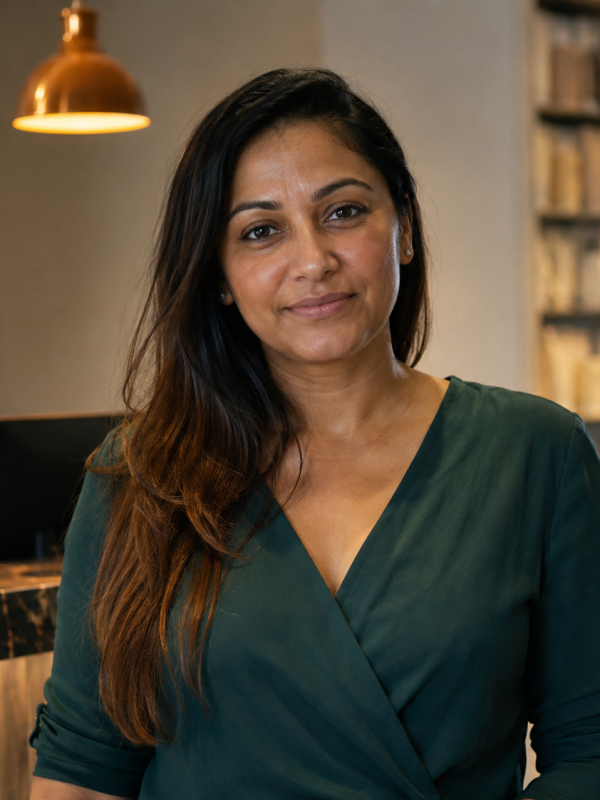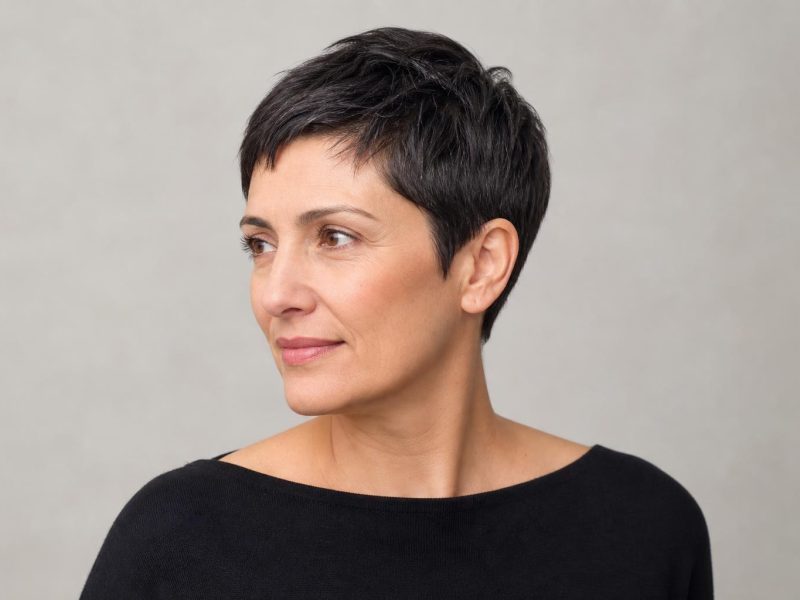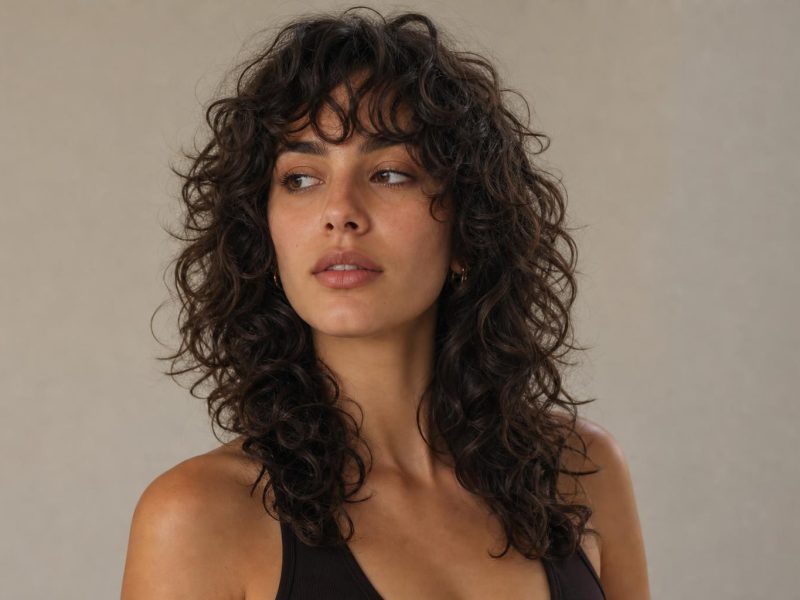
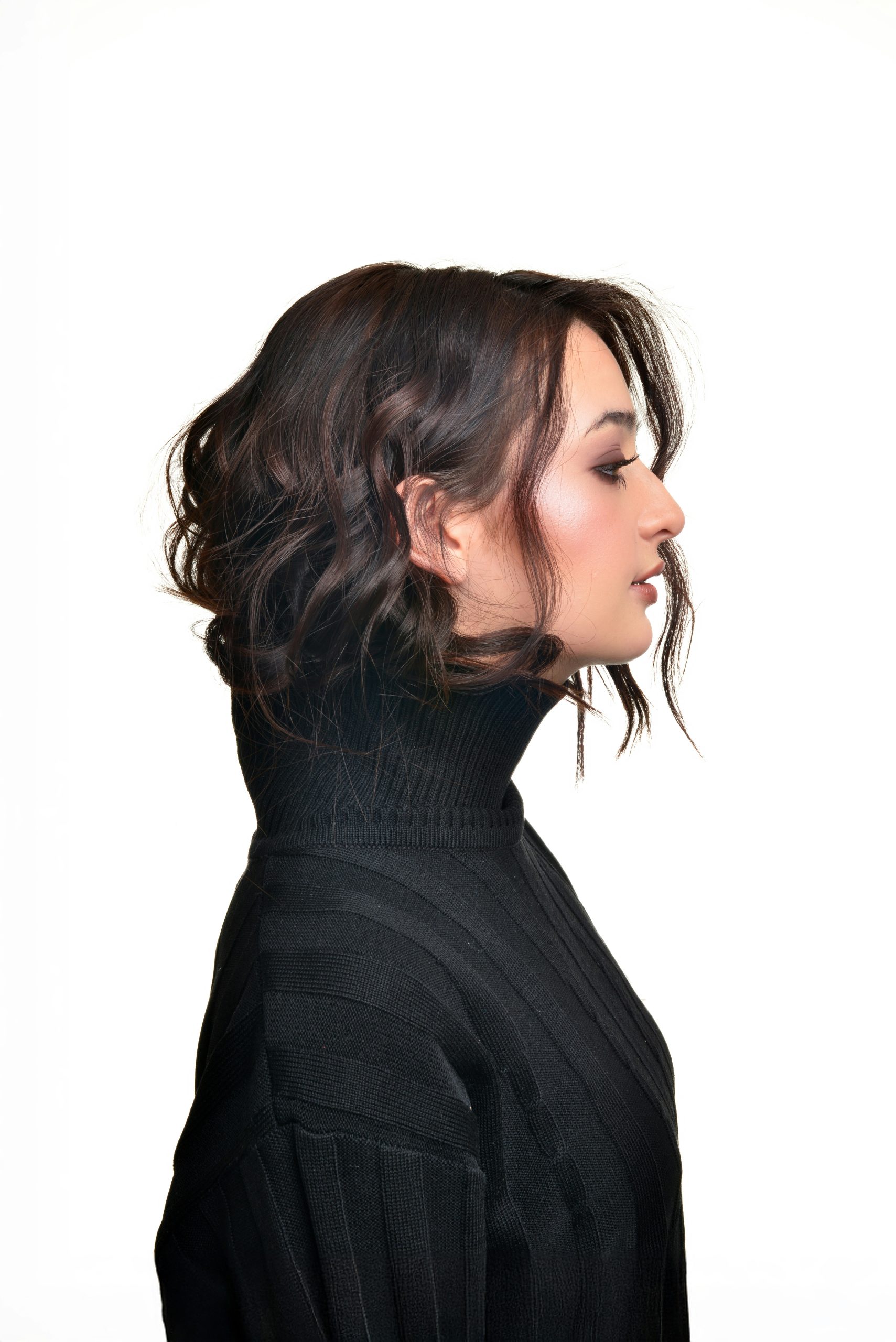
The airy bob is named for what it removes: weight. It’s a below-the-jaw bob built on point-cut or razor ends that feather and separate rather than land as a solid, dense perimeter — and the difference in how that feels on your head, and in the mirror, is significant.

The airy bob is a movement-focused bob with light internal layers and a softened perimeter, typically cut at jaw to collarbone length. The stylist uses point cutting, razor cutting, or slide cutting on the ends to remove density and create tips that separate and lift slightly rather than lying flat. Unlike a blunt or classic bob, the airy bob has no defined weight line. The perimeter dissolves into the surrounding hair. On fine hair, this creates an illusion of volume. On thicker hair, it removes bulk and allows the style to breathe.
This article covers what actually makes a bob “airy” (it’s a cutting decision, not a styling trick), how it compares to similar soft bob terms, 20 specific airy bob variations to consider, which face shapes it suits most, and when it’s not the right choice. Use the stylist script in the What to Tell Your Stylist section if you’re taking this guide to an appointment.
| Factor | Details |
|---|---|
| Best for | Fine to medium hair; oval, heart, and round face shapes; anyone preferring movement over geometric precision |
| Avoid if | Very coarse, thick hair (ends puff rather than feather); prefer a sharp, defined perimeter; never use heat tools |
| Length range | Jaw to collarbone; tighter versions at chin length, longer versions into airy lob territory |
| Maintenance | Trim every 6-8 weeks; soft perimeter grows out more gracefully than a blunt bob |
| Daily styling | 5-10 minutes air-dry or 15-20 minutes with a diffuser; requires lightweight products only |
What Makes a Bob “Airy” and How It Differs from Similar Cuts
The term gets used loosely online, applied to bobs that look soft, light, or breezy in photos. But in cutting terms, an airy bob has specific technical markers. Knowing those markers helps you get the right result at the salon rather than a generic layered bob with a rebranded name.
Lightness Comes from the Cutting Technique, Not the Blowout
A bob becomes airy through how the stylist removes weight from the mid-lengths and ends. Point cutting creates separation at the tips rather than a solid blunt edge. Razor cutting thins the ends further and produces a fine, feathered finish that lifts and separates naturally. Slide cutting (running the shears along the shaft) removes bulk from the interior without shortening the overall length. These techniques combine to give the perimeter a quality that feels light rather than dense. A blunt bob at the same length can be soft with the right products, but it carries weight the cut itself doesn’t remove — and that’s the difference that shows up when the hair dries and moves.
Stylist tip: Ask specifically for “point-cut ends throughout” and “internal layers, not visible layers.” Stylists may default to a standard layered bob unless you name the technique. If you want the finest possible texture, ask whether they’re comfortable razor-cutting on dry hair; the result is lighter and more controlled than a wet razor finish on most hair types.
The Airy Bob Compared to Similar Soft Bob Terms
A soft bob prioritizes a gentle curve and relaxed silhouette, with less emphasis on cutting technique. A cloud bob (a newer term from social media) emphasizes rounded volume at the crown. A fluffy bob often refers to blowout volume on any bob length. The airy bob specifically targets weight removal at the ends and mid-lengths, with movement that reads as effortless rather than worked. In practice, these styles overlap: the difference is whether you’re describing how it looks (soft, fluffy) or how it’s cut (airy, point-cut, razor-finished). When booking an appointment, describe the technique, not the adjective.
Jaw-Length Airy Bobs (Ideas 1–8)
Jaw length is where the airy bob works hardest: the shorter perimeter means less weight pulling the style down, and the face-framing quality of layers at this length is immediately visible. These eight variations cover the main cutting angles, hair textures, and face shape considerations at jaw length.
1. Invisible-Layer Jaw-Length Airy Bob
Invisible layers keep the exterior perimeter intact while removing weight from the interior sections underneath. Seen from the front, the bob appears to have a clean, even length; in motion, the hair separates into lighter pieces as if it has texture throughout. Stylists create this by taking long parallel sections from the interior, graduating them shorter than the exterior, then blending so the graduation is completely hidden at the surface. For a jaw-length version, the layers sit at the mid-ear to just-below-ear zone internally, leaving the jaw-level perimeter untouched.
2. Round-Face Jaw-Length Airy Bob with Side Part
Round faces benefit from vertical line over horizontal fullness, and the jaw-length airy bob delivers this through the cut’s inherent movement rather than a sharp geometric silhouette. A deep side part creates asymmetry that draws the eye from forehead to jaw in a diagonal rather than across the widest part of the face. Keep the layers long enough to frame the jaw rather than flipping outward at the cheekbones. Wide feathering at cheekbone level adds visual width rather than removing it. A rounded bob for round faces often leans structural; the airy version achieves balance through softness instead.
3. Fine-Hair Jaw-Length Airy Bob with Point-Cut Ends
Fine hair tends to look flat in a blunt bob because all the ends hit the same point and can’t separate naturally. Point-cut ends change this: the tapered tips create separation at the perimeter so the hair looks denser than it actually is. At jaw length, there’s less weight pulling everything down, which is why this length is often recommended for fine hair over a longer, heavier version. Use a volumizing mousse at the roots before blow-drying on low heat and leave the ends alone; applying product at the tips re-adds the weight the point-cutting removed.
4. Air-Dried Tousled Airy Bob
Rough-dry damp hair with a diffuser on the lowest heat setting until about 80 percent dry, then let the rest finish on its own. Scrunch a small amount of curl cream into the mid-lengths and ends while wet to encourage light texture, but avoid saturating the roots. The air-dried airy bob varies from day to day by design — the slight unpredictability of how each section dries is part of the appeal. Sleeping on damp hair flattens one side unevenly, so either air-dry fully before bed or use a satin pillowcase if overnight drying is unavoidable.
5. Grow-Out-Friendly Airy Bob
Because there’s no hard weight line to maintain, the airy bob grows out more gracefully than its blunt counterpart. As the ends extend, the layering that created lightness at jaw length keeps working through the chin-to-collarbone transition, carrying the movement forward without requiring the exact original length. Ask your stylist to “dust” rather than cut at your next appointment, removing 1/4 inch from the ends only, preserving the length while refreshing the texture. This approach extends the time between full cuts for anyone growing the bob toward a longer style.
6. Balayage Airy Bob with Butter Highlights
Balayage and the airy bob pair naturally because hand-painted highlights follow the movement of the layers rather than sitting in uniform bands. Butter highlights (warm golden-blonde tones applied mid-length through the ends) catch light as the bob moves, making the cut’s lightness visible as a color quality rather than just a structural one. For a jaw-length bob, concentrate highlights at the face-framing sections nearest the part and leave the root zone largely natural; this creates depth without requiring frequent root appointments, and the grow-out blends softly as the bob extends.
7. Razor-Cut Airy Bob
Requesting a “razor-cut bob” is the most precise way to communicate the airy result to a stylist who may default to shears. The razor removes weight from each strand individually as it cuts, producing naturally tapered ends throughout the length rather than a solid perimeter. The finish is inherently lighter and more feathered than scissor-cut hair, with a texture that air-dries with visible piece-y separation. This technique works best on straight to wavy hair. On tightly coiled or coarse hair, razor cutting can create frizz or unpredictable shrinkage, so ask your stylist to assess texture before committing to the tool.
8. Airy Bob vs. Blunt Bob
The blunt bob concentrates all the hair’s weight at a single horizontal line, creating a strong defined perimeter that reads as graphic and modern. The airy bob distributes weight removal throughout the mid-lengths and ends, making the perimeter dissolve rather than define. Which is right depends on your priorities: if you want geometric precision and a silhouette that holds its shape between cuts, go blunt. If you want movement, adaptability across different drying methods, and a style that looks slightly different each day without looking unintentional, go airy. A sleek blunt bob holds longer between trims; an airy bob is more forgiving of the grow-out but requires lighter products to maintain its quality.
Chin and Ear-Length Airy Bobs (Ideas 9–14)
Shorter airy bobs present a specific challenge: the less length there is to carry movement through, the more the cut depends on the correct technique at the ends. These six variations cover the approaches that preserve the airy quality even at the shortest bob lengths.
9. Chin-Length Point-Cut Airy Bob
At chin length, point-cut ends frame the face with a soft edge rather than a hard one, and the feathered tips are visible from the front as the hair moves. Shorter lengths tend to swing more than longer ones, so the movement the point-cutting creates is more apparent at chin length than at jaw or collarbone length. Pair with a curtain fringe using the same point-cut finish for a cohesive softness across the front of the style, and the fringe and perimeter share the same airy quality rather than the bang looking heavier than the rest of the cut.
10. Heart-Face Airy Bob at Chin Length
Heart-shaped faces have wider foreheads narrowing toward the chin, so adding visual weight at the jaw level helps balance the proportions. A chin-length airy bob does this without adding bulk: the light ends create movement and perceived fullness at the jaw through separation rather than mass. Keep the layers graduating toward the jaw level rather than ending above it; layers that terminate at cheekbone height add visual width mid-face rather than at the chin. Avoid a very short ear-length version here, which makes the chin appear narrower relative to the forehead.
11. Thick-Hair Chin-Length Airy Bob
Thick hair in a standard bob can sit heavy and box-shaped, particularly behind the ears and at the nape. Interior weight removal at chin length targets those areas specifically: point cutting or thinning the mid-lengths removes the bulk that makes the silhouette rigid without shortening the exterior length. Hold back the thinning from the very ends, as over-thinned tips on thick hair can make the perimeter look sparse or frayed. The goal is interior lightness, not thin ends; the ends stay intact while the weight inside is reduced.
12. Textured Tousled Chin-Length Airy Bob
Salt spray or a lightweight texturizing paste applied to damp hair and scrunched gently gives a piece-y, undone finish that works particularly well at chin length. Diffuse on medium heat while scrunching sections upward, then leave the last 20 percent to finish on its own. At this length, the part placement has a noticeable effect: a center part gives symmetry, a deep side part adds visual asymmetry, and a loose half-part that falls naturally creates the effortless quality the airy bob does best. Switch the part every few days to prevent the hair from training too hard to one side.
13. Ear-Length Airy Bob with Minimal Layering
At ear length, maintaining an “airy” quality requires restraint: too many layers at this length can create an uneven, piecey result rather than a cohesive soft one. The better approach is light point-cutting concentrated at the ends only, keeping the interior solid enough to support the silhouette while the perimeter stays feathered. At this length, lightweight mousse and a round brush on medium heat gives more control over the airy finish than air-drying alone, since there’s less length for gravity to separate. Refresh every 5–6 weeks to keep the perimeter from going blunt as it grows.
14. Dark Copper Chin-Length Airy Bob with Face Framing
Warm copper on a chin-length airy bob creates visual contrast between the dimensional color and the soft, light perimeter; the richness of the tone makes the feathered ends stand out more than they would on a neutral brown or blonde. Face-framing sections in a slightly lighter copper or golden-copper tone draw the eye forward and highlight the bob’s movement at the chin. Copper fades at different rates in different sections, so plan a gloss or toning treatment at the midpoint between full-color appointments. The fading itself can add to the airy quality of the style, as the ends lighten slightly and separate more visibly over time.
Longer Airy Bobs (Ideas 15–20)
The airy quality doesn’t disappear at longer lengths, but it requires a different layering approach to avoid the cut feeling like a standard long layered lob. These six variations show how the airy technique adapts from the shoulder zone down.
15. Airy Lob with Long Invisible Layers
Communicating “long invisible layers with a point-cut perimeter” gives a stylist the clearest brief for an airy lob at collarbone to shoulder length. The layers should sit no shorter than 3–4 inches above the exterior perimeter. Shorter interior layers at this length create a disconnected, multi-length appearance rather than a fluid one. Ask the stylist to assess the result in natural light after cutting dry, not immediately after washing: the weight distribution changes as the hair dries, and adjustments made on dry hair stay where they’re placed. This is the most forgiving airy variation for anyone coming from longer hair.
16. Airy Bob vs. Diana Bob
Both styles prioritize lightness and movement over structure, but they achieve it through opposite approaches. The diana bob builds volume through graduation — short layers at the crown pushing longer sections upward, creating architectural lift. The airy bob removes density from the mid-lengths and ends without creating graduation, producing movement rather than height. On fine hair, the diana bob creates the illusion of thickness at the crown; the airy bob creates the illusion of thickness at the perimeter. If crown volume is the goal, the diana bob delivers more of it. If all-over movement and lightness is the goal, the airy bob is the better fit.
17. Wispy-End Collarbone Airy Bob
At collarbone length, a very light point-cut finish at the ends creates a wispy quality where the last inch or so of each strand is thin enough to be nearly translucent in strong light. This is distinct from the “see-through ends” that result from over-thinning. Wispy ends retain their color depth while tapering to a fine point. The technique requires a stylist comfortable with a feather razor or very fine point-cutting over multiple small sections rather than one broad pass. On any hair with natural wave, this end weight level allows the wave to define itself rather than clumping at a heavier perimeter.
18. Square-Face Collarbone Airy Bob
Square faces have strong jawline corners and roughly equal forehead and jawline widths. A collarbone airy bob softens those angles through the light perimeter and movement rather than through structural shaping techniques. Keep the layers angled slightly toward the face so the ends sweep forward when air-dried, softening the jaw corners with movement rather than length. Avoid very short layers that create a horizontal line at cheekbone level, which can emphasize rather than soften the squareness of the overall profile. A side part at this length helps too, creating an asymmetry that shifts focus from width to flow.
19. Wavy-Hair Airy Lob
Natural waves and the airy lob work well together: the wave pattern generates its own texture variation through the style, and light ends allow each wave to define itself rather than clumping at a dense perimeter. Ask for “long layers cut dry”; wet cutting obscures how the waves fall once the length rebounds, and layers that look right on wet hair can land in the wrong zone once the wave pattern returns. Apply curl cream section-by-section on damp hair, then diffuse. The result is a layered bob with natural wave-driven movement rather than a styled one.
20. Blowout Airy Lob for a Polished Look
The airy lob’s light perimeter works with a conventional round-brush blowout, but the result reads differently from a blunt lob: the ends feather and separate at the tips rather than curling under in a solid, dense bank. Use a large barrel brush (32–38mm) at shoulder or collarbone length and roll the ends outward slightly on the last pass. A small amount of lightweight pomade worked between the palms and pressed through the ends adds definition without collapsing the airy quality. The finished look is more polished than an air-dried version but keeps a sense of movement rather than a stiff, high-effort finish.
Face Shape Guide for the Airy Bob
The airy bob’s soft perimeter makes it more adaptable to different face shapes than the blunt bob, but length, layer placement, and part position still need adjusting to get the best result for your proportions.
| Face Shape | Best Length | Key Adjustment | Avoid |
|---|---|---|---|
| Oval | Any length from chin to collarbone | No modifications needed; all airy bob variations work | Nothing specific |
| Round | Jaw length or longer; not chin or ear length | Side part; layers sweeping toward jaw, not outward at cheekbones | Wide cheekbone feathering (adds width) |
| Square | Collarbone to shoulder; longer softens the jawline more effectively | Layers angled toward the face; side part creates flow away from corners | Horizontal layers at cheekbone level (echoes squareness) |
| Heart | Chin to jaw length; volume sits naturally at jaw level | Layers graduated toward chin level for jaw fullness; keep crown layers minimal | Ear-length version with narrow jaw (exaggerates chin narrowness) |
| Oblong | Jaw to chin; shorter length adds visual width | Maximize side movement at cheekbone level; center part adds width | Very long airy lob (elongates the face further) |
| Diamond | Jaw to collarbone; perimeter fullness at jaw level balances cheekbones | Light layers at jaw level; avoid wide feathering at cheekbone height | Wide layers at widest cheekbone zone |
What to Tell Your Stylist
The word “airy” may not translate clearly in a salon setting. Leading with the cutting technique rather than the adjective gets better results.
For the cut: “I want a bob with point-cut or razor-cut ends throughout, not a blunt perimeter. I want interior weight removal through long layers or slide cutting, but I don’t want visible layer lines. The result should feel light at the ends and move when I walk, rather than staying in a set shape.”
For the finish: “Please don’t add heavy products for the blowout. I want to see how the ends move and separate on their own. Show me the lightest product you’d recommend and how much of it.”
Stylist tip: Bring a reference photo that shows the hair in motion (mid-swing or mid-toss) rather than a static studio shot. The airy bob looks most like itself when it’s moving — a still photo can look like any soft bob. A motion reference gives the stylist a target for the weight distribution, not just the length or shape.
When the Airy Bob Doesn’t Deliver
The airy bob is built around lightness and movement. Hair that resists those qualities, or a lifestyle that doesn’t suit the styling approach, makes the result fall short of what the cut is designed to do.
- Very coarse, thick hair: Coarse strands don’t feather at the ends the way fine or medium strands do. Point-cutting on coarse-thick hair can create an uneven, frizzy perimeter rather than a clean feathered one. Interior weight removal still helps, but the ends are unlikely to achieve the airy separation the style is built around. A curved bob with internal thinning typically manages thick coarse hair better.
- Anyone wanting a polished, defined silhouette: The airy bob’s dissolving perimeter and variable texture across the week is a feature for some and a problem for others. If you want a geometric, controlled shape that looks the same every day, a blunt bob or a graduated bob serves that goal. The airy version moves and varies, which requires accepting some unpredictability in the finish.
- Air-dry-only lifestyles on coarse or thick hair: On fine or wavy hair, air-drying gives the airy bob its best result. On coarse or thick hair, air-drying without any diffuser or low-heat assistance produces a shapeless, undefined result that doesn’t match the lightness the cut is supposed to create. Some heat, even minimal, is needed to activate the airy quality on denser hair types.
- Hair that’s been chemically over-processed: Bleached or repeatedly relaxed hair is often too fragile to handle razor cutting or aggressive point-cutting. On compromised hair, the ends break rather than taper, and the “airy” quality becomes thinness from damage rather than intentional feathering. Strengthen the hair first with protein treatments and let new growth come in before attempting an airy cut.
FAQ
Common questions from people researching the airy bob before booking.
Is the Airy Bob the Same as a Feathered Bob?
They overlap significantly, but a feathered bob is a broader term. A feathered bob includes styles like the diana bob, where feathering is applied specifically to layers swept away from the face. The airy bob applies feathering (point-cut or razor-cut ends) throughout the perimeter, not just at specific sections. All airy bobs are feathered at the ends; not all feathered bobs qualify as airy bobs.
Can Fine Hair Really Look Fuller with an Airy Bob?
Yes, and it’s one of the better-matched haircut strategies for fine hair. Point-cut ends create separation at the perimeter so the hair looks denser than a single flat layer of hair at the same length. The key is avoiding heavy products that re-add the weight the cutting technique removed. Lightweight mousse at the roots and nothing at the ends gives the best result.
How Is the Airy Bob Different from a Shag?
The shag haircut uses heavy layering with curtain bangs and visible, distinct layers throughout the length. The airy bob removes weight more subtly: the layers are longer and less visible, and the perimeter is the main focus of the feathering technique. A shag is deliberately textured and maximalist; the airy bob is textured at the edges while maintaining a cleaner interior silhouette.
Does the Airy Bob Work if I Don’t Own a Diffuser?
On fine to medium, straight to wavy hair, yes. Air-drying alone (or roughing dry with a regular dryer on low heat) gives the airy bob good results without a diffuser. On curly or coarse hair, a diffuser or at minimum a low-heat setting makes a meaningful difference in how the texture forms. Without any heat on coarse or very thick hair, the result tends toward shapeless rather than airy.
How Often Does the Airy Bob Need Trimming?
Every 6–8 weeks is typical. The soft perimeter grows out more gracefully than a blunt bob because there’s no hard line to maintain, but the interior layers need refreshing at this interval to prevent the style from feeling heavy again as length returns. Ask for a light dust at 6 weeks and a proper refresh at 8–10 weeks if you’re not in a hurry to maintain the original length precisely.
The airy bob works because it commits to a principle rather than a shape: less weight equals more movement, and more movement equals a style that looks considered rather than styled. A well-executed airy bob with the right product weight and a stylist who understands the cutting technique delivers the kind of effortless finish that’s harder to achieve than it looks.
Hair results vary based on your natural hair type, texture, density, and condition. Always consult with a licensed hairstylist before making significant changes, especially with chemical treatments or dramatic length changes. Photos may show styled results that require professional tools and products to replicate.