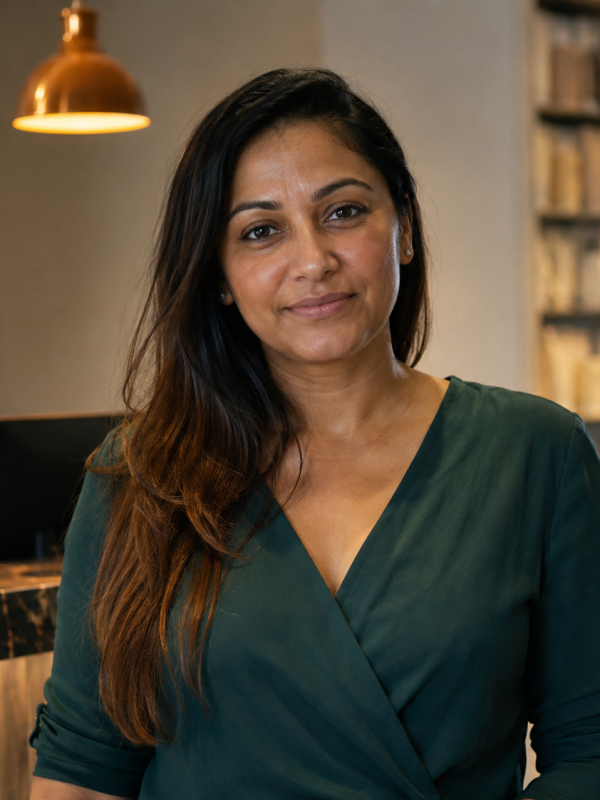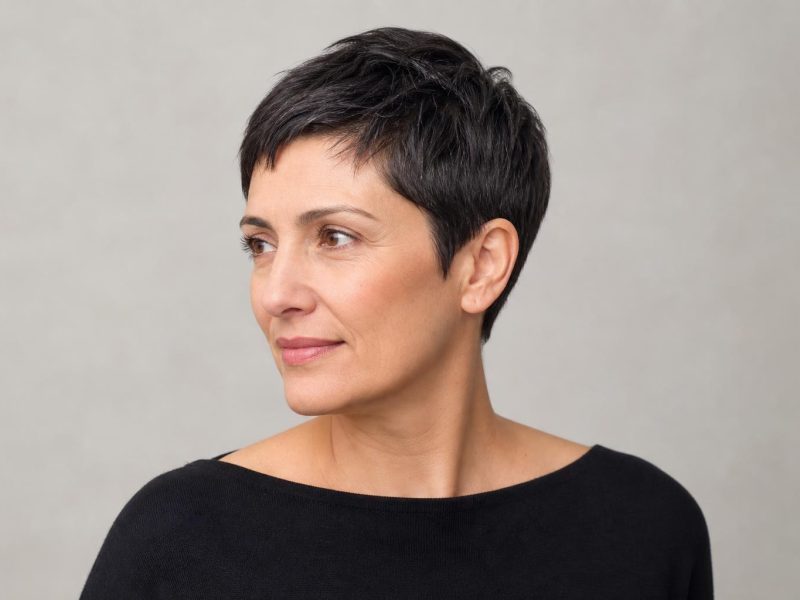

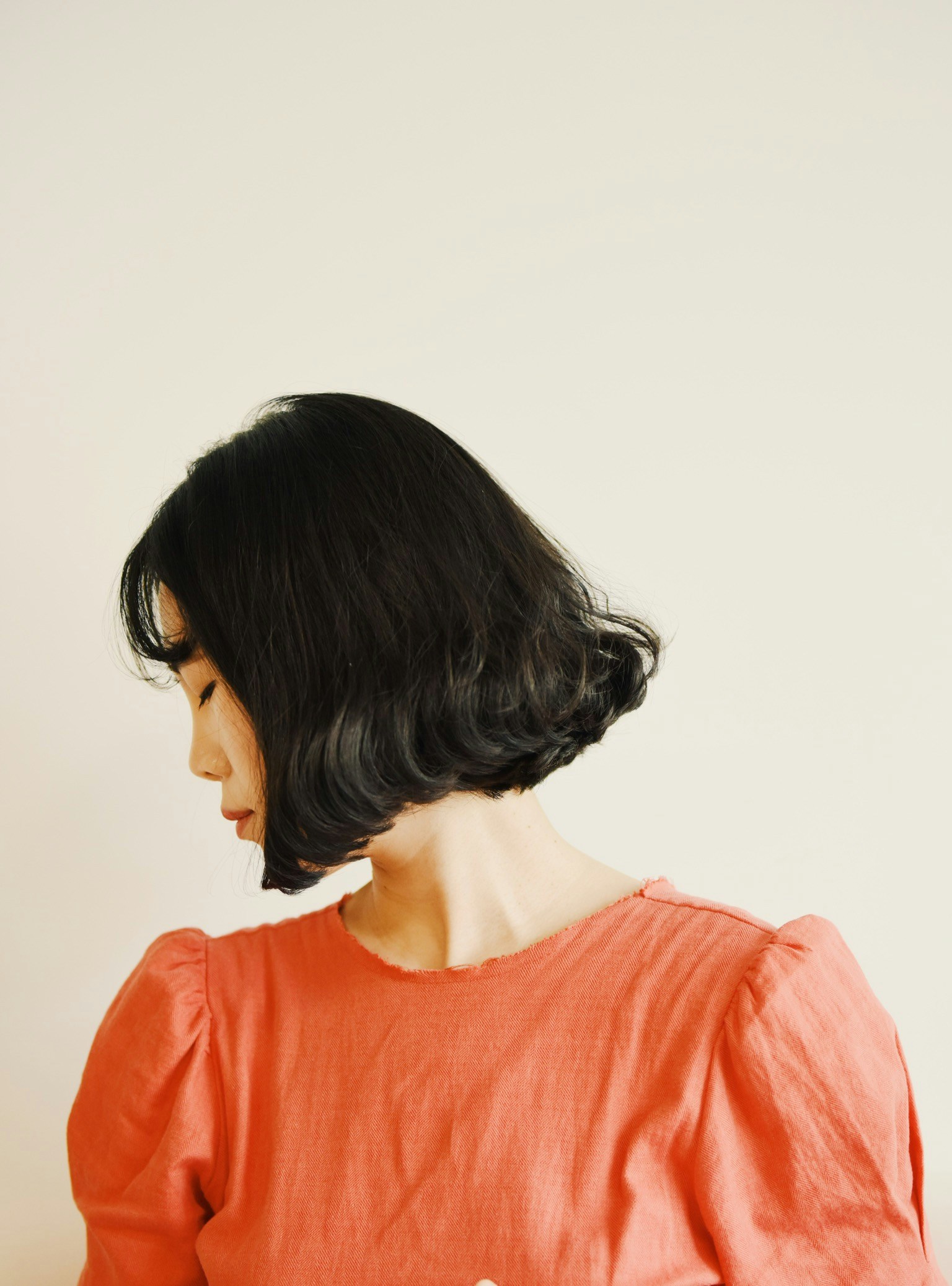

The undone bob looks effortless because the cut does most of the work, not the styling.
An undone bob is defined by its deliberately loose, lived-in finish: soft bends at the ends, piecey texture through the mid-lengths, and just enough movement to look like it fell into place rather than was meticulously arranged. These 25 ideas span chin-length to collarbone, covering straight, wavy, and curly textures so you can find the version that actually works with your natural hair.
What separates an undone bob from a regular bob is the cutting technique. Stylists use point cutting, slice cutting, or light razoring at the perimeter to remove weight and let ends move independently. When the cut is right, the hair settles into a slightly imperfect, casually cool shape on its own. The sections here organize ideas by length, with face shape compatibility, stylist communication guidance, and maintenance reality covered after the gallery. The full bob haircuts gallery has additional options if you want to compare styles before committing.
| Factor | Details |
|---|---|
| Best for | Wavy, slightly wavy, and fine straight hair; oval, round, and heart face shapes |
| Maintenance | Trim every 7–10 weeks; 5–15 minutes daily styling depending on texture |
| Works with | Chin to collarbone length; straight, wavy, and loose curly textures |
| Avoid if | Very coily 4a–4c hair without specialist dry cut; very fine limp hair needing structure |
| Salon time | 45–60 minutes for cut alone; 90–120 minutes with balayage or toning |
Chin and Jaw-Length Undone Bobs
Short undone bobs, between the ear and jaw, are the most distinctive version of this style. At this length, piecey ends and soft movement are visible and deliberate; the cut reads as modern without leaning editorial. Fine hair handles this length particularly well because a lightly point-cut perimeter gives thin strands the density they need while still letting the ends kick out slightly. Square and heart face shapes benefit most from chin-length undone bobs because the soft texture at the perimeter breaks up strong angles without adding bulk.
1. Point-Cut Chin Bob with Kicking Ends
The point cutting technique at the perimeter is what creates those slightly uneven, kicking ends that define the undone aesthetic. Rather than a flat blunt line, the ends are cut at angles that let each strand fall slightly differently from its neighbor. Works best on straight to slightly wavy hair with medium density; fine hair benefits from a lighter touch, while thick hair may need interior thinning to balance the weight distribution.
2. Side-Parted Jaw Bob for Round Faces
Oval and round faces get more visual length from a jaw-grazing bob with a deep side part than from a center-parted chin bob. The combination of the diagonal part and a soft angle from back to front creates a line that breaks up the circular silhouette of a round face. Ask your stylist to leave the front sections about half an inch longer than the back. That small detail makes a meaningful difference in how the shape reads at jaw level.
3. Fine Straight Hair Chin Bob with Piecey Texture
Fine, straight hair gets the most from a chin-length undone bob because the blunt-ish perimeter adds visual density while light point cutting gives the ends just enough independence to look lived-in. Avoid heavy razor work on fine strands; it thins the ends further and creates a wispy result that is difficult to style into anything cohesive. A small amount of lightweight pomade worked through dry ends creates the piecey separation this style depends on without weighing the hair down.
4. Sea Salt Jaw Bob with Tousled Finish
Rough-dry this length with a diffuser attachment, turning the head upside down as you dry, then shake out the ends and apply a sea salt spray while the hair is still slightly warm. The result is a soft, mussed texture that looks better the more it moves. Works best on wavy 2a–2b hair that has enough natural bend to hold the look through the day without reapplication.
5. Grow-Out-Friendly Chin Bob with Soft Interior Layers
This version is built for longevity: soft interior layers starting just below the occipital bone and graduating outward mean the shape stays relatively soft even between cuts. Trims at 8–10 weeks are feasible because the layering softens the grow-out rather than exposing it abruptly. If you travel frequently or cannot get to a salon every 5–6 weeks, this interior-layered version is the more practical choice over a sharply point-cut undone bob that shows every week of growth.
6. Warm Highlight Chin Bob with Copper Face Frame
Copper and warm amber highlights placed through the mid-lengths and ends interact well with the piecey texture of an undone bob; each separated piece catches the light differently, creating the impression of more movement than the cut alone produces. Copper tones sit closer to the surface of the hair shaft than cooler shades, meaning they begin to fade within 4–6 washes; a color-depositing warm-toned conditioner used between appointments stretches the vibrancy noticeably.
7. Chin Bob with Curtain Bangs and Piecey Ends
Curtain bangs split at the center and fall on either side of the forehead, framing the face softly while the piecey chin-length ends below add the undone finish. Tell your stylist you want the bangs cut to cheekbone level with a center split, then point-cut throughout for a wispy, natural-movement finish. This combination suits oval and heart faces particularly well; the bangs narrow a wider forehead while the jaw-level ends add visual width at the lower face.
8. Undone Chin Bob vs the Chopped Bob
Both styles lean toward texture, but the chopped bob uses heavy razoring or blunt-tool techniques to create dramatic, disconnected pieces. The undone bob is subtler: lighter point cutting, softer separation, and more wearable for everyday styling without product. If the chopped bob feels too editorial for your day-to-day life, the undone version sits comfortably between polished and deliberately disheveled.
Jaw-to-Lob Undone Bobs
Mid-length undone bobs, between the jaw and the collarbone, are the most versatile variation. There is enough length to show natural waves and bend, enough weight to sit well on a wider range of hair densities, and enough flexibility to tuck behind the ear, go half-up, or pull into a small knot when needed. At this length, the undone look comes partly from the cut and partly from how the hair is dried, which means slightly coarser or wavier textures get the best natural results.
9. Slice-Cut Mid Bob with Organic Movement
Slice cutting, where the scissors glide along the strand at an angle rather than cutting straight across, removes interior weight without visibly thinning the ends. On a mid-length bob, this technique creates movement that falls naturally into place when the hair is air-dried or rough-dried. Particularly well suited to thick, medium-density hair that tends to triangle out or sit flat and heavy at the perimeter without interior weight removal.
10. Longer Jaw Bob for Square Faces
Square jawlines are softened by a bob that falls just below the jaw rather than sitting at it; the slight extension shifts the widest visual point down and away from the jaw’s strongest angle. A soft wave or natural bend at this length adds further softening. Side parts and curtain bangs both reinforce this, and the layered bob gallery has several longer versions built specifically for strong jaw shapes if you want to browse more options.
11. Undone Mid Bob for Thick Dense Hair
Dense, coarse hair at mid-length tends to push outward at the perimeter, creating the boxy or triangular shape most thick-haired clients want to avoid. The key for thick hair is not razoring through the ends (which creates frizz on coarse strands) but point cutting through the interior and removing weight at the occipital area to allow the bob to drape rather than puff. The result is organic volume at the right places rather than structural bulk throughout.
12. Air-Dried Natural Wave Mid Bob
Apply a curl-enhancing cream to soaking-wet hair, scrunch from ends upward, and leave completely alone until fully dry: no touching, no diffusing. On 2a–2c wavy hair at mid-length, this approach produces a soft, natural-looking wave pattern that breaks into a piecey, moveable finish. Scrunch out the cast gently once the hair is fully dry. Takes about two hours to air-dry completely, so plan for mornings when you want the undone look without any heat.
13. Easy Mid Bob for Minimal Daily Styling
Among the low-maintenance bob variations, the mid-length undone version has the most forgiving daily routine: rough-dry with hands for 5 minutes, add a small amount of texturizing spray, and the cut does the rest. The slight imperfection is built into the style, so you do not need to spend time perfecting it. Trim every 8–10 weeks, considerably longer than a polished blunt bob requires between cuts.
14. Cool-Toned Ash Blonde Mid Bob
Ash blonde and platinum tones at mid-length create light-and-shadow contrast between lifted sections and darker roots, and the piecey texture makes that contrast visible as the hair moves. A natural root melt, 1–2 inches of the base color left at the roots, gives the cool blonde mid bob a lived-in look that requires touch-ups every 10–12 weeks rather than every 6–8 weeks for a full-bleach lift. Toner refresh appointments between color sessions keep the ash tones from shifting yellow or brassy.
15. Undone Mid Bob with Wispy Fringe
Ask for “a wispy fringe, point-cut throughout, between the brows and the lashes, not blunt, not baby bangs.” That description gives the stylist the texture cue and the length range without over-specifying, letting them calibrate to your hairline and forehead shape. A wispy fringe at mid-length softens the look further and suits round, oval, and heart face shapes, making it one of the more versatile fringe-bob combinations in this length range.
16. Undone Mid Bob vs Shag Bob: What Changes
The undone mid bob and a shag bob are regularly confused, but the main difference is layer structure. A shag haircut has pronounced layers from crown to ends and typically includes a face frame or curtain bangs as a defining feature; the undone bob keeps most of its weight at the perimeter and adds texture only at the ends and through the interior. The shag is a heavier commitment; more layers mean more daily styling to prevent the crown from going flat, while the undone bob suits people who want a casual look without a structured daily routine.
Collarbone and Shoulder-Length Undone Bobs
At collarbone to shoulder length, the undone bob moves into lob territory, and the styling philosophy stays the same. The longer the bob, the more natural texture drives the final look, which means this length rewards people with naturally wavy, curly, or medium-to-coarse hair the most. Straight, fine hair at this length needs more intentional help, a large barrel iron, loose waves, no combing once styled, to look deliberately relaxed rather than simply unstyled.
17. Collarbone Bob with Razored Interior Weight Removal
Razoring through the interior of a collarbone-length bob removes weight at the mid-shaft and allows the hair to move and separate naturally as it dries. The technique applies to interior sections only; the perimeter line stays intact and clean, but reduces the stiffness that makes longer bobs sit flat or push outward. Best on medium-to-thick hair with a straight or slight wave; avoid interior razor work on fine, fragile, or heavily color-processed hair, where it can cause mid-shaft breakage.
18. Long Lob for Oblong and Long Face Shapes
Oblong and long face shapes benefit from horizontal visual lines, and a collarbone-length bob with some volume at the sides delivers exactly that. A slight wave or soft bend at this length adds width at cheek level. Avoid center parts; they lengthen the face further, and choose a side or deep side part instead. For detailed face-shape pairings across bob lengths, the bob face shape guide covers each shape with specific cut and length recommendations.
19. Naturally Wavy Collarbone Bob
Wavy 2b–2c hair at collarbone length has enough natural movement to create an undone look without any heat tools. Wash with a sulfate-free shampoo to preserve the wave pattern, apply a lightweight leave-in conditioner to soaking-wet hair, then scrunch upward and air-dry or diffuse on low heat. The result at this length is a full, soft wave that sits well without defined styling, the least-effort version of an undone bob for anyone with natural texture in this range.
20. Diffused Curly Lob with Natural Separation
On 3a–3b curly hair, a collarbone-length lob works well when the stylist cuts it dry; the curls need to be seen at their natural resting length before any cuts are made, since wet curls can be 20–30% longer than their dried state. Diffuse on medium heat with a cupped hand technique (press the diffuser up against the hair and hold for 20–30 seconds before moving) for maximum curl definition with minimal frizz. The natural curl movement creates the undone finish without additional product or styling steps.
21. Easy-Care Shoulder Bob with Light Interior Layers
Light internal layers every 3–4 inches through the mid-length keep this shoulder-length version from feeling thick and unwieldy. Trims at 9–11 weeks are realistic; the soft layering means the shape blends as it grows rather than losing structure abruptly. This is a practical starting length for anyone transitioning from long hair to a bob who is not ready to commit to a chin-length version; if you miss the length, it is only a few months of growth back.
22. Balayage Collarbone Bob with Warm Face Frame
A warm balayage face frame, lighter pieces placed at the temples and around the forehead, draws attention to the face and creates the impression of more movement at the front sections. At collarbone length, the undone bob already has a casual finish; the balayage adds dimension that catches light as the piecey ends move. Expect balayage at this length to require a gloss or toner refresh every 8–10 weeks to keep the warm tones from shifting brassy between full appointments.
23. Collarbone Undone Bob with Shaggy Face Frame
Ask your stylist for “a collarbone bob with a shaggy face frame, layers starting at cheekbone level, point-cut to blend, not razored.” That language gives them the frame structure while specifying that you do not want the heavy razored texture of a full shag. The face frame softens the front while the back stays cleaner and heavier, creating a hybrid between a lob and a shag without fully committing to either. Oval and oblong face shapes benefit most from this combination.
24. Undone Collarbone Bob vs a Polished Lob
A polished lob is blow-dried smooth with a round brush, ends tucked under in a C-curl, and maintained at 5-week trim intervals to keep the perimeter sharp. The undone collarbone bob is the opposite: rough-dried or air-dried, ends that fall naturally, and a looser trim schedule. If you spend more than 15 minutes styling your hair most mornings, consider which version fits your actual routine rather than your aspirational one. The undone version works best for people who can leave the imperfections in place once the hair is styled.
25. Multi-Texture Collarbone Bob with Layered Softness
This version uses three techniques together: point cutting at the perimeter, slice cutting through the interior mid-lengths, and a light razored face frame starting at the cheekbone. Each technique serves a different function; the point-cut ends add texture, the slice cutting removes bulk without thinning the perimeter, and the razored face frame blends the shorter front sections into the longer back. The result is a bob with organic, multi-directional movement that does not depend on any single styling technique to come together each morning.
Choosing the Right Undone Bob for Your Face Shape
The undone bob is naturally forgiving across face shapes because its soft texture avoids the hard angles and precise geometry that make some cuts unflattering. Length and part placement still matter, though. The table below matches each face shape to the most effective variation and flags what to avoid; these recommendations apply specifically to the undone version, not to polished or blunt bobs.

| Face Shape | Best Undone Bob | Best Length | Avoid |
|---|---|---|---|
| Oval | Any variation: curtain bangs, chin-length, collarbone, and side part all work | Chin to collarbone | Very little; most lengths and textures suit oval proportions |
| Round | Jaw-length with deep side part; slight angle from back to front | Below jaw to collarbone | Chin-length with center part (adds width at the widest point) |
| Square | Soft wave below the jaw; side part; curtain bangs to soften forehead angles | Below jaw to collarbone | Jaw-length bobs sitting exactly at the jaw (emphasizes the angle) |
| Heart | Chin-length with piecey ends and curtain bangs; slight volume at the jaw | Chin to jaw | Very short bobs above the chin (expose a pointed chin) |
| Oblong | Collarbone lob with soft volume at the sides; side or deep side part | Collarbone to shoulder | Chin-length bobs with center part (further elongate a long face) |
| Diamond | Chin bob with curtain bangs to add width at the forehead; soft face frame | Chin to jaw | Slicked-back or tight center-parted styles that expose a narrow forehead |
What to Tell Your Stylist
The phrase “undone bob” is understood by most stylists, but a few specifics will make sure the result matches what you have in mind. Start with the length: “jaw-length in the back, slightly longer in front” is more useful than “medium length.” Then describe the finish: “point-cut ends, not blunt” communicates the texture without leaving it open to interpretation. If you want curtain bangs or a face frame, say so explicitly and specify the length relative to your brow or cheekbone.
Stylist tip: Bring two or three reference photos to your consultation: one showing the length you want, one showing the texture or wave pattern, and one showing the part placement. Stylists can blend elements from multiple images more easily than working from a verbal description alone, especially when length, texture, and part direction do not always appear together in a single photo.
Sample language for the chair: “I want an undone bob: jaw-length in the back, about half an inch longer in the front. Point-cut at the ends, not razored. Some interior weight removal to help it move, but I want to keep density. Side part. No bangs.” That covers the key decisions: length reference points, technique, weight removal, part direction, and fringe preference.
Maintenance and Styling
An undone bob is genuinely lower maintenance to style daily than a polished bob, but it is not lower maintenance to keep cut. Because the look depends on freshly point-cut ends and balanced interior weight, going past 10–11 weeks between trims lets the bob grow past its shape and begin to look unkempt rather than casually cool. Budget for trims every 7–10 weeks depending on your growth rate.
For daily styling, the routine is shorter than most people expect. On wavy or naturally textured hair: apply a lightweight texturizing spray on towel-dried hair, scrunch from ends upward, and rough-dry on low heat or leave to air-dry completely. On straight hair that needs more help: use a large-barrel curling iron (1.25 inches or larger) to add soft bends on alternating sections, leaving 1–2 inches of the ends straight, then finger-comb once to separate. The intentional imperfection comes from leaving the sections slightly uneven and from not going back to smooth everything out afterward.
Stylist tip from Priya N., licensed colorist and THP contributor: The most common mistake clients make with an undone bob is reaching for a brush once the hair is styled. Apply the texturizing spray, rough-dry it, and then stop. The moment you go back to tame flyaways or smooth a piece, you erase the lived-in finish you were building. If you genuinely cannot tolerate any frizz or movement, the undone bob may not suit your styling preferences; a textured bob with a smoother finish will serve you better.
When the Undone Bob Is Not the Right Choice
The undone bob suits a specific set of hair types and lifestyles. Knowing when it will not work, or will require more effort than it is worth, prevents a frustrating appointment.
- Very fine, limp hair with no natural texture: Without any natural wave or body, an undone bob at jaw length or longer can look unstyled rather than casually intentional. Fine hair works better at chin length with a blunter perimeter that adds visual weight; the longer and more textured the bob, the more effort fine-haired people need to make it read as deliberately relaxed rather than simply unfinished.
- Very coily 4a–4c hair without specialist cutting: The undone bob’s natural movement looks different on coily hair; the curl pattern creates volume rather than the soft piecey separation the style is known for on wavy and straight textures. A specialized wet-to-dry cut built for your specific curl pattern will deliver better results than adapting the undone bob concept from a straight-hair gallery.
- Workplaces requiring consistently polished styling: The undone aesthetic is casual to creative by design. If your role requires a polished look daily, an undone bob will need to be blow-dried smooth most mornings, at which point you are spending more time than a polished blunt bob would require.
- Significant scalp or density concerns: Thinning through the mid-shaft or at the crown makes the piecey, separated finish look sparse rather than textured. A blunter bob without interior layering maintains the visual density that thinning hair needs to appear full.
FAQ
Is the Undone Bob High Maintenance?
It is lower maintenance to style daily than a polished bob but higher maintenance to keep cut. Trims every 7–10 weeks are necessary to preserve the balance of the point-cut ends and interior weight; at 12 weeks, the bob loses its shape and starts to look unkempt rather than casually cool. Daily styling runs 5–15 minutes depending on your hair’s natural texture.
Does the Undone Bob Work on Fine Hair?
Fine hair works best with an undone bob at chin to jaw length, with a lightly point-cut perimeter rather than heavy interior razoring. The blunter base gives fine hair the visual density it needs, while the gentle point cutting lets the ends have a bit of independent movement. Skip slice cutting and heavy texture spray on fine hair, which can flatten rather than lift. For more options built for fine texture, the fine hair bob guide covers specific lengths and cutting approaches.
Can You Air-Dry an Undone Bob?
Yes, particularly on wavy and curly textures. Straight hair typically needs a rough-dry or some heat styling to create the soft bends that give the undone look its character, but 2a–3b hair has enough natural movement to air-dry into the style without any tools. Apply a texturizing or curl-enhancing product to damp hair and then leave it alone until fully dry: no touching or combing during the process.
What Products Work Best for an Undone Bob?
A sea salt or texturizing spray is the core product for most hair types: apply to damp hair and scrunch in rather than smoothing through. On fine hair, switch to a lightweight volumizing mousse applied at the roots. On curly or wavy hair, a curl cream or leave-in conditioner applied to soaking-wet hair gives the base texture; the texturizing spray adds piecey separation once the hair is mostly dry. Avoid heavy oils or serums at the ends, which weigh them down and eliminate the kicking, separated finish.
How Is an Undone Bob Different from a Messy Bob?
The undone bob is a cut category defined by specific techniques: point cutting and light interior thinning, which produce a casual lived-in shape. A messy bob is a styling description that can apply to many bob types, regardless of how they were cut. The distinction matters because an undone bob at the wrong length or cut structure looks like unstyled hair, while a correctly cut undone bob looks effortless even immediately after rough-drying.
What Length Is Best for an Undone Bob?
Jaw-length to collarbone is the most reliable range. At this length, there is enough hair for natural texture to show up as movement rather than frizz, and enough weight for the point-cut ends to fall into place naturally. Shorter bobs, chin and above, can work but require more precise cutting and more product to read as intentionally undone. Longer shoulder-length versions work well on wavy and curly hair but may feel heavy on straight, fine textures.
How Often Do You Need to Trim an Undone Bob?
Every 7–10 weeks is a realistic schedule for most hair types. The point-cut ends lose their separation and begin to look frayed rather than textured around week 8–9 on fast-growing hair; slower-growing hair can push to 10–11 weeks. This is more forgiving than a polished blunt bob, which needs cuts every 5–6 weeks to stay sharp, but tighter than many people expect from a style marketed as low-maintenance.
An undone bob haircut is one of the few styles where the casual finish is built into the cut rather than faked with product. The right technique: point-cut perimeter, balanced interior weight, length at jaw to collarbone, means the hair settles into shape naturally most days with minimal effort. Bring one or two reference photos from this collection to your next appointment and ask your stylist specifically about the cutting technique; that conversation will make more difference to the final result than any product or styling tool you add afterward.
Hair results vary based on your natural hair type, texture, density, and condition. Always consult with a licensed hairstylist before making significant changes, especially with chemical treatments or dramatic length changes. Photos may show styled results that require professional tools and products to replicate.