

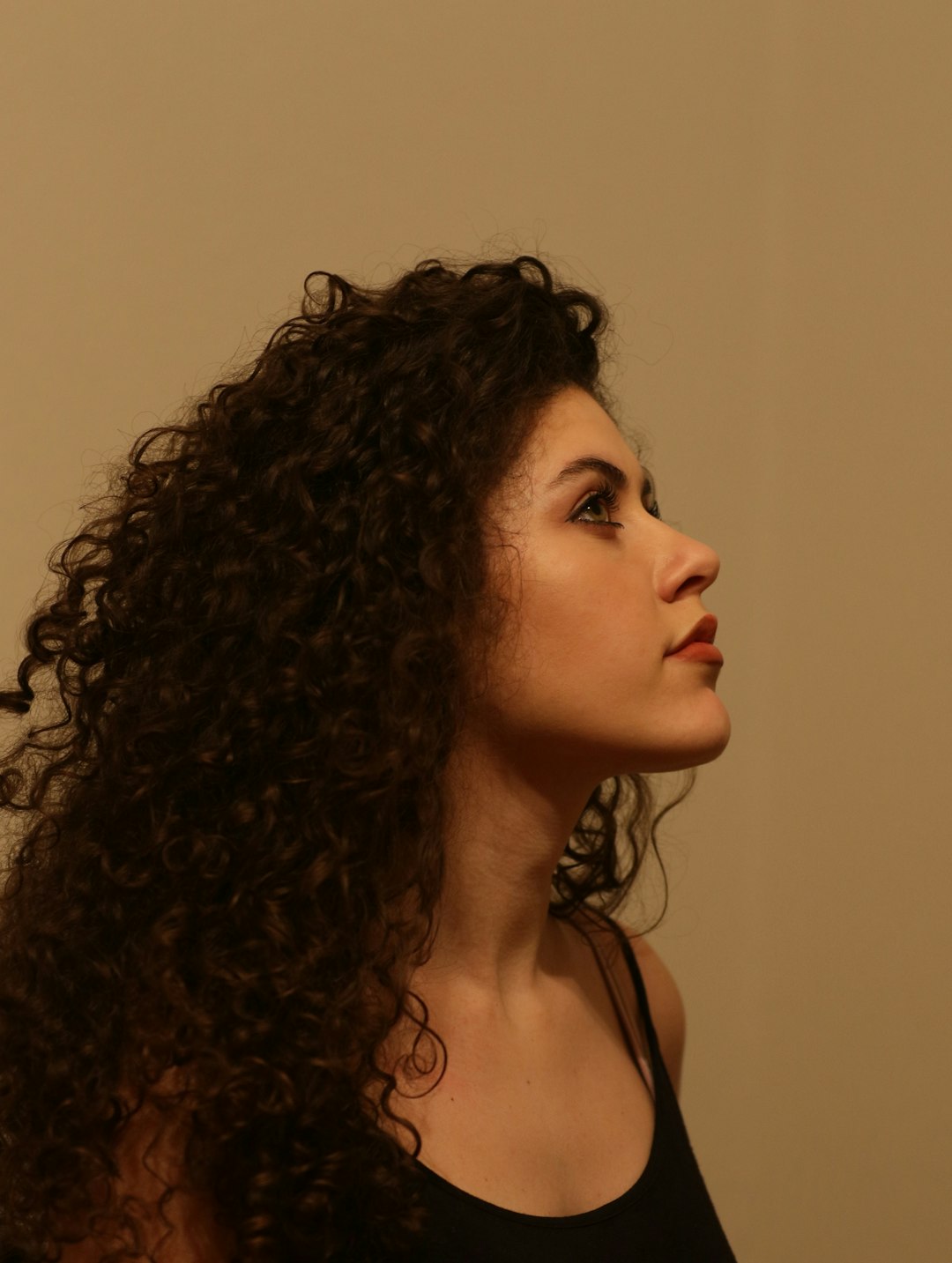

Second-day hair is easier to style than freshly washed hair for most cut types — the mistake is using the same technique regardless of the cut.
The right refresh depends on your cut’s structure, not just how oily your roots feel. A blunt bob needs a single flat iron pass along the perimeter line; a layered shag needs a light misting of texturizing spray and a quick scrunch. Dry shampoo handles the oil, but the technique that makes second-day hair worth keeping is different for each cut type, and knowing which one applies saves you from re-washing when you don’t need to.
This guide covers six cut types in detail: pixie, blunt or textured bob, lob, layered or shag cut, long straight hair, and curly or wavy cuts. Each section explains why day-two behavior differs for that specific cut, what technique refreshes it fastest, and which product category to reach for. A quick-reference chart, a step-by-step lob wave method, and a myth-busting section on daily washing are all included.
| Cut Type | Day-Two Challenge | Best Refresh Technique | Key Product | Time Needed |
|---|---|---|---|---|
| Pixie | Crown flatness, sides pushed out overnight | Paste pressed at root level, finger-styled back into shape | Matte styling paste or wax | 2–4 minutes |
| Blunt or Textured Bob | Perimeter bends, kinked ends near the ear | Spot flat iron pass on the outer perimeter ends only | Heat protectant plus lightweight serum | 5–7 minutes |
| Lob (Long Bob) | Flat roots, random bends at mid-lengths | Texturizing spray on mid-lengths, then wave from ear level | Texturizing spray plus light-hold spray | 8–12 minutes |
| Layered or Shag | Clumped sections, flattened piece-y texture | Diffuse on low heat or scrunch with texturizing spray | Texturizing spray or lightweight curl cream | 5–10 minutes |
| Long Straight | Flat roots, oily scalp, compression at nape | Overnight loose braid or spot waves at face-framing sections | Dry shampoo plus texturizing spray | 5–15 minutes |
| Curly or Wavy | Frizz, lost curl definition, sections bonding overnight | Water and leave-in conditioner mist, then scrunch or finger coil | Leave-in conditioner or curl refresher spray | 5–8 minutes |
Why Your Cut Type Changes Day-Two Behavior
On freshly washed hair, every cut type starts the same. Day two is different: natural scalp oils have redistributed from root to mid-shaft, the hair holds the shape it dried in overnight, and any product from the previous day has begun to build up along the cuticle. How all of that affects your hair depends entirely on your cut’s structure.
A blunt bob’s perimeter is a single unbroken line — one bent or kinked section stands out immediately. A layered shag has so many pieces and angles that slight overnight clumping reads as texture rather than disorder. A pixie’s crown is the first place root flatness shows, while a lob’s mid-lengths often look their best on day two because they hold yesterday’s shape with just enough grip. Short cuts that were given extra texture through perms for short hair or a strong setting routine often look better on day two than on wash day once the structure relaxes into itself.
Stylist tip: Apply dry shampoo to the roots before you sleep rather than first thing in the morning. The product absorbs overnight, so you wake up with volume already worked in rather than a powdery residue to shake out.
Pixie Cuts
A pixie holds its shape better than expected on day two because the short length means less weight pulling it flat, and any wax or paste from the previous day gives new product something to bond to quickly. The two problems specific to a pixie on day two are crown flatness and sides that have been pushed outward against a pillow overnight.
Paste at the Root Resets a Pixie in Under Three Minutes
Work a pea-sized amount of a matte styling paste between your palms and press it into the root section at the crown first, then move to the sides. The goal is to add grip at the scalp so the hair can be finger-styled back into its intended direction, not to coat the full shaft with product. If your cut includes soft curtain bangs or a wispy fringe, warm a tiny amount on your fingertip and press the bang sections toward their natural part before they set flat for the day. Pixie cuts with a side-swept element, including styles close to the kitty cut silhouette, benefit from gently pushing the top section forward with one finger while the paste holds it in place.
Dry Shampoo Builds Texture on Short Cuts, Not Just Oil Control
For a pixie, dry shampoo works as a texture builder as much as a grease absorber. Spray at a 6-inch distance into the root section, wait 60 seconds, then work it through with your fingertips in small circular motions. The product roughens the hair shaft slightly, giving it lift and grip that clean hair cannot replicate on its own. Scrunching after working in the product adds a deliberate, piece-y effect that suits choppy and textured pixie variations especially well.
Blunt and Textured Bobs
Second-day hair is when many bob styles look most natural, but the challenge is the perimeter line. A blunt bob’s bottom edge is its defining feature, and anything that distorts it needs fixing before the rest of the style can work. A creased end from sleeping on one side, or a small kink near the ear, disrupts the clean line immediately. Textured bobs are more forgiving because the ends are already irregular, but they often develop random bends along the mid-shaft that need separating.
A Spot Pass with a Flat Iron Fixes the Perimeter Line
Instead of re-blow-drying the entire bob, apply heat protectant to the ends only and pass a flat iron along the bottom 2 inches of the perimeter. On a chin-length cut, this takes under 90 seconds and restores the line completely. On a layered bob or choppy bob, skip the iron on the internal sections, which are meant to fall unevenly, and focus only on the outermost perimeter sections that look bent rather than textured.
Adding Curl to a Bob Creates Soft Movement Without a Full Restyle
When you want to go beyond fixing the perimeter, a 1-inch barrel curling wand adds soft bend to a blunt or textured bob without turning it into a defined curl style. Wrap sections away from your face and leave the last 2 inches of each section out of the wrap for a relaxed, open end. This technique is the same principle that gives the airy bob its effortless movement, and it works even better on day two because the natural oils in your hair help the wave hold without maximum heat. Drop your iron temperature 20–30 degrees lower than your usual setting and the result will last just as long.
The Lob
The lob, landing between the jaw and collarbone, handles second-day wear better than most lengths. Natural oils add weight to the mid-lengths in a way that prevents the unpredictable frizz that sometimes shows up on freshly dried hair, and the length gives heat tools enough to work with without the risk of distorting a short perimeter. Most people who struggle with a lob on day two are solving the wrong problem — they reach for dry shampoo on roots that don’t actually need it yet and ignore the mid-lengths that have gone flat overnight.
Step 1: Mist Mid-Lengths with Texturizing Spray
What you need: Texturizing spray, wide-tooth comb (optional)
How: Mist the spray from about 8 inches away, starting at ear level and working down to the ends. Leave the top 3–4 inches near the roots untouched.
Why: The root area already has natural oils that hold shape. Adding product on top creates buildup and makes roots look greasier faster. Mid-lengths and ends are where the lob loses definition overnight, and texturizing spray reactivates them without weight.
Common mistake: Spraying all over the head and then blow-drying. This flattens the effect instead of building definition. Work the spray in with your hands before applying any heat.
Step 2: Wave Mid-Lengths with a 1.25-Inch Barrel
What you need: 1.25-inch barrel curling iron (1.5-inch for fine hair), heat protectant spray
How: Take 1-inch sections starting from ear level and wrap each one around the barrel, holding for 8 seconds. Leave the last 2 inches of each section straight for an open, relaxed end.
Why: Starting waves at ear level rather than the root adds movement and volume without creating the constructed look that comes from root-to-end curling. The straight ends give the result a current, unpracticed finish.
Common mistake: Using a barrel smaller than 1 inch on lob-length hair. Smaller barrels produce tight spirals on this length that take time to loosen and look far more high-effort than intended.
Layered and Shag Cuts
Layered haircuts and shag cuts were built for movement and texture, which makes day two the point when they perform as designed. Natural oils settle the layers into place, and any texturizing product from the previous day has worked itself lower into the hair shaft, creating a worn-in quality that a fresh wash actually strips away. The common mistake is over-correcting. Combing through a shag on day two pulls out the piece-y separation that makes the cut work in the first place.
Diffusing on Low Heat Restores Shag Texture Without Frizz
Set your diffuser to low heat and medium airflow, and cup the ends in the diffuser bowl for 20–30 seconds per section. Hold it still rather than moving it through the hair. Moving the diffuser disrupts a pattern that already set and generates frizz far faster than holding it in one spot. Adding a small amount of leave-in conditioner or lightweight curl cream to sections that feel dry before diffusing returns the moisture that the previous day’s heat and natural evaporation removed, without resetting the layer placement.
Texturizing Spray Separates Clumped Pieces Without a Comb
If your layered or shag cut has sections that stuck together overnight, separate them with texturizing spray rather than a comb. Mist the clumped section and use your palm to press upward toward the scalp twice, which separates the layers without disturbing the overall shape. This technique works on both straight and wavy shag variations, and it translates directly into the piece-y finish that makes cuts like the wolf cut look effortless on second-day wear rather than neglected.
Long Straight Hair
Long straight hair is the most challenging cut type to refresh on day two. Root oils travel the full shaft length faster than on shorter cuts because there is more surface area for them to redistribute down, and the weight of the hair presses the roots flat from the top down. The two most effective strategies are either setting the hair the night before so shape is already built in by morning, or focusing heat tools only on the sections that genuinely need work rather than restyling everything.
The Overnight Braid Builds Wave Without Any Heat
The most time-efficient day-two preparation for long straight hair happens the night before. Divide dry or slightly damp hair into two sections, braid each one loosely from the nape down, and secure the ends with a soft elastic. In the morning, undo the braids and shake the hair out — a soft, even wave pattern runs through the full length without picking up a single tool. A small amount of lightweight hair oil through the mid-lengths and ends prevents the waves from separating into disconnected sections. Those who find uniform braided waves too consistent can run a flat iron through a few pieces near the face to vary the texture.
Focusing Heat Only on Flat Sections Saves 15 Minutes
On days when the overnight method wasn’t done, use a 1.5-inch barrel curling iron only on the top sections near the root that fell flat and the sections framing the face. The underlayer rarely needs attention, and restyling the full length removes the natural volume that builds up overnight and produces a result that looks too finished for what day-two hair should feel like. Dry shampoo applied to root sections before any heat tool provides a texturized base that holds the wave longer throughout the day.
Curly and Wavy Cuts
Second-day curly hair has its own refresh logic that runs opposite to most other cut types. Curls bond to each other and to yesterday’s product overnight, which means they need reactivation rather than restyling. Applying dry shampoo and a brush to curly or wavy second-day hair disrupts the curl pattern and generates frizz that takes far longer to fix than the original flatness did.
The Water-Mist Refresh Reactivates Pattern and Product
Fill a spray bottle with water and add a capful of leave-in conditioner. Mist the sections that have lost definition and scrunch upward from the ends toward the scalp. Scrunching maintains the curl’s natural spiral; rubbing opens the cuticle and creates frizz. Refresh face-framing sections first since they get the most visual attention throughout the day. For those who also wear curtain bangs on wavy hair, mist those sections separately and finger-comb them away from the center to re-establish the parted shape that compression against a pillow overnight collapses.
Stylist tip: For wavy 2a–2c hair, follow the misting with a brief low-heat diffuser pass rather than air-drying. Air-drying on day two can cause waves to fall apart faster than on wash day because there is no fresh styling product holding the pattern — the brief diffuse resets the wave shape without adding heat damage.
Finger Coiling Rebuilds Dropped Curls Section by Section
If specific curls have unwound overnight, finger coiling re-establishes them individually. Take a small section, apply a pea-sized amount of curl cream to your fingertip, and wind the curl around your finger from root to end. Hold for 5 seconds, then release gently without pulling. Avoid touching those sections for at least 10 minutes so the coil can set before being disturbed. This method works best on 2a–2c wave patterns, where individual waves separate into flat sections overnight more easily than tighter 3a–4c curls do.
When Second-Day Styling Won’t Work
Second-day methods fail in specific situations. Knowing them in advance saves the time spent trying to refresh hair that genuinely needs washing.
- Heavy product buildup from the day before: If you used a heavy-hold gel, layered cream over cream, or applied multiple products without a light hand, natural oils bond with the residue and create a flat, waxy coating that no dry shampoo or texturizing spray can revive. Washing is the faster path.
- Scalp conditions after exercise: Sweat changes the scalp’s chemistry and the dried residue weighs roots flat in a way that dry shampoo cannot absorb. After gym sessions or any sustained physical activity, co-washing or rinsing the scalp at minimum before attempting a second-day style produces better results than any product-based refresh.
- Fine hair with no hold product used on wash day: If fine hair didn’t set well on wash day because no mousse, root lift spray, or volumizing product was used, day two has no base to build on. Natural oils arrive faster on fine hair and flatten what little volume was there. Choosing a haircut suited to your hair density is the longer-term solution, but in the short term, re-washing and resetting with product from the roots outward is faster than trying to salvage a flat second day.
- Sleeping unsecured on a cotton pillowcase: Flat against cotton all night, most cuts compress at the nape and sides in ways that paste and spray cannot fully reverse. A silk or satin pillowcase and a loose top knot before sleep dramatically improve second-day results for all cut types except the pixie, which benefits from a wide-band fabric wrap to keep the top section in its natural direction.
Common Myths About Second-Day Hair
A few widely repeated beliefs about second-day hair either send people back to the shower when they don’t need to, or toward the wrong products when they do stay in.
Myth: Dry Shampoo Is a Substitute for Washing
Reality: Dry shampoo is a styling tool, not a cleansing product. It absorbs surface oils and adds texture, but it does not remove product buildup, sweat residue, or dead skin cells from the scalp. According to Cleveland Clinic dermatologists, repeated dry shampoo use without washing can contribute to scalp irritation and clogged follicles over time. One to two passes between wash days is fine for most hair types; using it as the only root care for four or five consecutive days is not.
Myth: Washing Hair Daily Damages It
Reality: For most hair types, daily washing with a gentle or sulfate-free shampoo causes no measurable structural damage. The daily-washing concern originated from guidance specifically targeting color-treated and chemically processed hair, where repeated washing fades pigment and weakens bond integrity faster than on unprocessed hair. On healthy, unprocessed hair, the damaging factors are harsh sulfates and high-heat blow-drying after every wash, not the water or the washing frequency itself. If your scalp type and hair texture suit a daily wash, it is not harmful.
FAQ
How Do I Know If My Hair Needs Washing or Just Refreshing?
Check three spots: the root section at the crown, the nape, and the sections behind the ears. If oil is visible and creates a flat, shiny appearance at all three spots, washing is the better choice. If only the roots at the crown feel heavy while the rest of the hair still holds shape and texture, a product refresh will work. Heavy product buildup from the previous day is the other reliable indicator that washing beats refreshing — if the hair feels sticky or coated rather than just heavy, that is buildup, not natural oil.
Can I Use a Flat Iron on Second-Day Hair?
Yes, but always apply heat protectant first because natural scalp oils conduct heat differently than product-coated hair and can cook unevenly without a barrier. Use a lower heat setting than you would on freshly washed hair, about 20–30 degrees lower. Focus the iron only on sections that need correcting, because passing it through the entire head removes the natural texture and grip that make second-day hair worth styling in the first place.
What Is the Best Product for Second-Day Hair?
Texturizing spray is the most versatile option across cut types because it adds grip, volume, and definition without heavy residue. Dry shampoo is the right choice when oil control at the roots is the primary issue. Curl refresher spray works best for wavy and curly cuts. Matte paste or wax is the right tool for pixie cuts. Matching the product to the specific problem (root oil, lost texture, or dropped curl definition) is more effective than reaching for the same product on every section every day.
Is Second-Day Hair Better for Braids and Updos?
Yes. Natural oils give hair grip that freshly washed hair lacks, which is why braids hold tighter and updos stay in place longer on day two or three. The oils also reduce slippage in elastics and bobby pins. Most stylists use second-day or dry-shampooed hair for updo work specifically because freshly washed hair is too slippery to stay where it is placed without excessive product or hardware.
How Can I Set Up Day-One Hair So Day Two Looks Good?
Apply styling products to damp hair and let them dry fully before going to sleep. Going to bed with product still wet means it dries into the pillow shape rather than the style shape, and day-two results reflect that. Sleeping on a satin or silk pillowcase reduces the friction that breaks curl patterns and disturbs straight perimeters overnight. For lob and long lengths, a loose top knot secured with a soft scrunchie instead of leaving hair flat prevents the compression at the nape that is the hardest shape issue to fix on day two.
Why Does Second-Day Hair Behave Worse in Humid Weather?
High humidity reactivates moisture-binding molecules in hair product, which causes residue from the previous day to soften and release, letting the hair move toward its natural state. For curly and wavy cuts that means frizz; for straight cuts it means flatness. An anti-humidity finishing spray layered on top of your standard refresh routine provides a barrier that extends the result longer. For curly cuts specifically, a styling gel with humidity-resistant polymers applied during the original wash-day set carries protective effect further into day two than lightweight leave-in products do.
Does Sleeping with Hair Tied Up Really Help?
Yes, and the method matters by cut type. Lob and long hair benefit from a loose top knot secured with a soft scrunchie. Curly and wavy cuts do best in a satin-lined bonnet, which protects the curl pattern and prevents compression. Blunt bobs can be wrapped in a loose silk scarf knotted at the nape. A pixie benefits most from a wide soft headband that holds the top section in its natural direction without pressing it flat. The single biggest factor in poor second-day hair across every cut type is sleeping unsecured against a cotton pillowcase all night.
Styling second-day hair by cut type removes the guesswork that sends people back to the shower earlier than they need to go. The techniques here work in under 10 minutes when applied to the specific sections that matter for your cut, and understanding why each cut behaves differently on day two makes future mornings easier to navigate. Bring the relevant section from this guide to your next salon appointment and ask your stylist whether the technique makes sense for how your specific cut grows out between trims.
Hair results vary based on your natural hair type, texture, density, and condition. Always consult with a licensed hairstylist before making significant changes, especially with chemical treatments or dramatic length changes. Photos may show styled results that require professional tools and products to replicate.
1 response