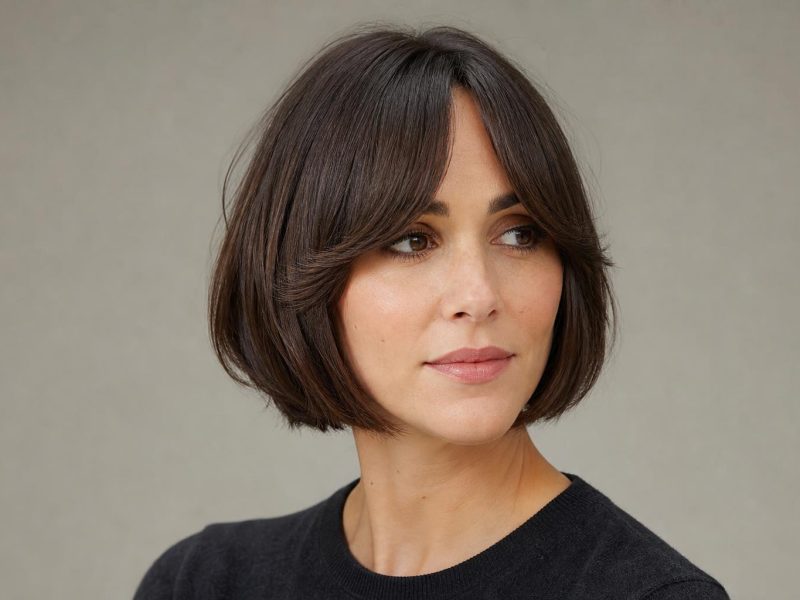

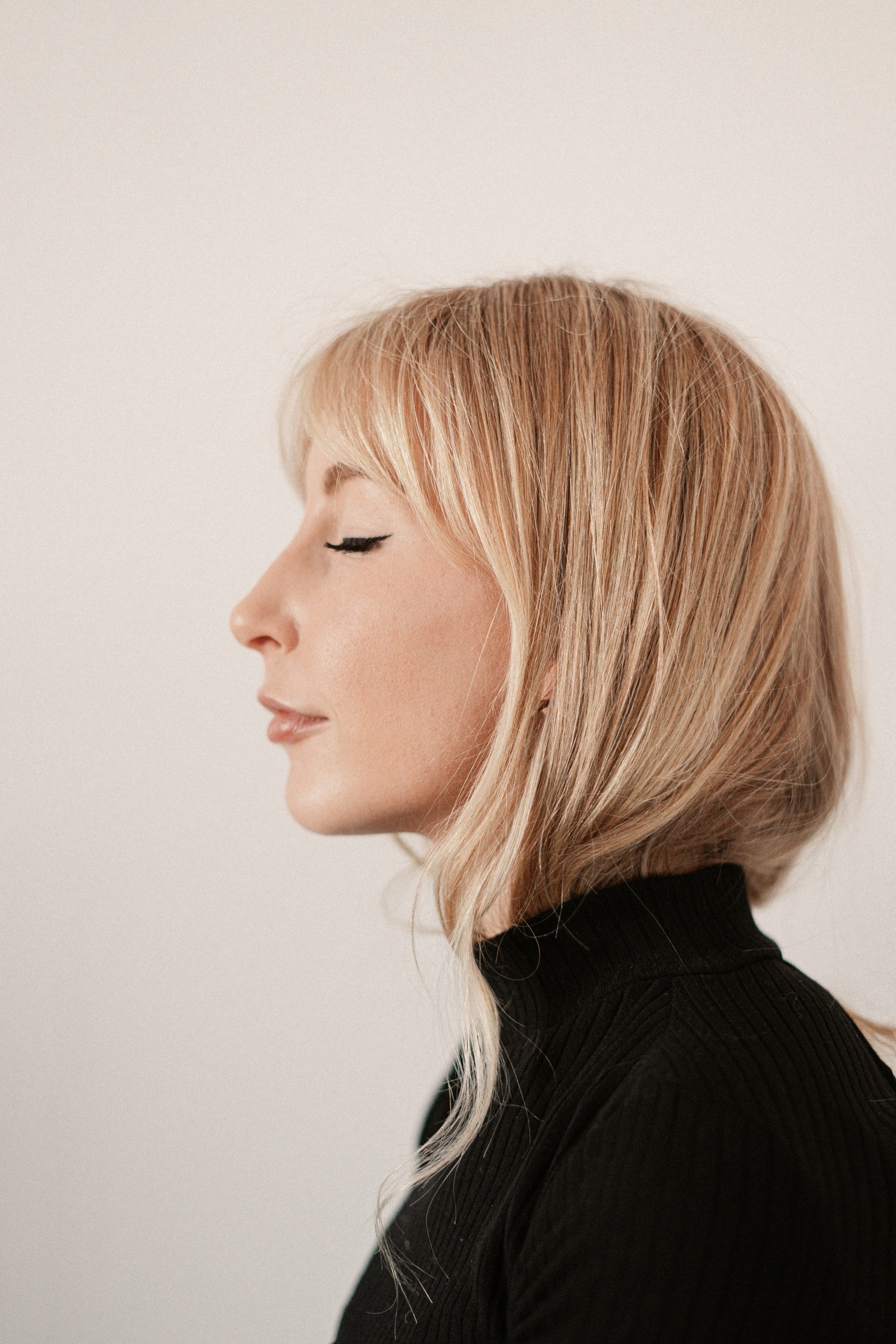

Styling a wolf cut comes down to three approaches: the wet method (diffusing or air-drying for natural texture), the dry method (curling iron or flat iron for defined layers), and heatless methods (overnight braids or a scrunch-and-set for waves without damage). Which one works best depends on your hair type, how much time you have, and whether your priority is volume, definition, or longevity.
The wolf cut is designed to style itself to a degree: the heavy layering creates built-in texture, the curtain fringe frames the face without pinning, and the shorter layers at the crown naturally lift. Most people find that the wet diffuse method is the everyday default and the heat tools come out when they want more precise layer definition for a specific occasion. The heatless methods are for anyone who wants the wave without the thermal damage or the early morning time commitment.
Below is a method-by-method breakdown with product guidance by hair type, common mistakes that flatten or frizz the cut, and what to tell your stylist so your wolf cut actually behaves the way you want.
| Method | Best For | Time Required |
|---|---|---|
| Wet diffuse | Wavy or curly hair; maximum volume and texture definition | 15–25 minutes |
| Air-dry with product | All hair types; most effortless result; needs longer drying time | 45–90 minutes (passive) |
| Curling iron | Straight hair; defined, longer-lasting layer curl | 20–30 minutes |
| Flat iron waves | All hair types; lived-in, low-contrast wave | 15–20 minutes |
| Heatless braids | All hair types; zero heat damage; done overnight | 5 minutes to set; overnight |
What Makes a Wolf Cut Different to Style
The wolf cut combines two structural elements that most other cuts keep separate: a heavy crown layer (borrowed from the shag) and a long, undisturbed perimeter (borrowed from the 70s layered look). These two elements behave differently during styling, and treating them identically is the most common cause of a wolf cut that looks flat rather than textured.
The crown layers need lift and separation. The perimeter length needs movement and a degree of polish. Techniques that work on the crown (scrunch-diffuse from underneath) are different from techniques that work on the length (wrap-curl around an iron). A successful wolf cut style applies different techniques to different zones of the head in the same session. If you want to see more about how layering affects styling behavior, layered cuts for curly hair covers similar zone-based principles in more detail.
Stylist tip: Ask your stylist to texturize the crown layers aggressively and leave the perimeter length blunt or point-cut rather than fully texturized. This separation of textures is what allows the crown to lift and the ends to move together in the same style without either zone competing with the other.
Wet Method: Diffusing and Air-Drying
The wet method is the everyday default for most wolf cut owners. Apply product to soaking-wet hair before any drying begins, then either diffuse for speed or air-dry for maximum softness. Both approaches preserve the natural texture that the layering creates, and both require minimal active effort once the product is in.
Diffusing for Volume and Layer Definition
Start with a towel-blotted (not wrung-out) wash. The hair should be wet but not dripping. Apply a curl-defining mousse or lightweight gel from roots to ends, working it through with your fingers. Do not comb it out after applying product: leave the finger-distributed product in its natural pattern.
Flip your head upside down and cup the diffuser bowl underneath a section of hair, letting the hair scrunch up into the bowl rather than pressing the diffuser against the head. Hold for 20 to 30 seconds per section on medium heat. Move around the crown first, then work outward to the sides and back length. Once the hair is about 80 percent dry, flip back upright and diffuse the roots on low heat with your fingers lifting at the scalp. Finish with a light-hold flexible spray to reduce frizz without collapsing the volume.
On wavy or curly hair, the diffuse method for a wolf cut produces the most volume and texture of any styling approach. On straight hair, the mousse provides the texture the hair would not otherwise develop during drying.
Air-Dry with Styling Cream
The air-dry method works on all hair types and requires less product than the diffuse approach. After towel-blotting, apply a lightweight air-dry cream or styling lotion from the mid-lengths to the ends, then apply a small amount of texture spray or sea salt spray through the crown layers only. The division matters: the mid-lengths and ends need moisture and smoothing, while the crown layers need texture and grip.
Twist two to four face-framing sections loosely around your finger, then release. This encourages the curtain fringe to hold its shape as it dries. Leave the rest of the hair completely undisturbed until fully dry. Touching the hair while wet stretches the texture out of the layers before it has set. Once dry, break up the layers with your fingers by raking through the crown section only, separating any pieces that have dried stuck together.
The air-dry result on a wolf cut looks softer and more effortless than the diffuse result. It suits workdays and low-effort styling. The diffuse method is better when you need the full volume of the cut to show rather than a relaxed interpretation of it.
Dry Method: Heat Tools
Heat tools give you more control over layer definition and shape than the wet method does, at the cost of some time and thermal stress on the hair. The wolf cut suits two heat approaches: curling iron for defined layer curl and flat iron for loose, lived-in waves. Both require a heat protectant spray applied to dry or nearly-dry hair before the tool touches it.
Curling Iron for Defined Layer Curl
A 1-inch to 1.25-inch curling iron works best on most wolf cuts. Larger barrels produce a loose wave that blends the layers rather than separating them; smaller barrels create a tight curl that competes with the layered structure rather than complementing it.
Work in sections, starting at the back and moving forward. Wrap each section away from the face at the back and sides, and alternate direction on the crown layers to prevent the curl from collapsing into one direction. On the face-framing curtain fringe, wrap the pieces forward and away from the face alternately, which creates movement without forcing the fringe in one fixed direction. Wolf cuts with bangs benefit from keeping the fringe sections on a larger barrel (1.5 inch) to create movement without shrinkage on the shorter front pieces.
After all sections are curled, wait 10 minutes before running your fingers through the hair. Pulling curls apart while they are still warm flattens the wave pattern. Once cooled, rake your fingers through once and finish with a texture spray or dry shampoo at the roots to separate the crown layers and add grip.
Flat Iron Waves for Lived-In Texture
The flat iron wave on a wolf cut produces a more muted, lived-in texture than a curling iron, making it well-suited to people who want the movement of the cut without it looking visibly styled. The technique is an S-wave: clamp the iron, rotate 90 degrees, move down an inch, rotate the opposite direction, and continue down the section.
On a wolf cut, apply flat iron waves only to the perimeter length and the mid-section of the crown layers. Leave the very top of the crown layers and the root zone straight; the layers will lift naturally at the root, and adding a wave there makes the crown look dense rather than airy. After waving, mist the hair with a light-hold spray and scrunch gently upward through the layers to break up the pattern and add separation.
Blow-Dry with Round Brush for Volume
A round brush blow-dry on a wolf cut creates the smoothest, most polished version of the style. Use a medium-diameter round brush (1.5 to 2 inch) and work from the nape upward. On the crown layers, roll the brush upward at the roots while directing heat from above, then release and allow the hair to cool before moving to the next section. On the length, roll the ends under or outward consistently to create a soft bend at the tips of the layers.
After the blow-dry, use a large-barrel curling iron (1.5 inch) on the face-framing pieces only to add movement to the fringe without re-curling the rest of the hair. This two-tool finish produces the cleanest version of the wolf cut silhouette and is the method that most closely resembles how the cut looks fresh from the salon chair.
Heatless Methods
Heatless styling for a wolf cut produces results that are softer and less defined than heat tools but require no thermal damage and very little active styling time. Most heatless methods are set the night before and unwrapped in the morning, which suits anyone who needs to style the cut with zero morning effort.
Overnight French Braids for Natural Waves
Divide the hair into two sections and French braid each side from the crown to the ends. The smaller the braid section, the tighter the wave in the morning; larger sections produce a loose, beachy result. Secure with a fabric hair tie (elastic ties leave a crease at the point where they sit). Sleep on a satin pillowcase to reduce frizz from friction during the night.
In the morning, undo the braids and separate the sections with your fingers, working from the ends upward. Do not use a brush or comb: finger-separation maintains the wave pattern while a brush breaks it apart. Once separated, apply a small amount of hair oil or serum to the ends only and scrunch the crown layers upward to restore the lift that the braiding compresses overnight.
Sea Salt Spray Scrunch and Set
On damp hair, apply sea salt spray through the mid-lengths and ends and scrunch section by section from the ends upward. Do not apply sea salt spray to the scalp area on fine or oily hair; it increases residue and can flatten the roots. Once scrunched, either air-dry or set under a cool-setting hair dryer held at arm’s length. The result is high-texture, matte-finish waves that suit the layered wolf cut structure.
Sea salt spray is one of the fastest ways to style a shullet or wolf cut for a deliberately undone, textured finish. The natural wave the spray creates is less uniform than a curling iron wave, which is an advantage for this cut: the layers look better when they move in different directions than when they curl uniformly in one pattern.
Rag Curls or Foam Roller Set
For a more defined heatless curl, wrap damp sections around foam rollers or strips of fabric. The roller size determines the curl diameter: a 1-inch roller produces a spring curl that relaxes over the day into a wavy texture; a 2-inch roller produces a loose wave. Leave rollers in overnight and remove in the morning, separating sections with fingers and applying a light-hold hairspray to keep the curl pattern from expanding into frizz.
Rag curls work particularly well on the crown layers of a wolf cut, since the short layers hold their curl longer than the longer perimeter length. Style the crown with rag curls and let the perimeter air-dry or flat-wave for a two-texture result that keeps the wolf cut’s characteristic crown volume intact while giving the length a softer, less processed finish.
Product Guide by Hair Type
The wolf cut needs lightweight products that build texture without weighing the layers down. Heavy creams or serums applied too broadly suppress the crown lift that defines the cut. The table below maps product categories to hair type for each styling method.
| Hair Type | Wet Method | Dry Method | Heatless |
|---|---|---|---|
| Fine / Low density | Volumizing mousse; avoid cream | Heat protectant spray; dry texture spray after | Sea salt spray on mid-lengths only; avoid scalp |
| Medium / Normal | Curl-defining cream or lightweight gel | Heat protectant; flexible hold spray after | Sea salt spray or leave-in conditioner |
| Thick / High density | Strong-hold gel or curl cream; distribute evenly | Heat protectant; anti-frizz serum on ends | Foam roller set; heavier curl cream to hold shape |
| Curly / Wavy (natural texture) | Leave-in conditioner plus gel; diffuse or air-dry | Flat iron on low heat with heat protectant | Overnight braid on product-soaked damp hair |
Styling a Wolf Cut on Different Hair Types
The same wolf cut shape behaves differently depending on the natural texture of the hair beneath it. The instructions below address the differences.
Styling a Wolf Cut on Straight Hair
Straight hair does not hold texture naturally, which means the curl or wave you add with tools or products will gradually relax during the day. The curling iron method produces the longest-lasting result on straight hair; air-drying produces a soft, low-texture version that works best for low-key days rather than when you want the full visual weight of the cut to show.
On straight hair, the crown layers of a wolf cut can go flat within a few hours without a product that adds grip. A dry shampoo or dry texture spray at the roots, applied after styling and before the hair fully settles, extends the volume by several hours. Curtain bangs on wavy hair shows how similar layering principles work on hair that naturally has more movement.
Styling a Wolf Cut on Wavy Hair
Wavy hair is the most compatible natural texture for a wolf cut because the cut’s layering enhances the natural wave pattern rather than working against it. The wet diffuse method produces the best result on wavy hair: the layers separate naturally as they dry and the diffuser concentrates the wave into defined sections without flattening the root volume.
On wavy hair, the main challenge is frizz at the crown layers, where the short cut sections have less weight to control the wave. A small amount of gel applied only to the crown layers and scrunched before diffusing controls frizz without making the length stiff.
Styling a Wolf Cut on Curly Hair
Curly hair styled in a wolf cut requires sectioned diffusing and a leave-in conditioner applied to soaking-wet hair before any product is added. The curl clumps in each layer of the wolf cut need to be defined individually during the diffuse rather than diffused as one mass; work section by section and cup the curls into the diffuser bowl rather than scrunching the entire head at once.
The curtain fringe on a curly wolf cut needs to be pinned or twisted during the diffuse session to prevent it from curling in a way that covers the eyes or loses the face-framing shape. Twist each fringe section loosely around your finger, hold for 30 seconds over the diffuser bowl, and release before moving to the next section. Soft curtain bangs on curly hair follow similar diffuse principles for the fringe zone.
Common Wolf Cut Styling Mistakes
The wolf cut is a forgiving shape on most hair types, but certain styling habits consistently flatten, frizz, or misshape it.
- Brushing the hair while wet: Brushing a wolf cut while wet stretches the texture out of the layers before product has set them. Use fingers or a wide-tooth comb only. If the hair needs detangling, do it with conditioner in before rinsing, then apply product to wet hair and leave it undisturbed.
- Applying product to dry hair: Adding mousse or gel to dry hair produces a crunchy, patchy result rather than defined texture. Products designed for the wet method only activate on wet hair; applying them dry distributes them unevenly and adds weight without volume.
- Using too much product on fine hair: Fine hair in a wolf cut needs product for texture, but an excess weighs the crown layers down and removes the lift that defines the shape. Use a golf-ball-sized amount of mousse maximum, applied before any drying begins. If the hair feels heavy after drying, use less product next time rather than compensating with more heat.
- Pulling the hair into a ponytail immediately after styling: Putting a freshly styled wolf cut into a ponytail before the product has fully dried or the curls have cooled collapses the layers and leaves a ponytail crease through the crown. Wait until the hair is completely dry and cool before tying it back.
- Curling all layers in the same direction: A wolf cut with every layer curled in the same direction produces a uniform, waved look that works against the cut’s designed separation. Alternate the curl direction section by section: one piece away from the face, the next toward it. This variation creates the natural movement the cut needs to read as textured rather than styled.
What to Tell Your Stylist
The wolf cut often requires adjustments at subsequent appointments to maintain the styling behavior you want. The phrasing below communicates the specific adjustments rather than vague requests.
If the crown layers are falling flat: “The crown layers are losing their lift within a few hours. Can you texturize the roots of the crown layers more aggressively at this appointment, and check whether the layer length at the crown is still short enough to lift on its own?”
If the curtain fringe is not framing the face properly: “The curtain bangs are falling too far forward and covering my eyes, or are not parting naturally in the center. Can you point-cut the fringe section and check the parting point?”
If the length is getting too heavy and suppressing the layers: “The perimeter length is gaining weight and starting to flatten the layers. Can you remove some bulk from the ends without shortening the overall length significantly?”
Stylist tip: Bring your wolf cut to your maintenance appointment unstyled, with the hair in its natural, air-dried state from that morning. This lets your stylist see exactly how the layers are falling, where they are losing lift, and where the cut needs weight removed or added. A stylist working from a fresh blowout or styled version of the cut cannot read the hair’s natural behavior as accurately.
FAQ
How Do I Style a Wolf Cut in the Morning Quickly?
The fastest wolf cut morning routine is a sea salt spray scrunch on day-two hair followed by a one-minute root lift with a diffuser on low heat. On freshly washed hair, the fastest method is to apply a lightweight mousse to wet hair, flip the head upside down, and diffuse for 10 minutes, then air-dry the rest. Both approaches take under 15 minutes of active effort.
What Products Should I Avoid on a Wolf Cut?
Avoid heavy butters, thick hair masks used as a leave-in, and spray waxes applied to the roots. All of these add weight that suppresses the crown lift the cut depends on for its shape. Also avoid smoothing serums applied broadly from root to tip; use them only on the ends to add shine to the length without flattening the layer structure above.
How Do I Get Volume at the Roots of My Wolf Cut?
Root volume on a wolf cut comes from three sources: the haircut itself (short crown layers), product timing (volumizing mousse applied before any drying), and technique (diffusing upside down at the crown before flipping upright). If the roots are still flat after styling, dry shampoo or a dry texture spray applied at the scalp and lightly massaged in adds grip and lift without requiring a rewash.
How Often Should I Wash and Restyle My Wolf Cut?
Most wolf cut owners wash every 2 to 3 days. On non-wash days, a light sea salt spray or dry texture spray refreshes the texture without full restyling. The cut holds its shape better on second and third-day hair than on freshly washed hair for most hair types, since the natural oils provide grip that helps the layers separate rather than clump together.
Can I Style a Wolf Cut Without Any Products?
On wavy or curly hair, the wolf cut has enough built-in texture to air-dry without product and still look intentional. On straight hair, some texture product is necessary to give the layers definition, since straight hair air-dried without product produces a flat, stringy result rather than the separated layer texture the cut needs. At minimum, a light sea salt spray or texturizing spray on damp hair before air-drying produces results on most hair types without requiring full product application.
How Long Does a Wolf Cut Take to Style Each Day?
The wet diffuse method takes 15 to 25 minutes of active effort. The heat tool method takes 20 to 30 minutes depending on how many sections are curled. Air-drying takes no active time once the product is applied. Heatless overnight methods take 5 minutes to set and zero morning effort beyond removing the braids or rollers. The wolf cut is one of the lower-maintenance cuts available for people who want texture without significant daily styling time.
Styling a wolf cut consistently comes down to matching the method to the hair type and the available time, then adjusting the product amount until the crown lift and layer separation behave the way you want. The cut is designed to do most of the visual work; the styling adds definition to what the layers are already trying to do on their own.
Hair results vary based on your natural hair type, texture, density, and condition. Techniques may require adjustment for your specific cut. Always use heat protection when styling with hot tools. Consult a licensed hairstylist for personalized advice.