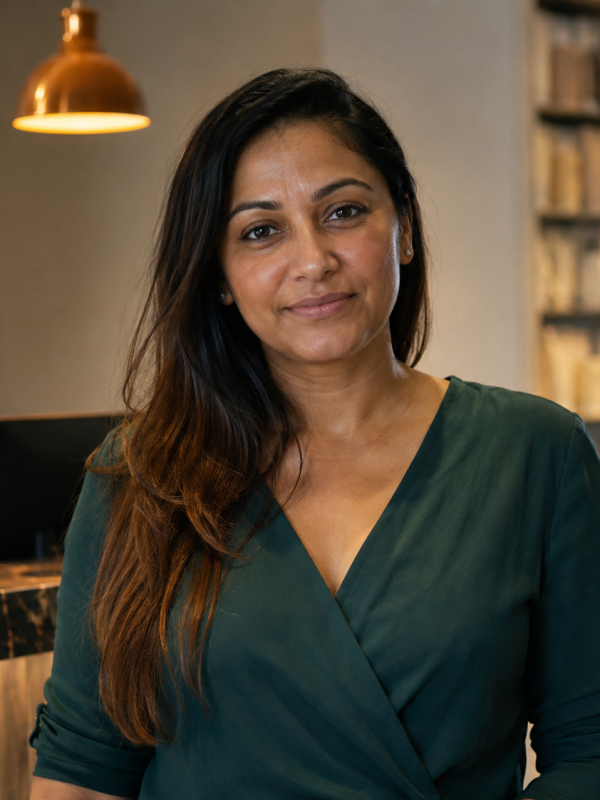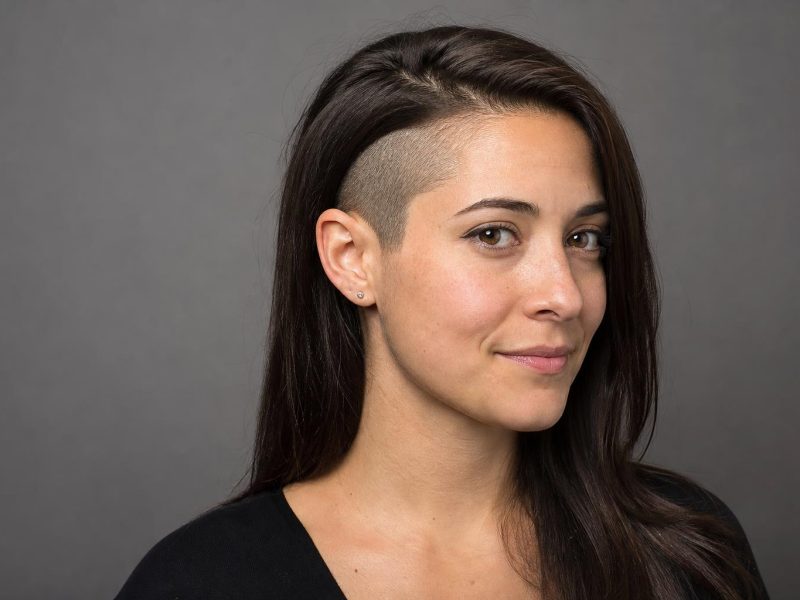

A shag and a layered cut are not the same thing, even though every shag is built on layers.
No, a shag and a layered haircut are not identical. A shag is one specific kind of layered cut, defined by short, choppy layers stacked at the crown and around the face that blend into longer, feathered ends. Layers are the broad technique underneath it: any cut where the hair is worked into different lengths to add movement or remove weight. Put simply, all shags have layers, but a layered cut only becomes a shag when the layering is short, textured, and concentrated up top.
This guide breaks down what a shag actually is, what people mean by a plain layered cut, and how the two compare across cutting technique, texture, face-shape fit, and upkeep. It also shows how to spot each one in a photo, how to pick the right cut for your hair type and goal, and where the wolf cut and butterfly cut fit into the confusion.
What a Shag Haircut Actually Is
A shag is a heavily textured layered cut with short, piecey layers at the crown that graduate into longer, wispy ends. The stylist typically combs sections up toward the top of the head and cuts against a raised guide, which stacks weight high and leaves the perimeter airy. The result has built-in volume near the roots, a fringe or curtain bang most of the time, and choppy tips that keep that lived-in, undone look without daily effort. It runs anywhere from chin length to well past the shoulders, and it leans into movement rather than a clean line.
The modern version softens the razored, disconnected feel of the 1970s original while keeping the volume and separation. If you want that texture-forward silhouette, browse our collection of modern shag haircut ideas to see how the layering changes across lengths and hair types.
Stylist tip: Ask for the layers to start no higher than your cheekbones if you have fine hair. Crown layers that begin too high remove density where you need it most and can leave the ends looking sparse.
What a Layered Cut Actually Is
A layered cut is any haircut where the hair is cut into varying lengths so the shorter pieces stack over the longer ones. That is the whole definition, which is why it covers so much ground. Layers can be long and barely noticeable, adding a little bounce to the ends, or short and dramatic for full-body movement. They can be face-framing only, internal for weight removal, or worked through the entire head. Because the term is so broad, a layered cut usually keeps a more polished, blended finish than a shag, with softer transitions between lengths and a stronger perimeter.
Layering is the parent category, and dozens of named styles live inside it. Our guide to layered haircuts covers the range, while long layered styles show how gentle the effect can be when the layers stay soft and the ends stay full.
Shag vs Layered Cut at a Glance
The clearest way to separate the two is to line up the features side by side. A layered cut is the umbrella, and a shag is one bold option under it. The table below compares the details that matter most when you are deciding which to ask for.
| Feature | Shag | Layered Cut |
|---|---|---|
| Cutting technique | Sections combed upward, cut against a raised guide; often point cut or razored for texture | Sections cut to graduated lengths, usually scissor blended for a smooth transition |
| Layer placement | Short at the crown and face, longer toward the ends | Anywhere: face-framing only, internal, or all-over |
| Texture and finish | Choppy, piecey, lived-in, high volume up top | Blended, polished, smoother perimeter |
| Best hair types | Medium to thick, wavy or curly; fine hair with a soft, scissor-cut version | Works across most textures with the right layer weight |
| Maintenance | Grows out gracefully, 8 to 12 weeks between trims, needs daily texturizing product | Trim every 6 to 10 weeks depending on layer depth, light product |
| Overall vibe | Effortless, textured, rock and roll edge | Versatile, refined, easy to dress up or down |
How to Tell a Shag from a Layered Cut in a Photo
When you are scrolling through reference photos, three visual cues separate a shag from a standard layered cut almost every time. Learn to read them and you will stop bringing the wrong picture to your appointment.

A Shag Shows Volume and Choppy Ends While a Layered Cut Looks Blended
Look at the crown first. A shag has obvious lift and stacked layers near the top of the head, and the ends break into separated, choppy pieces. A layered cut keeps the surface smoother, with the shorter pieces melting into the longer ones and a cleaner outline at the bottom. If the ends look deliberately broken up and the roots look full, you are looking at a shag.
A Shag Almost Always Has a Fringe While Layers Are Optional
Bangs are part of the shag formula. Most shags pair the layering with curtain bangs or a shaggy fringe that ties the face-framing into the rest of the cut. A layered haircut can have bangs, but plenty do not, and the face-framing pieces tend to be longer and softer. A curtain fringe combined with heavy crown texture is a strong shag signal.
A Shag Emphasizes Disconnection While Layers Emphasize Flow
Run your eye down the length. A shag wants each section to stand slightly apart, which is where that piecey character comes from. A layered cut wants the sections to travel together for a smooth, flowing shape. One celebrates separation, the other celebrates the blend, and that single difference explains most of what your eye picks up.
Which Cut Should You Choose
Your hair type, your styling patience, and the look you are after decide this more than any trend. Both cuts are flattering when matched to the right head of hair, so the goal is honest self-assessment rather than picking whichever is more popular this season.
Choose a Shag for Texture, Volume, and Low-Fuss Movement
A shag rewards wavy and curly hair because the layering amplifies natural bend and gives coils room to spring. Thick hair loses bulk without going flat, and fine hair can borrow volume from the crown layers as long as the stylist uses scissors rather than a heavy razor. Pick a shag if you like a tousled, effortless finish, do not mind scrunching in a texturizing spray each morning, and want a cut that looks pulled together even on day-three hair.

Choose a Layered Cut for Polish, Versatility, and a Softer Grow-Out
A plain layered cut is the safer pick when you want a look you can wear sleek one day and wavy the next. Straight hair holds a blended layer beautifully, and anyone nervous about a big change can start with long, subtle layers that keep most of the length. If your mornings vary between a quick blow-dry and an air-dry, browse our medium layered haircut ideas for shapes that flex with your routine.
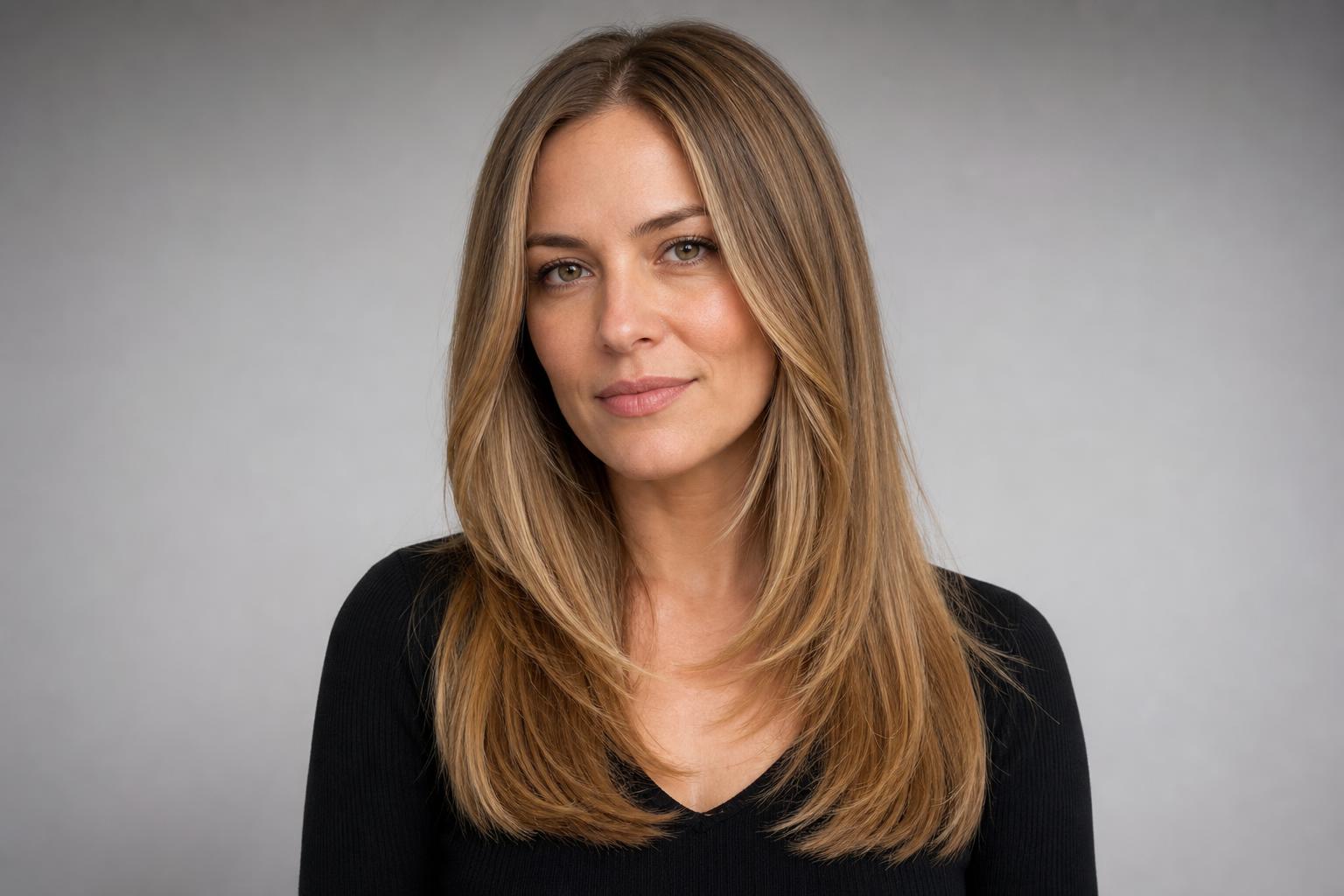
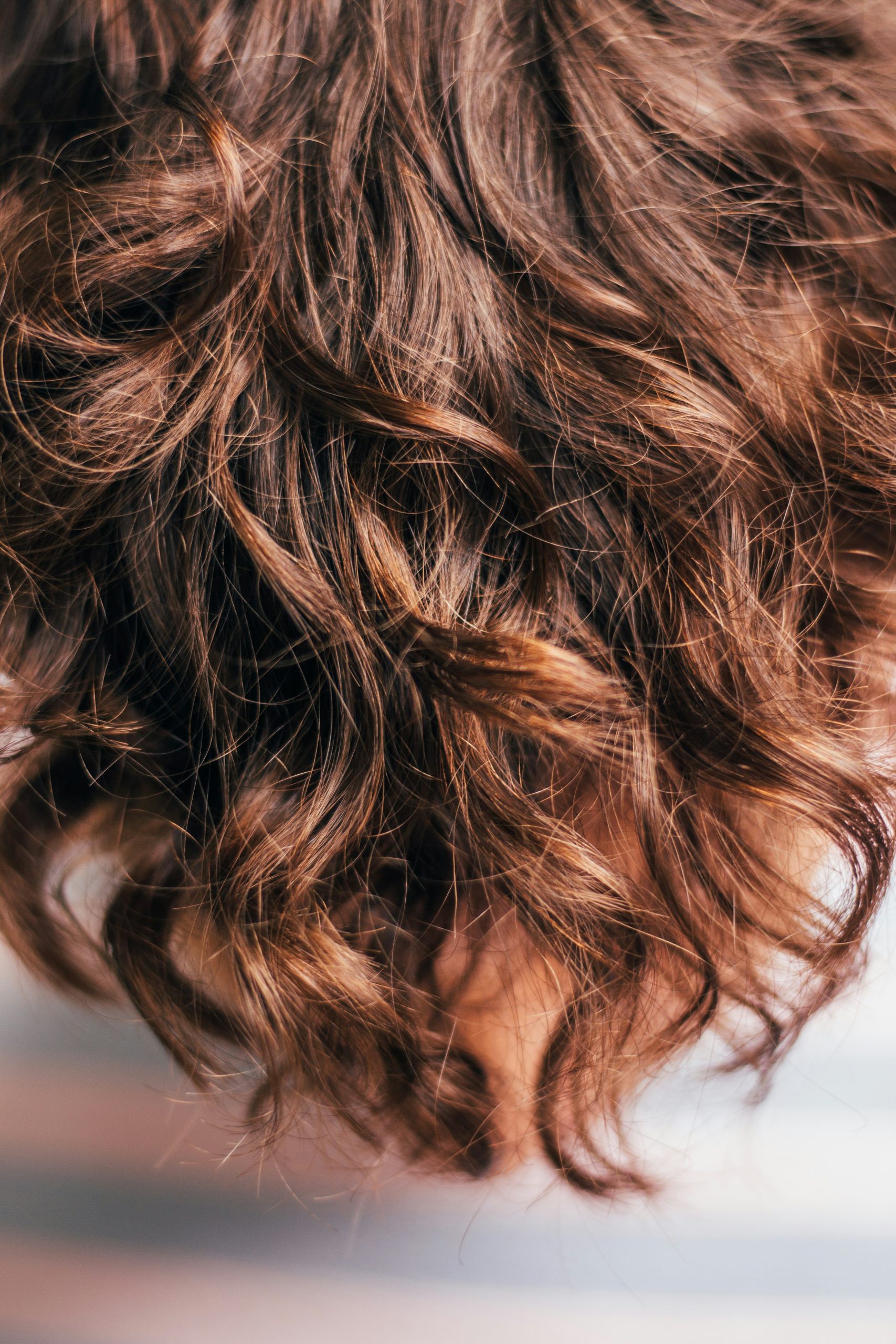
Stylist tip: Bring two photos to your consultation, one of the overall length you want and one close-up of the ends. Stylists read texture from the ends, so a clear shot of choppy versus blended tips removes almost all the guesswork about whether you actually want a shag.
Common Myths and Mix-Ups That Cause Salon Regrets
Because shags, wolf cuts, and butterfly cuts all live inside the layered family, they get swapped around constantly online. Clearing up the overlap protects you from asking for one cut and walking out with another.
Myth: A Shag and a Wolf Cut Are the Same Cut
Reality: A wolf cut is the shag’s bolder relative, not a twin. It pushes the crown layers shorter and choppier and borrows the length contrast of a mullet, so the top looks spikier and the perimeter looks thinner. A shag keeps softer, more blended layering by comparison. If you want the full breakdown, our guide on the difference between a wolf cut and a shag lays out where the line falls.
Myth: A Butterfly Cut Is Just a Shag with a New Name
Reality: A butterfly cut prioritizes length retention and soft, feathered face-framing, while a shag prioritizes all-over texture and crown volume. Butterfly layers are blended and bouncy, built to keep your length looking long, whereas shag layers are choppier and shorter up top. Our butterfly haircut guide shows how gentle that feathering stays next to a true shag.
Myth: A Shag Is High Maintenance Because It Looks Undone
Reality: A shag is one of the more forgiving cuts to grow out. The built-in layers keep their shape as they lengthen, so you can stretch trims to 8 to 12 weeks. The daily trade is a bit of texturizing product to keep the pieces defined, but the salon calendar is lighter than most people assume.
FAQ
Is a Shag Just a Type of Layered Haircut?
Yes, a shag is a specific style within the larger layered-cut family. What sets it apart is the placement and character of the layers, which are short and choppy at the crown and around the face, then feathered toward the ends. A generic layered cut has no fixed formula for where the layers land, so the shag is essentially a layered cut with a signature texture recipe.
Which Is Better for Fine Hair, a Shag or Layers?
Soft scissor-cut layers are usually the safer choice for fine hair, though a gentle shag can work with the right technique. Heavy razoring on fine strands makes the ends look stringy, so ask for point-cut layers and a crown that keeps some density. If your main goal is volume at the roots, a light shag can help, but keep the perimeter strong so the length does not thin out.
Can Straight Hair Pull Off a Shag?
Straight hair can absolutely wear a shag, it just needs a little product to show off the texture. Because straight strands fall flat, the choppy layers read as clean separation rather than tousled waves unless you add a texturizing spray or a light bend with an iron. Many people with straight hair prefer a softer layered cut, which needs no daily coaxing to look finished.
Do Shags and Layered Cuts Need the Same Amount of Upkeep?
Not quite, and the difference is in the daily routine rather than the trim schedule. Both can stretch to roughly 8 to 12 weeks between cuts when the layers are long, but a shag asks for texturizing product most days to look deliberate. A blended layered cut often looks polished straight out of an air-dry, which suits lower-effort mornings.
What Should I Ask For If I Want Texture Without a Full Shag?
Ask for long layers with point-cut ends and light face-framing, and skip the high crown layers. This gives you movement and separation at the tips without the volume and fringe that define a true shag. Tell your stylist you want a lived-in feel but a strong perimeter, which keeps the shape closer to a layered cut than a shag.
Is a Shag or a Layered Cut More Flattering by Face Shape?
Both adapt to any face shape once the layer placement is adjusted, so neither wins outright. Round faces benefit from a shag with longer, straighter layers that add vertical length, while square faces soften nicely under either cut when the face-framing starts below the jaw. The adjustable nature of layering is exactly why both styles suit so many people.
The Bottom Line
The shag vs layered haircut question comes down to one idea: a shag is a specific, texture-heavy member of the layered-cut family, not a separate technique. Choose the shag when you want volume, choppy movement, and a fringe you can wear with barely any effort, and choose a broader layered cut when you want polish, flexibility, and a softer grow-out. Bring a close-up photo of the ends to your stylist, be honest about how much time you spend styling, and you will land on the version that fits your hair instead of the one that just looked good on someone else.
Hair results vary based on your natural hair type, texture, density, and condition. Always consult with a licensed hairstylist before making significant changes, especially with chemical treatments or dramatic length changes. Photos may show styled results that require professional tools and products to replicate.