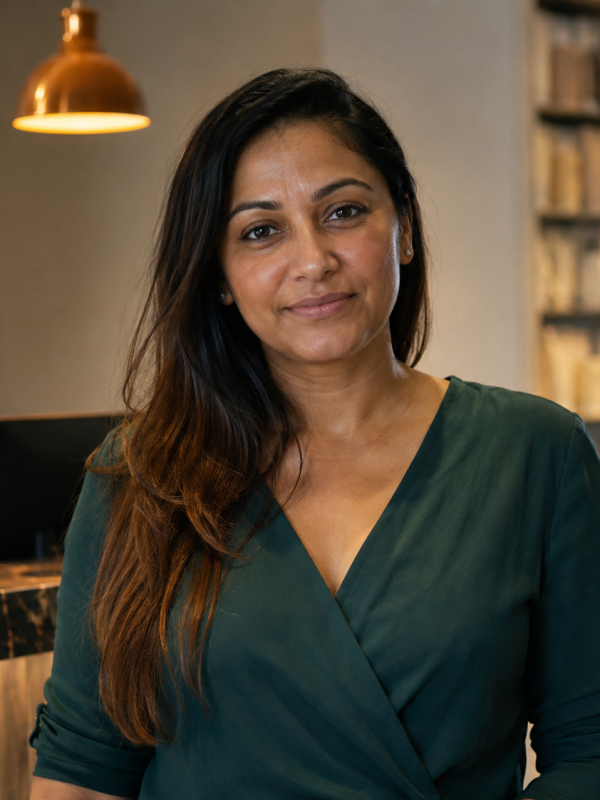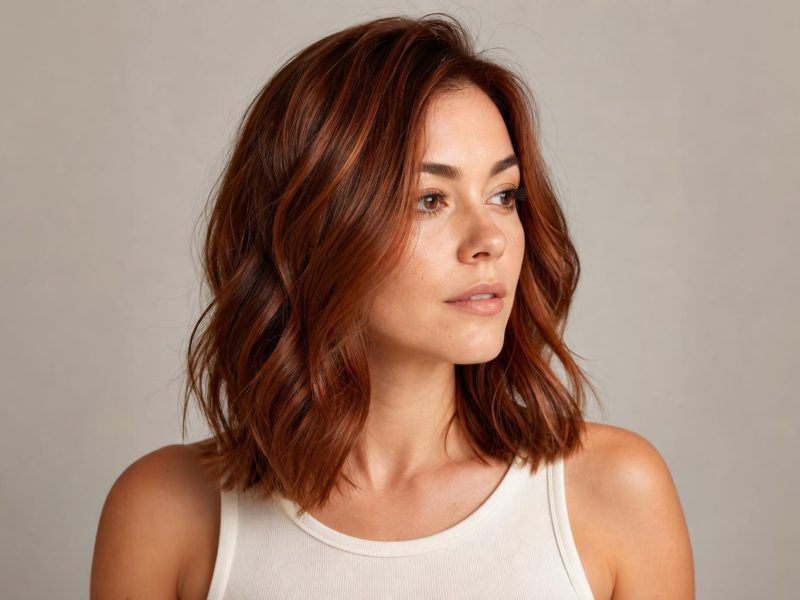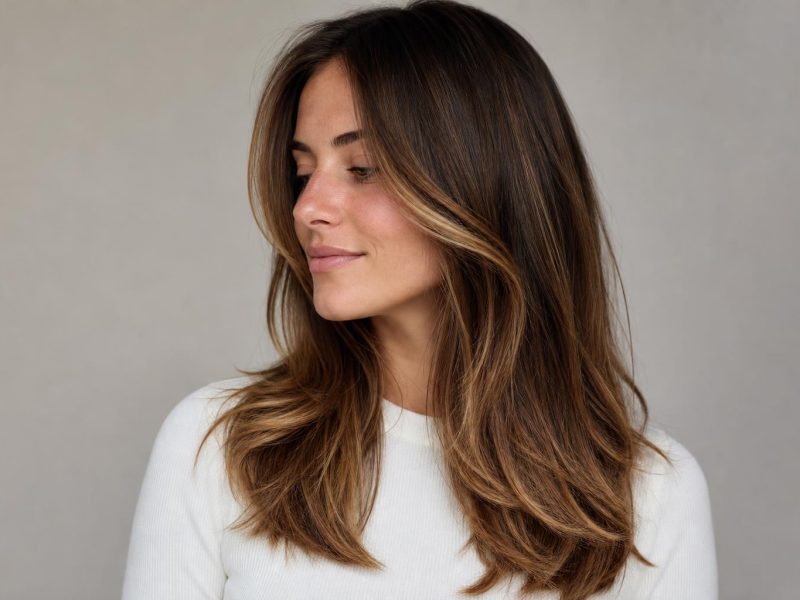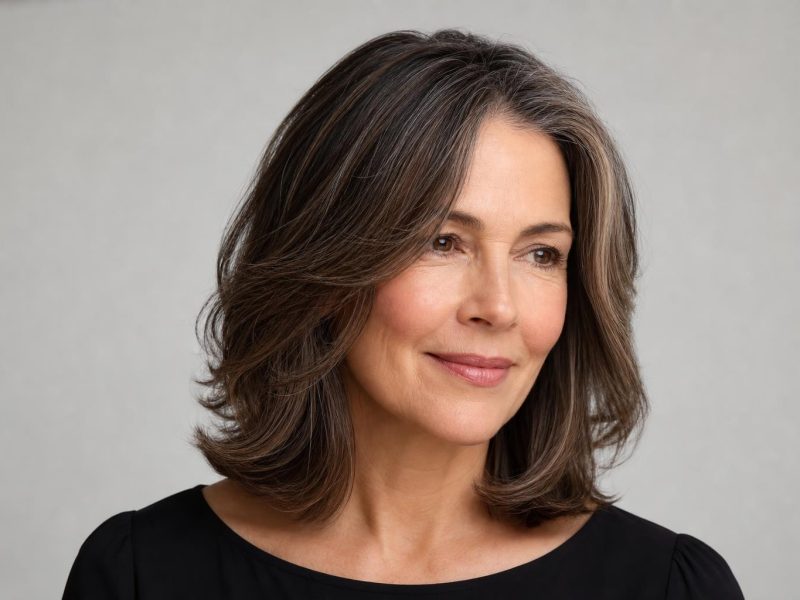
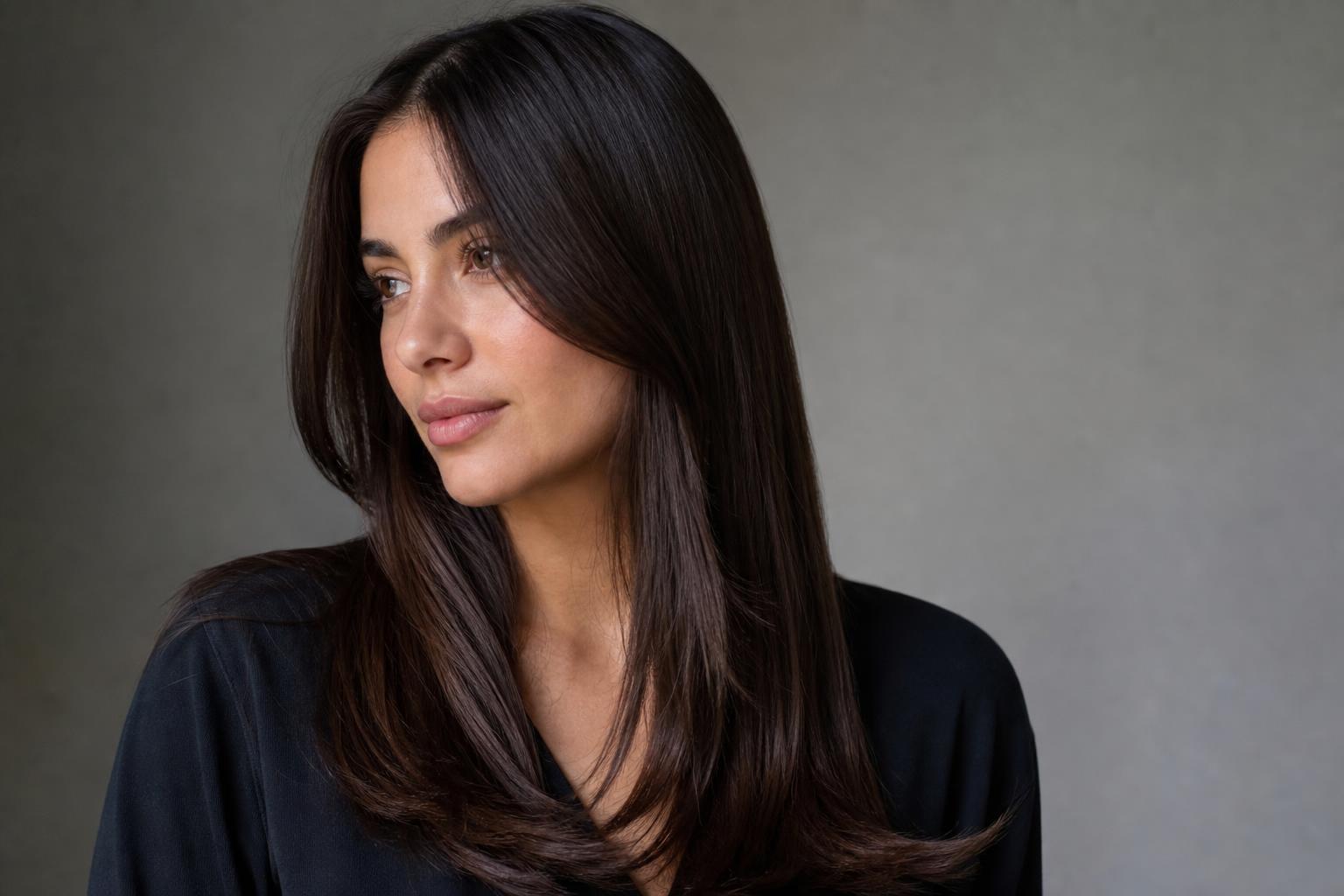
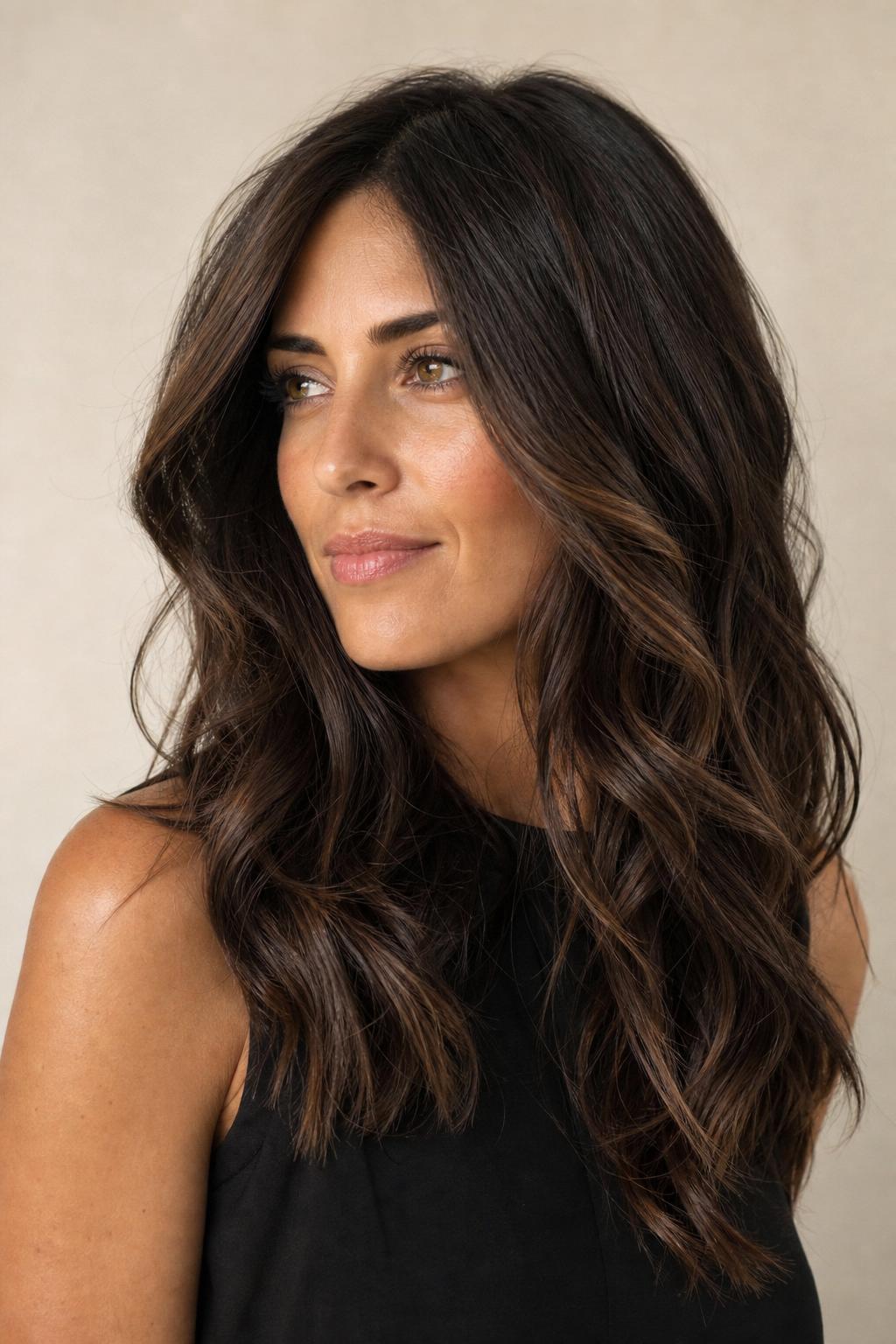
Espresso brunette is a deep, cool-toned brown built with subtle ribbons of light so it looks glossy and reflective instead of flat, and colorists named it 2026’s most-requested shade for exactly that reason.
Think of the darkest, richest brown in your coffee, smoky and cool rather than warm or red. Espresso brunette lands around a level 2 to 3 on the depth scale, but the magic is in the finish: multi-tonal techniques like balayage and glossing add quiet dimension that makes the color shine and the hair look healthier. It flatters cool and neutral complexions especially well, and it grows out softly, which is why it earns a spot as a genuinely low-maintenance dark shade.
This collection gathers 24 espresso brunette variations sorted by tone, dimension technique, and how the color plays across different cuts and textures. After the gallery you will find a skin-tone match guide, the exact words to give your colorist, a realistic maintenance schedule, and an honest look at who should skip this shade. Whether you want a solid single-process espresso or a lit-from-within balayage, there is a version here for your hair.
| Factor | Details |
|---|---|
| Best for | Cool and neutral skin tones; anyone wanting rich, glossy depth |
| Depth level | Around level 2 to 3, cool-toned dark brown |
| Maintenance | Gloss every 6 to 8 weeks; grows out softly |
| Avoid if | You have warm, ruddy skin or want a low-commitment lightener later |
| Salon time | 1 to 2 hours single-process; 3 hours-plus with balayage |
Cool-Toned Espresso Brunette Shades
These are the base shades, where the tone of the brown does the talking rather than highlights. The common thread is a cool, smoky finish that keeps the color from going flat or muddy. Pick your depth and undertone here, then layer dimension on top from the next section if you want it.
1. Iced Espresso Brunette
The coolest, smokiest version of the shade, iced espresso leans almost blue-black in low light and softens to rich brown in the sun. Its ashy undertone is what keeps the color looking expensive rather than warm. It suits cool complexions with pink or neutral undertones best, and a colorist builds it with a cool booster to hold back any brassiness.
2. Deep Espresso Single-Process
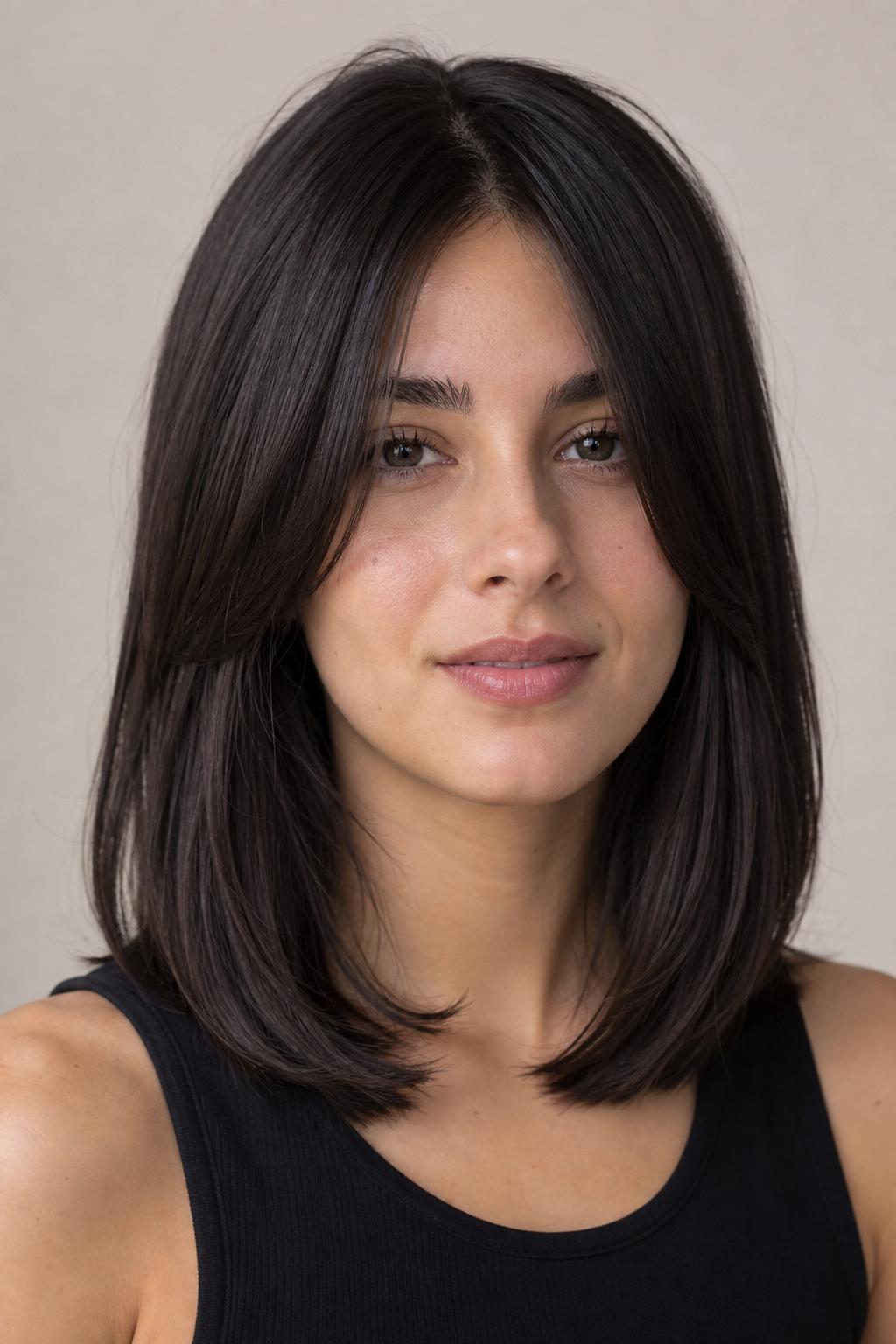
For the lowest-maintenance route, a single-process espresso saturates every strand in one even, glossy dark brown with no highlights to touch up. Grow-out is gentle because there are no lightened pieces to betray the roots. This is the shade for someone who wants deep color and near-zero upkeep beyond a gloss refresh.

3. Espresso Martini Brown
A touch warmer than iced espresso, this version threads faint ribbons of caramel through the dark base, like the crema on top of the drink it is named for. The warmth catches the light without tipping into red. Espresso martini brown flatters neutral and warm-neutral complexions that find a fully cool brown too stark.
4. Frosted Chestnut Espresso
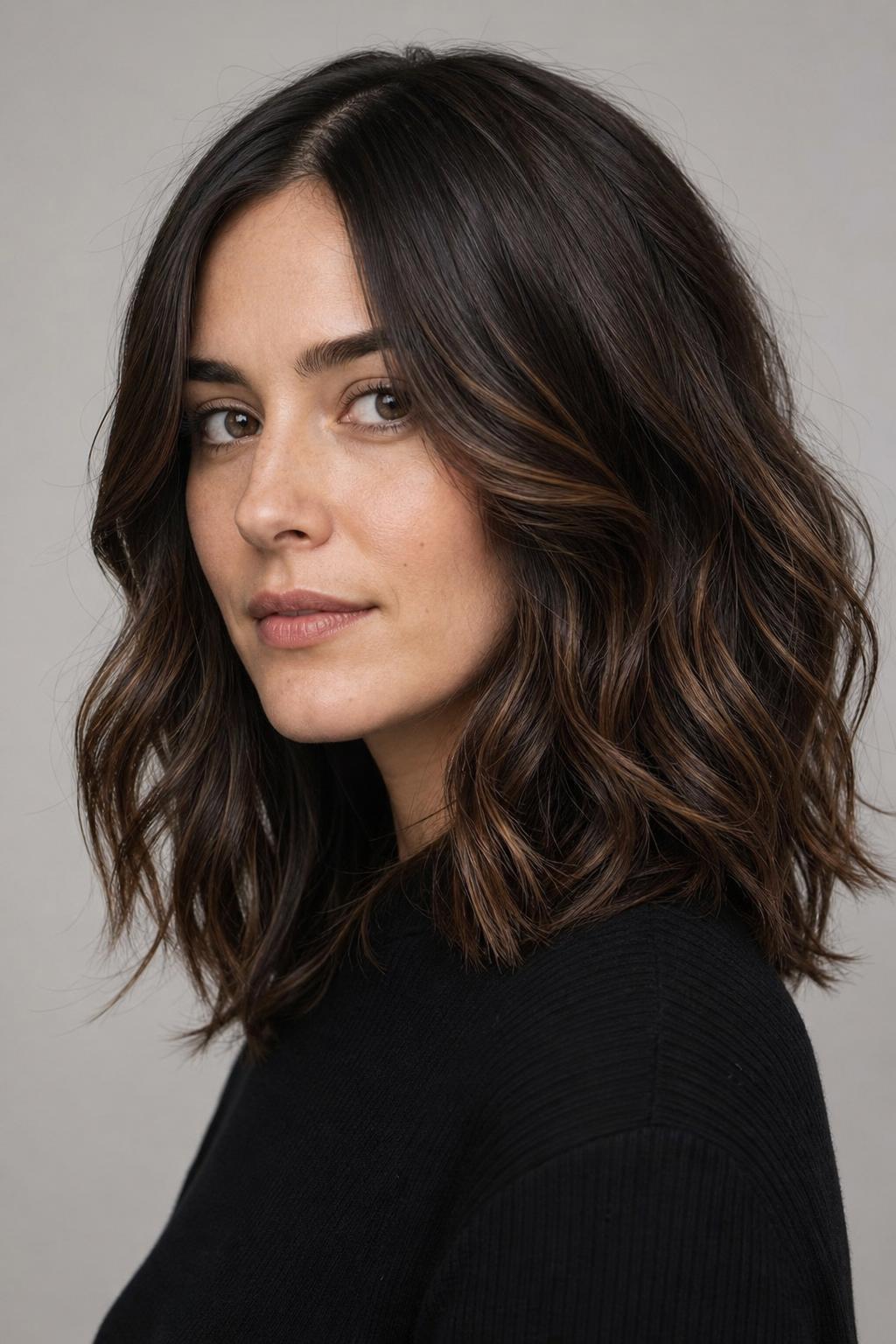
The sister shade to espresso brunette pairs the same dark cool base with delicate cool-brown frosting near the ends. It gives a little lift and movement while staying firmly in brunette territory. Unlike a flat dark brown, the frosting keeps the color from looking heavy against the face.
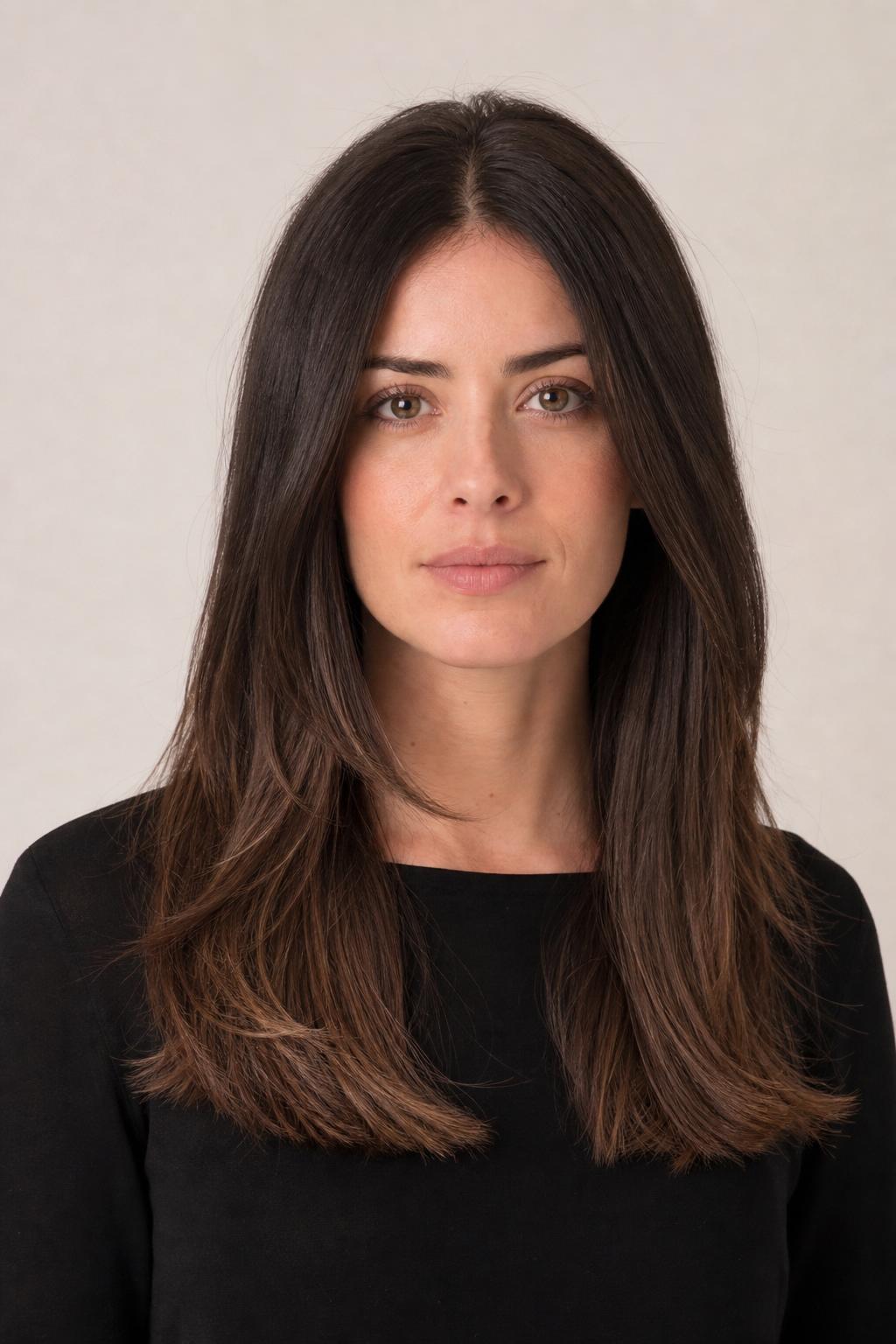
5. Mushroom Espresso
Mushroom espresso mutes the brown with a smoky taupe-gray undertone, which looks sophisticated and slightly muted rather than glossy-dark. The taupe cast is unusually flattering on cool and olive complexions. Ask for it if you love espresso depth but want something a shade softer and greige.
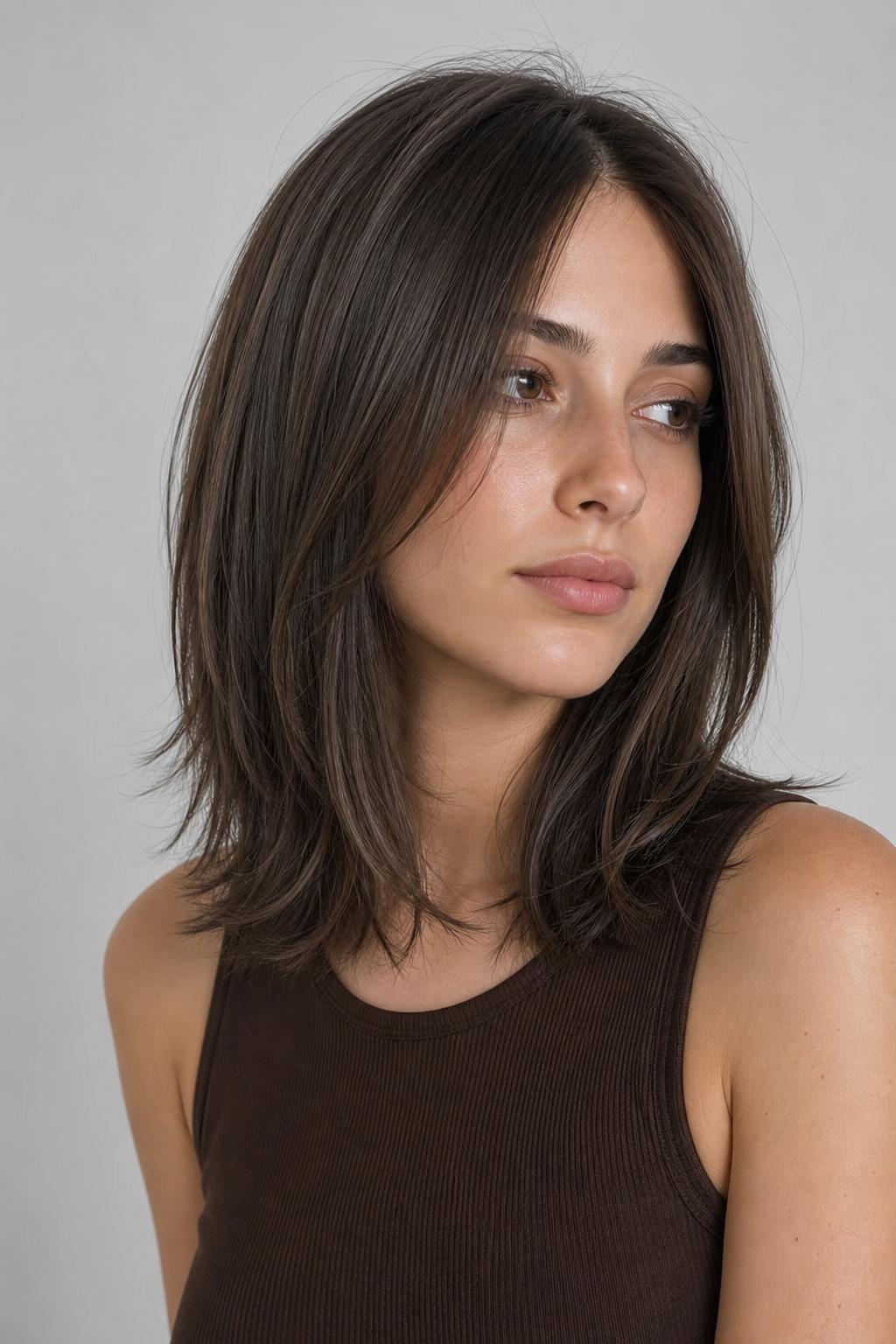
6. Glossy Espresso High-Shine Finish
Blow-dried smooth and sealed with a clear gloss, this finish turns espresso brunette into a mirror. The shine is what makes dark hair look thick and healthy in photos. A round-brush blowout plus a glossing treatment at the salon delivers the wet-look reflectivity that flat dark dye cannot.
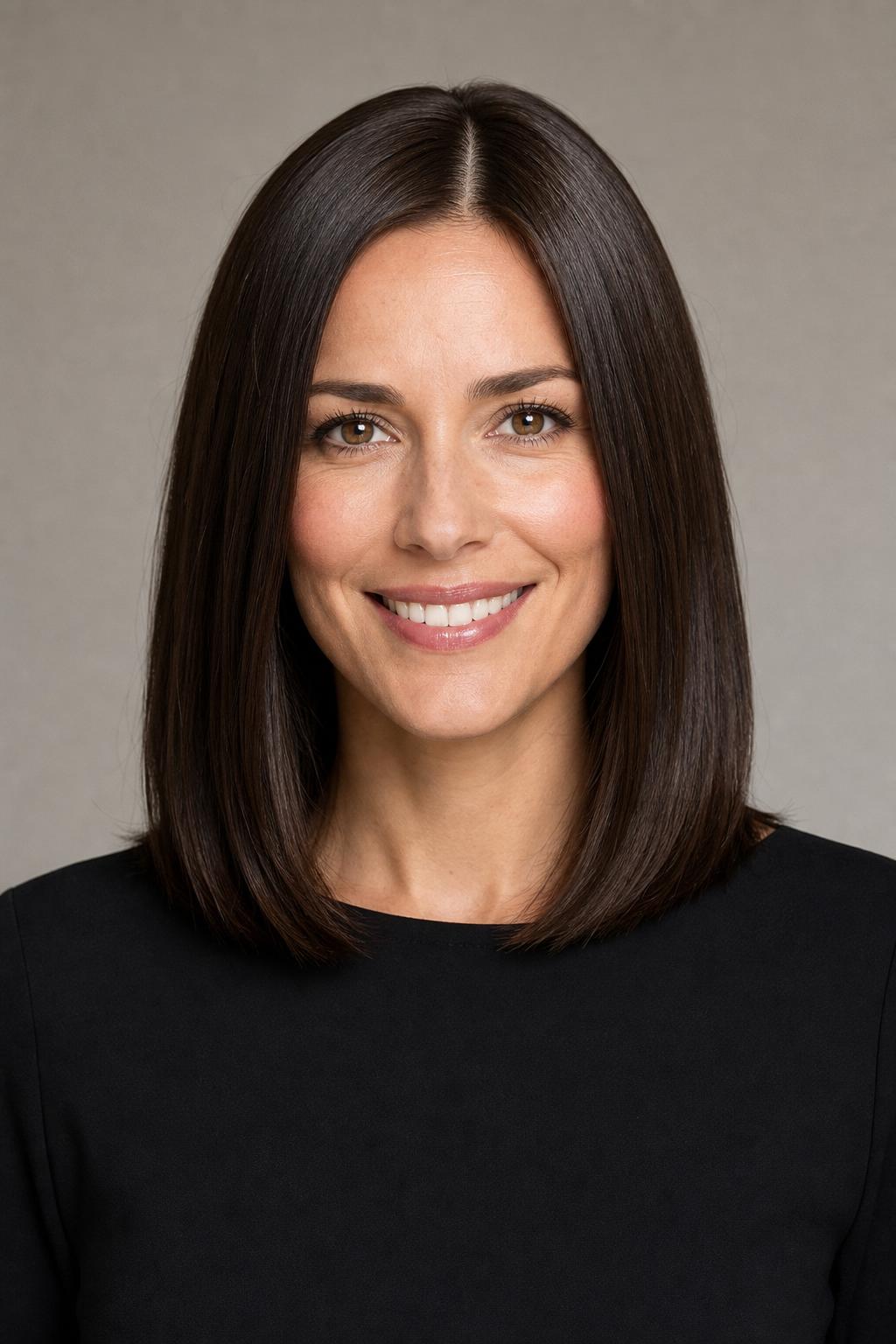
Espresso Brunette with Dimension
Dimension is what separates a 2026 espresso brunette from a one-note box dye. These variations use balayage, lowlights, glossing, and placement techniques to move light through the dark base. Bring a photo to your colorist for any of these, because the placement matters as much as the tone.
7. Espresso Balayage
Hand-painted balayage sweeps softer, slightly lighter brown through the mid-lengths and ends of the espresso base, creating that lit-from-within glow. Because the color is painted freehand rather than foiled to the root, the grow-out stays seamless. A brown balayage is the most requested way to wear espresso with dimension.
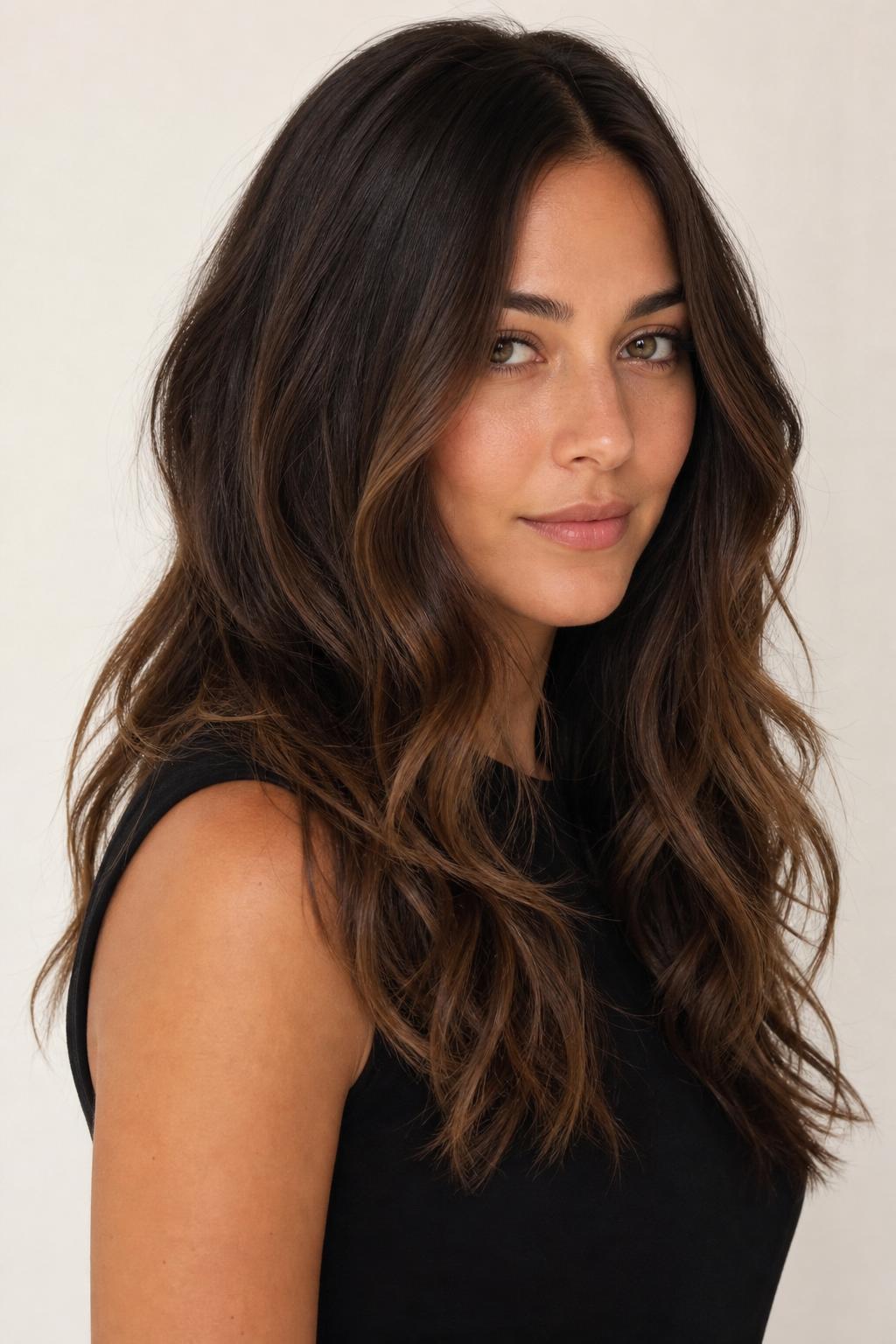
8. Espresso Brunette with a Money Piece
A brighter face-framing money piece breaks up the dark espresso right where it matters most, around the face. Ask your colorist for two lightened front sections a few shades up from your base, kept cool so they do not go brassy. The contrast draws the eye up and adds a modern edge to an otherwise deep, uniform color.
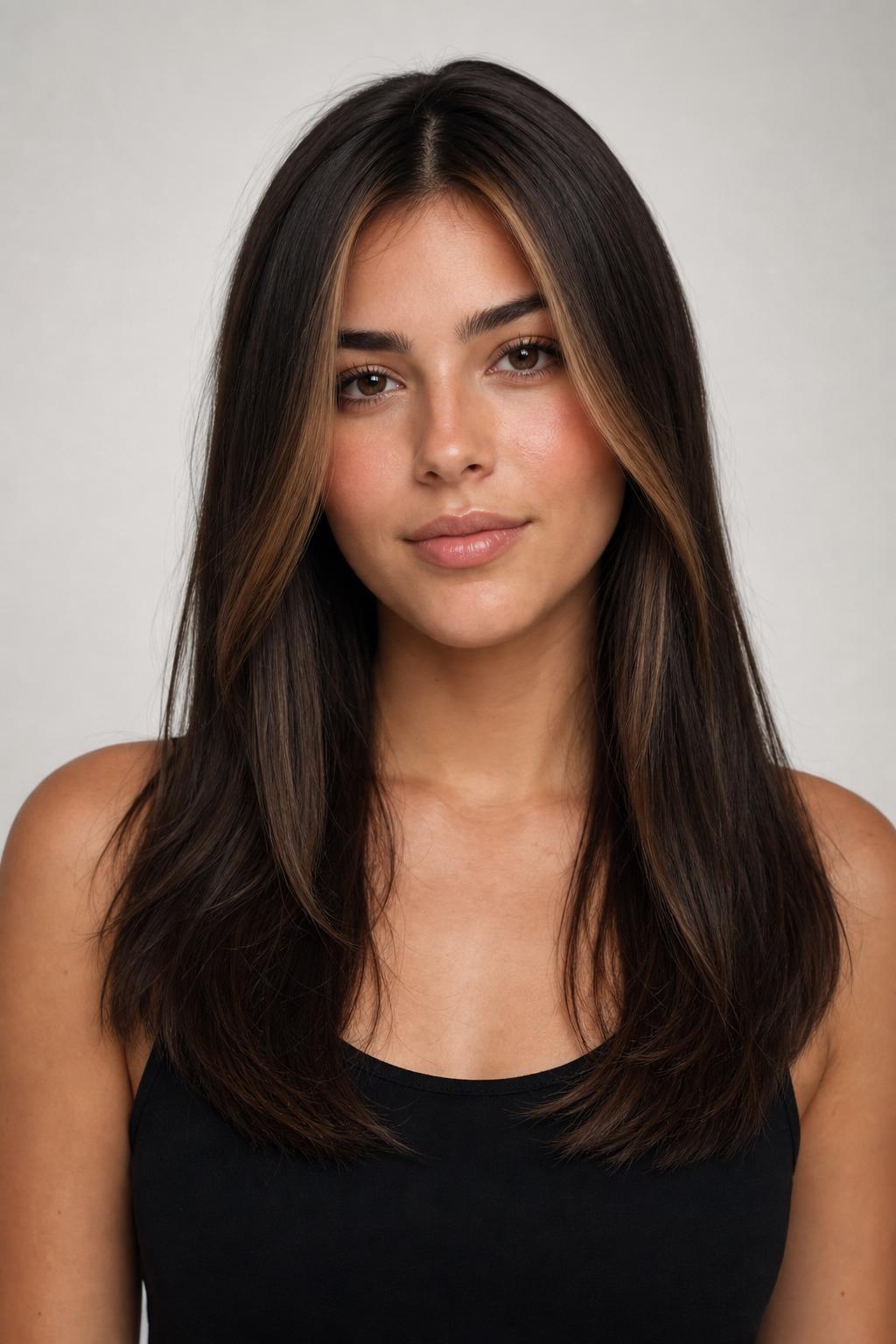
9. Espresso with Caramel Lowlights
Rather than lightening, caramel lowlights deepen and warm select strands for contrast within the espresso base. The warmer pieces add richness and stop the dark brown from flattening under indoor light. This approach borrows from a caramel balayage but keeps far more of the cool espresso dominant.
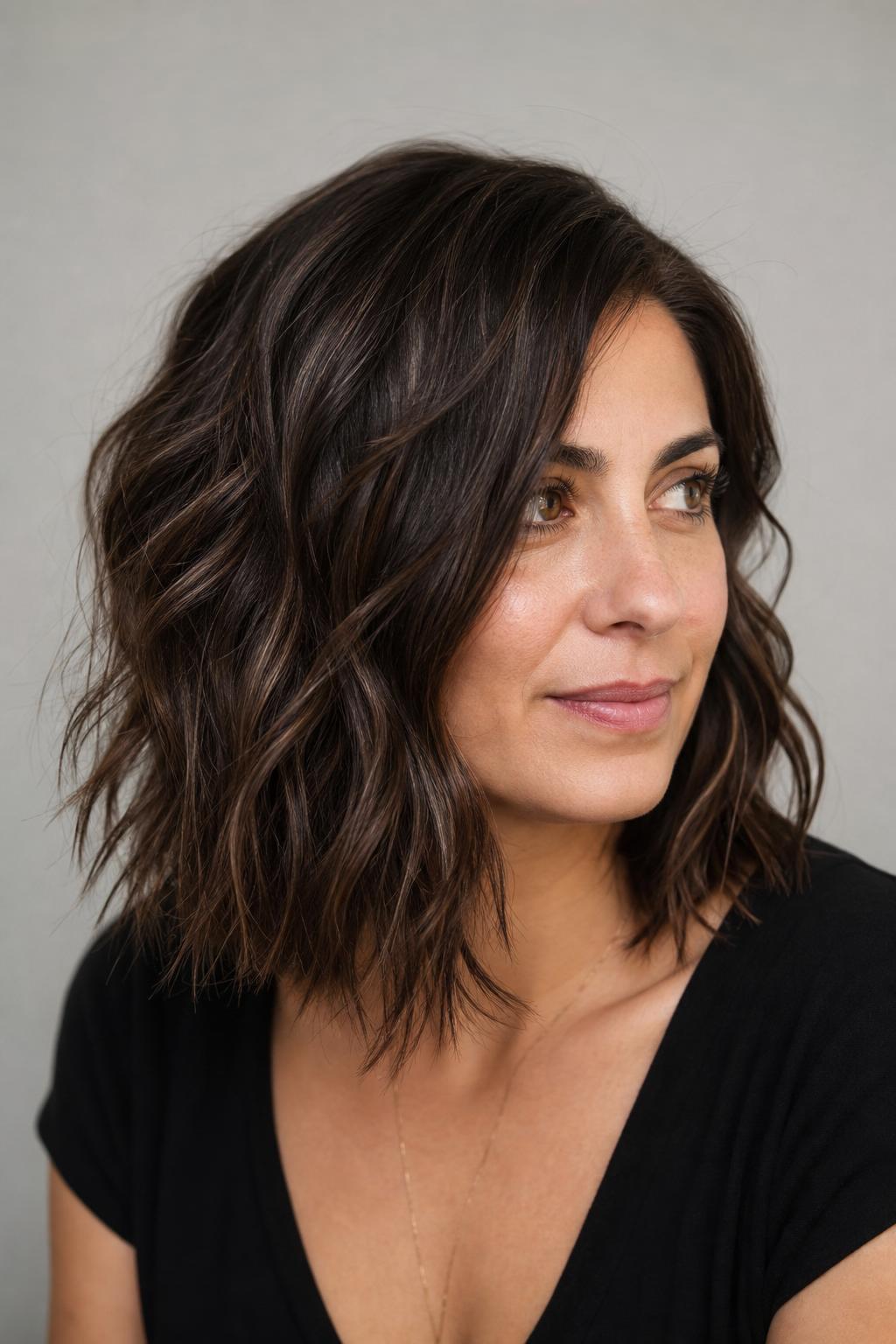
10. Espresso Root Melt into Chestnut
A root melt blends a darkest-espresso root down into a slightly warmer chestnut through the lengths, so there is no hard line as the color shifts. The gradient is subtle and grows out beautifully. It gives long hair a sense of depth at the crown and light at the ends without obvious highlights.
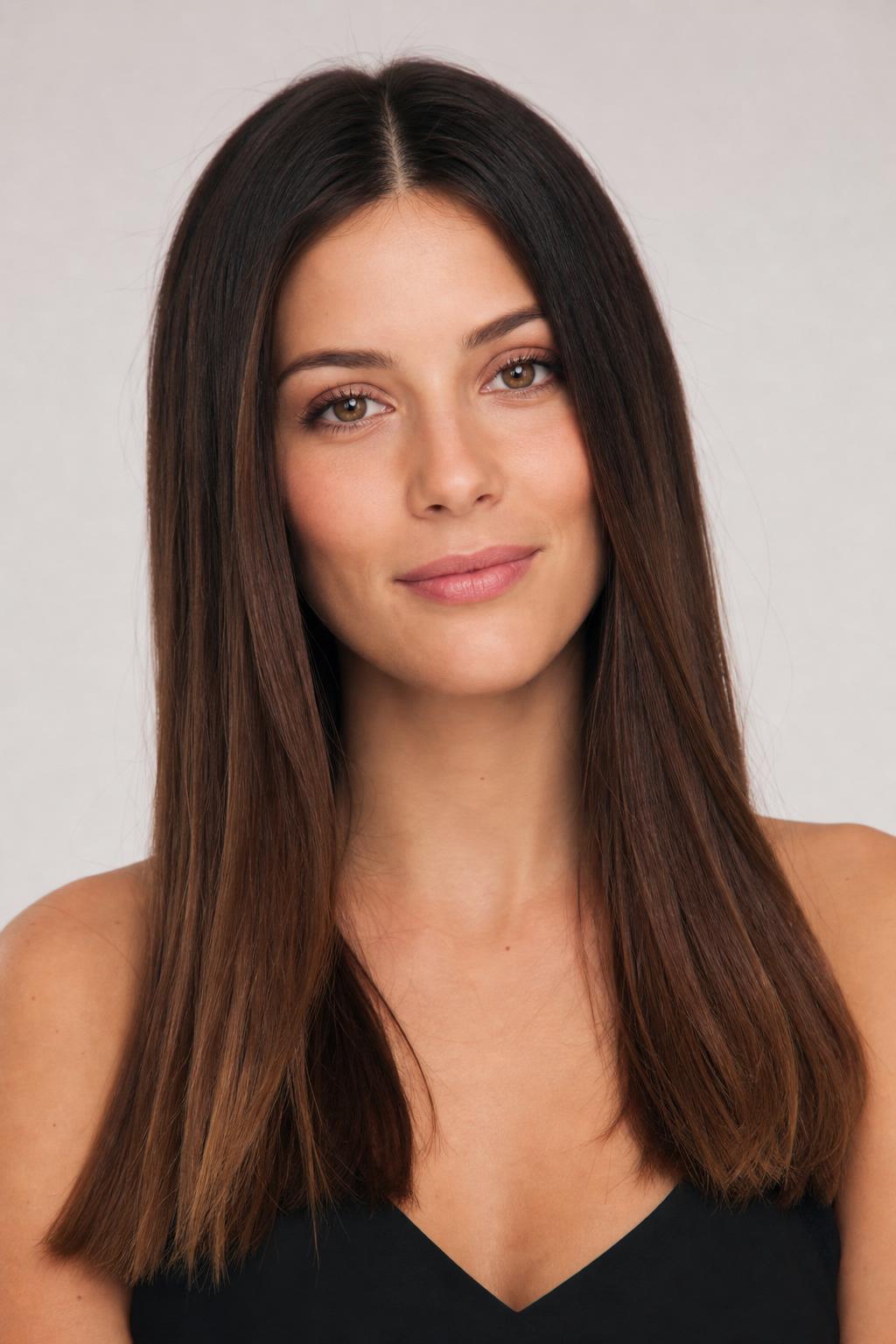
11. Espresso Shadow Root for Grown-Out Highlights
Shadow rooting drops an espresso tone over the roots of previously highlighted hair, extending the time between color appointments dramatically. It is the smartest way for a former blonde or bronde to transition into brunette gradually. Maintenance drops to a gloss every couple of months instead of frequent root touch-ups.
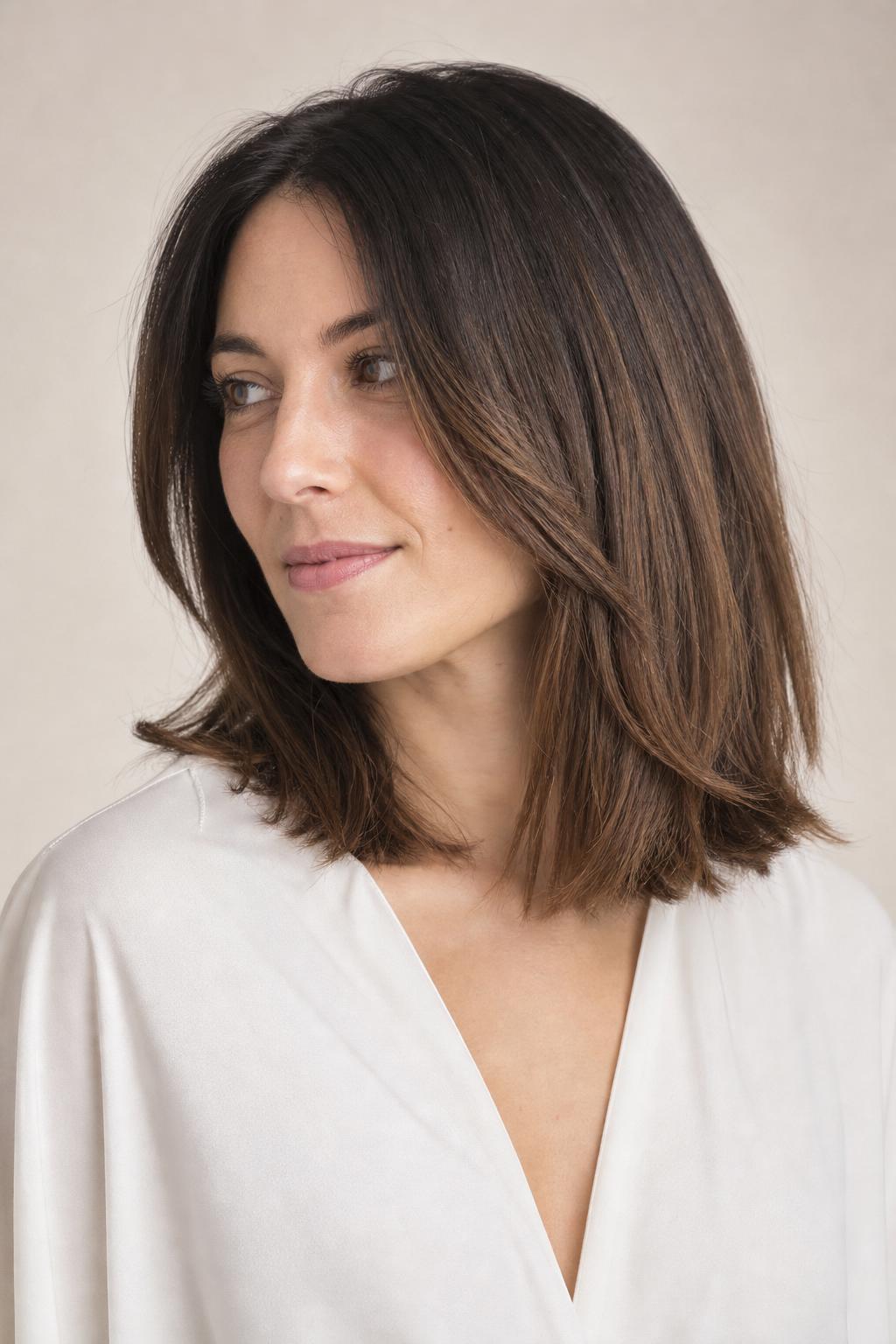
12. Espresso Face-Framing Highlights
Thin cool-brown highlights placed only around the hairline and part brighten the frame while leaving the back a solid espresso. The targeted placement gives dimension where it shows most and keeps the overall look low maintenance. It is a gentler alternative to a full head of balayage for anyone easing into lightening.
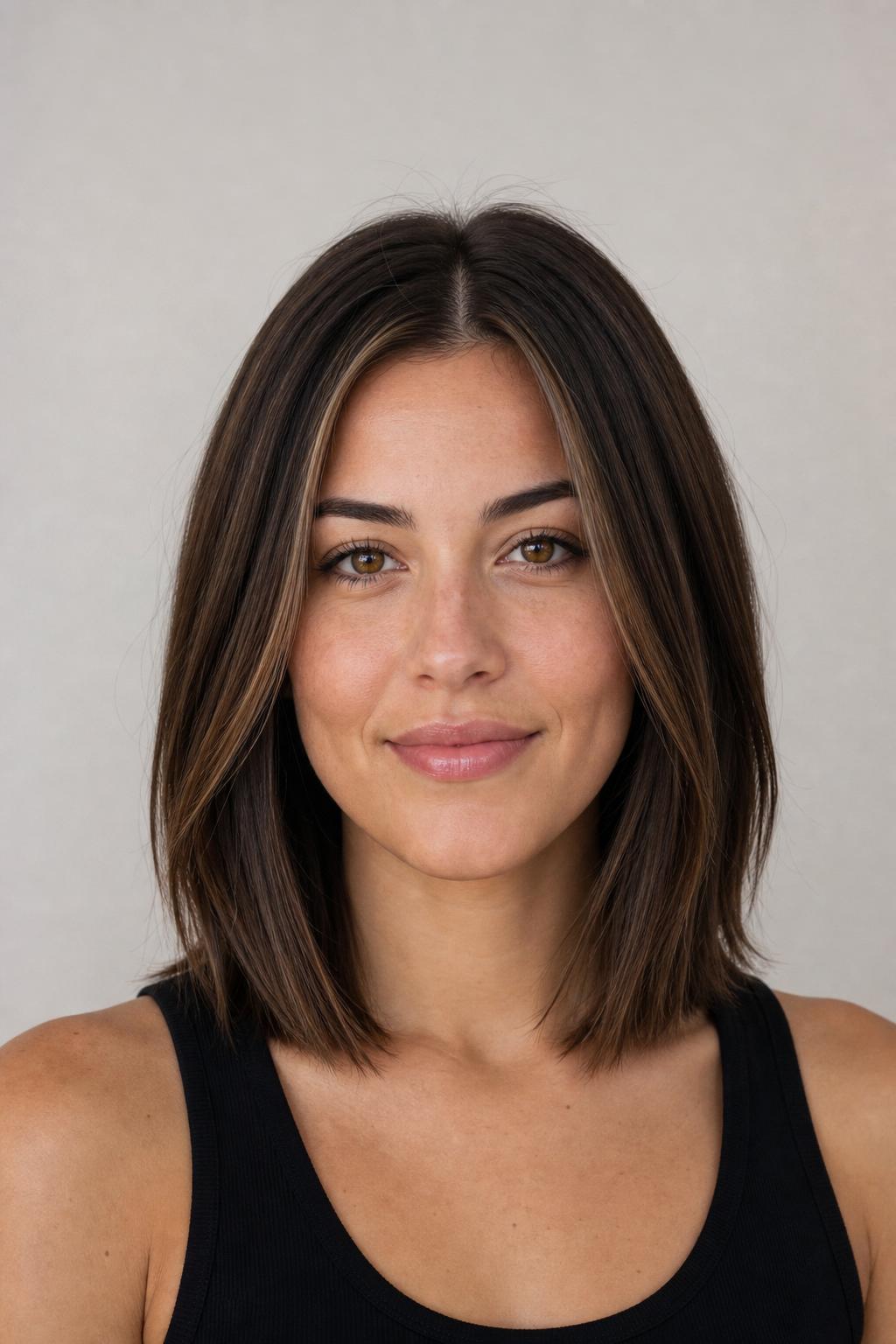
13. Espresso Ombre
Ombre keeps the espresso solid and dark from root to mid-shaft, then fades into noticeably lighter brown ends for a bolder, more graphic transition than a root melt. The contrast is stronger and makes more of a statement. It works best on longer hair, where there is room for the gradient to unfold.
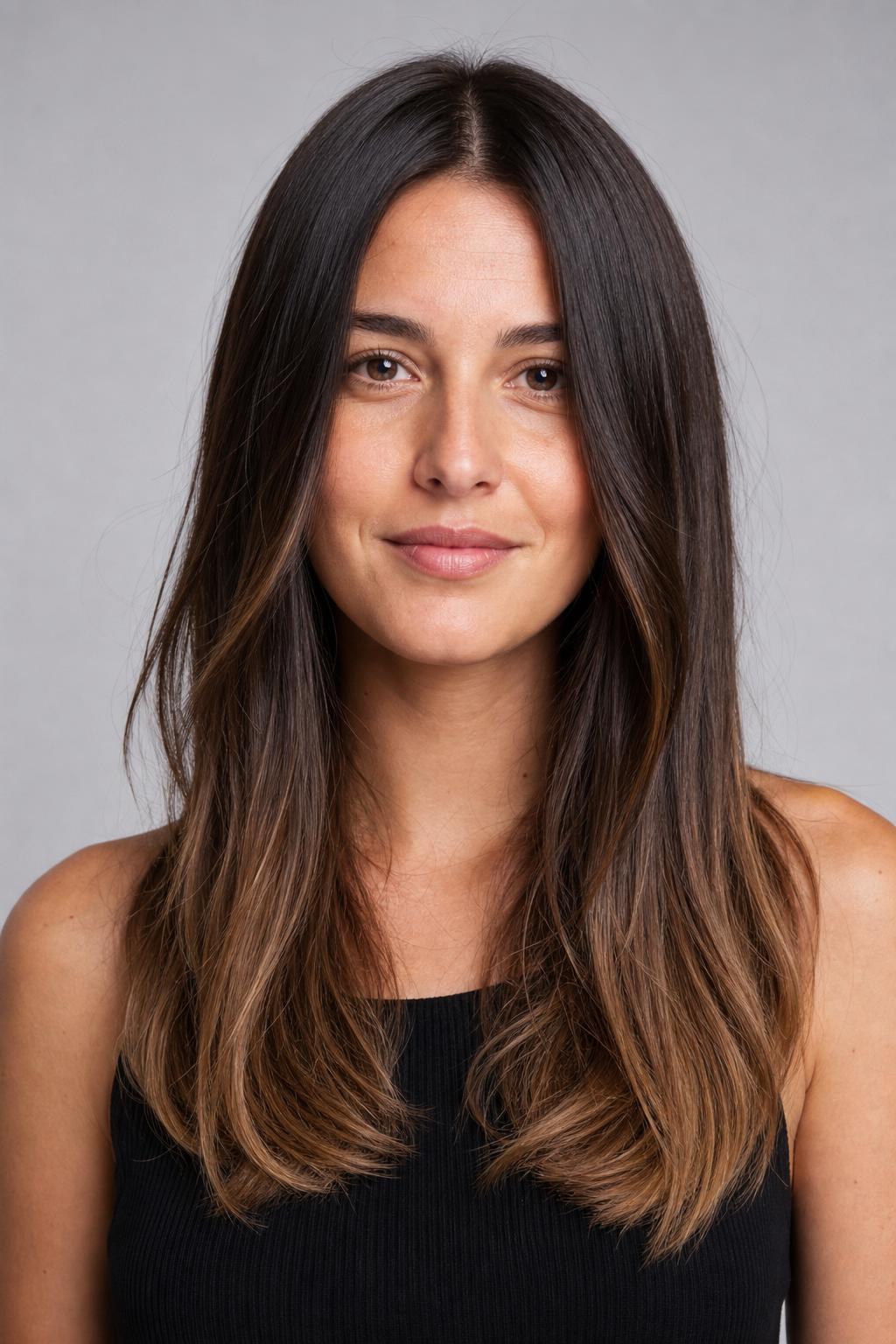
14. Espresso with Warm Babylights
Ultra-fine babylights in a warm honey-brown scatter tiny points of light through the espresso base, mimicking the natural sun-kissed pieces you had as a child. The effect is delicate and easy to maintain. Warm babylights are the move for espresso lovers who want a hint of glow without committing to obvious highlights.
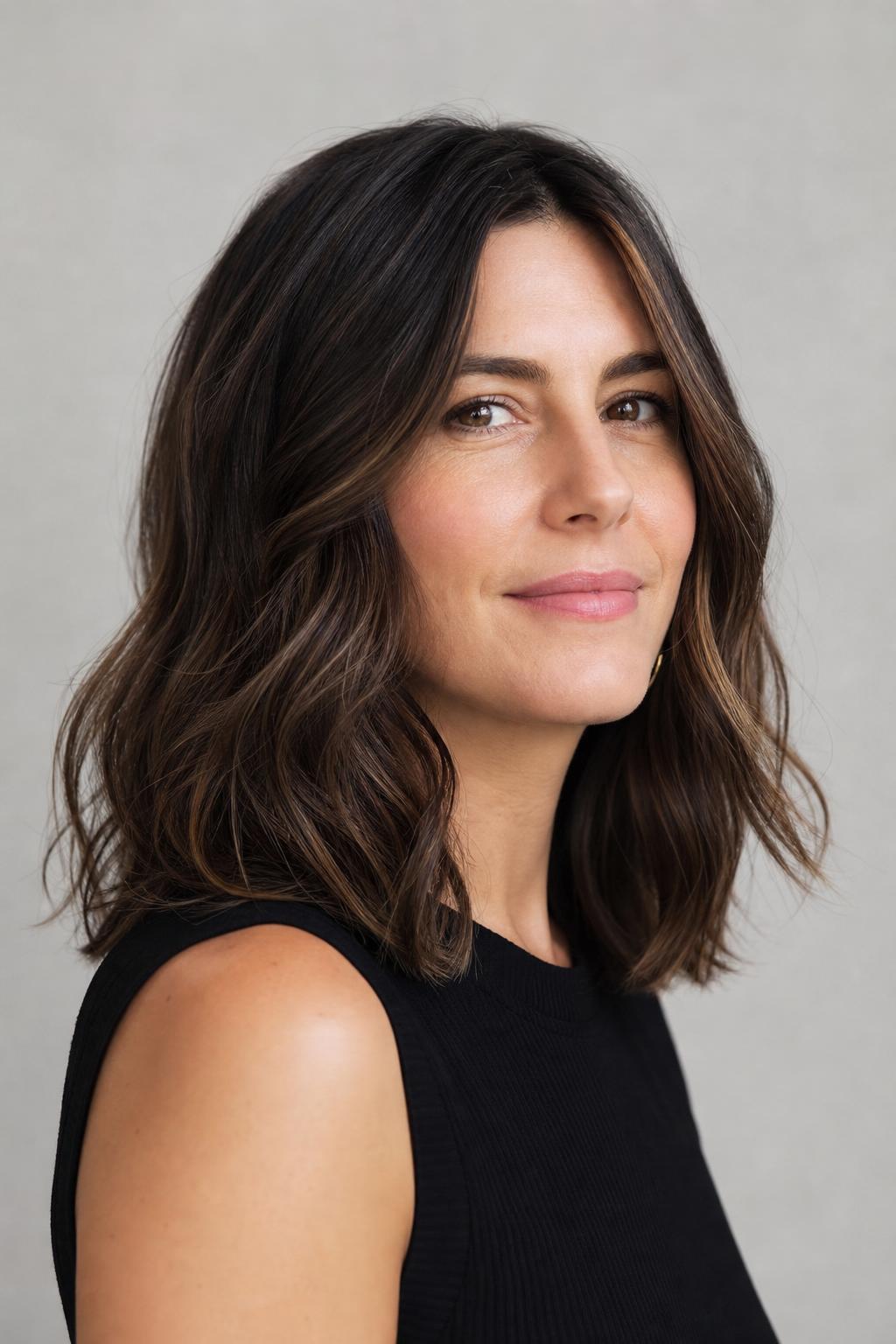
15. Espresso for Gray Blending
A demi-permanent espresso gloss blends early grays into the dark base without the harsh line of a permanent dye, softening regrowth so it looks like dimension rather than roots. The cool tone camouflages gray more naturally than a warm brown. It refreshes every few weeks with a low-commitment glaze rather than full coverage.
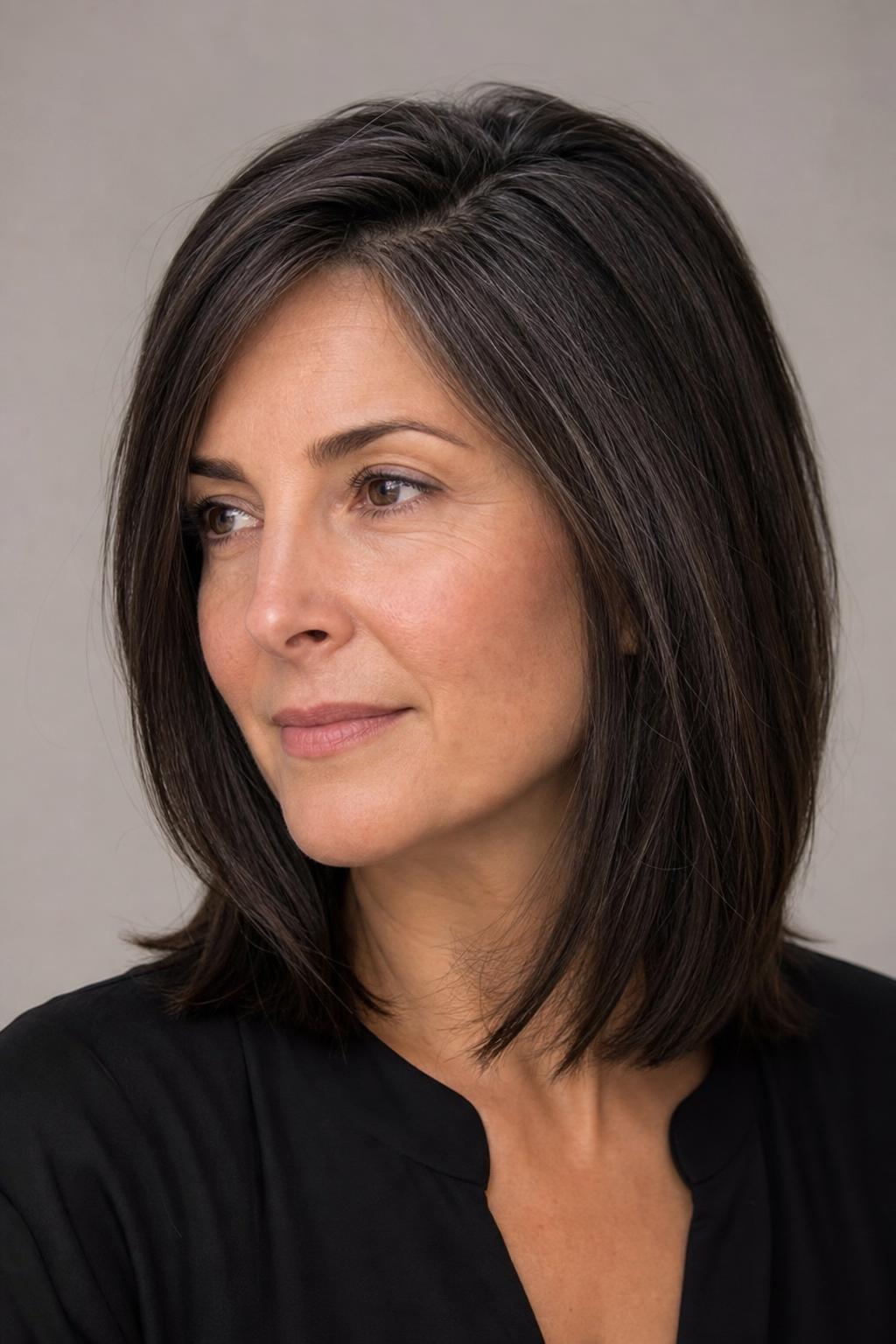
16. Espresso Brunette for Olive Skin
On olive and warm-olive complexions, a slightly neutral espresso, not fully iced, keeps the skin looking bright rather than sallow. The trick is balancing enough coolness to stay smoky without going so ashy that it drains warmth from olive undertones. A colorist adjusts the exact tone to your skin during the consultation.
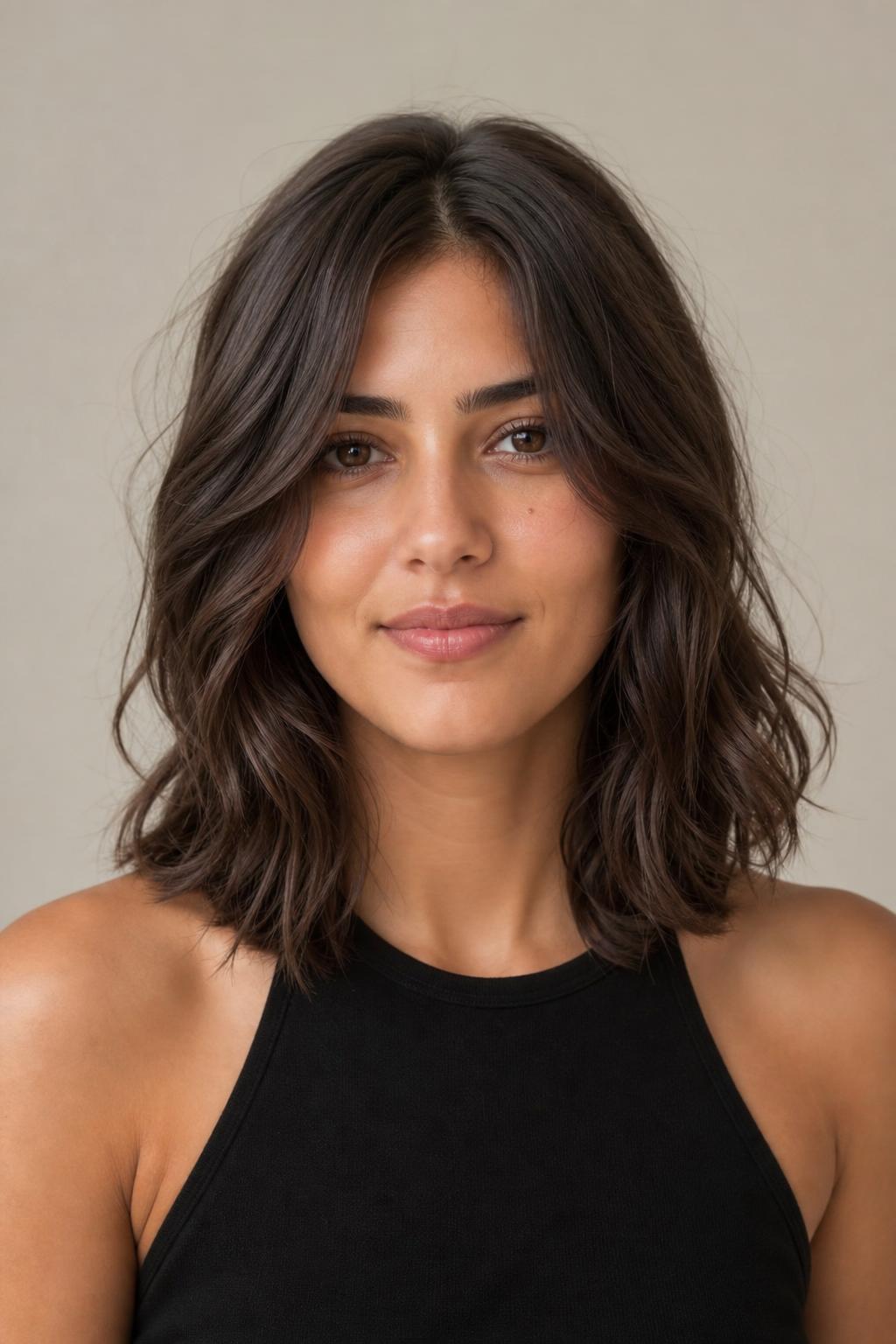
Espresso Brunette by Cut and Texture
The same espresso color behaves differently depending on your cut and texture, catching light on a blunt bob one way and on air-dried curls another. These entries show how to pair the shade with a specific style so the finish matches the shape.
17. Espresso Bob with Blunt Ends
A blunt bob gives espresso brunette a heavy, glassy perimeter that showcases the shine along one clean line. The solid dark color emphasizes the sharpness of the cut. If you want maximum gloss impact, a blunt chin-length bob in single-process espresso is hard to beat.
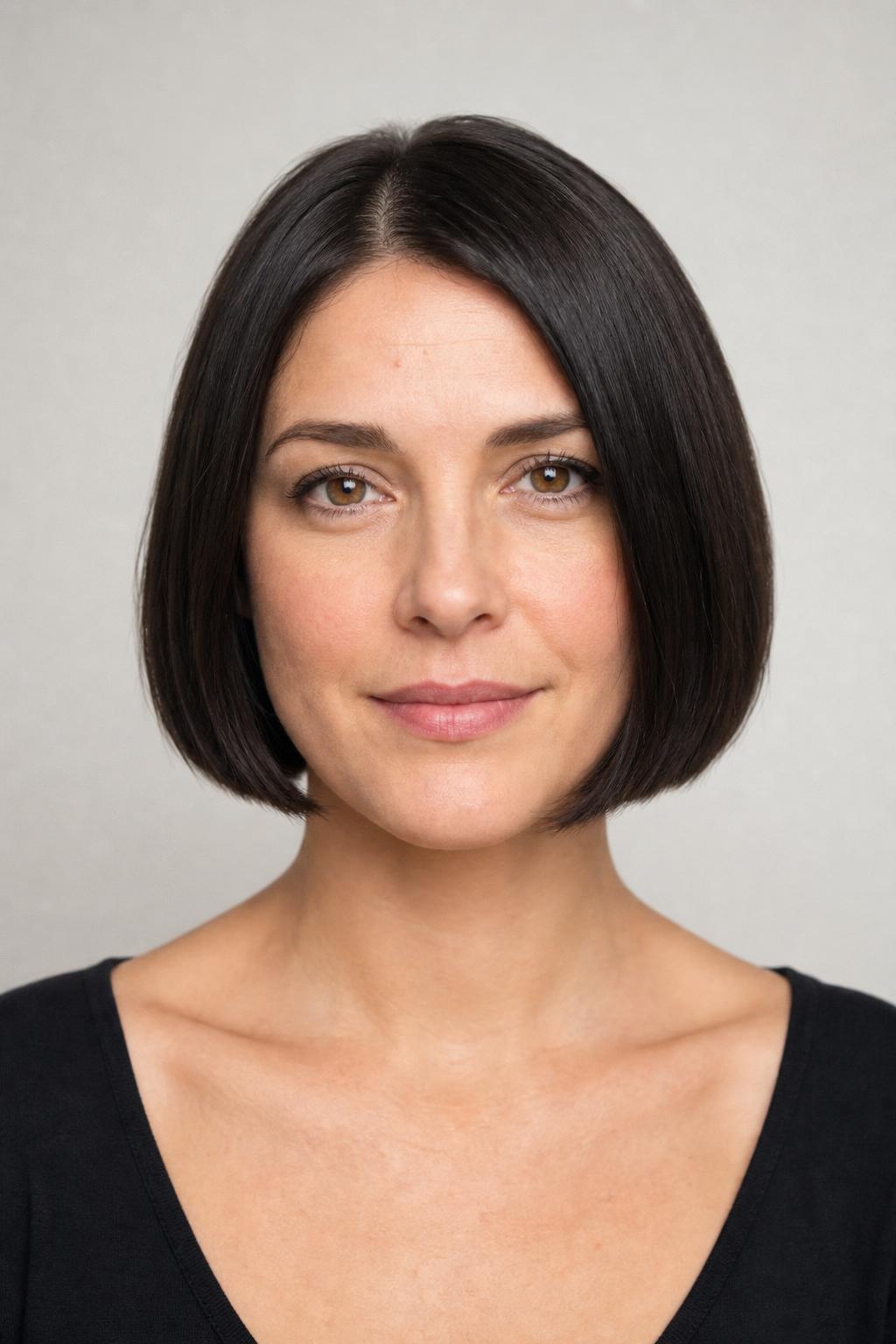
18. Espresso on Curly Hair
On curly hair, espresso brunette pools light differently across each coil, so a solid tone already looks dimensional without any highlights. The depth makes defined curls look denser and more hydrated. A color-safe, sulfate-free routine keeps both the curl pattern and the cool tone intact.
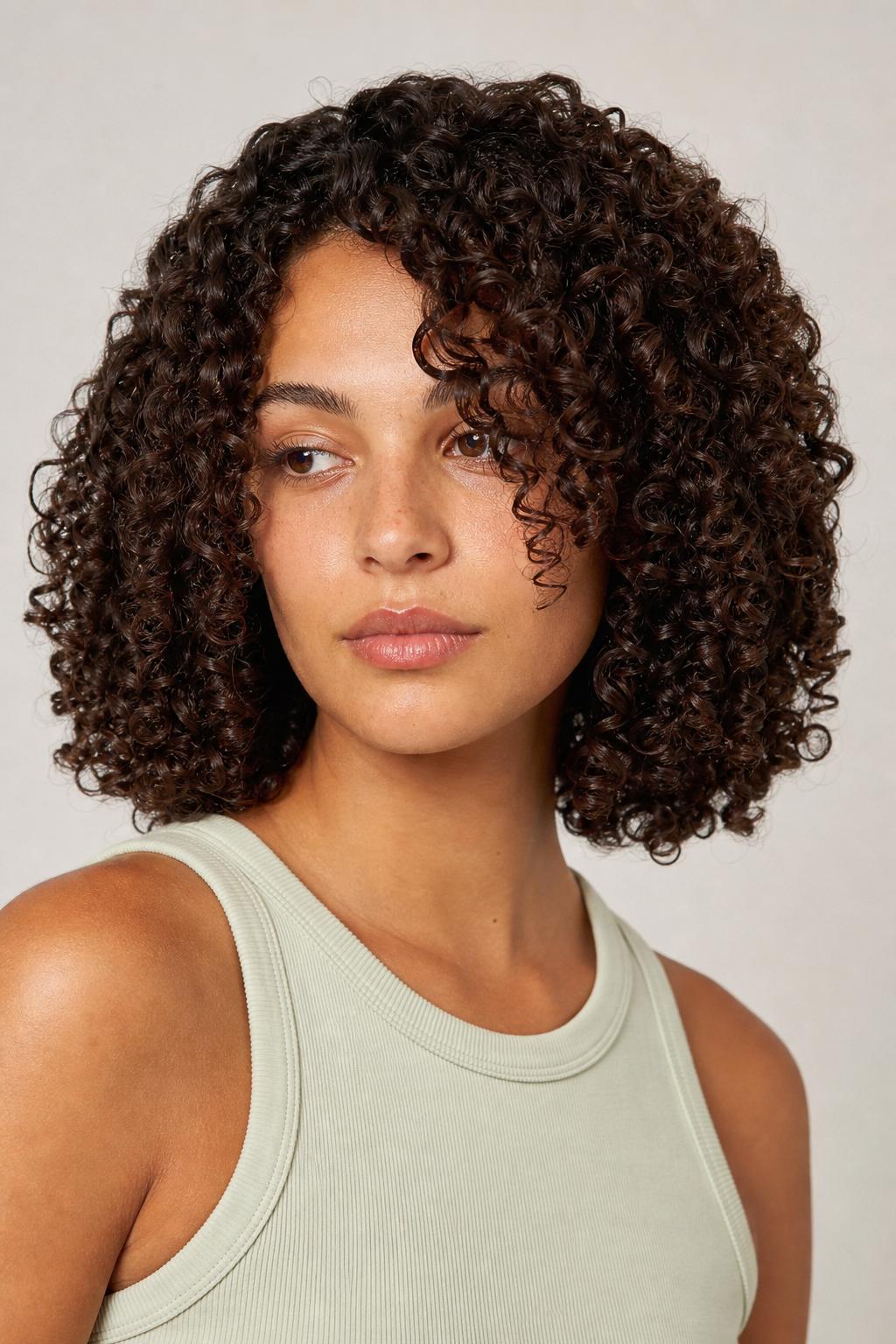
19. Espresso Lob
A collarbone-length lob in espresso brunette balances the drama of a dark shade with an easy, modern length that suits most faces. The extra length past the jaw lets any subtle dimension show more than a shorter bob can. It is the middle-ground cut for people who want dark hair without the upkeep of very long lengths.
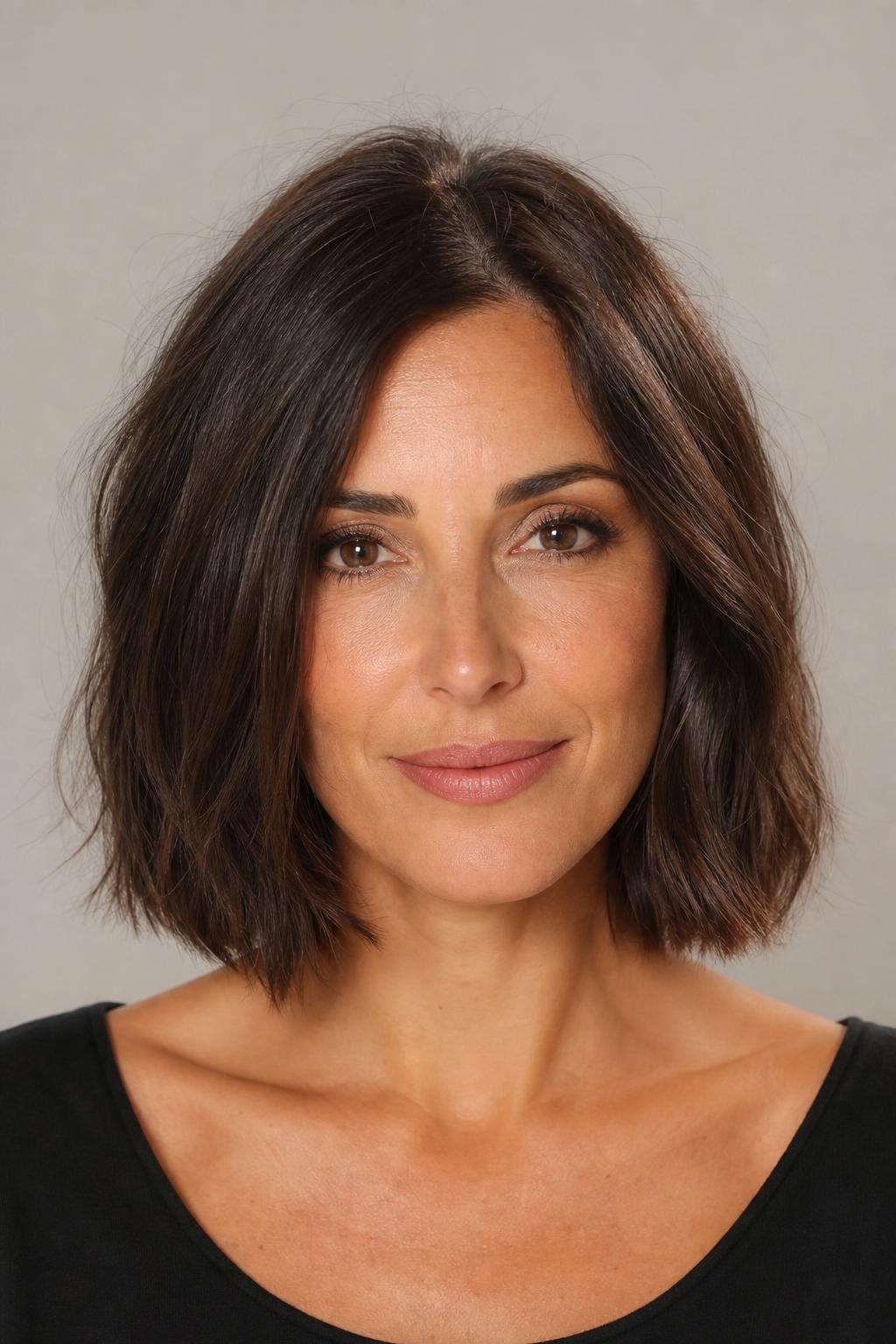
20. Espresso on Long Layers
Long layers give espresso brunette room to move, and the shifting depth as the layers fall creates natural-looking dimension. Thick hair especially benefits, since the layers release weight while the dark tone keeps everything looking dense. Pair it with a subtle balayage to light up the layer edges.
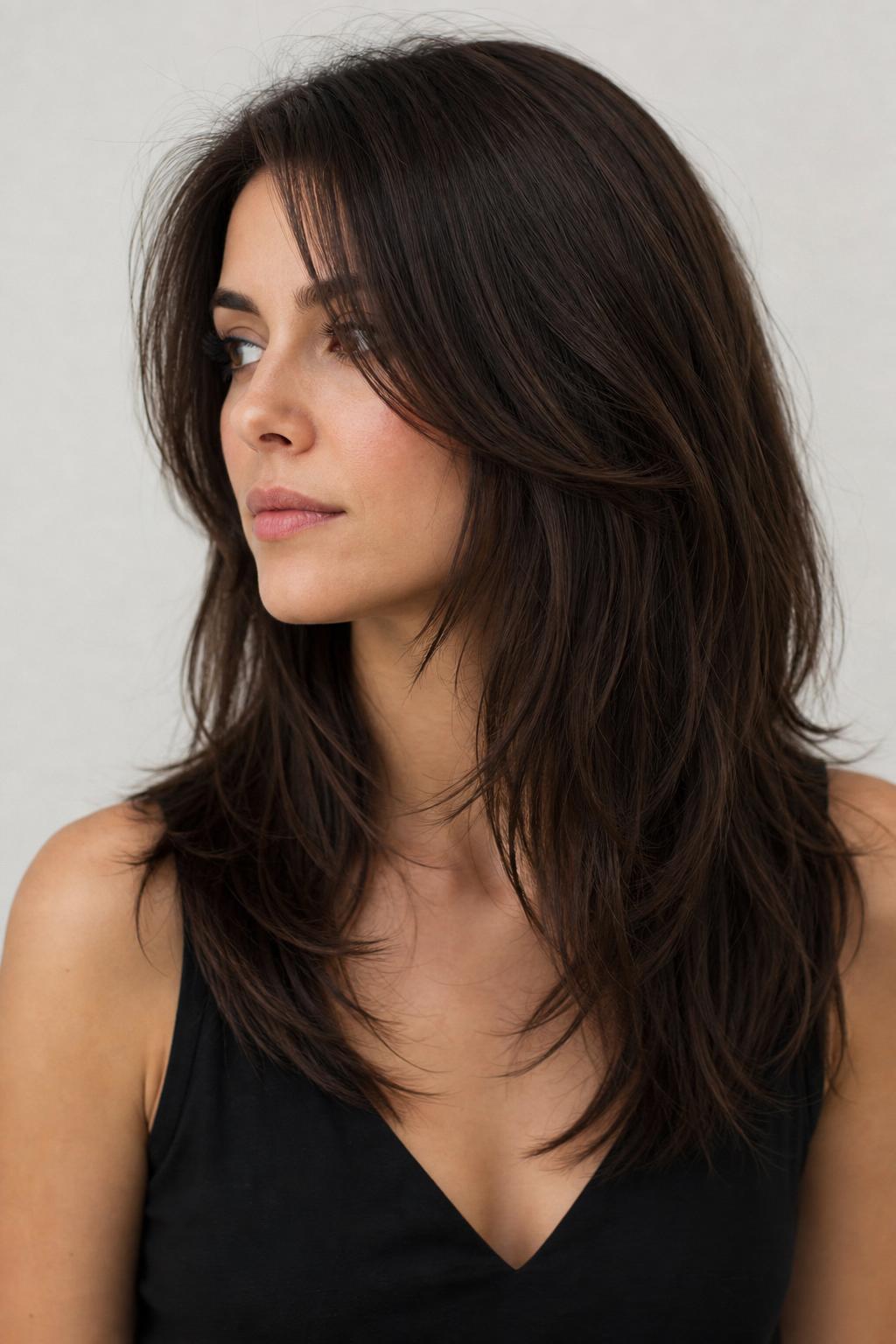
21. Espresso Air-Dried Waves
Air-dried and scrunched with a curl cream, espresso brunette takes on a soft, lived-in texture that looks relaxed rather than polished. The matte-to-glossy shift across the bends of each wave adds its own dimension. This is the low-effort way to wear the shade day to day without a blowout.
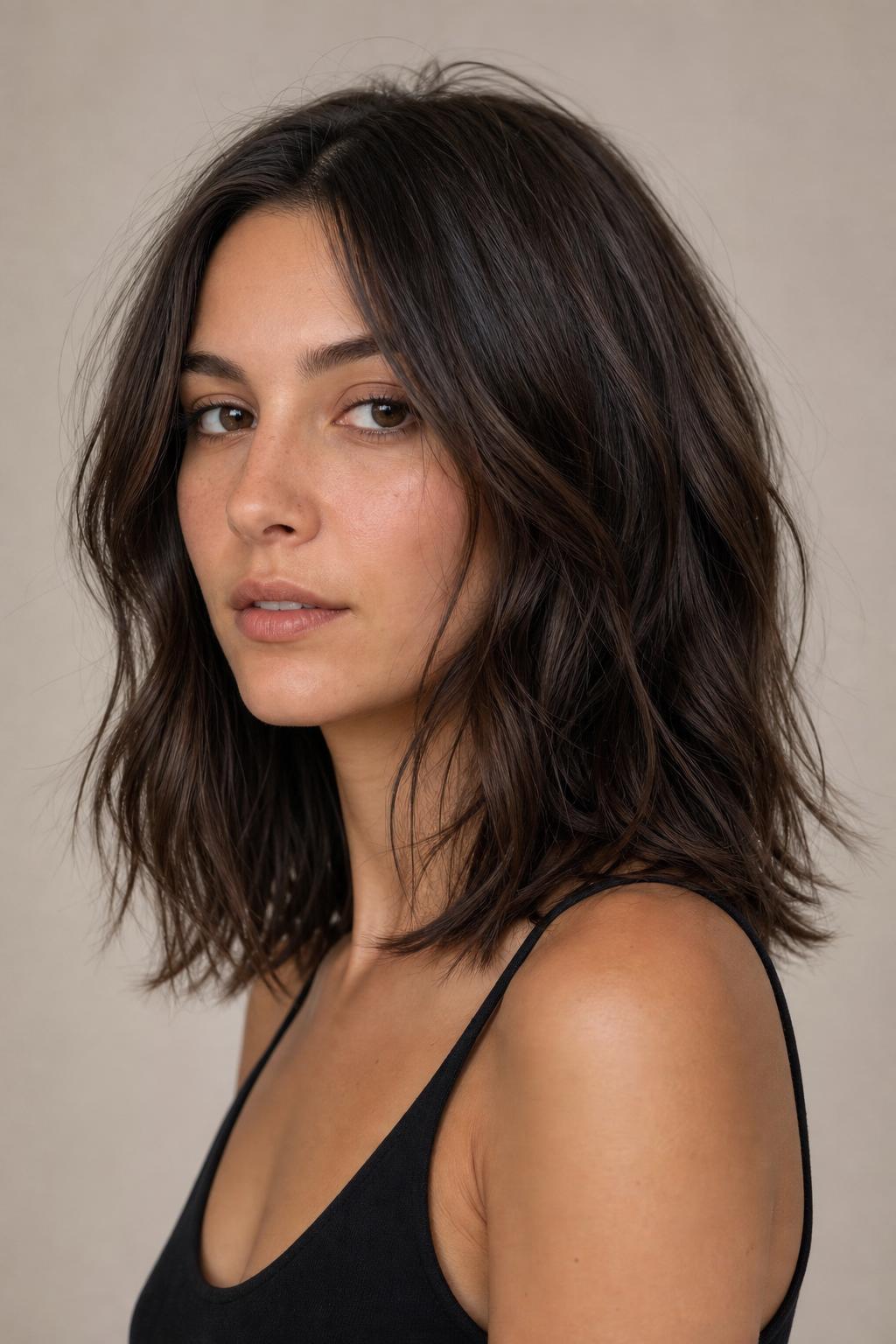
22. High-Shine Espresso for Fine Hair
Fine hair gains the most from espresso’s glossy depth, because the reflective dark tone creates the illusion of thickness that fine strands lack. Keep the color solid rather than heavily highlighted, since too much lightening can make fine hair look wispy. A weekly glossing conditioner maintains the mirror finish that does the visual heavy lifting.
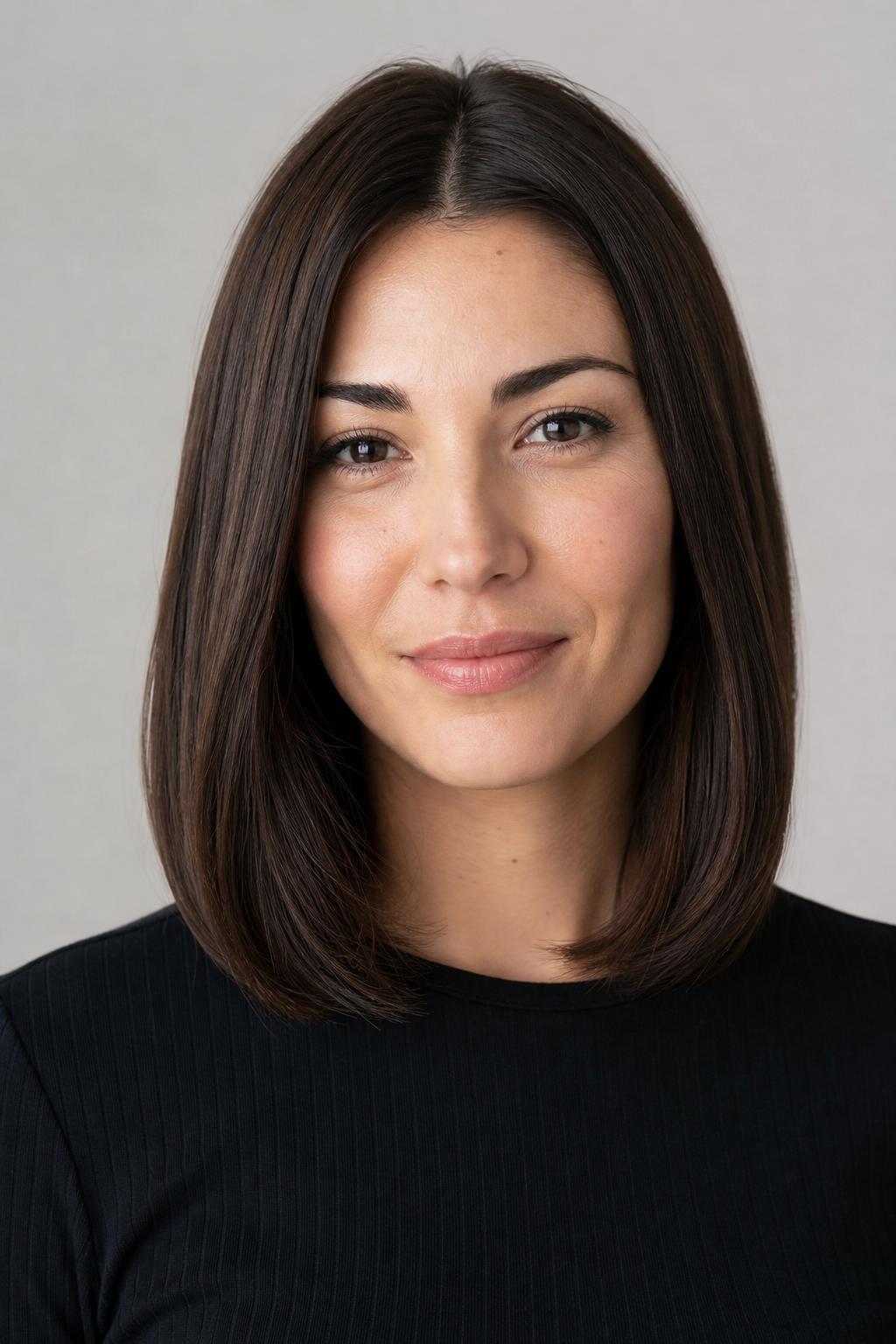
23. Espresso with a Curtain-Bang Frame
Paired with soft curtain bangs, espresso brunette gets a face-framing moment that shows off the color’s shine right around the face. Ask your stylist to keep the bangs blended into your length so the dark tone flows unbroken. If you are adding the fringe at the same appointment, our guide on how to ask for curtain bangs covers the exact length request.
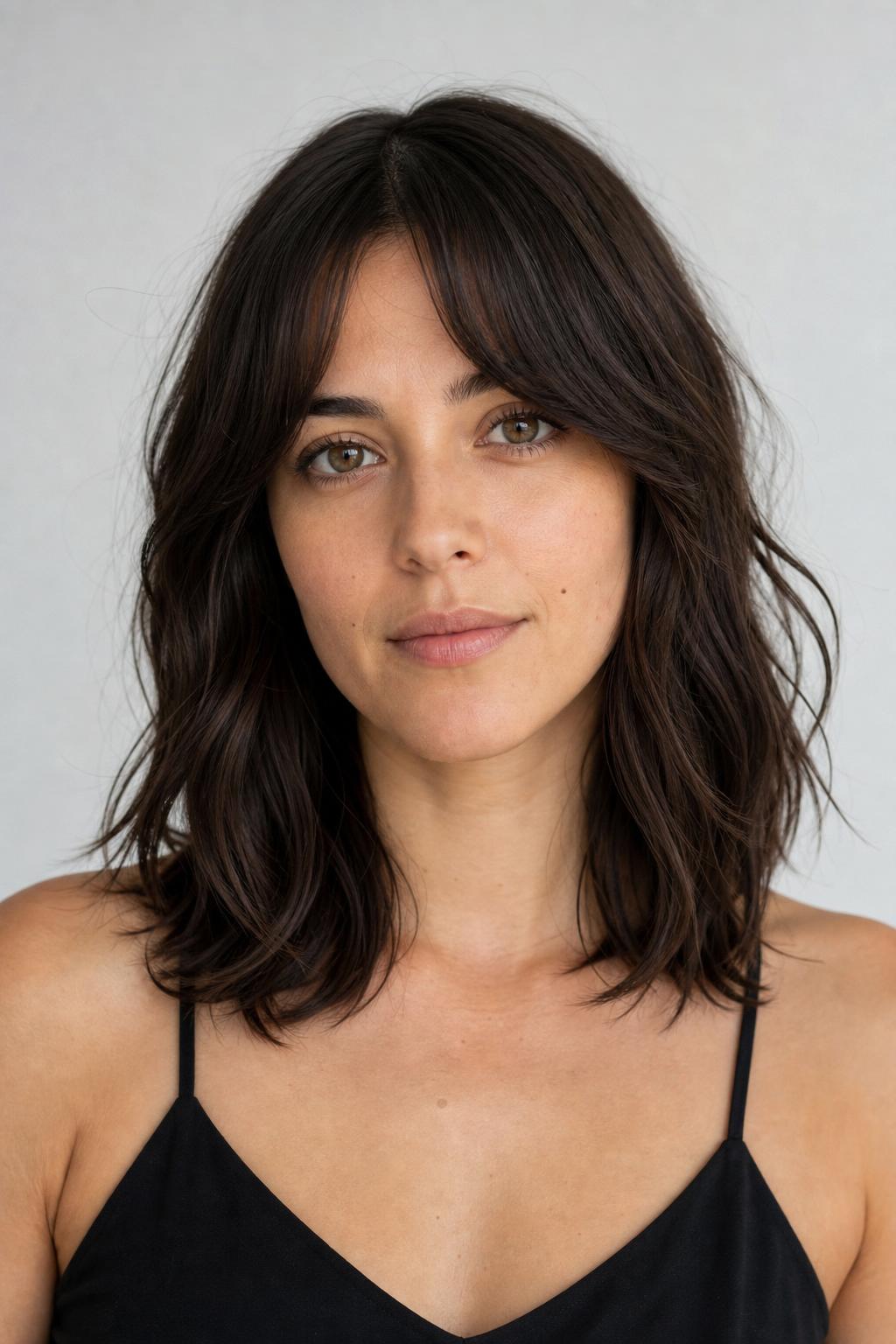
24. Espresso Brunette for Warm Skin Tones
Warm and golden complexions do best with a neutral-to-slightly-warm espresso that keeps a hint of caramel so the contrast against the skin stays soft. A fully iced espresso can look severe on warm skin, so the balance tips a touch warmer here. Your colorist fine-tunes the warmth to complement your undertone during the consultation.
Which Espresso Brunette Suits Your Skin Tone
Espresso brunette is versatile, but the exact undertone decides whether it makes your skin look bright or drains it. Use the guide below to point your colorist in the right direction, then let them fine-tune the formula to your complexion in person.
| Skin Tone | Best Espresso Version | Why It Works |
|---|---|---|
| Cool / pink undertone | Iced or mushroom espresso | Cool tones mirror the skin and look crisp, not muddy |
| Neutral | Espresso martini or classic espresso | Balanced warmth flatters without a strong shift |
| Olive | Neutral espresso, lightly cool | Avoids sallowness while keeping the smoky depth |
| Warm / golden | Espresso with warm babylights or caramel | A hint of warmth keeps the contrast soft |
| Deep | Rich iced espresso or blue-black leaning | Deep cool tones read glossy and dimensional |
What to Tell Your Colorist
Espresso brunette is a specific tone, not just dark brown, so the words you use matter. Say “a cool-toned, glossy espresso brown around a level 2 to 3, kept smoky, not warm or red.” If you want dimension, add “with a soft brown balayage” or “a cool money piece,” and always mention your skin undertone so they can adjust the exact formula.
Stylist tip: Bring photos in the lighting you spend most of your time in, whether that is bright daylight or warm indoor light. A cool espresso that looks perfect in the salon can pull a shade warmer or cooler at home, and your colorist can compensate if they know where you will actually be seeing it.
Going from a light base to espresso is usually a single appointment, but going darker often means filling the hair with warmth first so the dark color does not turn muddy or green. Ask whether your history needs a filler. If you are covering old highlights or box dye, tell your colorist upfront, because those change the formula significantly.
Maintenance and Keeping Espresso Brunette Glossy
The color itself is low maintenance, but the shine is not automatic, so the upkeep is really about protecting tone and gloss. A cool espresso will slowly warm up and fade brassy as it washes out, and dark hair shows dullness fast when product builds up.
| Task | How Often |
|---|---|
| Glossing treatment | Every 6 to 8 weeks to refresh shine and tone |
| Root or full color | Every 8 to 12 weeks; longer if single-process |
| Cool-toning conditioner | Weekly to fight brassiness between glosses |
| Clarify buildup | Every 2 to 3 weeks so dark hair stays reflective |
Stylist tip: Wash in cooler water and use a color-safe, sulfate-free shampoo. Hot water lifts the cuticle and lets the cool pigment rinse out faster, which is the main reason espresso fades warm sooner than people expect.
When Espresso Brunette Is Not the Right Choice
As flattering as it is, espresso brunette is a commitment to going dark, and that is not right for everyone. Consider these honest limitations before you book.
- You want to go lighter soon: dark cool dye is stubborn to lift, and getting back to blonde later means multiple sessions and possible damage. If a lighter future is likely, choose a demi-gloss over permanent color.
- You have very warm, ruddy, or red-prone skin: a cool espresso can make redness in the skin look more pronounced by contrast. A warmer chocolate or a rich chocolate brown is often kinder to warm complexions.
- You cannot commit to gloss upkeep: without regular glossing and cool-toning, espresso fades brassy and dull within a couple of months, which undoes the whole reflective effect.
- Your hair is very porous or damaged: over-processed hair grabs dark color unevenly and can turn patchy or muddy, so a bonding treatment or a filler may be needed first.
FAQ
What Exactly Is Espresso Brunette?
Espresso brunette is a deep, cool-toned dark brown, around a level 2 to 3, finished with subtle dimension and gloss so it looks reflective rather than flat. It is smokier and cooler than a standard dark brown, which is what gives it the expensive, glossy quality. Colorists usually build it with multi-tonal techniques like balayage or a shine-boosting glaze.
Who Does Espresso Brunette Suit Best?
Espresso brunette flatters cool and neutral skin tones most easily, because the cool pigment mirrors those undertones. Olive and warm complexions can wear it too with a slightly neutral or warm-adjusted formula so it does not look sallow or severe. Sharing your skin undertone with your colorist is the key to getting the right version.
Is Espresso Brunette High Maintenance?
The color grows out softly and needs less frequent root work than blonde, so the base is low maintenance. The shine and cool tone, however, need upkeep: a gloss every 6 to 8 weeks and a weekly cool-toning conditioner keep it from fading brassy. Think of it as low-commitment color with a light gloss routine.
Will Espresso Brunette Damage My Hair?
Going darker is one of the gentler color changes, since it deposits pigment rather than lifting it, so espresso is usually low-damage. The exception is if you are covering highlights or lightened hair, which may need a filler for even results. A demi-permanent formula is the least damaging way to try the shade.
Can I Go Back to Blonde After Espresso Brunette?
Yes, but it is not quick. Dark cool dye is stubborn to lift, so returning to blonde usually takes several careful sessions to avoid damage and brassiness. If you think you will want to go lighter within a year, ask for a demi-permanent espresso instead of permanent color to keep your options open.
How Do I Keep Espresso Brunette from Fading Brassy?
Wash in cool water with a sulfate-free, color-safe shampoo, and use a cool-toning or blue-based conditioner weekly to counteract warmth. Book a glossing treatment every couple of months to re-lay the cool pigment and shine. Limiting hot tools and heat protecting when you do use them also slows the fade.
What Is the Difference Between Espresso and Regular Dark Brown?
Regular dark brown is often a flat, single tone, while espresso brunette is a cool-toned dark brown built with subtle dimension and a glossy finish. The reflective, multi-tonal quality is what makes espresso look richer and more expensive than a basic brown. In short, espresso is dark brown with intention behind the tone and shine.
Espresso brunette earned its status as 2026’s most-requested brown by doing what flat dark dye never could: staying deep and low maintenance while looking glossy, dimensional, and genuinely healthy. Whether you choose a solid single-process shade, a hand-painted balayage, or a cool money piece around the face, bring a reference photo and your skin undertone to the consultation so your colorist can dial in the exact espresso brunette that suits you. A quick gloss routine at home keeps that reflective shine going long after you leave the salon.
Hair results vary based on your natural hair type, texture, density, and condition. Always consult with a licensed hairstylist before making significant changes, especially with chemical treatments or dramatic length changes. Photos may show styled results that require professional tools and products to replicate.