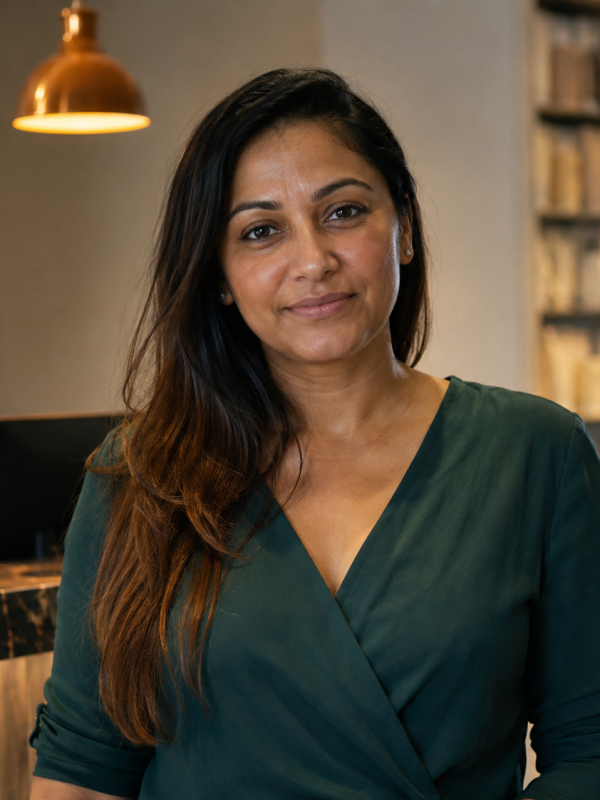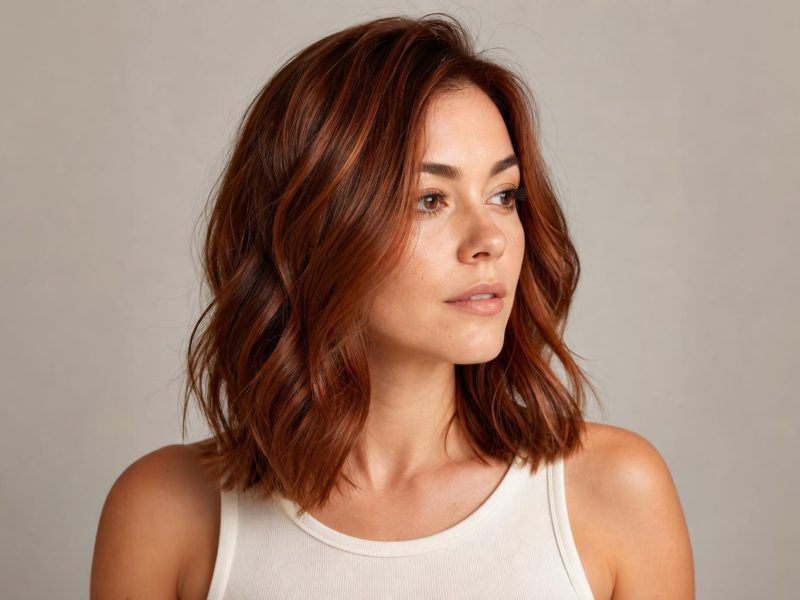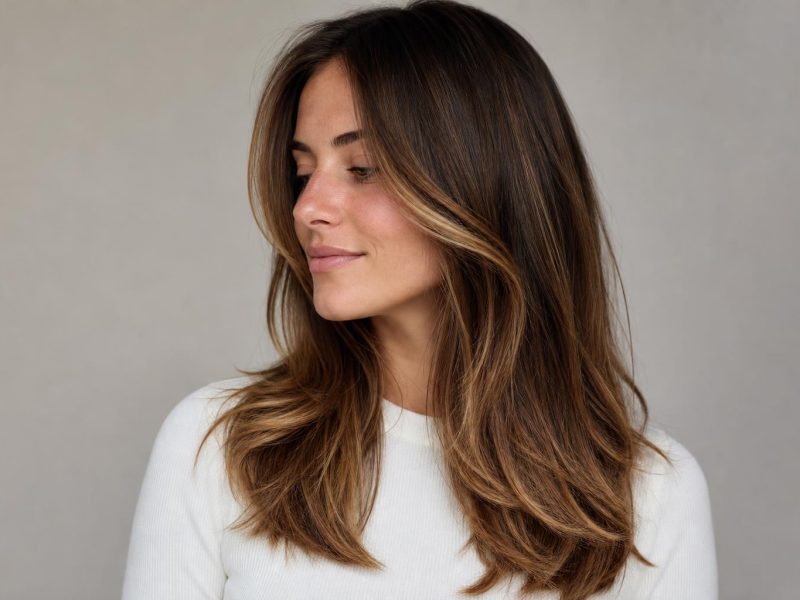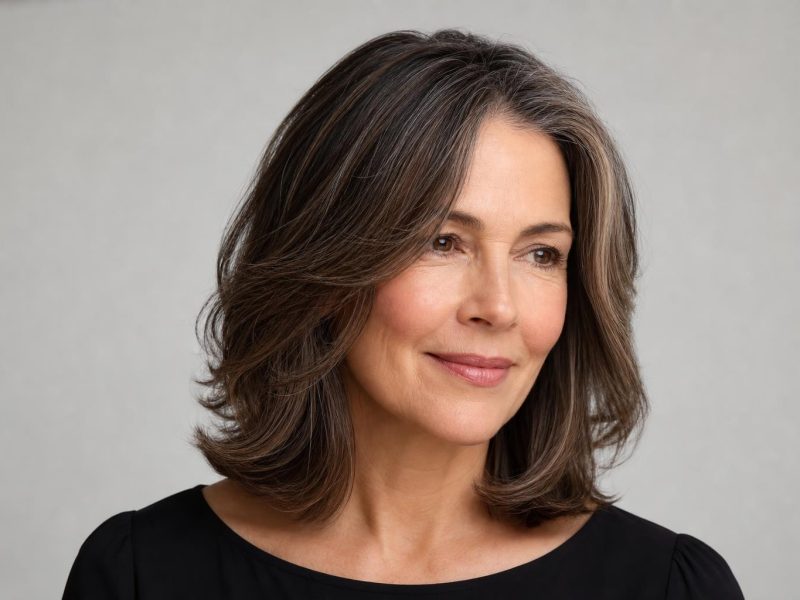

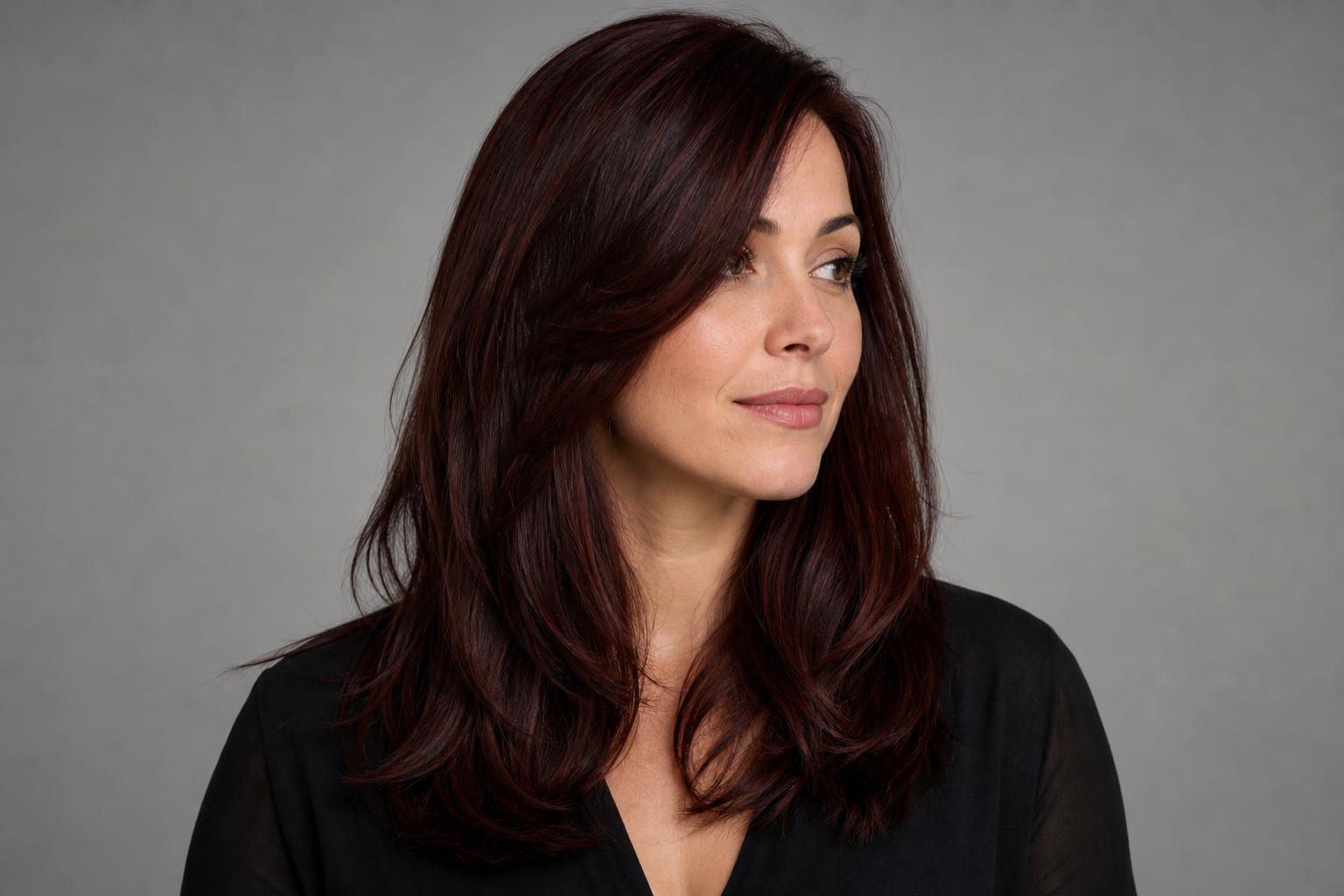
Chocolate cherry hair blends a deep brown base with cool cherry and burgundy tones, and these 25 variations show how to wear the shade on every base, cut, and skin tone.
Chocolate cherry hair is a dark brown base, usually a level 3 to 4, infused with a cool red-violet tone that gives it its wine-like glow. Despite how often it is called a warm shade, true chocolate cherry leans cool and burgundy, which is exactly why it flatters so many complexions and stays wearable rather than costume-bright. This collection gathers 25 colorist-approved variations, from an all-over black cherry gloss to hand-painted burgundy balayage.
The variations are grouped by how the color is placed: all-over shades, balayage and dimensional cherry, rooted and melted gradients, face-framing and hidden panels, and cherry on statement cuts. After the gallery you will find an undertone matching guide, a plain-English breakdown of how chocolate cherry differs from mahogany and burgundy, verbatim colorist language, a realistic fade schedule for red pigment, and an honest look at who this shade does not suit.
All-Over Chocolate Cherry Shades
A single all-over color is the most saturated way to wear chocolate cherry, coating every strand in the same rich wine tone for maximum gloss. This approach suits anyone who wants the boldest version of the shade and does not need the sun-lit dimension that highlights bring. Because the color is solid, the base level you start from decides how dark and how visible the cherry looks, so these variations range from near-black to a brighter berry.
1. Classic Black Cherry on an Espresso Base
The darkest member of the family lays a cool red-violet over an espresso base, so the cherry only flashes in direct light and stays near-black in shade. This is the most office-friendly and forgiving version, since regrowth barely shows against such a deep tone. It flatters cool and neutral complexions especially well, where the violet undertone brightens the skin instead of adding warmth.
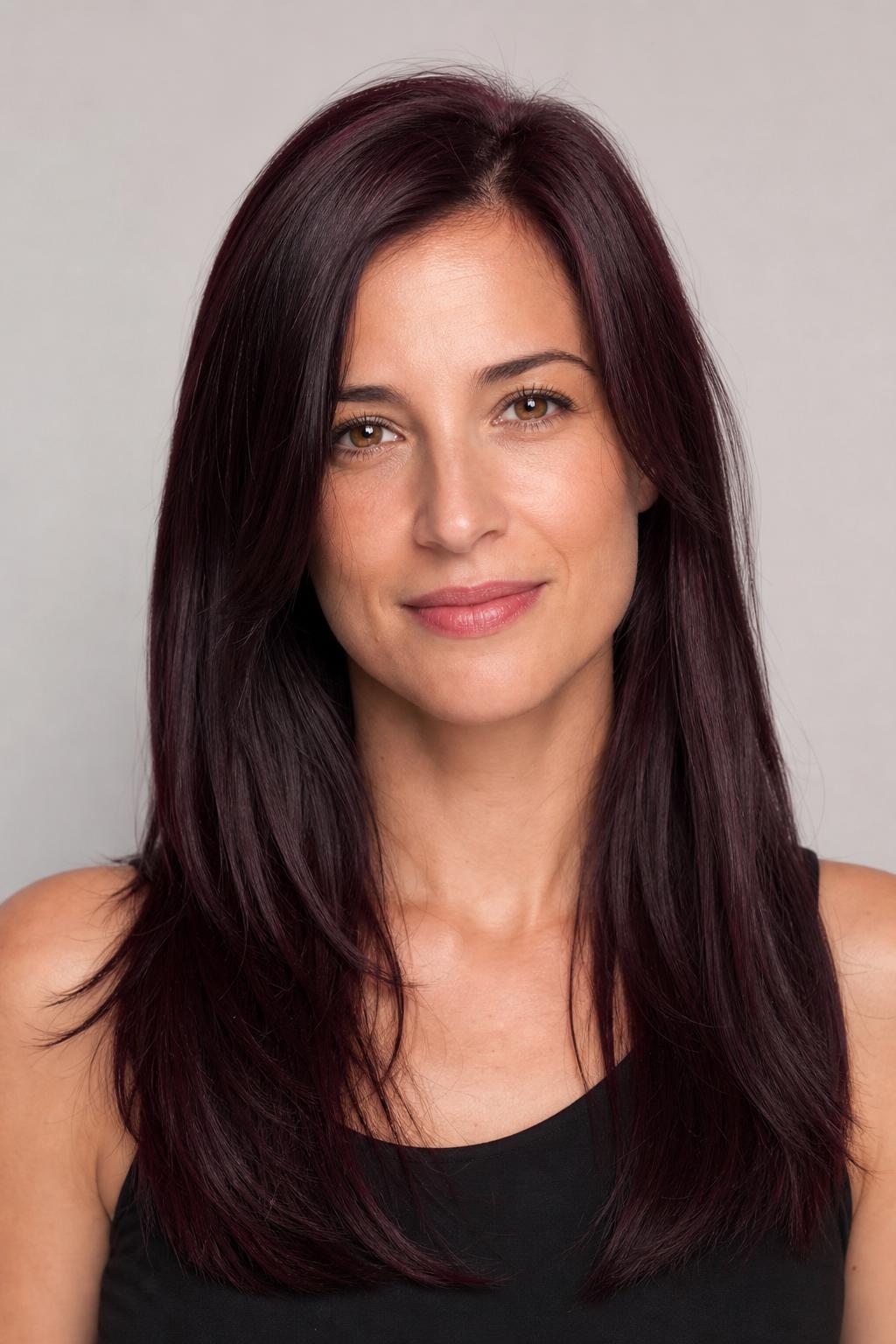
2. Cherry Cola Gloss All-Over
Cherry cola warms the formula a half-step with a brown-red balance that looks exactly like its namesake drink, glossy and deep. A demi-permanent glaze delivers this best because it floods the cuticle with shine while depositing the red-brown tone in one pass. If you have admired a cherry cola shade but want it richer and more chocolate-leaning, ask for extra brown in the mix.
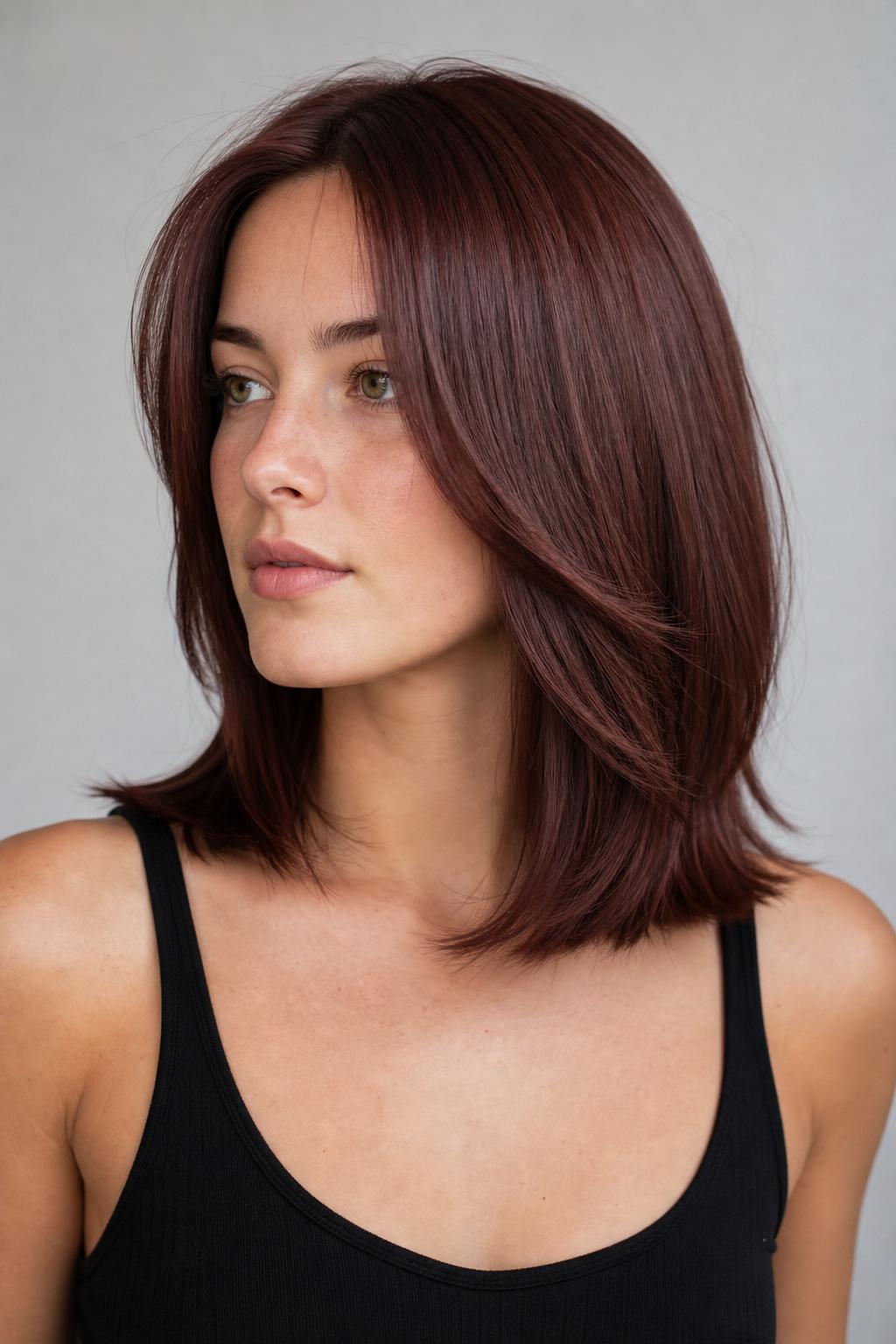
3. Ruby Mocha on Long Layers
Ruby mocha marries a mocha-brown base with a jewel-red ruby tone, giving long layers a saturated depth that catches light at every layer edge. Long hair shows off this shade best, since the length lets the ruby build into a deep, dimensional pool of color as it falls. Keep the ends healthy with regular bond treatments, because faded red on damaged long ends turns dull faster than on fresh mid-lengths.
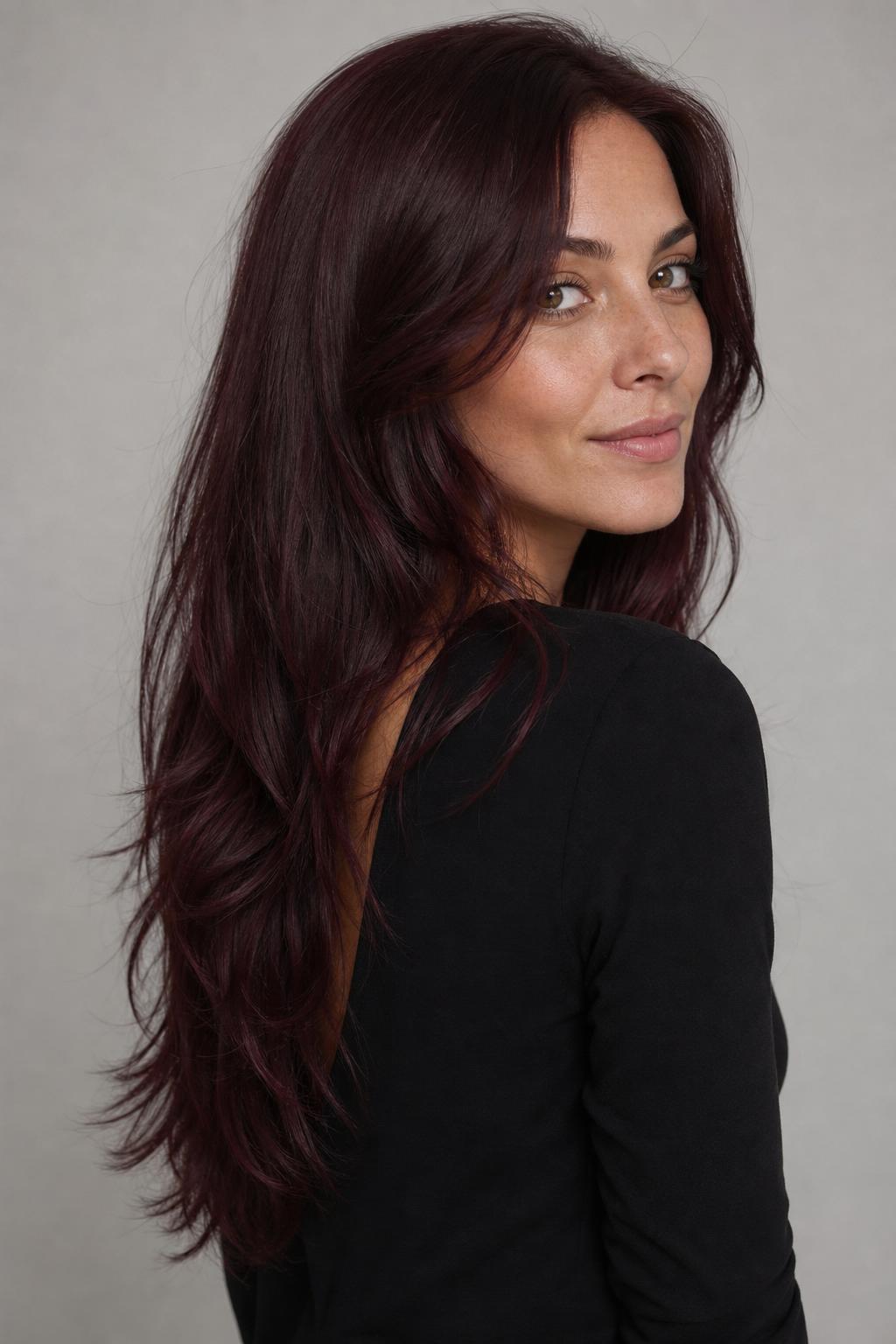
4. Cool Maroon Cherry for Fair Skin
Fair, cool complexions look striking against a violet-heavy maroon cherry with no golden warmth at all. The blue-based red keeps pale skin bright rather than washed out, which is the trap warmer cherries fall into on very fair clients. Ask specifically for a cool maroon with a violet base and no copper, since even a hint of orange throws this off on cool skin.
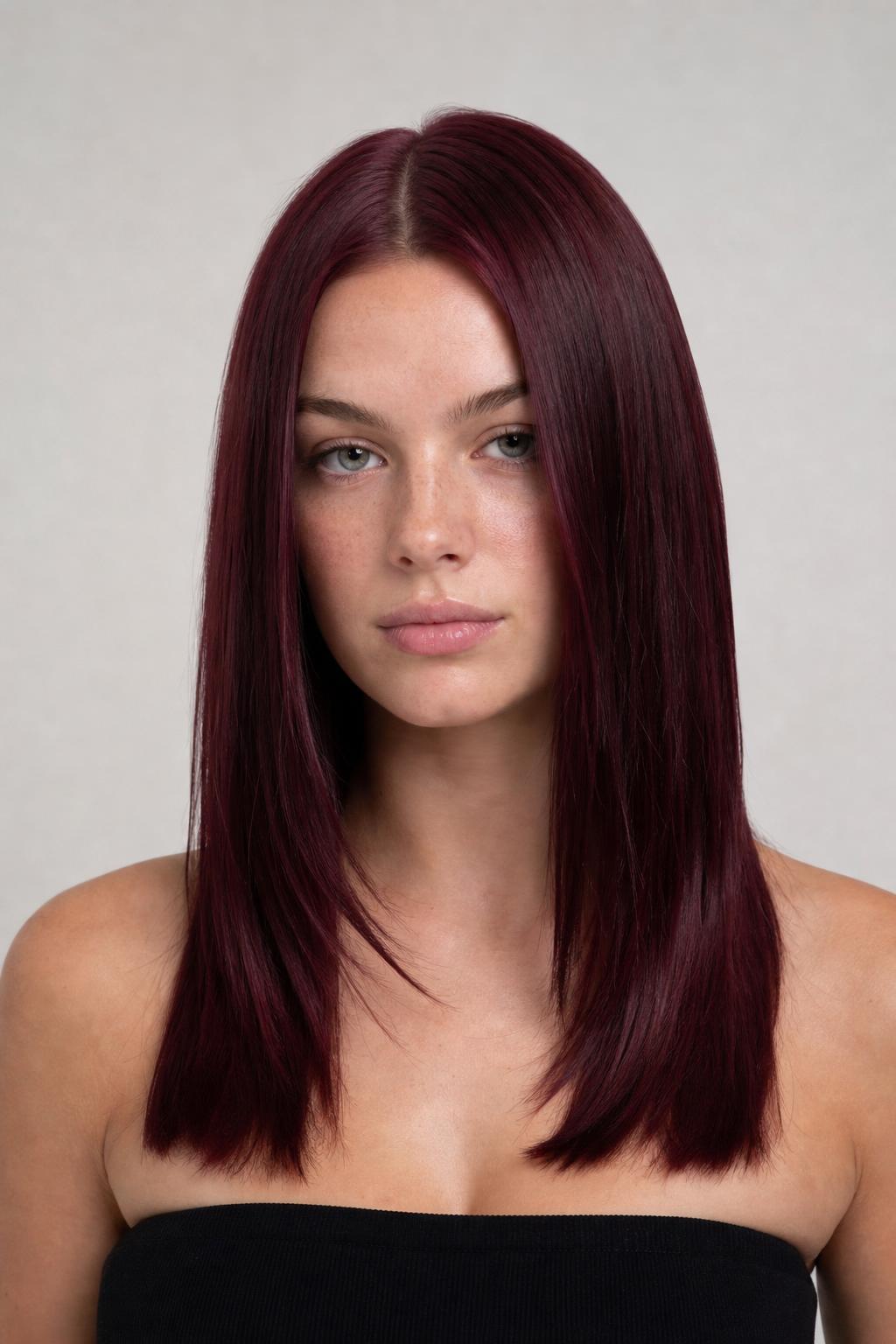
5. Cinnamon-Cherry Mahogany for Warm Skin
Warm and golden complexions are the exception that gets a warmer cherry, and a cinnamon-cherry mahogany brings just enough red-brown warmth to flatter them. This is the one variation that leans away from the cool-burgundy rule, trading a little of the wine tone for a spicy mahogany that harmonizes with golden skin. It still stays deep and dimensional, never bright, so it keeps the grown-up feel of chocolate cherry.
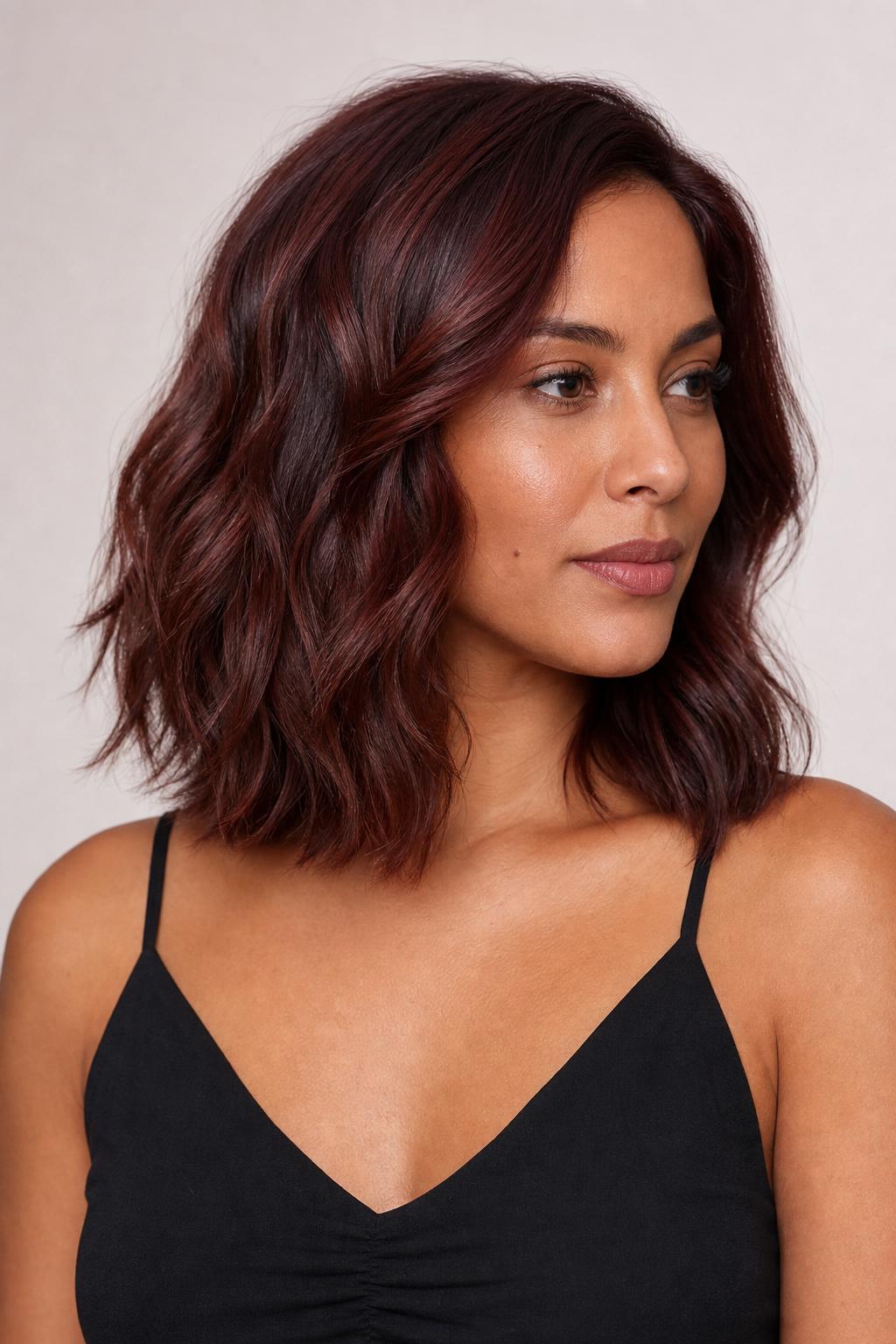
Balayage and Dimensional Cherry
Adding highlights, lowlights, or hand-painted balayage turns a flat cherry into a dimensional one that moves with the light. Placement here does the heavy lifting, deciding whether the cherry looks like a subtle brunette secret or a full berry statement. These variations suit anyone who wants their color to shift and glow as they move rather than staying one solid tone.
6. Chocolate Cherry Balayage on a Chestnut Base
Hand-painted burgundy ribbons swept through a medium chestnut base give the softest, most natural version of chocolate cherry. Because balayage skips the root, regrowth stays invisible for months, which makes this the low-commitment entry point into the shade. The chestnut base warms the overall effect slightly, so it splits the difference for neutral complexions unsure whether to go fully cool.
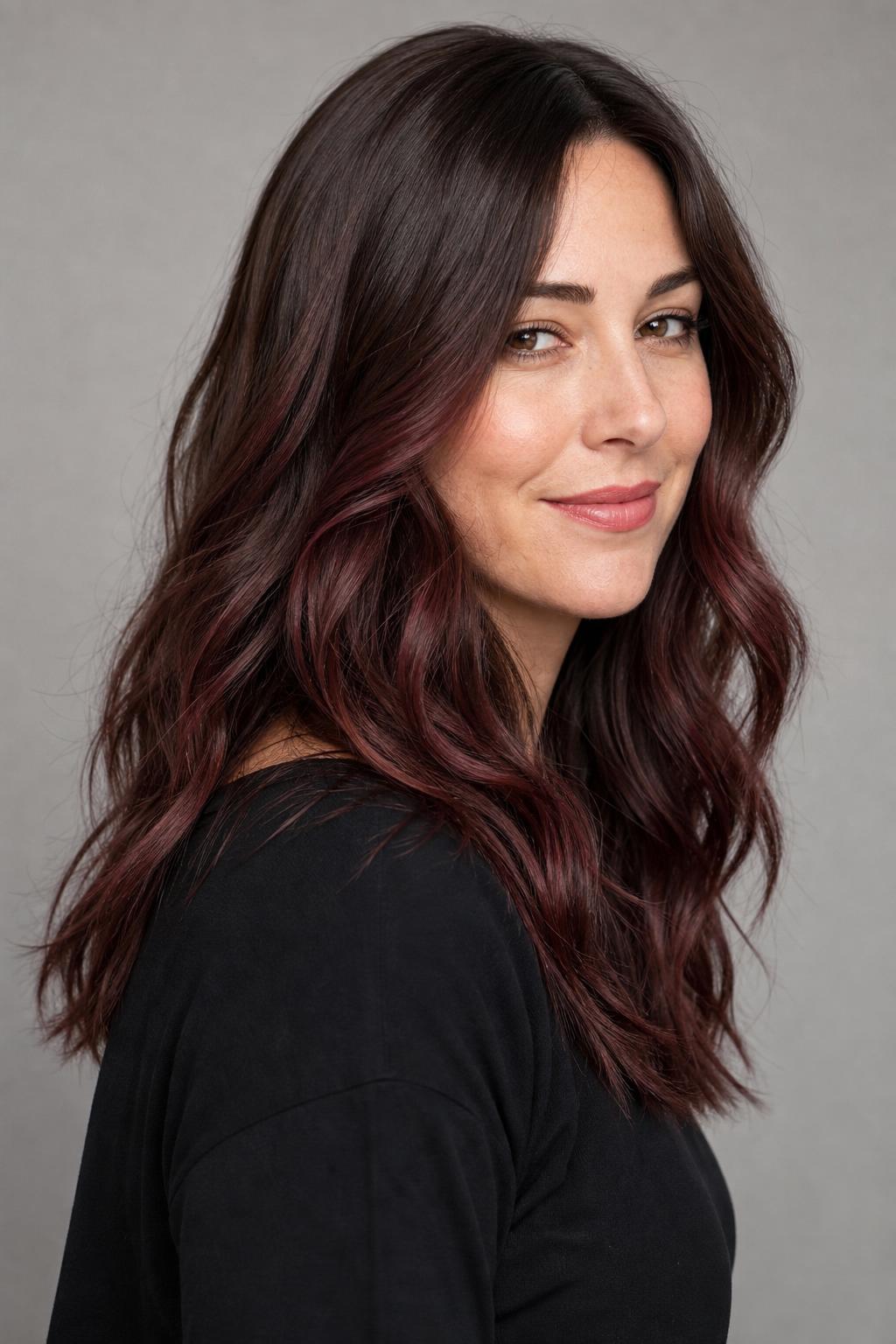
7. Cherry Babylights on Deep Brunette
Fine cherry babylights woven through a deep brunette base add a whisper of red that you catch more in movement than in a still mirror. The thinness of each piece keeps the effect subtle, ideal for a first-timer who wants to test red without committing to an all-over change. On brunettes who have never colored before, this is the gentlest introduction, and it grows out with no harsh line.
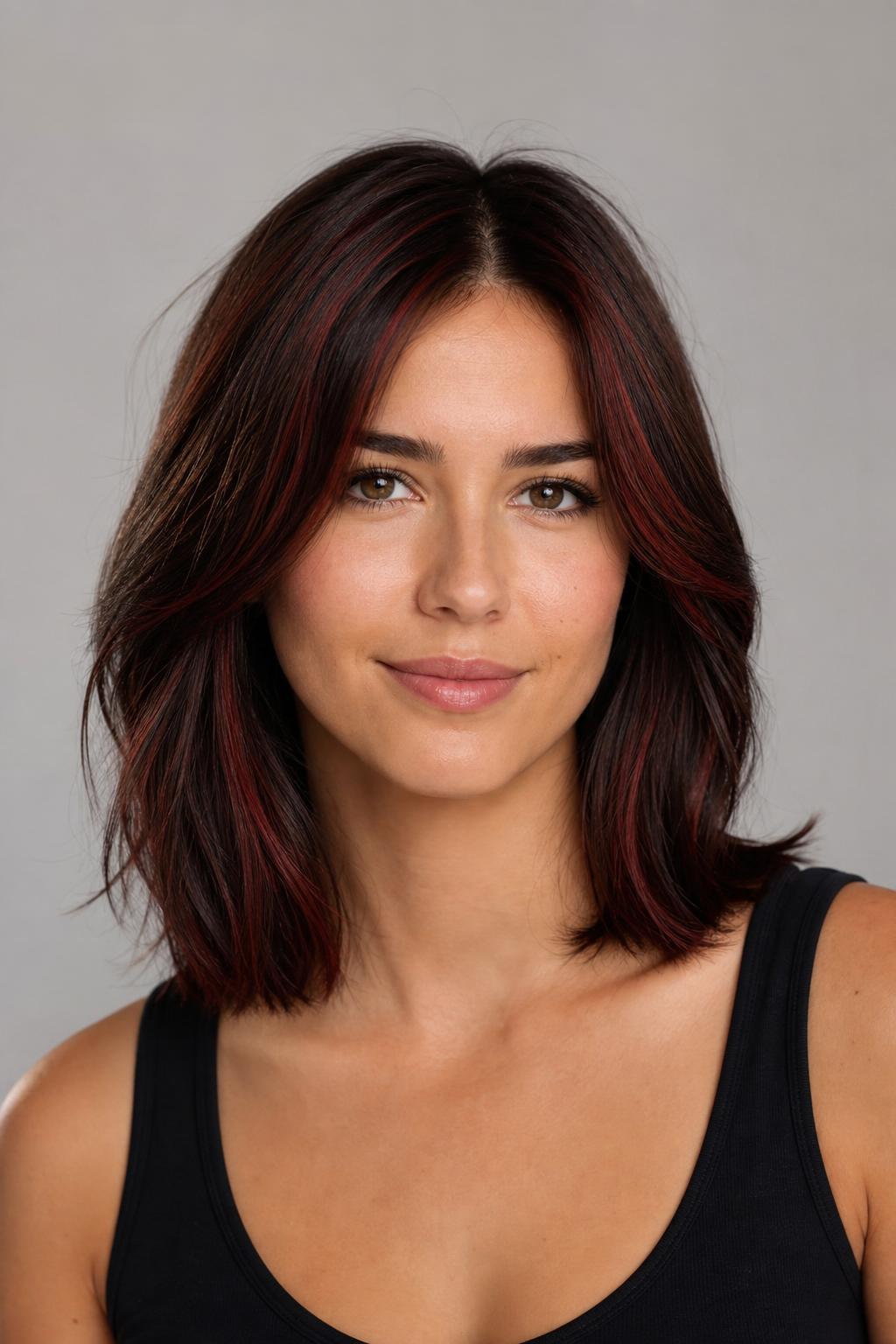
8. Foilyage Cherry on Wavy Hair
Foilyage boosts hand-painted sections inside foils so the cherry lifts brighter and more vivid than balayage alone can manage on stubborn dark hair. On wavy hair the extra brightness pops at every bend of the wave, multiplying the dimension. This technique needs a colorist comfortable with foils and freehand painting together, so confirm they offer foilyage before booking.
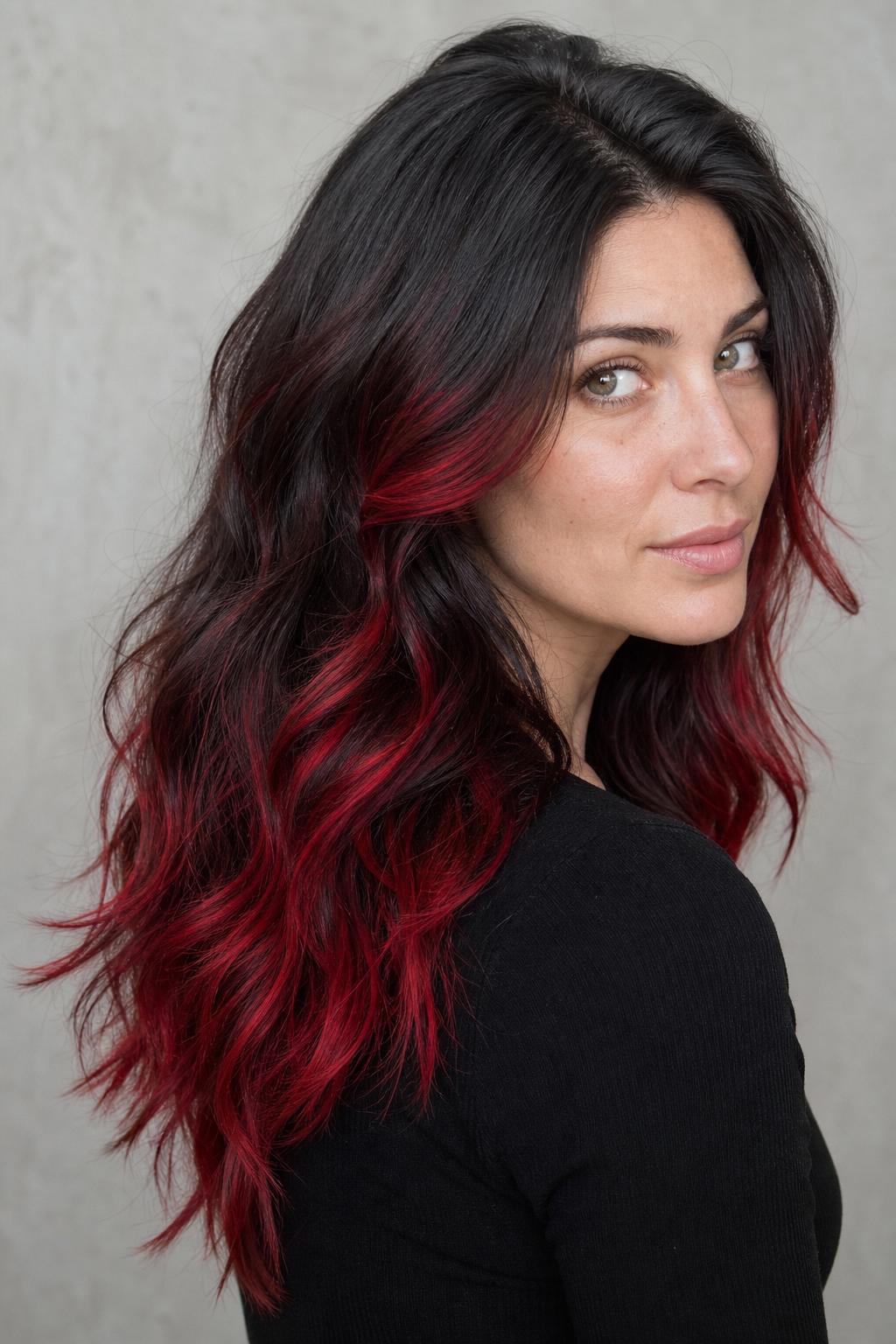
9. Cocoa Brown with Cherry Lowlights
Working in the opposite direction, deep cherry lowlights dropped into a cocoa-brown base rebuild richness and add wine-dark depth rather than brightness. This is the move for anyone whose brown has gone flat or over-highlighted and wants dimension without going lighter. The lowlights also stretch time between salon visits, since the added depth disguises regrowth at the root.

10. Chocolate Cherry Teasylights for Seamless Grow-Out
Teasylights backcomb the root of each section before color is applied, blurring the top of every cherry piece so it melts into the base with no hard start. The result grows out so gently that many people stretch to four months between appointments. If a soft, lived-in cherry with the easiest possible upkeep is the goal, this technique beats traditional foils.
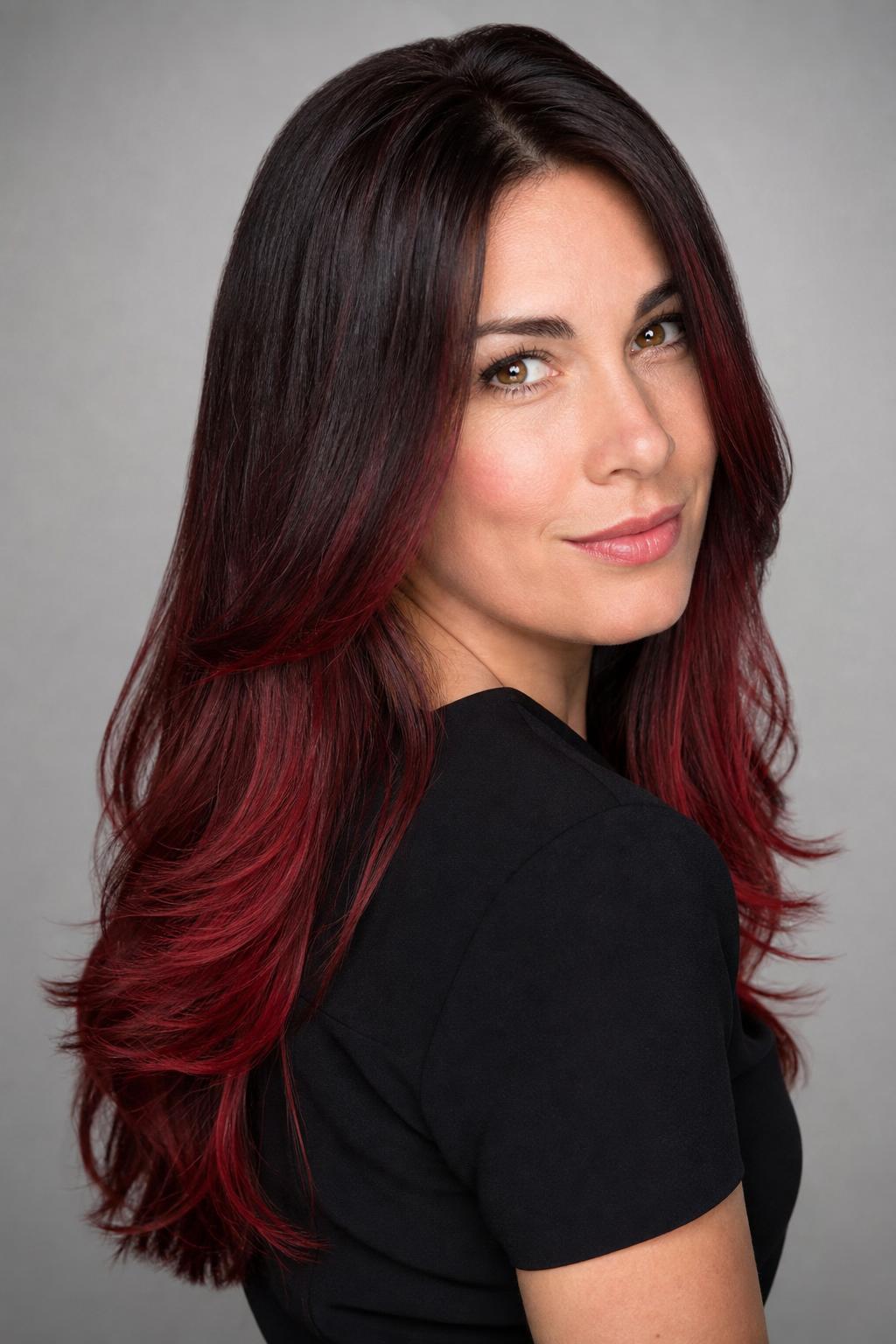
Rooted, Melted, and Ombre Cherry
Gradient techniques keep the darkness at the root and let the cherry build toward the ends, which is both flattering and practical. Because the root stays dark, these variations grow out with almost no visible line, and the darker top anchors the brighter color below. This section suits anyone who wants a noticeable cherry payoff at the ends while keeping salon trips infrequent.
11. Root Melt from Chocolate to Cherry Ends
A seamless root melt blends a chocolate-brown root down into cherry mid-lengths and ends with no line of demarcation, using the same blended logic as color melting. The dark root keeps the look grounded and low-maintenance while the ends carry the wine tone. Ask for the melt to start high, around the cheekbone, so the cherry has room to build gradually.
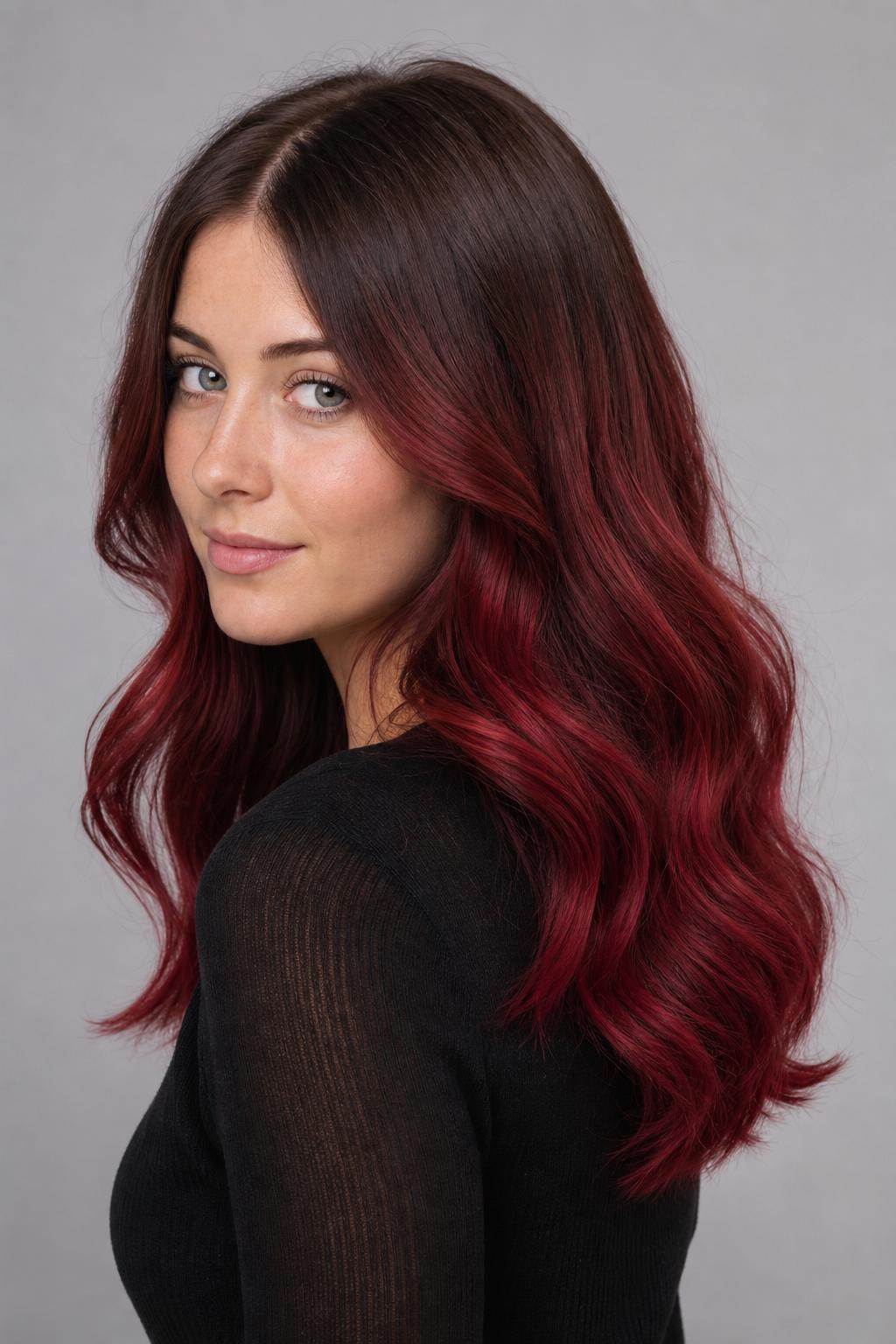
12. Velvet Sangria Shadow Root
Sangria falls at the deeper, purple-leaning end of cherry, and pairing it with a soft shadow root gives a velvety, dimensional finish. The shadow root is a smudge of darker color at the scalp that makes the sangria mid-lengths look even richer by contrast. Style it with a loose wave to show the depth shift from root to end.
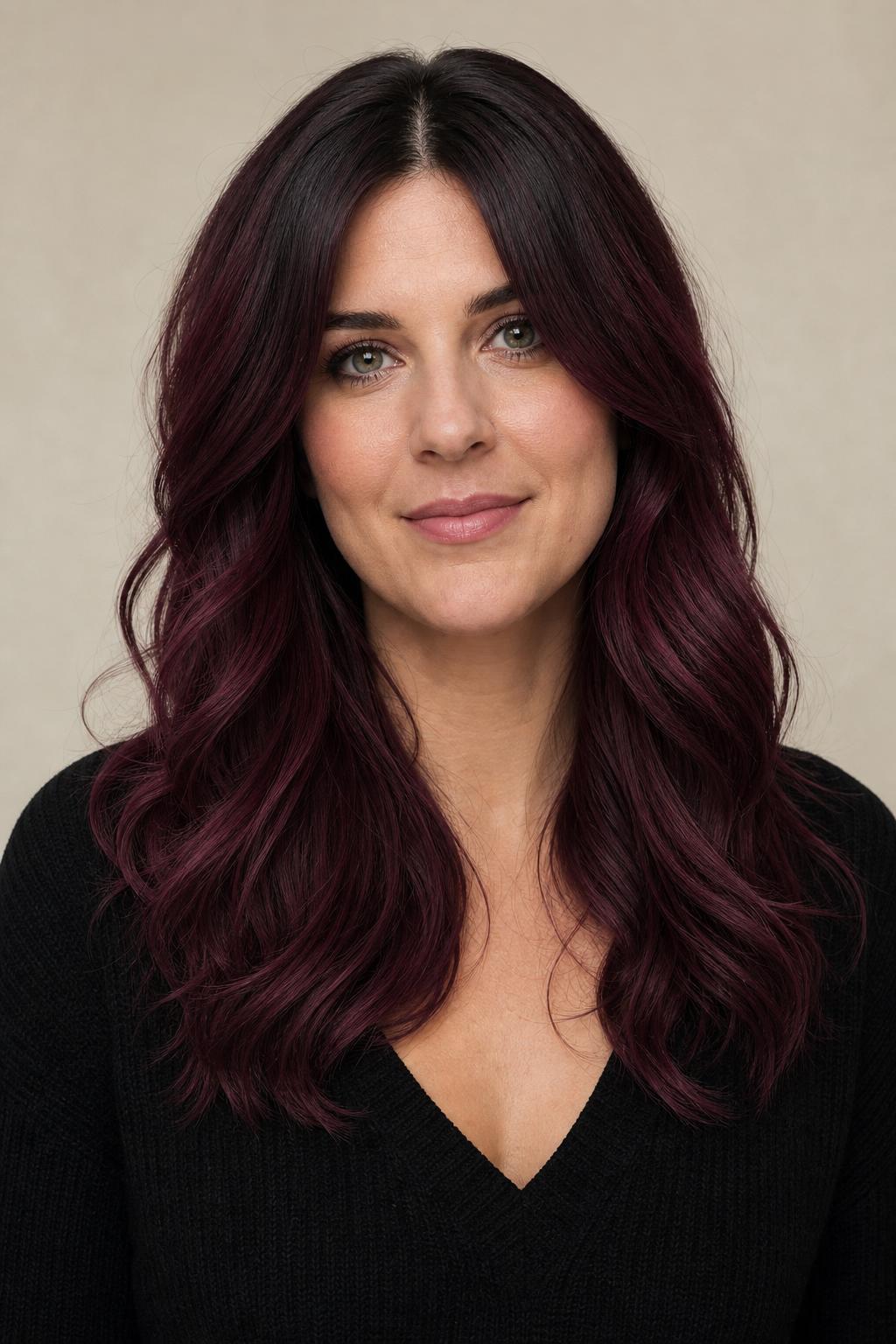
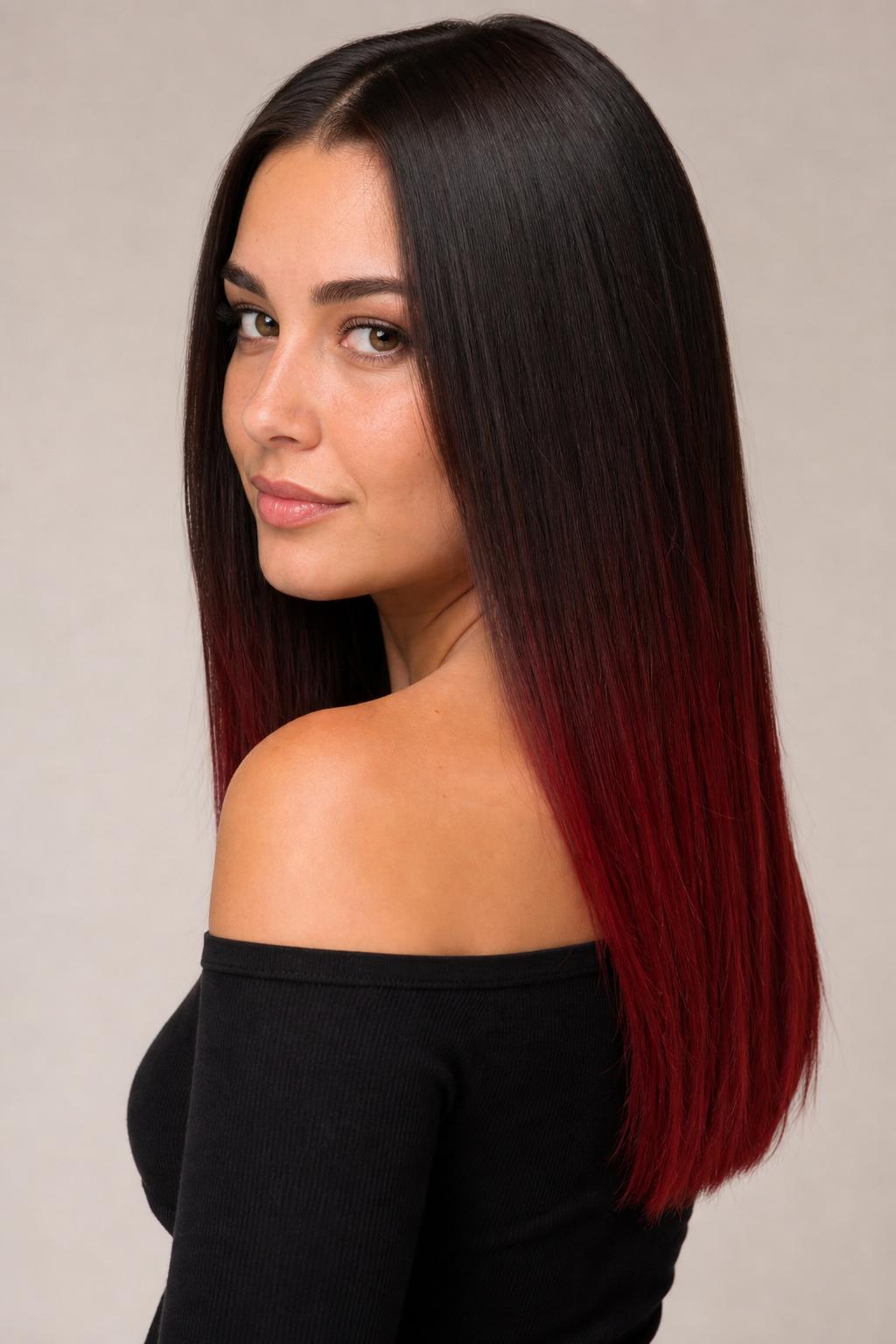
13. Cherry Cola Ombre on Straight Hair
On sleek straight hair, a cherry cola ombre from dark chocolate roots to cherry-red tips gives a clean vertical gradient that the smooth finish shows off crisply. Straight hair reveals every tonal shift, so the transition needs to be blended carefully to avoid a stripe. A flat iron and a shine serum keep the gradient looking polished and glassy.
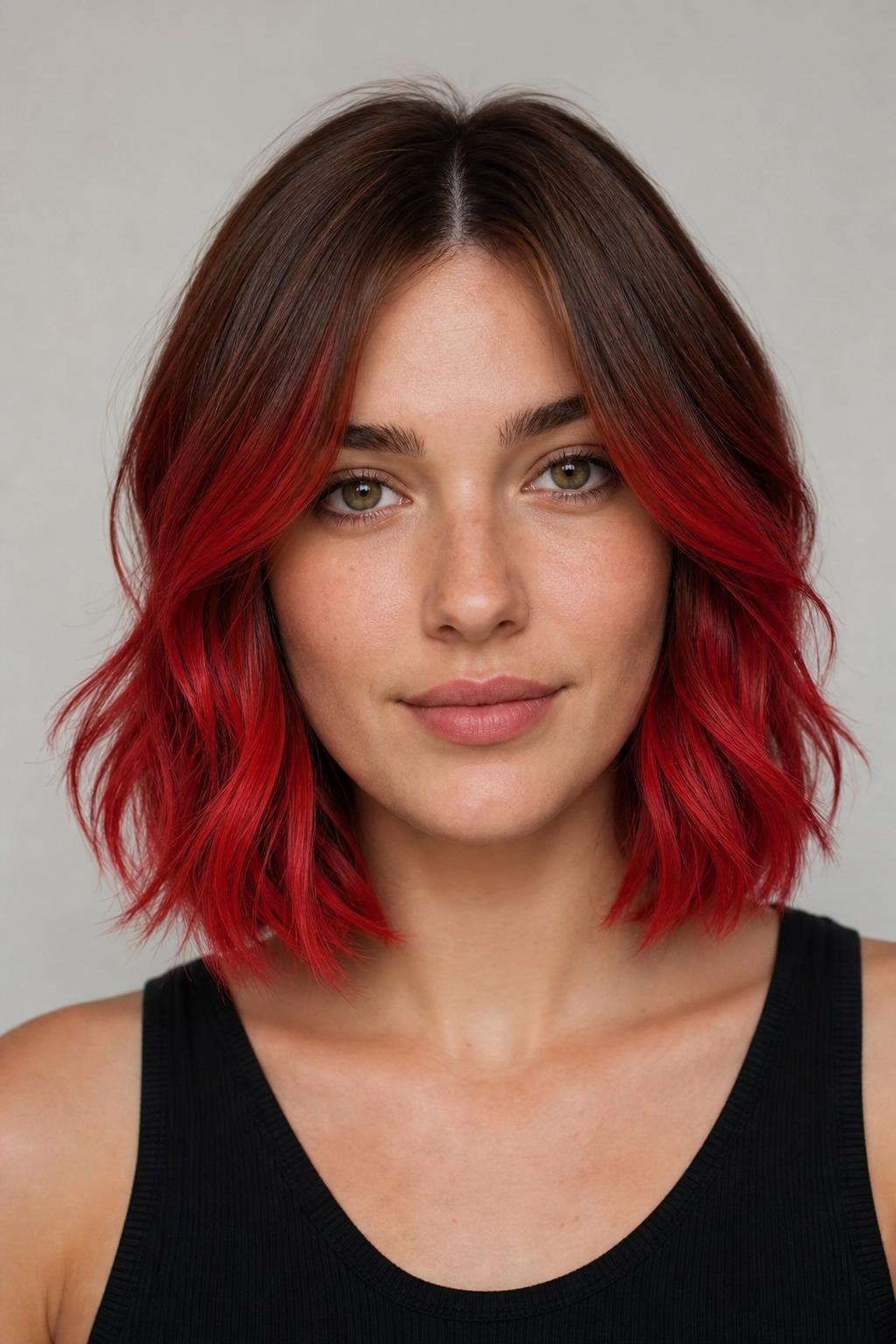
14. Bright Cherry Melt on a Lighter Base
Starting from a lighter level 5 base lets the cherry come through brighter and more vivid than it ever could on near-black hair. This is the vibrant end of the collection, for anyone who wants their cherry loud rather than whispered. Be honest with yourself about upkeep first, because a bright cherry on a lighter base is the fastest-fading version here and asks for the most frequent refreshing.
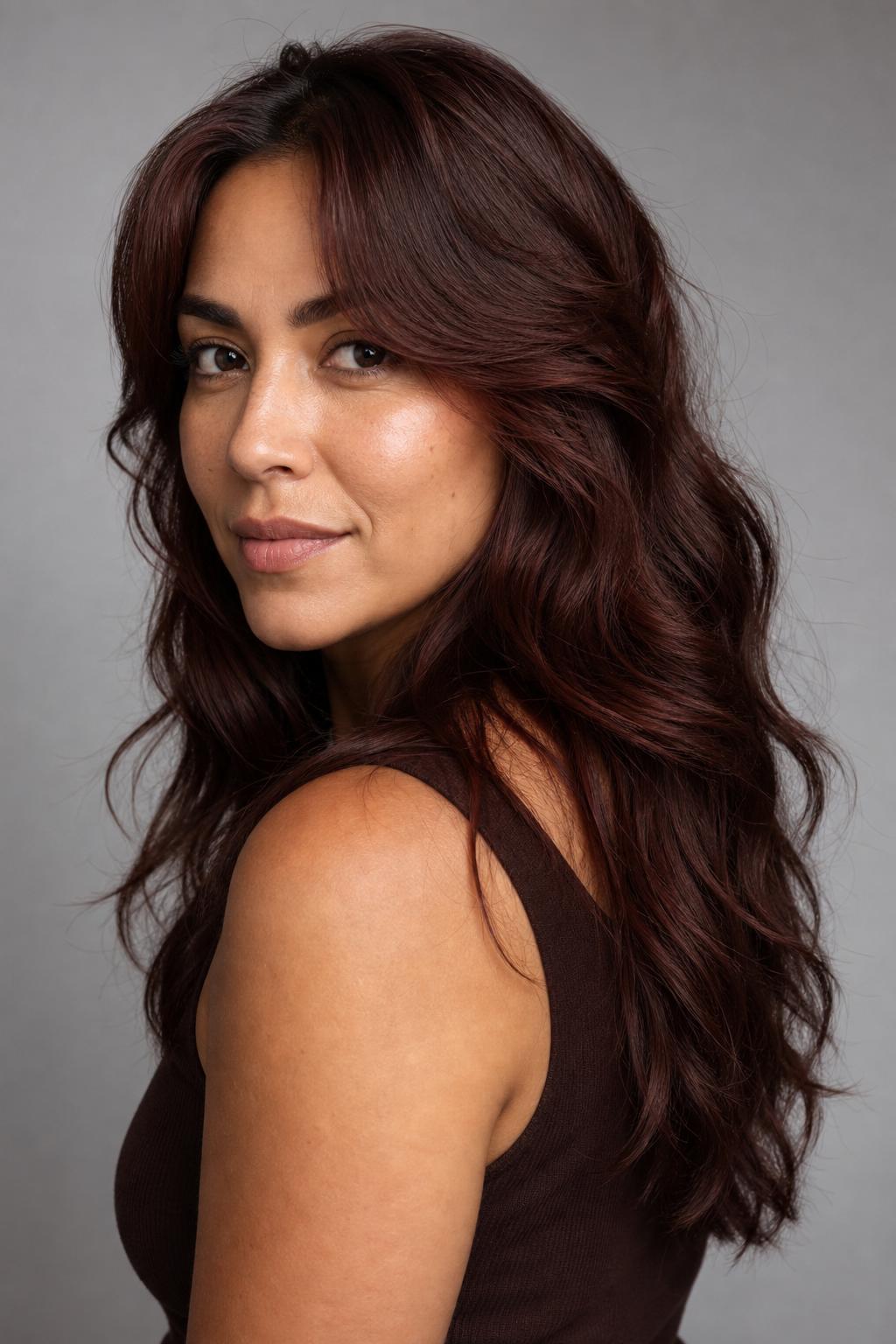
15. Soft Cherry Mahogany on Olive Skin
Olive complexions can get lost under a high-contrast cherry, so a soft, muted cherry mahogany with less brightness keeps the skin from looking washed out. Lowering the contrast between hair and skin is the trick that makes red work on olive tones. Ask your colorist to mute the cherry with a touch of brown so the shade stays low-key and harmonious.
Face-Framing and Hidden Cherry
Concentrating the cherry where you choose, whether at the face or tucked underneath, lets you control exactly how much red shows and when. These placements are the most versatile in the collection, offering a pop of color that you can feature or hide depending on how you style. They suit anyone who wants flexibility more than an all-over commitment.
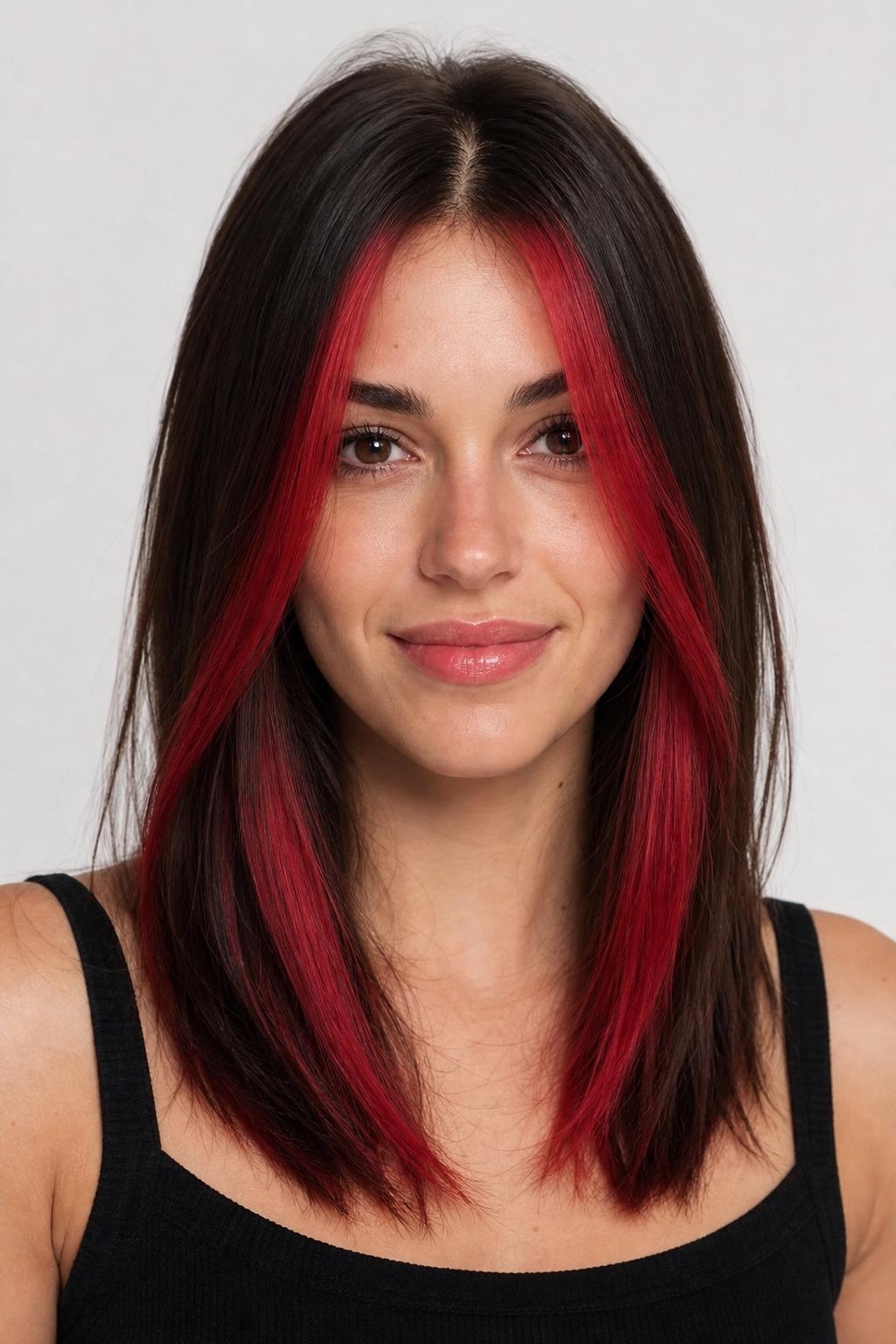
16. Money Piece Cherry on Dark Brown
Two brightened cherry money-piece sections at the front frame the face in wine tone while the rest stays a solid dark brown. The concentrated brightness draws the eye to your features and gives a low-effort way to wear cherry without an all-over change. Because only the front pieces are colored, refreshing is quick and inexpensive compared to a full head.
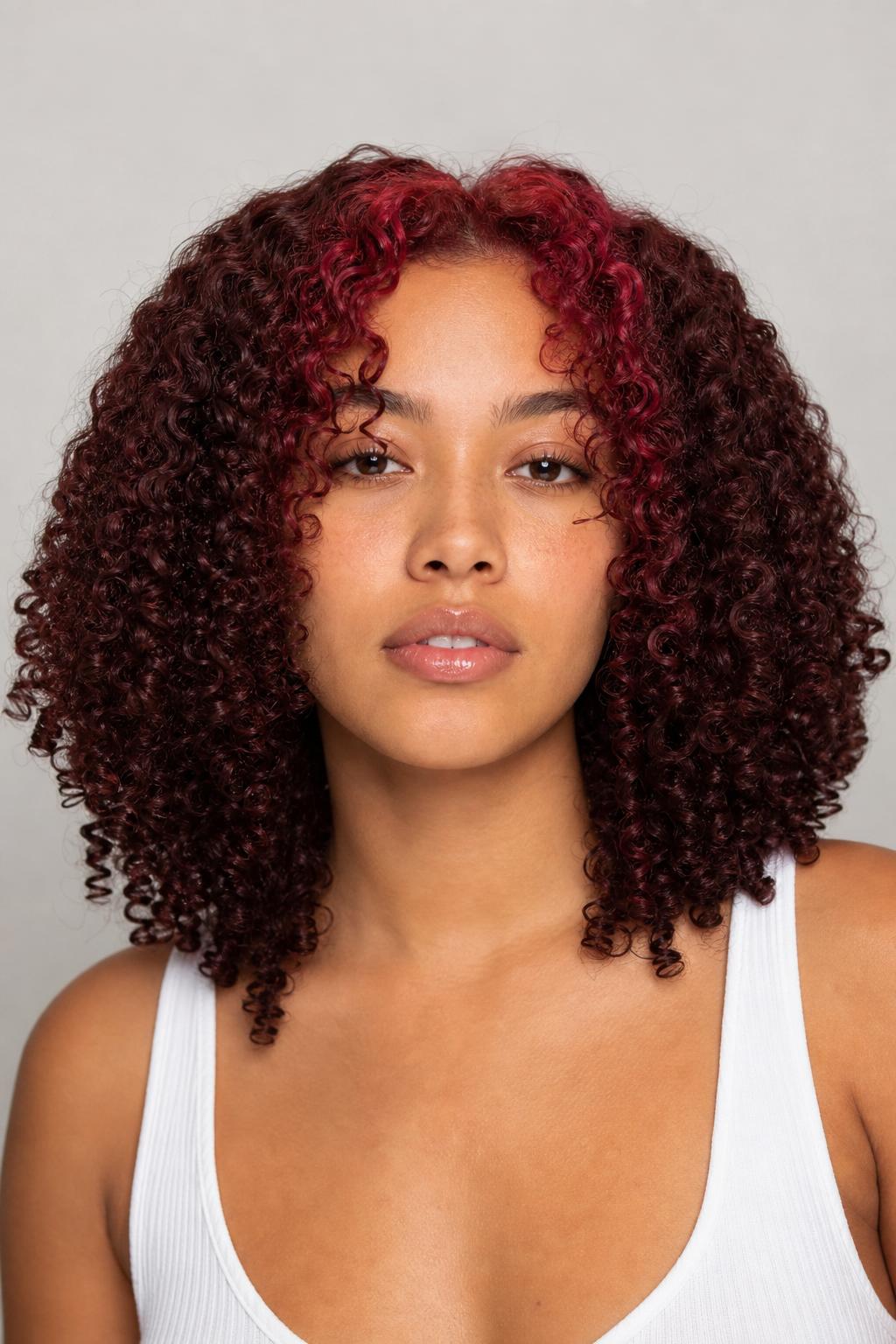
17. Deep Cherry Curls with a Brightened Face Frame
On curly hair, a deep cherry all-over with slightly brighter cherry pieces around the face lights up the curl pattern where it matters most. Curls should be colored while dry so the colorist can place the brighter face-framing pieces exactly where each coil will spring. The face frame gives definition and brightness to the front curls without lightening the whole head.
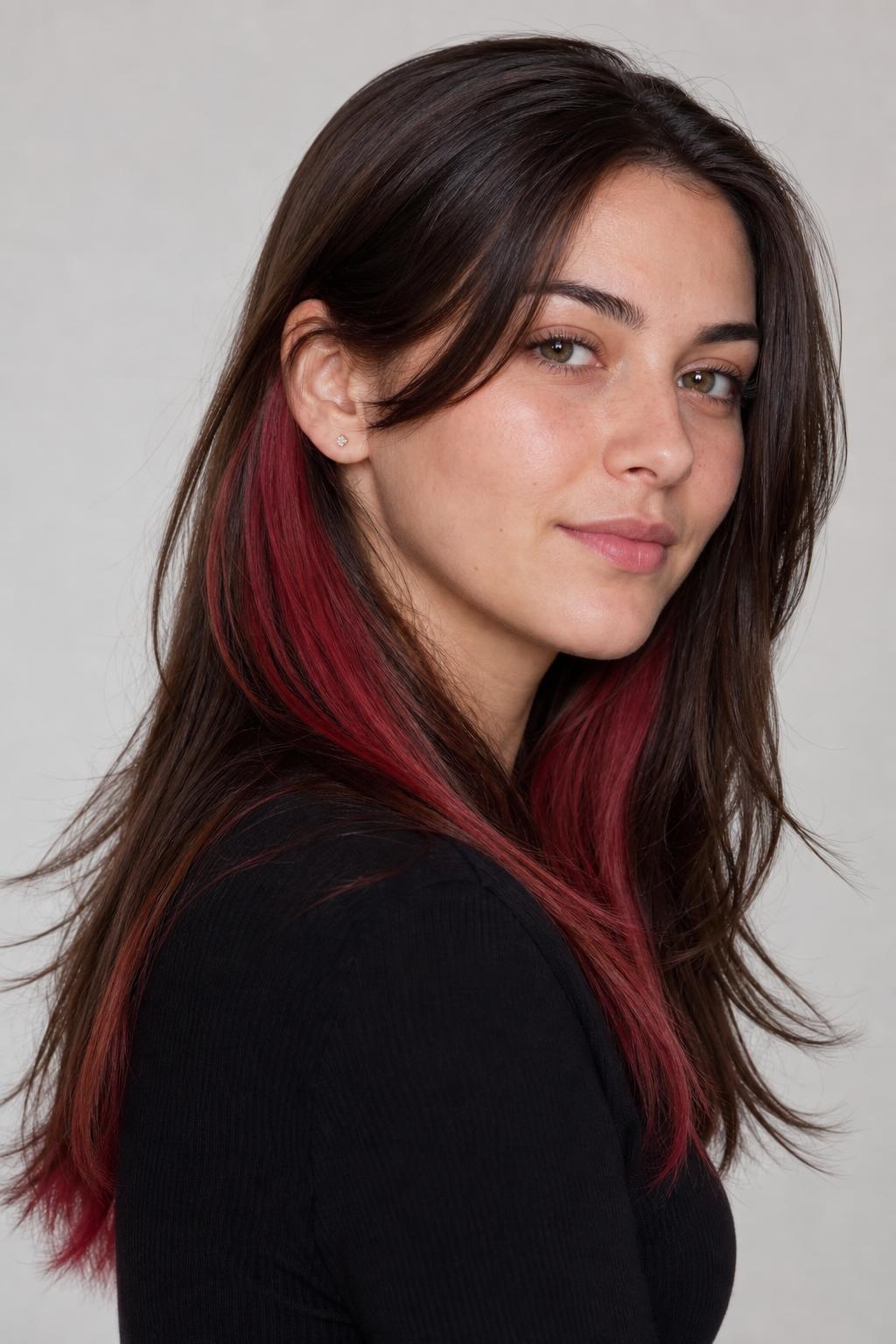
18. Cherry Chocolate Peekaboo Underlayer
A hidden cherry panel in the underlayer keeps the top a conservative dark brown until you move or tie your hair up, when the wine tone flashes through. This is the go-to for anyone whose workplace prefers a low-key color most days but who wants a secret pop on demand. Wear it down for brunette, throw it up for cherry.
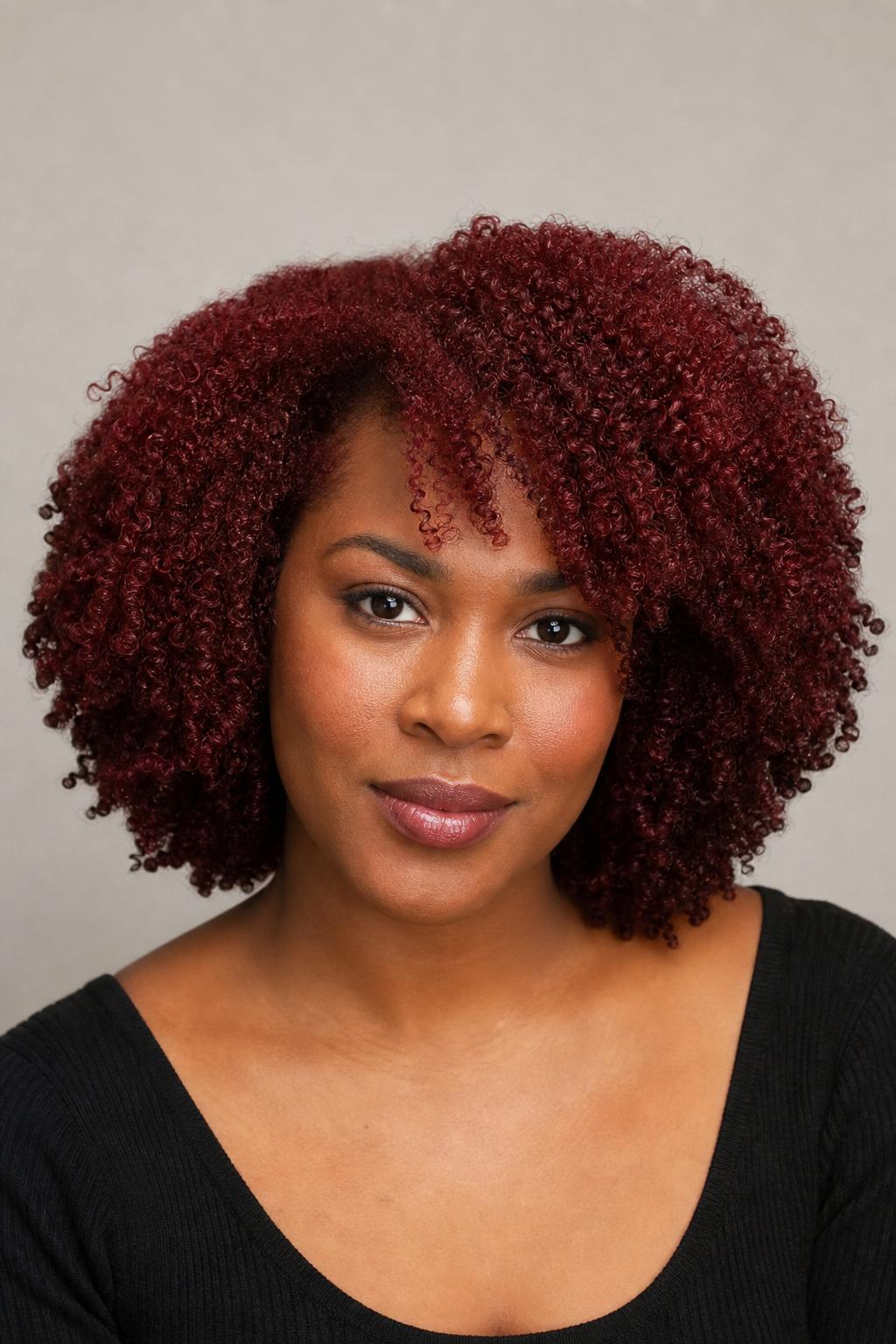
19. Garnet Cherry on Coily Textured Hair
Saturated garnet cherry on natural coily hair delivers a jewel-toned depth that suits type 4 texture beautifully, since coils reflect the deep red in small facets across the head. A low-lift, deposit-only formula protects the fragile coil structure while flooding it with rich color. Seal each wash with a color-safe conditioner to keep the garnet from dulling on high-porosity hair.
20. Chocolate Cherry Curtain Bangs on a Lob
A collarbone lob with curtain bangs in an all-over chocolate cherry gives the shade a modern, face-flattering frame. The curtain bangs open around the cheekbones and catch the cherry tone right at eye level, where it brightens the face. This pairing suits round and heart faces, where the parted fringe adds length and the wine tone warms the complexion.

Cherry on Statement Cuts
A bold shade on a strong cut amplifies both, and chocolate cherry has the depth to make a blunt bob or sleek pixie look deliberate and expensive. The high shine of a well-glossed cherry shows off sharp lines, since solid color and clean edges flatter each other. These variations suit anyone whose cut is already a statement and wants color to match its confidence.
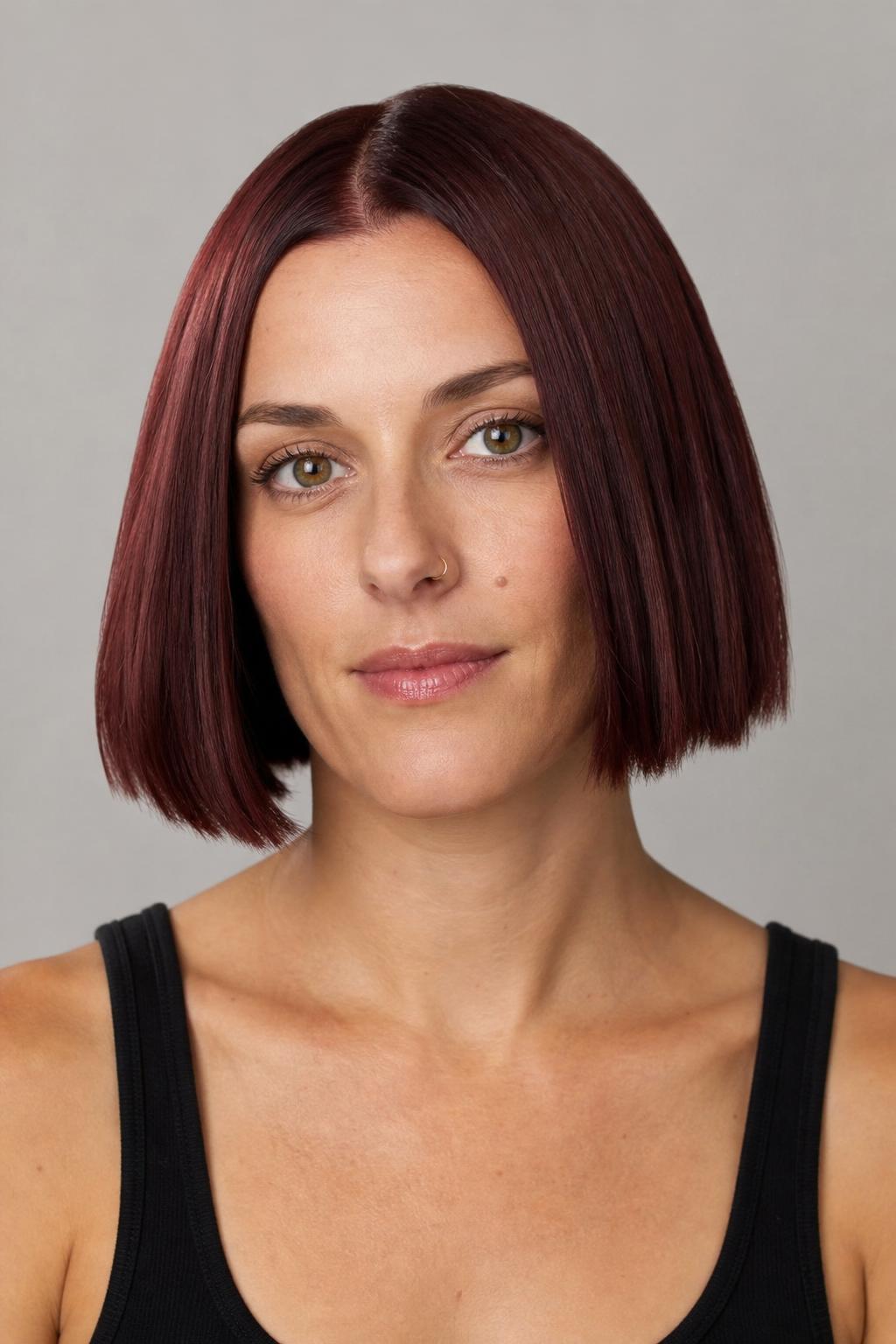
21. Burgundy-Leaning Oxblood Bob
A blunt chin-length bob in deep oxblood pushes chocolate cherry to its coolest, most wine-dark corner. Oxblood is a burgundy so deep it almost passes for brown until the light hits, which makes it office-appropriate with an edge. The blunt cut and glossy oxblood tone together give a sharp, polished finish that suits burgundy lovers who want restraint.
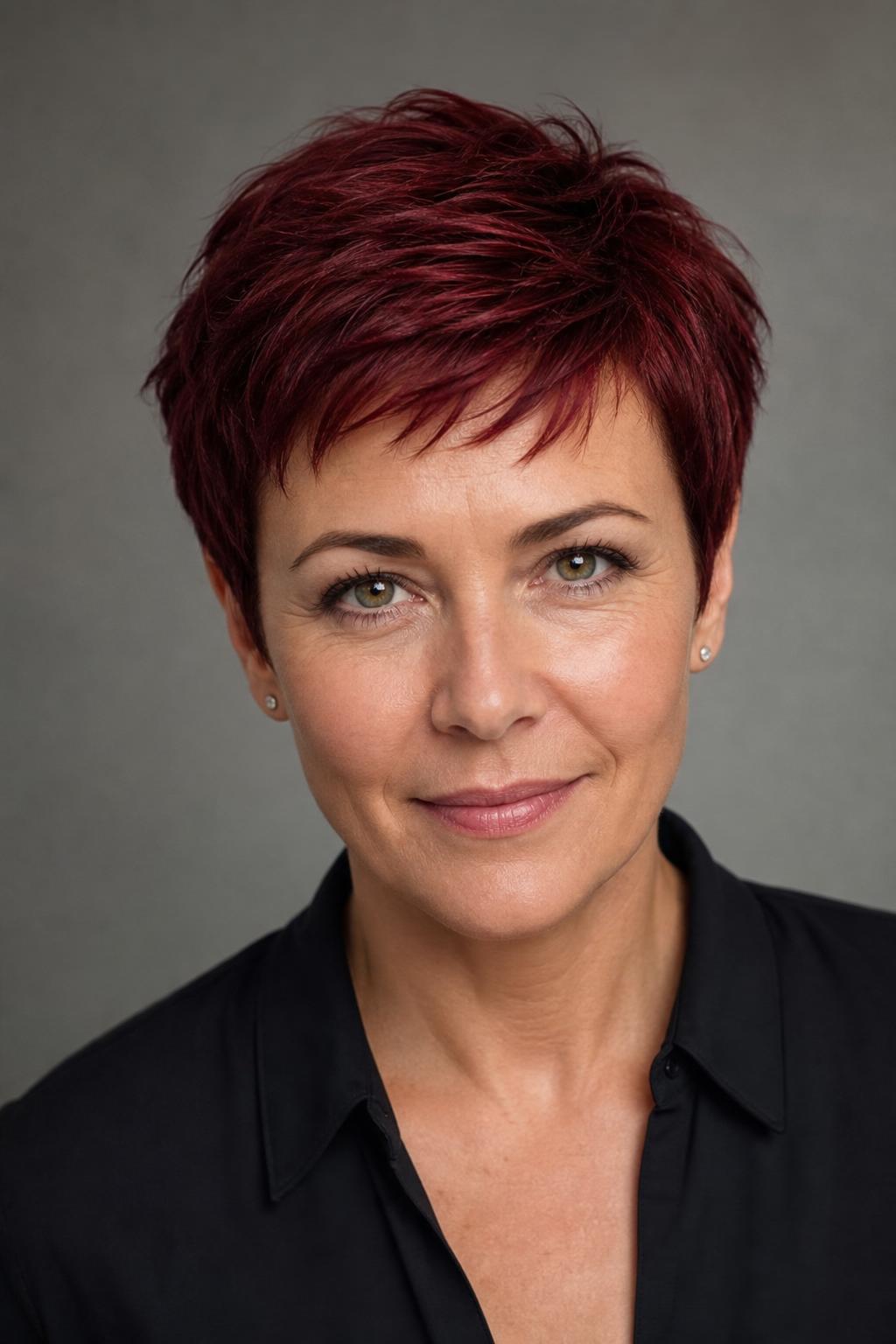
22. Dark Cherry Pixie with High-Shine Gloss
A cropped pixie in dark cherry with a high-shine gloss turns a short cut into a color statement, since every strand catches the light on such a compact shape. The gloss is what makes this work, flooding the short hair with the shine that keeps cherry looking healthy rather than flat. Pixies show color fade fastest because you see the roots and ends at once, so a gloss refresh every few weeks keeps it sharp.
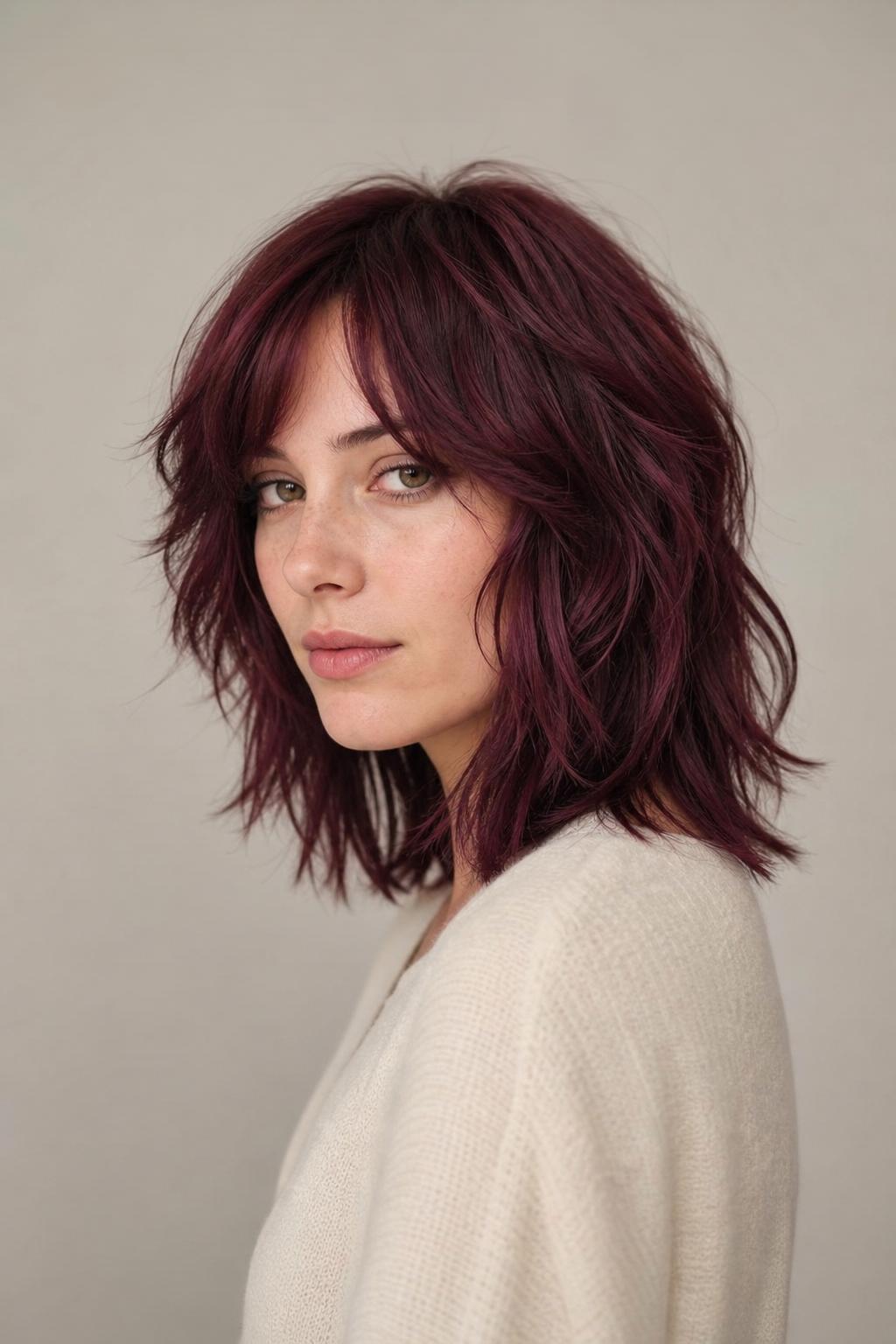
23. Plum-Cherry Mid-Length Shag
A modern shag with plenty of texture takes plum-tinted cherry and turns the color into movement, since the layers scatter the plum tone through the shape. Plum pushes cherry toward the purple family, a cooler and more fashion-forward direction than a true red-brown. The shag layering keeps the deep color from looking heavy, letting it feel light and lived-in.
24. Wine-Red Sleek Blunt Cut
A one-length blunt cut in cool wine-red, styled poker-straight and glassy, is the most graphic way to wear chocolate cherry. The blunt perimeter and high-gloss finish make the wine tone look almost liquid. This works best on healthy, thick hair that can hold a heavy blunt line, since fine hair can look sparse at a solid blunt edge.

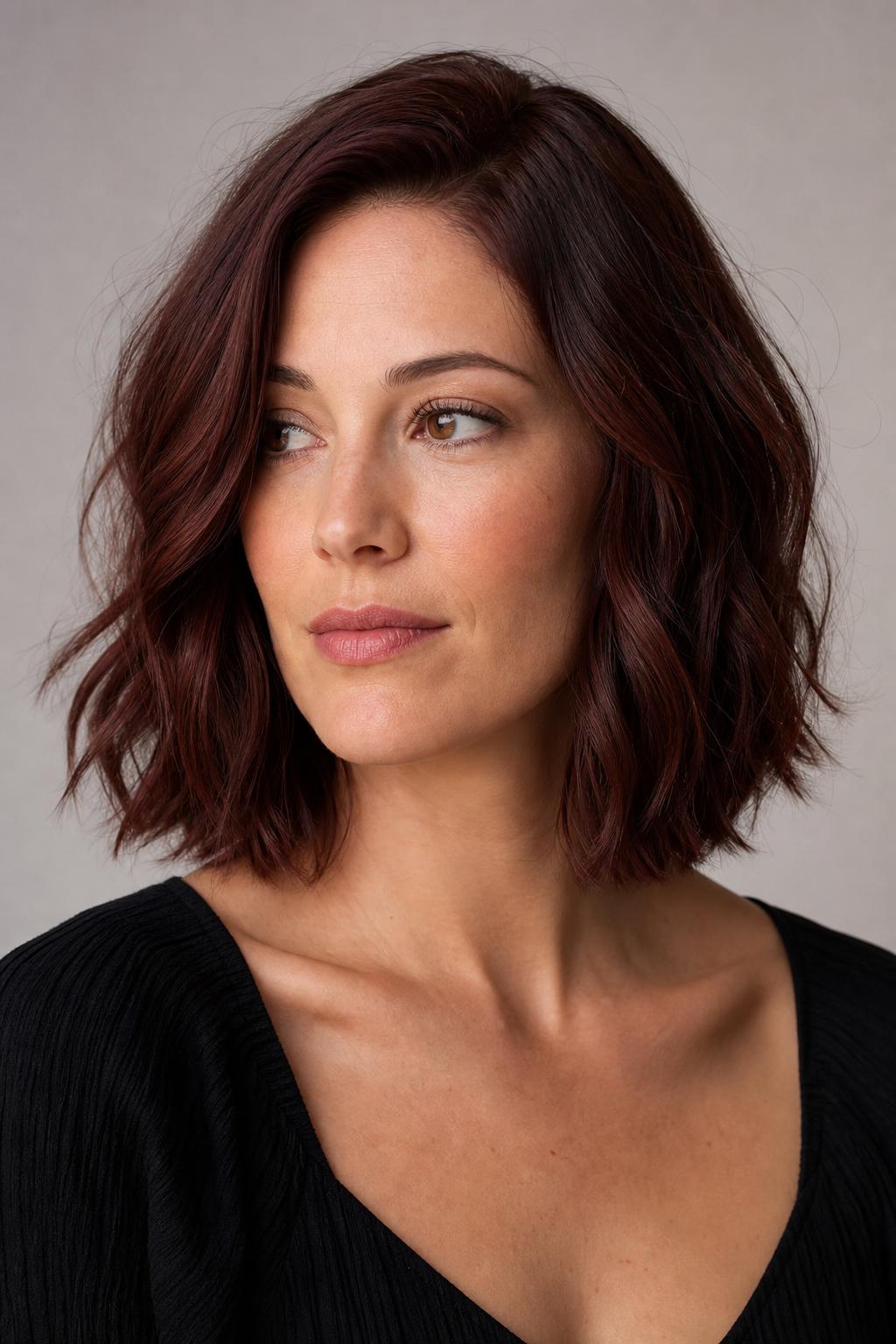
25. Cherry Cola Lob with Soft Waves
A collarbone lob in cherry cola, finished with soft waves, is the most everyday-wearable variation in the collection. The wave breaks up the solid color into light and shadow, giving easy dimension without any highlighting. This is the version to bring your colorist if you want chocolate cherry to look effortless rather than done.
Is Chocolate Cherry Warm or Cool?
Most articles call chocolate cherry a warm shade, but true chocolate cherry is built on a cool red-violet base, which is why it flatters cool and neutral complexions so easily. The confusion comes from the brown in the mix, which softens the red enough that people assume warmth. The practical takeaway is that you can steer the shade cooler or warmer at the toner stage, so match the tone to your undertone using the guide below.
| Skin Undertone | Best Cherry Direction | Tone to Avoid |
|---|---|---|
| Cool (pink, blue undertone) | Violet-based maroon, black cherry, oxblood | Cinnamon and copper-leaning cherry |
| Neutral | Cherry cola, ruby mocha, balayage cherry | Very bright candy-red cherry |
| Warm (golden undertone) | Cinnamon-cherry mahogany, soft cherry | Stark blue-violet black cherry |
| Olive | Muted low-contrast cherry mahogany | High-contrast bright cherry |
Chocolate Cherry Compared to Mahogany and Burgundy
Chocolate cherry, mahogany, and burgundy get used interchangeably, but they are three different places on the red-brown map, and knowing the difference saves you from a miscommunication in the chair. Chocolate cherry is a brown base with cool cherry-red tone; mahogany is a warmer red-brown with more visible warmth; burgundy is a deeper, more purple wine tone with less brown. Use this table to point your colorist toward the exact one you mean.
| Shade | Base and Tone | Best For |
|---|---|---|
| Chocolate Cherry | Dark brown base, cool cherry-red tone | Wearable depth with a cool wine glow |
| Mahogany | Red-brown with visible warmth | Warm complexions wanting a spicier red-brown |
| Burgundy | Deep purple-wine, little brown | Bolder color with cooler, jewel-toned depth |
What to Tell Your Colorist
The clearest request names three things: your base level, the cherry direction, and a guardrail against the wrong tone. Try: “I want a chocolate cherry, a level 3 to 4 brown base with a cool cherry-red tone. Keep it burgundy-leaning, no visible orange and no bright candy red.” Then name the technique from the gallery, whether all-over, balayage, or a root melt, so the colorist can quote the time and price accurately.
If your hair is very dark or black, mention it, because revealing red on a deep base sometimes needs a stronger developer to lift the natural pigment enough for the cherry to show. Bring a photo taken in natural daylight, since cherry looks completely different under warm indoor bulbs. Point out whether you are drawn to the shade in shade or in direct sun, because that tells the colorist how bright to build it.
Stylist tip: Ask for a deposit-only demi-permanent gloss rather than a permanent color if you are testing chocolate cherry for the first time. It floods the hair with tone and shine, fades softer with no harsh regrowth line, and lets you adjust the shade at your next visit instead of committing to a permanent formula you cannot easily change.
How to Keep Chocolate Cherry from Fading
Red is the hardest hair color to hold onto, because the red pigment molecule is larger than others and rinses out of the cuticle faster with every wash. That is why a fresh chocolate cherry looks its most vivid in the first two weeks and gradually softens toward a warmer, lighter red as the pigment leaves. Slowing that fade is entirely about washing less, washing cooler, and depositing pigment back in between salon visits.
| Stage | What Happens | What to Do |
|---|---|---|
| Fresh (week 1 to 2) | Most vivid, deepest cherry | Wait 72 hours before first wash; use cool water |
| Softening (week 3 to 4) | Tone lightens, warmth creeps in | Start a color-depositing conditioner weekly |
| Faded (week 5 to 6) | Noticeably lighter, less depth | Book a gloss refresh to rebuild tone |
| Grow-out (week 8 plus) | Root regrowth shows on all-over color | Full color or root touch-up as needed |
Stylist tip: Match the color-depositing conditioner to your cherry direction, using a red-toned one for warmer cherry and a cool red-violet one for burgundy-leaning shades. Leave it on for the full recommended time in the shower once a week, and it replaces the pigment that washing strips out, which can add weeks of vividness between gloss appointments.
When Chocolate Cherry Is Not the Right Choice
Chocolate cherry is one of the most wearable bold shades, but it is not the right call for everyone, and knowing when to skip it saves an expensive correction.
- Very light natural or blonde hair: going cherry from light hair needs a color deposit that fades unevenly and demands heavy upkeep. A gentler dark red on darker hair holds far better.
- Low-maintenance seekers: red fades faster than any other shade, so if you will not do cool rinses and color-depositing conditioner, a solid brunette keeps you happier.
- Warm-yellow undertones chasing bright cherry: a stark cool cherry can clash with strongly yellow-warm skin. Choose the cinnamon-cherry mahogany or a warmer dark brown with subtle red instead.
- Anyone wanting a totally cool, no-red brunette: if red is not your goal at all, a frosted espresso gives cool dimension with zero warmth.
FAQ
What Is Chocolate Cherry Hair Color?
Chocolate cherry is a dark brown base, usually a level 3 to 4, infused with a cool cherry-red or burgundy tone that glows wine-red in the light. The brown keeps it deep and wearable while the red-violet gives it dimension and a jewel-like quality. It looks near-brown in low light and flashes cherry in sunlight, which is the effect that makes it so popular.
Is Chocolate Cherry Hair Warm or Cool Toned?
True chocolate cherry is cool-toned, built on a red-violet base rather than a warm copper-red one, even though the brown in the mix makes many people assume it is warm. You can nudge it warmer with a mahogany direction or cooler with a burgundy one at the toner stage. For most complexions the cool version is the more flattering and modern choice.
Can I Get Chocolate Cherry Hair Without Bleaching?
Yes, most brunettes can go chocolate cherry with no bleach, because the shade is a deposit of tone over a dark base rather than a lift to a lighter color. Very dark or black hair may need a stronger developer to reveal the red, but that is different from bleaching. Only a bright cherry on a lighter base calls for any pre-lightening.
How Long Does Chocolate Cherry Hair Last Before It Fades?
Chocolate cherry stays vivid for about two weeks, softens noticeably by week four, and looks clearly faded around week six, because red pigment washes out faster than any other color. Washing less often, using cool water, and applying a color-depositing conditioner weekly can stretch that timeline by several weeks. A gloss refresh every five to six weeks keeps the tone from drifting warm.
What Is the Difference Between Chocolate Cherry, Mahogany, and Burgundy?
Chocolate cherry is a brown base with a cool cherry-red tone, mahogany is a warmer red-brown with more visible warmth, and burgundy is a deeper purple-wine with far less brown. Chocolate cherry is the most wearable and everyday of the three, mahogany the warmest, and burgundy the boldest. Naming the exact one to your colorist prevents landing on the wrong red.
How Do I Keep Chocolate Cherry from Turning Brassy or Orange?
Cherry fades toward warm orange because the cool red-violet tones leave first, so the fix is to keep depositing cool pigment back in. A cool red-violet color-depositing conditioner once a week counteracts the warm shift, and cool-water washing slows how fast the tone leaves. When brassiness gets ahead of your home care, a salon gloss resets the tone in one visit.
Can I Do Chocolate Cherry at Home with Box Dye?
You can get a passable all-over chocolate cherry from a quality demi-permanent box dye if your hair is already a medium-to-dark brown. Box color cannot do the balayage, root melts, or dimensional versions in this collection, which need hand placement. For a first attempt, choose a wash-out demi rather than a permanent, so a result you dislike fades out rather than growing out.
What Skin Tones and Eye Colors Does Chocolate Cherry Suit Best?
Chocolate cherry flatters cool and neutral skin tones most easily, and it makes green, hazel, and brown eyes look richer by contrast. Warm and olive complexions can wear it too with a muted or mahogany-leaning version that lowers the contrast. The deep base near the face is softening on almost everyone, which is part of why the shade has such broad appeal.
Chocolate cherry hair gives brunettes a cool, wine-dark glow that stays wearable at work and turns jewel-toned in the sun, and the right version for you comes down to your undertone, your base level, and how much fade upkeep you will take on. Bring a daylight photo and name your base level, the cherry direction, and the tone you want to avoid so your colorist lands it in one visit. Matched to your skin and maintained with cool rinses and a weekly color-depositing conditioner, a chocolate cherry is the rare bold shade that looks expensive and grows out gracefully.
Hair results vary based on your natural hair type, texture, density, and condition. Always consult with a licensed hairstylist before making significant changes, especially with chemical treatments or dramatic length changes. Photos may show styled results that require professional tools and products to replicate.