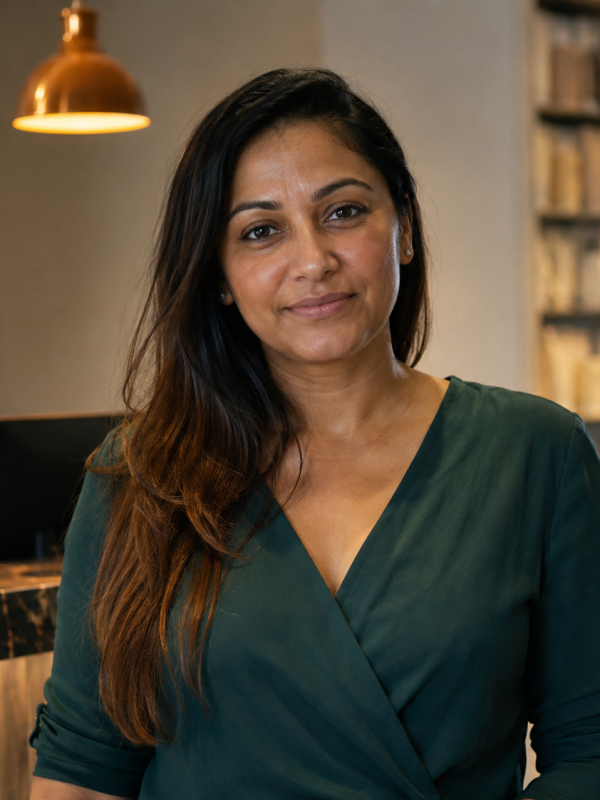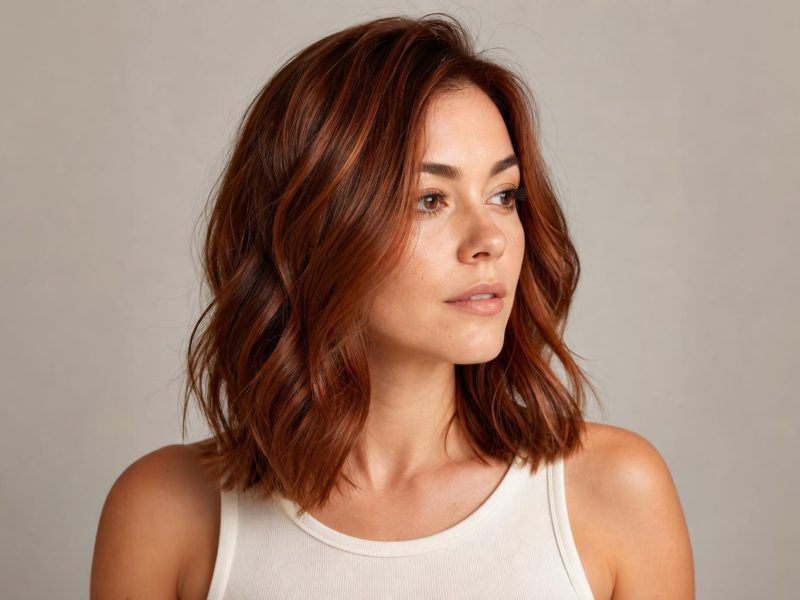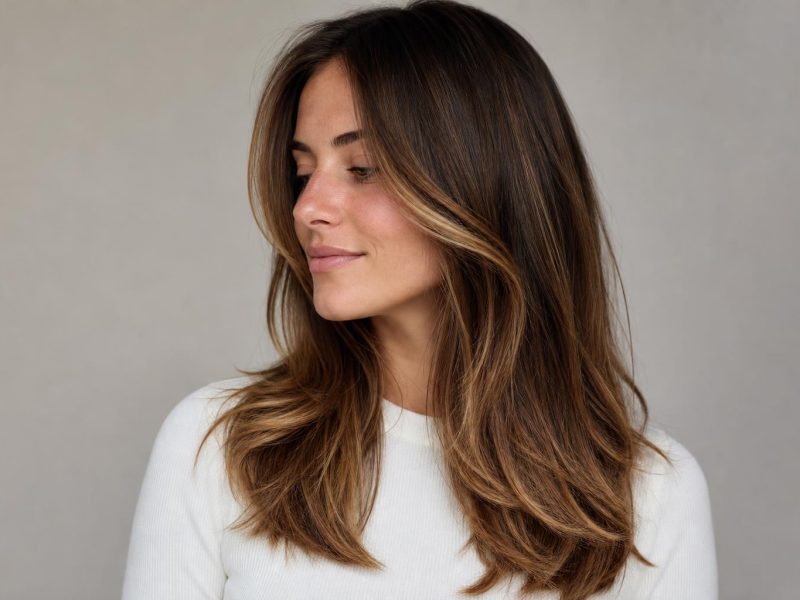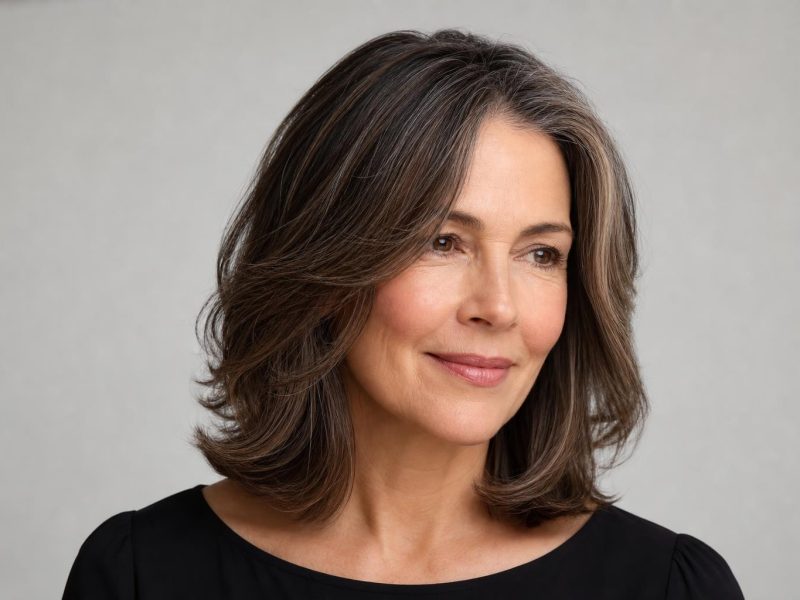

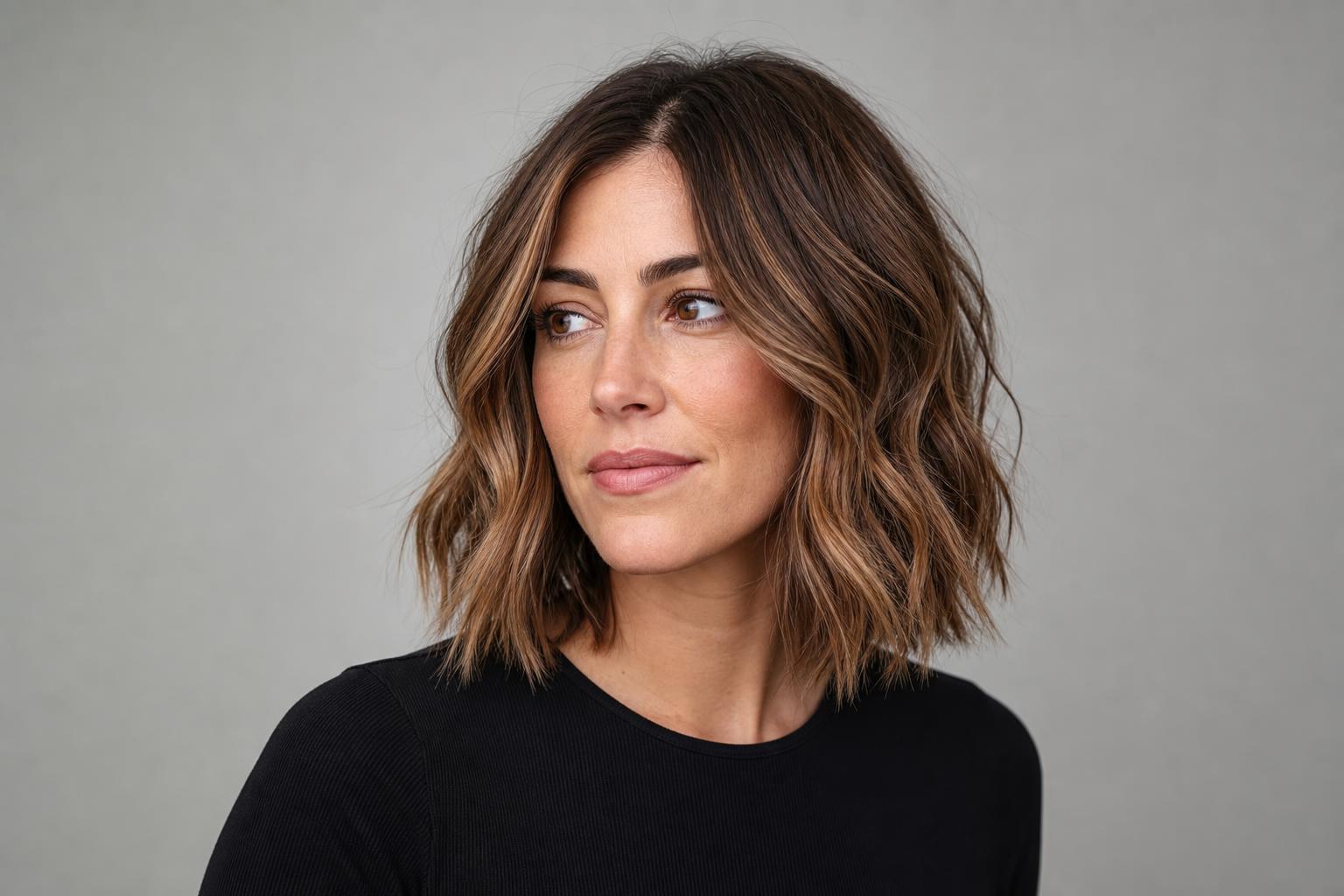
Highlights are lighter than your base and add brightness, lowlights are darker than your base and add depth, so the right choice depends on whether your hair looks flat or washed out.
If your color feels dark and one-note, highlights break it up with brighter pieces and create the illusion of movement. If your color feels too light, pale, or washed out, lowlights weave in richer, darker strands to bring back depth and shine. Most people reaching for one actually want a little of both, because dimension comes from contrast between light and dark, not from either one alone.
This guide explains exactly what each technique does, how to choose based on your base color and goal, when combining the two makes sense, and how they differ on maintenance, cost, and damage. By the end you will know which to ask for, and how to describe it so you get real dimension instead of a flat result.
| Feature | Highlights | Lowlights |
|---|---|---|
| Direction of color | Lighter than your base | Darker than your base |
| What it adds | Brightness and lift | Depth and richness |
| Best for | Flat, dark, one-note hair | Over-lightened or washed-out hair |
| Chemical process | Uses lightener to lift | Deposits color, no lightener |
| Maintenance | Higher, regrowth shows | Lower, fades softly |
What Highlights and Lowlights Actually Do
Both techniques weave in strands of a different shade, but they pull your color in opposite directions. Highlights lift sections lighter to draw the eye and mimic where the sun hits, while lowlights add darker pieces to rebuild depth that flat or over-lightened hair has lost. Knowing which direction your hair needs is the whole decision.
Highlights Lift Sections Lighter to Add Brightness
Highlights use a lightener to take chosen sections a few shades above your base, which creates contrast and the look of movement. On brunettes, the most natural result stays within about three shades of the base in honey, caramel, or golden tones, so the brightness reads as dimension rather than stripes. Because highlights lift, they expose warmer pigment underneath, which is why they can turn brassy and need toning to stay cool.
Lowlights Weave in Darker Strands to Rebuild Depth
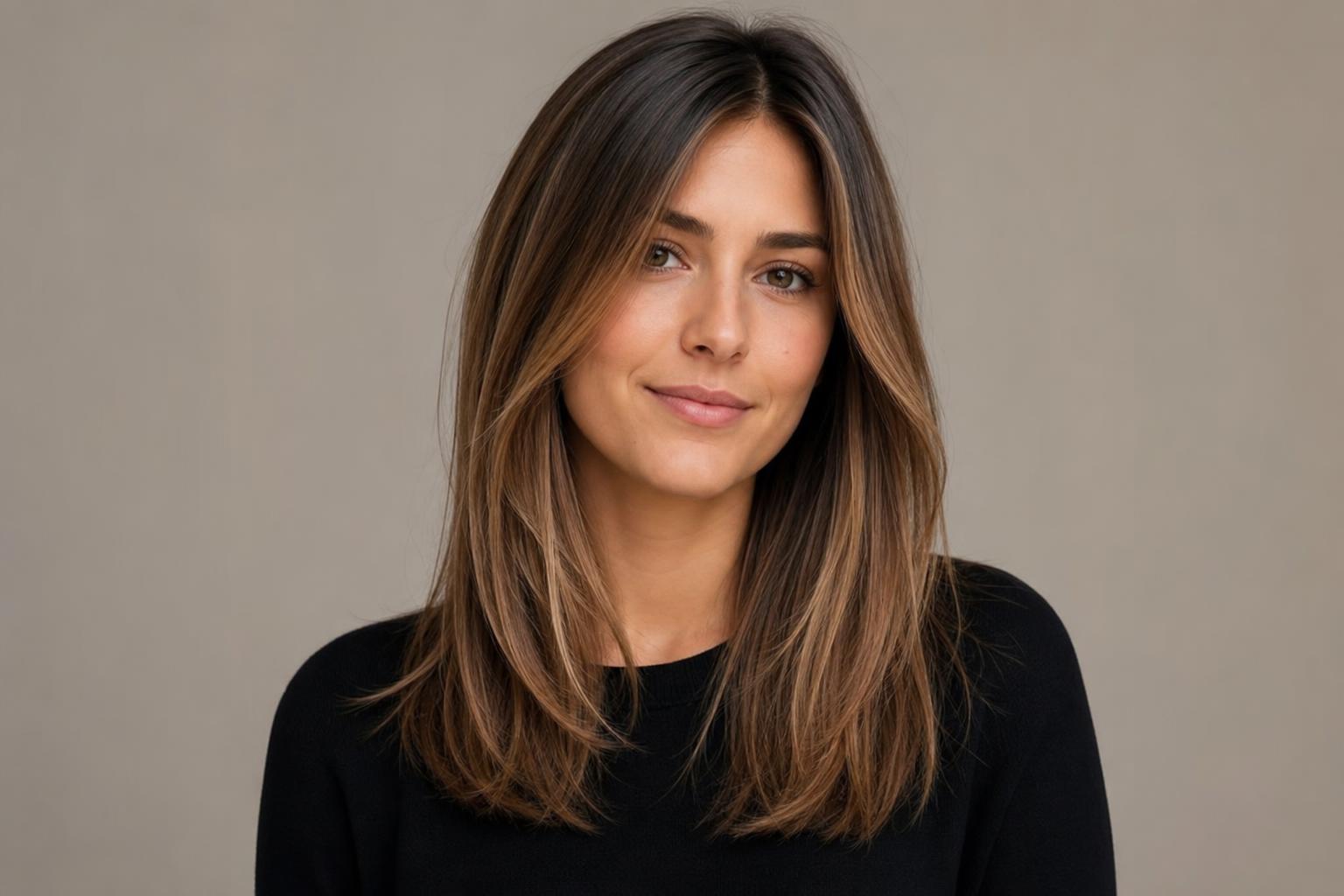
Lowlights are the reverse: darker sections placed to add richness, shadow, and a sense of fullness. They are the fix for blonde that has gone flat and pale, or for any color that looks one-dimensional after too much lightening. Since lowlights deposit color instead of lifting it, they involve no bleach, which makes them the gentler option for hair that is already fragile.
How to Choose Between Highlights and Lowlights
Start from what your hair is missing, not from the technique name. Look at your color in daylight and decide whether it reads as too dark and flat or too light and washed out, then match the fix to the problem. These rules cover most situations.
Choose Highlights When Your Hair Looks Dark and Flat
If your natural or colored hair is deep and one-note, highlights add the brightness that creates dimension. Brunettes who want a sun-kissed effect, or anyone whose color looks heavy and lacks movement, benefit most from lighter woven pieces. Keep them within a few shades of your base for a natural finish, and expect to tone them as they warm up.
Choose Lowlights When Your Hair Looks Too Light or Washed Out
If you have over-highlighted over time or your blonde has turned pale and one-dimensional, lowlights bring back depth. Weaving in caramel, toffee, mocha, or chestnut tones a few shades darker restores richness and makes the remaining brightness look intentional. This is also the gentler route, since it adds color without any lifting.
Combining Highlights and Lowlights for Real Dimension
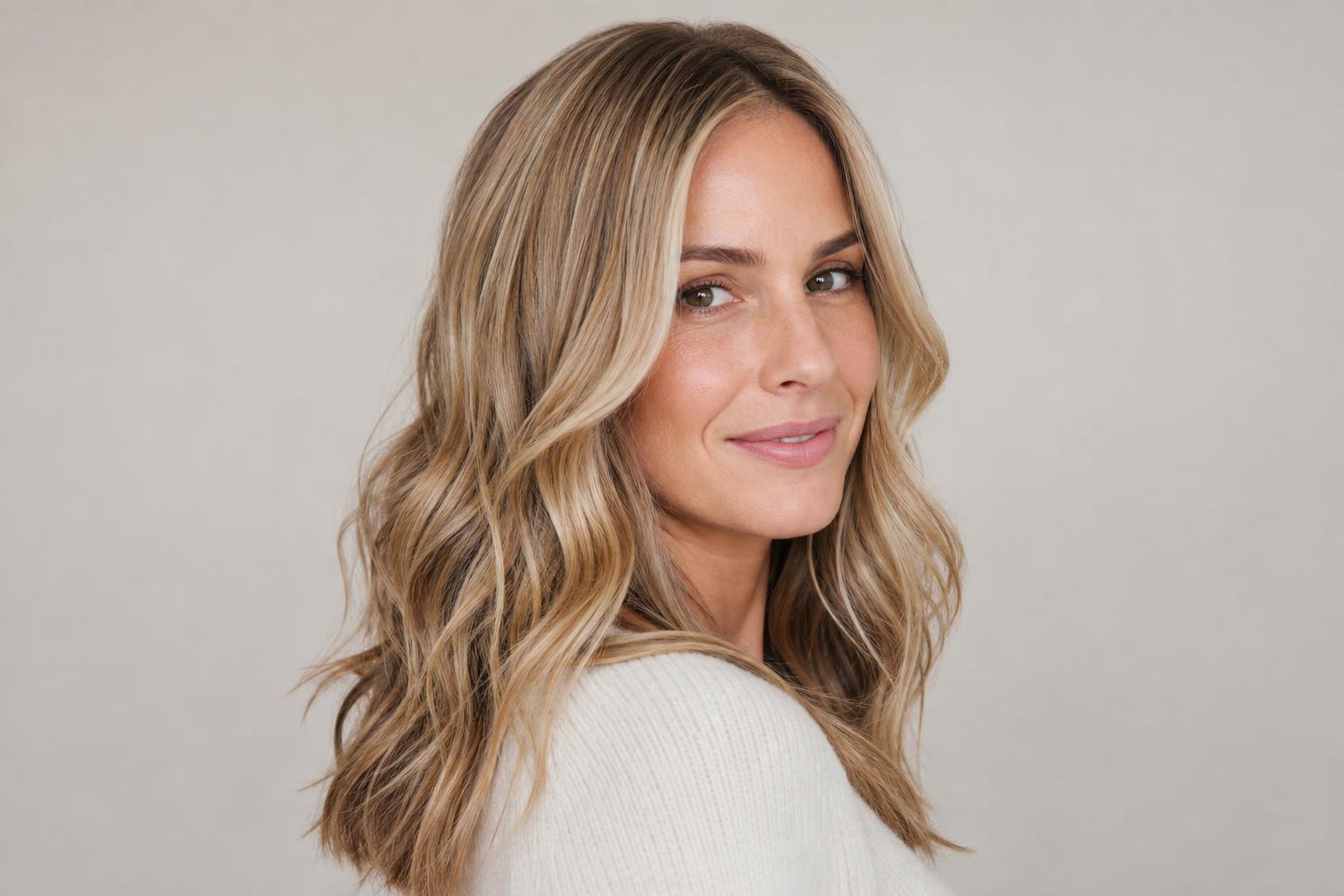
Dimension comes from the contrast between light and dark, which is why the most natural results often use both. Weaving lighter and darker pieces together on a medium brunette base creates a blended bronde, giving brightness where you want lift and depth where you want richness. A skilled colorist places them so the two read as one seamless, multi-tonal color rather than obvious streaks.
This mix is a common way to add movement without a dramatic change, and it grows out more softly than all-over highlights because the lowlights break up the regrowth line. If a truly seamless blend is your goal, it overlaps with color melting, which fades tones into each other for an invisible transition. Combining is also worth considering next to the freehand options in our comparison of babylights, highlights, and balayage.
Maintenance, Cost, and Damage Differences
Lowlights are generally the lower-commitment choice on every front. Because they deposit rather than lift, they fade more softly and blend with your base as they grow, so they need touching up less often and cost less over a year. Highlights show regrowth more clearly and warm up over time, which means more frequent salon visits and toning to keep them from going brassy.
Stylist tip: If you love bright highlights but hate the upkeep, ask for a few lowlights woven in at the same appointment. They soften the regrowth line and stretch the time between touch-ups without dulling the overall brightness.
On the damage side, highlights involve bleach and open the cuticle, so a bond treatment and a gentle home routine matter more with them. Lowlights skip the lightener entirely, which is why they are the safer pick for hair that is already over-processed. When highlights do warm up, our guide to fixing brassy tones at home keeps them cool between visits.
When Lowlights or Highlights Are the Wrong Choice
Each technique has a scenario where it works against you. Matching the fix to the actual problem avoids the most common disappointments.
- Highlights on very fragile or previously bleached hair risk pushing it past repair, since they add more lifting on top of existing damage. Lowlights or a gloss are safer.
- Lowlights that go too dark can look heavy and muddy, especially if the shade is chosen more than a few levels below your base.
- Highlights alone on already-light, washed-out hair only make it look paler, when depth from lowlights is what it actually needs.
- Neither fixes an uneven base color on its own, so if you have banding or old box dye, that usually needs correcting first.
What to Tell Your Colorist
Describe the problem and the goal, not just the technique, so your colorist can steer you correctly. Useful phrasing sounds like: “My hair looks flat and dark, I want brighter dimension,” or “My blonde looks washed out, I want to add depth without going too dark.” Ask whether a combination would look more natural than one technique alone, and mention how often you can realistically return. For the exact terms colorists use, our salon color glossary is a helpful reference.
FAQ
What Is the Main Difference Between Highlights and Lowlights?
Highlights are lighter than your base color and add brightness, while lowlights are darker than your base and add depth. Highlights use a lightener to lift sections, whereas lowlights deposit a darker shade with no bleach. The two pull your color in opposite directions, which is why they are often used together.
Should I Get Highlights or Lowlights for My Dark Brown Hair?
For dark brown hair that looks flat, highlights add the brightness and movement most people are after. Keep them within about three shades of your base, in caramel or honey tones, for a natural result. If your brown already has some lightness but looks one-note, a few lowlights can add richness instead.
Do Lowlights Damage Your Hair Less Than Highlights?
Yes, lowlights are gentler because they deposit color without using bleach to lift. Highlights open the cuticle and can weaken already-fragile hair, so lowlights are the safer choice if your hair is over-processed. That gentler process is also why lowlights fade more softly and need less upkeep.
Can You Get Highlights and Lowlights at the Same Time?
Absolutely, and combining them usually gives the most natural dimension. A colorist weaves lighter and darker pieces together so you get brightness and depth in one appointment, which reads as a rich, multi-tonal color. It also grows out more softly than highlights alone because the darker pieces blur the regrowth.
Which Is Better for Blonde Hair That Looks Washed Out?
Lowlights are the answer for pale, washed-out blonde, since they add the depth that all-over lightness removes. Weaving in caramel or toffee tones a few shades darker restores dimension and makes the blonde look intentional rather than flat. Adding more highlights would only make the washed-out look worse.
Do Lowlights or Highlights Last Longer?
Lowlights generally last longer between salon visits because they fade softly and blend with your base as they grow. Highlights show a clearer regrowth line and warm up over time, so they usually need touching up and toning more often. Combining the two can extend the life of highlights by softening how the regrowth reads.
Choosing between lowlights and highlights comes down to what your color is missing: reach for highlights when your hair looks dark and flat, and for lowlights when it looks pale and washed out. Real dimension usually comes from a bit of both, so ask your colorist whether combining them suits your base. Describe the effect you want, be honest about your maintenance, and the right technique becomes clear.
Hair results vary based on your natural hair type, texture, density, and condition. Always consult with a licensed hairstylist before making significant changes, especially with chemical treatments or dramatic length changes. Photos may show styled results that require professional tools and products to replicate.