
Hot rollers give volume a curling iron can’t, but only if the roller is the right size for your hair and you let it cool before taking it out.
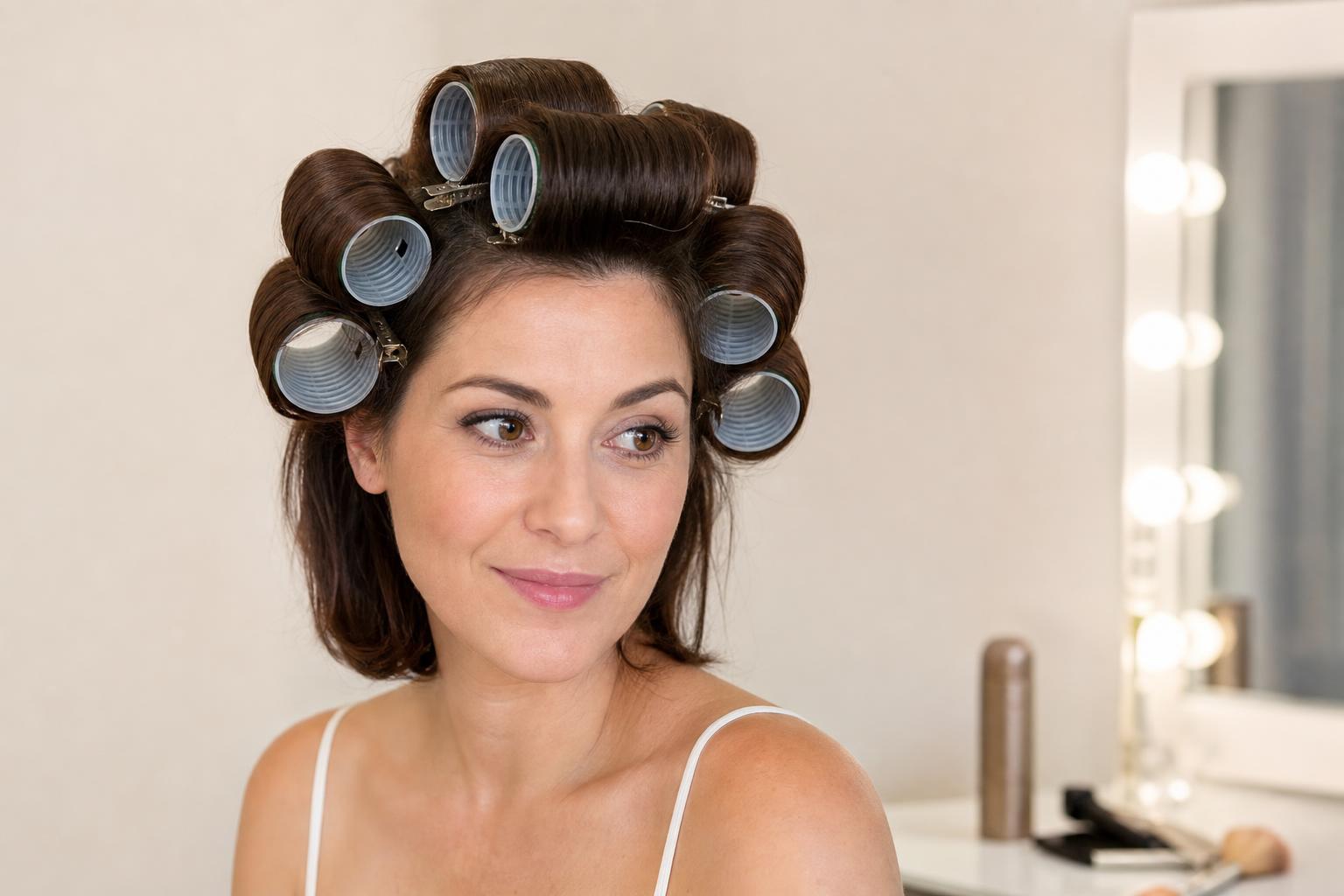
Hot rollers are heated cylinders you wind dry hair around. They set a curl or bend with heat, then set it firmly as they cool. Size decides the result. A 1-inch roller gives defined curls, a 1.5-inch roller gives bouncy blowout curls, and a 2-inch jumbo gives root lift and a loose bend rather than a curl. The step most people skip is the cool-down, and skipping it is why hot roller curls drop within an hour.
This guide explains how to match roller size to your hair length, how to section and roll so the lift starts at the root, how long to leave the rollers in, and why the set falls flat for some people. It also covers when a curling iron or velcro rollers would be the better tool, what the research says about heat, and the questions people ask most before buying their first set.
| Factor | Details |
|---|---|
| Best for | Root volume, blowout-style bounce, soft curls on shoulder-length and longer hair |
| Hair must be | Completely dry; damp hair steams and does not set |
| Time in the hair | 10 to 20 minutes, until the rollers are cool to the touch |
| Hands-on time | About 10 minutes to roll; the rest is waiting |
| Avoid if | Your hair is shorter than chin length or very tightly curled |
What Hot Rollers Do Differently from a Curling Iron
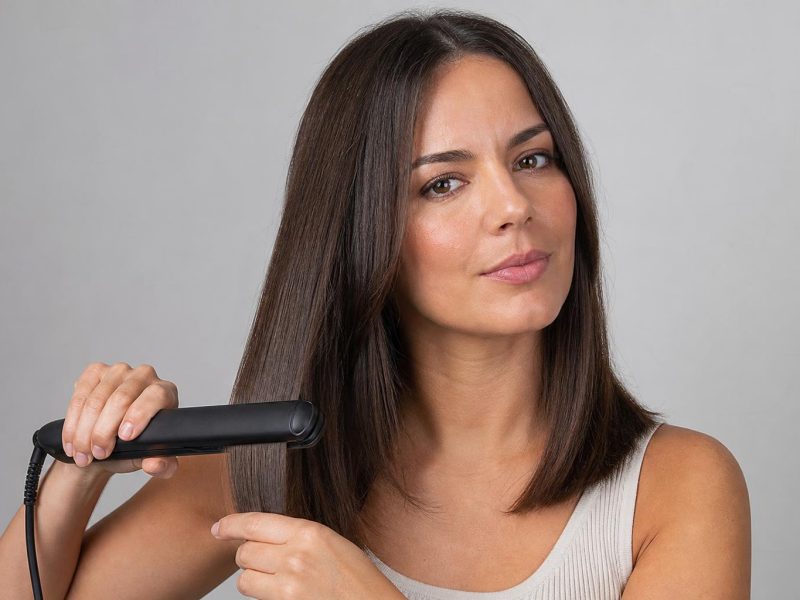
A curling iron heats a small section of hair for a few seconds and shapes it while it is hot. A hot roller does the opposite: it heats the hair gently and holds the shape while the hair cools, which is the moment a curl actually sets. Because every roller stays in place during cooling, the whole head sets at once, and the root is lifted the entire time. That is why rollers give more volume at the crown than any iron, even with the same curl size.
The trade-off is precision. An iron lets you choose a different direction or tightness for every section. Rollers give a more uniform result, which suits a polished blowout better than a lived-in, undone wave. If you want the loose, flat-ironed bend with straight ends, a long barrel curling iron will get you closer.
Stylist tip: Do your makeup, get dressed, or have breakfast while the rollers cool. Clients who stand at the mirror waiting tend to pull them out at the five-minute mark, and those are the sets that fall flat by lunch.
Choosing the Right Roller Size for Your Hair
Roller diameter is the single biggest decision, and most sets include two or three sizes for a reason. The hair has to wrap around the roller at least one and a half times to form a curl. On short hair a large roller only makes a bend, and on long hair a small roller makes more curl than most people want. Use the table to pick the main size, then use one size smaller around the face.
| Roller Diameter | Result | Best Hair Length | Watch Out For |
|---|---|---|---|
| 3/4 to 1 inch | Defined, springy curls | Chin to shoulder | Tight, dated curls on long hair unless brushed out well |
| 1.25 inches | Classic bouncy curl | Shoulder to collarbone | Ends can flip out if not wound smoothly |
| 1.5 inches | Blowout curls with body | Collarbone to mid-back | Too little curl on shoulder-length fine hair |
| 1.75 to 2 inches | Root lift and a soft bend | Shoulder length and longer | Almost no curl, only volume, on hair under 10 inches |
Ceramic, Wax-Core and Flocked Rollers Behave Differently
Ceramic rollers heat evenly and are the most common type in modern sets. Wax-core rollers hold heat longer, which helps thick or coarse hair that needs more time to take the shape. Flocked or velvet-coated rollers have a fuzzy surface that grips the hair, so they need fewer clips and are less likely to slip out of fine or silky hair. Spiked rollers grip too, but they catch and snag on long, fine hair when you take them out.
How to Use Hot Rollers, Step by Step
The technique matters more than the tool. These five steps are the difference between a set that lasts into the next day and one that is gone before you leave the house.
Step 1: Start with Hair That Is Fully Dry
What you need: A blow-dryer, a heat protectant spray, and a light mousse or setting lotion if your hair is fine.
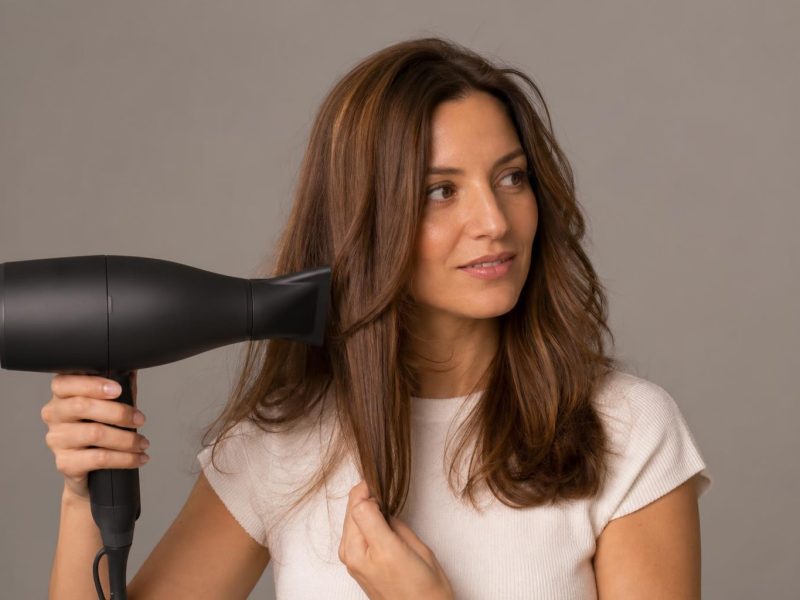
How: Apply the setting product to damp roots, then blow-dry until every section is dry, including the underneath layers at the nape. Mist a heat protectant over the lengths once dry. Our guide on how to use heat protectant covers how much to use without weighing the hair down.
Why: Hair sets as water leaves it and it cools. Damp hair inside a hot roller steams instead, and the curl drops as soon as it dries.
Common mistake: Rolling hair that feels dry on the surface but is still damp underneath. Check the nape with your fingers before you start.
Step 2: Section the Hair into Four Zones
How: Divide the hair into a top strip from the forehead to the crown, two side sections, and the back. Each roller section should be about as wide as the roller is long and no deeper than the roller’s diameter.
Why: Sections deeper than the roller do not heat through the middle, and that inner hair comes out straight.
Step 3: Roll from the Ends, Pulling Up and Away
How: Hold the section straight up from the scalp, place the roller at the ends, and wind down toward the root. Keep the ends smooth and flat against the roller. Set the roller so it rests on its own base, directly on top of the section it came from, then clip it.
Why: Lifting the section straight up before rolling is what creates root volume. Rolling it flat against the head gives curl with no lift.
Common mistake: Crimped or fish-hooked ends from folding them around the roller. Wrap a small square of tissue or end paper over the tips if they keep bending.
Step 4: Leave Them Until They Are Cold
How: Leave rollers in 10 to 15 minutes for fine hair and up to 20 for thick or coarse hair. Touch one before you remove anything; it should be room temperature, not warm. A cool shot from the blow-dryer speeds this up.
Why: The curl sets during cooling, not while the roller is hot.
Step 5: Remove Gently and Brush Out
How: Unroll rather than pull, working from the nape up so the top stays set longest. Let the curls rest for two minutes, then break them up with fingers for soft waves, or brush through with a paddle brush for a smooth blowout. Finish with a flexible hairspray.
Common mistake: Brushing too soon. The curls are still settling for a minute or two after the rollers come out.
Hot Rollers, Velcro Rollers or a Curling Iron
These three tools overlap, and the right one depends on whether you want volume, definition, or zero heat. Velcro rollers are not heated at all. They are used on hair that is still warm from a blow-dry, so they give lift and a soft bend but very little curl. Hot rollers fall between the two.
| Feature | Hot Rollers | Velcro Rollers | Curling Iron |
|---|---|---|---|
| Heat | Moderate, cooling steadily | None beyond the blow-dry | High, direct contact |
| Root volume | High | High | Low to medium |
| Curl strength | Medium | Low | High |
| Hands-on time | About 10 minutes | About 10 minutes | 15 to 30 minutes |
| Best result | Bouncy blowout | Smooth volume with a bend | Defined curls or beach waves |
For a result with no heat at all, heatless overnight curls give a similar bounce if you can wait eight hours. If your priority is lift and polish before work, hot rollers are faster than both.
What the Research Says About Heat and Your Hair
All heat styling changes hair to some degree, but the temperature matters a great deal. A study on the effects of heat treatment on hair structure found that heating below about 140°C (284°F) caused mostly minor, reversible changes linked to water loss, while higher temperatures caused lasting damage to the hair’s protein structure. Curling and flat irons are commonly set well above that line. Hot rollers deliver their heat once, then cool steadily in the hair, so the hair does not spend long at a high temperature.
That makes hot rollers a gentler option for hair you style several times a week, but not a damage-free one. Use a heat protectant, skip rollers on hair that is already breaking, and give the hair a few days off each week. Bleached hair is the most fragile and benefits most from lower temperatures.
Common Hot Roller Myths
Most hot roller frustrations come from a handful of beliefs that seem reasonable and are wrong.
Myth: Longer in the Rollers Always Means a Stronger Curl
Reality: Once the rollers are cold, the curl has set. Leaving them in for an hour does not add hold. What adds hold is a setting product before blow-drying and rollers that were fully heated in the first place.
Myth: Bigger Rollers Give Bigger Curls
Reality: Bigger rollers give looser curls, but only if there is enough hair to wrap around them. On shoulder-length hair, a 2-inch roller barely completes one turn, so you get volume and a bend rather than a curl at all.
Myth: Hot Rollers Are Only for Older Styles
Reality: The dated look comes from small rollers left unbrushed. Large rollers brushed out with a paddle brush give the same bouncy finish as a salon blowout at home, in less time and with less arm strain.
When Hot Rollers Are Not the Right Choice
Rollers suit most straight and wavy hair from chin length down, but they are the wrong tool in a few situations.
- If your hair is shorter than chin length, even the smallest roller rarely completes a full turn, so use a small round brush or a blow-dryer brush instead.
- If your hair is tightly curled or coily, rollers stretch the pattern into a smooth set, which only works if you want a blowout look rather than defined curls.
- If your hair is very heavy and past mid-back, the weight pulls the curl out within a couple of hours, so set with smaller rollers and brush the curl looser rather than using jumbo sizes.
- If your scalp is sensitive or you have had a recent chemical treatment, keep the rollers off the scalp by resting them on their own base and skip them for a week after a perm or relaxer.
Maintenance and Safety
Hot rollers need very little care, but a few habits make a set last longer and keep your scalp comfortable. Wipe the rollers with a dry cloth every few uses to remove product buildup, since residue makes them slip. Store the clips inside the case so they do not bend. Replace any roller whose coating is cracked or peeling, because the bare surface snags hair.
Stylist tip: Hold a heated roller against the inside of your wrist for a second before placing it near the hairline. If it is uncomfortable there, it will be uncomfortable at the scalp, so give it thirty seconds out of the case first.
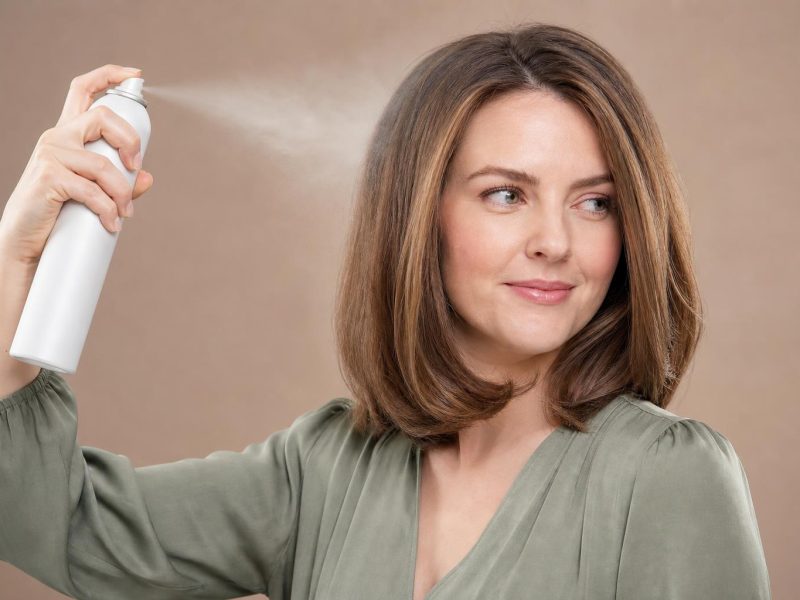
A roller set usually lasts one to two days on fine hair and two to three on thicker hair. On day two, pin the curls up loosely for the night or rewind just the front three rollers for ten minutes in the morning. Dry shampoo at the roots on the second day keeps the lift, since oil at the scalp flattens volume first.
FAQ
How Long Do You Leave Hot Rollers In?
Leave them in until they are completely cool, which usually takes 10 to 20 minutes. Fine hair sets at the short end, while thick or coarse hair needs the full time. A blast of cool air from a blow-dryer shortens the wait.
Can You Use Hot Rollers on Wet Hair?
No, hot rollers only work on dry hair. Damp hair steams inside the roller and loses the curl as soon as it finishes drying. Blow-dry fully first, including the underneath layers.
Do Hot Rollers Damage Your Hair?
They cause less heat damage than curling irons, but they are not damage-free. Rollers deliver moderate heat that fades as they cool, so the hair spends less time at high temperatures. Use a heat protectant and avoid them on hair that is already breaking.
What Size Hot Rollers Should I Use for Volume?
Use 1.5-inch to 2-inch rollers for volume. Place the largest ones along the top section from forehead to crown, lifted straight up before rolling. Use a size smaller at the sides if you want some curl as well as lift.
How Many Hot Rollers Do I Need?
Most shoulder-length hair needs 12 to 20 rollers, and long, thick hair can take up to 24. Fine or short hair may only need 8 to 10. A set with at least two sizes covers most hair lengths.
Why Do My Hot Roller Curls Fall Out So Fast?
The usual causes are damp hair, sections that are too thick, or taking the rollers out before they cool. A setting lotion or light mousse on damp roots before blow-drying makes the biggest difference. Our hair tools and products section covers other ways to make a style last.
Hot rollers work best when the size matches your hair length, the hair is fully dry, and the set is allowed to cool before you touch it. Get those three right and the result looks like a professional blowout with most of the effort replaced by waiting. Start with 1.5-inch rollers across the top of your head, and adjust the size from there.
Hair results vary based on your natural hair type, texture, density, and condition. Always consult with a licensed hairstylist before making significant changes, especially with chemical treatments or dramatic length changes. Photos may show styled results that require professional tools and products to replicate.