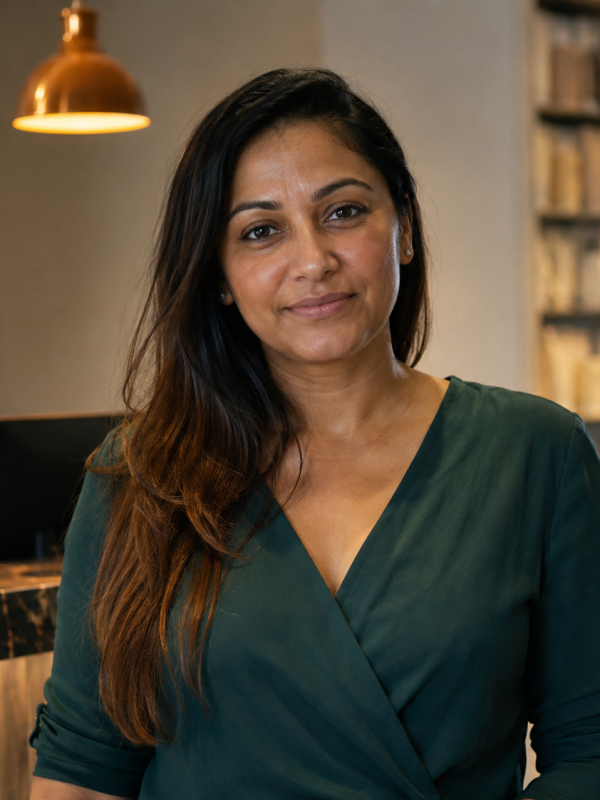
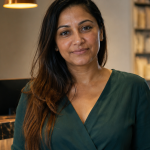
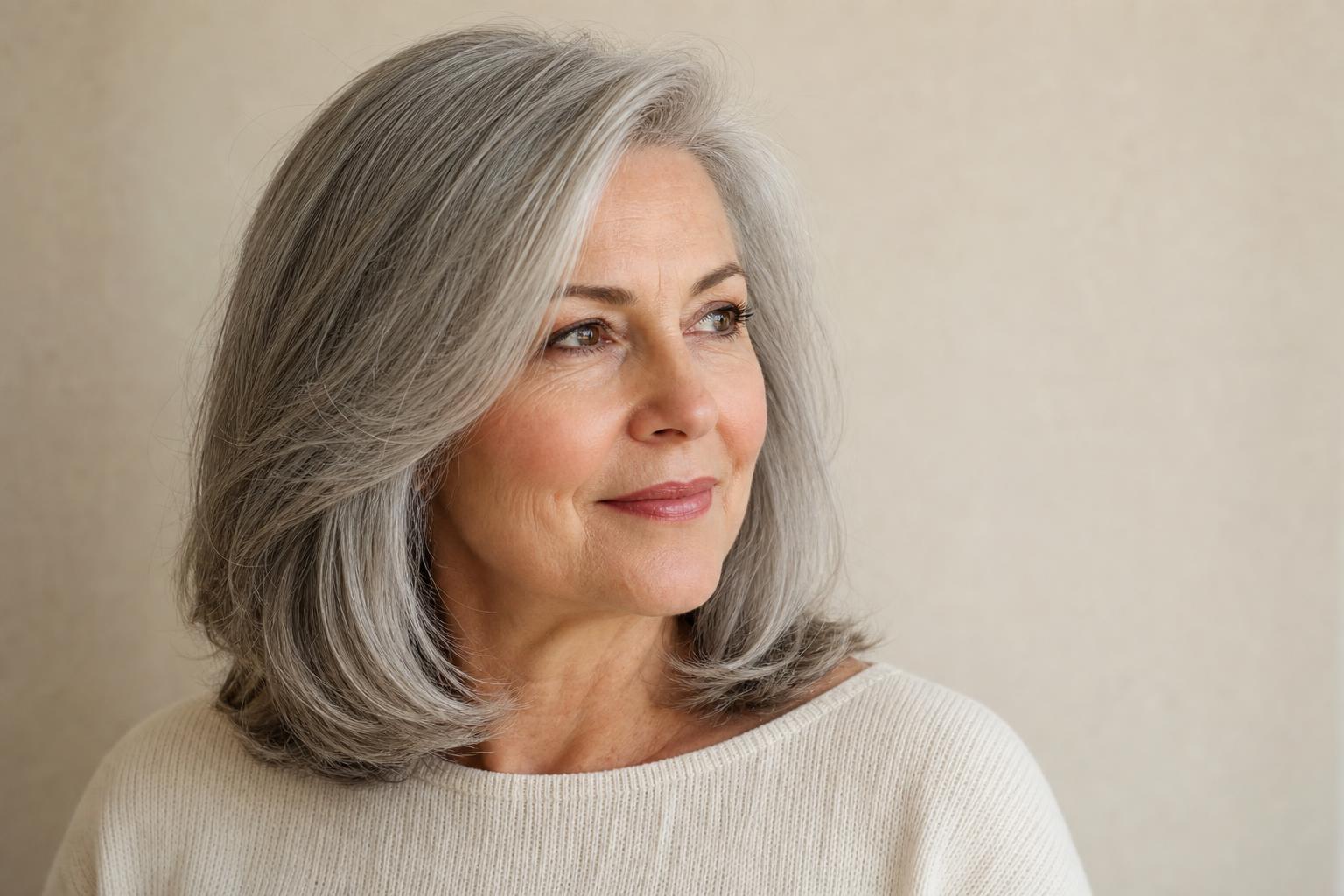
After 60, the length you can wear well is decided less by your age than by how much hair you have at the crown and the ends, and most women have more options than a short cut.
The best hair styles for women over 60 match the cut to today’s density and texture: short, layered cuts for hair that has thinned noticeably, shoulder-length and collarbone lengths for hair that is still reasonably full, and long styles for anyone whose ends stay thick from root to tip. Hair does thin with age, but gradually. A review of hair aging in older adults notes that in women, the diameter of each strand tends to peak around age 40 and shrink afterward, while oil production and shine drop after menopause. That is a real change, but it still leaves room for medium and long hair on many heads.
Below are 26 hair styles for women over 60, grouped into short cuts, medium lengths, long hair, and updos and styled looks, with more room given to medium and long hair because that is where most galleries stop. After the ideas, you will find a length-by-density table, a face shape guide, a blow-dry routine for volume, the exact words to use with your stylist, and an honest look at when a length is working against you. For the short end of the range, we also keep a full gallery of short haircuts for women over 60.
| Factor | Details |
|---|---|
| Deciding factor | Density at the crown and thickness at the ends, not age |
| Most versatile length | Chin to collarbone; enough to style, light enough to lift |
| Trim schedule | 4 to 6 weeks short, 6 to 8 weeks medium, 8 to 12 weeks long |
| Daily styling | 5 minutes for air-dry cuts, 10 to 20 minutes for a volume blow-dry |
| Watch for | See-through ends, a flat crown, and gray hair that turns coarse or wiry |
Why Hair Changes After 60 and What It Means for Your Style
Three things usually shift in your sixties. Density drops, so there are fewer hairs per square inch, most noticeably at the part and crown. Gray hair changes texture, often feeling drier and coarser because the scalp produces less oil and unpigmented strands can behave differently; MedlinePlus notes that aging follicles make less pigment and finer strands, and that many stop producing new hairs. And growth slows, so ends stay on your head longer and show more wear.
None of that bans long hair. It means the cut has to do more of the work. Layers go where volume is needed, blunt ends go where thinness shows, and the part moves to wherever your hair is fullest.
Stylist tip: Before you pick a length, pull your hair into a ponytail at the nape and look at its thickness. If the ponytail is at least as thick as your thumb, you can wear medium or long hair with confidence. If it is closer to a pencil, a cut at or above the collarbone will look fuller.
Short Hair Styles for Women Over 60
Short cuts are the easiest route to volume, because shorter hair is lighter and lifts off the scalp more easily. They also suit women who want minimal styling time. These five cover the main shapes; the dedicated short-hair gallery goes much deeper.
1. Soft Tapered Pixie
Close at the nape and around the ears, with 2 to 3 inches left on top for movement. Thinning at the crown disappears under the piece-y top, which makes this one of the most forgiving cuts for low density.
2. Chin-Length Blunt Bob
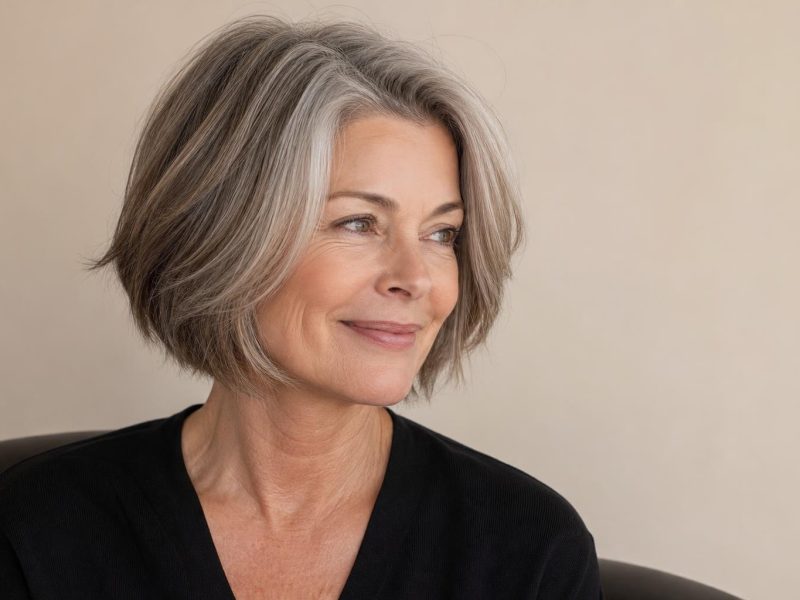
Cutting the perimeter in one solid line makes fine ends look thicker than they are. Oval and heart-shaped faces carry the chin length well. Ask for a slight bevel under the ends so the bob curves in without a round brush.
3. Bixie With Side Bangs
Halfway between a pixie and a bob, the bixie keeps ear-length sides with a longer side fringe. It grows out gracefully, so you can go 6 to 8 weeks between cuts. Our hairstyles over 60 with bangs collection shows more fringe options.
4. Stacked Bob
Short graduated layers at the back build a rounded shape where hair tends to flatten, with the front slightly longer. Book a trim every 5 weeks, since the stacking loses its lift quickly.
5. Short Silver Shag
Choppy layers around the crown separate silver and white strands, which adds depth to a single-tone gray. For wiry gray, a light smoothing cream scrunched into damp hair keeps the texture soft rather than frizzy.
Medium-Length Hair Styles for Women Over 60
Medium hair, from the jaw to just past the collarbone, is the sweet spot for most women over 60. It is long enough to tuck, curl or pull back, and short enough that it does not drag the crown flat. The key is layering that starts high enough to lift the top without thinning the ends.
6. Collarbone Lob With Long Layers
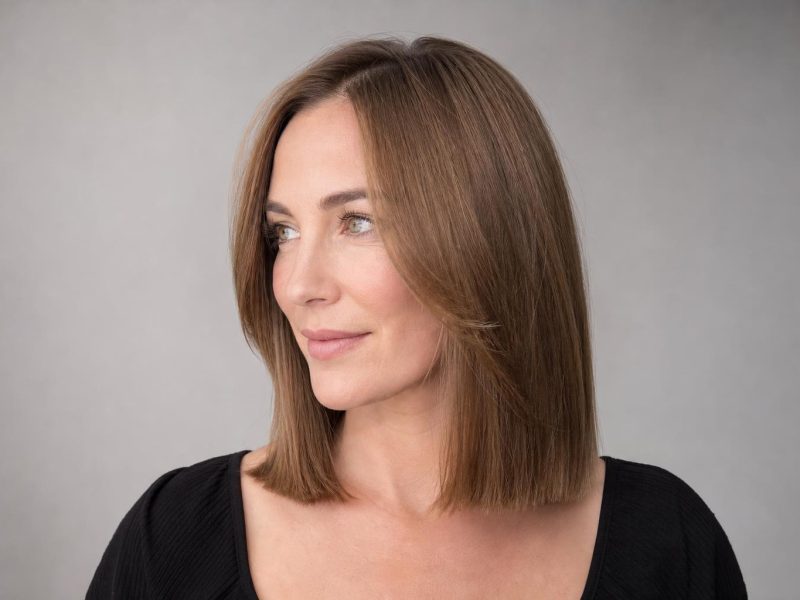
A lob grazing the collarbone with long layers starting around the chin. The weight at the ends keeps it full, and the layers stop it from hanging straight down. It is a good first step if you have been wearing short hair and want more length.
7. Shoulder-Length Curtain Bangs Cut
Bangs parted in the center and swept to either side soften forehead lines and draw attention to the eyes. Square and long faces benefit most. For a stylist request, try “curtain bangs that start at the cheekbone and blend into the layers.” More variations live in our curtain bangs haircut guide.
8. Shoulder-Length Soft Waves
Loose waves made with a 1.25-inch curling iron add width at the sides and bounce at the ends. Wave only the mid-lengths and ends, leaving the roots straight and lifted, so the style does not collapse by noon.
9. Face-Framing Layers on Medium Gray Hair
Shorter pieces around the face brighten the complexion, especially when gray is lighter at the front hairline than at the back. A toning shampoo once a week keeps silver from turning yellow.
10. Medium Shag
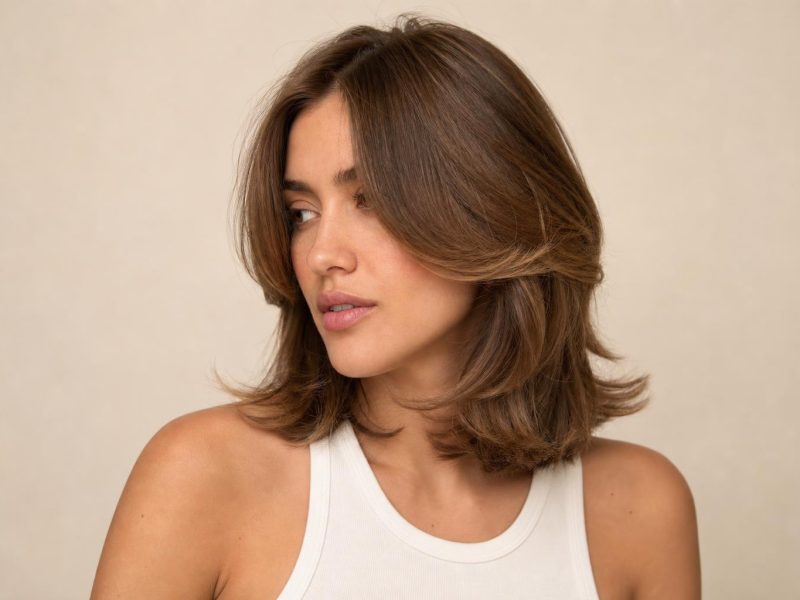
Compared with a plain layered cut, a shag has more layers through the crown and a lighter, feathered perimeter. It works best on thick or wavy hair that needs weight removed. On fine hair, ask for fewer layers and keep the ends solid.
11. Angled Long Bob
Shorter at the back and longer toward the front, sloping down to the collarbone. The forward angle creates a line that lengthens round faces. It holds its shape between trims better than one-length cuts, which start to look shapeless after 8 weeks.
12. Air-Dried Medium Curls
Natural curls cut dry, curl by curl, so each spiral lands where it will fall once dry. Scrunch a curl cream through soaking-wet hair and leave it alone until it is fully dry. Our curly hairstyles for women over 60 go into curl-specific cuts in more depth.
13. Tucked Side-Part Lob
A deep side part with one side tucked behind the ear. Moving the part to your fuller side hides a thinning part line immediately, and it costs nothing.
14. Medium Blowout With Round-Brush Volume
Ask for long layers cut at the crown only, then blow-dry with a medium round brush, lifting each section straight up at the roots. This is the most polished look in the medium group and takes about 15 minutes at home.
Long Hair Styles for Women Over 60
Long hair after 60 is completely doable when the ends stay thick. The common problem is not length itself but thin, see-through ends that make the whole head look sparser. A regular dusting and a blunter perimeter solve most of it.
15. Long Blunt Cut Past the Shoulders
One even line a few inches past the shoulders keeps every strand at full length, which is the thickest possible look for long hair. It suits straight or slightly wavy hair and needs a trim every 10 to 12 weeks.
16. Long Layers With Face-Framing Pieces
Long layers starting at the jaw with shorter pieces around the cheekbones. Bring a photo and ask for “long layers that keep weight at the ends, with face-framing from the cheekbones down.” Our long layered haircuts show how far up the layers can start.
17. Long Silver Hair With Soft Bends
Loose bends made with a large barrel or hot rollers suit long silver hair well and stop it from looking flat. A shine spray on the lengths reflects light, which silver hair loses as it gets drier.
18. Long Natural Curls
Long curly hair needs fewer layers than you would think, because curls create their own volume. Unlike a heavily layered curly cut, a longer curly shape keeps the curls clumping together instead of frizzing apart.
19. Long Hair With Wispy Bangs
Light, see-through bangs add softness to long, straight hair and break up a long face. Oblong and diamond faces benefit most.
20. Long Salt-and-Pepper Waves
Letting natural salt-and-pepper grow in on long hair shows off the mix of dark and light strands. Loose waves make the blend look dimensional rather than uneven. A colorist can add a few fine lowlights if the transition looks patchy.
Updos and Styled Looks After 60
Updos work on medium and long hair and are a practical choice for days when your hair will not behave. The best ones are soft and loose. Tight, slicked-back styles pull on the hairline and can emphasize thinning at the temples.
21. Low Twisted Chignon
A soft twist at the nape held with U-pins. Loosening a few pieces around the face keeps it from looking severe, and it works well for weddings and dinners.
22. Half-Up Half-Down With a Clip
Pull the top section back with a claw clip at the crown. It adds instant height where most women lose volume, and it takes under a minute.
23. Loose Low Ponytail
Tease the crown lightly, then gather a low ponytail with a soft scrunchie. Keeping it low and loose avoids stress on the hairline.
24. French Twist
A vertical twist up the back of the head, pinned into place. A little texture spray first gives the hair grip. This is one of the most elegant options in this list.
25. Side-Swept Braid
A loose three-strand braid over one shoulder, with the braid gently pulled apart for fullness. It works on medium to long hair and gives a relaxed, finished look for a weekend.
26. Soft Pinned-Back Sides
Pinning just the sides back with decorative pins keeps hair off the face while leaving the length free. It is a good option for growing out bangs.
Which Length Suits Your Hair Density
Density matters more than age when choosing a length after 60. Use the ponytail test from earlier and match it to this table.
| Hair Density | Best Length | Best Cut Shape | Avoid |
|---|---|---|---|
| Low (ponytail thinner than a pencil) | Pixie to chin | Blunt bob, tapered pixie, soft layers on top only | Long, heavily layered cuts that expose the scalp |
| Medium (pencil to thumb) | Chin to collarbone | Lob, angled bob, crown-only layers | Razored ends that thin the perimeter |
| High (thumb or thicker) | Any length | Long layers, shags, blunt long cuts | One-length short bobs that turn into a triangle |
| Coarse gray | Chin to shoulders | Internal layers to remove bulk | Very short crops that stick straight up |
How to Choose a Style for Your Face Shape
Face shapes can soften with age, so the shape you were told you had at 30 might not be the one you have now. Look straight into a mirror with your hair pulled back and trace where your face is widest.
| Face Shape | Best Style | Ideal Length | Avoid |
|---|---|---|---|
| Oval | Almost anything; blunt bob or long layers | Chin to long | Heavy fringes that hide the face |
| Round | Angled lob, side part, crown height | Past the chin | Chin-length bobs with a center part |
| Square | Soft waves, curtain bangs | Shoulder or longer | Blunt jaw-length cuts |
| Heart | Chin-length bob, side bangs | Chin to shoulder | Height at the crown with flat sides |
| Oblong | Bangs, waves for width | Chin to collarbone | Long, straight, center-parted hair |
| Diamond | Face-framing layers, wispy bangs | Chin to shoulder | Slicked-back styles |
A 15-Minute Blow-Dry for Volume
Competitor galleries show the finished style but skip the routine. This one works for most medium and long cuts and adds lift where hair after 60 tends to lie flat.
- Prep on damp hair: spray a volumizing root spray at the crown and a light heat protectant through the lengths. Skip heavy creams, which weigh fine hair down.
- Rough-dry to 80 percent: dry with your fingers, flipping the part back and forth so the roots do not settle flat.
- Lift the crown: with a medium round brush, dry the top sections straight up from the scalp, then let each cool for a few seconds before releasing.
- Bend the ends: roll the ends under or away from the face, depending on the cut.
- Finish with a flexible spray: a light-hold spray keeps movement without stiffness.
Keep the dryer on medium heat. Drier gray hair takes damage from high heat faster, and medium heat is still plenty for a blowout.
What to Tell Your Stylist
Be specific about the problem you are solving, not just the style you want. A stylist can adjust layer placement once they know whether you want volume, less bulk, or softer gray.
Try this: “My hair has thinned at the crown and the ends look see-through. I’d like to keep it at collarbone length with long layers only through the crown, a blunt perimeter, and a side part on my fuller side.” Swap the length and the part to fit your own hair.
Stylist tip: Ask your stylist to cut your hair dry after a quick wash if it is wavy or curly. The texture of gray hair can change how it falls, and a dry cut shows how it really settles day to day.
When a Length Is Working Against You
Sometimes the best style change is a shorter one, and sometimes it is the opposite. Here are the most common signals.
- Your ends look see-through: the hair is too long for its density. Cut 2 to 3 inches off and switch to a blunt perimeter.
- Your crown is flat by midday: the hair is too heavy for the roots. Shorten to shoulder length or add crown-only layers.
- Short hair stands up or sticks out: coarse gray hair can be too springy for very short cuts. Grow it to chin length so the weight settles it.
- You are pulling it back every day anyway: a long style you never wear down is not doing its job. A lob or chin-length bob can be easier to live with.
FAQ
What Is the Most Flattering Hair Length for a Woman Over 60?
For most women, chin to collarbone length is the most flattering. It is long enough to frame the face and short enough to lift at the crown. Women with thick hair can wear any length.
Can Women Over 60 Wear Long Hair?
Yes, as long as the ends stay full. Long hair looks best with a blunt perimeter and regular trims every 10 to 12 weeks. If the ends turn see-through, take off a few inches.
What Hairstyle Makes You Look Younger After 60?
Soft, face-framing styles with movement tend to look the most youthful. Curtain bangs, soft waves and lifted crowns are good examples. Very severe, sleek styles and heavy, dark one-tone color tend to age a face more.
How Often Should Women Over 60 Get a Haircut?
Every 4 to 6 weeks for short cuts, 6 to 8 weeks for medium lengths, and 8 to 12 weeks for long hair. Hair grows more slowly with age, so some women can stretch these slightly.
What Is the Best Hairstyle for Thin Hair Over 60?
A chin-length blunt bob or a soft tapered pixie is the most reliable choice for thin hair. Both keep the ends thick and lift the crown. Avoid heavy layering, which removes the hair you want to keep.
Should I Stop Coloring My Hair After 60?
It is a personal choice, but many women find gray easier to maintain. If you want to go gray gradually, highlights or lowlights can blend the transition. Our silver hair ideas show how different grays look finished.
Choosing hair styles for women over 60 starts with an honest look at density and texture, not a rule about age. Try the ponytail test, match your length to the table, and ask your stylist for layers where you need lift and blunt ends where you need thickness. Bring two or three photos from this list and you will leave with a style that fits the hair you have right now.
Hair results vary based on your natural hair type, texture, density, and condition. Always consult with a licensed hairstylist before making significant changes, especially with chemical treatments or dramatic length changes. Photos may show styled results that require professional tools and products to replicate.