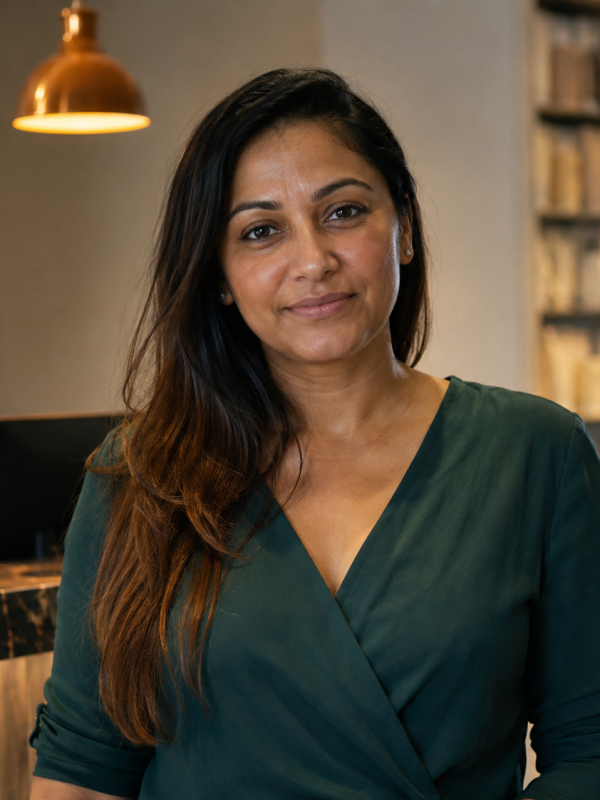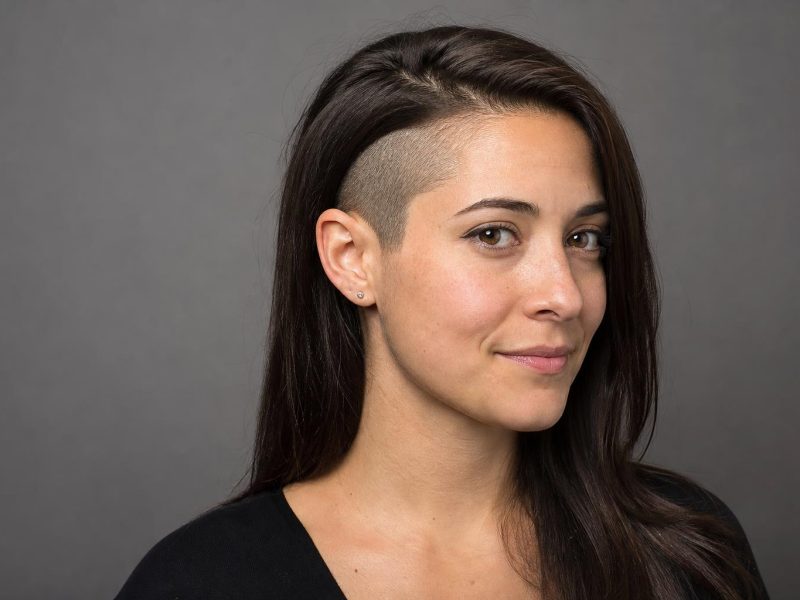

After 50, a cut is only low maintenance if your color is too, because your roots set the salon schedule long before the shape does.
The most low maintenance haircuts for women over 50 are ones that grow out without losing their shape for eight to twelve weeks, air-dry in under five minutes, and hide grey regrowth instead of framing it. A textured bob with soft ends, a layered pixie, and a collarbone cut with long layers all meet those three tests. A sharp blunt bob can look easy, but not if you dye it a solid dark brown, because grey roots will send you back to the salon every four weeks anyway.
Most over-50 galleries only count two costs: time spent styling and time between trims. These 22 cuts are grouped by the cost each one reduces, and color is included as the third cost that most guides leave out. After the gallery you will find a table comparing the three costs for each type of cut, a color strategy table with realistic touch-up intervals, what changes in hair texture around menopause and how to cut for it, and the exact words to use with your stylist and colorist.
| Factor | Details |
|---|---|
| The three costs | Daily styling minutes, weeks between cuts, weeks between color appointments |
| Most forgiving lengths | Jaw to collarbone, with soft or textured ends |
| Longest cut interval | 10 to 12 weeks for long layers and shaggy cuts |
| Color interval to plan around | 4 to 6 weeks for full grey coverage; 10 to 16 for blending |
| Avoid if you want less upkeep | Blunt geometric bobs, very short tapered pixies, solid dark dye over grey |
Cuts That Stretch the Time Between Salon Visits
These cuts have no hard line that shows its age. Soft layers and textured ends grow down gradually, so week ten looks like a slightly longer version of week one rather than an overgrown haircut. They suit women who dislike frequent appointments or who live far from a stylist they trust.
1. Collarbone Cut with Long Layers
Long layers starting below the chin remove weight without creating a shape that needs upkeep. At collarbone length, the ends can grow an inch or two before anyone notices. This is often the most practical length for medium to thick hair that has become drier with age.
2. Soft Shag at Shoulder Length
Oval and heart-shaped faces carry this cut especially well, since the layering around the cheekbones adds width where those faces are narrowest. The shag’s choppy shape actually looks better slightly grown out. Expect ten to twelve weeks between cuts.
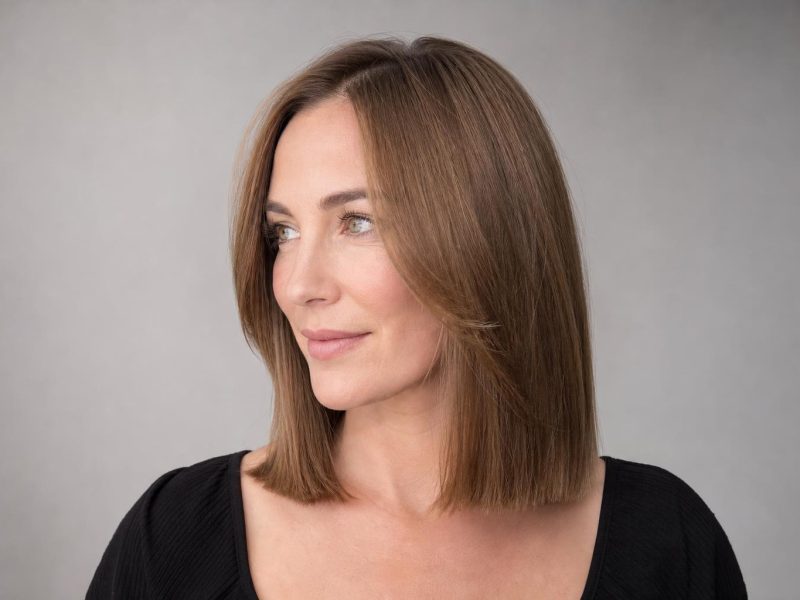
3. Textured Lob with Point-Cut Ends
Ask your stylist to point cut the ends instead of cutting a blunt line. The ends are softened into small, uneven pieces, so there is no edge to show growth. It keeps a clean shape for eight to ten weeks on straight or wavy hair.
4. Grown-Out Pixie with Longer Top
Fine hair that has thinned around the crown does well with this longer pixie, since the extra length on top can be tousled to cover the thinner areas. Unlike a close-cropped pixie, it does not need a trim every four weeks to hold its shape. Six to eight weeks is realistic.
5. Layered Bob Past the Jaw
Placing the length just below the jaw rather than at it gives the cut room to grow. As it lengthens, it becomes a lob instead of an overgrown bob. Our collection of modern bobs over 50 shows how much the exact end point changes the grow-out.
Cuts That Air-Dry in Five Minutes or Less
These are the cuts built around your natural texture rather than against it. Most need a product and a towel, not a blow-dryer and a brush. They are right for anyone whose arms or shoulders make long blow-drying uncomfortable, which becomes more common after 50.
6. Wash-and-Go Wavy Bob
Scrunch a curl cream into soaking-wet hair, squeeze out the water with a T-shirt, and leave it. Layers cut into the bob help natural waves form evenly instead of flattening at the top. This cut works on 2a to 2c waves.
7. Curly Shoulder Cut Shaped Dry
Tell your stylist you want the cut shaped on dry hair so they can see where each curl falls. Curls that have changed texture after menopause can shrink differently from before, and cutting wet risks losing more length than expected. A diffuser on low heat for three minutes is enough to set the shape.
8. Choppy Chin-Length Cut
Choppy layers break up straight hair so it falls into a shape on its own. A sea salt spray or light texture spray, worked in with fingers, is all the styling it needs. The rough texture also hides the uneven growth of new grey hair.
9. Tousled Pixie with Soft Sides
Short hair dries fastest of all, and a textured pixie can be styled in a minute with a small amount of paste. Keep the sides soft and slightly longer rather than clipped close, so it does not need a trim every month. The low maintenance short haircuts guide compares how often each short shape really needs cutting.
10. Blunt Shoulder Cut on Thick Straight Hair
Thick, straight hair is the one type where a blunt line lowers upkeep, because the weight keeps the hair lying flat after air-drying. Fine hair cut blunt, by contrast, needs daily styling to avoid looking thin. Brush through while damp and leave it to dry.
11. Side-Parted Lob with Face-Framing Layers
Face-framing layers from the chin down give the cut a finished look even when it has only been towel-dried. A deep side part adds lift at the root without heat. It is a practical choice for women who want something that looks styled without the work.
Cuts That Make Grey Regrowth Less Visible
Scalp hair grows about a centimeter a month, according to the StatPearls review of hair anatomy, which is a bit less than half an inch. On dark dyed hair, that much grey regrowth shows clearly within three to four weeks. The cuts and color choices in this section make that regrowth harder to spot, so your color appointments can be further apart.
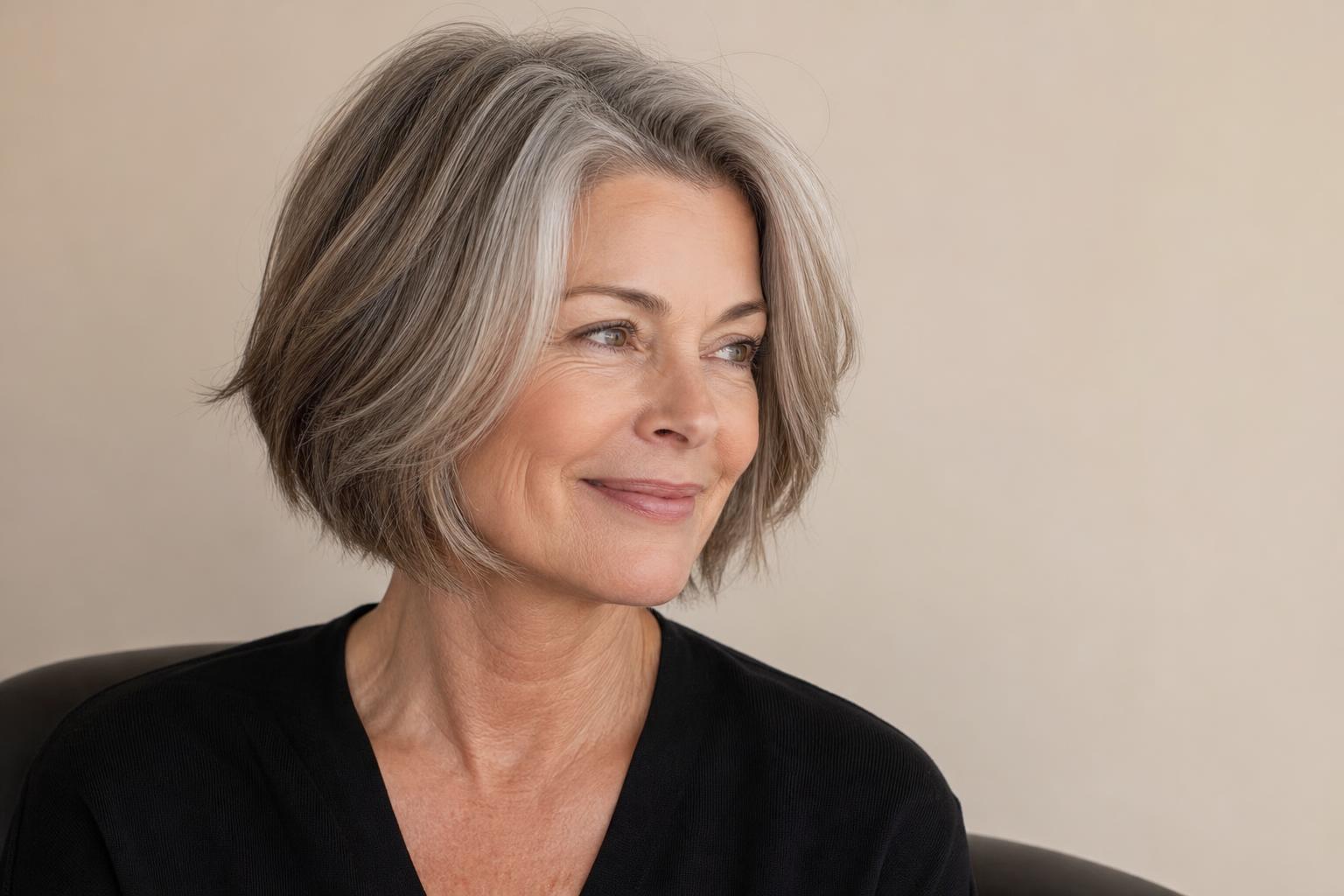
12. Textured Bob with Grey Blending
Fine highlights and lowlights woven through natural grey make regrowth blend in rather than forming a line at the part. Combined with a textured bob, the roots can go ten weeks or more without looking neglected. Our guide to grey blending on dark hair covers how many sessions the transition takes.
13. Zigzag-Parted Layered Cut
A zigzag part hides the straight stripe of regrowth that a clean part shows. It costs nothing, takes ten seconds with a comb, and can buy an extra week or two before a touch-up. It works best with medium layers that fall over the part naturally.
14. Silver Pixie
Going fully grey removes the color cost completely, and a pixie is the fastest way to grow out the old dye. Two or three short cuts over six months can take out most of the colored ends. The silver hair guide covers how to keep grey bright rather than yellow.
15. Shadow Root Lob
Unlike full coverage, a shadow root keeps the color at the roots deliberately darker and softer than the lengths. Grey growing into a shadow root is much less obvious than grey growing into solid color. It pairs well with a lob because the length shows the lighter ends.
16. Soft Wavy Cut with Babylights
Waves break up the line where roots meet colored hair, and fine babylights soften it further. On light brown to blonde hair, this can stretch color appointments to three months. Ask your colorist to keep the babylights closest to your natural grey tone.
Cuts for Hair That Changed Texture After Menopause
Many women find their hair behaves differently from their forties onward. A 2023 review of the menopausal hair follicle describes how falling estrogen shortens the hair’s growth phase and is linked to thinning, reduced volume, and changes in texture. Grey hairs often feel coarser or wirier than pigmented ones, and many women notice more visible scalp at the part. These cuts are chosen for those specific changes.
17. Blunt Chin Bob for Thinning Ends
When the ends have become thin and see-through, cutting them to one solid line at the chin makes the hair look fuller immediately. Keep the layers inside the cut, not on the surface. It needs a trim every six to eight weeks to keep the line solid.
18. Layered Pixie for a Widening Part
Short, tousled layers can be moved in any direction, which makes it easy to cover a wider part without a fixed style. Volumizing mousse at the roots adds lift where density has dropped. More ideas are in our guide to hairstyles for thinning hair.
19. Longer Layers for Coarse, Wiry Grey
Coarse grey hair tends to stick out at shorter lengths. Keeping it longer, with weight left in the lengths, lets the hair’s own weight hold it down. A lightweight smoothing cream on damp hair tames the wiry pieces without a flat iron.
20. Rounded Bob for Drier Hair
Drier hair frizzes more at choppy, textured ends, so a rounded bob with slightly beveled ends lies smoother. The rounded shape curves under by itself after a quick rough-dry. A leave-in conditioner used every wash helps with the dryness.
21. Wavy Mid-Length Cut with Face Framing
Some women find straight hair starts to wave after menopause. Instead of straightening it every day, this cut works with the new wave, with face-framing layers that turn the pattern into a style. Ask for it to be cut dry the first time so the stylist sees how it falls now.
22. Cropped Cut with Soft Fringe
A short crop with a soft, wispy fringe takes attention away from thinning at the temples and adds shape at the front. It needs about two minutes of styling with a small amount of paste. This is a good choice for fine hair that no longer holds length well.
The Three Costs, Compared by Cut Type
A cut can be low maintenance in one way and high in another. Use this table to see where each type of cut saves you time and where it costs you. The color column assumes you are covering grey with a single solid shade, which is the most demanding option.
| Cut Type | Daily Styling | Cut Every | Regrowth Visibility |
|---|---|---|---|
| Close-cropped pixie | 1 to 2 minutes | 4 to 5 weeks | High; roots are most of the hair |
| Textured pixie | 2 to 3 minutes | 6 to 8 weeks | Medium; texture hides some regrowth |
| Blunt bob | 5 to 15 minutes | 5 to 6 weeks | High at a sleek part |
| Textured or layered bob | 3 to 10 minutes | 7 to 9 weeks | Medium |
| Shag | 2 to 5 minutes | 10 to 12 weeks | Low; choppy layers break up roots |
| Collarbone long layers | 3 to 10 minutes | 10 to 12 weeks | Medium; a zigzag part helps |
Your Color Choice Sets the Real Schedule
The table below compares how often each color approach needs a salon visit. Once you know your color interval, it makes sense to book your cut on the same appointment, so a cut that lasts twelve weeks is wasted if the color needs doing at five.
| Color Approach | Touch-Up Every | Best Paired With |
|---|---|---|
| Solid full coverage | 4 to 6 weeks | Textured cuts and zigzag parts to delay the line |
| Grey blending | 10 to 16 weeks | Bobs, lobs and shags |
| Shadow root | 10 to 14 weeks | Lobs and long layers |
| Babylights on light hair | 12 to 16 weeks | Wavy cuts of any length |
| Natural grey or silver | None; toning gloss optional | Any cut, especially short ones |
Stylist tip: Count how many weeks your color lasts before you pick a cut. If you are on a five-week color cycle, a cut that holds for twelve weeks brings no real benefit, and a sharper shape trimmed at each color visit might suit you better. If you switch to grey blending, a longer-lasting cut suddenly makes sense.
What to Tell Your Stylist and Colorist
Tell your stylist how much time you actually spend on your hair and how often you are willing to come in, in numbers. For example: “I want to air-dry most days and come in every ten weeks. I’d like soft layers from the chin down with point-cut ends, no blunt line, and enough weight at the ends to keep them from looking thin.”
Tell your colorist the interval you want before you discuss shades: “My roots show at three weeks now. I’d like to get to twelve weeks between appointments, so I want to move toward blending with my grey rather than covering it.” A good colorist will explain the number of sessions it will take and what the in-between stage will look like.
Stylist tip: Ask your stylist to cut your part area slightly longer than the rest if your part has widened. Those extra half-inches of length fall over the scalp and can make a noticeable difference to how full the top looks.
When a Low Maintenance Cut Is a Trap
Some cuts look effortless in photos but create more work in real life. These are the situations to watch for.
- A very short, clipped pixie looks easy but needs a trim every four to five weeks, which is more salon time than most bobs, so choose a longer, textured pixie instead.
- A sleek blunt bob on fine hair looks polished in the salon but needs a blow-dry and flat iron every day to stay that way, so a layered bob with texture is less work.
- A cut designed for your old texture may fight your hair now, so if your hair has become wavier, drier or finer, ask for a cut shaped to how it behaves today.
- A low maintenance cut paired with high-maintenance color still means salon visits every four to six weeks, so change the color approach first if fewer visits is the goal.
FAQ
What Is the Lowest Maintenance Haircut for a Woman Over 50?
A soft shag or collarbone cut with long layers is usually the lowest maintenance overall. Both air-dry well, go ten to twelve weeks between cuts, and hide grey regrowth better than sleek styles. A textured pixie is the fastest to style but needs more frequent trims.
How Often Should Women Over 50 Get a Haircut?
Most cuts need a trim every six to twelve weeks, depending on the shape. Pixies and blunt bobs need cutting every four to six weeks, while layered and shaggy cuts can go ten to twelve. If you color your hair, time your cuts to your color appointments.
Is Short or Long Hair Easier After 50?
Short hair is faster to style each day, while medium-length hair usually needs fewer salon visits. Hair between the jaw and the collarbone is often the easiest compromise. Very long hair can be low maintenance too, but only if it is healthy enough to wear down without styling.
What Haircut Hides Grey Roots Best?
Textured, layered cuts with a zigzag or side part hide grey roots best. Choppy layers break up the line of regrowth, while a zigzag part stops it from forming a straight stripe. Pairing the cut with grey blending or babylights hides roots for the longest time.
Why Is My Hair Harder to Manage After Menopause?
Falling estrogen shortens the hair’s growth phase and is linked to thinning, dryness and changes in texture. Many women notice finer hair, more scalp at the part, or grey hairs that feel coarser. A cut shaped to your hair as it is now will be easier to manage than one designed for how it used to be.
Can You Have Low Maintenance Hair and Still Cover Grey?
Yes, but you will need to accept a color visit every four to six weeks for full coverage. Choosing a textured cut and a zigzag part can stretch that by a week or two. For many women, switching to blending is what finally makes hair low maintenance, and our gallery of haircuts for women over 50 shows cuts that suit both approaches.
Low maintenance haircuts for women over 50 work best when the cut, the color, and your hair’s current texture are planned together. Decide how often you want to be in the salon, choose a color approach that matches that interval, and then pick a cut that can last just as long. Bring this plan and a photo to your next appointment, and ask your stylist to shape the cut for your hair as it is today.
Hair results vary based on your natural hair type, texture, density, and condition. Always consult with a licensed hairstylist before making significant changes, especially with chemical treatments or dramatic length changes. Photos may show styled results that require professional tools and products to replicate.