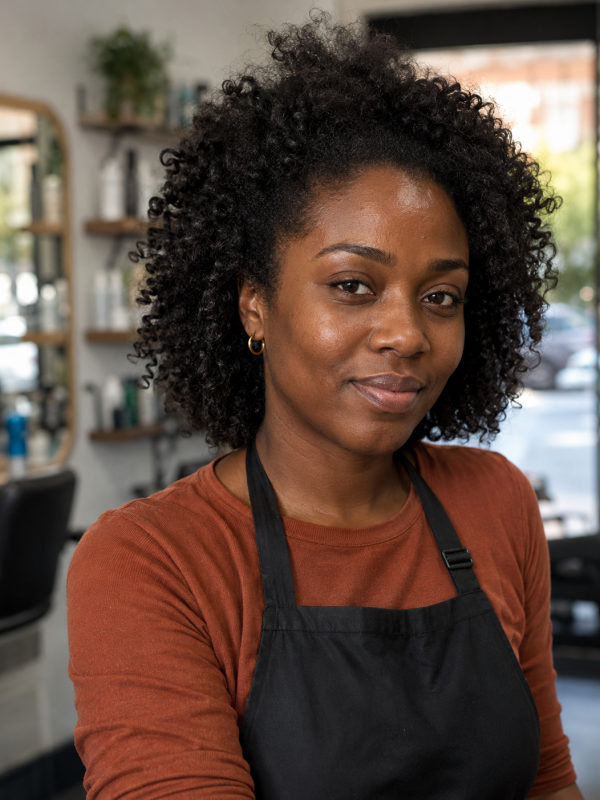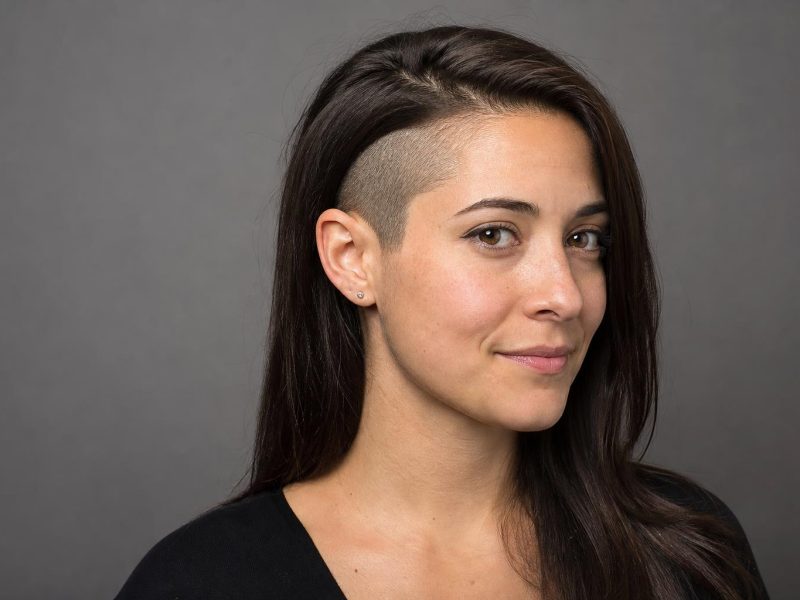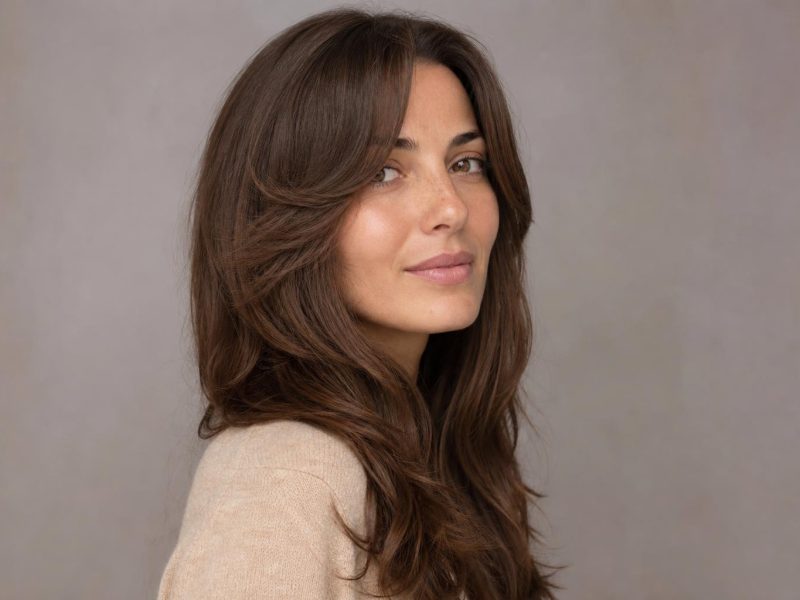

Forty stylist-approved short haircuts for women over 60 organized by style, hair type, and maintenance level so you can walk into your next appointment with a clear vision.
Short haircuts for women over 60 work best when they account for real changes in hair texture and density. This gallery covers 40 variations, from soft pixies to layered bobs and wash-and-go crops, each with notes on who the cut suits and what makes it tick. Hair after 60 often becomes finer and drier, so the right cut isn’t just about looking current; it’s about working with what your hair is actually doing now.
The gallery is organized into five groups: pixie cuts, bob haircuts, layered and shaggy styles, low-maintenance options, and silver and gray ideas. After the gallery, you’ll find a face shape guide, salon communication tips, and a maintenance reality check.
Pixie Cuts for Women Over 60
Pixie cuts reduce daily styling time dramatically and suit fine or thinning hair better than many longer styles because the shorter length removes the weight that pulls fine hair flat. The cut works best when it’s chosen for your face shape and has enough texture to hold shape between trims, which for most pixie cut variations means every four to five weeks.

1. Classic Tapered Pixie with Wispy Crown
Point cutting at the crown creates feathery ends that move naturally instead of sitting flat. Ask your stylist to taper the nape to skin level with scissors rather than clippers for a softer, less severe finish.
2. Soft Pixie with Side-Swept Bangs
Side-swept bangs that just graze the brow soften a strong hairline and are particularly flattering on oval and heart-shaped faces. Keep the bang length at the brow; any longer and it makes the face look shorter in proportion.
3. Undercut Pixie with Bold Volume on Top
The sides are cut close while the top keeps enough length to carry serious volume — a structure that works best on thick hair, since the undercut removes bulk that would otherwise collapse the crown. Fine hair should approach this variation cautiously; maintaining the crown height requires daily blow-drying.
4. Feathered Pixie for Fine Hair
Razor or slide cutting removes interior weight and creates a layered, airy structure that fine hair needs to avoid lying flat. Finish with a lightweight volumizing mousse worked through damp roots before blow-drying for the best shape retention throughout the day.
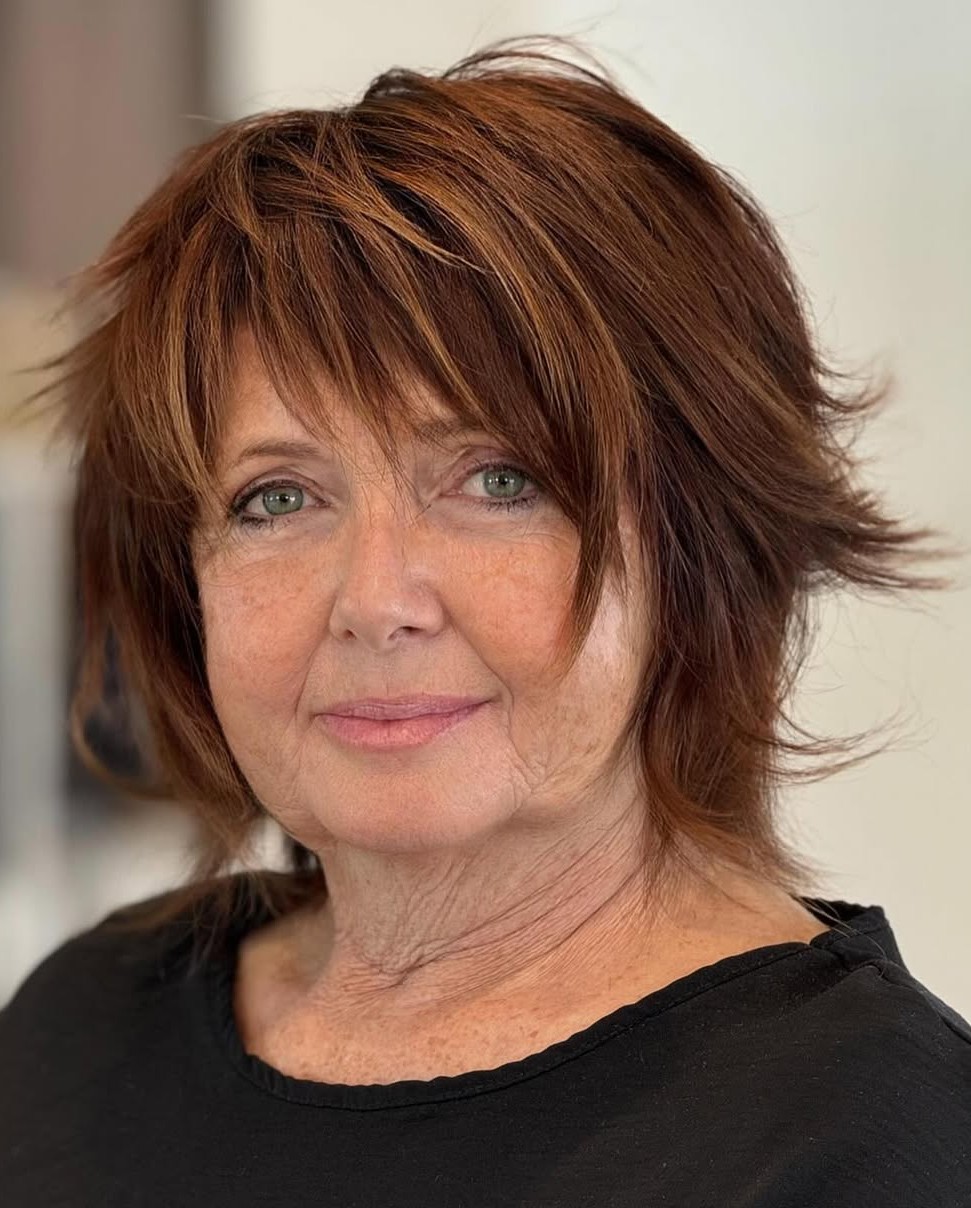
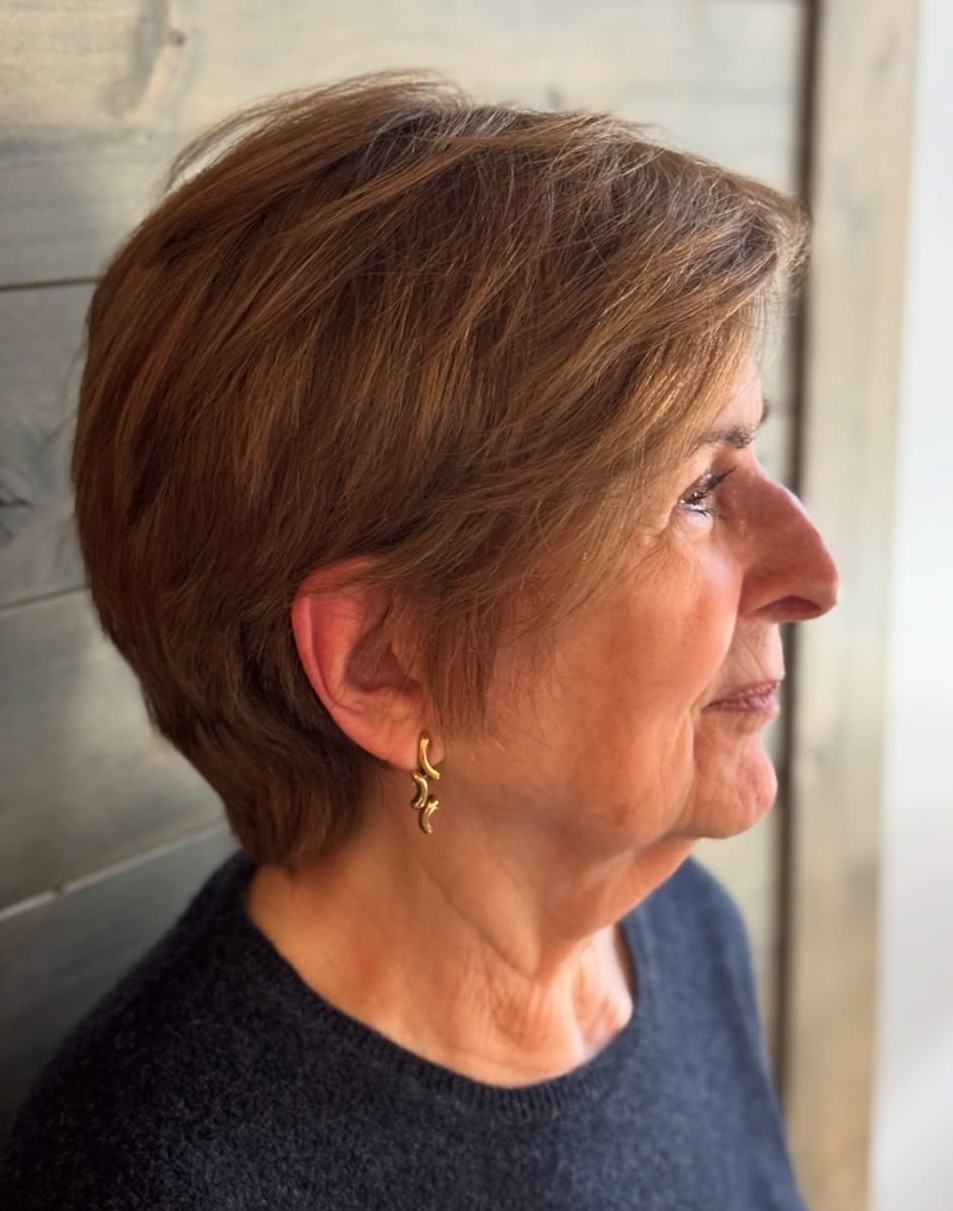
5. Pixie-Bob with Subtle Layers
The pixie-bob is a cross between a full pixie and a chin-length bob, with longer pieces in the front that frame the face and a close-cropped back. This is a smart transitional option if you’re moving from longer hair and want to test a shorter length before committing to a full pixie.
6. Cropped Pixie with Defined Sideburns
Deliberate sideburns frame the temples and add an androgynous edge — a detail that pairs especially well with strong jawlines and square face shapes. Keep the sides tapered tight and let the top carry all the volume and interest.
7. Silver Pixie with Choppy Top Texture
Silver and white hair shows texture beautifully, and a choppy, piece-y top uses those tones rather than hiding them. The uneven, staggered ends create movement that a uniform pixie length can’t match. Work a small amount of matte paste through dry hair to separate the pieces without adding shine.
8. Full Fringe Pixie
A heavy fringe across the brow looks striking with a pixie and works best on thicker hair that can support the weight without the bangs going limp mid-morning. Oval and long face shapes suit this well; round faces should ask for a softer, textured fringe that avoids adding horizontal width.
Bob Haircuts for Women Over 60
Bob haircuts hit the sweet spot between practicality and polish for many women over 60. The most flattering bobs for this age group tend to land between the ear and the chin. They are long enough to create face-framing movement, and short enough to feel neat without much work. This includes everything from structured blunt cuts to relaxed stacked bob styles that lift the nape area beautifully.
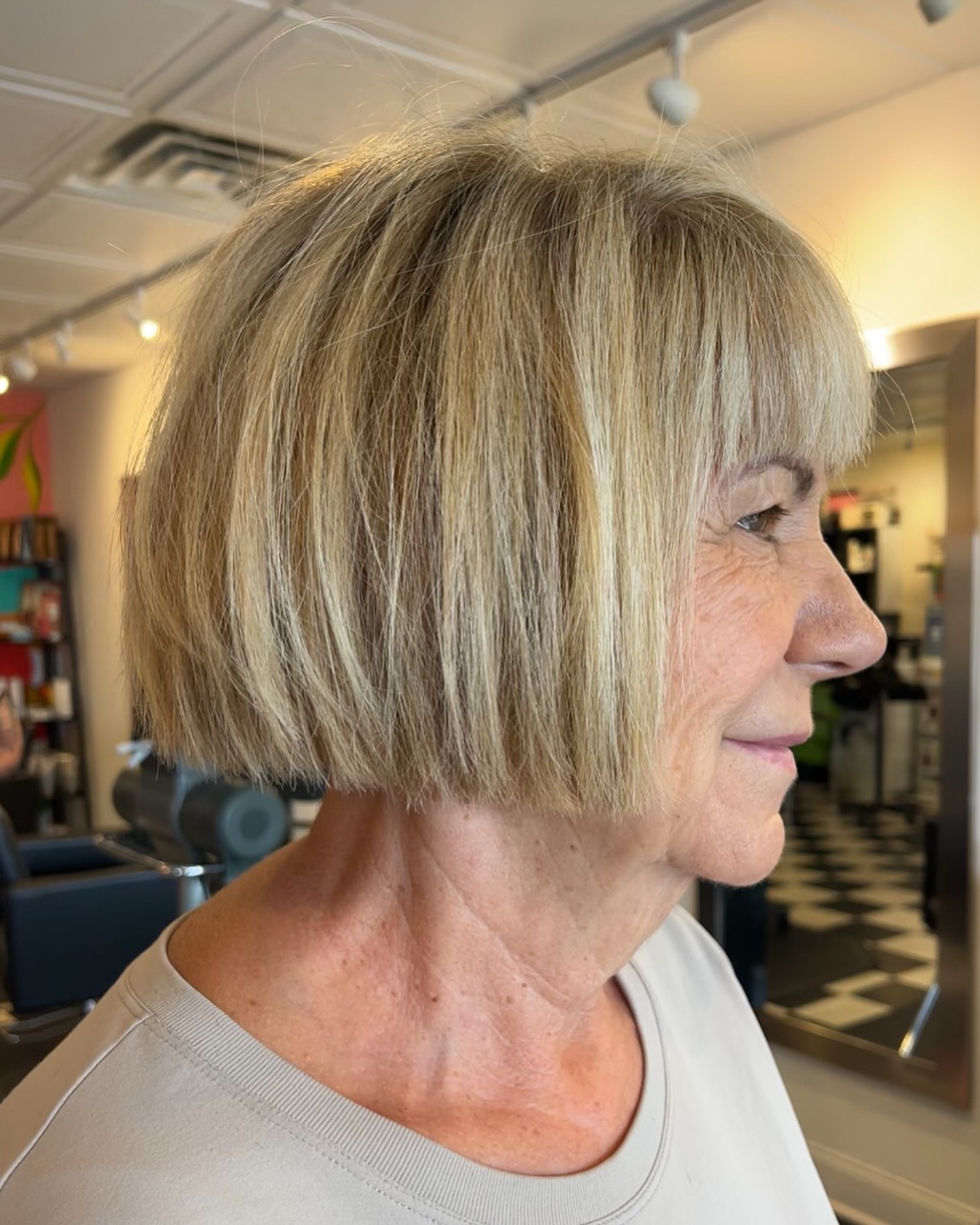
9. Blunt Chin-Length Bob
The blunt perimeter line is fine hair’s best friend because all the hair ending at the same length creates the illusion of thickness. Trim every five to six weeks to keep the line sharp, as grow-out dulls the effect quickly, especially on fine hair.
10. Stacked Bob with Graduated Back
Multiple graduated layers in the back build volume at the crown and nape without touching the front sections, which is useful when hair has thinned at the temples. The stacking creates a rounded, lifted silhouette — one that flattens if trims stretch past five weeks.
11. Inverted Bob for Thick Hair
The dramatically shorter back angles down to longer pieces in front. It’s a bold geometric silhouette that thick hair handles best because the back graduation removes the bulk concentrated there. Fine hair versions should use a gentler angle and add interior layers to prevent the longer front from looking heavy.
12. Asymmetrical Bob
One side noticeably longer than the other creates a diagonal line across the face that draws the eye upward and gives the style a modern, fashion-forward feel. The asymmetrical bob also suits gray and silver hair particularly well. The two-level length creates visual contrast that those tones emphasize.
13. French Bob with Curved Fringe
Sitting at or just below the cheekbone with a blunt fringe just above the brow, the French bob looks striking on gray or silver hair where the precise bluntness reads as intentionally chic. The fringe needs trimming every three weeks, which is the main maintenance commitment this cut requires.
14. Wavy Textured Bob with Face-Framing Layers
If your hair has a natural wave, layers starting at cheekbone level direct the wave toward the face rather than away from it. The wave then frames your features rather than obscuring them. Air-drying with a light curl cream is all the styling most naturally wavy bobs need.
15. Angled Bob with Side Part
A deep side part combined with the angled bob’s longer-front geometry creates a diagonal line that elongates the face. It’s one of the most effective visual tricks for round faces at short lengths. Blow-dry with a medium round brush for the smooth, slightly lifted finish the cut calls for.
16. Layered Bob at Jawline Level
Interior layers through a jaw-length bob add movement that a blunt cut at the same length can’t replicate. The key for fine hair is keeping those layers under the surface rather than through the top, which thins the ends further. This is a forgiving everyday length: neat without styling and easy to tuck back when needed.
17. Bob with Curtain Bangs
Curtain bangs that split at the center and sweep to each side soften the forehead without the full commitment of a blunt fringe, and they work on oval, round, and heart face shapes alike.
18. Sleek Polished Bob
A flat-ironed bob with zero texture and a high-shine finish looks exceptionally sophisticated on white or silver hair — the effect depends on the precision of the cut rather than the product. Ask your stylist to refine the perimeter with a razor on the final pass; it prevents the ends from reading as blunt or heavy.
Layered and Shaggy Short Styles
Layered and shaggy styles translate beautifully to shorter lengths after 60. Heavy layering creates texture that makes thinner hair look fuller and gives natural wave or curl a defined shape without hot tools. The shag haircut in particular works well for mature hair because its built-in texture works with, rather than against, hair that’s changed in density.

19. Short Shag with Curtain Bangs
Curtain bangs, heavy internal layers, and a choppy perimeter combine to create a cut full of movement that actually gets better as it grows out and the layers start to blend. Wavy and lightly curly hair gets the most out of this style because the texture naturally fills the space between layers.
20. Wolf Cut Adapted for Collar-Length Hair
A wolf cut at collar length keeps the signature wispy top and heavy layers while bringing the perimeter to a manageable length. Thick, wavy hair benefits the most — the layers release the wave pattern into defined sections that give the cut its shaggy character.
21. Feathered Layered Cut Inspired by 70s Styling
This brings back the winged feathering of the 1970s, updated for a shorter length. The side layers are angled to curve away from the face for an open, lifted effect. Straight to slightly wavy hair works best, and a medium round brush with a setting spray holds the wings in place all day.
22. Choppy Textured Short Layers
Point cutting creates staggered ends that add depth and movement. This is one of the best approaches for thick hair that tends to push outward. Ask your stylist specifically for point cutting at the perimeter and interior thinning through the mid-lengths to manage bulk without flattening the surface.
23. Shaggy Bob with Razored Ends
Razor-cut ends create a slightly frayed, intentionally undone texture that’s more relaxed than a blunt bob but more structured than a full shag. A light spritz of sea salt spray on dry hair on day two or three brings the texture right back.
24. Rock-Inspired Edgy Short Shag
A side-swept heavy fringe paired with choppy, close-cropped layers creates bold asymmetry with a real attitude. Style with a matte pomade for a piece-y, undone finish. Equally striking on natural gray and dyed dark hair.
25. Soft Layered Cut for Round Faces
Layers stacked higher at the crown and tapered close at the ears create vertical elongation that round faces need from a short cut. Face-framing pieces at cheekbone level draw the eye to the center rather than the width of the face. Avoid any styling that pushes volume outward at the sides.
26. Short Shag for Thick Coarse Hair
Thick, coarse hair needs significant interior weight removal to prevent the shag from becoming a puff. When done correctly, all that natural density channels into a full, rich shape that looks intentional. Budget for a longer appointment; managing internal layering on coarse hair takes time.
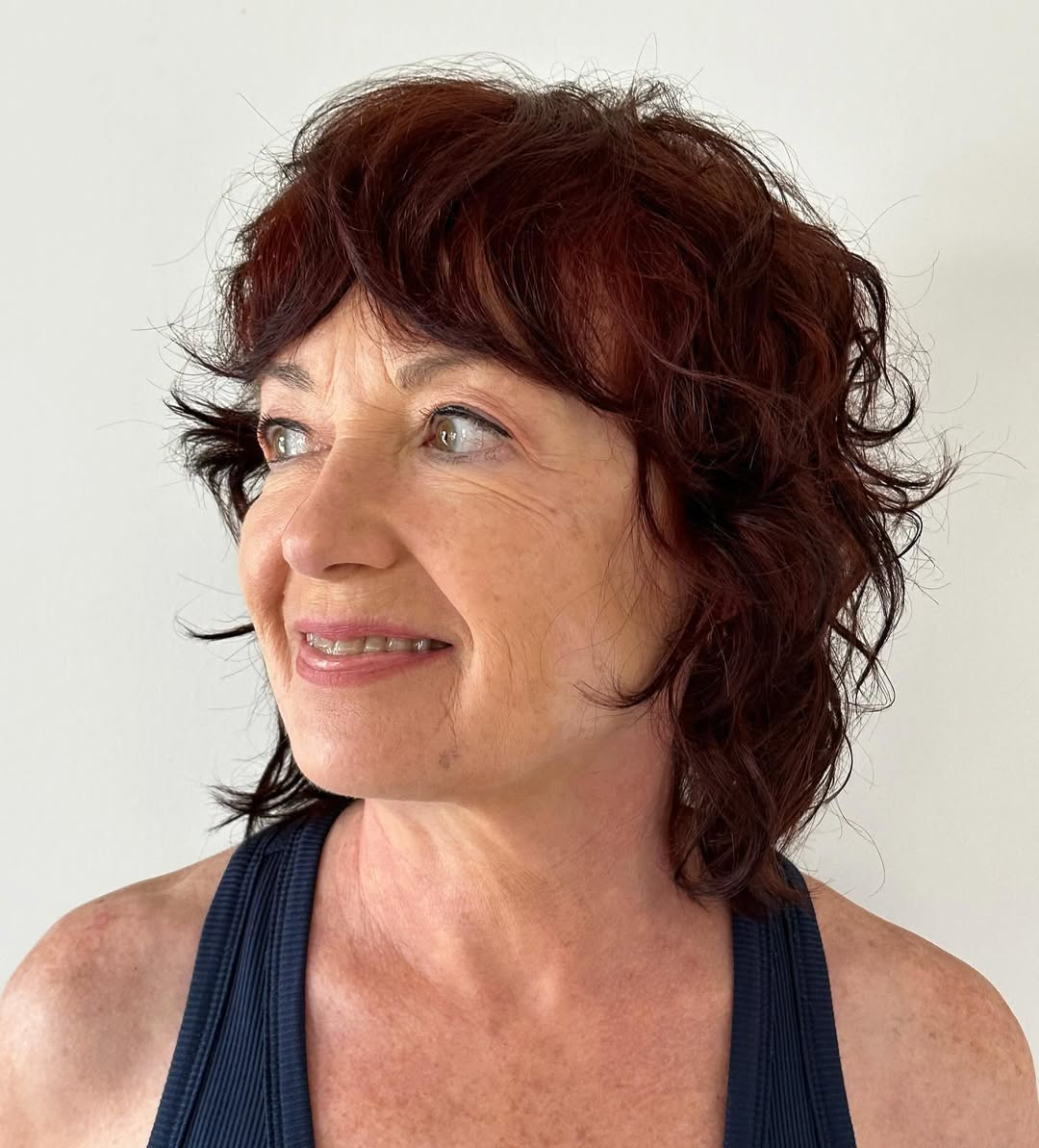
27. Tousled Pixie-Bob with Messy Layers
The back is cut close while the front keeps enough length for soft face-framing movement, with messy layers through the top keeping the look casual and effortless. A small amount of lightweight cream scrunched through dry hair is all the styling this cut rewards.
Low-Maintenance Wash-and-Go Short Cuts
These cuts are designed so the shape holds whether you air-dry or towel-dry. The style comes from the cut itself rather than from a daily styling routine.
28. Short Curly Wash-and-Go Pixie
A stylist should assess your curl type dry before cutting a single strand. Curl shrinkage changes the result significantly, and the cut needs to be shaped so the curls fall into a rounded silhouette when air-dried with a curl cream. No straightening, no blow-drying required; the curl does the styling work.
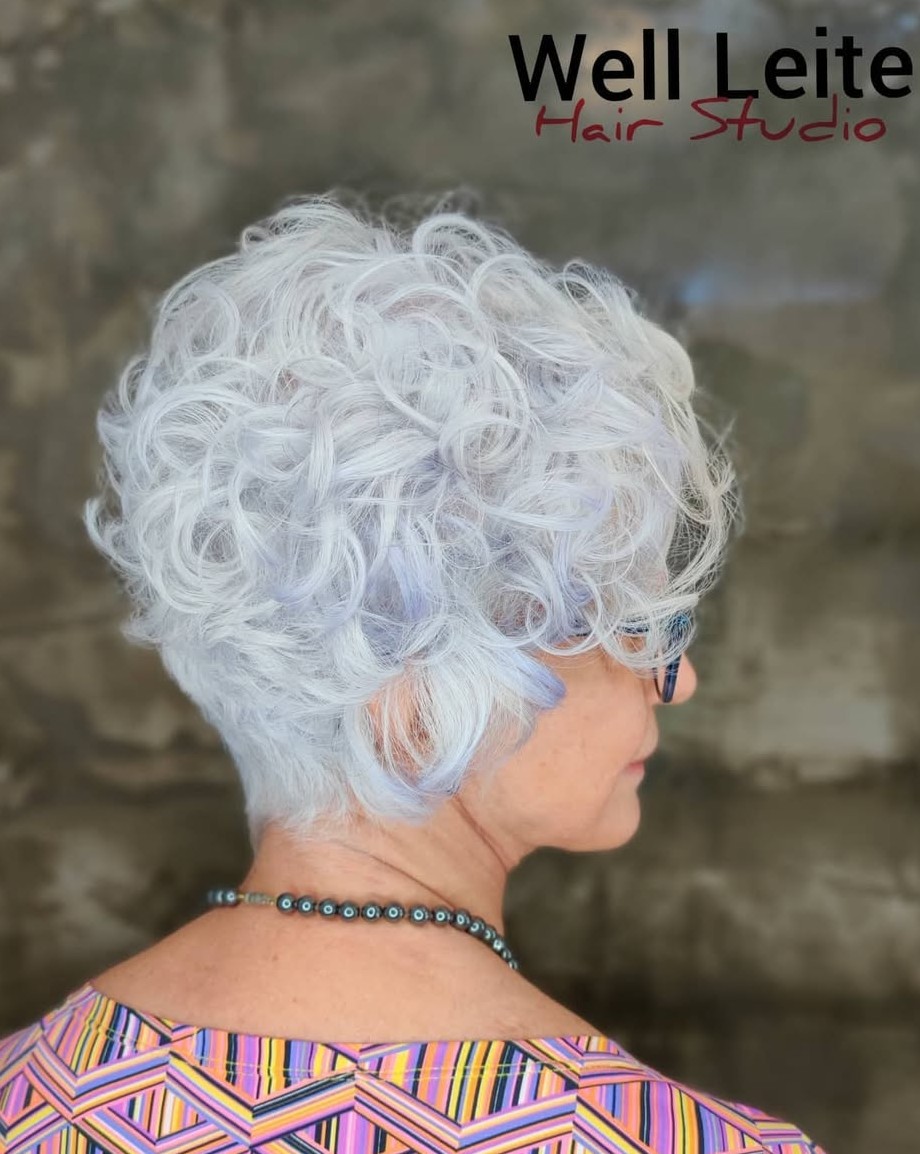
29. Natural Wave-Friendly Textured Crop
Light layering through a cropped cut gives naturally wavy hair a defined shape to fall into without any tools. The layers need to stay long enough to let the wave form, because very short layers interrupt the pattern and create frizz. Leave-in conditioner on damp hair and a gentle scrunch is the full routine.
30. Tapered Nape Cut with Easy Grow-Out
The taper at the nape sits below the main body of hair, so the overall shape is relatively neat as the rest grows out. This can stretch comfortably to eight to ten weeks between trims. Ask your stylist to keep the taper conservative to maximize that grow-out tolerance.
31. Easy Short Wavy Bob
A wavy bob cut specifically to work with natural texture looks effortlessly casual every morning. The key is that your stylist assesses how the wave falls dry before setting the perimeter length; ask for your appointment to start on dry hair if possible.
32. Sleek Minimalist Crop
The sides and back are kept very close, the top carries a clean part or gentle styling, and the overall line is immaculate. This works best on women with strong bone structure since the cut offers no face-framing softness. Touch-up visits every four to five weeks keep the precision intact.
33. Effortless Tousled Short Layers
Thick salt-and-pepper hair looks excellent in a tousled, layered short cut because the layers celebrate the natural texture rather than trying to smooth it. A fingertip amount of matte pomade scrunched through dry hair after air-drying is the only styling product this cut needs.
34. Air-Dry-Optimized Short Bob
Unlike a standard bob built for blow-drying, this version uses point-cut ends that look polished when air-dried. Your stylist needs to see how your hair behaves dry to place the weight line correctly. Tell them upfront that you air-dry; it changes the entire approach to where and how the cut is shaped.
35. Low-Maintenance Cropped Pixie for Very Fine Hair
Very fine hair loses its shape quickly in a longer cut, but a cropped pixie holds its structure much longer since the shorter lengths carry less weight. A two-minute root lift with a volumizing mousse and a quick blow-dry is enough to keep this looking polished all day.
Silver, White, and Gray Hair Ideas
Natural gray and silver hair has a dimensional, light-reflecting quality that dyed colors can’t replicate. These five styles lean into that rather than treating gray as something to cover up.
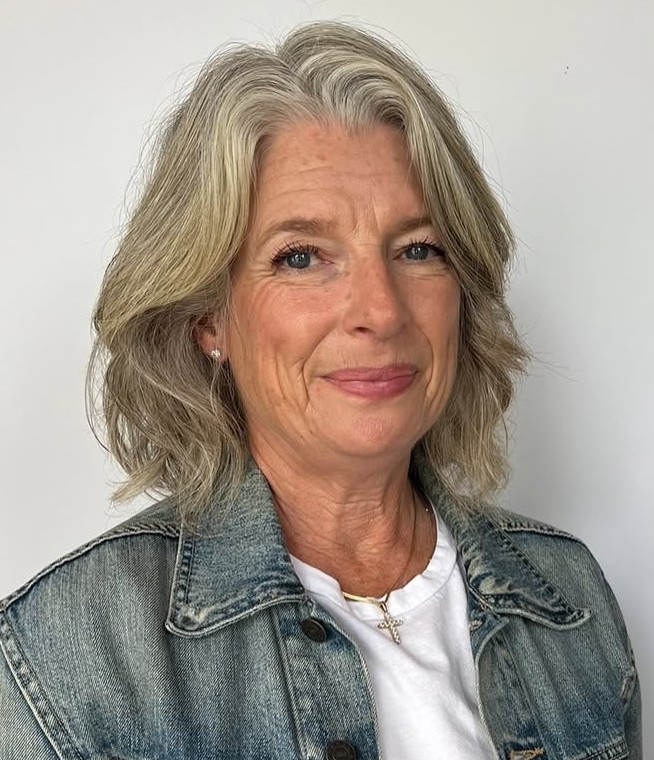
36. Bold Silver Pixie with Sharp Edges
Silver hair and clean geometric edges make a powerful combination. The contrast between the silver tone and the defined lines creates an almost sculptural look. A small trimmer can maintain the sideburn and nape edges at home between appointments.
37. Icy White Blunt Bob
Pure white hair in a blunt bob has an almost editorial quality. The evenness of the color combined with the precision cut gives the style a striking, intentional look. Use a purple toning shampoo weekly to prevent yellowing and keep the white cool and bright.
38. Natural Gray Layered Short Cut
Natural gray hair contains a range of tones from near-white to charcoal, and layered cuts let all those tones show simultaneously as each layer catches light differently. A light shine serum on dry ends amplifies the dimensional color effect without adding heaviness.
39. Salt-and-Pepper Shag
The two-tone contrast of salt-and-pepper hair is made for a shag. Multiple layers catch both the lighter and darker tones at different depths, creating richness that single-colored hair can’t match. This is also a forgiving option during the grow-out transition from dyed to natural gray.
40. Two-Tone Silver and White Choppy Pixie
When silver roots meet white ends, a choppy pixie lets both tones play off each other in the same piece-y top section. The contrast becomes the design element rather than a problem to fix. No salon color needed; just a toning shampoo and a cut that celebrates the natural grow-out pattern.
How to Choose the Right Short Haircut After 60
Hair after 60 often becomes finer, drier, and more prone to breaking as hormonal changes shift the hair’s growth cycle and structure. That means the cut that worked in your 40s may perform differently now. A layered haircut or textured approach typically handles reduced density better than a heavy blunt cut does. Use the table below to match your face shape to the most flattering cut category.
| Face Shape | Best Options | What to Avoid |
|---|---|---|
| Oval | Almost anything works — blunt bob, pixie, shag | Very heavy bangs that cover the forehead entirely |
| Round | Angled bobs, side parts, height at the crown | Chin-length with center part, volume at the sides |
| Square | Layered pixie, feathered cuts, soft wavy bob | Blunt bobs at jaw level that emphasize corners |
| Heart | Side-swept pixie, chin-length bob with volume below | Very short sides that emphasize a wide forehead |
| Long/Oblong | Full fringe pixie, blunt bob, width-adding layers | Very tall crown volume that adds visual length |
Stylist tip: Before committing to a pixie, ask your stylist to assess where the hairline sits at the nape and sides. Some women have uneven or sparse hairlines in those areas that become visible with very close cropping. Your stylist can adjust the cut design to keep those sections covered if needed.
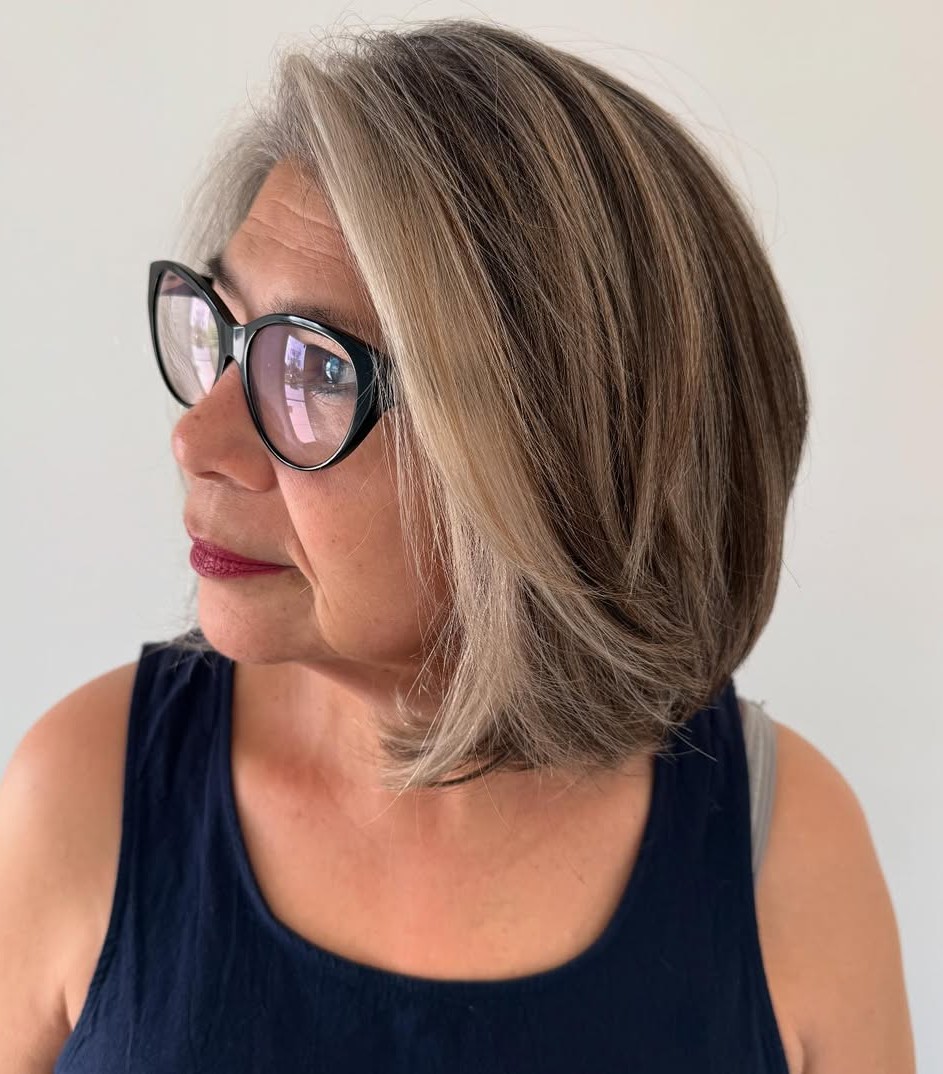
What to Tell Your Stylist
Bringing a reference photo from this gallery removes the ambiguity about length, texture, and finish that causes most short haircut regrets. Tell your stylist how you actually style your hair at home — whether you blow-dry daily, air-dry, or use minimal product. Knowing this upfront lets them recommend the variation that fits your real morning routine, not the idealized version.
If your hair has changed texture (finer, frizzier, or less responsive to styling), mention it. If you’re also transitioning to natural gray, the grow-out pattern affects where layers should sit to blend the two tones rather than highlight a hard line of demarcation.
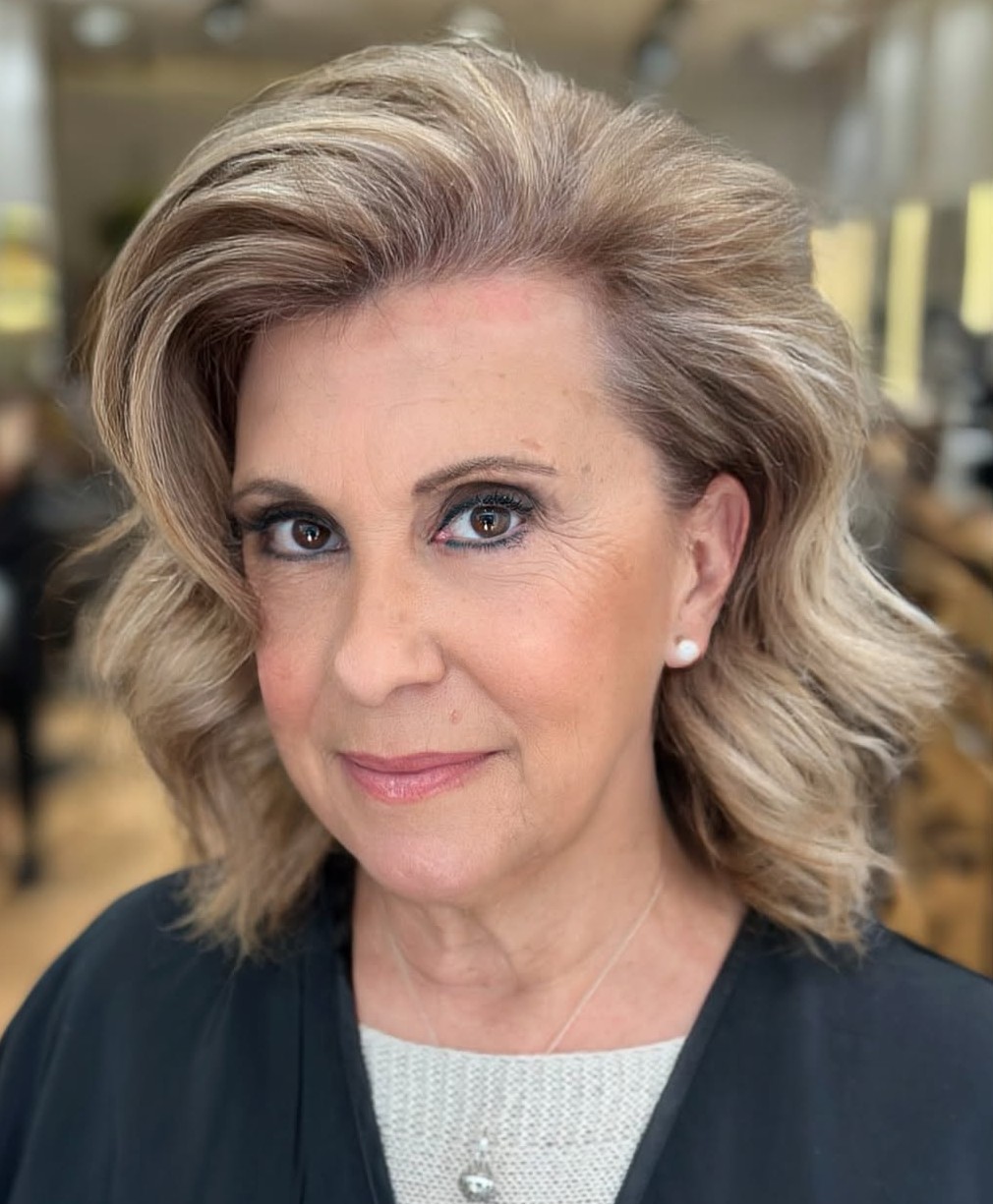
Maintenance Reality for Short Hair Over 60
Short hair is faster to style each morning — most cuts here take under five minutes. Salon frequency is higher though: most short styles need trimming every five to eight weeks to hold their shape, versus ten to twelve weeks for longer cuts. Wash-and-go options built around air-drying are the exception and can stretch to six to eight weeks with a conservative taper.
Stylist tip: Gray and white hair tends to be drier than pigmented hair because the structural proteins that retain moisture change as melanin production decreases. Use a moisturizing shampoo rather than a volumizing one, and apply a lightweight leave-in conditioner to the mid-lengths and ends a few times a week. Dry gray hair breaks more easily during styling, and keeping it hydrated significantly reduces that risk.
FAQ
What short haircut is most flattering for women over 60 with fine hair?
A blunt or lightly textured bob works best for fine hair over 60 because the weight line creates the illusion of thickness that heavily layered cuts can’t replicate. Keep layers internal — under the surface — rather than through the top, which thins the ends further.
How often does a pixie cut need trimming?
Every four to five weeks for a precise shape; the shorter the cut, the faster grow-out becomes visible. The nape and sides show untidiness first, so you can sometimes touch up those areas at home between full appointments and stretch salon visits slightly. Texture-heavy cuts with point-cut ends are more forgiving than very blunt, close-cropped versions.
Can I get a short haircut if my hair is thinning?
Yes, in many cases, a shorter cut makes thinning hair look better than a longer one because gravity and weight pull thin long hair flat. A stacked bob or feathered pixie builds shape and lift that disguise thinning at the crown and temples. Tell your stylist which areas are thinnest before they start cutting so the design can cover those spots.
What short cut works best for naturally curly hair over 60?
A curly pixie or short shag, cut dry rather than wet. Curly hair shrinks significantly, and a wet cut is how you end up shorter than intended. Ask specifically for a stylist experienced with textured hair; not everyone dry-cuts curls by default.
Is going from long hair to a pixie possible in one appointment?
Yes, but two stages often work better, especially from shoulder-length or longer. Cutting from long to a short bob first, then to a pixie, lets you see how shorter lengths sit on your head shape before fully committing. A single big-chop is workable if you have a clear reference photo and a stylist you trust.
Does gray hair need special products to look good in a short cut?
A purple or silver toning shampoo once a week prevents the yellow cast that white and pale gray hair can develop over time. Beyond that, a moisturizing conditioner and a lightweight shine serum on dry ends are the most useful additions. Gray hair benefits from hydration-focused products rather than volumizing ones.
Whether you’re drawn to a bold silver pixie, a relaxed shaggy bob, or a wash-and-go crop, the right short haircuts for women over 60 are the ones built around your hair’s actual texture today. Bring two or three reference photos to your next appointment, be upfront about your styling habits and texture changes, and you’ll leave with a cut that looks just as good six weeks later as it did on day one.
The styles shown in this gallery are intended as inspiration. Individual results will vary based on hair texture, density, face shape, and natural growth patterns. Always consult with a licensed professional stylist before making significant changes to your hair.