
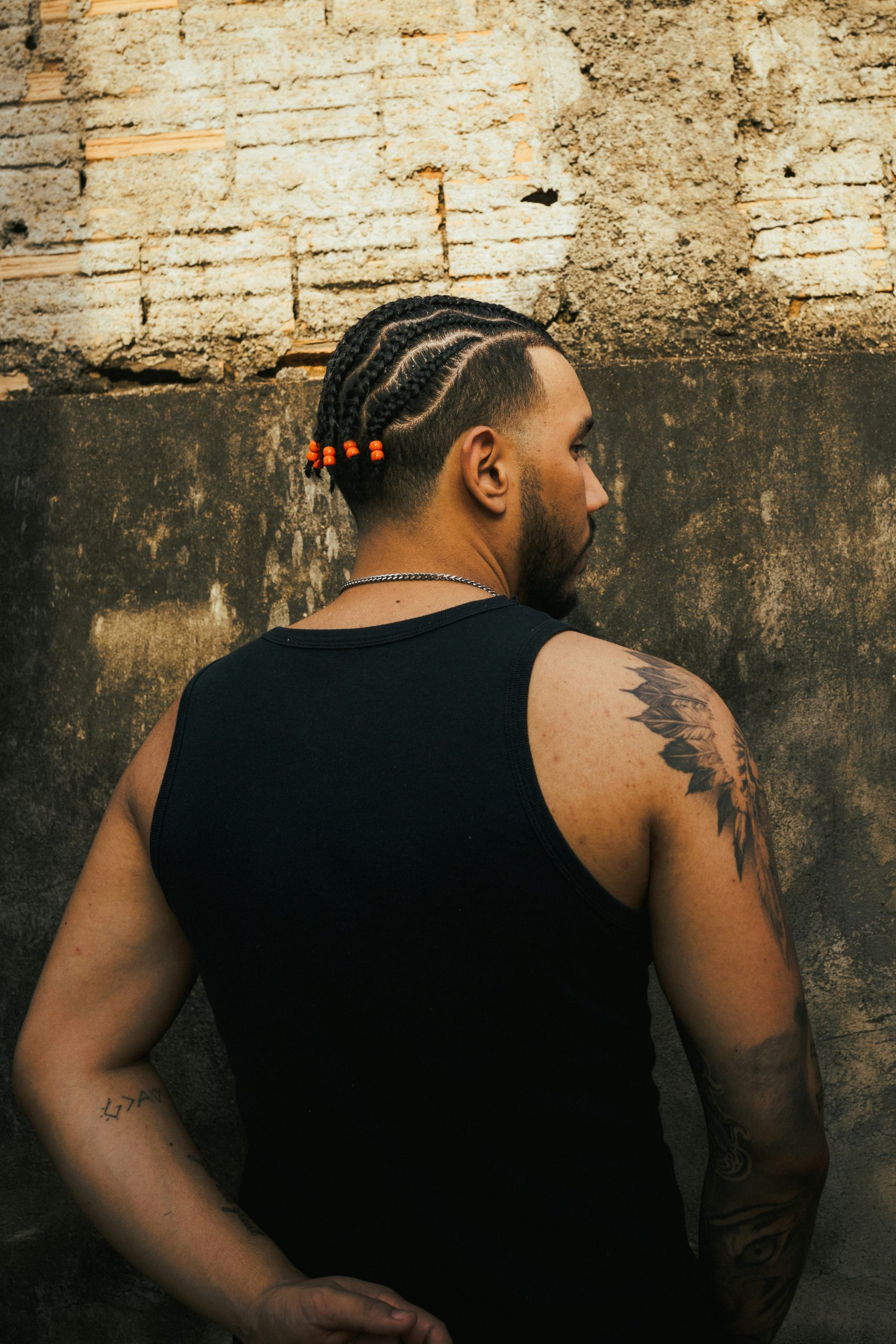

Cornrow braids for men are created by braiding hair flat against the scalp in raised rows, a protective style that stays sharp for one to three weeks and works on everything from short natural hair to longer length.
The 30 designs below run from the basics every barber can produce to the patterned and creative work that needs a specialist braider: straight-back rows, cornrows paired with fades, geometric and freestyle designs, and variations by length and braid size. Each entry names the detail that defines the look and who it suits, so you can scroll to the level of complexity you actually want.
Cornrows sit in the same family as other men’s braided styles, so if you are still choosing, the wider roundup of braids for men and the pop smoke braids gallery show neighboring options. After the designs, this article covers hair length requirements, what to tell your braider, and how to keep cornrows clean for their full lifespan.
| Factor | Details |
|---|---|
| Hair length | At least 2 to 3 inches on top; longer for complex designs |
| Lasts | 1 to 3 weeks depending on hair type and night care |
| Sitting time | 30 minutes for simple rows; 2 to 4 hours for designs |
| Best for | Type 3c to 4c hair; also works on wavy hair with grip |
| Night care | Durag or satin bonnet nightly to keep rows clean |
Classic Straight-Back Cornrows
Straight-back cornrows are the foundation every other design builds on, braided in clean parallel rows from the hairline to the nape. They are the fastest to install, the easiest to maintain, and the right starting point for a first cornrow appointment.
1. Four Straight-Back Cornrows
Four thick rows braided straight back is the simplest cornrow setup and the quickest to install, often done in half an hour. The larger braid size means less tension on the scalp and a faster appointment. Ask for four rows if you want a clean look with the least sitting time and the lowest upkeep.
2. Six to Eight Medium Rows
Stepping up to six or eight medium rows gives a more detailed, even look while staying simple enough for most barbers to handle. The extra rows distribute the hair more evenly across the scalp. This count is the sweet spot between the speed of four braids and the precision of smaller work.
3. Cornrows for Short Natural Hair
Short hair around three inches can hold straight-back cornrows, though the braids will be shorter and may need a little gel to grip at the start. A braider experienced with shorter hair will feed the rows tightly so they hold without slipping. This is the entry point for anyone growing their hair out who wants a braided style early.
4. Straight-Back with a Defined Hairline
Pairing straight-back rows with a sharp line-up at the front frames the braids and gives the whole style a crisp, finished edge. The line-up is done with a trimmer before or after braiding. Tell your barber to set the line-up first if your hairline shape guides where the front rows should start.
5. Cornrows into a Braided Ponytail
Longer hair lets straight-back rows feed into a gathered braid or ponytail at the back, keeping length contained and off the neck. The look works for anyone with enough length to collect at the nape. It is a practical choice for keeping longer hair managed during work or training.
6. Two Thick Cornrows
Two oversized rows down the center are the boldest of the simple setups, making a statement with minimal braid count. The thick size means low tension and a quick install. This style suits a confident, low-fuss look and grows out cleanly.
7. Cornrows with a Center Part
Splitting the rows along a clean center part sends braids back on each side in a symmetrical pattern. The center part suits oval and oblong face shapes by adding vertical balance. Request a straight center part specifically, since braiders sometimes default to a curved part based on your natural growth.
Cornrows with Fades and Designs
Combining cornrows on top with a fade or taper on the sides is the most popular modern men’s approach, since it pairs braided length up top with clean, low-maintenance sides. The contrast is sharp and the upkeep on the faded sides is simple.
8. Cornrows with a Low Taper Fade
Braids on top with a low taper fade on the sides keep the braided detail where it shows and fade the rest into clean skin near the ears. The low fade keeps more hair than a high one, which suits a subtler contrast. This is one of the most requested cornrow combinations for good reason.
9. Cornrows with a Burst Fade
A burst fade curves around the ear and lets the cornrows flow into a longer braided back, creating a rounded transition rather than a hard line. The shape works especially well when the braids continue into length at the back. Ask for the burst to follow the curve of your braid pattern.
10. Cornrows with a Mid Drop Fade
A drop fade that curves down behind the ear elongates the head shape and flows into the braided length. The dropping line follows the braids back, which keeps the silhouette connected. This pairing reads modern and is a clean way to frame straight-back rows.
11. Zigzag Cornrows with a Fade
Zigzag rows on top with faded sides combine pattern and contrast for an eye-catching design. Smaller braids produce the cleanest zigzag lines, so expect a longer appointment. The fade keeps the busy top balanced by clean sides.
12. Cornrows with a Line-Up and Fade
Adding a crisp line-up to a cornrow-and-fade combination squares off the hairline and sharpens the whole look. The line-up connects the braided top to the faded sides with a defined edge. This is the barbershop-standard finish for a polished result.
13. Cornrows with Shaved Side Design
A razor design shaved into the faded side adds a custom detail next to the braids, from simple lines to more intricate shapes. The shaved part is done after the braids are set. Bring a reference for the design so the barber can place it to complement the braid direction.
14. Cornrows with Tapered Sideburns
A simple taper at the sideburns and nape keeps the focus on the braids while cleaning up the edges, a more conservative option than a full fade. The taper is subtle and grows out gently. This suits anyone who wants tidy edges without a dramatic side contrast.
15. Two-Layer Cornrows and Fade
Braiding the top in two visual layers, with finer rows feeding into thicker ones, adds depth above a clean fade. The layered effect gives a simple straight-back pattern more dimension. A skilled braider creates the layers by varying the braid size as the rows progress.
Patterned and Creative Cornrows
Beyond straight rows, cornrows can be braided in curves, angles, and freestyle patterns that turn the scalp into a design. These need a specialist braider and more time, but they deliver the most individual results.
16. Pop Smoke Style Cornrows
Braided from the middle of the head outward rather than straight front to back, the pop smoke pattern sends rows in opposing directions for a distinctive split look. It is one of the most recognizable modern men’s cornrow styles. The center-out direction is the defining feature, so name it specifically to your braider.
17. Spider Cornrows
Spider cornrows start from a single point and braid outward in radiating lines, creating a web-like pattern across the scalp. The design is intricate and reads as genuinely creative work. Expect a longer sitting time and a braider who specializes in pattern work.
18. Crossed Cornrows
Crossing rows over each other at different angles builds a woven, interlocking pattern that looks more complex than straight braids. The crossover points are where the design comes alive. This style rewards a braider with an eye for geometry and clean parting.
19. Curved Cornrows
Braiding the rows in sweeping curves rather than straight lines softens the look and follows the natural shape of the head. The curves can spiral toward the crown or sweep to one side. This is a flexible design that suits most face shapes because the lines are not rigid.
20. Geometric Box Pattern
Parting the scalp into geometric boxes before braiding creates sharp angular sections that read as a deliberate, modern design. The clean parting is the foundation of the whole look. A braider with precise sectioning skills makes the boxes crisp rather than uneven.
21. Cornrows with Curved Side Sweep
Sweeping all the rows diagonally across the head toward one side creates movement and an asymmetrical finish. The side sweep draws the eye across rather than straight back. It is a fresh alternative to the standard straight-back pattern.
22. Freestyle Mixed Pattern
A freestyle design mixes straight, curved, and crossed rows in one head for a fully custom result. This is the most individual option and depends entirely on the braider’s creativity. Come with a reference or give the braider freedom to design around your hairline.
23. Cornrows with Heart or Initial Designs
Some braiders can shape rows into letters, hearts, or symbols for a personalized statement piece. The design works best with smaller braids that allow finer detail. This is a special-occasion or expressive choice rather than an everyday pattern.
Cornrows by Length, Size, and Finish
The same cornrow direction changes character depending on braid size, added length, and finishing details like beads or color. These entries cover the variations that adjust how bold or subtle the final style reads.
24. Jumbo Cornrows
Jumbo cornrows use a few thick rows for a fast appointment and a bold, clean look with minimal tension. The large size means the least time in the chair of any cornrow style. This is the time-saver choice for anyone who wants braids without a long install.
25. Micro Cornrows
Micro cornrows pack many small braids across the scalp for a detailed, refined finish and more freedom for intricate patterns. The trade-off is a much longer appointment and more scalp tension. The small size gives designs the cleanest definition.
26. Cornrows with Added Length
Braiding in extension hair extends cornrows well past your natural length for braids that reach the shoulders or beyond. The feed-in technique blends the extension hair gradually for a natural start at the hairline. This opens length options that short natural hair cannot reach alone.
27. Beaded Cornrow Ends
Adding beads or cuffs to the ends of cornrows finishes the style with detail, with neutral wood or metal tones keeping it from looking too young. The beads are secured after the braids are complete. Keep the count moderate so the ends stay comfortable to sleep on.
28. Cornrows into a Man Bun
Tight uniform rows that feed into a controlled bun at the crown keep length tidy and out of the way. The bun suits anyone with enough braided length to gather. It is a clean, professional-friendly way to wear longer cornrows.
29. Cornrows with Color
Adding colored extension hair, from subtle brown to bold tones, gives cornrows a different character without dyeing your natural hair. The color shows most clearly in the braided length. Pre-stretched extension hair in your chosen tone is the easiest to braid in cleanly.
30. Stitch-Style Cornrows
Borrowing the stitch technique from stitch braids, the braider divides each row into horizontal segments for a raised, segmented look between the braids. The stitch detail adds texture to an otherwise standard pattern. It is a refined upgrade for anyone who wants their straight-back rows to stand out.
Who Cornrows Suit and How Face Shape Plays In
Cornrows work for most men with at least a couple of inches of hair, but the braid direction can flatter or fight your face shape. Because braids pull the hair back and expose the face, the part and pattern direction matter more than they would with loose hair.
| Face Shape | Best Cornrow Direction | Approach with Care |
|---|---|---|
| Oval | Most patterns work, including straight back and designs | Few limits; choose by personal taste |
| Round | Straight back or a center part to add length | Wide side-swept patterns add width |
| Square | Curved patterns to soften a strong jaw | Hard geometric lines echo the jawline |
| Oblong | Side-swept or curved rows to add width | Tall braided buns lengthen the face further |
What to Tell Your Braider
Be specific about three things: the number or size of braids, the direction or pattern, and how you want the sides finished. Saying “six medium straight-back rows with a low taper fade and a line-up” gives a braider everything they need, while “just cornrows” leaves too much open.
Stylist tip: Speak up about tension on the very first braid. Cornrows should feel snug, not painful, and if the first row pulls hard at the edges, say so immediately. Fixing tension on braid one is simple, but loosening a whole head after the fact means redoing finished work, and braids that are too tight can damage your hairline over time.
Maintenance and How Long Cornrows Last
Cornrows for men typically last one to three weeks before the new growth and loosening edges make them look untidy. Type 4 hair tends to hold longer than wavy hair because the texture grips the braid better. The single biggest factor in how long they stay sharp is night care.
Wear a durag or satin bonnet every night to keep the rows flat and prevent frizz from friction against your pillow. Keep the scalp moisturized with a light oil applied along the parts, and avoid heavy products that build up between the braids. When the edges have grown out and the rows lift off the scalp, take them down rather than pushing past three to four weeks, since trapped shed hair can tangle and matting becomes harder to remove.
Stylist tip: Do not re-braid only the front hairline to refresh the look, which is a common shortcut. Repeatedly braiding the same delicate edge hair under tension is a leading cause of thinning at the hairline, so take the whole style down and give your edges a break between installs.
When Cornrows Are Not the Right Choice
Cornrows suit most men, but a few situations call for waiting or choosing a different style.
- A receding or fragile hairline: the tension at the front can worsen thinning. Choose larger, lower-tension braids that do not start tight at the edge, or try a two-strand twist that pulls less.
- Hair under two inches: very short hair will not hold a clean braid. Grow it out a little first, or wait until there is enough length to grip.
- A scalp condition or recent irritation: braiding over an inflamed or flaking scalp makes it worse. Treat the scalp first, then braid once it has settled.
FAQ
How Long Does Hair Need to Be for Cornrows?
You need at least two to three inches on top to hold a clean cornrow, though a skilled braider can sometimes work with slightly less using gel for grip. Longer hair gives more length in the braid and more freedom for intricate designs. If your hair is shorter than two inches, growing it out a little first gives a much cleaner result.
How Long Do Cornrows Last on Men?
Men’s cornrows usually last one to three weeks depending on hair texture and how well you protect them at night. Type 4 hair holds longer than wavy hair because it grips the braid better. Wearing a durag or bonnet nightly is the biggest factor in keeping them sharp for the full stretch.
Do Cornrows Damage Your Hair?
Cornrows are a protective style and are not damaging when braided at a comfortable tension and taken down on time. The damage comes from braids that are too tight, which stress the hairline, and from leaving them in too long, which causes matting. Keep the tension snug rather than painful and take them down within three to four weeks.
How Much Do Men’s Cornrows Cost?
Simple straight-back cornrows are among the most affordable braided styles because they install quickly, while intricate patterns and designs cost more for the added time and skill. Adding extension hair or beadwork raises the price further. Prices vary widely by region and braider experience, so confirm the cost for your specific design when you book.
Can You Sleep in Cornrows?
Yes, and sleeping in them correctly is what keeps them clean. Wear a durag or satin bonnet every night to stop friction from frizzing the rows and to keep the braids flat. Skipping night protection is the fastest way to make cornrows look untidy before their time.
What Is the Difference Between Cornrows and Box Braids?
Cornrows are braided flat against the scalp in continuous rows, while box braids hang free from individual square sections and are not attached to the scalp along their length. Cornrows sit close to the head and follow a pattern, whereas box braids move freely. For men, cornrows are the more common scalp-based style and box braids the free-hanging option.
The right cornrow braids for men come down to picking a pattern that matches the time you want to spend, pairing it with a fade or clean edges, and protecting the style at night so it lasts. Bring a clear reference photo to your braider, name the braid count and direction, and speak up about tension from the first row. Cornrows that are braided well and cared for properly are one of the sharpest, most practical protective styles a man can wear.
Hair results vary based on your natural hair type, texture, density, and condition. Always consult with a licensed hairstylist before making significant changes, especially with chemical treatments or dramatic length changes. Photos may show styled results that require professional tools and products to replicate.