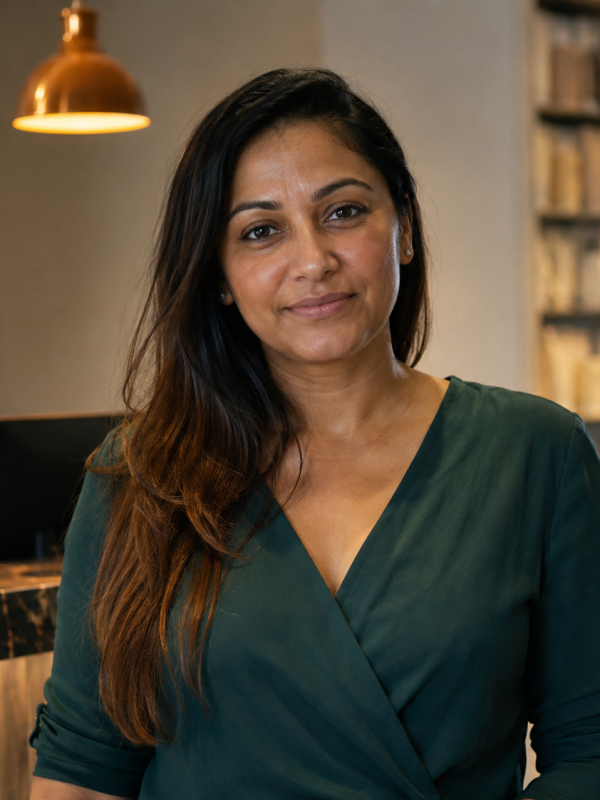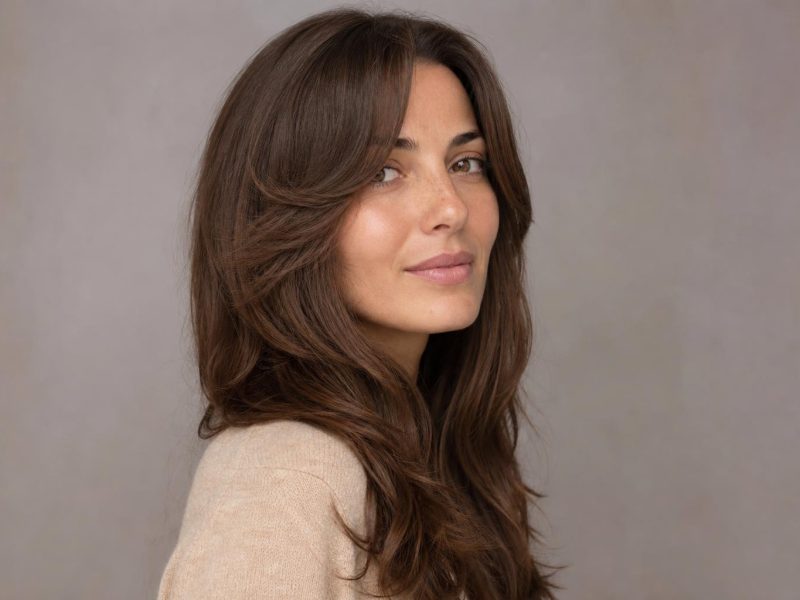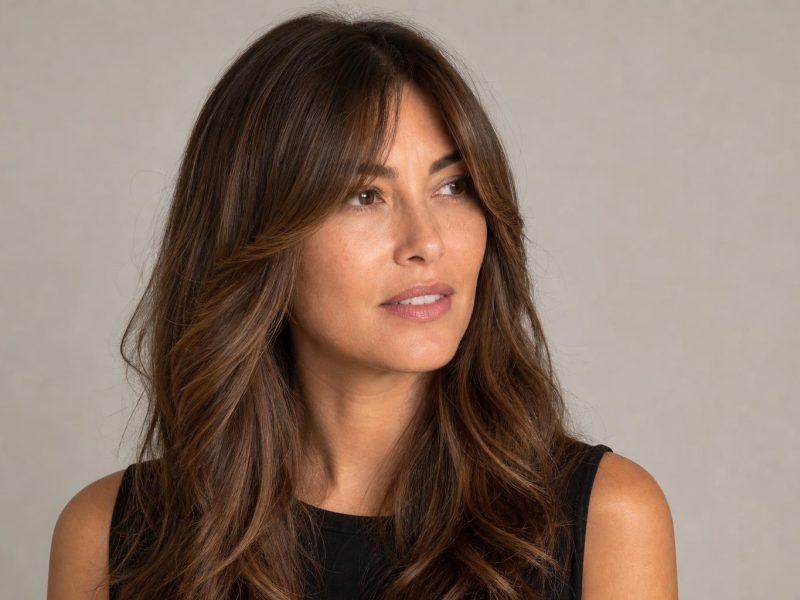


The French fringe is the soft, brow-grazing fringe that looks effortless on purpose, and the real trick is matching the density to your hair texture and face shape.
A French fringe is a soft, feathered fringe that grazes the eyebrows and breaks into airy pieces instead of falling in one solid line. It sits fuller across the forehead than curtain bangs but stays lighter and less severe than blunt bangs, which is exactly what gives it that undone, French-girl quality. The 25 ideas below range from sheer see-through versions to fuller Bardot-inspired fringes, sorted so you can find the one that suits your hair.
Each entry notes who the style works best for and how to achieve it, and the guidance sections that follow cover face shape matching, exact salon language, a realistic trim schedule, and when a French fringe is the wrong call. Whether your hair is fine and straight or thick and curly, there is a version here that fits your texture and your morning routine.
| Factor | Details |
|---|---|
| Best for | Oval, heart, and long faces; anyone wanting softer coverage than blunt bangs |
| Maintenance | Fringe trim every 3 to 5 weeks; 2 to 5 minutes of daily styling |
| Works with | Fine, medium, thick, wavy, and curly hair when cut for the texture |
| Avoid if | You have a strong front cowlick, an active sweaty routine, or want zero upkeep |
| Salon time | 15 to 30 minutes to add to an existing cut |
Classic French Fringe Styles
These are the core versions of the French fringe, the ones that read instantly as Parisian: soft, feathered, and brow-grazing. Start here if you are new to the look and want the most classic interpretation before branching into texture-specific or colored takes.
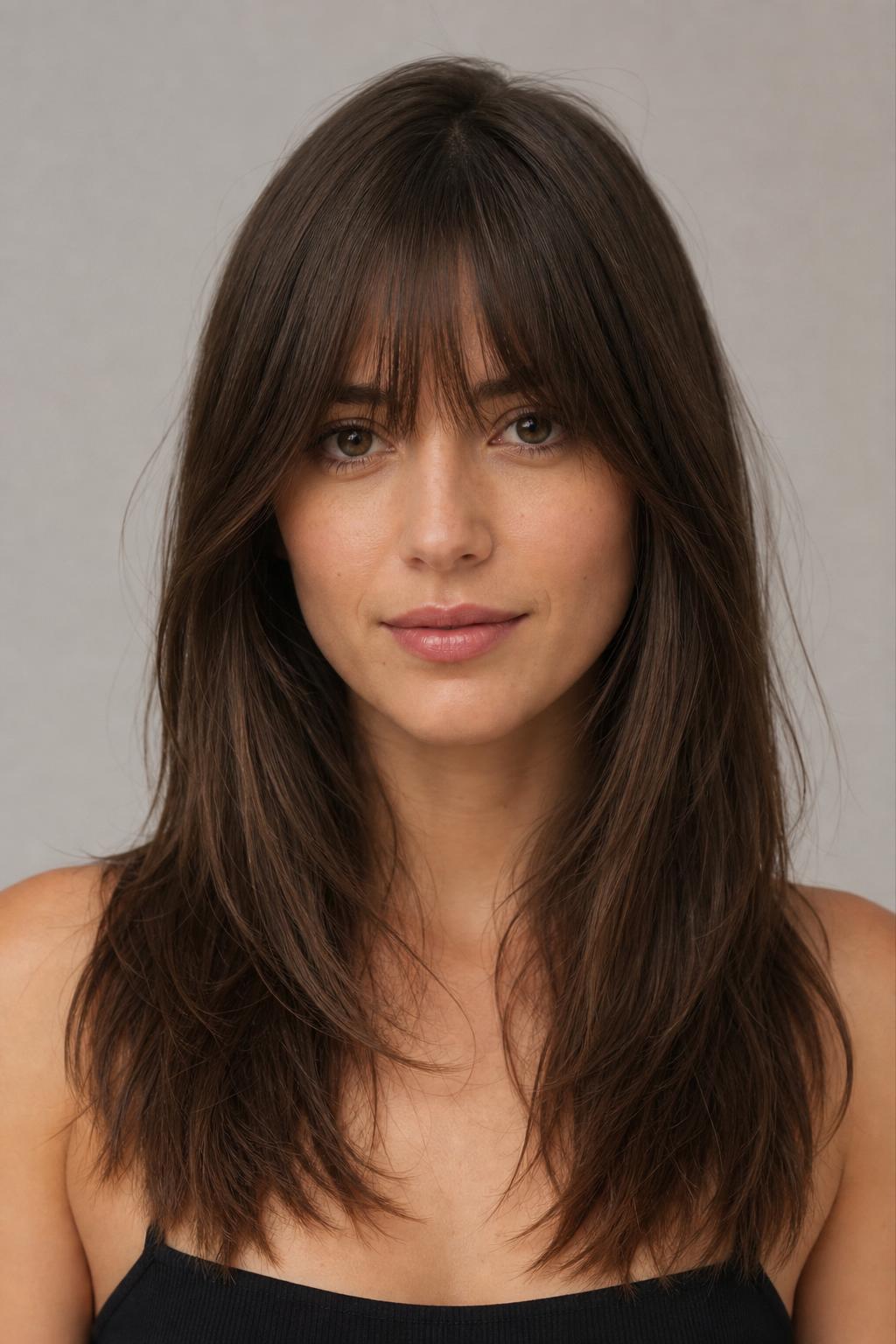
1. Classic Wispy French Fringe
Soft, feathered ends and a brow-grazing length define the original French fringe, cut with plenty of point cutting so the fringe breaks into airy pieces rather than a solid wall. The look reads relaxed instead of styled, which is the entire appeal. Ask for a fringe that grazes the middle of the eyebrows so it stays wearable as it grows.
2. Brow-Grazing Fringe for Oval Faces
Oval faces have the balanced proportions to carry a slightly fuller fringe without shortening the face, so a brow-grazing French fringe with a touch more density works beautifully. Keeping the outer corners a little longer than the center echoes the natural curve of the brow. Wavy mid-length layers underneath complete that easy Parisian balance.
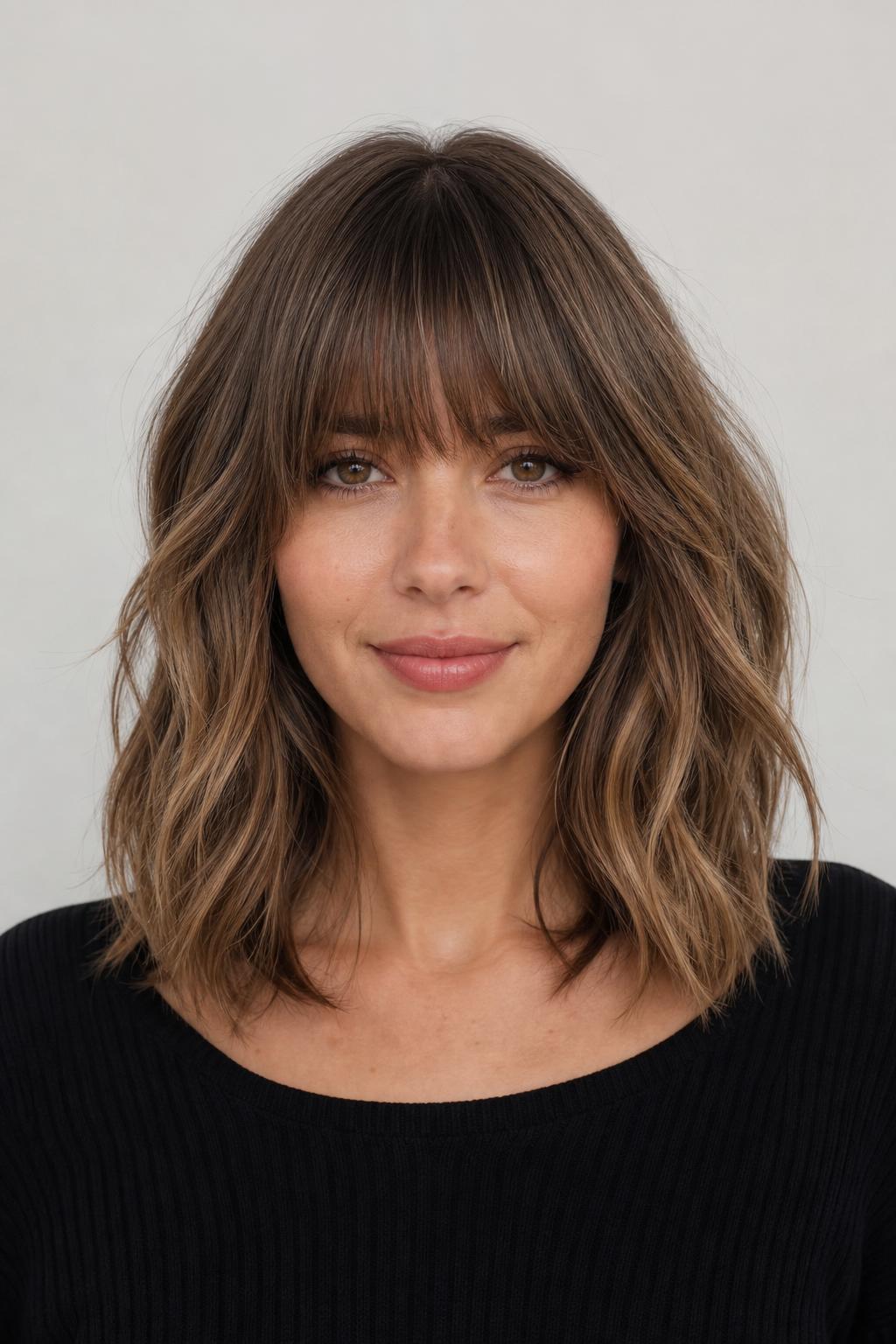
3. Piece-y Center-Split Fringe
A subtle split down the center of the fringe gives it a lived-in, just-woke-up quality without tipping into a full curtain-bang part. Rough-dry the fringe with your fingers, then break up the pieces with a pinch of texture paste. The gentle gap keeps the fringe from looking heavy across the forehead.
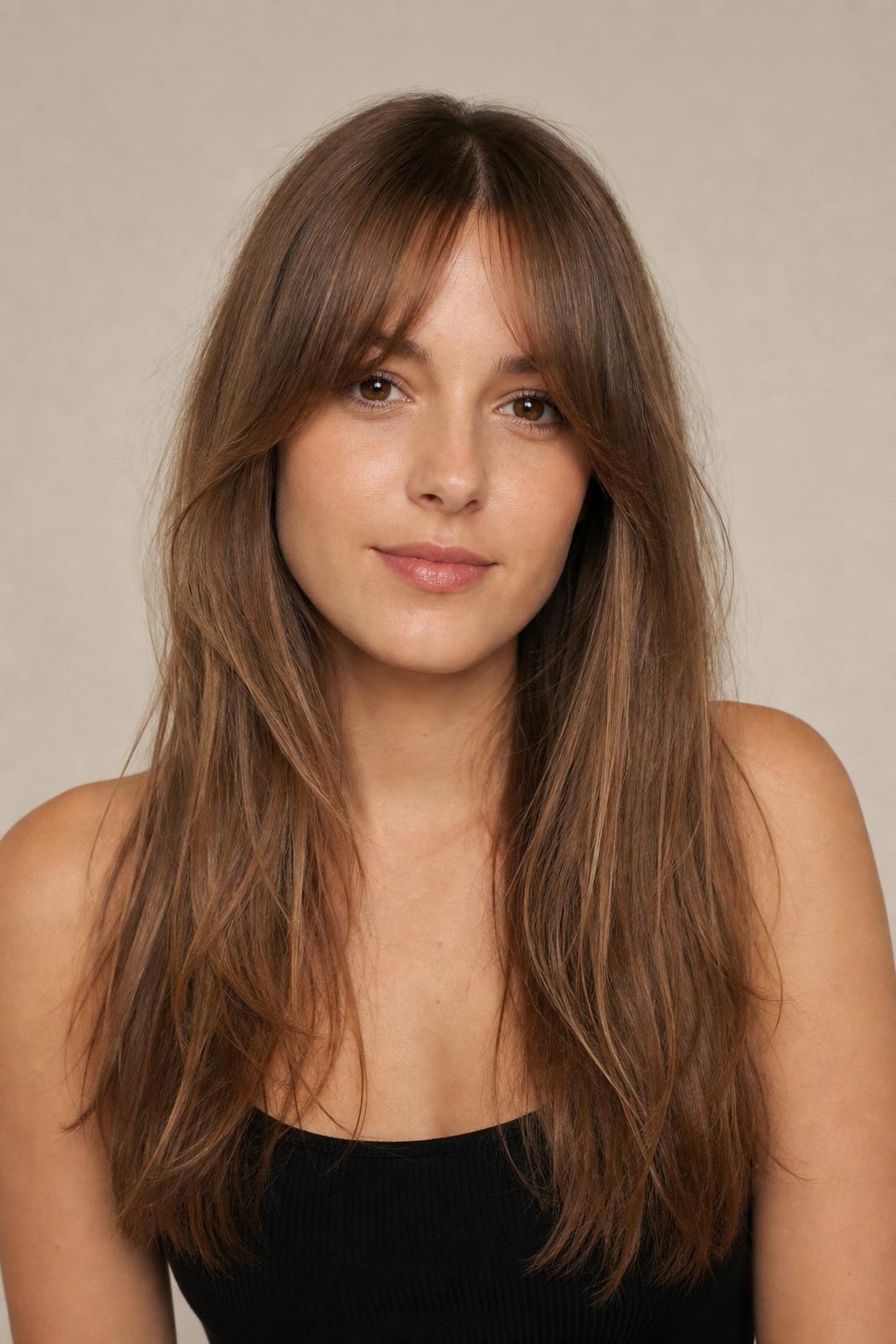
4. Grow-Out-Friendly Long Fringe
Cut a hair longer than the classic version, this fringe skims the lashes and blends into face-framing pieces as it grows, so the awkward stage barely registers. It buys you eight to ten weeks between fringe trims instead of the usual three to four. A smart starting point if you have never committed to bangs before.
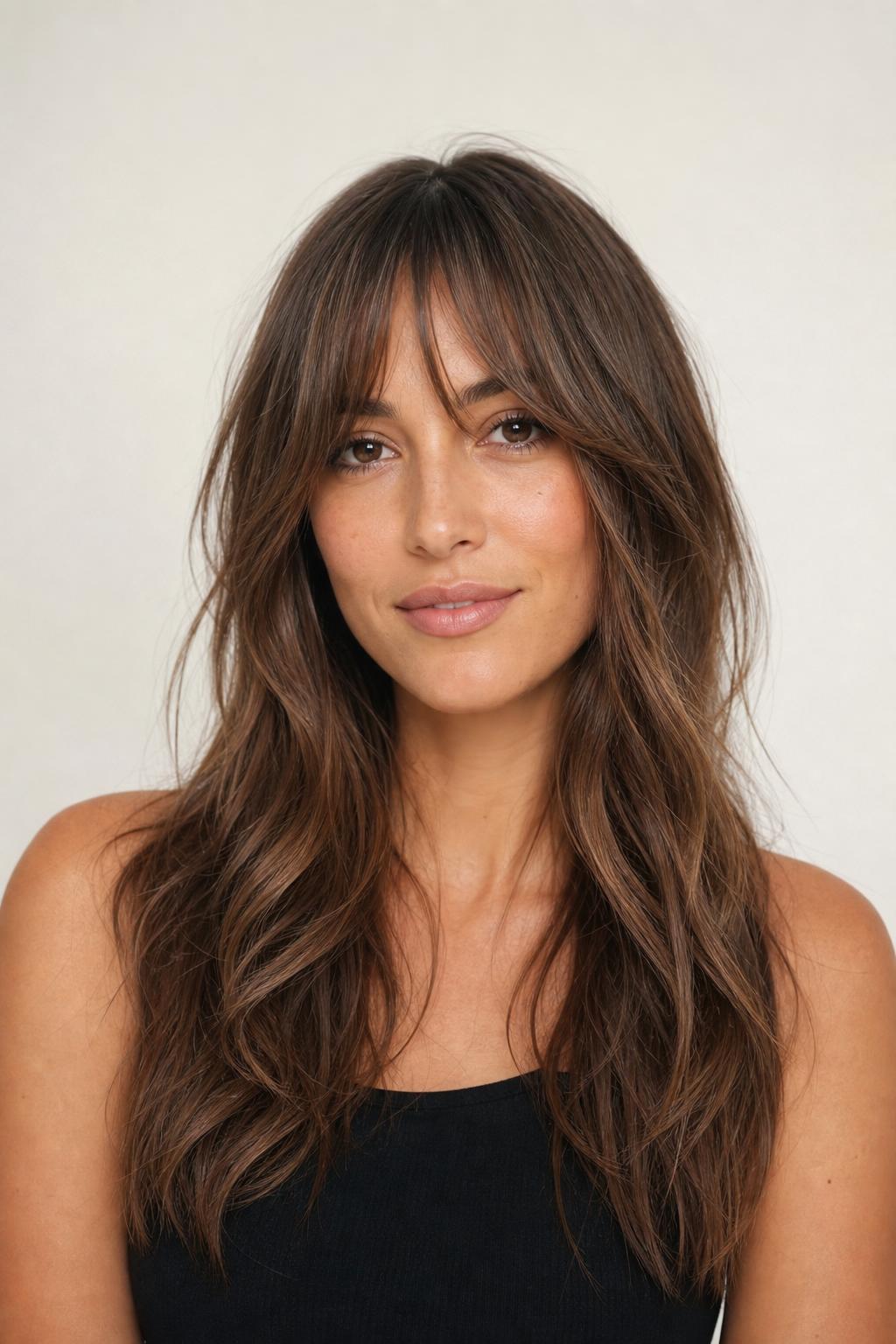
5. See-Through French Fringe
Sheer enough to show a sliver of forehead through the strands, a see-through French fringe uses minimal density so it feels weightless. The stylist leaves out only a thin panel of hair rather than a thick section, which keeps it soft on finer textures. It stays crispest on straight hair, where the gaps look deliberate rather than stringy.
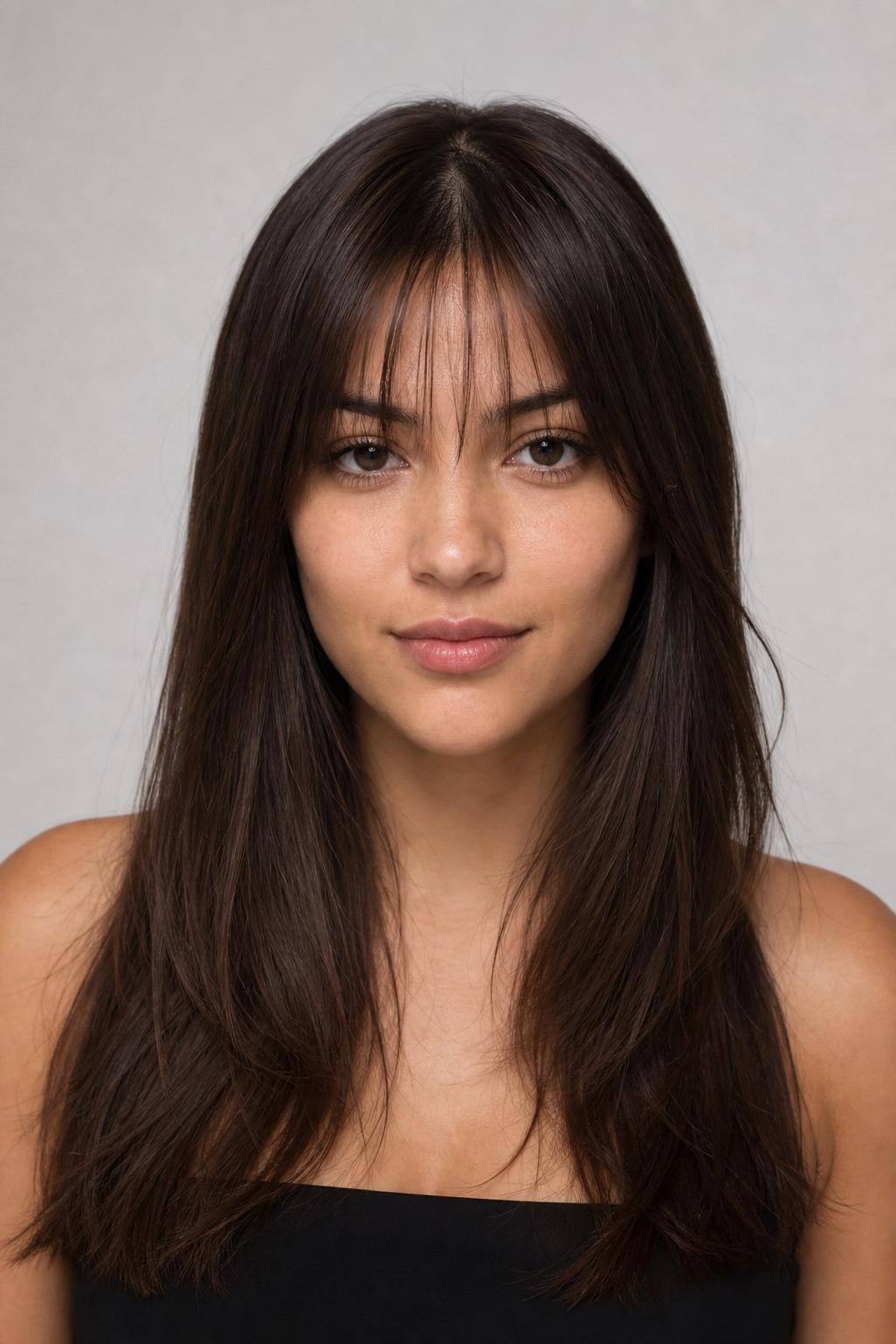
6. Full Bardot-Inspired Fringe
For a denser, more retro take, reference Brigitte Bardot’s 1960s fringe: full across the forehead but still softly feathered at the ends. Tell your stylist you want a full French fringe with soft, textured ends and no blunt line. The extra weight suits thick hair that would swallow a wispy version.
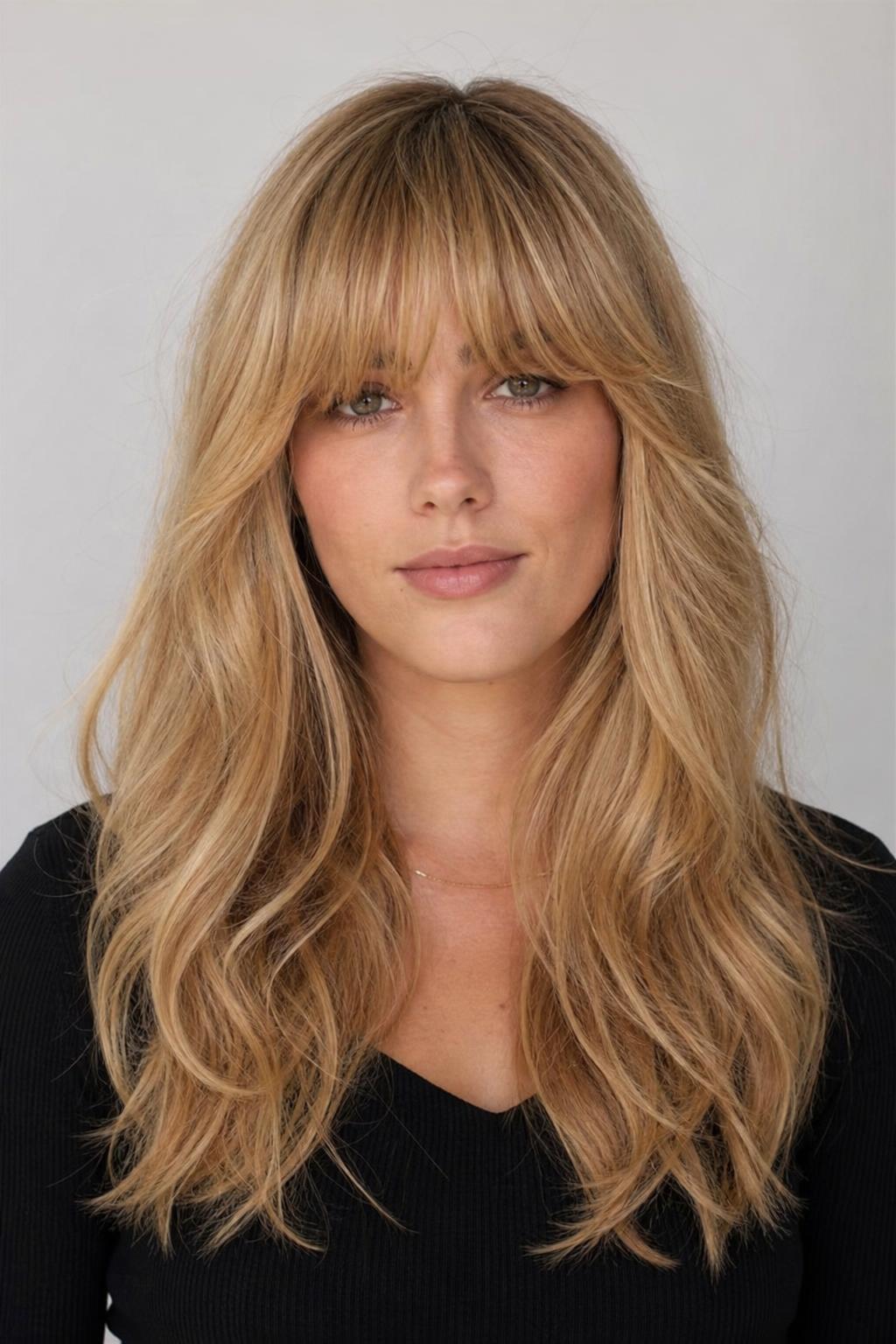
7. French Fringe Versus Blunt Bangs
Unlike blunt bangs, which land in one sharp horizontal line, a French fringe is layered and broken up so it moves with your face. That softer edge is far more forgiving on cowlicks and uneven hairlines. Choose this version if a hard blunt line has ever felt too severe on you.
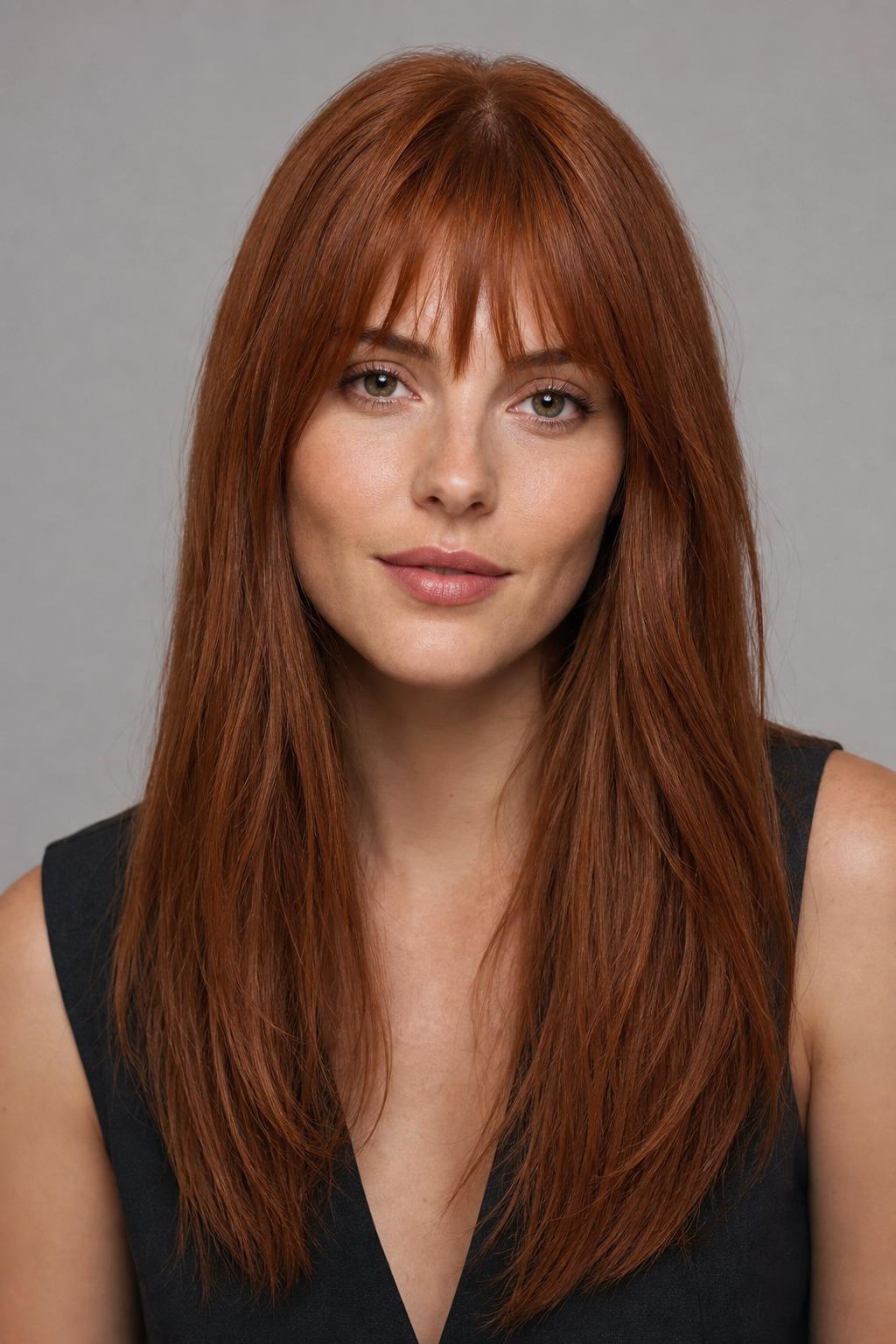
8. Feathered Fringe for Fine Hair
Fine hair gets the most out of a French fringe cut fairly straight across with only light feathering, which keeps it looking full rather than sparse. Over-layering thin hair scatters the few strands you have and starts to show scalp. A little dry shampoo at the roots gives the fringe standing power through the day.
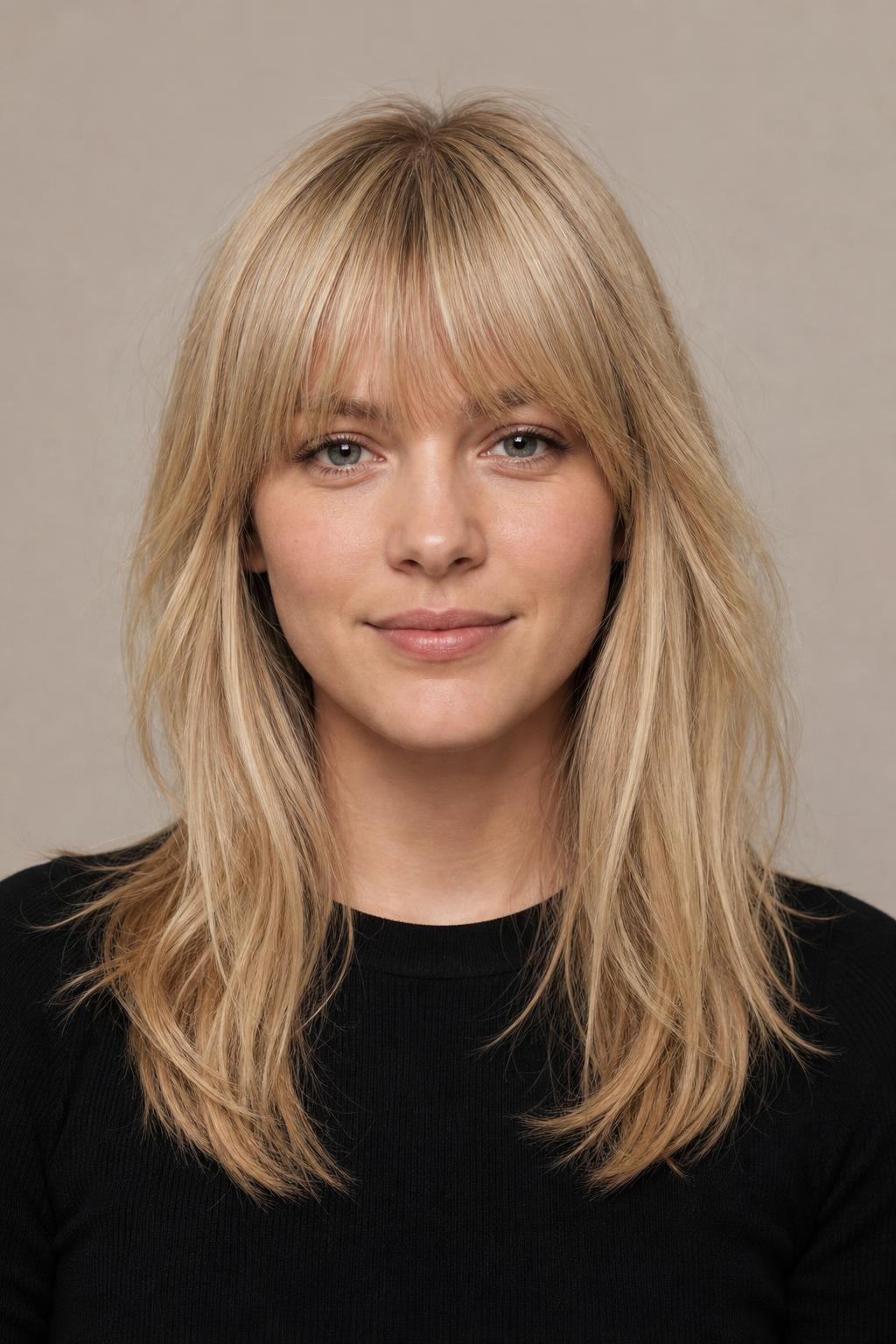
9. Honey-Highlighted French Fringe
Fine ribbons of honey lightness threaded through the fringe catch the light every time it moves, adding dimension a solid color cannot. Concentrating the brightest pieces around the face mimics the way sun naturally lifts the front. The effect is warm without the upkeep of an all-over highlight.
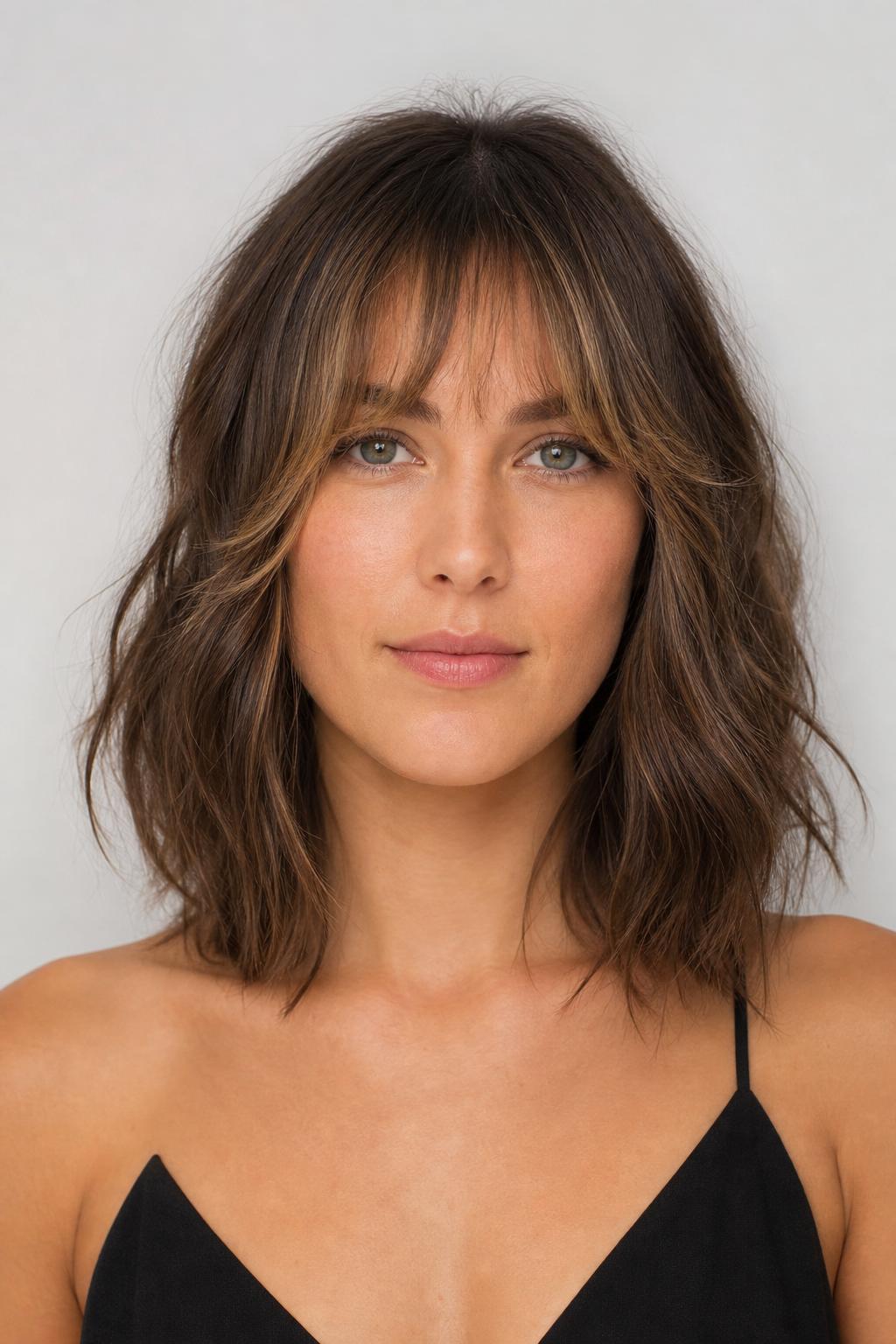
French Fringe for Every Hair Texture
Texture changes everything about how a fringe falls, so the same cut behaves differently on straight, wavy, curly, and coily hair. This section adapts the French fringe to each type, including how much longer curls and coils need to be cut to allow for shrinkage.
10. Wavy-Hair French Fringe
Natural waves give a French fringe built-in bend, so the ends flick softly to either side without any heat. Cut it a touch longer than you would on straight hair to account for the lift the waves create. Scrunch a little cream through damp bangs and let them air-dry into shape.
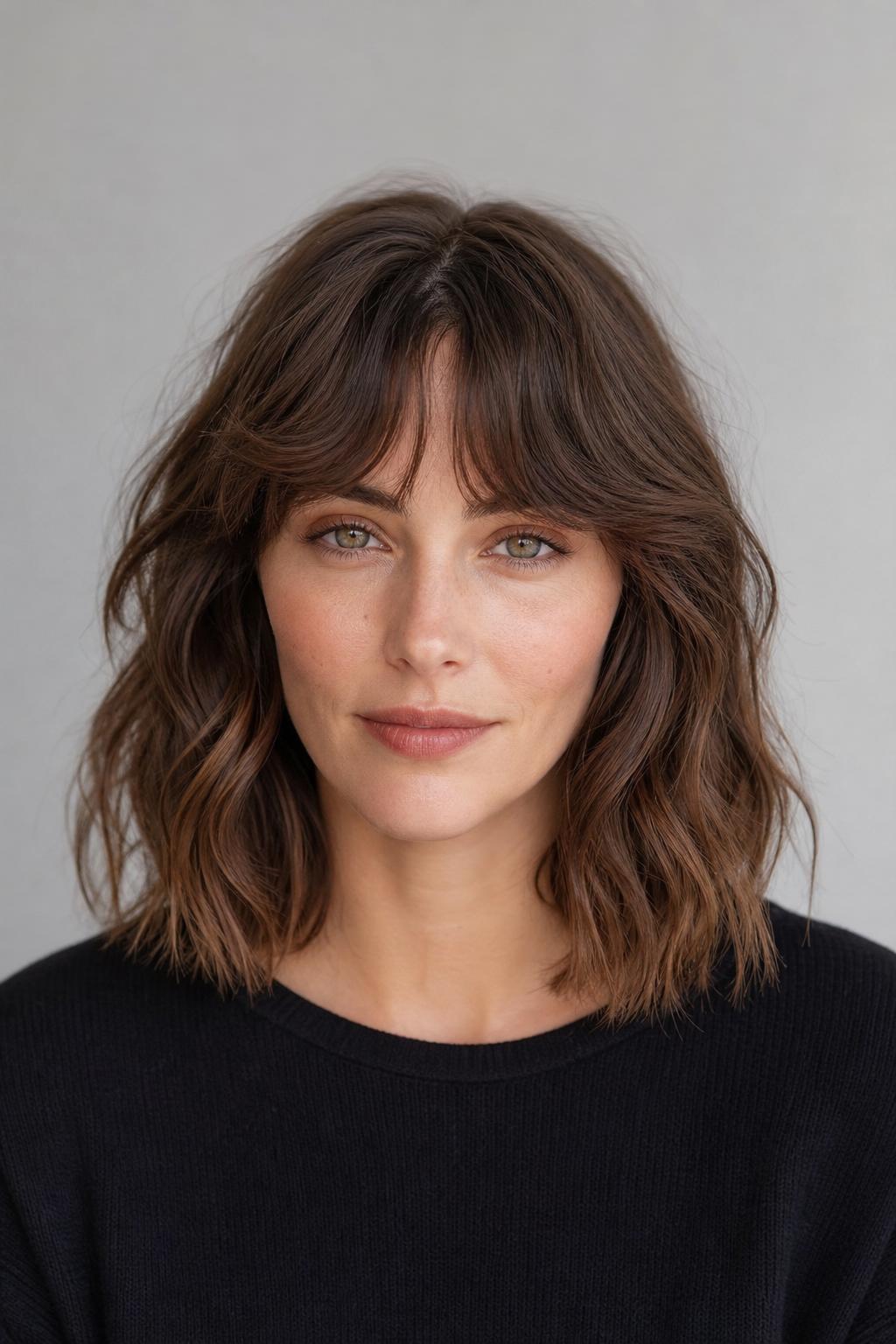
11. Round-Brush Blow-Dried Fringe
A smooth, rounded fringe comes from blow-drying damp bangs forward at a ninety-degree angle over a small round brush, then sweeping side to side to set the shape. The whole thing takes under two minutes once the motion becomes familiar. Finish with a cool shot so the curve holds all day.
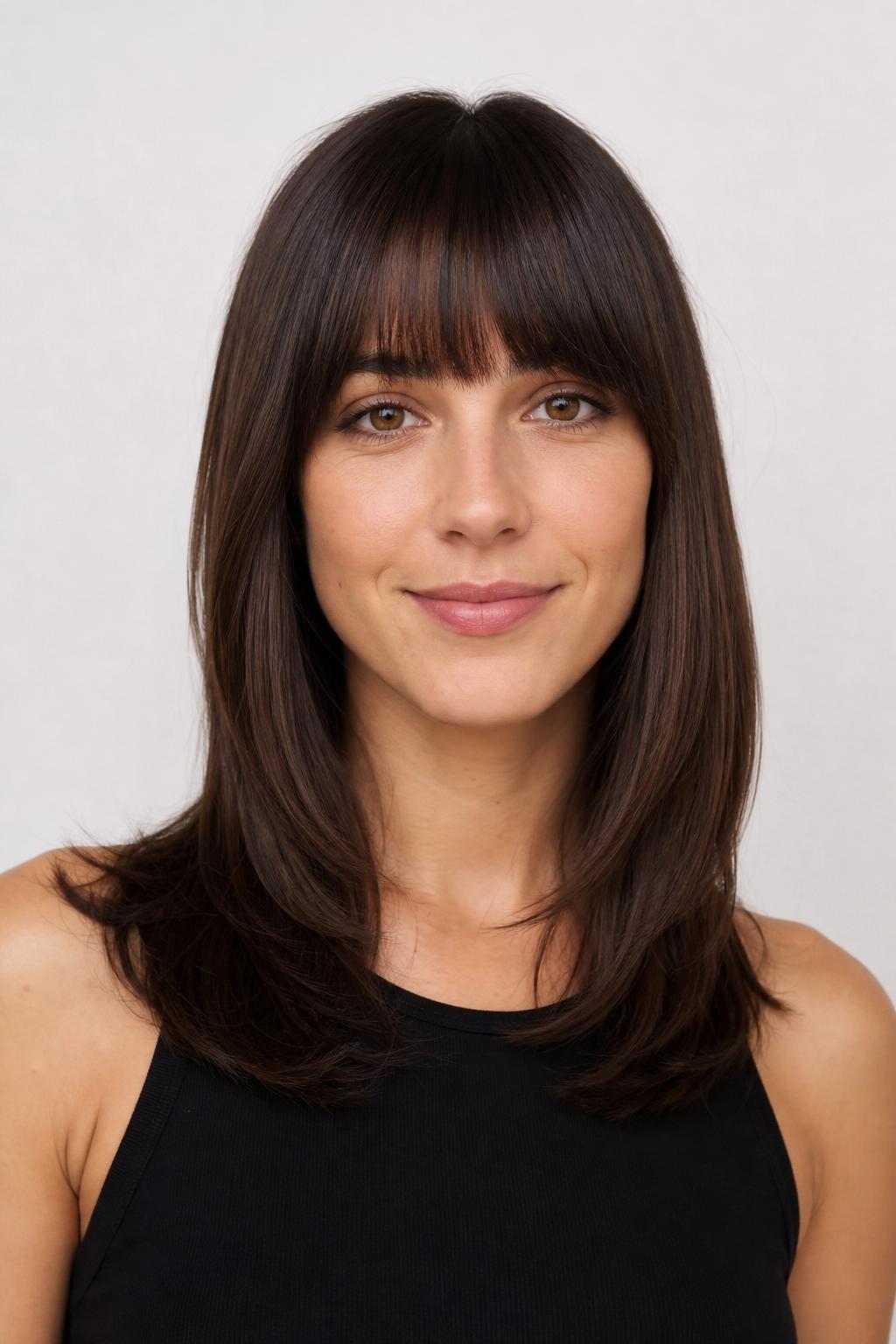
12. Curly French Fringe
Curly hair carries a French fringe with real personality, the spirals softening into a rounded frame around the forehead. Have it cut dry so the stylist can see exactly where each curl lands, and leave it longer to allow for shrinkage. Refresh the shape with a water-and-gel mist between appointments rather than recutting.

13. Point-Cut Fringe for Thick Hair
Thick hair needs weight removed from behind the fringe, and vertical point cutting into the ends stops it from sitting like a heavy curtain. The interior gets thinned while the surface stays full, so the fringe still looks lush but moves freely. Skip that step and a dense fringe tends to spring straight back off the forehead.
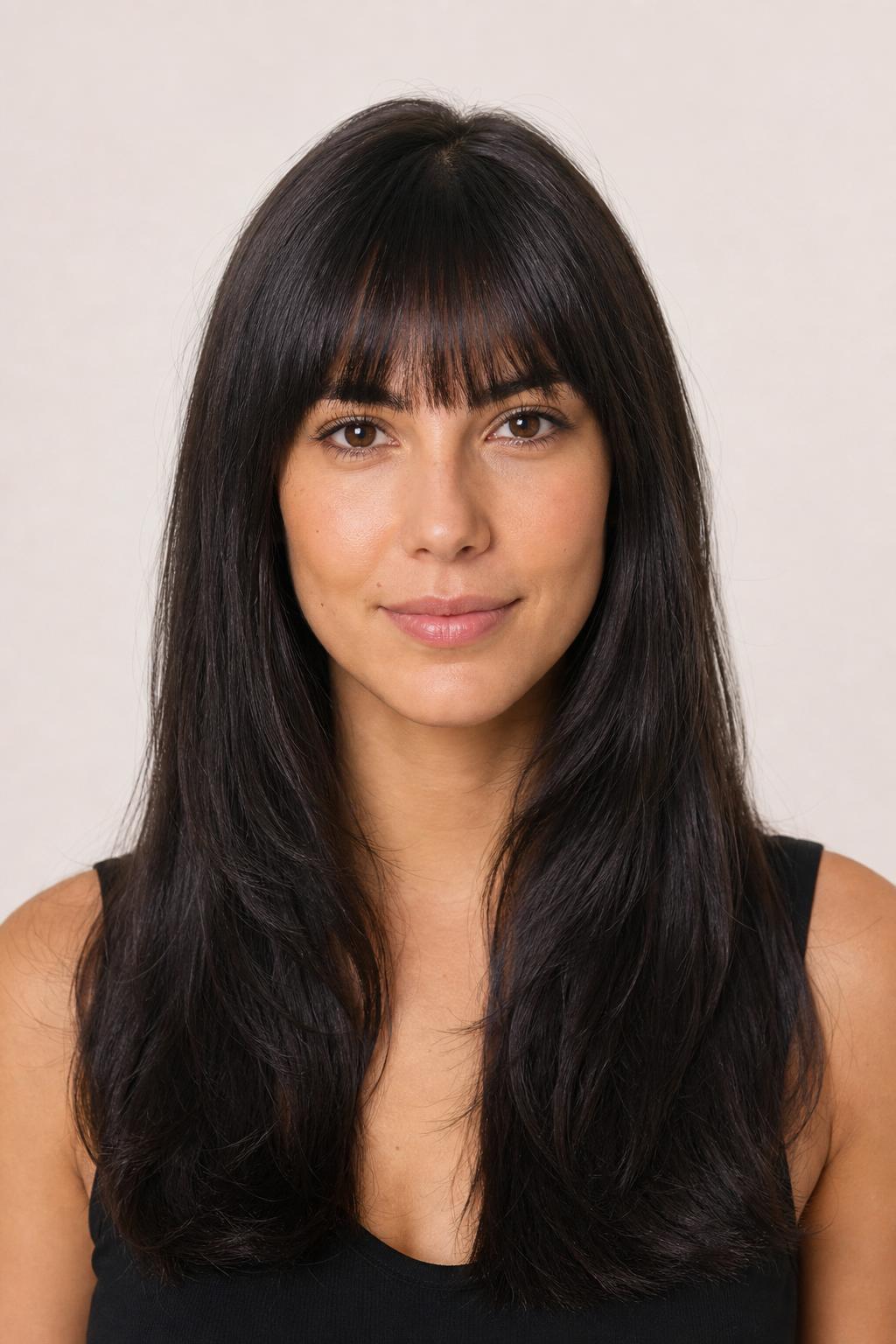
14. Everyday Fringe for Fine-Hair Upkeep
A fine-hair fringe shows oil fast because the forehead’s warmth hits it all day, so most people rinse or dry-shampoo just the bangs each morning. Keeping shampoo focused on the fringe and roots, not the lengths, stretches the time between full washes. Expect a shape trim every three to four weeks to keep it out of your eyes.
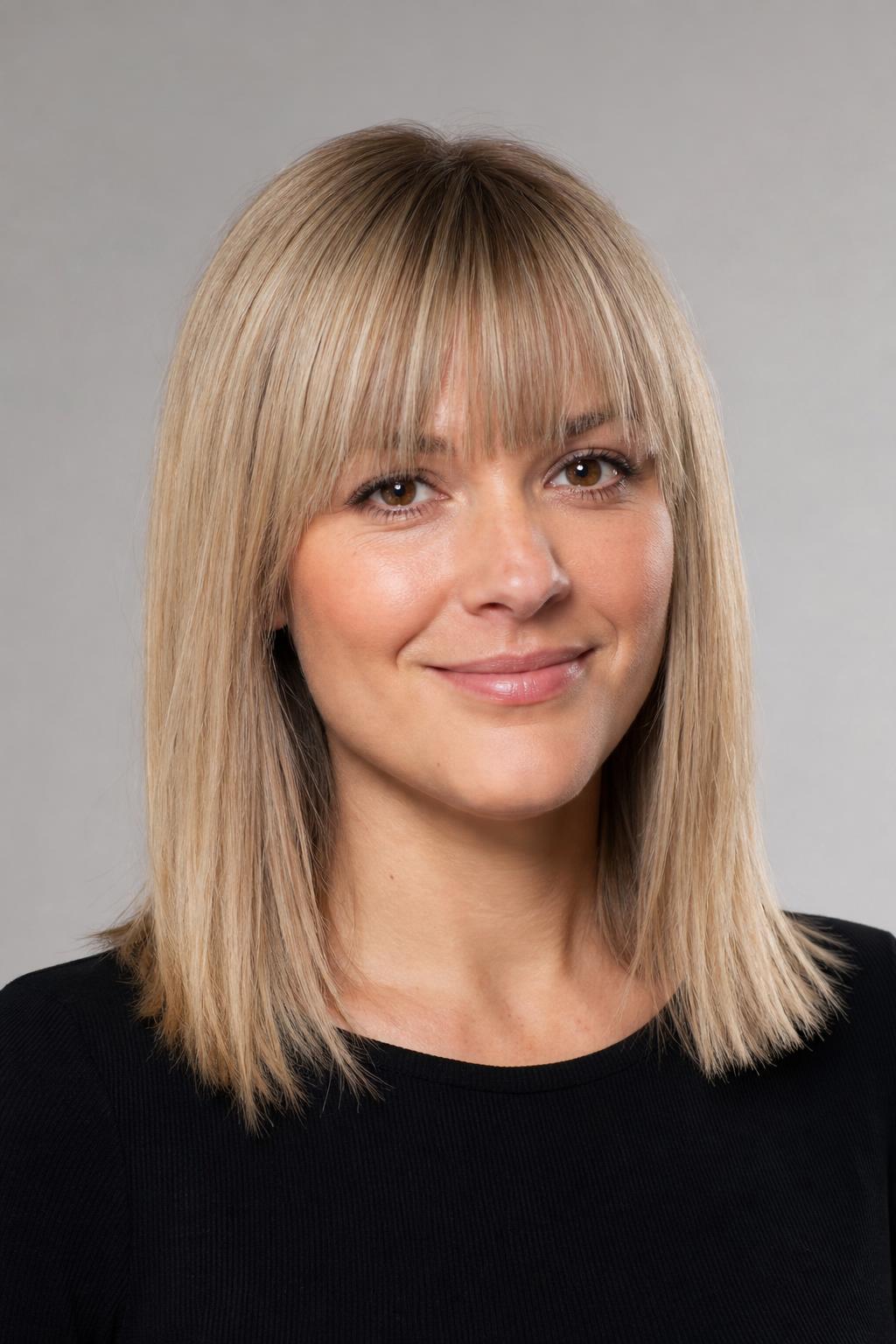
15. Coily French Fringe on Longer Length
On coily 4-type hair, a French fringe is cut noticeably longer because tight coils draw up dramatically once dry. The fringe becomes a soft cloud of texture that frames the brows rather than a defined edge. A curl custard smoothed over the front keeps the shape defined without any crunch.
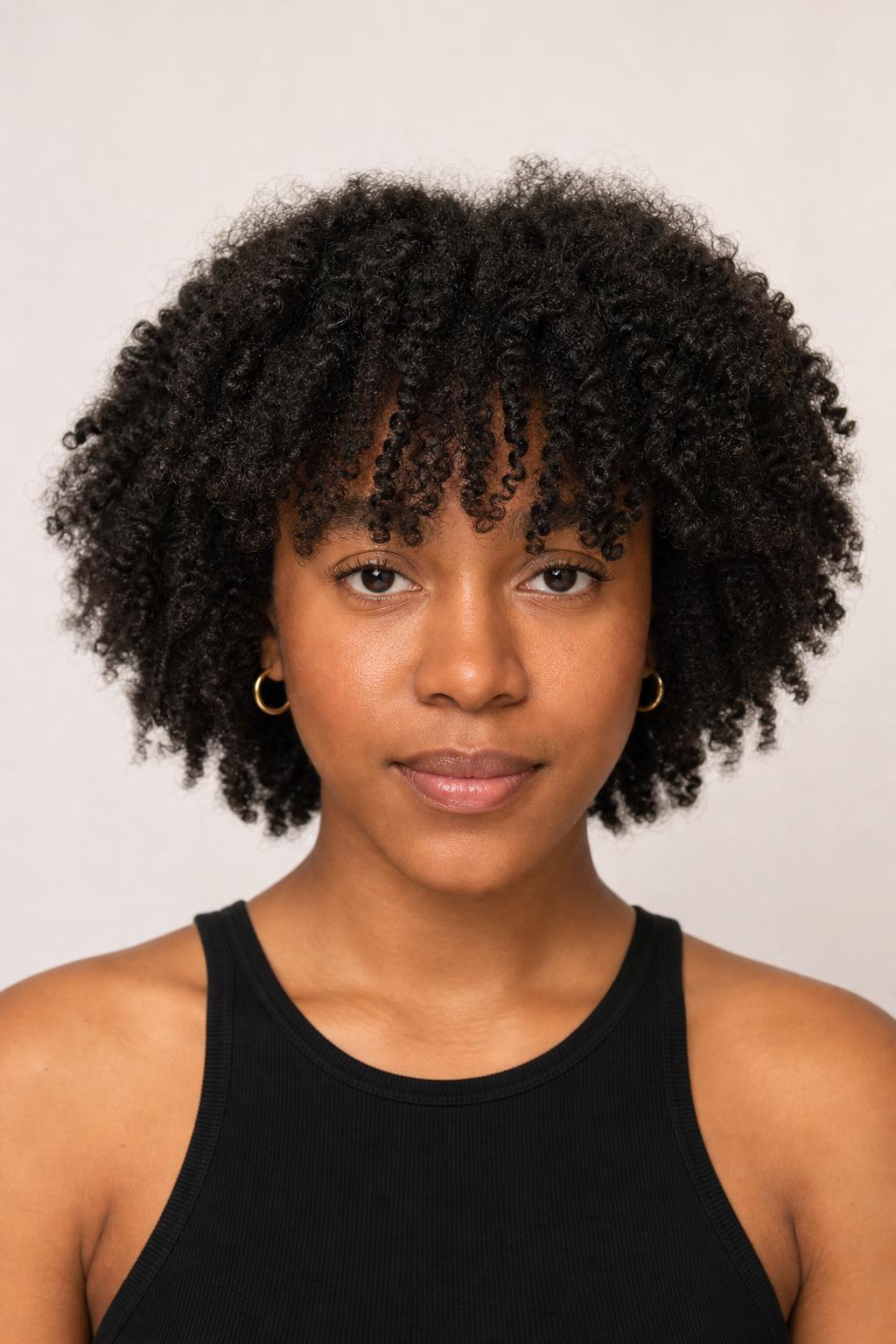
16. Air-Dried Tousled Fringe
Skip the tools entirely and let a French fringe dry on its own for the most authentically undone finish, the texture French women actually wear day to day. A light mist of sea-salt spray on damp bangs encourages piece-y separation as they dry. The look is deliberately imperfect, so resist the urge to smooth every strand.
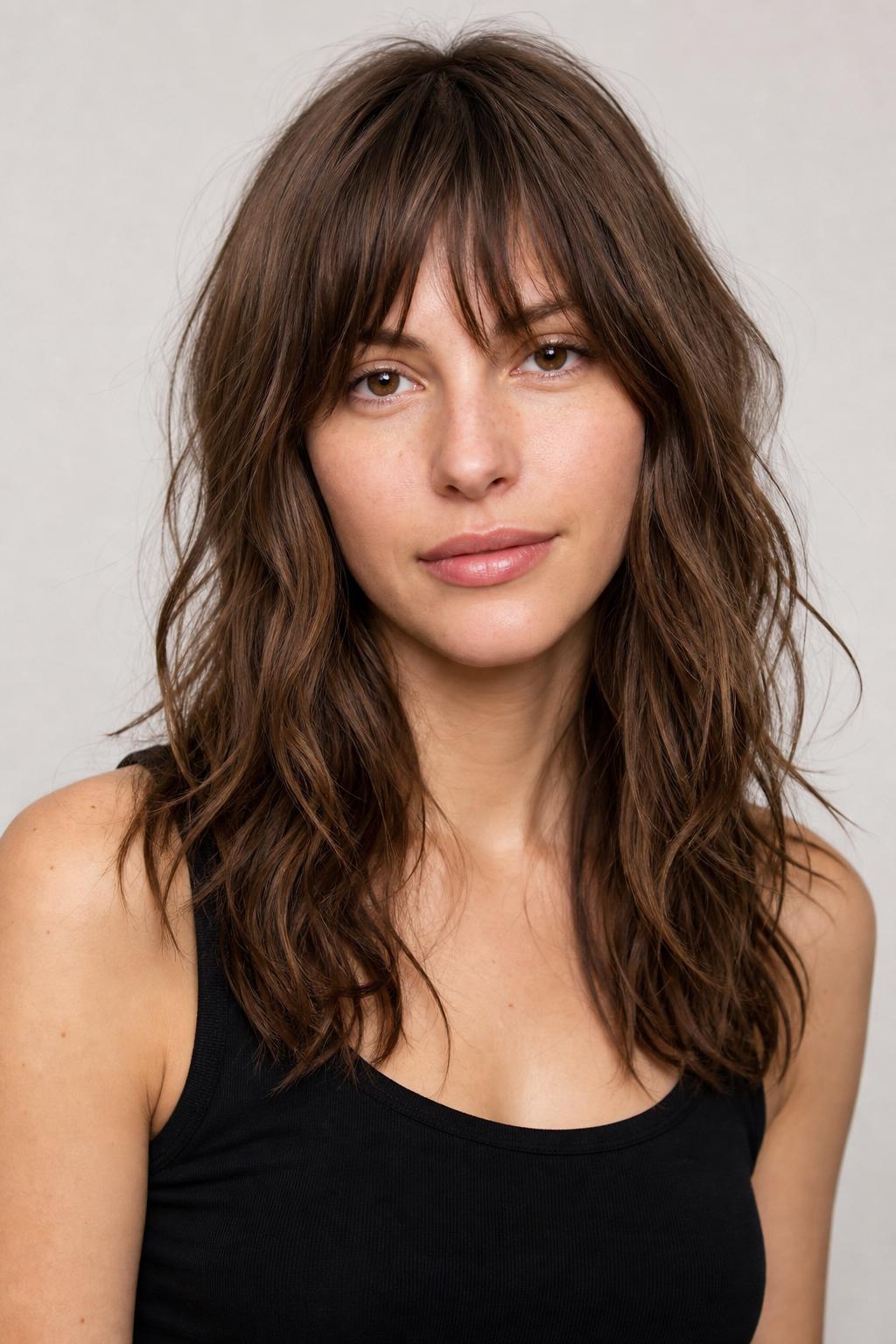
17. Copper French Fringe
A warm copper tone turns a simple fringe into the focal point, the coppery ends glowing brightest where the hair catches daylight. Because red pigment sits high on the strand and fades first at the tips, a color-depositing conditioner every few washes keeps the fringe from going dull. It looks striking on pale and olive skin tones alike.
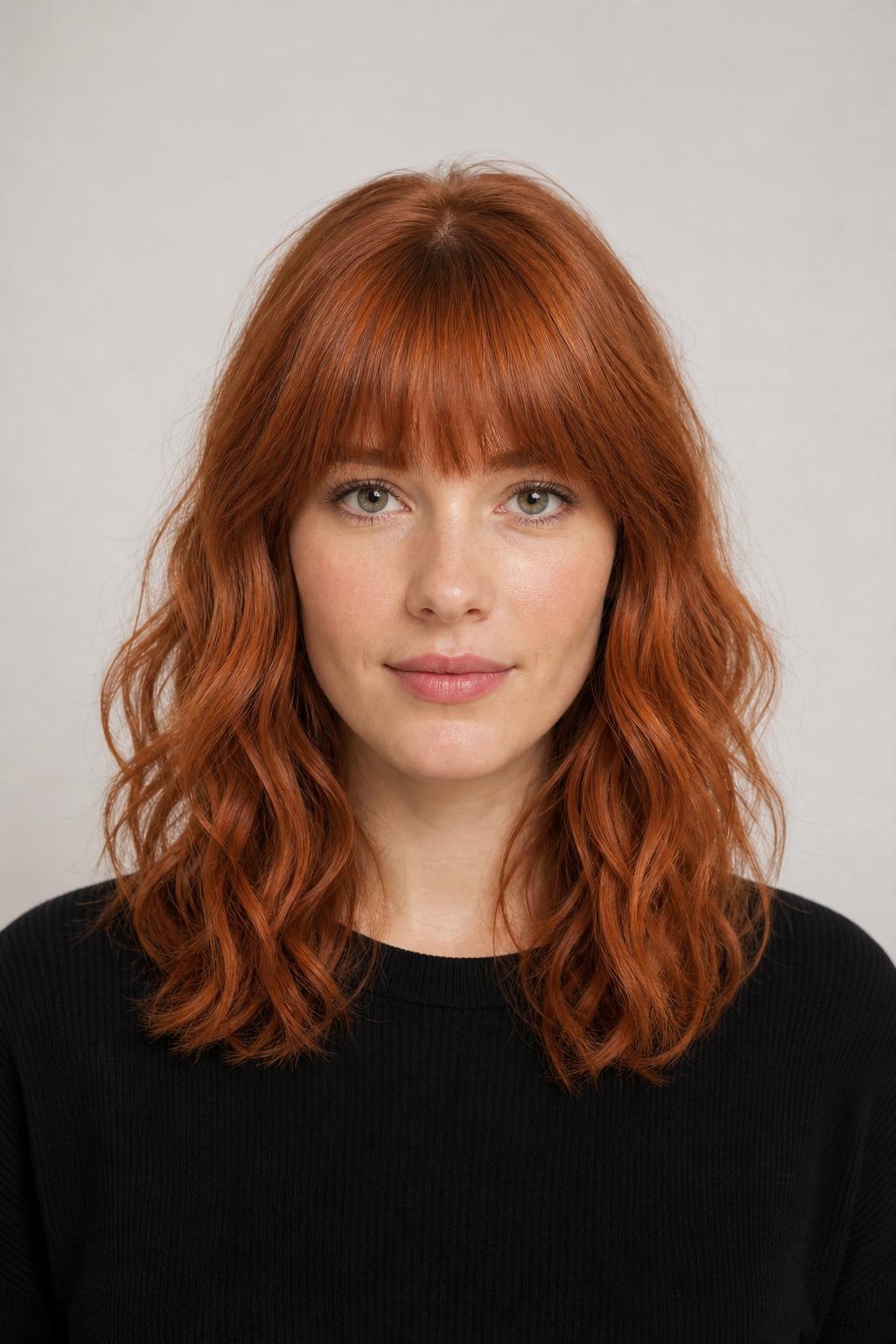
French Fringe by Face Shape, Length, and Color
The last group tunes the fringe to your proportions and pairs it with specific cuts and colors. Face shape decides how full and how long the fringe should sit, so these entries show how the same idea shifts from a round face to a long one, and how it looks on a bob versus a lob.
18. Fringe for Round Faces
Round faces do best when a French fringe stays a little longer and softly parted in the center, drawing a gentle vertical line that lengthens the face. Keeping the outer pieces long enough to reach the cheekbones adds to the elongating effect. Steer away from a short, dense fringe straight across, which only widens a round face.
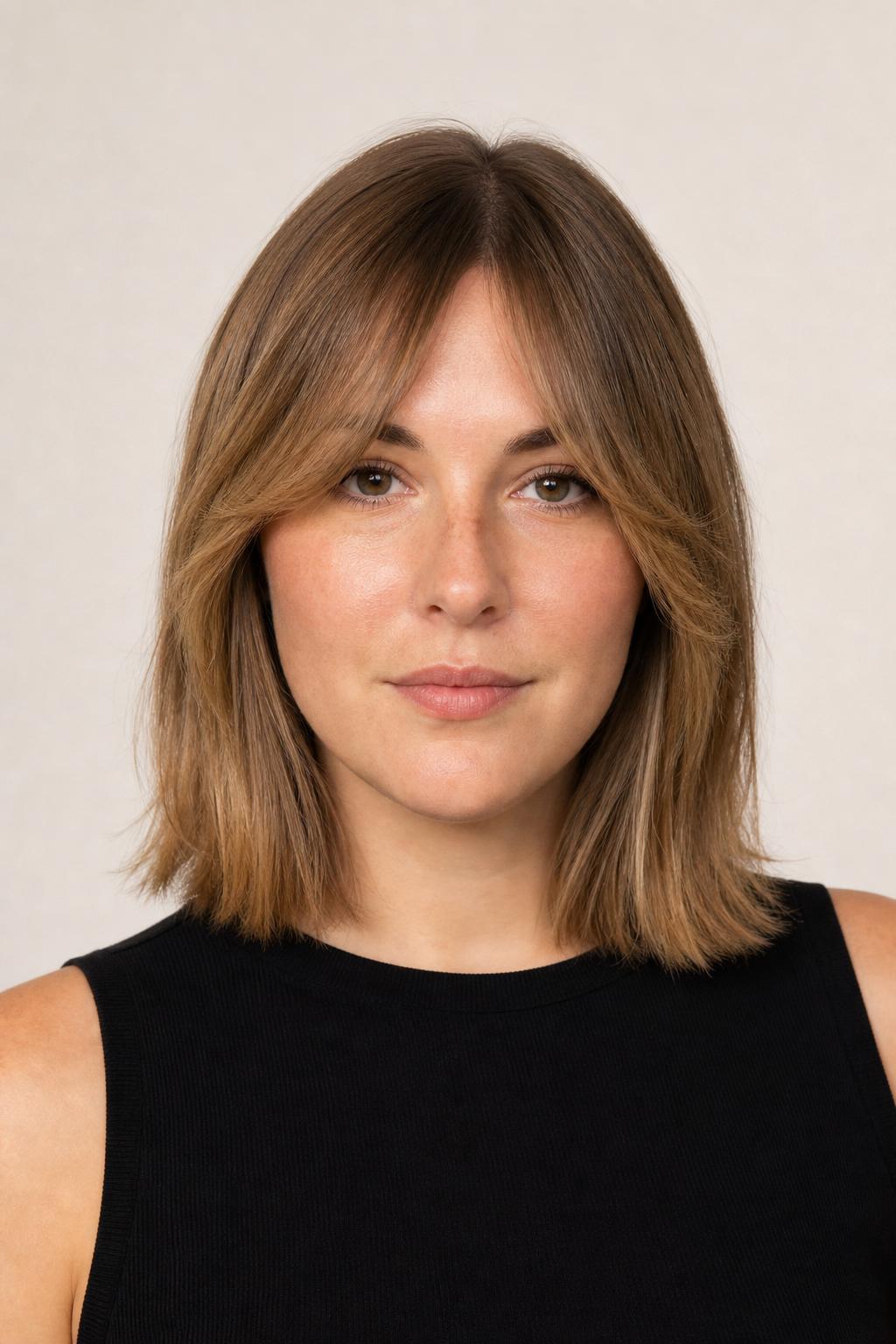
19. French Fringe Versus Curtain Bangs
Where curtain bangs part firmly down the middle and sweep back toward the ears, a French fringe stays fuller and closer across the forehead with only a hint of separation. The French version covers more forehead, while curtain bangs frame it. If you love the airiness of curtain bangs but want more coverage, the French fringe is the middle ground.
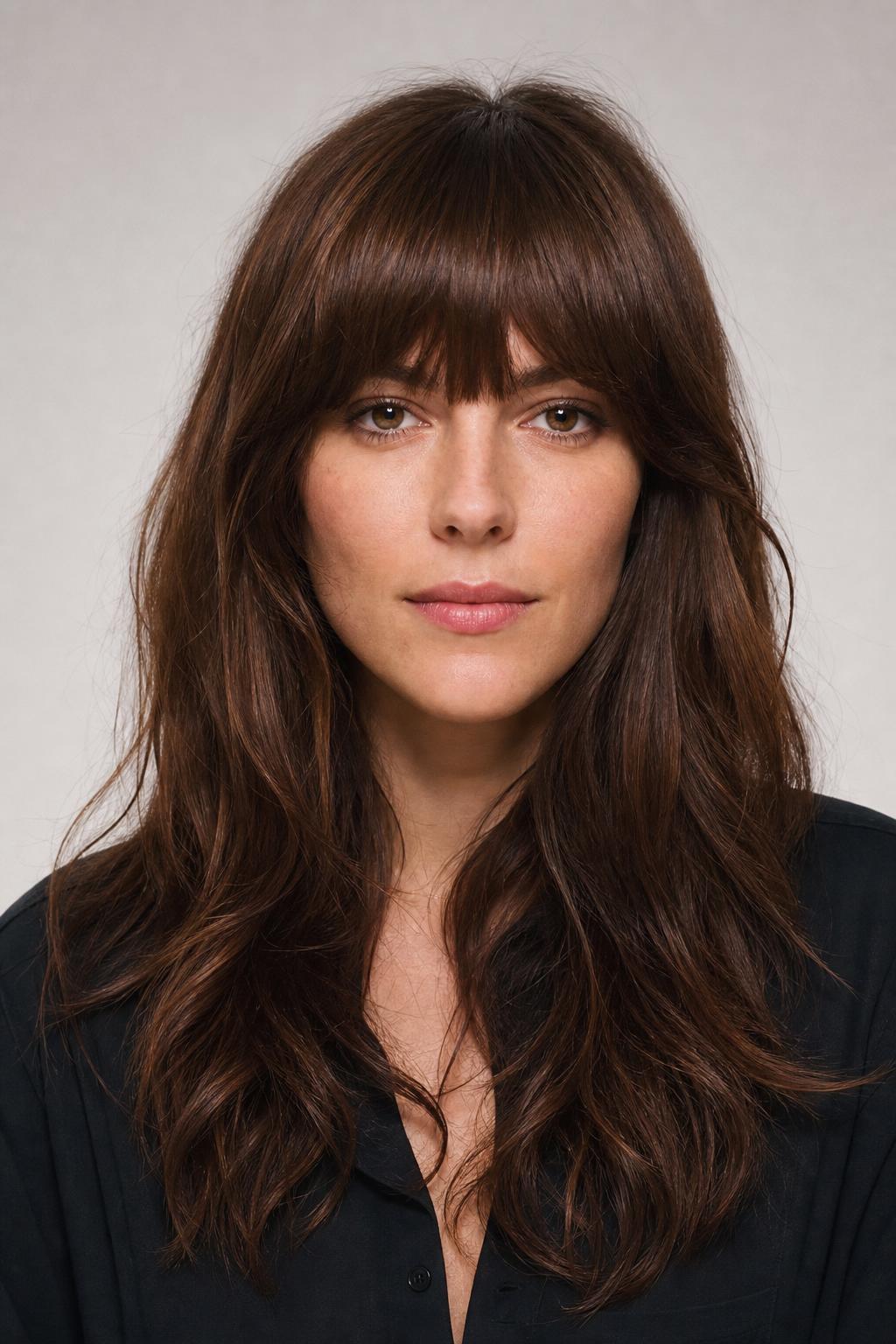
20. Fuller Fringe for Long Faces
Long and oblong faces gain balance from a fuller French fringe worn a touch lower, since the horizontal weight visually shortens the face. A denser fringe covers more forehead, which is exactly what elongated proportions benefit from. Keep the sides connected softly so the fringe feels like part of the cut, not an add-on.
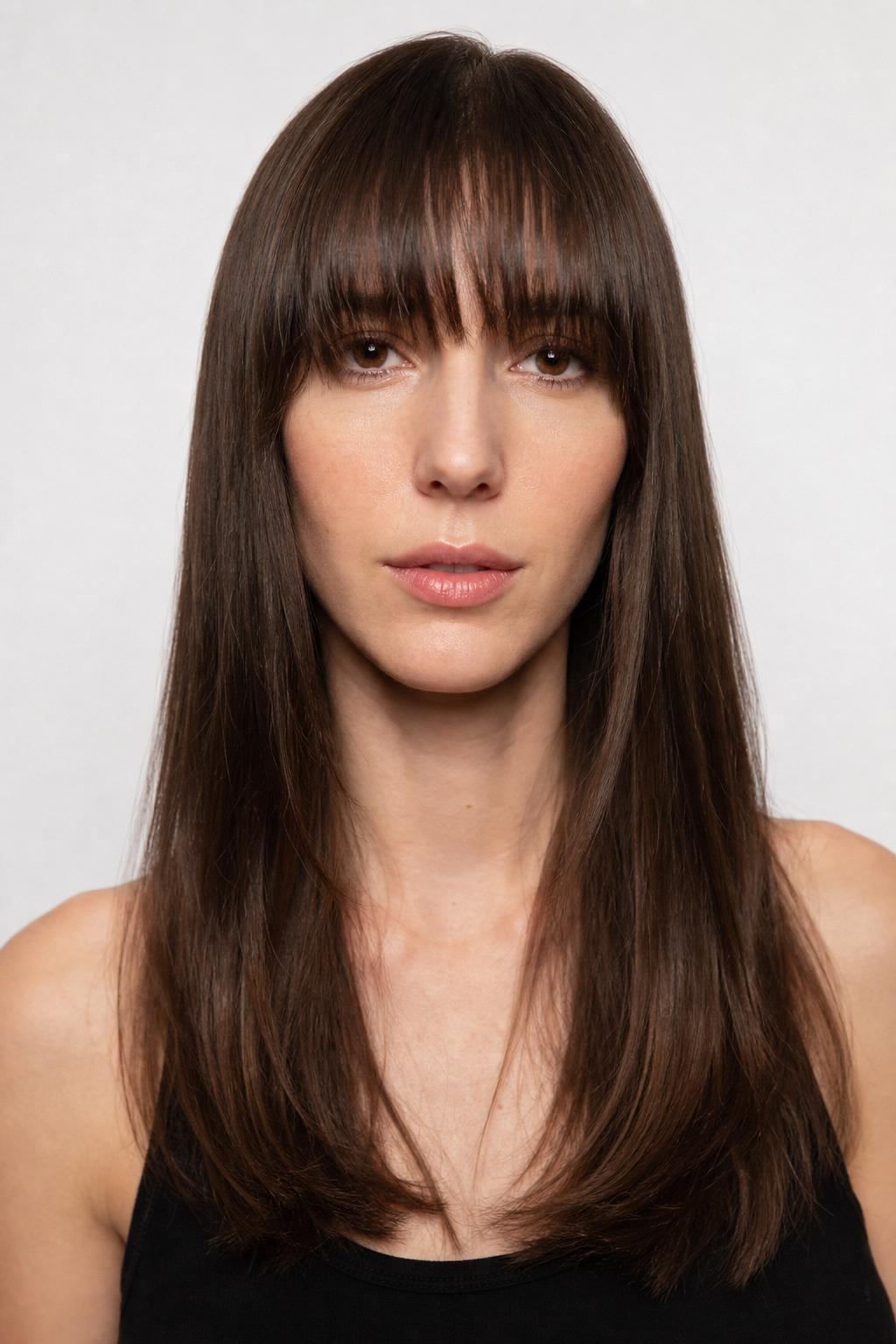
21. The Wispy Fringe to Ask For
To get the barely-there version, tell your stylist you want a wispy French fringe, soft and see-through, grazing the brows, with feathered ends and no blunt line. Bring one photo of the front and one of the side so the length reads clearly. Point out your cowlick up front so the stylist can cut around it rather than fight it.
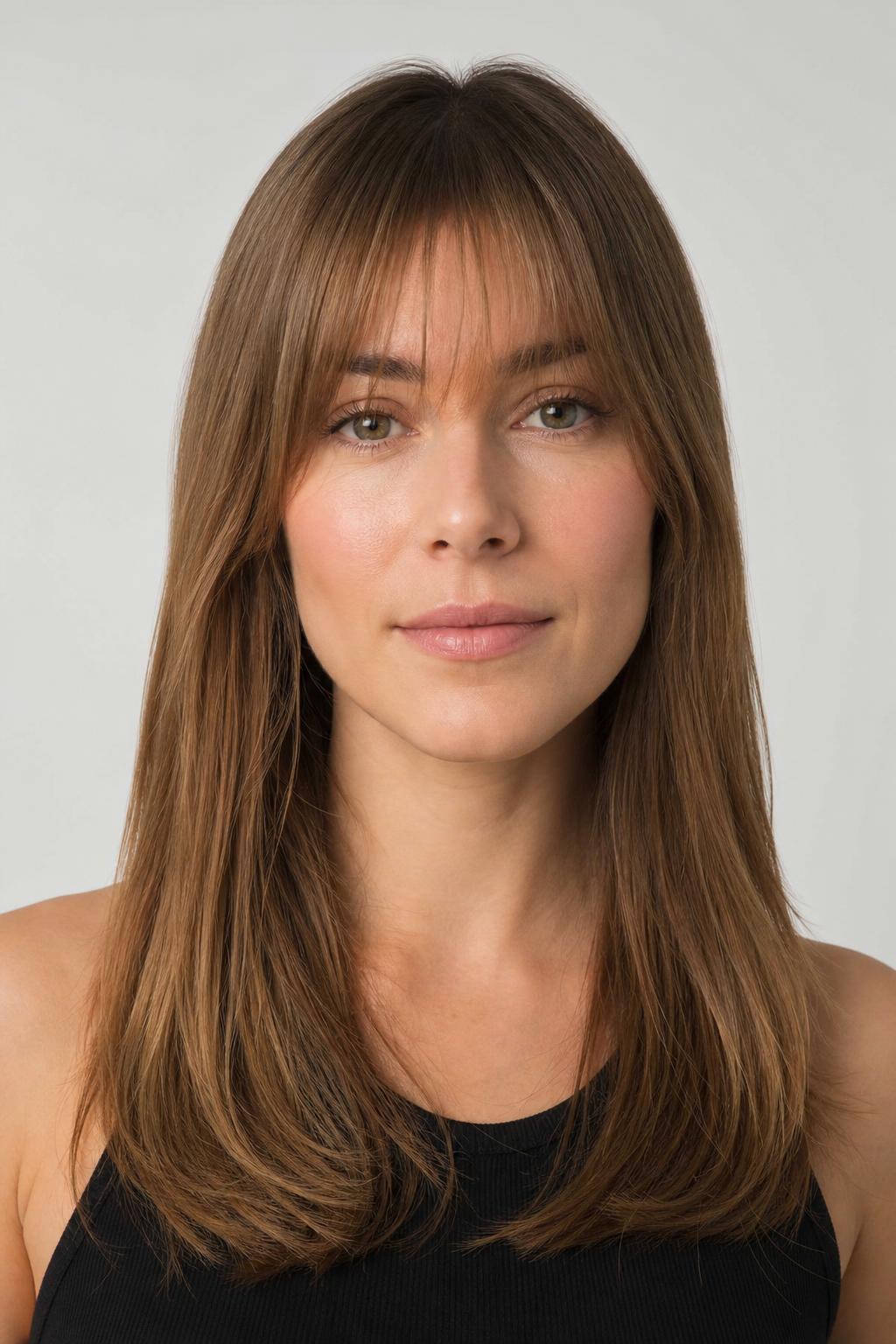
22. Money-Piece Balayage Fringe
Brightening just the two pieces that frame the fringe, a money-piece balayage makes the front of the hair glow while the rest stays natural. The lightened panels draw the eye up and out, which flatters nearly every face shape. Because the brightness is concentrated at the front, root regrowth stays subtle for months.
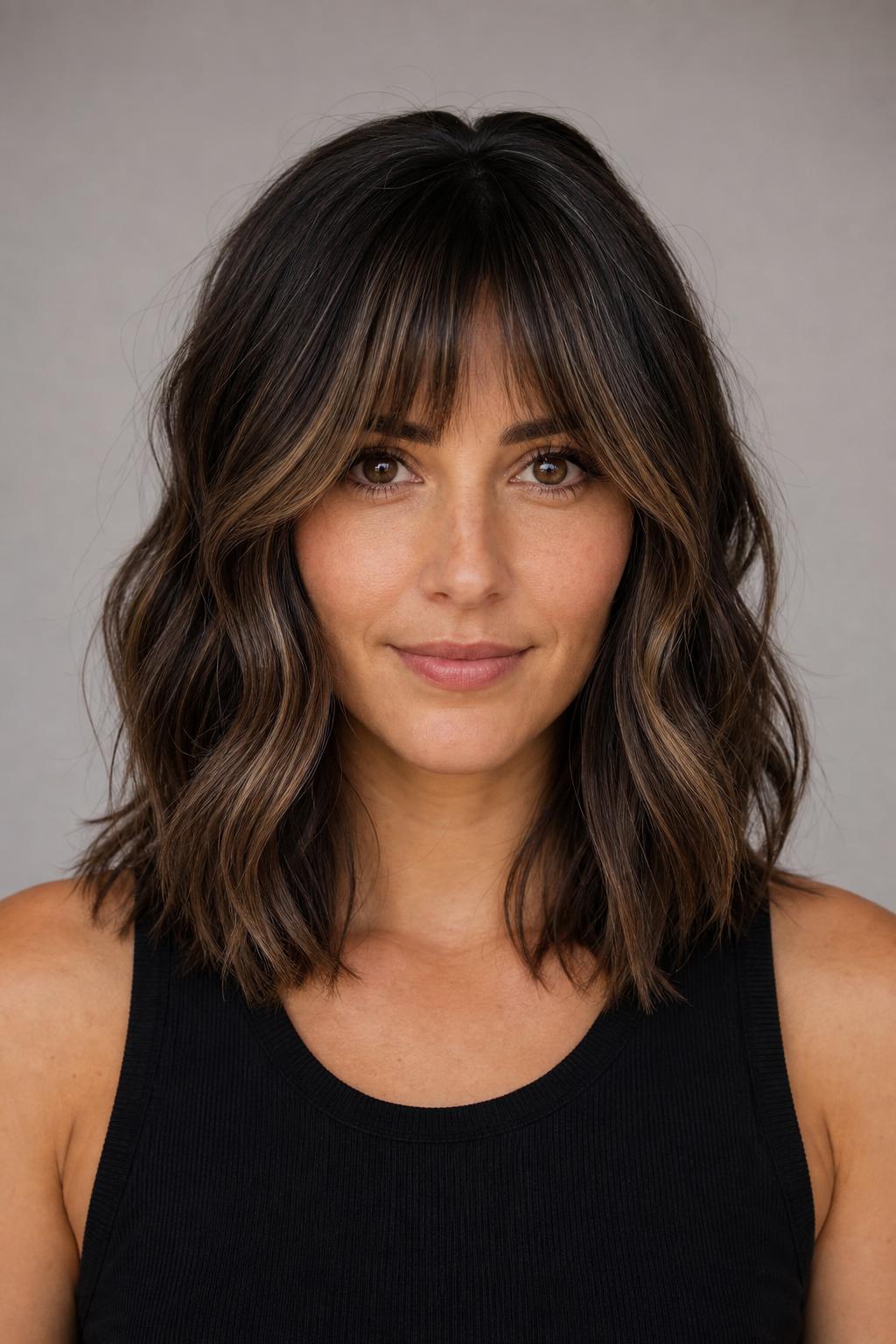
23. French Fringe Versus Birkin Bangs
Jane Birkin’s 1970s fringe was longer and fuller, falling right into the lashes, while a French fringe sits a touch higher and lighter. Both share the same undone spirit, but Birkin bangs demand more forehead coverage and a bit more daily coaxing. Go Birkin if you want drama, French if you want easy.
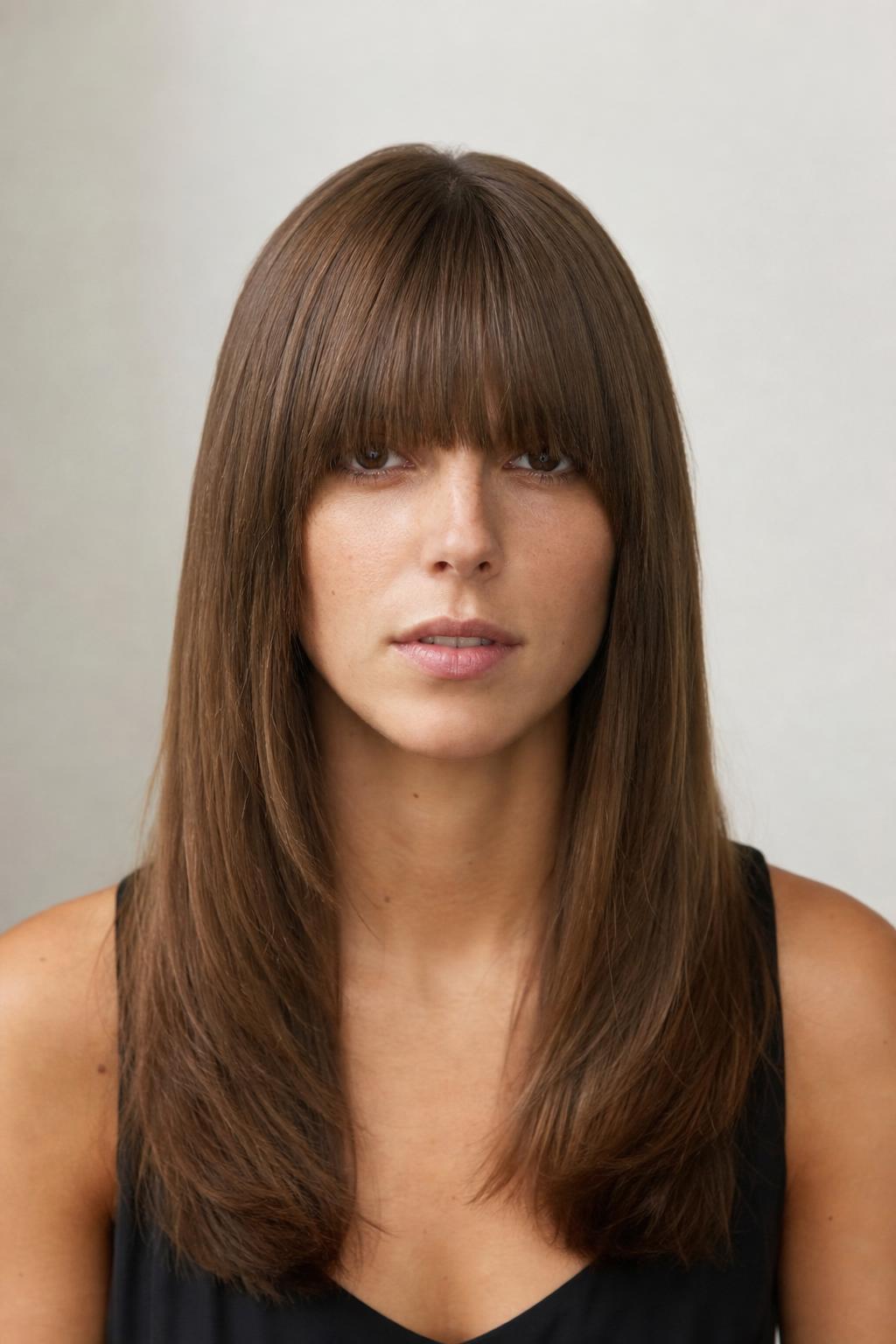
24. French Bob with Fringe
Pairing a chin-length French bob with a soft fringe is the most quintessentially Parisian cut there is, the blunt-ish bob balanced by airy bangs. The short length keeps the whole look light and modern rather than heavy. Ask for a jaw-grazing bob with a feathered fringe and minimal layering through the body.
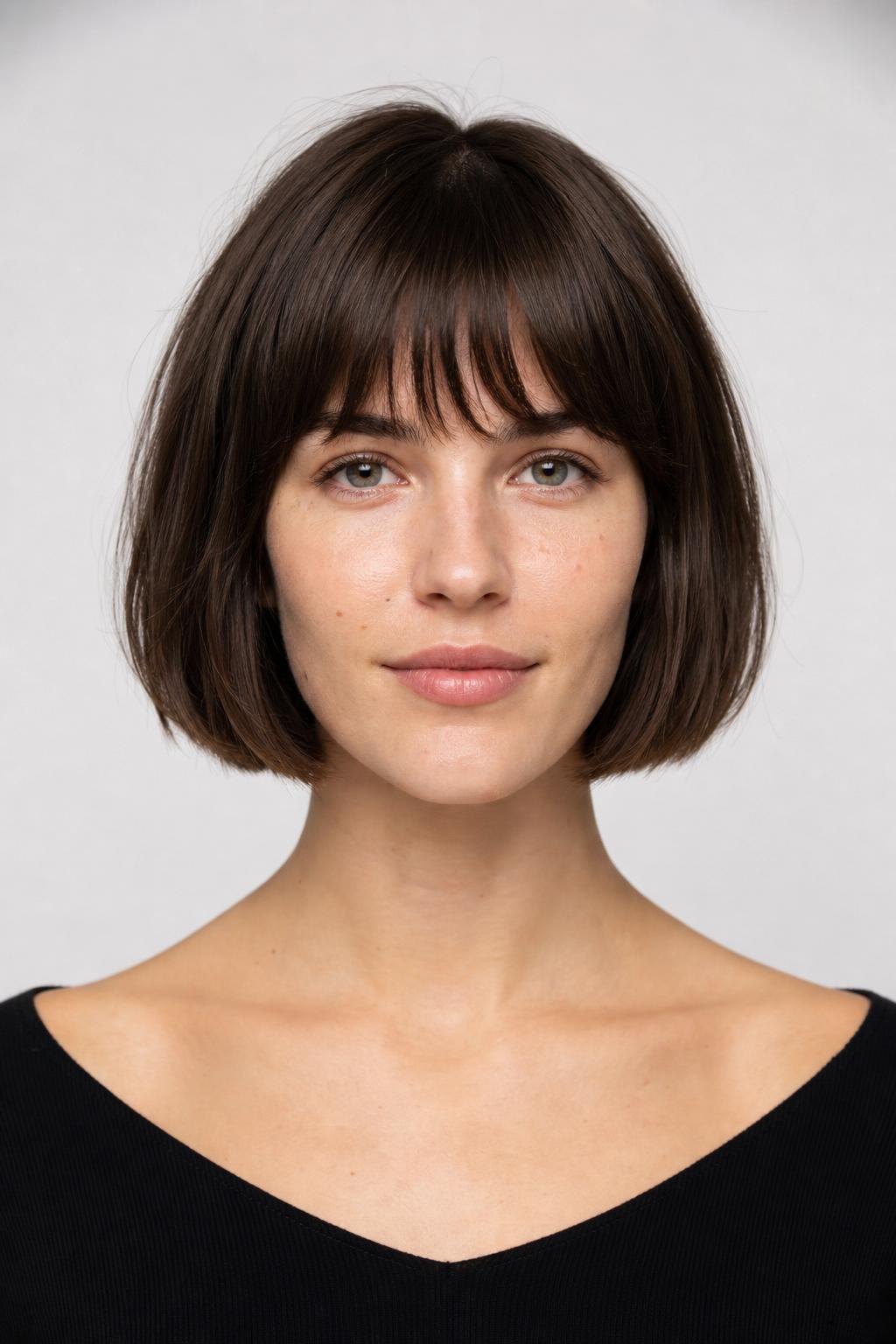
25. Lob with Grown-Out Fringe
A collarbone lob with a grown-out French fringe is where many people land after living with bangs for a while, the fringe now long enough to tuck behind an ear on lazy days. It offers the frame of a fringe with none of the three-week trim pressure. Point-cut ends on both the fringe and the lengths keep everything moving together.
How to Choose a French Fringe for Your Face Shape
The French fringe is one of the more adaptable fringe styles because its density and length can be tuned to your proportions. The rule of thumb: rounder and shorter faces want length and a soft center split to add height, while longer faces want a fuller fringe worn lower to add width. Use the table as a starting point, then confirm the exact length with your stylist, since your hairline and growth pattern matter as much as the shape itself. If you are still deciding between fringe styles, it helps to compare every type of bangs side by side first.
| Face Shape | Best French Fringe | Ideal Length | Avoid |
|---|---|---|---|
| Oval | Almost any version, from wispy to full | Brow-grazing | Nothing specific; heavy blunt lines only if you want softness |
| Round | Longer fringe with a soft center split | Below the brow to the cheekbones at the sides | Short, dense fringe straight across (widens the face) |
| Square | Soft, piece-y fringe with feathered ends | Brow-grazing with longer corners | Hard blunt edges that echo a strong jaw |
| Heart | Wispy, see-through fringe that softens the forehead | Light and brow-length | Very heavy full fringe that overwhelms a narrow chin |
| Long / Oblong | Fuller, denser fringe worn a touch lower | At or just below the brow | Sparse, high fringe that adds visual length |
| Diamond | Medium-density fringe with side-swept corners | Brow-grazing, softly parted | Blunt, one-length fringe across a narrow forehead |
What to Tell Your Stylist
The word fringe means different things to different stylists, so specificity protects you. Ask for a French fringe by name, then describe the density and length in plain terms: how much forehead you want covered, whether you want to see gaps of skin through it, and where it should sit against your brows. Bring two photos, one straight-on and one from the side, and say the phrase soft and feathered, not blunt, out loud so there is no confusion about the edge.
Stylist tip: Ask your stylist to cut your fringe when your hair is dry and in its natural texture, not slicked wet. Wet hair stretches and hides cowlicks, which is how people end up with a fringe that dries two inches shorter and springs sideways.
If you are unsure how much to commit, start longer. A fringe can always be trimmed shorter at the same appointment once you see it, but a too-short fringe means weeks of pinning it back while it grows.
Maintenance and Styling
A French fringe is low-effort to style but not low-maintenance to keep in shape, and that distinction catches people off guard. The fringe itself needs a trim every three to five weeks because even a quarter inch of growth changes where it hits your eyes, while the rest of your cut can wait the usual eight to twelve weeks. Many salons offer free fringe trims between appointments, so ask before you book a full cut you do not need.
Daily styling takes two to five minutes: a quick blast with a round brush or a mist of sea-salt spray and finger-scrunching, depending on whether you want it smooth or piece-y. The one habit worth building is washing or refreshing just the fringe on non-wash days, since forehead oil flattens bangs faster than anything else.
Stylist tip: Learn to trim your own fringe between salon visits by point cutting straight up into the ends with the tips of the scissors, never straight across. A blunt horizontal snip is how a soft French fringe turns into severe blunt bangs by accident.
When a French Fringe Is Not the Right Choice
A French fringe suits most people, but there are a few situations where a different style saves you frustration.
- A strong front cowlick: a swirl at the hairline pushes a fringe sideways or splits it open. If yours is stubborn, a longer side-swept fringe that works with the swirl behaves better than a straight French fringe fighting it.
- An active, sweaty routine: daily workouts or hot commutes leave a fringe stringy and stuck to the forehead by midday. A grown-out fringe you can clip back, or curtain bangs that sweep to the sides, hold up better.
- Zero tolerance for upkeep: if a trim every three to five weeks sounds like too much, skip the fringe. Face-framing layers give you a similar softening effect around the face with none of the fringe maintenance.
- Very oily skin at the hairline: a fringe sitting on an oily forehead needs more frequent refreshing than most people expect, so factor that in before committing.
FAQ
What Is the Difference Between a French Fringe and Curtain Bangs?
A French fringe sits fuller and closer across the forehead with only a slight split, while curtain bangs part firmly in the center and sweep back toward the ears. The French version covers more forehead and reads softer, whereas curtain bangs frame the face and expose more of it. If you want more coverage than curtain bangs give but less weight than blunt bangs, the French fringe lands right in between.
Do French Fringe Bangs Work on Curly Hair?
Yes, French fringe bangs look great on curly hair, but the cut has to account for shrinkage. Ask your stylist to cut the fringe dry so they can see exactly where each curl lands, and to leave it longer than a straight fringe since curls spring up as they dry. A little curl cream or a water-and-gel mist keeps the shape defined between washes without recutting.
How Often Do French Fringe Bangs Need Trimming?
Plan on a fringe trim every three to five weeks to keep it sitting at the right spot against your brows. Bangs grow at the same rate as the rest of your hair, but because they are so short, even a small amount of growth is obvious and pushes them into your eyes. Many salons trim a client’s fringe for free between full appointments, so it is worth asking.
Will a French Fringe Suit Fine or Thin Hair?
A French fringe can work well on fine hair when it is cut fairly straight across with only light feathering, which keeps it looking full instead of sparse. Avoid heavy internal layering, which scatters thin strands and reveals scalp. A dusting of dry shampoo or texture powder at the roots gives fine bangs the grip to stay lifted through the day.
Can I Style a French Fringe Without Heat?
Absolutely, and the air-dried version is arguably the most authentic. Mist damp bangs with a light sea-salt spray, separate them into soft pieces with your fingers, and let them dry on their own for that undone French-girl texture. The look is meant to be slightly imperfect, so avoid the urge to smooth every strand into place.
Is a French Fringe the Same as Butterfly Bangs?
No, they are different. A French fringe is a short, soft fringe that grazes the brows and covers the forehead, while a butterfly fringe is longer, layered around the face, and blends into the length rather than sitting as a distinct fringe. Butterfly bangs are closer to long face-framing layers, whereas a French fringe is a true fringe with real forehead coverage.
A French fringe is the easiest way to make a simple haircut feel intentional and French-girl cool, as long as you match the density to your texture and keep up with quick trims. Bring a couple of reference photos from this collection to your next appointment, point out your natural hairline and cowlicks, and ask for the soft, feathered version rather than a blunt line. Chosen well, a French fringe frames your face beautifully and grows out gracefully into layers you will still love.
Hair results vary based on your natural hair type, texture, density, and condition. Always consult with a licensed hairstylist before making significant changes, especially with chemical treatments or dramatic length changes. Photos may show styled results that require professional tools and products to replicate.