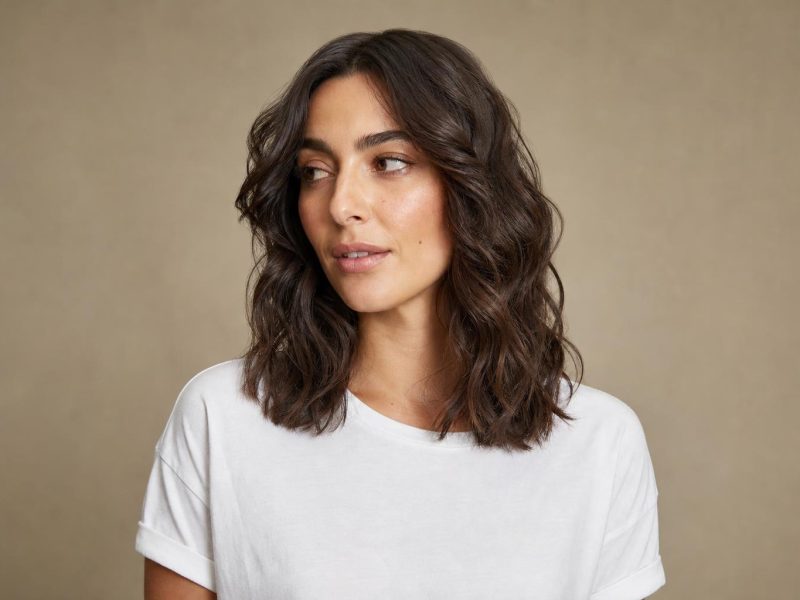
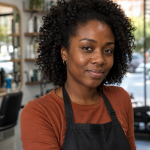
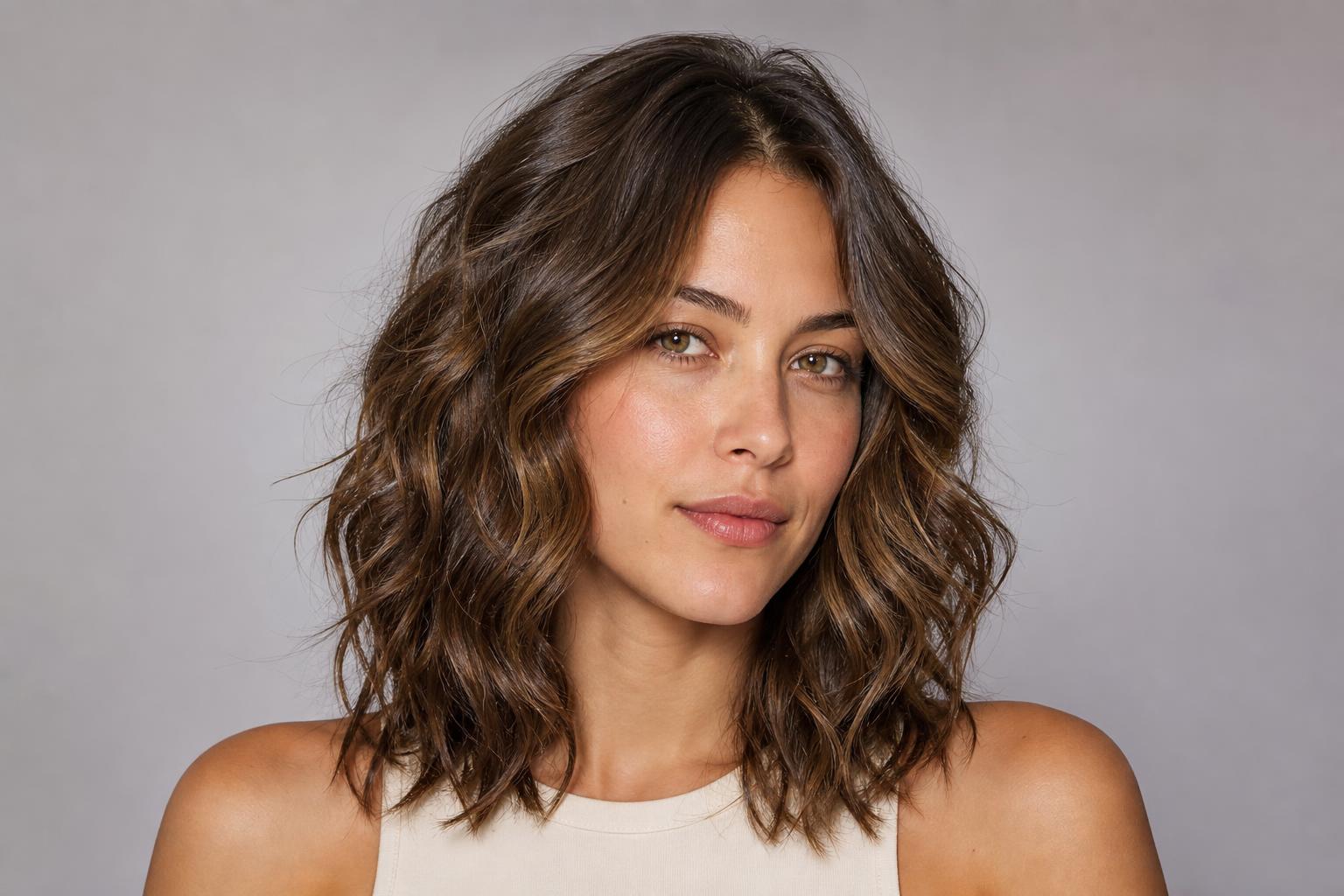
2C hair has strong, defined S-waves that border on curly, so the best cuts remove bulk, add controlled layering, and keep the shape from widening into a triangle.
2C waves are the fullest wave pattern before hair tips into true curls: thick, prone to frizz, and quick to build weight at the sides. The haircuts that work best reduce that bulk with internal layers, let the waves fall into a clear shape, and stop short of over-layering, which thins the ends and encourages frizz. Below are 30 stylist-approved cuts sorted by length and finish, from long face-framing layers to wavy French bobs and fringe-forward shapes.
Each entry names the cut, who it suits, and how to ask for or maintain it. After the gallery you will find a face shape compatibility table, exact salon language, a realistic maintenance schedule for wavy hair, and the situations where a popular 2C cut is the wrong call.
| Factor | Details |
|---|---|
| Best for | Thick, wavy hair that builds bulk at the sides; most face shapes with the right length |
| Maintenance | Trim every 8 to 12 weeks; 5 to 15 minutes daily styling |
| Works with | Collarbone to long lengths, textured lobs, shags, curtain bangs |
| Avoid if | You want a blunt, one-length cut with no layers (waves triangle out) |
| Salon time | 45 to 75 minutes for a dry cut on natural texture |
Long Haircuts for 2C Waves
Length gives 2C waves room to form and stretches out the natural volume so it reads as movement rather than bulk. These long cuts rely on internal and face-framing layers to keep the shape from getting wide, and most pair well with a middle or deep side part. The goal is length that shows off the wave pattern without dragging it into a heavy triangle.
1. Long Layers with Face-Framing
Long internal layers cut from cheekbone level down remove weight through the mid-lengths so the waves spring up instead of hanging flat. The face-framing pieces at the front break up the width that 2C hair tends to build around the jaw. This is the safest long cut for thick waves because it thins bulk without shortening the overall length.
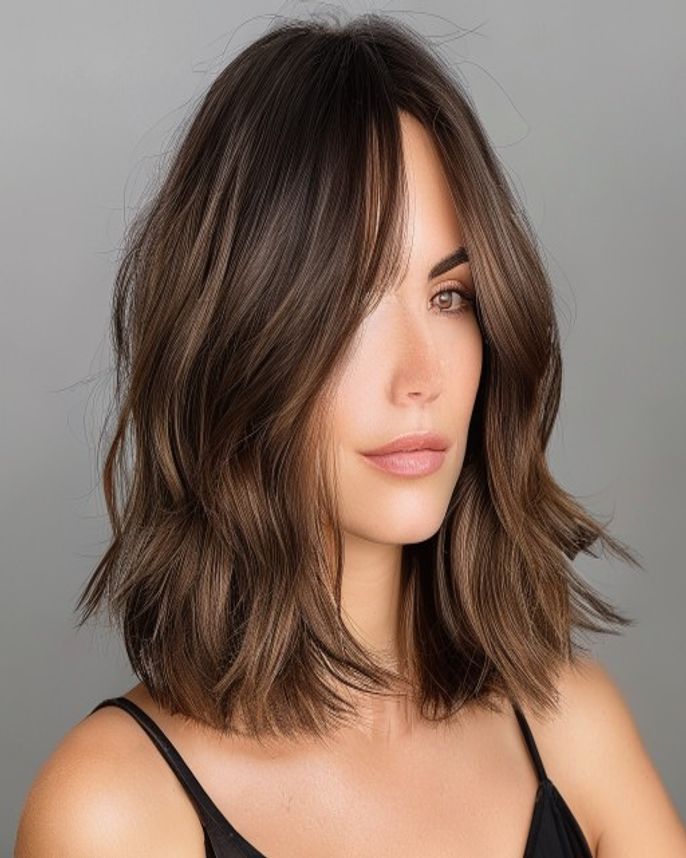
2. Collarbone Shag for Round Faces
Ideal for round faces, this collarbone-length shag stacks choppy layers around the crown to add height that visually lengthens a rounder shape. The heavy layering breaks up the sides where 2C waves widen, drawing the eye down rather than out. Round and heart shapes both gain definition from the vertical lift at the top.
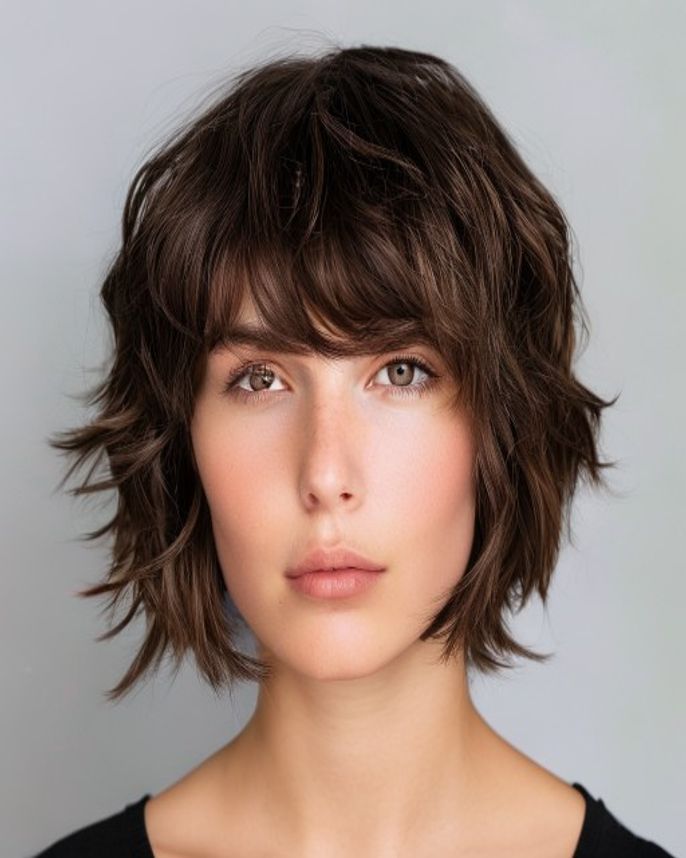
3. Long Wavy Lob with a Middle Part
Thick, coarse 2C hair holds a long lob beautifully because the density keeps the ends from looking stringy. A middle part lets both sides of the wave pattern fall evenly for a balanced, undone finish. This length sits just past the shoulders, long enough to tie back but short enough to keep the waves from over-stretching.
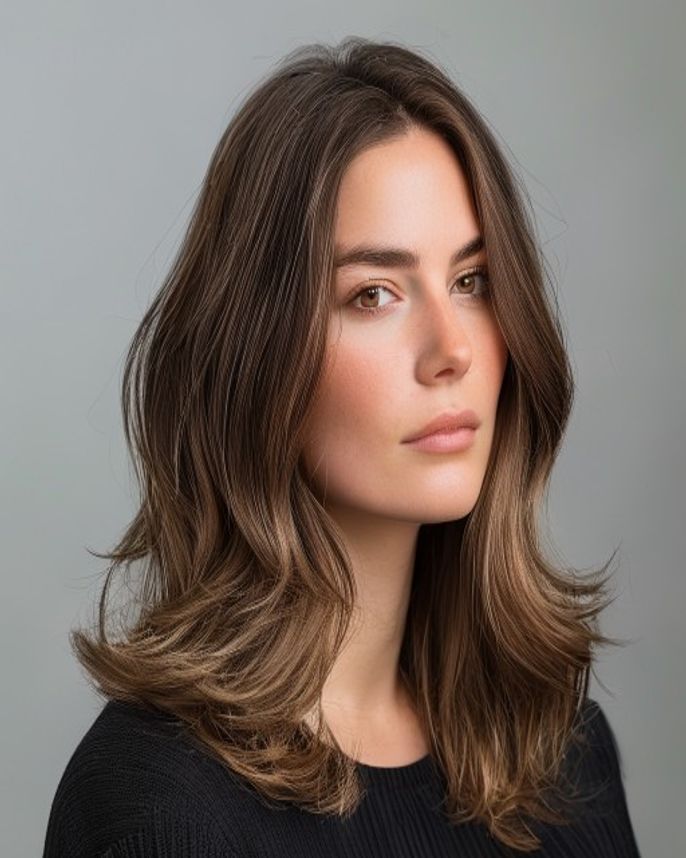
4. V-Cut Layers for Length
Style this by scrunching a curl cream into damp hair and air-drying to let the V-shaped layers taper into a soft point at the back. The V-cut keeps maximum length while carving graduated layers that stop the waves from bulking out at the perimeter. It works best on hair worn down, where the tapered shape shows.
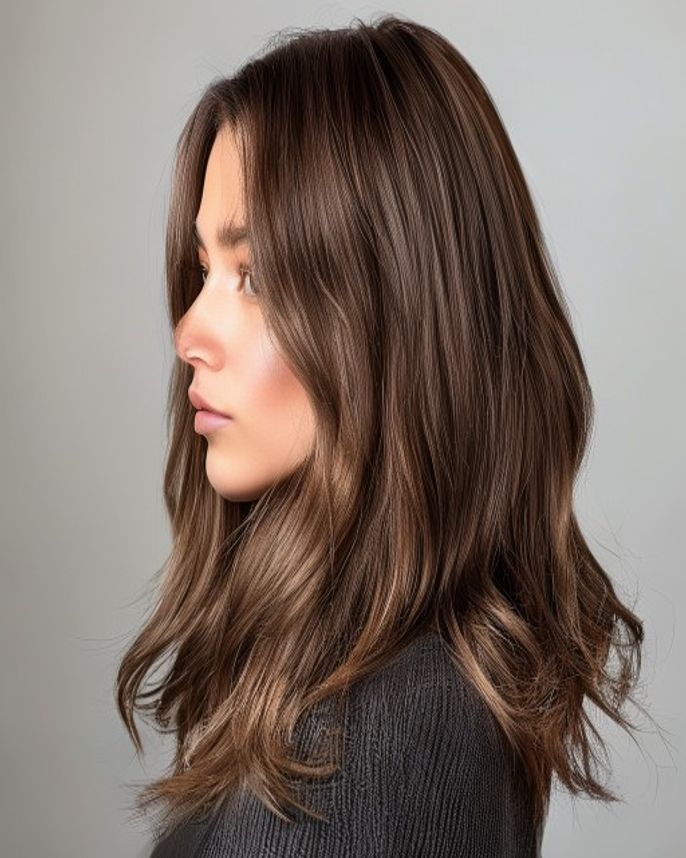
5. Long Cut with Grown-Out Curtain Bangs
A low-maintenance option that grows out gracefully, this keeps length through the body while soft curtain bangs frame the face. The bangs blend into the face-framing layers as they grow, so you can stretch trims to 10 or 12 weeks without an awkward phase. Wavy texture hides the grow-out better than straight hair does.
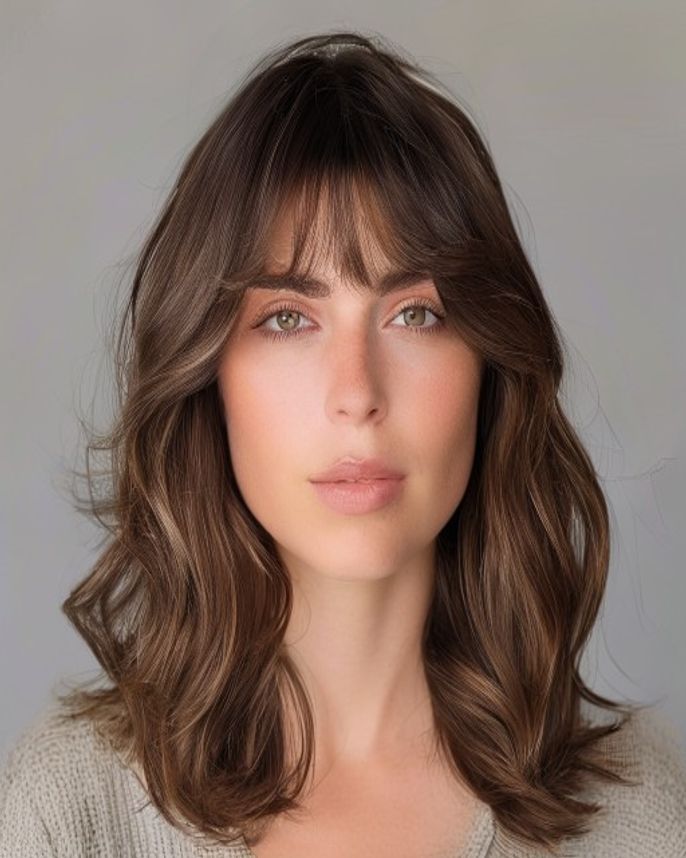
6. Beachy Long Waves with a Money Piece
The lightened money piece at the front catches the light and emphasizes the loose bend of long 2C waves. A soft caramel or honey face frame adds brightness without the upkeep of all-over highlights, and it draws attention to the wave formation around the face. Placement matters more than saturation here, since one or two bright pieces do the work.
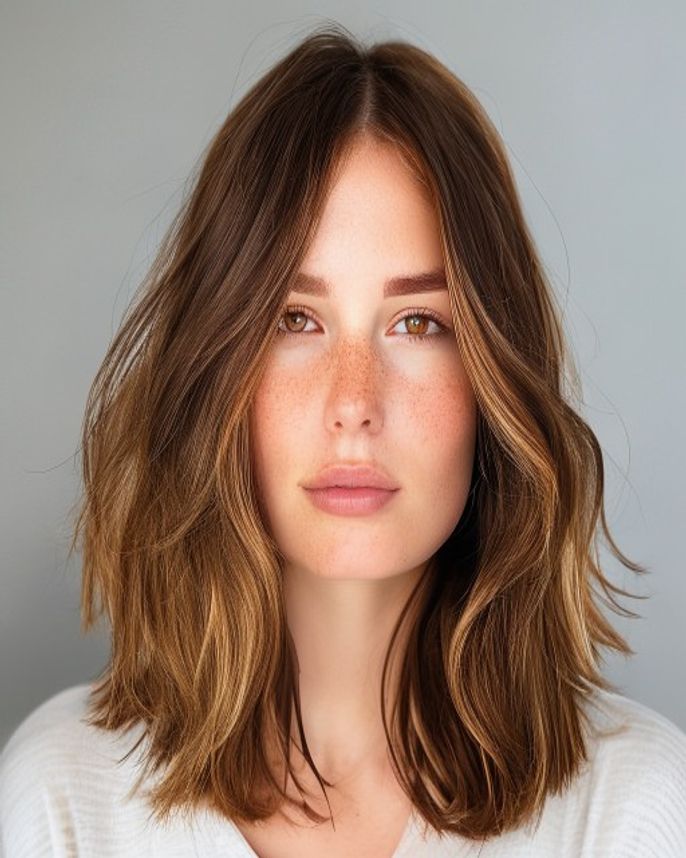
7. Long Butterfly Cut
Ask your stylist for a butterfly cut with the shortest layers landing at the chin and the longest kept at your natural length. The stacked shorter layers build volume up top while the long underneath sections keep the wave pattern flowing. Bring a photo, because the layer placement is what separates a butterfly cut from a standard long layer.
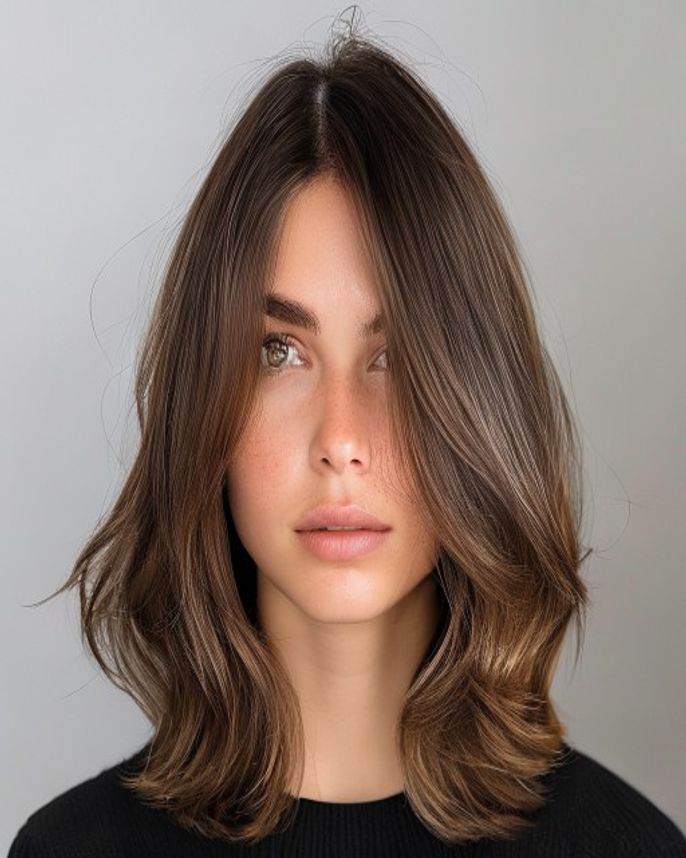
8. Long Cut with Invisible Layers
Unlike a heavily layered shag, this long cut uses invisible layers hidden inside the hair to remove bulk while keeping the outline looking full and one-length. The waves get lighter and bouncier without the choppy surface texture that visible layers create. It suits anyone who wants movement but prefers a smoother, more polished silhouette.
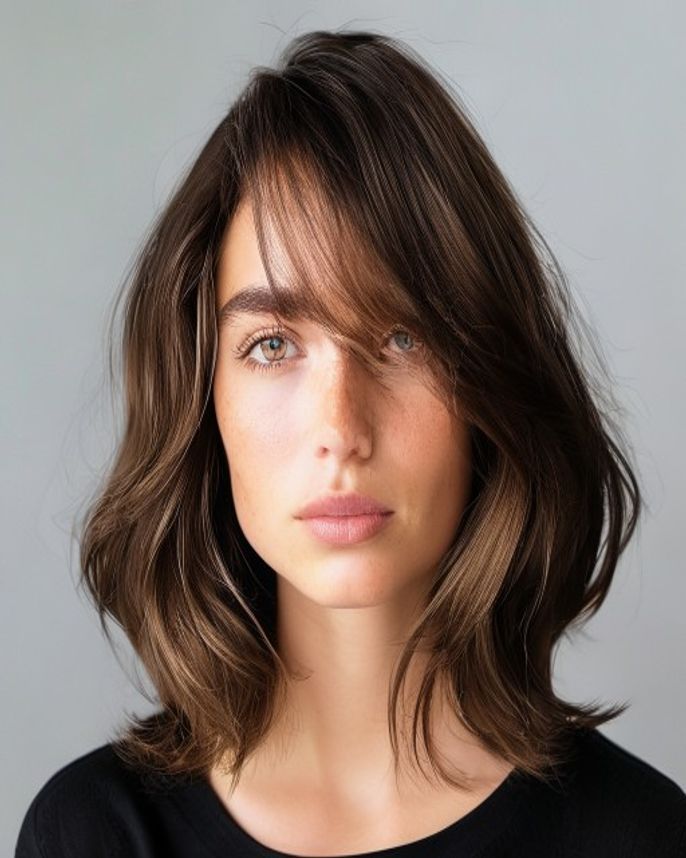
Mid-Length Lobs and Bobs for 2C Hair
Collarbone to shoulder length is the sweet spot for 2C waves: long enough for the pattern to form, short enough to shed the weight that flattens the wave. These lobs and bobs lean on texturizing and point cutting rather than blunt lines, which would sit stiff and wide on wavy hair. Most work with either a center or side part.
9. Textured Collarbone Lob
Point-cut ends and a light texturizing pass through the mid-lengths let this collarbone lob fall into loose, natural bends. Removing weight at the perimeter stops 2C waves from flaring out just above the ends. The result sits right at the collarbone, the most flattering wavy length for nearly every face shape.
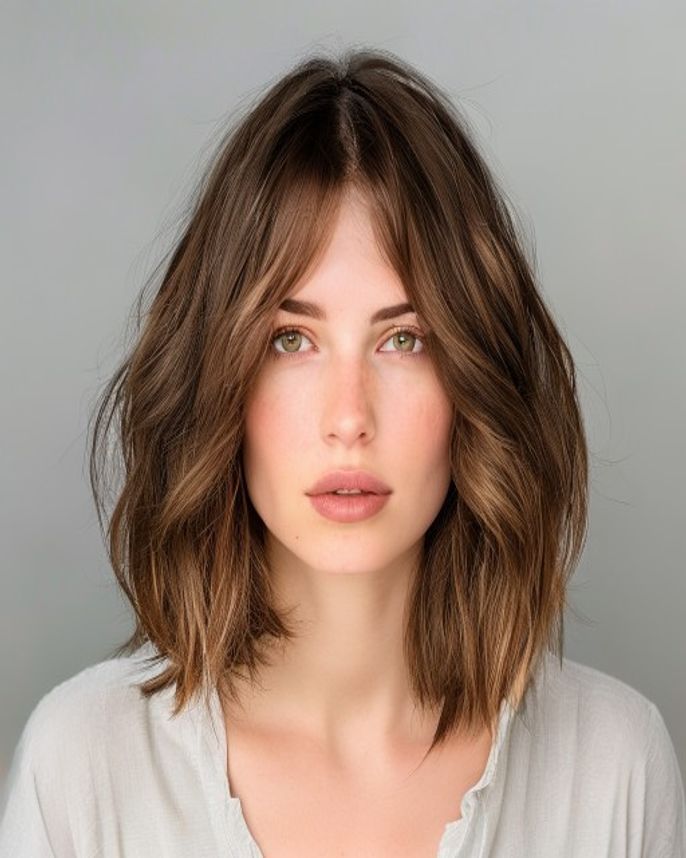
10. Wavy A-Line Lob for Square Faces
Flattering on square faces, this A-line lob stays slightly longer at the front to soften a strong jaw with a downward diagonal line. The graduated back keeps volume high while the longer front pieces skim the jawline instead of hitting it head-on. Softening angular features is what the forward length does here.
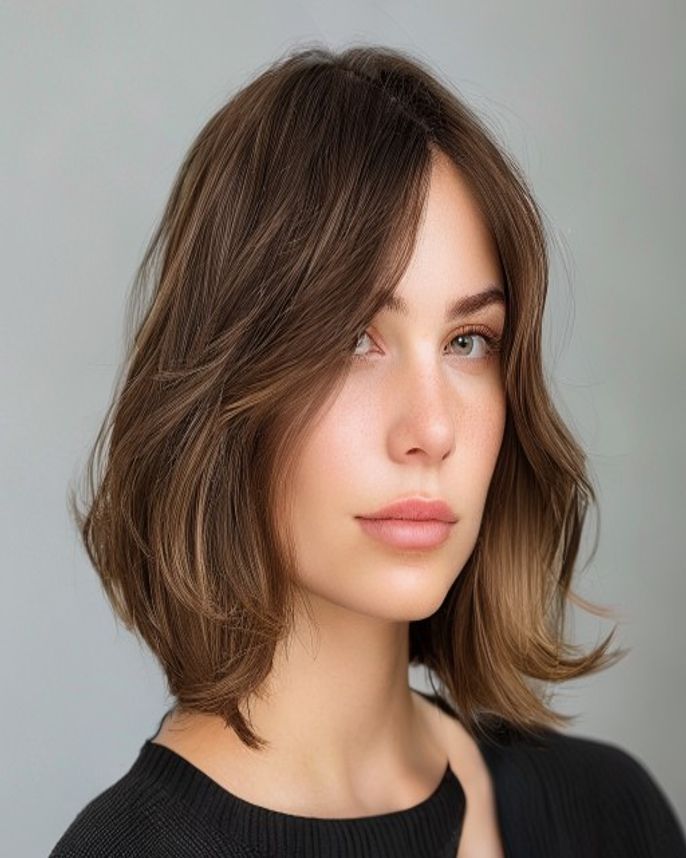
11. Blunt Lob with Internal Layers
Fine-to-medium 2C hair that leans thin at the ends gets the most from a near-blunt lob with layers hidden inside for movement. The heavier perimeter keeps the density that fine waves need to look full, while the internal layers prevent the shape from going stiff. Skip this if your hair is very thick, where the blunt weight can feel bulky.
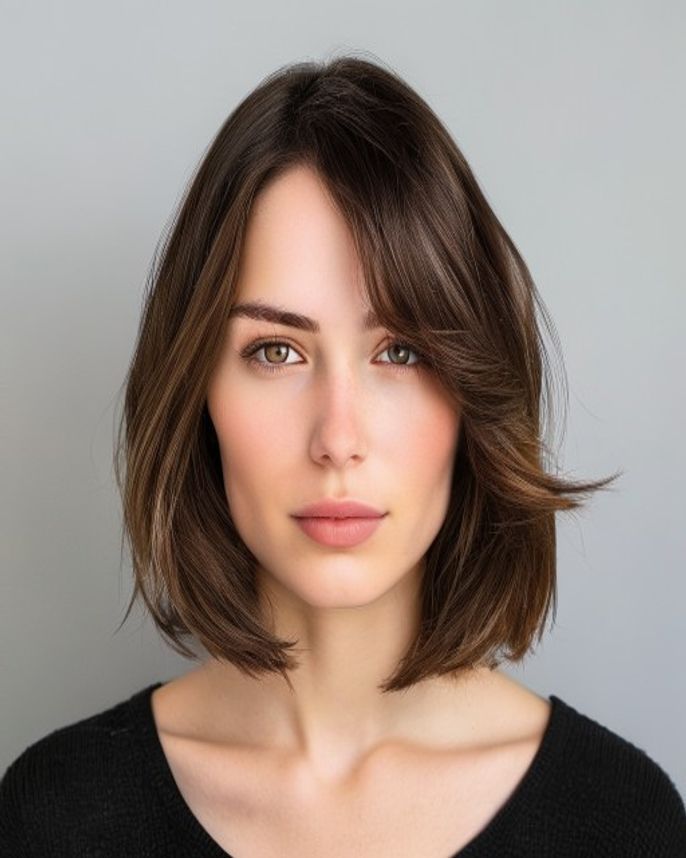
12. Shoulder-Length Wavy Shag
Scrunch a sea-salt spray into damp hair and diffuse on low to bring out the choppy layers of this shoulder-length shag. The feathered layering starts at the cheekbones and cascades down, building a lived-in shape that suits 2C texture without daily effort. It is the go-to for people who want their waves to look intentional straight out of an air-dry.
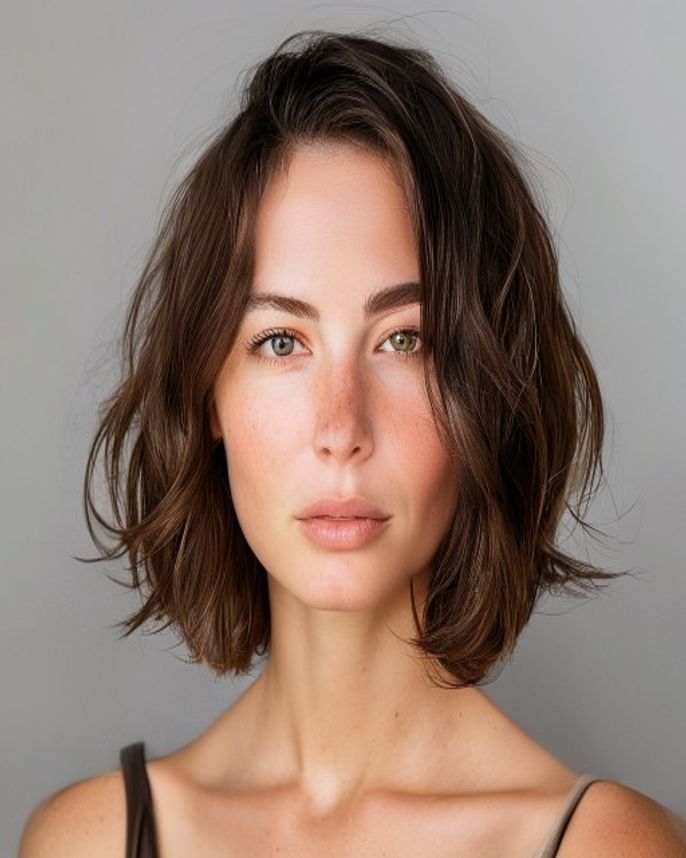
13. Choppy Wavy Bob
This choppy bob sits between chin and shoulder and grows out without a fuss, since the uneven layers blend as they lengthen. The chopped ends keep 2C waves from clumping into a solid mass and give the shape a modern, textured edge. Expect to go 8 to 10 weeks between trims before it loses its bounce.
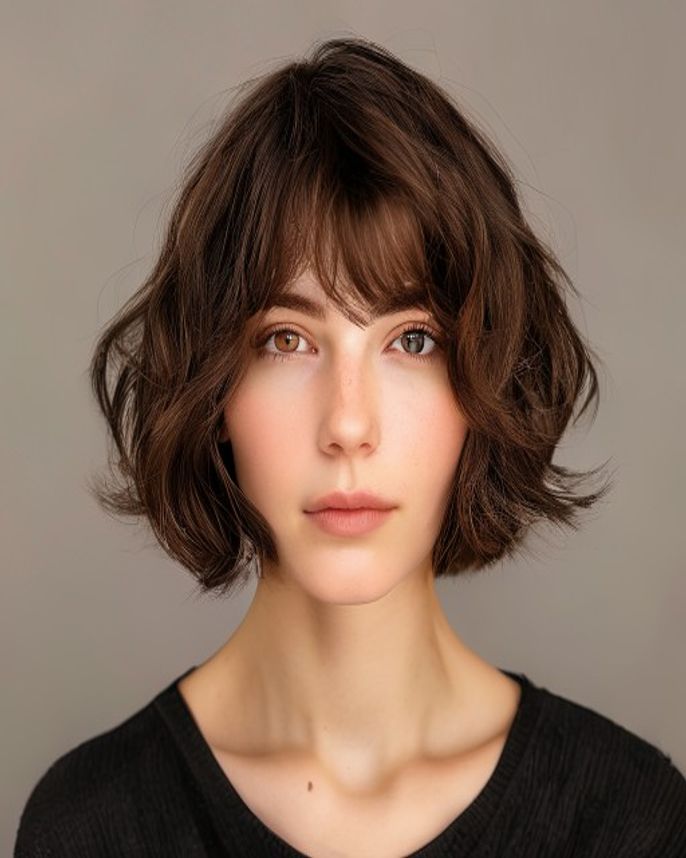
14. Caramel-Highlighted Wavy Lob
Dimensional caramel highlights woven through a wavy lob make each S-bend pop by giving the light something to travel along. The color placement follows the wave pattern, so the brighter pieces surface on the crests where they show most. On a mid-brown base, caramel adds warmth and depth without a stark contrast that needs constant toning.
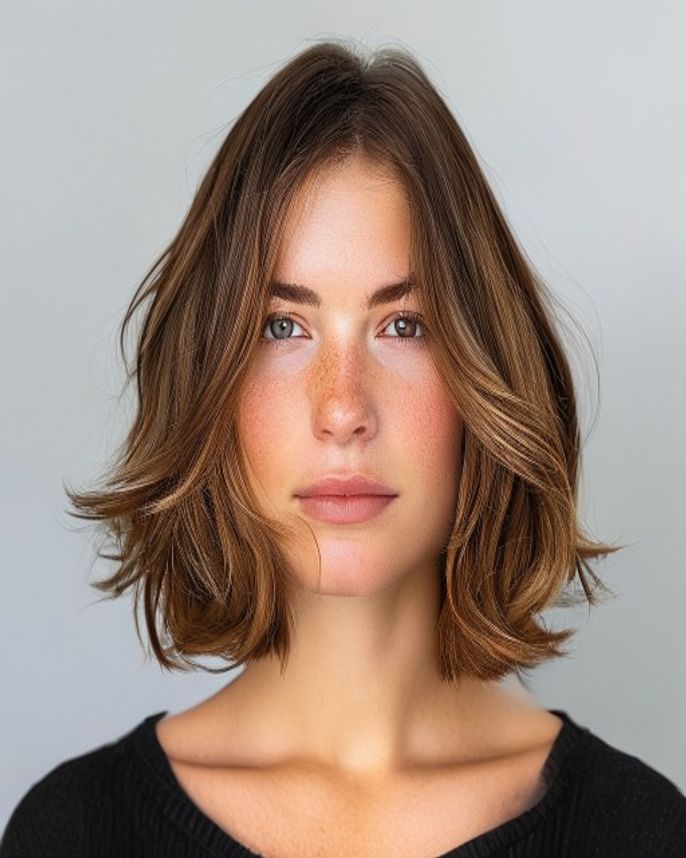
15. Italian Bob for Waves
Ask for an Italian bob, a chin-grazing blunt cut with just enough internal texture to let waves move. The rounded, full shape channels the effortless Riviera look, and on 2C hair the natural bend keeps it from reading too severe. Tell your stylist you want it dry-cut so they can see where the waves land before setting the length.
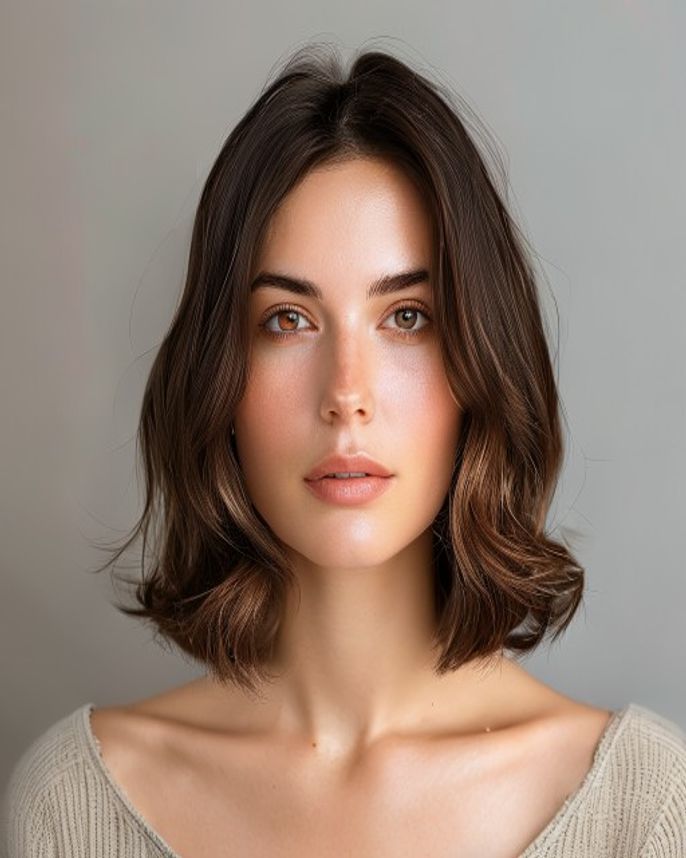
16. Wavy Clavicut with Soft Graduation
Unlike a stacked bob that piles weight at the back, this clavicut keeps a nearly even length at the collarbone with only the gentlest graduation. The result is a fuller, more grown-out shape that reads relaxed rather than structured. It suits anyone who loves lob length but wants less of a defined haircut and more of a natural fall.
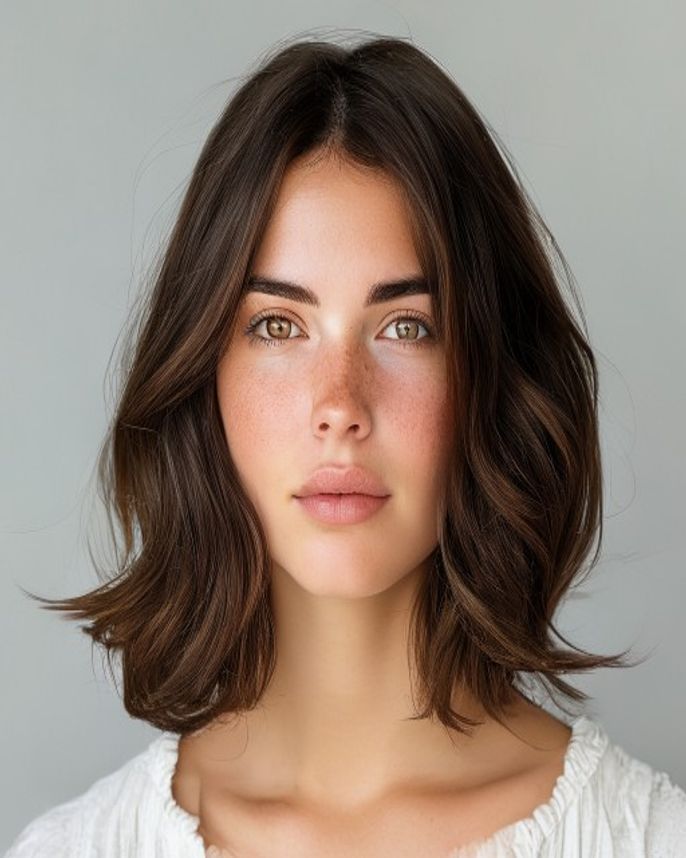
Short Haircuts for 2C Hair
Short cuts on 2C waves demand precise layering, because there is less length to weigh the shape down and pull it into line. Done right, a short wavy cut is full of movement and needs little styling; done wrong, it puffs out at the sides. Dry cutting on natural texture is close to essential at these lengths.
17. Wavy French Bob
Cut just below the ear with a slightly blunt edge softened by point cutting, the French bob turns 2C waves into a tousled, Parisian shape. The short length keeps the waves tight and springy, and a light texturizing pass stops them from ballooning. This is a precise cut, so it holds its shape best with a trim every 6 to 8 weeks.
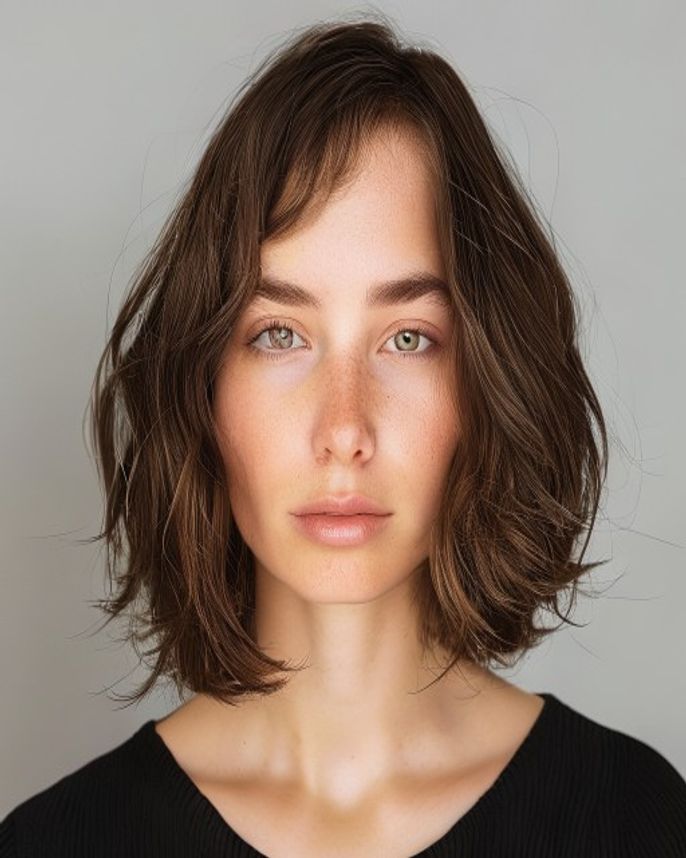
18. Chin-Length Wavy Bob for Long Faces
Best on long or oblong faces, a chin-length wavy bob adds width at the jaw that visually shortens a longer face. The horizontal volume of the waves at chin level balances the proportions, especially with a bit of side-swept fringe. Center parts work against this shape, so keep the part off to one side.
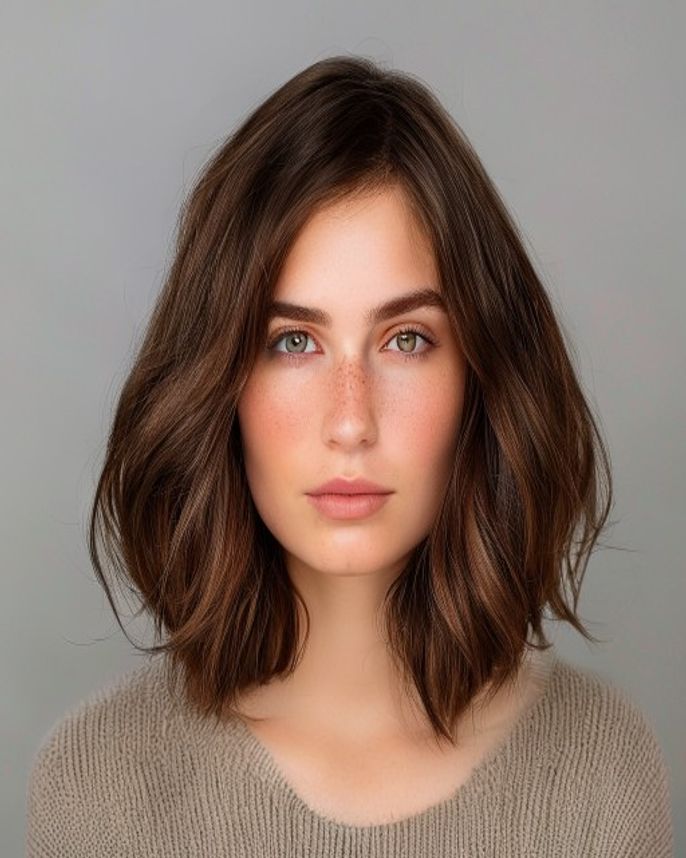
19. Textured Bixie for Thick Waves
Thick 2C hair carries a bixie, the pixie-bob hybrid, better than fine hair because the density fills out the layered shape. The longer top and textured crown give the waves somewhere to move, while the shorter sides keep bulk in check. Coarse, dense waves are the ideal texture for this cut to hold its form.
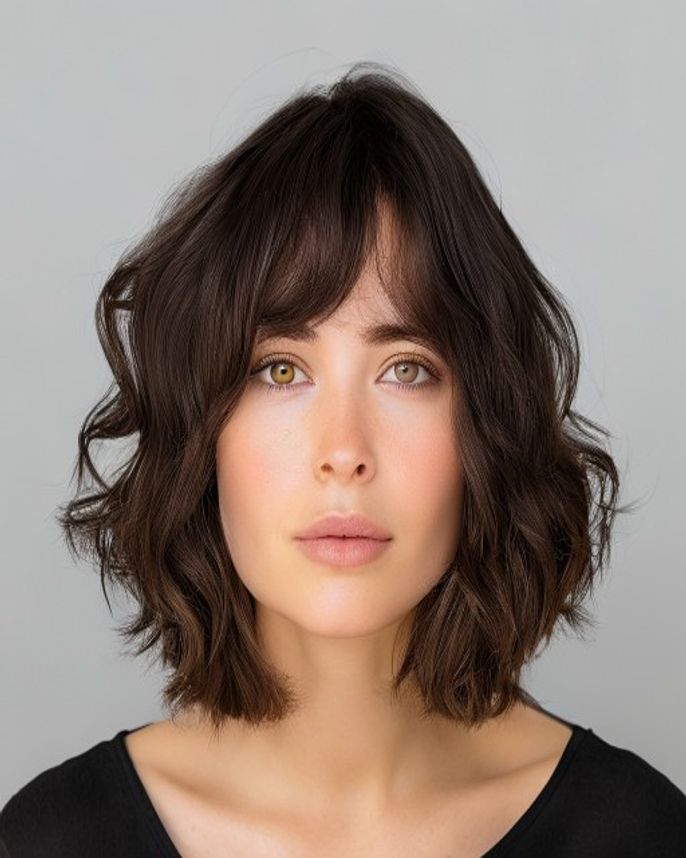
20. Wavy Pixie with Length on Top
Work a pea-sized amount of texturizing paste through the top and push it forward with your fingers to define this wavy pixie. Leaving length on top lets the natural wave show while the tapered sides stay clean and close. It is the lowest-effort cut here once you learn the finger-styling, taking under five minutes most mornings.
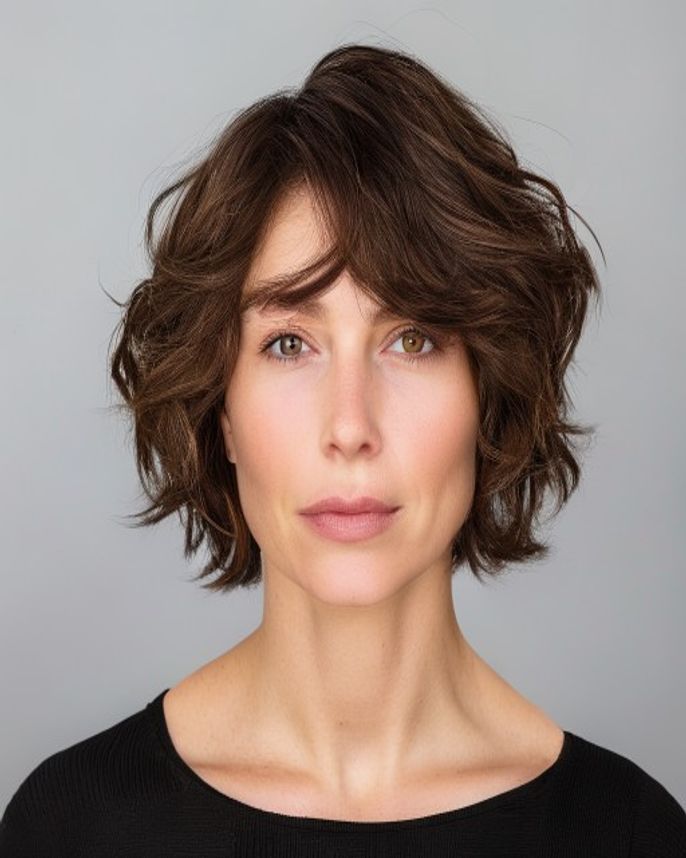
21. Tousled Ear-Length Bob
An ear-length bob keeps upkeep simple for 2C waves, air-drying into a rumpled, easy shape with a scrunch of mousse. The waves stay compact at this length and rarely need heat, which protects the hair from the frizz that heat styling brings. Plan on a trim every 6 to 7 weeks, since short shapes show grow-out fastest.
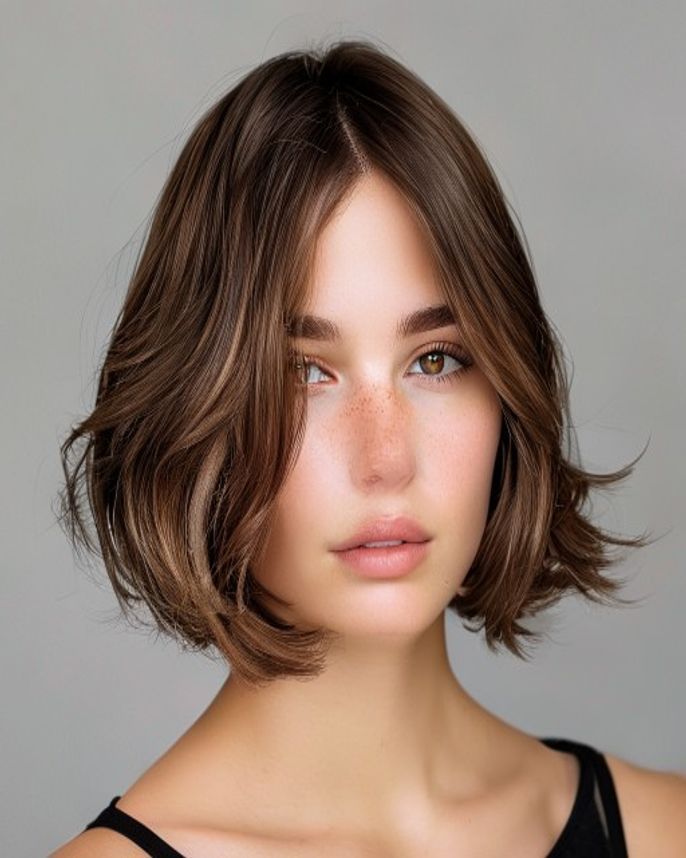
22. Short Wavy Shag
Compared with a longer shag that flows, the short wavy shag concentrates all its choppy layers into a compact, spiky-edged shape just past the ears. The heavy short-layering gives 2C waves maximum lift and a rock-leaning edge. It differs from a shullet by keeping the length even all around rather than dropping a longer tail at the back.
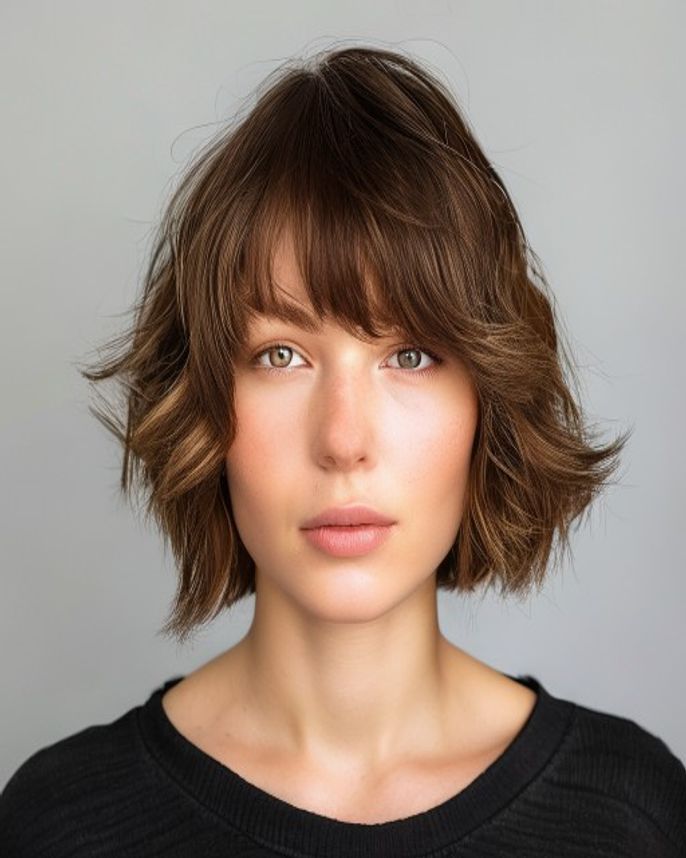
2C Haircuts with Bangs and Fringe
Bangs on wavy hair follow different rules than on straight hair, because the fringe shrinks and bends as it dries. The styles below choose fringe shapes that work with 2C movement rather than fighting it, from airy curtain bangs to wavy micro fringe. A dry cut on the bangs is what keeps them the right length after they spring up.
23. Waves with Airy Curtain Bangs
Curtain bangs suit almost every face shape because they part in the middle and sweep out to frame the cheekbones. On 2C hair they need to be cut slightly longer than you think, since the wave lifts them once dry. The soft, open shape draws the eye toward the center of the face and blends into the layers around it.
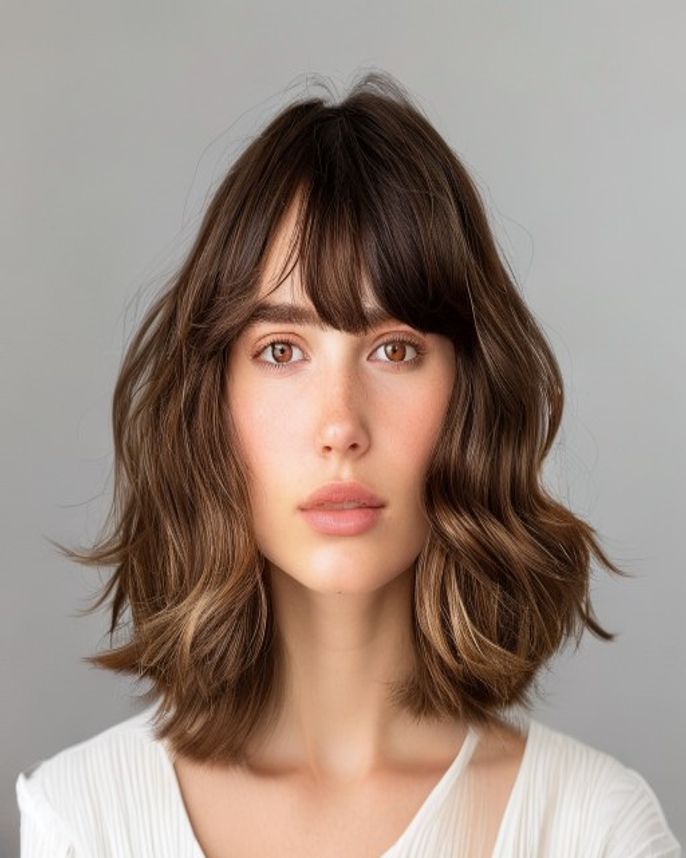
24. Long Wavy Fringe Cut Below the Brow
A long wavy fringe cut to just below the brow bone bends naturally with the wave instead of sitting flat like a straight-hair fringe. Point cutting the fringe keeps the edge soft so it separates into pieces rather than forming a heavy curtain. Ask for it to be cut dry, at the length it falls when your waves are fully formed.
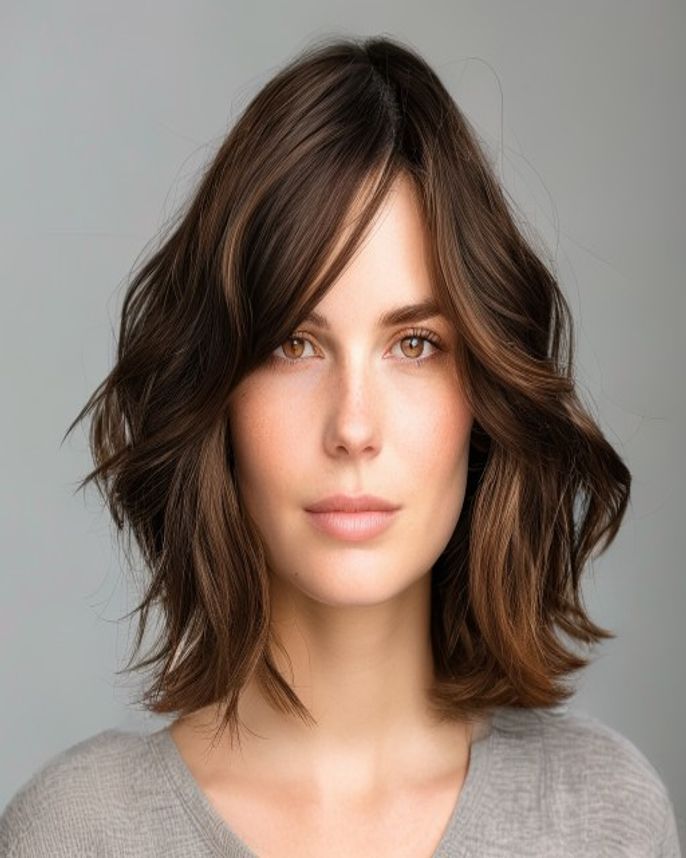
25. Wavy Bob with Birkin Bangs
Full, slightly shaggy Birkin bangs pair with a shoulder-grazing wavy bob for a lived-in, seventies-leaning look. The density of 2C hair makes the fringe feel rich rather than sparse, and the waves keep it from looking too polished. This is a face-framing choice for anyone who wants a bolder fringe than curtain bangs give.
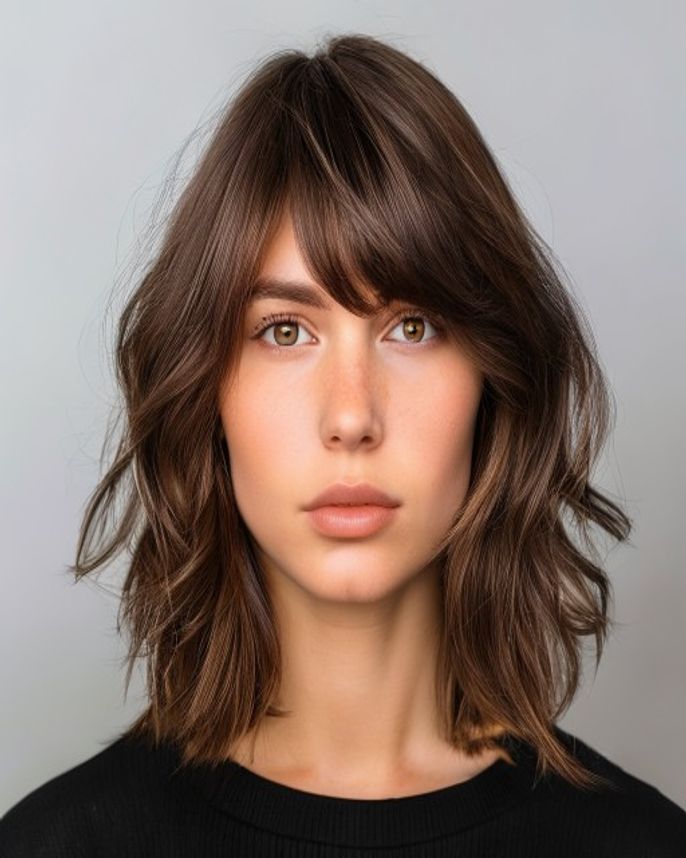
26. Copper Waves with Side-Swept Fringe
A warm copper tint over 2C waves catches beautifully on a side-swept fringe that sweeps across the forehead. The diagonal fringe softens a wider forehead and adds asymmetry, while the copper brings out the natural warmth in wavy brown hair. Copper does fade toward gold, so a color-depositing conditioner between salon visits keeps it rich.
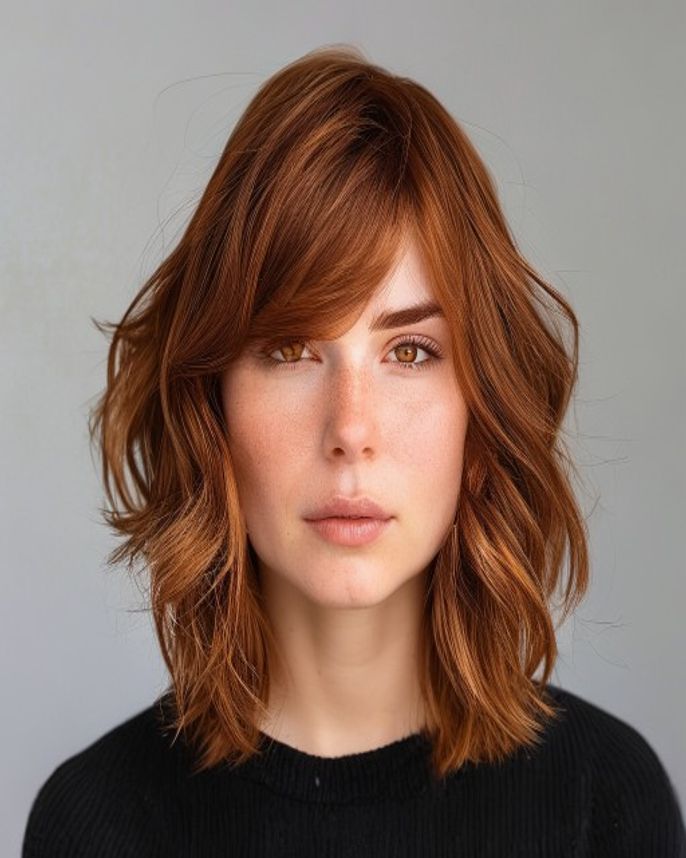
27. Wavy Lob with Wispy Bottleneck Bangs
Ask for bottleneck bangs, shorter and rounded in the center with longer wispy sides that taper into the face frame. The shape flatters a round or square face by adding a hint of length through the middle of the forehead. On 2C texture the wispy edges blend into the waves, so there is no hard line where the fringe ends.
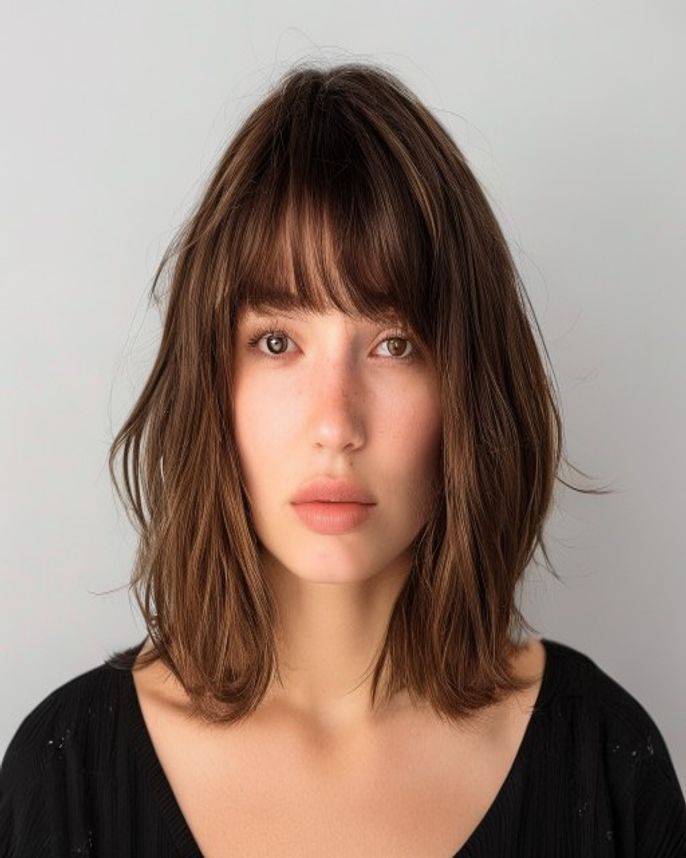
28. Grown-Out 2C Waves with Face-Framing Fringe
This grow-out-friendly shape keeps length long while a face-framing fringe merges seamlessly into the front layers. Because the fringe is really an extension of the layers, there is no separate bang to maintain, and it looks intentional at every stage. Wavy hair hides the transition points, so it stays flattering for months between cuts.
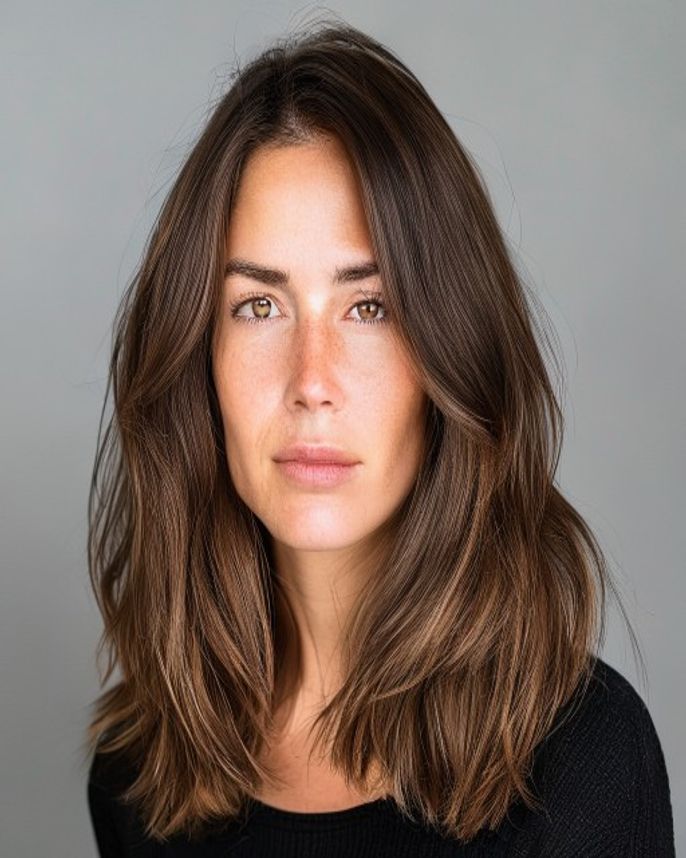
29. Wavy Micro Fringe on a Textured Bob
A short micro fringe cut high on the forehead gives a textured 2C bob an offbeat, editorial edge. The wave keeps the tiny fringe from looking stark, softening it into a piecey shape rather than a blunt line. Reserve this for thick, springy waves that can support the density a micro fringe needs to look deliberate.

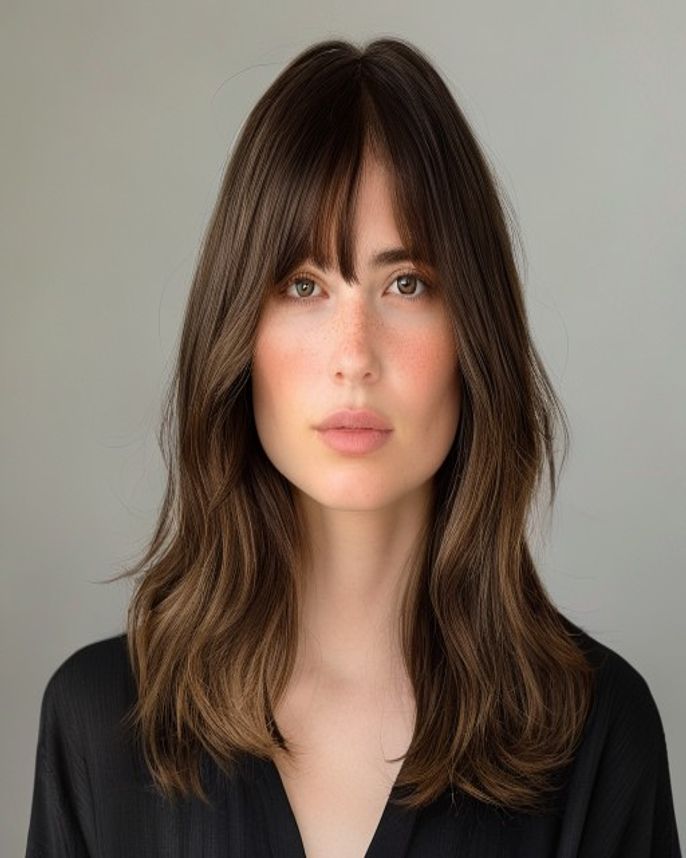
30. Long Layers with Curtain Bangs and a Center Part
Rounding out the collection, this pairs long invisible layers with soft curtain bangs and a clean center part for a balanced, effortless finish. The layers keep the length light while the center-parted bangs open up the face symmetrically. It is the most versatile look here, flattering across face shapes and easy to grow out in any direction.
How to Choose the Right 2C Cut for Your Face Shape
Face shape decides where you want the volume of your waves to land. Because 2C hair naturally builds width at the sides, the goal for most shapes is to control that width and direct fullness where it balances your features. Use the table as a starting point, then adjust the length to your height and neck.
| Face Shape | Best Variation | Ideal Length | Avoid |
|---|---|---|---|
| Oval | Almost anything; long layers or a textured lob | Collarbone to long | Heavy blunt one-length cuts |
| Round | Collarbone shag with crown height | Past the collarbone | Chin-length with a center part |
| Square | Wavy A-line lob, side-swept fringe | Jaw to shoulder | Blunt jaw-length lines |
| Heart | Layers with volume at the jaw, curtain bangs | Collarbone to long | Top-heavy crown volume |
| Oblong | Chin-length wavy bob with side fringe | Chin to shoulder | Very long, part-less styles |
| Diamond | Face-framing layers, bottleneck bangs | Collarbone to long | Slicked-back, forehead-baring styles |
If you are still deciding between a short and long shape, the way your waves behave day to day matters more than the trend. Our guide to layered cuts for curly and wavy hair breaks down how layer placement changes with each texture, and it pairs well with the face-shape guidance above.
What to Tell Your Stylist
The single most important request for 2C hair is a dry cut on your natural texture. Wet cutting stretches the wave straight, so the stylist cannot see where the hair will actually land once it springs back, and you can end up shorter and wider than you wanted. Say: “I have 2C waves and I want this cut dry, on my natural texture, so we can see where the waves fall.”
Beyond that, name the problem you want solved. For bulk, ask for internal layers or invisible layering to remove weight without shortening the length. For frizz and flare at the sides, ask them to keep the perimeter from being too blunt and to point cut the ends. If you want fringe, request that it be cut dry and slightly long, since 2C bangs lift as they dry. A stylist experienced with wavy hair will also suggest where to place your part, which changes how the whole shape falls. For more phrasing you can borrow at the consultation, our rundown of salon vocabulary every client should know covers the terms stylists actually use.
Stylist tip: Show up with your hair styled the way you normally wear it, not freshly washed and straightened. Your stylist needs to see your real day-to-day texture to cut a shape that works when you leave the salon, not just on the day of the appointment.
Maintenance and Styling for 2C Waves
2C hair is lower maintenance on the calendar than straight cuts but rewards a smart wash-day routine. Because the waves hide grow-out well, most lengths stretch to 8 to 12 weeks between trims, with shorter bobs and pixies needing more frequent shaping. The daily work is less about restyling and more about protecting the wave pattern from frizz.
| Cut | Trim Frequency | Daily Styling | Key Products |
|---|---|---|---|
| Long layers | 10 to 12 weeks | 5 to 10 min | Curl cream, leave-in |
| Textured lob | 8 to 10 weeks | 5 to 15 min | Sea-salt spray, mousse |
| Shag | 8 to 10 weeks | 5 to 10 min | Texturizing spray, diffuser |
| French or ear-length bob | 6 to 8 weeks | 5 to 10 min | Light mousse, curl cream |
| Wavy pixie or bixie | 4 to 6 weeks | 3 to 5 min | Texturizing paste |
To fight frizz, apply your products to soaking-wet hair, not damp, and scrunch upward toward the scalp to encourage the wave. Air-drying or diffusing on low heat protects the pattern far better than a blow-dry with a brush, which stretches the wave out. On second and third days, a spritz of water mixed with a little leave-in revives the shape without a full wash, a trick that also stretches your color between salon visits.
When a Popular 2C Cut Is the Wrong Choice
Not every trending wavy cut suits every head of 2C hair, and matching the cut to your density and lifestyle saves a regretful grow-out.
- A blunt, one-length cut on thick 2C hair: without layers the waves stack up and triangle out at the sides; ask for internal layering or choose a shag instead.
- A very short pixie on fine 2C hair: fine waves lack the density to fill a cropped shape and can look thin; a chin-length bob keeps more perceived fullness.
- Heavy, choppy layers on already-thin ends: over-layering removes the weight fine waves need and encourages frizz; invisible layers add movement more safely.
- A high-maintenance blowout shape if you never heat style: a cut that only looks right blow-dried straight fights your texture daily; pick a cut built for air-drying, like a shag or textured lob.
If your waves sit closer to a defined curl than a loose S, you may get better results from cuts built for tighter patterns. Our breakdown of styling a shag without heat and its air-dry methods works especially well when your 2C hair leans toward 3A on humid days.
FAQ
What Is the Best Haircut for 2C Wavy Hair?
The most reliable cut for 2C hair is a collarbone-length textured lob or shag with internal layers. This length is long enough for the waves to form and short enough to shed the weight that flattens them, and the layers stop the shape from widening. From there, adjust with bangs or more length based on your face shape and how much you style.
Should 2C Hair Be Cut Wet or Dry?
2C hair should almost always be cut dry, on your natural texture. Wet cutting stretches the wave straight, so the stylist cannot see where each piece will land once it springs back, which often leaves you shorter and wider than planned. A dry cut lets them shape the waves exactly as they fall.
Do Layers Help or Hurt 2C Waves?
Layers help 2C waves when placed correctly, because they remove the bulk that makes thick wavy hair triangle out. The key is internal or invisible layers that thin the weight without over-thinning the ends. Too many aggressive, choppy layers on fine 2C hair can backfire and cause frizz, so match the layering to your density.
What Length Is Most Flattering for 2C Hair?
Collarbone length flatters the widest range of faces and works with 2C texture on nearly everyone. It gives the waves room to bend without stretching them thin, and it sits at a spot that balances most proportions. Longer lengths suit round and heart faces, while chin-length shapes are better for long, oblong faces.
How Do I Keep 2C Hair from Getting Frizzy After a Haircut?
Apply styling products to soaking-wet hair and scrunch upward, then air-dry or diffuse on low heat rather than blow-drying with a brush. A curl cream or leave-in seals the cuticle and locks the wave, while brushing dry hair breaks the pattern into frizz. A microfiber towel or cotton t-shirt to blot excess water also reduces frizz at the root.
Can 2C Hair Pull Off Short Cuts Like a Pixie or Bob?
Yes, thick 2C hair often looks excellent in a textured bixie, French bob, or wavy pixie because the density fills the shape. The cut needs precise, texture-aware layering, ideally done dry, to keep the sides from puffing out. Fine 2C hair should lean toward chin-length or longer, where there is more weight to hold the shape.
How Often Should I Trim 2C Hair?
Most 2C cuts hold well for 8 to 12 weeks because the wave pattern hides grow-out. Shorter shapes like a French bob or pixie need trims every 4 to 8 weeks to keep their form, while long layers can stretch toward the longer end. Waiting too long lets the ends thin and the shape lose its bounce.
The best haircuts for 2C hair all share the same logic: give the waves length to form, remove bulk with smart internal layers, and let a stylist cut your natural texture dry so the shape lands where you expect. Bring a couple of reference photos from this collection to your next appointment, be honest about how much you actually style, and ask for the layering approach that fits your density rather than the trend of the moment.
Hair results vary based on your natural hair type, texture, density, and condition. Always consult with a licensed hairstylist before making significant changes, especially with chemical treatments or dramatic length changes. Photos may show styled results that require professional tools and products to replicate.