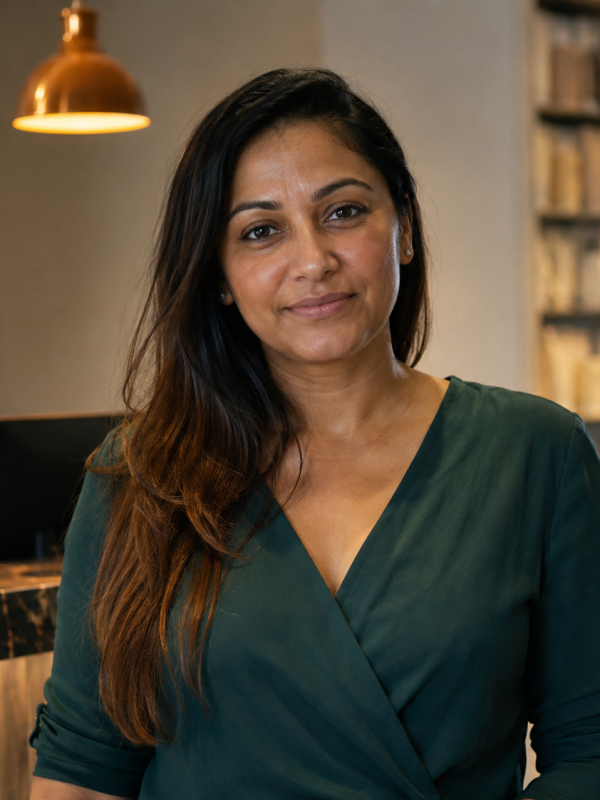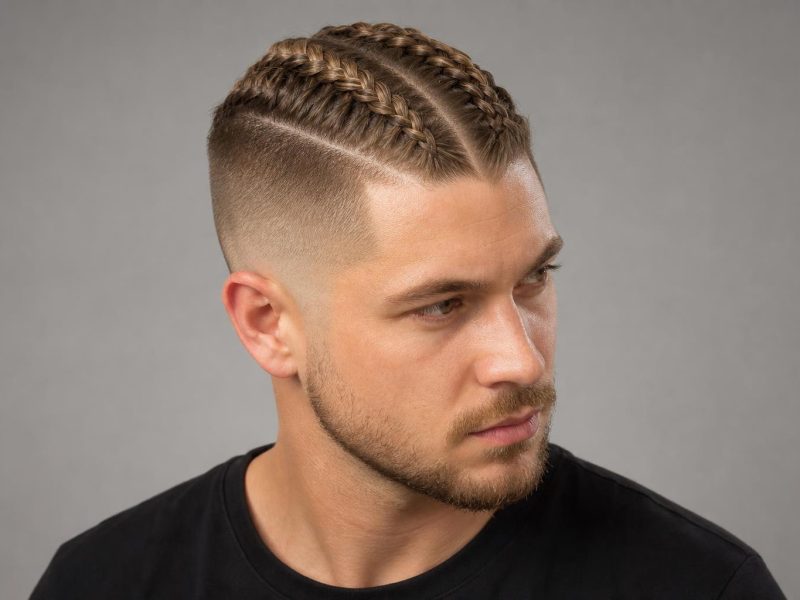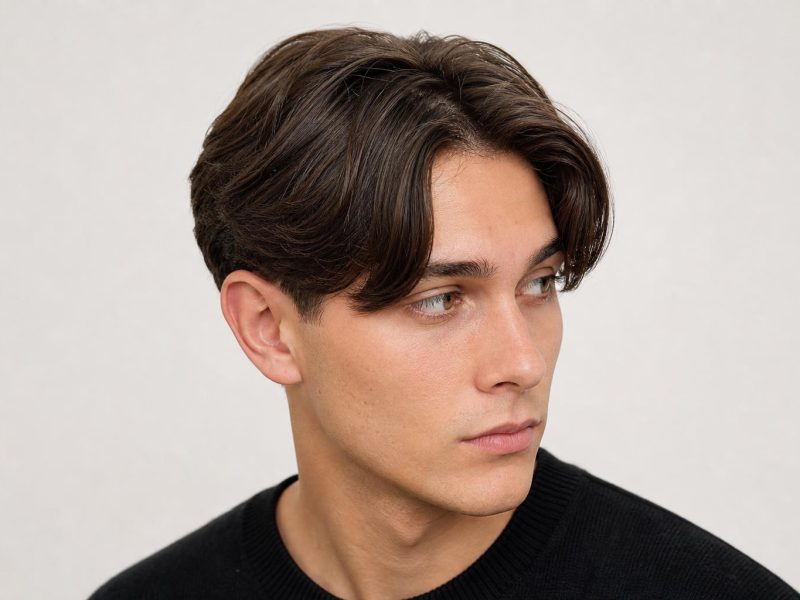


The right haircut in your 30s is usually decided by how many minutes you actually have in the morning, not by which shape is trending.
Most haircut advice for your 30s lists shapes without saying what each one costs you daily, which is the only thing that matters when the morning includes a commute, a school run, or both. These 25 cuts are grouped by the styling time they genuinely need, from air-dry-and-go through shapes that require one tool, and finally the shorter cuts worth a standing salon appointment.
Each entry names the structure, the texture it suits, and the realistic time cost. After the gallery you will find what actually changes about hair in this decade, including postpartum regrowth and the first grays, plus a face shape table, salon wording, honest trim intervals, and the cases where a cut marketed as low maintenance is nothing of the sort.
Under Five Minutes: Cuts That Air-Dry
A cut that air-dries well has weight left at the perimeter and layers long enough that the ends do not separate as they dry. The mistake that ruins air-drying is over-layering, which leaves the hair with no single direction to fall in. Everything in this section is designed to be left alone from the moment product goes in.
1. Collarbone Cut with Long Face-Framing Layers
Lifting a triangular section at the front hairline and cutting it at an angle from chin to collarbone gives shape without touching the bulk of the hair. The rest stays one length, so the ends keep their weight and dry straight rather than flicking. This is the least fussy layered cut available at this length.

2. Long Bob for Round Faces
Round faces gain from length that falls below the jaw and a part placed off center. The vertical drop past the jawline narrows the face, while the asymmetry of a side part breaks up the width across the cheeks. Keeping the sides free of volume matters more here than the exact length.

3. Blunt Mid-Length Cut for Fine Hair
Fine hair loses the most from layering, because every layer removed makes the ends look thinner than they are. A single length at the collarbone keeps every strand contributing to the bottom edge, which is what makes fine hair look dense. Skip texturizing spray here and use a light mousse at the roots instead.

4. Air-Dried Waves with a Salt Spray
Mist a sea-salt-based spray through damp mid-lengths, scrunch upward three times, and do not touch it again until it is dry. Handling it while it dries is what turns a wave into frizz. The whole routine takes about 90 seconds of active effort, with the drying happening on the commute.

5. Mid-Length Cut That Stretches to Twelve Weeks
A soft perimeter with no sharp line has nothing crisp to lose, so growing out looks like length rather than a shape falling apart. Twelve weeks between appointments is realistic, against 6 for anything blunt or cropped. For anyone whose calendar is the binding constraint, that is the single most useful property a cut can have.

6. Mid-Length Cut with a Lived-In Root
Color kept two levels deeper at the scalp and softened downward removes the regrowth deadline entirely. There is no line to chase, so appointments move from every 6 weeks to every 12 or more. In a decade when the first grays usually appear around the temples, this is the lowest-commitment way to handle them.

7. The Cut to Ask for in One Sentence
The wording that produces a genuinely air-dryable cut is: keep it one length at the collarbone, face-framing only, and nothing thinned out. That last clause matters most, because thinning shears create ends that will not dry in the same direction as the rest. Say it before the first section is taken.

Ten Minutes: Shapes That Need One Tool
These cuts trade a few minutes of tool time for a more defined shape. Each one needs exactly one implement, not a sequence of three, and the styling is a single pass rather than section-by-section work. If mornings allow ten minutes reliably, this section offers more range than the air-dry group.
8. Layered Lob with Internal Weight Removal
Unlike surface layers that step visibly down the outside of the hair, weight taken from the interior thins the bulk while the outline stays smooth. Thick hair gets the movement it needs without widening at the ears. The distinction between internal and visible layering is worth settling before the appointment, since the two produce different silhouettes.

9. Blow-Dried Lob with a Round Brush
Take four sections, run a medium round brush through each from root to end, and turn the wrist inward only in the final two inches. Anything more than four sections stops being a ten-minute style. A heat protectant is the one product this genuinely needs, applied to damp hair before drying starts.

10. Curtain Bangs at Cheekbone Length
Cut to graze the cheekbones and parted down the middle, curtain bangs need one pass with a round brush directed away from the face. Shorter than cheekbone level and they lose the ability to blend into the length, which is what makes them forgiving. Expect a bang trim every 4 weeks even when the rest of the cut can wait 12.

11. Shoulder-Length Cut for Thick, Coarse Hair
Thick hair at shoulder length widens into a triangle unless bulk is removed between the ear and the jaw. Taking it from the interior rather than the perimeter keeps the ends dense while narrowing the silhouette. Coarse texture holds this shape for a solid 10 weeks.

12. Layered Bob with a Flat Iron Finish
Run a flat iron down each section and stop before the tips so the ends stay straight rather than curling under. Six minutes covers a bob at this length working in one-inch sections. Anyone wanting the shape without the tool will find a layered bob cut for air-drying behaves differently and should be asked for specifically.
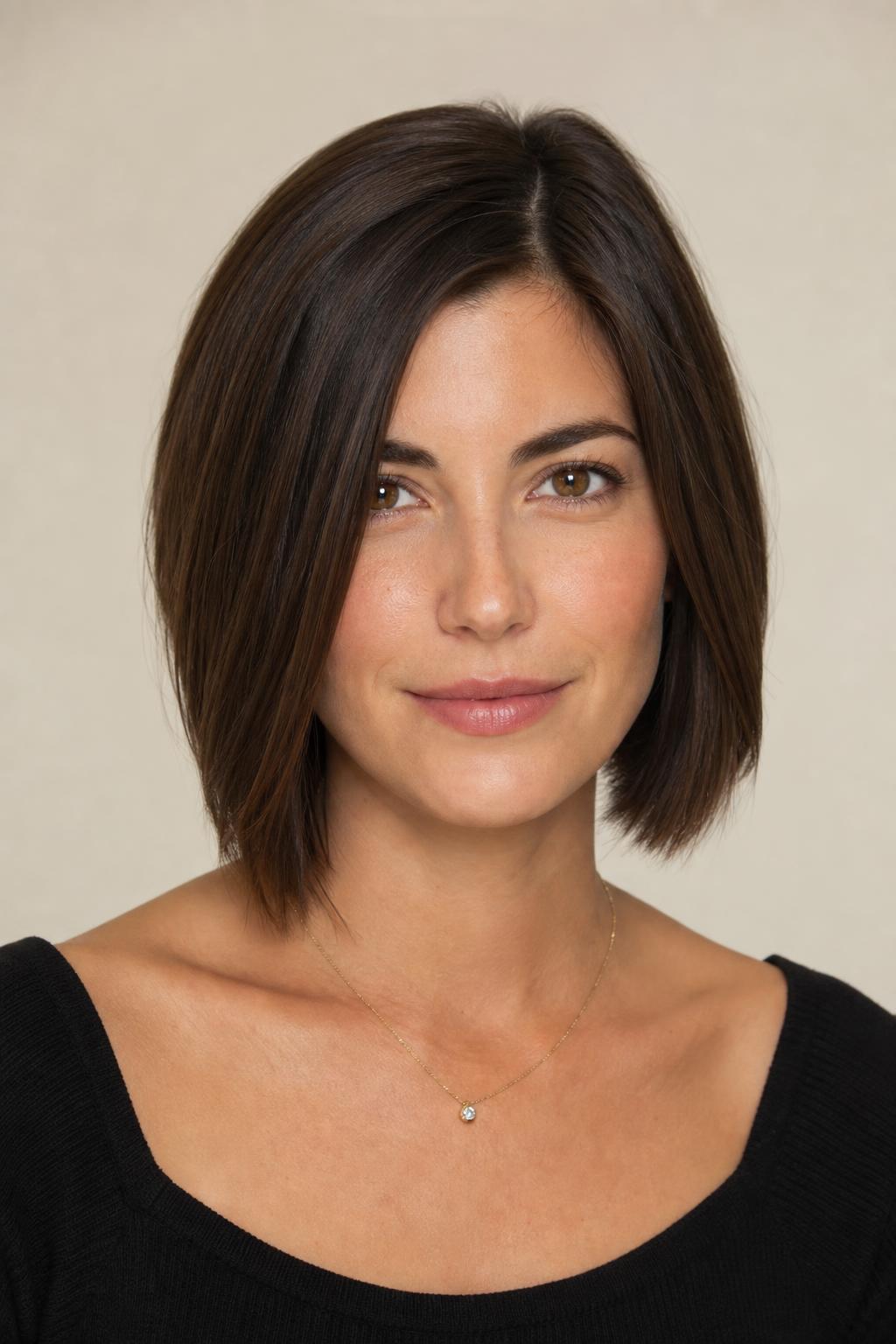
13. Lob That Ties Back Cleanly
The shortest length that still goes into a low ponytail is roughly the collarbone, and that single fact decides the cut for a lot of people in their 30s. Anything shorter leaves pieces falling out at the nape all day. The same length works well for cuts that hold up through a workout, which is often the same requirement.
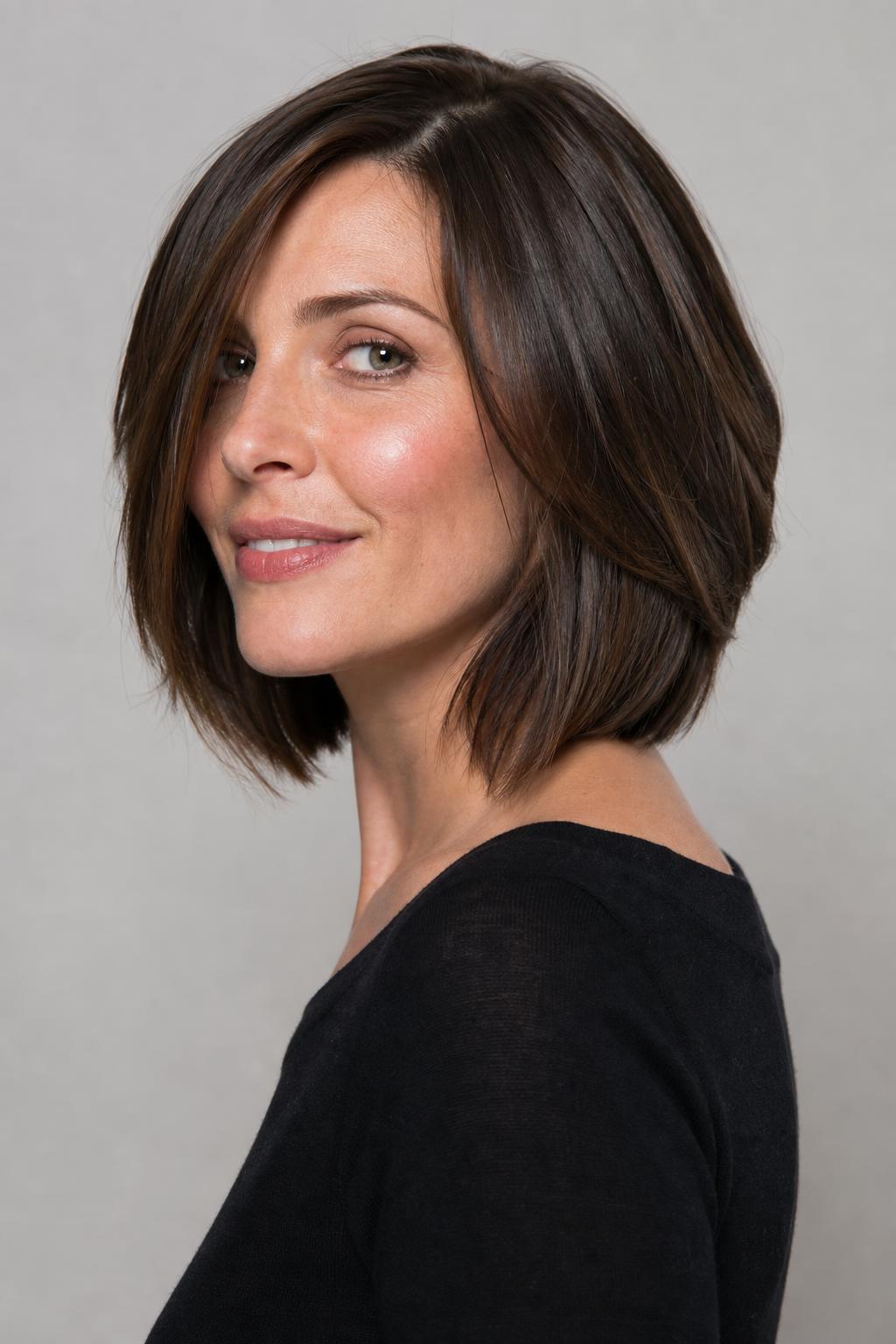
14. Shoulder Cut with a Money Piece
Two lightened sections at the front hairline brighten the face without committing to highlights throughout. Because the placement is only at the front, the regrowth is easy to live with and refreshes take under an hour. Keeping it within three levels of the base stops it looking stripey as it grows.

Long Hair That Still Looks Cut
Long hair in your 30s tends to fail not because of the length but because it goes untrimmed and loses its outline. A shape that keeps a defined perimeter looks deliberate at any length, while tapered, wispy ends read as neglected regardless of how healthy the hair is. These cuts keep the bottom edge intact.
15. Long Layers Starting Below the Chin
Layers that begin at the collarbone or lower keep the top half of the hair heavy, which is what stops long hair looking flat at the crown and thin at the ends. Starting them at the cheekbone produces the opposite. The lowest layer should still be within an inch of the overall length.

16. Long Hair with a Blunt Perimeter
Where tapered long hair narrows to a soft V and loses definition, a blunt bottom edge keeps a strong horizontal line that looks maintained. It costs an inch or two at each trim to hold. On hair that has thinned at the ends after pregnancy, it is the more flattering of the two by a clear margin.
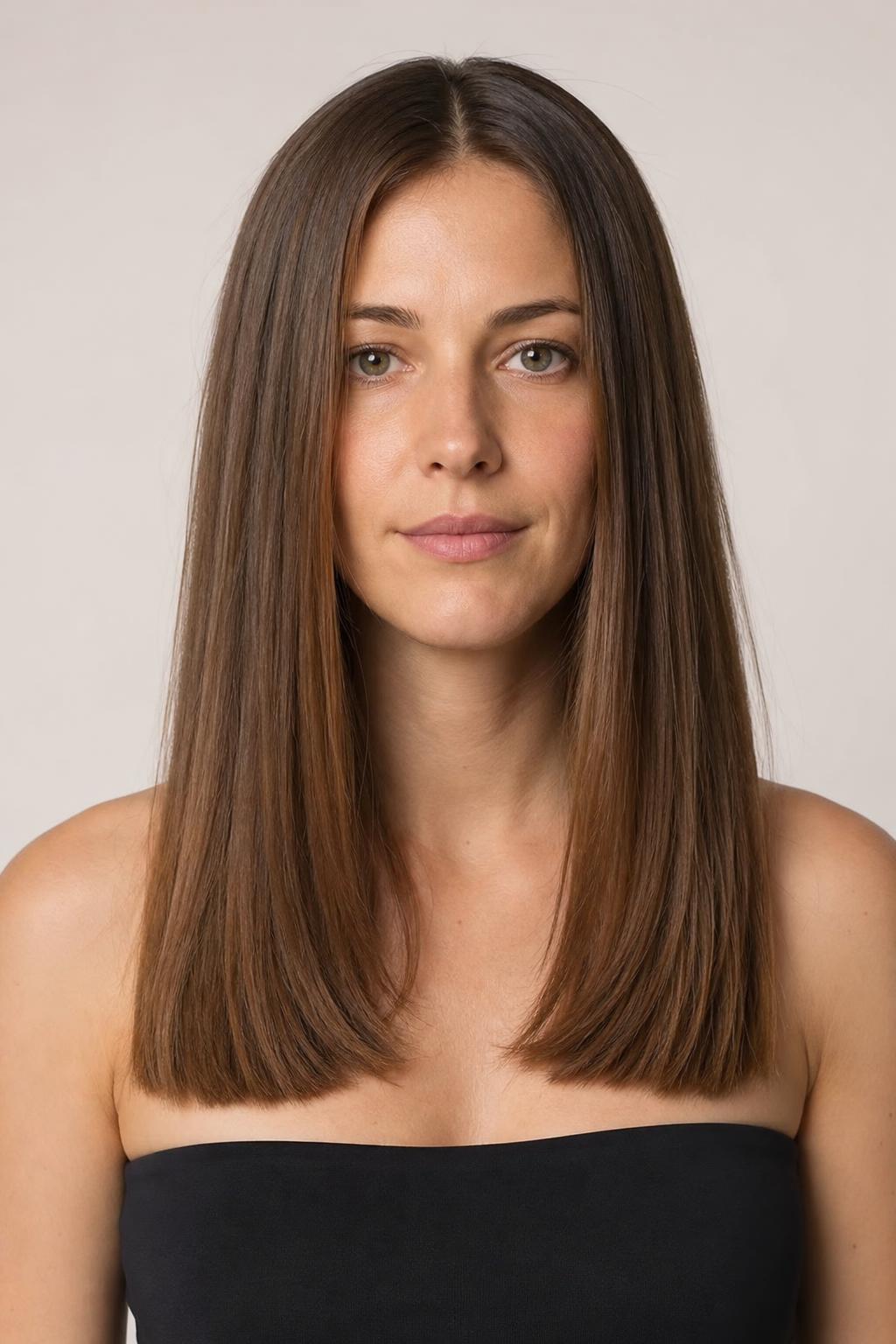
17. Long Curls Cut Dry
Curly hair stretches when wet and springs back as it dries, so a wet cut regularly finishes two inches shorter than agreed. Cutting dry, one curl at a time, is the only way to control where the length actually lands. The difference between a wet cut and a dry cut is worth understanding before booking with a new stylist.
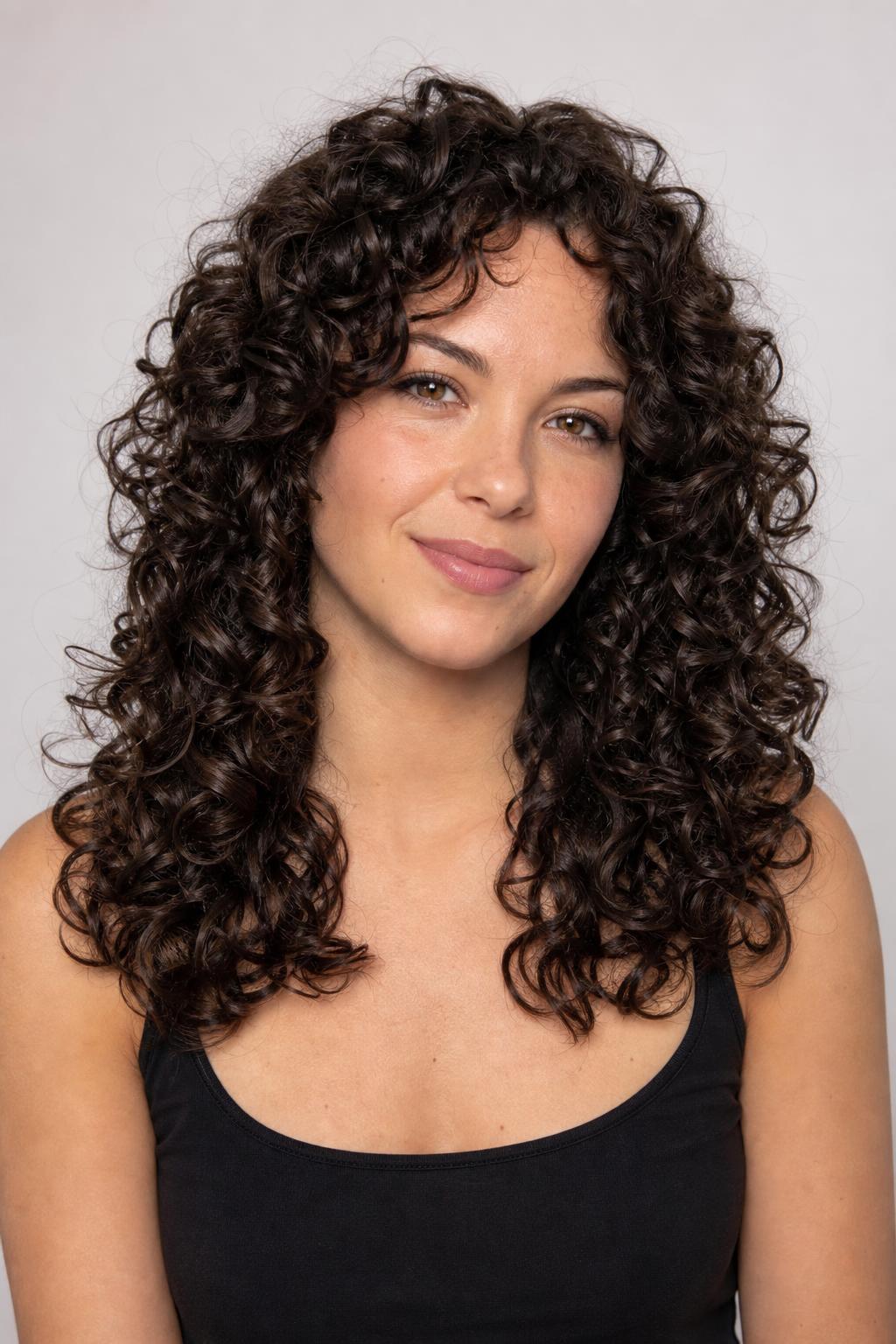
18. Long Cut for Heart-Shaped Faces
A heart-shaped face is widest at the forehead and narrowest at the chin, so the fullest part of the cut belongs at jaw level or below. Face-framing pieces starting at the chin build width exactly where the face tapers. Volume at the crown is the one thing to leave out.

19. Long Hair with Soft Dimension
Fine highlights placed through the mid-lengths and ends only, leaving the roots untouched, add depth without creating a regrowth line. On long hair the movement of the length does the blending work that foils would otherwise have to do. Refreshes land at 12 to 16 weeks rather than 6.
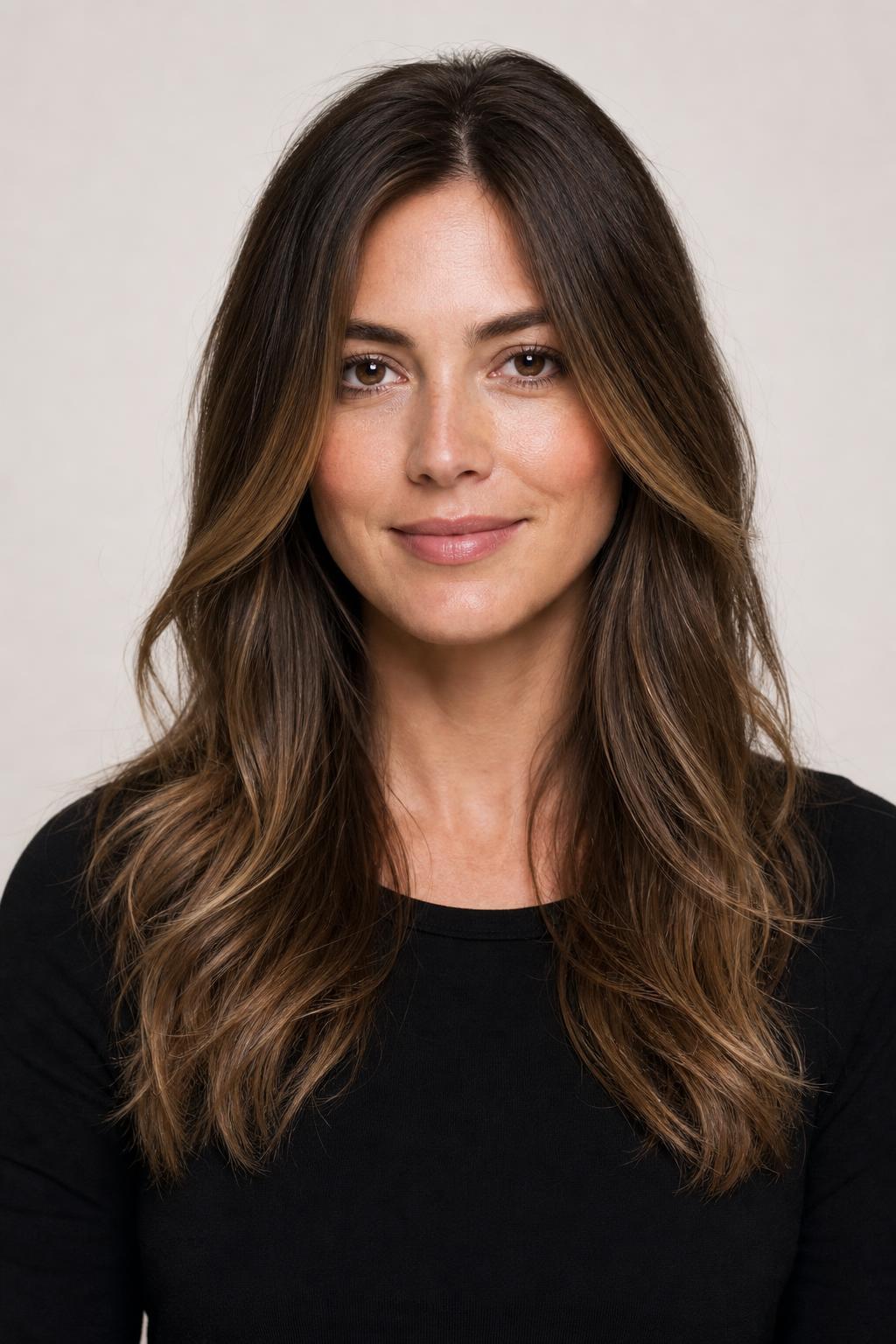
Short Cuts Worth the Standing Appointment
Short cuts invert the usual trade: almost no daily styling in exchange for a salon visit every 5 or 6 weeks. That works well for anyone whose mornings are unpredictable but whose calendar is not. Density matters more here than in any other section, since short shapes rely on the hair holding its own structure.
20. Textured Pixie with Length on Top
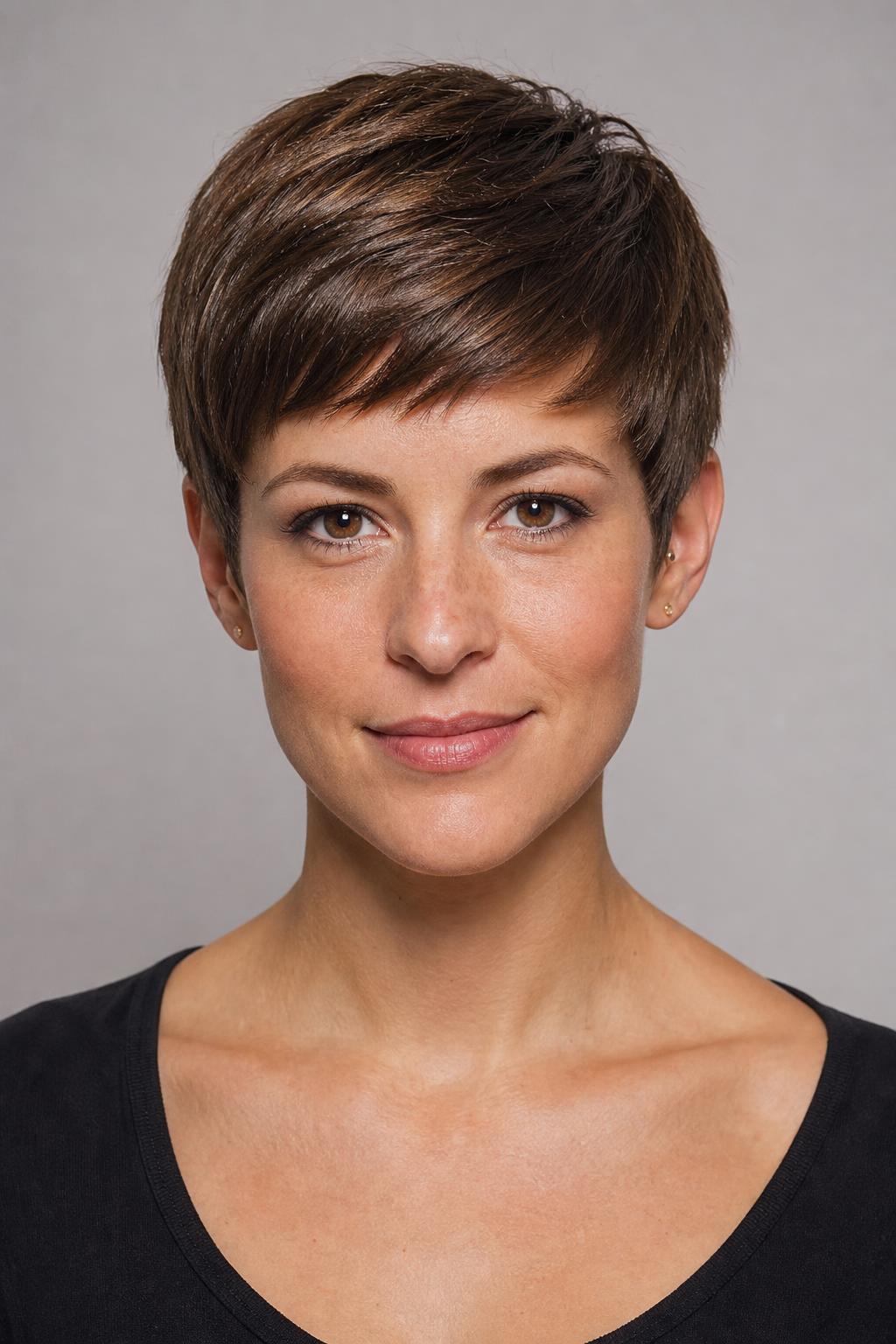
Keeping three inches through the top and tapering the sides gives enough length to move without the styling demands of a longer cut. The interior is point cut so the pieces separate on their own. A pea-sized amount of texturizing paste worked through with fingertips is the entire routine.
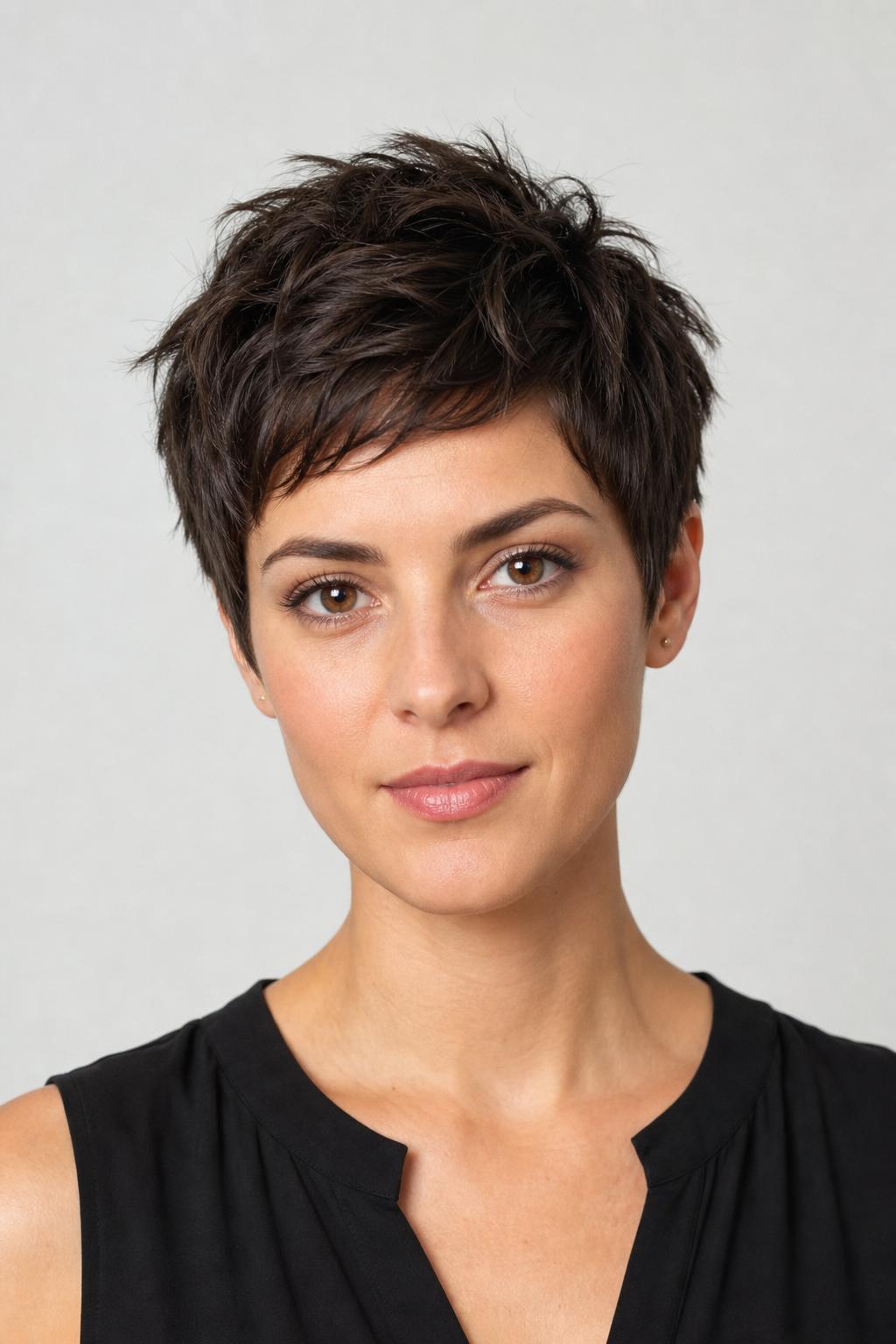
21. Pixie for Square Jawlines
Strong jawlines soften when the cut carries height at the crown and softness at the temples rather than a hard line at ear level. Length left in front of the ear breaks up the corner of the jaw. Keeping the nape tight balances the added height on top.
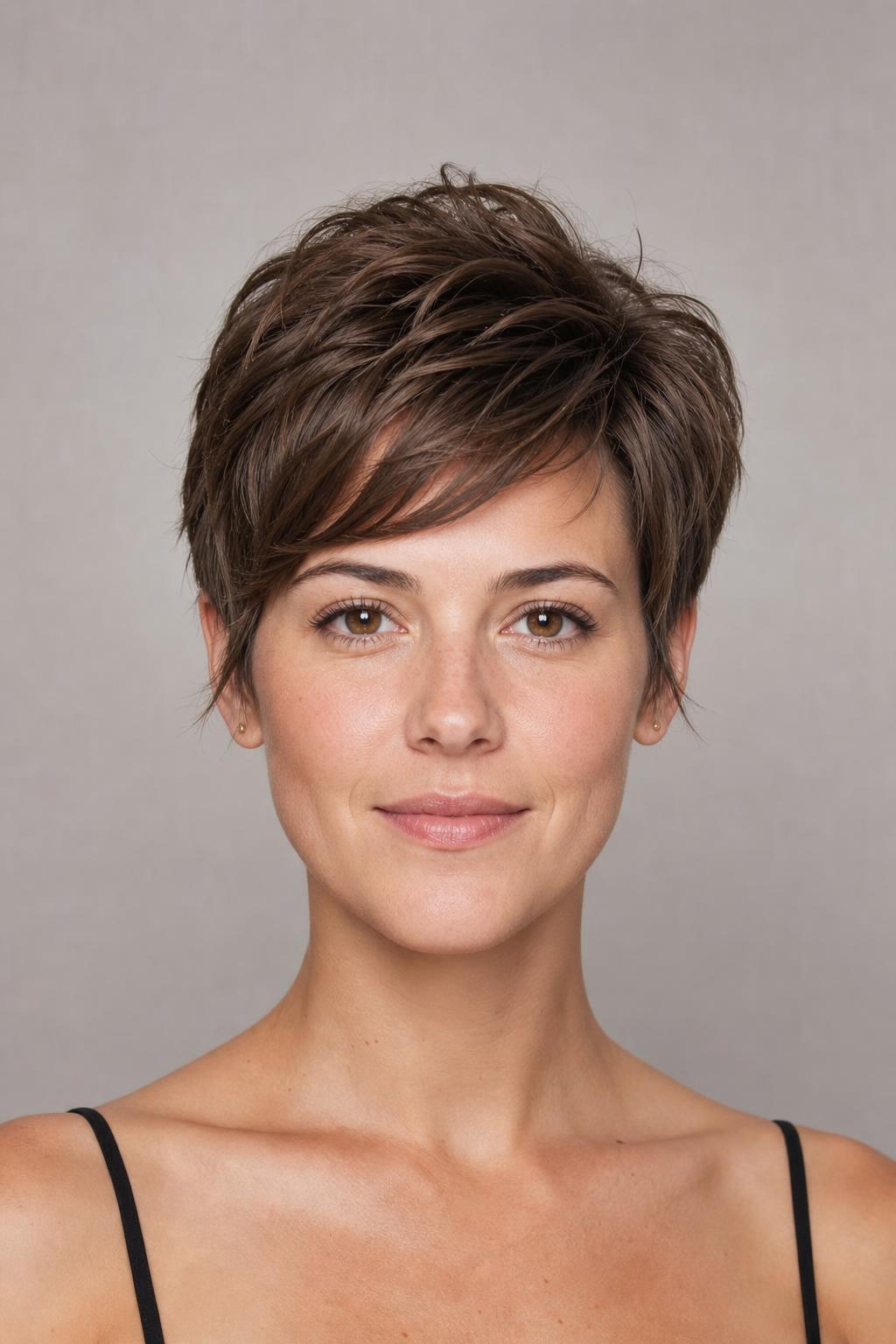
22. Short Crop for Dense, Coarse Hair
Dense hair supports a very short crop better than fine hair does, because the bulk holds the shape upright without product. Weight has to come out of the interior or the crop turns boxy at the sides. This texture typically needs a trim at 5 weeks to stay in balance.
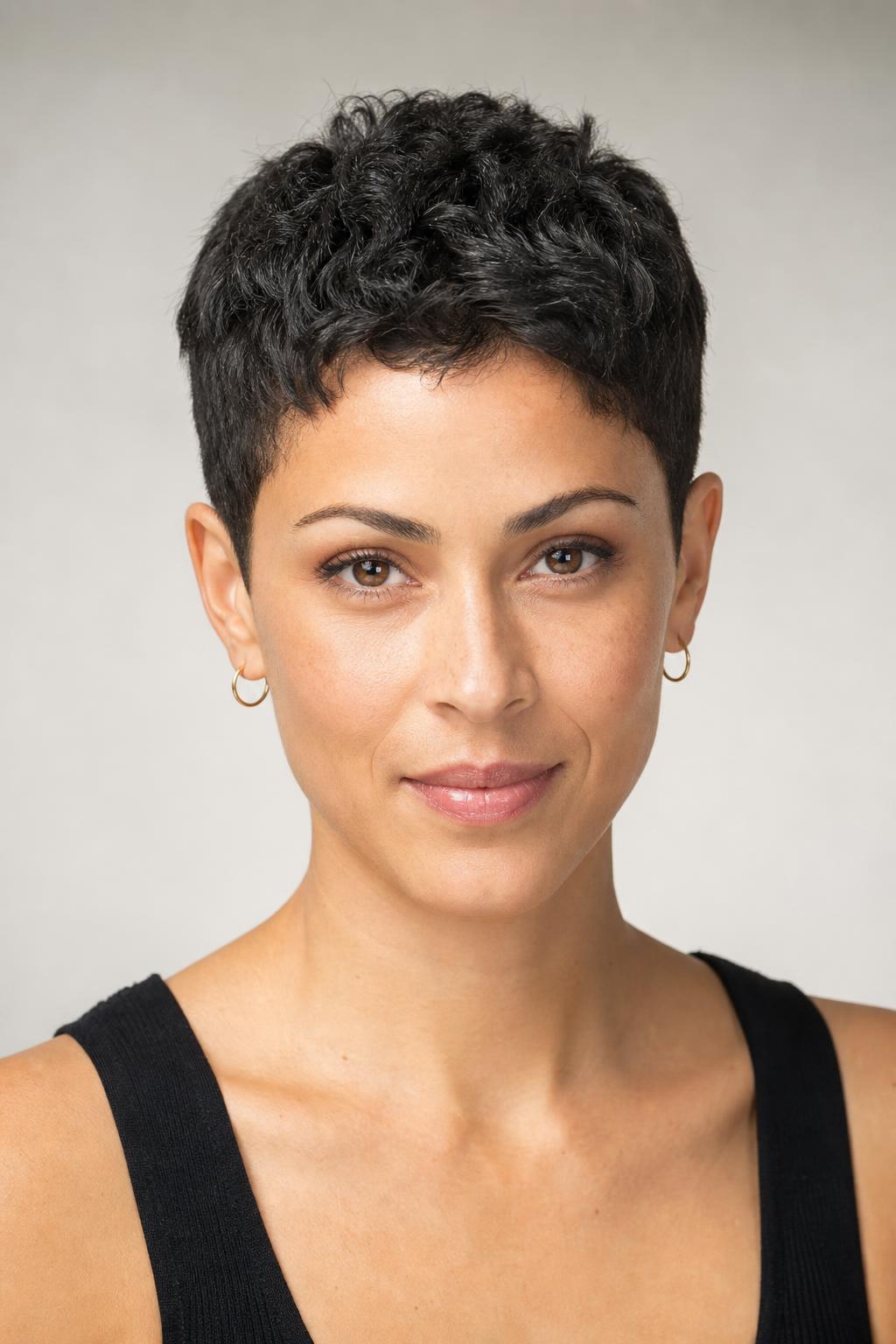
23. Bixie with a Softened Nape
A bixie keeps enough length through the sides and back to form a rounded outline, where a true pixie tapers tight and exposes the neck. That half inch is the difference between growing out into a bob and growing out into an awkward stage. It also buys two extra weeks between trims.
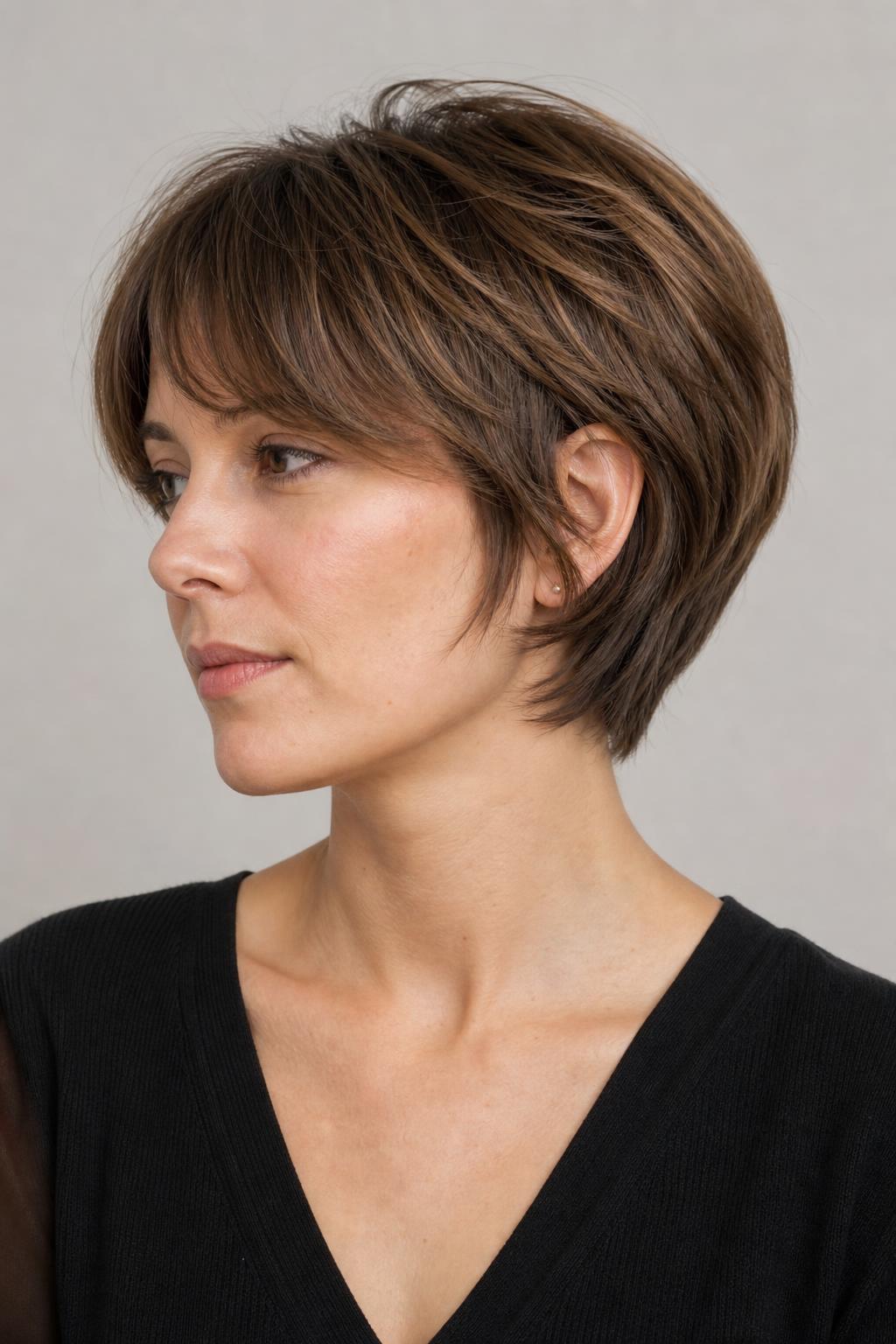
24. French Bob with a Fringe
Naming this one directly shortens the consultation, since French bob is widely understood to mean chin length, blunt, with a fringe. Agree the fringe length in the same conversation, because eyebrow-grazing and full-coverage behave very differently on a growing-out schedule. The cut itself needs 5 to 6 weeks; the fringe needs 3.

25. Short Cut with a Cool Gloss
A demi-permanent gloss over a short cut adds shine along the ends, which is where short hair catches light. It deposits tone without lifting, so there is no regrowth line and no damage to manage. Reapplying every 8 weeks fits neatly alongside the trim schedule a short cut already requires.
What Actually Changes about Your Hair in Your 30s
Three things tend to arrive in this decade, and none of them are the dramatic changes people expect. The first is postpartum shedding, which peaks around three to four months after birth and then regrows as a halo of short pieces around the hairline. Those pieces are the reason a cut that worked before pregnancy can look untidy afterward, and the answer is a fringe or face-framing pieces long enough to blend them rather than a shorter cut overall.
The second is the first grays, usually at the temples and the part. A lived-in root or a gloss handles these with far less commitment than full coverage, and starting with the lowest-maintenance option leaves room to escalate later. The third is a gradual shift in texture, often slightly coarser or drier than it was at 25, which changes how the same cut behaves more than the cut itself changing.
Stylist tip: If you are within a year of giving birth, mention it at the consultation even if it feels irrelevant. Stylists generally recommend building the shape around the regrowth halo rather than cutting into it, and knowing the timeline tells them whether those short pieces are about to get longer or are already at full length.
Choosing a Cut for Your Face Shape
Face shape guidance comes down to where the cut places its width and whether it adds or removes vertical length. The table pairs each shape with a structure and names the one feature to leave out.
| Face Shape | Best Structure | Ideal Length | Avoid |
|---|---|---|---|
| Oval | Most shapes work; long face-framing layers are the safest default | Chin to mid-back | A heavy full fringe, which covers balanced proportions |
| Round | Length past the jaw with a deep side part | Below the jaw or longer | Chin length with a center part, which widens the face |
| Square | Soft layers with the shortest piece below the jaw corner | Below the jaw to collarbone | A blunt line level with the jaw, which squares it further |
| Heart | Fullness at and below the jaw with a flat crown | Jaw to mid-back | Crown volume, which widens an already broader forehead |
| Oblong | Curtain bangs or a fringe with width at the sides | Chin to shoulder | Long flat lengths with no fringe, which lengthen the face |
| Diamond | Face-framing pieces at the jaw and softness at the forehead | Chin to collarbone | Volume at cheekbone level, the widest point already |
What to Tell Your Stylist
Lead with the time budget rather than the shape. Saying I have five minutes in the morning and I air-dry four days a week gives a stylist more useful information than any photo, because it rules out half the options before the conversation starts. A cut that looks right in the chair and needs twenty minutes daily is a failed consultation regardless of how well it was executed.
Then name the length as a landmark on your own body rather than in inches: chin, jaw, collarbone, or the top of the bra strap. Add where the shortest layer should start, and say whether anything should be thinned. Those four pieces of information cover nearly every structural decision. Bringing photos helps, but a photo of a finished blow-dry hides the cut underneath it.
Stylist tip: Ask what this cut looks like on day three, not just how it will look leaving the salon. Most cuts are photographed and assessed at their best moment, and the honest answer to that question is what tells you whether the shape suits the life you actually have rather than the one in the reference image.
Maintenance and Styling
The relationship worth understanding before choosing is that daily styling time and salon frequency move in opposite directions. Short and blunt shapes cost little in the morning and a lot on the calendar; longer soft shapes do the reverse.
| Cut | Trim Frequency | Daily Styling | Key Products | Grow-Out Behavior |
|---|---|---|---|---|
| Long, soft perimeter | 12 to 16 weeks | 0 to 5 min | Leave-in conditioner, salt spray | Grows into length; very forgiving |
| Collarbone lob | 10 to 12 weeks | 5 to 10 min | Heat protectant, light mousse | Holds shape well through week 10 |
| Layered or French bob | 5 to 8 weeks | 8 to 12 min | Heat protectant, smoothing serum | The bottom line softens first, by week 6 |
| Pixie, crop or bixie | 5 to 6 weeks | 3 to 5 min | Texturizing paste, light hold spray | Sides and nape lose the shape by week 6 |
| Any cut with a fringe | Fringe every 3 to 4 weeks | Add 2 to 3 min | Round brush, dry shampoo | Grows into the eyeline within a month |
Wash frequency matters as much as the cut. Two to three washes a week suits most textures in this decade, with dry shampoo at the roots on the days between. A cut chosen for a daily-wash routine will behave differently on day three, which is worth testing before committing to a shorter shape.
When a Low-Maintenance Cut Is Not Actually Low Maintenance
Several shapes are marketed as easy and are not, usually because the effort moves somewhere less visible. These are the mismatches worth knowing before booking.
- A pixie is described as wash and go, but it needs a salon visit every 5 to 6 weeks to keep its shape. The daily effort is genuinely small; the annual commitment is around nine appointments.
- A blunt bob looks effortless in photos and requires a smooth finish to look that way. On wavy or curly texture it needs a flat iron most days, so the honest version of this cut for textured hair is a soft perimeter instead.
- Curtain bangs are sold as the easy fringe, and they are, until they grow past the cheekbone at about week 4. Anyone unwilling to book a bang trim every month will spend that month pinning them back.
- Heavily layered long hair appears to need nothing, but the layers separate and look thin without product on day two. A single length with face-framing pieces gives a similar shape and genuinely does need nothing.
- A cut chosen to work in a humid climate has different requirements again, since frizz control rather than shape retention becomes the constraint, and shapes cut for humidity handle it structurally rather than with product.
FAQ
Should I Cut My Hair Short in My 30s?
Only if the salon schedule suits you better than the morning routine, since that is the actual trade. Short cuts take three to five minutes daily but need trimming every 5 to 6 weeks, while a collarbone length needs ten minutes daily and only four appointments a year. There is no age-based reason to go shorter in this decade.
What Haircut Hides Postpartum Regrowth?
Curtain bangs or long face-framing pieces work best, because they are long enough to blend the halo of short regrowth rather than sitting above it. Cutting the whole length shorter usually makes the regrowth more obvious, not less. The short pieces typically reach chin length around 12 to 18 months, at which point they blend on their own.
How Often Should I Get a Trim in My 30s?
It depends entirely on the shape rather than your age: 12 to 16 weeks for long hair with a soft perimeter, 10 to 12 for a lob, 5 to 8 for a bob, and 5 to 6 for anything cropped. Any cut with a fringe adds a separate three to four week appointment. Split ends are not the driver here; the shape losing definition is.
What Should I Do about My First Gray Hairs?
The lowest-commitment option is a demi-permanent gloss, which deposits tone without lifting and blends scattered grays without creating a regrowth line. A lived-in root with deeper color at the scalp is the next step up and stretches appointments to 12 weeks. Full single-process coverage locks you into a 4 to 6 week cycle, so it is worth leaving until the gray is dense enough to need it.
Can I Get a Fringe If I Work Full Time?
Yes, provided you pick curtain bangs rather than a blunt fringe. Curtain bangs blend into the length as they grow and can be tucked behind the ear on a bad morning, while a blunt fringe has no acceptable in-between stage. Budget one 15-minute bang trim a month, which many salons do at no charge between full appointments.
Which Cut Works If I Never Blow-Dry?
A collarbone length with face-framing pieces and no interior layering is the most reliable air-dry cut. The weight at the perimeter gives the hair one direction to fall in, which is what over-layered cuts lack. Ask specifically for nothing thinned out, since thinning shears create ends that dry in conflicting directions.
Is There a Cut That Works for Both the Office and the Gym?
Collarbone length is the shortest that reliably does both, because it secures into a low ponytail without pieces escaping at the nape. Shorter than that and you need clips or a headband to get through a workout. The same length holds up well for polished styles that suit an office, which makes it the most practical compromise available.
The best haircuts for women in their 30s are the ones matched to a realistic morning rather than to a trend cycle, and the deciding questions are how many minutes you have, how often you air-dry, and how many salon visits a year you will actually make. Work out those three numbers before the consultation, name them out loud, and let the stylist recommend the shape that fits them. A cut chosen that way still looks right on day three, which is the only test that matters.
Hair results vary based on your natural hair type, texture, density, and condition. Always consult with a licensed hairstylist before making significant changes, especially with chemical treatments or dramatic length changes. Photos may show styled results that require professional tools and products to replicate.