
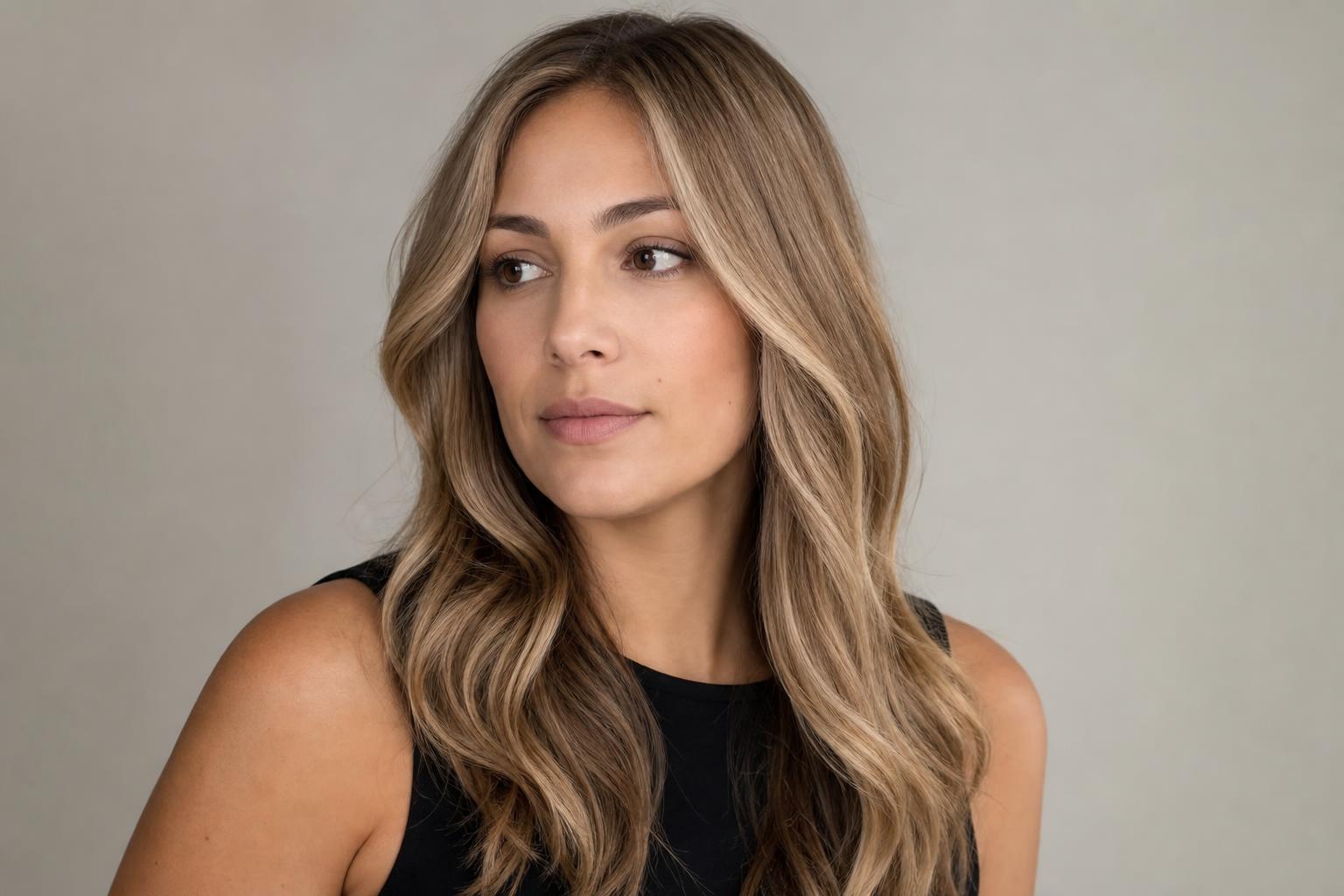
Honey beige blonde is the warm-neutral blonde that gives you softness and glow without tipping into brass, which is exactly why it is pulling clients away from icy platinum.
Honey beige blonde lands around level 8, blending the buttery warmth of honey with the muted, sandy calm of beige so the color looks soft and expensive rather than gold or yellow. It flatters warm and neutral skin most easily, and a beige-leaning toner makes it wearable on lighter cool complexions too. Here are 25 honey beige blonde ideas, sorted by technique, base color, and skin tone, with the colorist scripts and maintenance reality most color pages skip.
Below you will find hand-painted balayage, rooted lived-in versions on dark bases, and brighter money-piece placements, followed by an undertone matrix, exact salon language, an honest fade-and-toning timeline, and the skin tones where this shade struggles. If you have been stuck between the coolness of a cool dirty blonde and the depth of a blended bronde, honey beige is the middle ground.
| Factor | Details |
|---|---|
| Level range | Level 7 to 9, warm-neutral (beige softens the gold) |
| Best for | Warm, neutral, and golden-olive undertones; light-to-medium skin |
| Maintenance | Gloss or tone every 6 to 8 weeks; lightening touch-up every 3 to 4 months |
| Avoid if | You want true icy platinum, or your skin is very cool with high contrast |
| Salon time | 3 to 5 hours for balayage plus toner on darker bases |
What Honey Beige Blonde Actually Is
Honey beige blonde is a warm-neutral blonde that borrows two things at once. The honey side brings a golden, lit-from-within warmth, and the beige side mutes that gold with a sandy, almost taupe softness so the result never looks yellow or orange. Think of it as honey with the volume turned down, which is why colorists reach for a beige-leaning toner instead of a straight gold one.
The distinction that trips people up is honey versus golden versus ash. A golden blonde leans fully warm and can go brassy fast. An ash blonde pulls cool and can look flat or gray on warm skin. Honey beige lands between them, warm enough to glow but neutralized enough to stay soft, which is what makes it look expensive rather than processed.
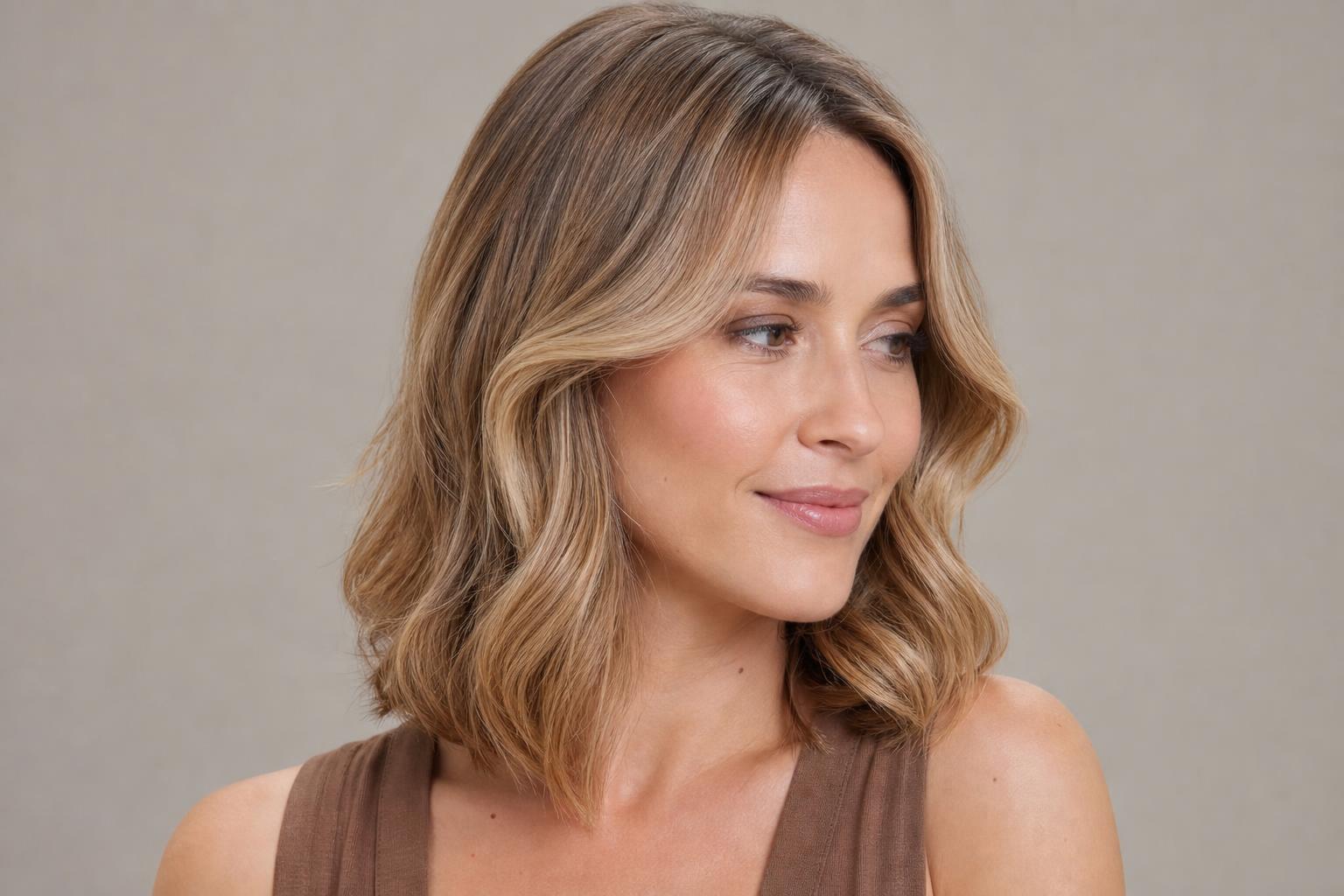
Stylist tip: If you tend to go brassy within a couple of weeks, ask for a beige or violet-beige toner rather than a golden one. The beige base counteracts the warm pigment your hair naturally exposes as color fades, so the shade stays soft longer.
Hand-Painted and Balayage Honey Beige Blondes
Hand-painted techniques are how most honey beige starts, because sweeping color through the mid-lengths and ends keeps the root soft and the grow-out forgiving. These versions focus on placement, dimension, and how the beige tone is built into the lightening.
1. Beige-Leaning Balayage on a Level 8 Base
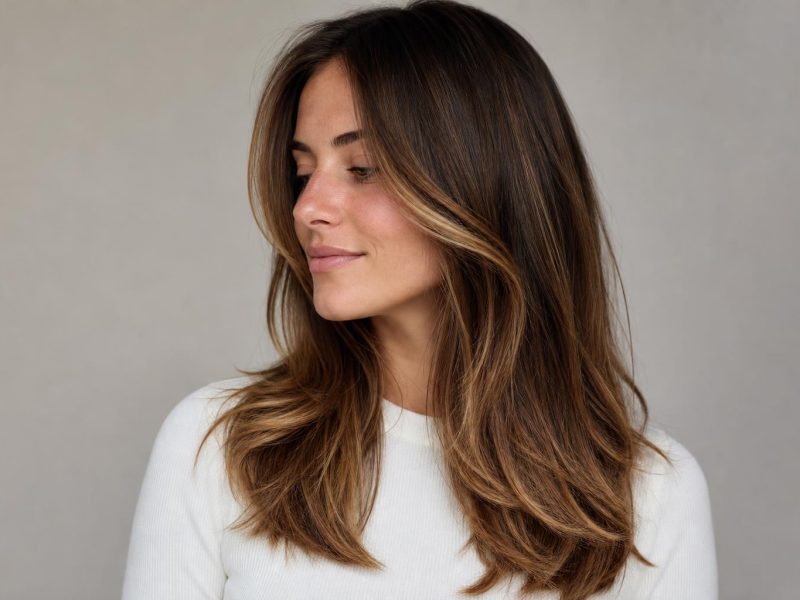
Freehand balayage swept from mid-shaft to ends builds soft honey beige without a harsh regrowth line. The colorist lifts to a clean level 8 and drops a beige toner so the warmth stays golden-sandy instead of gold. It suits anyone who wants blonde that grows out gracefully between salon visits.
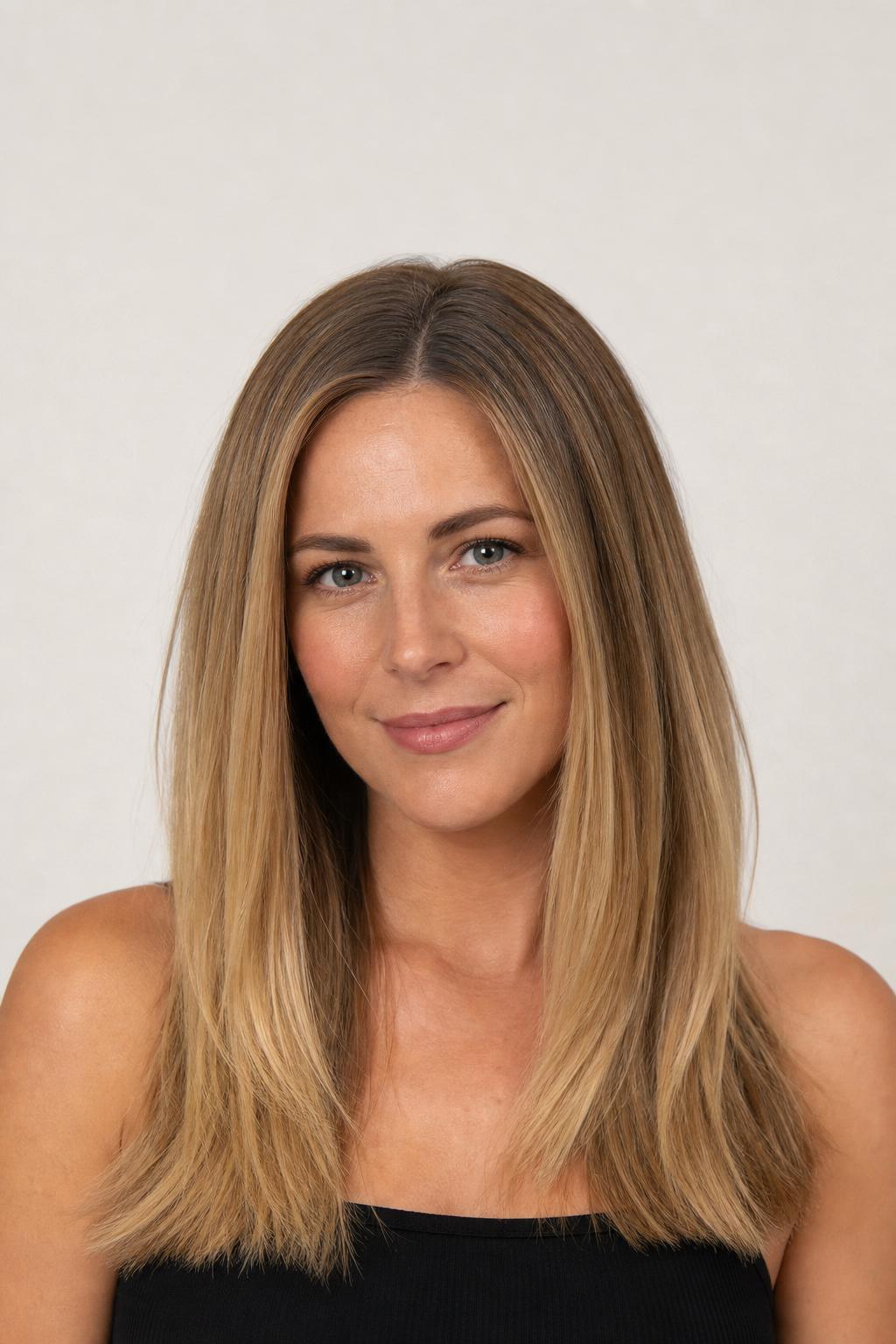
2. Honey Beige Money Piece
A brighter face-framing section, one to two shades lighter than the rest, pulls honey beige forward around the face. The contrast wakes up the complexion without committing the whole head to a lighter blonde. Placement matters here, so a face-framing highlight approach keeps the money piece looking soft rather than striped.
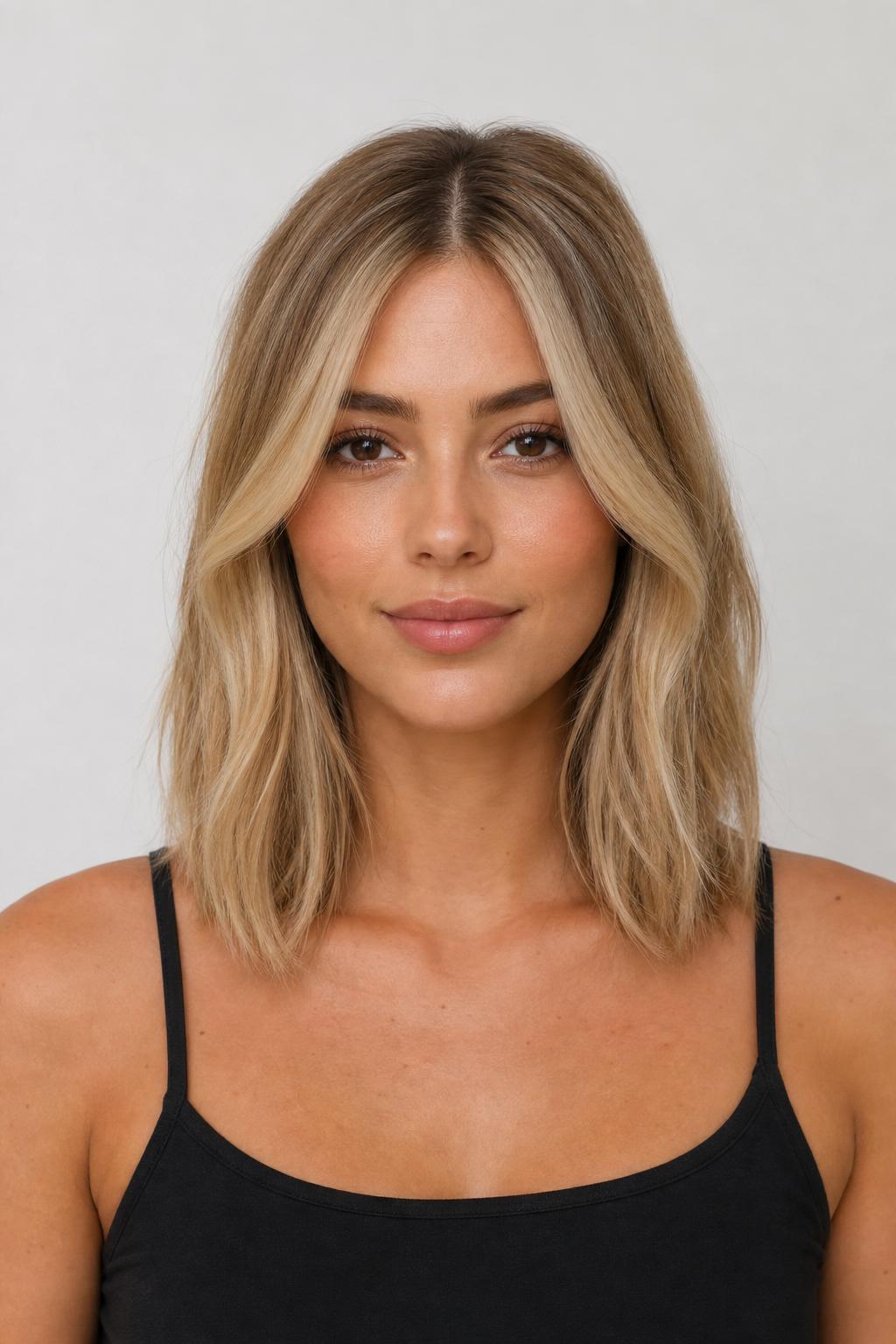
3. Rooted Honey Beige on a Dark Brown Base
Starting from a natural dark brown, the color keeps a deep shadow root and warms into honey beige only through the lengths. Leaving the root dark means far less upkeep, since regrowth blends instead of demanding a touch-up every month. Women moving from brunette toward blonde for the first time usually feel most comfortable with this rooted version.
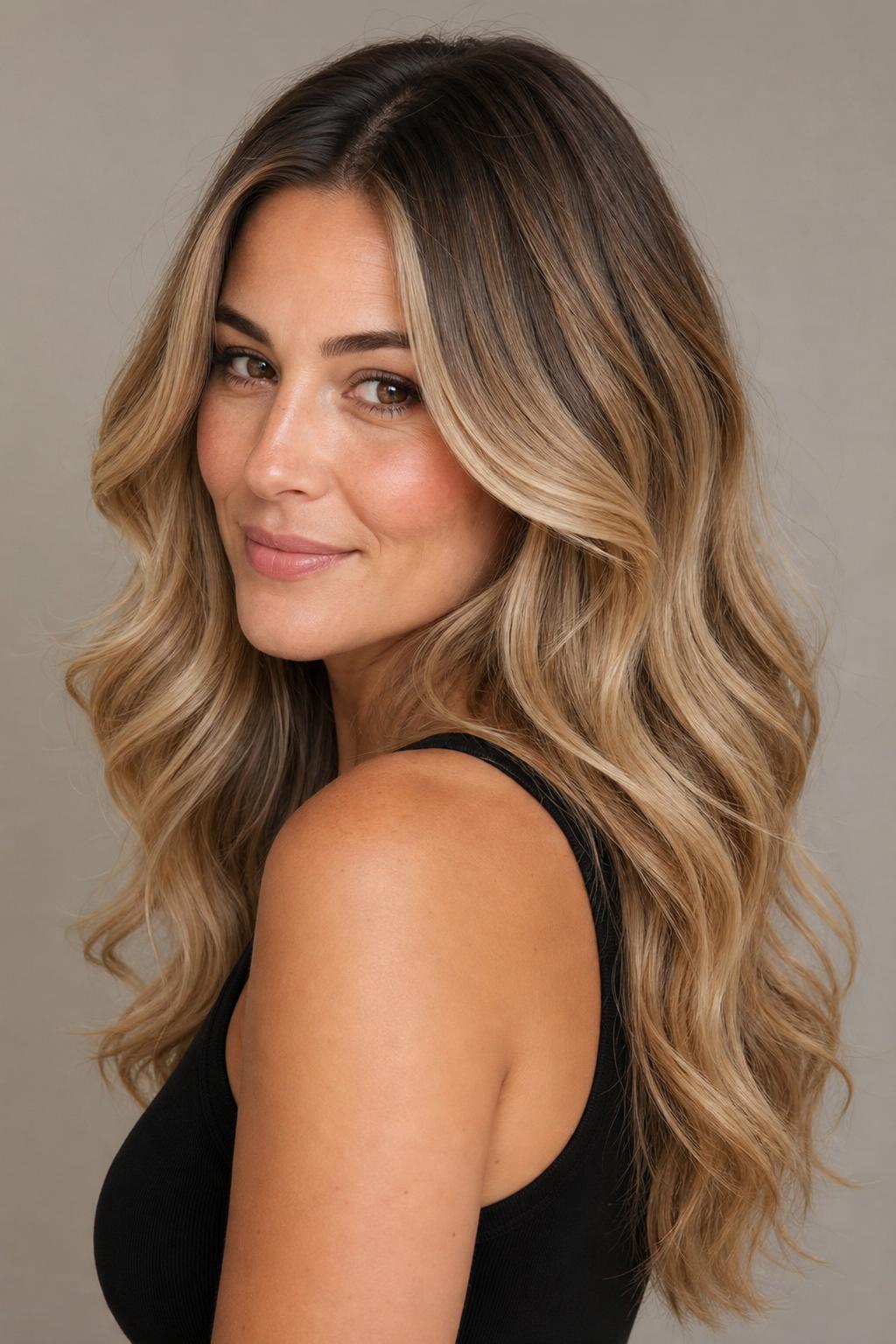
4. Sun-Kissed Honey Beige Babylights
Ultra-fine babylights woven close to the root mimic the way hair naturally lightens in summer. The effect is delicate dimension rather than obvious stripes, which looks like a soft all-over glow from a distance. Because the pieces are so fine, this technique is a favorite for fine hair that can look flat with chunkier highlights.
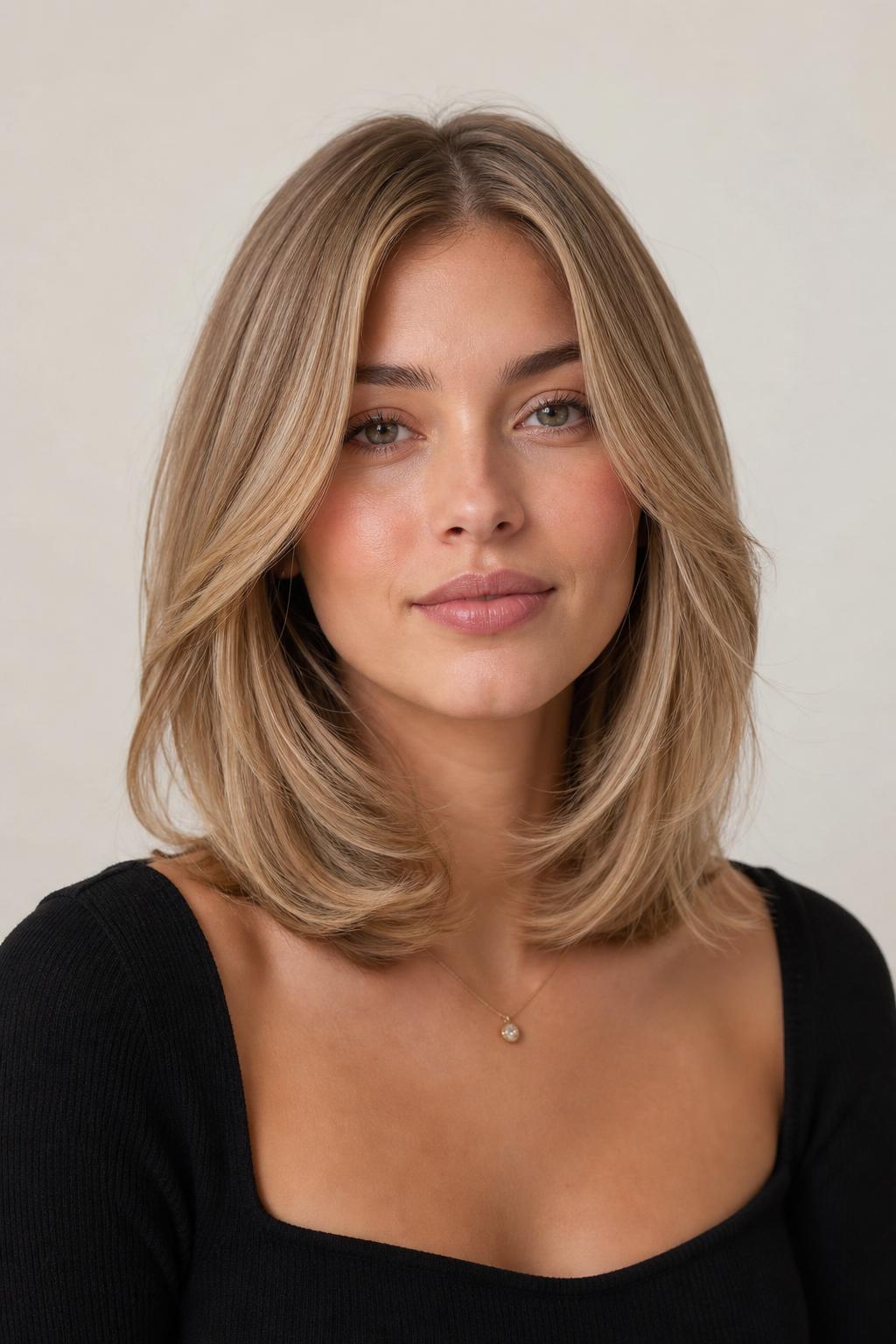
5. Honey Beige Blonde for Golden and Olive Skin
Golden and olive complexions carry honey beige beautifully because the shade echoes the warmth already in the skin. Keeping the beige slightly dominant stops the color from washing into the face and keeps eyes and features looking defined. If your wrist veins read greenish and gold jewelry suits you, this is your lane.
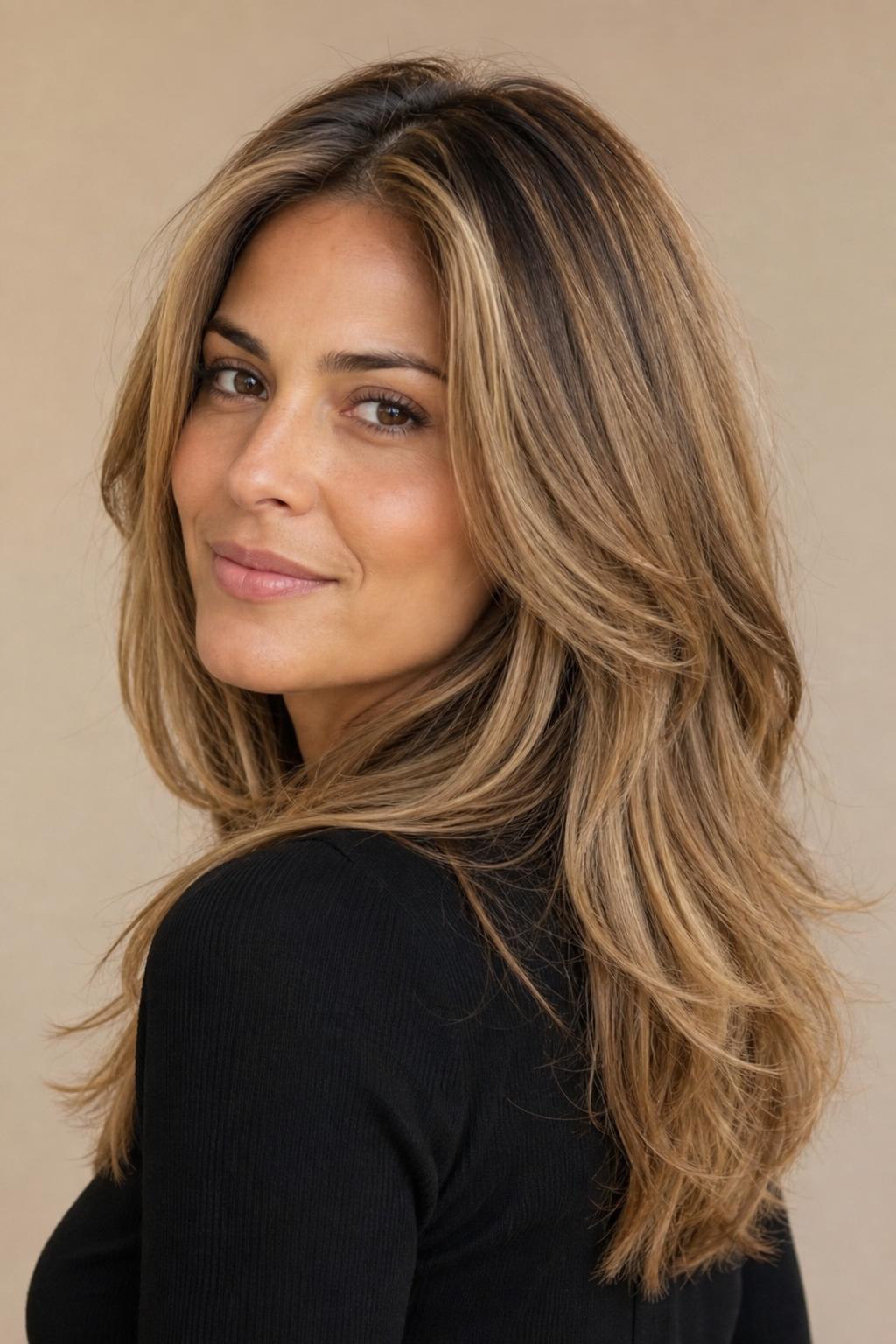
6. Foilyage for High-Impact Lift
Foilyage combines hand-painting with foils, so the color develops brighter and more evenly than open-air balayage alone. On stubborn or previously darkened hair, that extra lift is what gets you to a true beige rather than a muddy gold. Expect a longer appointment, but the payoff is a cleaner canvas for the honey beige toner.

7. Low-Maintenance Grown-Out Honey Beige
Built to look deliberate even at week ten, this version keeps the lightest pieces below the ear so regrowth never draws a hard line. The payoff is fewer salon visits and a color that ages down softly rather than stripping to brass. Anyone juggling a tight schedule gets the most value from a placement designed to grow out, much like a well-planned lived-in brown balayage.
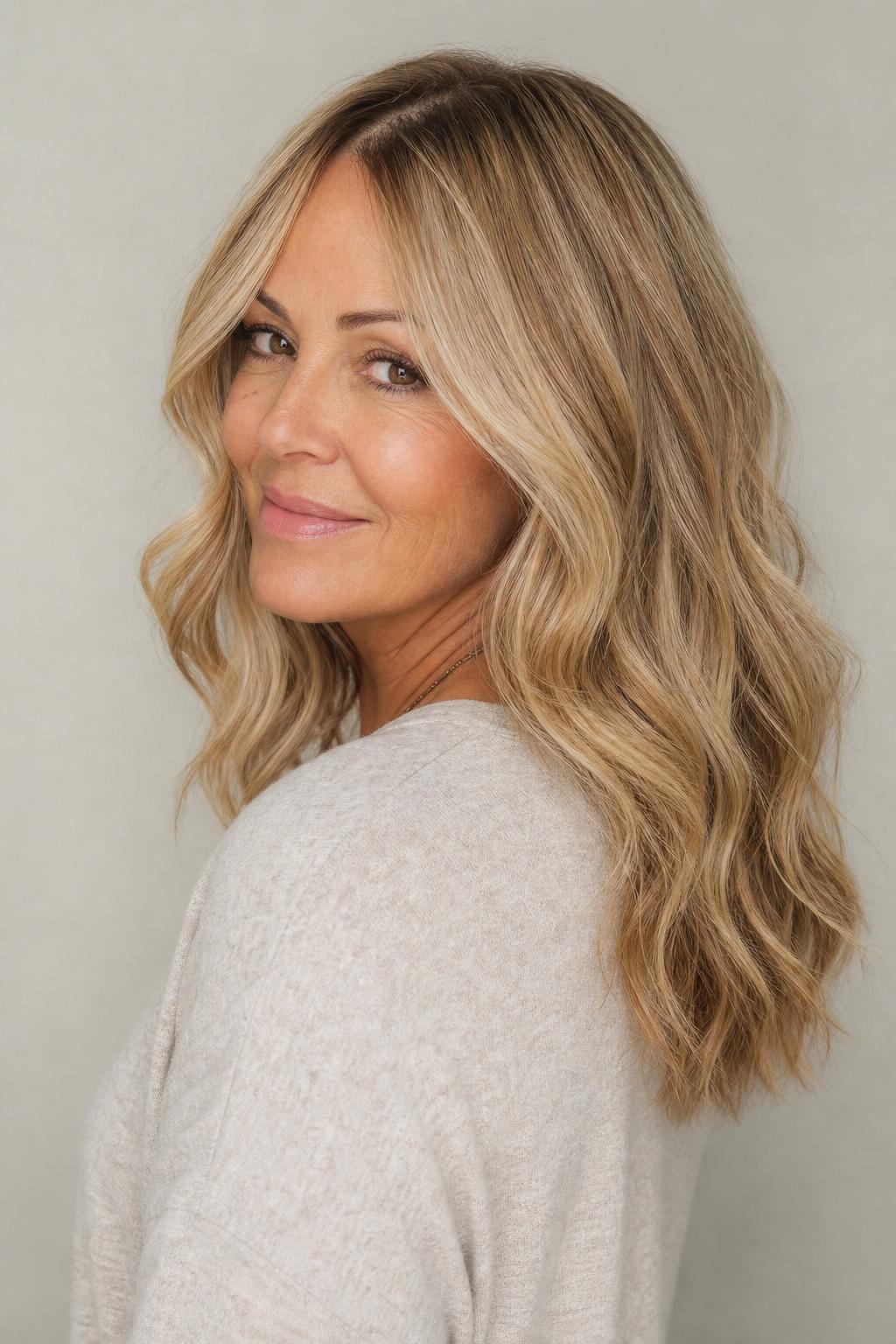
8. Beige-Toned Honey Blonde Gloss
A finishing gloss in a beige tone is what pulls a golden lift back into honey beige territory. The gloss adds shine, evens out patchy warmth, and refreshes color between full appointments. Many colorists build this into a standing schedule so the shade never has a chance to yellow.
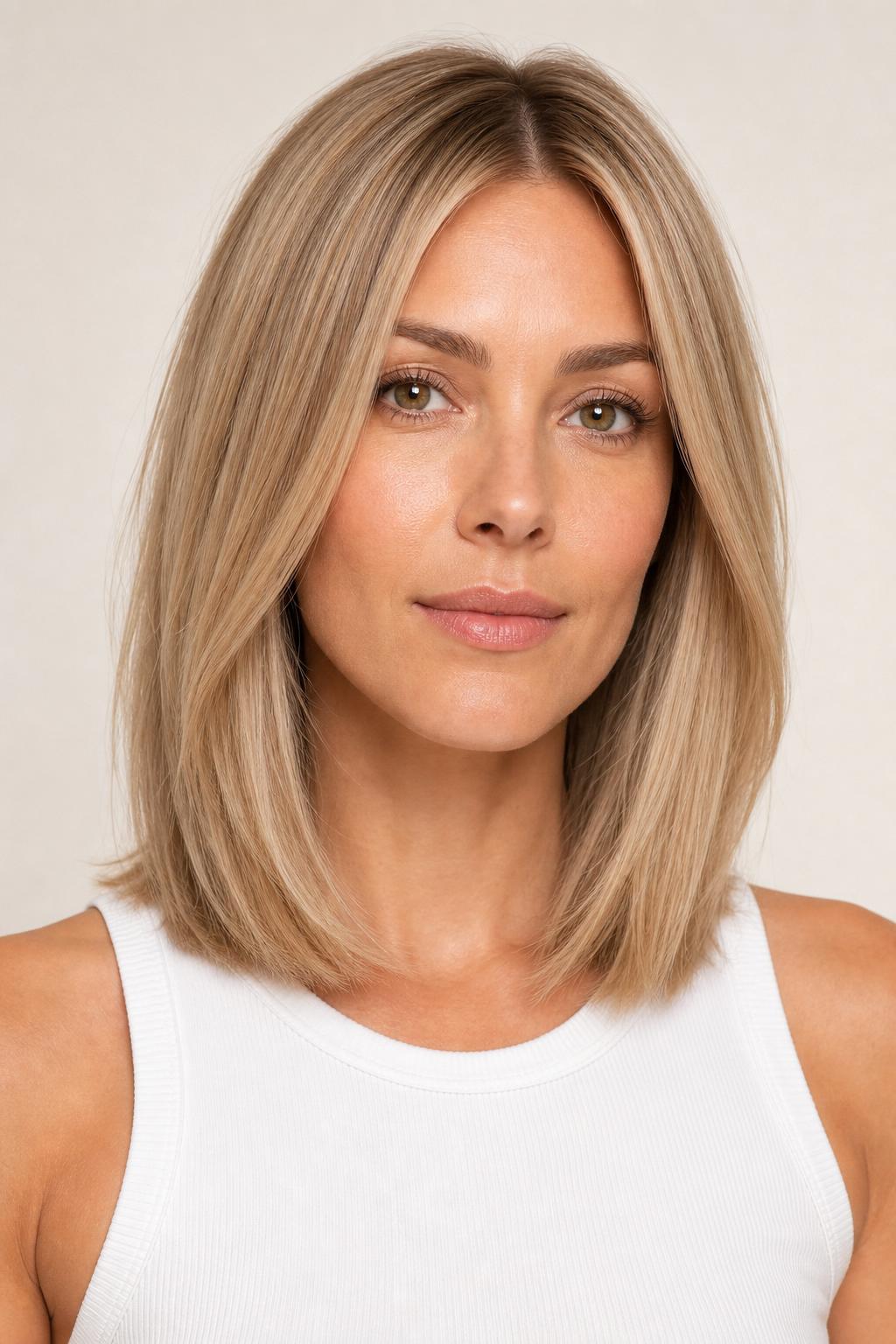
Rooted, Dimensional, and Lived-In Honey Beige
This group leans into depth. Shadow roots, soft lowlights, and blended dimension keep honey beige from looking one-note and make it far easier to live with over time. These are the versions that photograph flat-blonde in the sun but reveal warmth and movement up close.
9. Honey Beige with Soft Lowlights
Weaving a few beige-brown lowlights back through blonde lengths restores depth that heavy lightening can flatten. The darker ribbons make the honey pieces look brighter by contrast, so the whole head looks richer. Thick hair especially benefits, since the dimension stops solid blonde from looking like a helmet.
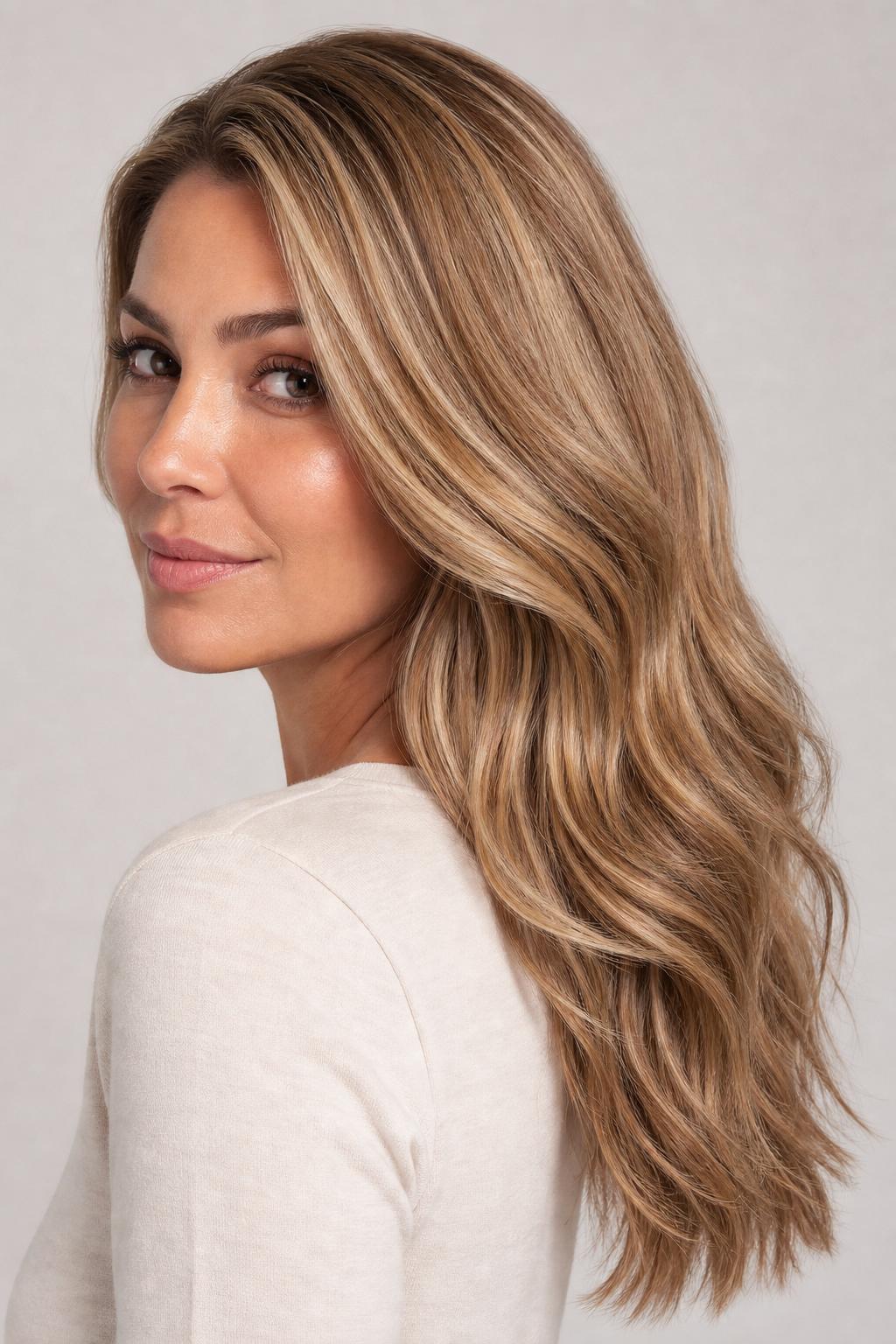
10. Honey Beige Versus Golden Blonde
Set side by side, golden blonde glows warm and can slide into brass, while honey beige stays softer and sandier. Choosing honey beige means asking your colorist to hold the toner just short of full gold. That single instruction is the difference between a shade that looks buttery and one that looks yellow within two washes.
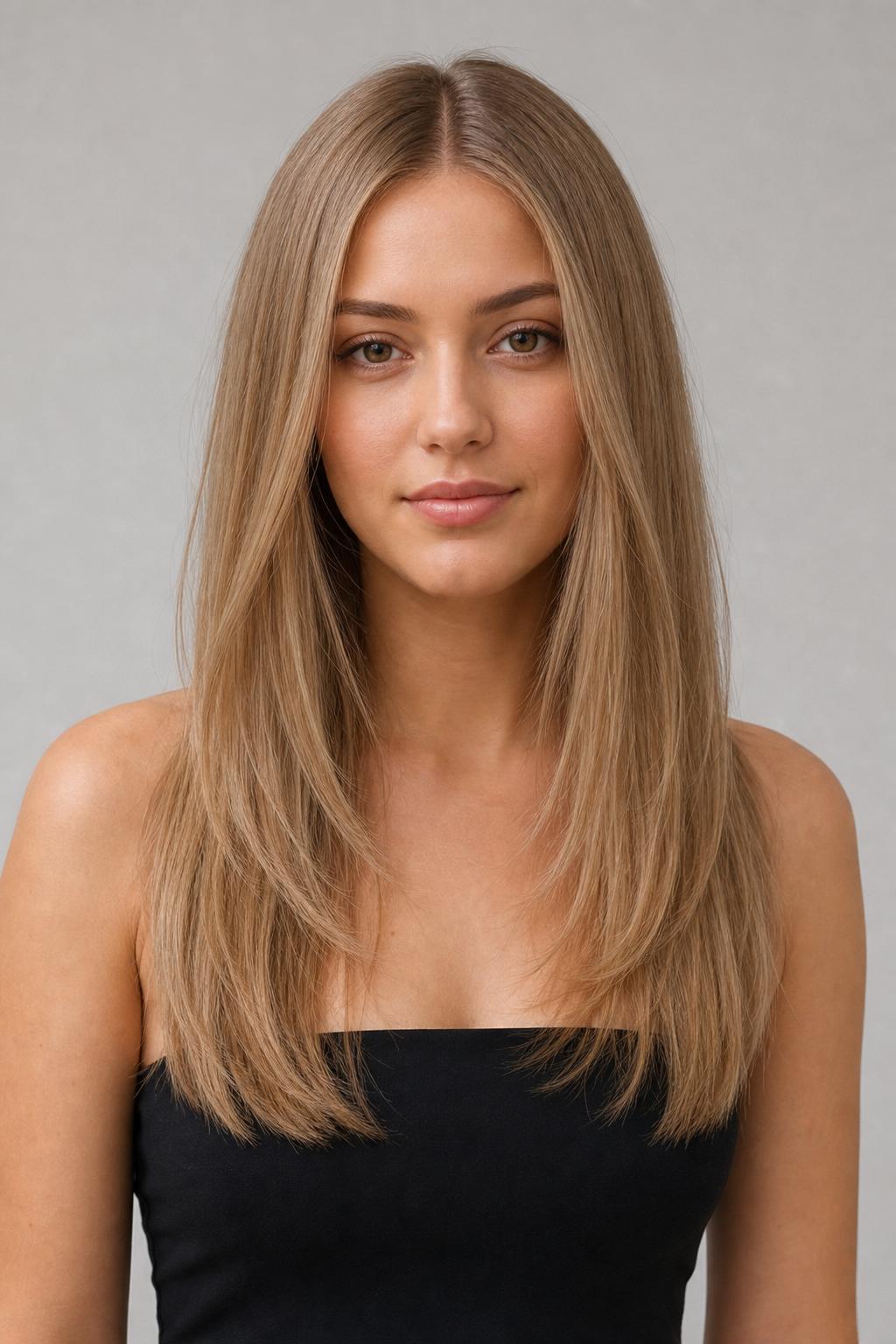
11. Fine-Hair Honey Beige with Root Depth
Fine hair looks fuller when a deeper root runs under lighter mid-lengths, because the contrast creates the illusion of density. Keeping the honey beige concentrated from the ears down adds brightness where it shows most. A touch of texture spray at the root turns that color contrast into visible volume.

12. Beachy Honey Beige Waves
Loose, undone waves show off honey beige at its most flattering, catching light along every bend. Style it by wrapping mid-lengths around a 1.25-inch iron and leaving the ends out for a lived-in finish. A sea-salt-based texture spray keeps the movement soft rather than crunchy.
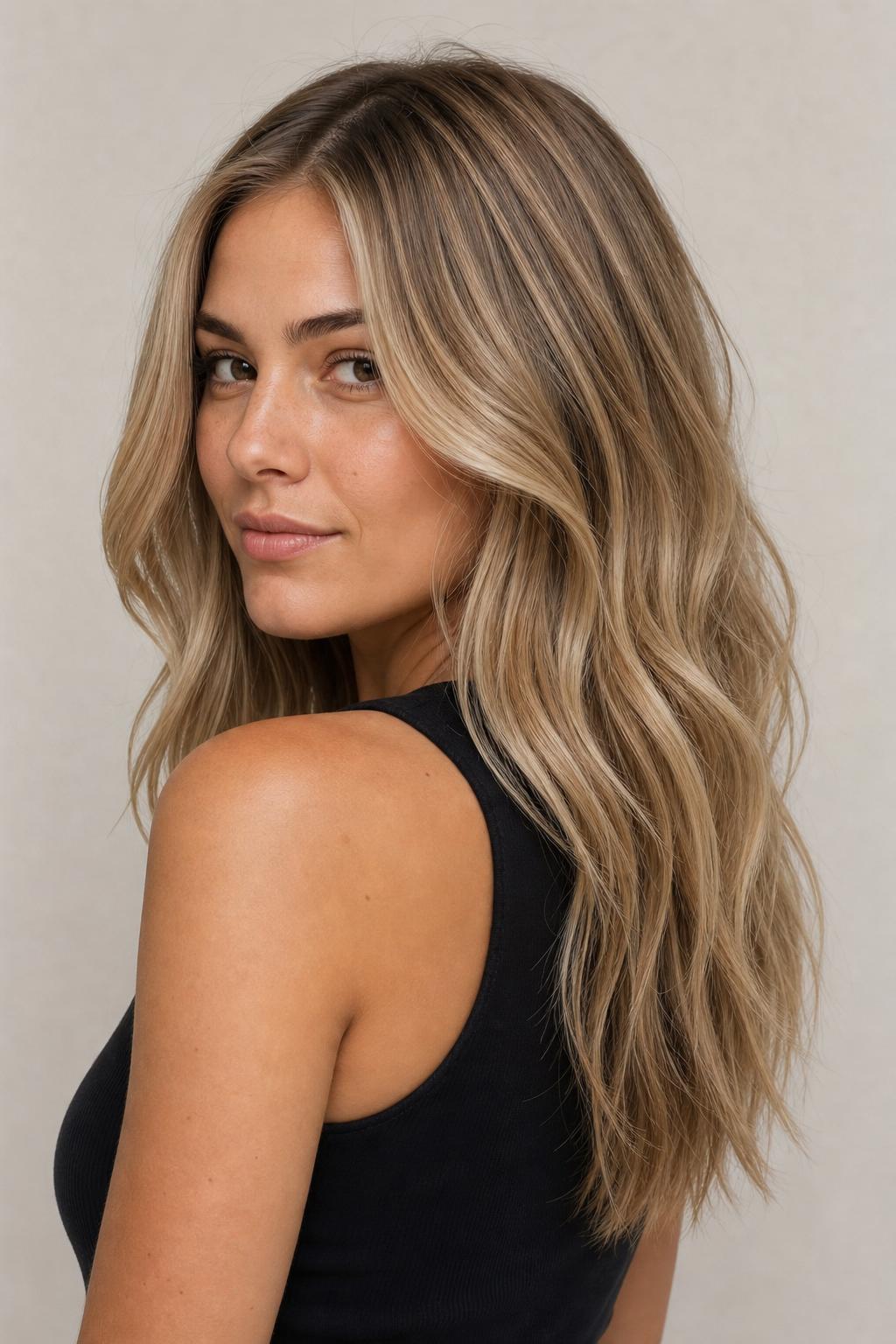
13. Honey Beige on Wavy and Curly Hair
On natural waves and curls, honey beige highlights ride the curl pattern and light up every coil. Painting color onto dry, styled curls lets the colorist place brightness exactly where the hair bends toward the light. The result is dimension that moves with the curl instead of fighting it.
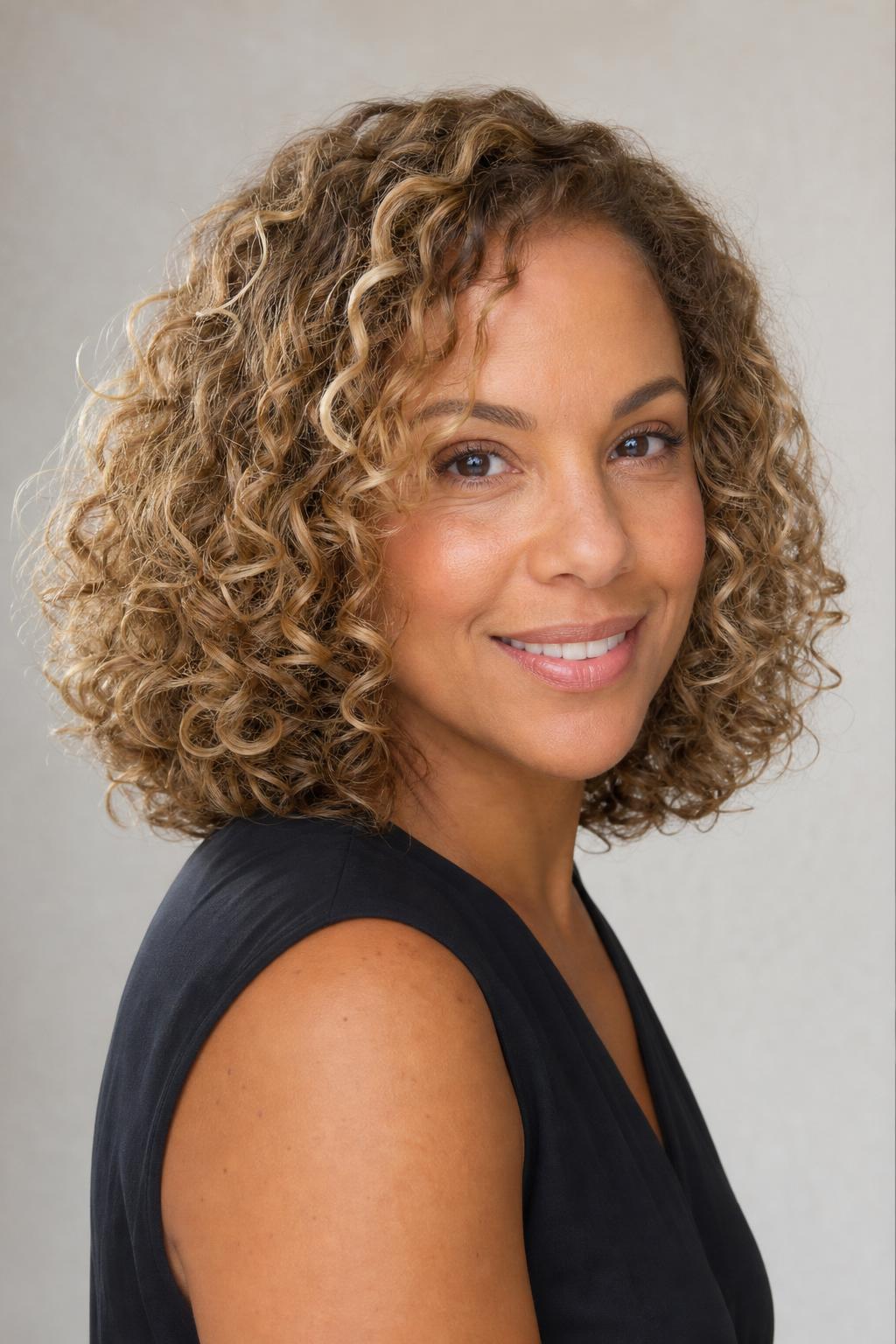
14. Teasylights and a Melted Root
Teasylights back-comb the section before foiling, blurring the line where light meets dark for a seamless melt. Paired with a shadow root, the transition from natural color to honey beige looks like it grew that way. This is the technique to request when you want zero visible regrowth demarcation.
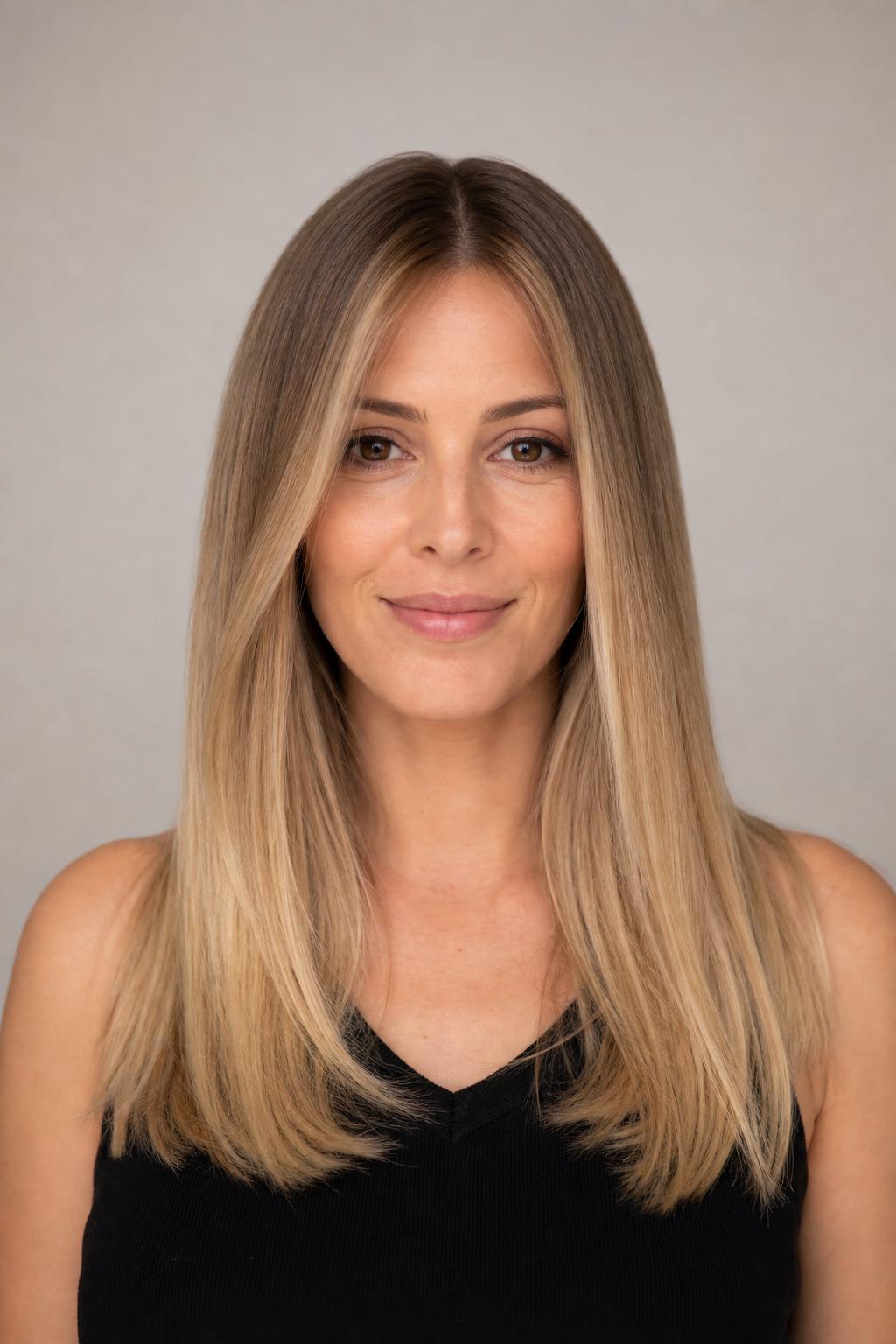
15. Warm Honey Beige for Deeper Skin Tones
On deeper warm and golden skin, a honey beige kept rich and slightly deeper through the root avoids the washed-out look a pale beige can cause. Brighter pieces stay concentrated around the face where they lift the complexion. Keeping some depth in the base is what makes the blonde feel deliberate against deeper skin.
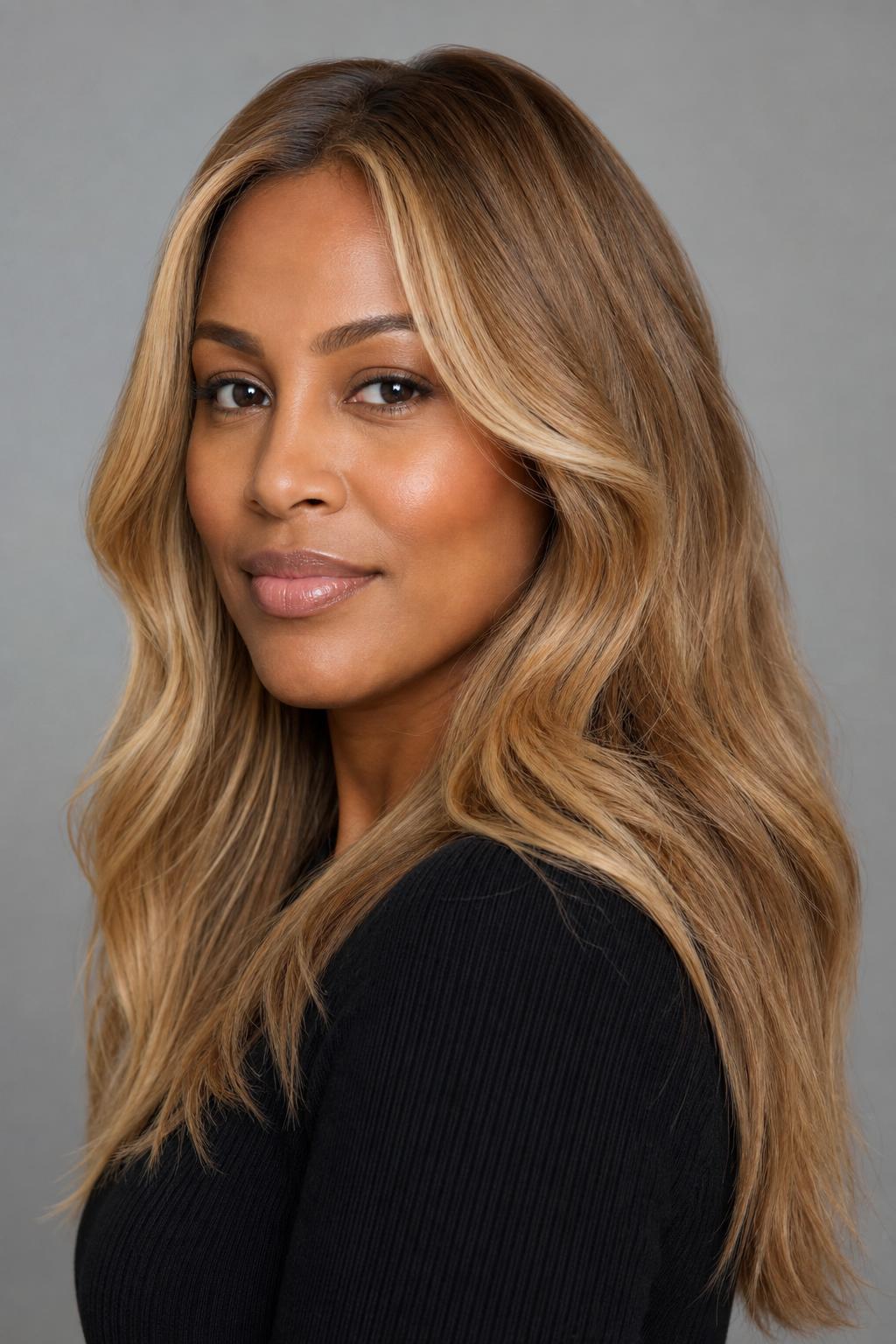
16. Honey Beige Blonde Lob
A collarbone lob gives honey beige a clean, modern shape where the color does the heavy lifting. Blunt-ish ends catch the tone in a solid sweep, so the beige looks polished rather than piecey. Pair it with a soft side part to keep the finish relaxed. It pairs comfortably next to a classic warm honey blonde but stays a notch softer.

Bright, Cool-Leaning, and Statement Honey Beige
The final group pushes honey beige in specific directions, brighter for high impact, cooler for pale skin, or bolder for anyone ready to commit. Each one names the trade-off so you know what you are signing up for.
17. Cool-Beige Honey Blonde for Fair Skin
Fair, cool complexions can wear honey beige when the toner leans beige-violet to knock down excess gold. The shade keeps a whisper of warmth so the face does not look drained, but stays neutral enough to flatter pink undertones. Ask specifically for a cooler beige toner rather than a golden one.
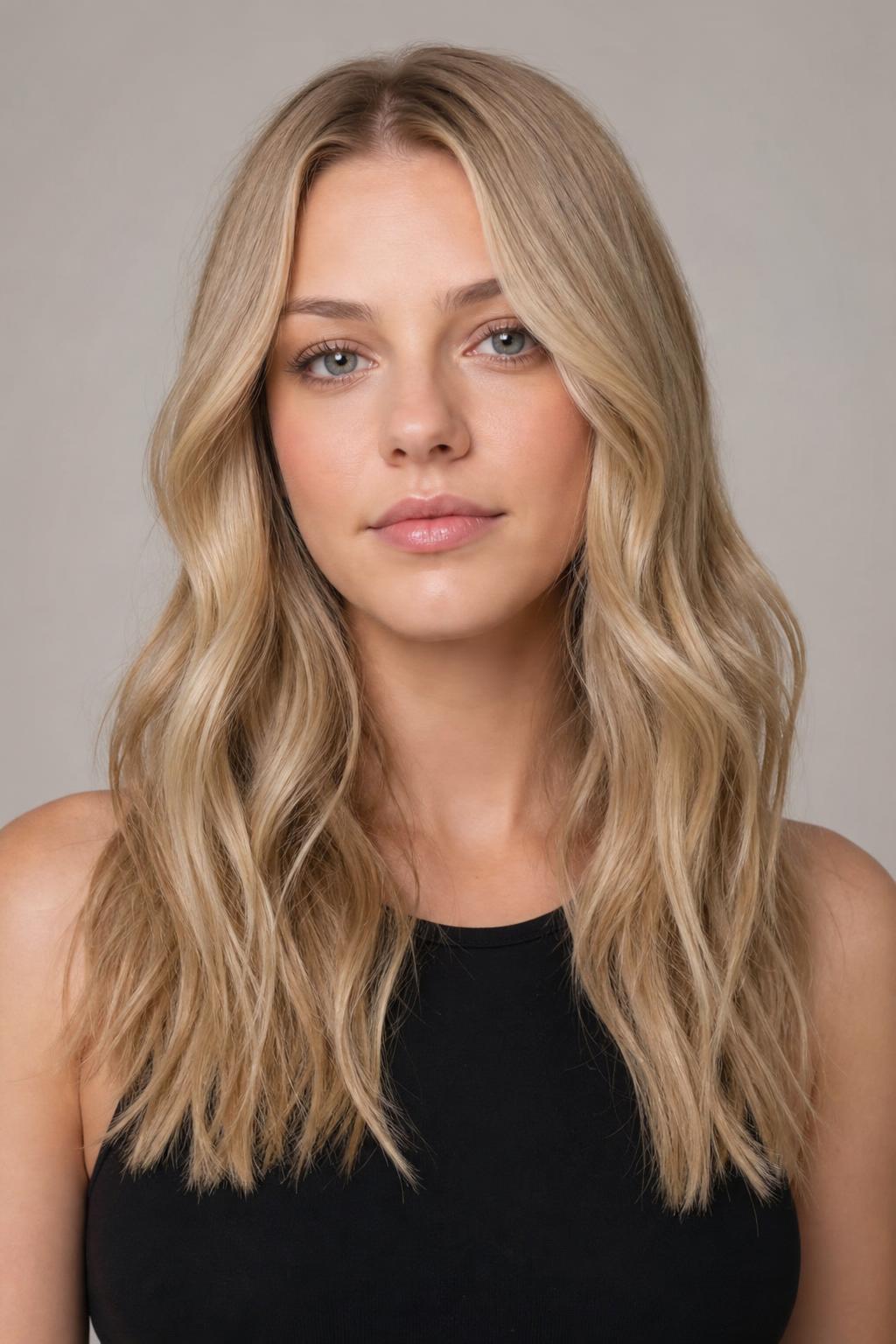
18. High-Brightness Honey Beige
Pushing the lift toward level 9 gives a brighter, more luminous honey beige for anyone who wants noticeable blonde. The beige tone keeps that brightness from turning yellow, so it glows rather than glares. This is the boldest version here and asks for the most upkeep to hold its clarity.
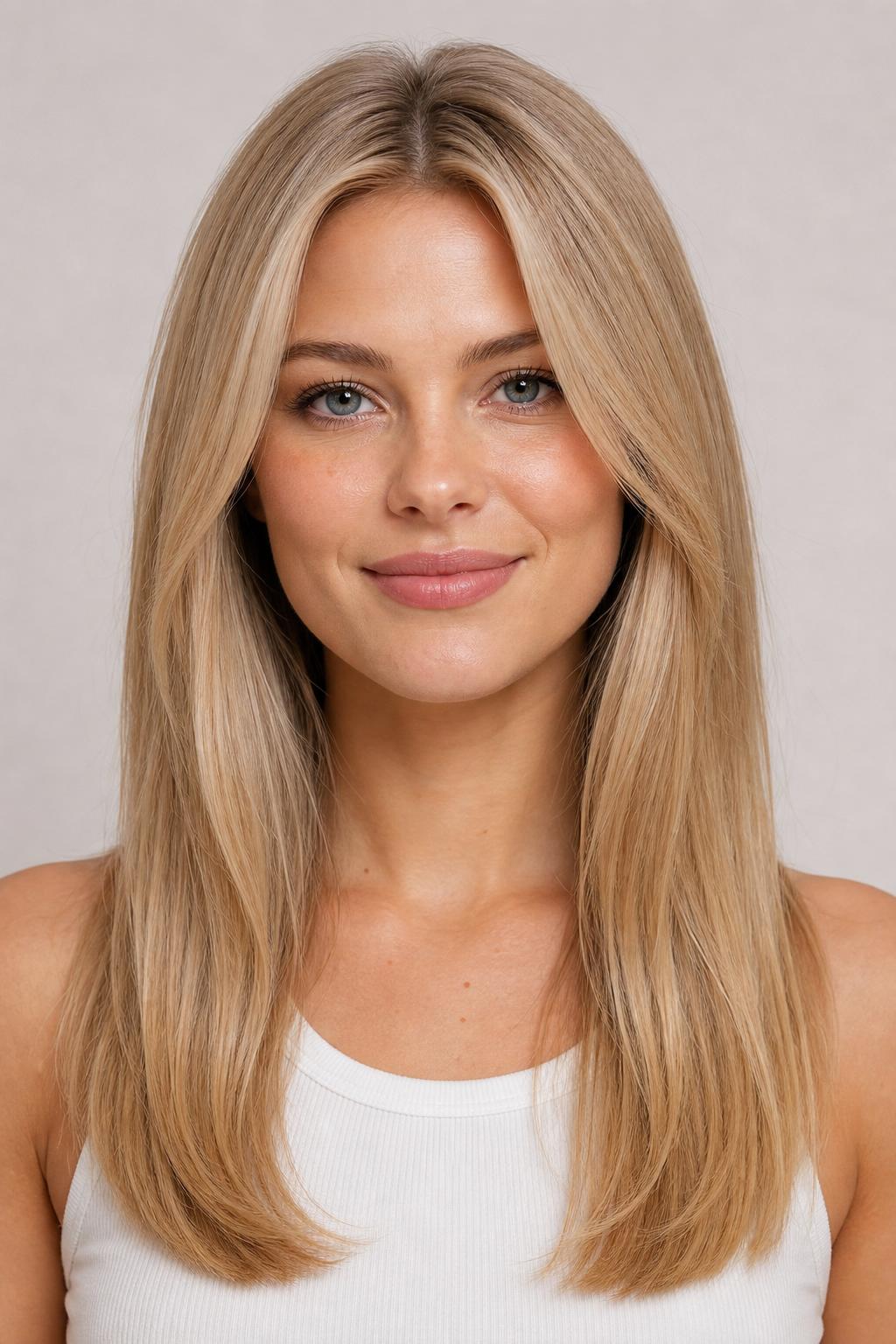
19. Honey Beige Versus Ash Blonde
Where ash blonde pulls smoky and can look gray on warm skin, honey beige keeps a living warmth that flatters more complexions. Choosing between them comes down to your undertone, not just preference. If ash has ever made you look tired, honey beige is the correction.
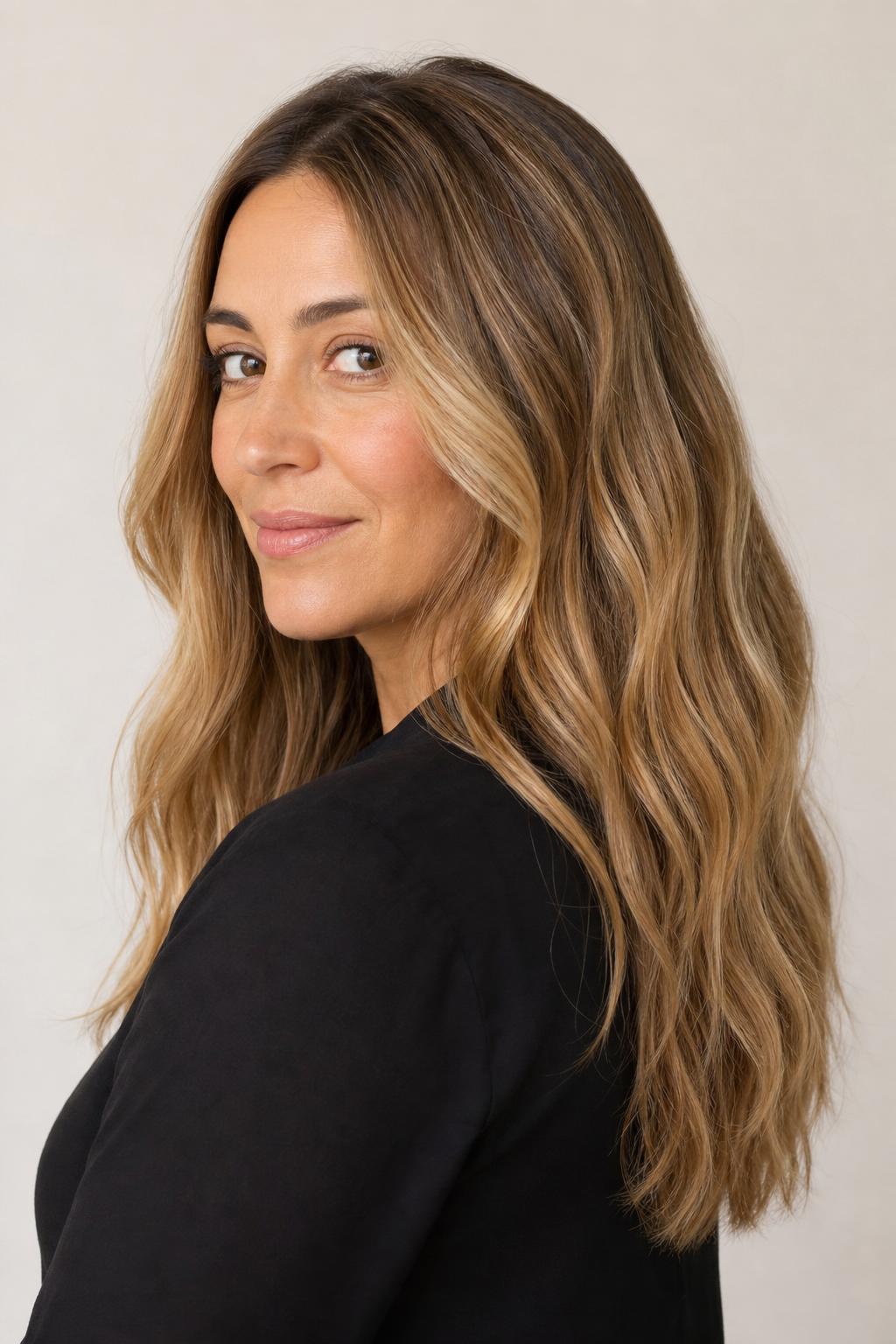
20. Coarse-Hair Honey Beige
Coarse, thick hair holds honey beige richly and shows dimension clearly, but it also grabs warmth fast during lightening. A colorist experienced with resistant hair will use the right developer strength to reach beige without over-golding. Bond-building product during the service protects the density coarse hair depends on.
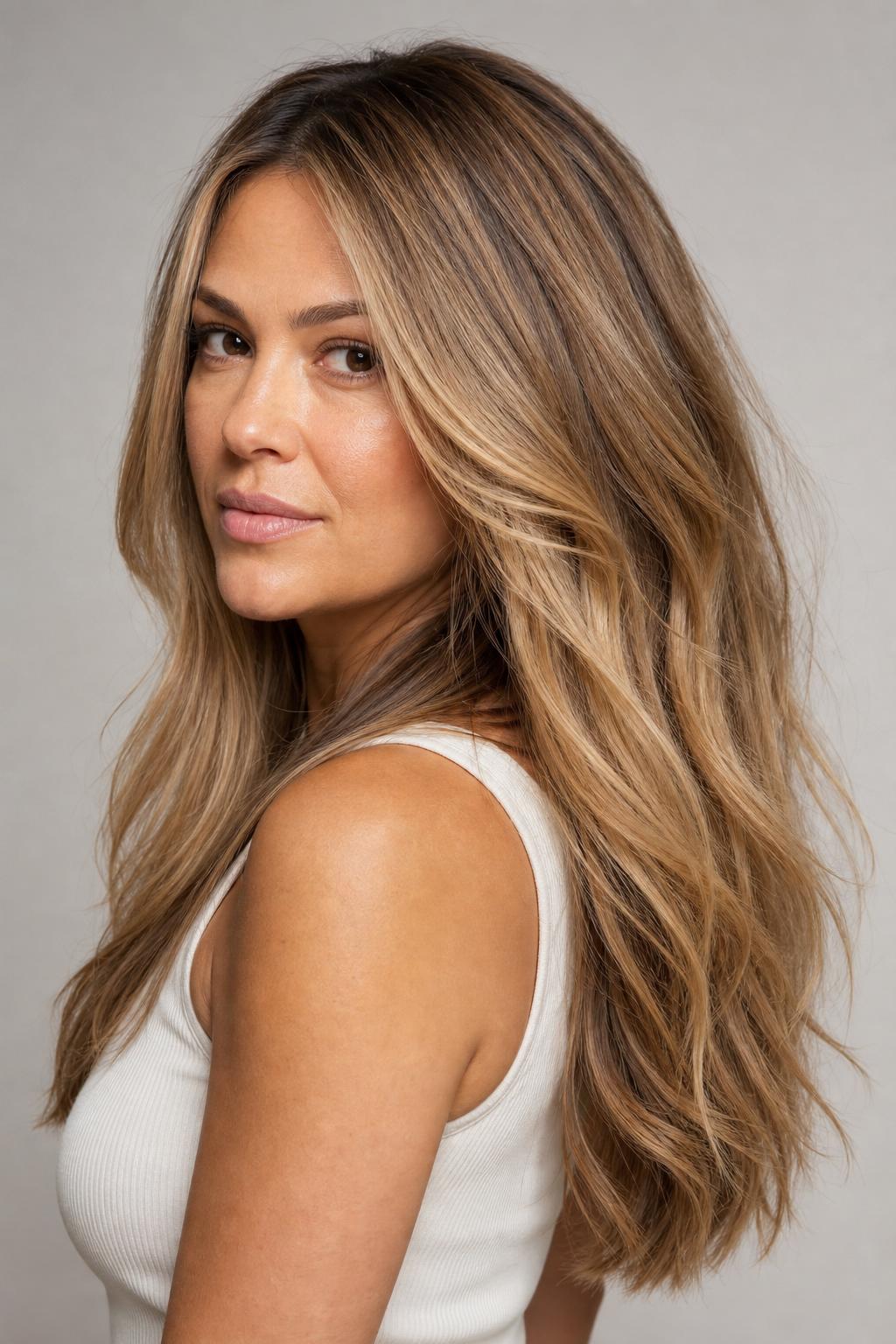
21. Sleek Honey Beige Blowout
Straightened glass-smooth, honey beige shows its tone with nowhere to hide, which is the real test of a clean beige toner. A smoothing serum and a cool final blast on the dryer lock in shine. This polished finish suits anyone who wears their hair straight most days and wants the color to look flawless.
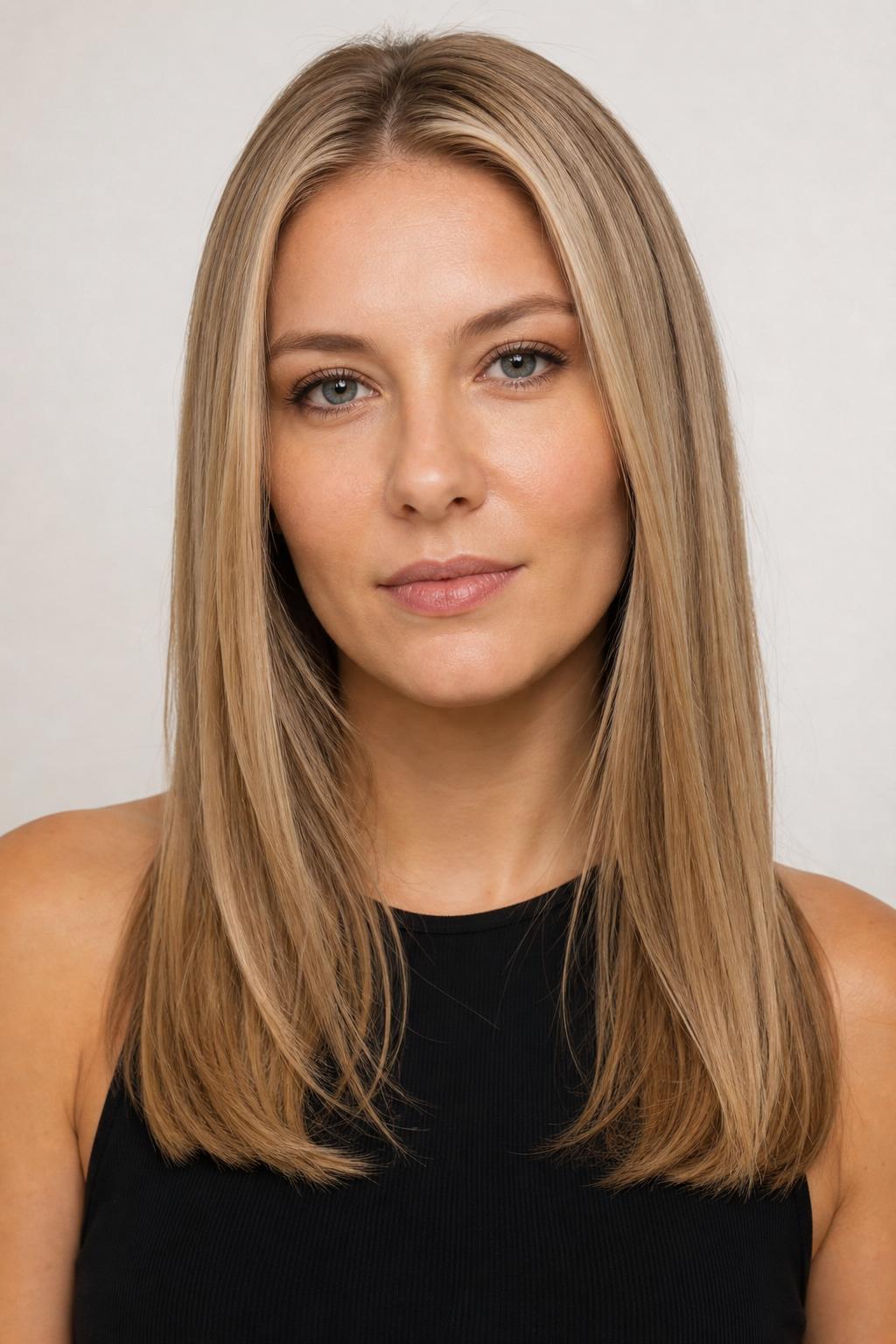
22. Honey Beige with a Bright Money-Piece Contrast
Turning the money piece a full two shades lighter than the rest creates a bold, editorial frame around the face. The bright front against softer beige lengths gives a modern, deliberate contrast. It is the most statement-making placement here and looks best on hair worn parted down the middle.
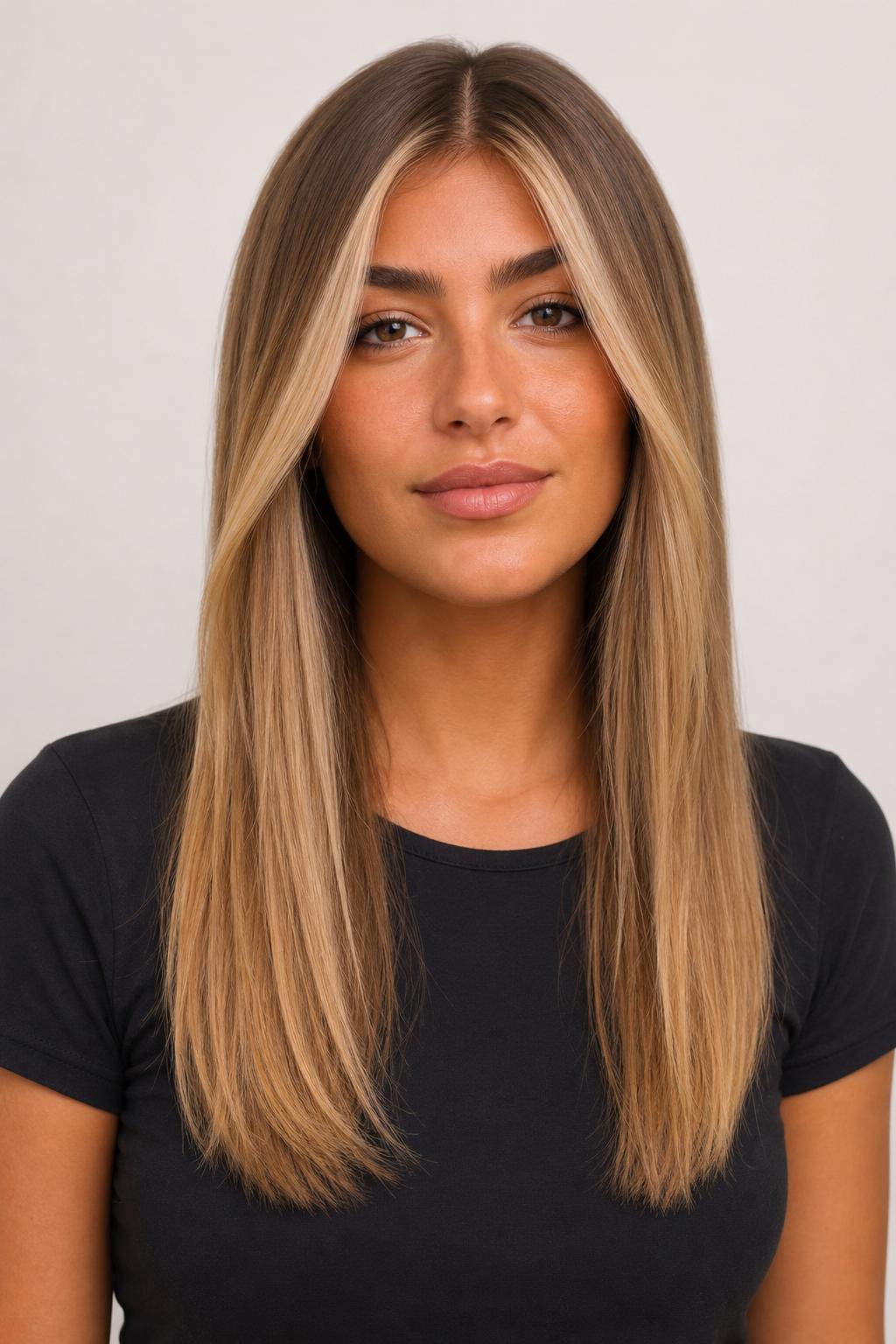
23. Honey Beige and Caramel Blend
Dropping warm caramel ribbons under honey beige adds a richer, more autumnal depth for anyone who finds pure blonde too cool. The caramel works as a natural lowlight rather than a separate color, keeping the blend seamless. It is a soft way to test more warmth before committing to a full caramel highlight look.
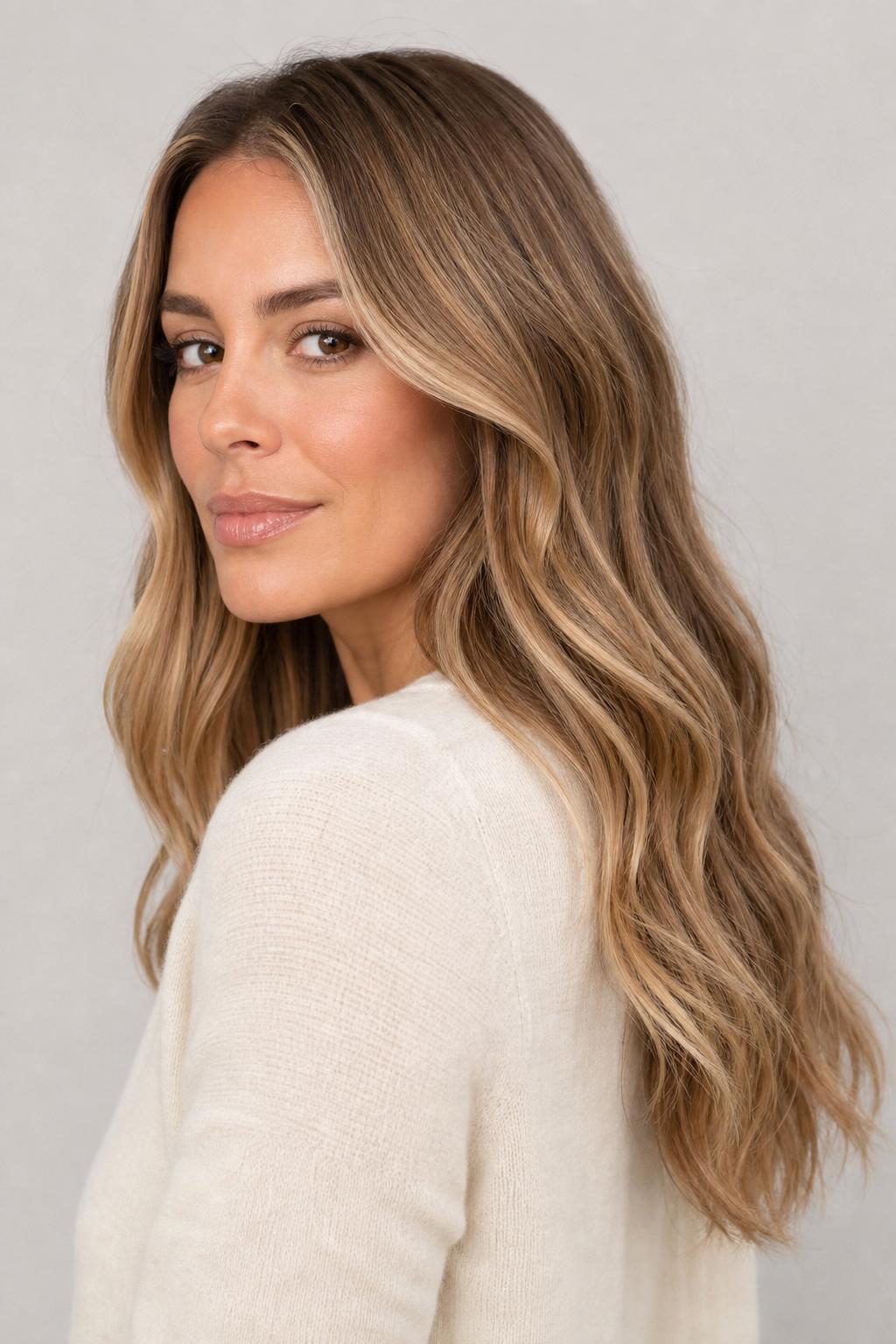
24. Bond-Protected Honey Beige on Previously Colored Hair
Lifting box-dyed or previously darkened hair to honey beige takes patience and a bond-building additive to keep strands intact. Reaching a clean beige often means two sessions rather than one, especially over old warmth. Being upfront with your colorist about past color prevents the muddy result that rushing this causes.
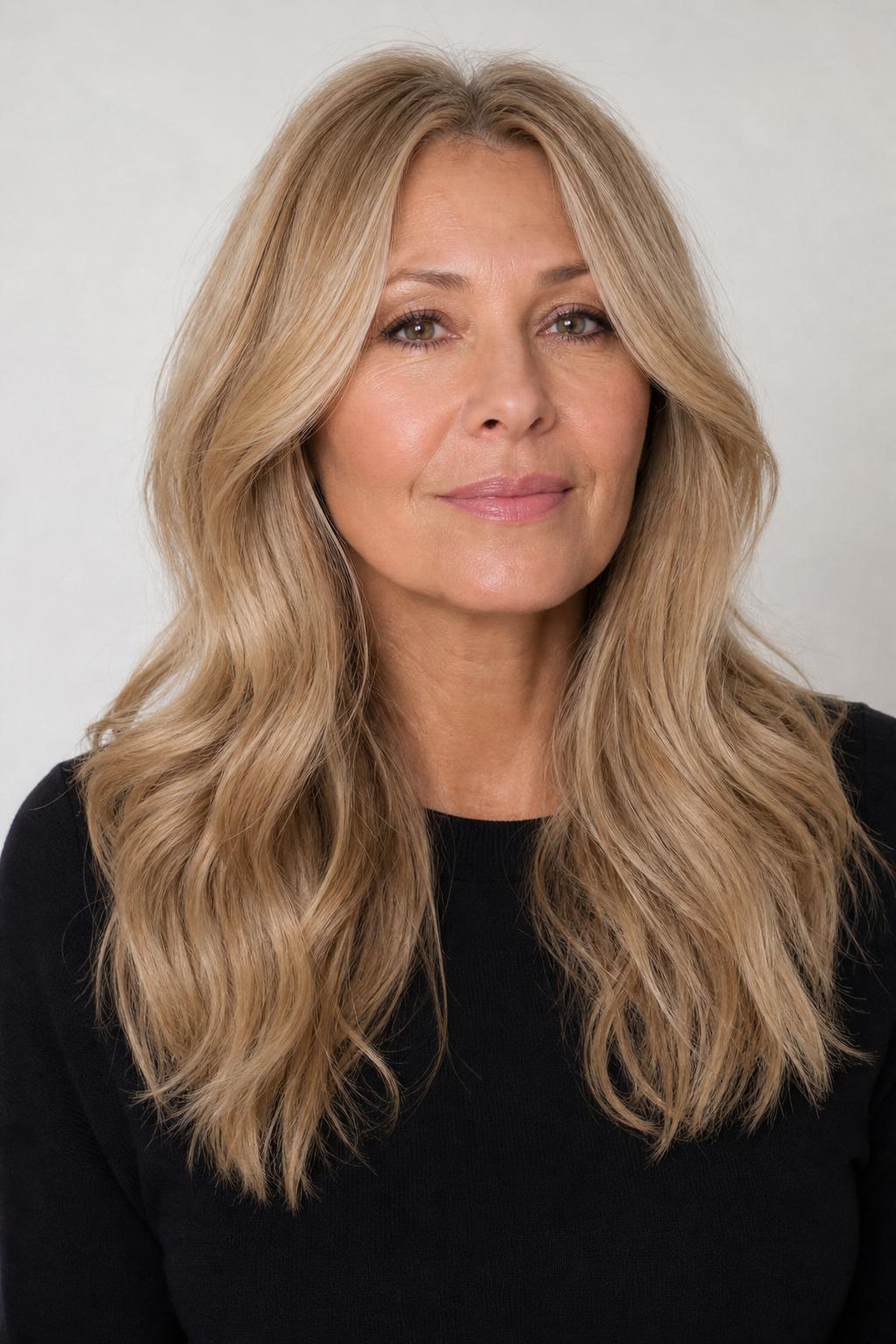
25. Soft Honey Beige Shag
A layered shag lets honey beige move, with lighter ends flicking out to show off the tone against textured layers. The shape adds effortless volume while the color keeps everything soft and lived-in. It is a relaxed, low-effort finish for anyone who wants their color and cut to feel equally undone.
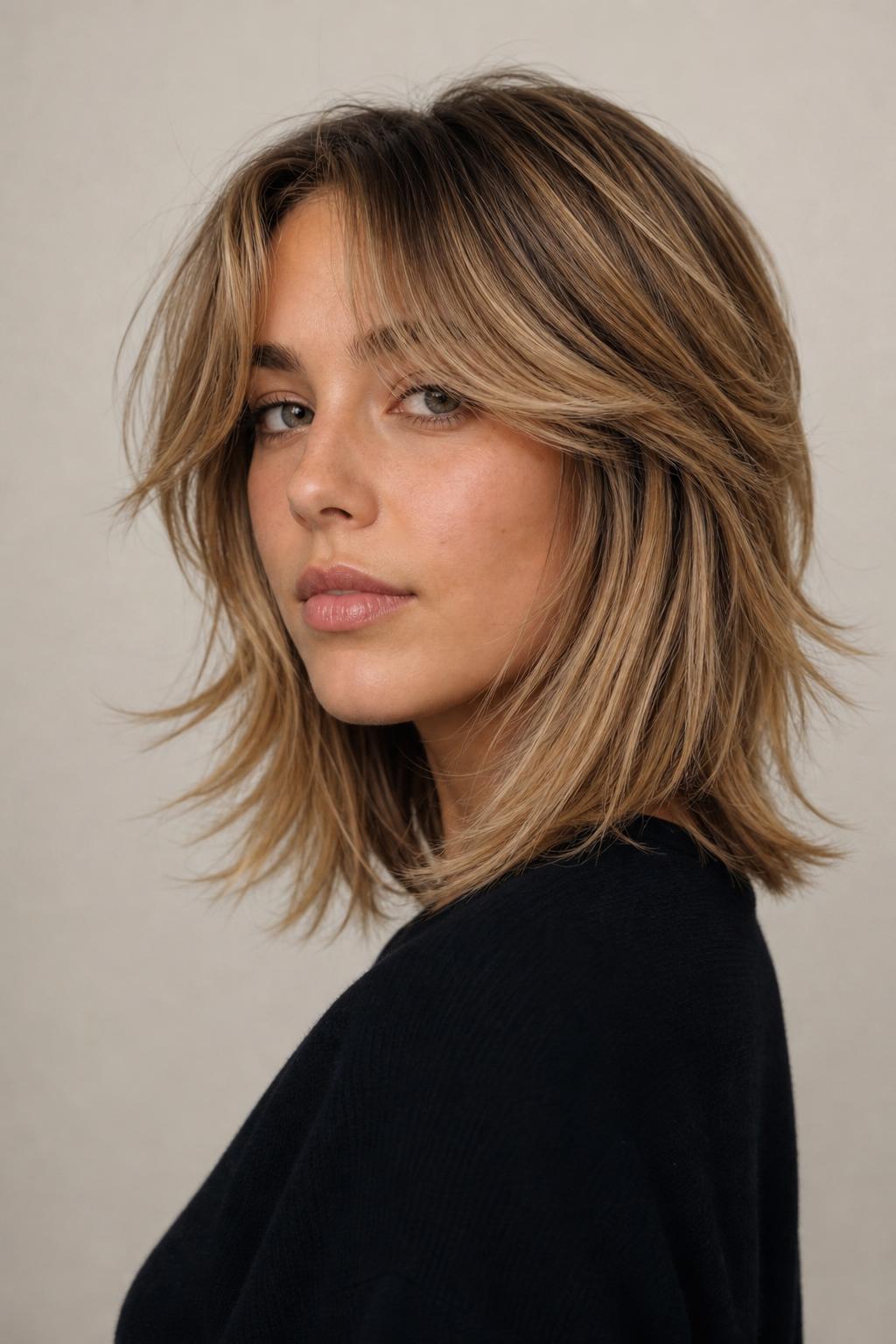
How to Choose Honey Beige Blonde for Your Skin Tone
The honey-versus-beige balance is what you tailor to your skin, and getting it right is the difference between a shade that lights up your face and one that drains it. Warm skin can carry more honey, cool skin needs more beige, and neutral skin gets the widest range. Use the matrix below to point your colorist in the right direction.
| Undertone | Best Balance | Ideal Level | Watch For |
|---|---|---|---|
| Warm (golden, peachy) | Honey-forward, softer beige | 7 to 8 | Can tip to brass; schedule glosses |
| Neutral | Even honey and beige | 7 to 9 | Widest range; easiest to wear |
| Cool (pink, blue-ish) | Beige-forward, minimal gold | 8 to 9 | Too much honey looks orange on pink skin |
| Olive | Honey-neutral, kept rich | 7 to 8 | Too pale a beige can look sallow |
| Deep warm | Rich honey base, bright face pieces | 6 to 8 | Avoid an all-over pale beige |
What to Tell Your Colorist
The single most useful thing you can say is that you want honey beige, not golden gold. Bring two or three reference photos and point to the ones that look soft and sandy rather than yellow, since the same color name means different things to different colorists. Ask for a beige-leaning toner, a level 7 to 9 depending on your undertone, and a soft or shadowed root if you want lower maintenance.
Useful phrasing to walk in with: “I want a warm-neutral honey beige around level 8, beige toner not golden, with a soft root melt and brighter money-piece pieces around my face.” Naming the level, the toner direction, and the placement removes the guesswork that leads to a too-warm result.
Stylist tip: Ask your colorist to show you the toner formula direction before it processes. If they mention a gold or copper additive and you want soft beige, that is the moment to speak up, not after it has developed.
Maintenance and Keeping the Beige
Honey beige is lower maintenance than platinum but not no-maintenance, because warm pigment re-emerges as the color fades. A gloss or toner every 6 to 8 weeks keeps the beige soft, while a full lightening touch-up is usually only needed every 3 to 4 months if your root is shadowed. Between visits, a color-depositing beige mask does more than purple shampoo, which can overcorrect honey beige toward gray if overused.
| Task | Frequency | Why |
|---|---|---|
| Gloss or toner refresh | Every 6 to 8 weeks | Holds the beige tone before warmth returns |
| Lightening touch-up | Every 3 to 4 months | Less often with a shadowed or soft root |
| Color-depositing mask | Weekly at home | Refreshes beige between salon visits |
| Bond and moisture treatment | Weekly | Lightened hair needs replaced moisture and strength |
| Heat protectant | Every heat style | Protects tone and prevents dryness at the ends |
When Honey Beige Blonde Is Not the Right Choice
Honey beige is flattering on many people, but it is not the answer for everyone. These are the situations where a different shade will serve you better.
- You want true icy or platinum blonde: honey beige keeps warmth on purpose, so a cool ash or high-lift blonde is the correct request instead.
- Your skin is very cool with high contrast: warm-leaning blonde can look muddy against porcelain-cool skin, where a cool-toned or silver blonde stays cleaner.
- You cannot commit to glosses: without a tone refresh every couple of months, honey beige drifts warm, so a lived-in bronde with less lift holds up better.
- Your hair is severely damaged: reaching a clean beige needs healthy hair to lift evenly, so repair first and add color once the strands can hold it.
FAQ
What Is Honey Beige Blonde and How Is It Different from Ash Blonde?
Honey beige blonde is a warm-neutral blonde around level 8 that mixes golden honey warmth with a soft, sandy beige to stay glowy without going brassy. Ash blonde, by contrast, is cool and smoky, built to cancel warmth entirely. The honey beige version keeps a living warmth that flatters more skin tones, while ash can look gray or flat on warm complexions.
Does Honey Beige Blonde Suit Cool or Warm Skin Tones?
It suits warm and neutral undertones most easily, since the honey warmth echoes golden and peachy skin. Cool skin can still wear it if the colorist keeps the beige dominant and the gold minimal. If gold jewelry flatters you and your skin looks warm, you can carry a honey-forward version; if silver suits you better, ask for a beige-heavy toner.
What Hair Level Is Honey Beige Blonde?
Honey beige typically lands between level 7 and level 9, with 8 being the most common target. Warmer skin tones often stay at 7 to 8 for a richer result, while cooler skin can go to 8 to 9 with a beige toner. The level you choose changes how much lightening your hair needs to get there.
Does Honey Beige Blonde Look Brassy as It Fades?
It can warm up as it fades, because lightened hair exposes underlying gold pigment over time. A beige-leaning toner slows this, and a gloss every 6 to 8 weeks keeps the shade soft. A color-depositing beige mask at home also holds the tone between salon visits far better than relying on purple shampoo alone.
Can I Get Honey Beige Blonde on Dark Brown Hair?
Yes, though dark brown hair usually needs balayage or foilyage plus more than one session to lift cleanly to beige. A rooted or shadow-root version is the smart choice on a dark base, since it keeps upkeep manageable and grows out softly. Expect warmth to appear first during lightening, which the colorist tones out on the way to beige.
How Often Do I Need to Tone or Gloss Honey Beige Blonde?
Plan on a gloss or toner refresh every 6 to 8 weeks to keep the beige from drifting gold. A full lightening touch-up is usually only needed every 3 to 4 months, especially if your root is soft or shadowed. Standing gloss appointments cost less than full color and are what keep the shade looking freshly done.
What Should I Tell My Stylist to Get Honey Beige, Not Golden?
Say clearly that you want a warm-neutral honey beige around level 8 with a beige toner, not a golden one. Bring reference photos that look sandy and soft rather than yellow, and point out exactly what you like about them. Naming the toner direction is the key step, since the same shade name can otherwise land far warmer than you pictured.
Is Honey Beige Blonde High Maintenance?
It is medium maintenance, lower than platinum but higher than a natural-looking bronde. The main upkeep is toning to hold the beige, roughly every 6 to 8 weeks, plus a lightening refresh a few times a year. Choosing a shadowed root and a lived-in placement is the easiest way to stretch the time between full appointments.
Honey beige blonde earns its popularity by giving warmth without the brass that scares people off gold, and softness without the upkeep of icy platinum. Bring a couple of sandy-toned reference photos to your colorist, name your level and your beige toner direction, and ask for a soft root if low maintenance matters to you. Done with the right balance for your skin, honey beige blonde is the warm-neutral shade that flatters far more people than the cool blondes it is quietly replacing.
Hair results vary based on your natural hair type, texture, density, and condition. Always consult with a licensed hairstylist before making significant changes, especially with chemical treatments or dramatic length changes. Photos may show styled results that require professional tools and products to replicate.