Stylist-approved medium hairstyles for women over 50, sorted by texture, face shape, and what your daily routine actually looks like.
Medium hairstyles for women over 50 hit a practical sweet spot, long enough to pull back on rushed mornings, short enough to look current. These 35 variations cover soft-layered lobs, textured shags, sleek blunt cuts, wavy lived-in styles, and volume-boosting options for finer hair. If shorter options are also on your radar, our collection of best haircuts for women over 50 covers pixie and bob variations in full.
The gallery is organized by texture and finish, layered movement, bob-length and structured cuts, wavy looks, sleek polished styles, and fine-hair options. After the photos, you’ll find a face shape guide, a maintenance breakdown, and salon language to walk in with.
Layered Cuts That Add Movement and Body
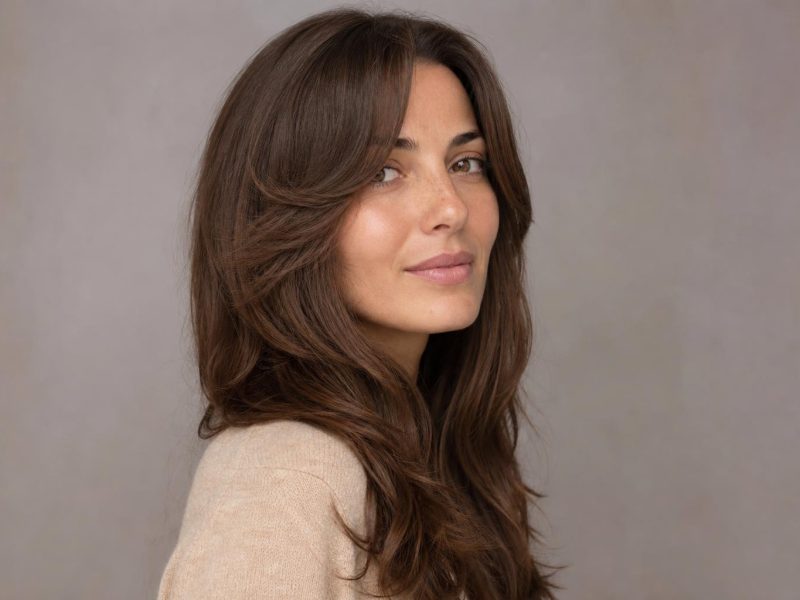
Layers are one of the most effective tools at medium length after 50, they reduce bulk on thick hair, add lift on fine hair, and create the kind of movement that makes a cut look styled on low-effort days.
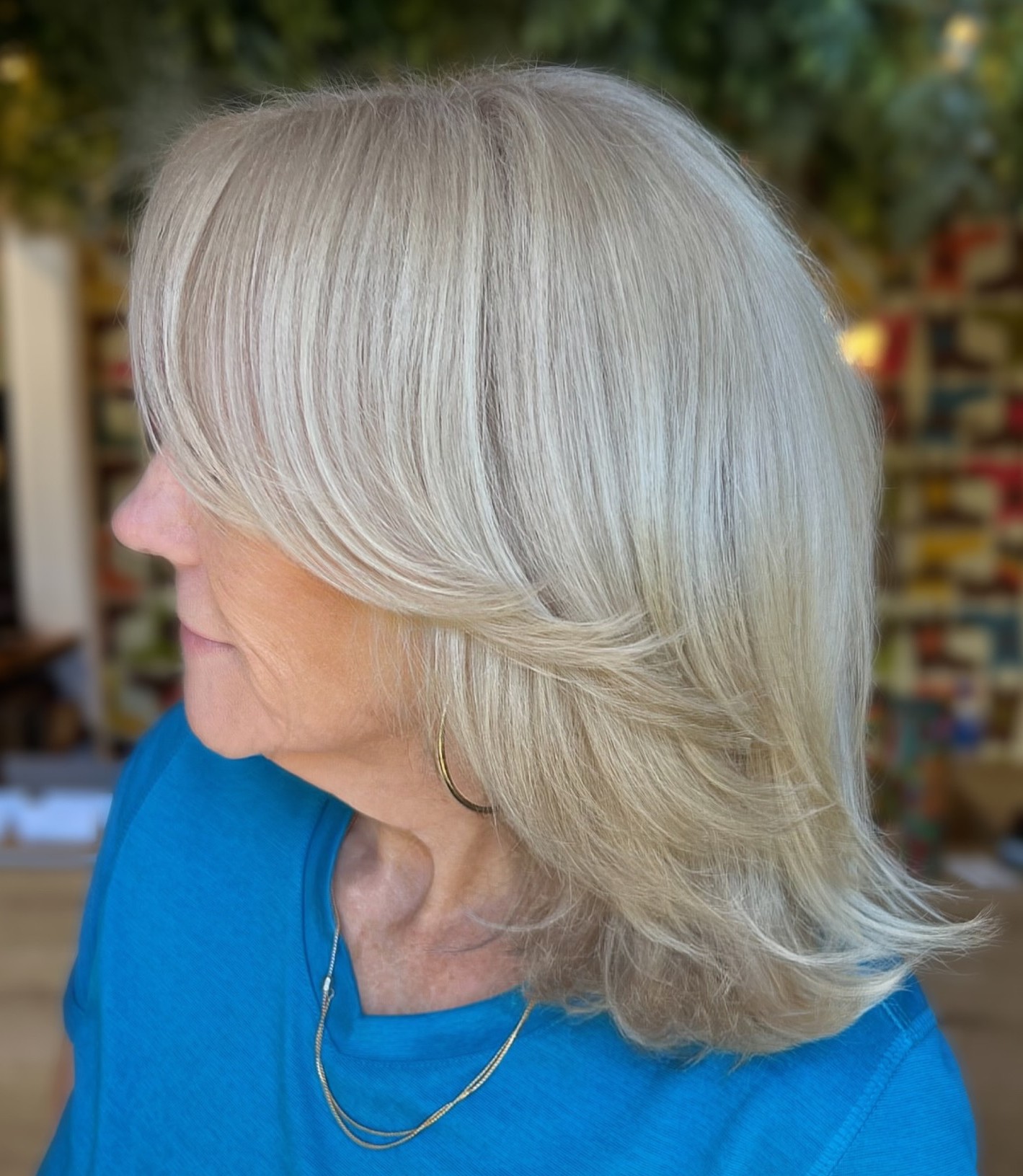
1. Shoulder-Length Cut with Face-Framing Layers
Face-framing layers starting at cheekbone level draw attention toward the eyes and soften jaw definition, one of the most universally flattering adjustments for this age group. This variation suits oval, heart, and oblong faces, and the length grows out gracefully without an awkward stage.
2. Long Layers with Feathered Ends
Point cutting at the ends, scissors angled vertically into the length, removes perimeter weight while keeping body through the mid-shaft. The feathered finish lets ends move freely rather than curving under like a blunt line, which is especially useful on hair with any natural wave.
3. Textured Lob with Choppy Ends
Choppy ends created by cutting into the length vertically give this lob a lived-in texture that reads intentional rather than unstyled. Thick and medium-density hair benefits most, the technique removes some perimeter weight without creating disruptions that thinning shears can leave higher up.
4. Layered Shag with Curtain Bangs
Curtain bangs and a layered shag share the same logic, movement radiating from a center point, which is why they work so naturally together. The curtain fringe softens the forehead while layers through the length add texture; wavy hair carries this combination with minimal daily effort.
5. Mid-Length Layers for Fine Hair
Fine hair benefits from internal layers placed from the mid-shaft down, not surface layers that strip the top-section weight holding the style up. Tell your stylist: “keep the crown solid and concentrate the texture below the ear.”
6. Blended Layers on Salt-and-Pepper Hair
Salt-and-pepper hair has a natural matte quality that layers bring to life, the two-tone dimension reads as intentional contrast rather than flat gray. A deep side part adds asymmetry that works with the tonal variation rather than flattening it.
7. Soft Layers on Thick Wavy Hair
Tell your stylist you want “channel cutting through the interior” to remove bulk from thick, wavy hair without thinning it in ways that show at the surface. This carves weight from underneath while leaving the outside profile clean and full.
Bob-Length and Textured Medium Styles
Medium-length bobs and textured cuts sit at chin to collarbone, a range that’s versatile without being generic. These styles lean into texture and structure in different ways, from a clean blunt line to deeply layered, choppy finishes that hold on second-day hair.
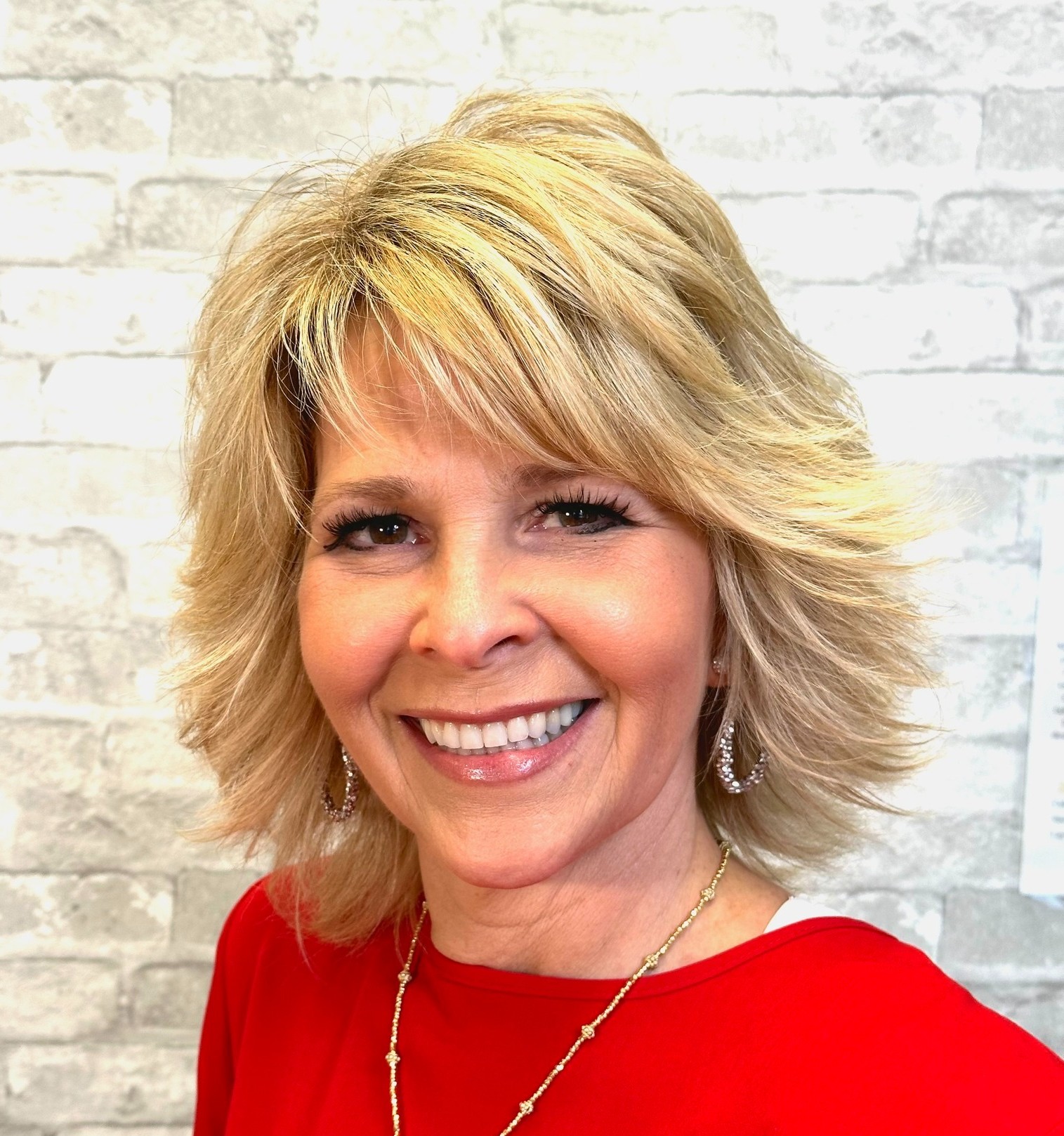
8. Classic Chin-to-Collarbone Bob
The weight line holds at a consistent angle from jaw to collarbone, giving the cut its clean, modern feel. Trim every five to six weeks to maintain the perimeter line, fine hair shows grow-out faster than thicker textures.
9. Angled Lob for Round Faces
An angled lob, shorter at the nape, longer toward the collarbone in front, creates a diagonal line that visually elongates a round face; keep the front pieces at least one inch below the jawline. Our lob haircut ideas gallery covers the full range of angled and blunt variations.
10. Textured Bob with Side-Swept Bangs
Side-swept bangs add a forehead element that redirects the eye without committing to a full fringe. Let them air dry with a light hold spray, then flat-iron in one clean sweep, it takes under two minutes and holds through most of the day.
11. Blunt Lob on Thick Straight Hair
Thick, straight hair holds a blunt perimeter effortlessly, the concentrated weight keeps the style looking intentional through humidity and wind without product. A gloss treatment every six to eight weeks maintains the surface shine between cuts.
12. Collarbone-Length French-Style Bob
A French bob worn at collarbone length is a softer interpretation of the classic jaw-length version, the extra length adds versatility while the blunt fringe keeps the reference intact. This variation suits a wider range of face shapes than the shorter original.
13. Layered Bob with Visible Highlights
The dimensional highlights here trace the layer structure, making each section visible even in natural light, a technique sometimes called “color mapping to the cut.” The colorist places highlights along the same lines the stylist created, so both elements reinforce each other.
14. Graduated Bob with Stacked Back
The stacked nape builds crown volume that fine-to-medium hair often lacks, cut shorter at the back and longer toward the front, the shape holds without product. More details and options are in our stacked bob haircuts collection.
Wavy and Effortlessly Lived-In Looks
Wave holds shape through the day without much effort at this length. These seven styles are designed to work with natural texture rather than against it, so most mornings, you can skip the round brush entirely.
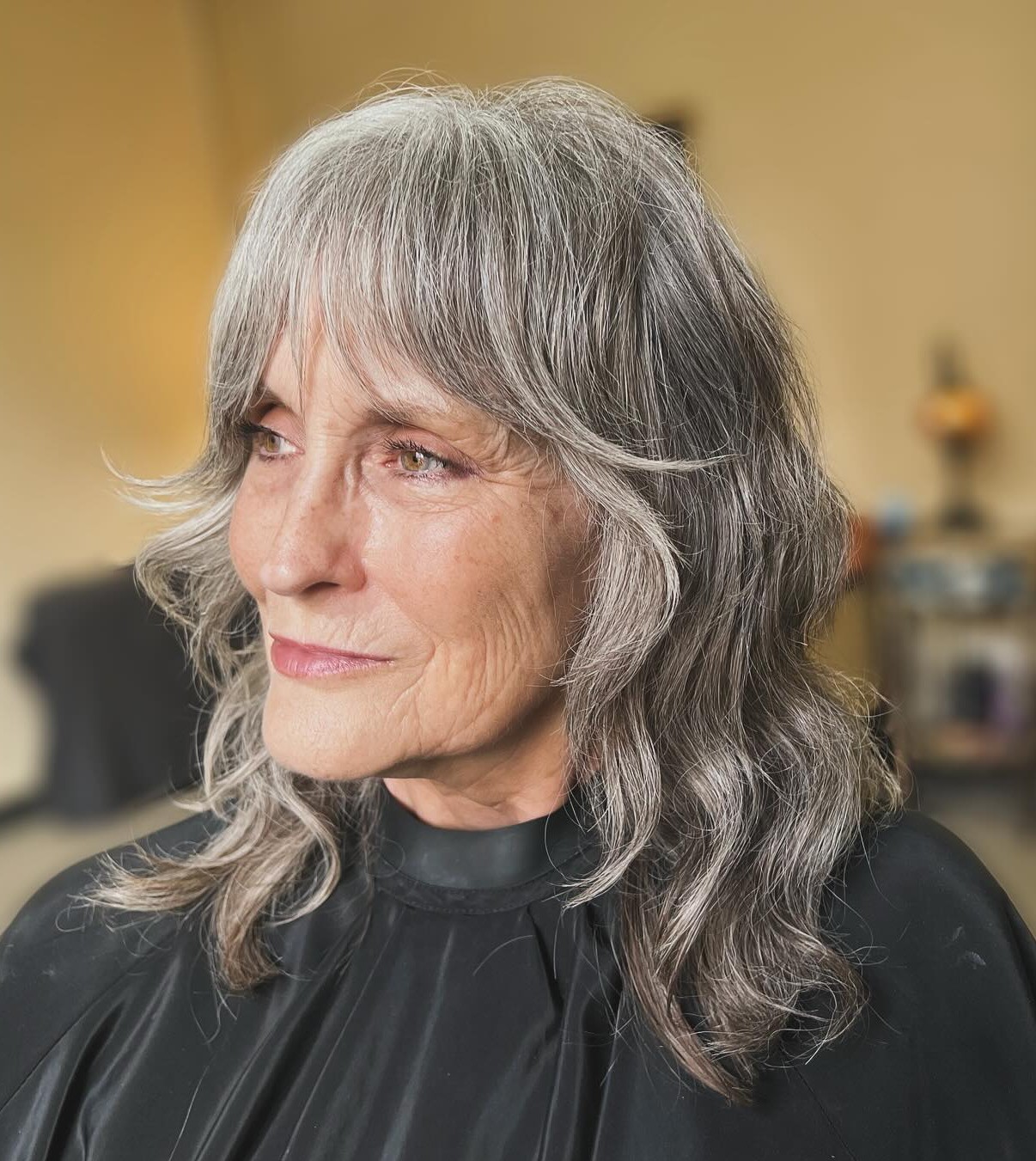
15. Beachy Waves on Collarbone-Length Hair
Use a 1.25-inch wand, wrapping sections away from the face and leaving the ends uncurled for an undone finish. If your hair is naturally straight, scrunch sea salt spray through towel-dried strands first, it pre-textures the hair so the waves grip and hold longer.
16. Natural Wave Lob with Side Part
The deep side part shifts volume to one side, giving naturally wavy hair the kind of asymmetry it carries effortlessly. For the cut to look intentional, the stylist should assess your wave pattern dry, seeing where waves naturally group determines where the layers need to land.
17. Tousled Mid-Length Cut for Wavy Hair
The layers here are graduated to follow the wave pattern’s natural direction rather than cut straight across, texture moves with the shape instead of fighting it. Cutting dry, at the hair’s natural resting state, is how your stylist should approach this one.
18. Shoulder-Length Relaxed Wave Style
Diffuse 80% dry, scrunch a small amount of curl cream through, then let the rest air finish. This routine works on 2a-2c wave patterns, and the texture comes from the wave pattern itself rather than from product buildup.
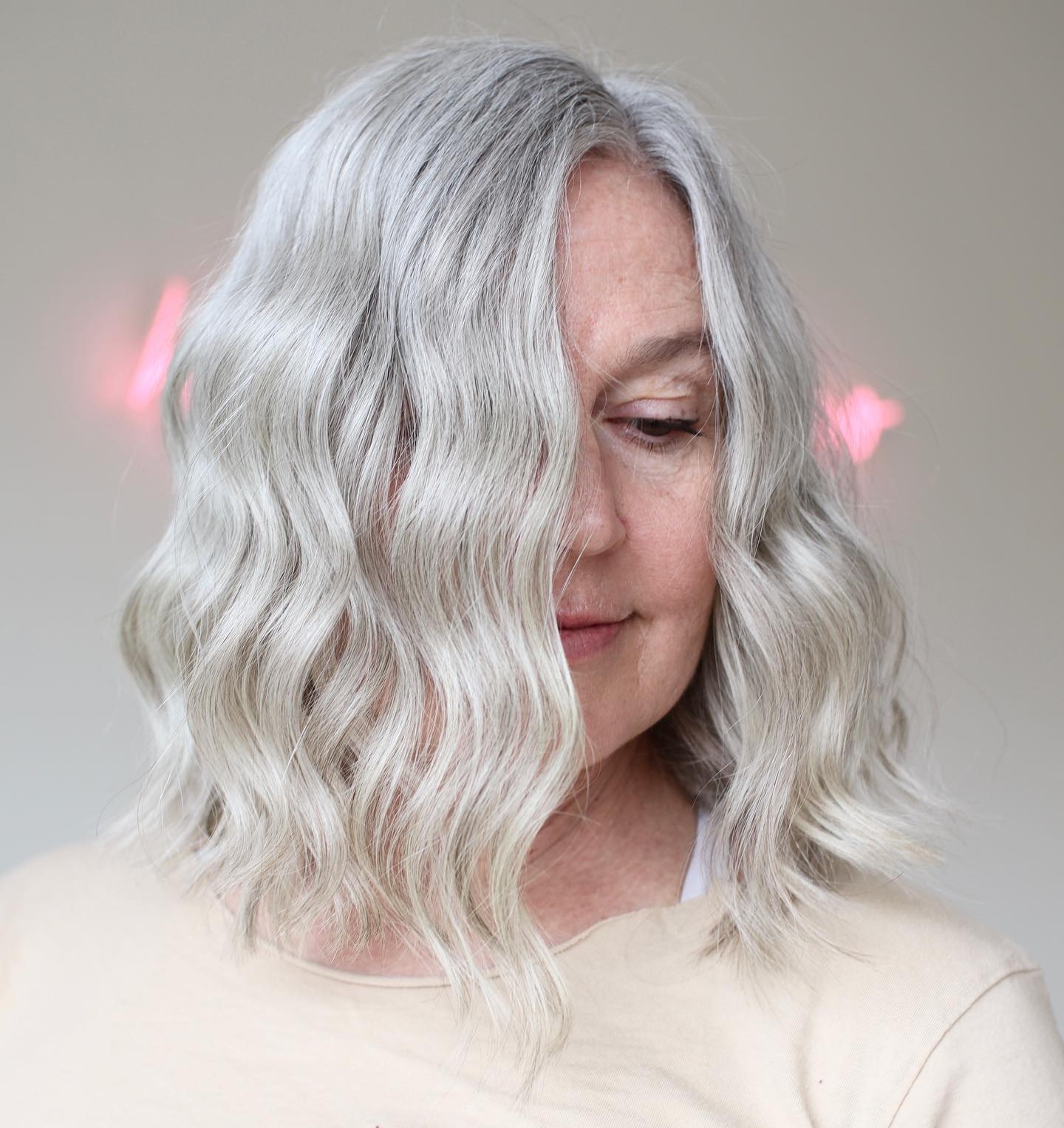
19. Wavy Shag with Soft Face-Framing Layers
Shag cuts and wavy hair are one of the stronger pairings at medium length, the multi-level layers enhance wave definition while the overall shape doesn’t require precision to look intentional. Our medium shag haircuts gallery covers this style family with 35 variations.
20. Air-Dried Wave Bob with Balayage
Honey balayage brush-painted through the mid-lengths catches light as the waves move, creating depth that reads differently in every setting. The brush technique keeps the color transition soft, better suited to an air-dried finish than foil highlights would be.
21. Relaxed Waves on Natural Gray-Blended Hair
Gray-blended hair has a slightly coarser texture than pigmented hair, meaning it holds a wave shape more readily. Many women try to smooth it flat when the texture is working in their favor, letting it wave at medium length is often the lowest-effort, most flattering approach.
Sleek and Polished Medium Lengths
For clean lines and a polished finish, these seven styles deliver precision and structure at medium length. They require slightly more daily effort than textured options but look deliberately put-together in any setting.
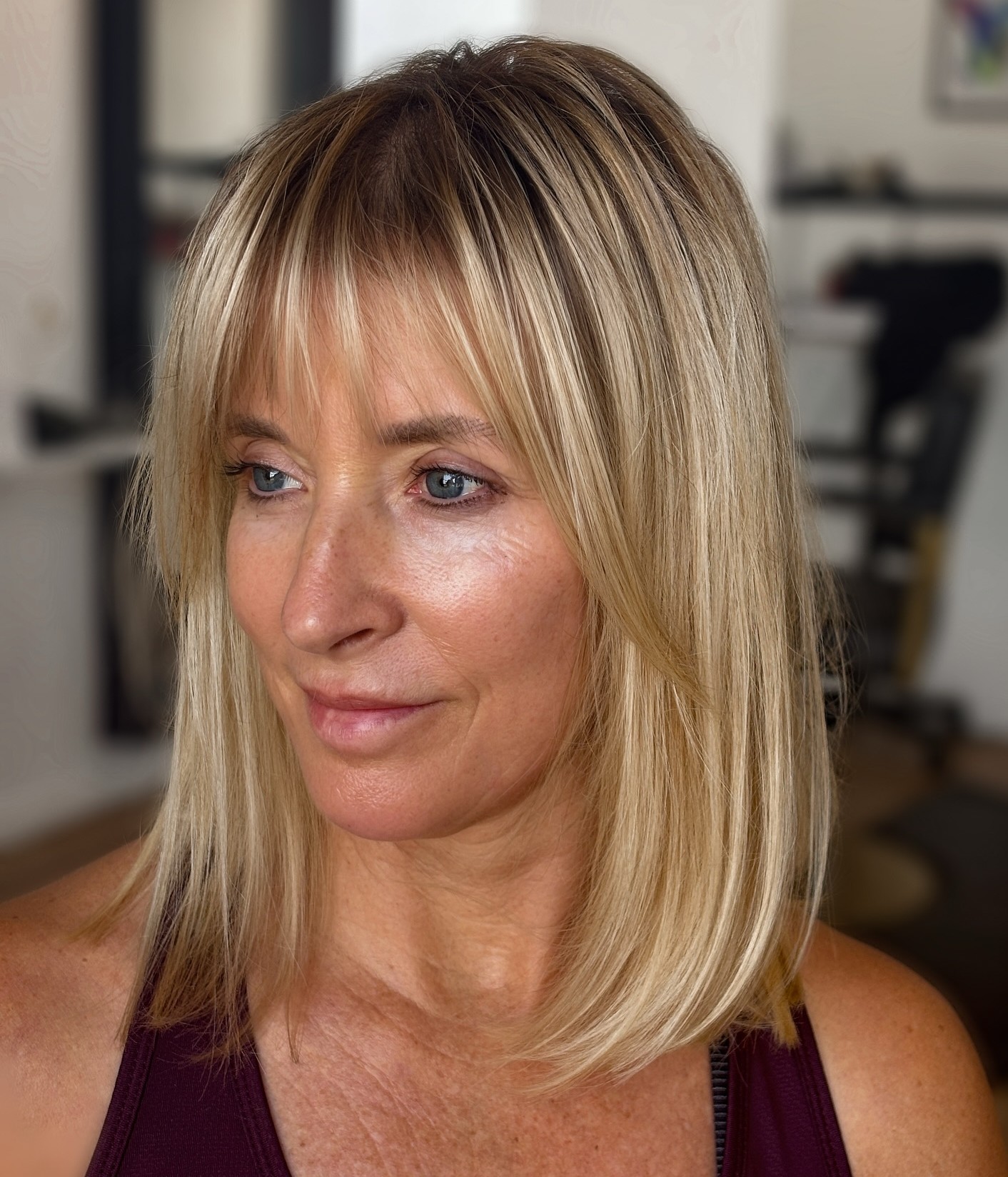
22. Sleek Blunt Collarbone Cut
A blunt collarbone cut with a center part reads minimalist and current when the ends are kept sharp. Flat-iron at 350-375°F and finish with a pea-sized amount of smoothing serum worked through mid-lengths and ends.
23. Polished Lob with Deep Side Part
The deep side part creates a diagonal sweep across the face, useful for square and rectangular face shapes because the angle breaks up horizontal symmetry. Use a round brush at the roots during blow-drying to lock in the direction.
24. Smooth Center-Parted Mid-Length Layers
Layers and a center part work when the layering starts at ear level, not at the crown, starting too high removes the top-section weight that holds a center part clean on fine, straight hair. Ask for “mid-length layers from the ear down.”
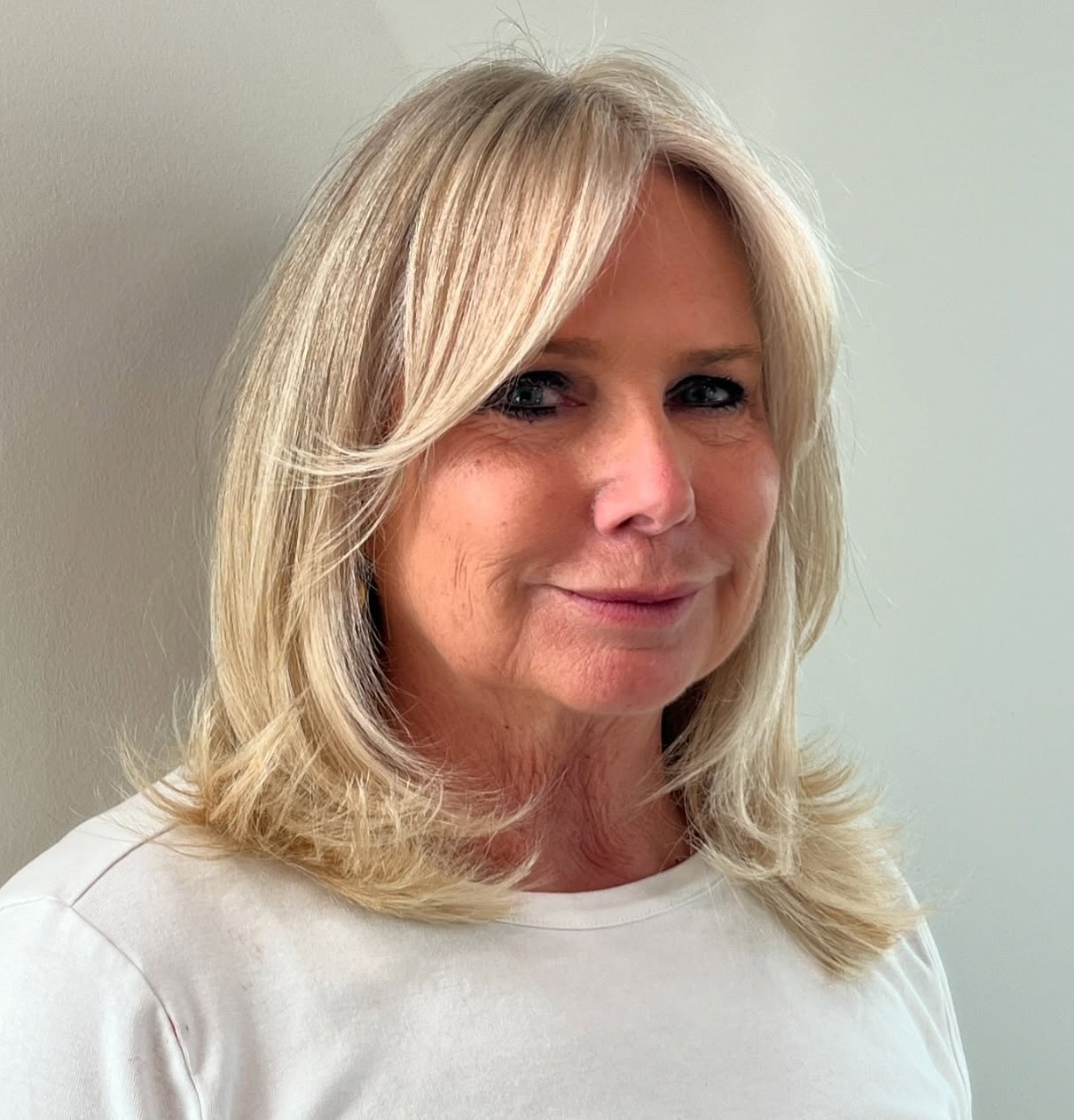
25. Glossy Straight Mid-Length Bob
The cut is straightforward, blunt ends at collarbone level, but the surface quality depends on the hair’s smoothness. A professional smoothing treatment before cutting gives this look its high-gloss finish that most at-home tools can’t fully match.
26. Sleek Side-Swept Lob on Fine Hair
Fine hair looks its most polished when kept between chin and shoulder, anything longer starts to lose body and look limp. Blow-dry with a boar-bristle brush for surface smoothness and the tension that keeps the style controlled.
27. Straight Lob with Money Pieces
Money pieces, the two front sections lightened three to four shades, add dimension to a solid-color straight lob without requiring full highlights. Our face-framing layers guide covers how to coordinate this placement with your face shape for the most flattering result.
28. Smooth Mid-Length Style on Thick Hair
Thick hair benefits from a slight concave angle in the cut, the underside trimmed fractionally shorter so the ends don’t splay outward as they grow. Most stylists familiar with thick hair do this automatically, but confirm it before they start.
Volume-Boosting Styles for Finer Hair
Fine hair at medium length works well when the cut is right, more forgiving than short hair on low-texture days, but structured enough to avoid the limpness that comes with too much length. These seven cuts prioritize lift, body, and practical daily styling.
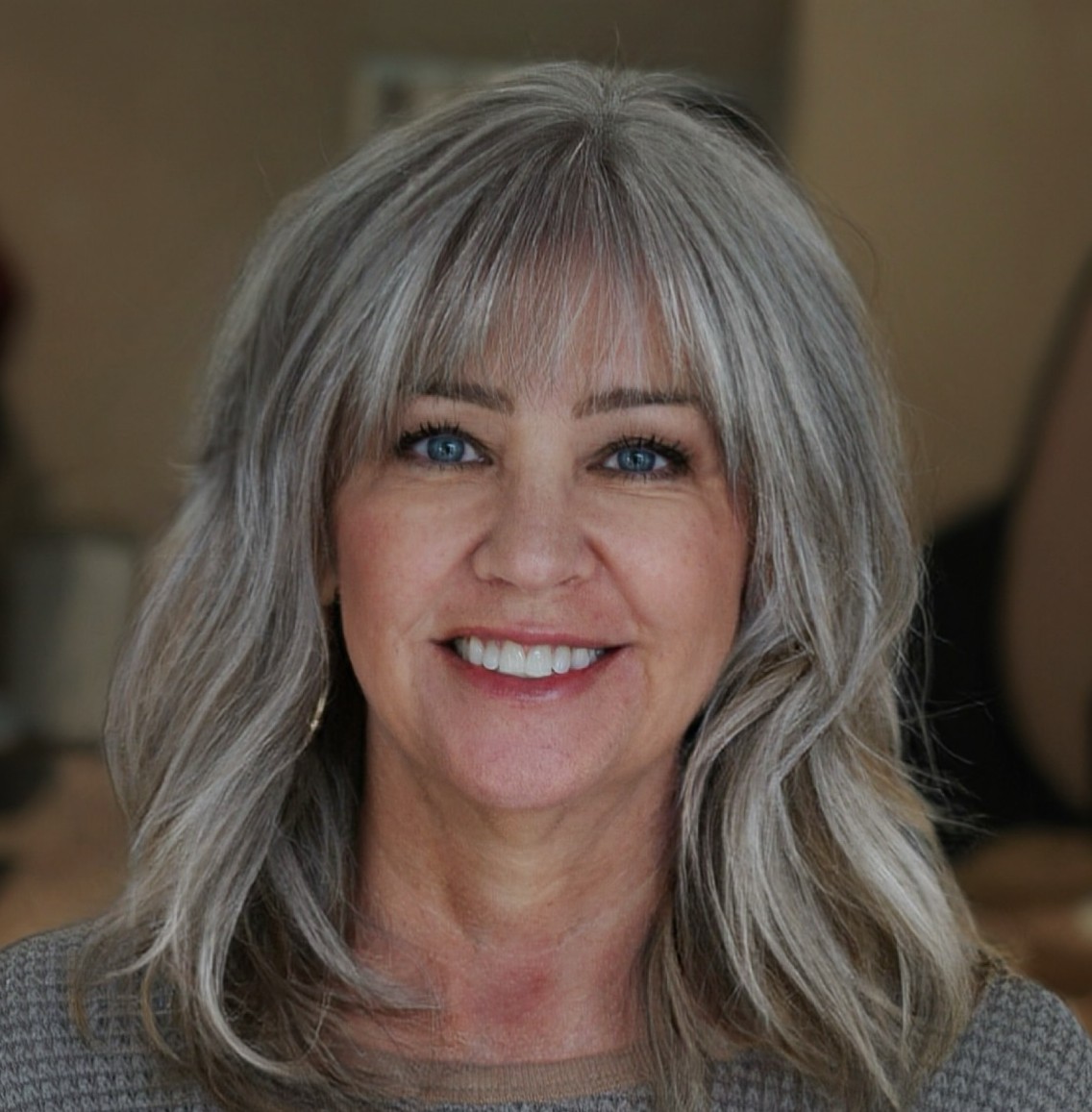
29. Blunt Cut Lob for Fine Hair
A blunt cut concentrates weight at the ends, exactly what fine hair needs to create the illusion of fullness at the perimeter. Skip internal layers unless your hair is medium-fine; layering removes the end weight doing the volumizing work. Our layered haircuts collection covers which placements help fine hair versus thin it further.
30. Face-Framing Layers on Thin Hair
These layers start at cheekbone level and blend softly into the length rather than creating a visible stepped structure. The goal is movement and shape, not layers you can actually see, visible layering on thin hair can look sparse and draw attention to density.
31. Subtle Layers with Root-Lift Styling
Much of the volume here comes from the blow-dry, sections are lifted at 90 degrees to the scalp while being blown downward, building root height into the shape. Apply a golf ball-sized amount of volumizing mousse to towel-dried roots and repeat this at home.
32. Crown Layers for Lift on Fine Hair
Crown layers, short pieces at the top section only, not through the full length, add lift without compromising the mid-length weight that fine hair needs for shape. Your stylist can adjust the amount based on exactly where your hair lies flattest.
33. Textured Ends on Shoulder-Length Fine Hair
Point cutting at the ends gives fine hair a softer finish than a blunt line while keeping enough end integrity for the perimeter to look full rather than wispy. Keep it light, about 20-30% of the end strand, not a full razor treatment.
34. Subtle Body Wave on Fine Collarbone Hair
A body wave uses large rods to create a gentle bend rather than a defined curl, the result is hair that sits with body and holds shape through the day. Fine highlighted hair should have a strand test done first; it’s gentler than a standard perm but still requires assessment on porous strands.
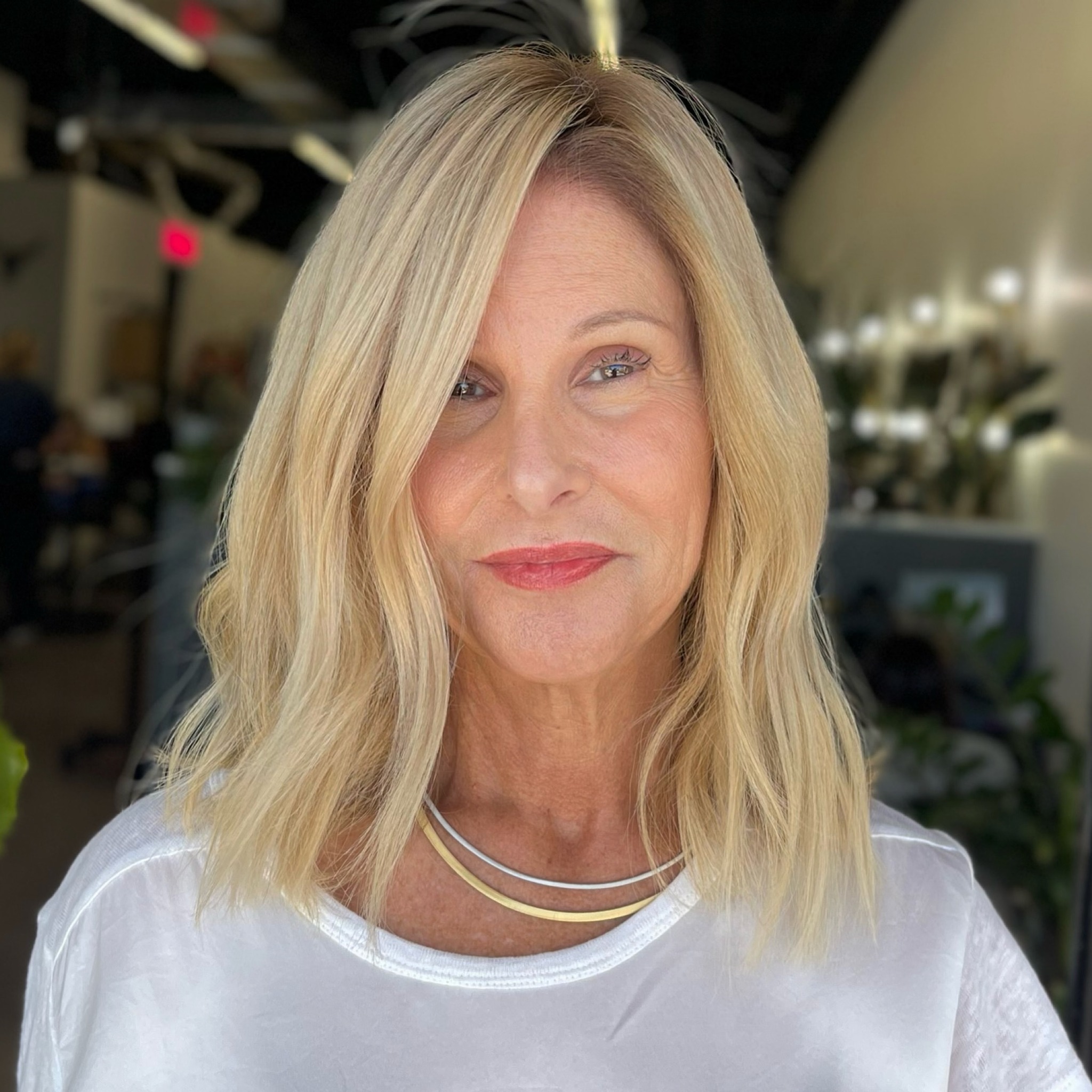
35. Point-Cut Lob with Soft Internal Movement
Ask for a “point-cut lob with soft internal movement”, the internal layers sit underneath the surface so the exterior reads smooth while the hair has body from within. This is one of the most practical cuts for women who want low-maintenance texture without a choppy, high-effort finish.
FAQ
Answers to the most common questions about medium hairstyles for women over 50.
What Is the Best Medium Hairstyle for Women Over 50?
There isn’t a single best cut, it depends on your hair texture, face shape, and styling routine. A layered lob works for most hair types and grows out gracefully. If your hair is fine, a blunt or lightly point-cut collarbone-length style holds its shape with less effort. Bring a few reference photos rather than asking your stylist to choose.
Does Medium-Length Hair Look Good on Women Over 50?
Yes, medium length is one of the most flattering ranges after 50. It’s long enough to wear up when you want, short enough to look deliberate, and the shoulder-to-collarbone weight frames the face without heaviness. Choose a style suited to your specific hair type rather than a trend that works on a different texture.
What Medium Hairstyle Makes You Look Younger After 50?
Soft face-framing layers, curtain bangs, and styles with movement around the face tend to read younger, they soften contours rather than emphasizing them. Volume at the crown (not the sides) and a light, bouncy finish lift the overall appearance. A sharp blunt cut can look contemporary depending on whether you want movement or sleek structure.
Is Medium-Length Hair High-Maintenance After 50?
It depends on the cut. A blunt lob is lower maintenance than short hair, trims every eight to ten weeks, and bad grow-out weeks are far less obvious than with a pixie. A shag needs trimming more frequently. Daily styling ranges from five minutes for an air-dried wavy look to twenty minutes for a sleek finish.
Can I Add Volume to Fine Medium Hair After 50?
Yes, a blunt or lightly point-cut perimeter concentrates weight at the ends and creates the illusion of density. Avoid aggressive layering, which removes the end weight doing the volumizing work. Volumizing mousse on towel-dried roots and a 90-degree blow-dry lift outperform anything applied to already-dry hair. A body wave can help, get a professional assessment first if your hair has been colored.
What’s the Difference Between a Lob and a Medium-Length Haircut?
A lob (long bob) falls between chin and collarbone, overlapping with medium length. “Medium haircut” covers any length from jaw to just below the shoulder, so the lob sits at the shorter end. At the salon, specify the exact length point (collarbone, shoulder, jaw plus two inches) rather than using either term.
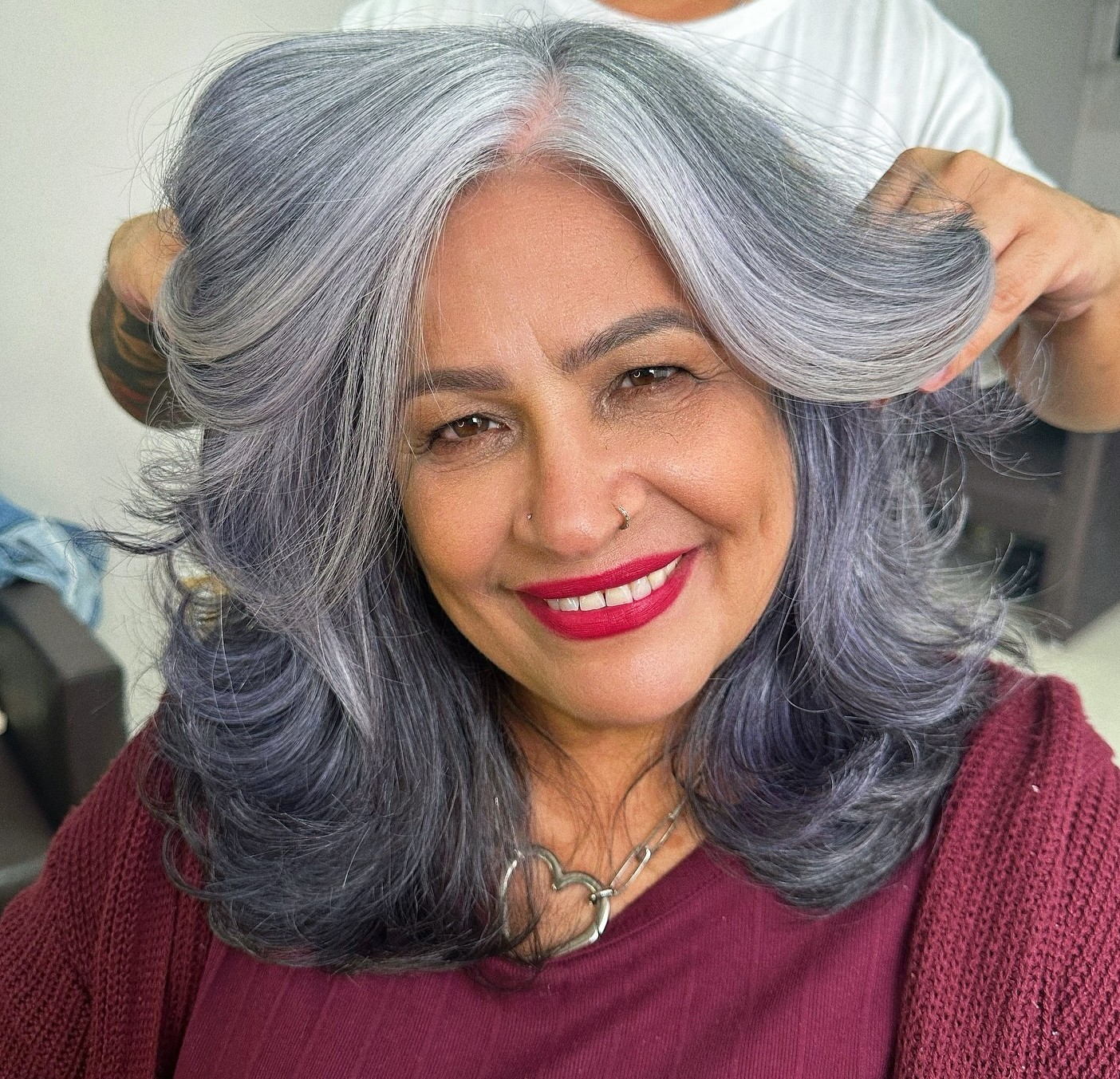
The medium hairstyles for women over 50 in this collection cover a wide enough range that most readers will find two or three options matching their texture, face shape, and lifestyle. Bring reference photos to the salon, talk through maintenance requirements before committing, and ask your stylist to customize the layering and framing to your hair’s natural behavior, that conversation is what turns a good medium haircut into one you’ll want to keep.
Hair results vary based on your natural hair type, texture, density, and condition. Always consult with a licensed hairstylist before making significant changes, especially with chemical treatments or dramatic length changes. Photos may show styled results that require professional tools and products to replicate.