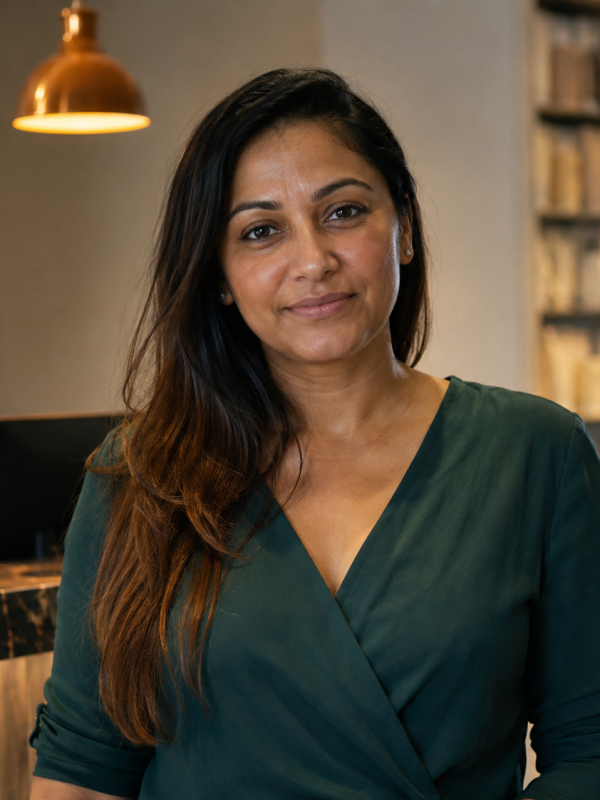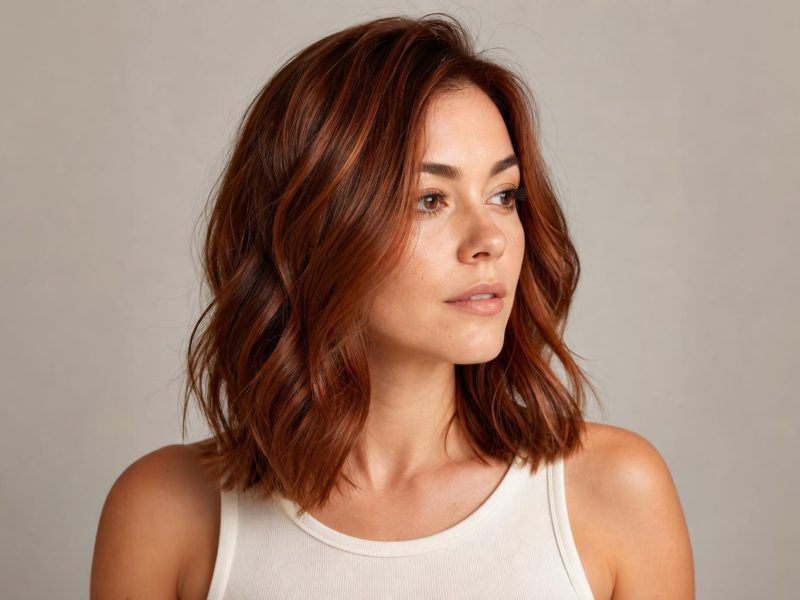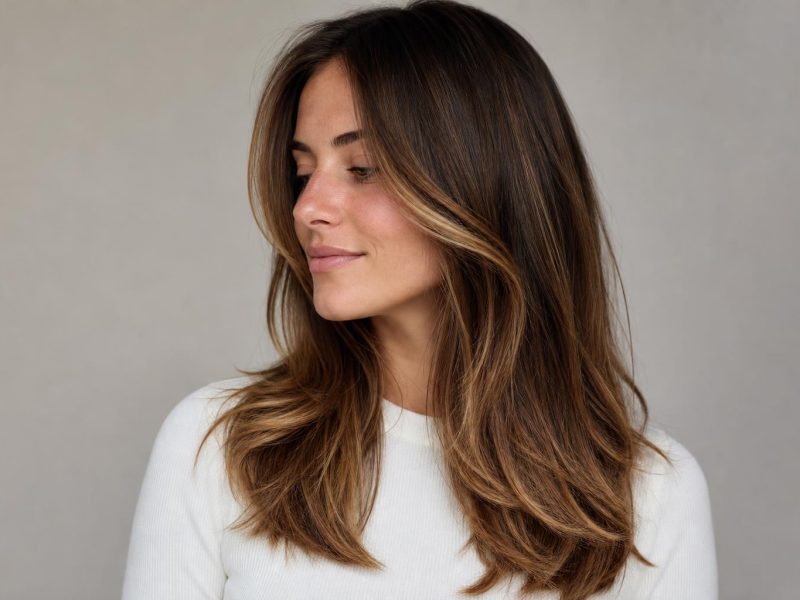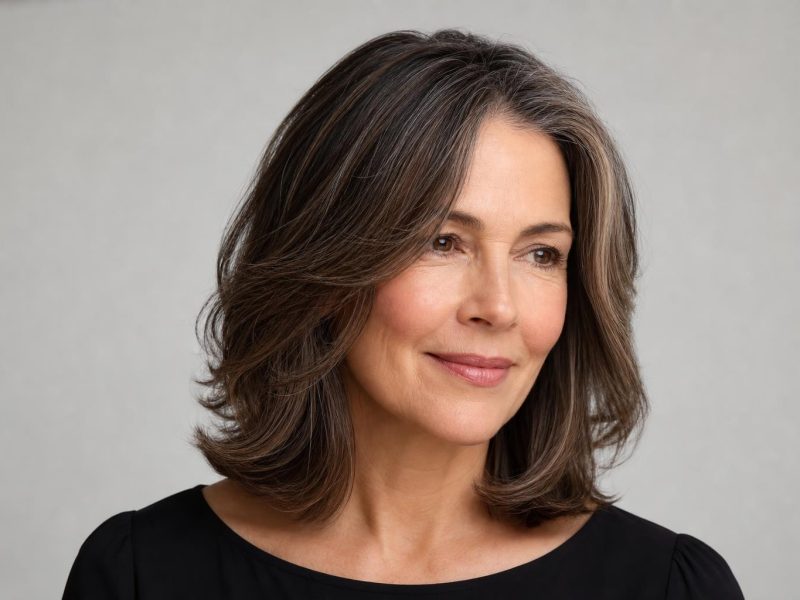

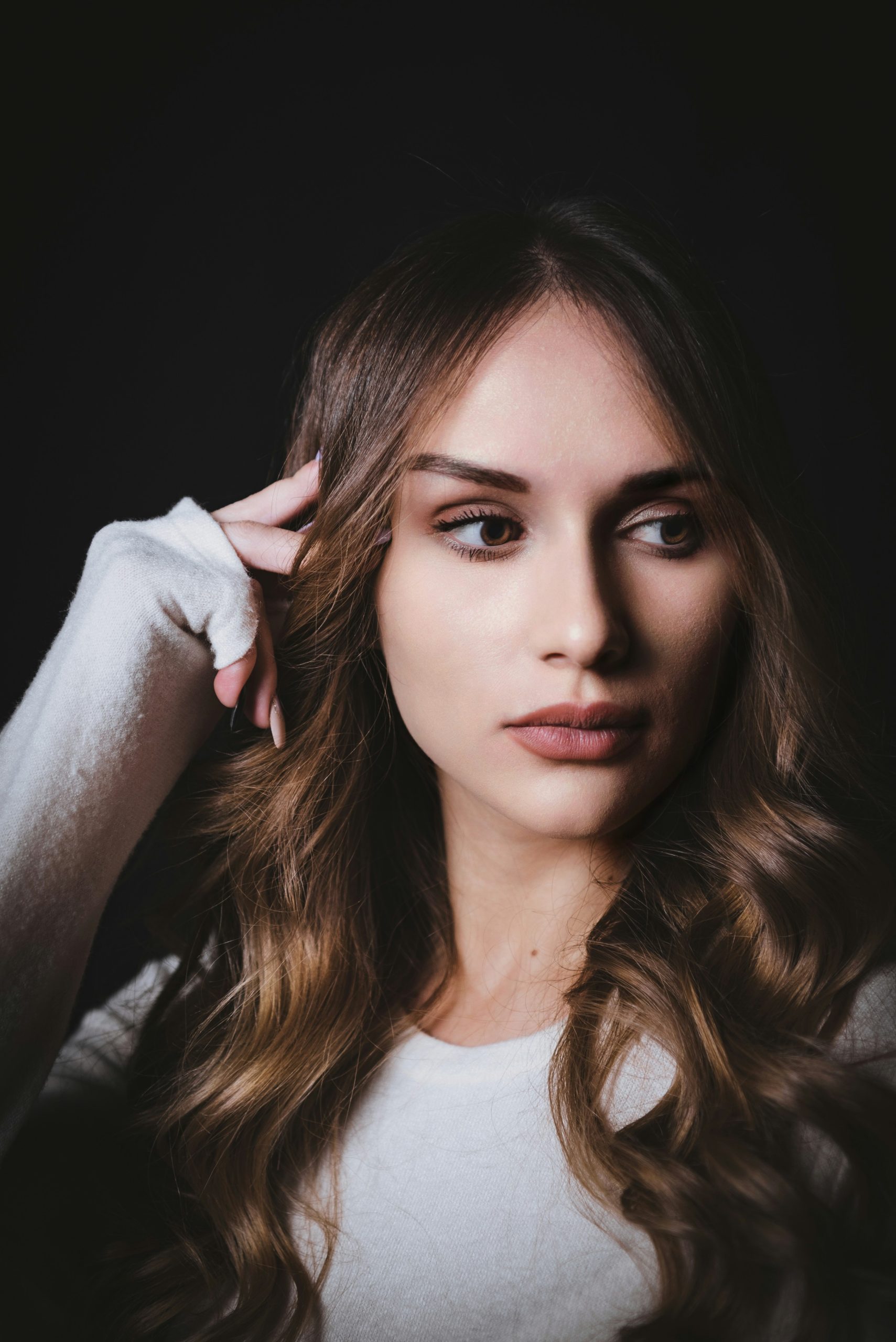

Bronde hair is a deliberate blend of blonde and brunette, woven together so neither shade fully takes over, which is what gives it that low-maintenance, sun-grown-out glow.
Because bronde is a color rather than a technique, you can reach it with balayage, babylights, or foils, and the depth lands anywhere from a deep golden brunette to a soft beige-blonde. The 30 ideas below cover warm and cool versions, every placement from money piece to full balayage, and options for different bases and lengths. Each entry names the specific detail that defines it so you can pick the one that matches your skin tone and how often you want to sit in the colorist’s chair.
After the gallery you will find a skin-tone guide, the exact language to give your colorist, an honest maintenance breakdown, and the difference between bronde and balayage that trips most people up.
| Factor | Details |
|---|---|
| What it is | A blended color between blonde and brunette, not a single dye shade |
| Best for | Natural medium blondes and light-to-medium brunettes wanting dimension |
| Maintenance | Low; a gloss every 8 to 10 weeks, full highlights twice a year |
| Warm vs cool | Golden and honey for warm skin; ash and beige for cool skin |
| Salon time | 2 to 4 hours depending on starting color and technique |
What Bronde Hair Actually Is
Bronde describes a target color that lives between blonde and brunette, mixing light and dark golden tones so the result looks dimensional rather than solid. The word gets confused with balayage constantly, but they are different things: bronde is the color you want, and balayage is one painting technique that can get you there. You can also reach bronde with babylights or foils, so the right method depends on your base and how much contrast you want.
The reason bronde took off is upkeep. The roots usually stay close to your natural depth, so regrowth blurs in instead of leaving a hard line, which buys you months between appointments. That makes it one of the friendliest color commitments for anyone who wants brightness without a strict touch-up schedule.
Warm and Golden Bronde
Warm bronde leans into honey, caramel, and golden tones that flatter olive, tan, and deep skin. These shades carry the most natural-sunlight feel and tend to look richest on medium-to-dark bases that already hold warmth.
1. Honey Golden Bronde
Soft honey lightness melted into a light brown base is the most requested warm bronde and the easiest to wear day to day, a half-step from full honey blonde. The golden tones catch the light at the mid-lengths while the roots stay grounded. It suits warm and neutral skin tones especially well.
2. Caramel Swirl Bronde
Ribbons of caramel painted through a medium-brown base give a deeper, more autumnal take on bronde. The thicker, lower-contrast pieces keep it looking grown-in rather than striped. For more of this tone across the whole head, the THP gallery of honey brown hair covers the warmer end.
3. Sun-Kissed Bronde Ends
Concentrating the lightness from the cheekbones down mimics the way hair naturally brightens in summer, leaving the roots and crown darker. This placement flatters round and heart faces by drawing the eye downward. It is also the lowest-commitment way to test bronde before going brighter.
4. Bronze-Gold Bronde
A metallic bronze-gold blend looks slightly richer and warmer than classic honey, with copper hints showing in bright light. Deep and tan skin tones carry this version best. Expect the copper edge to soften first, so a warm gloss keeps it from fading flat.
5. Toffee Bronde Balayage
Toffee falls between caramel and brown, giving a warm bronde that stays on the brunette side of the spectrum. Painted as a balayage, it keeps a soft root and brighter ends for natural depth. This is a strong pick for brunettes who want warmth without going truly blonde.
6. Golden Money-Piece Bronde
Brightening just the front pieces to a warm gold while keeping the rest a deeper bronde frames the face and needs very little upkeep. The contained placement means touch-ups are quick and cheap. Square and round faces gain a soft lift at the cheekbone from the lighter framing.
7. Warm Beige Bronde
A muted, milky beige-gold softens the warmth for anyone who finds pure honey too brassy. It splits the difference between warm and neutral, so it works on a wider range of skin tones. A light tone-down gloss keeps the beige from turning golden over time.
8. Copper-Touched Bronde
A whisper of copper laced through golden bronde adds depth without committing to a full strawberry blonde or red. The warm undertone flatters green and hazel eyes. Because copper fades fastest, a color-depositing conditioner stretches the vibrancy between salon visits.
Cool and Ash Bronde
Cool bronde swaps the gold for ashy, beige, and mushroom tones that suit fair, pink-undertoned, and cool skin. These versions look more muted and modern, and they sidestep the brassiness that warm shades can drift toward.
9. Ash Bronde Balayage
Cool ashy lightness painted through a neutral-brown base is the most flattering bronde for fair skin with pink undertones. The lack of gold keeps it looking expensive and understated. Purple shampoo every third wash holds the ash and fights warmth creeping back.
10. Mushroom Bronde
Mushroom blends cool brown with smoky beige for a soft, greige version of bronde that looks very current. It flatters cool and neutral skin and pairs well with grey-blending for anyone starting to silver. The tone needs a skilled colorist to avoid going muddy.
11. Beige Bronde
A neutral beige bronde lands right on the line between warm and cool, which makes it the safest choice if you are unsure of your undertone. It brightens the whole head a touch without a strong gold or ash pull. Most skin tones can wear it without it fighting their complexion.
12. Smoky Bronde Ends
Keeping the lightness cool and slightly smoky toward the ends gives a shadowy, lived-in finish that hides regrowth well. The darker, untouched roots make this one of the lowest-maintenance options here. It looks modern on straight and wavy textures alike.
13. Cool Beige Money Piece
Framing the face with cool beige instead of gold flatters fair and cool complexions that warm tones can wash out. The placement stays contained to the front, so upkeep is minimal. Pair it with a deeper natural base for the strongest contrast.
14. Ashy Bronde Sombre
A sombre, or soft ombre, in cool bronde keeps the transition gradual and the roots dark for a barely-there grow-out. The understated blend suits anyone who wants dimension without obvious highlights. It is a good first step for brunettes nervous about going lighter.
15. Pearl Bronde
A pearly, almost iridescent cool bronde is the brightest version on the cool side, leaning toward a soft beige-blonde. It needs a lighter base to show its sheen and wants regular toning to stay pearly. The payoff is a luminous finish that flatters cool, fair skin.
Bronde by Technique and Placement
How the color is placed changes the contrast, the upkeep, and how the bronde grows out. This group sorts the look by the coloring method, from hand-painted balayage to fine babylights, so you can match the technique to the result you want.
16. Classic Hand-Painted Balayage Bronde
Freehand balayage paints the lightness where the sun would naturally hit, giving the softest, most grown-in bronde. The lack of a hard regrowth line is what makes it so low-maintenance. It is the technique most colorists default to for this color, and our balayage versus ombre comparison explains how it differs from a banded ombre.
17. Babylights Bronde
Fine, delicate babylights weave subtle brightness throughout for a bronde that looks naturally multi-tonal up close. The thin sections suit fine hair, where chunky highlights can look heavy. The trade-off is salon time, since babylights take longer to place than balayage.
18. Foilyage Bronde
Foilyage combines balayage painting with foils for extra lift, useful on stubborn or darker bases that resist lightening. It reaches a brighter bronde in one session than freehand alone. Ask for it specifically if your hair has not lifted well in the past.
19. Root-Shadow Bronde
A deliberate darker root, or shadow root, melted into brighter bronde lengths stretches the time between appointments even further. The blurred transition means regrowth never looks like an obvious line. The THP guide to the shadow root technique walks through how it is applied.
20. Teasylights Bronde
Teasylights backcomb each section before lightening, blurring the line between light and dark for an ultra-soft blend. The result is a seamless bronde with no harsh starting point. It suits anyone who wants brightness that looks completely natural.
21. Full Highlight Bronde
A traditional full head of foils delivers the most uniform, all-over bronde for those who want consistent brightness rather than painted contrast. It needs more frequent root touch-ups than balayage. Choose it if you prefer an even, polished finish over a lived-in one.
22. Lowlight-Heavy Bronde
Adding lowlights into over-lightened or flat blonde hair builds the brunette half of bronde back in for depth. This is the route for blondes wanting to go bronde rather than brunettes wanting to brighten. The dimension makes thin hair look fuller.
23. Dip-Dye Bronde Ends
Concentrating bronde only on the bottom third gives a bold, high-contrast version that keeps the roots fully natural. It is dramatic yet cheap to maintain since the color never touches the regrowth zone. Long hair shows this gradient best.
Bronde for Every Base and Length
Your starting color and hair length both shape how bronde reads. This final group covers darker and lighter bases, plus how the color behaves on short, medium, and long cuts.
24. Dark Base Bronde
On naturally dark brown hair, bronde keeps a rich, deep root with caramel and bronze lengths for high contrast. It takes more lifting to achieve, so bond protection during the service matters. The depth flatters warm and olive skin.
25. Light Base Bronde
Natural medium blondes reach bronde by adding lowlights and warmth rather than lifting, which is gentler on the hair. The result is a deeper, more dimensional blonde with brunette woven through. It is the lowest-damage path to the color.
26. Bronde on a Bob
On a blunt bob, bronde placed toward the ends accentuates the cut’s clean line and adds movement to a one-length shape. Shorter hair shows the color shift more sharply than long hair. Keep the brightest pieces around the face for the most flattering effect.
27. Bronde on Long Layers
Long layered hair is the ideal canvas for bronde, since the layers let the lighter and darker tones tumble over each other for maximum dimension. The movement keeps the blend from looking flat. This is where balayage placement pays off most.
28. Bronde for Grey Blending
Bronde is one of the smartest colors for blending early grey, since the mix of light and dark disguises silver regrowth far better than a solid shade. Cool and mushroom tones blend grey most seamlessly. It lets you stretch appointments while transitioning.
29. High-Contrast Bronde
Pushing the gap between the dark base and the bright ends gives a bold, dimensional bronde for anyone who wants the color to read clearly. The stronger contrast needs a confident hand to stay blended rather than stripy. It makes the most of thick hair.
30. Low-Contrast Natural Bronde
Keeping the light and dark tones close together produces the most subtle, believable bronde, the kind that looks like you were simply born with great hair. It is the easiest to maintain and the hardest to get wrong. This understated version suits professional settings and first-timers alike.
How to Choose Bronde for Your Skin Tone
The warm-versus-cool decision is what makes bronde flatter or fight your complexion, so match the undertone of the color to your skin. Warm, golden brondes glow on olive and deep skin, while cool, ashy versions suit fair and pink-undertoned skin. Neutral beige bronde is the safe middle ground when you are unsure.

| Skin Tone | Best Bronde | Avoid |
|---|---|---|
| Fair, cool (pink) | Ash, beige, mushroom bronde | Strong gold and copper (turns brassy against pink) |
| Fair, warm (yellow) | Soft honey, warm beige | Very ashy tones (can look grey) |
| Olive, neutral | Caramel, golden, toffee bronde | Pearl and very pale beige (washes out) |
| Tan, warm | Bronze-gold, honey, copper-touched | Cool smoky tones (looks dull) |
| Deep | Rich golden and bronze bronde on a dark base | Pale beige-blonde (loses contrast) |
What to Tell Your Colorist
Bring two or three photos and say the word bronde plainly, then specify warm or cool and how much contrast you want. A useful script is: “I want a bronde, kept cool and ashy, with a soft root so it grows out without a line, and the brightest pieces around my face.” Naming the root depth and the warmth is what keeps you from walking out too brassy or too blonde.
Stylist tip: Ask your colorist to tone toward your skin undertone, not against it. The most common bronde regret is choosing a gold so warm it clashes with cool skin, or an ash so cool it greys out warm skin, and a corrective toner appointment costs more than getting the undertone right the first time.
Maintenance and Keeping Bronde Fresh
Bronde is genuinely low-maintenance because the natural root means no urgent regrowth touch-ups, so most people stretch to a gloss every eight to ten weeks and full highlights only twice a year. Warm brondes need a clarifying-and-glossing refresh as gold drifts brassy, while cool brondes rely on purple or blue shampoo to hold the ash. A weekly bond or moisture mask keeps lightened ends from roughening, and a heat protectant on every hot-tool pass protects the tone from heat fade.
Bronde Myths That Lead to Color Regrets
A few misunderstandings send people home with the wrong result. Clearing them up before your appointment saves a corrective visit.
Myth: Bronde and Balayage Are the Same Thing
Reality: Bronde is a color and balayage is a technique, so they answer different questions. You can have a bronde color created with foils, and you can have a balayage in blonde or copper rather than bronde. Tell your colorist the color you want and let them choose the method.
Myth: Bronde Works on Any Starting Color With No Lifting
Reality: Dark brunette hair still needs lightening to reach the brighter bronde tones, which takes time and bond protection. Naturally light hair, by contrast, reaches bronde by adding depth rather than lifting. Your starting color decides whether the appointment is about going lighter or going deeper.
Myth: Bronde Is Totally Maintenance-Free
Reality: The regrowth is forgiving, but the tone is not permanent. Warm versions go brassy and cool versions fade warm without toning glosses and the right shampoo. Low-maintenance means fewer appointments, not zero care.
FAQ
What Is the Difference Between Bronde and Balayage?
Bronde is a color that blends blonde and brunette, while balayage is a freehand painting technique. You can achieve bronde with balayage, babylights, or foils, so they are not interchangeable. When booking, name bronde as the color and let your colorist pick the application method.
Who Does Bronde Hair Suit Best?
Bronde flatters natural medium blondes and light-to-medium brunettes most easily, since it stays close to their base. Warm golden versions suit olive, tan, and deep skin, while cool ashy versions suit fair and pink-undertoned skin. Almost anyone can wear a neutral beige bronde.
Is Bronde Hair High Maintenance?
No, bronde is one of the lower-maintenance color trends because the darker root blurs regrowth. Most people need only a toning gloss every couple of months and full highlights twice a year. The tone still needs the right shampoo to stay true between visits.
Will Bronde Make Fine Hair Look Thicker?
Yes, the dimension from mixing light and dark tones creates the illusion of depth and fullness that a single flat color cannot. Babylights and lowlight-heavy bronde work especially well on fine hair. Ask for finer sections so the color does not overwhelm thin strands.
How Do I Keep Bronde From Going Brassy?
Use a purple shampoo once or twice a week on cool bronde to neutralize warmth, and book a toning gloss when the gold starts to creep back. Hard water and heat styling speed up brassiness, so a clarifying treatment and heat protectant help. Warm brondes embrace some gold, so brassiness is only a problem if you wanted cool.
Can I Go Bronde From Dark Brown Hair?
Yes, but it takes lifting to reach the lighter tones, ideally over one or two sessions to protect the hair. Expect a deeper, high-contrast bronde rather than a pale one, since lightening dark hair too fast risks damage. A colorist will use bond protection and may stage the process across appointments.
The best bronde hair comes down to two choices: warm or cool to match your skin, and how much contrast you want between the brunette and the blonde. Save a few photos from this collection, decide on your undertone before the appointment, and ask your colorist for a soft root so the color grows out gracefully. Done right, bronde gives you blonde brightness and brunette depth in one low-upkeep package.
Hair results vary based on your natural hair type, texture, density, and condition. Always consult with a licensed hairstylist before making significant changes, especially with chemical treatments or dramatic length changes. Photos may show styled results that require professional tools and products to replicate.