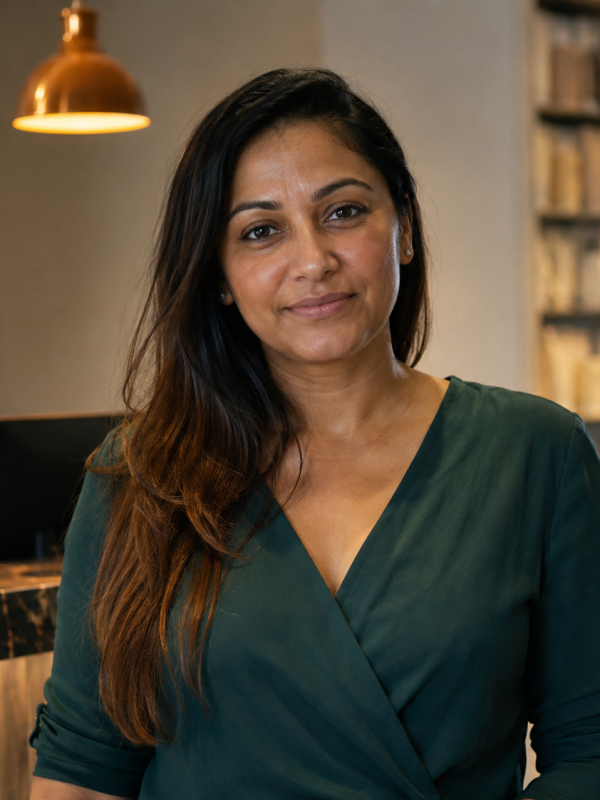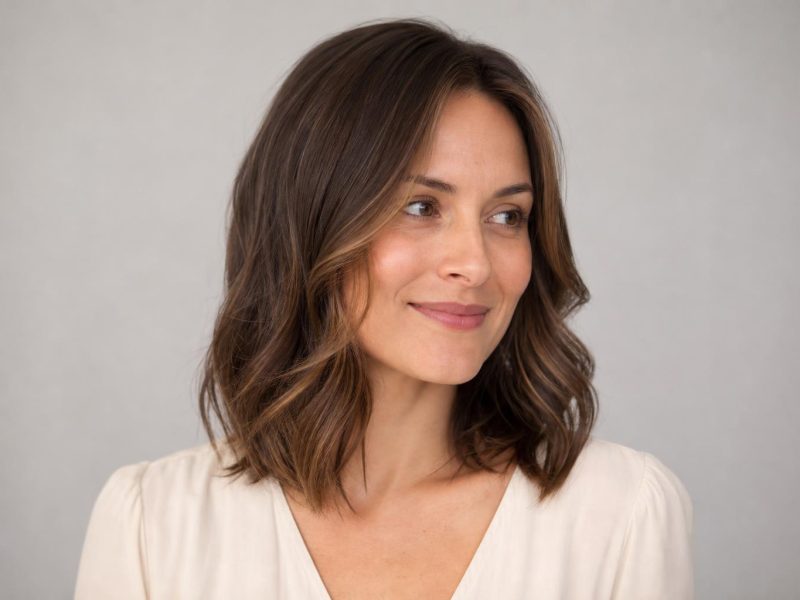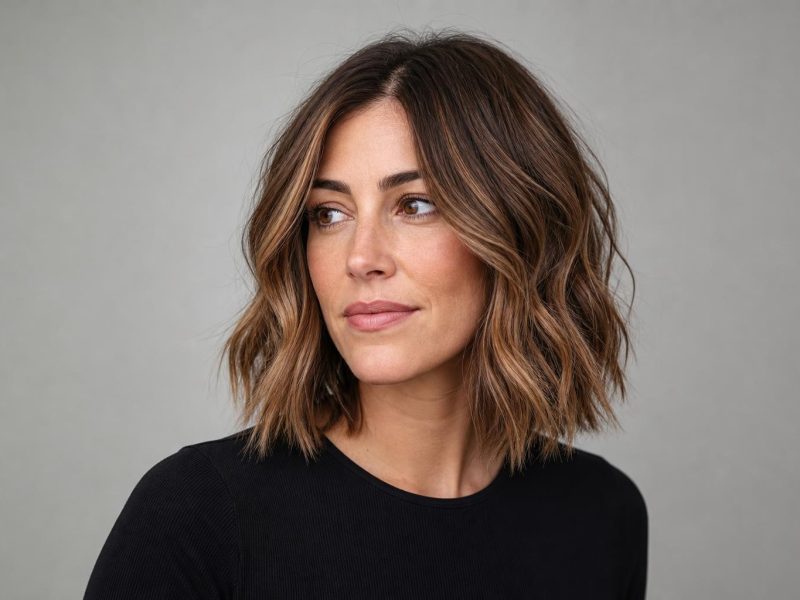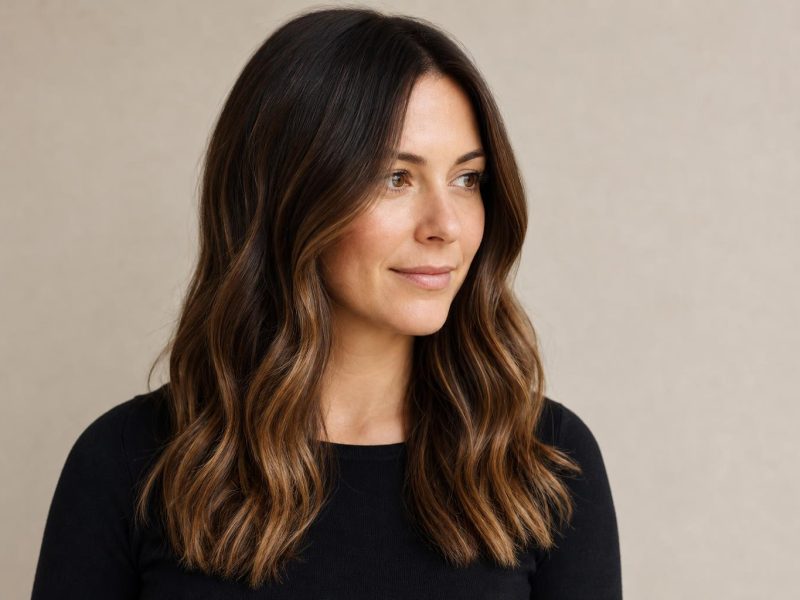
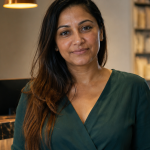

Dirty blonde sits between light brown and medium blonde — close enough to both that it photographs differently in every lighting condition, which is exactly why it looks so natural and so hard to place.

Dirty blonde hair reads as a neutral shade built from wheat, beige, ash, and soft gold undertones, landing in the level 6-7 range on the professional color scale. These 30 ideas are organized by technique and base color so you can scroll directly to the approach that fits your starting shade. Each entry includes who the variation suits, how to ask for it, and what the grow-out looks like — which matters because dirty blonde done right is one of the lowest-maintenance blondes on the spectrum.
The gallery covers balayage, foil highlights, toned glosses, and dark-to-dirty transitions. Guidance sections on skin undertone compatibility, face shape considerations, and what to tell your colorist follow the gallery. If you are deciding between dirty blonde and a similar shade (honey blonde, dishwater blonde, or ash blonde), the comparison section breaks down the differences with specific salon language for each.
| Factor | Details |
|---|---|
| Color range | Level 6-7; wheat, beige, sandy gold, and ash tones; between light brown and medium blonde |
| Best for | Neutral and cool skin undertones; works on all face shapes; suits fine to medium hair density |
| Maintenance | 8-16 weeks for balayage; 6-8 weeks for foil highlights; toner refresh every 6-8 weeks |
| Techniques | Balayage, foil highlights, babylights, shadow root, money piece, toning gloss |
| Avoid if | Very warm (golden or olive) skin undertones; warm caramel or honey blonde tends to be more flattering |
Dirty Blonde Balayage
Balayage is the technique most associated with dirty blonde because the hand-painted application allows colorists to customize tone placement for each client’s natural base, face shape, and lighting environment. The result on most natural light-to-medium brown hair is a dimensional, root-heavy shade that transitions into sandy and wheat-toned ends. Appointments run 2-3 hours, and the grow-out typically blends naturally for 10-14 weeks before needing a refresh.
1. Sandy Wheat Balayage on Light Brown
Hand-painted wheat-toned strokes from mid-shaft to the ends create a dirty blonde effect on natural light brown hair that appears sun-lightened rather than colored. The colorist leaves the first 2-3 inches at the root completely untouched, which is what creates the natural-looking shadow root dirty blonde is known for. On light brown bases, this result is achievable in a single 2.5-hour appointment with no pre-lightening required if your base is level 5 or above.
2. Ash-Toned Dirty Blonde Balayage on Thick Hair
Thick, dense hair benefits from balayage that concentrates color in the top layer and face-framing sections rather than painting every strand, because too many lightened strands in thick hair creates a brassy rather than dimensional result. An ash-toned dirty blonde formula, typically a level 7 base with a pearl or cool beige toner, keeps the result cool without going platinum. Budget an extra 30 minutes for application on thick hair compared to fine or medium density.
3. Root Shadow Balayage for Low Maintenance
A deliberate root shadow, where the colorist intentionally darkens the first inch of new growth, extends a dirty blonde balayage result to 14-16 weeks before the next appointment. The dark root is not a sign of neglect with this technique; it’s part of the formula. Most dirty blonde balayage clients request a gloss refresh at week 8 (30-45 minutes, no bleach) to maintain the cool tone, then a full re-balayage every 16 weeks.
4. Face-Framing Balayage for Round Faces
Round face shapes benefit from dirty blonde placement that concentrates the lightest pieces in the center-top section rather than painting the sides evenly, because lighter color at the crown adds vertical emphasis. Ask your colorist to avoid heavy panels at cheek level; brightness at the widest point of the face increases the appearance of width. A center or slightly off-center part paired with face-framing dirty blonde pieces is the most flattering combination for round faces.
5. Balayage on Wavy Hair with Salt-Spray Finish
Air-drying dirty blonde balayage on wavy hair with a sea-salt texturizing spray and scrunching upward from the ends creates the textured, lived-in finish the shade is built for. The wave pattern catches color differently at each crest, which intensifies the multidimensional effect in sunlight. Apply a quarter-sized amount of salt spray to towel-dried hair, scrunch upward, and allow to dry without touching for the cleanest wave definition.
6. Dirty Blonde Balayage with Money Piece
Adding a money piece to a dirty blonde balayage lightens two concentrated panels on either side of the face to a sandy or warm beige blonde, a shade or two lighter than the surrounding balayage. The contrast between the brighter face-framing sections and the cooler, darker interior is what gives dirty blonde its layered, dimensional character. On medium brown hair, this combination requires foil placement for the face-framing sections and open-air balayage for the body of the hair.
7. Lived-In Balayage on Fine Hair
Fine hair handles dirty blonde balayage well when the color is placed sparingly through the mid-lengths and ends rather than throughout the full section. Too many lightened strands in fine hair makes the texture look thinner, because lightened hair has a slightly smaller diameter than natural. A fine-hair dirty blonde request: ask for “scattered, lighter placement concentrated toward the ends, leaving the sections above the temples at a darker, natural shade to maintain visual density at the crown.”
8. Dirty Blonde Balayage Compared to Honey Blonde
Dirty blonde balayage runs cooler and less saturated than honey blonde balayage; the formula typically uses a pearl, beige, or cool golden toner instead of a warm amber one. On the same natural base, honey blonde looks richer and warmer in indoor lighting, while dirty blonde looks more neutral and slightly ashier. If you are not sure which direction suits you, ask your colorist for a strand test with both toner families before committing to the full application.
Dirty Blonde with Highlights and Lowlights
Foil techniques create more defined, visible dimension in dirty blonde color than balayage alone. Highlights placed through the crown and face-framing sections brighten the shade, while lowlights added to the interior add depth and prevent a flat, one-dimensional look. Most dirty blonde foil results combine two or three shades: a lighter sandy blonde, a matching base tone, and sometimes a slightly darker beige-brown lowlight.
9. Sandy Highlights on Natural Dirty Blonde
Natural dirty blonde hair at level 6-7 often looks flat and toneless without added dimension. A partial highlight using fine foil sections in a sandy or wheat blonde shade lifts the outer layer by one to two levels, creating brightness without a harsh contrast. The key technical detail: ask for weaving rather than slicing when placing the foils, as weaved sections create softer, more blended transitions that match the natural, scattered look of dirty blonde.
10. Babylights on Fine, Straight Dirty Blonde Hair
Babylights, the smallest possible foil sections, work well for fine, straight hair because the individual lightened strands are nearly invisible while adding collective luminosity. On dirty blonde hair, babylights typically target the level 6.5-7.5 range, giving the result a natural look that other people notice as “your hair looks great” without registering it as colored. Expect 3-5 hours for a full babylight appointment because the fine sections take longer to place.
11. Grow-Out Timeline for Dirty Blonde Highlights
Foil highlights on dirty blonde hair show a visible root line by week 5-6, which is the main disadvantage compared to balayage. If your natural base is close to dirty blonde (level 6-7), the grow-out blends more naturally because the new growth and highlighted sections are closer in tone. For natural bases that are significantly darker than dirty blonde, a root shadow technique applied at week 6 extends the result to week 10 without a full re-highlight appointment.
12. Highlights for Heart-Shaped Faces
Heart-shaped faces have a wider forehead and narrower chin. Placing dirty blonde highlights heavily at the hairline can widen the forehead further, so a better placement concentrates the lightest sections from ear level downward. A colorist can achieve this by starting foils at ear height and weaving through the lower sections while keeping the top layer closer to the natural base. The result is a bottom-heavy brightening that draws the eye toward the chin and creates visual balance.
13. Dirty Blonde with Copper Lowlights
Pairing dirty blonde highlights with a copper or warm brown lowlight adds depth and prevents the color from looking one-dimensional. Mix the highlight formula with a copper-adjacent lowlight (level 5-6, warm brown or auburn) in a 3:1 ratio (three highlight foils for every one lowlight), and the overall result reads as a richer, more natural dirty blonde. This works particularly well on naturally medium brown hair where an all-highlight approach would look too bright for the base.
14. Partial Highlights for a Natural Result
A partial highlight application covers only the top section and face-framing pieces, roughly the crown and front quarter of the head, leaving the nape and interior sections at the natural base. On light-to-medium brown hair, partial dirty blonde highlights are the most cost-effective way to achieve the shade’s characteristic “lit from within” look, with a significantly shorter appointment (45-90 minutes) compared to a full highlight. The technique works best on hair below the shoulder, where the untouched interior sections stay hidden in the lower layers.
15. Lowlight-Heavy Dirty Blonde for Depth
Ask your stylist for a formula with 60% lowlights and 40% highlights in the level 5-7 range for a dirty blonde that reads as “naturally complex” rather than uniformly lightened. The lowlights create the visual shadow that gives dirty blonde its characteristic depth, and a toner applied after lifting ties the two tones together. This combination suits thick hair particularly well, where a pure highlight approach can look flat without the contrast that shadow tones provide.
16. Full Foil vs Balayage for Dirty Blonde
Full foil dirty blonde looks more uniform and evenly distributed than balayage dirty blonde, which has more root contrast and scattered placement. Foils are better for clients who want the lightest possible shade across most of their hair; balayage suits those who prefer a rootier, more natural result. For balayage on brown hair, the transition from dark roots to sandy ends takes longer to achieve on dark bases, while foils can accomplish the same lift in a single appointment.
Toned and Glazed Dirty Blonde
Not every dirty blonde result requires lightening. Toning glosses, demi-permanent color, and root-to-tip glazes can shift natural or previously highlighted blonde hair toward a dirty blonde tone by depositing cool, ashy, or wheat-toned pigment. This approach is faster, cheaper, and gentler on the hair shaft because it deposits rather than removes pigment.
17. Cool Gloss Toner on Pre-Lightened Blonde
A demi-permanent gloss in a beige or wheat blonde formula applied over pre-lightened or naturally pale blonde hair deposits dirty blonde pigment without any lifting. The result sits in the level 7-8 range, adding a sandy, slightly cooled-down tone that makes light blonde look more complex and natural. Glosses fade gradually over 4-6 washes, making them a low-commitment way to test dirty blonde before committing to a full color change.
18. Ash-Beige Gloss on Gray-Blending Hair
Hair in the 30-50% gray range blends naturally with dirty blonde toning because the gray strands absorb color differently than pigmented strands, creating the multi-tonal dimension that dirty blonde is designed to mimic. On gray-blending hair, a semi-permanent ash-beige formula at level 7-8 typically deposits on gray strands at level 6 and on pigmented strands at level 7, automatically creating the tonal variation dirty blonde relies on. This requires no bleach and runs about 45 minutes in the chair.
19. Demi-Permanent Color for Easy Maintenance
Demi-permanent dirty blonde color on naturally medium brown hair adds a sandy, cool-toned cast without permanently altering the base. Because demi-permanent formulas don’t contain ammonia and use a low-volume developer (typically 10 vol), they deposit pigment rather than lightening and fade back to the natural base over 6-8 weeks. The grow-out is seamless, which makes this the best option for clients who want to try dirty blonde without commitment or who can’t maintain regular highlight appointments.
20. Toner for Oblong Face Shapes
Oblong and long face shapes benefit from width-adding styling tricks alongside their dirty blonde color. A horizontal wave styled from ear to ear rather than hanging straight draws the eye across the face rather than down its length. On a naturally longer face, pair dirty blonde with side-swept curtain bangs or a blunt fringe for the most balancing effect. The color choice matters less than the cut and styling when managing face length, so coordinate both with your colorist and stylist in one appointment when possible.
21. Pearl Toner Finish for Cooler Result
A pearl or silver-pearl toner applied after lifting pushes dirty blonde toward the cooler, slightly mushroom-toned end of the spectrum. This finish suits cool skin undertones (pink or rosy undertones) more than warm or olive bases, and it reads as slightly more sophisticated and less casual than a classic wheat-toned dirty blonde. Maintain a pearl-toned dirty blonde with a purple shampoo used once a week, not more frequently, or the violet pigment can overpower the intended dirty blonde tone.
22. Warm Beige Toner for Neutral Skin
Neutral skin undertones, where there is no dominant warm or cool cast, work well with a warm beige dirty blonde formula that sits between the cooler pearl end and the warmer honey direction. A beige-blonde toner at level 7 gives neutral-undertone clients the most flexibility; the result photographs cooler in natural light and slightly warmer indoors, which gives the shade its characteristic chameleon quality. If you’re deciding between a cool or warm dirty blonde formula, beige is the safer starting point for neutral skin.
23. What to Ask For: Exact Colorist Language
Most clients who ask for “dirty blonde” leave the salon with something too warm, too ashy, or too blonde because the term means different things to different colorists. Tell your colorist: “I want a level 6.5-7 result with a sandy, beige-neutral tone. I don’t want it warm or golden, and I don’t want it ash. I want it between those two — like a slightly cooled-down wheat.” Bring a reference photo with that specific combination visible in natural lighting, not filtered Instagram lighting.
Dark Hair to Dirty Blonde
Going from a dark base at level 4 or below to dirty blonde requires at least one bleaching session and often two, particularly for dark brown or black hair. The intermediate stage is warm orange-bronze, which a colorist tones to the target sandy blonde after lifting. On dark hair, the dirty blonde result tends to look darker and more saturated than the same formula on a lighter base, which is a realistic expectation to set before the appointment.
24. Warm to Neutral: Correcting Orange During the Process
Dark brown to dirty blonde requires two separate formulas in most cases: a bleach application to lift the base, and a toner in a sandy or beige-neutral shade to neutralize the warm orange that emerges during lifting. Ask your colorist specifically for a pearl or wheat toner rather than an ash toner, because pure ash toners on freshly lifted dark bases can read as green in certain lighting. Your colorist should be able to show you the strand test result before toning the full head.
25. Two-Session Approach for Dark Hair
Reaching a true dirty blonde from a level 3-4 base in one session risks over-processing that causes breakage and uneven results. The professional approach: lift to warm orange-bronze in session one and tone to a transitional sandy brown; then, 4-6 weeks later, lift the second session to the target dirty blonde level and tone to the final formula. A two-session result on dark hair is more even, healthier, and closer to the reference photo than a rushed single-session attempt.
26. Dirty Blonde on Coarse, Dark Brown Hair
Coarse hair has a thick, resistant cuticle that requires a higher developer volume (30 vol rather than 20 vol) to reach the target level in a reasonable processing time. On coarse dark brown hair, dirty blonde highlights typically lift to a deeper, more saturated sandy tone than the same formula on fine hair, a difference in finish that should be discussed before the appointment so expectations are aligned. A bond-building in-salon treatment (Olaplex, K18) during the bleach application is strongly recommended for coarse hair to prevent brittleness.
27. Transition Maintenance for Growing Out Dark Color
Once you have reached dirty blonde from a dark base, the grow-out period requires a specific maintenance strategy. Dark roots on dirty blonde ends are sharper and more noticeable than on balayage, and they become visible by week 4-5. A root shadow service every 10 weeks blends the new growth into the dirty blonde body rather than letting the line sharpen. Between appointments, a color-depositing conditioner in a wheat or sandy blonde shade deposits temporary pigment over the lighter sections to keep the tone fresh.
28. Dirty Blonde with Curtain Bangs on Brown-to-Blonde Hair
Curtain bangs on straight hair pair with dirty blonde particularly well because the parted fringe frames the lightest sections around the face. On a dark-to-dirty-blonde transition, ask your colorist to lighten the bang sections slightly more than the surrounding hair, bringing the fringe to a level 7.5 while the body sits at level 6.5 creates a brightening focal point at the face without looking unnatural. Curtain bangs also help balance face length, which matters if you are transitioning from dark to dirty blonde and want to manage the visual contrast during the grow-out phase.
29. Styling Dirty Blonde During a Dark-to-Light Transition
Loose beach waves blend the visible contrast between dark roots and lighter dirty blonde ends better than any other styling method. Section the hair and use a 1.25-inch barrel curling iron to wave each section, alternating the direction of each curl. When the waves release, the dark-to-light transition softens into a gradient that reads as intentional dimension. Avoid straight styling during the grow-out phase, as flat, straight lines make the root-to-end contrast harder to disguise.
30. Dirty Blonde with Warm Highlights in Strawberry-Adjacent Tones
A dirty blonde formula with a soft rose-gold or warm copper accent added to a small subset of highlight foils creates a strawberry-adjacent dirty blonde that bridges two of the most popular natural-looking shades. The strawberry tones show up only in direct light; in most indoor settings, the result reads as a warm dirty blonde. This works best on light-to-medium brown bases and suits warm and neutral undertones. If you enjoy strawberry blonde but want something slightly more neutral and wearable for day-to-day settings, this hybrid result is a strong middle ground.
What Is Dirty Blonde and How It Differs from Similar Shades
Dirty blonde is a descriptor, not a formula — colorists interpret it in a range from level 6 sandy brunette to level 7.5 wheat blonde depending on their training and the client’s base. The confusion between dirty blonde and adjacent shades like dishwater blonde, ash blonde, and honey blonde is one of the most common sources of salon miscommunication in this color category.
| Shade | Level Range | Tone Direction | Best Skin Undertone |
|---|---|---|---|
| Dirty blonde | 6-7 | Neutral, beige, wheat, sandy; no dominant warm or cool lean | Neutral, cool |
| Dishwater blonde | 6-7 | Slightly cooler and flatter; ash-neutral; less dimensional than dirty blonde | Cool |
| Honey blonde | 7-8 | Warm; golden, amber, honey; distinctly warm in all lighting | Warm, olive |
| Ash blonde | 7-9 | Cool; distinctly ashy or silver-adjacent; no warmth | Cool, pink |
| Caramel | 6-7 | Warm; golden-brown, honey-toffee; clearly warm | Warm, neutral |
Stylist tip: Print the comparison table above and bring it to your appointment. Point to “dirty blonde” and say “I want to stay in the neutral column, not honey, not ash.” A colorist who can see your reference understands the brief faster than one working from the phrase “dirty blonde” alone, which has no standard formula.
Which Skin Undertone Gets the Best Dirty Blonde Results
Dirty blonde lands closest to neutral on the warmth spectrum, but the formula can be adjusted slightly toward cool or warm to suit different skin undertones. Understanding where your undertone falls before the appointment prevents the most common result: a dirty blonde that looks either brassy (too warm) or flat and unflattering (too cool).
| Skin Undertone | Best Dirty Blonde Direction | Formula Adjustment |
|---|---|---|
| Cool (pink, rosy, porcelain) | Pearl or ash-beige dirty blonde | Pearl or violet toner to neutralize warmth |
| Neutral (balanced, no strong cast) | Classic beige-wheat dirty blonde | Beige-neutral toner; no adjustment needed |
| Warm (golden, peachy, olive) | Warm beige or wheat-golden dirty blonde | Sandy-warm toner; avoid pearl or ash |
| Deep warm (bronze, caramel, olive) | Caramel or honey blonde may suit better | Dirty blonde can look pale or washed out on very deep warm bases |
What to Tell Your Colorist
The phrase “dirty blonde” is not a formula; it is a spectrum description that one colorist interprets as a sandy level 7 and another interprets as a darker, ashier level 6. To avoid leaving the salon with the wrong result, arrive with three specific pieces of information: the level you want (6.5-7), the tone direction (neutral to slightly cool, not warm), and what you want to avoid (brassiness, platinum, or flat ashiness).
Exact language that reduces miscommunication: “I want a sandy, neutral-toned blonde in the level 6.5-7 range. I don’t want it warm or golden. I don’t want it ashy or flat. I want a natural wheat or beige tone that looks like a slightly lightened version of my natural base — dimensional, not uniform.” Follow this with two reference photos taken in natural daylight, not filtered or studio lighting, and your colorist has a clear, shared brief.
Stylist tip: Always ask your colorist to show you the toner shade card before they apply it. The difference between a beige toner and a pearl toner looks subtle on the card but reads very differently on hair, especially on dark bases where the toner has more to neutralize. Approving the toner family before application is the single most effective way to prevent a dirty blonde result that misses the target.
When Dirty Blonde Is Not the Right Choice
Dirty blonde is not universally flattering, and these specific situations call for a different shade direction.
- Very warm or golden skin undertones: Dirty blonde’s neutral-to-cool direction can look draining against warm, golden, or olive skin. A honey blonde or caramel highlight approach in the level 7-8 warm range is more flattering. The test: hold a beige-neutral swatch and a warm golden swatch next to your face in daylight; the one that makes your skin look more even is your direction.
- Hair with significant chemical damage: Dirty blonde requires at least one lightening step on most dark bases, and bleach on already compromised hair risks breakage and uneven results. Wait until the damaged sections are trimmed out, or ask for a bond-building treatment and strand test before committing to a full application.
- Very dark, coily, or 4b-4c textured hair: Reaching dirty blonde from a level 1-3 base on coily hair requires multiple bleaching sessions and carries a meaningful breakage risk. A more strategic approach is adding scattered highlights that create the impression of dirty blonde dimension without a full base lift. Consult a colorist who specializes in textured natural hair before booking.
- Clients who cannot maintain 6-8 week toner appointments: Dirty blonde tone fades to brass or yellow over 6-8 weeks on most lifted bases. Without regular toner maintenance, the result stops looking like dirty blonde and starts looking like faded highlights. If your schedule does not allow for regular color maintenance, a balayage with a strong initial toner applied deeply offers the longest interval between appointments, but still requires a refresh every 10-12 weeks.
Maintenance and Upkeep
Dirty blonde is among the lower-maintenance blondes because the shade is close enough to most natural bases that the grow-out blends reasonably well. That said, the tonal accuracy requires maintenance — a dirty blonde that hasn’t been toned in three months looks more like a faded, brassy highlight than the intended sandy neutral.
| Technique | Touch-Up Interval | Between-Visit Care | Grow-Out Behavior |
|---|---|---|---|
| Balayage | 12-16 weeks | Toner gloss at week 8; color-safe shampoo | Natural, soft; roots blend into the balayage |
| Foil highlights | 6-8 weeks | Weekly purple or blue shampoo; bond conditioner | Visible root line by week 5-6; root shadow helps |
| Toning gloss only | 4-6 weeks | Color-depositing conditioner between appointments | Fades gradually; no hard root line |
| Babylights | 14-18 weeks | Bond treatment monthly; toner gloss at week 8 | Barely visible; fine strands blend almost invisibly |
FAQ
Is Dirty Blonde a Natural Hair Color?
Yes, dirty blonde is a naturally occurring hair color, typically found in individuals whose hair falls in the level 6-7 range with neutral or slightly ashy pigment. Many people who describe their hair as “mousy” or “dishwater” blonde are technically dirty blonde. The salon version of dirty blonde adds dimension and tone control to replicate or enhance this natural shade, using highlighting, balayage, and toning techniques to create the multidimensional appearance that naturally dirty blonde hair has in sunlight.
What Is the Difference Between Dirty Blonde and Dishwater Blonde?
Dishwater blonde tends to read flatter and slightly cooler than dirty blonde, with less golden or wheat warmth. Both sit in the level 6-7 range, but dirty blonde has more intentional variation, with highlights and lowlights that create dimension, while dishwater blonde describes a more uniform, naturally flat tone. When colorists describe these shades, dirty blonde is the more dimensional version; dishwater is the flatter, natural state it emulates.
Can I Get Dirty Blonde Hair at Home?
Box dye can approximate dirty blonde on naturally light bases (level 6 and above), but achieving the neutral wheat-beige tone that distinguishes dirty blonde from brassy or ashy blonde requires a two-step process: lightening, then toning with a specific formula. Box dyes combine both steps in a single product with less precision, making it difficult to control where the result lands. For a true dirty blonde result on medium-to-dark bases, professional application is the more predictable approach, particularly for the toner selection.
How Long Does Dirty Blonde Last?
The lightened strands are permanent until they grow out or are cut, but the dirty blonde tone fades as the toner washes out. On most lifted bases, the sandy, neutral tone lasts 6-8 weeks before shifting brassy or yellow. Balayage dirty blonde with a strong initial toner can hold for 10-12 weeks with color-safe shampoo and minimal heat styling. A toner refresh (30-45 minutes, no bleach) every 8 weeks is the most effective maintenance strategy for keeping the shade accurate.
Does Dirty Blonde Work on Deep Skin Tones?
Dirty blonde can work on deep skin tones, but the formula needs to be adjusted toward warmth, using a neutral or slightly warm sandy blonde rather than an ashy or pearl dirty blonde, which can look cold against deeper skin. For deep warm skin, a honey brown or caramel base with highlights often photographs more naturally than a full dirty blonde lightening, because the lighter shade can sit too far above the skin tone’s warmth range. A colorist experienced with color for deep skin tones will help navigate the specific formula.
Is Dirty Blonde High Maintenance?
Dirty blonde is one of the lower-maintenance blonde options because it sits close to most natural bases and the root contrast is softer than platinum or golden blonde. Balayage dirty blonde on a natural base close to level 6 can go 14-16 weeks between appointments, with a mid-point toner gloss at week 8. Foil highlights on a darker base require 6-8 week appointments to avoid a noticeable root line. At-home maintenance using a color-safe shampoo and a monthly color-depositing conditioner in a sandy blonde shade extends the interval between professional appointments.
What Is the Best Shampoo for Dirty Blonde Hair?
A color-safe, sulfate-free shampoo preserves the toner longest, as sulfates strip color pigment faster than any other shampoo ingredient. For cool or neutral dirty blonde formulas, use a blue or violet shampoo once a week, not every wash, to neutralize brassiness without over-depositing violet pigment. For warm or beige dirty blonde formulas, skip purple shampoo entirely and use only a color-safe moisturizing shampoo, as violet pigment will dull the warm tones you paid to create.
Dirty blonde hair works best when the formula is matched to both your starting base and your skin undertone, a detail that separates a result you love from one that looks off in most lighting conditions. Use the entries in this gallery as your reference point, narrow down to a specific technique (balayage, foil, or toner), and bring your colorist two photos taken in natural daylight alongside the shade comparison table above. Dirty blonde hair done with the right tonal direction for your specific undertone produces one of the most universally natural-looking results in the blonde color family.
Hair results vary based on your natural hair type, texture, density, and condition. Always consult with a licensed hairstylist before making significant changes, especially with chemical treatments or dramatic color changes. Photos may show styled results that require professional tools and products to replicate.