

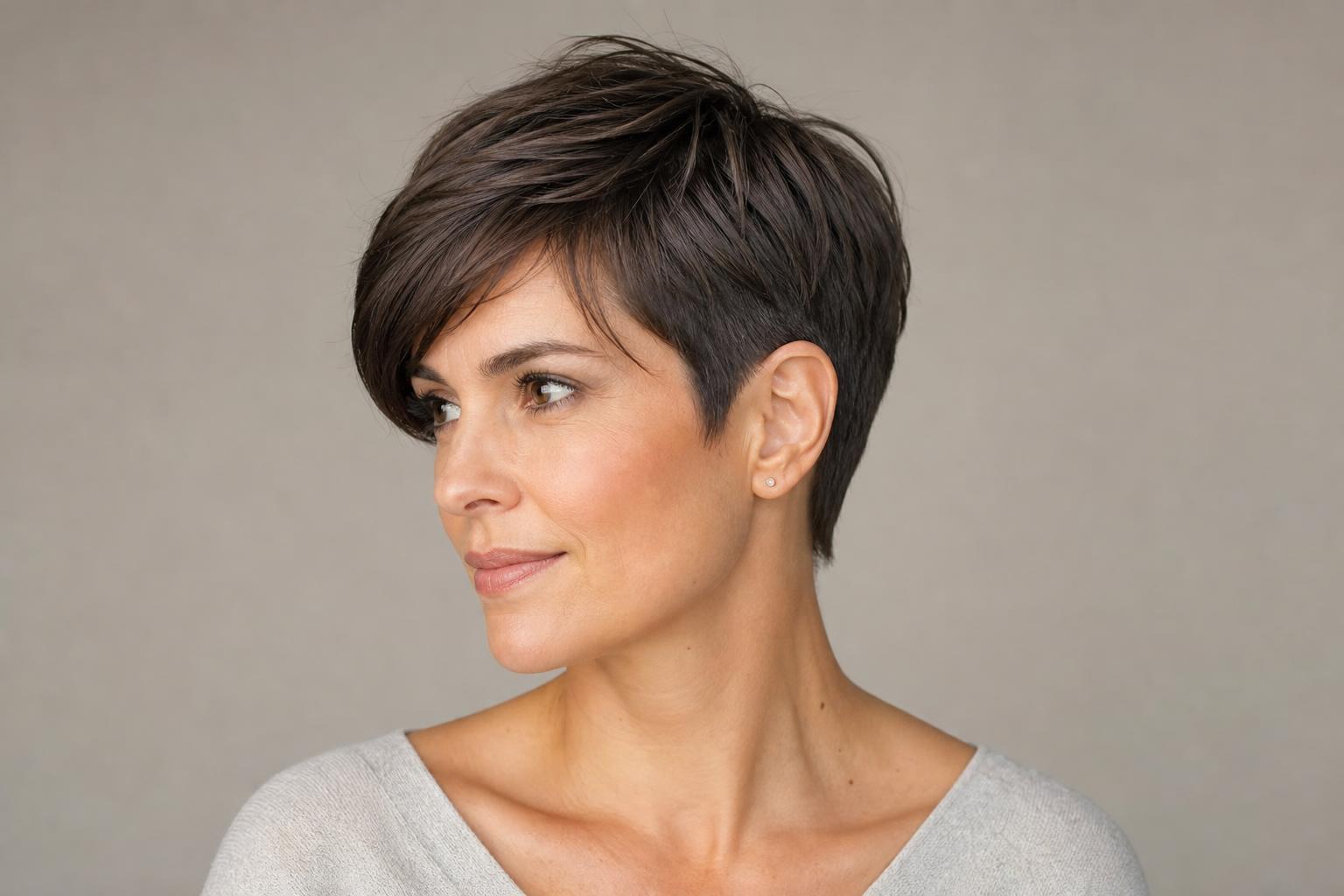
A pixie cut needs a shape-up every four to six weeks and about five to ten minutes of daily styling, and this guide covers exactly how to handle both.
Pixie cut maintenance comes down to two things: a salon shape-up every four to six weeks and a short daily styling habit that takes less time than brushing out long hair. Because the shape is short, growth shows up faster than it does on any other cut, which is the real reason pixies feel high maintenance to some people and effortless to others. The difference is knowing what to do between appointments.
This guide covers how often to trim different pixie styles, the exact words to use at a shape-up appointment, a five-minute daily routine, the short list of products that actually matter, how to stretch the weeks between cuts, and what to expect when you decide to grow it out. Every recommendation names a specific frequency, product category, or technique so you can act on it.
A Pixie Cut Needs a Shape-Up Every Four to Six Weeks
Most pixie cuts hold their shape for four to six weeks before the outline softens and the layers lose their edge. Sharper, more structured cuts like a blunt or undercut pixie need attention closer to every three to four weeks, while textured and curly versions can stretch to six or eight because growth blends into the movement. Your hair type and how fast you grow decide where you land in that range.
| Pixie Style | Shape-Up Frequency | Daily Styling | Grow-Out Behavior |
|---|---|---|---|
| Blunt or classic | 3 to 4 weeks | 5 to 10 min | Shows growth quickly at the neckline |
| Tapered or undercut | 3 to 5 weeks | 5 min | Sides fill in and lose the taper first |
| Textured or choppy | 5 to 6 weeks | 5 to 8 min | Forgiving; growth blends into the layers |
| Curly | 6 to 10 weeks | 5 to 10 min on wash days | Most forgiving; new growth adds coil |
If you have a curly pixie, the schedule shifts because shrinkage hides new length, and the upkeep looks different from a straight cut. Our breakdown of the curly pixie cut by curl type covers how 3A, 3B, and 3C patterns change the timing.
What to Ask For at a Pixie Trim
At a maintenance appointment you usually want a shape-up, not a full recut, so use that word. Tell your stylist “I want a shape-up to clean the outline and keep the length I have,” which signals a light tidy of the neckline, sides, and any fringe rather than removing bulk. If the top has grown enough that styling has gotten harder, ask them to re-point the ends to bring back the texture without shortening the overall shape.
Be specific about the parts that matter to you. Say whether you want the sideburns and neckline kept soft or crisp, and whether the fringe should stay the same length or come up. A common home request that keeps costs down is asking your stylist to show you where your natural neckline falls so you can tidy it yourself between visits.
Stylist tip: Book your next appointment before you leave the salon. Pixie shape-ups are short and often cheaper than a full cut, but they only work if they happen on schedule, and a pixie that goes two weeks past its window usually needs a bigger correction to look sharp again.
Your Five-Minute Daily Pixie Routine
The daily upkeep on a pixie is short but consistent, and it is built around reactivating your existing style rather than starting over each morning. Most days you are refreshing the shape, not rewashing and rebuilding it.
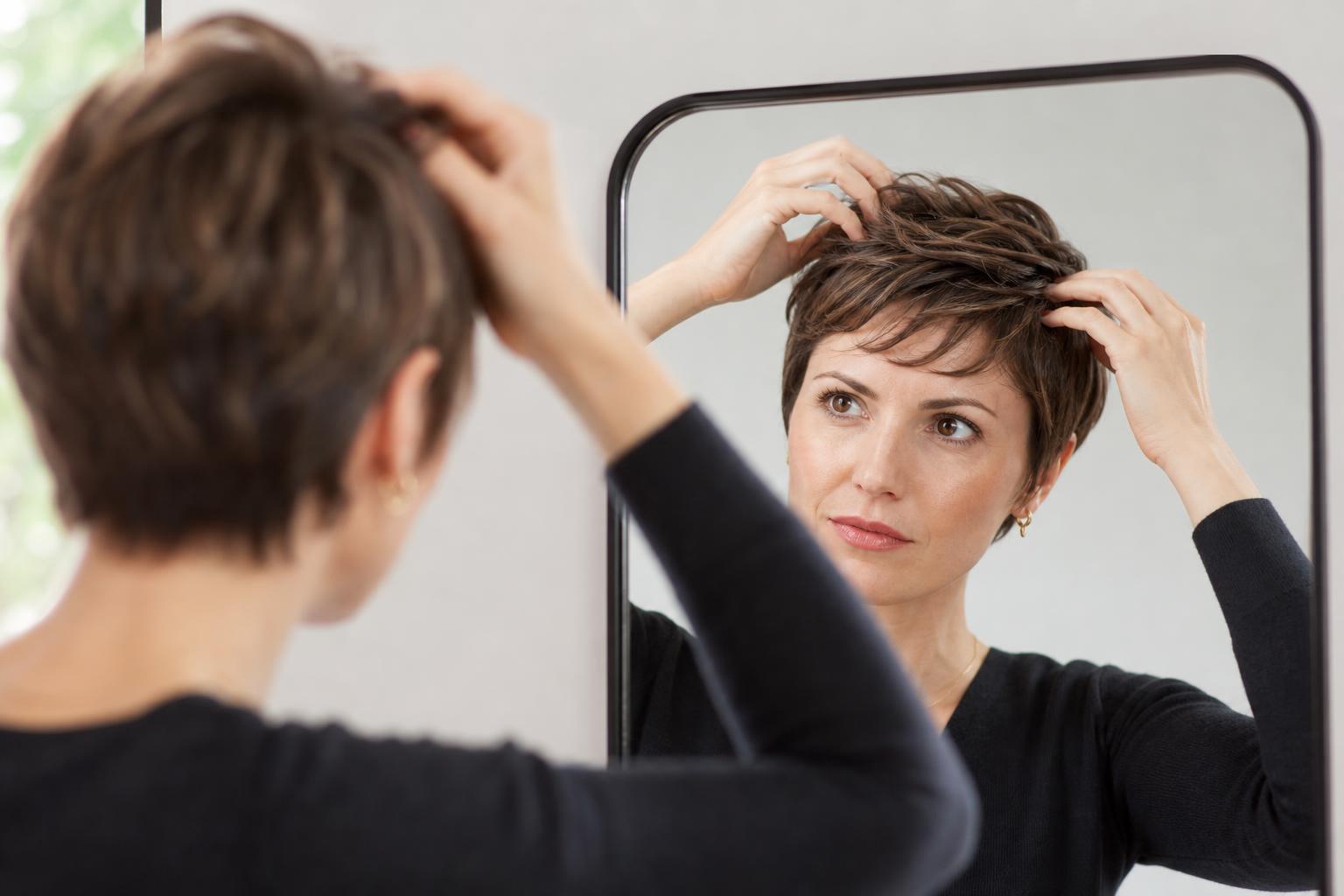
Step 1: Reactivate the Shape with Water or Dry Shampoo
How: On non-wash days, dampen your fingertips or mist the hair lightly, then reshape the top and sides by hand. On oily days, work a little dry shampoo into the roots instead, which absorbs oil and adds the grip a pixie needs to hold height.
Why: Short hair sets in whatever position it dried in overnight, so a quick reset is faster and looks cleaner than fighting a flattened side with product alone.
Step 2: Place a Small Amount of Paste or Pomade
How: Warm a pea-size amount of matte paste or clay between your palms and press it through the top and any piece you want to stand up, finishing with your fingertips rather than a comb. For a softer, piecey finish, use less; for more separation and hold, add texture at the ends.
Common mistake: Starting with too much product is the fastest way to make a pixie look greasy and flat. Build up from a tiny amount, because you cannot take product back out without rinsing.
The Products a Pixie Cut Actually Needs
A pixie needs fewer products than long hair, but the ones you use matter more because there is nowhere for a heavy or greasy product to hide. Match the product to your hair type rather than buying everything on this list.
- A matte paste, clay, or pomade for texture and hold, chosen by finish: matte for a natural look, pomade for shine and a sleeker style.
- A sulfate-free shampoo to cleanse without stripping, since frequent washing on short hair can dry out the scalp fast.
- A dry shampoo to absorb oil and add volume on non-wash days, which stretches the time between washes and revives flat roots.
- A lightweight oil such as argan or jojoba, used a drop at a time on the ends only, to keep short hair from looking dry.
- A heat protectant if you use a flat iron or blow-dryer, because short ends sit closest to the heat source and show damage quickly.
Curly and coily pixies swap the paste for a curl cream or gel and lean on moisture over hold. If that is your texture, the product logic is closer to what we cover for pixie cuts on Afro-textured hair, where a leave-in and an oil seal do most of the work.
Washing and Scalp Care for Short Hair
A pixie changes how often you wash because product builds up closer to the scalp and roots go flat faster, but daily washing is not the answer for most people. Washing two to three times a week keeps the style workable without stripping the natural oils that protect the scalp. Fill the non-wash days with dry shampoo and a quick water reset.
Fine and straight hair usually needs more frequent washing to stay clean at the roots, while curly and coarse hair should wash less to preserve moisture. Condition mainly the mid-lengths and ends, since a short cut still benefits from softness there, and go easy on conditioner at the roots where it can weigh down height.
Stylist tip: If your roots go flat by midday, switch your part or blow-dry the crown up and back for thirty seconds after washing. Directional drying builds lasting lift at the root far better than piling on more product, which only adds weight.
How to Stretch the Time Between Trims
You can add a week or two to your trim window with a little home upkeep, which lowers the yearly cost of a pixie without letting it look overgrown. The goal is to manage the two places that show growth first: the neckline and the area around the ears.
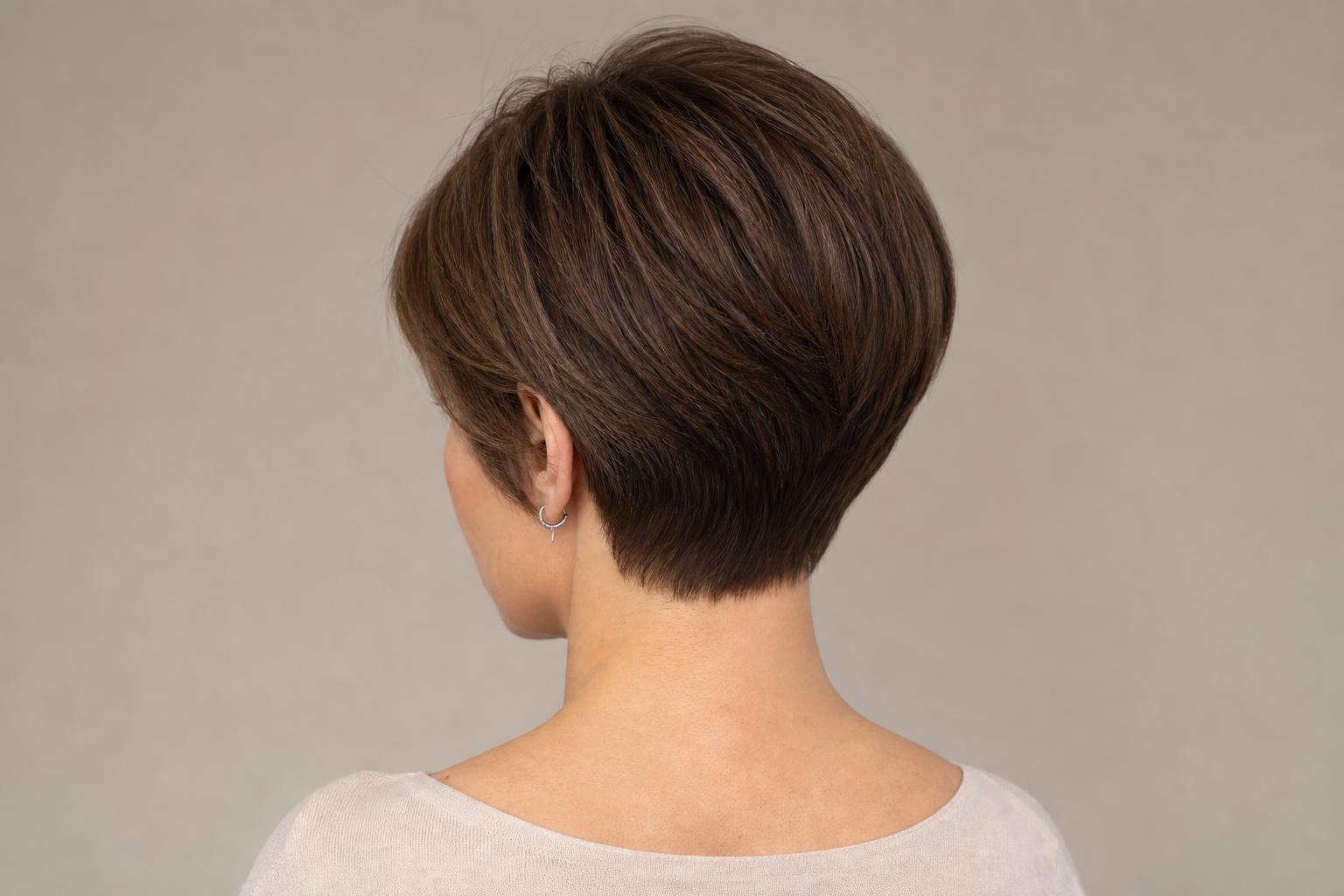
A small pair of trimmers or facial-hair clippers can clean the neckline at home if your stylist shows you where your natural line falls first. Tidy only the fine hair below the shaped line, never into the cut itself, and stop as soon as you reach the styled shape. For the hair around the ears, a few careful snips with small scissors keep the sides from creeping over the tops of the ears.
Resist the urge to cut the top or the layers yourself. The neckline and ears are forgiving because that hair is short and mostly hidden, but the top of a pixie is the shape, and an uneven home cut there is the fastest way to end up at the salon early for a correction.
Common Pixie Maintenance Myths
A few beliefs about short hair lead people to either overwork their pixie or skip the upkeep that keeps it sharp. Here is what actually holds up.
Myth: A Pixie Is Low Maintenance Because It Is Short
Reality: A pixie trades daily styling time for salon frequency, so it is low effort day to day but needs trims far more often than long hair. You will spend less time each morning and more time in the chair across the year. If regular appointments do not fit your schedule, a longer cut is genuinely lower maintenance overall.
Myth: You Have to Wash a Pixie Every Day
Reality: Daily washing strips the scalp and often makes roots oilier over time. Two to three washes a week with dry shampoo in between keeps a pixie clean and full without that cycle. Fine, straight hair may push toward the higher end, but daily is rarely necessary.
Myth: More Product Means Better Hold
Reality: Excess product weighs short hair down and kills the height that makes a pixie look good. A pea-size amount of paste worked in with warm hands holds better than a heavy scoop. Build up slowly if you need more, rather than starting heavy.
Growing Out a Pixie Without Losing the Shape
Growing out a pixie takes patience because the awkward stage, usually weeks six through twelve after you stop cutting, is when the layers start to flip and the sides reach the ears. The trick is to keep trimming during the grow-out, not to stop cold. Regular shape-ups guide the length into a longer style instead of letting it turn shapeless.
Ask your stylist to blend the top into the sides as they grow so the cut transitions toward a longer pixie or a crop rather than sprouting corners. A deep side part, headbands, and clips carry you through the phases where nothing sits right on its own. Our stage-by-stage notes on growing out a pixie cut map what to expect month by month, and a longer pixie is a good target shape along the way.

FAQ
How Often Should You Trim a Pixie Cut?
Most pixie cuts need a shape-up every four to six weeks. Sharp, structured styles like a blunt or undercut pixie need it closer to every three to four weeks, while textured and curly versions can stretch to six or eight. The neckline and sides are usually what tell you it is time.
How Do You Maintain a Pixie Cut at Home?
Reactivate the shape each morning with a light mist of water or a little dry shampoo, then place a pea-size amount of paste through the top. Wash two to three times a week rather than daily, and tidy the neckline between salon visits if your stylist has shown you where it falls. The whole daily routine takes about five minutes.
What Products Do You Need for a Pixie Cut?
A pixie needs a texturizing paste or pomade, a sulfate-free shampoo, and a dry shampoo at minimum. A lightweight oil for the ends and a heat protectant round it out if you use hot tools. Curly pixies swap the paste for a curl cream or gel and focus on moisture instead of hold.
Can You Cut a Pixie Yourself Between Appointments?
You can safely tidy the neckline and the hair around the ears at home, but leave the top and the layers to your stylist. The neckline is short and mostly hidden, so a small mistake there grows out fast, while the top is the actual shape of the cut. When in doubt, wait for your appointment.
Why Does My Pixie Look Flat by the Afternoon?
Flat roots usually come from too much product or from hair drying in the wrong direction overnight. Blow-dry the crown up and back for thirty seconds after washing to set lift at the root, and start with less product than you think you need. A quick dry-shampoo boost at the roots revives height midday.
How Long Does It Take to Grow Out a Pixie?
Growing a pixie into a bob typically takes six to twelve months, with the most awkward stretch falling around weeks six through twelve after you stop cutting. Keep getting shape-ups during the grow-out so the length blends instead of turning shapeless. Clips, headbands, and a deep side part help through the in-between phases.
Good pixie cut maintenance is really a rhythm: a shape-up every four to six weeks, two to three washes a week, and five minutes of styling built around reactivating the shape you already have. Book your next trim before you leave the salon, keep your product light, and learn where your own neckline falls, and a pixie stays one of the sharpest, lowest-fuss cuts you can wear.
Hair results vary based on your natural hair type, texture, density, and condition. Always consult with a licensed hairstylist before making significant changes, especially with chemical treatments or dramatic length changes. Photos may show styled results that require professional tools and products to replicate.