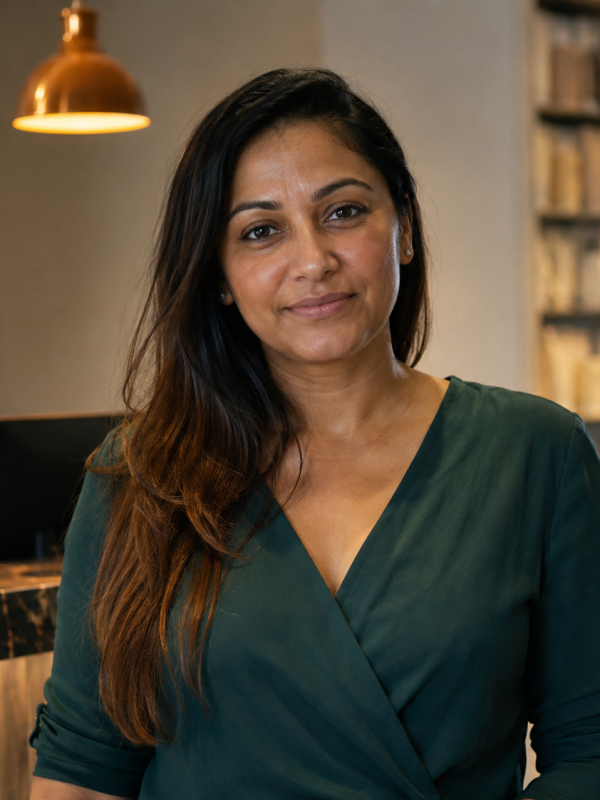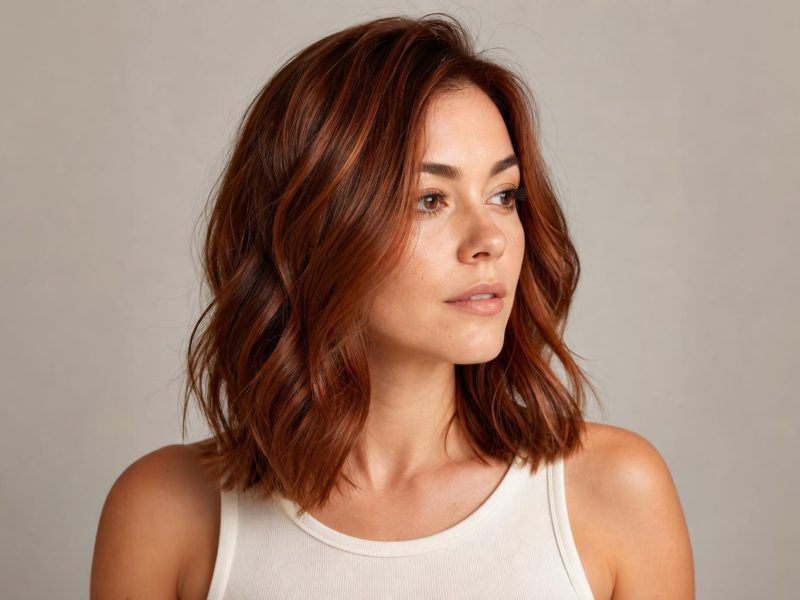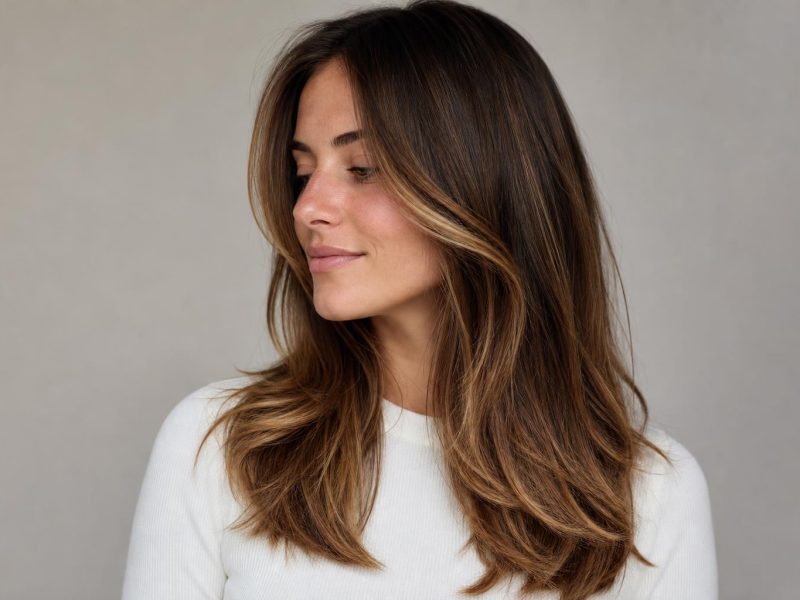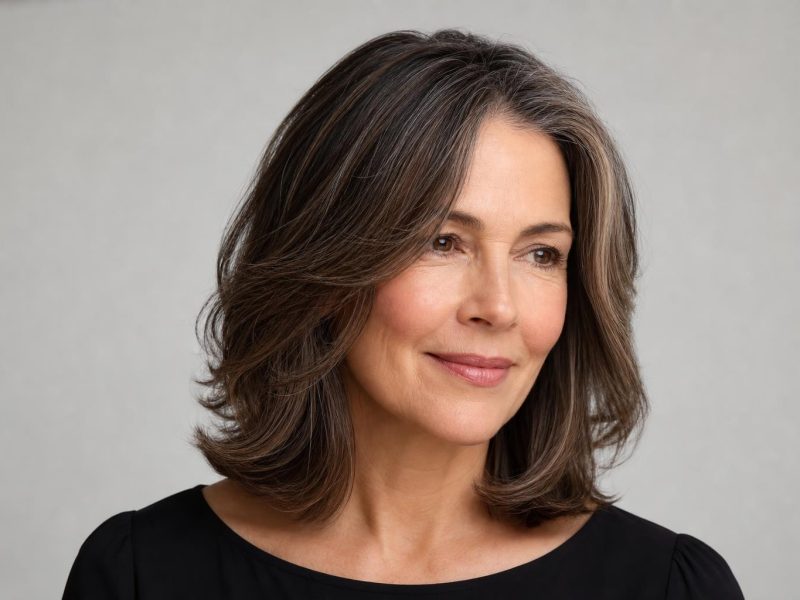
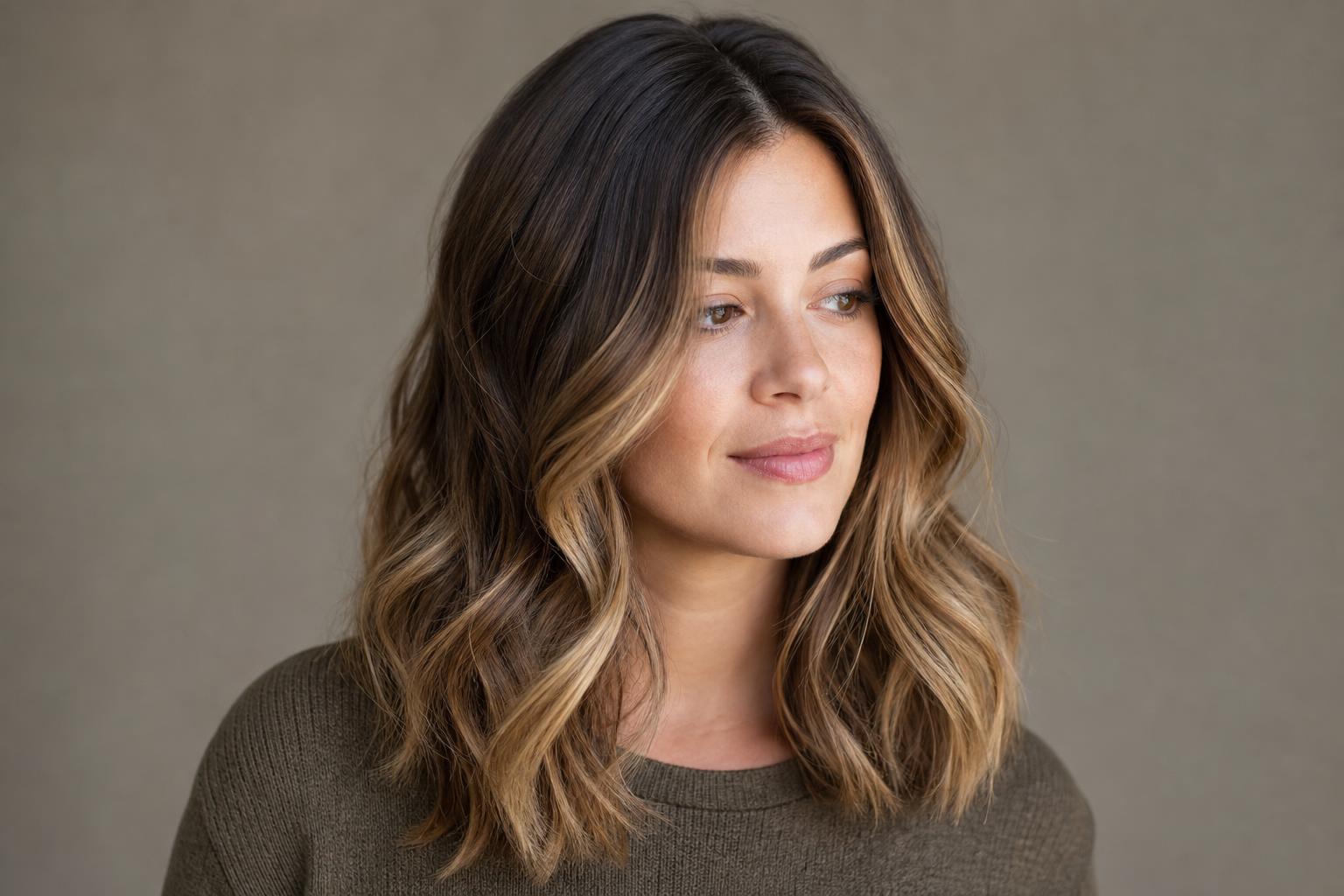
Picking between babylights, highlights, and balayage comes down to two questions: how much contrast you want, and how often you are willing to sit in the salon chair.
Babylights are the softest and finest of the three, highlights give the most visible brightness, and balayage is the lowest-maintenance because the color is painted to grow out without a hard line. All three lighten sections of hair, but they use different tools, land in different places on the strand, and ask for different upkeep. If you want a natural glow that looks like your own hair caught the sun, babylights or balayage win; if you want obvious lift and dimension, traditional foil highlights do more.
This guide breaks down what each technique actually is, how to choose based on your goal and maintenance tolerance, what the cost and grow-out really look like, how the three can be combined, and the exact words to bring to your colorist. Most salon regret with lightening comes from picking the wrong technique for your routine, not the wrong shade.
| Technique | Contrast | Applied With | Maintenance | Best For |
|---|---|---|---|---|
| Babylights | Very low, seamless | Fine foils, tiny sections | Higher (6 to 8 weeks) | A natural, rooted glow |
| Highlights | Medium to high, visible | Foils, larger sections | Medium (6 to 10 weeks) | Noticeable brightness and lift |
| Balayage | Soft, gradient | Freehand painting, no foils | Lower (10 to 16 weeks) | Low-upkeep, lived-in color |
What Babylights, Highlights, and Balayage Actually Are
All three are lightening techniques, but the difference lives in the section size, the tool, and where the color starts on the strand. Understanding that is what lets you walk in and ask for a result instead of a buzzword. Here is what separates them in plain terms.
Babylights Are Ultra-Fine Foil Highlights That Blend Almost Invisibly
Babylights use the smallest sections of any highlighting method, woven in fine and placed close together so the lightened pieces melt into your base color. Colorists often keep them one or two levels lighter than your natural shade, which is why they read as a soft glow rather than stripes. They are especially good around the hairline and face, where fine brightness mimics the way sun naturally lifts the pieces that frame your face.
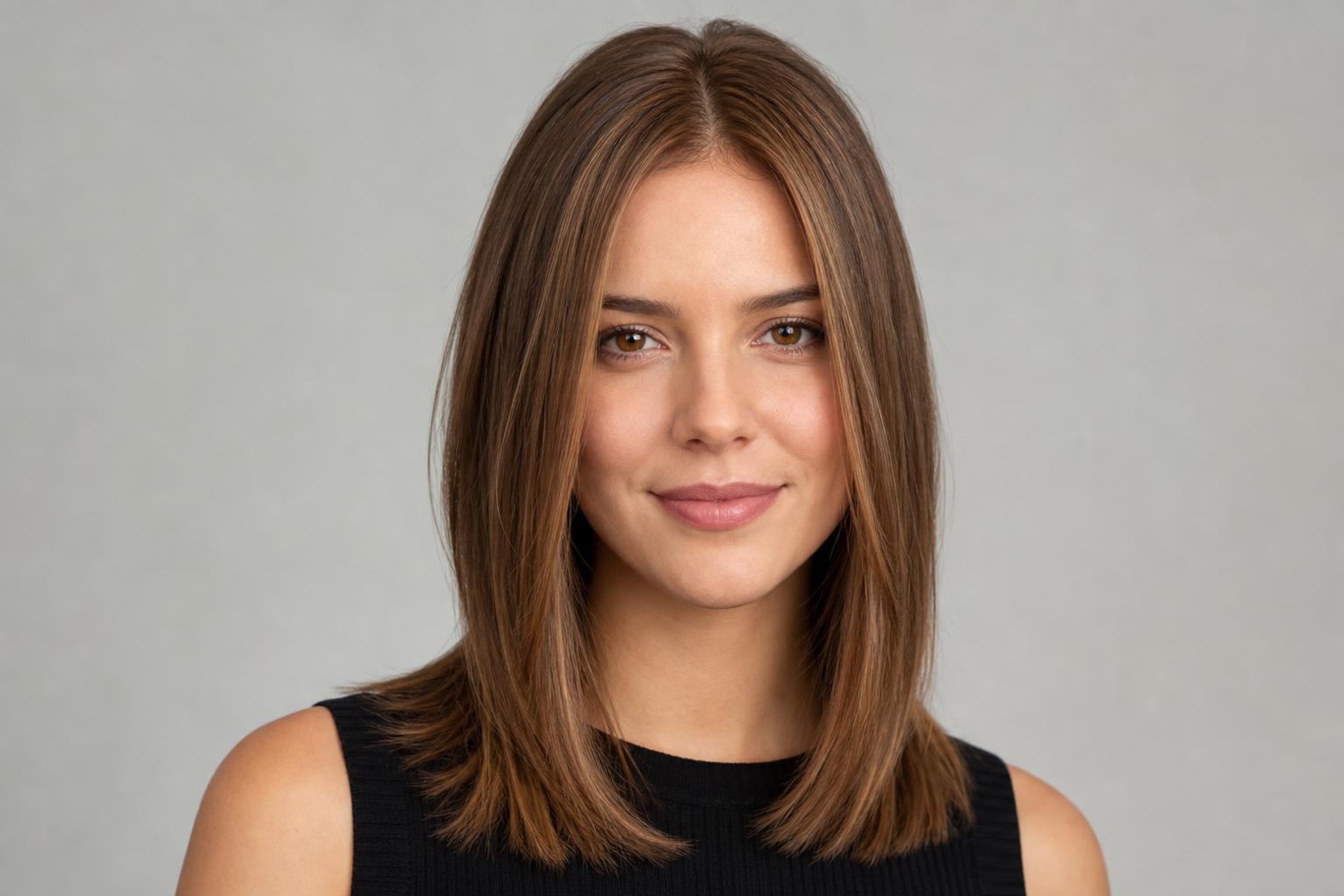
Traditional Highlights Add Visible Brightness in Thicker Foiled Sections
Standard highlights take wider sections than babylights and often start closer to the root, which produces clear contrast and more overall lift. Because the foil traps heat, the color can reach a lighter level than open-air techniques, making highlights the strongest choice when you want your color to read as noticeably brighter. The trade-off is that a defined line of demarcation shows at the root as your hair grows, so the regrowth is more obvious than with balayage.
Stylist tip: If you love the brightness of foils but dislike the harsh regrowth line, ask for a root shadow at the end of the service. Blurring the base into the highlights buys you weeks of grow-out before the line becomes visible.
Balayage Is Freehand Color Painted onto the Mid-Lengths and Ends
Balayage is a painting technique, not a placement pattern, so the colorist sweeps lightener onto the surface of the hair by hand and leaves the roots mostly untouched. The result is a soft gradient that is darker up top and brighter toward the ends, with no foil line to grow out. This freehand approach is closely related to color melting, which blends shades seamlessly so the transition between tones disappears. Balayage is the most forgiving to live with, which is why it dominates low-maintenance color requests.
How to Choose Between Babylights, Highlights, and Balayage
The fastest way to decide is to lead with your goal and your calendar, not the technique name. Start from how visible you want the result and how often you can realistically get back to the salon, then let that point you to the method. These three rules cover most people.
Choose Babylights for a Natural, Rooted Softness
Babylights suit anyone who wants their color to look effortless and close to their natural level, especially on fine hair where thick highlights can look heavy. They are also the go-to for blending grays softly or brightening a face frame without committing to an all-over change. Because the sections are so fine, the regrowth is gentle, though the roots do still lift over time and need refreshing.
Choose Highlights When You Want Noticeable Lift and Dimension
Traditional highlights make sense when your goal is real, visible brightness across the whole head rather than a whisper of it. They give the most dramatic change in a single session, which matters if you are going several levels lighter or want defined dimension for thick hair. Foils are also the most precise for placing brightness exactly where you want it, such as a bold money piece around the face.
Choose Balayage for Low-Maintenance, Lived-In Color
Balayage is the answer when you want to stretch the time between appointments as far as possible. Since the roots stay natural, there is no obvious line to chase, so many people go three to four months before a refresh. If you have never lightened your hair and want a soft, sun-kissed look you can grow out gracefully, this is usually the easiest entry point, and our walk-through on asking for balayage covers how to describe it without ending up striped.
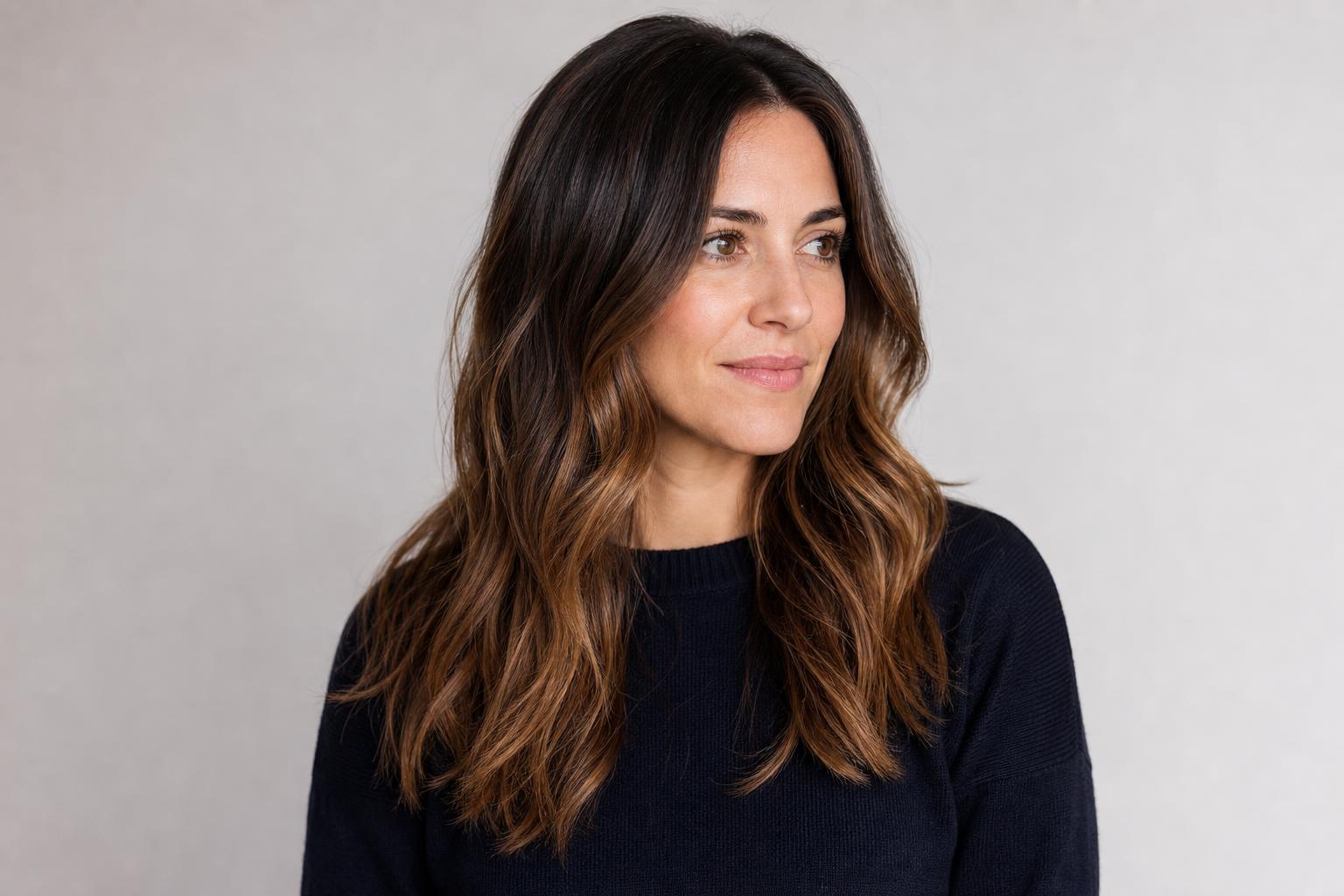
Maintenance, Cost, and Grow-Out Reality
Upkeep is where these three techniques separate most, and it is the factor people underestimate. Babylights and foil highlights show regrowth sooner because color sits near the root, while balayage was designed to grow out softly. Salon prices swing widely by region, colorist experience, and how much lightening your hair needs, so treat the ranges below as a starting point rather than a quote.
| Technique | Salon Time | Touch-Up | Grow-Out Behavior | Typical Cost |
|---|---|---|---|---|
| Babylights | 2 to 4 hours | Every 6 to 8 weeks | Soft, but roots lift over time | Higher, from time involved |
| Highlights | 1.5 to 3 hours | Every 6 to 10 weeks | Visible line at the root | Moderate to high |
| Balayage | 2 to 4 hours | Every 10 to 16 weeks | Grows out with no hard line | Higher per visit, fewer visits |
Any lightening opens the cuticle, so a bond-building treatment during the service and a gentle home routine matter more than the technique you pick. A sulfate-free, color-safe shampoo and a weekly bond or protein treatment keep lifted hair from turning dry and brittle. For blondes and cool tones, a purple shampoo used once or twice a week keeps brassiness from creeping in between appointments, and our guide on toning brassy brown hair at home covers the fixes when warmth does sneak back.
You Can Combine These Techniques for a Custom Result
These are not rival camps, and skilled colorists mix them constantly to solve specific problems. A common combination is balayage through the lengths for that grown-out softness, with a few babylights foiled around the face for extra brightness where it shows most. Another is foil highlights for lift plus a hand-painted root melt so the regrowth stays soft.
Money pieces, the brighter face-framing sections, layer easily on top of any of the three. If you cannot decide, describing the finish you want and letting your colorist choose the tools is smarter than locking yourself into one word. The vocabulary matters, and our glossary of salon color terms helps you name what you see.
When Each Technique Is Not the Right Choice
Every method has a scenario where it underdelivers. Matching the technique to your hair and routine prevents the most common disappointments.
- Babylights on very dark or coarse hair can look invisible, because the fine sections do not create enough separation from a deep base. Ask for a slightly bolder highlight or a balayage instead.
- Highlights are a poor fit if low maintenance is your priority, since the foil line shows within weeks and pulls you back to the salon sooner than you may want.
- Balayage rarely reaches bright platinum on dark virgin hair in one sitting, so if your inspiration photo is very light, expect two or three sessions or choose foils for more lift.
- None of the three is a good idea on severely damaged or over-processed hair. Rebuild the condition first, or a lightening service can push fragile strands past the point of repair.
What to Tell Your Stylist
Bring two or three reference photos and describe the finish, not just the name, since the same word can mean different things to different colorists. Useful phrasing sounds like: “I want a soft, natural brightness with no visible regrowth line, painted mostly through the mid-lengths and ends,” or “I want defined, bright dimension throughout, and I am fine with foil regrowth.” Say how many weeks you can realistically go between visits, because that single detail steers the whole plan.
Stylist tip: Show a photo of your hair on a normal day, not freshly styled. Colorists match placement to how you actually wear your hair, and a bouncy blowout in your reference can lead to brightness landing where you never see it.
FAQ
Which Lasts Longer, Babylights, Highlights, or Balayage?
Balayage lasts the longest between salon visits, often 10 to 16 weeks, because the natural roots have no line to grow out. Babylights and highlights sit closer to the root, so regrowth shows sooner and pulls you back every 6 to 10 weeks. If stretching time between appointments is your priority, balayage is the clear winner.
Are Babylights or Balayage Less Damaging?
Both are gentler than full highlights on many people, but for different reasons. Balayage often uses less lightener and focuses on the mid-lengths and ends, sparing the delicate roots, while babylights use small sections that spread the process out. Any lightening still opens the cuticle, so a bond treatment during the service protects the hair more than the technique choice alone.
Can You Get Balayage on Short Hair?
Yes, though the gradient has less room to develop on very short cuts, so the effect is subtler. On a bob or lob, balayage adds beautiful dimension and works well, but on a pixie a colorist may lean toward fine highlights or babylights for control. Discuss placement carefully, since a few inches changes how a hand-painted blend reads.
Do Babylights Work on Dark Brown Hair?
Babylights can work on dark brown hair, but they need to be a warm caramel or soft bronze rather than a big jump to blonde. Trying to force very fine sections to platinum on a deep base usually reads as invisible or brassy. A colorist may combine babylights with a few bolder highlights so the brightness actually shows.
Is Balayage or Highlights Better for Gray Blending?
Babylights are usually the strongest choice for softly blending grays, because the fine, closely placed sections diffuse the regrowth line. Balayage can blend grays through the lengths but does little for grays at the root, where most people notice them first. Many colorists combine a root-area babylight with balayage lengths for the most natural gray blend.
Why Is Balayage More Expensive Than Regular Color?
Balayage costs more because hand-painting is a customized, skill-heavy technique that takes longer than an all-over single-process application. You are paying for the colorist’s placement judgment and the time it takes to build a seamless gradient. The upside is fewer visits per year, which can make the annual cost comparable to more frequent foil touch-ups.
Choosing between babylights, highlights, and balayage is less about which is best and more about which fits your goal and your maintenance reality. Babylights give the softest natural glow, highlights give the boldest lift, and balayage gives the easiest grow-out, and a good colorist will happily blend them to suit you. Bring clear reference photos, be honest about how often you can return, and let the finish you want lead the conversation.
Hair results vary based on your natural hair type, texture, density, and condition. Always consult with a licensed hairstylist before making significant changes, especially with chemical treatments or dramatic length changes. Photos may show styled results that require professional tools and products to replicate.