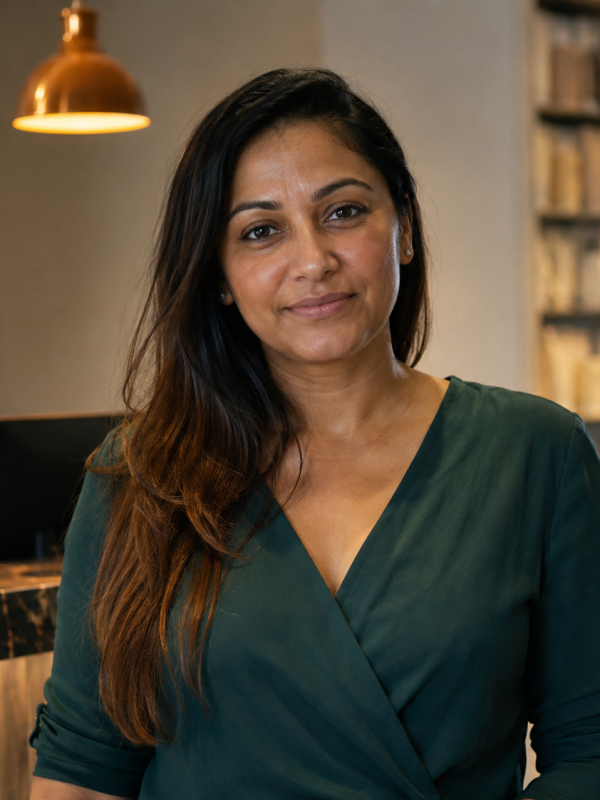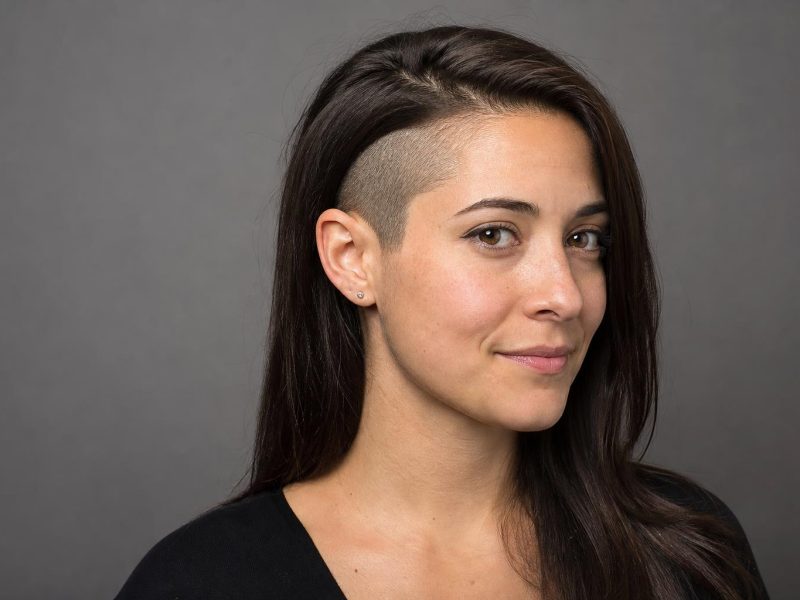

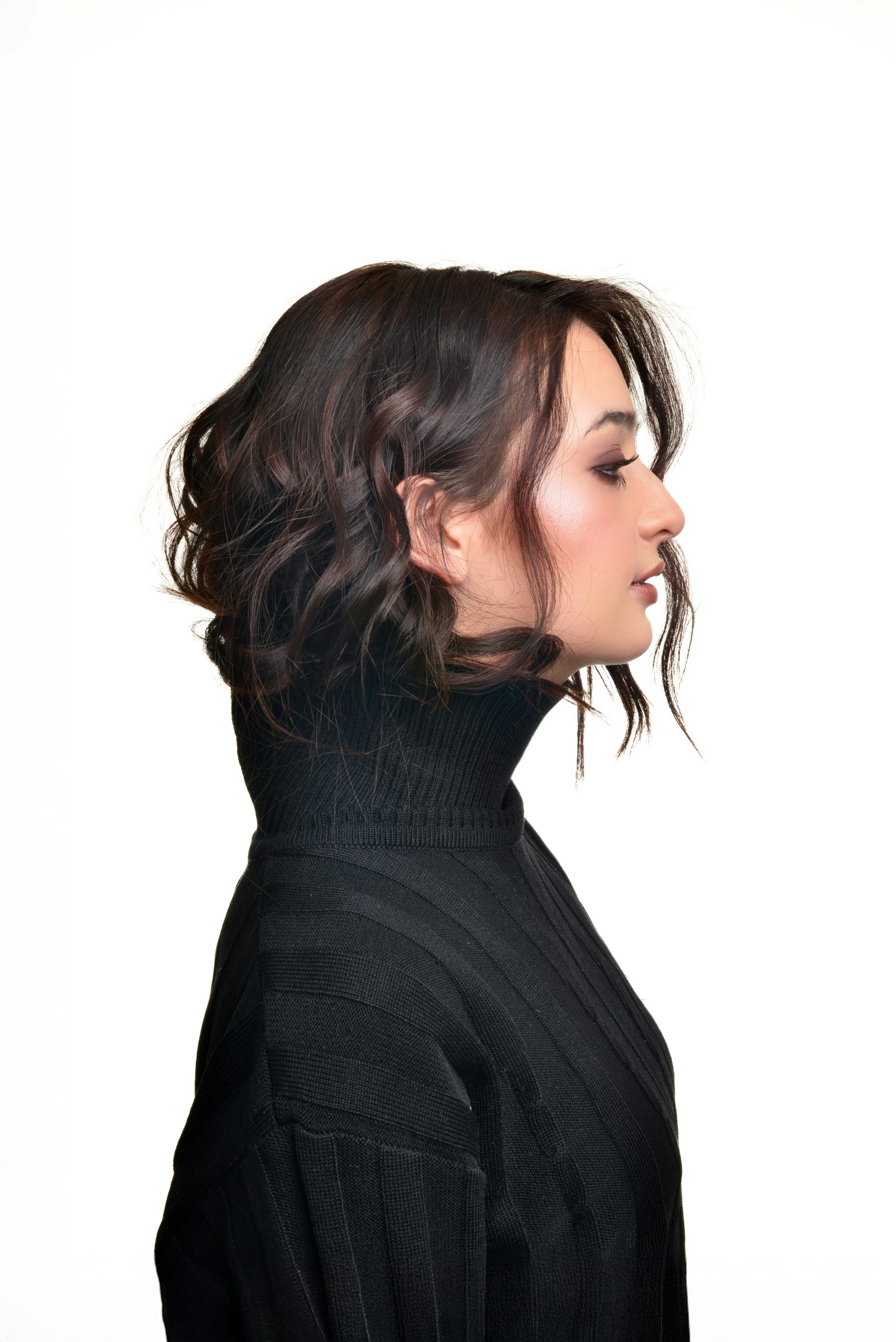

The expensive bob is not a specific cut. It is a standard of execution that can be applied to almost any bob length.
An expensive-looking bob comes down to five specific factors: a clean perimeter line cut on smooth hair, visible shine from a healthy cuticle, a round-brush blowout that curves the ends under slightly, restrained use of texture and layering, and color that is well-maintained rather than overworked. Any of these applied alone improves a bob noticeably; all five together create the polished, high-end result that has made “expensive bob” one of the most-searched qualifiers in the entire bob category. These 18 ideas show what the factors look like in practice across different lengths, hair types, and color stories.
The style is closely associated with the “old money” and “quiet luxury” aesthetic: clean, understated, and precise rather than trendy or heavily styled. The bob haircuts gallery covers the full length spectrum if you want to browse beyond the polished end of the bob range. This guide focuses specifically on what creates the expensive impression, which techniques produce it, and how to communicate it to a stylist who may not be familiar with the term.
| Factor | Details |
|---|---|
| Best for | Straight and slightly wavy hair with medium density; oval, square, and heart face shapes |
| Maintenance | Trim every 5-7 weeks; 15-30 minutes daily for a round-brush blowout |
| Works with | Straight to 2b wavy hair; medium to fine density with correct length adjustments |
| Avoid if | Hair is very damaged with split ends (no blowout technique overcomes a compromised cuticle); very coily hair without specialist cutting |
| Salon time | 45-60 minutes for cut plus blowout; add 45-60 minutes for a gloss or toning service |
What Makes a Bob Look Expensive: The Five Factors
Most gallery articles about the expensive bob show the result without explaining the cause. Understanding the specific technical factors is what allows you to evaluate whether a cut is actually going to deliver the look, versus simply hoping it does. These are the elements that matter, in order of impact.
A Precise Perimeter Cut on Smooth, Tension-Dried Hair
The perimeter line of an expensive bob is cut on completely smooth, tension-dried hair. Any texture, wave, or natural movement in the hair during the cut creates small variations in the perimeter that styling cannot fully fix afterward. This is why a salon-cut bob often feels different from one cut on damp or air-dried hair: a skilled stylist dries the hair completely straight before making the perimeter cut, working with the hair at its actual finished length rather than its natural resting state. The perimeter length determines whether the ends hang exactly at the jaw or a centimeter above or below it, and a centimeter is the difference between structured and vague at this cut category.
Hair Health and Shine Contribute as Much as the Cut
A well-cut bob on damaged, dull hair does not look expensive. A moderately cut bob on healthy, shiny hair does. Shine comes from the cuticle layer, which reflects light as a smooth, consistent surface when healthy and scatters it when damaged. Damaged cuticles create a flat, matte look regardless of how polished the cut is. The practical implication: before investing in a precision bob cut, invest in two or three rounds of deep conditioning or bond-strengthening treatment. The cut will look noticeably better, the blowout will produce more shine, and you will need fewer touch-ups between trims because healthy hair holds its shape longer.
The Round-Brush Blowout Produces the Signature Curved End
The specific styling technique that produces the expensive bob’s curved ends is a round-brush blowout, not a flat iron followed by an outward flip or tuck. A medium round brush (1.5 to 2 inches for chin-to-collarbone length) is used to direct warm air downward while rolling the ends under the brush at the finish of each section. The result is a subtle inward C-curve at the perimeter that adds a sense of weight and structure to the ends without making them look curled. Flat irons straighten but do not add the curved weight; paddle brushes smooth but do not create the inward bend. The round brush specifically is what produces the finish that people describe as “expensive” when they see it.
Restrained Layering Keeps the Perimeter Heavy and Clean
Expensive bobs typically have minimal to no layering through the perimeter. Layering removes weight from the ends, which allows them to separate and move independently. This is the opposite of what the expensive bob requires, which is a perimeter heavy enough to fall in a single clean line. Interior weight removal through the mid-shaft can be added for thick hair that needs more movement, but conservatively and only through interior sections. The common salon mistake is adding perimeter layers to create “movement” when the movement this style uses comes from the blowout technique rather than the cut structure. Overly layered bobs look casual; the expensive version relies on weight and precision instead. This is what separates the expensive bob from a layered bob at the same length.
Color Upkeep Maintains the Expensive Impression Over Time
A fresh color service looks expensive in the chair. At week 8, with visible regrowth and color that has shifted warmer or faded at the ends, the same cut no longer creates the same impression. The expensive bob is a maintenance commitment, not just a cut appointment. Budget for a glossing service every 6-8 weeks if you have any color processing. On natural hair, a clear gloss every 8-10 weeks adds the luminosity that processed color provides on chemically treated hair. The gloss costs $40-90 at most salons and is the most affordable way to maintain the expensive finish between full color appointments.
Classic and Blunt Expensive Bobs
The most recognizable version of the expensive bob is a chin-to-jaw-length blunt cut with a polished blowout. At this length, the five factors work together most visibly: the perimeter precision is easy to evaluate, the blowout technique produces maximum impact, and the weight of the cut creates a clean fall that longer bobs dilute with their own gravity. These nine entries cover the fundamental versions of the style across different hair types and face shapes.
1. Chin-Length Blunt Bob with Precision Perimeter
The perimeter on this version is cut with the hair tension-dried straight and perfectly smooth. Rather than eyeballing a horizontal line, the stylist uses the earlobe or a consistent point on the jaw as the anchor for the cut, creating a perimeter that lands at the same point on both sides. On straight and lightly wavy hair, this single decision produces the structural clarity that makes a chin-length bob look expensive at first glance. Going even one quarter of an inch uneven on either side creates an asymmetry that becomes more visible with every blowout.
2. Jaw-Skimming Bob for Square and Oval Faces
Square and oval faces benefit from a bob that grazes the jaw rather than sitting clearly above or below it. The jaw-skimming length creates a horizontal line that frames the face using the jaw’s strongest natural point, which gives the cut a structural quality without looking blunt or harsh. Ask your stylist to cut to the very bottom of the earlobe and then adjust based on your jaw width; narrower jaws can often handle slightly above the earlobe, while broader jaws benefit from a millimeter or two below it.
3. High-Shine Bob on Medium Straight Hair
Medium density straight hair is the easiest texture to translate into an expensive-looking bob because the cuticle lies relatively flat and responds well to heat styling. The high-shine blowout requires three things: a heat protectant applied before any heat source touches the hair, a medium round brush used to smooth while also directing the ends under slightly, and a cool-air pass with the dryer after each section to seal the cuticle flat. Skipping the cool-air pass drops the shine level noticeably, even if the shape looks correct.
4. Bob with Ends Curved Under via Round-Brush Technique
Achieve the ends-curved-under finish by wrapping the last two to three inches of each section around a medium round brush while directing warm air downward from the scalp toward the ends. Roll the ends under the brush as you finish each section, hold for three to five seconds, then lift the brush and move to the next section without combing through. The result is a subtle C-curve at the perimeter that adds body and makes the hair appear heavier and more polished than it does air-dried. Do not brush through the finished sections; that breaks the curve and returns the ends to straight.
5. Expensive Bob on a Tight Trim Schedule
The blunt perimeter that creates the expensive bob look begins to show split ends and uneven growth around week six, which is earlier than a textured or layered bob that hides grow-out within its structure. Budget for trims every 5-7 weeks. Most people underestimate this frequency because shorter cuts feel like they should last longer; the opposite is true for blunt-edged cuts. A polished blunt bob at week eight looks rougher than a textured bob at week ten because there is nothing in the structure to soften the perimeter as it grows.
6. Deep Brunette Glossy Bob
A single-process deep brunette or a clear gloss applied every 8-10 weeks adds the luminosity that distinguishes a genuinely expensive-looking bob from one that simply has a good cut. The gloss seals the cuticle, adds depth to the color, and eliminates any subtle brassiness that develops between full color appointments. On natural brunette hair, a clear gloss alone creates a visible improvement in shine with no color change. Ask specifically for a “glossing service” rather than a full color appointment; it costs considerably less and the effect lasts 6-8 weeks.
7. Expensive Bob from a Clear Stylist Consultation
Tell your stylist: “I want a polished, expensive-looking bob. Blunt perimeter, cut on completely smooth blown-out hair, not on damp or wavy hair. Length at the jaw or slightly below. Minimal layering through the perimeter. I want the ends to curve under slightly when blow-dried.” That language gives the stylist the most important information: the state of the hair during cutting, the perimeter structure, and the target finish. Most disappointing results with this style come from cutting on damp or partially wavy hair, which creates an uneven perimeter that does not flatten to the polished aesthetic even with a perfect blowout afterward.
8. Expensive Bob vs Textured Bob: Different Goals
The expensive bob and a textured or undone bob are built from opposite assumptions. The textured bob relies on point cutting, interior layers, and deliberate imperfection; its value comes from looking effortless. The expensive bob relies on blunt edges, minimal layering, and a precision blowout; its value comes from looking polished. Choosing between them is mostly a question of daily routine: the expensive bob requires a 15-30 minute blowout most mornings to look as intended; the textured bob is forgiving enough to air-dry casually.
9. Slightly Angled Lob with Blunt Perimeter
A lob at collarbone length can achieve the expensive bob aesthetic with a subtle angle from back to front, cut about half an inch shorter in the back than the front. The angle creates an A-line shape that frames the face and prevents the lob from looking shapeless at longer lengths. The perimeter still needs to be blunt and precise; the angle is in the architecture of the cut, not in the texture of the ends. This version is a good choice for oblong and long face shapes, where a horizontal blunt perimeter at collarbone length can shorten the visual length of the face.
Lob-Length and Color-Driven Expensive Bobs
At collarbone to shoulder length, the expensive bob aesthetic requires more deliberate styling to maintain the polished impression because the additional length means more surface area for the cuticle to show wear and more weight pulling the ends straight. Color placement and a well-executed blowout are the primary drivers of the high-end impression at these longer lengths. These nine entries cover the lob and shoulder-length versions, with specific attention to the color and finishing techniques that keep longer bobs in the expensive category.
10. Collarbone Lob for Oval and Oblong Faces
Oval and oblong face shapes handle the collarbone lob best because the longer perimeter adds visual length rather than width. On round faces, a collarbone blunt lob can add horizontal volume at the widest cheekbone point. The adjustment for round and heart faces is a subtle angle from back to front, as little as half an inch, which directs the eye downward rather than across. The face shape bob guide covers the specific adjustments for each shape without compromising the blunt perimeter that defines the expensive version.
11. Fine Hair Expensive Bob at Chin Length
Fine hair achieves the expensive-bob look most reliably at or slightly below chin length. At this length, fine strands have enough natural weight to fall cleanly against the jaw without requiring heavy product to prevent the perimeter from flipping or separating. At collarbone length, fine hair often looks thin and formless without significant root lift from the blowout. A blunt chin-length cut for fine hair also creates the maximum visual density at the perimeter, which gives the impression of thicker hair than a layered or textured bob at the same length would. The fine hair bob guide covers specific length and density considerations for thin-density hair.
12. Flat-Wrap Blowout Technique for a Polished Lob
The flat-wrap blowout produces the root smoothness that distinguishes a salon-quality expensive bob from a home blowout. Start by rough-drying the hair 70% dry with the hands and a medium dryer setting, then section the hair and dry each section downward using a paddle brush to smooth the lengths, and finish the last inch or two of each section with a round brush and the ends curved under. The flat-wrap initial pass eliminates the frizz and root lift that prevent a home blowout from achieving salon-fresh smoothness. The round-brush finishing pass then adds the curved end that makes the expensive bob look precise rather than simply smooth.
13. Expensive Lob with Weekly Conditioning Protocol
Maintaining the shine level that makes a collarbone lob look expensive requires attention between salon appointments. A weekly protein-moisture balance treatment, applied to towel-dried hair and left for 10-20 minutes before rinsing, keeps the cuticle smooth enough that a blowout produces a glass-like finish rather than a good-but-dull result. On hair with highlights, gloss treatments, or keratin processing, a bi-weekly bond-strengthening conditioner prevents the cuticle degradation that begins after repeated chemical lifting. Product categories matter here: a pure moisturizing mask without protein may over-soften the cuticle, while a pure protein treatment without moisture can cause brittleness. The balance of both is what produces the healthy shine the expensive bob depends on.
14. Platinum or Ash Blonde Expensive Bob
A well-maintained platinum or ash blonde bob creates an expensive impression because the color demands technical precision and sustained upkeep to hold without going yellow or warm. The maintenance protocol is non-negotiable: purple shampoo every two to three washes to neutralize brassiness, a toner appointment every 6-8 weeks, and a bond-repair treatment at every color service. The moment any yellow or warmth appears at the ends, the polished impression is lost. Budget $100-250 per toner refresh depending on your location, and calculate that into the total annual cost before committing to this color direction. An unplanned refresh visit costs more than a planned one.
15. Interior-Weight-Removal Lob for Thick Hair
Tell your stylist: “I want a lob, collarbone length, with the perimeter left completely blunt. If you need to remove weight for movement, take it from the interior mid-shaft sections only, not from the perimeter line. I want the blowout included in the service so I can see the finished result before I leave.” That last request matters: seeing the stylist perform the blowout gives you a reference for what the expensive finish looks like freshly achieved and lets you correct any issues before you leave the salon. Stylists who skip the blowout and send you home on rough-dried or damp hair cannot verify that the cut landed correctly for the polished finish.
16. Expensive Bob vs Old Money Bob: Same Result, Different Name
The “old money bob” and the “expensive bob” describe the same aesthetic from different cultural angles. Old money refers to the coding: understated, inherited wealth, quiet luxury, nothing flashy. Expensive bob refers to the visual outcome: polished, high-end, precise. Both converge on the same technical requirements: blunt perimeter, round-brush blowout, healthy shine, restrained texture and layering, consistent color maintenance. If you encounter old money bob content and expensive bob content online, you are looking at the same style under two search terms that social media popularized simultaneously. The airy bob occupies the casual end of the same spectrum, using similar lengths with far less styling commitment.
17. The Gloss Service as an Upgrade for Any Existing Bob
A salon gloss (also called a toner, glaze, or clear gloss depending on the salon) is the fastest available upgrade for an existing bob cut. It seals the cuticle, adds depth and luminosity to any color, and eliminates subtle brassiness or dullness that develops between appointments. The effect lasts 4-6 weeks and costs $40-90 at most salons. On natural hair, a clear gloss alone creates a visible improvement in shine with no color change. On highlighted or colored hair, a toning gloss corrects the tone and adds the premium finish that makes the style look freshly done. It is the single highest-ROI maintenance service available for the expensive bob aesthetic.
18. Side-Part Expensive Bob for Round and Heart Faces
A side part adjusts the expensive bob’s visual dynamic for round and heart face shapes without changing the cut itself. The diagonal part line creates an asymmetry that a center part does not provide, adding visual vertical length that balances a round face and draws the eye away from a wide forehead on a heart shape. The blowout technique stays the same: smooth the roots, curve the ends under with a round brush. The part placement is the primary face shape adjustment, not the cut length or perimeter structure, which makes this a styling solution rather than a cut modification.
Choosing the Most Expensive-Looking Bob for Your Face Shape
The expensive bob is not equally flattering at every length for every face shape. The perimeter precision and blowout technique produce the high-end impression regardless of length, but the length itself needs to match the face shape to create the best overall result. The table below gives the most effective version for each shape, with notes on what to avoid.

| Face Shape | Best Expensive Bob | Best Length | Avoid |
|---|---|---|---|
| Oval | Any length works; chin-length is the most classic and flattering with center or side part | Chin to collarbone | Very little; most lengths suit oval proportions |
| Round | Below-jaw lob with side part; the longer length and diagonal part create vertical emphasis | Below jaw to collarbone | Chin-length with center part; the horizontal perimeter adds width at the face’s widest point |
| Square | Jaw-length with side part; the blowout’s C-curved ends soften the angular jawline | Jaw to slightly below | Very short bobs cut exactly at the jaw; at that length the blunt perimeter emphasizes jaw angles |
| Heart | Chin-length with side part; the jaw-level perimeter adds width at the chin to balance a wider forehead | Chin to jaw | Cuts that end above the chin; they expose the narrowest point of the face without the balancing perimeter |
| Oblong | Collarbone lob with a slight angle from back to front; horizontal perimeter adds perceived width | Collarbone | Chin-length with center part on a long face; it adds further vertical emphasis |
| Diamond | Chin-to-jaw bob with side part; perimeter at the jaw adds width below the cheekbones’ widest point | Chin to jaw | Very long lobs with maximum volume at the cheekbone level; they amplify the diamond’s widest point |
What to Tell Your Stylist
The two most important instructions for an expensive bob are about the state of the hair during cutting and the perimeter structure. Both are easy to overlook in a consultation focused on length and color, and both are what determine whether the cut delivers the polished result or falls short of it.
Sample language: “I want an expensive-looking blunt bob at jaw length. Please cut it on smooth, completely dried hair rather than damp or partially dried hair. Blunt perimeter, no perimeter layering. If my hair is thick and needs weight removed, please take it from the interior mid-shaft only. I want the blowout included so I can see the finished result before I leave.” Bring one or two reference photos showing the side profile as well as the front, since the profile communicates the curved-end finish and the perimeter precision more clearly than a front-on photo alone.
Stylist tip: The most common cause of an expensive bob that does not look expensive is that the cut was done on damp or air-dried hair with natural wave or texture. When the stylist cuts on wavy or incompletely dried hair, the perimeter reflects the wave state rather than the blow-dried state, and no subsequent blowout fully corrects an uneven perimeter. Always confirm with your stylist that they plan to dry your hair completely straight before making any perimeter cuts. If the salon is busy and they want to skip the blowout-before-cutting step, reschedule or go to a different appointment when there is time to do it correctly.
Maintenance and Upkeep Reality
The expensive bob is the highest-maintenance bob in terms of both time and cost. The trim schedule at 5-7 weeks is tighter than for any textured or layered bob, where the structure hides grow-out for 8-10 weeks. The daily blowout runs 15-30 minutes. The gloss or toning service, if your hair has any color processing, adds $40-90 every 6-8 weeks on top of the trim and color appointments. For someone who wants a high-end finish without that commitment, a lightly textured bob at the same length is more forgiving on the grow-out schedule and the daily routine, even if the peak look is less polished.
Stylist tip from Priya N., licensed colorist and THP contributor: Clients who want the expensive bob aesthetic often tell me they expected it to be lower maintenance than their previous style because it is “simpler.” The reality is the opposite: a blunt perimeter on a healthy-shine blowout is the most unforgiving combination in the bob category. Everything shows: the trim schedule, the conditioning routine, even the dryness from one skipped treatment. If you are not willing to invest in a weekly conditioning treatment and a 5-7 week trim schedule, I usually redirect clients toward a lob with very light layering that achieves 70% of the same look with considerably less daily effort.
Common Myths About the Expensive Bob
Several persistent misconceptions about the expensive bob lead people into disappointing salon appointments or unsustainable styling routines. These are the three most common.
- Myth: The expensive bob is a specific length. Reality: the style works at chin length, jaw length, and collarbone length. It is defined by the execution quality at the perimeter and the blowout finish, not by a fixed length measurement. The specific length that looks most expensive depends on your face shape and hair density, not on a universal rule.
- Myth: Only straight or fine hair can achieve the expensive bob. Reality: straight and lightly wavy hair are the easiest to work with because they respond predictably to a round-brush blowout. But medium-wavy hair blown out smooth and cut with a blunt perimeter can achieve the same look; it simply requires a longer blowout and more disciplined technique. Very coily or highly textured hair achieves a different version of the polished aesthetic using different cutting and finishing techniques rather than adapting the expensive bob template directly.
- Myth: Once the cut is right, the expensive bob is low maintenance. Reality: the polished impression the style creates is primarily maintained through ongoing technique: the daily blowout, the 5-7 week trim schedule, the gloss or conditioning protocol. A perfect cut at week one looks noticeably less expensive at week eight without the maintenance routine in place. The style’s appeal is real; so is its upkeep requirement. Going in with realistic expectations about both prevents the disappointment of a beautiful cut that goes dull in six weeks.
FAQ
What Is an Expensive Bob?
An expensive bob is a blunt-perimeter bob with a polished blowout finish that creates a high-end, precision look associated with the old money and quiet luxury aesthetic. It is not a specific cut but a standard of execution defined by five factors: a clean perimeter cut on smooth tension-dried hair, visible shine from a healthy cuticle, a round-brush blowout with ends curved under slightly, minimal to no perimeter layering, and well-maintained color. Any bob length from chin to collarbone can qualify as an expensive bob if all five elements are present.
How Do I Get an Expensive-Looking Bob at Home?
The two elements you can control entirely at home are hair health and the blowout technique. Use a deep conditioning treatment weekly to maintain the cuticle smoothness that produces shine. For the blowout: heat protectant first, rough-dry 70% with hands, then section and dry each section downward with a paddle brush for smoothness, and finish the last two to three inches of each section with a medium round brush rolling the ends under. Apply a cool-air blast from the dryer after each section to seal the cuticle. The cut precision requires a skilled stylist; the at-home contribution is the hair health and the daily blowout technique.
How Often Does an Expensive Bob Need Trimming?
Every 5-7 weeks is the realistic schedule. The blunt perimeter begins to show split ends and uneven grow-out around week six on most hair types, which is earlier than a textured or layered bob where the structure absorbs the grow-out gracefully. This is the primary ongoing time and cost commitment of the style. If a 5-7 week trim schedule is not feasible, consider a lightly layered bob at the same length that holds its shape for 8-10 weeks between cuts while still delivering a polished finish.
Does the Expensive Bob Work on Naturally Wavy Hair?
Yes, on 2a to 2b wavy hair, but it requires a consistent round-brush blowout to smooth the natural wave pattern before the expensive finish is visible. The cut itself is done on smooth, tension-dried hair, which means the stylist needs to blow out the hair straight before cutting the perimeter. On 2c-3b hair, the blowout is more time-consuming and the results are shorter-lived because the wave pattern reasserts itself as humidity or moisture enters the hair shaft. For those hair types, a polished wavy bob that works with the natural texture may produce a better daily result than fighting the wave to achieve the expensive bob aesthetic.
What Is the Difference Between an Expensive Bob and an Old Money Bob?
They describe the same hairstyle from different angles. The old money bob refers to the cultural coding of the style: understated, polished, classically proportioned, associated with inherited rather than acquired taste. The expensive bob refers to the visual outcome: the cut looks costly and precise regardless of the wearer’s actual spending. Both terms describe a blunt-perimeter bob with a round-brush blowout finish and minimal layering. If you search either term, you will see the same hairstyle under two different names that social media popularized simultaneously.
What Products Should I Use for an Expensive Bob?
Restraint is the guiding principle. A heat protectant spray before any heat tool is mandatory. A lightweight smoothing cream or serum applied to damp hair before the blowout reduces frizz and adds shine without weighing the hair down. After the blowout, a small amount of a light shine serum or a spray-on gloss applied to the finished style adds luminosity without stiffness. Avoid heavy oils, thickening sprays, or texturizing products, all of which undermine the smooth, heavy finish the expensive bob depends on.
An expensive bob haircut is ultimately a commitment to the technical details that most people do not prioritize: cutting on smooth hair, booking a blowout service rather than leaving the salon on a rough-dried cut, maintaining a 5-7 week trim schedule, and building a hair health routine that keeps the cuticle producing the shine the style depends on. The cut length and face shape guidance in this article give you a starting point; the daily and weekly maintenance routine is what sustains the result beyond the first week after the salon. Bring a reference photo showing the side profile, confirm with your stylist that they will cut on smooth dried hair, and ask specifically for the round-brush blowout before you leave the chair.
Hair results vary based on your natural hair type, texture, density, and condition. Always consult with a licensed hairstylist before making significant changes, especially with chemical treatments or dramatic length changes. Photos may show styled results that require professional tools and products to replicate.