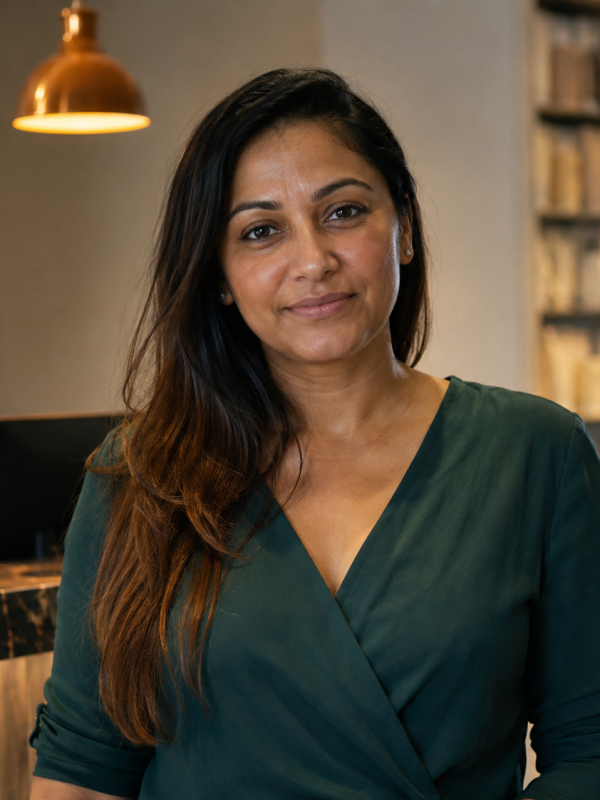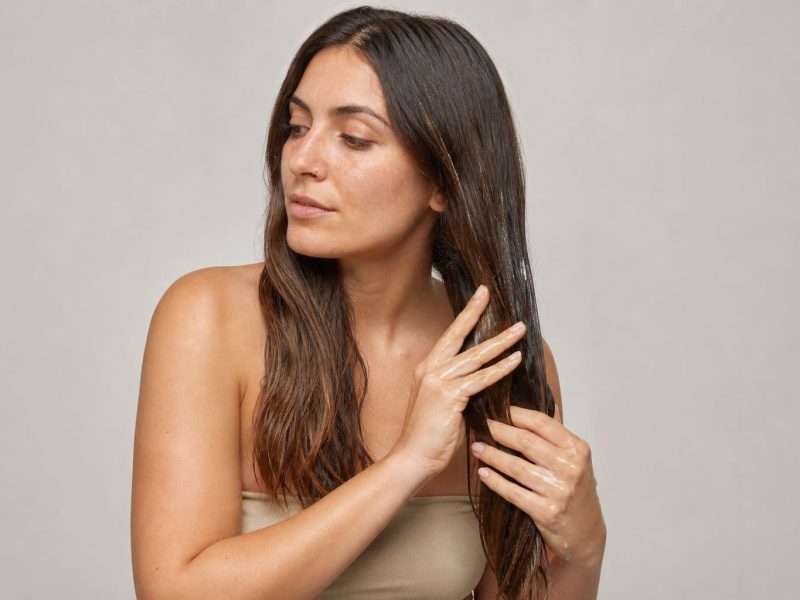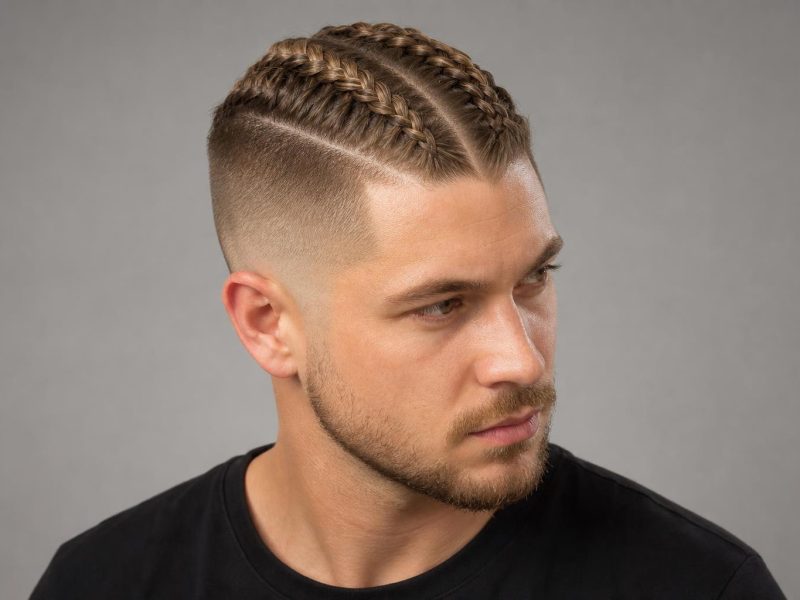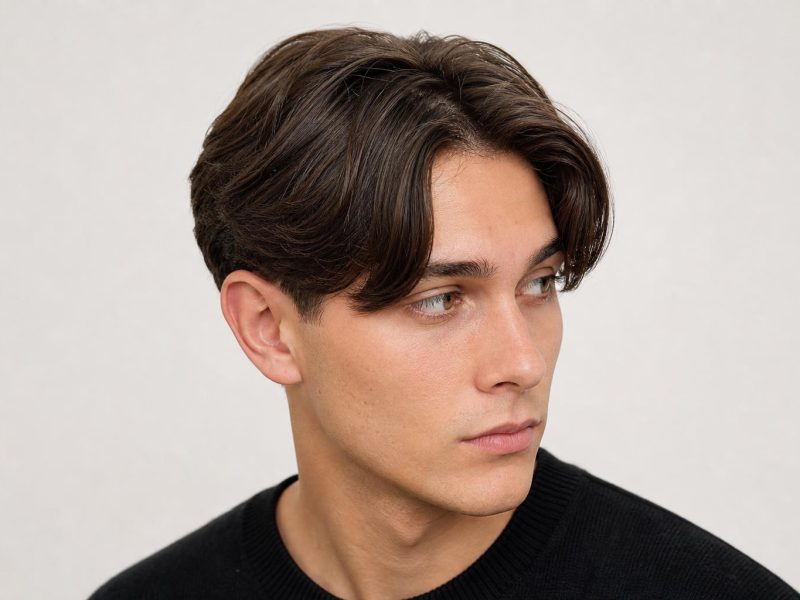

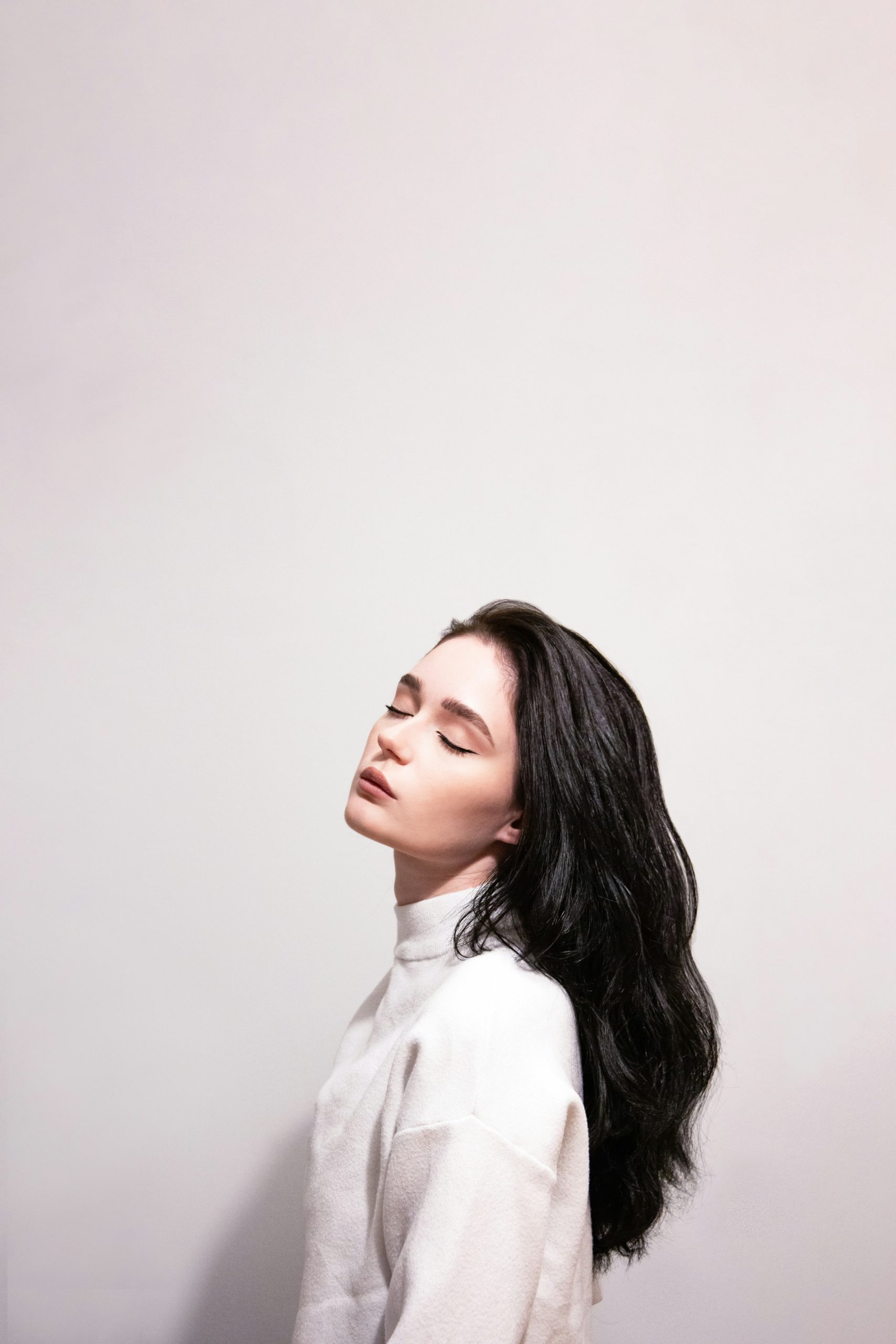
The hush cut delivers the soft, layered look most people are after when they book a shag — minus the choppy crown, the heavy fringe, and the grow-out drama.

The hush cut is a layered style built from blended interior layers and feathery face-framing pieces that keep the overall shape light and airy rather than heavy or choppy. These 25 hush cut variations are organized by type: classic blended versions, fringe and face-framing styles, curly and wavy adaptations, long-length options, and short-to-medium interpretations. Each entry notes the technique that creates the look, the hair types it suits best, and what to ask for at your next appointment.
The hush cut’s defining quality is restraint. The layers blend rather than contrast, the ends feather rather than blunt-cut, and the face-framing pieces sweep rather than hug. A guidance section at the end covers how it differs from the wolf cut and shag, which face shapes it suits best, and the exact language to use at your salon.
| Factor | Details |
|---|---|
| Best for | Most hair types; especially fine-to-medium; oval, round, heart, and square faces |
| Maintenance | Trims every 6-8 weeks; 5-10 min daily styling; grows out gracefully |
| Works with | Straight, wavy, lightly curly (2a-3a); medium to long lengths |
| Avoid if | Very coarse, thick, or frizz-prone hair without moisture management; very short lengths |
| Salon time | 45-60 minutes for cut; 75-90 minutes if color is added |
Classic Hush Cut
The classic hush cut uses interior layers beginning at or just below chin level, with the heaviest concentration of layering at the mid-lengths and a soft point-cut perimeter to prevent blunt, heavy ends. The face-framing pieces are cut to start around cheekbone level and swept outward rather than cut to hug the face closely, which gives the airy, open quality that separates the hush cut from heavier shag and wolf cut versions. Most stylists cut the classic hush cut on dry or slightly damp hair so the natural texture guides where each layer lands.
1. Blended Layered Hush Cut on Brown Hair
Point-cutting through the mid-lengths and ends removes bulk and weight without the disconnected drama of a wolf cut, leaving layers that fall naturally into the hair’s growth pattern. This technique works across almost all textures but is particularly effective on straight and slightly wavy brown hair, where the layers catch light and create visible movement without needing additional product. Ask your stylist to “point-cut the mid-lengths and soften the perimeter without blunting the ends” for the clean-but-airy result the hush cut is known for.
2. Hush Cut Layers for Round Faces
Round face shapes benefit from length that falls past the chin and face-framing pieces that create vertical lines, and the hush cut provides both without adding width at the cheekbones the way a heavily layered shag can. Keep the overall length at collarbone or below, with face-framing pieces starting at cheekbone level and sweeping outward rather than curving inward toward the jaw. Avoid very short interior layers at the crown on round faces, since they add volume at the widest point of the head rather than elongating downward.
3. Hush Cut on Fine, Straight Hair
Fine hair gets the most from a hush cut when the layers are strategic rather than abundant: too many layers on fine hair can leave the ends wispy and sparse, but targeted layering through the interior mid-lengths adds movement without thinning the perimeter. For fine straight hair, ask for “soft interior layers that start at the collarbone, with the ends left slightly thicker to maintain weight at the perimeter.” A lightweight volumizing mousse applied before blow-drying adds body without stiffness, letting the layers move naturally.
4. Hush Cut Styled with a Round Brush Blow-Dry
A medium round brush used during blow-drying lifts the roots and rolls the ends outward to create the slight feathered flip that makes the hush cut look effortless rather than set. Work in sections from nape to crown, finishing each section before moving to the next, and use a cool shot at the end to hold the movement in place. The full blow-dry on a mid-length hush cut takes 10-15 minutes with this method and requires no additional tools or products beyond a medium-hold thermal spray applied to damp hair before starting.
5. Hush Cut Grow-Out Behavior
One practical advantage of the hush cut over edgier layered cuts is how gradually it loses shape. The blended, feathery layers soften over time rather than collapsing suddenly, meaning the cut looks reasonable from week 6 through week 10 without the mid-cycle awkward phase a wolf cut or pixie experiences. The face-framing pieces grow into a soft natural framing without looking ragged, so clients who can only visit a salon every 8-10 weeks will still have a wearable result at the end of that window.
Hush Cut with Fringe and Face-Framing
The hush cut works both with and without fringe, but many of the most flattering versions include some form of face-framing or a soft bang that extends the layered look toward the forehead. The fringe on a hush cut is never heavy or blunt: it is either a curtain bang that parts in the center, a very soft side-swept fringe, or a wispy, barely-there version that blends into the face-framing layers rather than existing as a separate feature. The fringe option makes the hush cut more versatile because it works pinned back or worn forward, adapting to different styling moods without requiring a new cut.
6. Hush Cut with Warm Highlights Through the Layers
Caramel and honey-toned highlights painted through the layers of a hush cut catch light exactly where the cut creates movement, amplifying the dimensional effect the layering produces. The best placement weaves color through the face-framing pieces and mid-length layers, leaving the undersections closer to the natural base for depth. For dark brunette bases, a balayage application creates a soft, natural gradient rather than a stark contrast, which suits the quiet, understated character of the hush cut.
7. How to Ask for a Hush Cut with Curtain Bangs
Hush cut with curtain bangs salon script: “I want a hush cut with curtain bangs. The bangs should part in the center and taper toward the temples, ending around cheekbone level. The fringe should be thin enough to flip or pin back, not a heavy block. Interior layers starting at the collarbone, point-cut throughout.” If your stylist is unfamiliar with the term “hush cut,” describing it as “a soft shag with the choppiness removed and all layers fully blended” usually communicates the intended result.
8. Hush Cut vs Curtain Bangs Alone
Adding curtain bangs to an otherwise unlayered style gives the face-framing effect without the interior movement of a full hush cut. A complete hush cut adds interior layers through the mid-lengths and ends, so the movement extends through the entire length of the hair rather than just around the face. For someone who wants the full airy-layered effect, the hush cut provides more dimension; for someone uncertain about committing to interior layers, starting with curtain bangs on a straight style is a lower-stakes first step.
9. Wispy Side-Swept Fringe on a Hush Cut
The wispy side-swept fringe version keeps the bangs thin and tapered, cut on a diagonal rather than straight across, so they merge into the face-framing layers without a visible line of demarcation. The stylist uses a point-cutting technique on the fringe section to thin the tips and create soft, separated strands rather than a solid curtain of hair. This is the most low-commitment fringe for hush cuts because it can be swept to the side and pinned back without looking like a failed bang style when the mood for fringe passes.
10. Hush Cut Face-Framing for Heart-Shaped Faces
Heart-shaped faces have wider foreheads and narrower chins, so the ideal hush cut placement creates weight and width at the jaw rather than at the forehead. Face-framing layers that start at chin level rather than cheekbone level add fullness where the face is narrowest, visually balancing the wider upper face. A very light fringe, or no fringe at all, works better than heavy curtain bangs for heart shapes, since heavy bangs on a wide forehead draw the eye upward when the goal is to draw it downward toward the chin.
Hush Cut on Curly and Wavy Hair
The hush cut adapts well to wavy and lightly curly hair types (2a-3a) because the feathery, point-cut ends enhance the curl and wave pattern rather than fighting it. On these textures, the hush cut blends into the natural movement of the hair, creating a lived-in look that straight-hair versions need product to replicate. The key adjustment for curly and wavy hush cuts is cutting on dry, product-set hair so the curl pattern guides layer placement and shrinkage is accounted for in every cut decision.
11. Wavy Hush Cut on 2b-2c Hair
2b and 2c wave patterns gain the most from a hush cut because the S-wave shape is enhanced by feathery, point-cut layering without the frizz risk that a sharper layered cut can create on this texture. The interior layers add bounce and separation between wave sections, letting each wave move independently rather than clumping or lying flat. A curl-enhancing cream applied to wet hair and air-dried or diffused on low heat sets the waves with the natural movement the hush cut is designed to create.
12. Styling a Wavy Hush Cut in Humidity
Apply a light anti-humidity serum to damp hair before air-drying, then scrunch the ends upward to encourage the wave pattern. Avoid touching the hair while it dries. The hush cut’s feathery ends are the sections most prone to frizzing in humidity because the thinned-out tips have less structural weight holding them down. A finishing spray with anti-humidity protection applied after drying seals the cuticle and keeps the soft, airy finish intact rather than allowing the ends to puff or separate.
13. Trim Frequency for Wavy Hush Cuts
Wavy-haired clients typically need hush cut trims every 6-8 weeks, slightly more frequently than straight-haired clients who can often stretch to 8-10 weeks. The reason is not that wavy hair grows faster but that the wave pattern shows split ends and fraying more visibly, particularly at the feathery, point-cut tips where the strands are thinnest. Regular trims keep the wave pattern clean rather than wispy or damaged at the ends.
14. Dimensional Color on a Wavy Hush Cut
Lighter pieces at the surface and darker sections underneath work in layered synergy with the hush cut on wavy hair because the movement of the waves naturally cycles lighter and darker sections in and out of visibility. A face-framing balayage that leaves mid-sections darker and tips lighter creates a natural, sun-kissed gradient that suits the soft aesthetic of the hush cut rather than looking over-processed. Tonal color refreshes every 4-6 months maintain the look without the upkeep of a full foil regimen.
15. Salon Script for a Hush Cut on Wavy Hair
Wavy hair hush cut salon brief: “Please cut this dry after washing and defining my waves so the layers land where the curl actually sits, not where stretched-out wet hair would sit. I want the ends point-cut rather than blunted, and the face-framing pieces starting at cheekbone level, swept outward rather than inward.” Ask that the stylist check the result again after a brief diffuse or air-dry before the final cleanup, since wave shrinkage can make the initial cut appear shorter than the intended dry result.
Long Hush Cut Variations
The hush cut works at long lengths (bra-strap to mid-back) because the feathery layering adds visible movement to lengths that would otherwise lie heavy and flat. Long hush cuts have a more romantic, understated quality than their mid-length counterparts, since the layers affect a smaller proportion of the total length and the result is subtle dimension rather than a bold layered silhouette. The stylist adds layers starting at the collarbone, leaving the sections below that point either untouched or barely textured, preserving the length while adding movement at the upper half.
16. Long Hush Cut vs Long Shag: The Key Difference
A long shag haircut features heavy layering from crown to ends, with shorter crown layers that create significant volume at the top and visible length contrast through the entire cut. A long hush cut concentrates the layering at the mid-lengths and face-framing, leaving more of the lower length intact, giving a softer, more flowing silhouette without the dramatic top-heavy volume. For long hair, the hush cut is the subtler choice; the long shag has more visual impact but requires more maintenance and styling to look intentional as it grows out.
17. Long Hush Cut with Internal Layering
Internal layering on a long hush cut means the stylist removes weight from inside the hair’s cross-section rather than from the surface length, so the perimeter appears full and long while the interior is lighter and more manageable. The technique involves elevating sections and point-cutting from underneath, different from the surface-layer approach used in shags and wolf cuts. Long hair with significant thickness or density benefits the most from internal layering, because it removes the helmet-like heaviness of long dense hair without shortening the visible length.
18. Long Hush Cut for Square Face Shapes
Square face shapes have strong, angular jawlines and horizontal forehead lines, and a long hush cut softens both by creating vertical lines and face-framing movement that guides the eye downward rather than across. Length past the collarbone creates vertical emphasis, and soft layers beginning at cheekbone level introduce diagonal lines at the jawline that break up the horizontal emphasis of the square shape. Avoid very blunt perimeter lengths on square faces, since the horizontal line of a blunt trim echoes the jaw and emphasizes width rather than softening it.
19. Long Hush Cut on Thick, Dense Hair
Thick, dense hair is one of the best natural matches for the long hush cut because the abundant interior layering manages bulk without thinning the surface appearance. The stylist works through the interior on elevated sections, removing weight at the mid-shaft so the outer layer maintains its full appearance while the inside is significantly lighter. Thick hair also holds the hush cut’s movement longer between washings, as the density prevents the layers from falling flat as quickly as they might on medium or fine hair.
20. Styling a Long Hush Cut with a Wave Wand
A 1.25-inch or 1.5-inch wave wand on a long hush cut creates loose, airy waves that show off the layered movement. Wrap 2-inch sections around the barrel, alternating direction with each section, and hold for 6-8 seconds before releasing. Leave the bottom inch of each section unwrapped for the undone, feathery tip that suits the hush cut aesthetic. Apply a lightweight texturizing spray before styling to enhance separation, and finish with a drop of hair oil on the tips to prevent the fine, point-cut ends from appearing dry or frizzy.
Short and Medium Hush Cut
The hush cut at chin to collarbone length is its most versatile format: long enough for visible layers and face-framing movement, short enough for the feathery ends to be clearly noticeable rather than subtle. Chin-length hush cuts share visual territory with a layered bob, but the point-cut ends and softer interior layering distinguish them clearly on close inspection. Medium hush cuts suit clients who want the airy layered look without the commitment and styling time of longer lengths.
21. Collarbone Hush Cut Maintenance Schedule
Collarbone-length hush cuts need trims every 6-7 weeks to stay looking intentional: at this length, the face-framing pieces grow quickly relative to the overall length, and the point-cut ends begin to look ragged rather than feathery around week 8-9. A trim of 0.5-1 inch every 6 weeks maintains the shape and refreshes the ends without significantly reducing the length over time. Clients who want to maintain exactly this length rather than gradually growing should trim consistently, since growing and cutting back repeatedly creates more disruption to the layered proportion than regular maintenance does.
22. Ash Blonde and Lived-In Blonde at Chin Length
Ash blonde on a chin-length hush cut creates a cool, understated combination that suits the quiet character of the style. Cool, ashy tones look more polished than warm blondes at this length, and the feathery ends of the hush cut give ashy color a soft, blended finish rather than a harsh tip. Lived-in dirty blonde works equally well, especially on naturally lighter brunettes who want low-upkeep color that grows out without a visible root line.
23. Salon Script for a Medium Hush Cut
Medium hush cut salon brief: “I want a hush cut at collarbone length. Interior layers starting at the collarbone, blended through the mid-lengths, with the ends point-cut rather than blunted. Face-framing pieces swept outward from about cheekbone level. No heavy bangs, but a soft, wispy fringe is fine if you think it suits my face. I want it to look like there’s movement and texture but not like a shag or wolf cut — softer and more blended, without the choppy crown.” Bring one reference photo showing the side profile of the length and layer weight you want.
24. Chin-Length Hush Cut vs Layered Bob
A layered bob and a chin-length hush cut occupy the same length territory but achieve different effects. The layered bob uses stacked or graduated layers that give the cut shape and structure from the back, while the hush cut’s layers are dispersed through the interior without targeting the back for specific structure. Layered bobs hold their shape longer without styling; hush cuts at the same length look more effortless and casual. For clients who prefer a polished, defined result, the layered bob is the stronger choice; for clients who prefer a naturally textured look, the chin-length hush cut is more fitting.
25. Medium Hush Cut with Minimal Daily Styling
The medium hush cut’s strongest practical case is that it looks good without active styling. Apply a pea-sized amount of a lightweight cream or smoothing balm to damp hair, tousle once or twice to activate any natural texture, and air dry. The point-cut ends and blended interior layers naturally fall into a feathery, textured result without a diffuser, round brush, or heat tools. For the most effortless version of this, ask your stylist to cut the hush cut specifically to suit your natural texture without product, so the unstyled result is actually a good result.
What Is the Hush Cut
The hush cut is a layered haircut defined by blended interior layers, feathery face-framing pieces, and point-cut ends that create a soft, airy finish rather than a structured or dramatic silhouette. The name reflects the quiet, understated quality of the result: where a wolf cut creates choppy contrast and volume, the hush cut creates gradual blending and movement. It originated as a Korean hair trend called the “airy cut” before becoming widely adopted and renamed in English-speaking markets, where TikTok coverage has given it over 84 million views.
The Korean origin is relevant to the technique: Korean stylists emphasize dry-cutting and texture-matching, shaping each cut to the individual client’s natural wave or growth pattern rather than applying a universal template. The hush cut’s low-maintenance reputation comes partly from this fitting approach, where the layers are designed to fall naturally into place with the client’s own hair rather than requiring product and tools to look intentional. The result is more adaptable across different climates, humidity levels, and styling routines than cuts that depend on specific products to hold a specific shape.
Stylist tip: Ask whether your stylist typically cuts the hush cut wet or dry before booking. The best results on wavy and textured hair come from dry cutting, since the natural texture guides where each layer should land. On straight hair, damp cutting is acceptable, but a final dry check is still recommended to confirm the feathery ends are landing correctly rather than appearing uneven due to wet-hair distortion.
Hush Cut vs Wolf Cut vs Shag
All three cuts use interior layers and create texture and movement, but the technique, resulting silhouette, and maintenance requirements differ significantly. Knowing the difference makes the salon conversation much clearer.
| Feature | Hush Cut | Wolf Cut | Shag |
|---|---|---|---|
| Layering style | Blended, subtle, feathery | Choppy, disconnected, high contrast | Heavy, blended, voluminous |
| Crown layers | Minimal; no short crown layers | Very short; dramatic volume at top | Medium-short; rounded crown |
| Fringe | Soft or none; optional wispy curtain | Curtain bangs or none; no heavy fringe | Heavy, full bangs typical |
| Grow-out | Graceful; looks good at 8-10 weeks | Loses shape by week 6; frequent trims | Grows well; 8-12 weeks typical |
| Visual character | Quiet, airy, effortless | Edgy, bold, textured | Retro, full, bohemian |
| Best for | Low-key texture; minimal daily styling | Bold statement; styling-forward look | Full texture; retro or bohemian aesthetic |
Face Shape Guide for the Hush Cut
The hush cut is one of the more face-shape-flexible haircuts because the face-framing pieces can be adjusted in placement and angle to work with different face proportions. The key variables to discuss with your stylist are: where the face-framing layers start (cheekbone vs chin vs collarbone), what angle they are cut at (outward sweep vs slight inward curve), and whether to include any fringe or keep the forehead clear.
| Face Shape | Best Variation | Face-Framing Placement | Fringe Advice |
|---|---|---|---|
| Oval | Any length; all variations | Cheekbone to collarbone | Optional; any style works |
| Round | Collarbone-plus length; outward sweep | Cheekbone level, swept outward | Avoid; keep forehead visible |
| Square | Past-collarbone length; soft layers | Cheekbone level, diagonal angle | Light wispy fringe or none |
| Heart | Medium to long; chin-level framing | Chin level, adding width at jaw | Avoid heavy curtain bangs |
| Oblong | Mid-length with soft fringe | Cheekbone level, adding width | Wispy fringe helps shorten apparent face length |
| Diamond | Any length; width at forehead and jaw | Cheekbone and chin combined | Light side-swept fringe |
Stylist tip: Bring two photos to your hush cut appointment: one showing the length and overall silhouette you want, and one specifically showing the face-framing placement you prefer. The face-framing pieces are the element clients and stylists most often interpret differently, and a clear photo of where the layers should start relative to the face prevents the most common hush cut miscommunication.
What to Tell Your Stylist
The most important information your stylist needs before starting a hush cut is: the length you want to keep, how much interior layering you prefer (subtle vs. noticeable), and whether you want any fringe. Beyond those three decisions, the hush cut allows the stylist to use their judgment on technique, and a skilled stylist will adjust the layer depth to your specific hair density and texture.
Core hush cut salon brief: “I want a hush cut. Please keep the length at [desired length]. Interior layers starting at the collarbone, blended through the mid-lengths, with the ends point-cut rather than blunted. The face-framing pieces should start at cheekbone level and sweep outward rather than curve back toward my face. For fringe: [soft curtain / light side-sweep / none]. I want it to look effortless without styling but still look intentional, not like a grow-out.”
If the term “hush cut” draws a blank at your salon, these alternative descriptions communicate the same idea: “a soft shag with the layers fully blended and no short crown,” “an airy cut in the Korean style with internal layering and point-cut ends,” or “French layers with feathery ends rather than blunt tips.” Any of these will orient a skilled stylist toward the right technique.
Maintenance and Styling
The hush cut earned its low-maintenance reputation from how gracefully it grows out and how little daily styling it demands. The blended interior layers and feathery ends look relatively intentional even as the layers grow longer, in contrast to cuts with disconnected layers or short crown sections that become visibly overgrown within a few weeks.
| Variable | Hush Cut | Wolf Cut | Shag |
|---|---|---|---|
| Trim frequency | 6-8 weeks (8-10 for fine hair) | 6-8 weeks | 8-12 weeks |
| Daily styling time | 5-10 min (or 0 for air-dry) | 10-20 min | 10-20 min |
| Key products | Lightweight cream or balm; optional texturizing spray | Texturizing spray, mousse, or wax | Texturizing spray, diffuser |
| Grow-out grace period | 8-10 weeks before looking overgrown | 5-7 weeks | 8-12 weeks |
When the Hush Cut Is Not the Right Choice
The hush cut suits a wide range of hair types and face shapes, but it is not a universal solution. These are the situations where a different cut will serve you better.
- Very coarse, thick, or high-porosity hair: Coarse hair with significant frizz responds unpredictably to the feathery, point-cut ends of the hush cut, which can spread and frizz in humidity rather than falling into the intended airy shape. For coarse, frizz-prone hair, a blunter perimeter weight line controls the shape better and prevents the ends from separating in ways that look more flyaway than feathery. A stylist experienced with coarse textures may recommend a cut with heavier layering that controls frizz more actively than the hush cut’s light technique allows.
- Very short lengths (chin or above): At chin and above, the hush cut’s distinguishing features — blended interior layers and long face-framing sweeps — have less length to work with, and the result can look like a standard layered bob rather than the recognizable airy, flowing version of the cut. The hush cut’s characteristic silhouette needs at least 2-3 inches of total length below the chin to show the feathery ends and interior movement clearly.
- Clients who want a defined, structured shape: The hush cut’s soft blending creates movement rather than structure. If you prefer a haircut that holds its shape throughout the day and looks polished without active styling, a blunt bob or a layered bob with a cleaner perimeter line will better serve those goals. The hush cut rewards leaning into natural texture, not fighting it with a brush and products to maintain a specific shape.
- 3b-4c curl patterns: Tighter curl patterns do not benefit from the hush cut’s signature techniques in the same way looser waves do. Point-cut ends on tight curls can create uneven shrinkage across the curl pattern, and the feathery tips that look airy on straight or wavy hair may simply disappear into the coil or create an undefined tip. For tighter curl patterns, a cut designed specifically for the curl type, built around the curl’s natural shape through dry cutting, produces better results than adapting a technique developed for straighter textures.
FAQ
What Is a Hush Cut Hairstyle?
A hush cut is a layered haircut with blended interior layers, feathery face-framing pieces, and point-cut ends that create an airy, soft result rather than a choppy or structured silhouette. It originated as a Korean “airy cut” trend and became widely adopted in Western markets, sometimes called a hush cut, air cut, or French layer cut. The defining quality is restraint in the layering: where the wolf cut creates dramatic contrast, the hush cut creates subtle movement that grows out gracefully.
How Is the Hush Cut Different from the Wolf Cut?
The wolf cut features choppy, disconnected layers with very short crown sections that create dramatic volume and a high-contrast silhouette. The hush cut uses fully blended layers, no short crown sections, and feathery ends that make the layering look soft rather than edgy. Wolf cuts require more styling and more frequent trims to stay looking intentional; hush cuts grow out gracefully and air-dry well without significant product or effort.
Is the Hush Cut Good for Fine Hair?
Yes, with care. The hush cut adds movement and volume to fine hair through strategic interior layering, but the layers should be placed conservatively — too many on fine hair can thin the ends to the point of looking sparse rather than feathery. Ask your stylist to concentrate layering in the interior mid-lengths and keep the perimeter slightly heavier to maintain the weight fine hair needs to look full rather than wispy.
Can the Hush Cut Work on Curly Hair?
Yes, for loose and medium curl types (2a through 3a). At these textures, the hush cut’s feathery layering enhances the curl and wave pattern and creates a lived-in, dimensional look without excessive product. Tighter curl patterns (3b and above) respond better to curl-specific cutting techniques that account for shrinkage and coil uniformity rather than the hush cut’s approach. For curly hush cuts, request a dry cut so layer placement accounts for how the curl actually sits when set.
How Long Does a Hush Cut Last?
Most hush cuts look their best from week one through week 8-10 before the face-framing pieces and feathery ends begin to look overgrown rather than intentional. Fine hair may need a trim at the 6-7 week mark, while thicker hair can often stretch to 8-10 weeks. The hush cut grows out more gracefully than the wolf cut but slightly faster than the shag, since the lighter layering doesn’t carry the same shape buffer through the later weeks of the grow-out period.
What Products Work Best for the Hush Cut?
A lightweight cream or smoothing balm applied to damp hair before air-drying is the simplest option and suits the hush cut’s natural, low-effort aesthetic. For a more polished result, a volumizing mousse applied before a round-brush blow-dry adds body and definition to the layers. On wavy or curly hush cuts, a curl-defining cream applied wet and scrunched in sets the wave pattern naturally. Avoid heavy waxes or gels, which weigh down the feathery ends and remove the airy quality the cut is built to create.
The hush cut hairstyle earns its growing popularity by delivering what most layered cuts promise but do not always achieve: visible movement and texture without the maintenance overhead. Whether you are starting fresh or converting from a wolf cut that has become too demanding, the hush cut’s blended interior layers and feathery face-framing suit a wide range of hair types and daily routines. Bring a reference photo showing both the overall length and the face-framing placement you want, and the result will be much closer to what you had in mind than a verbal description alone can get you.
Hair results vary based on your natural hair type, texture, density, and condition. Always consult with a licensed hairstylist before making significant changes, especially with chemical treatments or dramatic length changes. Photos may show styled results that require professional tools and products to replicate.