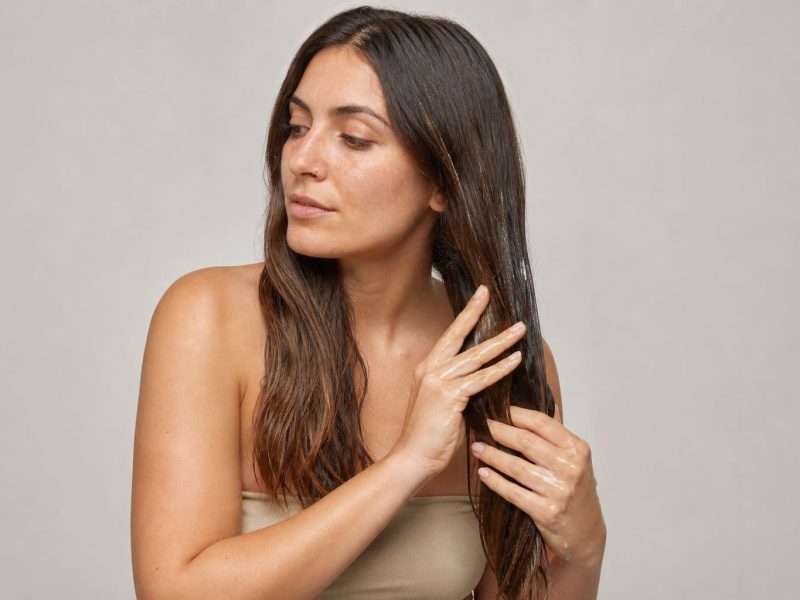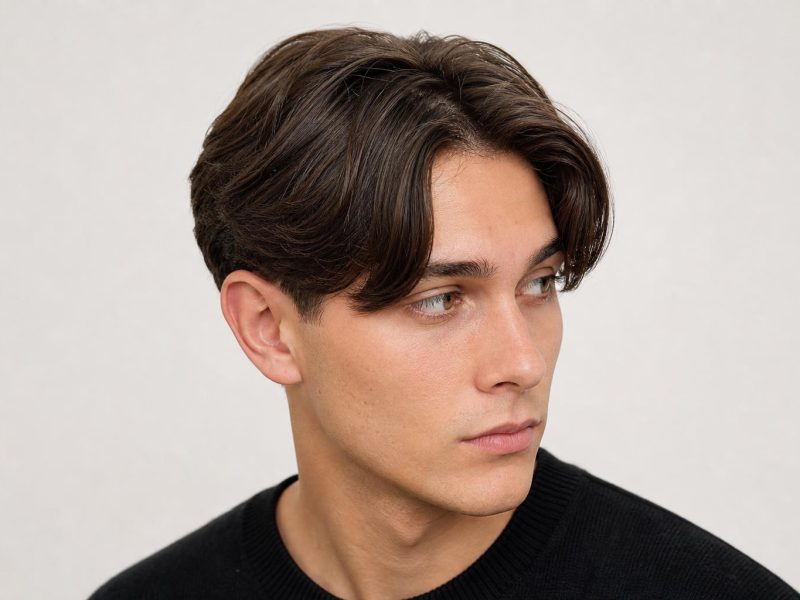



The hush cut is a soft, layered haircut with wispy face-framing pieces and airy layers concentrated around the face, designed to add gentle volume and movement rather than sharp, choppy texture.
Originating in Korea and named for its quiet, whispered softness, the hush cut is the low-maintenance, lived-in answer to the bolder shag and wolf cut. It keeps most of the length intact while adding face-framing layers and light internal movement, so it grows out gracefully and works across hair types from fine and straight to thick and wavy.
This spotlight explains what the hush cut is, how it differs from the styles it gets confused with, who it suits, and how to wear it. For a full set of photo inspiration, the companion hush cut ideas gallery covers variations by length, texture, and color.
| Factor | Details |
|---|---|
| What it is | Soft face-framing layers with airy, lived-in movement |
| Best for | All hair types; anyone wanting low-maintenance volume |
| Maintenance | Low; grows out gracefully, trims every 10 to 12 weeks |
| Styling | Minimal; a rough blow-dry or air-dry suits it |
| Avoid if | You want a sharp, choppy, high-contrast cut |
What the Hush Cut Actually Is
The hush cut is built around soft layers that are concentrated near the face rather than cut throughout the whole head. The signature elements are wispy bangs or shorter face-framing pieces, gentle internal layering for movement, and a length that stays mostly intact so the cut keeps its body and weight.
The goal is airy movement, not messy texture. Where a shag chops layers throughout for a heavily textured look, the hush cut keeps the layering light and focused at the front, which is what gives it the soft, whispered quality it is named for. The blended layers are designed to fall naturally into place with little styling.
Stylist tip: Ask your stylist to keep the heaviest layering around the face and to leave the perimeter mostly intact. The hush cut loses its softness if too much length is layered away, so the front-focused layering is what separates it from a full shag.
How the Hush Cut Differs from a Shag, Wolf Cut, and Curtain Cut
The hush cut is constantly confused with other layered styles, but the difference is in how much texture is added and where. Knowing the distinction helps you ask for the right one.
| Cut | Layering | Overall Feel |
|---|---|---|
| Hush cut | Soft, light, focused around the face | Airy, whispered, low-maintenance |
| Shag | Heavy layering throughout the head | Textured, voluminous, lived-in |
| Wolf cut | Sharp contrast, short crown to long ends | Edgy, choppy, high-contrast |
| Curtain cut | Mostly face-framing, little internal layering | Soft frame, minimal body change |
In short, the hush cut sits between a curtain cut and a soft shag: more movement than curtain bangs alone, but far softer than a shag or a wolf cut. If you love the idea of layers but find the shag too heavy, the hush cut is the gentler choice.
Hush Cut Variations to Consider
The hush cut adapts to length and texture, so the same soft-layering principle reads differently across these versions. Use them to picture the look on your own hair.
1. Long Hush Cut
The most popular version keeps significant length with soft face-framing layers and wispy bangs. It suits anyone who wants to keep their length while adding movement at the front. The airy layers show best with a loose wave.
2. Medium Hush Cut
At collarbone to shoulder length, the hush cut reads fresh and modern while staying easy to manage. The mid-length is the most versatile for daily styling. It frames the face without much weight.
3. Short Hush Cut
A shorter hush cut at chin to neck length brings the soft layering to a bob-adjacent shape. The framing keeps a short cut from looking blunt. It suits anyone wanting the softness in a low-length form.
4. Hush Cut with Wispy Bangs
The classic pairing adds see-through wispy bangs to the soft layers for the full whispered effect. The wispy fringe is the defining front detail. It flatters most face shapes and grows out softly.
5. Hush Cut with Curtain Bangs
Pairing the layers with center-parted curtain bangs gives a softer, more open frame than a full fringe. The curtain bangs and layers combination is a natural fit for the hush cut. It suits anyone who prefers a parted front.
6. Hush Cut on Straight Hair
On straight hair, the hush cut adds the movement straight hair often lacks, with the layers giving soft body at the face. A round-brush blow-dry brings out the airy shape. It is a gentle way to break up a heavy, one-length straight look.
7. Hush Cut on Wavy Hair
Wavy hair is the ideal texture for the hush cut, since the natural bend brings the soft layers to life with almost no styling. The waves give the airy movement the cut is built around. A light texture spray enhances it.
8. Hush Cut on Curly Hair
On curly hair, the hush cut should be cut dry so the layers fall where the curls actually land. The soft framing defines the curls around the face. A curl cream keeps the shape without crunch.
9. Hush Cut on Fine Hair
Fine hair benefits from the hush cut’s front-focused layering, which adds the impression of movement without removing needed density from the ends. Keeping the layers light avoids thinning the hair. A volumizing product lifts the roots.
10. Hush Cut on Thick Hair
Thick hair takes the hush cut beautifully, with the soft internal layers removing some bulk while keeping the length full. The layering gives thick hair shape without weight. Point-cutting keeps the ends soft.
11. Hush Cut with Color Dimension
Adding soft balayage or a money piece emphasizes the airy layers by catching light as they move. The color highlights the movement the cut creates. Subtle dimension suits the understated, quiet-luxury feel of the style.
12. Lived-In Hush Cut
The most low-maintenance version leans fully into the air-dried, undone finish that the cut is designed for. It needs almost no daily styling. This is the hush cut at its most effortless and the reason many people choose it.
Styling the Airy Layers
The hush cut is meant to be low-effort, and the styling reflects that. The most authentic finish is a rough blow-dry or an air-dry with a light product, which lets the soft layers fall naturally rather than forcing them into a set shape.
For more polish, a round-brush blow-dry sweeping the face-framing pieces back, or a quick bend through the lengths with a curling wand, brings out the airy movement. The one rule is to keep it soft: heavy product, tight curls, or sleek straightening all work against the whispered quality the cut is named for. A light texture spray or a small amount of cream is all most hush cuts need.
Stylist tip: Diffuse or air-dry rather than blasting the hair straight. The hush cut relies on natural movement, so letting your hair’s own texture come through is what makes the layers look soft and expensive rather than styled and stiff.
What to Tell Your Stylist
Ask for a hush cut by name, but back it up with detail since the term is newer in English-speaking salons. Say you want soft, face-framing layers with the length mostly kept, light internal movement rather than heavy texture, and wispy or curtain bangs if you want them.
Bring a photo and clarify that you want airy softness, not a choppy shag or a high-contrast wolf cut, since a stylist unfamiliar with the trend may default to one of those. Mention your face shape and hair texture so the layering can be tailored to fall the way you want.
Stylist tip: If your stylist does not know the hush cut by name, ask for a long layered cut with face-framing layers and minimal internal layering, finished soft. That description produces the same result, since the hush cut is essentially a soft, front-weighted take on long layers.
Maintenance and Grow-Out
The hush cut is one of the lowest-maintenance layered styles because the blended, soft layers grow out gracefully with no awkward shelf or hard line. That means fewer salon visits, with a trim every ten to twelve weeks usually enough to keep the shape.
Day to day, the cut is designed to embrace your natural texture, so it needs little heat styling, which keeps the hair healthier over time. A light leave-in or texture spray maintains the airy finish, and the face-framing pieces can be refreshed with a quick trim between full cuts if they grow past your preferred length.
When the Hush Cut Is Not the Right Choice
The hush cut suits most people, but a few situations point to a different style.
- You want bold, choppy texture: the hush cut is soft by design. A wolf cut or heavy shag gives the high-contrast edge instead.
- You want a major length change: the hush cut keeps most of your length. If you want to go dramatically shorter, a different cut suits better.
- You love a sleek, polished finish: the cut is built for soft, undone movement. A blunt cut holds a sleek look better.
FAQ
What Is a Hush Cut?
A hush cut is a soft, layered haircut with wispy face-framing pieces and airy layers concentrated around the face, designed to add gentle volume and movement rather than sharp texture. It originated in Korea and is named for its quiet, whispered softness. It keeps most of the length intact and grows out gracefully.
What Is the Difference Between a Hush Cut and a Shag?
A shag has heavy layering throughout the whole head for a textured, voluminous look, while a hush cut keeps the layering soft and focused around the face for a gentler, airier finish. The hush cut keeps more length and weight, whereas the shag removes more for bolder texture. The hush cut is the softer, lower-contrast of the two.
Does the Hush Cut Work on All Hair Types?
Yes, the hush cut works on all hair types, from fine and straight to thick and wavy, because the layering is tailored to the texture. Wavy hair shows the airy movement most easily, while fine hair benefits from the front-focused layers. Curly hair should be cut dry for the best result.
Is the Hush Cut Low Maintenance?
Yes, it is one of the lowest-maintenance layered cuts because the soft, blended layers grow out gracefully with no awkward phase. It needs a trim only every ten to twelve weeks and little heat styling. The cut is designed to embrace your natural texture with minimal effort.
Does a Hush Cut Suit Fine Hair?
Yes, fine hair suits the hush cut well because the layering is concentrated at the face and kept light, adding the impression of movement without removing density from the ends. The key is keeping the internal layers soft so the hair does not look thinner. A volumizing product lifts the roots for more body.
What Bangs Go with a Hush Cut?
Wispy, see-through bangs are the classic pairing for the full whispered effect, while center-parted curtain bangs give a softer, more open frame. Both blend into the face-framing layers and grow out gracefully. Choose wispy bangs for more coverage and curtain bangs for a parted, lower-maintenance front.
The hush cut is the soft, low-maintenance layered haircut to ask for when you want movement and face-framing without the boldness of a shag or wolf cut. Bring a photo, ask for soft front-focused layers with your length kept, and let your natural texture do the work. A well-cut hush cut whispers rather than shouts, which is exactly why it has become one of the most requested soft layered styles.
Hair results vary based on your natural hair type, texture, density, and condition. Always consult with a licensed hairstylist before making significant changes, especially with chemical treatments or dramatic length changes. Photos may show styled results that require professional tools and products to replicate.