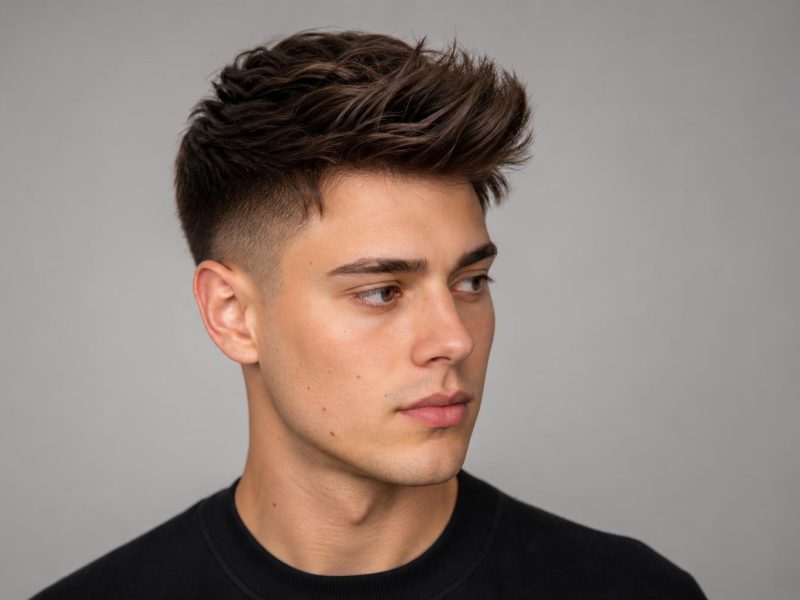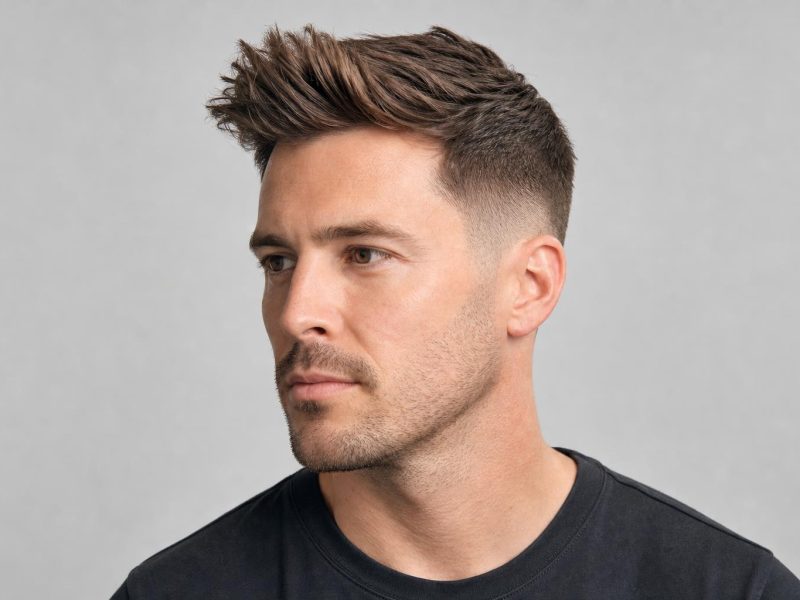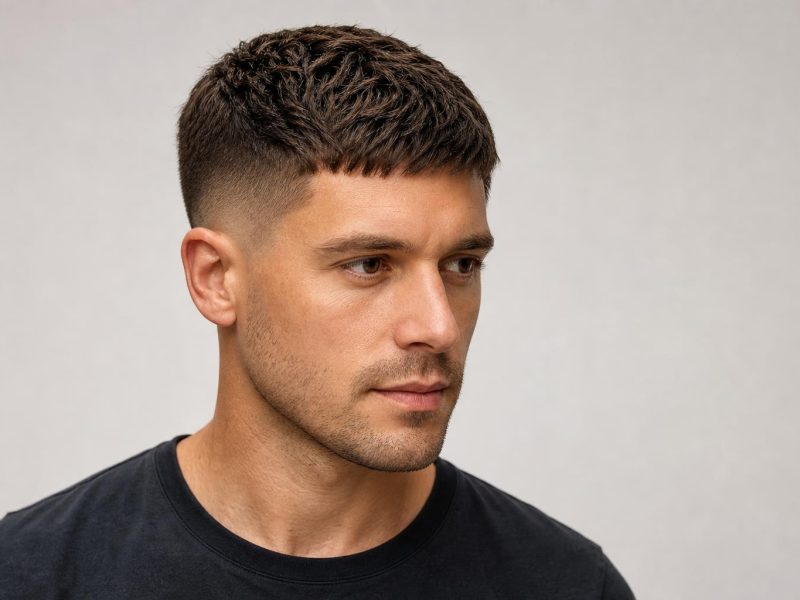



A long hair undercut keeps length and movement on top while the sides stay short, giving you a bold, versatile cut you can wear down, slicked, or tied back.
A long hair undercut for men pairs short or shaved sides with a long top section, and the contrast between the two is the whole point. The sides can be clippered, tapered, faded, or fully disconnected, while the top runs anywhere from four inches to shoulder length, styled loose, slicked, or knotted. These 25 variations are sorted by top style, side treatment, hair type, and face shape, with the exact language to give your barber so the disconnect lands where you want it.
After the gallery you will find a face shape guide, barber-ready scripts, and a realistic maintenance breakdown, because an undercut with a hard disconnect needs a clean-up every two to four weeks to keep the contrast sharp. If you are still choosing your side length, our guides on the mid taper fade and low drop fade cover how each one looks against a long top.
| Factor | Details |
|---|---|
| Best for | Medium to thick hair, men who want length with a clean side profile |
| Side options | Clippered, tapered, faded, or hard-disconnected |
| Top length | 4 inches to shoulder length; styled down, back, or tied up |
| Maintenance | Side clean-up every 2 to 4 weeks; top trimmed every 8 to 12 weeks |
| Avoid if | You cannot commit to regular side upkeep or want uniform length |
Disconnected and Classic Long Undercuts
The classic long undercut leaves a hard line between the short sides and the long top, with no blending in between. This disconnect is what separates the style from a taper or fade, and it looks boldest when the length difference is dramatic. These versions suit men who want the sharpest possible contrast.
1. The Classic Disconnected Undercut
Clippered sides at one uniform guard meet a long top with a clean, unblended line running around the head. The lack of any taper is deliberate, giving you the graphic contrast that defines a true disconnect. Ask your barber to keep the disconnect at or just above the temple so the length looks deliberate from the front.
2. Long Undercut for Round Faces
Keeping height and length on top while shaving the sides tight adds vertical lines that lengthen a round face. The tighter the sides and the taller the top, the more the cut slims the overall shape. Style the top up and back rather than flat to push the effect further.
3. Long Undercut for Thick Straight Hair
Thick straight hair carries a long undercut well because the density gives the top real body once the weight of the sides is gone. The removed side bulk stops the classic thick-hair problem of the whole cut spreading wide. A matte clay works better than a shiny pomade here, since it controls the density without looking greasy.
4. Slicked-Back Long Undercut
Sweeping the long top straight back off the face is the cleanest way to wear this cut for work or formal settings. Use a strong-hold pomade on damp hair and a wide comb to keep the slick smooth from front to crown. The shaved sides keep the look sharp rather than heavy, even with all the length pushed back.
5. Grown-Out Low-Maintenance Undercut
Letting the sides grow a guard or two longer softens the disconnect and buys you a few extra weeks between barber visits. The cut still looks like an undercut but forgives grow-out far better than a skin-shaved version. It is the version to ask for if you like the style but travel or skip appointments often.
6. The Hard Disconnect Request
To get a true break rather than a soft blend, tell your barber “a hard disconnect, no blending between the sides and top.” Naming the disconnect specifically stops a barber from instinctively tapering the line, which is their default on most cuts. Add your exact guard number for the sides so the contrast comes out the way you picture it.
Long Undercuts by Top Style
The top is where a long undercut earns its versatility, since the same cut can be worn loose, slicked, knotted, or tied back. How you style it changes the whole feel, from polished to relaxed. These variations focus on what you do with the length up top.
7. Undercut Versus Taper on a Long Top
Unlike a tapered long cut that fades gradually into the sides, a true undercut keeps the sides one short length with a clean drop-off. The taper looks softer and more traditional, while the undercut looks graphic and modern. Choose the undercut if you want the length on top to stand apart, and the taper if you want a blended, lower-contrast finish.
8. Two-Block Long Undercut
The Korean two-block keeps a rounded, longer top that falls over shorter, disconnected sides and back for a soft-edged version of the undercut. The rounded shape is less severe than a classic disconnect, which makes it a good entry point. Our two block haircut guide breaks down how to ask for the exact top-to-side ratio.
9. Long Undercut for Square Jaws
A softer, longer top worn loose over disconnected sides balances a strong square jaw by adding roundness up high. Keeping some length falling around the face stops the cut from sharpening already-angular features. Avoid slicking it too tight if your goal is to soften rather than emphasize the jawline.
10. Curly Long Undercut
Curly hair and an undercut are a natural match, since shaving the sides removes the bulk that makes curly hair spread wide and leaves the curl pattern free to stack on top. Cut the top on dry curls so the length accounts for shrinkage. A curl cream and a diffuser keep the top defined rather than frizzy.
11. Man Bun Undercut
Long enough on top to gather into a bun while the sides stay shaved, this is the most recognizable long undercut of the last decade. The bun rests high and clean because there is no side bulk to bunch around the tie. Keep a soft elastic on hand and expect the front pieces to fall loose by the end of the day, which most men wear on purpose.
12. Undercut Upkeep for Growing Hair
While you grow the top toward bun or ponytail length, keeping the sides freshly undercut is what stops the in-between phase from looking shapeless. A clippered clean-up every two weeks holds the shape while the length catches up. This is the practical way to survive the awkward growing-out months men usually dread.
13. Asking for a Skin Undercut
For the boldest contrast, request “a skin undercut, taken down to the scalp on the sides, hard disconnect to the long top.” The bald sides make the length up top look even longer and cleaner. Be honest with yourself about upkeep first, since skin-shaved sides show stubble within four or five days.
14. Disconnected Versus Faded Undercut
Where a disconnected undercut keeps a hard line, a faded undercut blends the short sides up into a gradient before the long top begins. The fade softens the whole look and grows out more gracefully, while the disconnect stays graphic and bold. If low upkeep matters, the faded version is the friendlier choice.
Long Undercuts by Side Treatment
The sides do as much work as the top in defining a long undercut. Hard parts, design lines, and fade heights each change the character of the cut. These variations focus on what happens below the disconnect.
15. Hard-Part Long Undercut
A razored hard part carved between the long top and the undercut sides gives the disconnect an even sharper, more deliberate edge. The line guides the styling, making the top easier to sweep cleanly to one side. Barbers refresh the part at each visit, so factor it into your two-to-four week clean-up schedule.
16. Long Undercut for Long Faces
Wearing the top with width and a lower, softer disconnect keeps a long or oblong face from looking further stretched. Avoid piling too much height on top, since that lengthens the face further. A side sweep with some fullness at the temples adds the horizontal balance a long face needs.
17. Wavy Shoulder-Length Undercut
Natural waves falling to the shoulders over shaved sides give a rock-and-roll take on the undercut that needs almost no daily styling. The waves hide any unevenness while the undercut keeps the neck and sides clean. A sea-salt spray scrunched into damp hair brings the wave pattern forward.
18. Half-Up Top Knot Undercut
Pulling just the crown section into a small knot while the rest of the length hangs loose shows the shaved sides and keeps hair off the face. This half-up option works once the top passes chin length. It is a relaxed everyday style that still looks put-together with minimal effort.
19. Undercut Grow-Out Done Right
As a long undercut grows, the sides fill in and the disconnect softens into a more blended, all-around long style. Trimming the sides more gently each visit lets you transition into full-length hair without an awkward stage. Tell your barber you are growing it out so they shape rather than reset the undercut.
20. Undercut with a Design Line
A single carved line or simple geometric design shaved into the undercut section adds personality without touching the long top. Ask for “one clean line along the disconnect” if you want a subtle detail rather than a full design. The line grows fuzzy within a week, so it suits men who visit the barber often.
Long Undercuts by Hair Type and Length
Hair type and how much length you keep on top decide how the cut behaves day to day. Fine, thick, straight, and curly hair each ask for a slightly different approach. These final variations match the undercut to your texture.
21. Undercut Versus Mullet on Long Hair
Unlike a mullet, which keeps length at the back and shorter sides and top, a long undercut keeps the length on top and shaves the sides and back clean. The mullet looks retro and party-in-the-back, while the undercut looks sleek and modern. For the length-at-the-back look instead, our modern mullet fade covers that direction.
22. Ponytail Undercut
Long enough to pull into a low or high ponytail while the sides stay shaved, this version gives you the cleanest way to wear very long hair for work. The shaved sides keep the ponytail sleek with no bulk bunching at the tie. A boar-bristle brush smooths flyaways before you tie it back.
23. Undercut for Heart-Shaped Faces
Keeping some weight and length toward the jaw while the top stays moderate balances the wider forehead of a heart-shaped face. Letting the front pieces fall loose rather than slicking everything back softens the top of the face. A center or loose side part works better here than a severe hard part.
24. Fine Hair Long Undercut
Fine hair benefits from an undercut because removing the side weight concentrates all the density into the top, where it looks fuller. Keep the top a touch shorter, around four to six inches, so fine strands do not fall flat under their own length. A volumizing powder at the roots gives fine hair the lift this cut needs.
25. Textured Middle-Part Long Undercut
A middle-parted, textured top falling on either side of the face over shaved sides is the modern, softer face of the long undercut. Point-cut texture through the top keeps it moving rather than sitting in a heavy curtain. A light styling cream and an air-dry give the effortless finish this version is built for, and the flow haircut guide covers how to grow into it.
How to Choose a Long Undercut for Your Face Shape
The length on top and the height of the disconnect should balance your face shape, since the same cut can flatter one man and exaggerate another’s proportions. The table pairs each face shape with the top style and side treatment that works hardest for it.
| Face Shape | Best Top Style | Side Treatment | Avoid |
|---|---|---|---|
| Round | Height on top, slicked up and back | Tight or skin undercut | Flat, loose tops that add width |
| Square | Softer, longer top worn loose | Disconnected, medium length | Severe slick-backs that sharpen the jaw |
| Oblong / long | Width at the sides, moderate height | Lower, softer disconnect | Tall tops that lengthen the face |
| Heart | Loose front pieces, moderate top | Tapered or soft undercut | Heavy volume that widens the forehead |
| Oval | Most top styles work | Any side length | Nothing specific; a balanced shape |
What to Tell Your Barber
Clear numbers beat style names every time, since “long undercut” means different things to different barbers. Name your side guard, whether you want a disconnect or a fade, the height of the drop-off, and roughly how long you are keeping the top. A reliable script: “Number one on the sides, hard disconnect, no fade, keep the top long enough to tie back, and clean up the neck.” Bring a photo so the barber can see the exact disconnect height you have in mind.
Barber tip: Decide before you sit down whether you will actually maintain skin-shaved sides. A number one or two guard looks nearly as sharp as a skin undercut but forgives an extra week of grow-out, which saves you a mid-week touch-up most men do not have time for.
If you are weighing the undercut against a cleaner faded side, comparing options helps. Our temp fade guide shows how a defined edge looks against length, which makes it easier to decide between a hard disconnect and a blended side.
Maintenance and Styling
A long undercut splits its upkeep in two: the sides need a clippered clean-up every two to four weeks to keep the disconnect sharp, while the top only needs a shape-up every eight to twelve weeks. Skin-shaved sides show stubble fastest and demand the most frequent visits, while a number two guard stretches the schedule. The top is where you spend daily styling time, from a two-minute tie-back to a full slick with pomade.
Barber tip: Learn to clean up your own undercut sides with a clipper and a single guard between barber visits. The disconnect line hides minor mistakes since there is no blending to match, which makes the sides one of the few haircut sections that is genuinely safe to maintain at home.
When a Long Undercut Is Not the Right Choice
The cut is bold and versatile, but it does not fit every man or lifestyle. Be honest about these before you commit.
- You cannot commit to regular side upkeep: a disconnect grows out fast and looks unkempt within three weeks, so a longer all-over cut suits a low-maintenance routine better.
- Your job needs a conservative look: a hard disconnect or skin undercut looks bold, so a tapered long style or a subtle fade is the safer professional choice.
- Your hair is very fine and thin on top: shaving the sides concentrates density up top, but very thin hair may still fall flat, so a fuller all-over cut can look denser.
- You are between long and short and unsure: growing out a disconnect has an awkward stage, so if you are undecided, start with a taper you can push either direction.
FAQ
What Is the Difference Between an Undercut and a Fade?
An undercut keeps the sides one short, uniform length with a clean drop-off to the long top, while a fade blends the sides gradually from short to longer. The undercut creates a graphic, high-contrast look, and the fade gives a softer, blended finish. On long hair, the undercut makes the top stand apart, while a fade eases it into the sides.
How Often Do I Need to Maintain a Long Undercut?
The sides need a clean-up every two to four weeks to keep the disconnect sharp, with skin-shaved versions needing the most frequent visits. The long top only needs a trim every eight to twelve weeks, since length hides minor grow-out. Many men learn to clipper their own sides between barber appointments to stretch the schedule.
Does a Long Undercut Work on Curly Hair?
Yes, curly hair is one of the best textures for it, since shaving the sides removes the bulk that makes curls spread wide and lets the curl pattern stack on top. Have the top cut on dry curls so the length accounts for shrinkage. A curl cream and a diffuser keep the top defined between washes.
How Long Does the Top Need to Be to Tie Back?
You generally need at least six to eight inches on top to gather it into a small bun or ponytail, though a half-up knot works a little shorter. The growing-out phase is easier if you keep the sides freshly undercut so the shape stays clean while the top catches up. Expect several months of growth to reach a full ponytail length.
Can I Get a Long Undercut with Thin Hair?
You can, and removing the side weight actually concentrates density into the top where it looks fuller. Keep the top length moderate, around four to six inches, so thin strands do not fall flat under their own weight. A volumizing powder or a matte clay at the roots adds the lift thin hair needs.
Is a Long Undercut High Maintenance?
It lands in the middle: the sides need frequent clean-ups, but the top is flexible and forgiving day to day. If you skip barber visits often, choosing a longer guard on the sides rather than a skin shave keeps the cut looking sharp for an extra week or two. The daily styling can be as quick as a tie-back or as involved as a full slick.
A long hair undercut for men rewards you with a cut you can wear loose one day and slicked or tied back the next, as long as you keep the disconnect clean and match the top length to your face shape. Bring your barber a photo, name your side guard and the disconnect height, and be realistic about how often you will maintain the sides. Get those details right and the long undercut is one of the most versatile styles a man can wear.
Hair results vary based on your natural hair type, texture, density, and condition. Always consult with a licensed barber or hairstylist before making significant changes, especially with chemical treatments or dramatic length changes. Photos may show styled results that require professional tools and products to replicate.