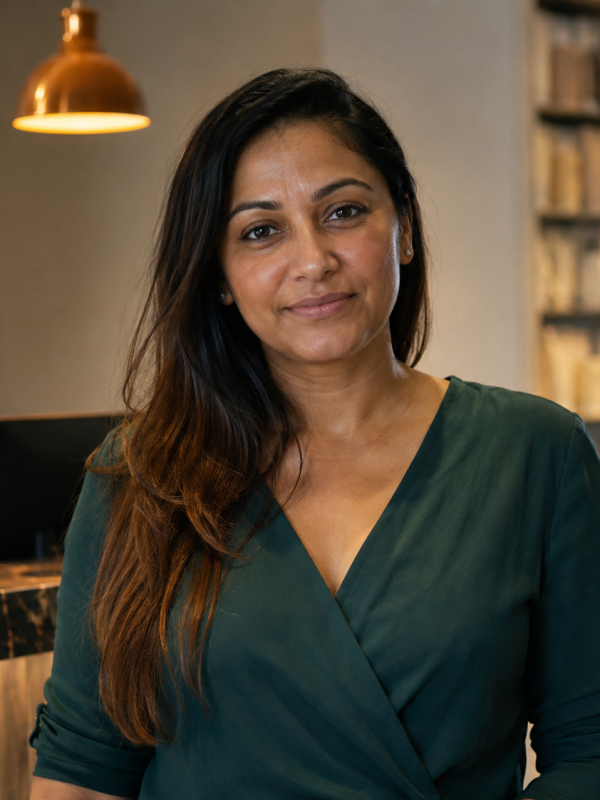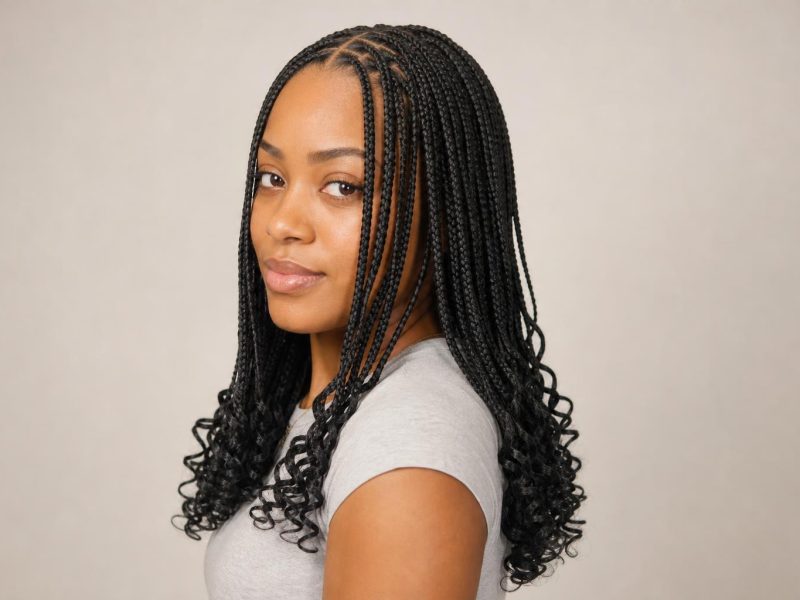

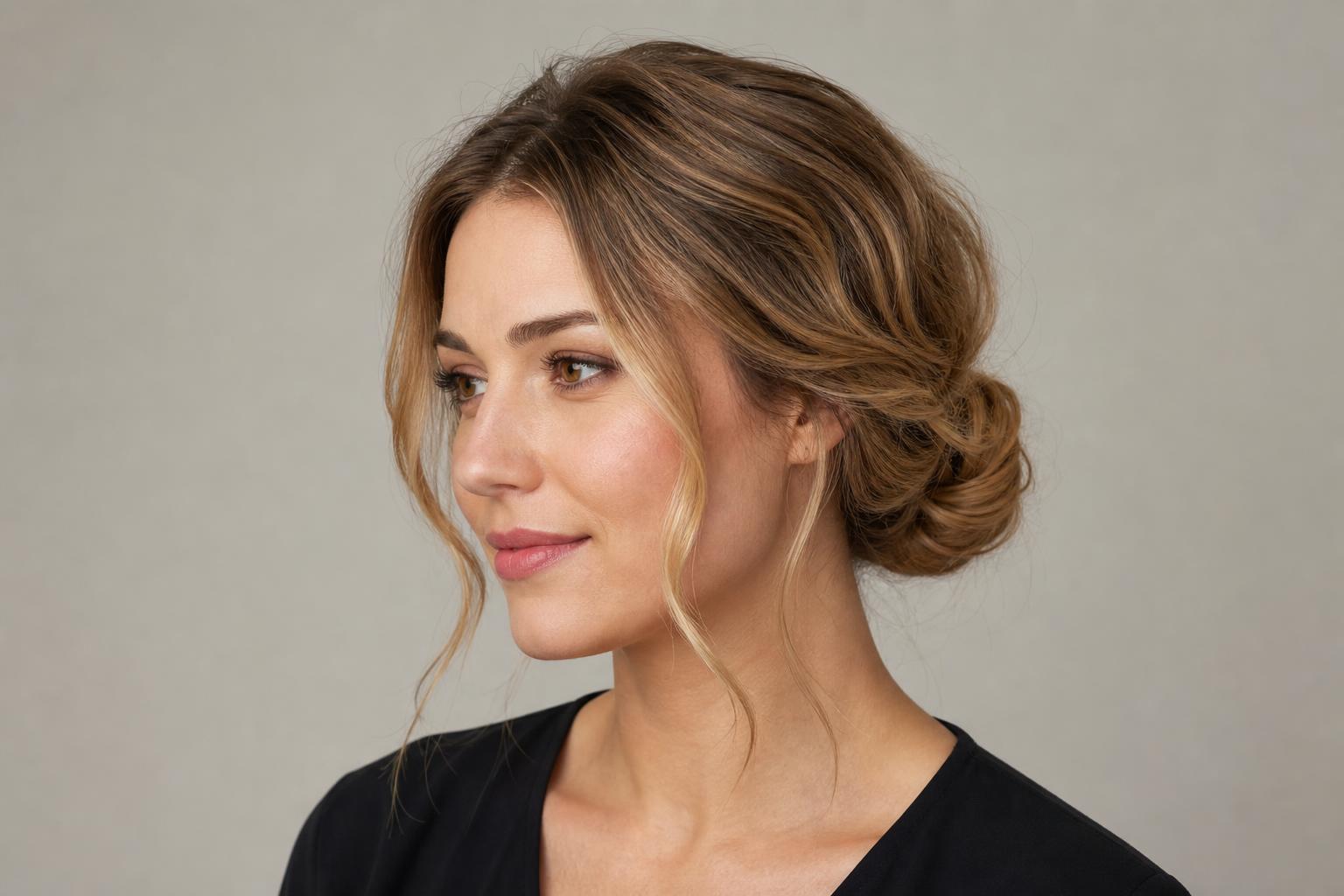
The reason a simple hairstyle works on some mornings and collapses on others has almost nothing to do with your skill and everything to do with how many days it has been since you washed.
Simple hairstyles for ladies fall into three honest time brackets: under a minute, one to three minutes, and three to five. Most roundups label everything five minutes, which is why a style that genuinely takes forty seconds ends up next to one that needs a mirror, eight pins and a patient morning. The 30 styles below are sorted by how long they actually take, and each one names the wash day it grips on best.
Freshly washed hair is slippery and will not hold a twist without product. Day-two and day-three hair has natural grip and holds almost everything. That single variable decides more outcomes than hair length does, so it is listed with every entry alongside the lengths it suits.
| Factor | Details |
|---|---|
| Best for | Shoulder length and longer; short hair options noted per entry |
| Key variable | Days since washing, which controls grip more than length or texture |
| Tools needed | Elastics, bobby pins, one claw clip, dry shampoo, a soft brush |
| Avoid if | Hair is freshly washed, fine and product-free, where most twists slip out |
| Time range | 40 seconds to 5 minutes, timed per style below |
Simple Hairstyles You Can Do in Under a Minute
These eight need one hand movement and one fastening. None requires a mirror, which is what makes them genuinely fast rather than fast on paper. All of them work better on day-two hair, and all of them can be rescued with a shake of dry shampoo at the roots if your hair is too clean to grip.
1. The One-Twist Low Bun
Gather everything at the nape, twist the ponytail in one direction until it starts to coil against itself, then wrap the coil and secure with a single elastic. The twist is doing the holding, so the elastic only needs one loop. Works on day two or later at shoulder length and below.
2. Claw Clip Half-Up
Scoop the top third of your hair back from the temples and clamp it with a medium claw clip, letting the ends fan out above the clip rather than tucking them in. Face-framing pieces left loose at the front keep this from looking severe, which matters most on round and square faces. Clean hair is fine here since the clip grips mechanically rather than relying on texture.
3. Low Ponytail with a Hidden Elastic
Tie the ponytail as normal, take a half-inch section from underneath, wrap it around the elastic and pin the end up into the base. Ten extra seconds turns a functional ponytail into something that photographs well. Fine hair holds the wrapped section better than thick hair, which tends to slip the pin.
4. Deep Side Part Tuck
Rake a deep part above one eyebrow, then tuck the shorter side behind that ear only. Asymmetry does the work, and the visible ear on one side keeps the silhouette from reading flat. Best on straight to wavy hair from chin length down.
5. Second-Day Messy Bun
This is the style that improves with neglect: day-three hair holds a messy bun with no product at all, while freshly washed hair needs texture spray to stay up past lunchtime. Twist loosely, wrap once, and let a third of the ends escape rather than forcing them in. Our breakdown of what second-day hair does by cut type explains why some cuts hold this and others do not.
6. Half-Up Top Knot
Pull the crown section into a small knot and leave the rest down, which lifts flat roots without committing to a full updo. On hair with visible balayage or highlights the knot exposes the lighter mid-lengths underneath, so the color reads brighter than it does hanging loose. Any length past the collarbone works.
7. Tucked Bob Behind Both Ears
Short hair gets left out of most quick-style lists, and tucking a bob behind both ears is the fix: it is instant, it holds all day on day-two hair, and it exposes the jawline cleanly. Add one pin behind each ear if your hair is silky enough to slip forward. Chin to collarbone length only.
8. Headband Push-Back
Unlike a ponytail, this keeps hair off your face without a single point of tension, so it does not leave a dent or stress the hairline. Push a fabric band back from the front hairline rather than pulling it forward, then nudge the crown forward for a little height. Works on every length past the ear.
Simple Hairstyles That Take One to Three Minutes
Adding two minutes buys you structure. Everything in this bracket involves either a braid, two fastenings, or a rope twist, and all of them survive a full workday rather than sagging by mid-afternoon. Most need day-two grip, and a few genuinely need a mirror.
9. Rope Twist Ponytail
Split a low ponytail in two, twist each half clockwise, then wind the two halves around each other counterclockwise. Twisting both strands the same direction before crossing them the opposite way is what stops the rope unravelling, and it is the step most tutorials skip. Long and thick hair holds this best.
10. Two-Strand Crown Twist
Take a section above each ear, twist each one back along the hairline and pin the two together at the back of the crown. Faces with a wide forehead benefit from the height it creates at the top rather than the sides. Fine hair should pin with two crossed bobby pins instead of one, since a single pin slides.
11. Loose Side Braid
Sweep everything over one shoulder and braid loosely, stopping three inches from the ends so the tail stays soft. Gently pull the outer edges of each braid section afterward to widen it, which makes thin hair look considerably fuller. Collarbone length and longer.
12. Half-Up Half-Down with a Bump
Backcomb the crown section lightly at the roots before securing the half-up, then smooth the surface over the backcombing with a soft brush. Skipping the smoothing pass is what turns a bump into visible frizz. Our gallery of half-up half-down styles on textured hair covers the variations that work on coils and curls.
13. Bubble Ponytail
Tie a ponytail, then add small elastics every two inches down the length and tug each section wide to form the bubbles. The whole thing holds until you take it out, which makes it one of the few quick styles that survives a gym session. Needs at least shoulder-blade length to form three visible bubbles.
14. Low Chignon Roll
Roll the ponytail upward against the head rather than downward, then pin the roll at three points along its length. Rolling upward keeps the shape lifted off the neck instead of collapsing into it, which is the difference between a chignon and a lump. Best on medium to thick hair from shoulder length down.
15. Space Buns for Casual Days
Part down the middle, tie two high ponytails, and coil each one into a small bun above the ear line rather than behind it. Placement above the ear reads playful; behind the ear reads like an accident. Our space buns gallery shows the placement variations at different lengths.
16. Braided Headband
Braid a one-inch section from just above one ear, take it across the front hairline, and pin it behind the opposite ear. The braid holds hair back like a headband but has no tension across the crown, so it will not cause the breakage a tight band does over time. Any length past the shoulder.
17. Twisted Half-Up on Curls
Curly hair needs less manipulation, not more, so twist only the front sections back and leave the curl pattern below completely untouched. Pinning wet curls flattens them permanently for the day, so wait until they are fully dry. Works from 2c through 4a.
18. Sleek Low Ponytail
A little gel or a light cream on a damp brush pulls the surface flat without the crunchy finish hairspray leaves. Take the ponytail lower than feels natural, right at the nape, since anything higher pulls the surface back up. Straight hair holds this longest; wavy hair needs a second smoothing pass by midday.
19. Scarf-Wrapped Low Bun
Tie a silk scarf around the base of a low bun and let the ends trail, which covers a messy base and adds color at the same time. Silk over cotton matters here, because cotton grips and snags the hair it is meant to protect. Any length that will make a bun.
Simple Hairstyles That Take Three to Five Minutes
This bracket is where the styles start to look deliberate rather than practical. Nothing here needs skill you do not already have, but each one has three or four steps and most need both hands and a mirror. These are the styles worth learning once and keeping for the mornings that matter.
20. French Twist with Two Pins
Gather hair to one side, fold it up against the back of the head, and tuck the ends down inside the fold, anchoring with two crossed pins at the middle. The classic version uses eight pins and takes ten minutes; two pins placed at the center of the fold hold just as well because the tension is in the fold, not the pins. Needs shoulder length and longer.
21. Dutch Braid Along the Hairline
Crossing the strands under rather than over is the only difference between a Dutch and a French braid, and it is what makes the braid stand up off the scalp. Starting at the temple and following the hairline keeps it out of your eyes all day. Our step-by-step on how to Dutch braid covers the hand position that makes it click.
22. Half-Up Bubble Braid
Take a half-up section, then bubble just that section with three small elastics while the rest hangs loose. Because only half the hair is bubbled, this holds on fine hair that would not have the density to fill full bubbles. Collarbone length and longer.
23. Twisted Low Bun with Face-Framing Pieces
Before you gather anything, pull two half-inch pieces free at the front and leave them alone for the rest of the process. Building the bun first and then trying to pull pieces out gives you crooked, kinked strands rather than soft ones. Every length past the shoulder blade.
24. Overnight Heatless Waves
Unlike a curling iron, this trades five minutes of morning work for two minutes at bedtime: damp hair wrapped around a fabric rod or braided in two sections dries into a soft wave by morning. Braided waves come out crimped and defined while rod-wrapped waves come out looser and rounder, so pick by the finish you want. Full method in our guide to overnight heatless curls.
25. Knotted Half-Up
Take a section from each side, tie them in a simple overhand knot at the back of the head, then tie a second knot below the first with the same two sections. No elastic and no pins, which means nothing to dig into your scalp during a long day. Needs enough length that the two sections meet comfortably at the back.
26. Low Ponytail with a Braided Wrap
Braid a small section from the underside of the ponytail, wind it around the elastic, and pin the tail into the base. The braid covers the elastic more securely than a smooth wrapped section, so it stays put on slippery, freshly washed hair where the plain version slides off. Any length that ponytails.
27. Crown Braid on Natural Hair
Two flat braids taken from a center part and pinned in a circle keep coils protected and off the face for several days at a time. Because this holds for days rather than hours, it earns its five minutes better than any other style here. Works on 3c through 4c textures.
28. Waterfall Braid
Drop one strand out of every crossover and pick up a fresh one from above, which leaves loose pieces falling through the braid. It photographs far better than it feels to do, and the falling strands stay put on wavy hair while sliding out of straight hair within an hour. See our walkthrough of the waterfall braid for the drop-and-pick-up rhythm.
29. Twisted Updo for Fine Hair
Three separate small twists pinned into a loose cluster hold better on fine hair than one large twist, because each twist carries less weight. Adding a light texture spray before you start gives the strands something to bite against. Best from shoulder length down.
30. Polished Low Bun for Work
Brush everything smooth, tie low, coil, and pin at four points spaced evenly around the bun rather than clustered at the top. Four spaced pins distribute the weight and keep the bun from sagging sideways by mid-afternoon, which is the standard failure of a two-pin version. Suits every hair type from shoulder length down, and pairs naturally with the polished looks that read well in an office.
Which Styles Hold on Your Hair Type
Hold has two inputs: how much grip your hair has on a given day, and how much weight the style asks a fastening to carry. Fine hair has grip but no weight, so it slips out of large styles and holds small ones. Thick hair has weight but often too much for a single elastic. The table below matches the two.
| Hair Type | Holds Best | Struggles With | Fix |
|---|---|---|---|
| Fine straight | Small twists, half-up styles, braided wraps | Large buns, French twists | Texture spray at the roots before starting |
| Medium wavy | Nearly everything on this list | Sleek styles, which frizz by midday | A smoothing cream on damp hair, not dry |
| Thick coarse | Rope twists, braids, chignon rolls | Claw clips and single elastics | Split into two sections and secure each |
| Curly 3a to 3c | Twisted half-ups, pineapple buns | Anything needing a smooth surface | Style dry, never damp, to protect the pattern |
| Coily 4a to 4c | Crown braids, flat twists, scarf wraps | Tight high ponytails, which stress the edges | Low tension placement and a satin scarf at night |
Stylist tip: Spray dry shampoo at the roots the night before, not the morning of. It needs a few hours to absorb oil and build texture, and applying it right before styling leaves a powdery cast on dark hair without giving you the grip you wanted.
The Grip Timeline After a Wash
Every style above was tested against the same variable, and it is worth understanding on its own because it explains most morning failures. Hair straight out of the shower has an intact, smooth cuticle and no natural oil, so strands slide across each other. By day two a thin oil layer has traveled down the shaft and strands catch on each other, which is exactly the friction a twist needs.
| Wash Day | Grip Level | Best Styles | What to Add |
|---|---|---|---|
| Day one, freshly washed | Lowest | Claw clips, headbands, sleek ponytails, hair worn down | Texture spray, or nothing and wear it loose |
| Day two | Best of the week | Every style on this list | Nothing |
| Day three | High but heavy at the roots | Messy buns, braids, updos that hide root oil | Dry shampoo at the part and crown only |
| Day four and beyond | Grip fine, appearance limiting | Fully pinned updos, scarf wraps, crown braids | A scarf or a full updo rather than more product |
When a Simple Style Is Not the Right Choice
Quick styles solve a time problem, and there are mornings when reaching for one creates a different problem instead. These are the situations where you are better off wearing your hair down.
- Your hairline is thinning or your edges are fragile. Daily tension at the same point causes traction damage over months, so rotate placement or leave hair loose on alternate days.
- Your hair is freshly washed, fine and product-free. Nothing will hold, and forcing it means re-doing the style twice before lunch. Wear it down and save the updo for tomorrow.
- You have a blunt bob shorter than chin length. Most of these need enough length to gather, and half-attempted updos on short hair leave loose pieces falling all day.
- Your hair is still damp. Pinning damp hair sets a permanent kink for the day and, on curls, flattens the pattern entirely until the next wash.
What to Ask Your Stylist for Easier Styling
Most of the difficulty in quick styling comes from the cut, not the technique. Heavy one-length hair has no internal structure for a twist to sit against, and very short layers at the crown fall out of every updo. If your styles keep collapsing, the request that fixes it is “leave the perimeter length alone, but put some internal layers through the mid-lengths so it holds a twist.”
The second useful request is about the face-framing pieces. Ask for two short pieces at the front cut to cheekbone length specifically so they fall forward when your hair is up, since these are what soften every updo on this list. Choosing between cuts is easier once you know which shapes you will actually wear, and our questionnaire on working out which hairstyle suits you covers that decision.
Stylist tip: Buy bobby pins in your natural color and open them wide before you use them. New pins are pressed too tightly to grip a normal section of hair, which is why they shoot out of thick hair, and bending them slightly open once solves it permanently.
FAQ
What Is the Easiest Hairstyle to Do Every Day?
A claw clip half-up is the easiest, because it grips mechanically and works on any wash day including day one. It takes about twenty seconds, needs no mirror, and suits every hair type from fine to coily. The low one-twist bun is a close second if you prefer hair fully off your neck.
How Can I Make My Hair Look Nice Without Heat?
Braid or wrap damp hair before bed and take it out in the morning, which gives you wave without a single degree of heat. Two loose braids produce a soft crimped wave; fabric rods produce a rounder curl. Either way the hair must be damp rather than wet, or it will still be damp at breakfast.
Which Simple Hairstyles Work on Short Hair?
Tucking behind both ears, a claw clip half-up, a headband push-back and a deep side part all work from chin length. Anything requiring a full gather needs at least collarbone length to hold. Short hair also holds a half-up top knot surprisingly well once the crown reaches about four inches.
Why Does My Bun Fall Out by Lunchtime?
Almost always because the hair was too clean or the weight was carried by one fastening. Freshly washed hair has no friction between strands, and a single elastic on thick hair cannot hold the load. Split thick hair into two sections and secure each, or add texture spray to clean hair before you start.
Do Simple Hairstyles Damage Your Hair?
Only through tension and friction, not through the styling itself. Pulling the same section tight in the same spot every day causes gradual traction damage at the hairline, and metal-jointed elastics snag and break strands. Rotate your parting and placement week to week, and use seamless elastics or a fabric scrunchie.
Can I Do These Styles on Freshly Washed Hair?
Some of them, yes. Claw clips, headbands, sleek ponytails and anything held by a clip rather than friction all work on day one. Twists, messy buns and loose braids need grip your hair does not have yet, so add a light texture spray at the mid-lengths or choose from the clip-based styles instead.
The most useful thing you can take from this list is not a specific style but the pairing habit: match the style to the day of your wash cycle rather than to your mood, and simple hairstyles for ladies stop being a gamble. Learn two from the under-a-minute group for ordinary mornings and one from the three-to-five-minute group for the days that matter, and you have covered a whole week. For more ideas at a specific length, browse our collections for long hair and short hair.
Hair results vary based on your natural hair type, texture, density, and condition. Always consult with a licensed hairstylist before making significant changes, especially with chemical treatments or dramatic length changes. Photos may show styled results that require professional tools and products to replicate.