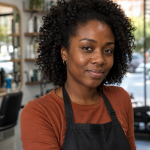


Alt hairstyles draw from goth, punk, emo, e-girl, and scene subcultures, each with distinct cutting and color signatures but a shared departure from conventional salon aesthetics.
The defining feature of an alt hairstyle is intentional subcultural reference: the cut, color, or styling signals a specific aesthetic community rather than just a preference for something outside the mainstream salon menu. Goth styles lean on dramatic volume, theatrical color, and Victorian or deathrock references. Punk prioritizes structural extremes — shaved sides, liberty spikes, bleached contrast. Emo and e-girl styles work at a more intimate scale: heavy side-swept bangs, color-blocked sections, and accessory-forward looks built for close-range impact.
These 30 styles are organized by subculture family, from the darkest goth aesthetics to the gentler soft alt category. Each entry identifies the technique behind the look, who it suits by hair type and face shape, and what to request at the salon. A subculture breakdown, face shape table, and maintenance section follow the gallery.
| Factor | Details |
|---|---|
| Best for | Any hair type depending on the subculture style; works across straight, wavy, curly, and coily textures |
| Defining feature | Subculture-rooted cuts and color choices that deliberately depart from mainstream styling norms |
| Maintenance | Shaved cuts: barber visit every 3–4 weeks; vivid color: refresh every 3–5 weeks; layered cuts: 6–10 weeks |
| Avoid if | Strict professional appearance codes; fragile or heavily damaged hair before any bleach service |
| Salon time | 45–90 minutes for cut-only; 2–4 hours for cut plus vivid color or bleach services |
Goth and Dark Aesthetic
Goth hairstyles span traditional goth (teased black hair at maximum volume), deathrock (mohawk-adjacent cuts with shaved sections), nu-goth (modern minimalist black cuts), and Victorian goth (elaborate updos and braided crowns). The shared element is commitment to dark color and structural drama, whether that drama comes from extreme volume or extreme minimalism depends on which branch of goth aesthetics you are drawing from. These eight styles cover the full range.
1. Classic Trad Goth Teased Updo
Teasing the roots of a mid-length cut upward and backward, then sealing with maximum-hold hairspray, builds the crown volume that defines traditional goth style. The more thorough the backcombing at the root zone, the higher and more rigid the final shape. On thick straight hair this holds for 6–8 hours without reinforcement; on fine hair, it needs a light reapplication of firm-hold spray every few hours to stay in place.

2. Victorian Goth Braided Crown
Oval and heart-shaped faces support an elaborate braided crown without the updo creating an overly top-heavy silhouette. A series of Dutch braids across the crown, pinned flat and dressed with black ribbon, references Victorian mourning braids and requires no special cut beneath it. Round faces should keep the front braids slightly lifted rather than lying flat, to add height rather than width.

3. Deathrock Mohawk with Shaved Sides
Medium to thick hair with some natural wave is the most workable starting texture for a mohawk: the density at the roots resists humidity and holds vertical sections without constant reinforcement. Fine hair can be spiked with a heavy-hold product, but the structure compresses within a few hours under warm conditions. The skullet is a longer, less severe relative of this cut for anyone who wants a similar side contrast without the full mohawk strip.

4. Dark Gothic Bob with Blunt Fringe
Achieve the full-gloss, pin-straight finish typical of a goth bob with a ceramic flat iron on low-to-medium heat, working 1-inch sections from underneath. A drop of gloss serum on each section before ironing gives the surface the lacquer quality that separates a goth bob from a standard blunt bob — the color looks richer and the fringe sits heavier. Keep the temperature at or below 375°F on fine or color-treated hair to prevent moisture loss.

5. Long Black Hair with Silver Money Pieces
Silver money pieces on naturally black hair require bleaching the face-framing sections to a pale yellow before toning to silver, which creates a commitment to toner refresh appointments every 5–7 weeks before the silver warms to a brassier tone. A blue or purple toning shampoo used once per week counteracts the warmth between colorist visits. Without consistent toning, the silver shifts to a golden tone within two to three weeks.

6. Nu-Goth Wolf Cut in Black
All-black hair on a wolf cut with bangs shifts the entire visual emphasis onto the structural movement of the layers, since there is no color contrast to draw the eye. On wavy hair, the layers and wave pattern create enough textural interest to keep the monochrome color from appearing flat. A drop of blue-black hair gloss used as a finishing step adds depth and prevents pure black from looking dull under cool artificial lighting.

7. Gothic Half-Up Horns Style
To request devil horn buns from a stylist, use this language: “I want two small buns positioned above the temples, packed tight and twisted into a pointed shape at the top, with the rest of the hair left down.” A stylist can achieve this on hair as short as chin length using small hair ties and a fine-tooth tail comb for the precision part. Reinforce each bun with bobby pins inside the structure and a spritz of firm-hold spray to prevent the points from softening through the day.

8. Goth vs. Emo: Two Approaches to Dark Hair
Goth hair prioritizes structural drama — high volume, theatrical color, and references from Victorian mourning to deathrock stages. Emo hair operates at a closer scale: heavy side-swept bangs, a deep part, color-blocked sections that reward proximity rather than distance. The practical difference matters at the salon because a goth look requires more volume product and timing than an emo cut, which often needs only a precision fringe and a careful color job.

Punk and Scene
Punk hairstyles are defined by structural extremes and DIY irreverence: mohawks, shaved sections, and bleached contrast that reject the polished finish of mainstream salon work. Scene hair, which has circled back as nostalgia aesthetics resurge, features bold color blocking, high-volume teasing, and layered cuts with heavily razored ends. Both styles depend more on the barber or colorist’s skill with extreme techniques than on any particular natural hair attribute.
9. Chelsea Fringe Undercut
A Chelsea cut pairs a fringe left across the forehead and possibly at the temples with the rest of the head clipped short or shaved close. The barber clips everything behind the temples from a #1 guard down to skin while leaving the front section at its natural length, creating a sharp horizontal contrast between the blunt fringe and the bare head behind it. This is one of the few alt cuts that a skilled barber can execute in under 30 minutes on a client with straight medium-fine hair.

10. Scene Side-Parted Layers with Raccoon Streaks
Scene hair’s chunky black-and-bleached stripe pattern creates strong horizontal contrast that divides the hair into zones. Oval faces can carry this pattern at any length without the stripes adding unwanted width, but round faces should keep the scene layering starting below the cheekbones to avoid bulk at the widest point of the face. Request alternating foil placement from your colorist, specifying that bleached sections should be at least 1 inch wide.

11. Liberty Spikes on Medium-Density Hair
Achieving freestanding liberty spikes requires medium density or better at the root; fine hair can be spiked with heavy product but the spikes compress within an hour without structural hold from the root. Matte water-based pomade packed into each section from the root upward, then coated with firm-hold gel, gives each spike the rigidity needed to stay upright without aerosol crunch. Thick or coarse hair is the easiest starting texture: the existing density makes structural hold easier to achieve and longer to maintain.

12. Bleached Pixie with a Colored Underlayer
Tinting only the underlayer of a pixie cut a vivid color while leaving the top section bleached or natural creates a hidden-color effect that appears when the head moves or the top section is tousled. Style the top section flat over the colored underlayer with a light pomade for the full-reveal effect; separate and lift it with a pick for a mixed-color look. The underlayer color can be refreshed at home with a direct-dye product without disturbing the bleached top section.

13. Punk Shag with Neon Ends
Neon hair dye sits on the outermost layer of the shaft, which makes it the fastest-fading color category: a vivid neon yellow or electric green shifts to a washed-out version within 4–6 washes if a color-protecting shampoo is not used. Wash neon-dyed ends in cool water and use a color-safe sulfate-free cleanser to slow the dye molecule release. Budget for a color refresh every 3–4 weeks to stay in the vivid neon zone, or let it fade naturally to a softer pastel for a lower-maintenance outcome.

14. Scene Bob with Chunky Color Sections
Thick, chunky foil placement on a scene bob, alternating full bleach sections with the natural color, creates a more visually distinct layering effect than fine balayage; each wide stripe catches the light at a different angle, making the cut’s structure more apparent. Request chunky highlights in a foil pattern, specifying that sections should be at least 1 inch wide to achieve the visual separation. On a chin-to-jaw-length bob, four to six chunky sections across the top and sides produces the signature scene aesthetic without overwhelming finer hair.

15. Mohawk Fade for Women
Bringing a reference photo to a barber requesting a mohawk fade is especially important because the width of the mohawk strip and the height of the fade start point vary widely in what clients describe as “a mohawk.” Use this language: “I want the sides faded from skin to natural hair, with the mohawk strip starting approximately one inch from the temple on each side. Keep the strip at full length and texture, and give me a clean neckline.” Specifying the strip width in measurements prevents the barber from defaulting to their own preference.

16. Side-Swept Undercut Pixie vs. Mohawk Strip
A side-swept undercut pixie and a shaved mohawk strip are both short alt cuts with one severely tapered zone, but they produce opposite silhouette priorities. The undercut pixie keeps visible length on top and sweeps it sideways, emphasizing asymmetry and movement above a close-tapered side. The mohawk strip draws the eye to a central ridge of length running front-to-back, with the interest coming from the contrast between the central section and the close-faded sides. Choosing between them depends on whether your preference is for lateral movement or central structural contrast.

Emo and E-Girl
Emo and e-girl hairstyles both use precision-placed side parts, color-blocked sections, and accessories as structural elements, but they operate at different scales of expression. Emo hair focuses on the fringe: a heavy side-swept bang covering one eye became the subculture’s most recognizable signal. E-girl styling uses hair as a platform for close-up documentation, with split dyes, tendril-framed faces, and clip placement built for frontal-facing presentation.
17. Classic Side-Swept Emo Fringe
A razor-cut fringe creates the wispy, textured end quality that distinguishes a classic emo bang from a blunt cut. Starting the razor approximately 2 inches below the inner corner of the brow and sweeping outward produces the heavy-to-light taper across the fringe width the style requires. A drop of smoothing serum worked through the fringe while damp prevents it from separating into sections when air-dried.

18. E-Girl Split Dye: Half Black, Half Platinum
Oval and heart face shapes handle a center-parted split dye most evenly because their proportions do not create a visual imbalance when the color divides the head symmetrically. Round faces should consider which side gets the more saturated tone, as placing the heavier color on the narrower-looking side can improve the overall balance rather than splitting strictly down the center. A consultation with your colorist about placement based on your specific face shape produces a better result than a purely symmetrical split.

19. Scene-to-Emo Layered Bob with Colored Tips
Medium to thick hair handles a scene-to-emo hybrid layered bob better than fine hair: the layering needed to produce the heavy-bottom texture of this look can leave fine hair appearing thin at the perimeter rather than full. On fine hair, keep internal layers lighter and apply the color-tipped effect only to the outermost sections, where the shorter pieces are denser. Ask your stylist for a layered bob with razored tips on the outer sections and minimal internal thinning.

20. E-Girl Space Buns with Face-Framing Tendrils
Pull the top half of the hair into two high buns above the temples, leaving two thin sections at the front hairline on each side. Curl those sections into small spiral tendrils with a narrow 3/4-inch curling iron, then mist them with hairspray to hold the spiral without going limp. Add hair clips or butterfly pins to the base of each bun; the clip placement is as much a styling choice as the bun shape itself.

21. Emo Fringe Grow-Out Timeline
A side-swept emo fringe grows out more gracefully than a straight-across blunt fringe because the diagonal end line moves toward a softer curtain bang rather than a square perimeter. At the 6–8 week mark, most emo fringes have grown to the point where they either need reshaping or they start to work as full curtain bangs on straight hair, giving the look a softer, indie-adjacent quality. Knowing this grow-out path before committing eliminates one of the most common surprises after a first emo-inspired cut.

22. Cherry Red Roots with Black Length
Applying cherry red or dark burgundy to the top 2–3 inches of naturally dark hair while the lengths stay black creates a root-first color effect that looks as though the color is growing in from above. The technique requires bleaching the root zone to a light orange before applying the red, making it a 2–3 hour process at a colorist — not a DIY job if the transition needs to look seamless. A color-protecting shampoo and cold-water rinsing significantly extends the vibrancy of the dark red section between appointments.

23. Asking Your Colorist for a Color Block
Color blocking means applying a single saturated direct-dye color to a clearly defined section of the hair without blending it into adjacent sections. Use this language at your appointment: “I want a color block on the front half of the top section, starting at the part and covering the area above the temples, with a clean line separating it from the back.” Specifying a clean line, not a blend, prevents the colorist from instinctively feathering the edge, which changes the visual result significantly.

Grunge, Indie, and Soft Alt
Grunge and soft alt aesthetics occupy the gentler end of the alt spectrum, drawing from 1990s Pacific Northwest rock, indie music visuals, and a recent crossover between cottagecore and darker subculture palettes. These seven styles share textured, low-maintenance cuts with subdued or muted color rather than vivid saturation. Soft alt is the version most compatible with professional settings or situations where extreme cuts are impractical.
24. 90s Grunge Shag with Heavy Layers
A grunge shag uses heavier internal layering than a modern shag: the layers start higher on the head, closer to the crown, producing a choppy, uneven texture rather than blended movement. The key is crown layers starting at approximately eye level when the hair is pulled upward, plus thorough point-cutting throughout. Anyone who already wears a curtain bang has the face-framing component the grunge shag needs, and adding a full set of crown and mid-length layers transforms the fringe cut into a fully realized grunge silhouette.

25. Soft Alt Blunt Cut with Pastel Underlayer
Square and oblong face shapes work particularly well with a blunt cut at jaw or collarbone length combined with a pastel underlayer: the horizontal blunt line softens a strong jaw, while the hidden color appears only when the hair moves. Round faces should opt for a collarbone-length blunt line rather than jaw-length, so the cut creates vertical fall rather than adding width. Keep the pastel color to the lower half of the lengths on round faces for the same reason.

26. Indie Lob with Money Piece on Wavy Hair
Wavy 2a and 2b hair handles an indie lob with a money piece better than straight hair because the wave adds the lived-in texture the aesthetic requires without heat styling. Bleach only the two front sections to a pale slightly warm blonde and let the lob air-dry for the undone finish the look depends on. On straight hair, add a sea-salt spray to damp hair before air-drying to produce the texture that wave patterns provide naturally.

27. Cottagecore with an Edge: Dark Braids with Ribbon
Milkmaid braids or halo braids dressed with dark dried florals, black ribbon, or structured hair pins occupy the soft alt category: recognizably romantic but separated from conventional bridal braids by a darker accessory palette and precise, structured styling. To achieve the halo shape, create two French braids starting from the nape and coil each one over the crown to meet at the opposite temple, pinning flat and adding accessories at the crossing point. The effect requires no special cut and works on any hair length past the shoulder.

28. When Pastel Colors Fade: Soft Alt Maintenance
Pastel hair colors (lavender, dusty rose, pale blue) fade within 2–4 weeks in most cases to a near-natural shade with only a faint residual tint. The soft alt aesthetic accommodates this fade: a slightly muted, bleached-out tone that suggests past color without requiring current upkeep fits the deliberately low-effort quality of the genre. Budget for a color refresh every 3–4 weeks to stay in the saturated pastel zone, or let the color fade for a softer, lower-maintenance version.

29. Dusty Rose to Deep Plum Gradient
A dusty rose to deep plum gradient can be applied without bleaching on hair already lightened to level 8 or above, since both tones are achievable on a pre-lightened base without additional lifting. Apply deep plum to the mid-shaft and ends first, then overlap dusty rose from the root downward into the top third of the plum section, creating a transitional zone where the tones blend rather than abruptly separate. On natural brown hair at level 5–7, pre-lightening to at least level 9 is required for both tones to show accurately.

30. Soft Alt vs. E-Girl: Where the Styles Overlap
Soft alt and e-girl hairstyles share a color-forward, accessory-heavy approach but differ in scale and explicitness of subculture reference. E-girl styling is platform-native, built for direct-to-camera frontal documentation with clips, tendrils, and split dyes that communicate immediately at portrait orientation. Soft alt is more context-flexible: an indie lob with a faded money piece worn loose crosses into professional or mainstream settings without the explicit subculture signaling of a fully realized e-girl look. The practical question is how visible you want the reference to be.

What Alt Hairstyles Actually Are
The term covers at least six distinct subculture families, each with its own structural and color logic. The table below identifies the key hair characteristics that distinguish one from another.
| Subculture | Key Cut | Key Color | Signature Element |
|---|---|---|---|
| Goth | Teased volume, Victorian updo, sharp bob | Black, dark burgundy, deep silver | Structural drama; historical or theatrical reference |
| Punk | Mohawk, Chelsea cut, shaved undercut | Bleached contrast, neon, or natural | DIY asymmetry; rejection of salon symmetry |
| Emo | Side-swept fringe, layered bob | Black with color-blocked sections | Heavy fringe covering one eye; close-range detail |
| Scene | Voluminous layered cut, scene bob | Black and bleached raccoon stripes | Maximum volume teasing plus chunky color blocks |
| E-Girl | Any cut; center or side part | Split dye, pastel, vivid direct color | Clip accessories; frontal camera-forward composition |
| Soft Alt | Shag, lob, indie layered cut | Muted pastels, dusty tones, natural | Lived-in texture over extreme structure; subtle reference |
Face Shape Guide for Alt Styles
Alt cuts range from structural extremes (mohawks, shaved sections) to softer variations (grunge shags, indie lobs), and face shape guidance applies across this full spectrum. The table below matches the most common alt cut families to each face shape.
| Face Shape | Alt Cuts That Work | Avoid |
|---|---|---|
| Oval | Any; most versatile for extreme cuts | Nothing specific; most alt silhouettes work |
| Round | High taper mohawk; asymmetric undercut with volume on top | Chin-length scene bobs with blunt bangs (adds horizontal emphasis) |
| Square | Grunge shag, soft alt lob, layered cuts that soften jaw angles | Very blunt jaw-length cuts with no layering (sharpens the jaw) |
| Heart | Scene bob, grunge shag with volume at the jaw | Wide stacked volume at the crown (amplifies forehead width) |
| Oblong | Grunge shag with curtain bangs; scene bob with side volume | Very long straight center-parted looks with no width at the sides |
| Diamond | Soft alt bob with face-framing layers; emo layers with chin-level volume | Center-parted styles with nothing at the forehead (emphasizes narrow temples) |
What to Tell Your Stylist
The primary challenge with alt hairstyles at a mainstream salon is that most stylists can execute a side-swept fringe, a grunge shag, or a softer hush cut hairstyle, but extreme alt cuts — mohawks, Chelsea cuts, shaved undercuts with specific fade heights — require a barber or stylist with experience in that specific technique. Before booking, ask directly whether the person you are seeing has done that cut before. A stylist who has never done a Chelsea cut will approach it differently from one who does them regularly.
For color work, extreme techniques (split dye, chunky bleach sections, neon application) should be handled by a colorist with a portfolio of that specific type of work. Showing reference photos from a colorist’s own portfolio, not just inspiration images, confirms they can execute the look.
Stylist tip: Bring reference photos with the following details labeled: exact fade height if any shaved section is involved, the width of the shaved or tapered zone, fringe length and direction, and any color placement detail. A single unlabeled photo leaves too many variables open to interpretation and increases the chance of a result that misses the mark.
Stylist tip: For any color work involving bleach (split dye, raccoon streaks, neon on natural hair), ask the colorist to do a strand test before the full application if you have not bleached that section before. This is especially important on color-treated, relaxed, or heat-damaged hair where the bleach reaction can be unpredictable.
Maintenance and Upkeep
Maintenance timelines vary significantly across the alt spectrum. Extreme structural cuts (shaved sections, mohawks, Chelsea cuts) need a barber visit every 3–4 weeks to keep the faded and shaved zones sharp. Layered grunge or emo cuts can go 6–10 weeks. Color is the most demanding variable: vivid direct-dye colors need a refresh every 3–5 weeks, bleach-and-tone services every 6–8 weeks, and muted or natural-adjacent tones every 8–12 weeks.
Daily upkeep depends on the style. Goth volume looks need a morning rebuild with hairspray and root teasing. Emo and e-girl fringes need a touch of smoothing serum to stay flat and controlled. Grunge shags and soft alt lobs are the lowest-maintenance category: air-dry with a texturizing product and the look is largely done.
When Alt Hairstyles Are Not the Right Choice
Alt styles carry subculture associations that not every context accommodates. Several situations make a more neutral styling choice the practical option:
- Professional environments with strict appearance codes: Shaved sections, vivid colors, and extreme volume are likely to create friction in law, finance, healthcare settings, and other fields with formal dress requirements, regardless of technical quality or personal expression.
- Fragile or heavily damaged hair: The bleaching required for split dyes, raccoon streaks, and platinum contrast is significantly more likely to cause breakage on already-compromised hair. Spend 2–3 months on bond-repair and protein treatment before pursuing extreme color services.
- Short-notice commitments: Most alt looks require chemical processes that are difficult to reverse quickly. If you need a neutral style for a professional interview or formal event within 4–6 weeks, hold off on the bleach or extreme cut until after.
- Very fine or sparse hair at the roots: High-volume goth styles, scene teasing, and liberty spike structures all require a minimum root density to hold their shape. On very fine or thinning hair, these styles collapse within hours and require continuous product maintenance to remain recognizable.
FAQ
What Is an Alt Hairstyle?
An alt hairstyle is any cut, color, or styling choice rooted in an alternative subculture (goth, punk, emo, scene, e-girl, or soft alt) rather than mainstream beauty trends. The common thread is a deliberate departure from conventional salon aesthetics, expressed through structural extremes, vivid color, or precise subculture-specific styling details. Alt can range from subtle (a soft alt lob with muted pastel) to extreme (a shaved mohawk with neon sections).
Can Alt Hairstyles Work in a Professional Setting?
Soft alt styles (grunge shags, indie lobs, muted pastel tones) are workable in most professional environments because the subculture reference is subtle rather than explicit. More extreme looks (shaved sections, vivid neon, extreme volume) are less compatible with formal workplace dress codes. If you need a dual-context style, a hidden color underlayer or a grunge shag in natural tones delivers the alt aesthetic without highly visible subculture signaling.
What Is the Difference Between Emo and E-Girl Hair?
Emo hair centers on the fringe: a heavy side-swept bang covering one eye, dark base color, and a casual layered cut. E-girl hair uses any cut as the base, with the emphasis on split dye, color blocks, and accessories placed for frontal close-up impact. Both share dark color references and side parts, but emo is structural (the fringe carries the identity) while e-girl is compositional (the complete front-facing look is the statement).
What Products Do You Use for Alt Hairstyles?
Product depends on the subculture reference. Goth volume styles need maximum-hold hairspray and a firm root-lifting mousse. Punk structural looks (spikes, mohawks) use water-based matte pomade or gel packed from the root upward. Emo and e-girl fringes and tendrils need only a smoothing serum and light hairspray. Soft alt looks benefit from sea-salt spray or a lightweight texturizing cream for the lived-in finish.
How Much Does an Alt Hairstyle Cost?
A precision alt cut (emo fringe, grunge shag, scene layers) costs about the same as any other skilled cut, from $40 to $120 depending on the stylist’s experience level. Color work adds significantly: bleach-based services (split dye, raccoon streaks, neon application) range from $80 to $200 or more per session at a colorist experienced in vivid color. Maintenance costs accumulate quickly for vivid-color looks that need a refresh every 3–5 weeks.
How Long Do Alt Hair Colors Last?
Direct-dye vivid colors (neon, pastel, saturated fashion shades) last 2–5 weeks depending on wash frequency and water temperature. Bleach-and-tone services (silver, platinum, ash tones) last 6–8 weeks before the toner lifts and warmth returns. Muted or natural-adjacent alt tones (dusty rose, deep plum over brown, burgundy) last 8–12 weeks in most cases. Washing less frequently and in cooler water extends every color category.
Alt hairstyles work because the cut, color, or styling communicates something specific about how you relate to mainstream norms, whether the signal is as subtle as a soft grunge shag or as explicit as a shaved mohawk with neon contrast. The 30 looks in this gallery span the full alt spectrum, from the darkest goth aesthetics to the most context-flexible soft alt styles. Bring a reference photo showing both the structural detail and the color placement to your appointment, and confirm that your stylist or barber has experience with that specific type of cut before the first scissors touch your hair.
Hair results vary based on your natural hair type, texture, density, and condition. Always consult with a licensed hairstylist before making significant changes, especially with chemical treatments or dramatic length changes. Photos may show styled results that require professional tools and products to replicate.