

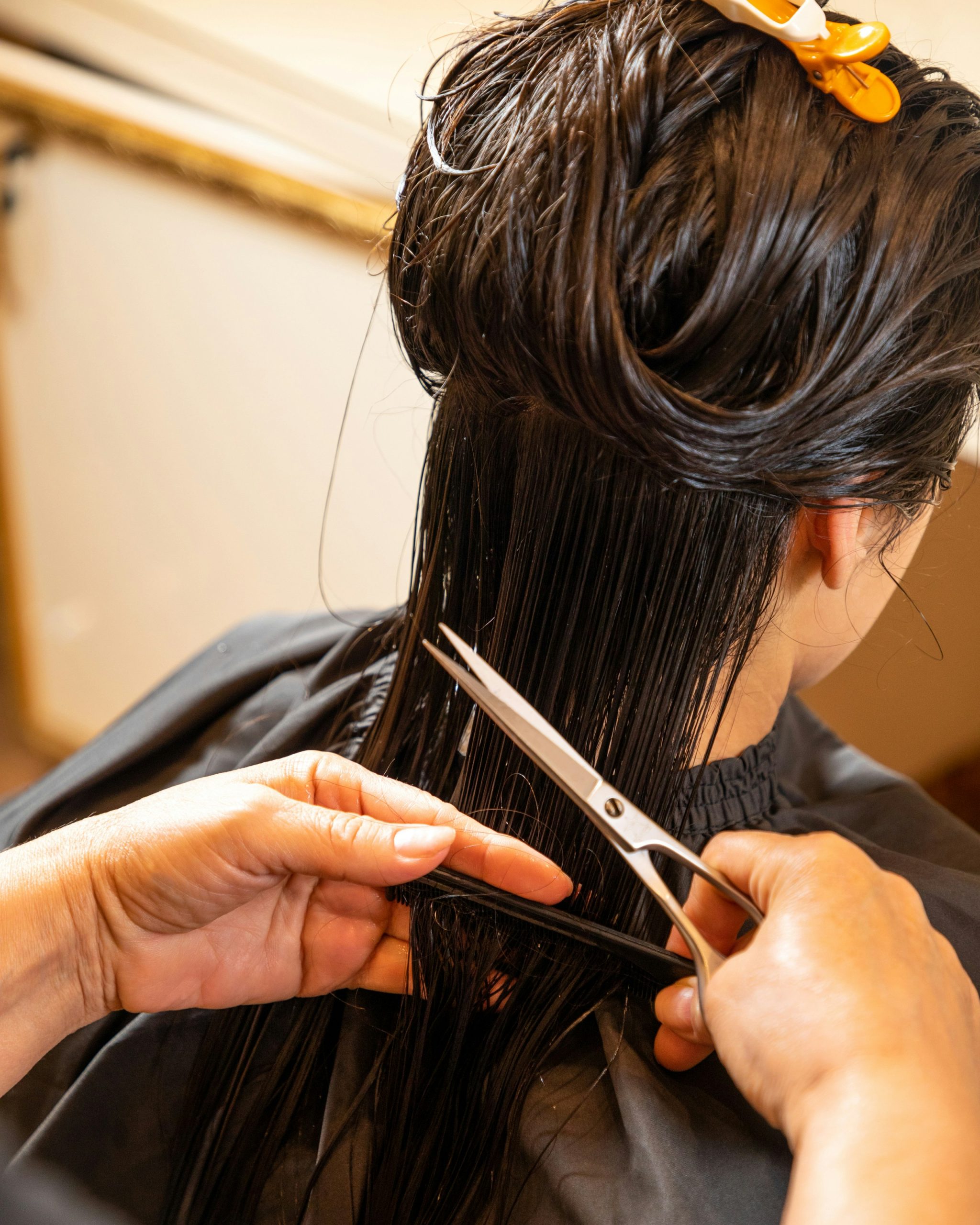
A wolf cut is easiest to get right when you ask for two things by name, short disconnected layers through the crown and long textured lengths left at the back.
To ask for a wolf cut, tell your stylist you want short, choppy layers concentrated at the crown and much longer lengths left through the back, with a clear jump in length between the two instead of a smooth blend. That single word, disconnection, is what separates a real wolf cut from a soft shag, so say it out loud during the consultation. Bring two or three photos and point to the exact crown volume and perimeter length you want copied.
This guide gives you the exact phrases to use at the chair, the reference-photo trick that prevents a too-short result, a hair-type and face-shape breakdown so you know which version to request, and an honest look at how often a wolf cut needs trimming. It also covers when a wolf cut is the wrong ask and what to request instead.
What a Wolf Cut Actually Is Before You Ask for One
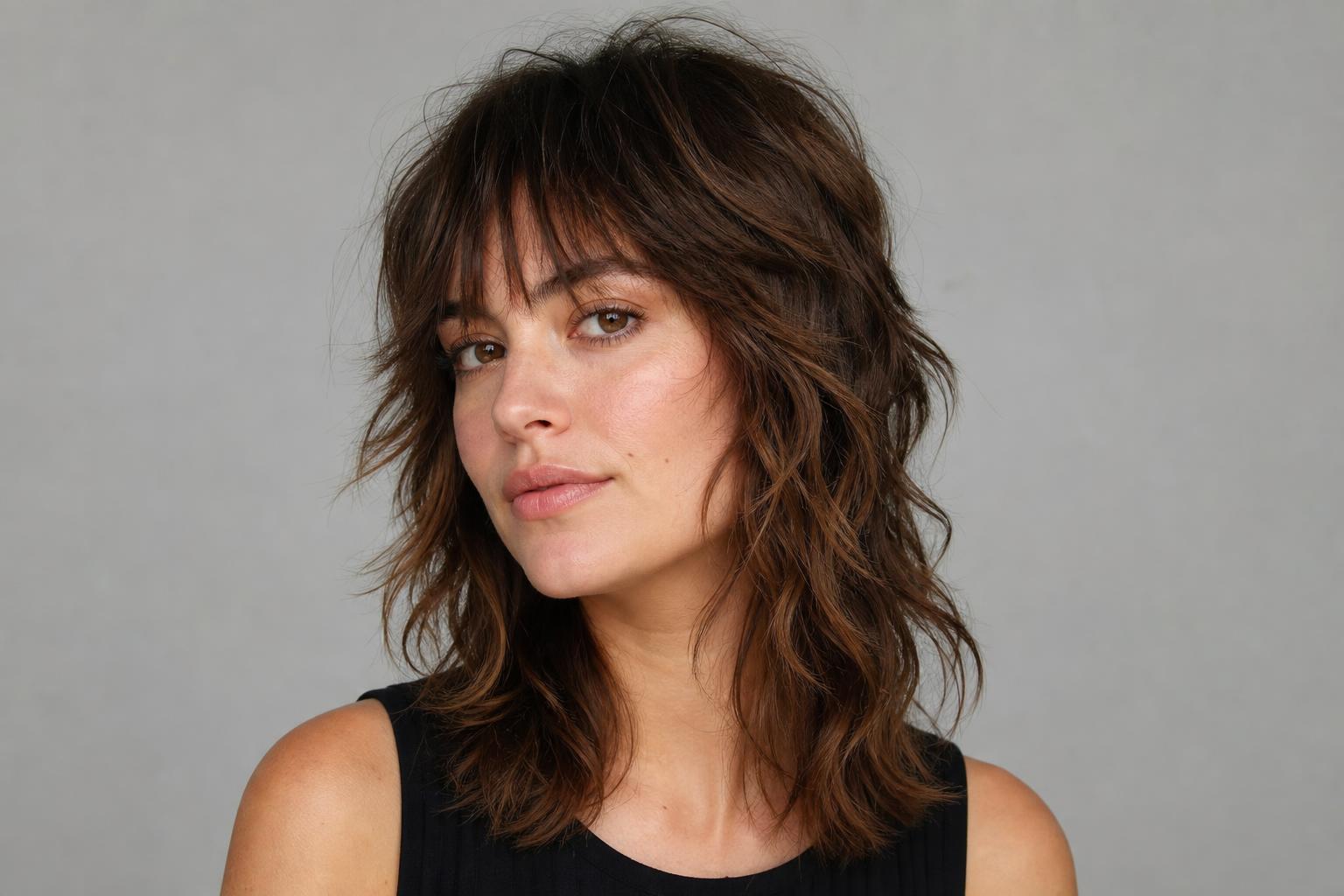
A wolf cut combines a shaggy, layered crown with longer, tapered lengths, borrowing the volume of a 1980s shag and the length contrast of a mullet without going fully into either. The defining feature is disconnection, meaning the short top layers and the long bottom lengths are cut as two separate zones rather than graduated into one another. Most of the visible texture lives in the top third of the hair, where choppy layers build height and movement, while the perimeter stays long and wispy. Knowing this structure matters, because if you ask only for layers you will likely get a blended shag instead.
Stylist tip: Use the word disconnected, not just layered. Layered tells a stylist to blend from short to long gradually, while disconnected tells them to leave a deliberate gap in length between the crown and the ends, which is the whole point of the cut.
The Exact Words to Tell Your Stylist
The fastest way to a good result is to hand your stylist a clear, specific request in the first minute of the consultation. Vague language like “something edgy and layered” leaves too much room for interpretation. The phrases below are written to be said almost word for word, then adjusted to your length and texture.
- “I want a wolf cut with short, disconnected layers through the crown and long lengths left in the back.”
- “Keep the internal layers choppy and textured, not blended, so there is real contrast between the top and the bottom.”
- “Add face-framing pieces starting around my cheekbones, but keep the overall length past my collarbone.”
- “Point cut or razor the ends for a wispy finish rather than a blunt line.”
- “I want volume at the crown, so texturize the top but keep weight in the perimeter.”
If your hair is fine, add one line and ask for soft, blended internal layers through the crown instead of heavy razoring, which keeps the ends from looking thin. If your hair is thick or curly, tell your stylist to remove weight with internal texturizing while keeping the perimeter long, since a heavier, softer Korean wolf cut looks gentler than the choppy original. Men asking a barber can use the same script and add a scissor request through the top so the crown keeps its length and movement, closer to a short men’s wolf cut than a clipper fade.
Stylist tip: Ask your stylist to cut the top section last. If the crown layers go in first, there is no way to add length back, so confirm they will shape your perimeter and face frame before touching the short internal layers.
Bring Reference Photos That Match Your Hair
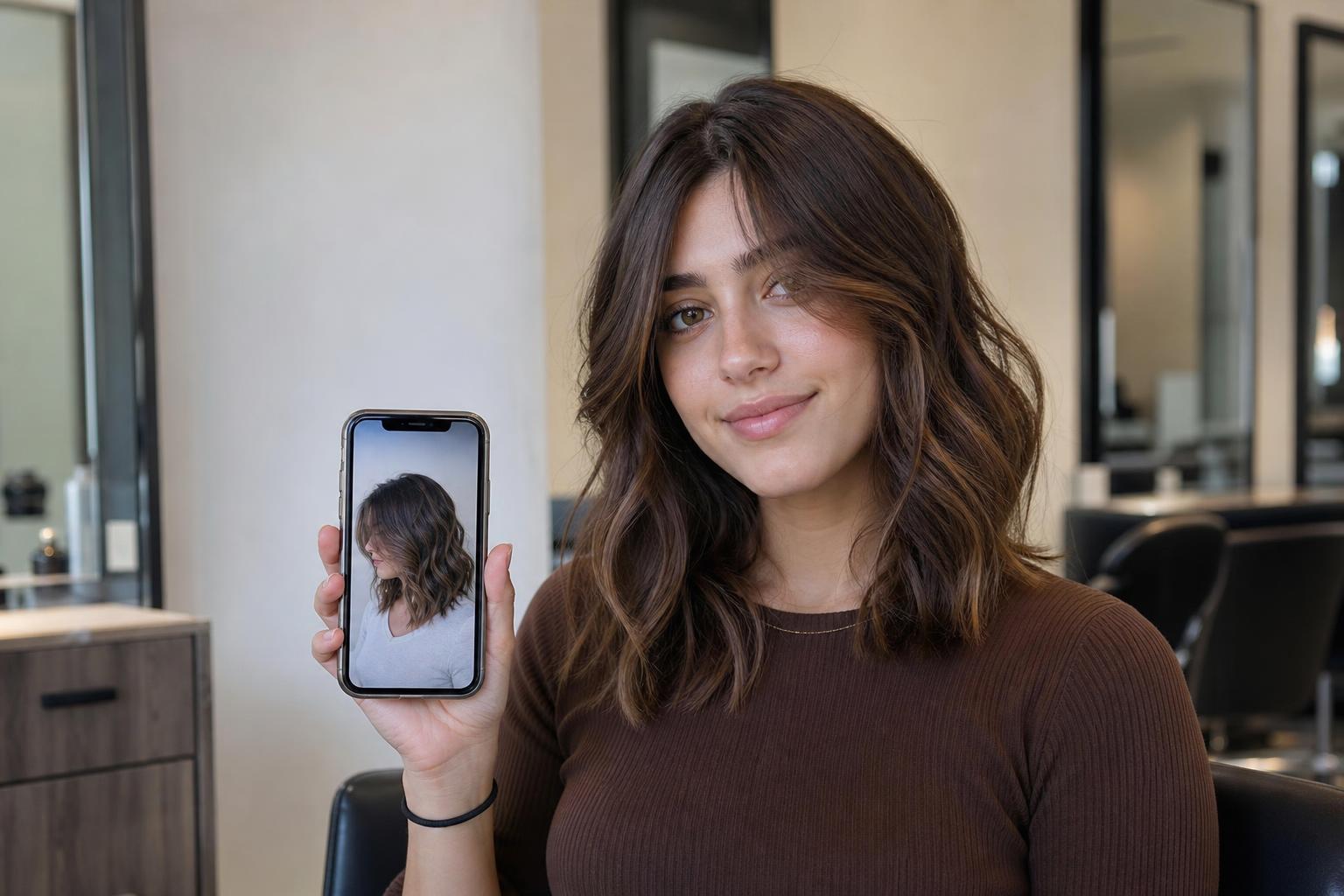
Photos do more work than any description, but only if they match your starting point. Choose images where the model has a similar hair texture and density to yours, because a wolf cut on pin-straight fine hair falls completely differently than the same cut on thick waves. Pick two or three angles of the same look, ideally a front and a back, so your stylist can copy the crown height and the perimeter length at once.
The most common mistake is bringing a photo of a heavily styled wolf cut and expecting the same shape air-dried. Ask your stylist which parts of the photo come from the cut and which come from styling, and save your favorite examples from a collection of wolf cut ideas before your appointment. A quick primer on how to use inspiration photos at the salon keeps the consultation focused on the details that matter.
Which Hair Types and Face Shapes Suit a Wolf Cut
A wolf cut works on more hair types than its edgy reputation suggests, but the version you ask for should change with your texture and face shape. Straight and wavy hair take the choppy layers most readily, while curly hair needs extra length left in to account for shrinkage. Round and oval faces balance the crown volume well, whereas long faces do better with a softer top to avoid adding height.
| Hair Type | Best Wolf Cut Version | What to Ask For | Watch Out For |
|---|---|---|---|
| Fine, straight | Short to medium with soft crown layers | Soft, blended internal layers and light face framing | Heavy razoring thins already-delicate ends |
| Thick, wavy | Medium to long, heavily textured | Remove weight with internal layers, keep the perimeter long | Too-short crown layers can puff outward |
| Curly, 3a to 3c | Long, cut on dry hair | Leave extra length for shrinkage and cut my curls dry | Wet cutting lands the layers shorter than expected |
| Coarse, dense | Medium with strong disconnection | Deep internal texturizing to reduce bulk | Without weight removal the shape looks boxy |
| Thin overall | Short with subtle layers only | Gentle layering for movement, no razored ends | Deep layers expose sparse areas at the crown |
For face shape, round and heart faces gain the most from the crown height, which lengthens the face visually, and a deep side part adds useful asymmetry. Long or oblong faces should ask for a lower volume point and longer face-framing so the cut does not stretch the face further. Square faces soften nicely when the face frame starts near the jaw rather than up at the cheekbone.
How Much Length You Need Before You Book
You need enough length for the contrast between short and long to actually show, which usually means hair that reaches at least your collarbone on straight or wavy textures. Shorter than that and the long perimeter has nowhere to go, so the cut collapses into a plain shag. Curly hair needs even more starting length because curls contract once dry, so plan for a few inches past the collarbone. If your hair is currently chin length, a stylist can build a mini or short wolf cut, but the dramatic mullet-adjacent silhouette needs more to work with.
Decide about a fringe before the appointment, since a wolf cut with bangs changes where the face-framing layers begin and how much length you sacrifice at the front.
Wolf Cut or Shag: Ask for the Right One
These two cuts get confused constantly, and asking for the wrong name is the top reason people leave unhappy. A shag blends its layers smoothly from top to bottom with soft, face-hugging fringe, so it looks fuller and more polished. A wolf cut keeps a deliberate gap between a short, choppy crown and long ends, so it looks edgier and more textured. If you want softness and movement, ask for a shag, and if you want contrast with volume up top, ask for a wolf cut.
A fuller comparison of a wolf cut versus a shag helps if you are still deciding between the two silhouettes.
The Maintenance Reality of a Wolf Cut
A wolf cut is not a low-maintenance style, whatever the messy look suggests. The choppy crown layers lose their shape faster than the long perimeter, so most people need a trim every 6 to 8 weeks to keep the contrast crisp. Short and men’s versions distort sooner, closer to every 4 to 6 weeks, while long wolf cuts can stretch to 8 to 10 weeks because the length hides grow-out. Daily styling runs about 5 to 15 minutes with a texturizing spray or a light mousse and a diffuser or round brush to lift the crown.
Between appointments, learning how to style a wolf cut at home keeps the layers looking deliberate rather than grown out.

When a Wolf Cut Is NOT the Right Ask
A wolf cut is the wrong request in a few honest cases, and asking for a modified version saves you a regret. Walk through this list before you commit at the chair.
- Very fine or thinning hair, because heavy internal layers expose sparse areas, so ask for a soft shag with light face framing instead.
- Hair shorter than the chin, because there is not enough length for real contrast, so grow it out or request a textured crop for now.
- No time for styling, because the crown needs daily lift to avoid falling flat, so a blunt lob or a blended shag is more forgiving.
- Very tight coils with low density, because short disconnected layers can look patchy, so a longer curly shag holds its shape better.
- A workplace with strict grooming norms, because the mullet-adjacent silhouette can be a hard reset, so a subtle long-layer cut gets similar movement more quietly.
FAQ
What Do I Tell My Stylist If I Want a Wolf Cut?
Tell your stylist you want short, disconnected layers at the crown and long lengths left in the back, with clear contrast instead of a smooth blend. Use the word disconnected so they know not to graduate the layers into one another. Bring two or three reference photos and confirm they will shape the perimeter before the top.
How Much Hair Do I Need for a Wolf Cut?
You generally need at least collarbone-length hair on straight or wavy textures for the contrast to show. Curly hair needs a few inches more because curls shrink up once dry. Chin-length hair can only support a shorter mini wolf cut, not the full mullet-adjacent shape.
Is a Wolf Cut High Maintenance?
A wolf cut needs a trim every 6 to 8 weeks on average, so it falls in the medium-maintenance range. The crown layers lose shape faster than the long ends, which is what drives the trim schedule. Daily styling is quick at around 5 to 15 minutes, but skipping it leaves the crown flat.
Can I Get a Wolf Cut with Fine Hair?
Yes, fine hair actually gains volume from a wolf cut when you ask for soft, blended crown layers rather than heavy razoring. Keep the version short to medium, since very long fine hair goes limp and loses the shape. Avoid deeply razored ends, which can look wispy on delicate strands.
Does a Wolf Cut Work on Curly Hair?
Curly hair works well with a wolf cut as long as your stylist cuts it dry and leaves extra length for shrinkage. The layers define curls and add volume up top without the frizz that comes from over-thinning. Ask for a longer version than you think you need, because curls pull the finished length up by a few inches.
What Is the Difference Between a Wolf Cut and a Shag?
A wolf cut has a sharp, deliberate gap between a short crown and long ends, while a shag blends its layers smoothly from top to bottom. The wolf cut looks edgier and more textured, and the shag looks softer and fuller. If you are unsure, a shag is the gentler starting point and easier to grow out.
Will a Wolf Cut Grow Out Badly?
A wolf cut grows out fairly gracefully because the built-in layers keep moving as they lengthen. The main change is the crown flattening around week 6 to 8, which a quick texturizing trim fixes. If you want to grow it out fully, ask your stylist for a blending trim to soften the disconnection over time.
Knowing how to ask for a wolf cut comes down to three things, naming the disconnection, bringing matched reference photos, and being honest with your stylist about your hair type and styling time. Say you want a short, choppy crown and long, textured ends, then let your stylist adjust the exact length and layering to your texture. Walk in with clear language and the right photos, and you leave with the cut you pictured rather than a soft shag you did not ask for.
Hair results vary based on your natural hair type, texture, density, and condition. Always consult with a licensed hairstylist before making significant changes, especially with chemical treatments or dramatic length changes. Photos may show styled results that require professional tools and products to replicate.


1 response