
Baby bangs are the ultra-short fringe that stops well above the brows, and they are one of the few cuts stylists genuinely disagree about.
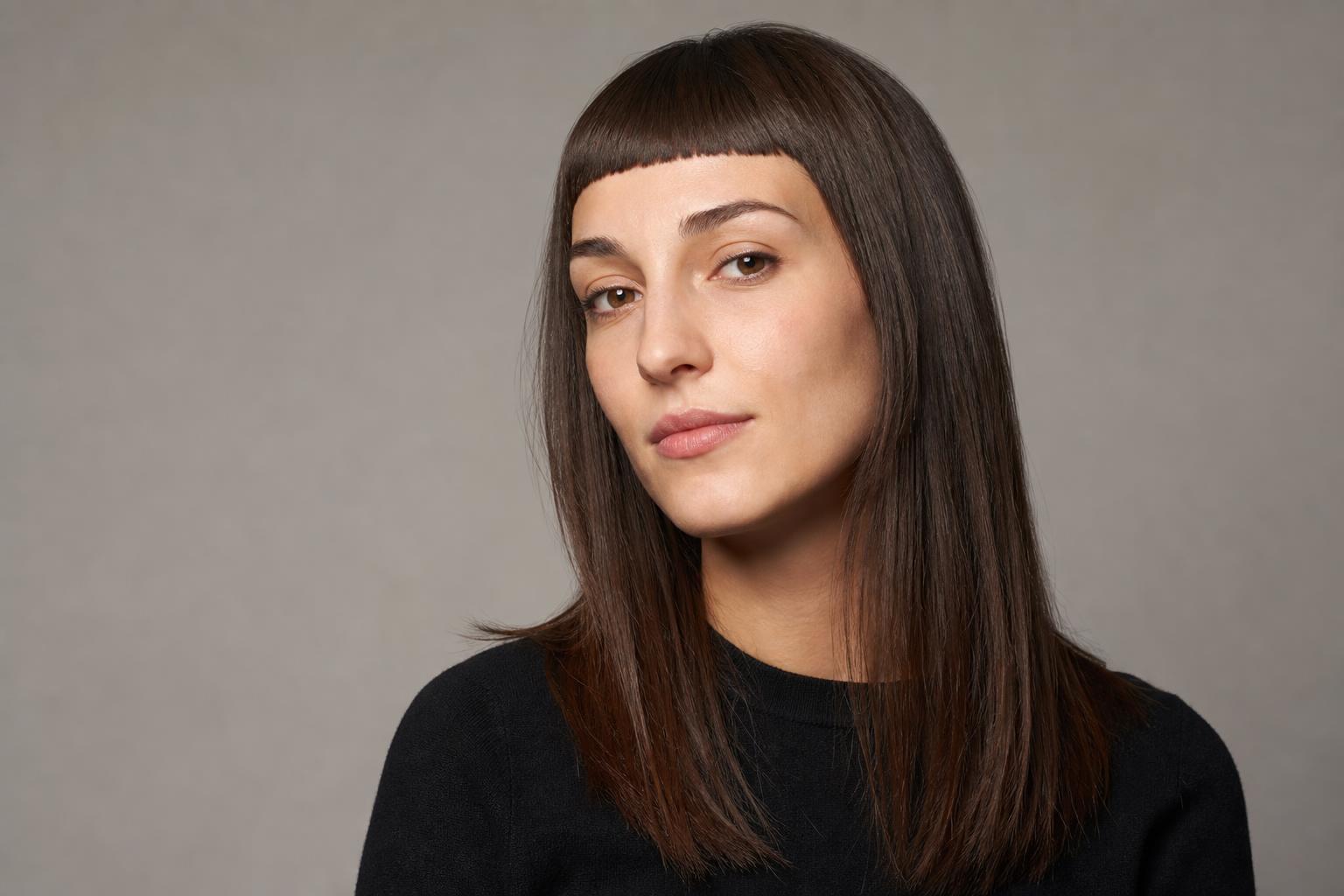
Baby bangs are a very short, high fringe cut an inch or more above the eyebrows, baring most of the forehead and putting all the focus on the eyes and brows. They are bold, a little retro, and deeply polarizing: some stylists love the graphic, editorial punch, and others warn that the tiny margin for error and the awkward grow-out make them a hard sell. Whether they work on you comes down to your features, your hairline, and how much you enjoy a statement cut.
This spotlight walks through 16 baby bang variations, explains exactly why stylists are split on them, and lays out the face shapes and hairlines that make the cut easier or harder. There is also an honest maintenance and grow-out section, because the tiny fringe that looks incredible on day one behaves very differently at week six.
| Factor | Details |
|---|---|
| Best for | Oval, heart, and inverted-triangle faces; those who like a bold cut |
| Length | An inch or more above the brows, high on the forehead |
| Maintenance | Trim every 2 to 3 weeks; awkward grow-out phase |
| Avoid if | You have a strong cowlick, tight curls, or a very large forehead |
| Salon time | 10 to 20 minutes, but precision matters |
Why Stylists Are Split on Baby Bangs
Baby bangs are one of the few fringes professionals openly disagree about, and understanding both sides helps you decide with open eyes. The stylists who love them point to the graphic, high-fashion effect and the way the cut frames strong brows and cheekbones like nothing else. The stylists who hesitate point to the precision the cut demands, the way a cowlick or uneven hairline can ruin it, and a grow-out phase that hits an awkward mid-forehead length for weeks. Neither camp is wrong; the cut simply asks more of your features and your patience than a longer fringe does.
Stylist tip: Before committing, have your stylist cut a longer micro fringe first, closer to the brows, and go shorter at your next visit if you love it. You can always take more length off, but you cannot add it back for a couple of months, and easing in protects you from a cut you regret by lunchtime.
Soft and Wearable Baby Bang Styles
Not every baby bang has to be severe. These softer versions keep the high length while adding texture or wispiness that makes the cut more forgiving on everyday features.
1. Wispy See-Through Baby Bang
Thinned so the forehead shows through, this airy version softens the boldness of a micro fringe and flatters delicate features. The gaps make it far more forgiving of a slightly uneven hairline. It borrows the sheer finish of see-through bangs at a much shorter length.
2. Textured Piece-y Baby Bang
Choppy, separated pieces give this baby bang movement instead of a hard line, which reads modern rather than costume. It works well on medium hair that holds a little texture. A trace of matte paste on the fingertips keeps the pieces defined.
3. Rounded Baby Fringe
A gently curved shape that dips slightly in the center softens the graphic edge of a straight micro cut. The curve flatters round and heart faces by echoing their softness. It is a good middle ground for anyone nervous about a stark straight line.
4. Side-Swept Baby Bang
Angled short across the forehead rather than straight, this version adds a diagonal that softens a square or strong jaw. The sweep also disguises a mild cowlick better than a blunt cut. It is the most forgiving baby bang for tricky hairlines.
5. Feathered Baby Bang
Lightly feathered ends break up the density and give a delicate, almost undone finish. Fine hair benefits because the feathering fakes a bit of extra texture. Keep styling minimal so the softness stays intact.
6. Baby Bang with Longer Sides
The fringe stays short in the center but lengthens quickly at the edges into face-framing pieces, which eases the transition to your lengths. This hybrid is less abrupt and grows out more kindly. It pairs naturally with face-framing bangs as it lengthens.
Bold and Graphic Baby Bang Styles
These are the statement versions that made baby bangs famous, with clean lines and full commitment. They reward strong features and a willingness to maintain a precise shape.
7. Blunt Straight-Across Baby Bang
The purest form: a clean, blunt line cut high and straight for maximum graphic impact. It frames strong brows and high cheekbones dramatically. This version shows every millimeter of growth, so plan on trims every two weeks.
8. Micro Baby Bang
Cut even shorter, right at the top of the forehead, this is the boldest length in the family. It suits confident features and an editorial sensibility. Because the margin for error is tiny, only a stylist experienced with micro bangs should attempt it.
9. Baby Bang with Undercut Volume
Pairing a blunt baby bang with volume through the crown balances the short fringe against fuller lengths. The contrast keeps the look from feeling top-heavy. It flatters those with thick hair that can carry the added height.
10. Arched Baby Bang
A subtle upward arch in the center lifts the fringe slightly, opening the eyes and elongating a shorter forehead. The shape is more flattering than it sounds on the right face. It takes a skilled hand to cut the curve evenly.
11. Baby Bang on a Pixie
A short fringe on a cropped pixie is a classic pairing that amplifies the bold, low-maintenance-length statement. The two short elements balance each other for a cohesive shape. This combination suits those already committed to short hair.
12. Baby Bang with Bold Color
A baby bang in a contrasting shade turns the fringe into the focal point of the whole look. Bright or dark, the color amplifies the graphic effect. It is a fun way to make a small amount of hair do a lot of work.
Baby Bangs by Hair Texture
Texture has an outsize effect on a fringe this short, since there is little length to weigh the hair down or hide a mistake. These four ideas match the cut to your hair type.
13. Fine Straight Baby Bang
Fine straight hair takes a clean baby bang best because it lies flat and holds the line. The main task is managing oil, since a short fringe against the forehead needs frequent dry shampoo. Avoid over-thinning, which leaves fine hair looking sparse up top.
14. Thick Straight Baby Bang
Thick hair gives a baby bang real density and impact, but the underside should be lightly hollowed so it lies flat instead of sticking out. Point cutting the ends prevents a heavy block. This texture holds a graphic shape beautifully once tamed.
15. Wavy Baby Bang
Waves add a soft, imperfect bend that keeps a short fringe from looking too severe. A little smoothing cream tames frizz without flattening the movement. Expect to touch it with a flat iron on humid days to keep the shape.
16. Curly Baby Bang
Tight curls spring up dramatically when cut short, so a baby bang on curly hair becomes a rounded, voluminous mini-fro at the hairline. It is a bold, textured statement for those who embrace their curl pattern. Cut it dry, or the spring-back will leave it far shorter than planned, and see our curly bangs ideas for what to expect.
Which Face Shapes Suit Baby Bangs
Because baby bangs bare the forehead and draw a hard horizontal line high on the face, face shape and forehead size matter more here than with any softer fringe. The table below shows where the cut is an easy win and where it needs adjusting.
| Face Shape | Verdict | Best Variation | Why |
|---|---|---|---|
| Oval | Excellent | Blunt straight-across | Balanced proportions carry a bold line |
| Heart | Very good | Wispy see-through | Softness balances a wider forehead |
| Round | Good with care | Side-swept baby bang | A diagonal adds length a round face needs |
| Square | Good with care | Textured or side-swept | Texture softens a strong jaw and hairline |
| Oblong | Tricky | Rounded, kept lower | A high bang can lengthen the face further |
What to Tell Your Stylist
Precision language matters more with baby bangs than with any other fringe, because a half-inch changes everything. Ask for a fringe cut about an inch above the brows to start, cut dry so you both see the true finished length, and specify whether you want a blunt line or a softer, piece-y edge. Say plainly that you would rather go longer first and shorten later, since this protects you from an over-short cut. If you have a cowlick, point it out before any scissors come near your hairline.
Stylist tip: Ask your stylist to cut the fringe with your hair completely dry and styled the way you normally wear it. Baby bangs cut on wet hair almost always finish too short once the hair dries and lifts, and at this length there is no room to recover from that mistake.
When Baby Bangs Are Not the Right Choice
This is the cut where honest limitations save the most heartache, so here is when to walk away or modify.
- You have a strong cowlick or a double crown at the front, which will lift a short blunt fringe into a permanent gap no product can fix. A side-swept version is the only workable route.
- Your forehead is large or tall, since a high fringe draws attention upward and can emphasize the length rather than break it up. A fringe kept closer to the brows suits you better.
- You have tight, coily curls and want a flat, precise line, because the shrinkage and spring-back make that shape nearly impossible to hold.
- You are not prepared for trims every two to three weeks or an awkward grow-out, in which case a longer fringe like a soft French fringe gives a similar spirit with far less upkeep.
Maintenance and Grow-Out Reality
Baby bangs are the highest-maintenance fringe there is, and the grow-out is the part people underestimate. Because the cut is so short, even a week of growth changes the shape, so plan on a trim every two to three weeks to keep the line clean. Growing them out is the real test: they pass through an in-between length that hangs mid-forehead and refuses to tuck away for several weeks. During that stage, a bit of styling wax to sweep the fringe to one side, or a few well-placed clips, gets you through until it reaches brow length. Daily upkeep also means managing oil, since a short fringe touches the forehead constantly and needs dry shampoo more often than longer bangs. If you want to compare the commitment against every other option, our full guide to types of bangs puts baby bangs in context.
FAQ
What Are Baby Bangs?
Baby bangs are an ultra-short fringe cut about an inch or more above the eyebrows, leaving most of the forehead bare. They are a bold, graphic style that draws attention to the eyes and brows. The look is also called micro bangs when cut to its shortest length.
Who Should Not Get Baby Bangs?
Anyone with a strong front cowlick, a very tall forehead, or tight curls should think twice, since each of those makes the precise short shape hard to wear. People who dislike frequent salon visits are also poor candidates because the cut needs a trim every two to three weeks. A softer, longer fringe achieves a related look with far less commitment.
Do Baby Bangs Suit Round Faces?
They can, but a side-swept or angled baby bang works better than a blunt straight line on a round face. The diagonal adds the vertical impression a round face benefits from, while a hard horizontal line can emphasize width. Keeping some length at the edges also helps frame the cheeks.
How Long Do Baby Bangs Take to Grow Out?
Expect two to four months to grow baby bangs to brow length, with an awkward mid-forehead stage in the middle. Styling wax to sweep them aside or small clips make that phase manageable. Regular tiny trims to reshape, rather than letting them grow unevenly, keep the process tidier.
Are Baby Bangs High Maintenance?
Yes, they are the most demanding fringe to keep up, needing a trim every two to three weeks because any growth shifts the shape. The forehead contact also means more frequent dry shampoo to manage oil. If low maintenance is a priority, this is not the cut for you.
Can You Style Baby Bangs Down If You Regret Them?
Because they are so short, baby bangs cannot be tucked behind the ears or pinned back easily until they grow considerably. In the meantime, a side sweep with a little wax or a headband is the main way to disguise them. This lack of an escape route is exactly why stylists recommend easing into the length rather than going short at once.
Baby bangs are a genuine commitment, and the fact that stylists are split on them is a signal to go in clear-eyed rather than a reason to avoid them entirely. If your features and hairline suit the cut and you are ready for frequent trims, few fringes deliver the same bold, editorial payoff. Ease into the length, cut it dry, and be honest with yourself about the grow-out, and baby bangs can be the most striking decision you make in the chair.
Hair results vary based on your natural hair type, texture, density, and condition. Always consult with a licensed hairstylist before making significant changes, especially with chemical treatments or dramatic length changes. Photos may show styled results that require professional tools and products to replicate.