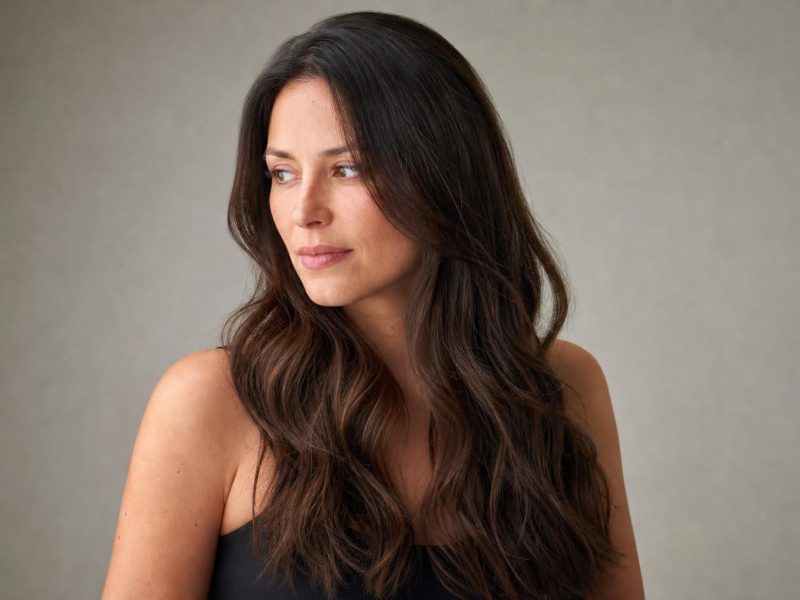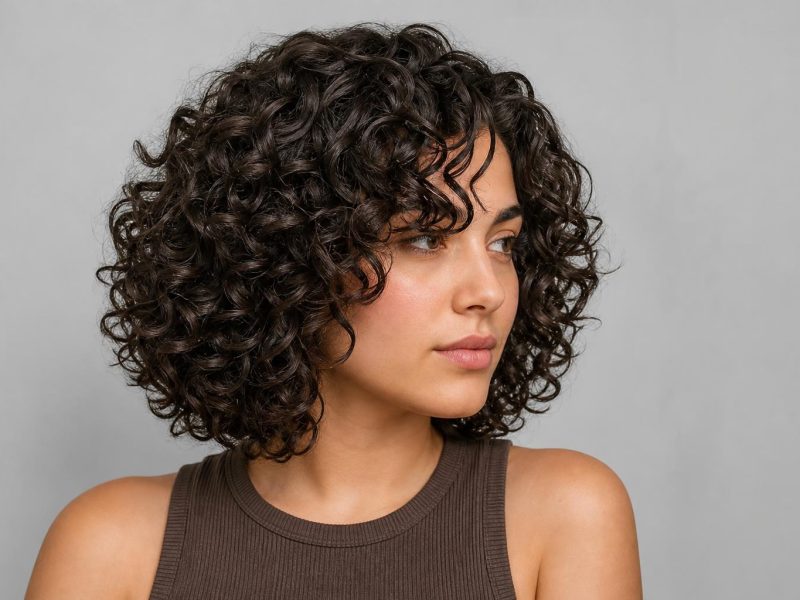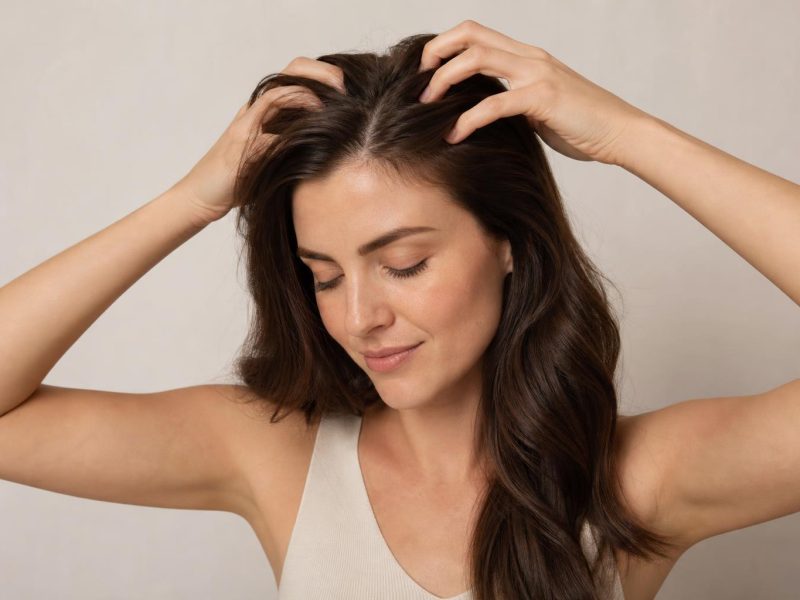

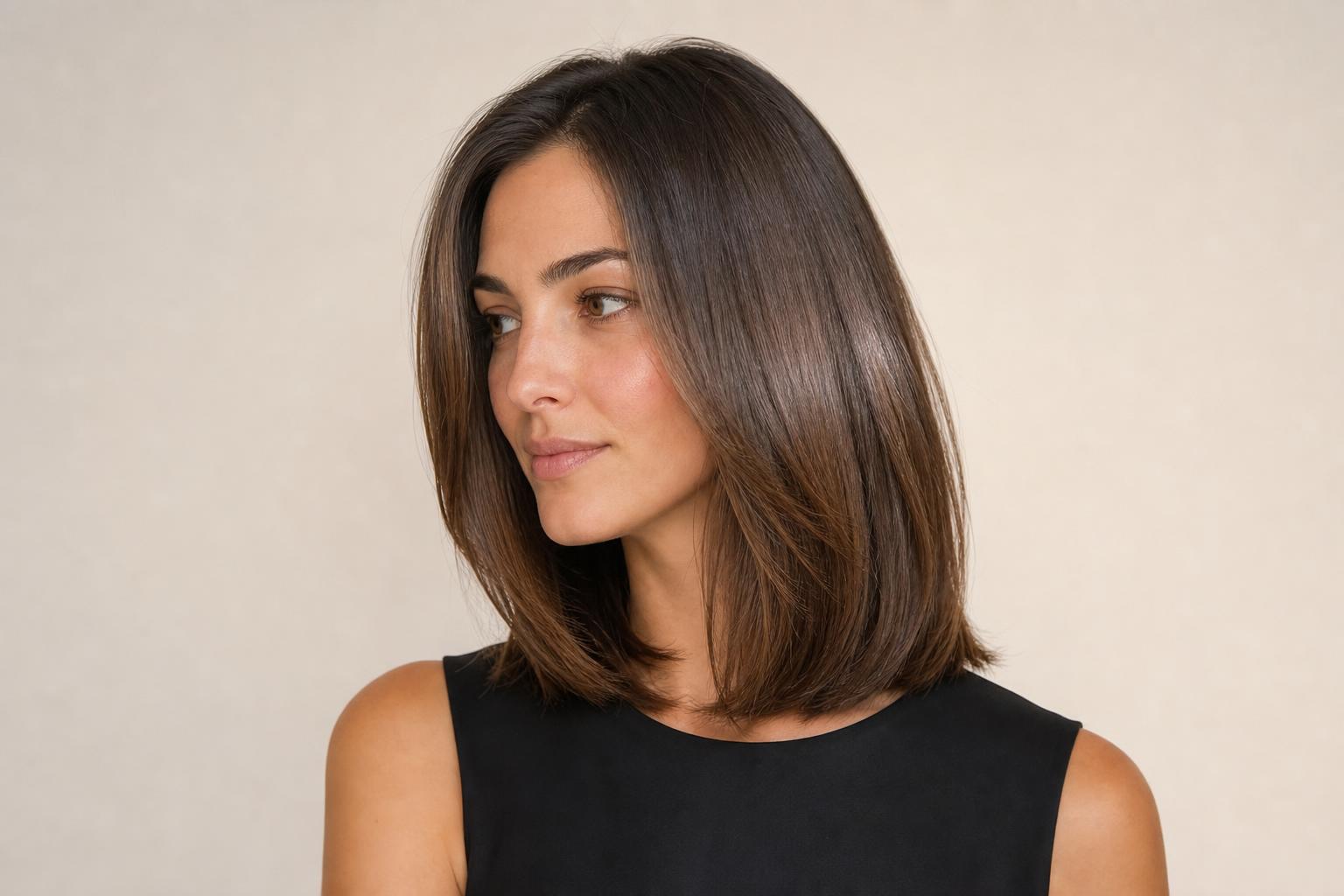
A hair gloss at home gives you about 70 percent of the salon result for a tenth of the price, as long as you pick the right type of gloss and time it with a strand test instead of the box.
A hair gloss at home is a low-pH, demi-permanent or direct-dye treatment that smooths the cuticle, adds shine, and either refreshes or slightly shifts your tone in 10 to 20 minutes. Applied to clean, damp hair and rinsed on time, the result lasts 2 to 4 weeks on most hair, compared with 4 to 6 weeks for a salon gloss mixed with a low-volume developer. It cannot lift your color lighter, cover gray, or repair broken bonds, so the decision is about whether your goal is shine and tone or something bigger.
This guide explains what a gloss actually does inside the hair, separates gloss from glaze and toner, matches gloss shades to your base color and goal, walks through the exact at-home workflow with timing, lists the mistakes that waste the product, and gives honest numbers on how long it lasts and how to stretch it.
What a Hair Gloss Actually Does to the Hair
A gloss works on the cuticle, the outer layer of overlapping scales on each strand, rather than on the cortex where permanent color lives. Most glosses are acidic, with a pH somewhere between 3 and 5, which encourages those scales to lie flat. Flat scales reflect light in one direction, and that is what you see as shine. Research published in the International Journal of Trichology found that products with a pH above 5.5 lift the cuticle and raise friction between strands, which is the mechanical reason freshly bleached or high-pH-shampooed hair feels rough. A gloss pushes the fiber back toward its natural acidity, so the smoothing effect is physical, not cosmetic filler.
The color part depends on the formula. Salon glosses are demi-permanent, mixed with a 6 to 10 volume developer that opens the cuticle just enough for pigment to lodge in the first layers of the cortex. At-home glosses are usually direct dyes suspended in a conditioning base, and those pigments cling to the outside of the cuticle instead. That is why a drugstore gloss fades faster and why it does far less on hair with a very tight, low-porosity cuticle, which gives the pigment nothing to grab. A quick porosity check at home before you buy tells you whether to expect a strong result or a subtle one.
Stylist tip: Wash with a clarifying shampoo 24 hours before you gloss, not the same day. Silicone and dry-shampoo residue block pigment and shine, but a same-day clarify can leave the cuticle slightly raised and the scalp stripped, and a raised cuticle grabs tinted gloss unevenly at the ends.
Gloss, Glaze and Toner Are Not the Same Product
Brands use these three words loosely, and the confusion costs people money. The practical test is whether the product needs a developer. A gloss with developer is a demi-permanent color and behaves like one, a glaze without developer is a coating that washes out in one to two weeks, and a toner is a gloss used for one specific job, cancelling unwanted warmth after lightening. Here is how they compare when you are choosing a box.
| Feature | Gloss (demi) | Glaze | Toner |
|---|---|---|---|
| Developer | Yes, 6 to 10 volume | No | Usually yes, 10 volume |
| Where pigment lands | Just under the cuticle | On the surface | Just under the cuticle |
| Lasts | 4 to 6 weeks (12 to 24 washes) | 1 to 2 weeks (3 to 8 washes) | 4 to 6 weeks |
| Main job | Shine plus tone refresh or subtle shift | Shine, very light tone | Cancel brass after lightening |
| Typical at-home form | Two-part kit, mixed fresh | Single tube or mask | Two-part kit or pigmented mask |
| Skill needed | Moderate, mixing ratios matter | Low | Moderate to high, shade choice is unforgiving |
Most products sold as “gloss” at a drugstore are glazes by this definition, and that is fine for a first attempt. The single-tube masks are hard to get wrong, they rinse out if you dislike the tone, and they teach you how your hair takes pigment before you commit to a two-part demi kit.
Choosing the Right Gloss for Your Base Color and Goal
Shade choice decides the outcome more than technique does. A gloss is translucent, so whatever you put on top blends with what is already there rather than replacing it. That is why a warm “honey” gloss on cool ash blonde turns muddy, and why a clear gloss is the safest first purchase for anyone who is not sure. Start by naming your goal in one sentence, then match it to the rows below.
Clear Gloss Adds Shine Without Changing Tone
Clear gloss has no pigment, so it only smooths and seals. It suits virgin hair that has never been colored, hair with fresh salon color you want to protect, and anyone whose real complaint is dullness rather than the wrong tone. Expect a noticeable difference on medium and coarse hair with some porosity, and a subtle one on very fine or very healthy low-porosity hair that already reflects light well. Clear is also the right pick between salon appointments if your colorist has told you not to touch the tone yourself.
Tinted Gloss Corrects Warmth or Refreshes Faded Color
Tinted gloss is a small dose of the same pigment logic your colorist uses. Violet cancels yellow on blondes, blue cancels orange on light brunettes, and a warm gold or copper gloss brings back a faded auburn or caramel balayage. The catch is that tinted gloss also deposits, so on hair that is already at the depth you want, a “brown” gloss can drop it a half shade darker. If the problem is brassiness on blonde specifically, a purple shampoo routine that corrects brassy hair handles mild warmth with less commitment, and a gloss steps in when the shampoo is no longer enough.
| Your base | Goal | Gloss to choose | Watch out for |
|---|---|---|---|
| Light blonde, cool or platinum | Kill yellow, keep it icy | Violet or pearl, 5 to 10 minutes | Over-timing leaves a lilac cast on porous ends |
| Golden or honey blonde | Warm it back up after fading | Gold or honey, full time | Can push toward orange on hair that was lifted unevenly |
| Light to medium brunette | Cancel orange or red | Blue-based or ash brown | Ash on very warm hair can look flat and gray in daylight |
| Dark brunette or black | Shine and richness | Clear, or espresso or chocolate | Tinted versions darken half a level and hide highlights |
| Red, copper or auburn | Refresh a faded shade | Copper or red-gold matched to your shade | Stains skin and towels, wipe the hairline immediately |
| Gray blending or silver | Brighten yellowed gray | Silver or violet, short time | Gray is resistant and coarse, results are subtle and uneven |
| Any color, virgin hair | Shine only | Clear | Tight virgin cuticle takes tint poorly, so tinted is wasted |
How to Do a Hair Gloss at Home Step by Step
The whole process takes 30 to 40 minutes including the strand test, and the strand test is the part everyone skips and then regrets. Gloss processes fast on porous, previously lightened ends and slowly on healthy roots, so the same 20 minutes can produce two different tones on one head. Work in a bathroom with the window open, wear the gloves from the kit, and keep an old towel and a timer within reach before you open anything.
Step 1: Clarify the Day Before and Start on Damp Hair
What you need: A clarifying shampoo, a microfiber towel, and no conditioner on the day.
How: Wash with a clarifying shampoo that removes product buildup the evening before, skip conditioner, and on gloss day rinse with warm water only. Squeeze the hair in a towel until it stops dripping but still feels cool and damp.
Why: Pigment and shine agents cannot bond through a film of silicone or dry shampoo. Damp hair also spreads a small amount of product much further than dry hair, which prevents patchy coverage.
Common mistake: Applying to soaking wet hair. Water dilutes the gloss and it slides off the ends, so the mid-lengths come out toned and the tips do not.
Step 2: Strand Test One Hidden Section
What you need: A pea-sized amount of gloss, a hair clip, and a timer.
How: Take a half-inch section behind one ear, apply the gloss from mid-length to end, and check it at 5, 10, 15 and 20 minutes by wiping a small spot clean with a damp tissue. Rinse when the tone looks right in daylight, not bathroom light, and write down that time.
Why: Box timing is a maximum for average porosity. Bleached ends often finish at 8 to 10 minutes on a violet gloss, and taking them to 20 gives a visible purple cast.
Common mistake: Testing on the roots. Roots are the healthiest hair on your head and take pigment slowest, so a root test tells you nothing about how the ends will behave.
Step 3: Section Into Four and Saturate From Mid-Length Down
What you need: Four sectioning clips, gloves, and a tint brush if the kit is a two-part demi.
How: Part from the front hairline to the nape, then from ear to ear, and clip four quadrants. Working one quadrant at a time in one-inch slices, apply from about two inches below the root to the end, then go back and take the product up to the root last. Comb each quadrant through with a wide-tooth comb so the strands are evenly coated but not dripping.
Why: Body heat at the scalp speeds processing. Applying the roots last evens out the timing difference between warm roots and cooler ends, which is exactly what a colorist does in the chair.
Common mistake: Piling it on. Excess product does not deposit more color, it just costs more and rinses off as a slippery film that can leave hair feeling coated.
Step 4: Time It to Your Strand Test and Rinse Cool
What you need: A timer set to the number from your strand test and a shower with adjustable temperature.
How: Pile the hair loosely on top of your head without a cap unless the instructions say to use one, since a cap traps heat and speeds things up. When the timer goes, rinse with lukewarm water until it runs clear, then finish with 20 seconds of cool water. Do not shampoo afterward.
Why: Cool water helps the freshly smoothed cuticle close over the pigment. Shampooing right away strips a share of what you just deposited.
Common mistake: Letting it go a few extra minutes for a stronger result. Tone deepens on a curve, not a line, and the last five minutes are where over-toning happens.
Step 5: Condition Lightly and Keep Heat Off for 48 Hours
What you need: A lightweight conditioner, and patience.
How: Apply a small amount of regular conditioner to the ends only, rinse, and let hair air-dry or blow-dry on low. Skip flat irons and curling irons for two days, and wash next with a sulfate-free shampoo.
Why: The pigment in a direct-dye gloss is still loosely attached for the first couple of washes. High heat and harsh surfactants pull it out before it has settled.
Common mistake: Following up with a heavy protein mask. Protein treatments can tighten the cuticle and push out surface pigment, so keep to moisture products for the first week.
Stylist tip: On coily and tightly curled hair, apply the gloss to hair that has been detangled and stretched in twists, then release each twist, apply, and re-twist. Coils hide untreated sections easily, and the twist method is the only way to confirm every strand got product.
Common Hair Gloss Mistakes That Waste the Product
Most disappointing at-home gloss results trace back to one of five decisions, none of which are about the brand. These are the ones colorists see most when a client comes in to fix a home job.
- Glossing over hard-water mineral buildup, which blocks the pigment and leaves a dull finish no matter how good the product is. Homes with hard water that leaves mineral deposits on hair need a chelating wash a day or two before, not just a normal clarify.
- Picking a tinted shade by the name on the box instead of by your undertone, which is how “chocolate” gloss turns an ash brunette reddish.
- Using a demi gloss on hair that was box-dyed permanent within the last week, because the cuticle is still open and the gloss grabs several shades darker than expected.
- Skipping the strand test on hair with old highlights, then discovering the highlighted pieces took the tint and the natural hair did not.
- Applying to bone-dry hair to “get more color,” which produces streaks where the product landed and bare patches where it did not.
When an At-Home Hair Gloss Is Not the Right Choice
A gloss is a finishing step. It cannot do the work of a lightener, a permanent color, or a bond repair treatment, and using it in those situations wastes both the product and the wait.
- Your hair is more than 30 percent gray and you want it covered. Gloss only blends gray, and coarse gray hair often ignores it entirely. Ask for a demi-permanent with 10 volume at the salon, or a permanent color if full coverage matters.
- You want to go lighter. No gloss lifts, so a “blonde” gloss on brown hair does nothing but add shine. Lightening needs bleach or high-lift color and a colorist.
- Your ends are snapping or stretching like gum when wet. That is bond damage, and a gloss will smooth the surface while the inside keeps breaking. A course of bond-building treatments for damaged hair comes first, gloss after.
- You colored within the last five to seven days with a permanent dye. Wait a week so the cuticle has closed, or the gloss will over-deposit.
- You have had a scalp reaction to any hair color before. Tinted glosses share pigment families with permanent color and can trigger the same sensitivity, so patch test 48 hours ahead or choose clear.
- You have a keratin or relaxer treatment scheduled in the next two weeks. Do the chemical service first and gloss two weeks after, since the reverse order strips the gloss and can distort the tone.
How Long a Hair Gloss Lasts and How to Stretch It
Fading is gradual rather than sudden, which is one reason gloss is easier to live with than a full color. The realistic windows below assume washing every two to three days. Daily washers should halve them, and people who wash once a week can add a week.
| Aspect | Realistic expectation |
|---|---|
| Shine from a clear gloss | Strongest for 1 to 2 weeks, gone by week 3 to 4 |
| Tone from an at-home tinted gloss | 2 to 4 weeks, 6 to 12 washes |
| Tone from a salon demi gloss | 4 to 6 weeks, 12 to 24 washes |
| Safe repeat frequency | Clear every 2 weeks, tinted every 3 to 4 weeks |
| Products that shorten it | Sulfate shampoo, clarifying shampoo, hot tools above 350 F, chlorine |
| Products that extend it | Sulfate-free shampoo, cool rinses, a color-depositing conditioner every third wash |
| Cost per application | Roughly $8 to $30 at home, $40 to $120 as a salon add-on |
Switching to a sulfate-free shampoo that protects color is the single change that adds the most days, because sulfates swell the cuticle and carry surface pigment out with every wash. Washing in cooler water and letting hair air-dry when you can do the rest.
What to Tell Your Colorist
If the at-home version has not delivered enough, or you want the longer-lasting demi result, the salon conversation is short when you use the right words. Ask for “a clear gloss for shine” if tone is not the issue, or “a demi-permanent gloss to neutralize warmth, no change in depth” if it is. Bring a photo of your hair in daylight and say which part bothers you, since “my ends look orange” gets you a different formula than “my roots look dull.” Tell them what you used at home and when, because a direct-dye gloss applied last week changes how a salon demi will take.
Two questions worth asking: how many washes they expect the tone to hold on your hair specifically, and whether they recommend a clear or tinted gloss to maintain it between visits. A colorist who has just seen your porosity up close can answer both better than any box.
FAQ
Does a Hair Gloss Damage Your Hair?
No, a gloss is one of the gentlest color services because it uses no ammonia and either no developer or a very low volume. The acidic formula closes the cuticle rather than opening it, so most people find hair feels smoother afterward. The only real risks are over-toning from leaving it on too long and irritation for anyone sensitive to hair dye pigments, which a patch test rules out.
Can You Put a Gloss Over Box Dye?
Yes, once the box dye is at least a week old. A gloss over fresh permanent color tends to over-deposit because the cuticle has not fully closed, so it can drag the shade darker than intended. After that first week a clear gloss adds shine and a tinted one refreshes whatever tone the box dye has started to lose.
How Often Can You Gloss Your Hair at Home?
Every two weeks for a clear gloss and every three to four weeks for a tinted one is safe for most hair. Going more often does not build up shine, and repeated tinted applications stack pigment on the ends until they look darker than the roots. If you feel the need to gloss weekly, the underlying problem is usually washing frequency or water quality, not the gloss.
Is a Hair Gloss the Same as a Toner?
A toner is a gloss used for one purpose, which is cancelling unwanted warmth after bleach or highlights. Both are usually demi-permanent, both are applied the same way, and the products can be identical on the shelf. The difference is intent, so if you are trying to fix brassiness you shop for a toner shade, and if you want shine or a refresh you shop for a gloss.
Will a Gloss Cover Gray Hair?
Not fully. A tinted gloss can soften and blend scattered grays so they read as lighter pieces rather than white strands, but coarse gray hair resists translucent color and often shows through. Anyone past roughly 30 percent gray who wants coverage needs demi-permanent with developer or permanent color, ideally applied by a colorist who can adjust for the resistance.
Can You Use a Hair Gloss on Curly or Coily Hair?
Yes, and curly hair often shows the shine gain more than straight hair does because the curl pattern scatters light. Application is the challenge, since coils hide sections. Work on detangled, stretched hair in twists, use more product than the box suggests for the length, and rinse with cool water so the curl pattern holds its definition afterward.
Should Hair Be Wet or Dry for a Gloss?
Damp, not wet and not dry. Towel-dried hair lets a modest amount of product spread evenly and lets the pigment reach the strand. Dripping-wet hair dilutes the gloss and lets it slide off the ends, while bone-dry hair drinks the product unevenly and leaves streaks. If the instructions on a specific kit say dry, follow the kit, but most at-home formulas assume damp.
Done well, a hair gloss at home is the closest thing to a salon finish you can get from a bathroom sink, and it is nearly impossible to ruin your hair with one. Start with clear, strand test before you commit to a tint, keep to the timing your own hair tells you, and follow up with sulfate-free washing so the result outlasts the first few showers. When shine stops being enough and you want a tone that holds for six weeks, that is the moment to book the salon version.
Hair results vary based on your natural hair type, texture, density, and condition. Always consult with a licensed hairstylist before making significant changes, especially with chemical treatments or dramatic length changes. Photos may show styled results that require professional tools and products to replicate.